


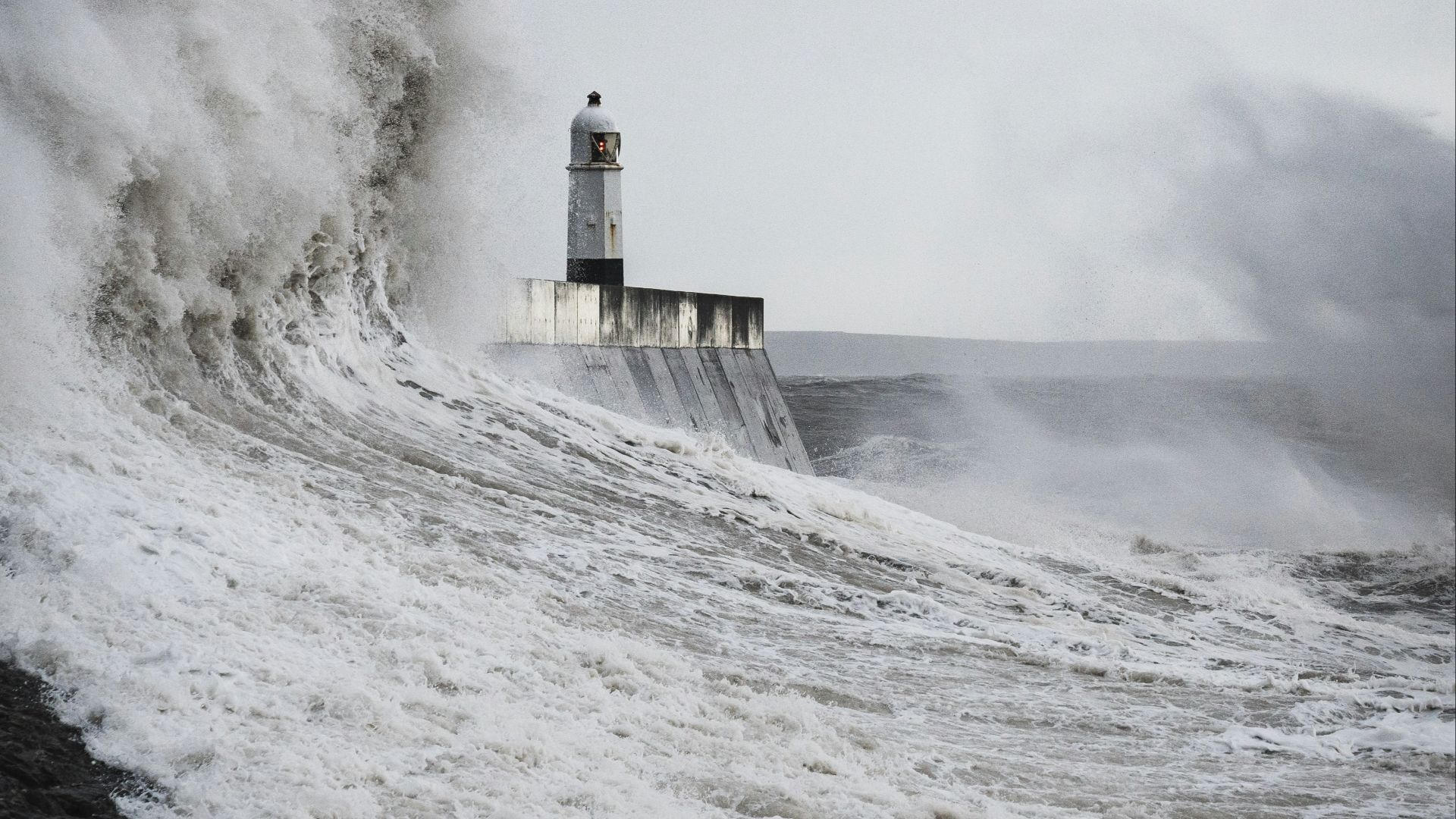
For centuries, the world's oceans served as the primary highways of trade, exploration, and communication. Long before modern navigation systems existed, sailors faced enormous challenges when traveling through darkness, storms, fog, and unfamiliar waters. Even experienced captains could find themselves in danger when coastlines, reefs, and rocky shorelines became difficult to see. A single navigational mistake could sometimes lead to disaster for an entire crew.
Lighthouses emerged as one of the most important safety tools in maritime history. Their powerful lights helped guide vessels away from hazards and toward safe harbors, reducing the risk of shipwrecks in some of the world's most dangerous waters. Although navigation technology has advanced significantly, the legacy of these structures remains closely tied to the development of global trade and seafaring. Their influence can still be seen in many coastal communities around the world today.
Guiding Ships Through Dangerous Waters
One of the primary purposes of a lighthouse was to warn sailors about hazards that might otherwise remain hidden. Rocky coastlines, sandbars, coral reefs, and narrow channels could be extremely difficult to detect, especially at night or during poor weather conditions. A clearly visible lighthouse helped mariners identify these dangers before it was too late to change course. In many locations, this warning system has prevented countless accidents over the centuries.
The placement of lighthouses was often carefully planned to maximize their effectiveness. Many were built on isolated cliffs, small islands, or near particularly hazardous stretches of coastline where shipwrecks frequently occurred. Their locations allowed ships to determine their position relative to land even when other landmarks were difficult to see. This made navigation safer and more predictable for crews operating far from familiar waters.
Distinctive light patterns added another layer of protection. Rather than displaying identical signals, many lighthouses used unique flashing sequences that allowed sailors to identify specific locations. Mariners could consult nautical charts and match the observed light pattern to a particular lighthouse. This system provided valuable information that helped ships maintain safer routes during their journeys.
Supporting Trade And Economic Growth
As maritime trade expanded, reliable navigation became increasingly important to economies around the world. Merchant vessels transported goods ranging from food and textiles to raw materials and manufactured products. Lighthouses helped protect these valuable cargoes by reducing the likelihood of costly shipwrecks. Their presence supported safer transportation networks that connected distant regions.
Busy ports benefited significantly from lighthouse construction. A well-placed beacon could guide incoming ships toward harbor entrances and away from dangerous obstacles. This improved efficiency by allowing vessels to arrive and depart with greater confidence, even during nighttime hours. As a result, many port cities experienced increased commercial activity and economic growth.
Governments and maritime authorities often viewed lighthouse construction as a worthwhile investment. Although building and maintaining these structures required substantial resources, the benefits frequently outweighed the costs. Fewer shipwrecks meant fewer losses of cargo, vessels, and lives. Over time, lighthouses became essential components of maritime infrastructure in many nations.
Providing Hope During Storms And Uncertainty

For sailors facing rough seas, a lighthouse represented far more than a navigational aid. Spotting a familiar beacon after days or weeks at sea could provide reassurance that land was nearby and safety was within reach. The sight of a lighthouse often boosted morale during challenging voyages. This psychological benefit was especially valuable during long journeys through unpredictable conditions.
Lighthouse keepers played a critical role in maintaining these lifesaving signals. Before automation became common, keepers worked long hours to ensure lights remained operational through storms, harsh weather, and isolation. Their dedication helped countless ships navigate safely regardless of conditions. Many lighthouse keepers became respected figures within coastal communities because of their commitment to maritime safety.
Even as modern technology transformed navigation, lighthouses continued to hold symbolic importance. Many remain active today, serving as backup aids for vessels equipped with GPS and advanced navigation systems. Others have been preserved as historic landmarks that remind visitors of their role in protecting generations of sailors. Their enduring presence reflects the important contribution they made to maritime history.
Throughout history, lighthouses helped transform dangerous coastlines into navigable routes that supported trade, exploration, and communication across the globe. By warning sailors of hazards, guiding ships toward safe harbors, and providing reassurance during difficult voyages, these structures played a vital role in reducing maritime disasters. Although technology has changed the way ships navigate, the influence of lighthouses continues to be remembered as one of the most significant safety innovations in the history of seafaring.
KEEP ON READING

The Brutal Realities Of Gladiator Life Beyond the Arena
David Cruz asenjo on PexelsWhen most people think of gladiators,…
By Rob Shapiro Mar 31, 2026
The Volcano Winter That Nearly Toppled Europe
Collin Ross on UnsplashMost people, if asked to name a…
By Cameron Dick Mar 31, 2026
From School Plays To Starting A Cult: 20 Of The…
The Books That Made Us. Many people will tell you…
By Farva Ivkovic Jan 31, 2025
20 Facts About Jane Grey, The Forgotten Queen Of England
A Quick, Messy, and Tragic Reign. Lady Jane Grey never…
By Maria Cruz Jan 31, 2025
20 Priceless Historical Art Pieces Rescued By The Monuments Men
Protecting Human History. While the soldiers on the front lines…
By Sara Springsteen Mar 31, 2026
Almost Every Ancient Statue Has a Missing Nose, And It's…
Gary Todd from Xinzheng, China on WikimediaWalk through the classical…
By Elizabeth Graham Mar 31, 2026