The Past Got a Little Too Convenient
Archaeology is supposed to bring us closer to the truth, but every now and then, someone wanders in with a fake skull or a suspiciously “ancient” treasure and makes everyone’s job harder. What makes it even worse is that some of these frauds weren’t even discovered until after they got media attention—or became the center of conspiracy theories. What makes these 20 stories so fascinating is that they didn’t just fool a few gullible people; they fooled museums, scholars, newspapers, collectors, and entire communities.
 AnonymousUnknown author on Wikimedia
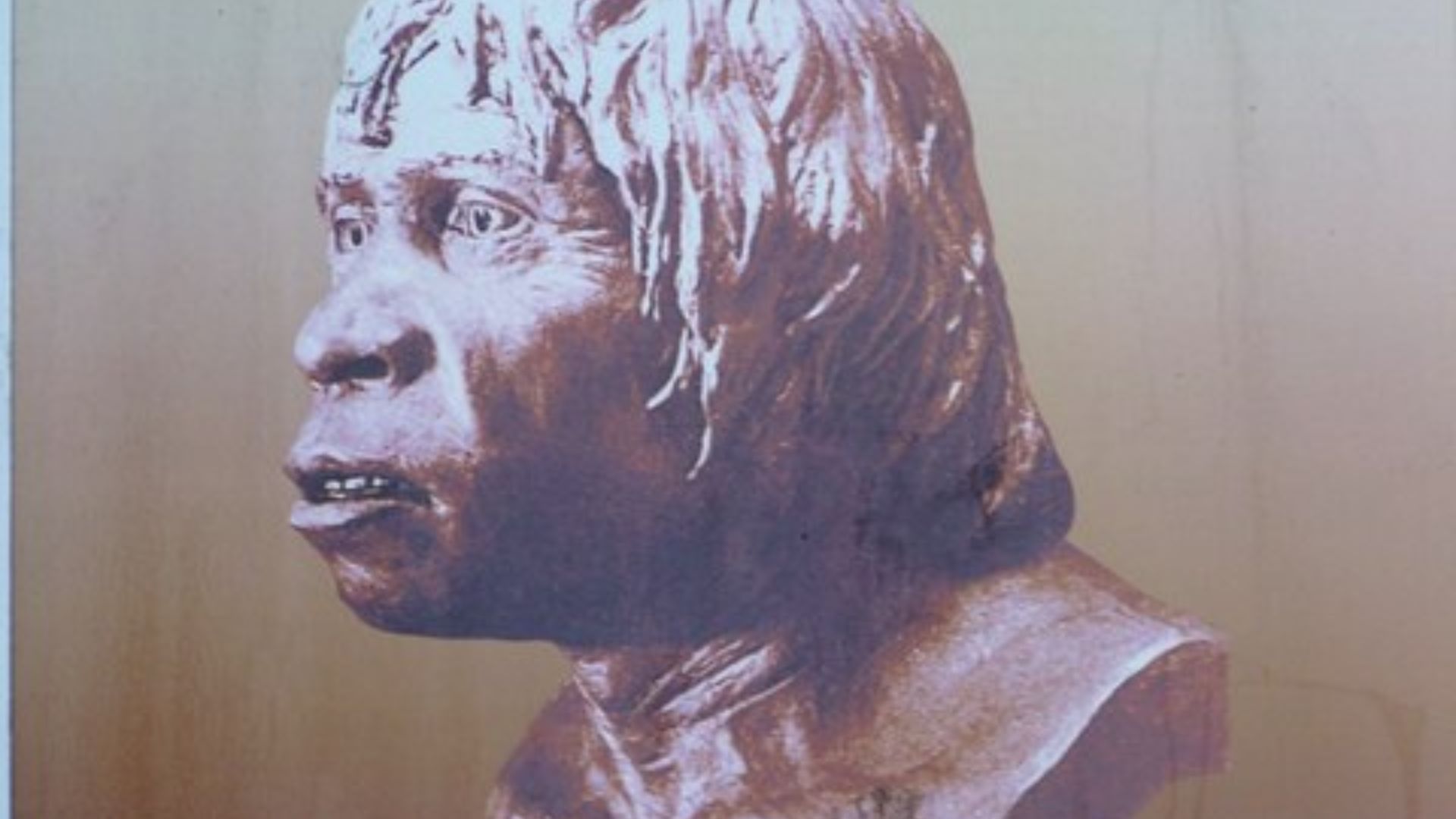
1. Piltdown Man
Piltdown Man burst onto the scene in 1912, when Charles Dawson claimed that fragments found in Sussex, England, represented a crucial “missing link” in human evolution. It sounded incredible at the time, and the skull seemed to give Britain its own ancient human ancestor. But then, in 1953, testing revealed the famous fossil was nothing more than a mash-up of a modern human skull, an orangutan jaw, and filed teeth that had been stained to look older.
2. The Cardiff Giant
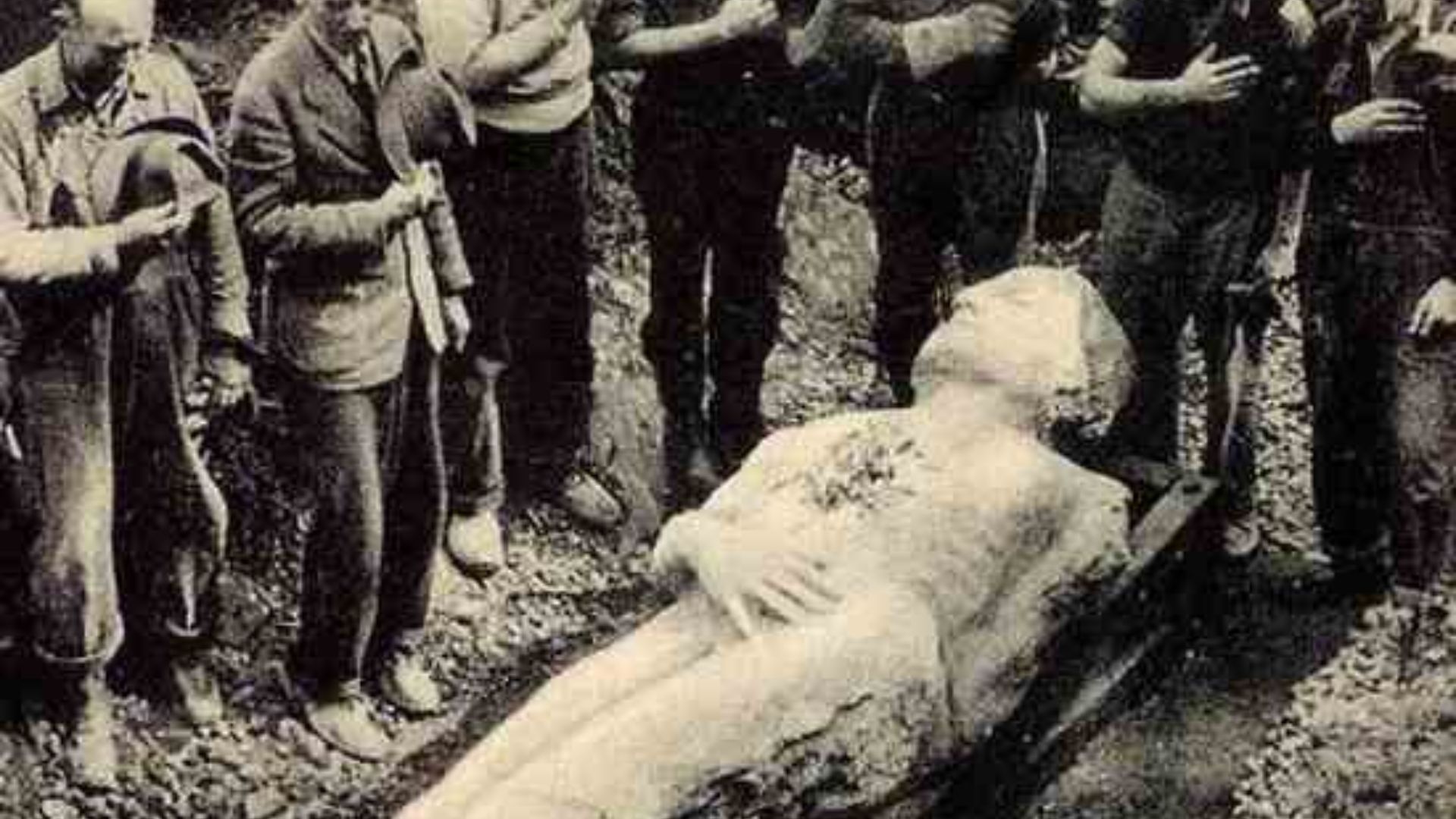
The Cardiff Giant was “discovered” in 1869 by workers digging a well on a farm in Cardiff, New York, and it was the talk of the town almost instantly. Crowds quickly paid to see the enormous petrified man, and none of them knew that in reality, George Hull had arranged for a ten-foot gypsum figure to be carved, aged, buried, and then uncovered. Funnily enough, even after experts outed it, the public kept showing up.
3. The Calaveras Skull
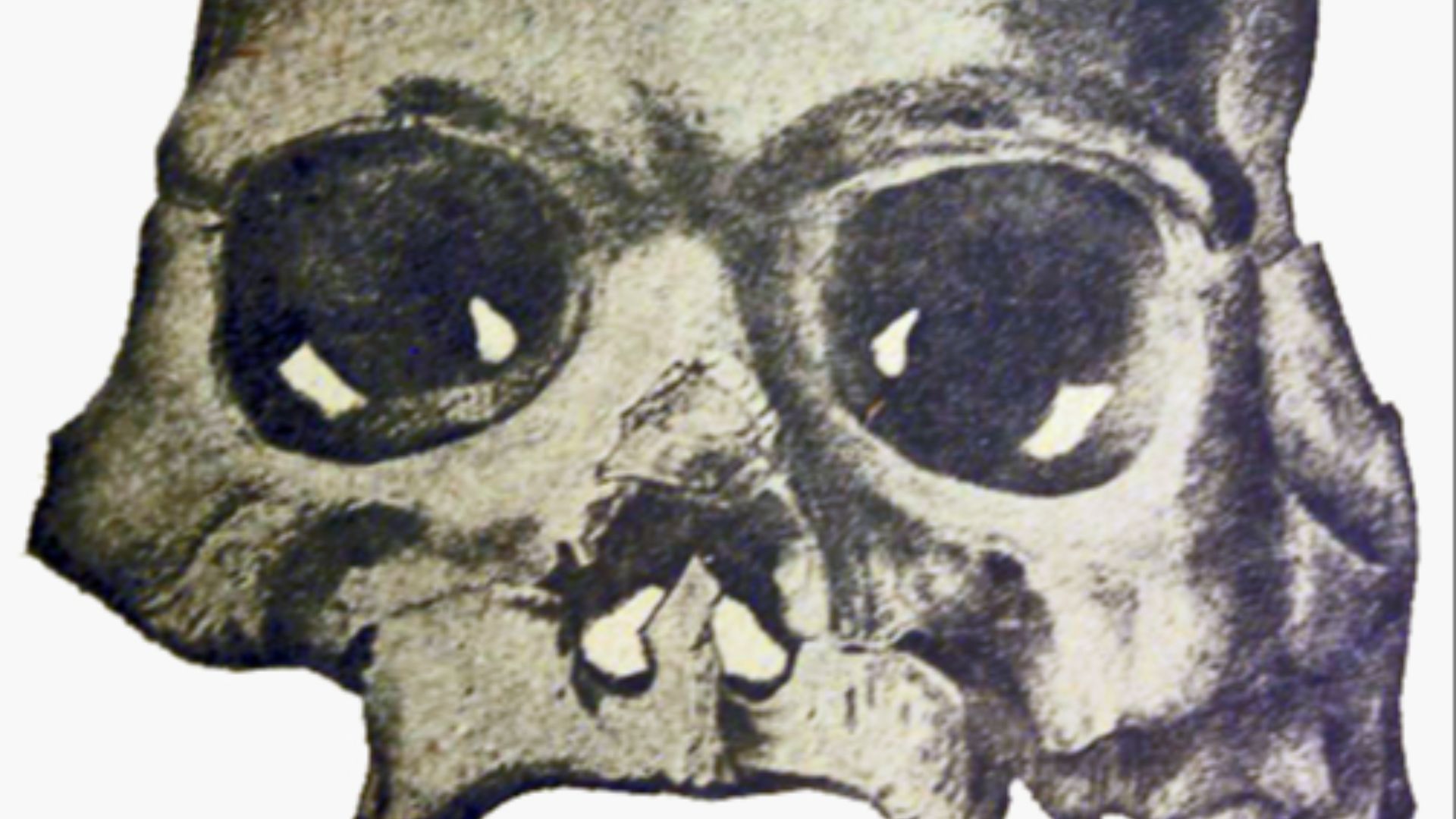
In 1866, a human skull from Calaveras County, California, was promoted as evidence that people had lived in North America millions of years ago. Big whigs like Josiah Whitney, California’s state geologist, took the skull seriously…even though its story sounded suspicious from the jump. Later investigations showed it was much more recent, and the whole thing turned out to be a gold-rush-era joke.
 William Henry Holmes on Wikimedia
4. Beringer’s Lying Stones
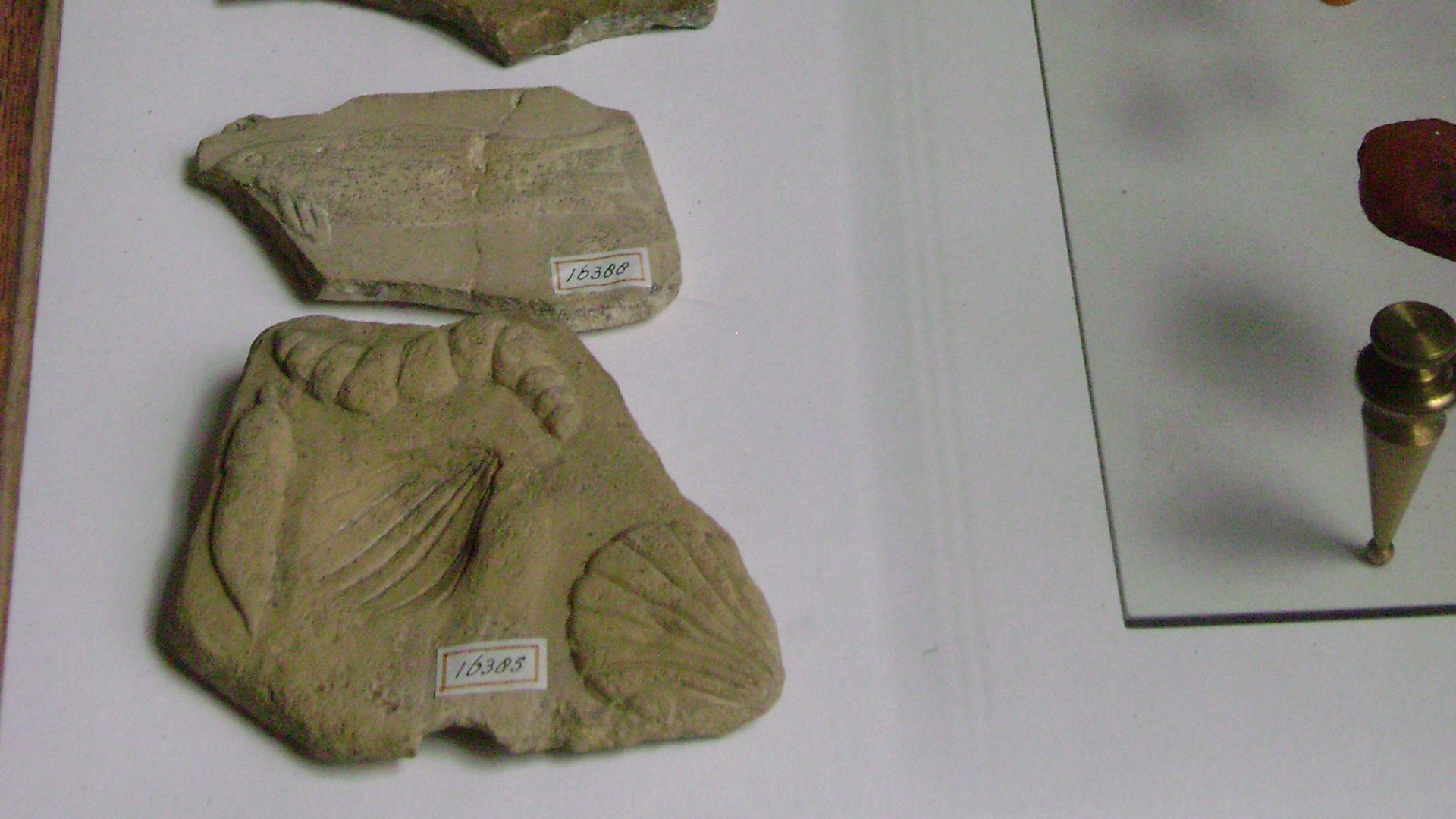
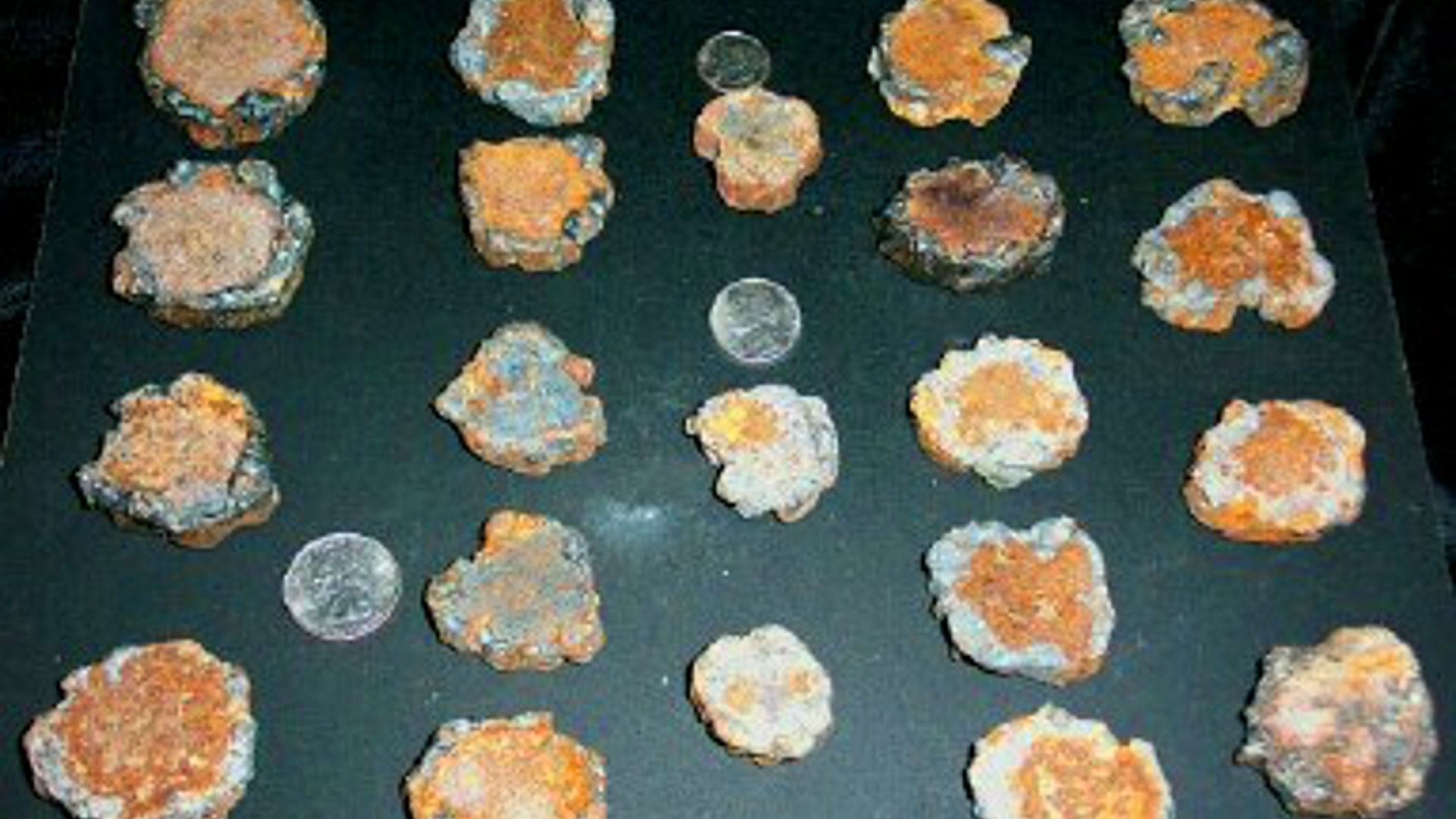
You never expect your friends to pull the wool over your eyes, but it’s a lesson some learn the hard way. In the 1720s, Johann Beringer of the University of Würzburg began collecting odd “fossils” carved with lizards, spiders, stars, and even Hebrew letters. It was quite the find, and he believed the stones were genuine, even publishing them in a book before realizing that colleagues and helpers had planted them to humiliate him.
5. Japan’s Paleolithic Hoax
For a while there, Shinichi Fujimura became known in Japan as “God’s Hands”. Before you think it too pretentious, it had some merit at the time with the public; he seemed able to uncover ancient stone tools almost anywhere he dug. His discoveries pushed Japan’s Paleolithic history back farther and farther, until a newspaper caught him planting artifacts in 2000.

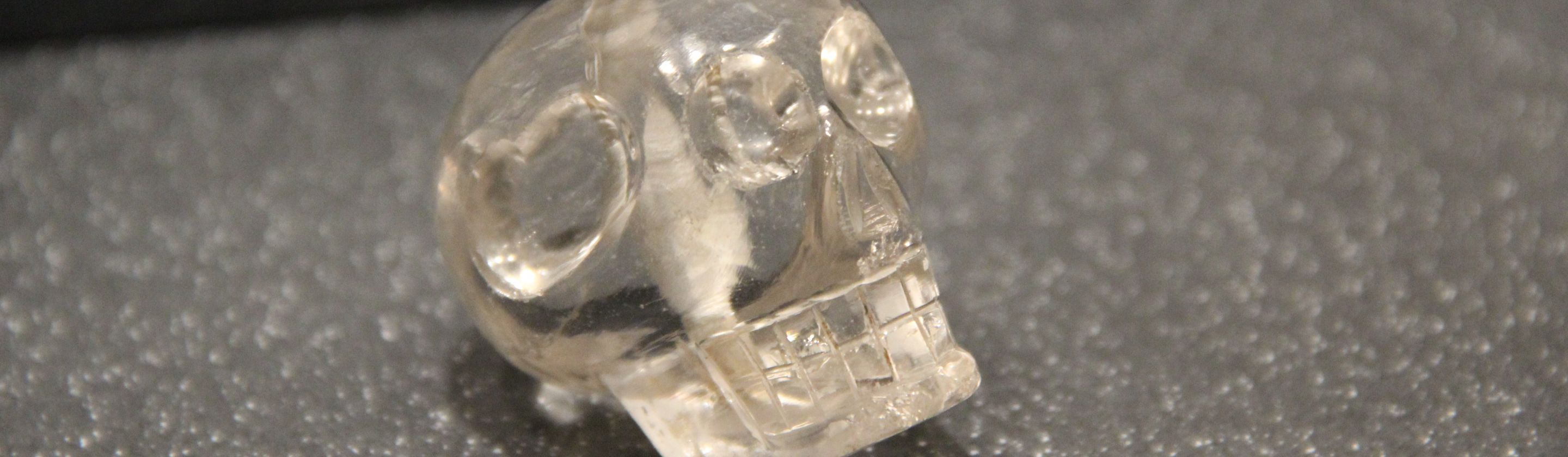
6. The Crystal Skulls
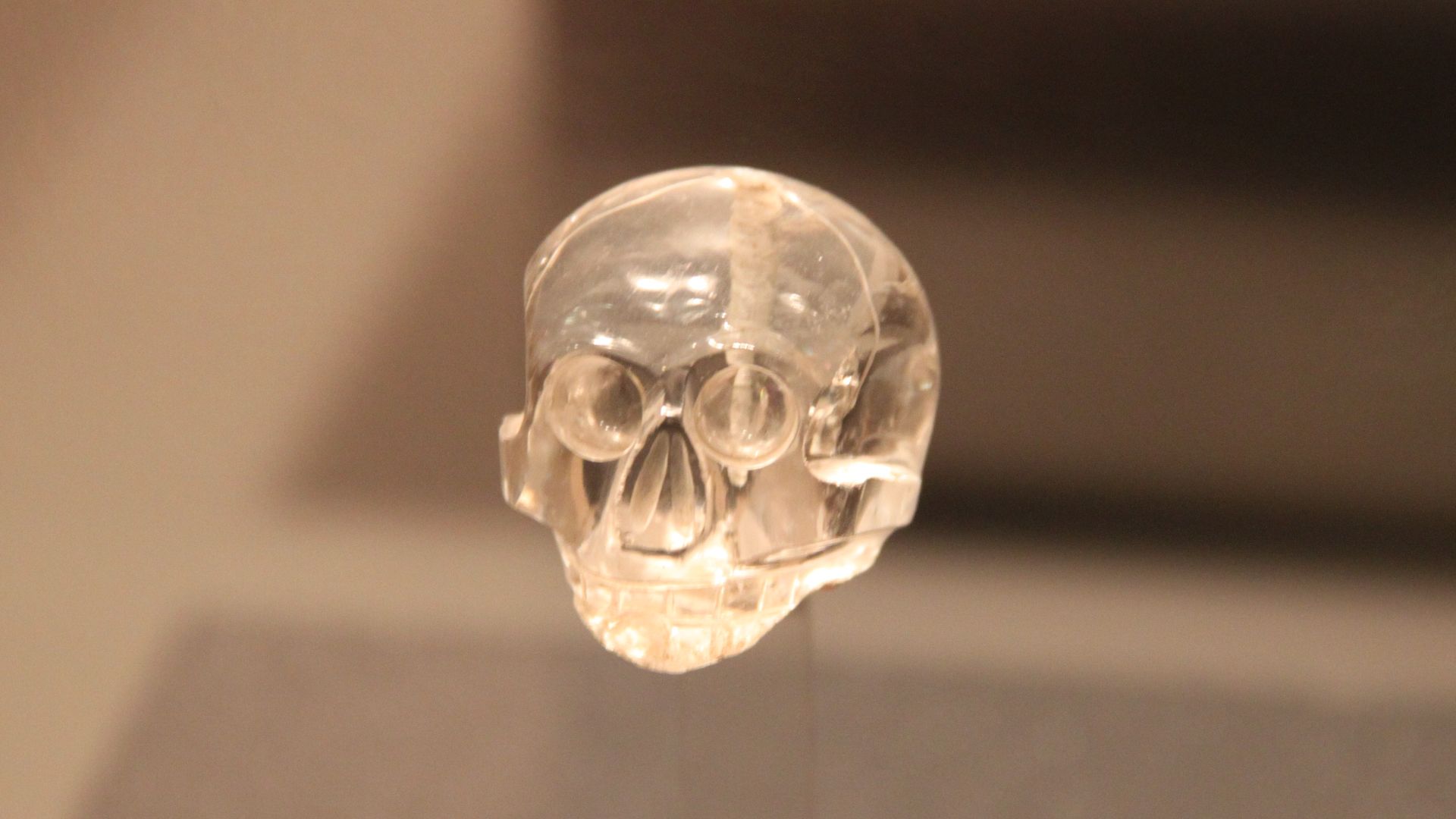
You don’t need to be an archaeologist to have heard of crystal skulls, artifacts that were long sold as mysterious pre-Columbian objects linked to the Aztecs or Maya. The problem was that major museum examples lacked proper excavation histories, and scientific study showed marks from modern rotary tools. Instead of ancient treasures, they were likely 19th-century antiquities.
 Gary Todd from Xinzheng, China on Wikimedia
7. The Persian Princess Mummy
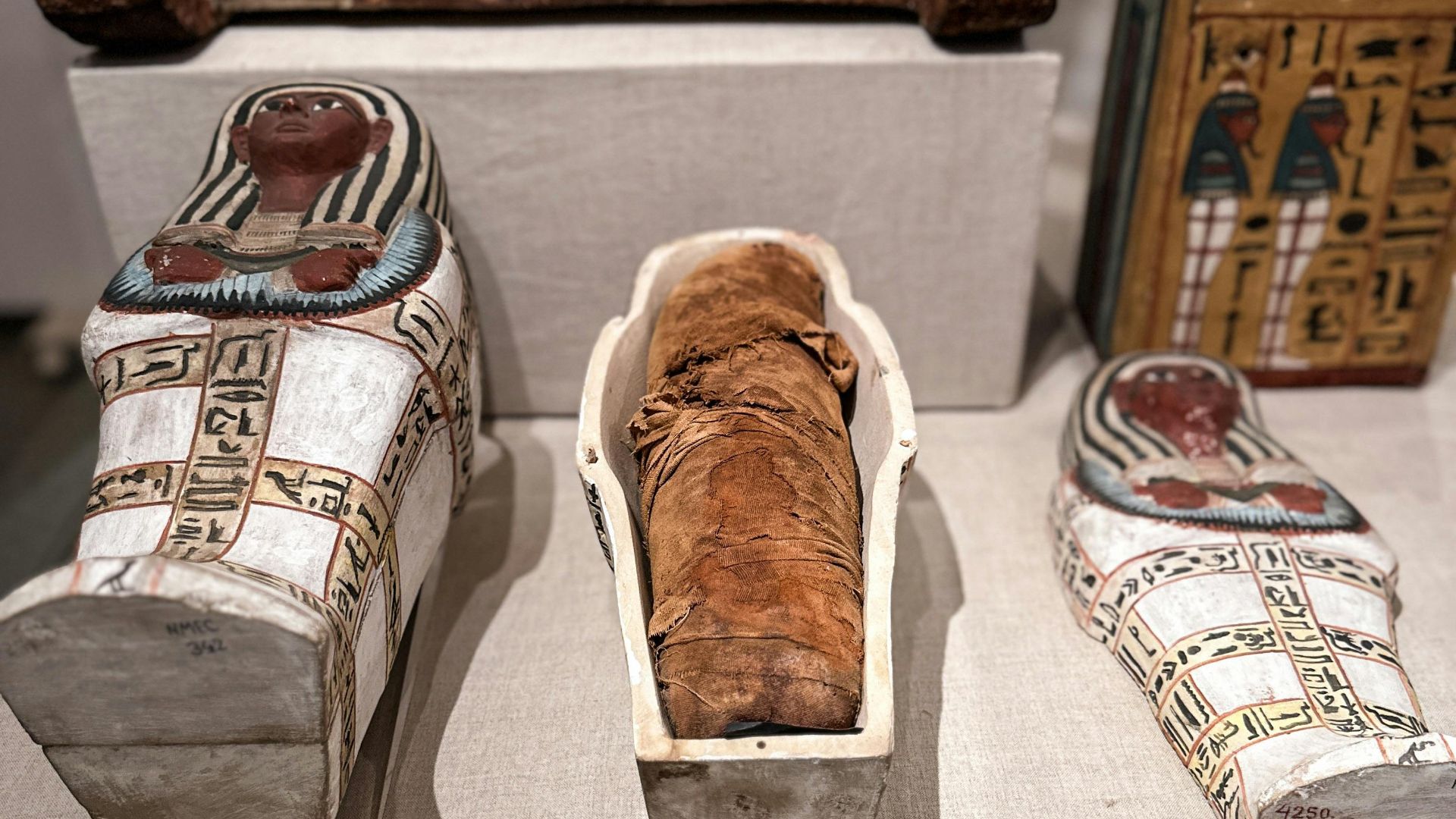
People love a good story about mummies, and in 2000, authorities in Pakistan had one. They encountered a mummy said to be a 2,600-year-old Persian princess, complete with a gold crown and inscriptions tying her to King Xerxes. The find attracted international attention before experts unraveled the whole thing. In reality, the body was modern, the “royal” details were fake, and the case may have involved an actual victim rather than a princess.
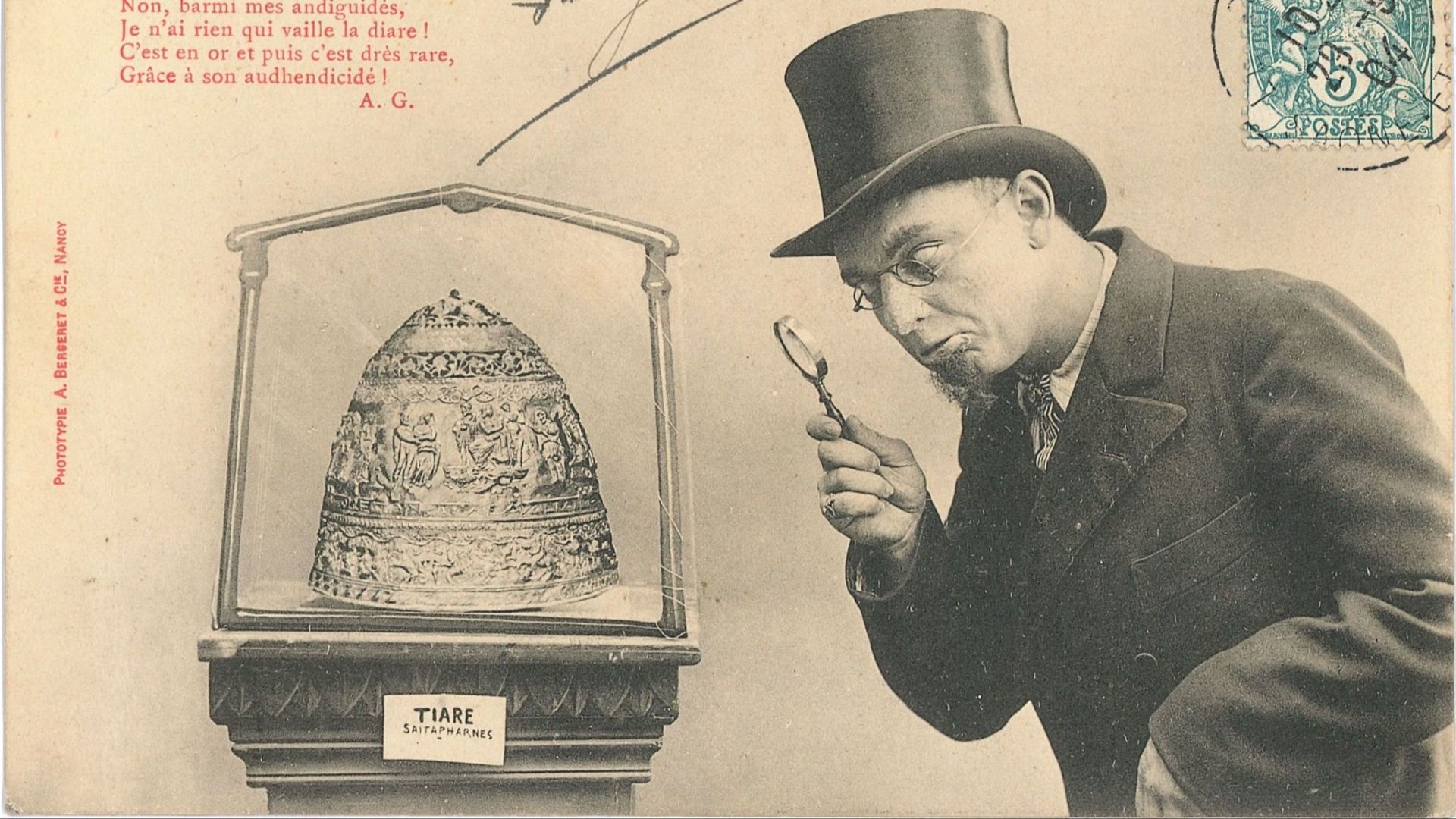
8. The Tiara of Saitaphernes
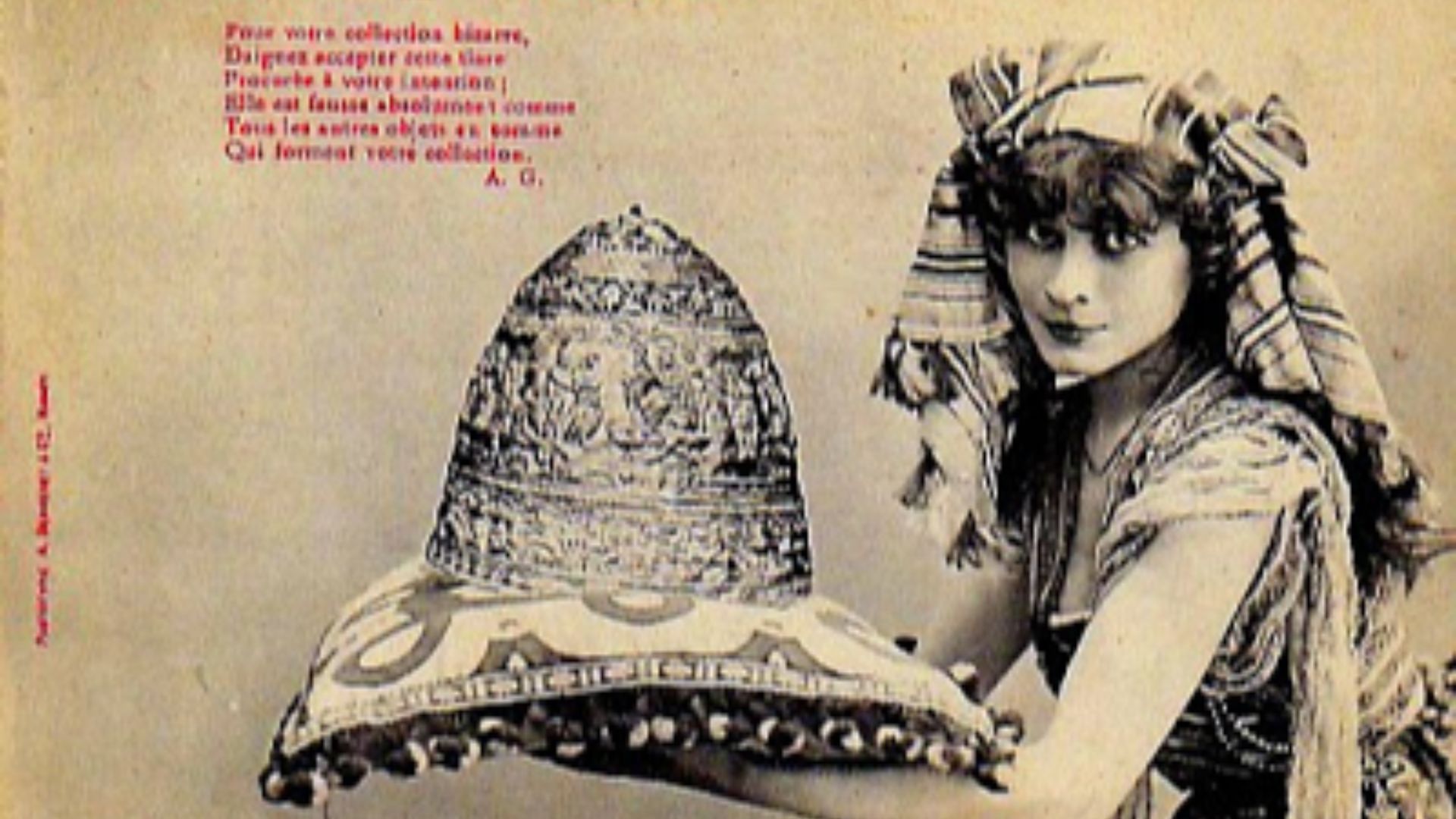
The Louvre bought the gold Tiara of Saitaphernes in 1896, believing it was an ancient Scythian masterpiece connected to a king from Greek history. Critics questioned it almost immediately, but the museum had already paid a fortune and didn’t want to look bad in public. Well, the truth came out anyway—goldsmith Israel Rouchomovsky proved he had made it himself.
 AnonymousUnknown author on Wikimedia
9. The Met’s Etruscan Warriors
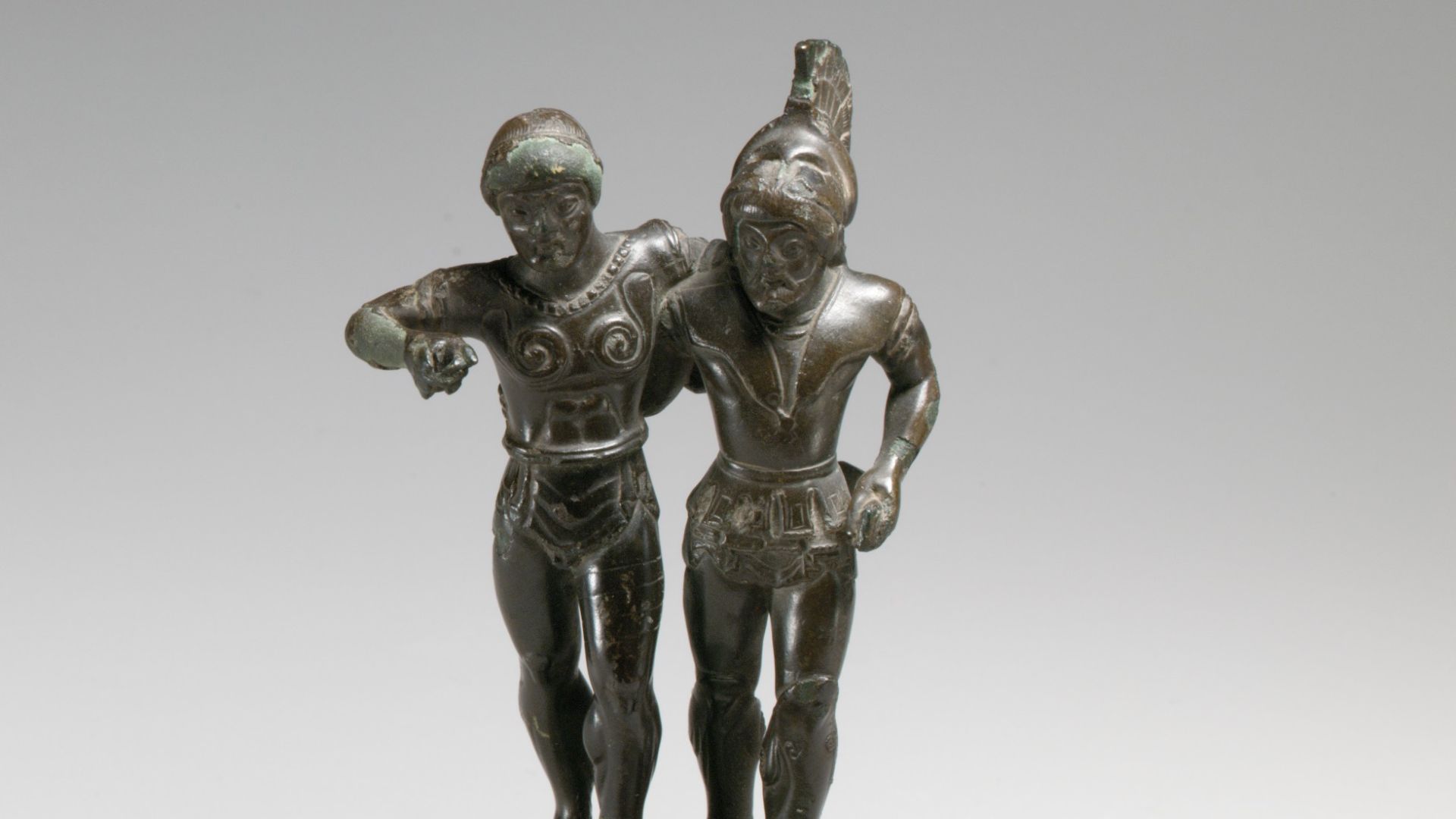
Between 1915 and 1921, the Metropolitan Museum of Art acquired massive terracotta warriors that were presented as rare Etruscan masterpieces. Sounds pretty cool, right? They certainly looked impressive enough, and they even stood in the museum for decades, which is exactly what makes the truth even more tragic. Scientific testing in the 1960s exposed them as modern creations.
10. Drake’s Plate of Brass
Drake’s Plate of Brass supposedly marked Sir Francis Drake’s 1579 landing on the California coast, making it an artifact historians could only dream of finding. It surfaced in the 1930s and was accepted for decades by respected scholars, despite the fact that there were early doubts about its wording. Sure enough, later testing showed the brass was modern, and the plate turned out to be a joke.
 Robert Stupack (ab94904) on Wikimedia
11. The Kensington Runestone
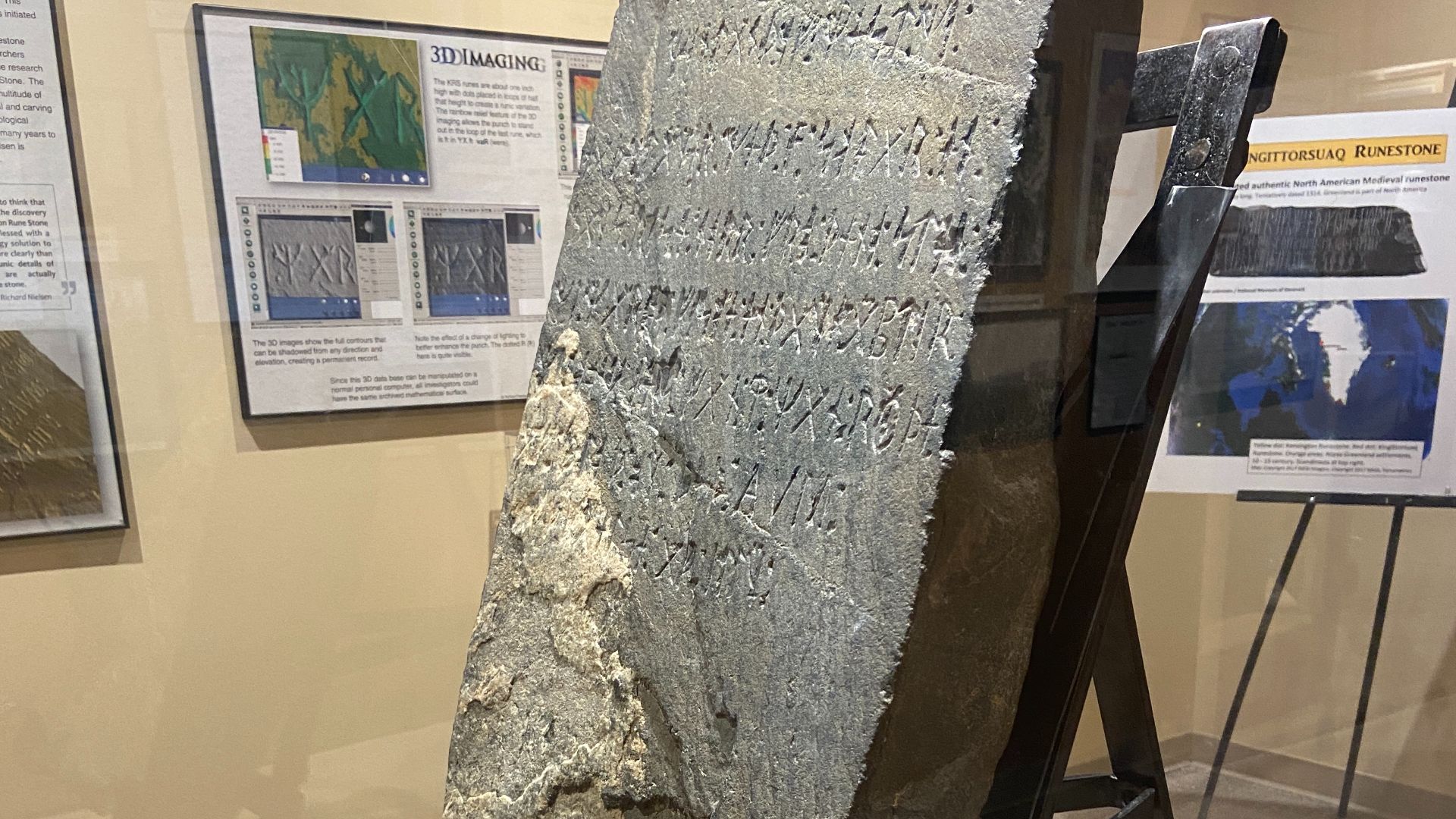
The Kensington Runestone was found in Minnesota in 1898, and though it might not sound like much, at the time it seemed to prove that Scandinavian explorers had reached deep into North America long before Columbus. It was massive news, especially for Scandinavian immigrant communities who were proud of Viking history. The thing is, most specialists today chalk it up as a modern creation.
12. The Grave Creek Stone
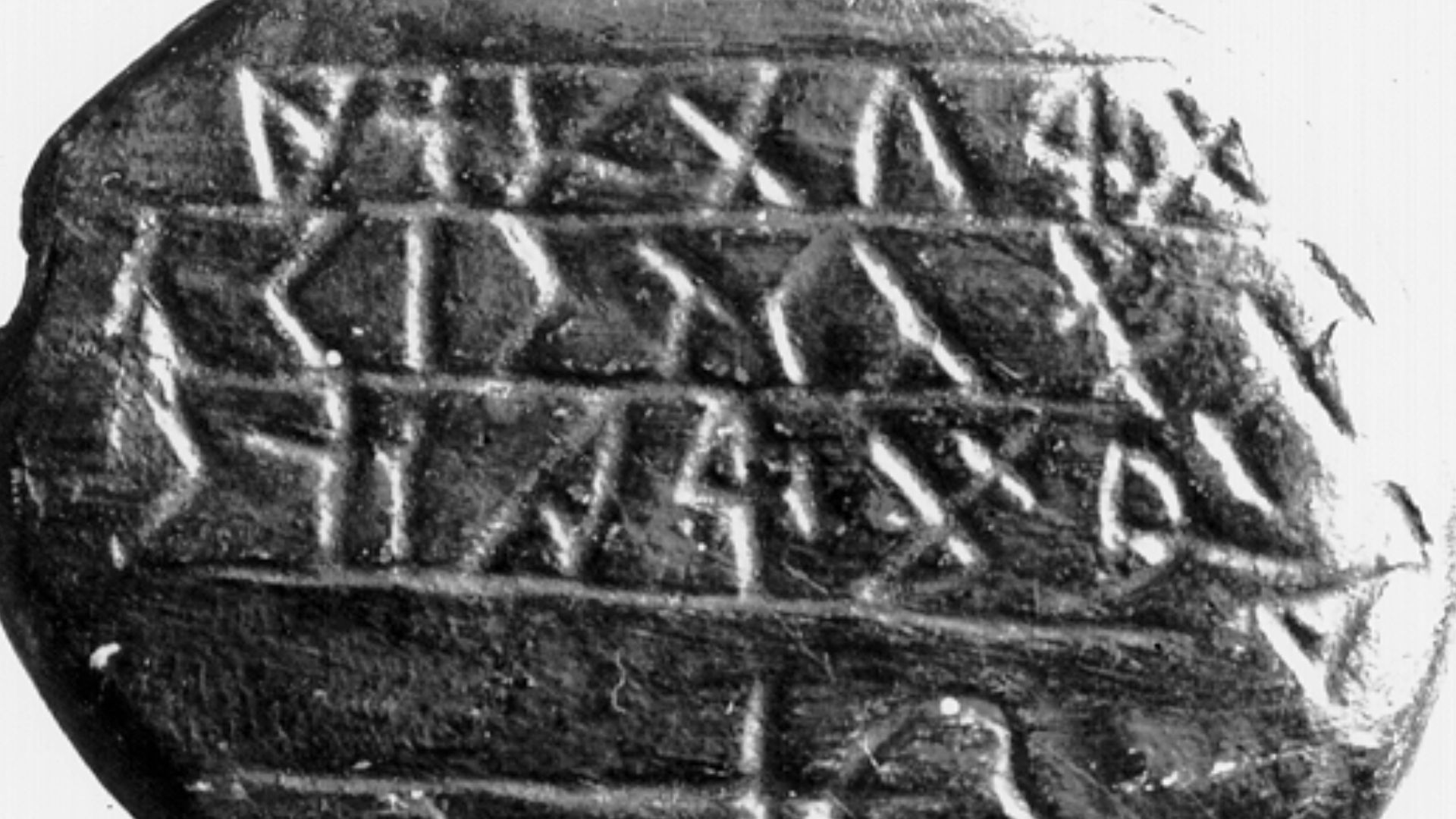
The Grave Creek Stone had some interesting history behind it right out of the gate. It allegedly came from a burial mound in what is now West Virginia in 1838, carrying mysterious markings that some people tried to link to ancient Old World writing. If real, it would’ve been explosive evidence for pre-Columbian writing in the region. But it wasn’t real. The markings seem to have been copied, and the stone is now generally treated as a fraud.
 Smithsonian Institution on Wikimedia
13. The Davenport Tablets
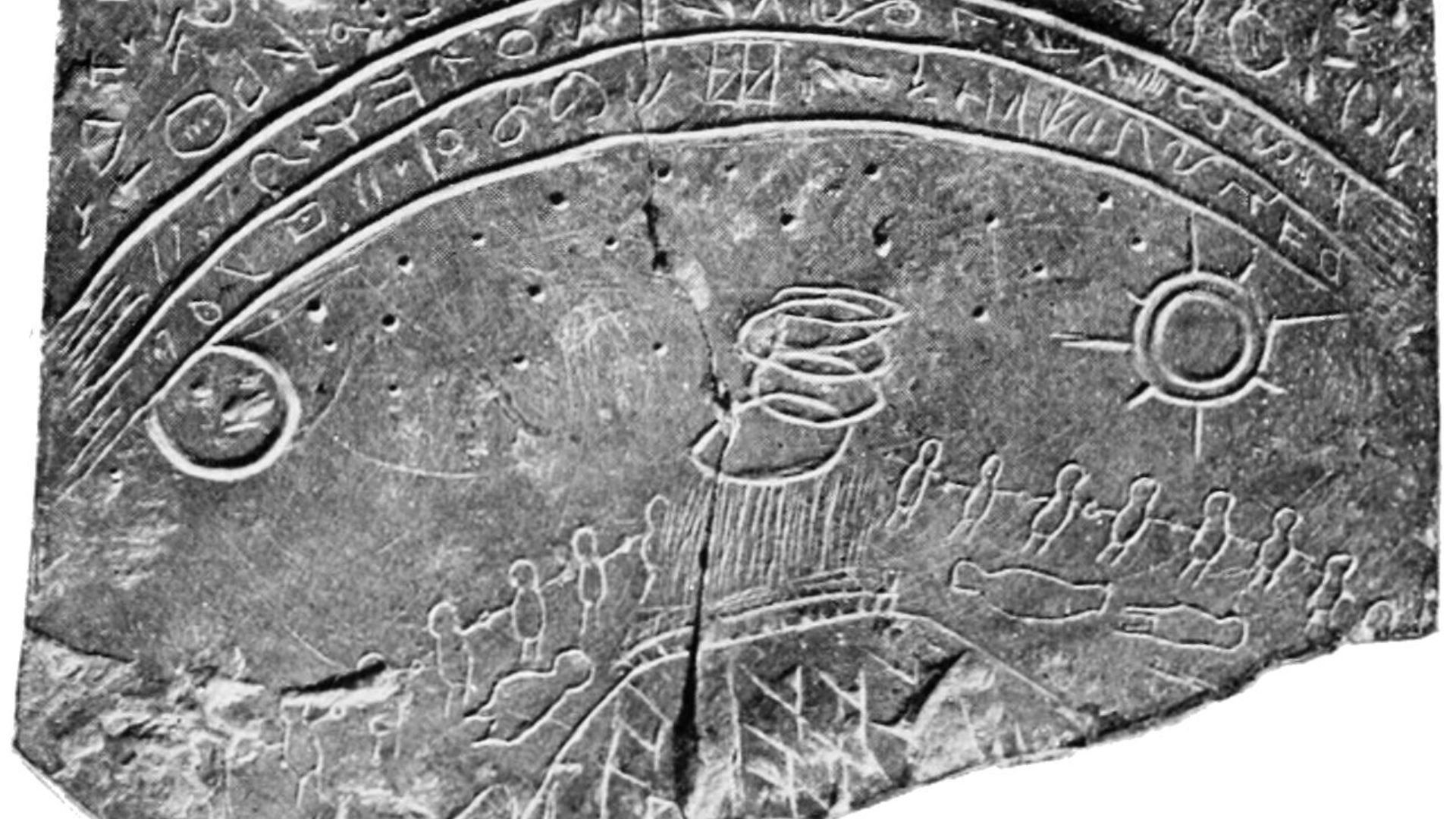
The Davenport Tablets were found in Iowa mounds in the 1870s, a modest find that seemed to support the once-popular idea that a vanished “Mound Builder” race had created North America’s ancient earthworks. Here’s the tricky part: the tablets showed scenes that looked mighty convenient for anyone who didn’t want to credit Native Americans for their monuments. Critics noticed that, too, along with additional problems, like odd inscriptions and bad context; the objects are now regarded as hoaxes.
14. The Tucson Lead Crosses
Way back in 1924, Charles Manier and his family found lead objects near Tucson, Arizona. Think crosses, swords, and inscriptions, all of which appeared to point to an ancient Mediterranean colony. Some believers even gave the supposed settlement a name, “Calalus.” Well, archaeologists eventually rejected the objects as modern fakes.

15. The Michigan Relics
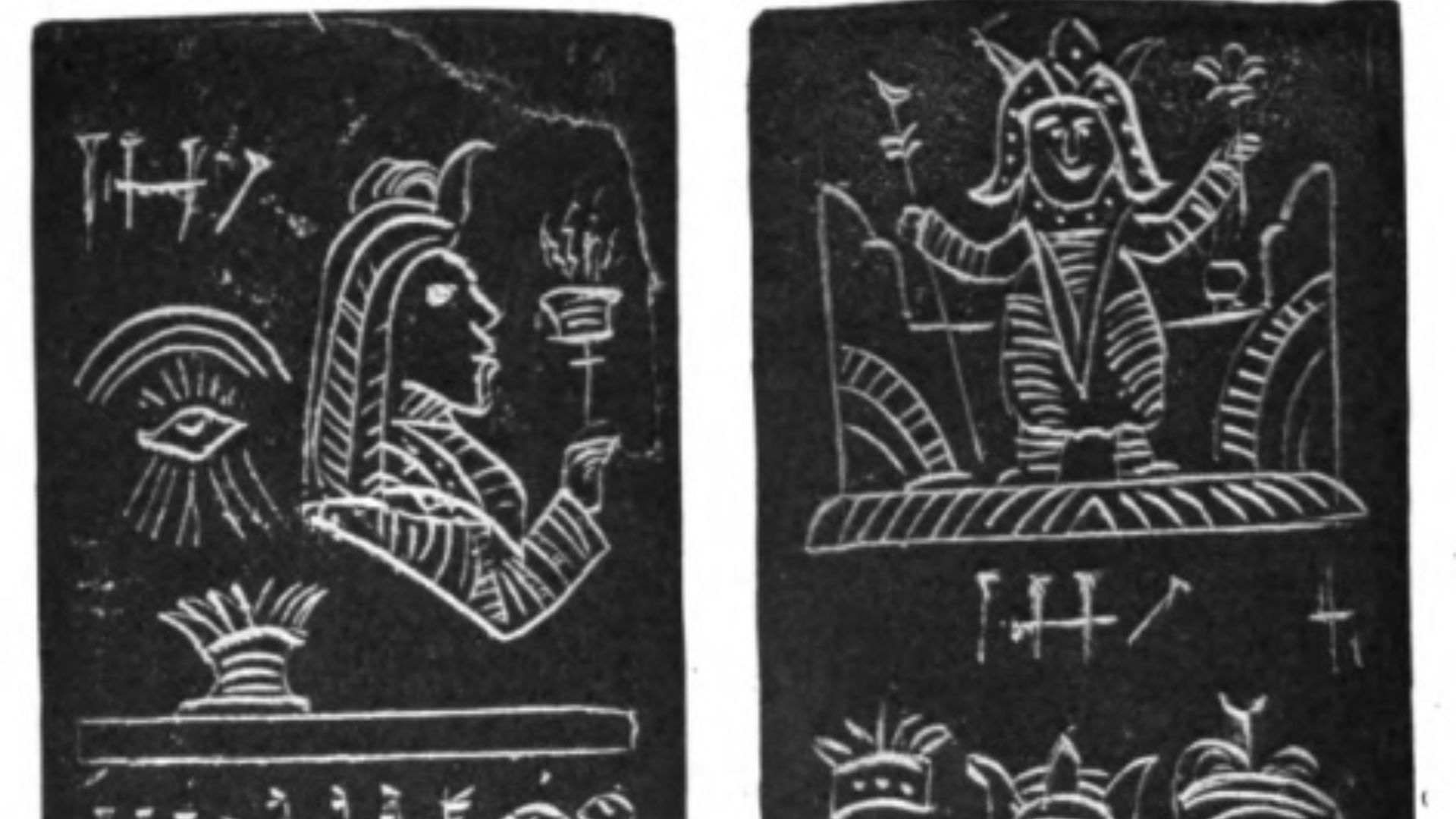
The Michigan Relics were thousands of tablets and boxes “found” from the late 1800s into the early 1900s. They were said to carry biblical scenes or strange inscriptions, often promoted as proof that ancient Near Eastern people had once lived in Michigan. That story didn’t fly with scholars who pointed out modern tool marks and nonsensical writing.
16. The Kinderhook Plates
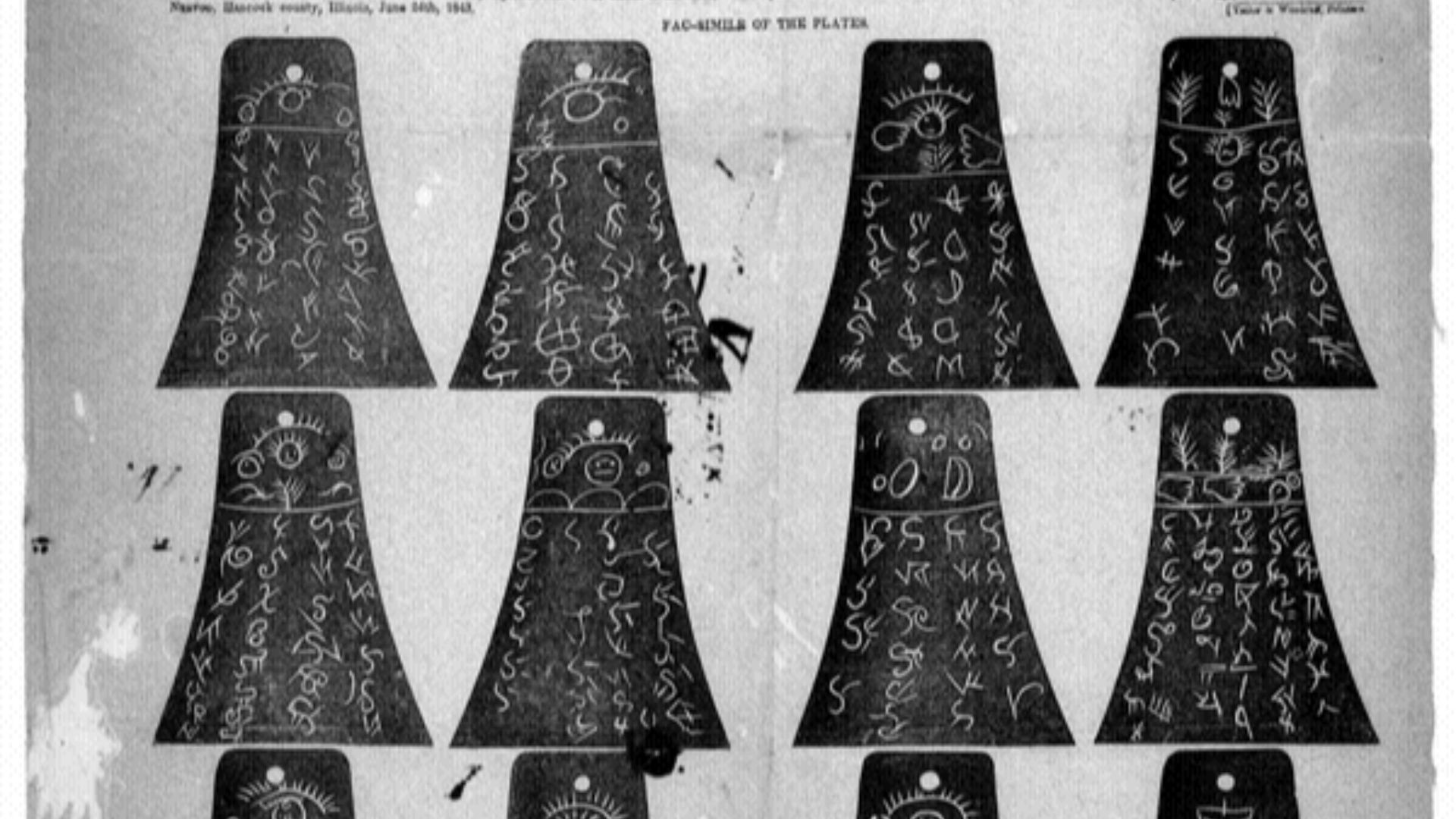
Long story short, the Kinderhook Plates were six small brass plates dug up in Illinois in 1843. They were made to look straight out of history books, complete with strange engraved characters, and their connection to Mormon history only kept the story alive longer. In reality, they were secretly planted by men hoping to test Joseph Smith, and in the 20th century, analysis supported what the hoaxers had eventually admitted: these were fakes.
17. The Glozel Artifacts
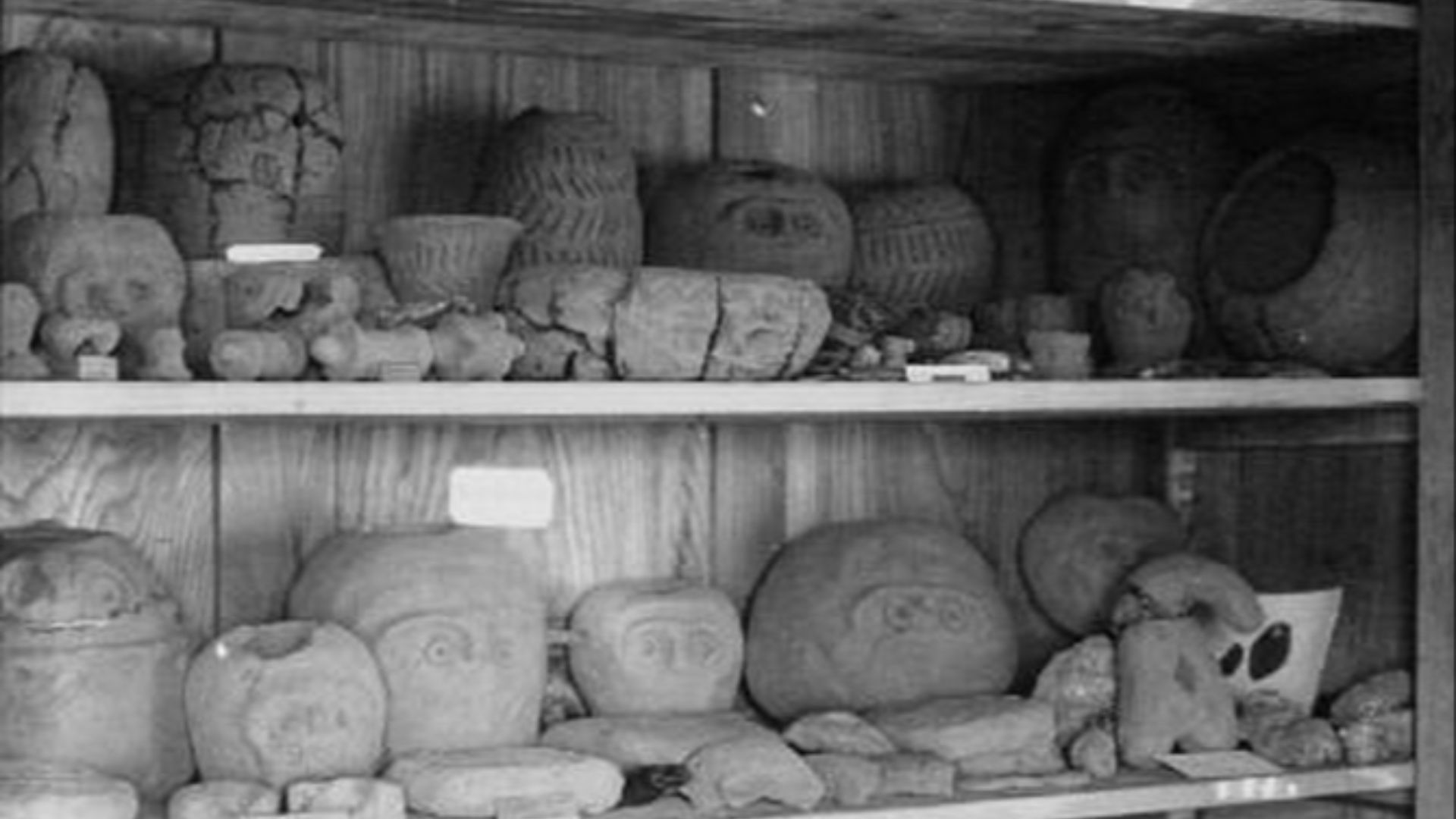
The Glozel discoveries began in France in 1924. It seemed like the ultimate gold mine; thousands of objects appeared, including tablets, bones, ceramics, and inscriptions that would rewrite European prehistory. The site split scholars almost instantly, with some defending it and others calling it nonsense—and later studies didn’t really help. If anything, that research suggested a messy mixture of genuine older material, alterations, and forgeries.
 Agence de presse Meurisse on Wikimedia
18. The Jehoash Inscription
The Jehoash Inscription was presented as an ancient text describing repairs to the Jerusalem Temple…that is, until the Israel Antiquities Authority declared it a modern forgery in 2003. A later court case didn’t prove criminal forgery beyond a reasonable doubt, but the whole case drew quite the controversy.
19. Archaeoraptor
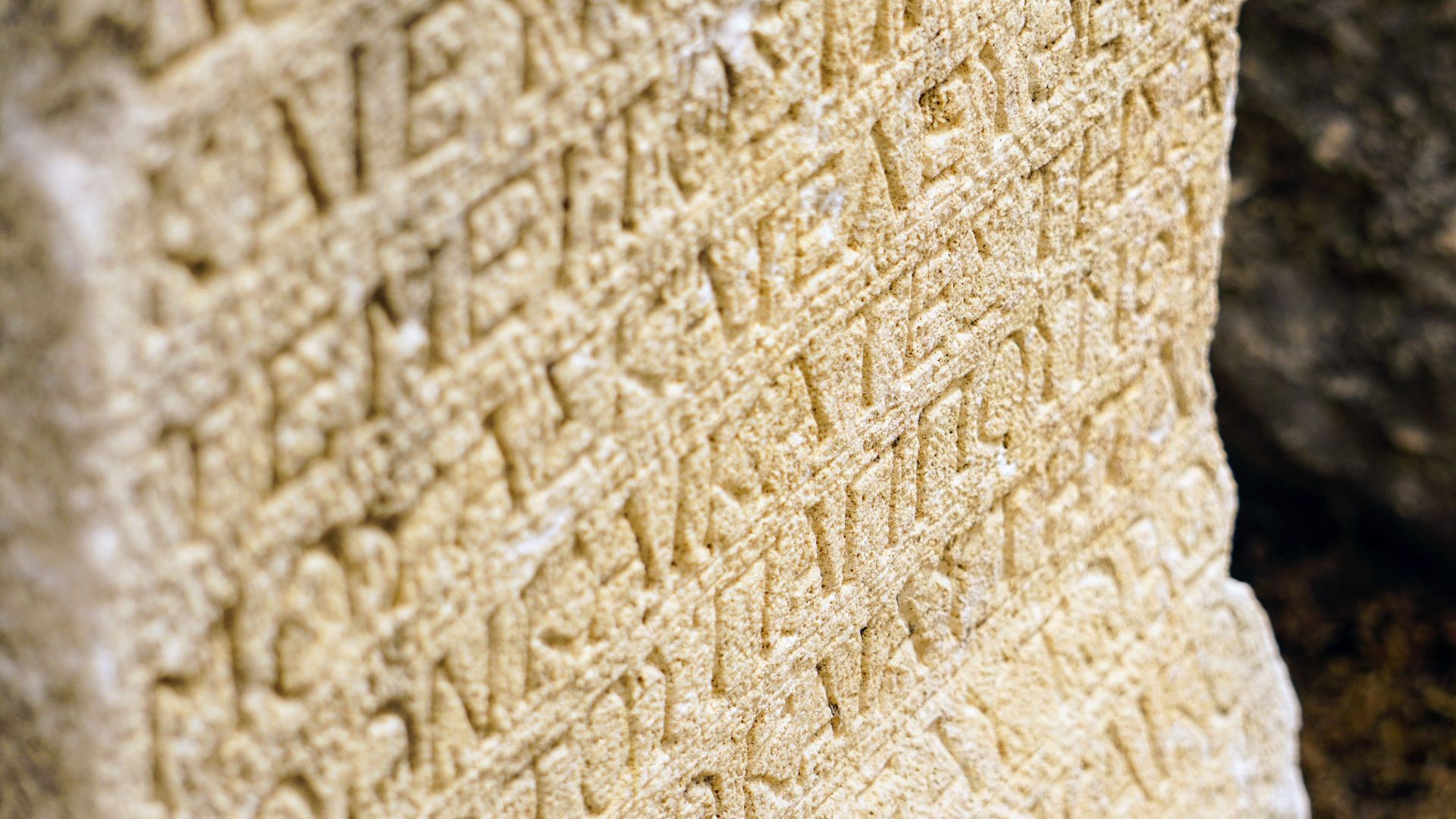
Don’t worry if you can’t pronounce archaeoraptor—the whole thing fell apart almost as quickly as it arrived. It was officially announced in 1999 as a feathered fossil that appeared to bridge dinosaurs and birds. The find was so incredible, in fact, that National Geographic gave it major attention before experts uncovered how it had been assembled from parts of different fossils.
20. Burrows Cave
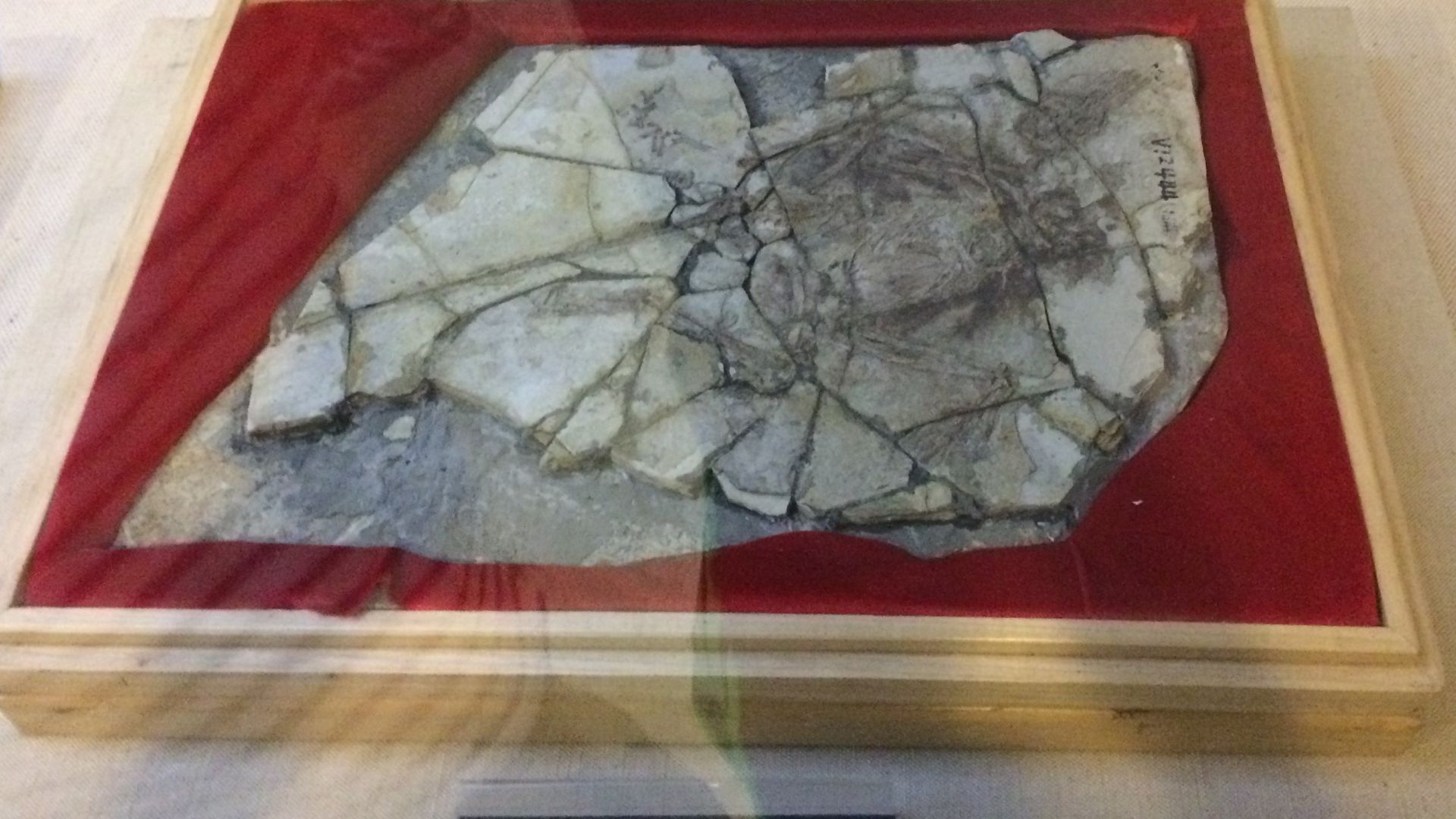
Burrows Cave entered fringe archaeology in the 1980s, when Russell Burrows claimed he had found an Illinois cave packed with ancient treasures. Not just any treasure, either; these supposedly came from all over, including from Romans, Egyptians, and Hebrews. The alleged artifacts included carved stones and inscriptions, but the cave itself was never made available for proper study. And, without a verified site, the claim is treated by archaeologists as a hoax.
 Bruno van der Kraan on Unsplash
KEEP ON READING