


One Funeral Could Rewrite a Dynasty
Royal succession can look neat on paper, but history rarely behaves like a family tree diagram. A single death could move a younger sibling forward, create a disputed claim, trigger a civil war, or hand power to someone nobody expected to rule. Sometimes the person who died was the one link in a chain that nobody realized mattered until it snapped. Here are 20 deaths that didn’t just end lives; they changed crowns, kingdoms, and the very awkward seating chart of history.
1. William Adelin
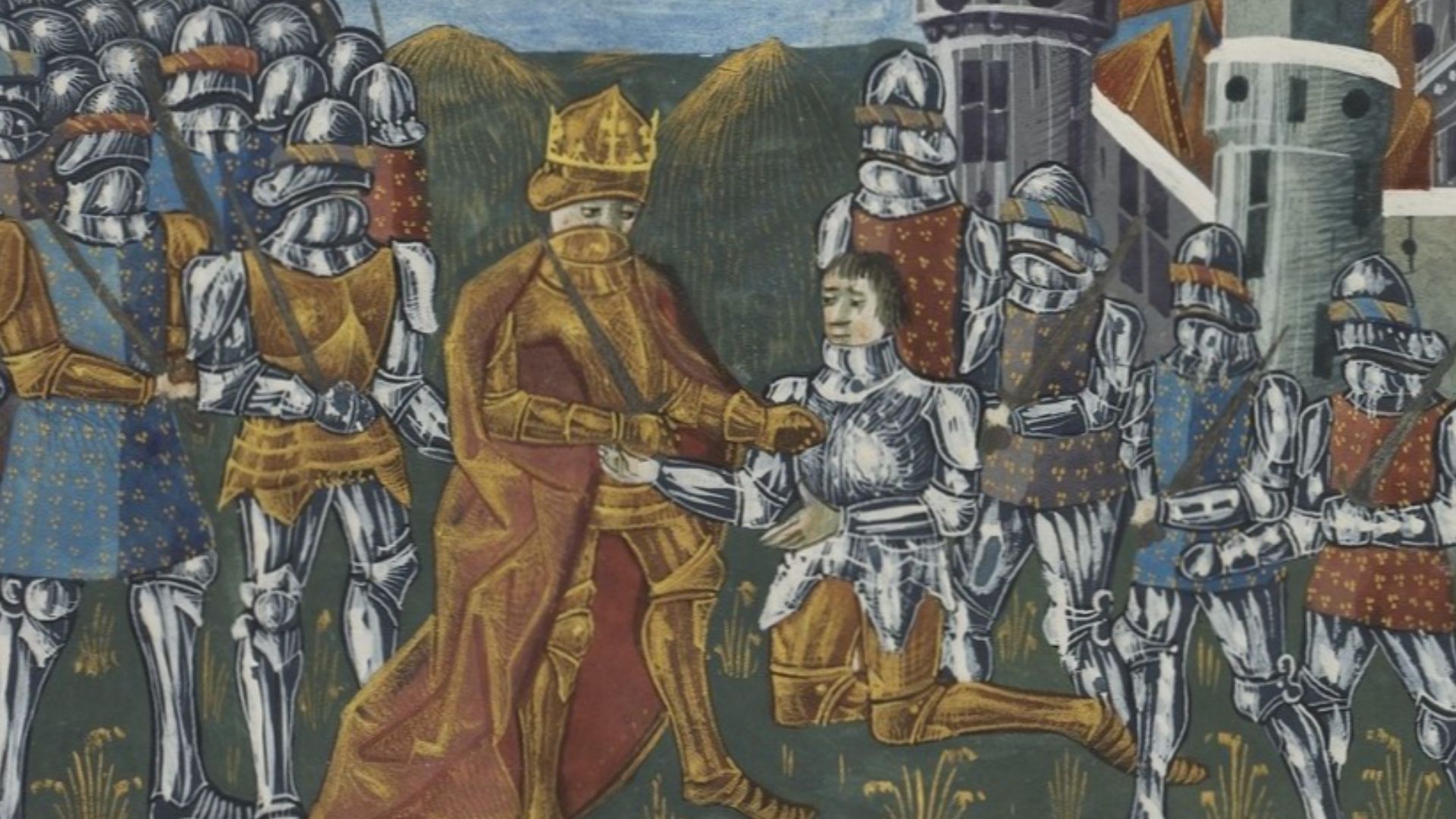
William Adelin was the only legitimate son of King Henry I of England, which made him the future of the Norman dynasty. In 1120, he drowned in the White Ship disaster, leaving his father without a clear male heir. That death helped trigger the long civil war known as the Anarchy, which was about as fun as the name suggests.
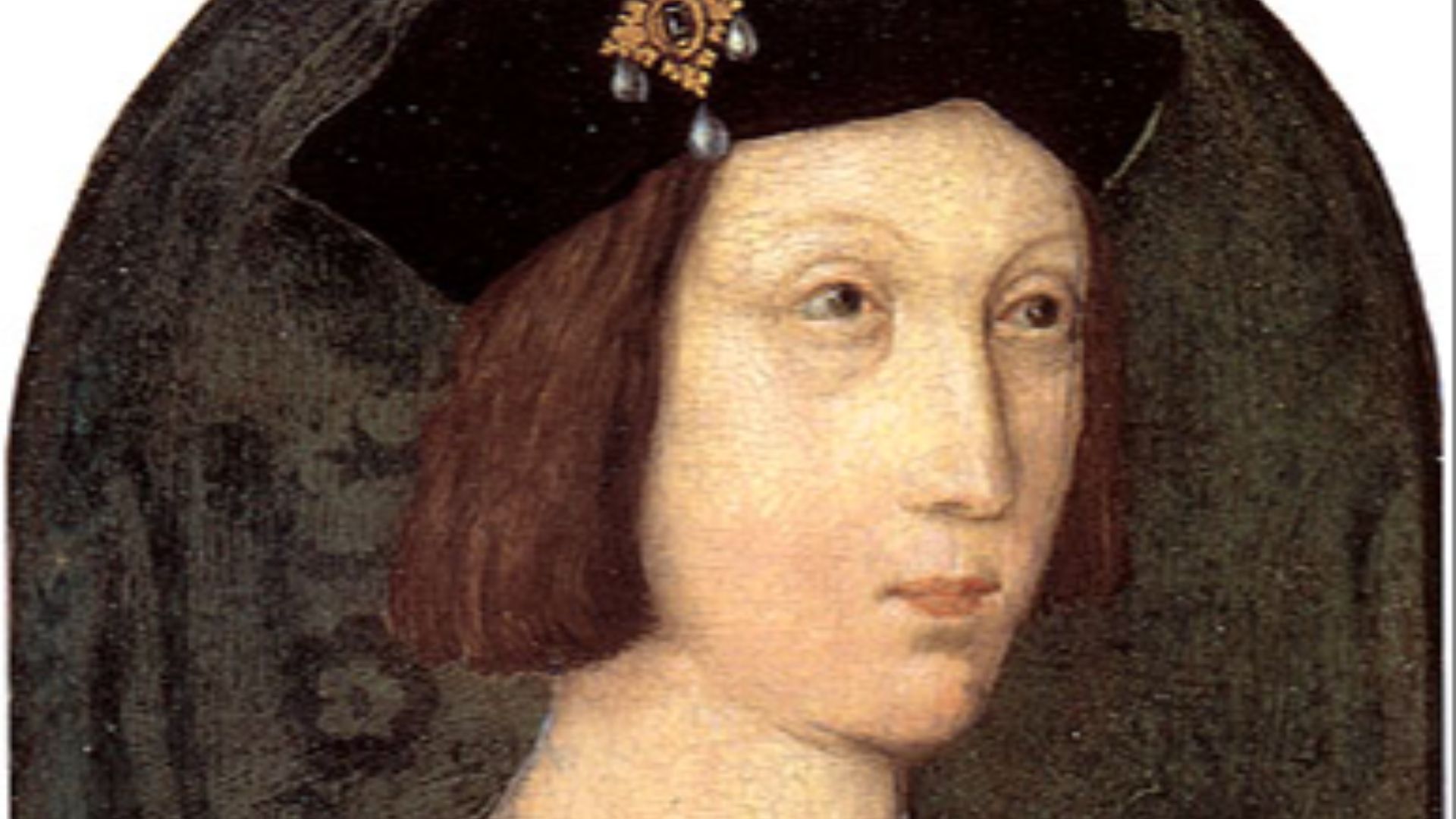
2. Arthur Tudor
Arthur Tudor was Henry VII’s eldest son and the original Tudor heir. He married Catherine of Aragon, but died in 1502 when he was only 15, pushing his younger brother Henry into the spotlight. That younger brother became Henry VIII, married Catherine himself, and eventually changed England’s religious history, trying to end that marriage, triggering the English Reformation.
 Anglo-Flemish School on Wikimedia
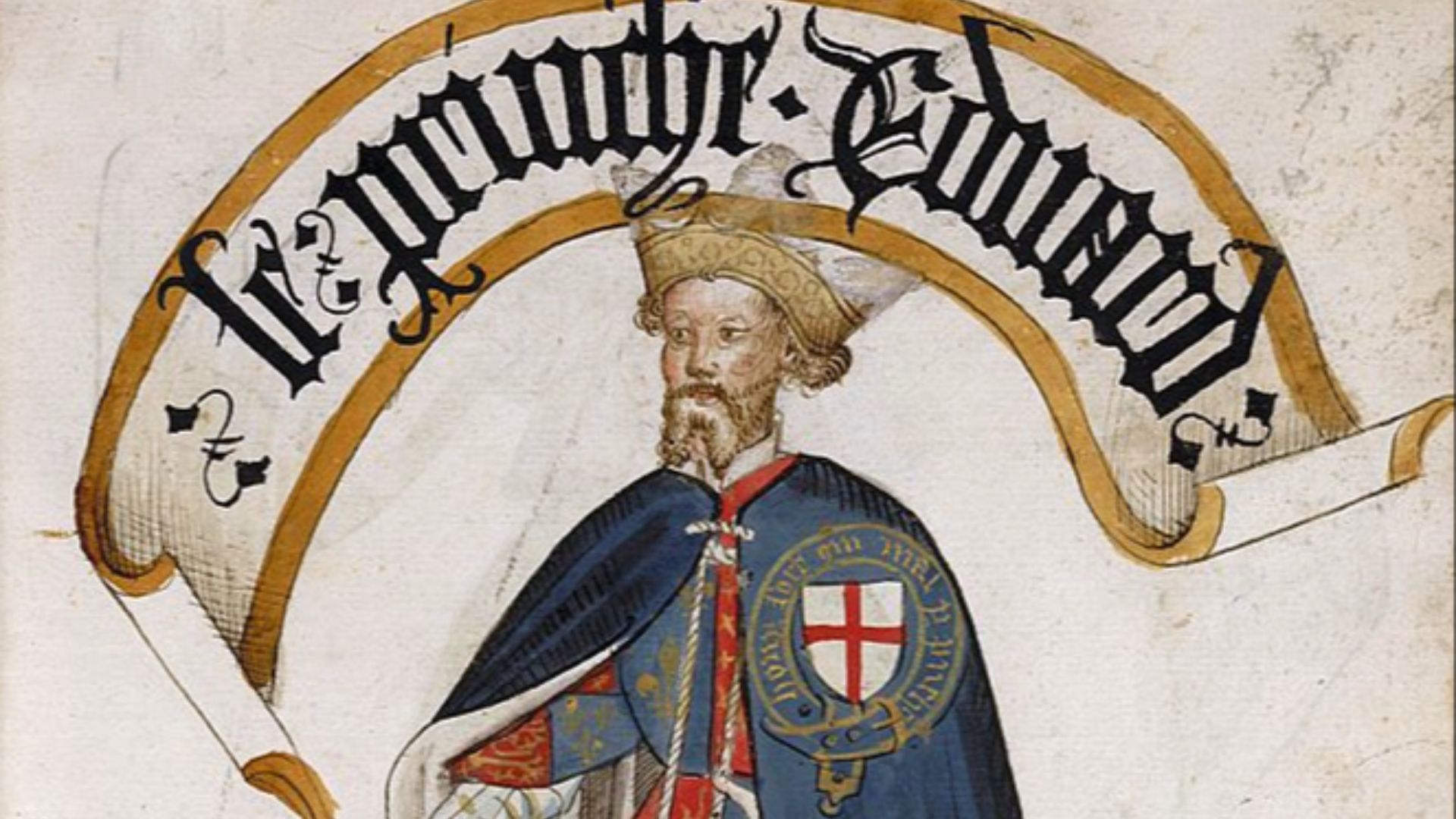
3. Edward the Black Prince
Edward the Black Prince was the celebrated eldest son of King Edward III and seemed destined to become king. He died in 1376, one year before his father, which meant the crown passed to his young son instead. That boy became Richard II, whose troubled reign ended in deposition and helped set up later conflicts over the English throne.
4. Richard II
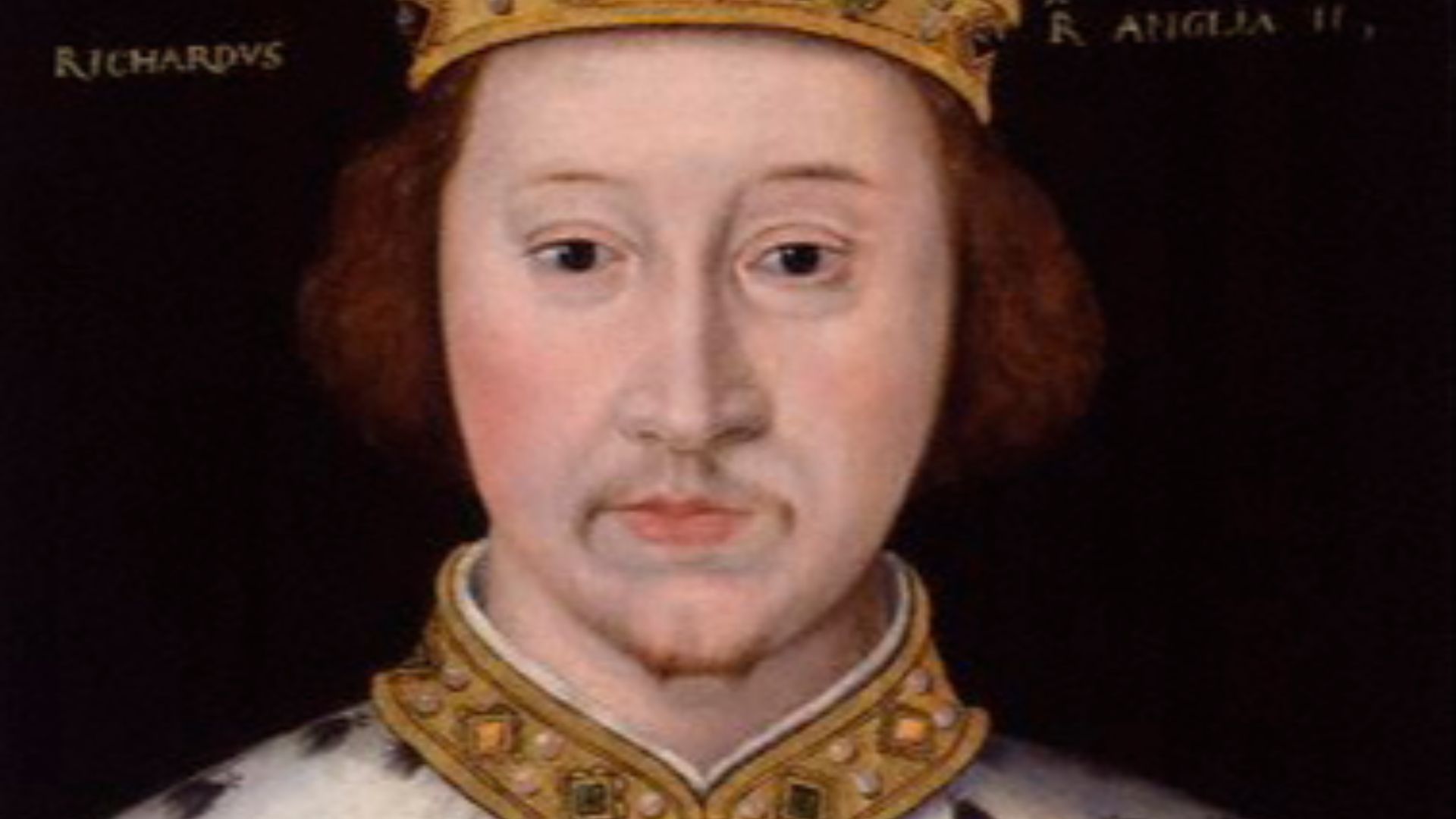
Richard II didn't die peacefully on the throne; he was deposed by Henry Bolingbroke in 1399 and later died in captivity. His removal and death allowed Bolingbroke to become Henry IV, beginning the Lancastrian line of kings. That shift did not settle everything, because rival claims from the Yorkist branch later helped fuel the Wars of the Roses.
5. Henry VI
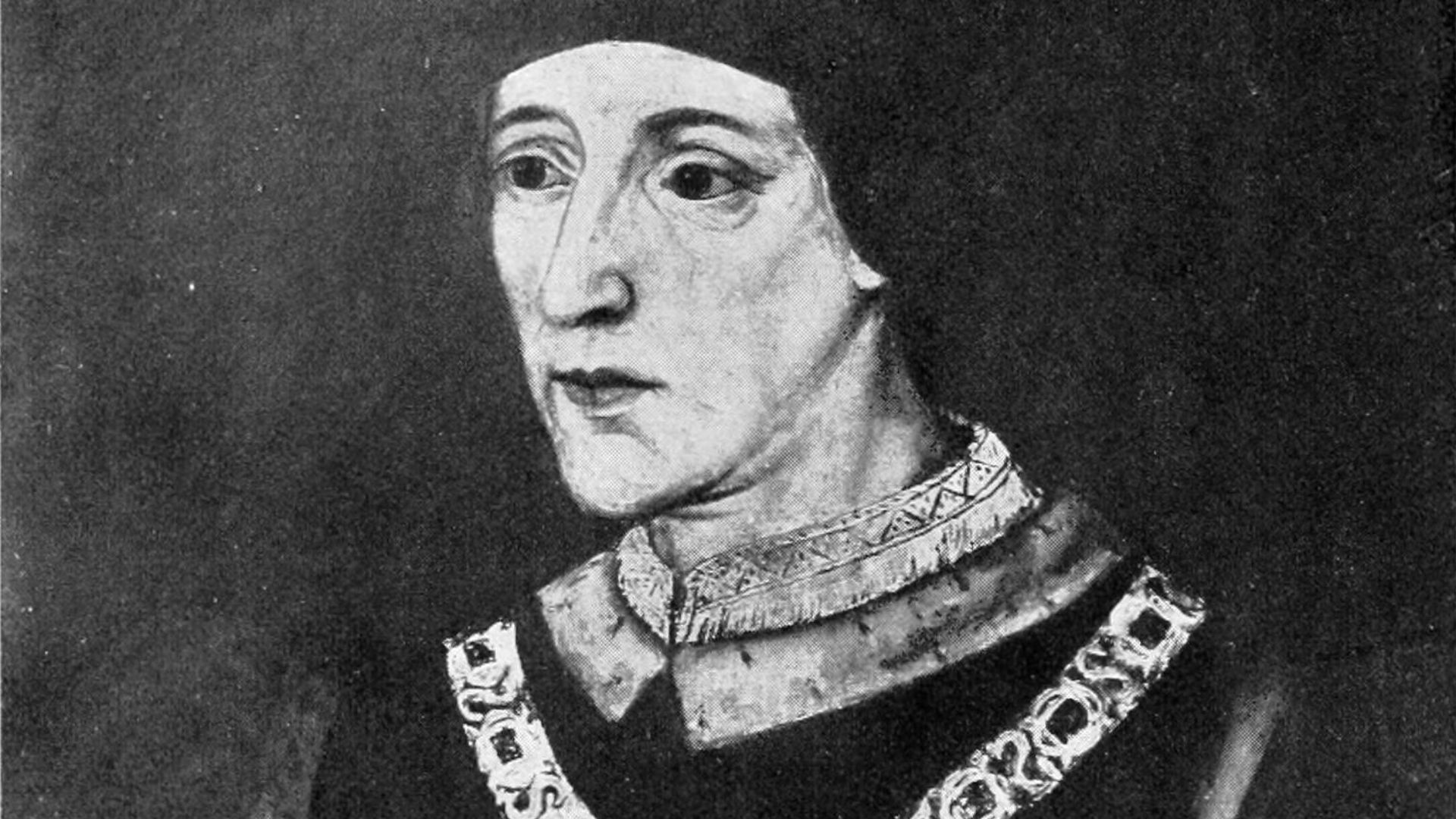
Henry VI was twice king of England and twice overwhelmed by the violence of the Wars of the Roses. After the Yorkists restored Edward IV to power in 1471, Henry died in the Tower of London. His death removed the main Lancastrian king from the board and strengthened Edward IV’s hold on the throne.
 Francis Aidan Gasquet on Wikimedia
6. Edward V
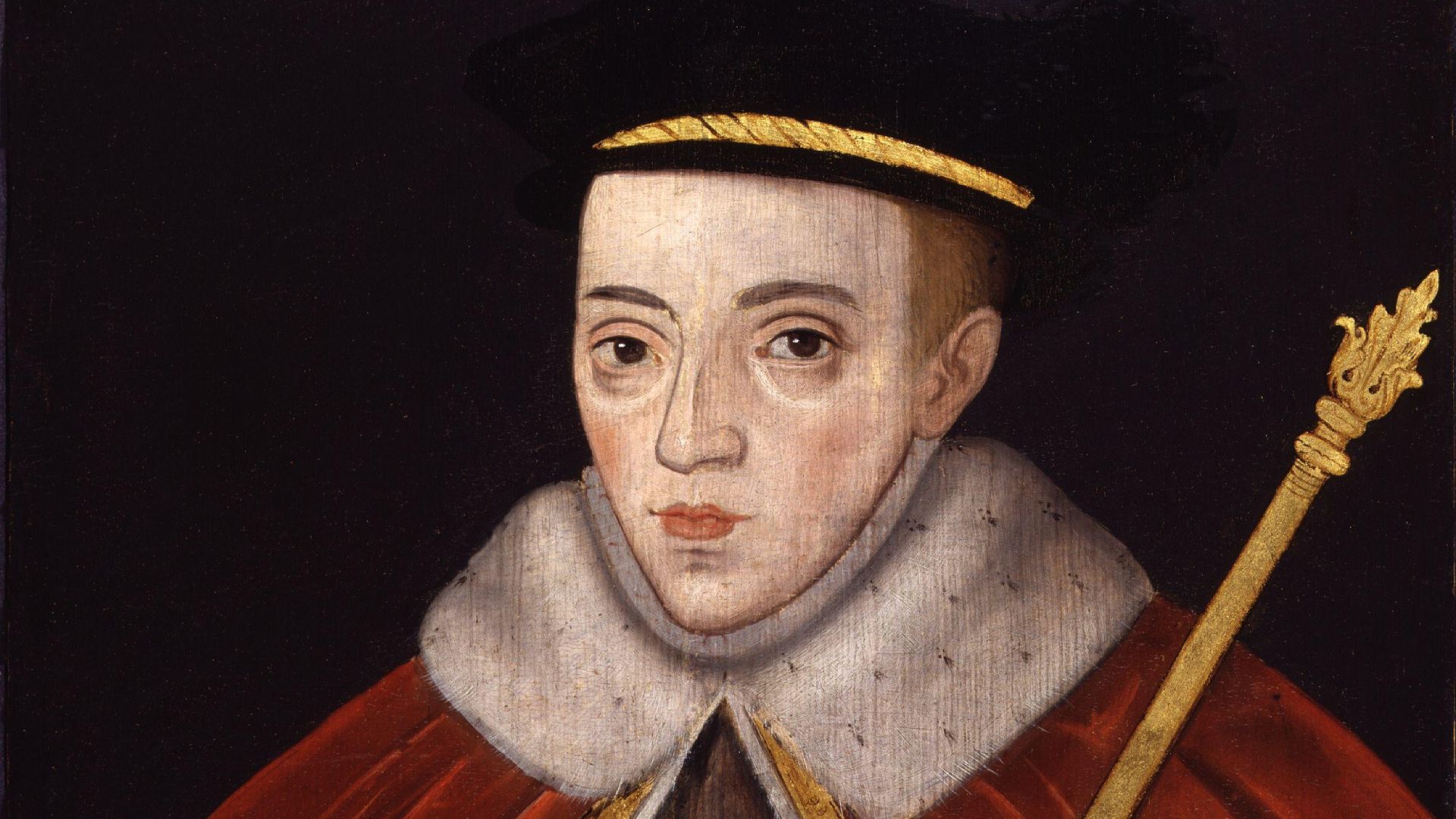
Edward V was one of the famous Princes in the Tower, and his short reign never really became a reign in practice. After his father Edward IV died, young Edward was declared king, but his uncle Richard took control and eventually became Richard III. Edward and his brother disappeared, and their presumed deaths cleared the way for Richard’s rule.
7. Richard III
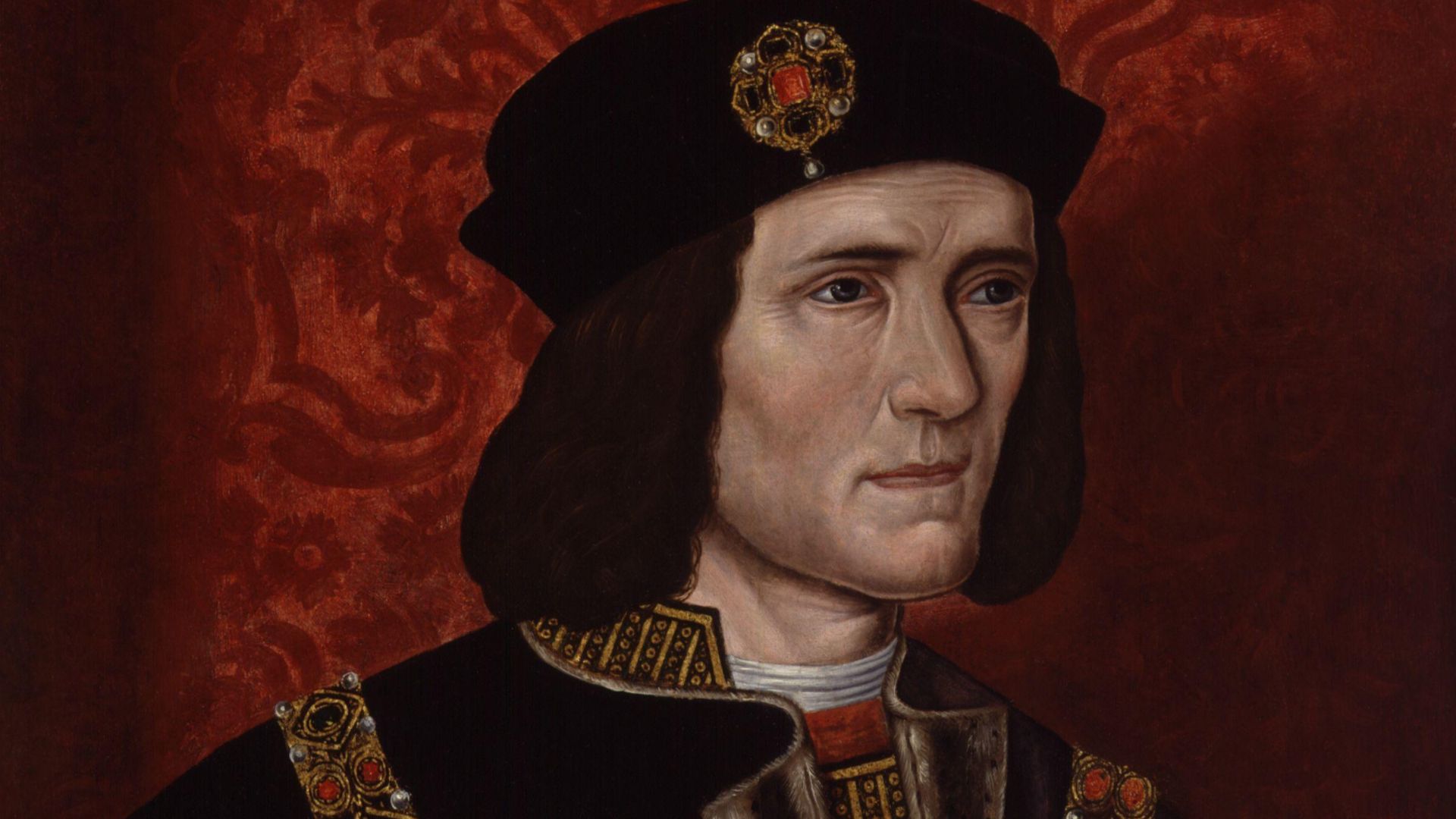
Richard III’s death at the Battle of Bosworth in 1485 changed England’s monarchy in one afternoon. His defeat allowed Henry Tudor to take the throne as Henry VII, ending the Plantagenet line and beginning the Tudor dynasty. Henry’s victory also helped close the Wars of the Roses, at least politically.
8. Prince Henry Frederick
Prince Henry Frederick, the eldest son of James I of England, was admired as a promising and energetic heir. He died of typhoid fever in 1612, leaving his younger brother Charles as the new heir. Charles later became Charles I, and his clashes with Parliament led to civil war and execution.
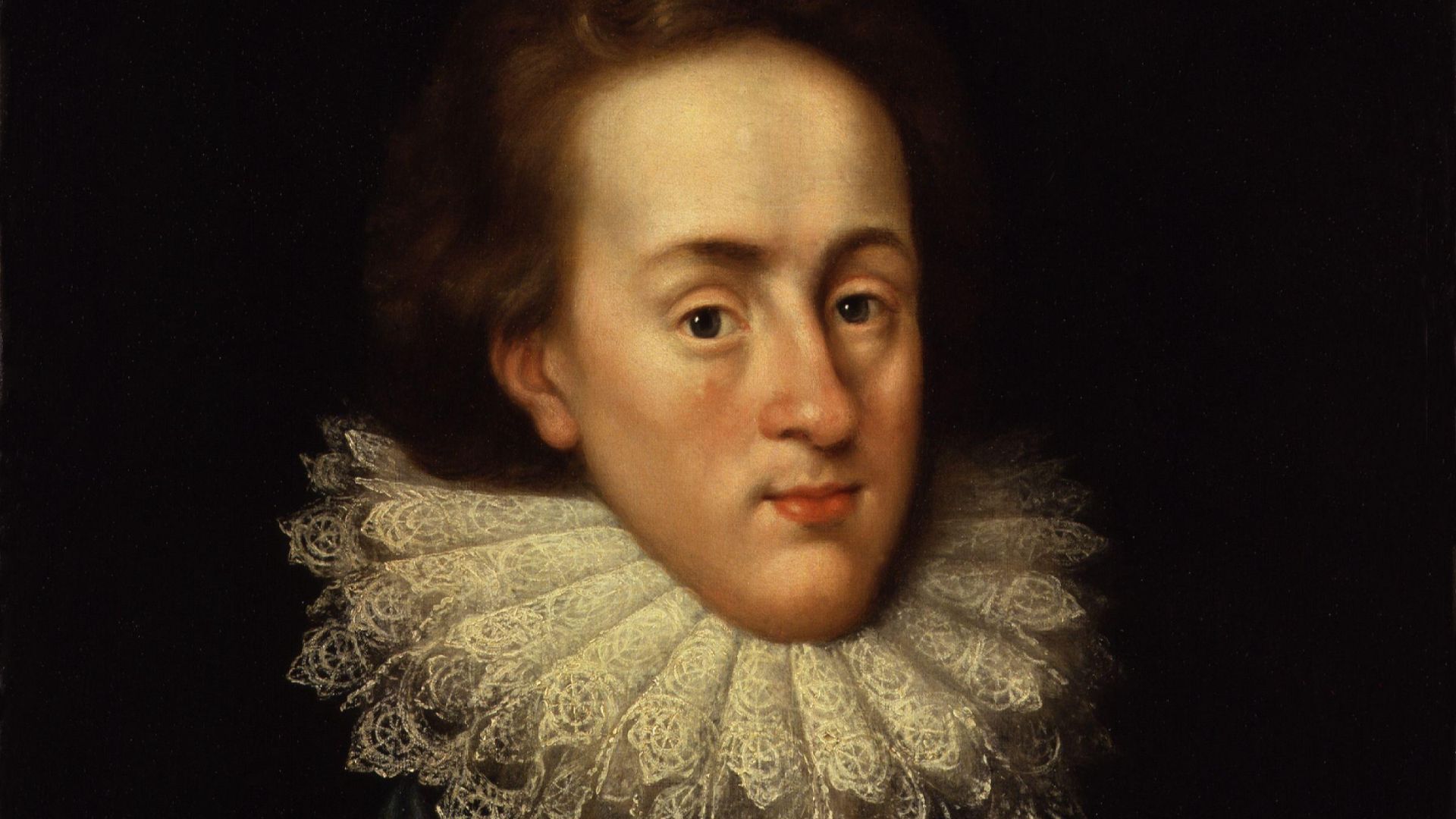 After Isaac Oliver on Wikimedia
9. Prince William, Duke of Gloucester
Prince William, Duke of Gloucester, was Queen Anne’s only child to survive infancy, so he was crucial to the Protestant succession. He died in 1700 at age 11, leaving Anne without a direct heir. His death helped lead to the Act of Settlement, which eventually brought the Hanoverians to the British throne.
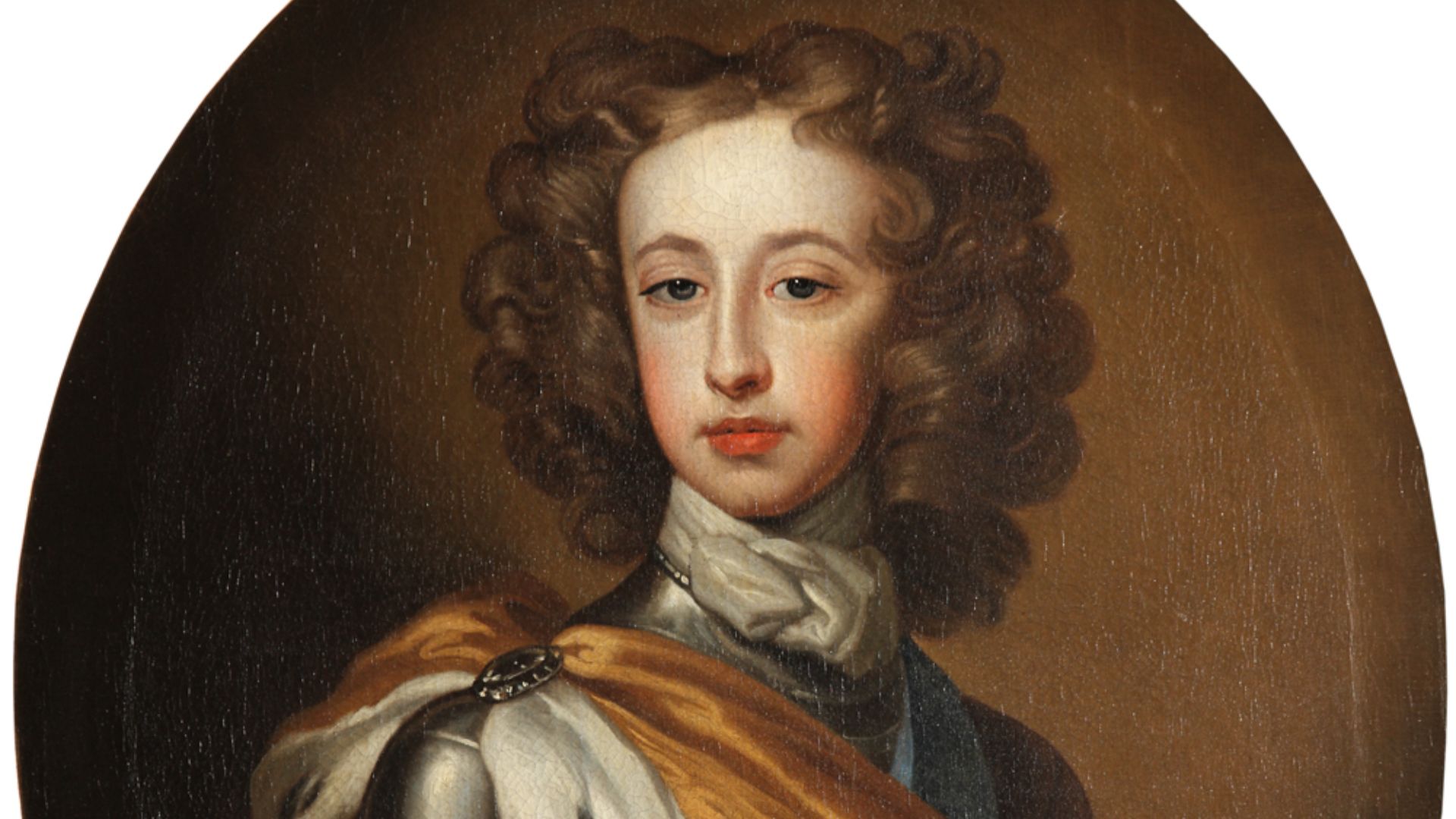 After Godfrey Kneller on Wikimedia
10. Princess Charlotte of Wales
Princess Charlotte was the beloved only legitimate child of the future George IV and seemed likely to become queen. Her death in childbirth in 1817 caused a succession panic because the next generation suddenly looked alarmingly empty. George III’s unmarried sons rushed to produce legitimate heirs, and one of those children was the future Queen Victoria.
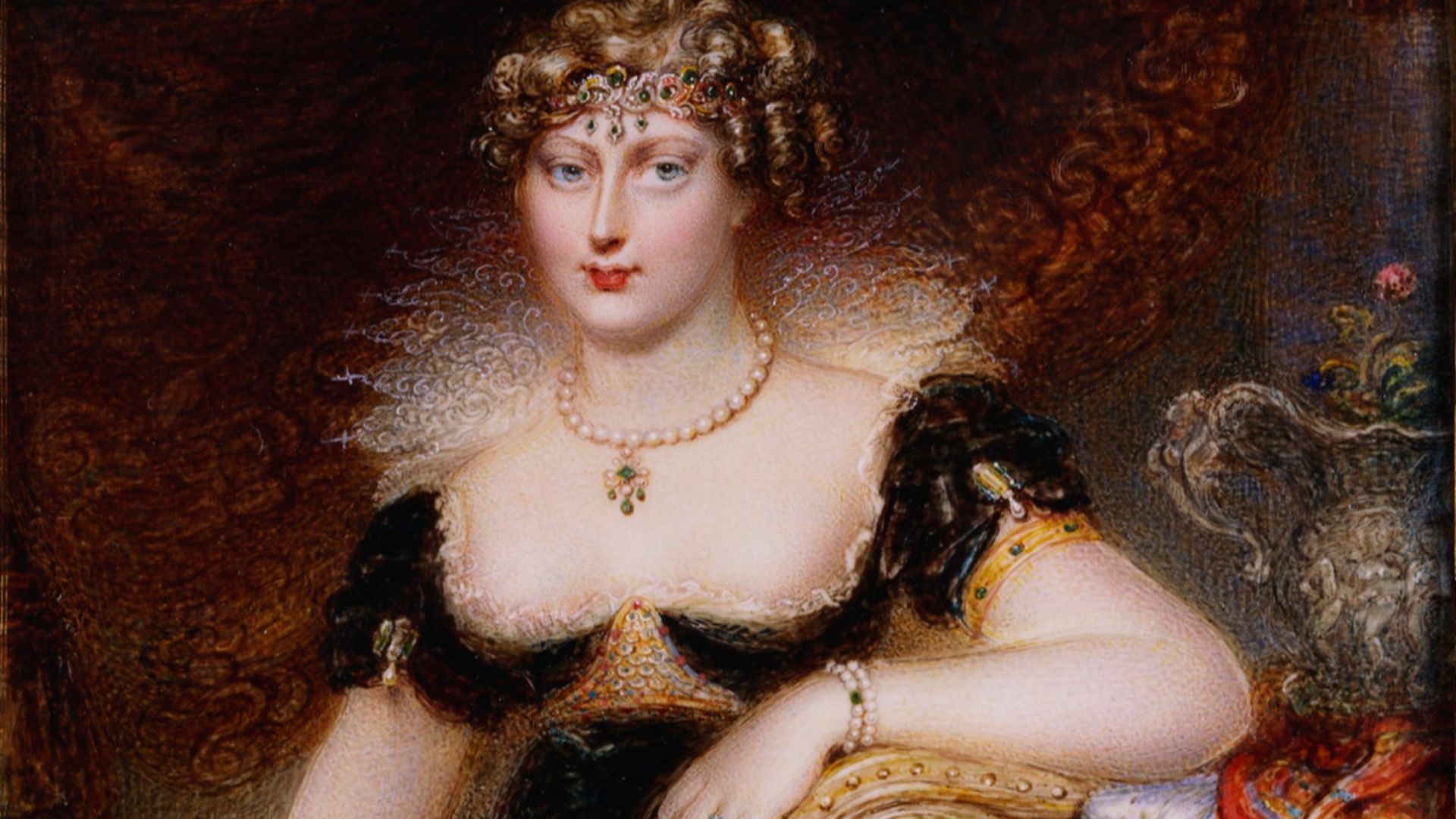
11. Frederick, Prince of Wales
Frederick, Prince of Wales, was the eldest son of King George II and expected to inherit the British throne. He died in 1751 before his father, so the succession passed to his son instead. That grandson became George III, the king remembered for the American Revolution and a very long reign.
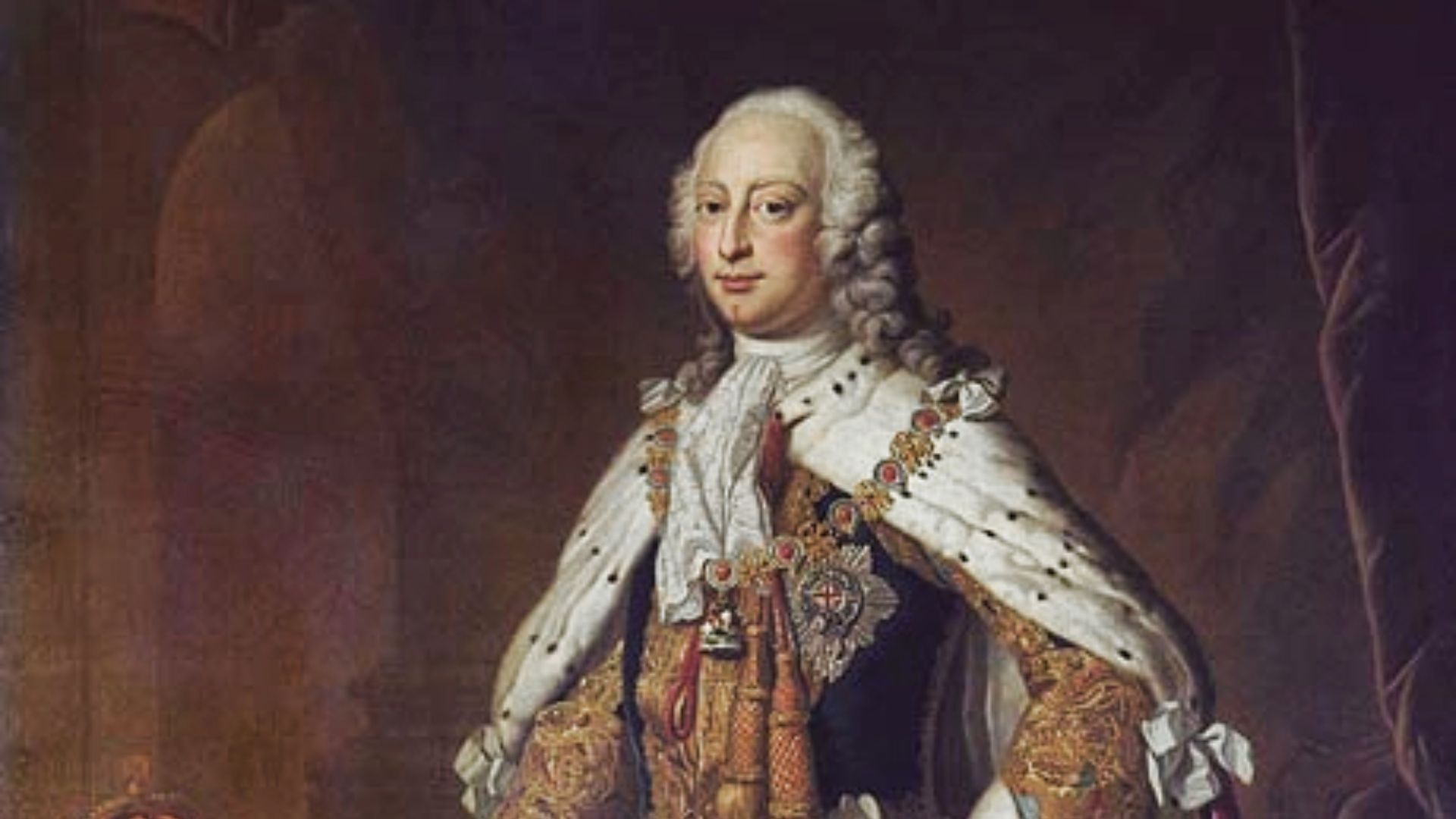 Jean-Baptiste van Loo on Wikimedia
12. Alexander III of Scotland
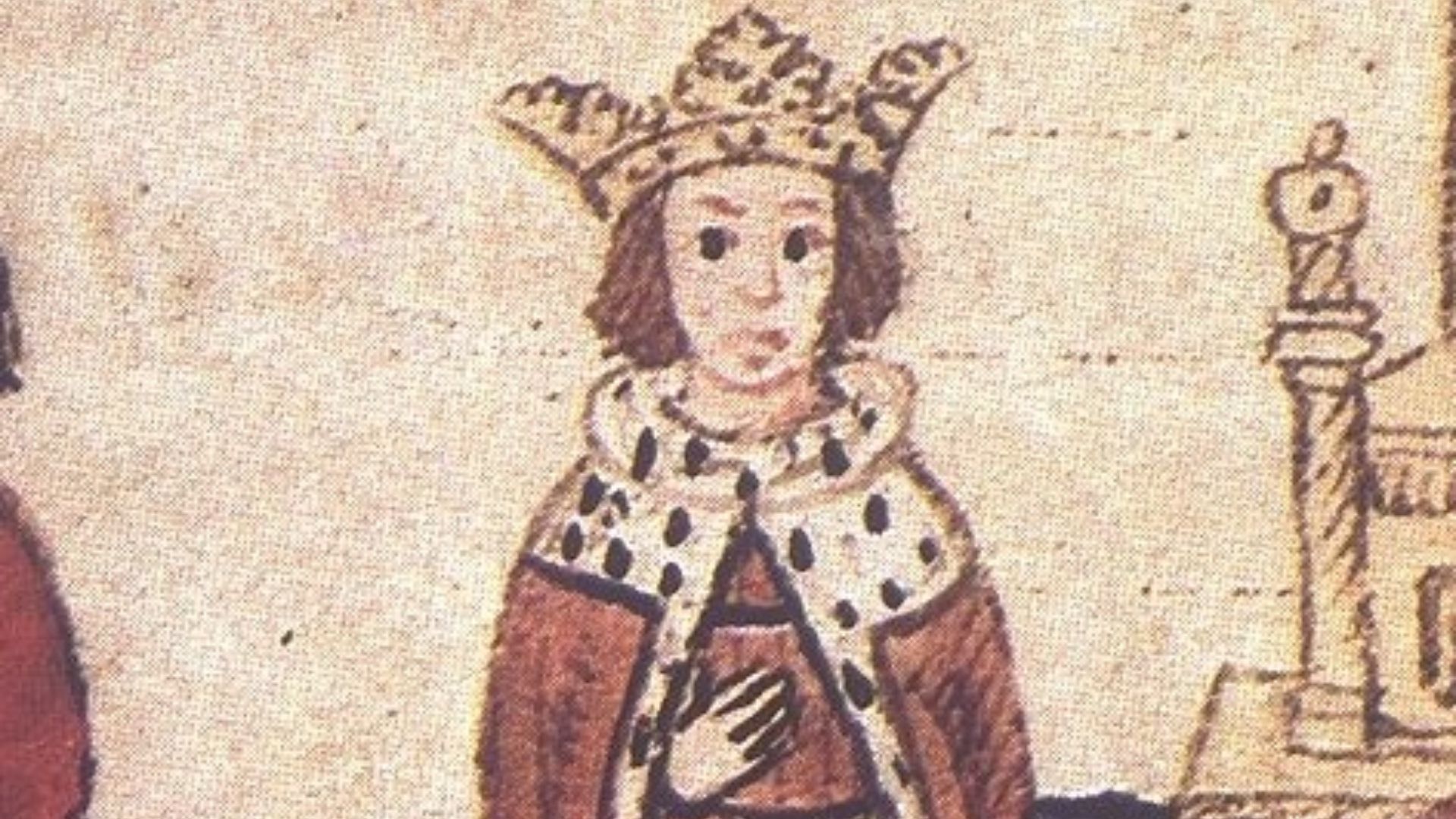
Alexander III of Scotland died in 1286 after falling from his horse, and his death created a serious succession problem. His children had already died, leaving his young granddaughter Margaret, the Maid of Norway, as heir. Scotland’s royal future suddenly depended on a child living far away.
13. Margaret, Maid of Norway
Margaret, Maid of Norway, inherited Scotland’s crown as a child but died in 1290 while traveling to her kingdom. Her death left Scotland without a clear monarch and opened the door to competing claims from powerful nobles. The dispute eventually brought in Edward I of England as an arbiter, marking the beginning of Scotland's long struggle for independence and kingship.
14. Louis, Duke of Burgundy
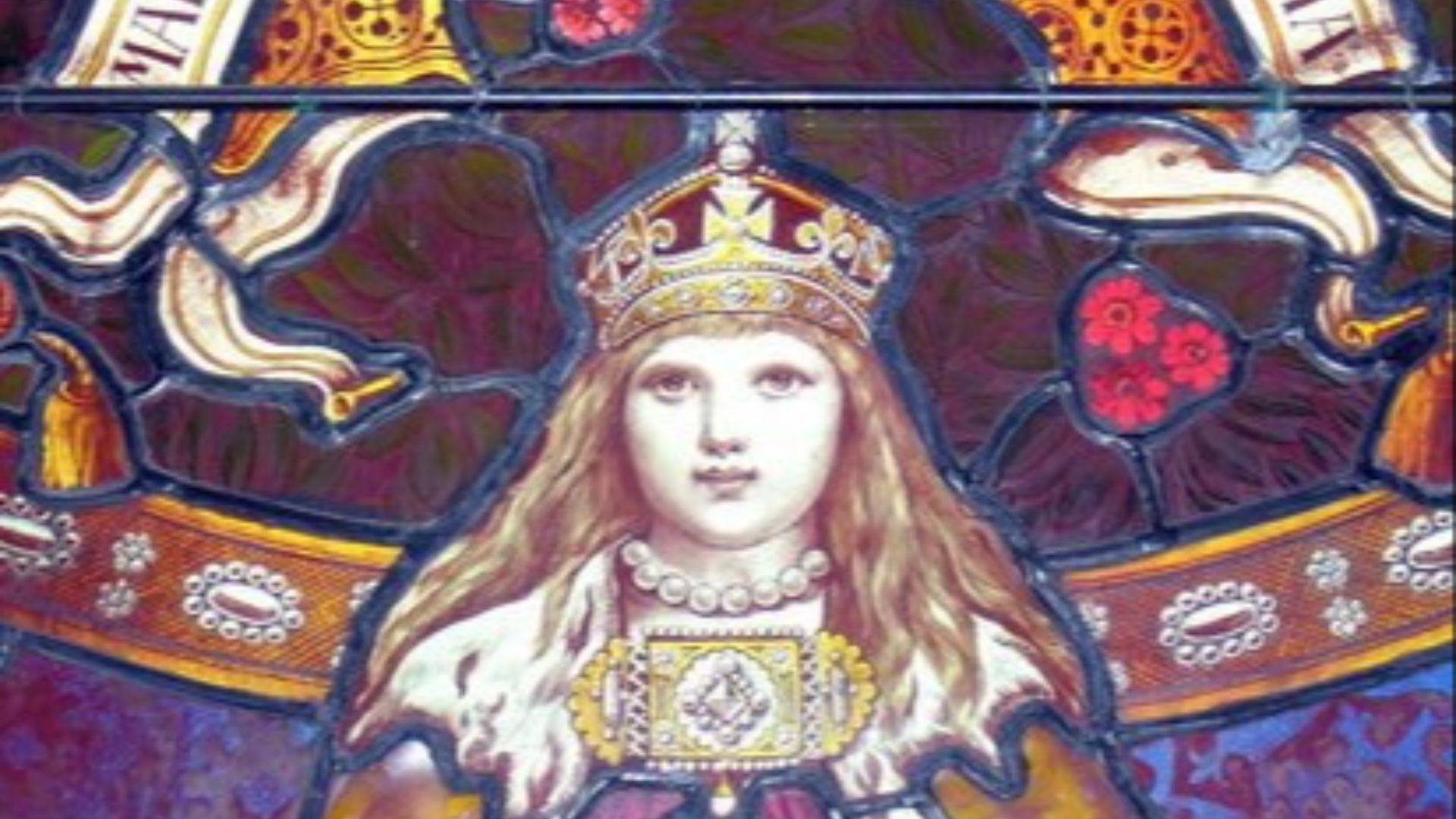
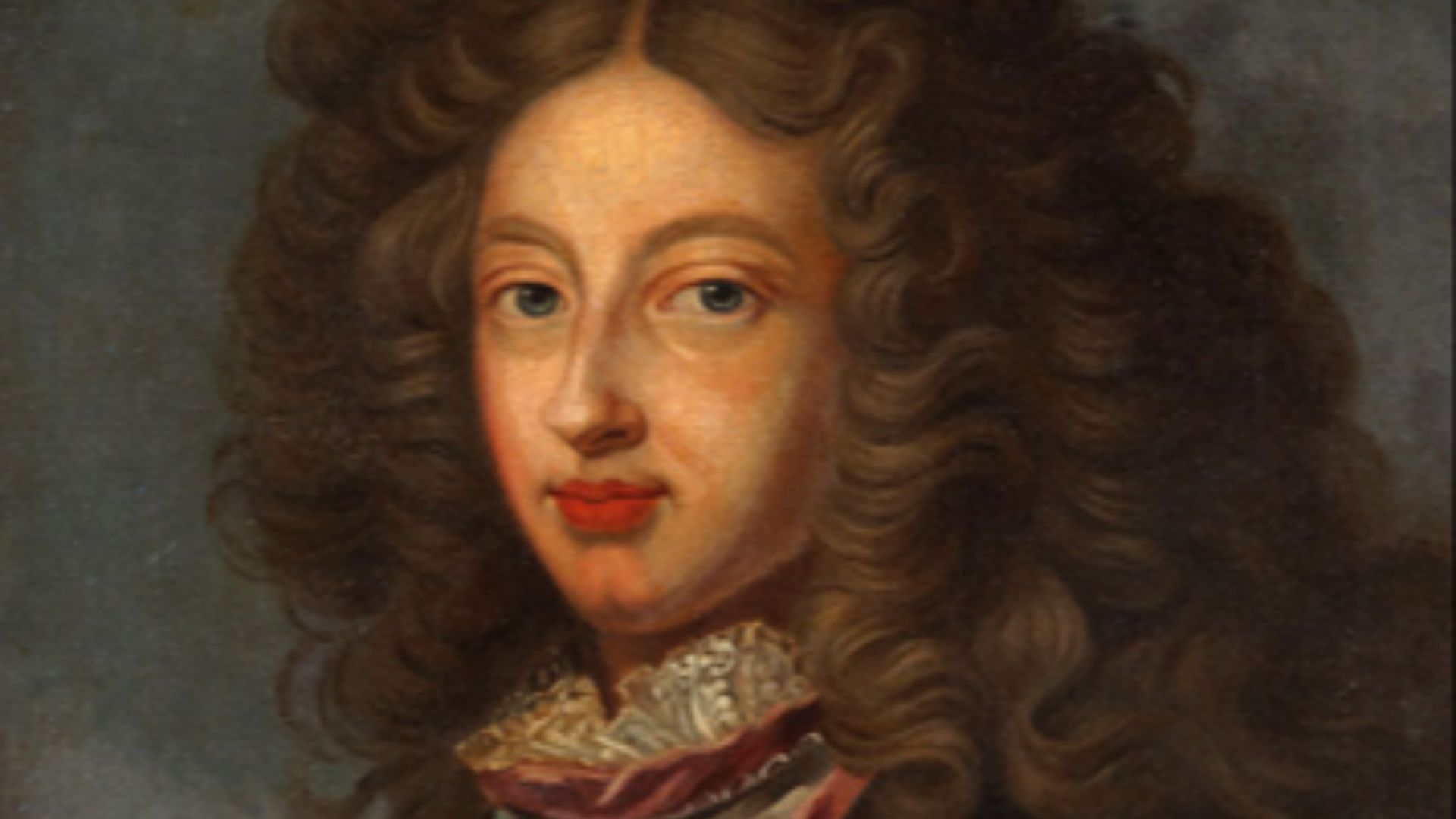
Louis, Duke of Burgundy, was the grandson of Louis XIV of France and next in line after his father. In 1712, he died during a wave of illness that also killed his wife and one of his sons. The deaths left only a small surviving child, who eventually became Louis XV.
 French School / After Hyacinthe Rigaud on Wikimedia
15. Charles II of Spain
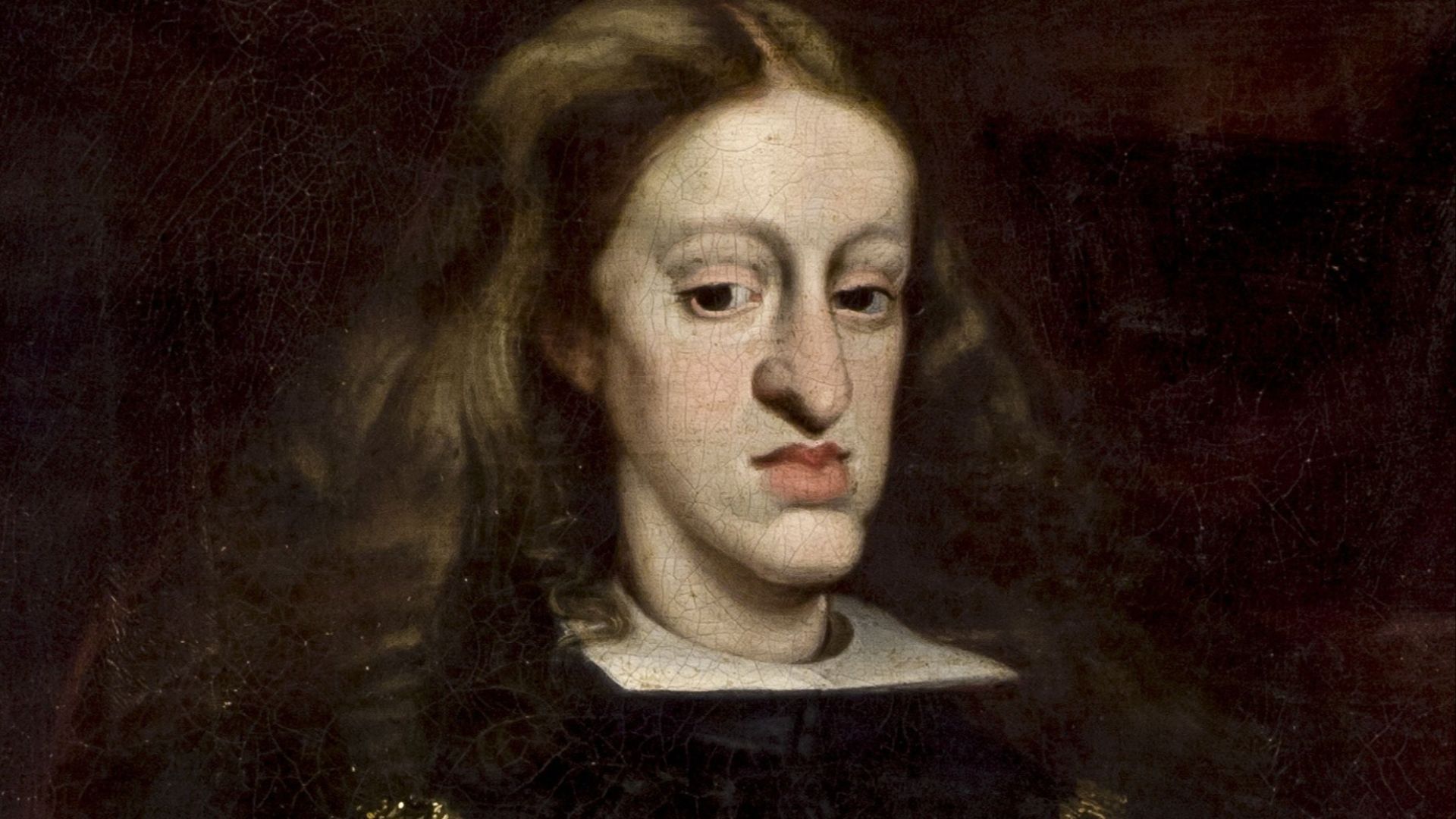
Charles II of Spain died in 1700 without children, ending the Spanish Habsburg line. His will named Philip of Anjou, grandson of Louis XIV of France, as heir, but the choice terrified other European powers. The result was the War of the Spanish Succession.
 Juan Carreño de Miranda on Wikimedia
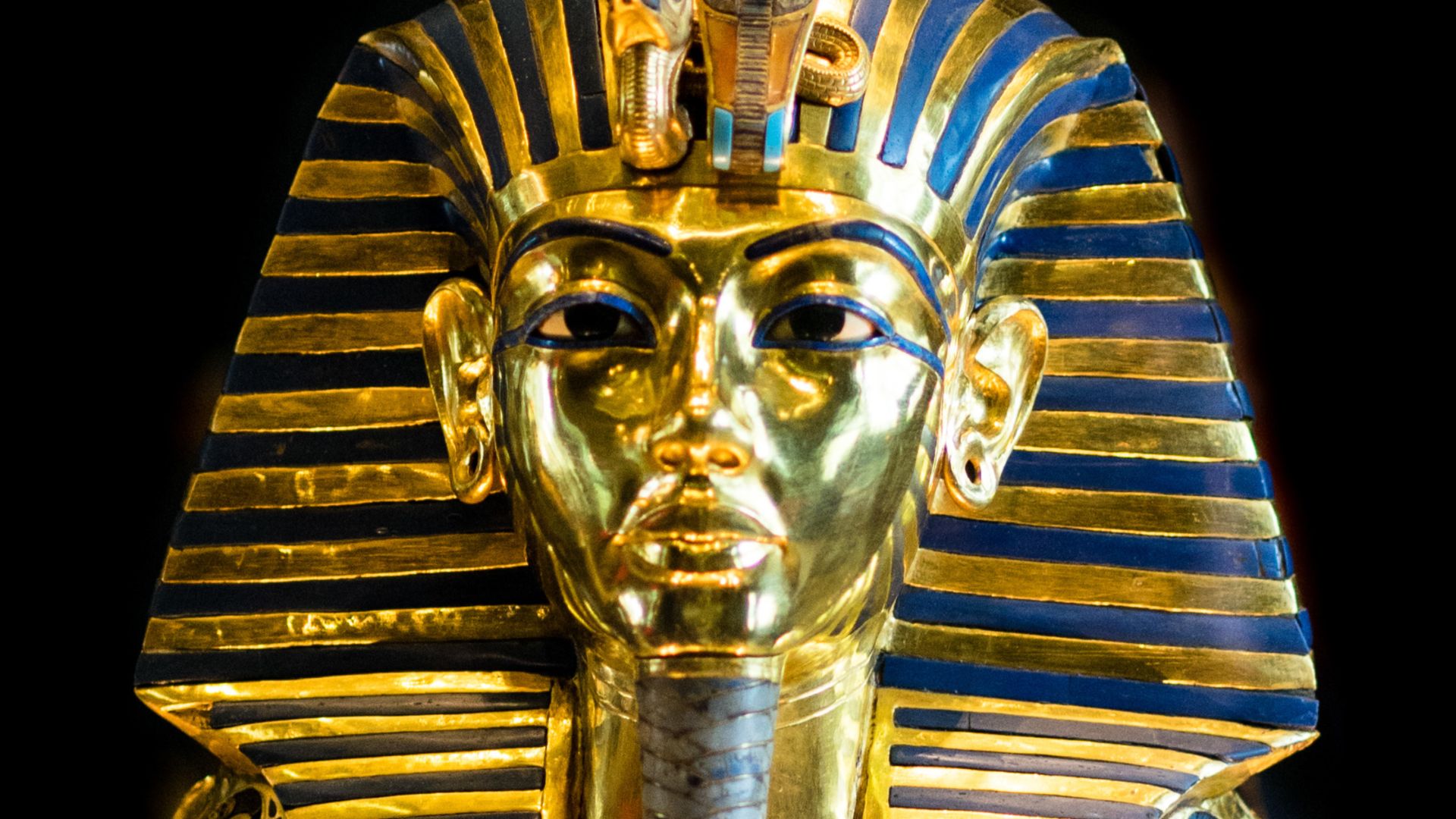
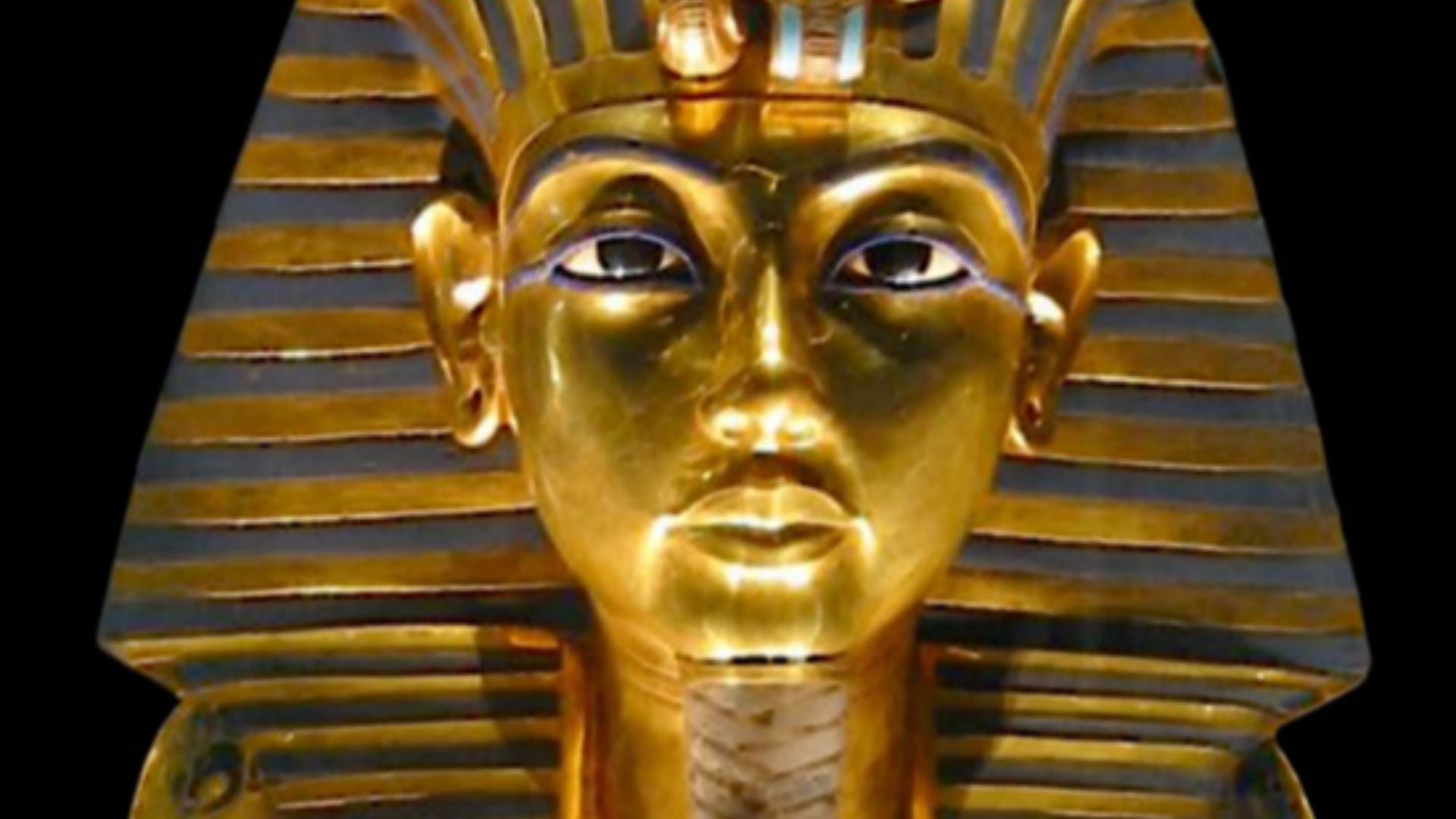
16. Tutankhamun
Tutankhamun died young and left no surviving heir, which made Egypt’s royal succession unstable. After his death, the elderly courtier Ay took the throne, followed later by Horemheb, who erased much of the Amarna-era royal legacy. Tutankhamun’s fame today comes from his tomb, but his death mattered politically because it helped end a fragile royal line.
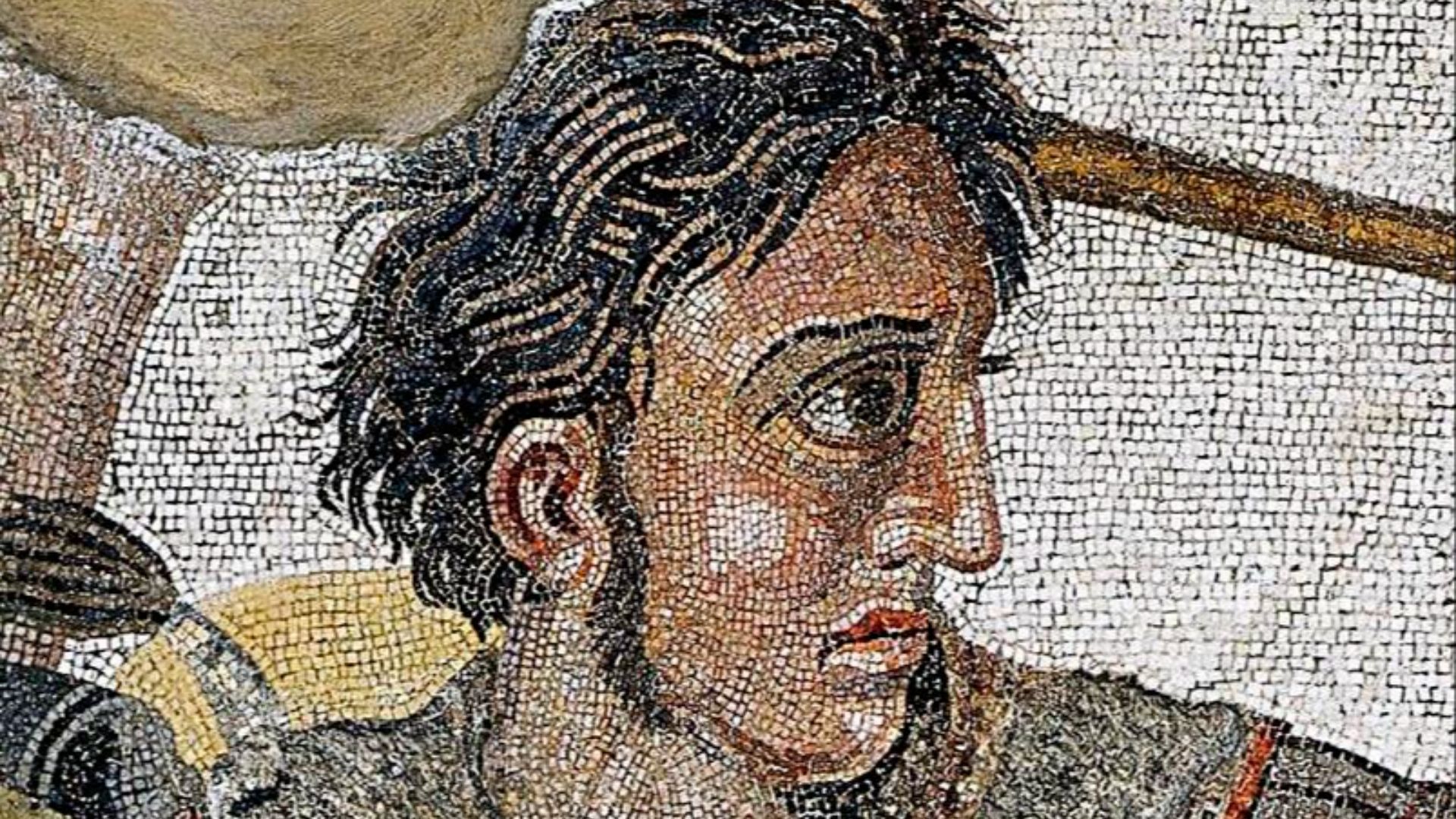
17. Alexander the Great
Alexander the Great died in 323 BCE without a strong adult heir ready to rule his vast empire. His half-brother and unborn son were technically part of the succession, but real power quickly fell into the hands of his generals. The empire fractured into competing kingdoms ruled by the Diadochi.
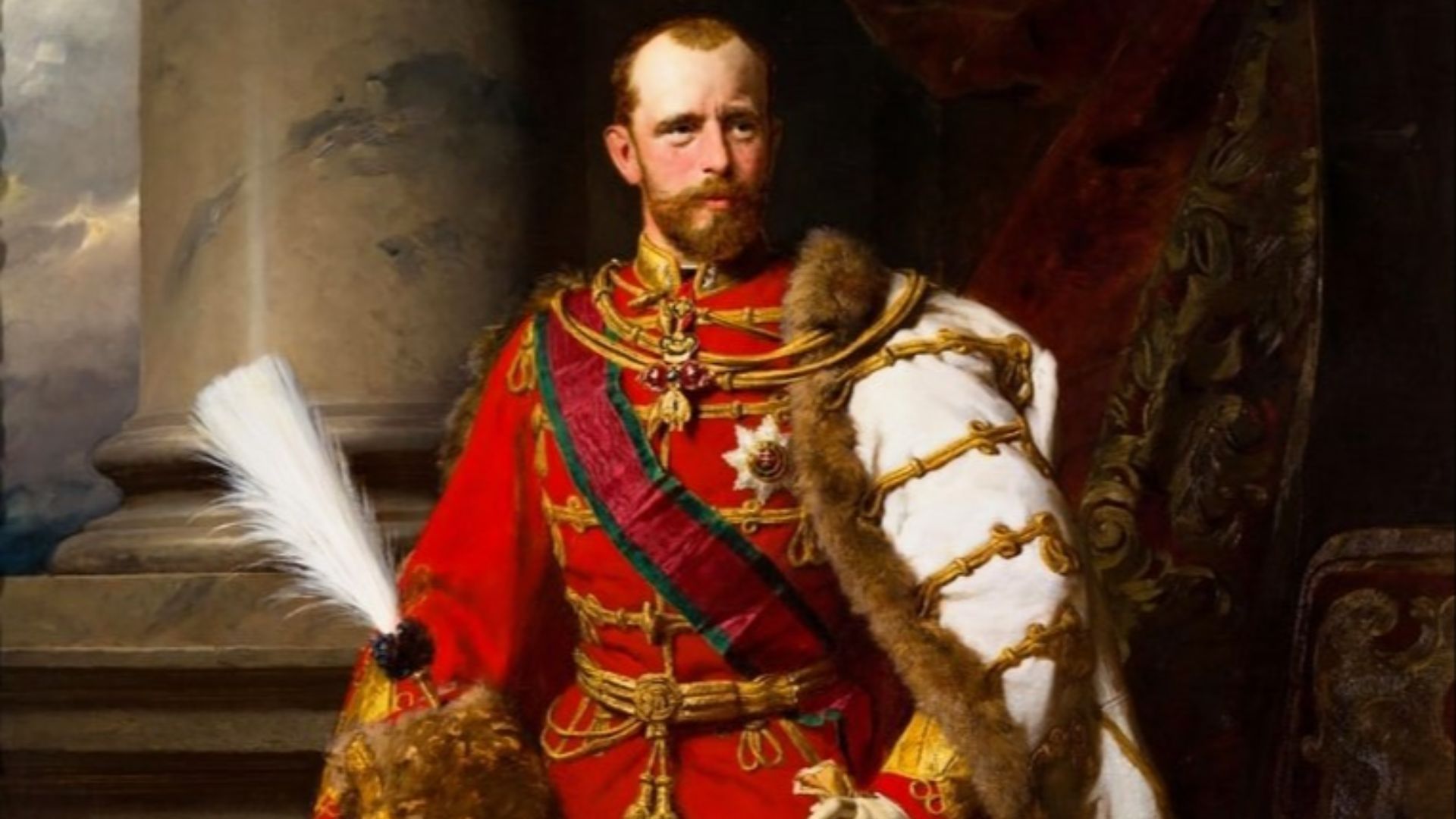
18. Crown Prince Rudolf of Austria
Crown Prince Rudolf, heir to the Austro-Hungarian throne, died in 1889 in the Mayerling incident. His death shifted the succession away from Emperor Franz Joseph’s direct line and eventually helped make Franz Ferdinand the heir presumptive. That mattered because Franz Ferdinand’s assassination later triggered the crisis that led to World War I.
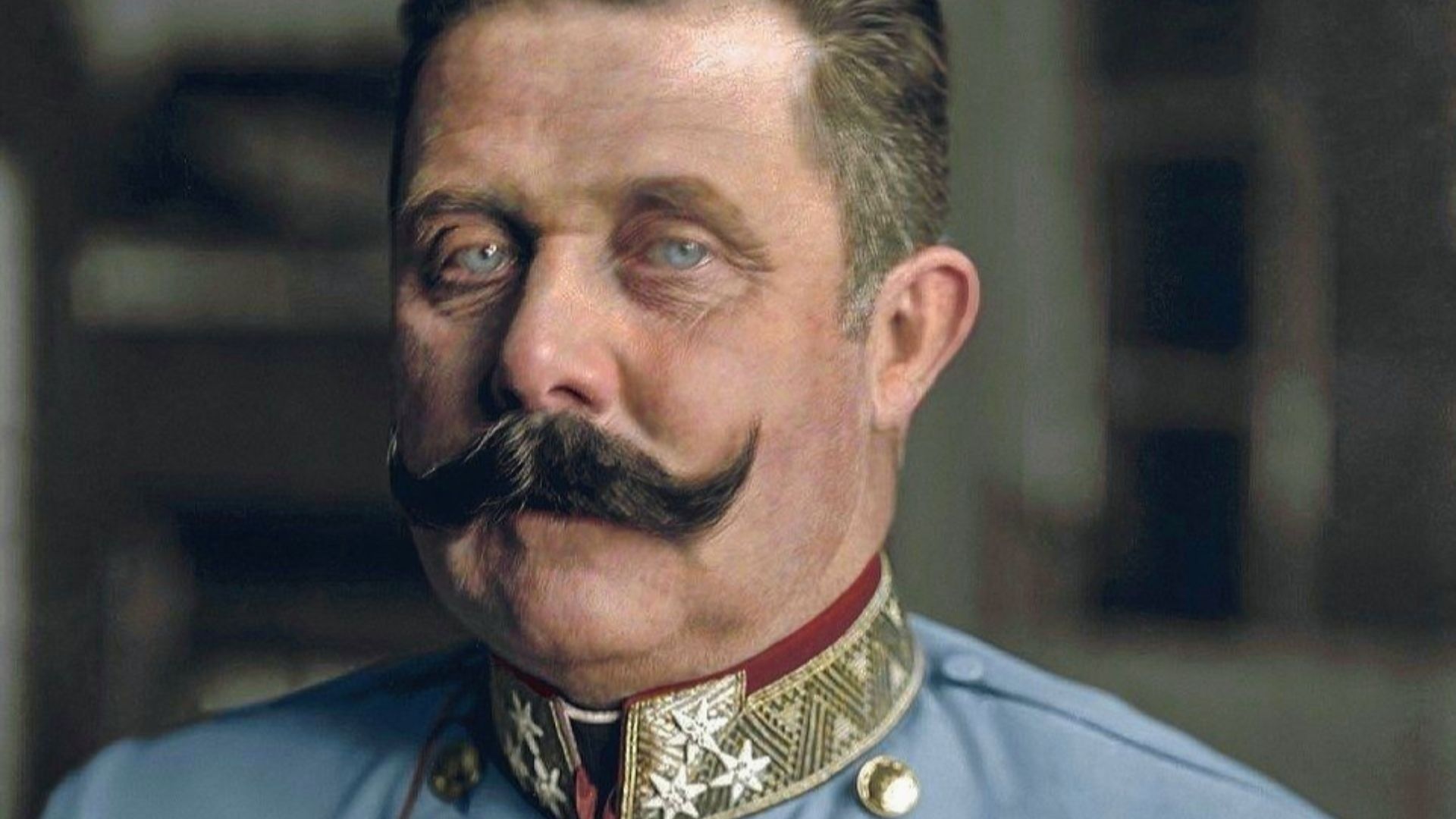
19. Archduke Franz Ferdinand
Archduke Franz Ferdinand was heir to the Austro-Hungarian throne when he was assassinated in Sarajevo in 1914. His death meant the succession moved to Archduke Karl, who later became Emperor Charles I after Franz Joseph died in 1916. Of course, the assassination also triggered a chain of events that led to World War I.
 Ferdinand Schmutzer on Wikimedia
20. Nicholas Alexandrovich of Russia
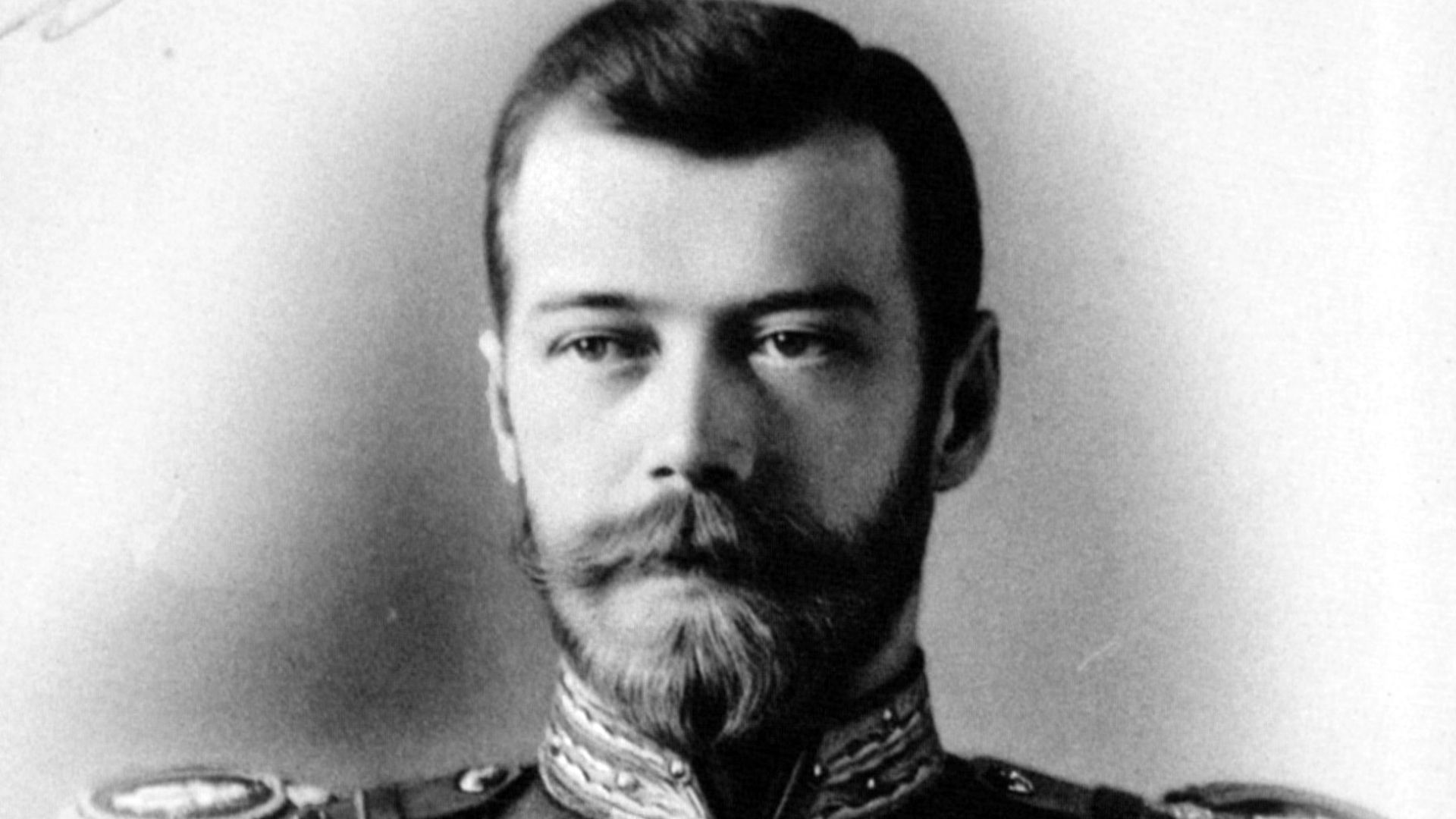
Nicholas Alexandrovich was the eldest son of Tsar Alexander II and the original heir to the Russian throne. He died in 1865, which made his younger brother Alexander the new heir. That brother later became Alexander III, whose conservative rule shaped the environment inherited by his son, Nicholas II.
KEEP ON READING

20 Weirdest Historical Objects in Museums
Check Out the Pickled Heart of a Saint. Museums carry…
By Rob Shapiro Oct 1, 2025
20 Scariest Missing Persons Cases in History
Eerie Disappearances. There's something uniquely unsettling about a person who…
By Christy Chan May 1, 2026
20 Greatest Ancient Athletes In History
Ancient Olympics. Long before modern stadiums and multimillion-dollar endorsements, athletes…
By Sara Springsteen May 1, 2026
10 Phenomenal Mythical Creatures & 10 That Are Just Plain…
Legends Both Majestic And Peculiar. Do you ever wonder why…
By Chase Wexler Oct 1, 2025
10 Presidents Who Never Served In The Military & 10…
Commanders And Civilians In Office. Power can rise from very…
By David Davidovic Sep 1, 2025
20 Wars That Could Have Ended Much Sooner Than They…
Wars That Lasted Far Too Long. Wars are often remembered…
By David Davidovic Sep 1, 2025