

When the Natural World Changed Human Events
Human history is often told through the actions of rulers, armies, inventors, and political movements, yet nature has played an equally important role in shaping the world. From volcanic eruptions and severe weather to disease outbreaks and environmental shifts, natural events have repeatedly influenced the rise and fall of civilizations, redirected military campaigns, and transformed societies. These 20 moments serve as reminders that even the most powerful human plans can be affected by forces beyond anyone's control.
 Philip James de Loutherbourg on Wikimedia
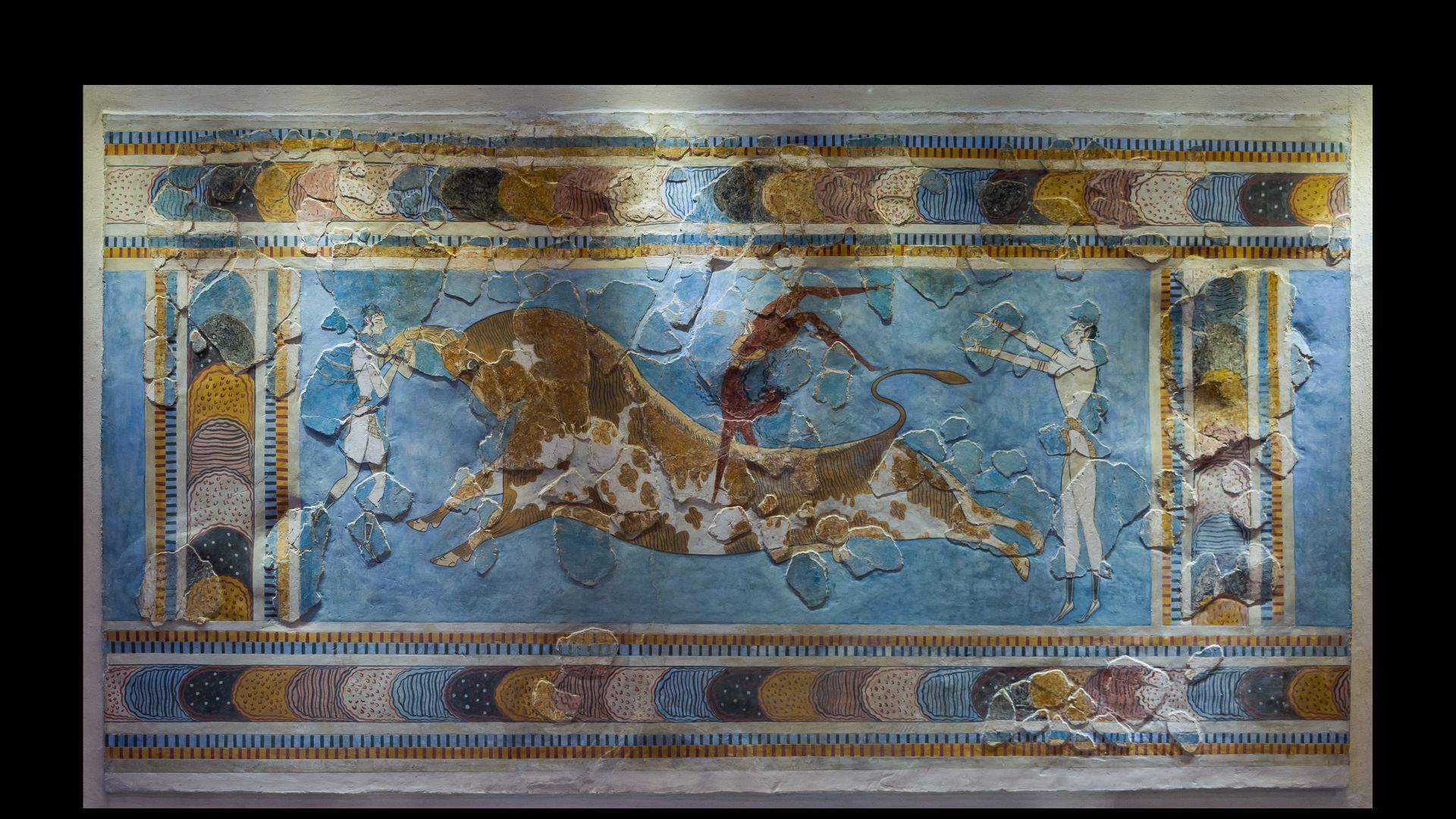
1. The Eruption of Thera and the Minoan Civilization
Around the 16th century BC, the volcanic eruption of Thera on the island of Santorini was one of the largest eruptions in recorded human history. The explosion generated ash clouds, earthquakes, and likely tsunamis that affected communities throughout the Aegean Sea. Many historians believe it weakened the Minoan civilization on Crete, contributing to its eventual decline.
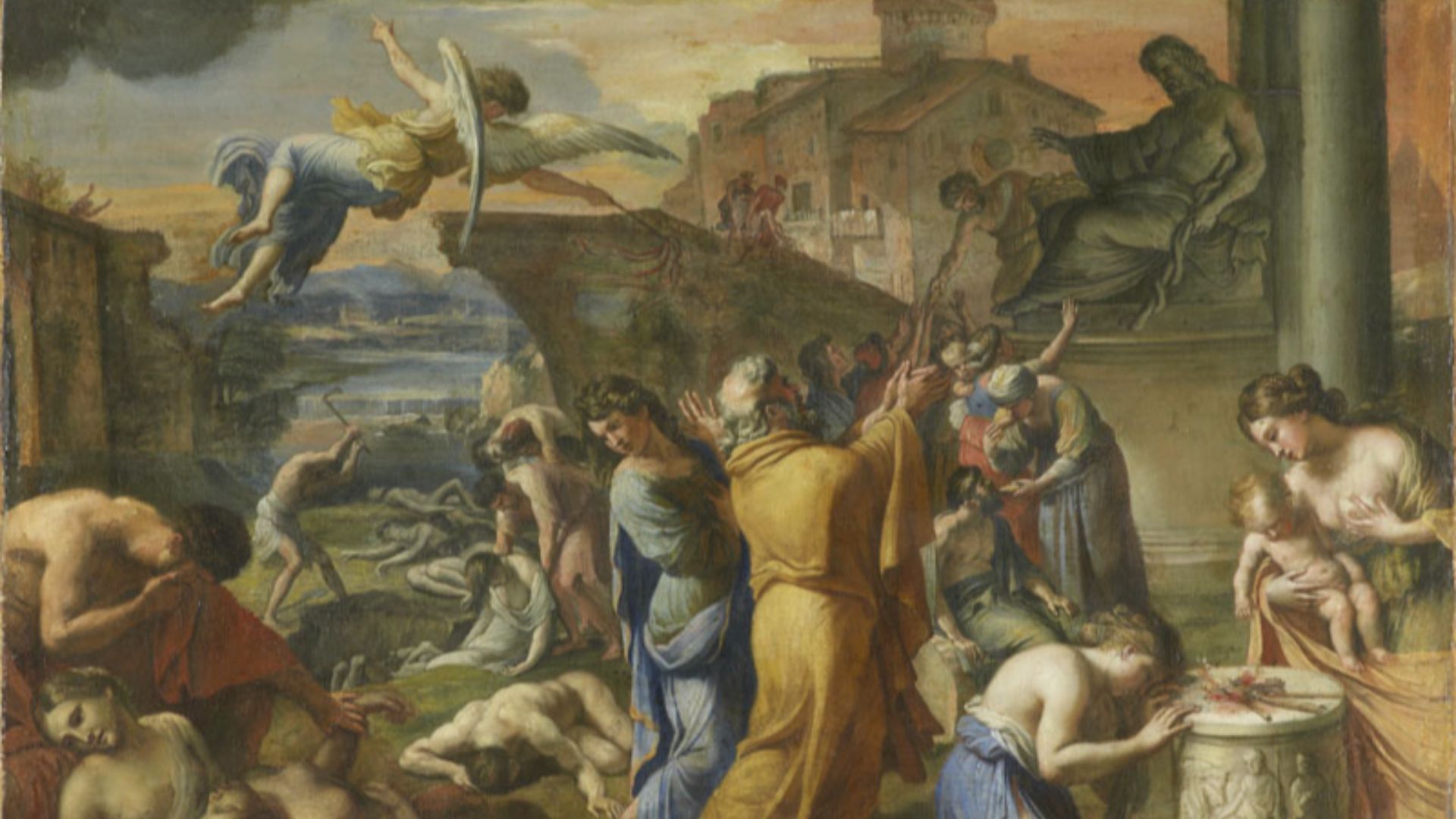
2. The Plague of Athens During the Peloponnesian War
In 430 BC, a devastating epidemic struck Athens while the city was engaged in war with Sparta. The disease killed a significant portion of the population, including the influential leader Pericles. The outbreak weakened Athens militarily and politically.
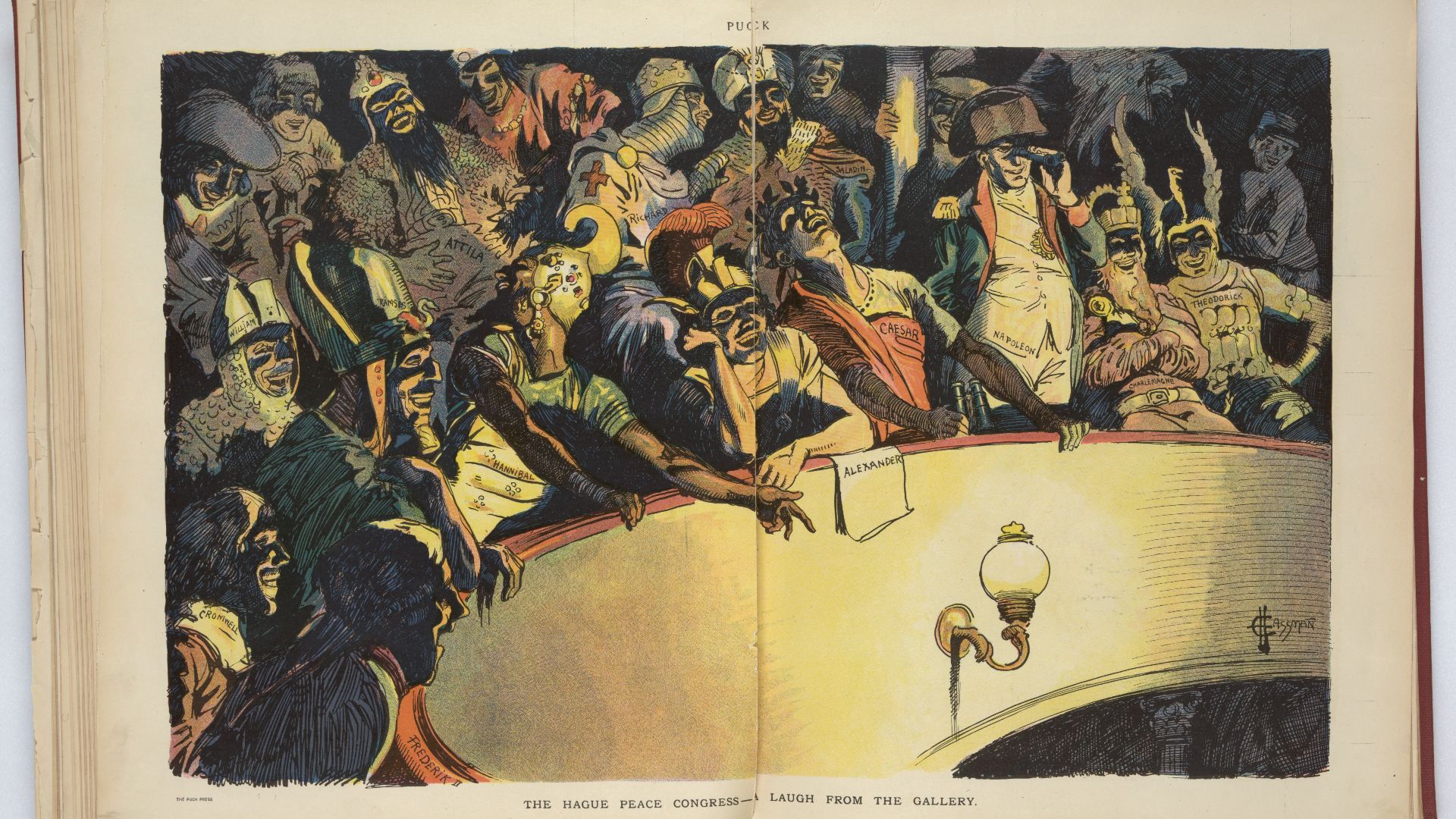
3. Hannibal's Alpine Crossing
When Hannibal led his army across the Alps in 218 BC, nature proved almost as dangerous as the Roman forces he planned to fight. Harsh weather, steep terrain, and freezing temperatures caused heavy losses among his troops and animals.
 Karl Ludwig Hassmann on Wikimedia
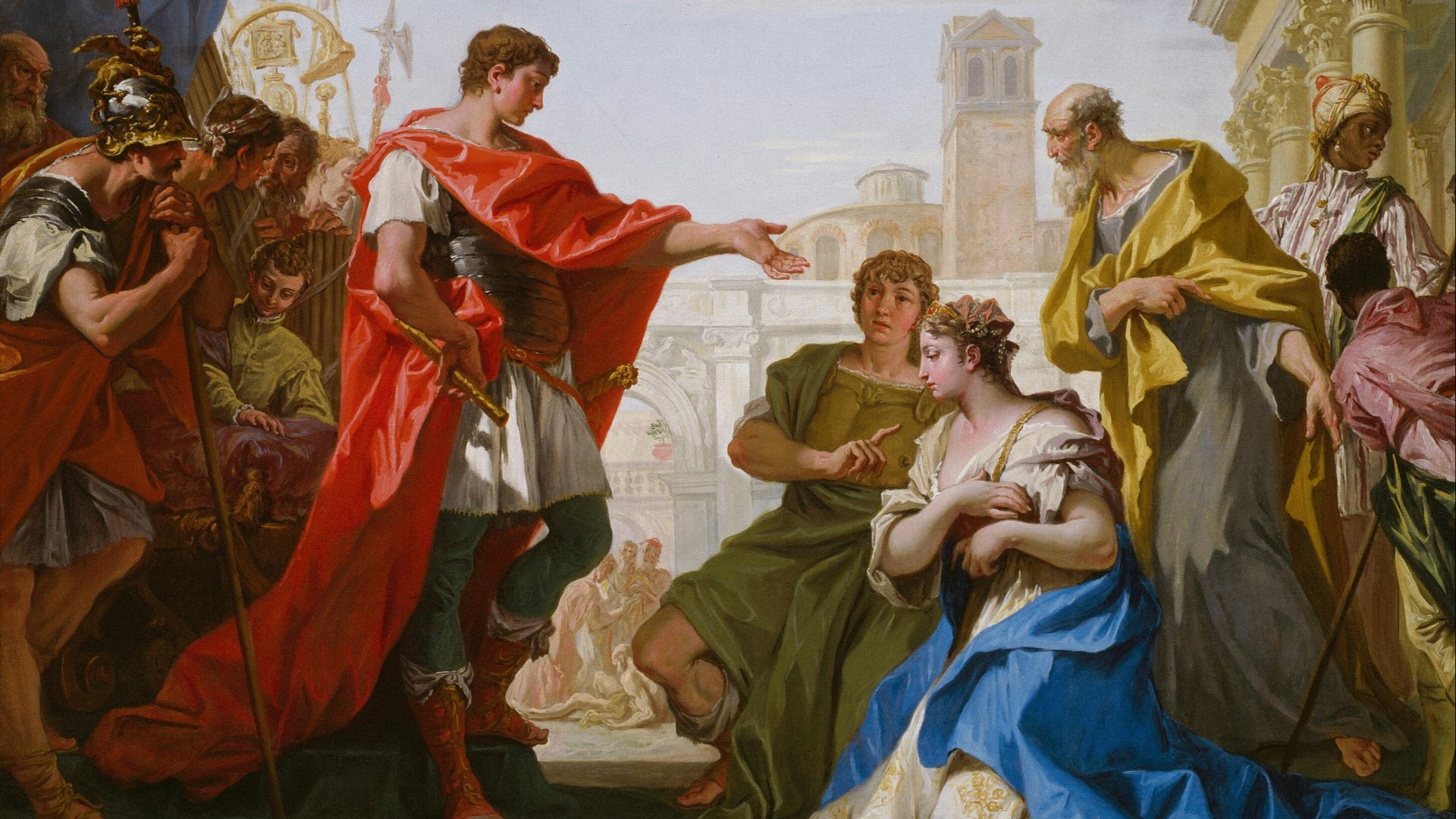
4. The Antonine Plague and the Roman Empire
The Antonine Plague spread through the Roman Empire during the second century AD and may have been smallpox or measles. It caused widespread deaths among civilians and soldiers alike.
 Art Institute of Chicago on Unsplash
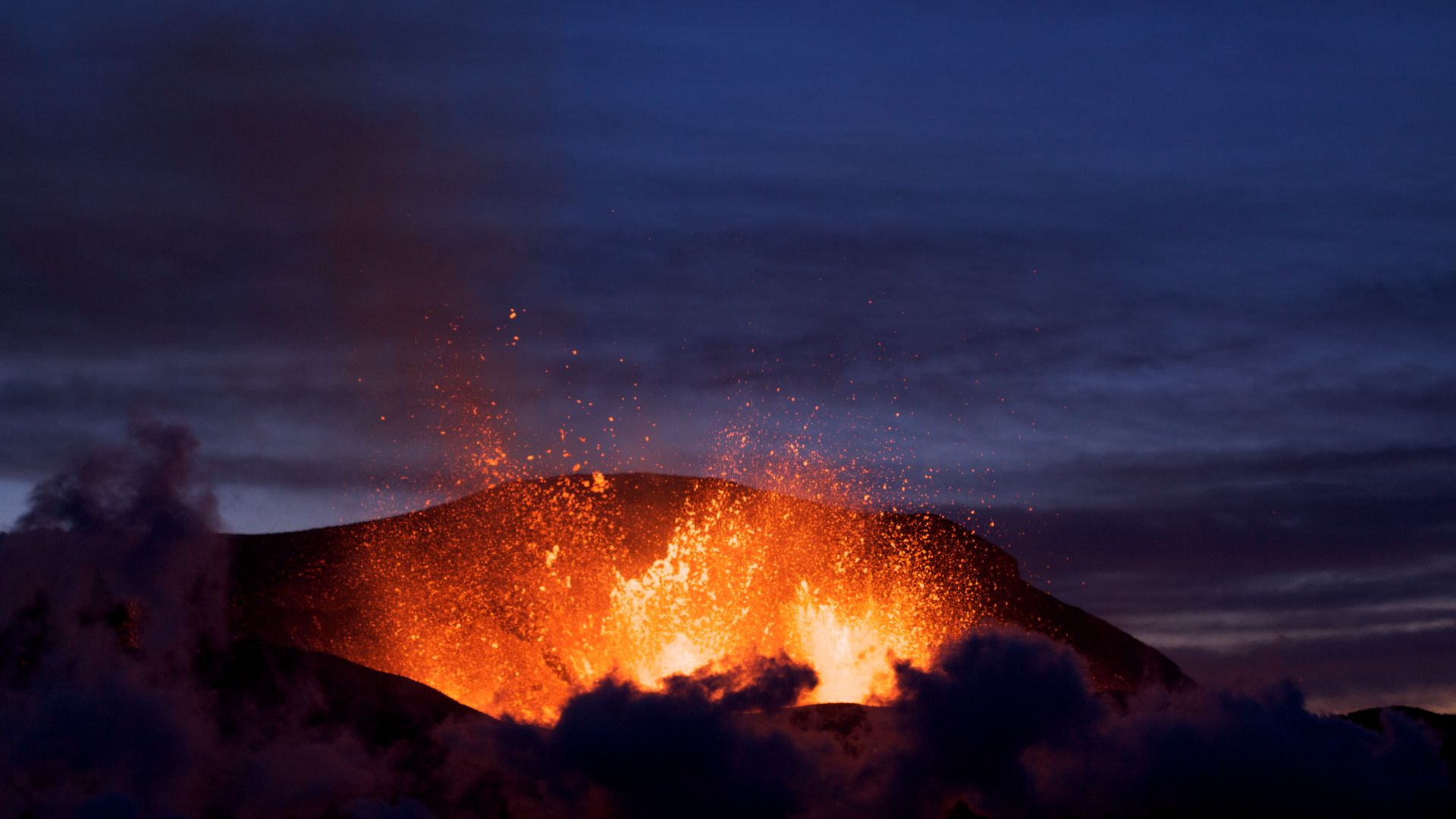
5. The Volcanic Winter of AD 536
A massive volcanic event in the sixth century created a haze that dimmed sunlight across much of the Northern Hemisphere. Historical records describe unusually cold temperatures, crop failures, and widespread famine. Many scholars consider it one of the most disruptive environmental events of the last two thousand years.
6. The Black Death Reshapes Europe
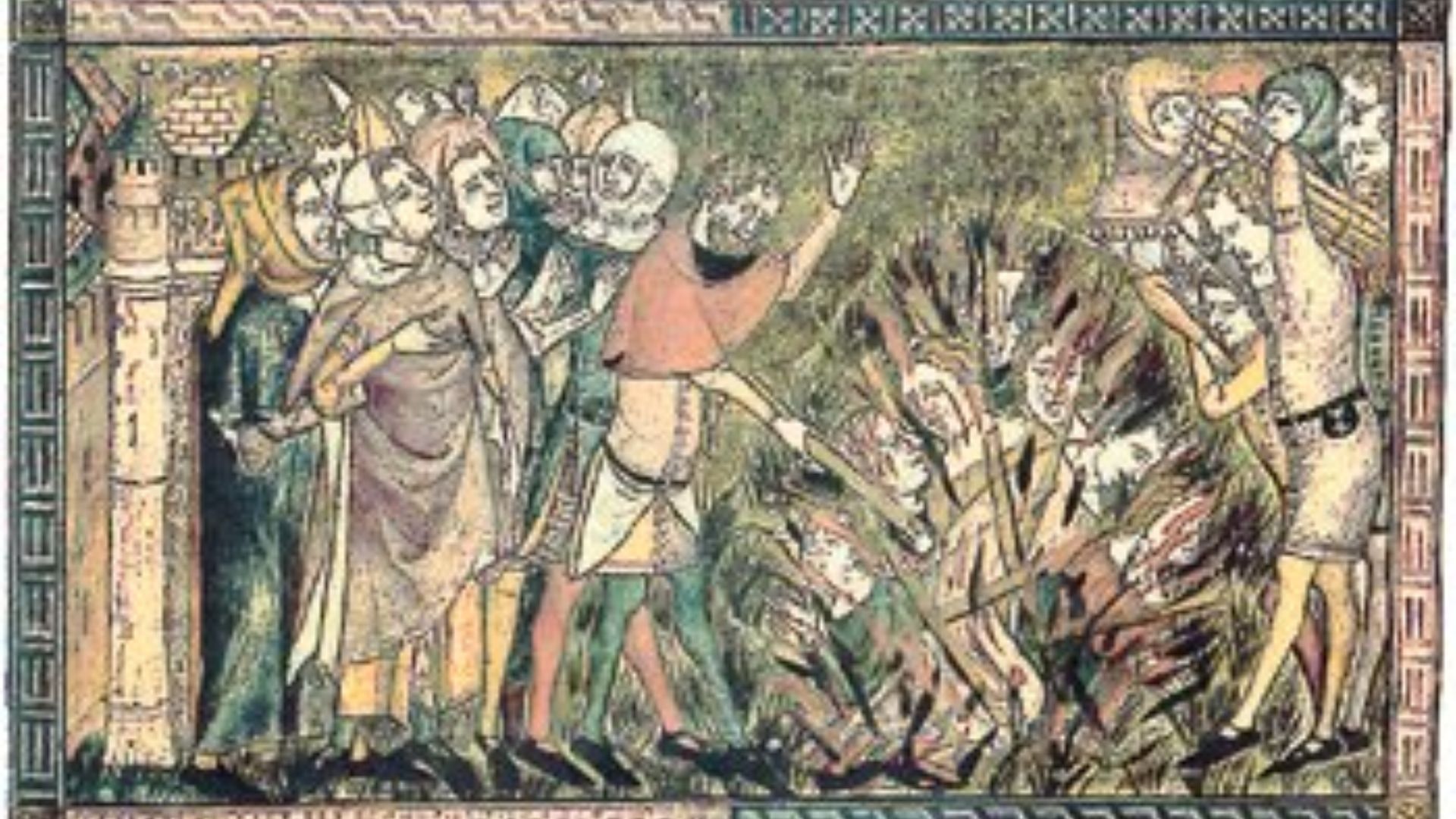
Beginning in the mid-14th century, the Black Death killed tens of millions of people across Europe, Asia, and North Africa. Labor shortages transformed economic systems and altered relationships between workers and landowners.
 Anonymous Medieval drawing (Life time: circa 1375) on Wikimedia
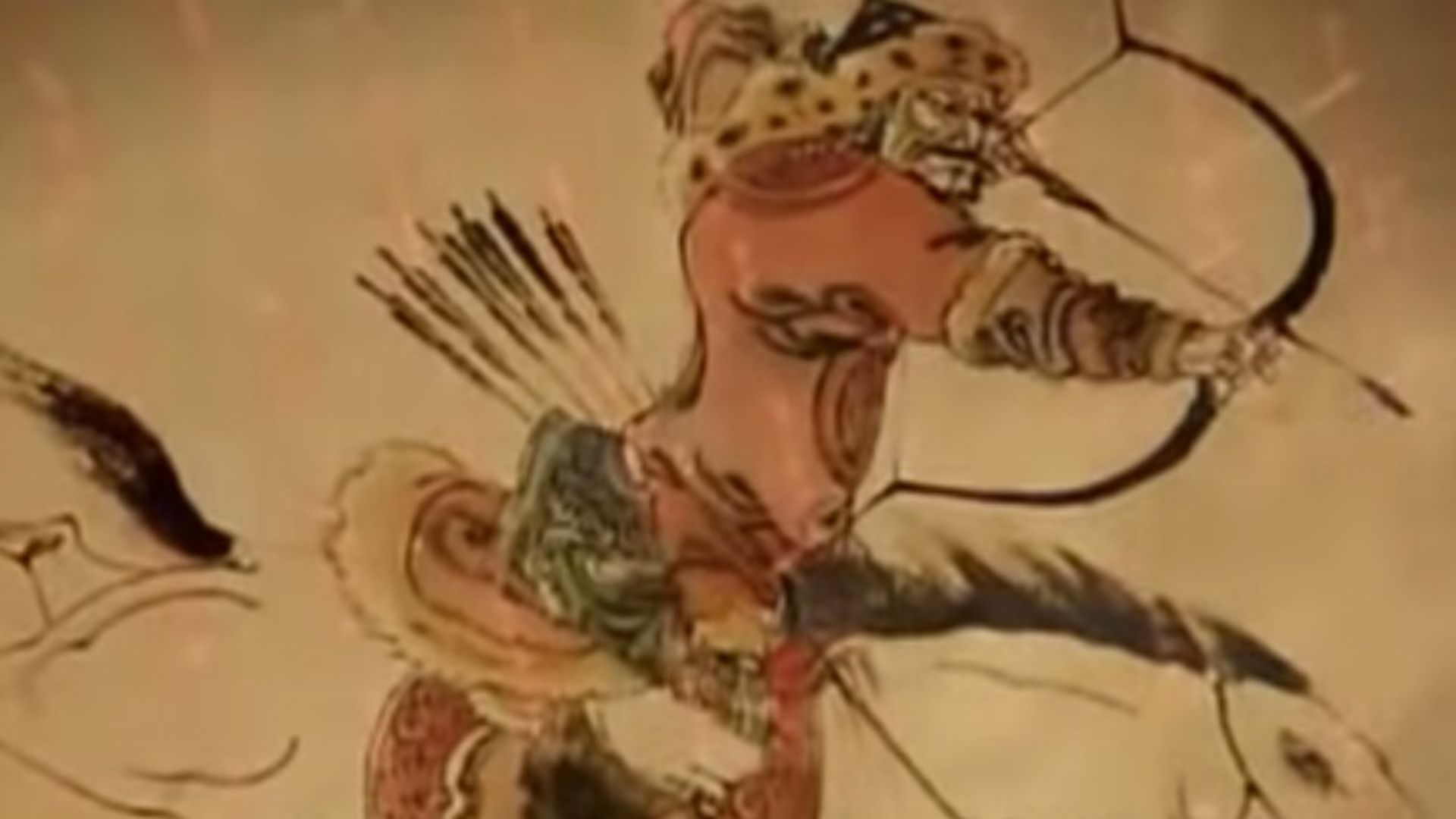
7. Storms Aid the Mongol Defense of Japan
In 1274 and again in 1281, Mongol invasion fleets attempted to conquer Japan. Powerful typhoons struck the invading forces, destroying large numbers of ships before they could complete their mission. These storms became known in Japanese history as the "divine wind," or kamikaze.
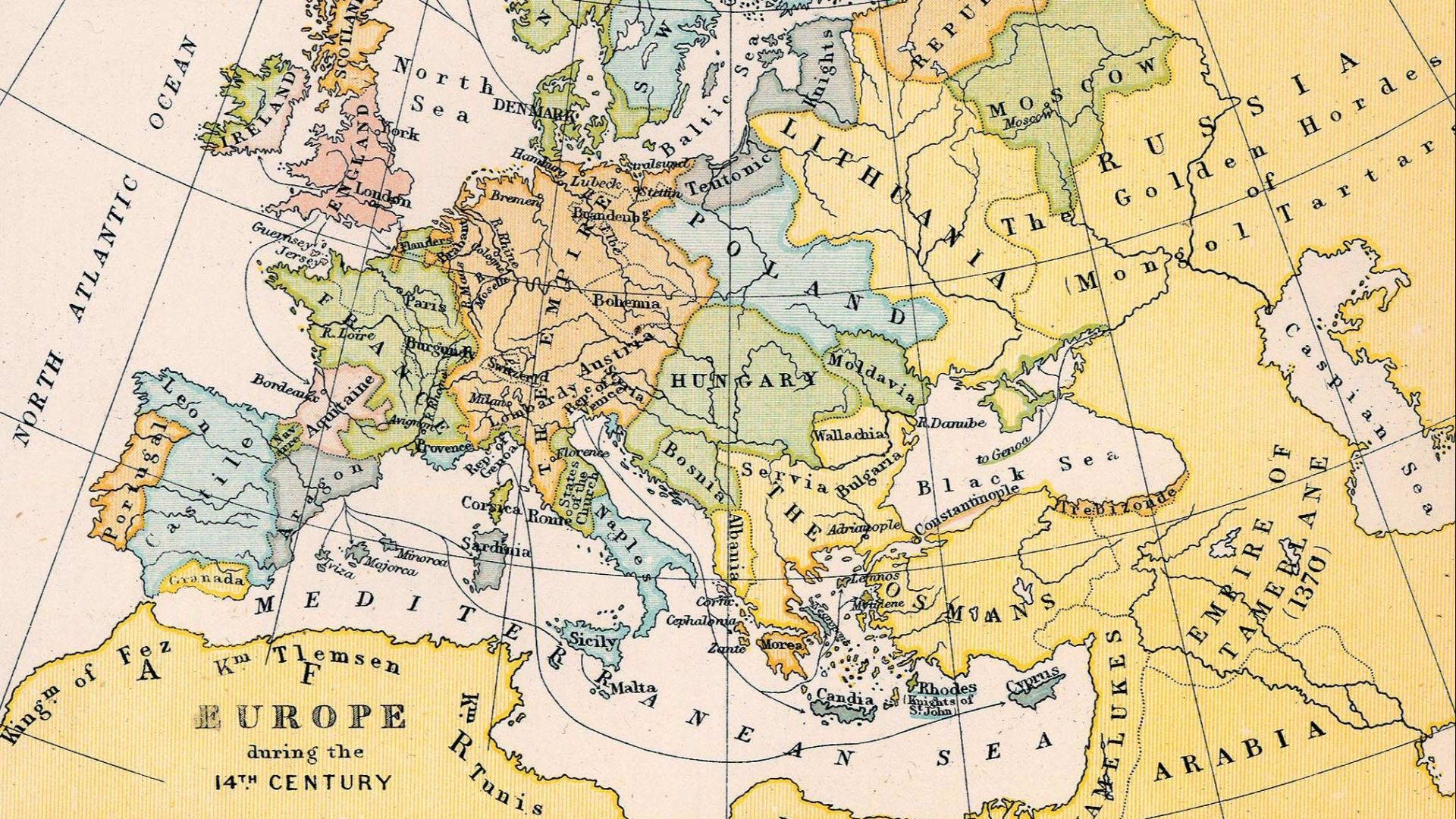
8. The Little Ice Age Affects European Society
From roughly the 14th to the 19th centuries, cooler temperatures influenced agriculture across Europe and other regions. Shorter growing seasons and harsh winters contributed to food shortages and economic difficulties. These environmental pressures often intensified existing political and social tensions.
 Charles Colbeck
Edited by Yarl on Wikimedia
Charles Colbeck
Edited by Yarl on Wikimedia
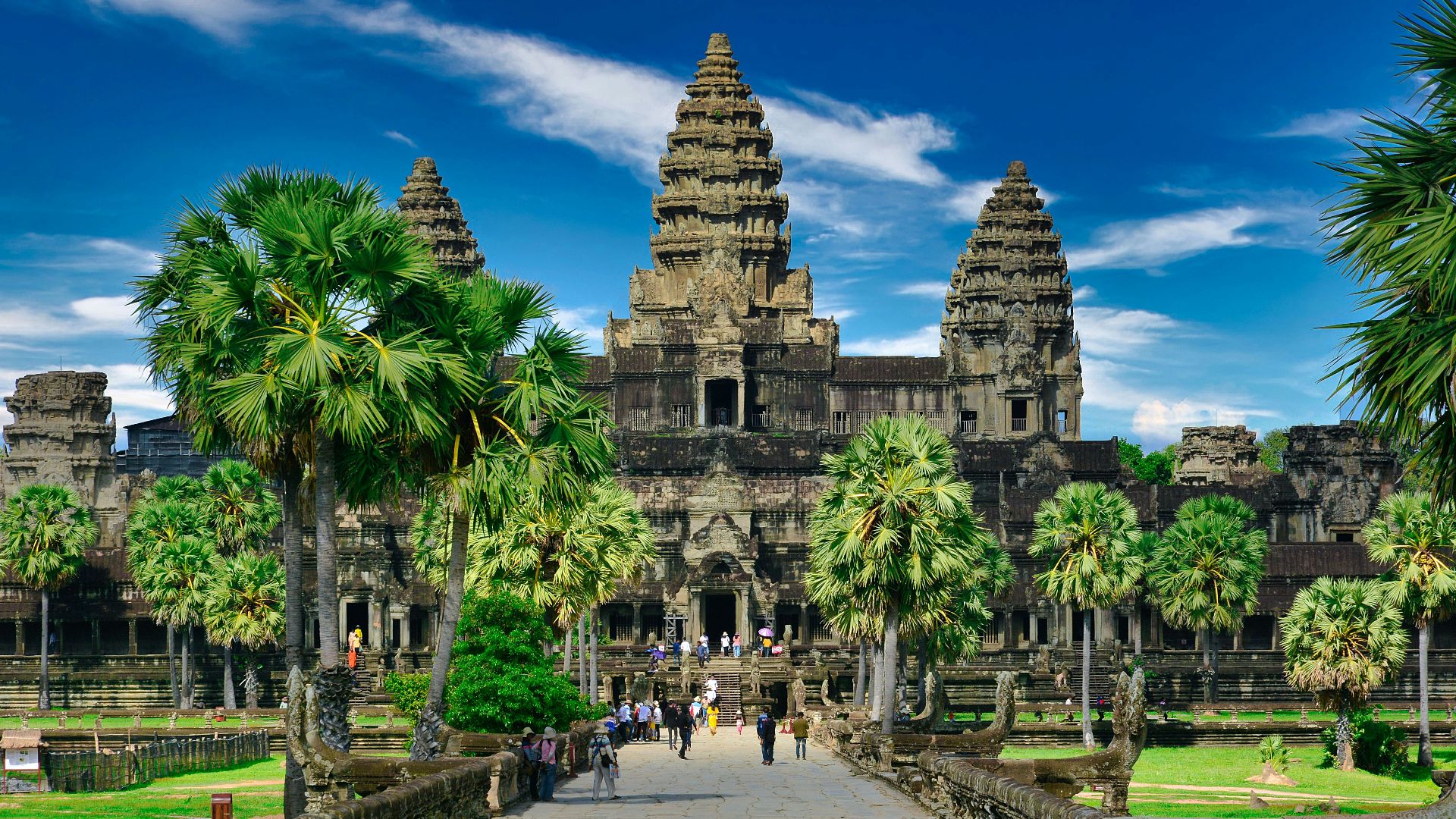
9. Drought Contributes to the Fall of Angkor
The Khmer Empire built the magnificent city of Angkor in present-day Cambodia. Research suggests that prolonged droughts, followed by intense flooding, strained the sophisticated water management systems that supported the region.
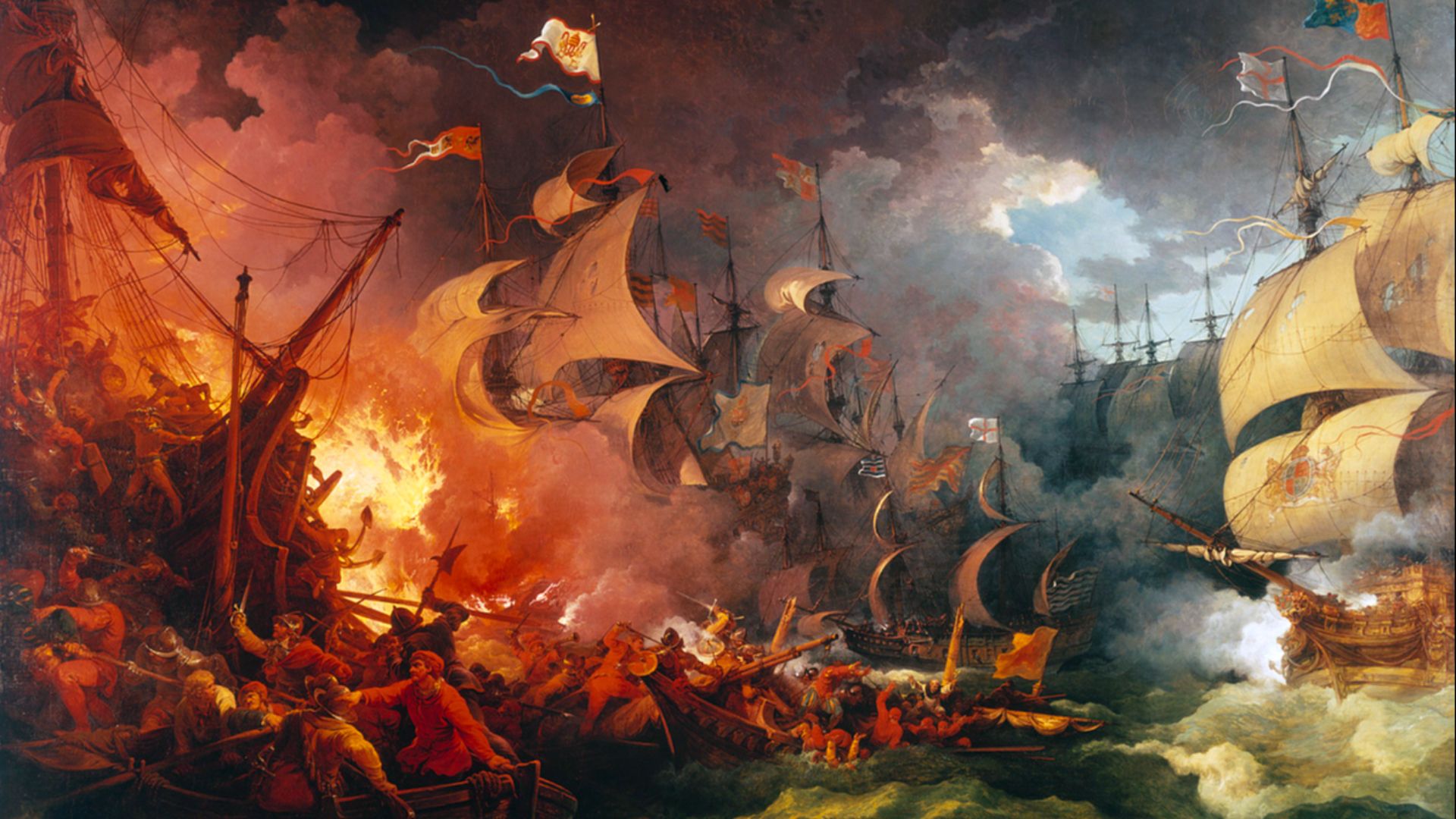
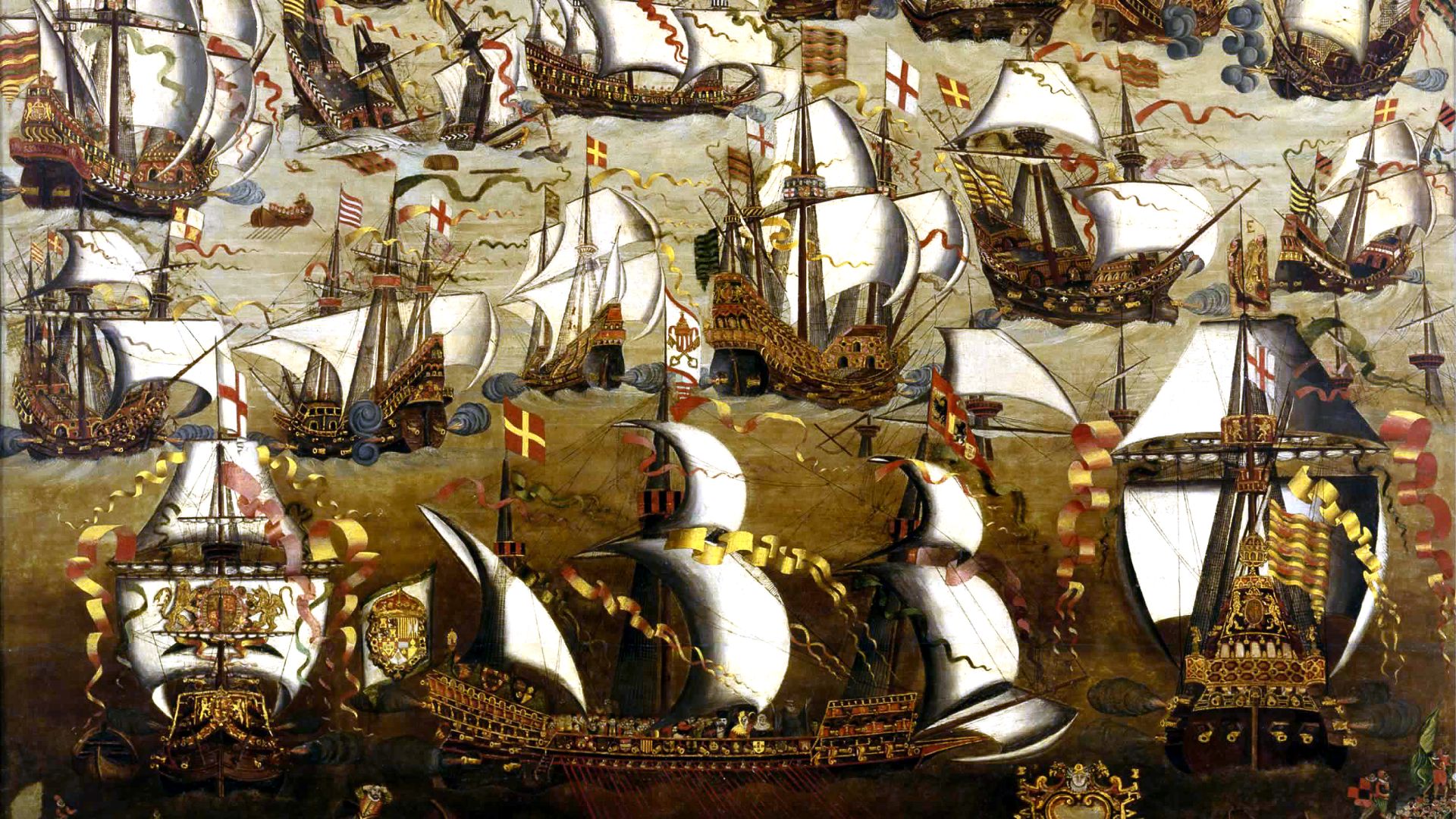
10. Weather Helps Defeat the Spanish Armada
In 1588, Spain launched its famous Armada against England. While naval tactics were important, severe storms scattered many Spanish ships during the campaign and retreat. The difficult weather contributed significantly to the failure of the invasion effort.
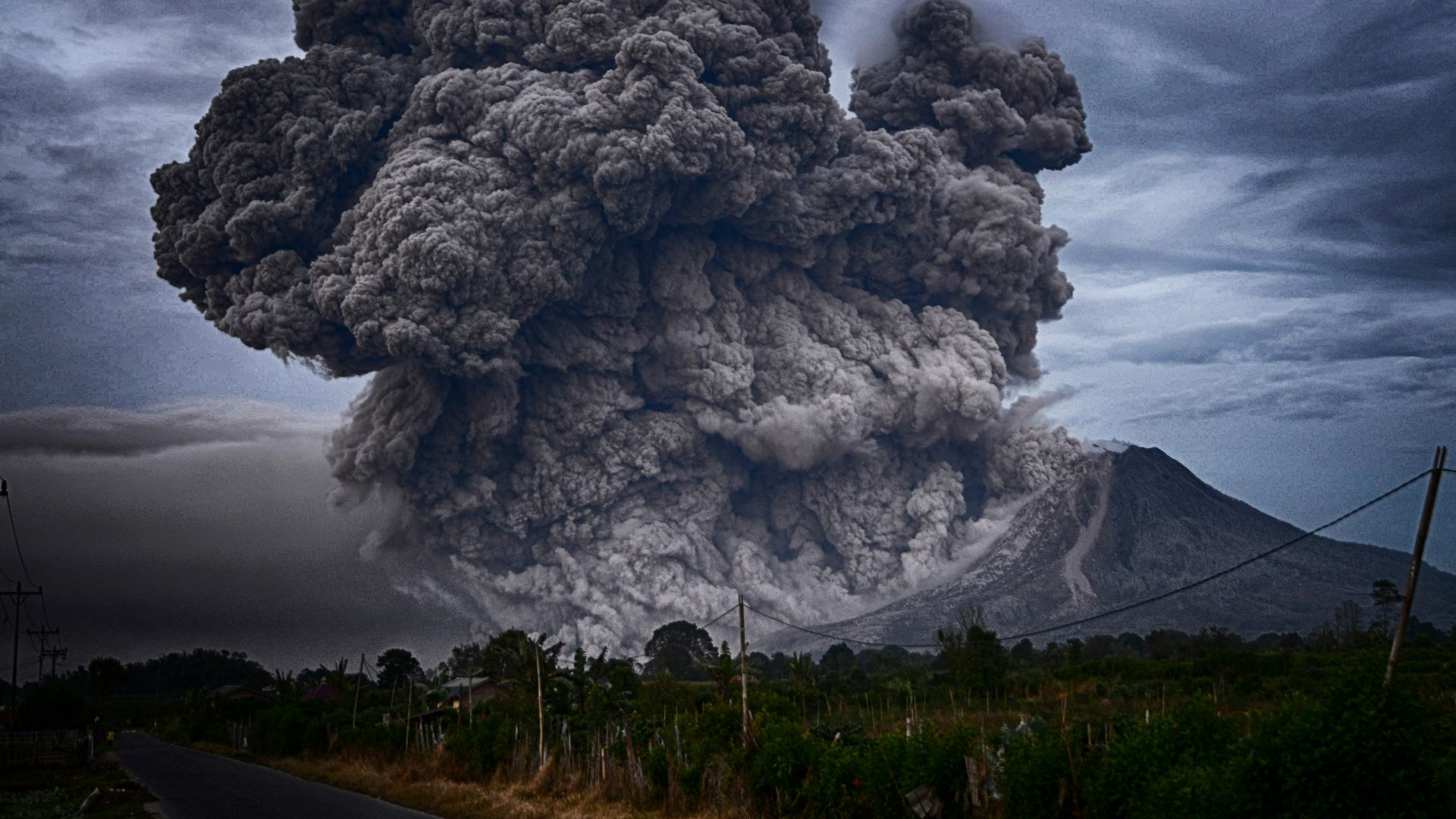
11. The Eruption of Huaynaputina Causes Global Effects
The Peruvian volcano Huaynaputina erupted in 1600, sending vast amounts of material into the atmosphere. The eruption contributed to cooler global temperatures and poor harvests in several parts of the world. In some regions, the resulting food shortages led to social unrest and hardship.
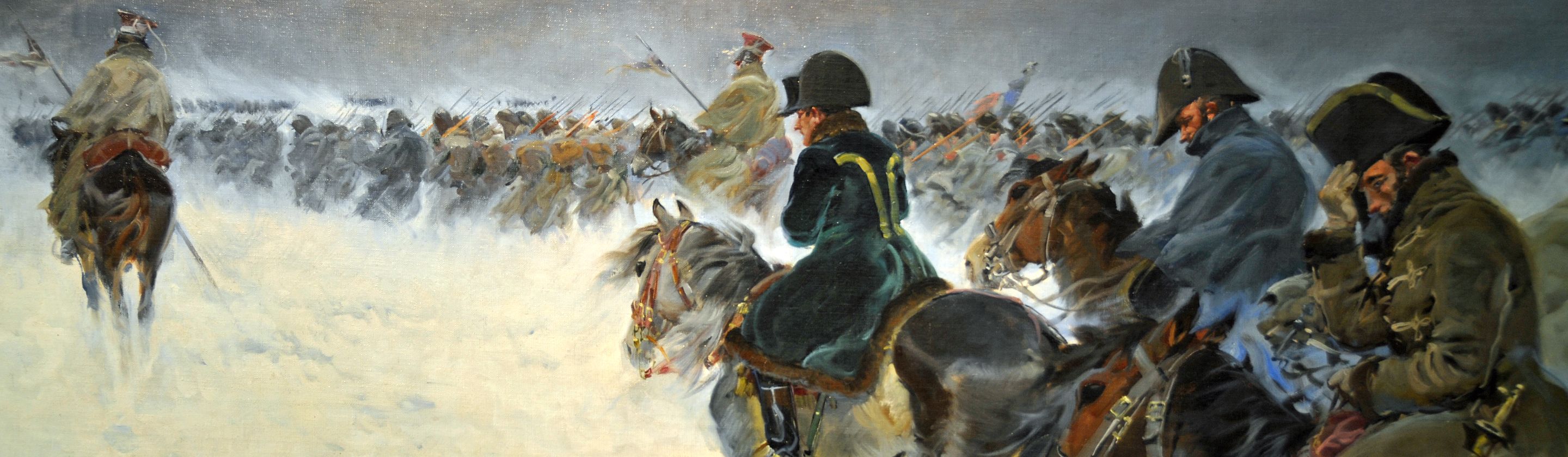
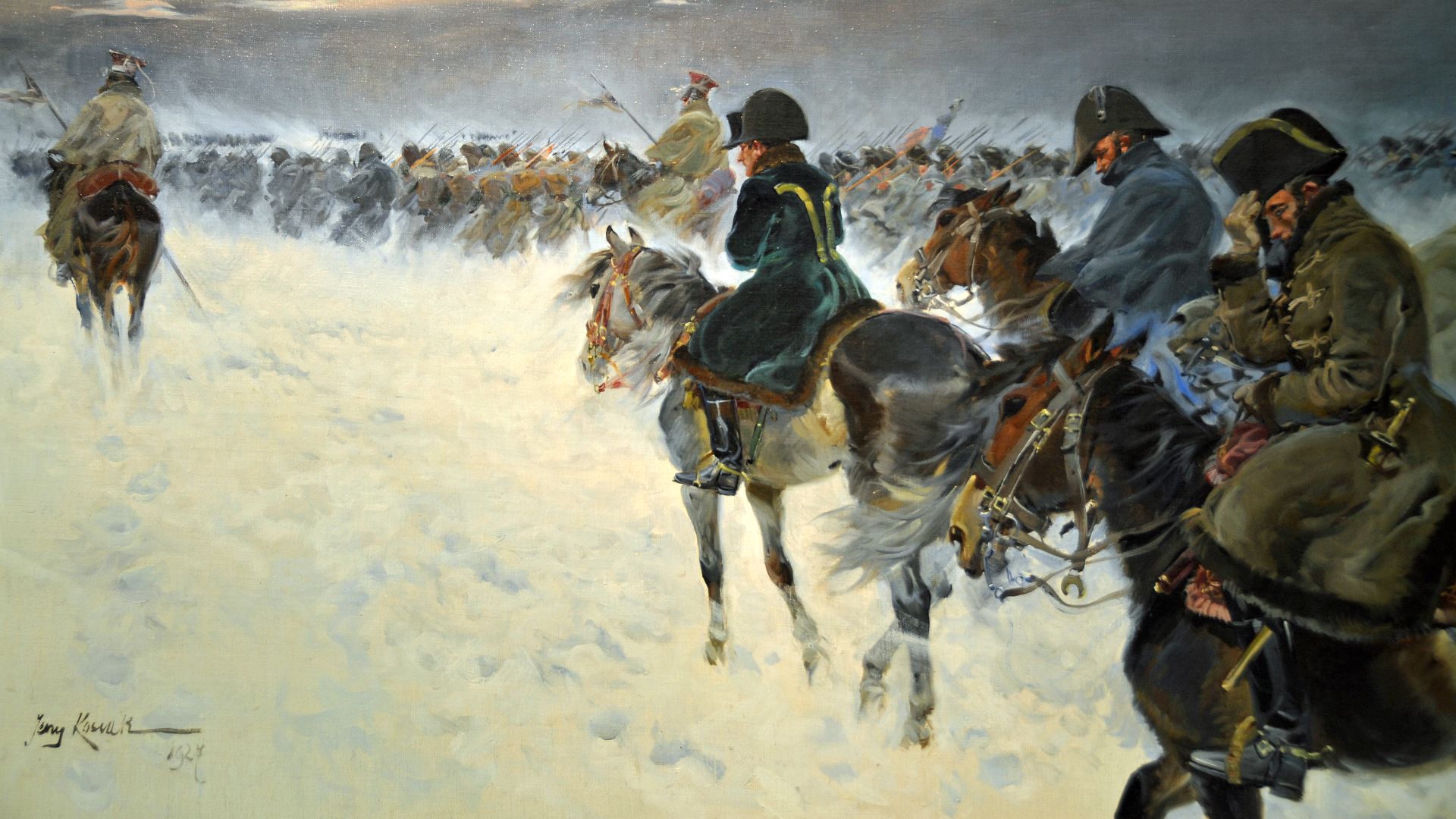
12. Russia's Winter Challenges Napoleon
Napoleon's invasion of Russia in 1812 began with enormous ambition but ended in disaster. As French forces retreated, they faced extreme cold, limited supplies, and difficult travel conditions.
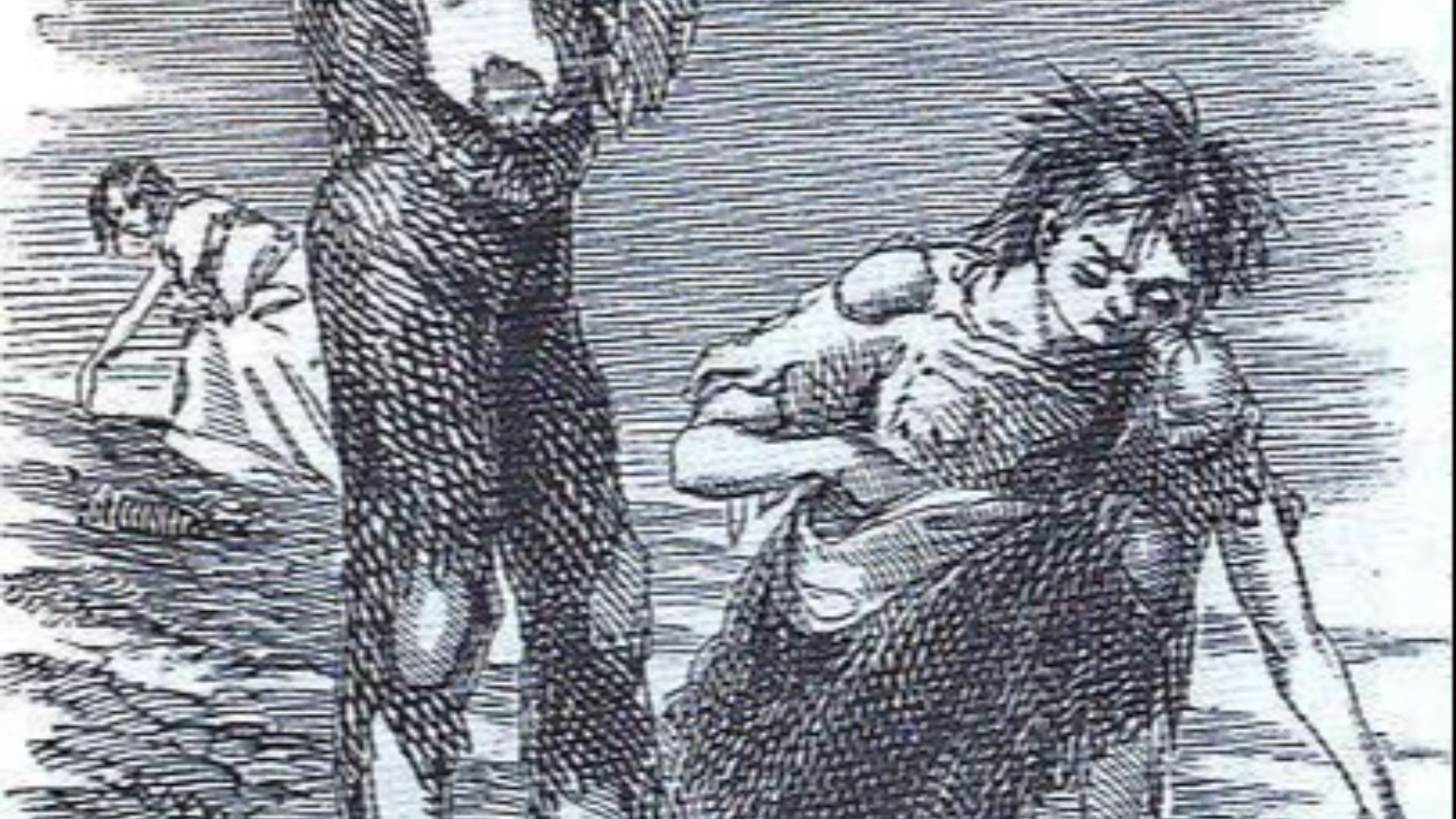
13. The Irish Potato Famine
In the 1840s, a plant disease known as potato blight devastated Ireland's primary food crop. The resulting famine caused widespread hunger, disease, and emigration. Its effects permanently changed Ireland's population and influenced political developments for decades.
14. The Krakatoa Eruption Shocks the World
The eruption of Krakatoa in 1883 was heard thousands of miles away and generated massive tsunamis. The event affected global weather patterns and produced remarkable sunsets observed around the world.
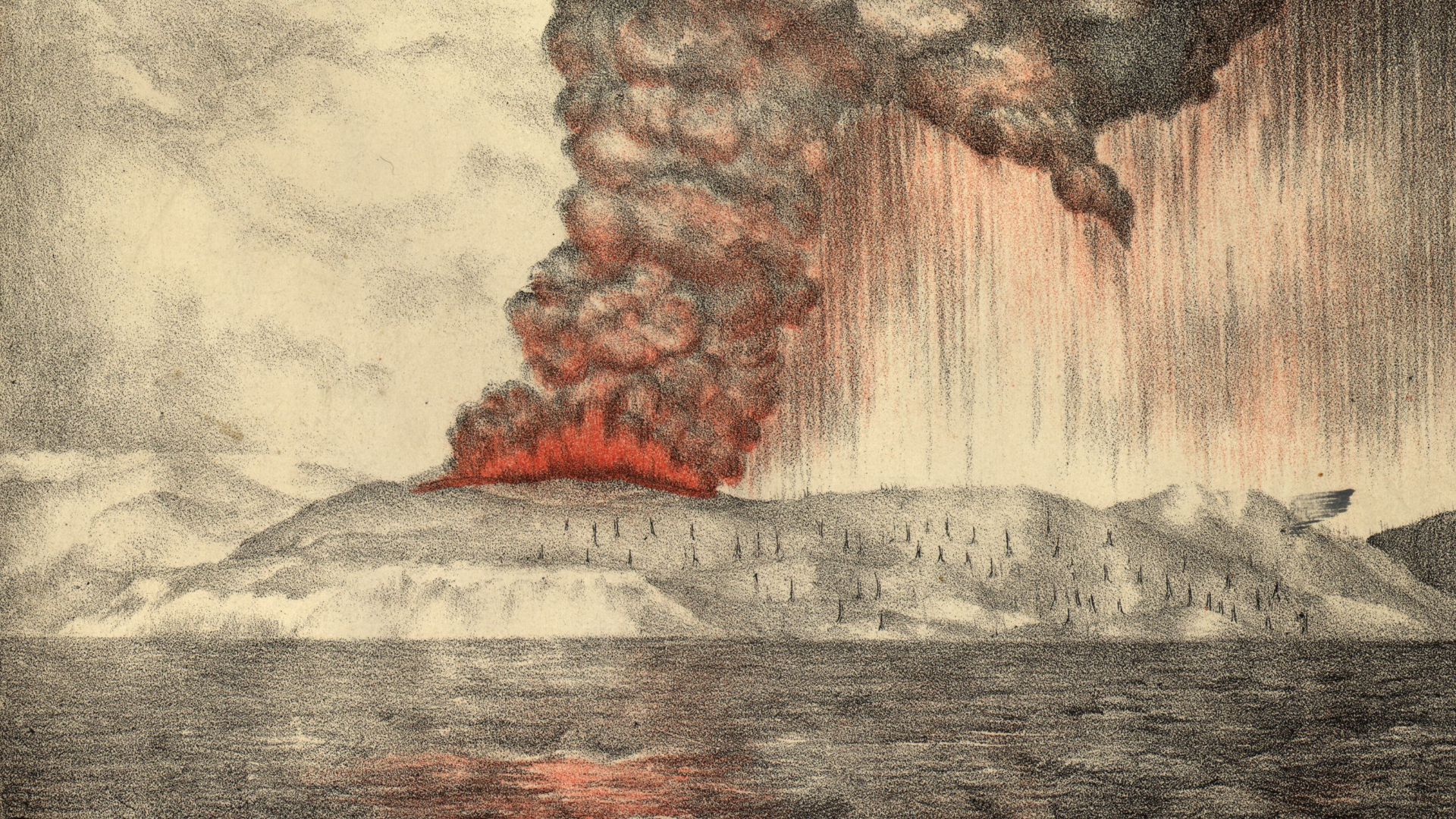 Lithograph: Parker & Coward, Britain; on Wikimedia
15. Mosquitoes Influence the Panama Canal
Disease-carrying mosquitoes posed a major challenge during early canal construction efforts in Panama. Malaria and yellow fever claimed thousands of lives and slowed progress considerably. Advances in disease control eventually made completion of the canal possible.
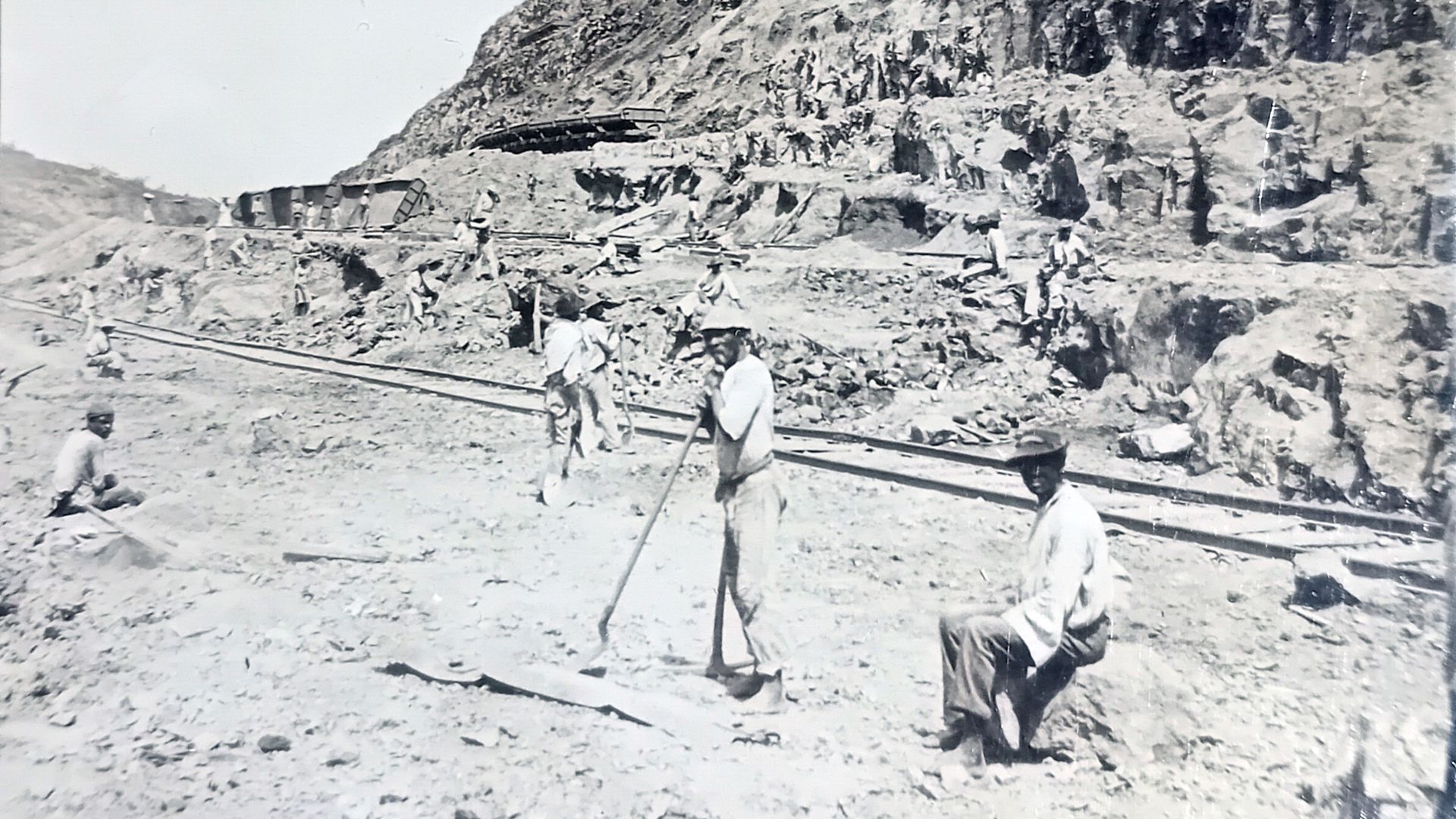 Unknown authorUnknown author on Wikimedia
16. Dust Bowl Conditions Transform America
During the 1930s, severe drought and poor land management practices created the Dust Bowl across parts of the United States. Massive dust storms damaged farms and displaced hundreds of thousands of people. The crisis influenced agricultural policy and migration patterns throughout the country.
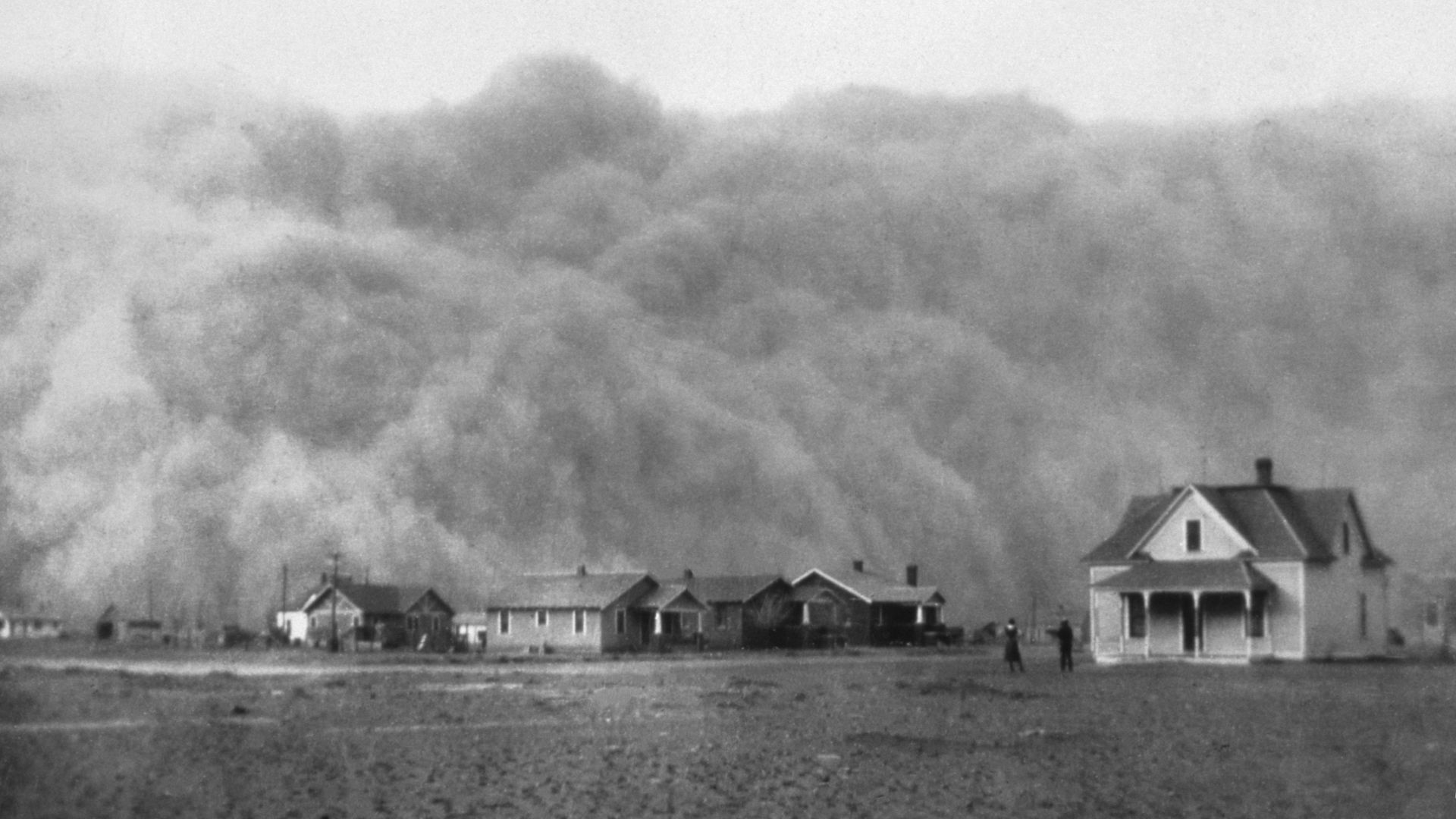 George Everett Marsh Jr. on Wikimedia
17. Weather Impacts D-Day Planning
The Allied invasion of Normandy in 1944 depended heavily on weather conditions. Rough seas and cloud cover forced commanders to delay the operation briefly. The eventual weather window allowed one of the most significant military operations of the Second World War to proceed.
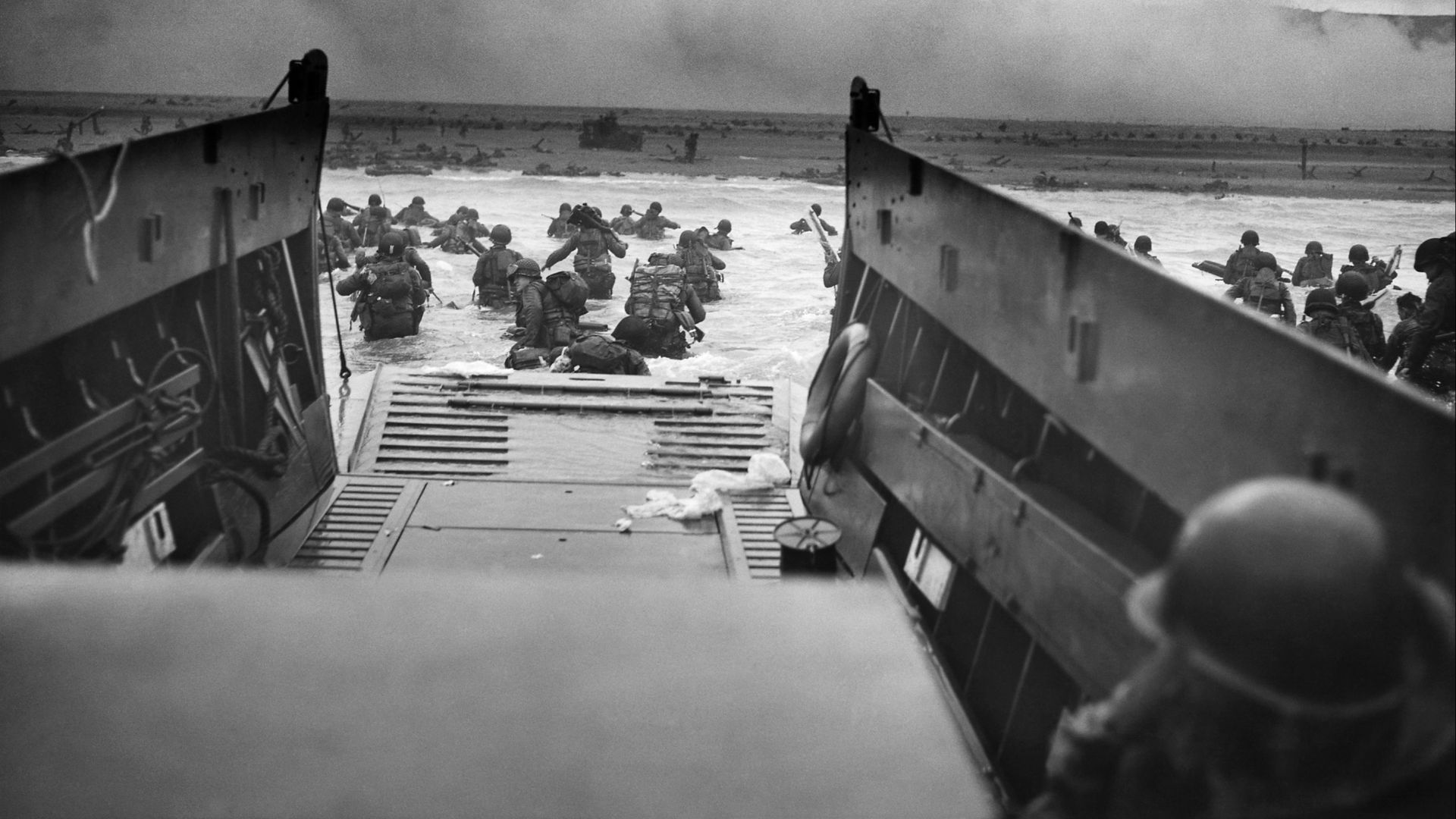 Chief Photographer's Mate (CPHoM) Robert F. Sargent on Wikimedia
18. The 1970 Bhola Cyclone Alters Politics
The Bhola Cyclone struck what was then East Pakistan in 1970 and caused immense loss of life. Public dissatisfaction with the government's response increased political tensions in the region.
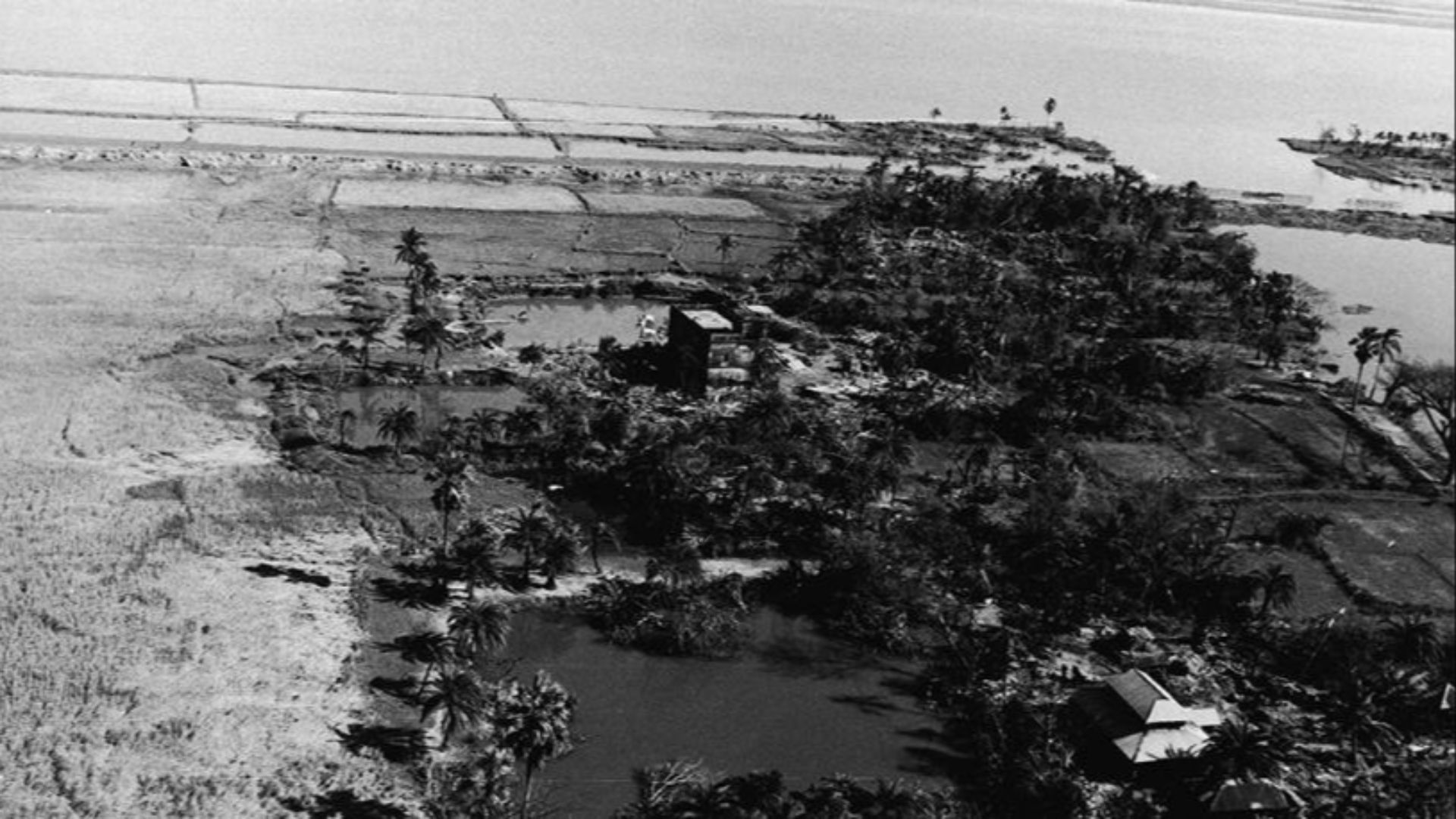 Express Newspapers/Getty Images on Wikimedia
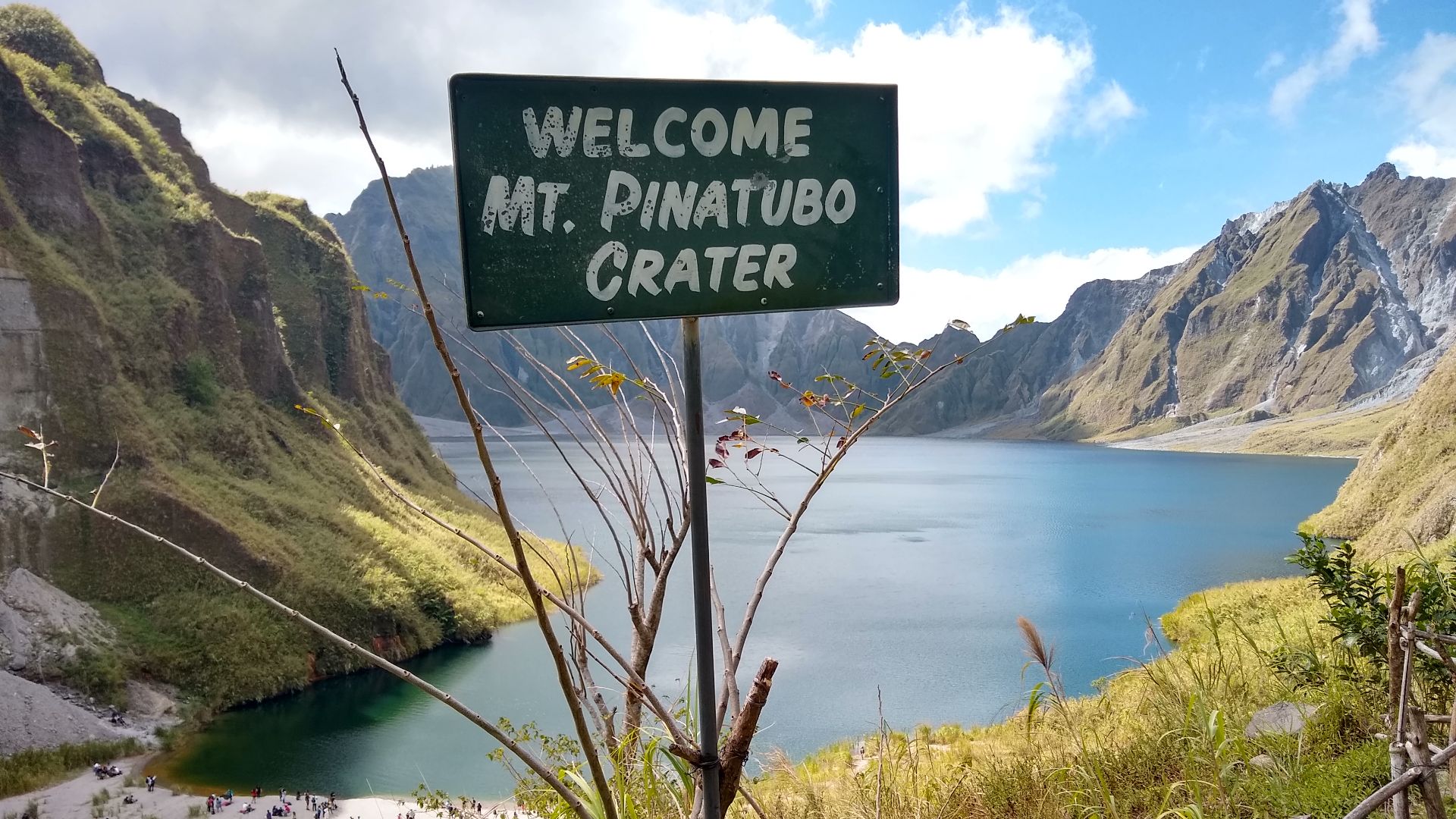
19. Mount Pinatubo Cools the Planet
When Mount Pinatubo erupted in the Philippines in 1991, it released enormous quantities of volcanic particles into the atmosphere. These particles reflected sunlight and temporarily lowered global temperatures.
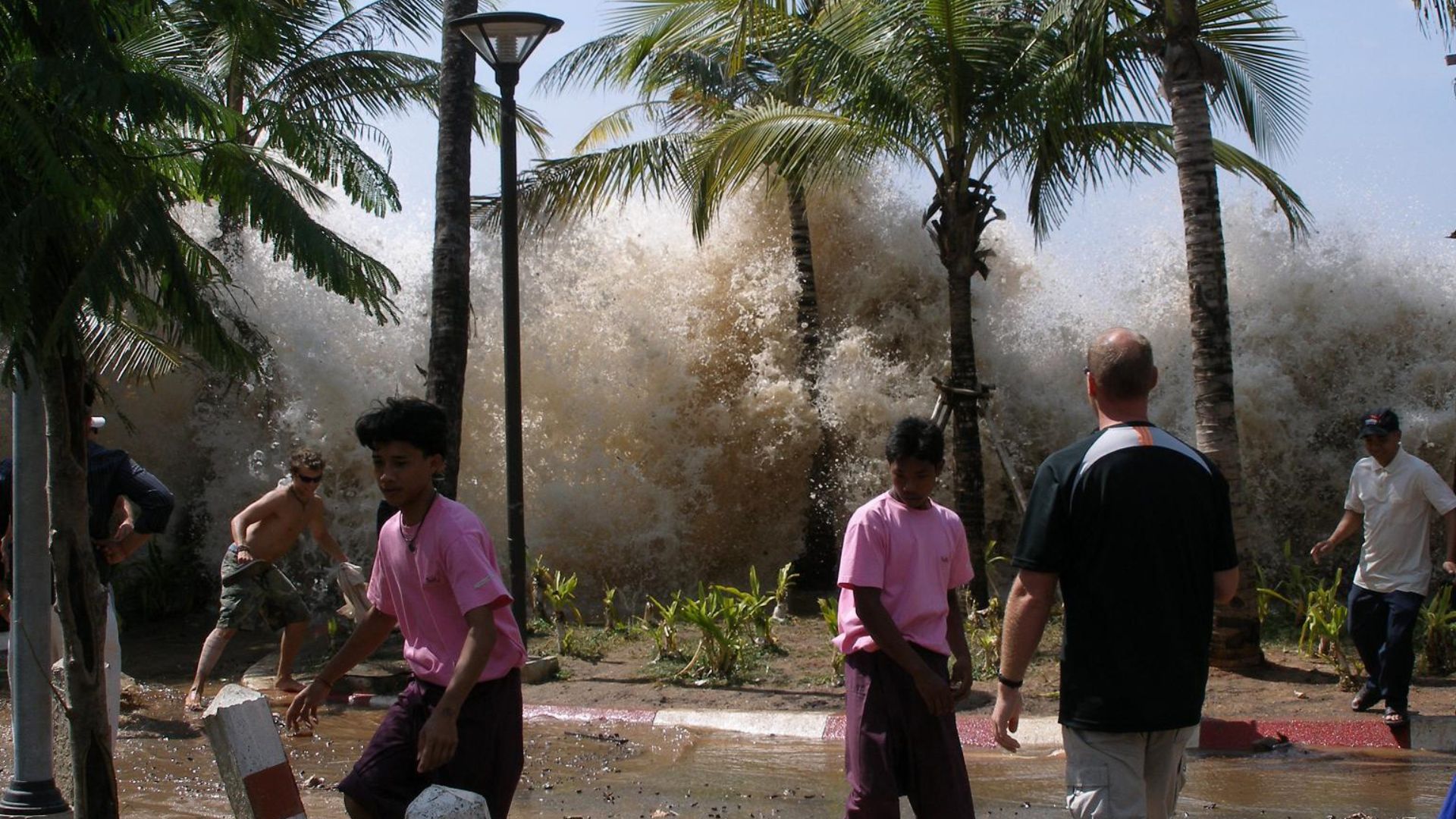
20. The Indian Ocean Tsunami Changes Disaster Response
A powerful undersea earthquake triggered the Indian Ocean tsunami in 2004, affecting numerous countries and causing widespread devastation. The tragedy highlighted weaknesses in regional warning systems and emergency preparedness.
 David Rydevik (email: david.rydevikgmail.com), Stockholm, Sweden. on Wikimedia
KEEP ON READING
20 Greek Gods We Don't Often Talk About
Step Aside, Zeus. Greek mythology isn’t only about Zeus and…
By Elizabeth Graham Jan 16, 2026
10 Historic Courtship Practices That Should Be Brought Back &…
Old-School Dating Was a Mix of Charming & Unhinged. Historic…
By Emilie Richardson-Dupuis Jan 20, 2026
Pooches Of The Past: Extinct Dog Breeds
Unknown authorUnknown author on WikimediaDogs have been showing up in…
By Elizabeth Graham Jan 27, 2026
The 20 Craziest Silent Films Ever Made
When Silence Let the Madness Speak. Silent cinema didn’t just…
By Chase Wexler Jan 5, 2026
Legendary Tales: 20 Most Fascinating Mythical Creatures from Folklore
Mythological Beasts. Stories about mythical creatures endure for a simple…
By Christy Chan Jan 16, 2026
The three most expensive historical artifacts ever sold at auction
Attributed to Leonardo da Vinci on WikimediaAuctions are where history…
By Emilie Richardson-Dupuis Jan 9, 2026