20 Famous Historical Whodunnits Where We All Secretly Know The Culprit
We All Secretly Know
History is full of cases where the official record stops just short of pointing a finger, leaving generations of historians, writers, and curious readers to finish the job themselves. In some of these mysteries, there’s a particular suspect whose name has become practically inseparable from the crime, even though that person was never convicted or officially held responsible. Of course, “everyone knows” is doing a lot of work here, because historical evidence is rarely as neat as a detective novel.
1. Princes in the Tower
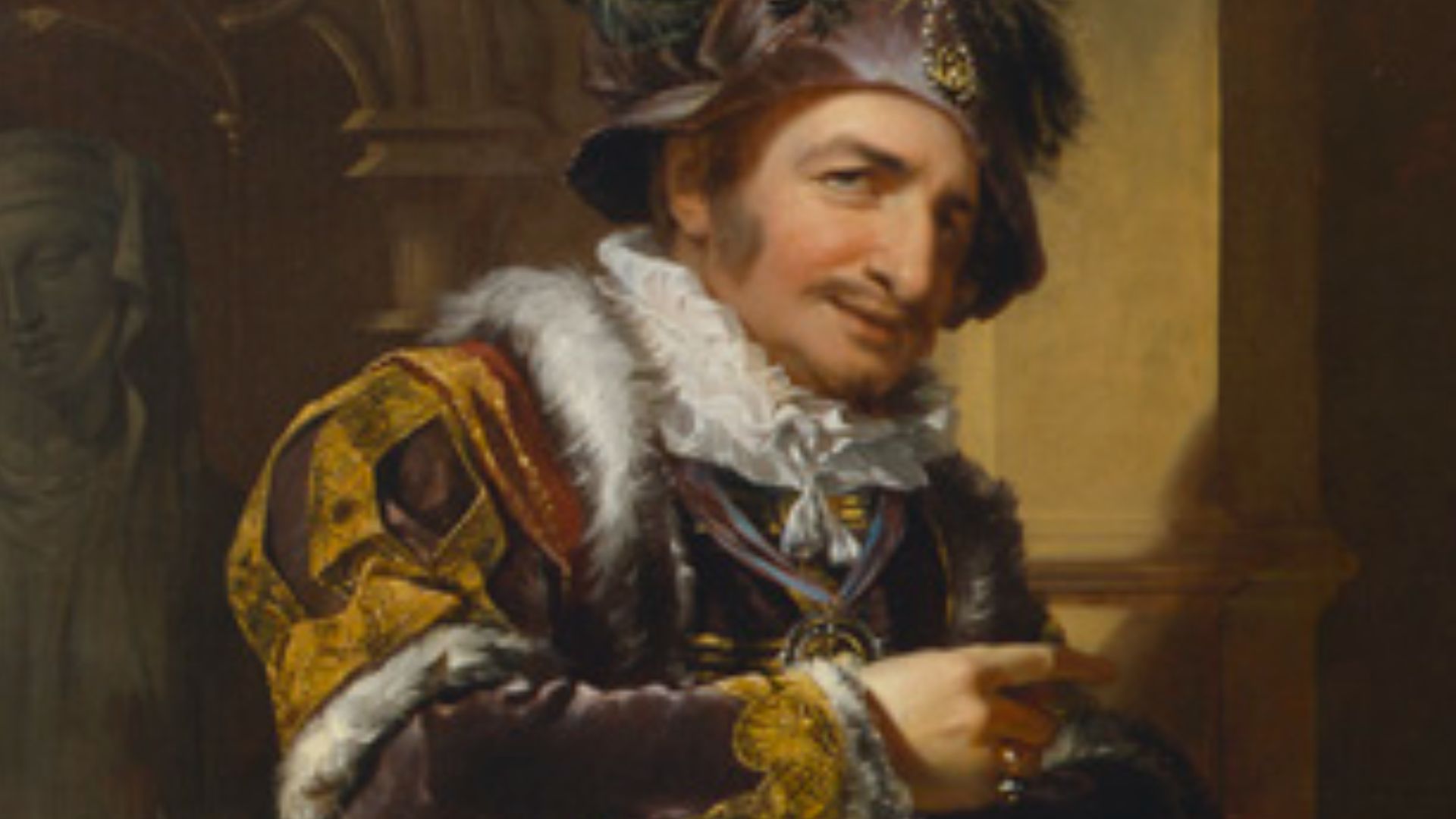
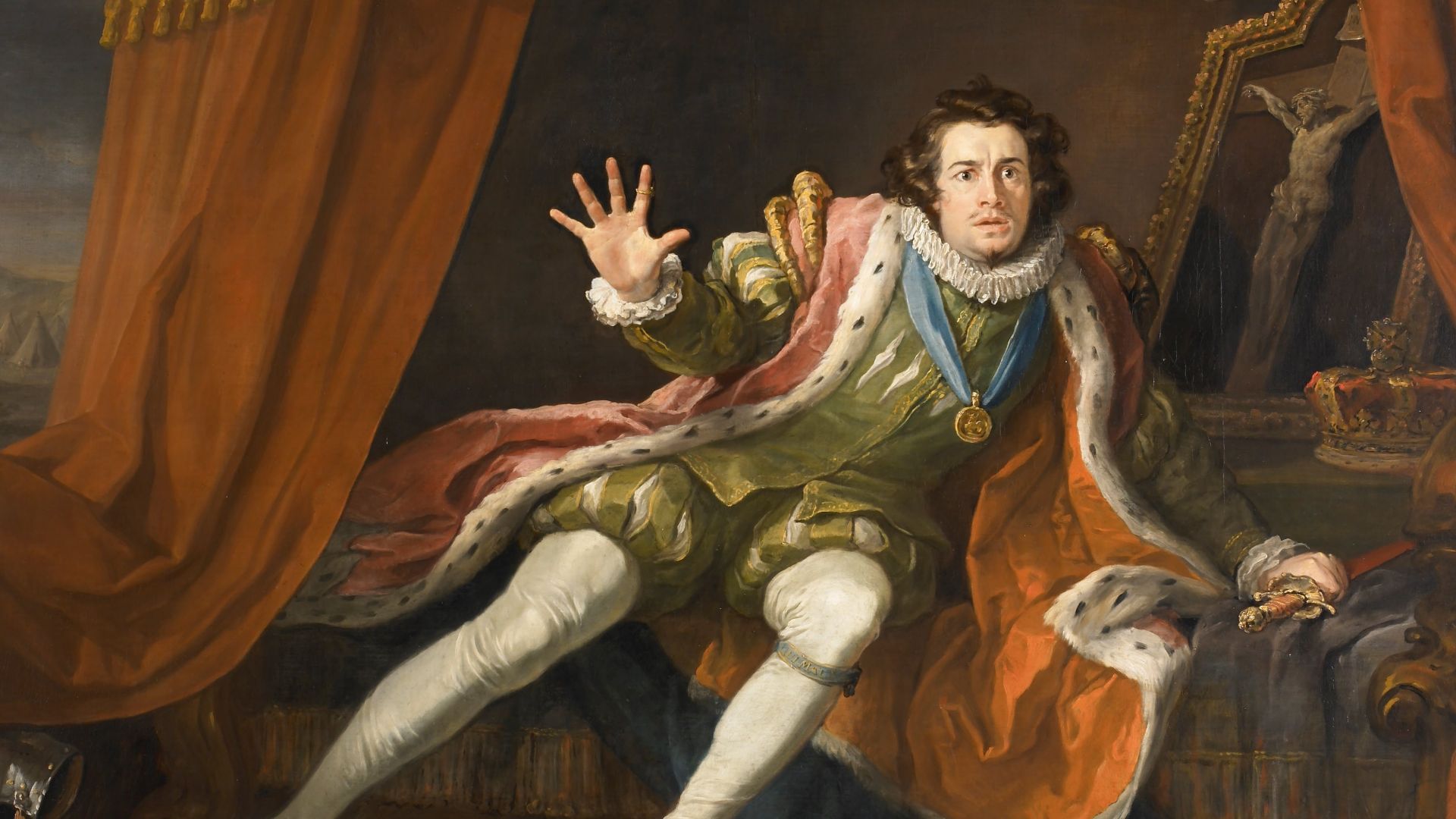
Richard III is probably guilty of taking out his nephews, the princes in the Tower. However, there’s still no conclusive evidence regarding what happened to Edward V and his brother Richard, and plenty of other suspects have been leveled against historians across the centuries. The Shakespearean depiction of Richard also doesn’t help his case, as he’s been vilified for generations as one of history’s most recognizable villains.
2. William Rufus
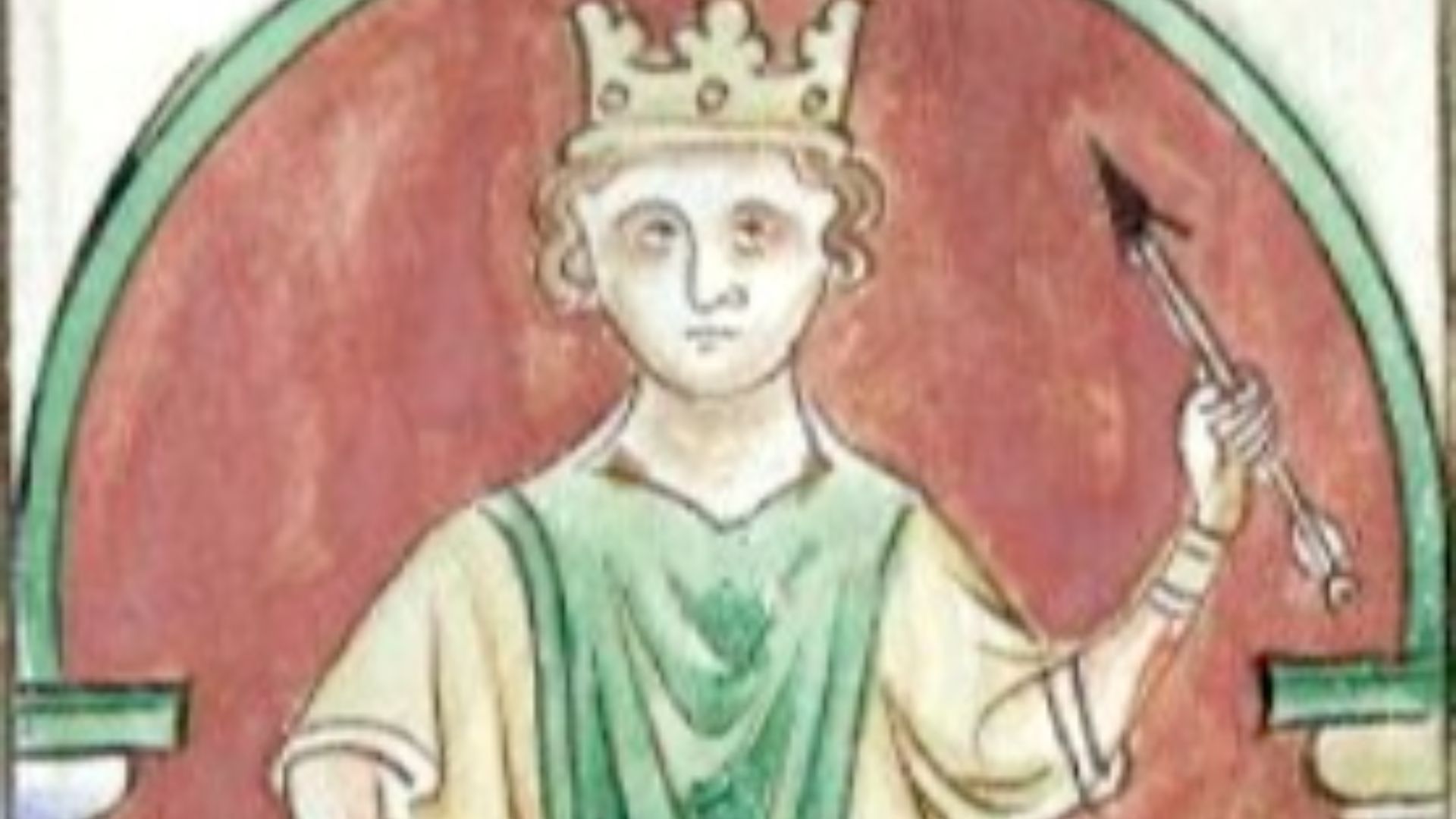
King William Rufus was taken out by an arrow wound while out hunting. Walter Tirel was supposedly picking deer with William nearby, and tradition immediately suspected that his arrow may not have missed. Tirel was never tried or investigated in any real sense, instead becoming infamous for getting as far away from the incident as possible.
3. Henry VI
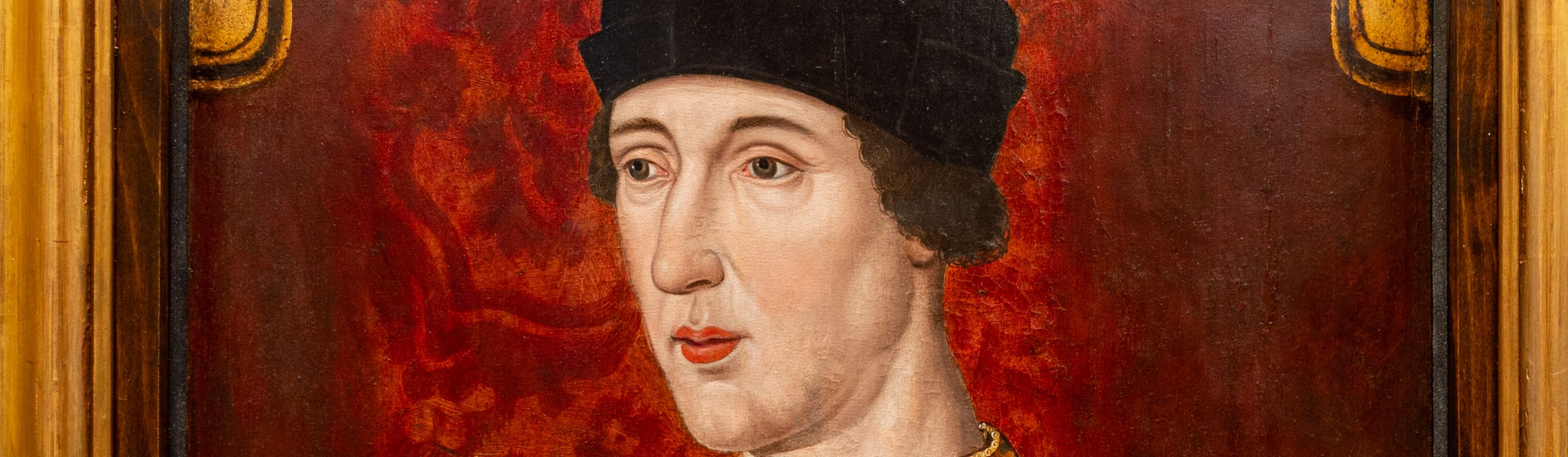
Henry VI passed away right around the time when Edward IV retook the throne from Henry’s family, causing many contemporaries to loudly question his cause of passing. Richard III would later become the most famous suspect in Henry’s case, but the likelier culprit was probably Edward IV himself. No one was ever officially held responsible.
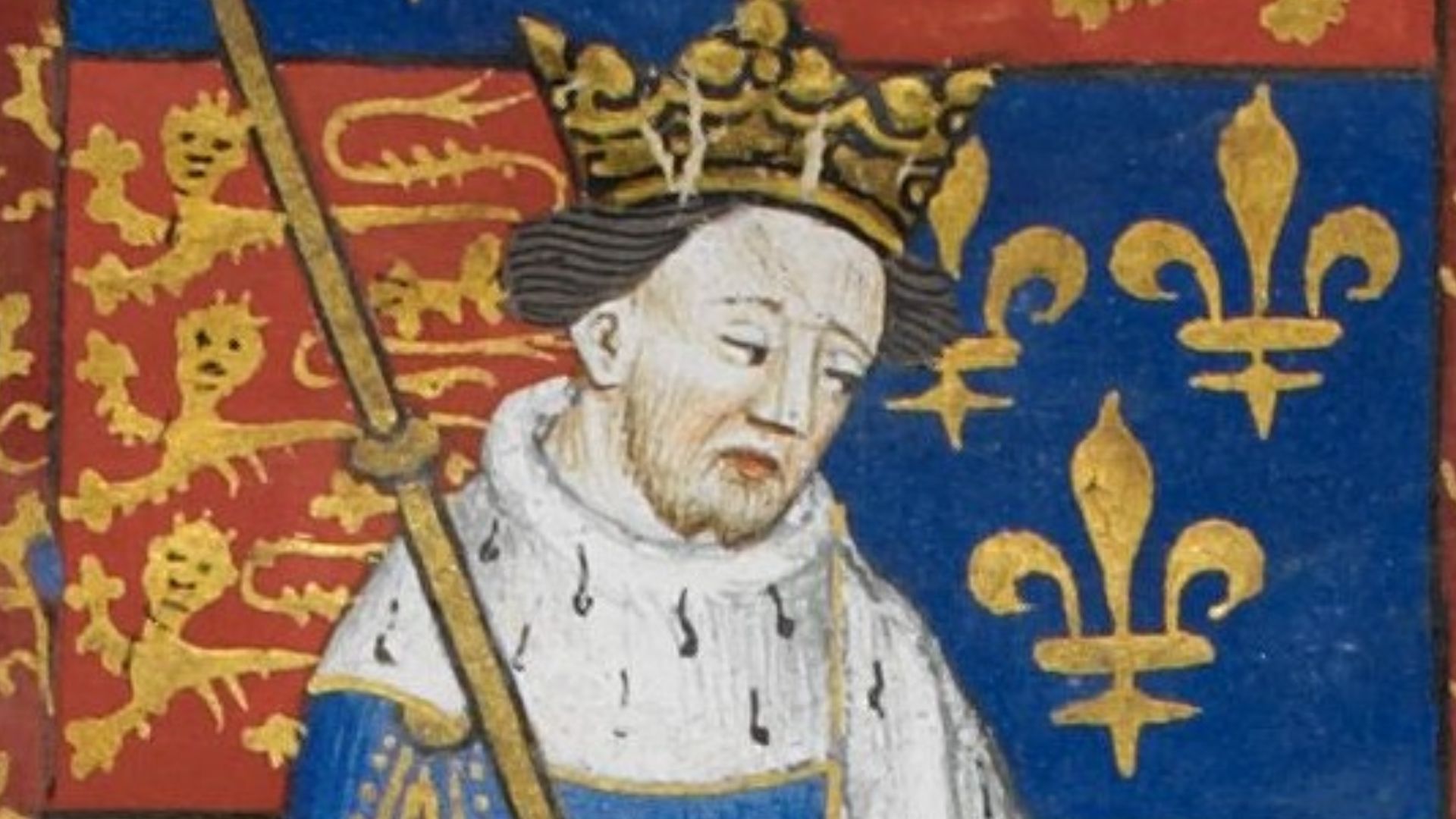 Poems and Romances (Shrewsbury book), illuminated by the MASTER OF JOHN TALBOT on Wikimedia
4. Henry IV
Richard II passed away while in the custody of Henry IV, who had recently deposed him as king. The exact circumstances of his passing were never pinned down, causing many to suspect Henry IV of being responsible. Officially, Richard starved, but that “explanation” has led to Henry IV becoming as closely linked with his uncle’s case as anyone.
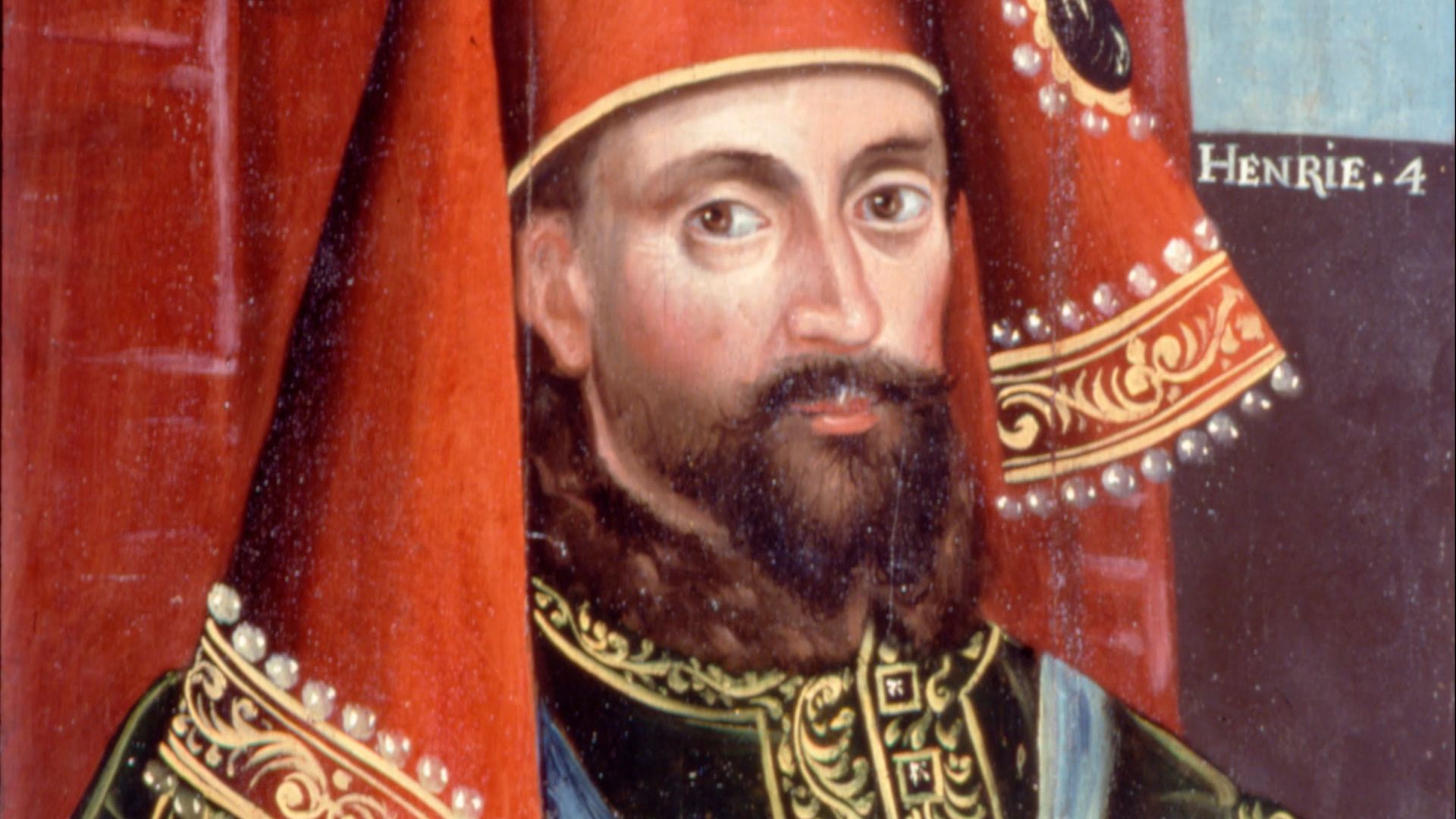 British – School Details on Google Art Project on Wikimedia
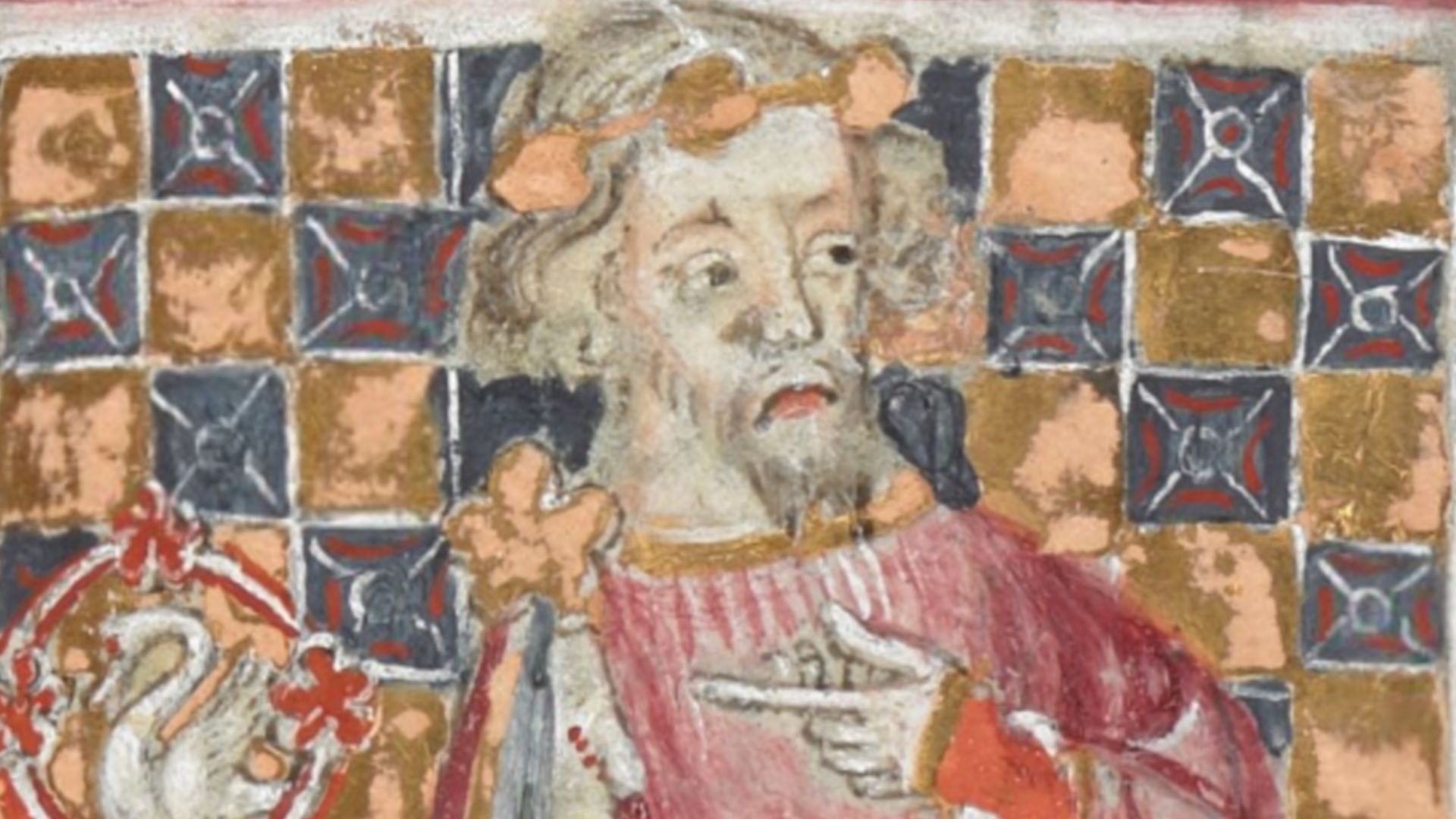
5. Thomas of Woodstock
Thomas of Woodstock, Duke of Gloucester, was one of the most powerful opponents of Richard II, and his passing in 1397 became a major scandal surrounding the king's increasingly authoritarian rule. The exact circumstances and Richard's personal involvement remain debated, but the case was closely connected to the political faction surrounding the king. Richard never faced a trial for ordering his uncle's removal.
6. Robert Dudley
Robert Dudley was nearly king because his wife, Amy Robsart, passed away before him. Rumors circulated from the beginning that her passing was suspiciously convenient, allowing Dudley to become the Queen’s favorite. No charges were ever brought against Dudley for Amy’s case.
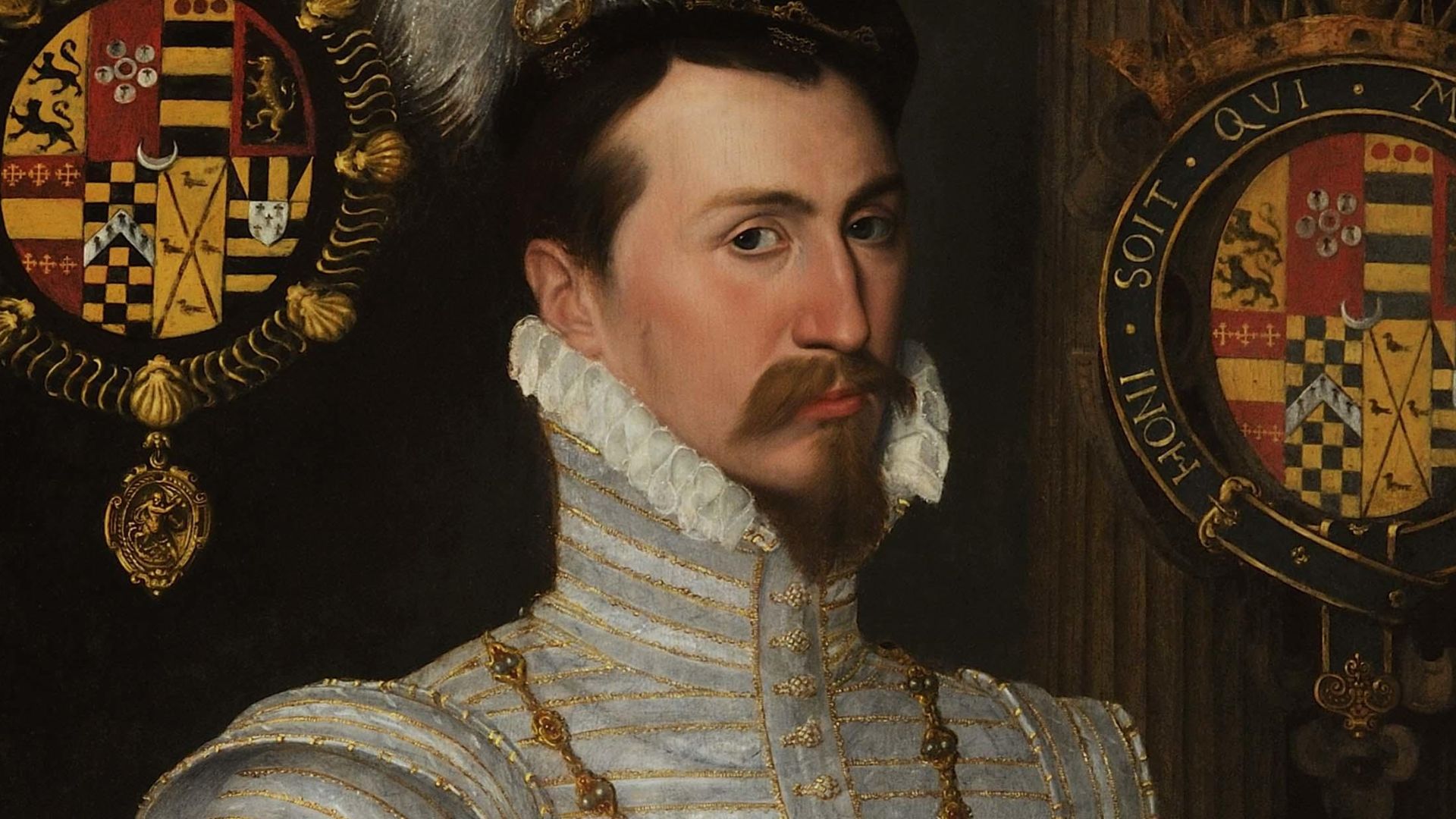 Steven van der Meulen on Wikimedia
7. Cesare Borgia
When Cesare Borgia’s brother Giovanni mysteriously passed away, historians have implicated Cesare since the event. He allegedly had political reasons to want Giovanni out of the way. Contemporary accounts offered several competing suspects, including the Orsini family and other enemies of the Borgias, and the investigation never established a culprit.
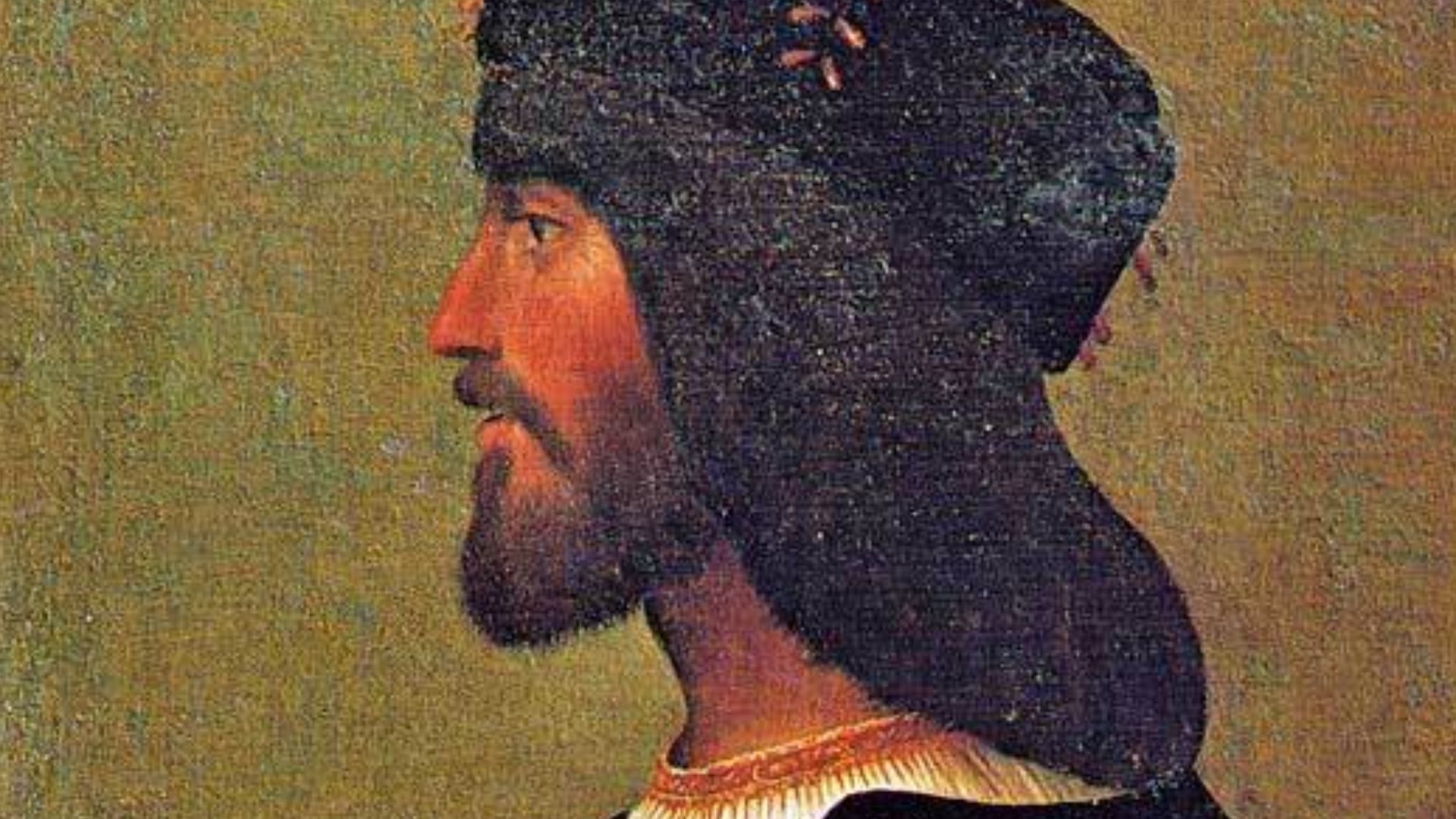 Unknown artistUnknown artist on Wikimedia
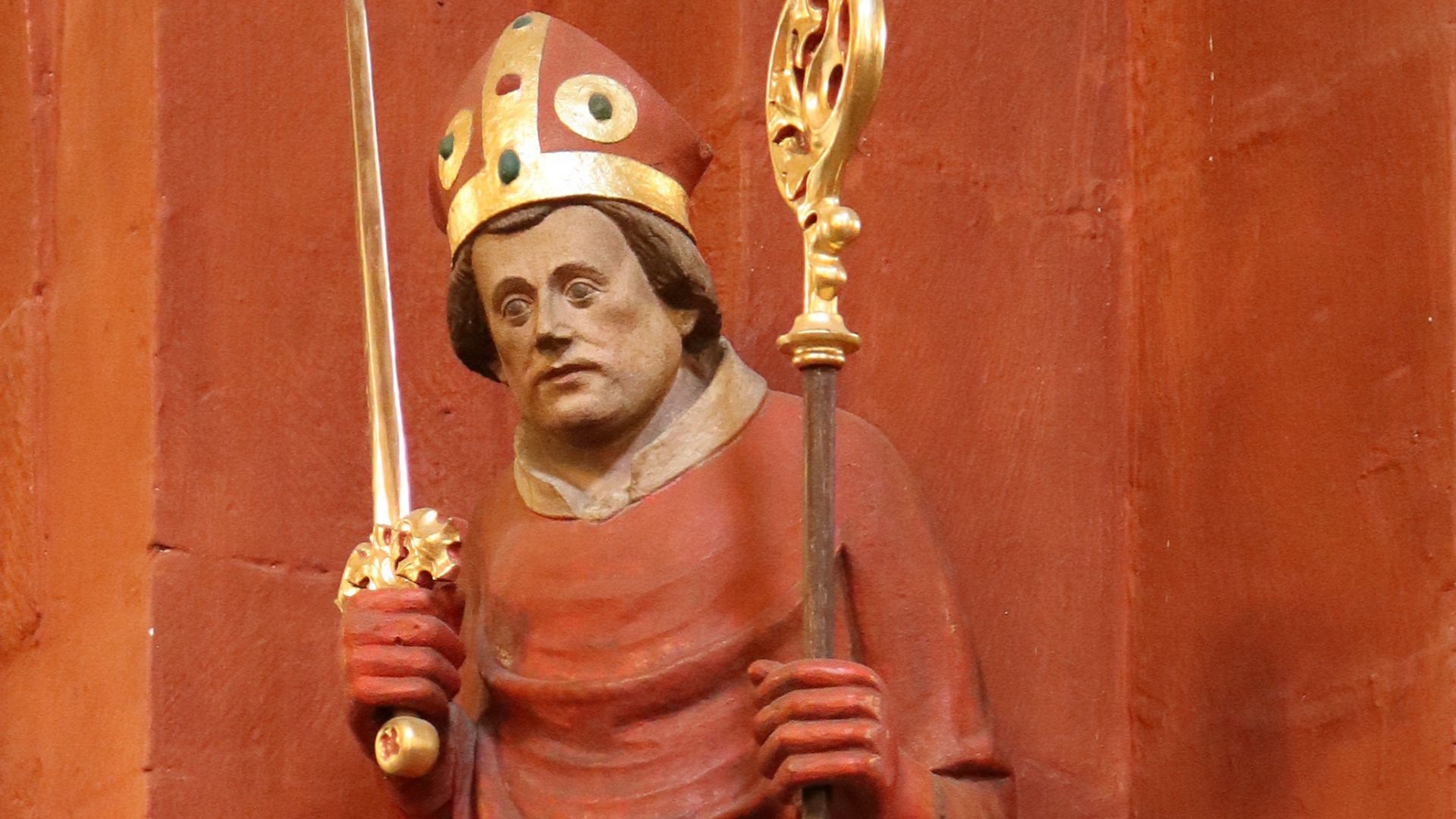
8. Thomas Becket
Archbishop Thomas Becket was taken out by knights who everyone knew were backed by Henry II. Historians have long questioned Henry’s involvement despite his denial, though no trial ever pinned anything on him. Henry denied directly ordering the incident, but he later performed public penance and acknowledged his involvement in the events surrounding Becket's case.
9. King Alboin
Rosamund’s husband, King Alboin, was taken out, and she orchestrated the entire thing. At least, that’s who we’re supposed to believe was responsible for one of history’s earliest political incidents. There was no courtroom drama to settle the question, so Rosamund and her accomplices simply became the names attached to one of early medieval Europe's most notorious royal incidents.
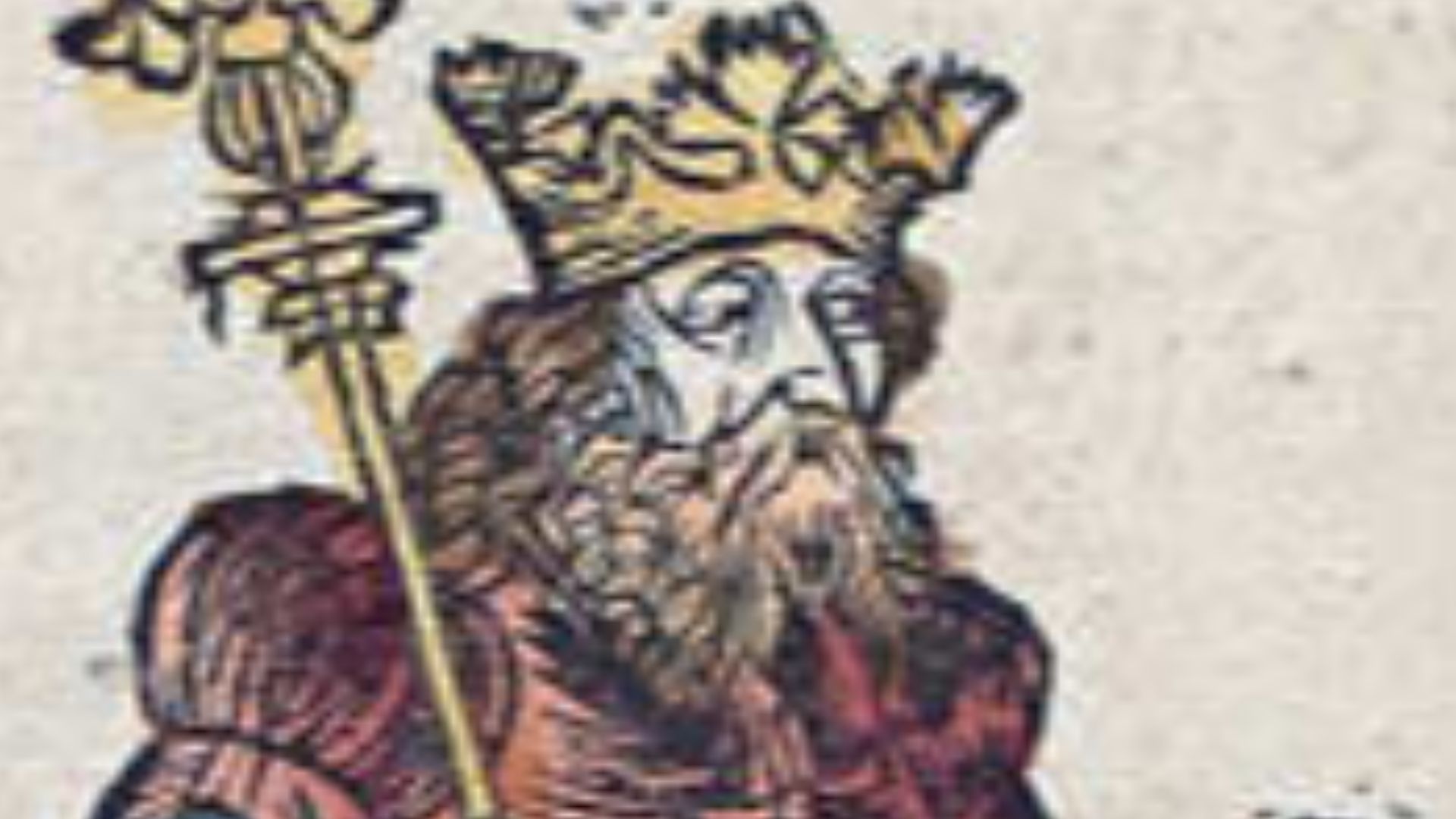 Michel Wolgemut, Wilhelm Pleydenwurff (Text: Hartmann Schedel) on Wikimedia
10. George, Duke of Clarence
George, Duke of Clarence, was executed after being convicted of treason. Some historians have pointed the finger at his brother, Richard III, as the reason George was convicted and removed. Since then, Richard III’s reputation as a schemer has made him public enemy number one for solving any suspicious incidents in his family.
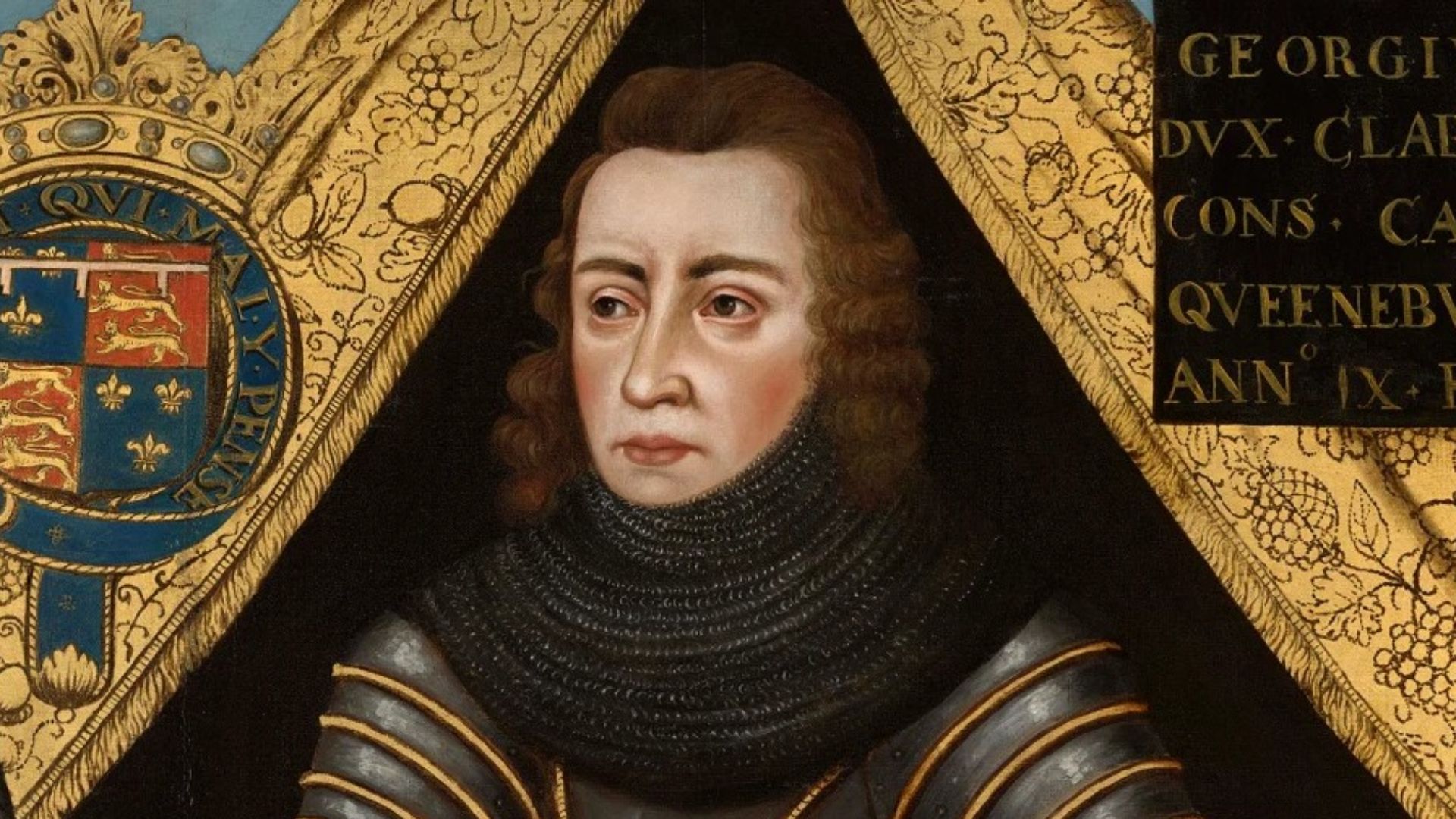 Lucas Cornelisz de Kock (1495-1552) on Wikimedia
11. Thomas Becket Continued
If Henry II is the suspected mastermind in Becket's passing, the four knights who actually confronted the archbishop are the people history can point to with considerably more confidence. Reginald FitzUrse, Hugh de Morville, William de Tracy, and Richard le Breton all became associated with the incident, yet they weren't put through a conventional trial afterward. There was no trial of the knights responsible for Becket's case, but everyone knows who was responsible.
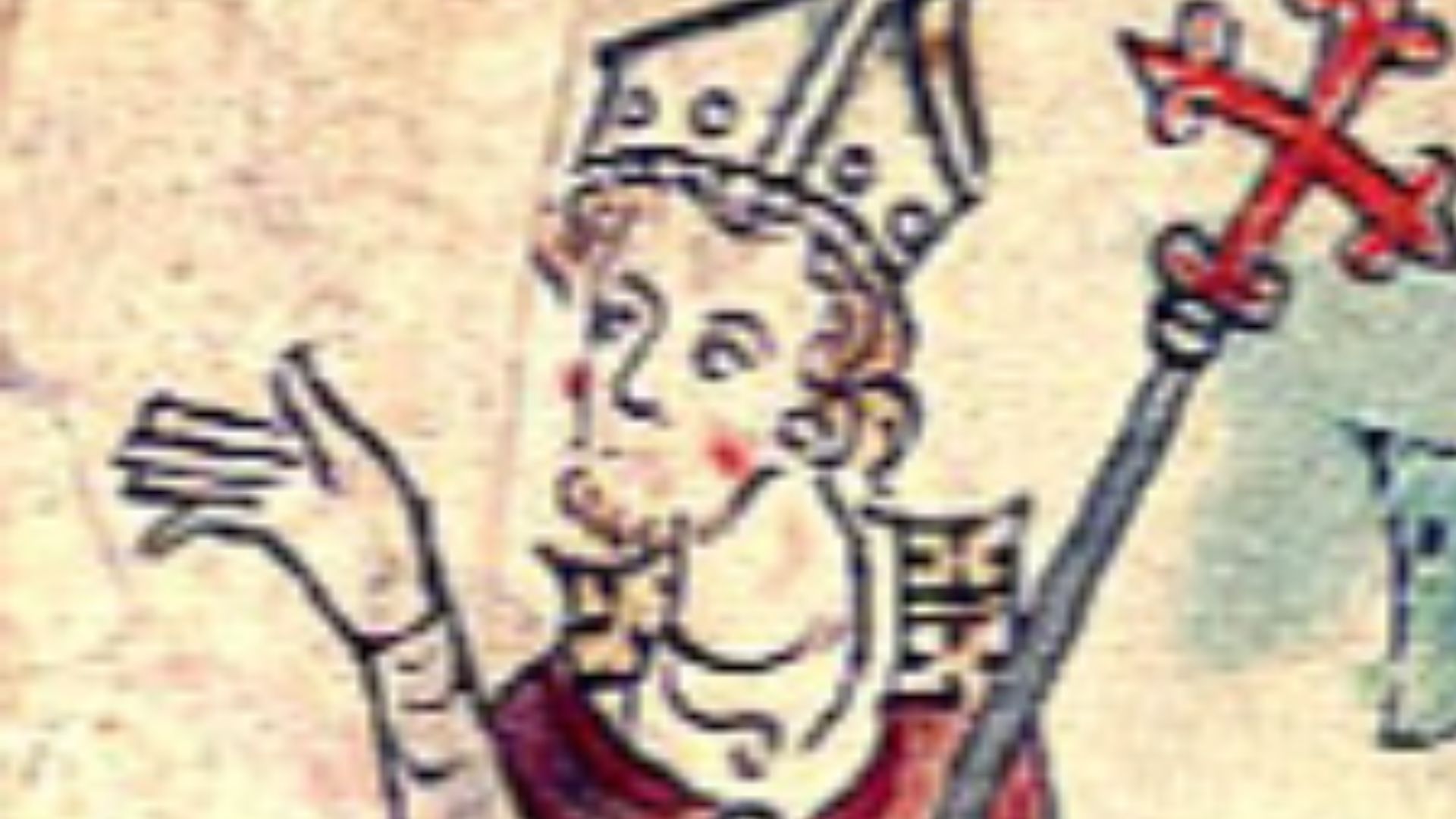 Peter of Langtoft on Wikimedia
12. Napoleon
Many people believe Napoleon was poisoned, but we’ll never know for sure. If you accept that theory, the name that keeps appearing is Count Charles Tristan de Montholon, one of Napoleon's companions in exile and a beneficiary of his will. There was never a criminal case against Montholon for poisoning Napoleon, and the evidence remains heavily disputed.
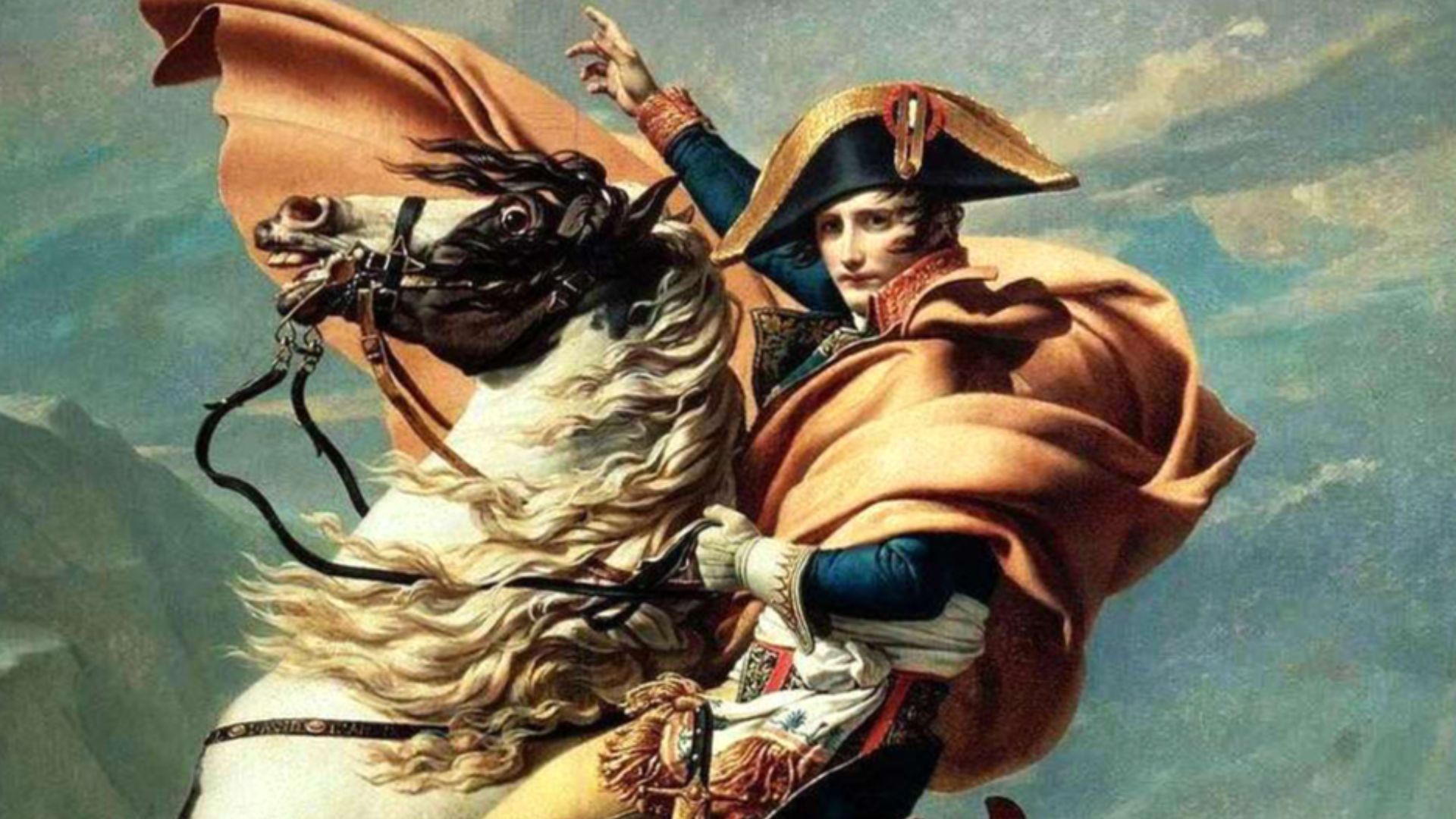 Jacques-Louis David on Wikimedia
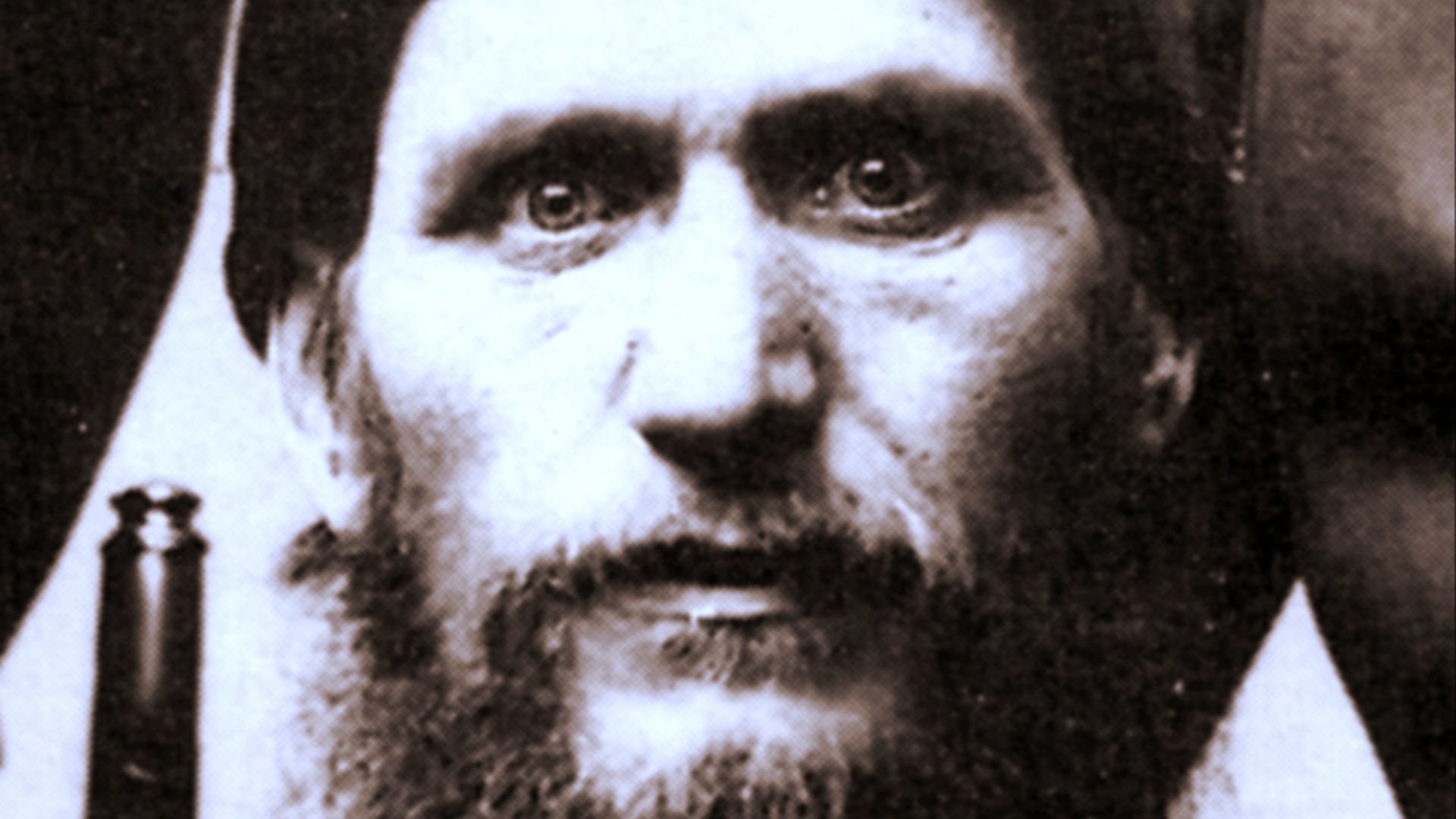
13. Rasputin
Rasputin’s passing was complicated, but everyone knows who was responsible. Prince Felix Yusupov, along with several other conspirators, was openly connected to the plot, and Yusupov himself later described his involvement in his memoirs. Modern forensic analysis has challenged several details of the famous story, but it still points toward the conspirators.
14. Black Dahlia
The 1947 case of Elizabeth Short, better known as the Black Dahlia, remains one of America's most famous unsolved cases. Dr. George Hodel was one of many suspects in the case involving Elizabeth Short. The LAPD investigated Hodel but ultimately cleared him as a suspect, and he was never charged with Short's passing.

15. Jack the Ripper
Jack the Ripper could have been anyone, but the media and cops are still enamored with Aaron Kosminski. A Polish-born barber living in Whitechapel, Kosminski was identified as a suspect in police records, and senior investigators later described a suspect who closely fit the circumstances surrounding him. There was no trial of Jack the Ripper, but history remembers his name.
 1.33X MotionPicture on Unsplash
16. Arthur Leigh Allen
Arthur Leigh Allen became one of the most famous suspects in the Zodiac case after investigators found several pieces of circumstantial evidence that seemed intriguing enough to keep him under scrutiny. The FBI records show that Allen was investigated and that searches were conducted, but he was never charged with the Zodiac incident. The case remains officially unsolved.
17. Edgar Allan Poe
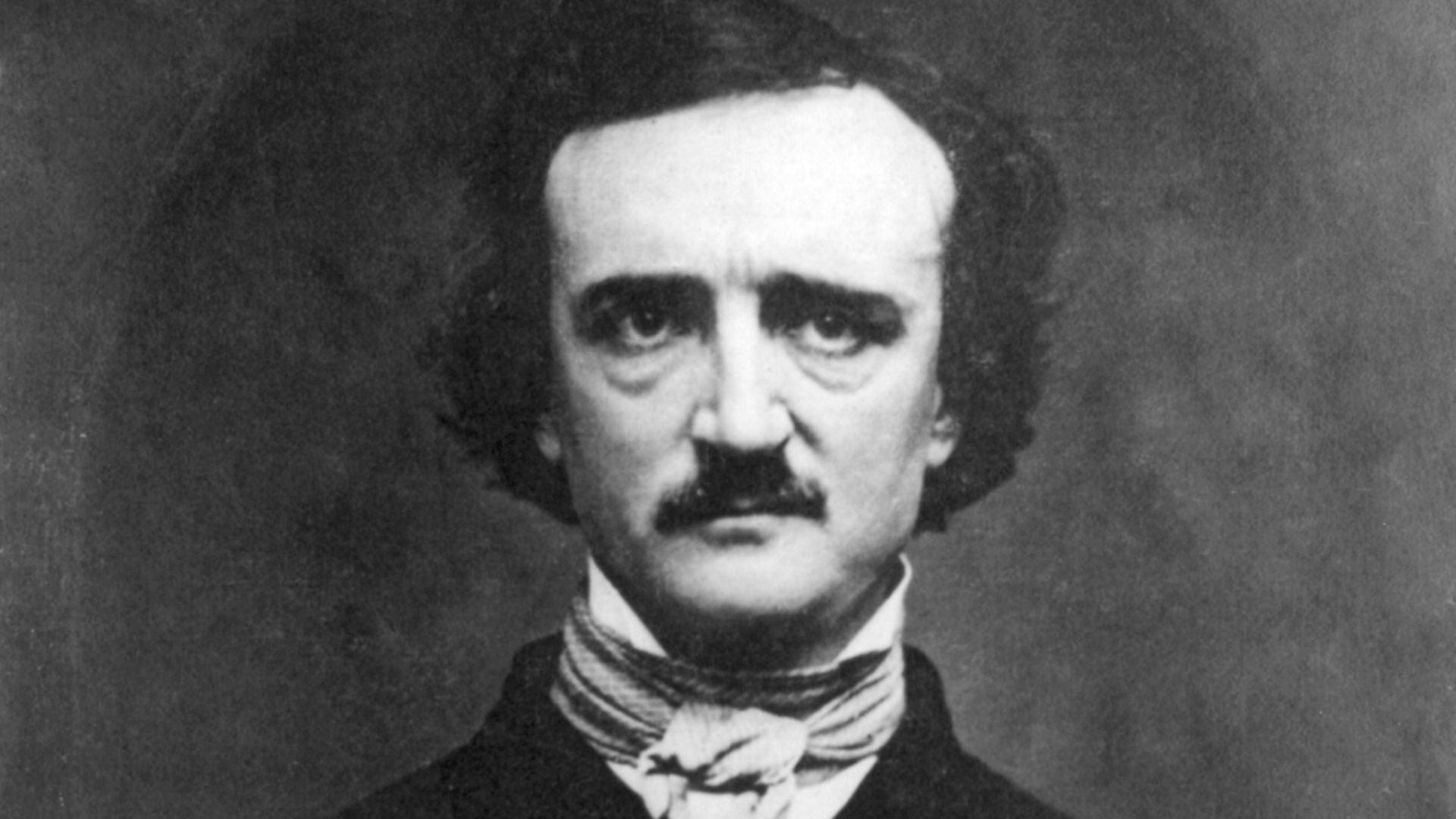
Authors have implicated everyone but Edgar Allan Poe himself in the circumstances surrounding his passing. One particularly dramatic theory argues that the brothers of Poe's wealthy fiancée, Sarah Elmira Shelton, attacked him because they opposed the proposed marriage and contributed to the circumstances. More likely, however, is that Poe succumbed to illness and substances the night of his passing.
18. Amelia Earhart
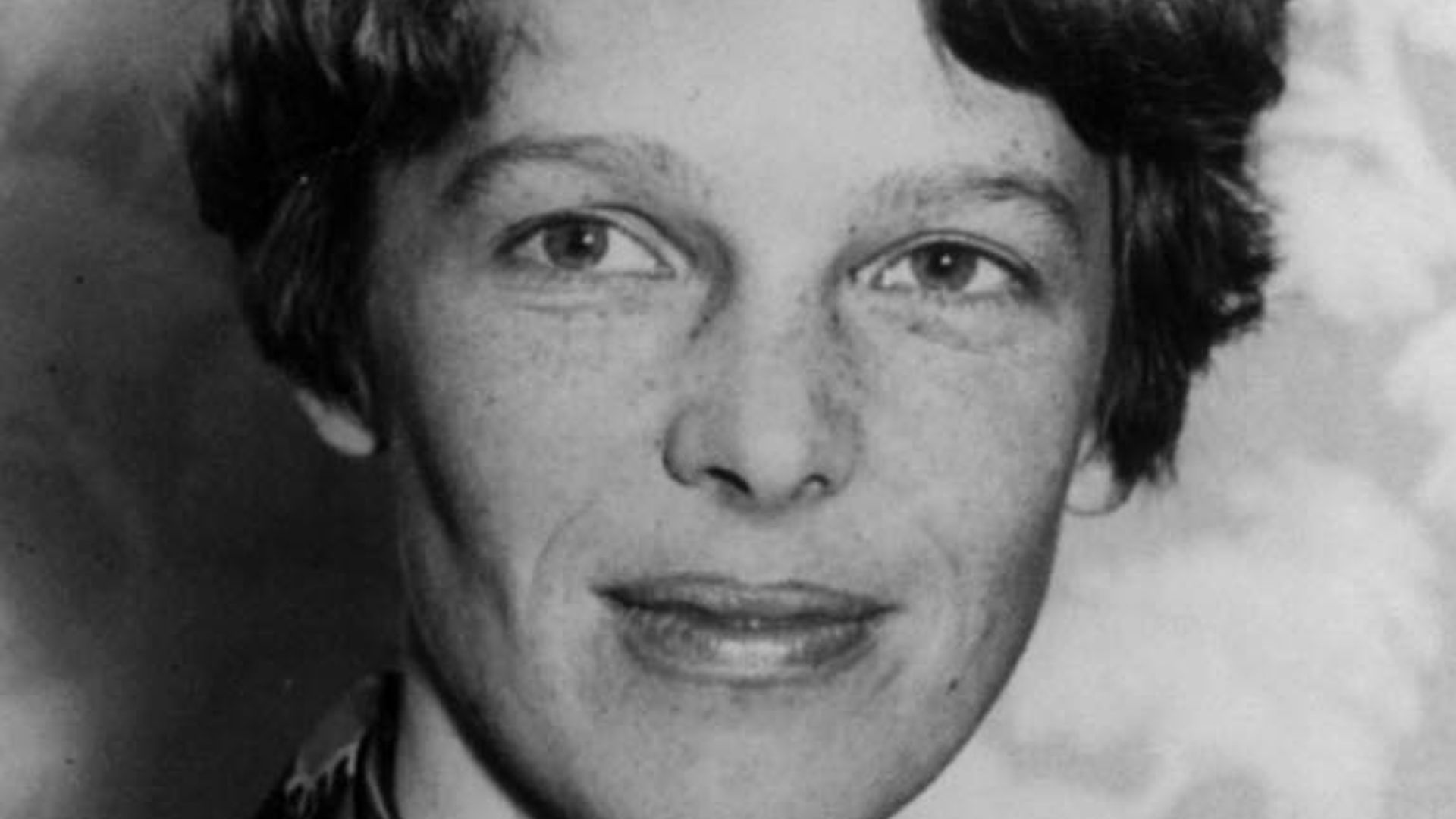
Amelia Earhart and navigator Fred Noonan disappeared in 1937, and the official record has never established exactly what happened to them. One of the most famous alternative theories claims that Japanese forces captured the pair. The capture theory has survived for generations, but it was more likely just a crash.
 Copyright by Underwood and Underwood (not renewed) on Wikimedia
19. Jimmy Hoffa
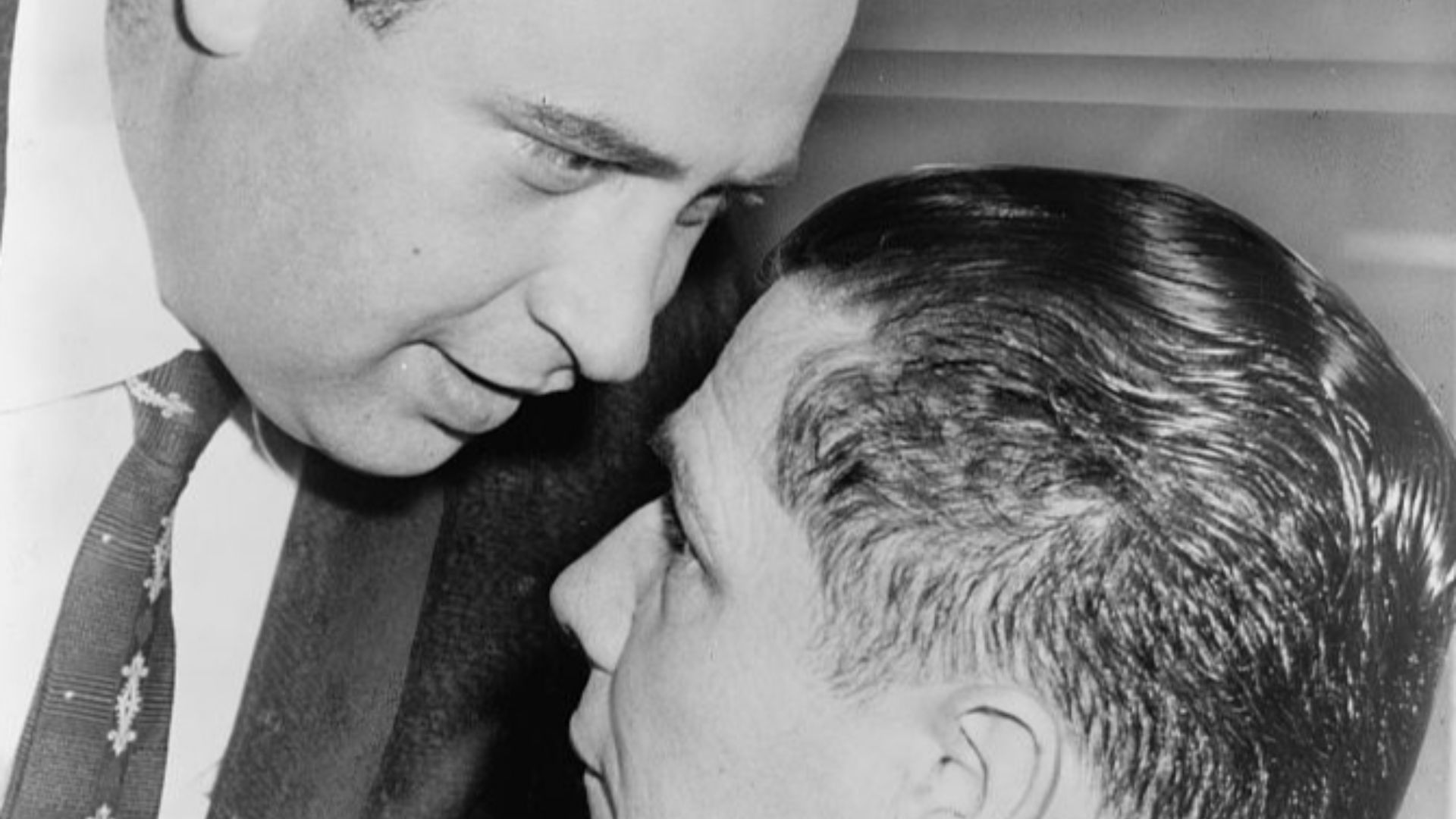
Jimmy Hoffa disappeared in 1975 after heading to a meeting outside Detroit, and the case has never produced a body or a definitive criminal conviction for his disappearance. But the idea that Hoffa's disappearance was connected to the Mafia has become so deeply embedded in popular history that it's difficult to discuss the case without hearing mob names. No charges have ever been brought for Hoffa’s case, despite the FBI’s continued investigation.
 New York World-Telegram and the Sun Newspaper staff photographer: Roger Higgins on Wikimedia
20. D.B. Cooper
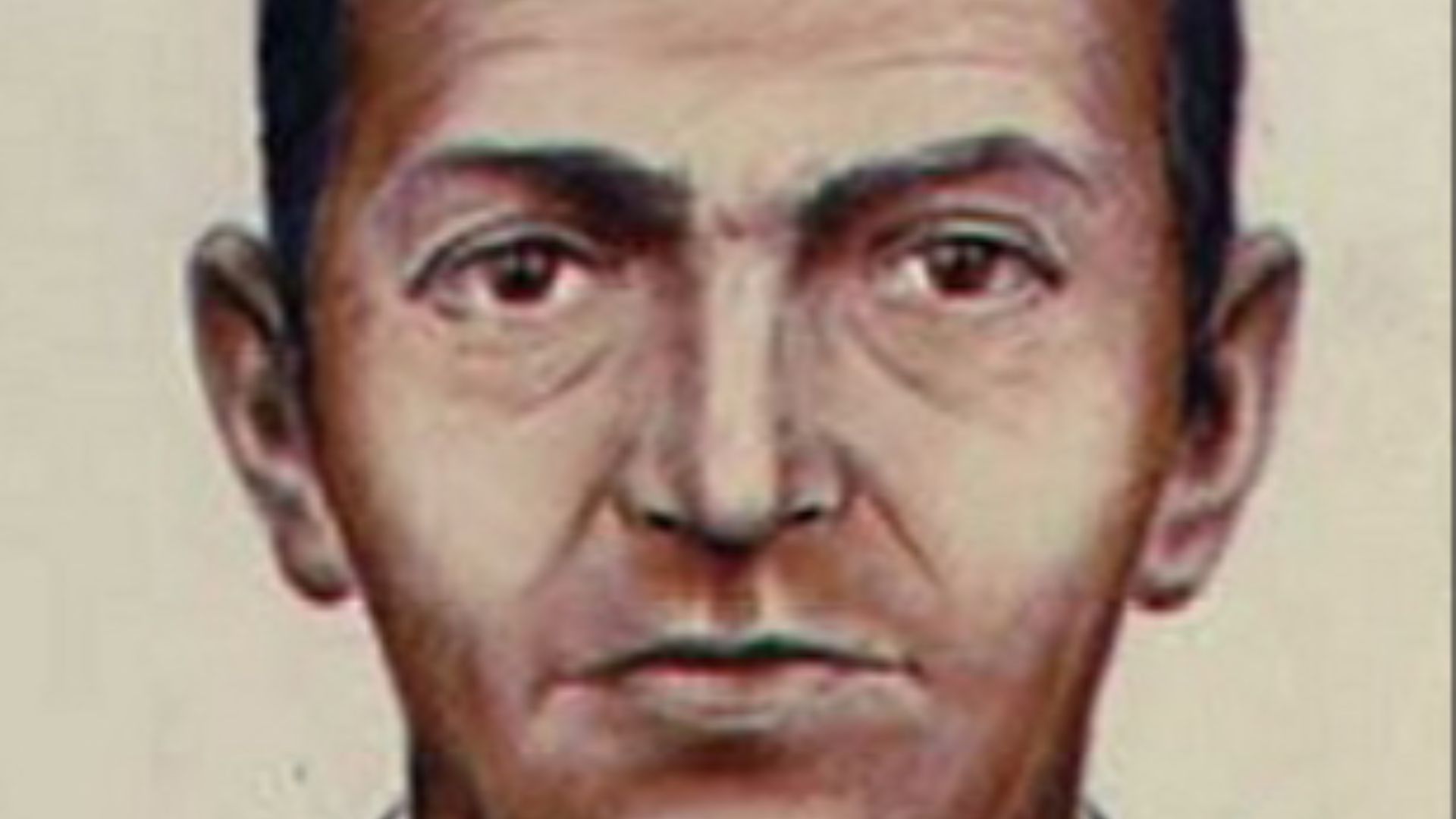
D.B. Cooper hijacked an airplane in 1971, collected a ransom, and disappeared after parachuting from the aircraft. Richard Floyd McCoy became one of the most popular suspects because he committed a remarkably similar hijacking only months later, but the FBI eventually ruled him out based on physical descriptions and other evidence. Still, it seems pretty obvious.
KEEP ON READING