The Ones Who Walked Away Clean
Espionage history mostly gets written by the failures. The famous names belong to people picked up at a dead drop or shot in a prison yard, because those cases leave trials and newspaper coverage behind. The successful ones leave a much thinner record, and some were identified decades later by a historian with a handwriting sample. A few were named while they were still alive and never charged with anything. Here's 20 who got away with it.
1. Robert Townsend
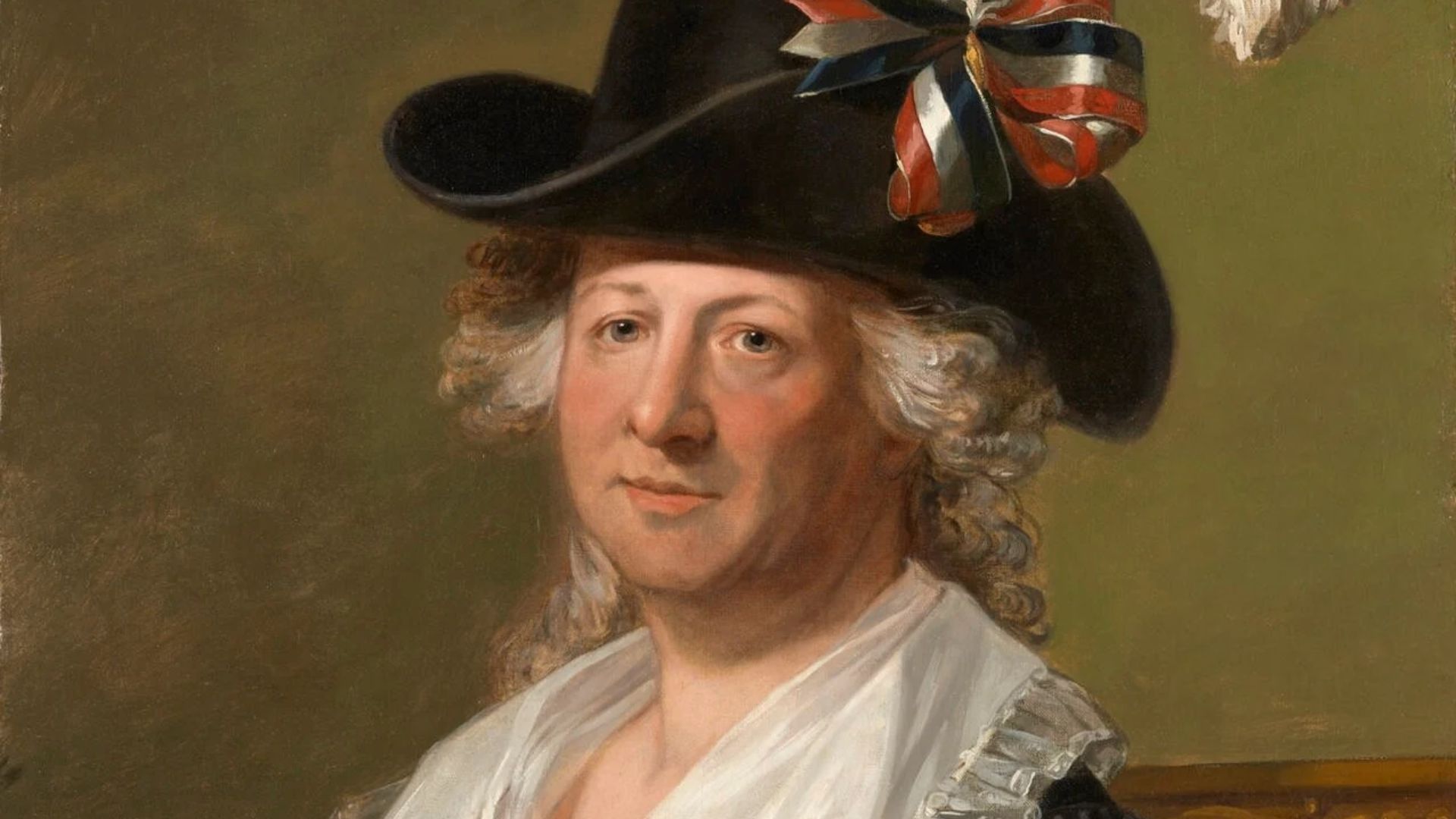
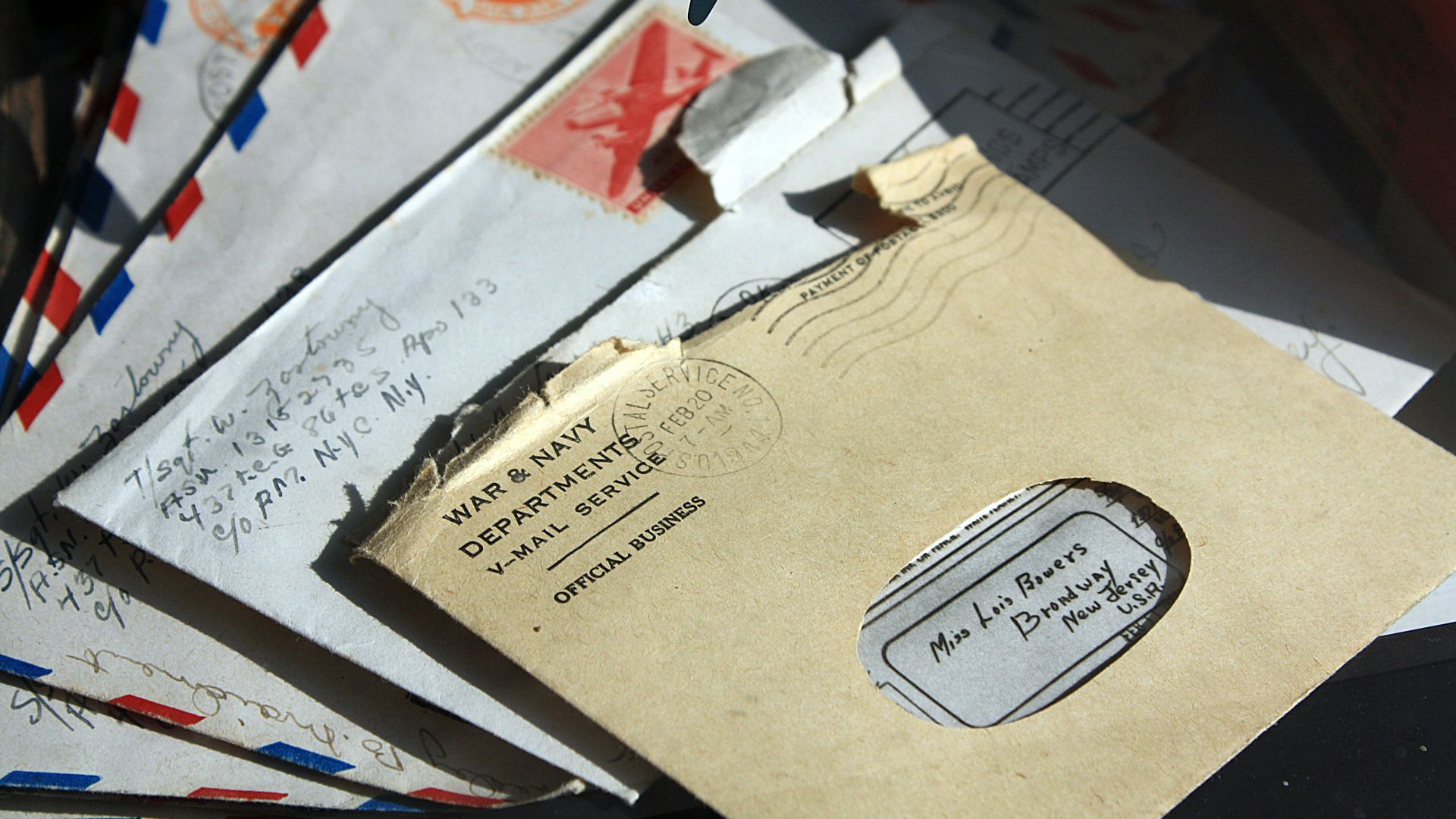
Townsend ran the New York end of George Washington's Culper Ring, writing reports in invisible ink between the lines of ordinary letters. He kept the secret until he died in 1838. A historian named Morton Pennypacker matched his handwriting to the surviving Culper papers in 1930.
2. James Armistead Lafayette
Enslaved in Virginia, Armistead volunteered to spy for the Marquis de Lafayette and talked his way into Cornwallis's camp as a servant. British officers spoke freely in front of him, and what he carried back shaped the American position at Yorktown. Virginia granted him his freedom in 1787.
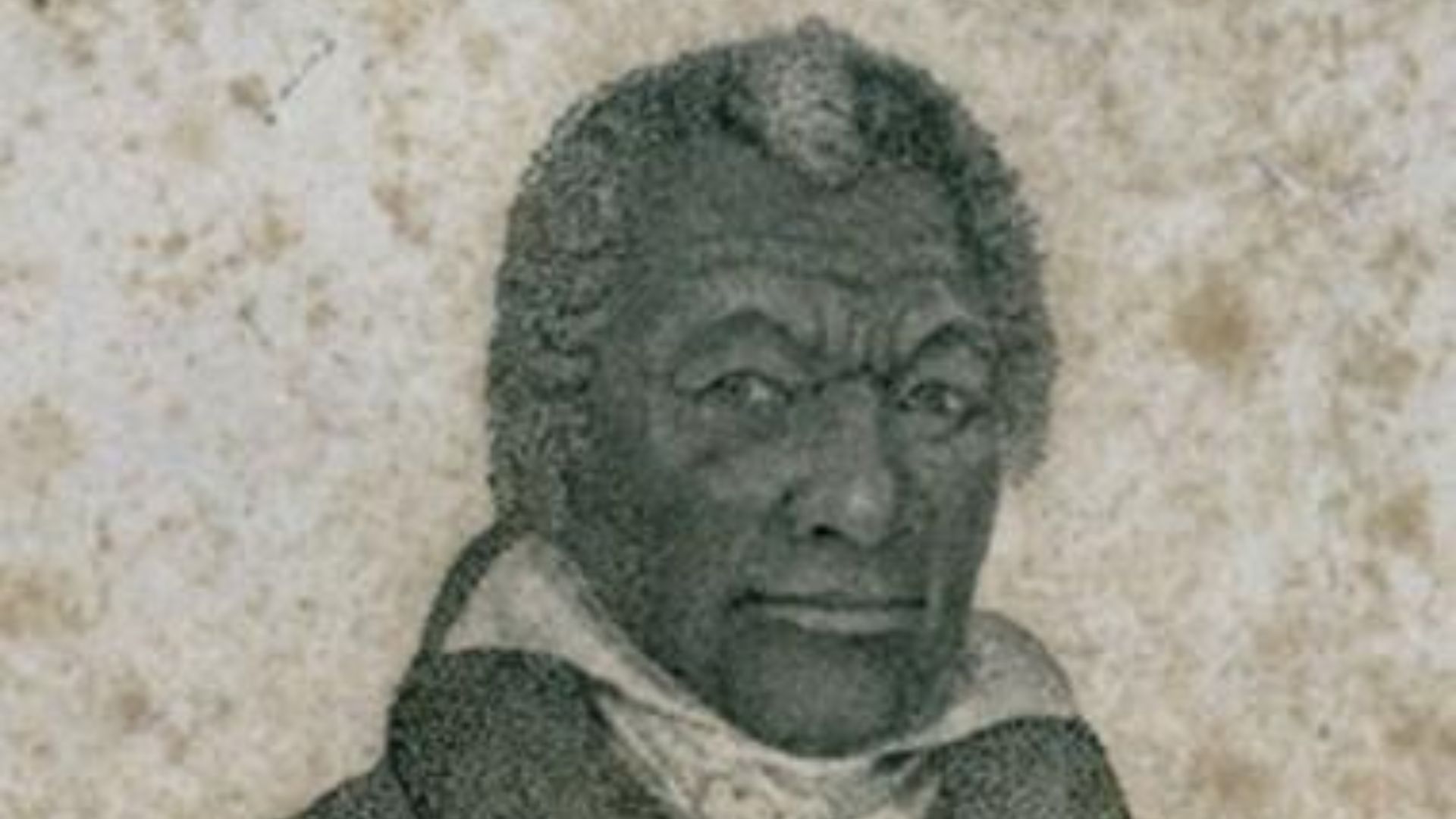 Unknown engraver, based on painting by John B. Martin on Wikimedia
3. Chevalier d'Éon
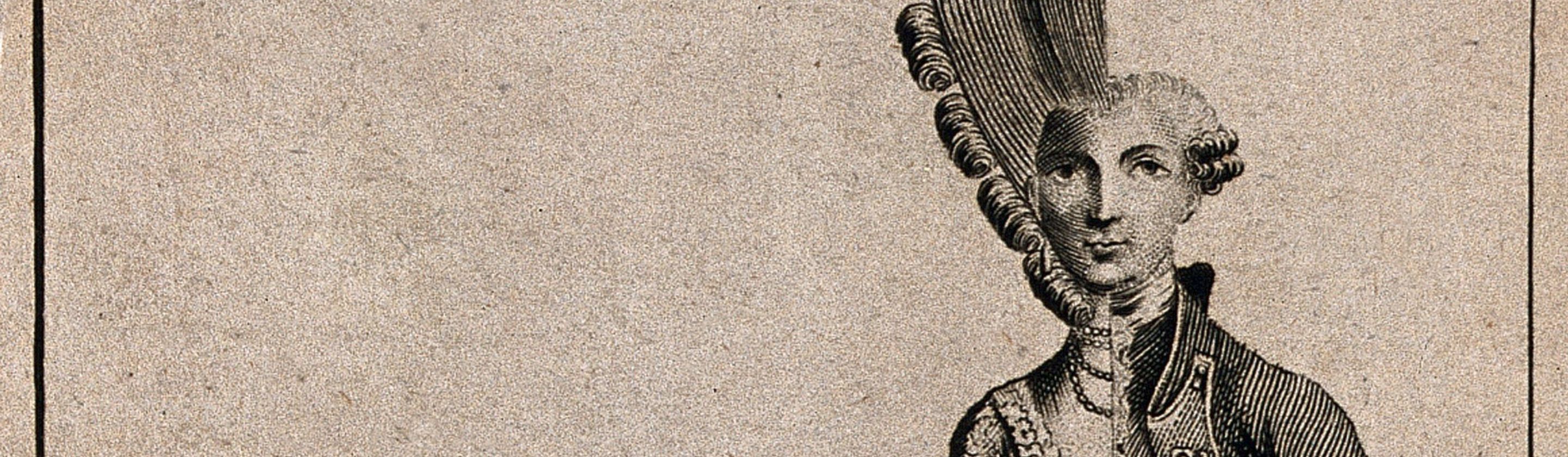
D'Éon worked for the Secret du Roi, Louis XV's private intelligence network, first in St. Petersburg and then in London. When Paris tried to force him home, he held documents damaging enough that Louis XVI negotiated instead. He kept his pension and died in London in 1810.
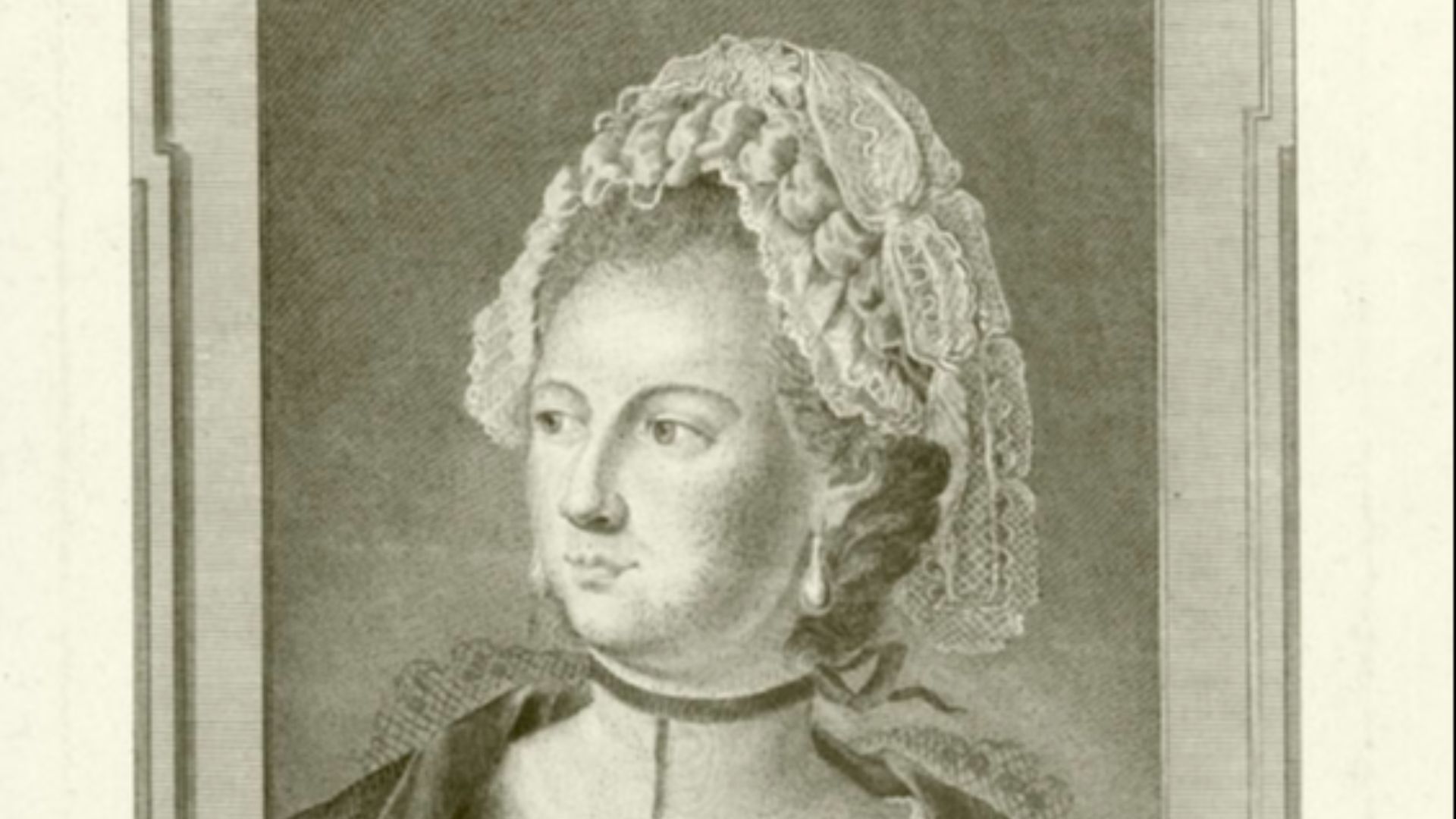 Pierre-Jean-Baptiste Bradel on Wikimedia
4. Elizabeth Van Lew
Van Lew ran a Union network out of her family mansion in Richmond, a few blocks from the Confederate White House. Her neighbors decided she was an eccentric spinster and stopped paying attention, which suited her, and she kept messages moving out of the city until the war ended. Grant made her postmaster of Richmond afterward.
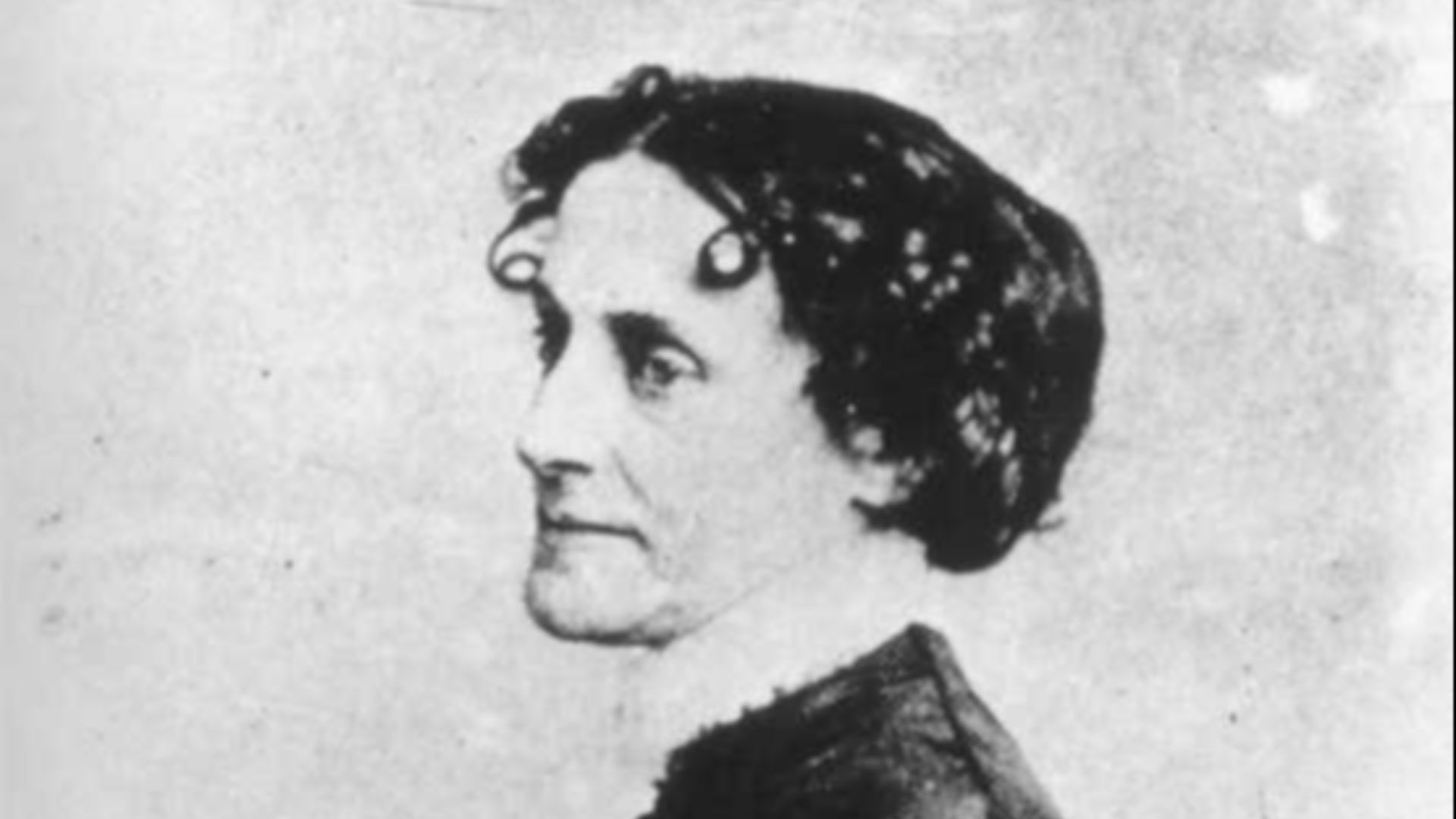 National Park Service on Wikimedia
5. Juan Pujol García
Pujol built the Germans a spy ring out of nothing, with 27 subagents who existed only on paper. The British took him on as Garbo, and his invented network sold Berlin on a phantom invasion force aimed at Calais. He collected an Iron Cross and an MBE for the same work.
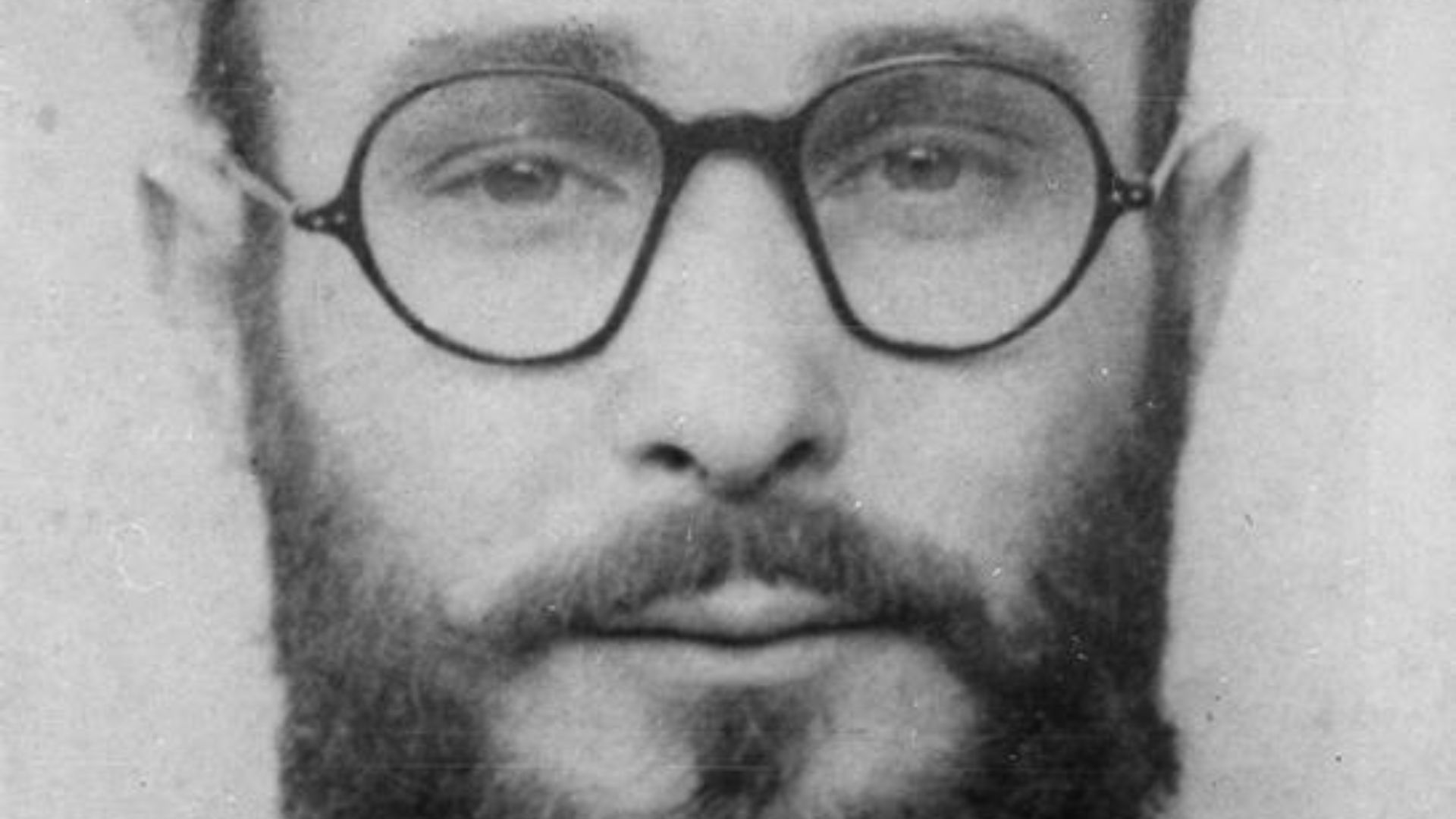
6. Dušan Popov
The Abwehr recruited Popov, a wealthy Yugoslav lawyer, and never worked out that he had been reporting to MI6 all along. He fed them material for years while living conspicuously in London hotels. In 1941 he brought the FBI a German questionnaire about Pearl Harbor, and Hoover ignored it.
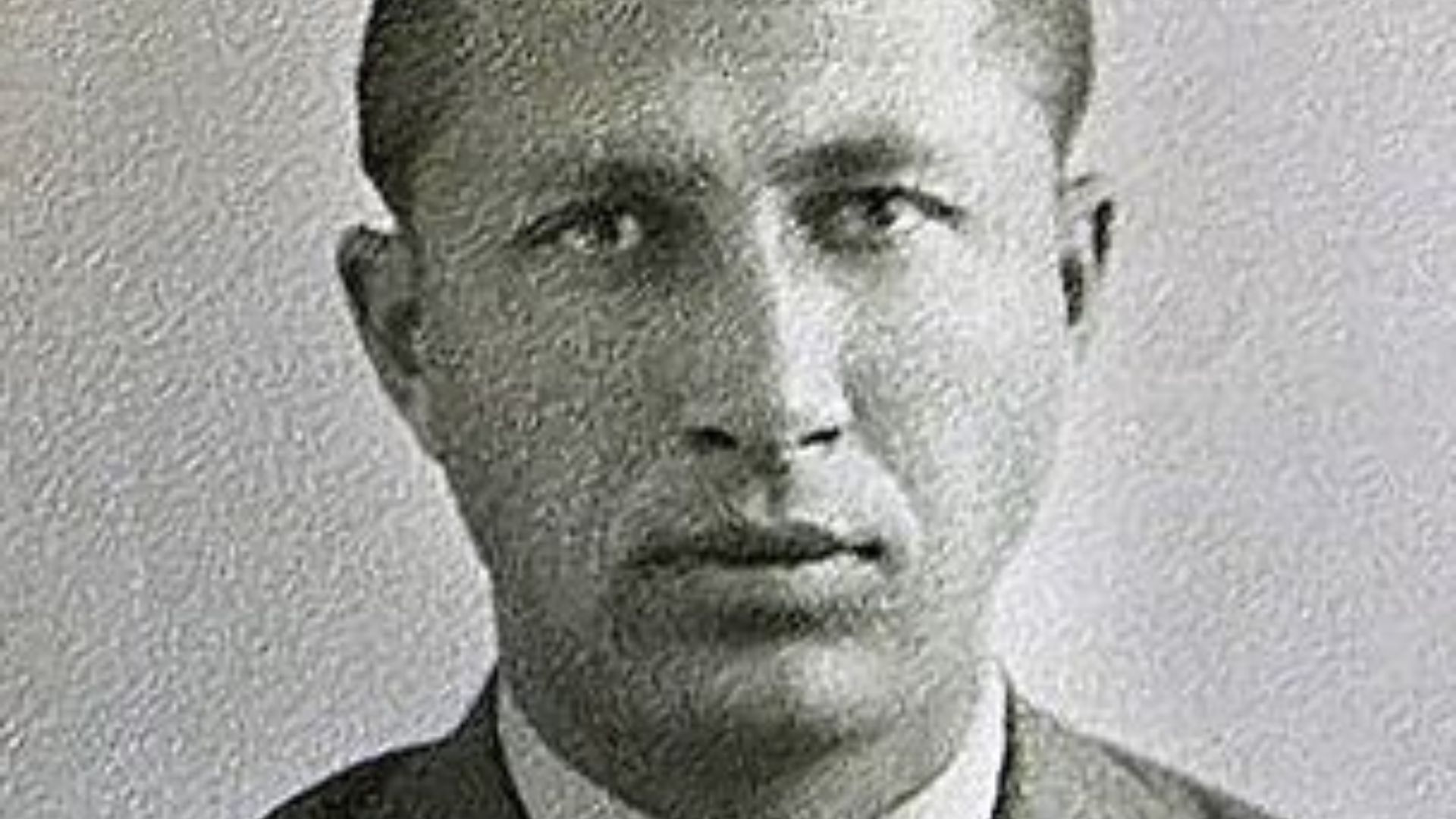
7. Virginia Hall
Hall worked in occupied France for the British and later the Americans, with a prosthetic leg she had nicknamed Cuthbert. Klaus Barbie's office wanted her badly and circulated her description. She escaped over the Pyrenees on foot in late 1942, then came back in 1944 dressed as an elderly milkmaid.
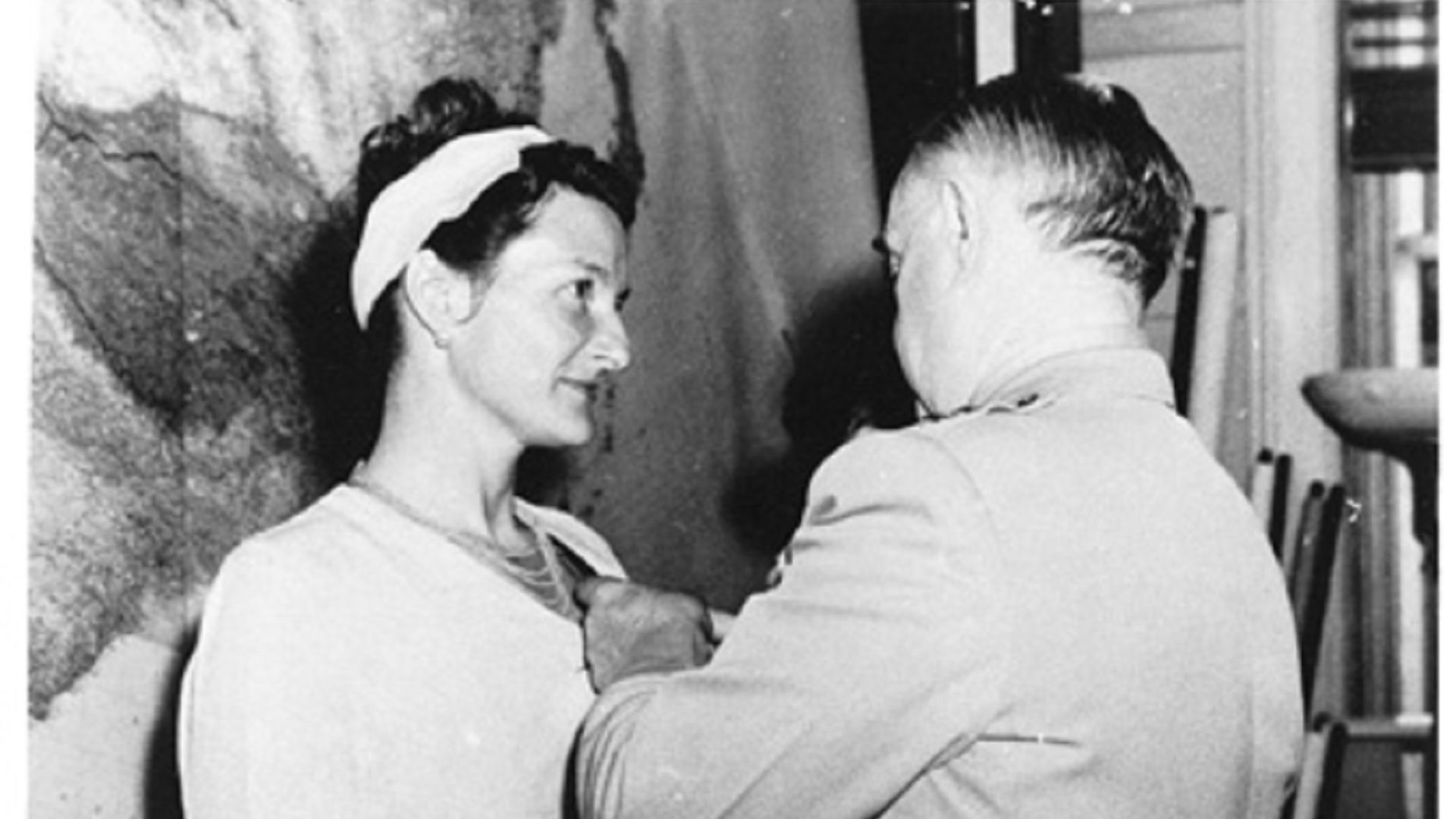 Unknown photographer who worked for the CIA. on Wikimedia
8. Nancy Wake
The Gestapo called her the White Mouse and put a price on her head for helping run escape lines out of Marseille. She got over the mountains and returned as an SOE agent in the Auvergne. At one point she cycled several hundred kilometers through checkpoints to replace a set of destroyed codes.
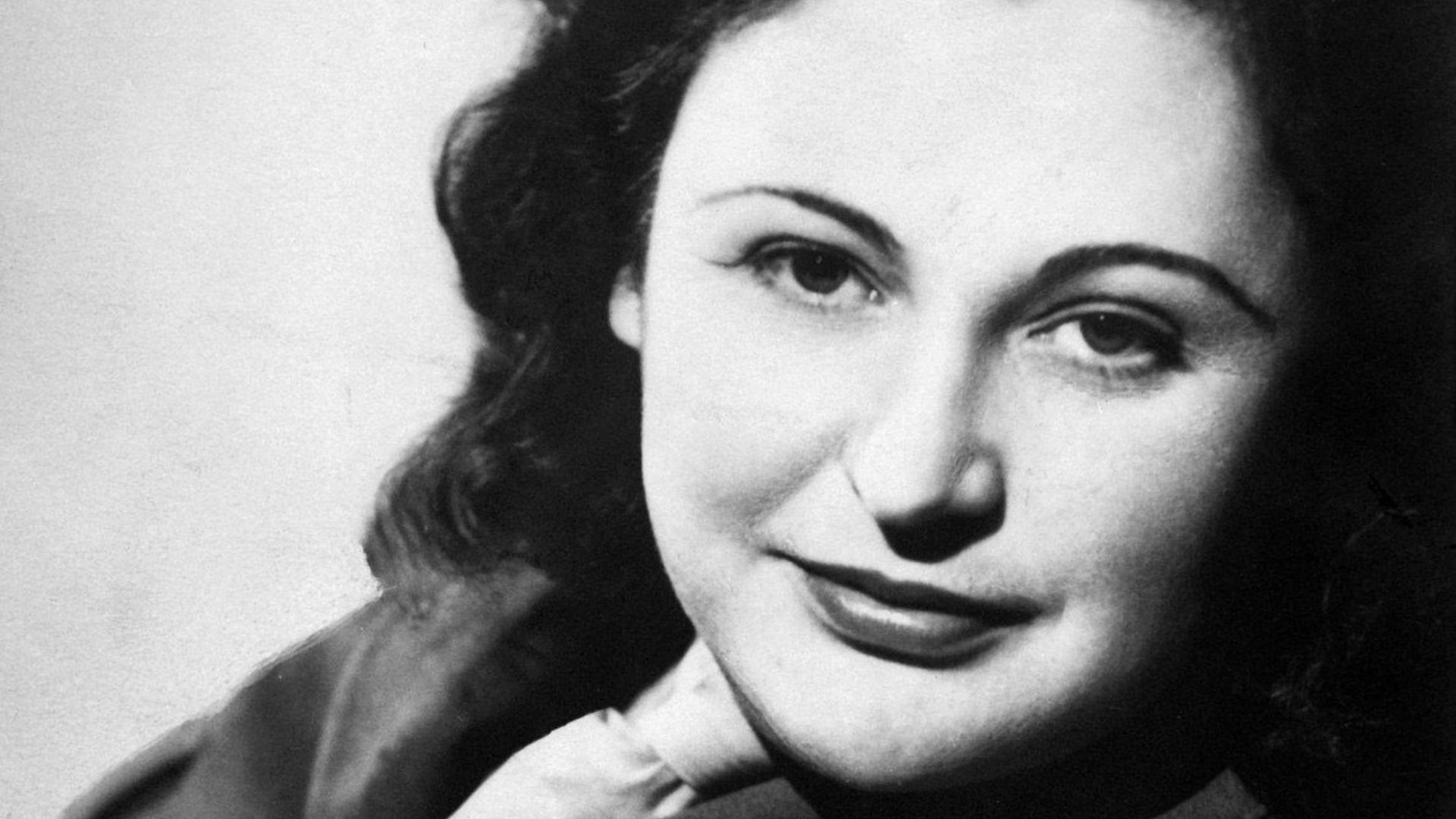
9. Josephine Baker
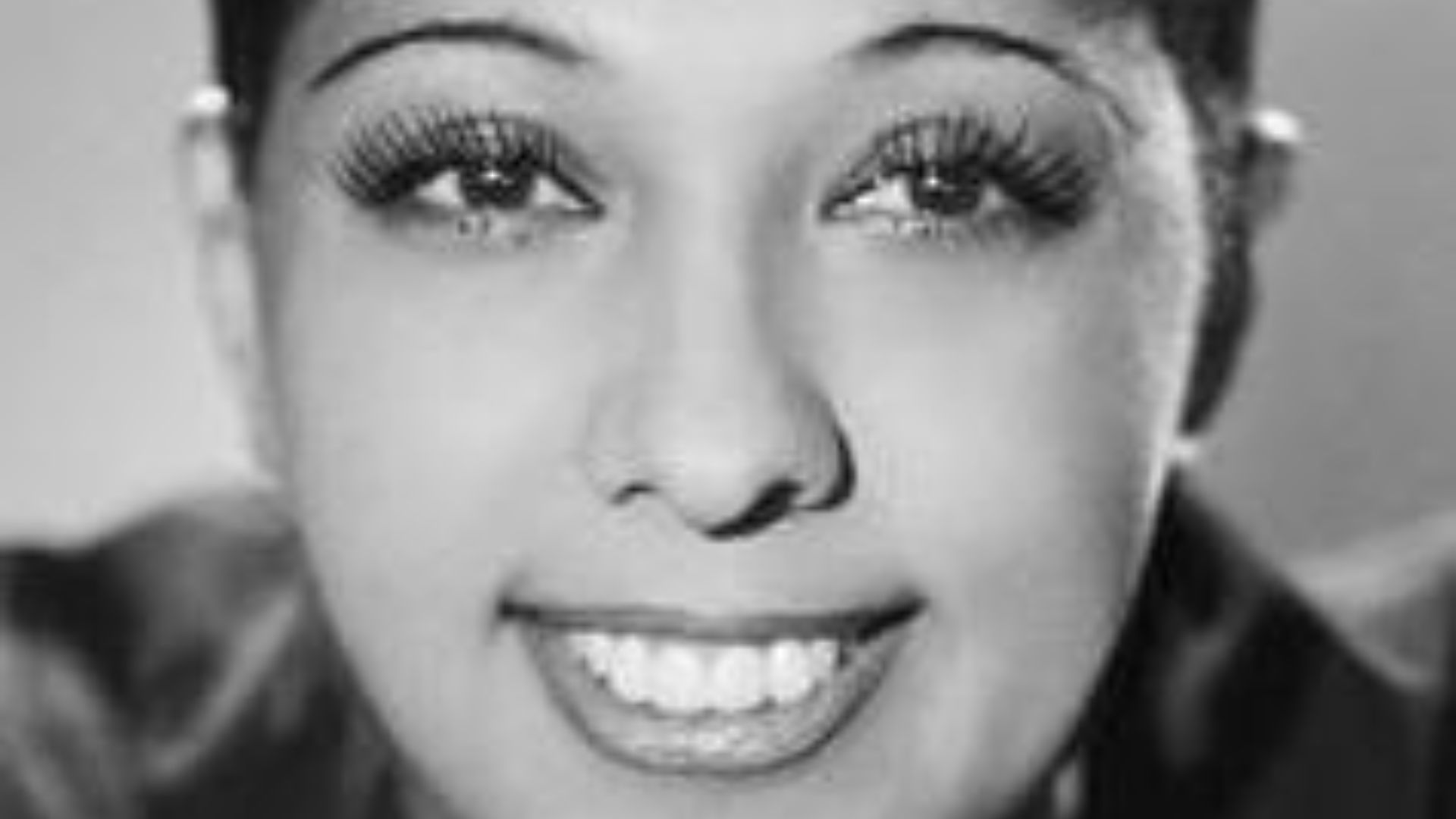
Baker was famous enough to cross borders without much scrutiny, which is exactly why French intelligence used her. She carried notes written in invisible ink on her sheet music and toured North Africa, collecting whatever she heard at embassy parties. France later gave her the Croix de Guerre.
10. Fritz Kolbe
Kolbe walked into Allen Dulles's office in Bern with stolen cables stuffed down his trousers. He was a mid-level clerk in the German Foreign Office, and over the next two years he handed the Americans roughly 1,600 documents without the Gestapo ever tracing the leak. Postwar Germany treated him as a traitor and he struggled to find work.
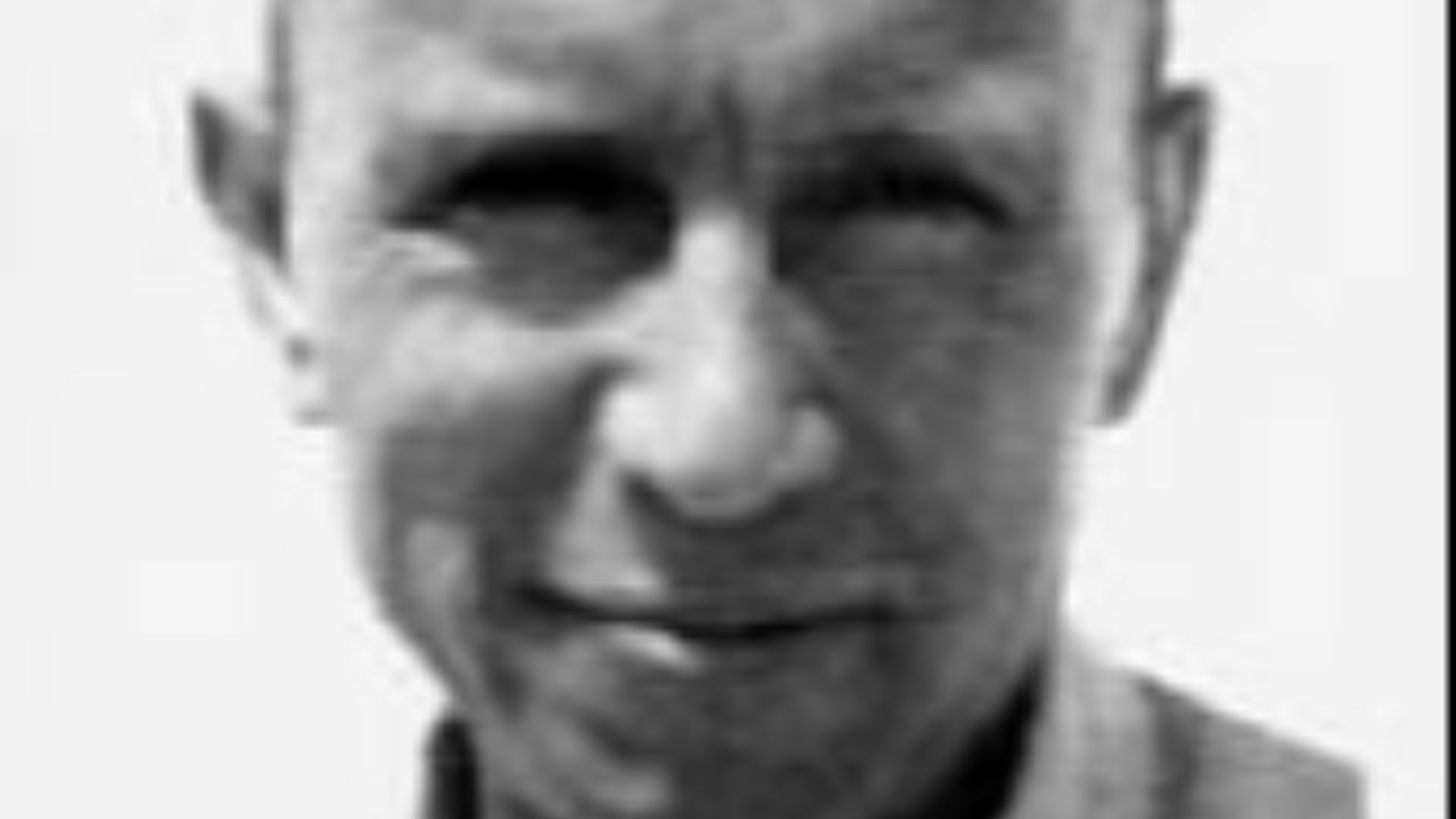 originally uploaded to the English wiki by User:Lumos3 on Wikimedia
11. Elyesa Bazna
Bazna was the valet to the British ambassador in Ankara, and he photographed the papers left sitting in his employer's dispatch box. The Germans paid him a fortune and never exposed him. Most of the money was counterfeit, and he spent years afterward trying to sue West Germany.
12. Bhagat Ram Talwar
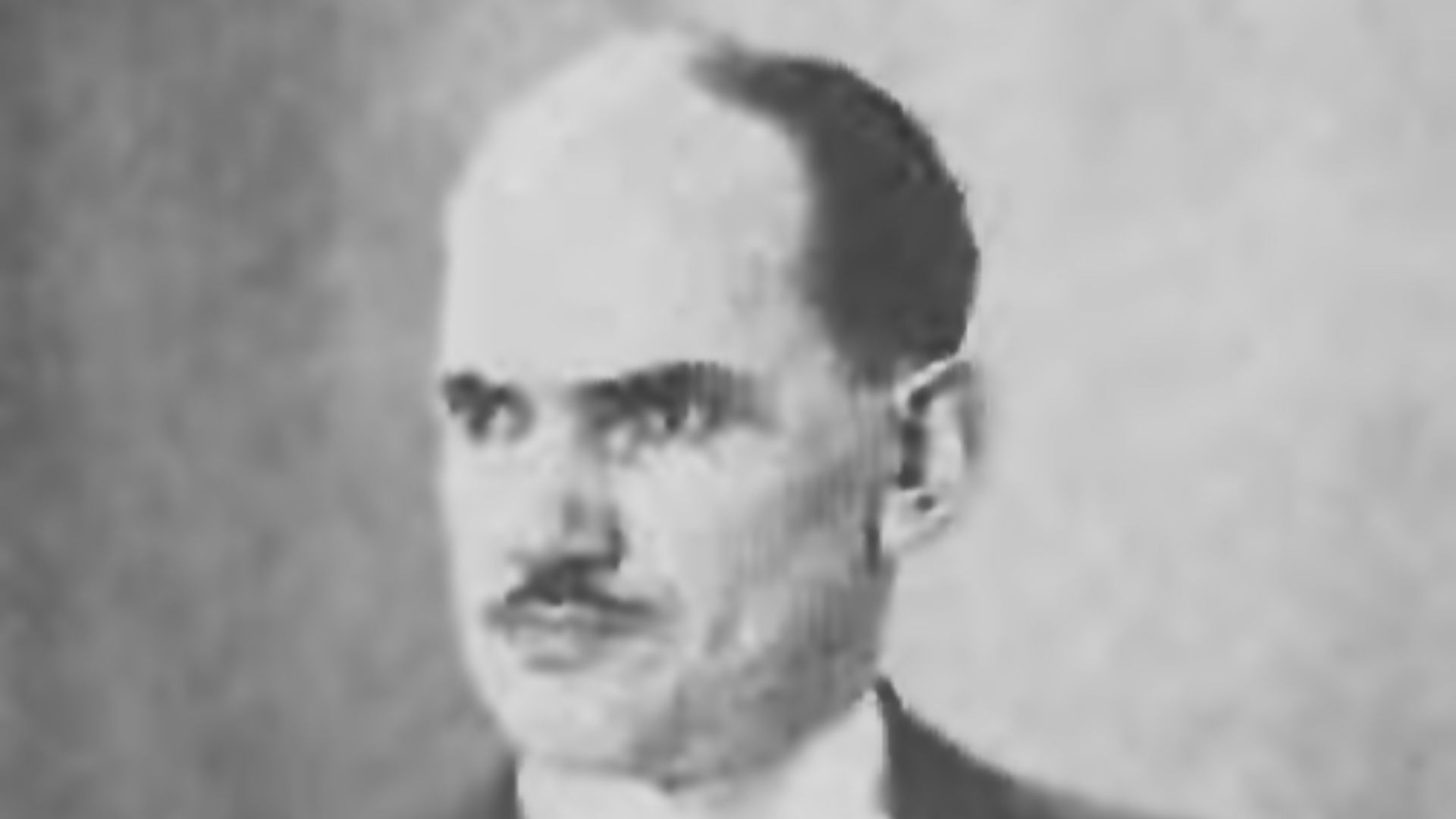
Talwar took money from German and Japanese intelligence while reporting everything he learned back to the British, and the Soviets ran him for a stretch as well. He guided Subhas Chandra Bose out of India in 1941, and the British turned him the year after. His real role stayed buried in the files for decades.
13. Takeo Yoshikawa
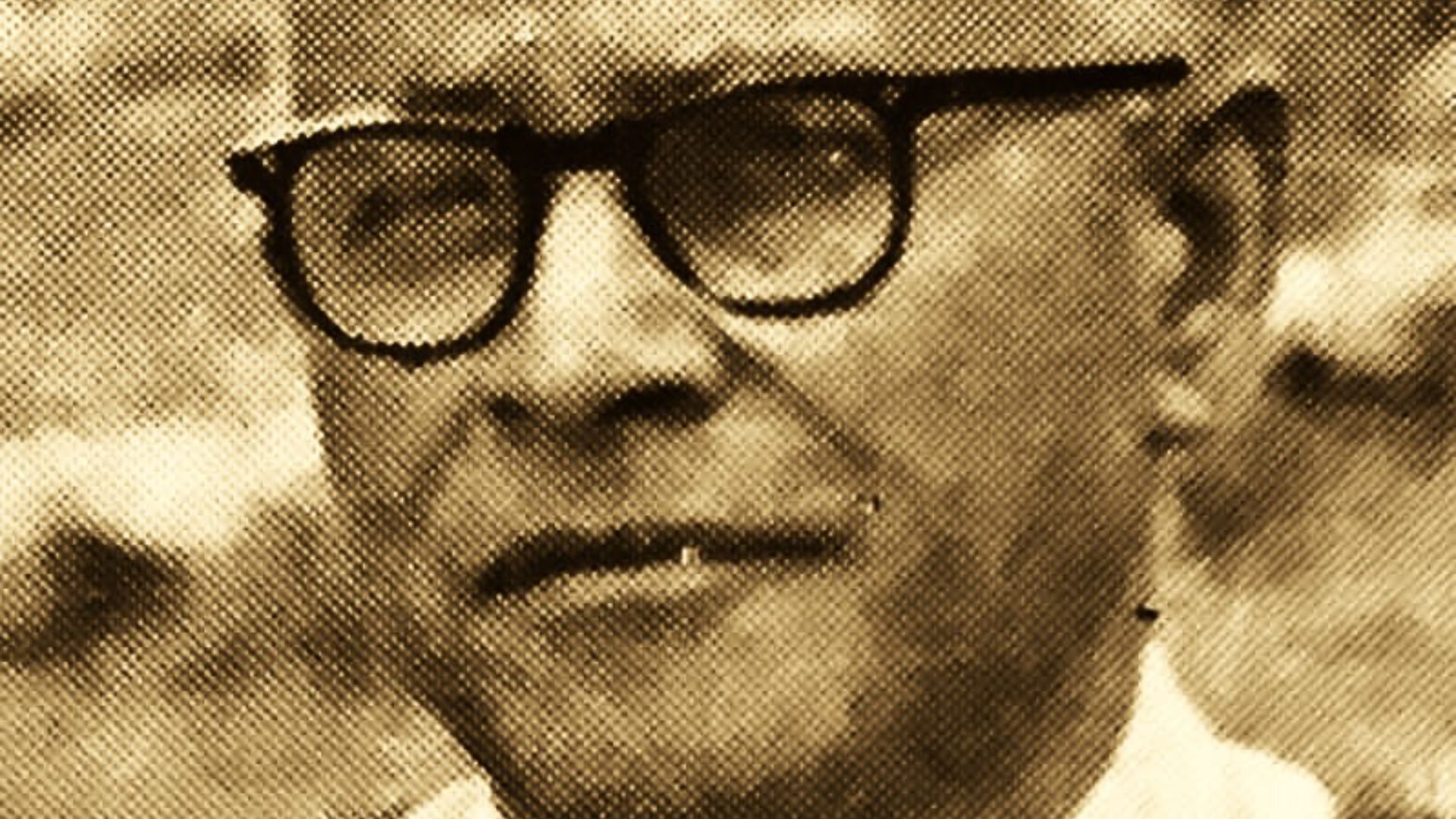
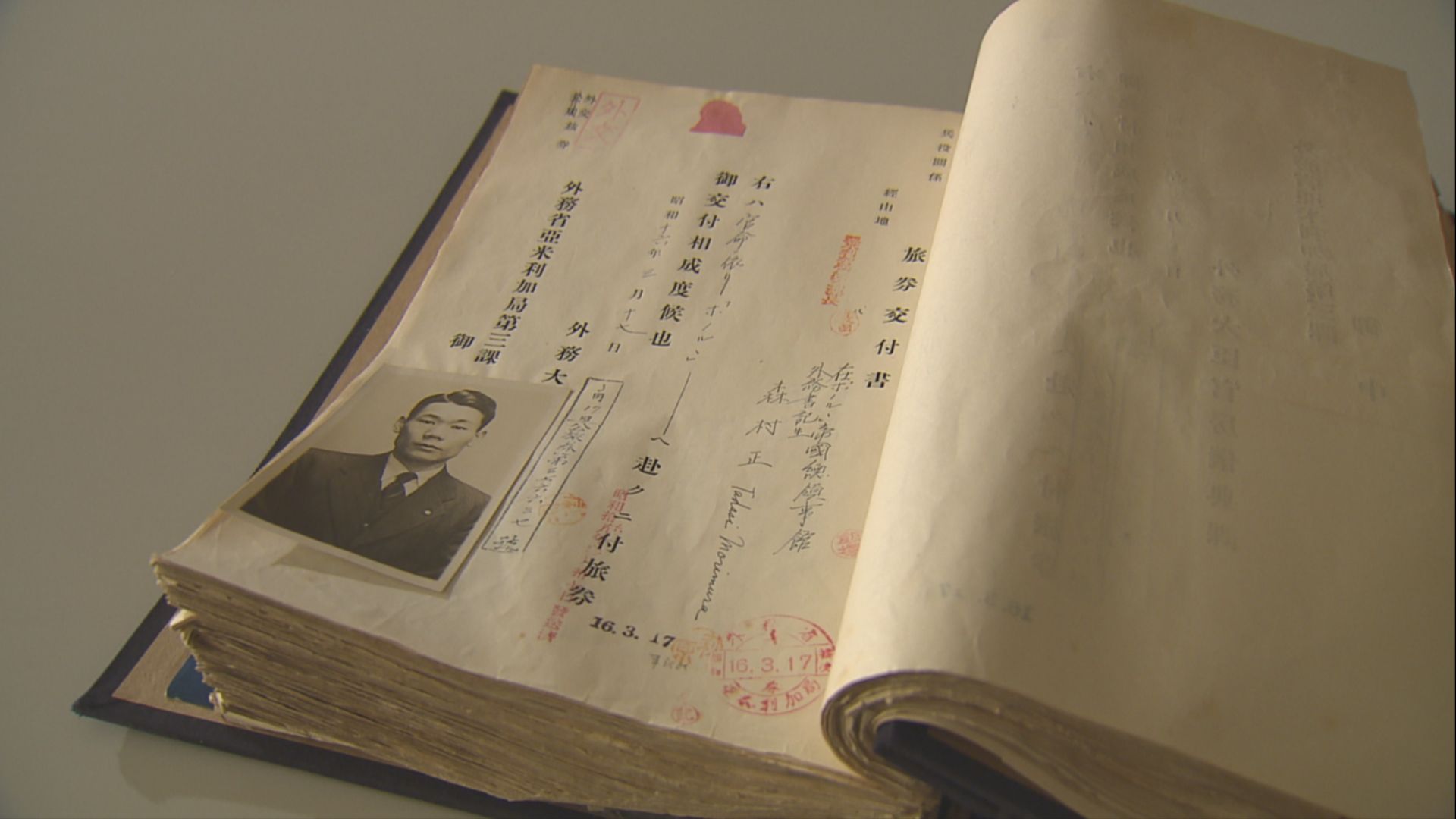
Yoshikawa reached Honolulu in 1941 under a false name as a junior consular official, then spent months counting warships from a teahouse above Pearl Harbor. The FBI had suspicions about the consulate and never moved on him. He was interned as a diplomat and repatriated in 1942.
14. Ursula Kuczynski
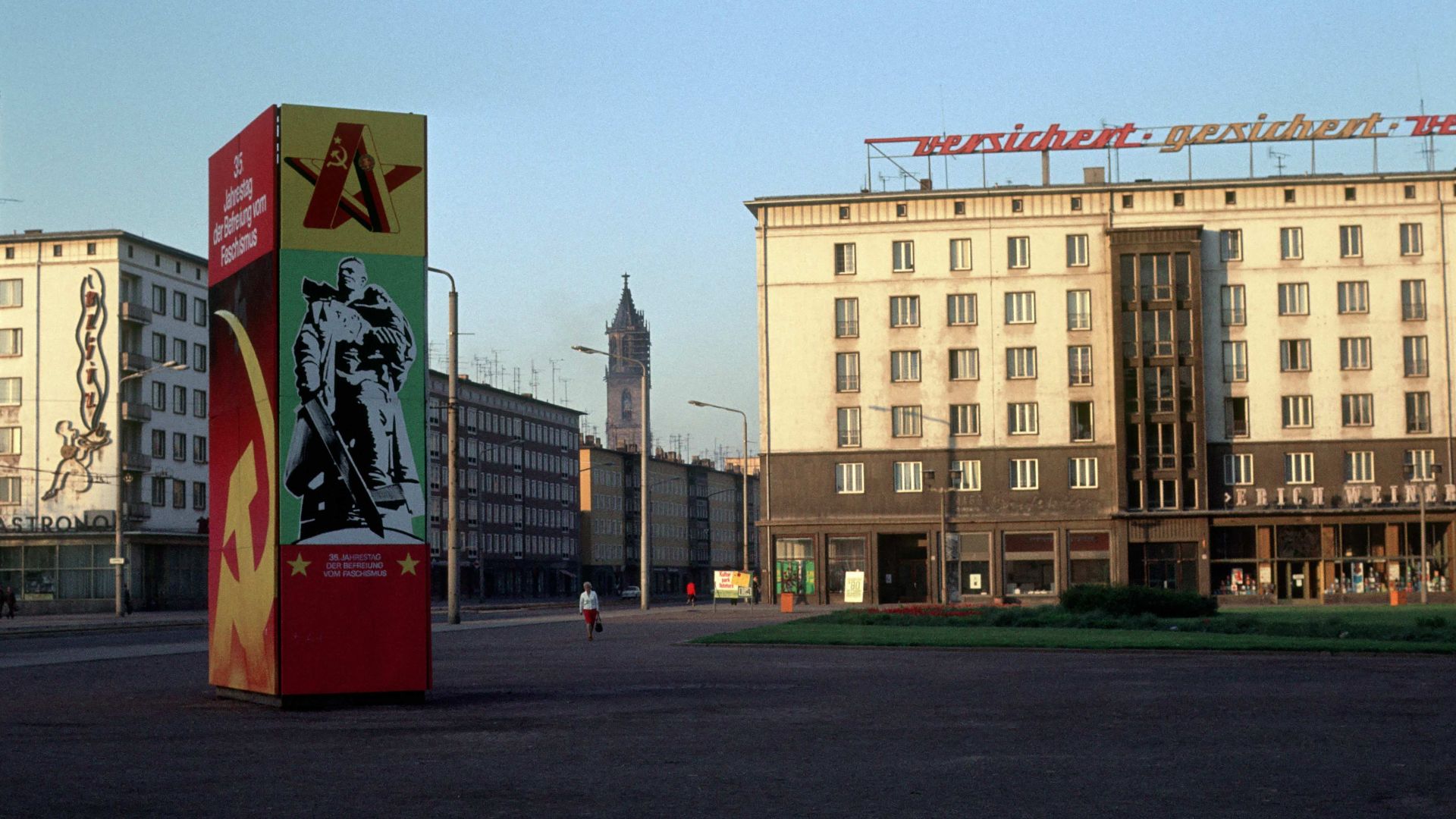
Kuczynski was a GRU officer running agents from a cottage in the Cotswolds, with a transmitter in the house and small children in the garden. She handled Klaus Fuchs during the years he was passing atomic material. MI5 interviewed her in 1947, got nothing, and she slipped away to East Germany in 1950.
 Michel Huhardeaux from Brussels, Belgium on Wikimedia
15. Theodore Hall
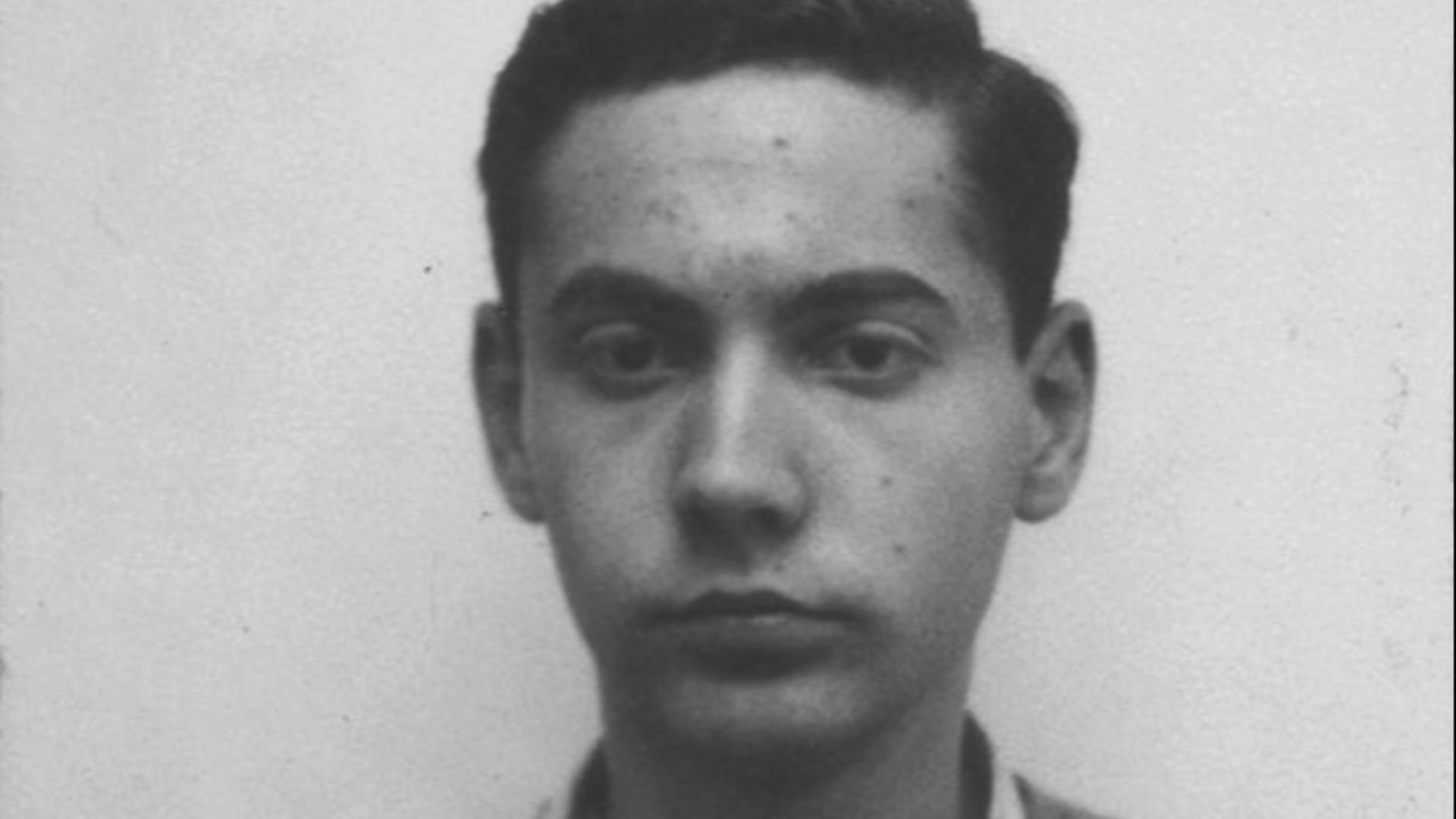
Hall was nineteen and the youngest physicist at Los Alamos when he decided Moscow should have the bomb design too. American codebreakers identified him through the Venona intercepts, and using that evidence in court would have exposed the program. He moved to Cambridge and had a long academic career.
16. Oscar Seborer
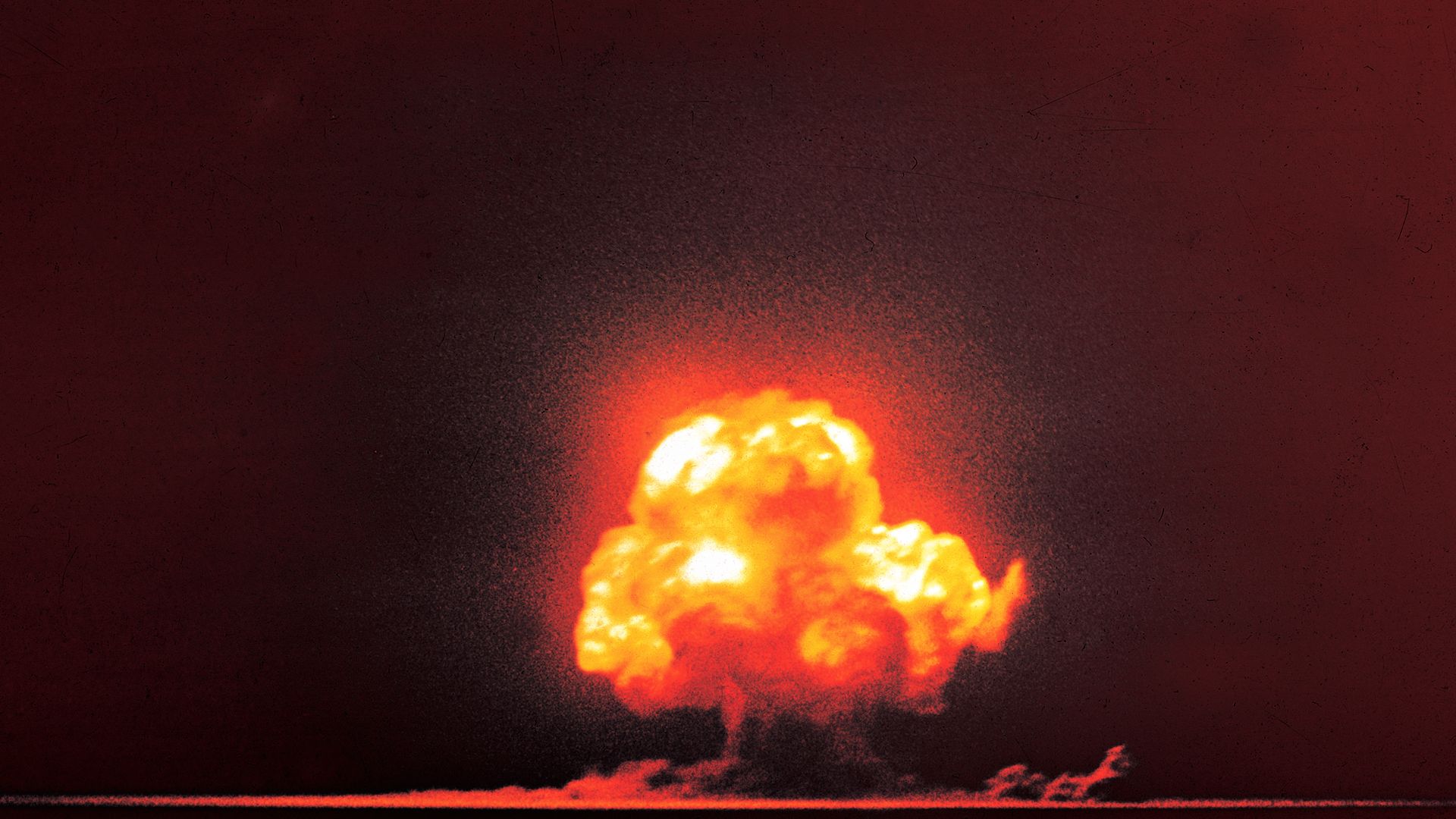
Seborer worked on the Manhattan Project as an engineer and passed weapon details to Moscow under the codename Godsend. He moved to the Soviet Union with his family in 1952 and collected an Order of the Red Star there. The historians John Earl Haynes and Harvey Klehr only identified him publicly in 2019.
17. Melita Norwood
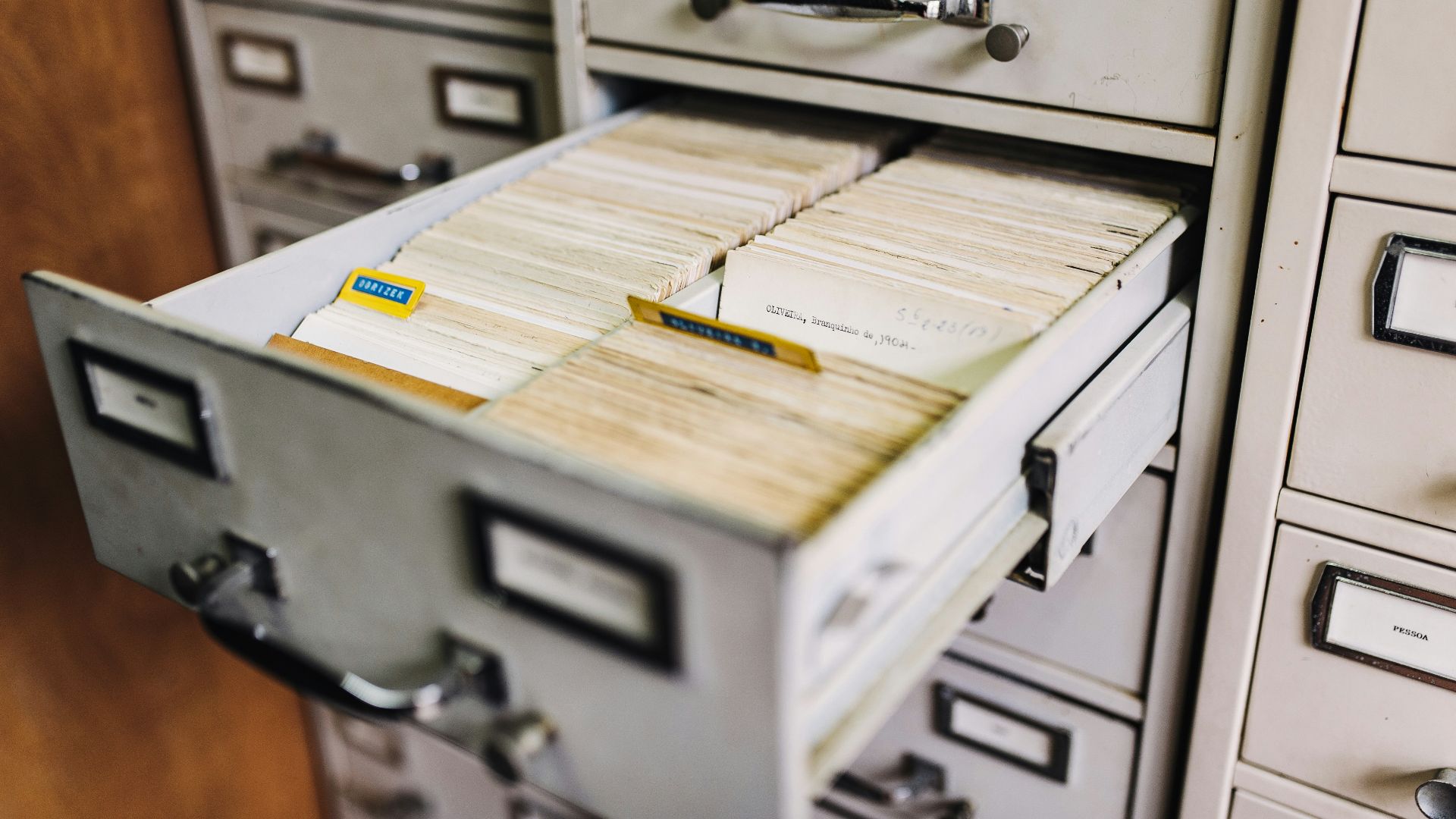
Norwood was a secretary at a London metals research association with access to Britain's atomic files, and she copied them for the Soviets for nearly forty years. Her name surfaced in the archive Vasili Mitrokhin carried out of the KGB. She was 87 by then, and nobody prosecuted her.
 Maksym Kaharlytskyi on Unsplash
18. Anthony Blunt
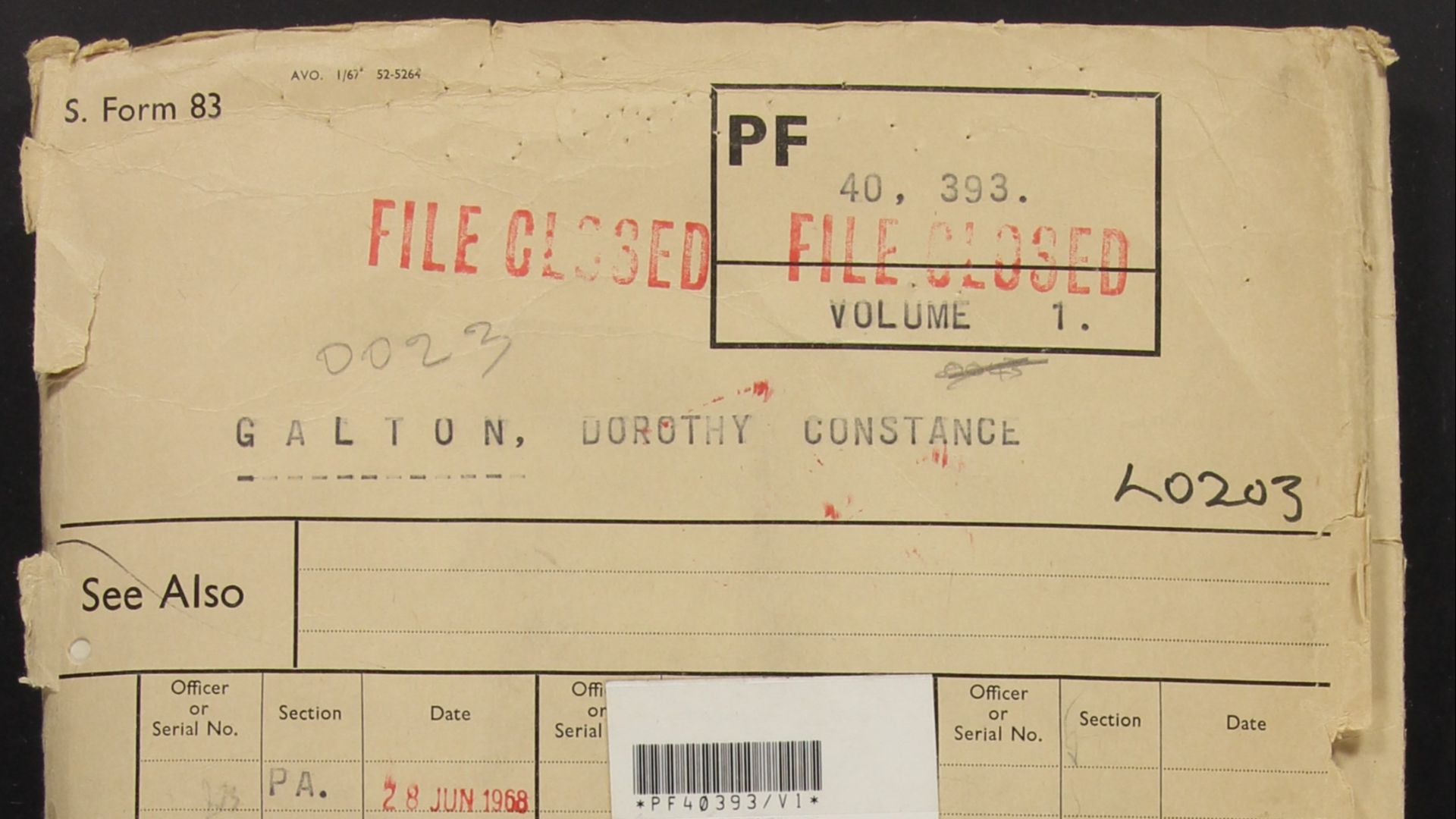
Blunt spent the war in MI5 and then became Surveyor of the Queen's Pictures, an art historian of real standing. British intelligence got a confession out of him in 1964 in exchange for immunity, and the deal held for fifteen years. Thatcher named him in Parliament in 1979 and he lost his knighthood.
 British Government on Wikimedia
19. Kim Philby
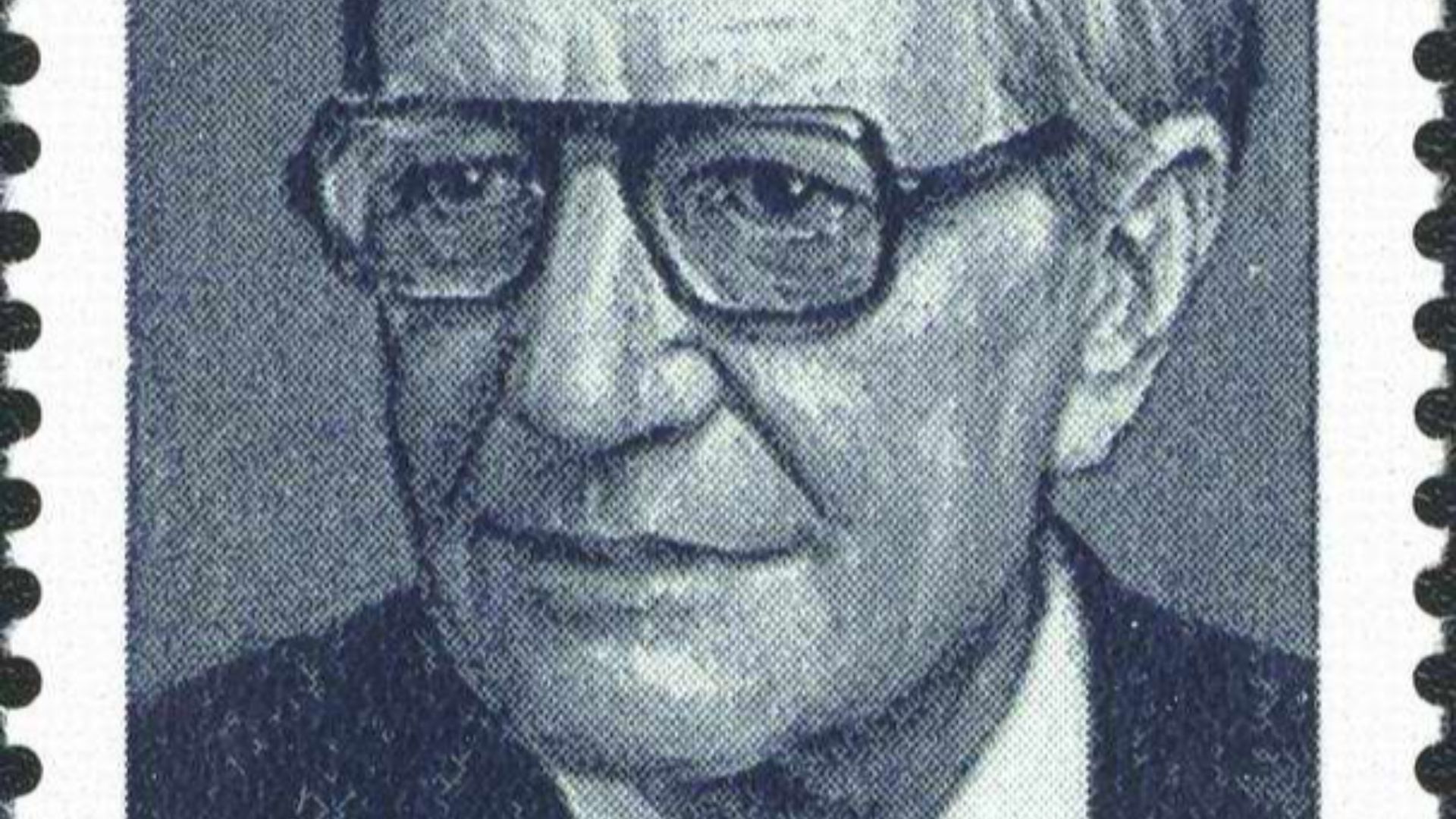
Philby ran the section of British intelligence responsible for Soviet counterespionage while working for the Soviets. Suspicion trailed him after Burgess and Maclean bolted in 1951, and Macmillan still cleared him publicly in 1955. He was in Beirut when the case finally hardened, and he reached Moscow before anyone could arrest him.
 Scanned and processed by Mariluna on Wikimedia
20. Ryszard Kukliński
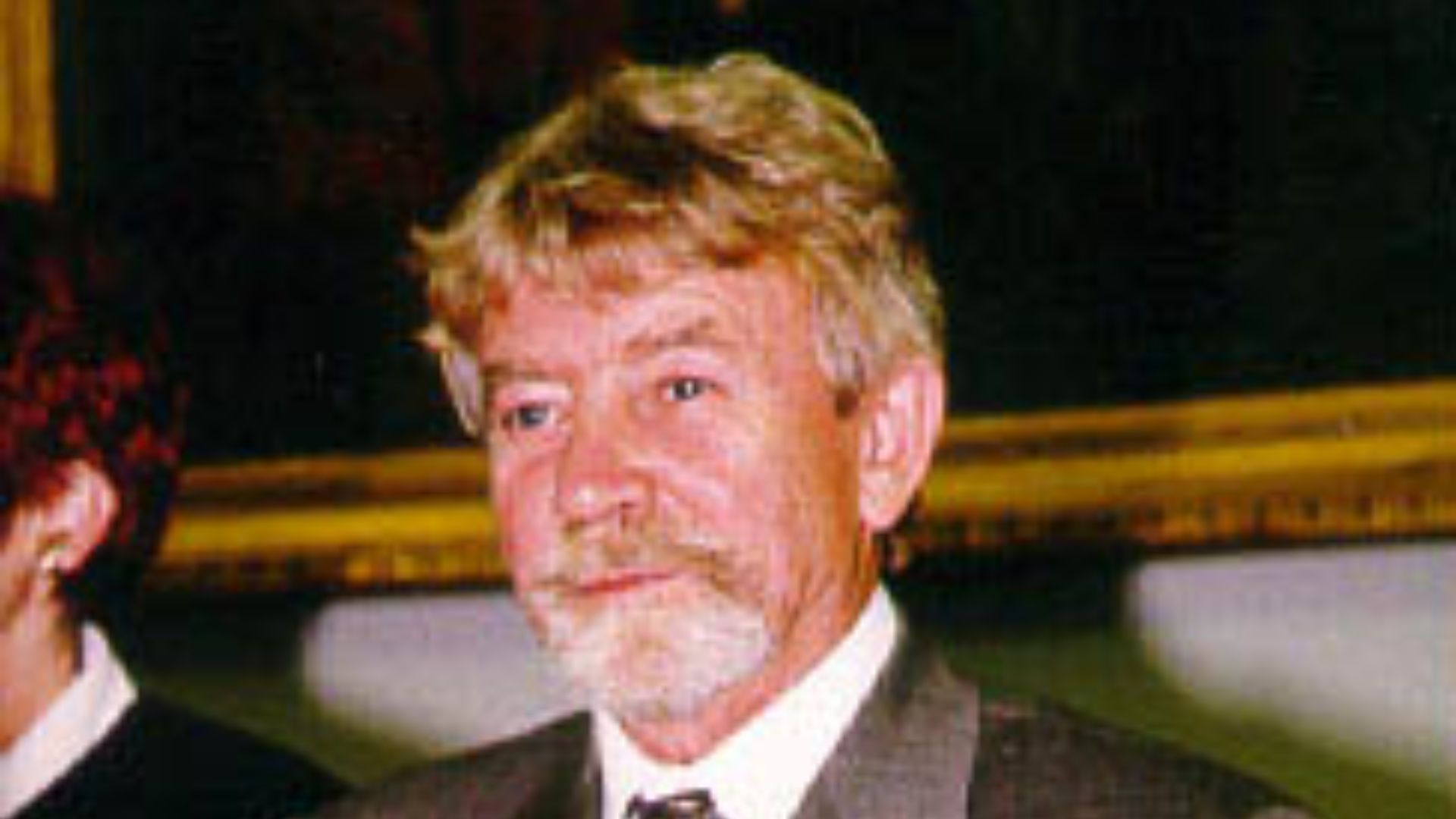
Kukliński was a Polish colonel with access to Warsaw Pact war plans, and he passed the CIA thousands of pages over nine years. When Soviet counterintelligence narrowed a leak to a handful of officers, the agency pulled him and his family out of Warsaw in 1981. Poland sentenced him to death in absentia.
KEEP ON READING