When Honor Cost More Than the Argument Was Worth
Dueling looks noble from a distance, all pistols at dawn and seconds pacing off the ground. Up close, the record usually shows two grown men who couldn't let an offhand remark go. Honor codes were strict enough that a stray insult in the wrong room could put someone on a riverbank at sunrise a few weeks later. Plenty of the men involved had never fired a pistol in their lives and went anyway. Here are 20 duels fought over reasons that look absurd from any distance at all.
1. The Balloon Duel
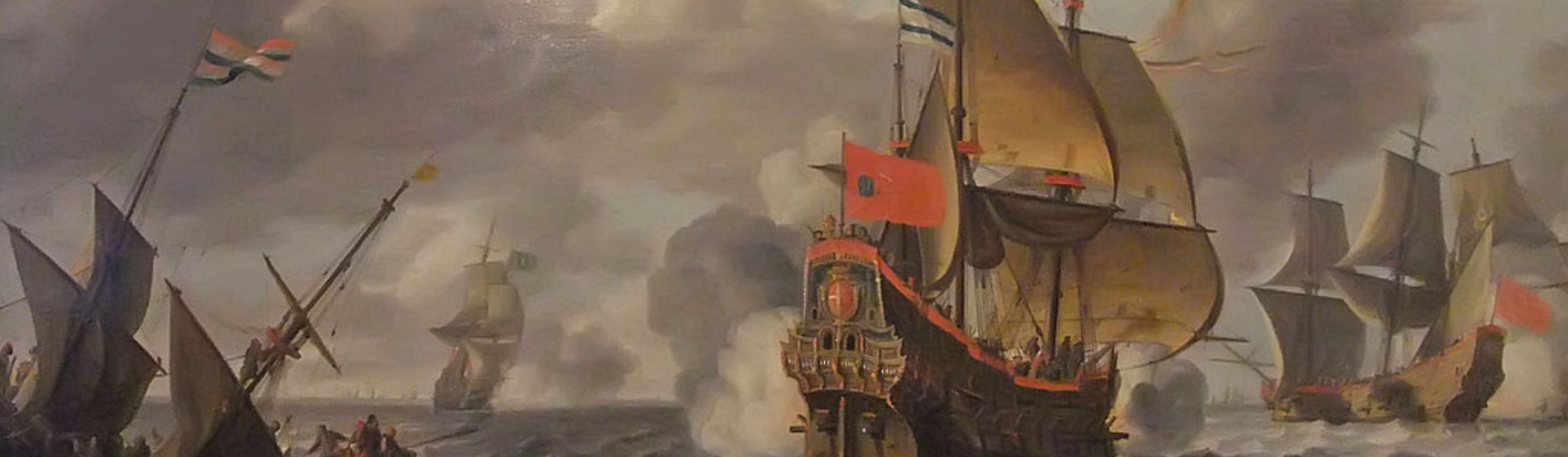
Two Frenchmen, de Grandpré and le Pique, discovered they were both involved with the same dancer from the Paris Opera and decided a normal duel was beneath them. They built identical balloons and took off from the Tuileries gardens with their seconds on board, then fired blunderbusses at each other's balloons from about eighty yards up. The story traces back to a single English newspaper account from 1808, so it may be more legend than history.
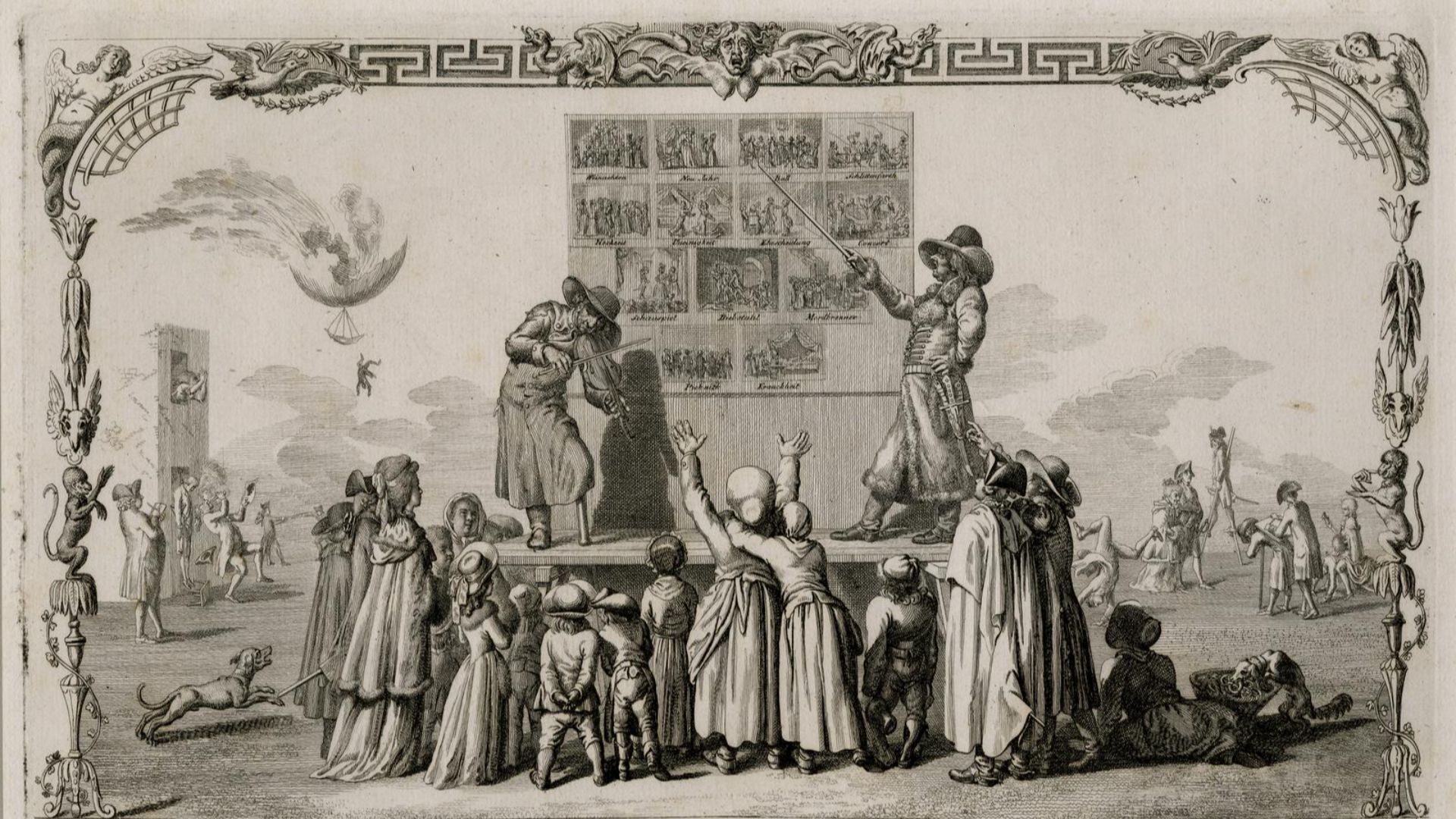 Print made by: Daniel Chodowiecki Published by: Daniel Chodowiecki on Wikimedia
2. The Astronomer's Nose
Tycho Brahe lost part of his nose in a 1566 duel with Manderup Parsberg, a fellow Danish student at Rostock who was also his third cousin. The two had been arguing over which of them was the better mathematician. Brahe wore a prosthetic nose for the rest of his life, and the two men later became good friends.
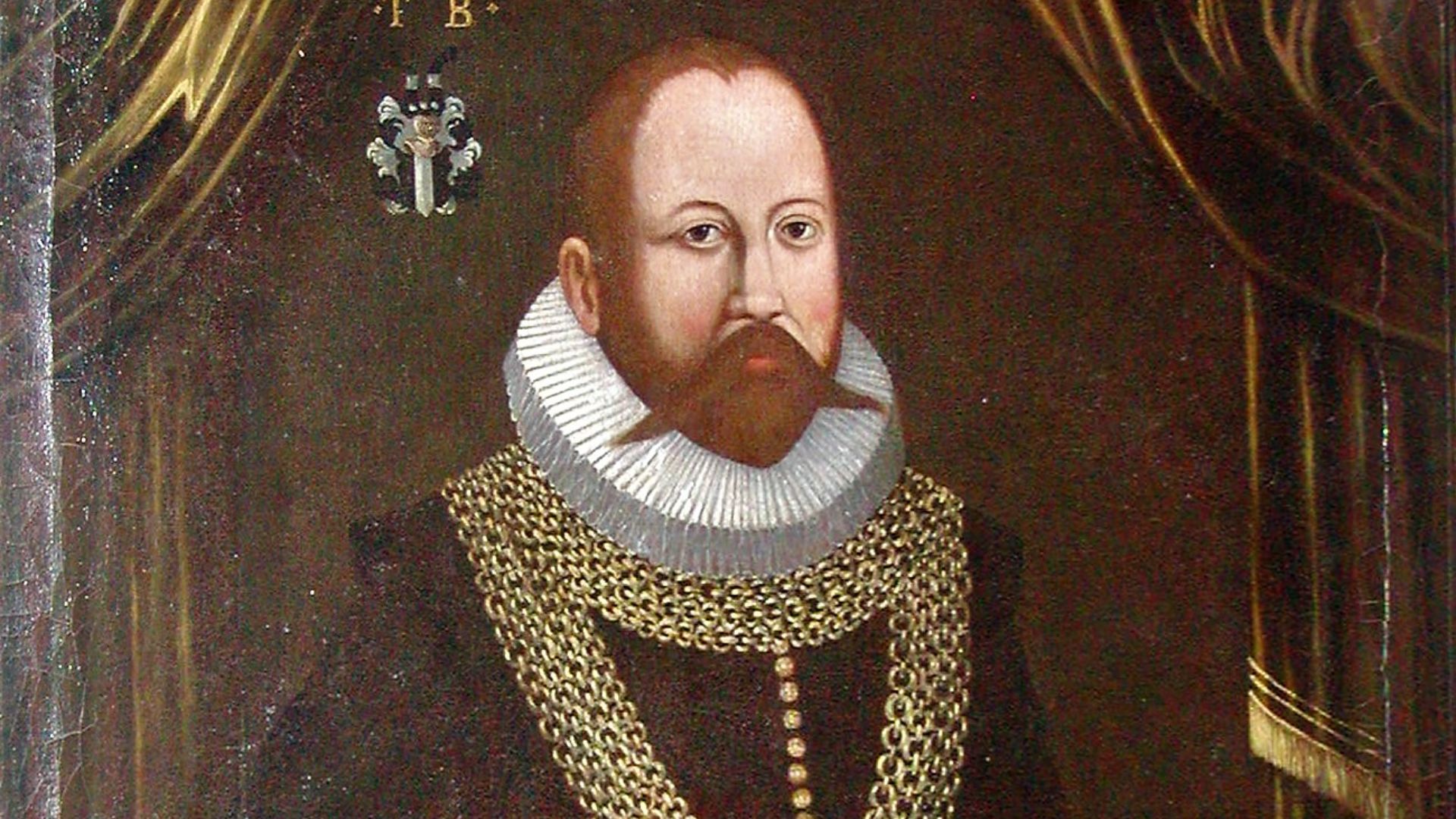 Unknown artistUnknown artist on Wikimedia
3. Lincoln and the Broadswords
Abraham Lincoln wrote a mocking anonymous letter about state auditor James Shields, and when Shields found out who wrote it, he demanded a retraction and then a duel. Lincoln, as the challenged party, chose cavalry broadswords of the largest size, then reportedly hacked a branch off a tree above Shields's head to demonstrate his reach. Their friends talked them down before anything happened.
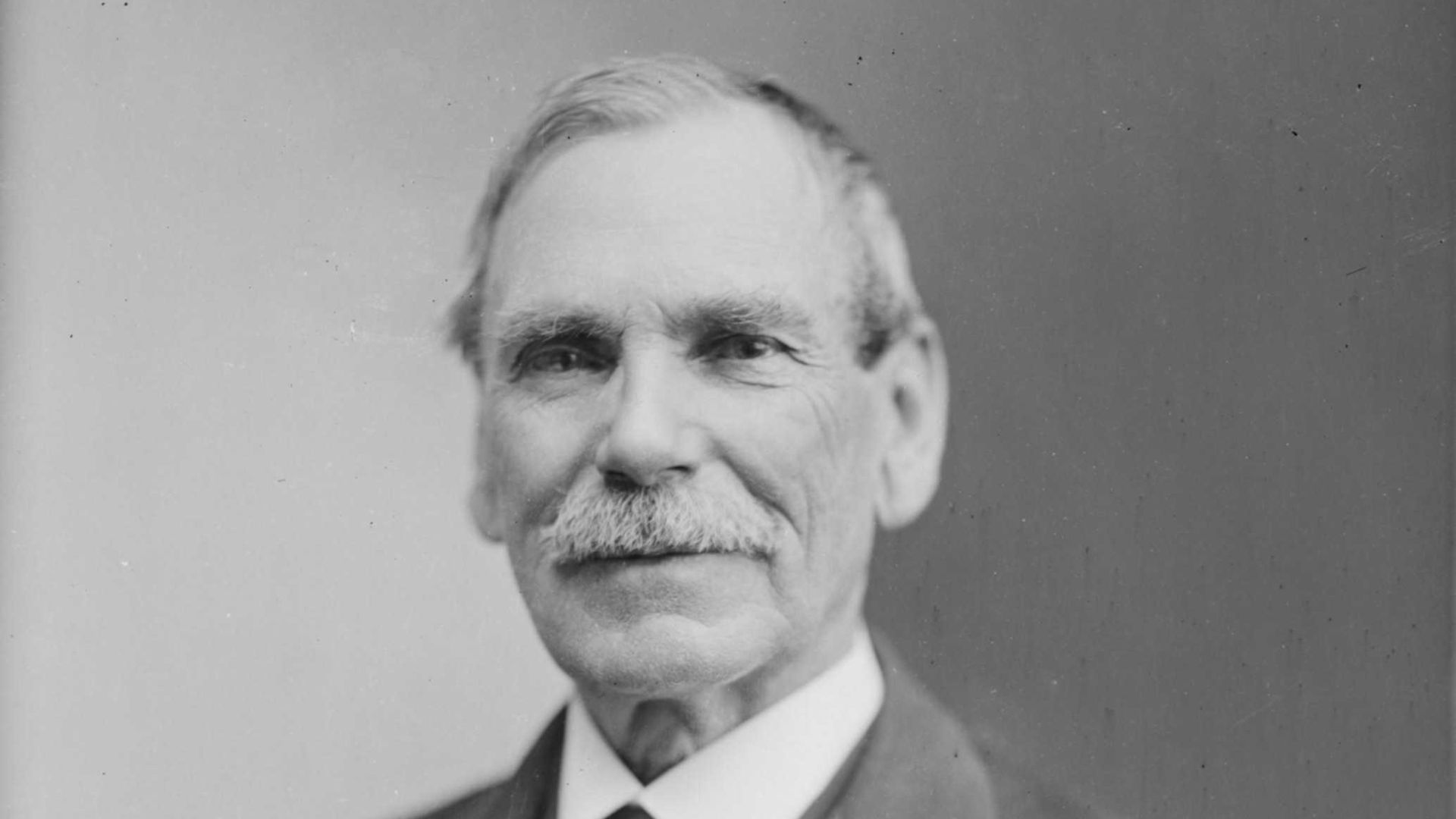 Mathew Benjamin Brady / Levin Corbin Handy on Wikimedia
4. The Nineteen-Year Grudge
A young officer named Dupont was sent to deliver an unwelcome message to François Fournier-Sarlovèze, who was so offended by the message that he challenged the messenger. They fought their first duel in 1794 and at least thirty more over the following nineteen years, on horseback and on foot, with sabres and pistols. Dupont finally won and made Fournier promise to leave him alone.
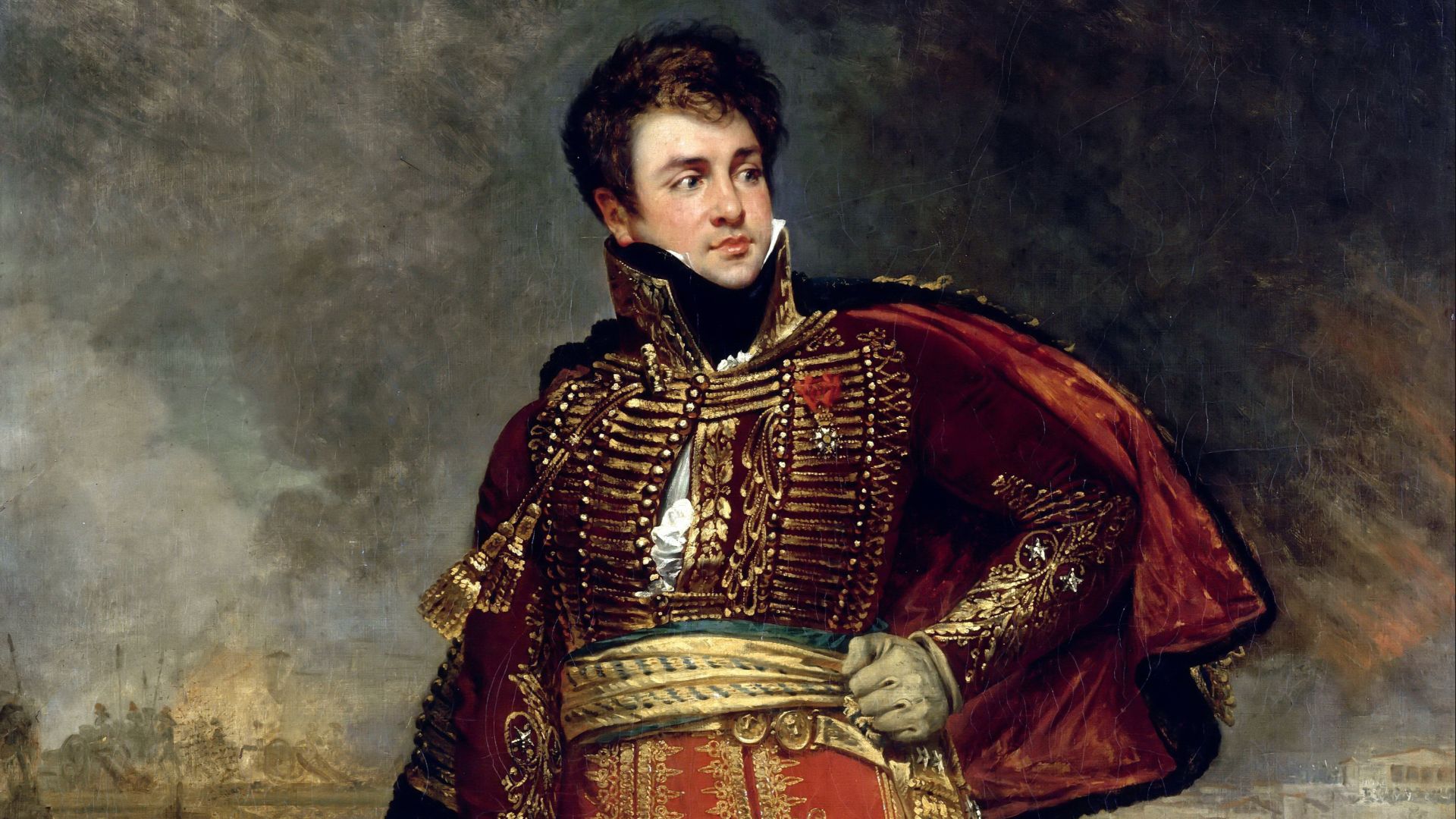 Antoine-Jean Gros on Wikimedia
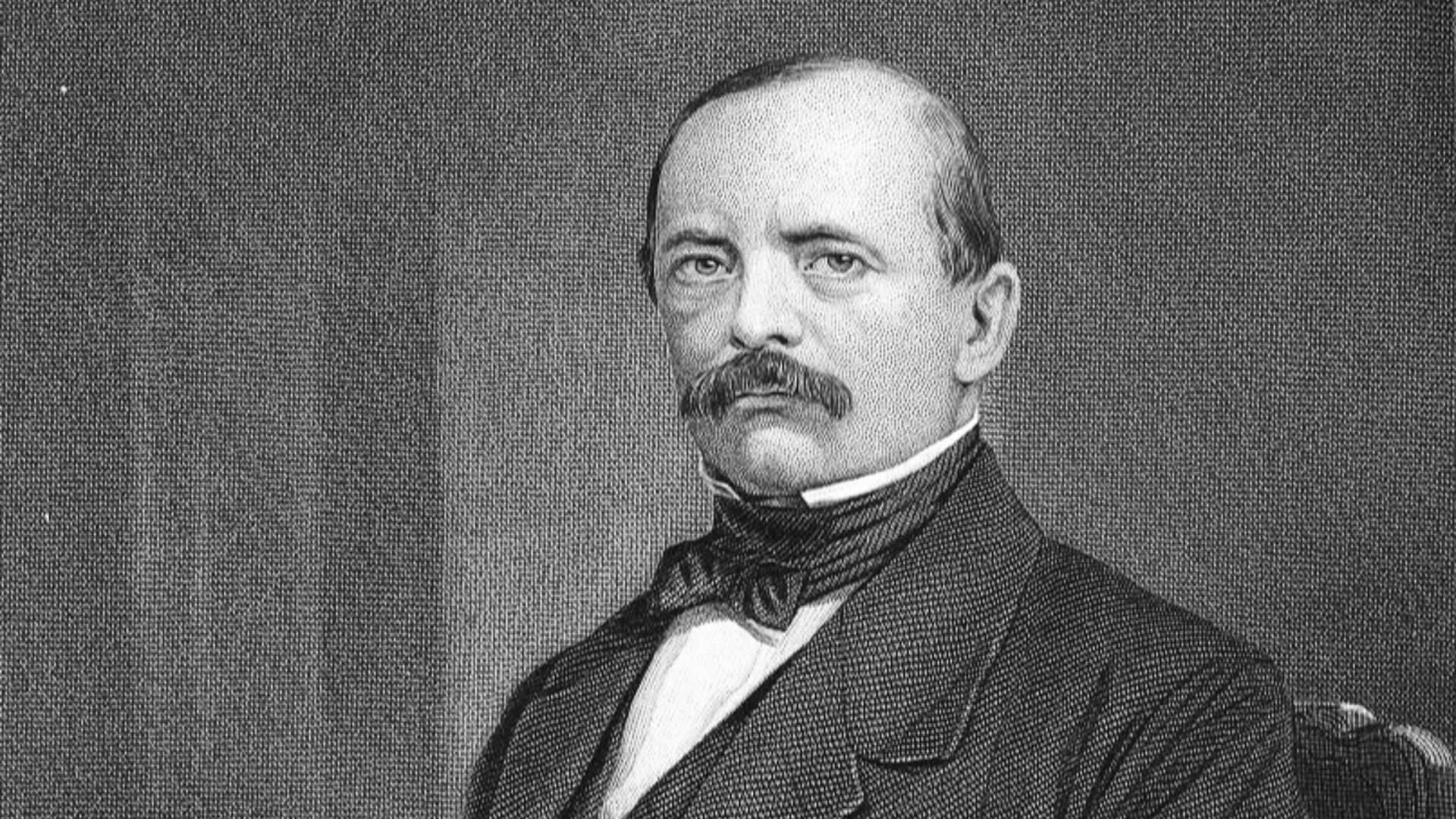
5. Bismarck and the Naval Budget
In 1865, Rudolf Virchow suggested in a speech that Bismarck either hadn't read an important naval funding document or wasn't being honest about it, and Bismarck challenged him to a duel over the remark. The famous version where Virchow chose two sausages as weapons, one of them infected, appears to be a later invention that only surfaced about thirty years afterward. What actually happened is that Virchow declined and nobody thought less of him for it.
6. The Flower Arrangement
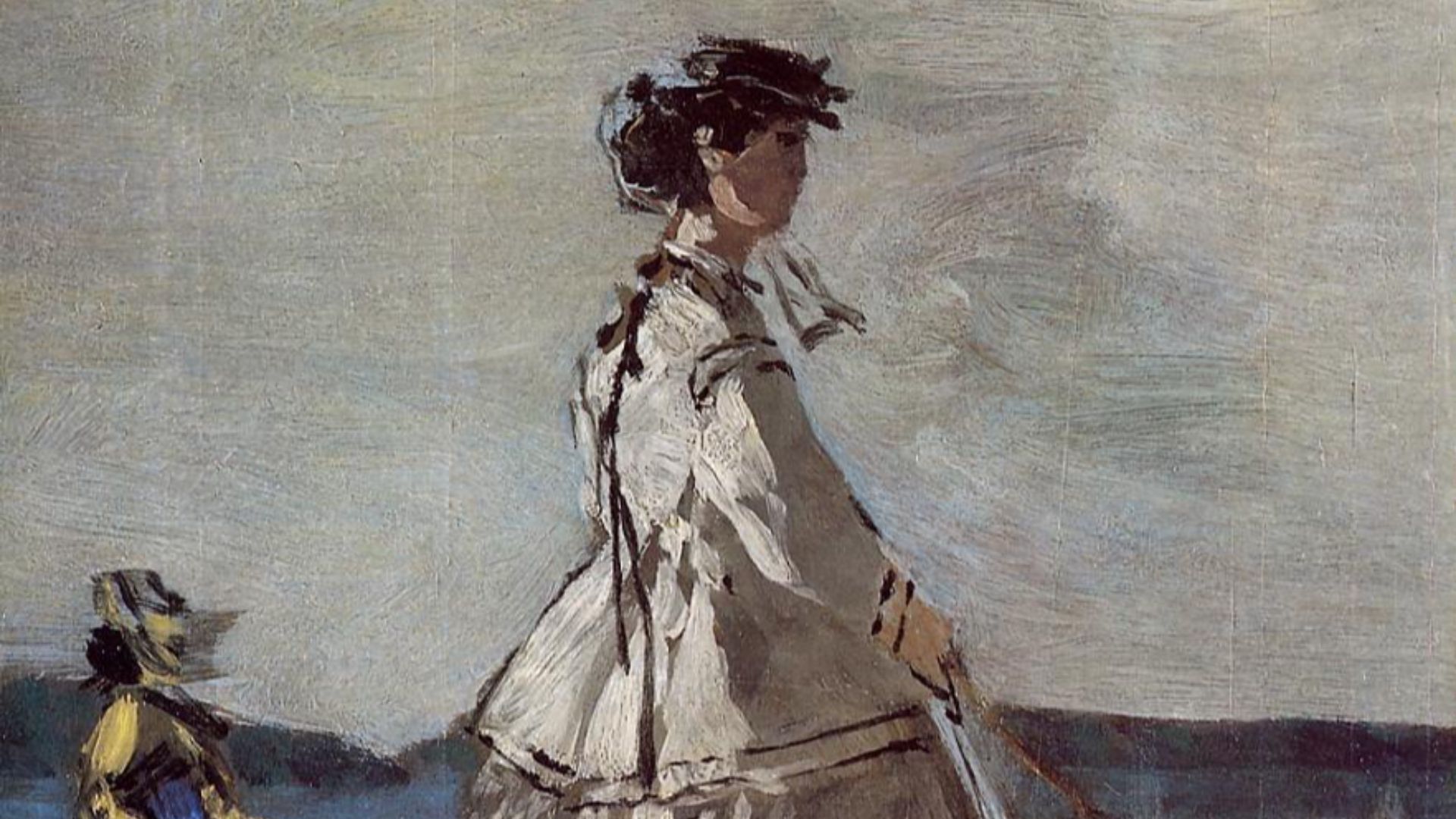
Princess Pauline Metternich and Countess Anastasia Kielmannsegg reportedly fought with rapiers in Liechtenstein in 1892 over how the flowers should be arranged at a Vienna music exhibition. A doctor present suggested they strip to the waist, on the theory that dirty fabric pushed into a wound causes infection. There are no primary sources for any of it, and the princess herself later dismissed the whole story as an invention of Italian journalists.
 Eugène Louis Boudin on Wikimedia
7. Handel and the Harpsichord
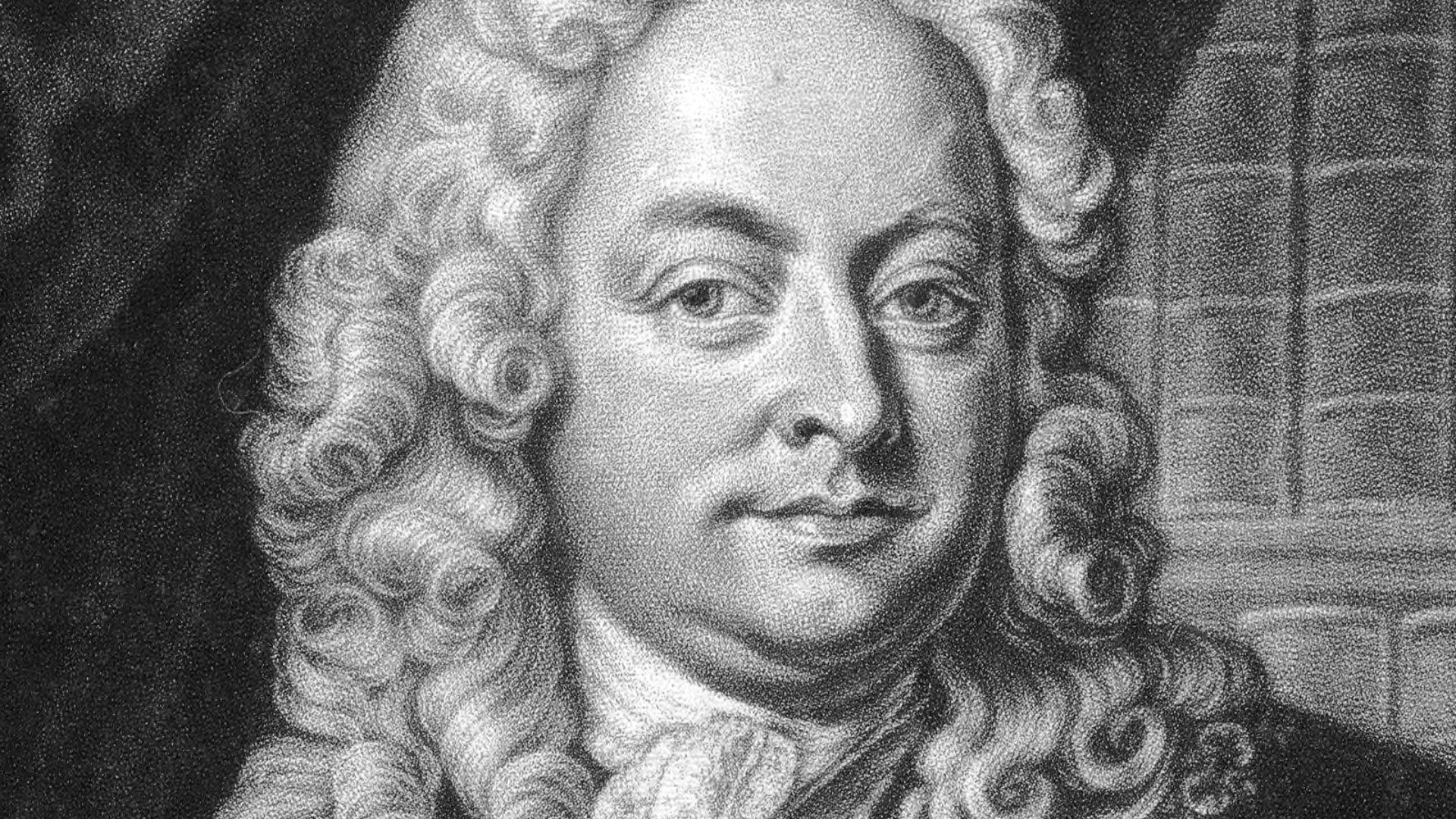
In Hamburg in 1704, Johann Mattheson finished singing his role in his own opera and went to take back his usual seat at the harpsichord, where a young George Frideric Handel was playing. The argument moved outside and became a sword fight in front of the theater. Mattheson's blade struck a metal button on Handel's coat and broke, which is the only reason Messiah exists.
 Engraving by Johann Jacob Haid, painting by J. S. Wahl on Wikimedia
8. Wellington Defends Himself
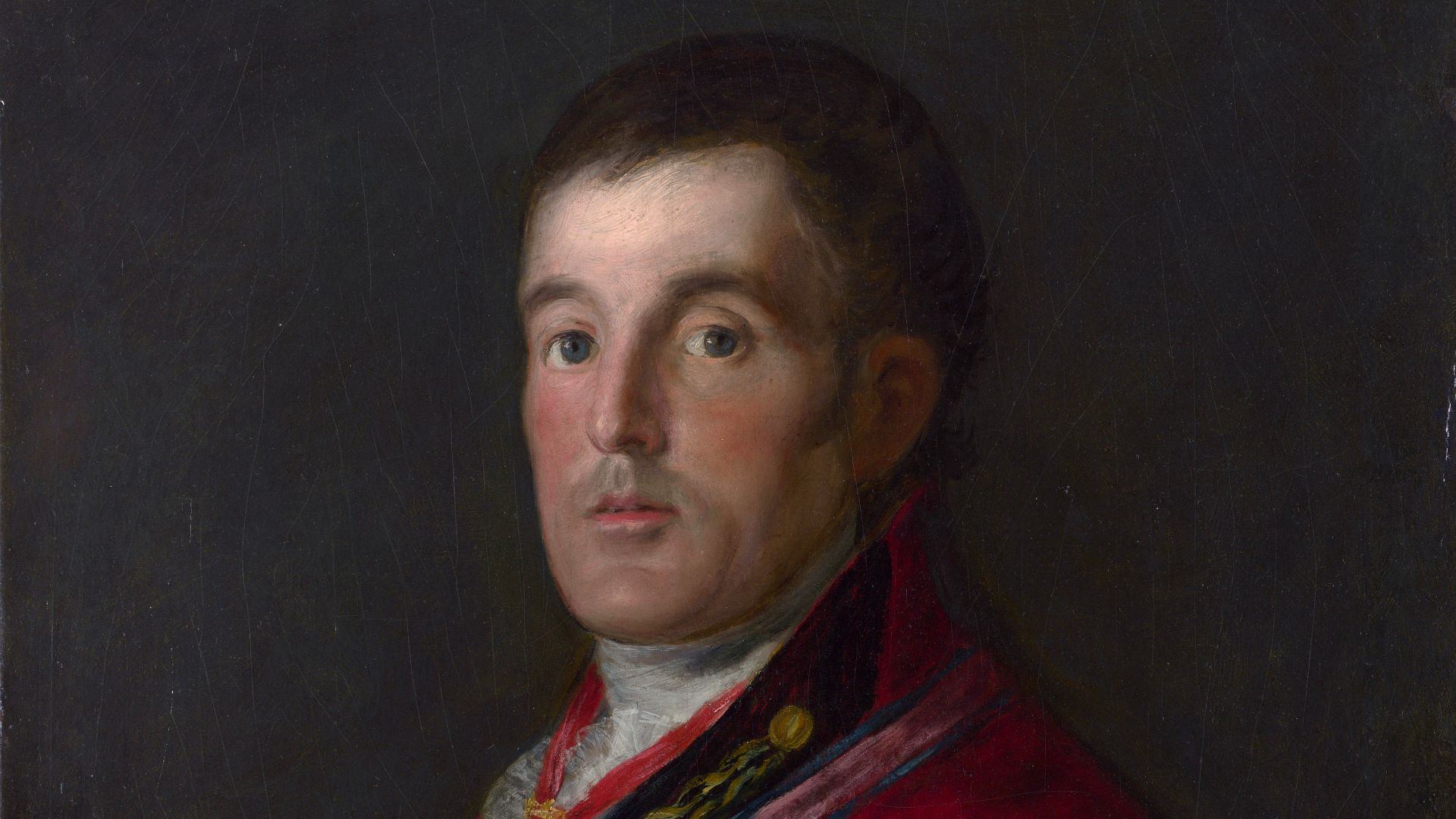
The Duke of Wellington was accused by the Earl of Winchilsea in an open letter of secretly plotting to advance Catholicism in England. Wellington was a sitting prime minister and a veteran of Waterloo, and he responded by challenging the earl to a duel in 1829. Wellington fired wide and Winchilsea fired into the air, ending the matter with a written apology.
9. Two Cabinet Ministers
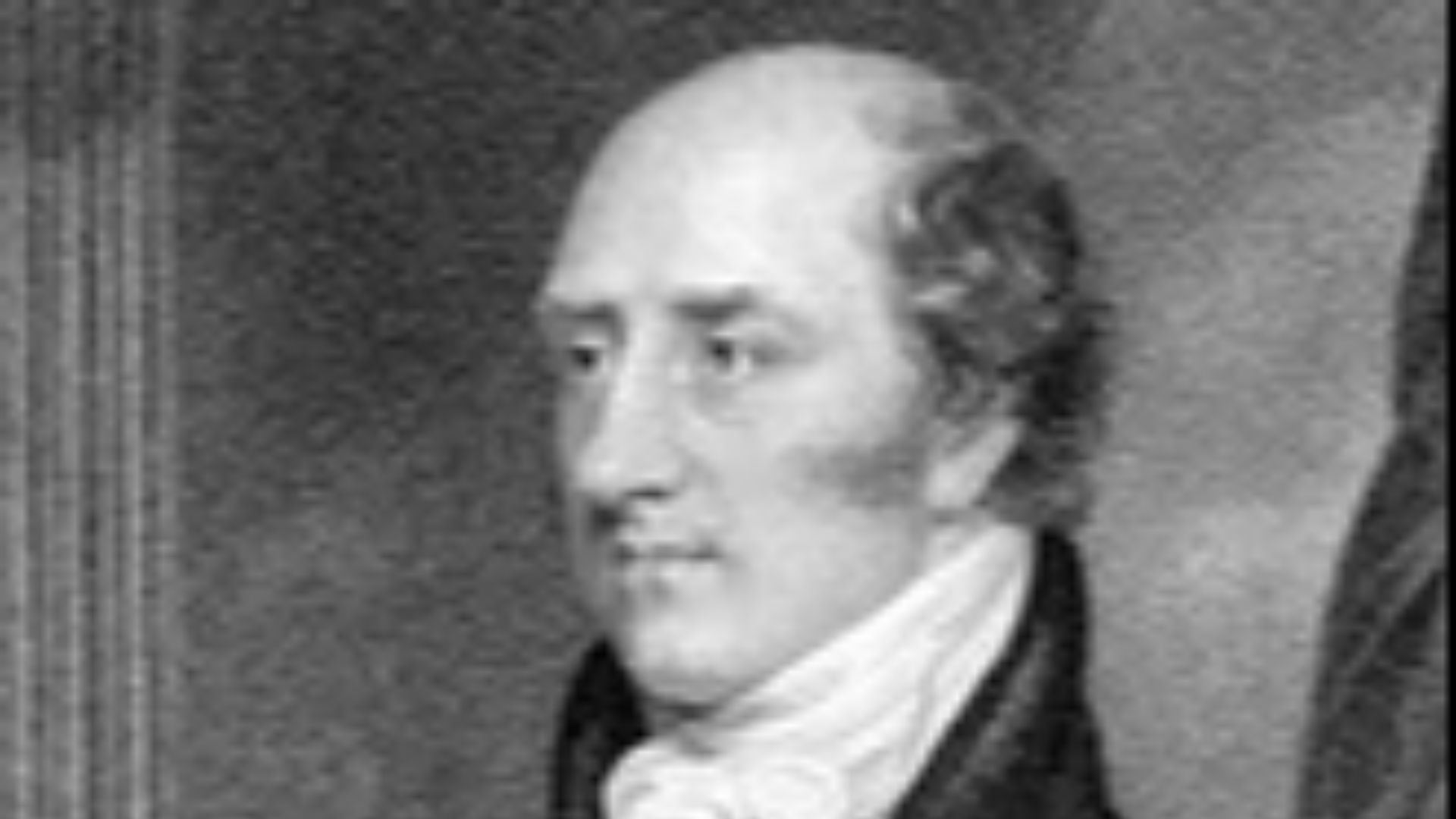
George Canning and Lord Castlereagh sat in the same British cabinet in 1809 and had been undermining each other for months over war strategy and each other's jobs. Castlereagh challenged, and they met on Putney Heath with pistols. Canning had never fired one before in his life and was shot through the thigh.
 unknown, must be dead for more than 70 years on Wikimedia
10. The Horse Race Bet
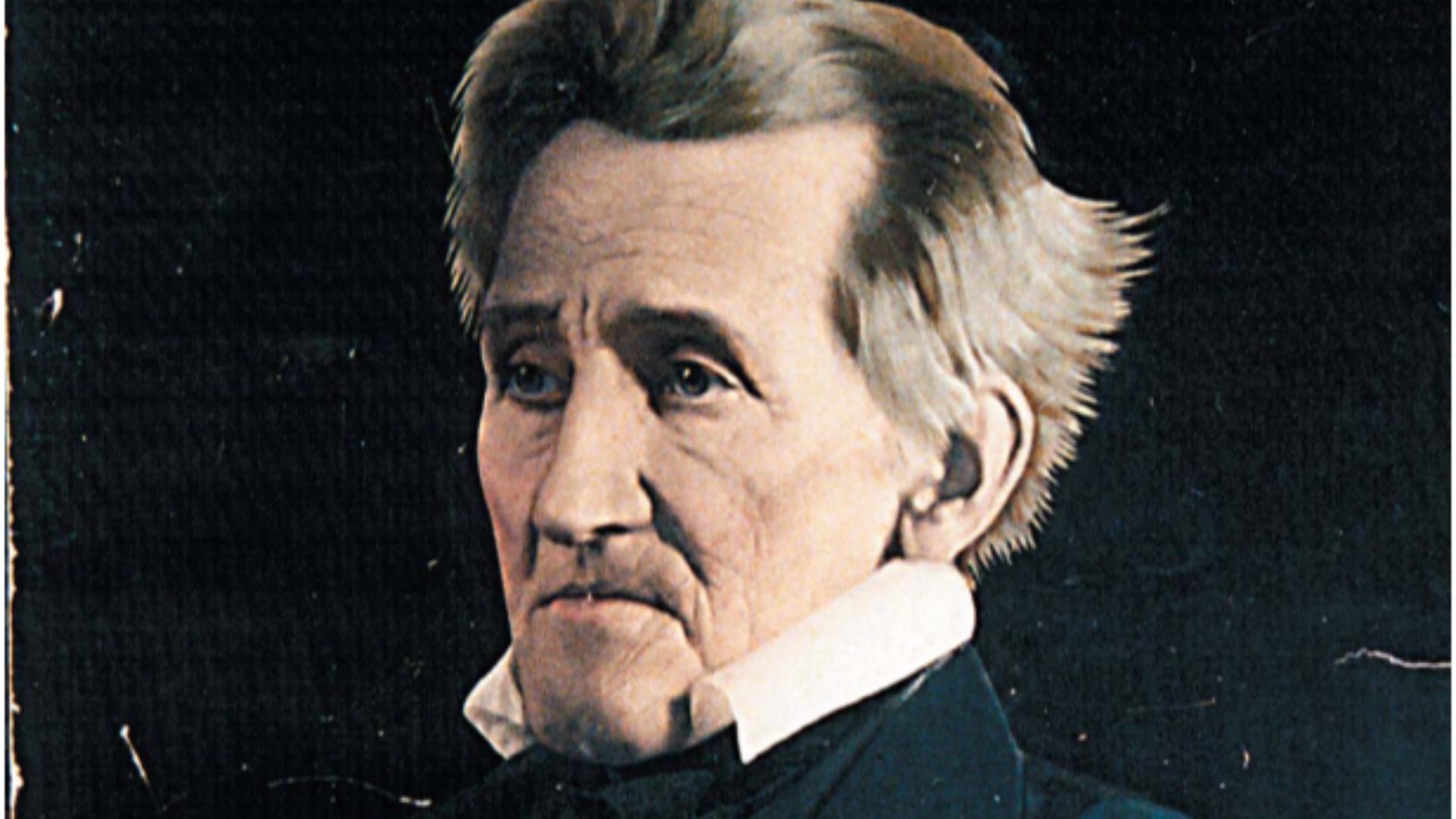
Andrew Jackson and Charles Dickinson fell out in 1806 over a wager on a horse race, and the argument escalated into insults about Jackson's wife. Dickinson was the better shot and hit Jackson in the chest, close enough to the heart that the bullet stayed there permanently. Jackson stayed upright long enough to take aim and kill him.
 Unknown authorUnknown author on Wikimedia
11. A Joke About an Outfit
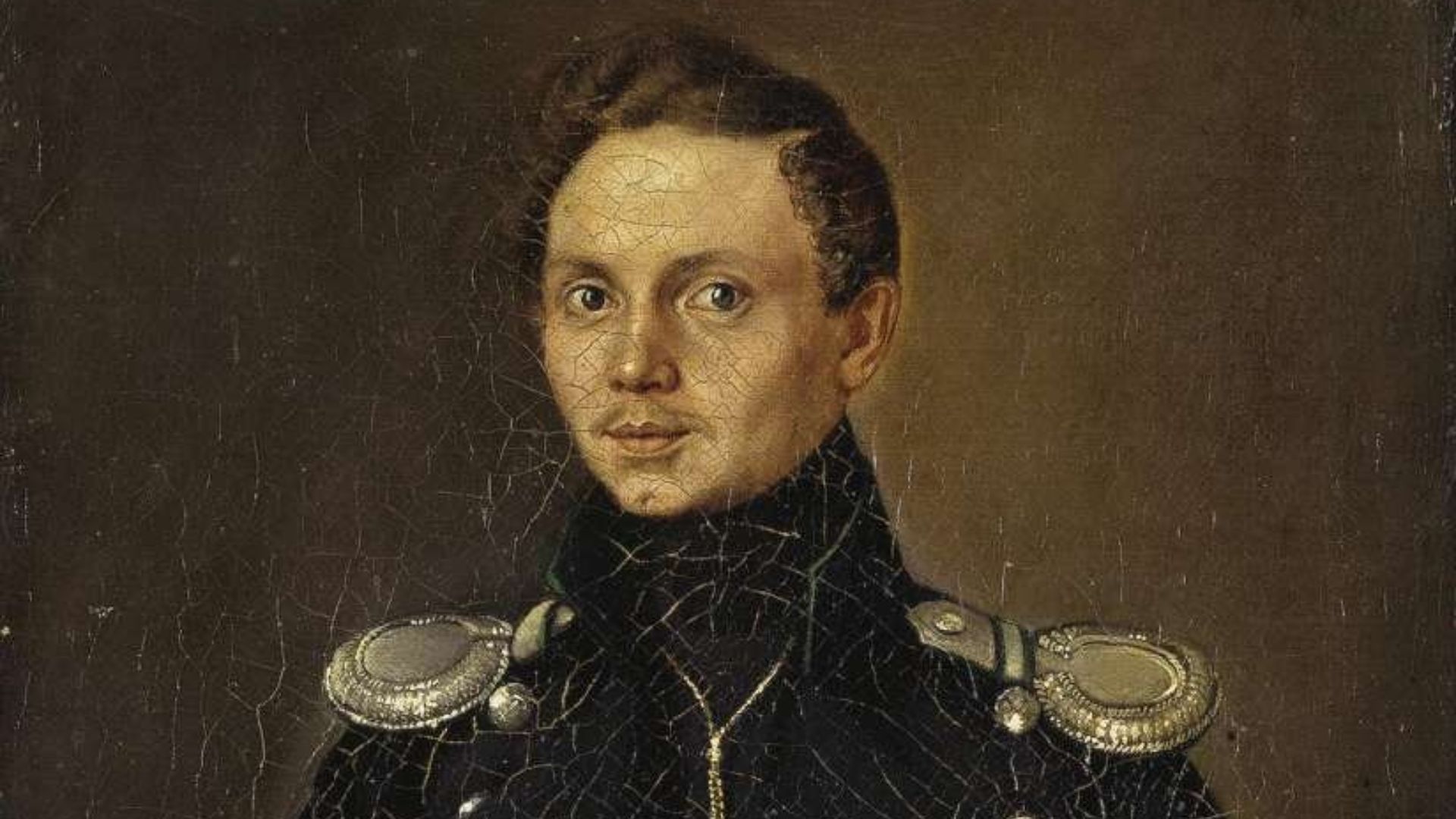
The poet Mikhail Lermontov kept making fun of Nikolai Martynov's dramatic mountaineer costume and oversized dagger in front of company. Martynov eventually stopped finding it funny and challenged him. Lermontov was killed in 1841 at twenty-six, four years after writing a famous poem about the death of Pushkin in a duel.
 Yakovlev, Grigory on Wikimedia
12. A Bad Review
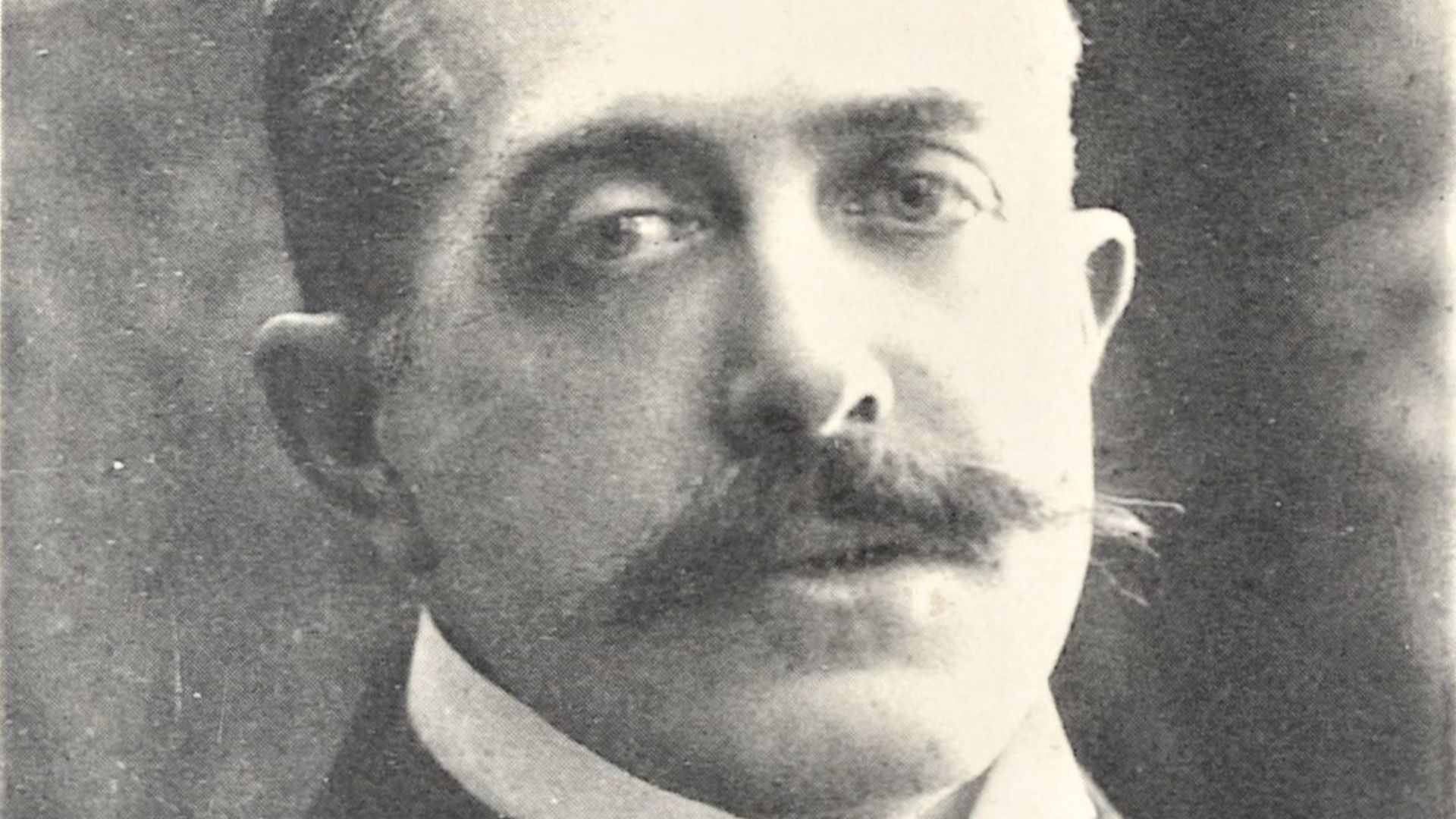
Jean Lorrain wrote a hostile review of Marcel Proust's first book in 1897, along with some pointed insinuations about Proust's private life. Proust challenged him to a duel with pistols. Both men fired and missed, and Proust went home to eventually write a much longer book.
 Frédéric Boissonnas on Wikimedia
13. Whose Land Had More Game
In 1765, William Byron and his relative William Chaworth got into a tavern argument in London about whose estate held more game birds. They went into a small upstairs room by candlelight to settle it and Chaworth was fatally wounded. Byron was convicted of manslaughter by the House of Lords and walked free.
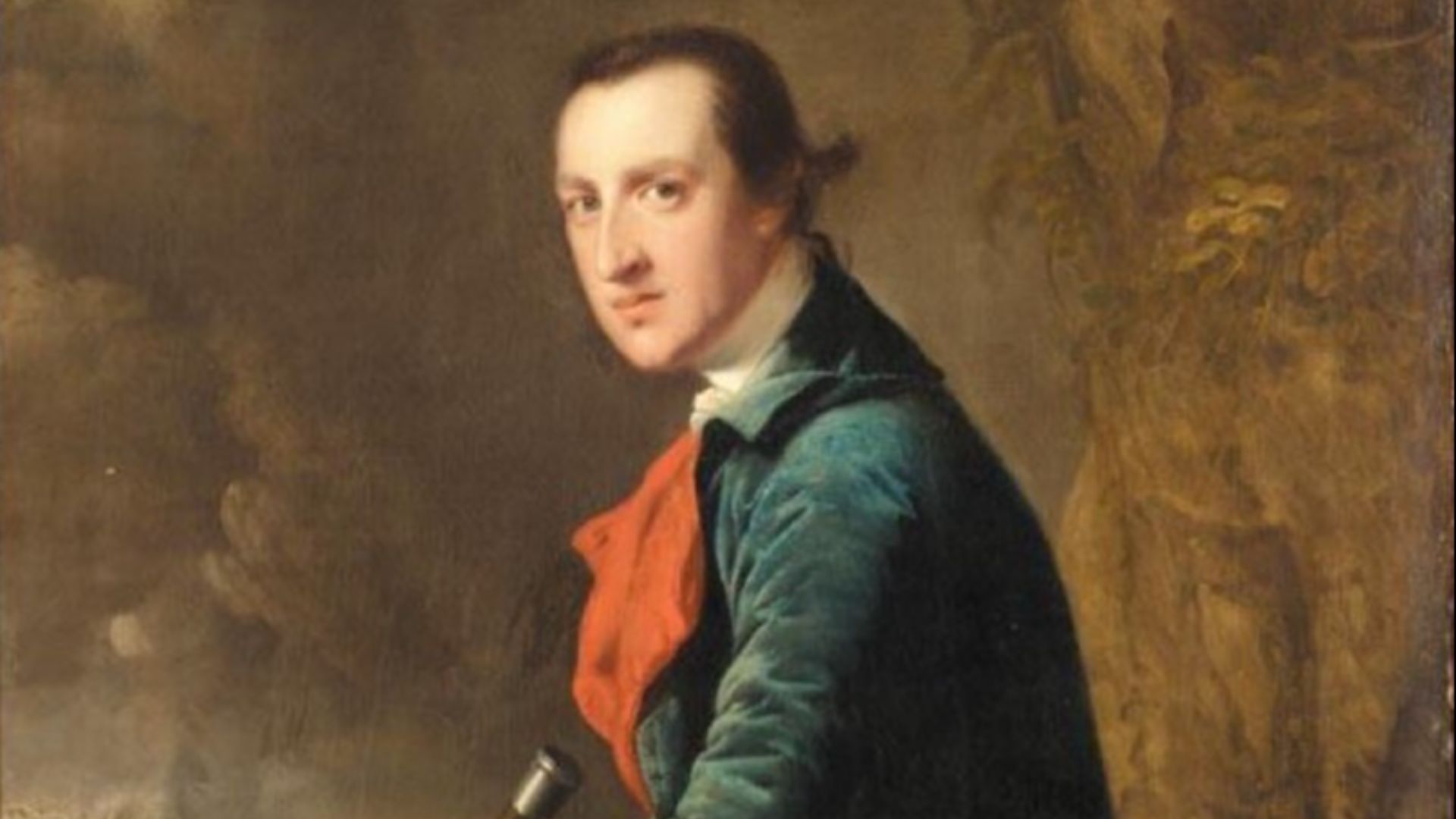 Joseph Wright of Derby on Wikimedia
14. The Naked Duel
Humphrey Howarth was a surgeon who understood that most duel deaths came from infection rather than the bullet, since cloth driven into a wound was what killed people. When challenged, he arrived at the field and stripped naked before taking his position. His opponent refused to shoot a naked man, and the duel was called off.
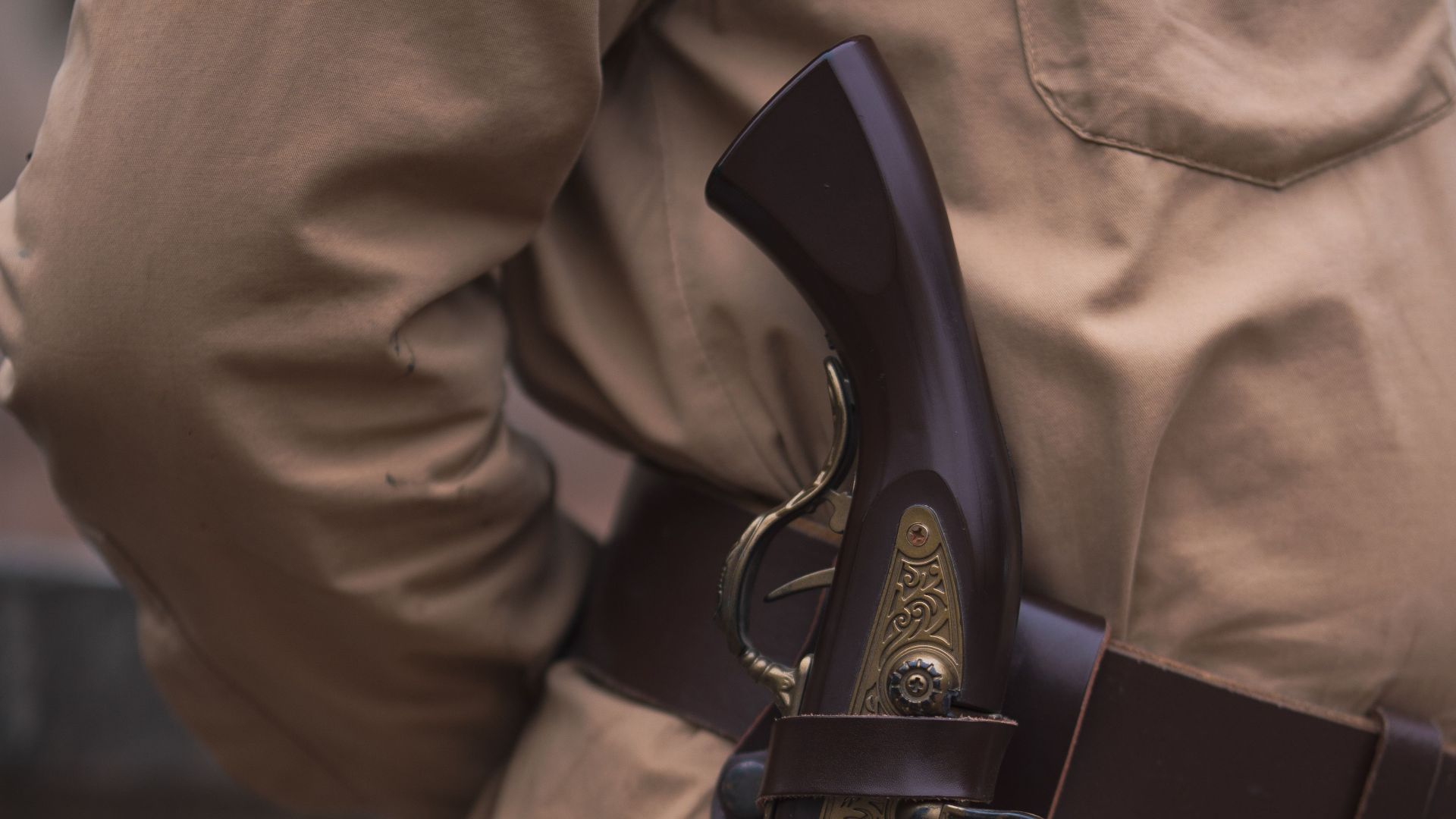
15. Scoundrel and Lying Rascal
Button Gwinnett signed the Declaration of Independence and spent most of 1777 feuding with Lachlan McIntosh over Georgia politics and a failed military expedition. McIntosh called him a scoundrel and a lying rascal in front of the state assembly, and the challenge followed. Both men were shot in the leg, and Gwinnett died of the infection days later.
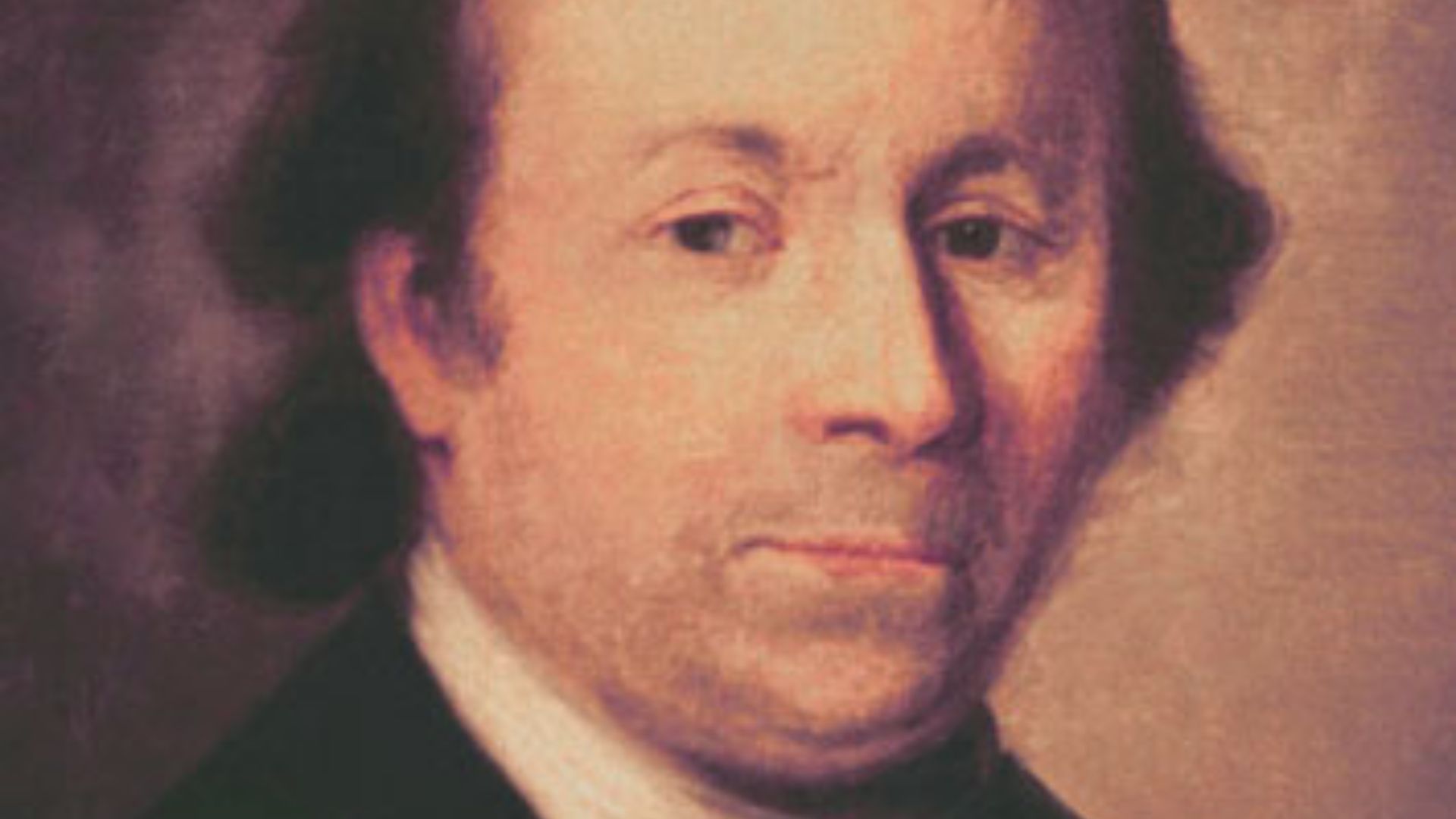 Nathaniel Hone the Elder on Wikimedia
16. The Mathematician at Twenty
Évariste Galois spent the night before his 1832 duel writing out mathematical ideas, adding notes in the margins about running out of time. He died the next day at twenty, apparently over a woman, and the details have never been fully established. The work he left behind became the foundation of an entire branch of algebra.
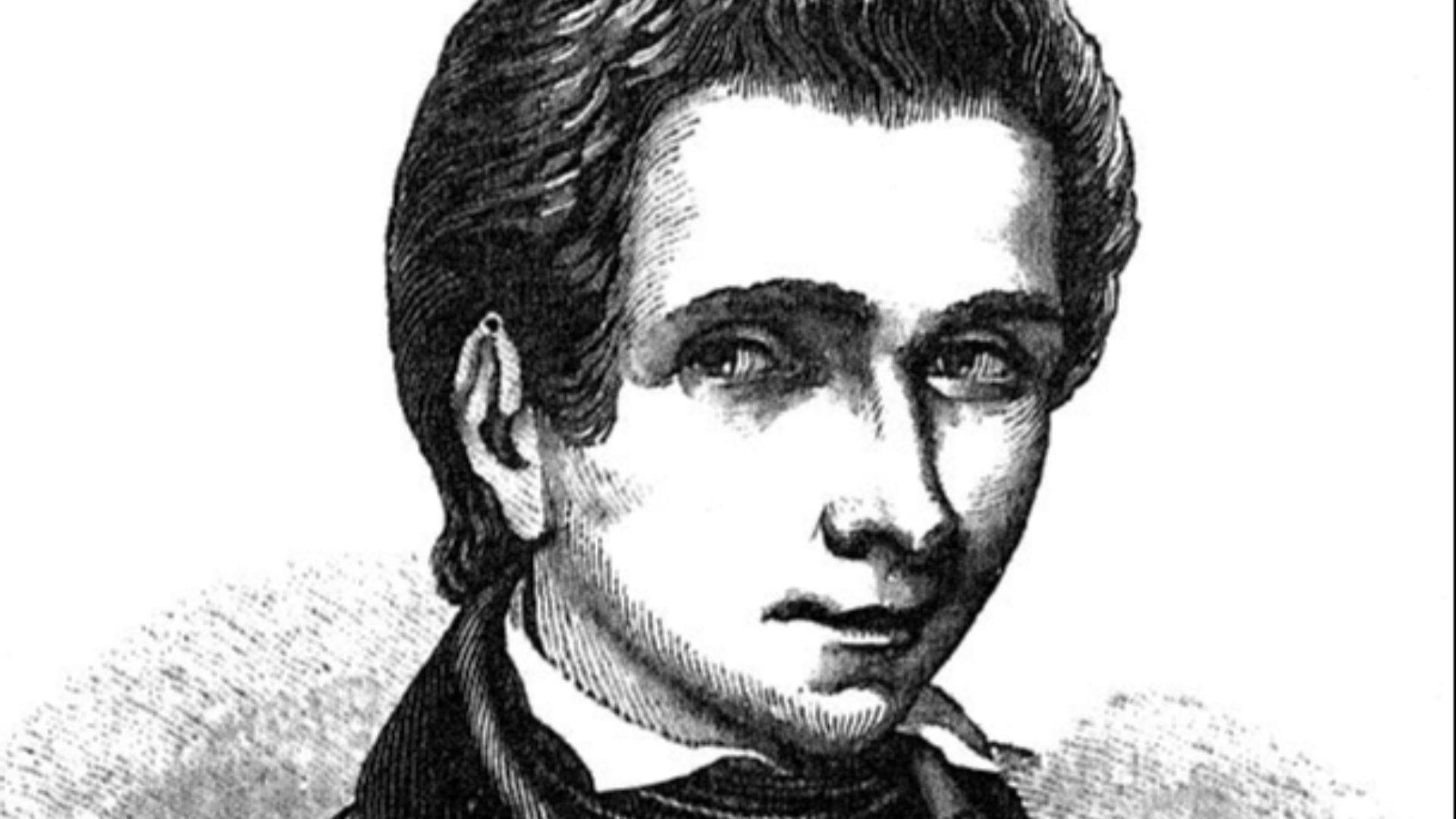
17. The Duel Nobody Won
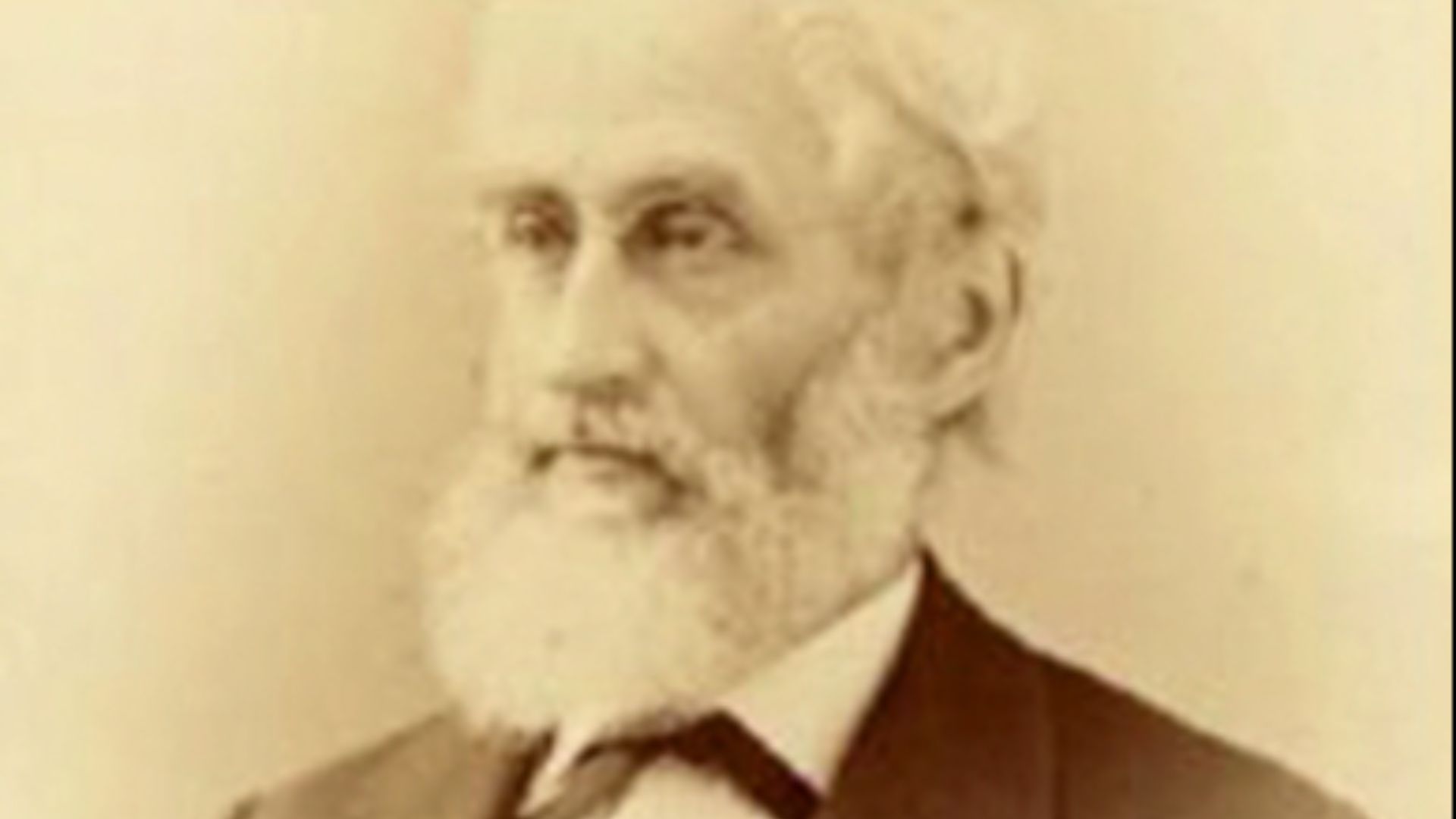
At a sandbar near Natchez in 1827, Samuel Wells and Thomas Maddox fired four shots between them without hitting anything, then shook hands. Their supporters, who had been nursing serious grudges of their own, attacked each other instead. Two men died in the brawl that followed a duel nobody lost.
 Unknown authorUnknown author on Wikimedia
18. Pushkin's Standing Habit
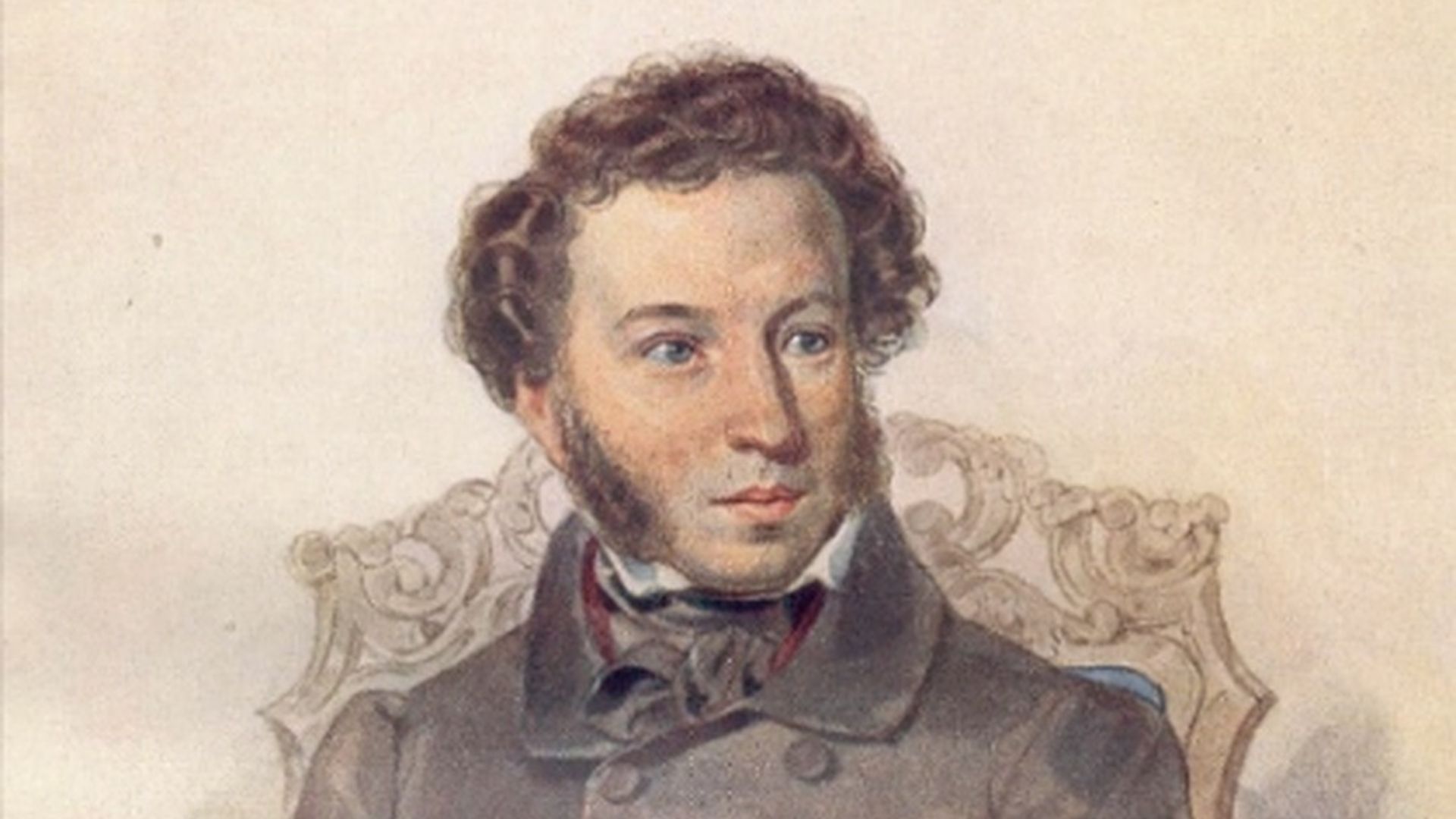
Alexander Pushkin treated dueling as something closer to a hobby, issuing or accepting challenges over card games and passing remarks he decided not to tolerate. Most came to nothing. The one that counted came in 1837 over anonymous letters about his wife, and it killed Russia's greatest poet at thirty-seven.
19. A Postmaster Appointment
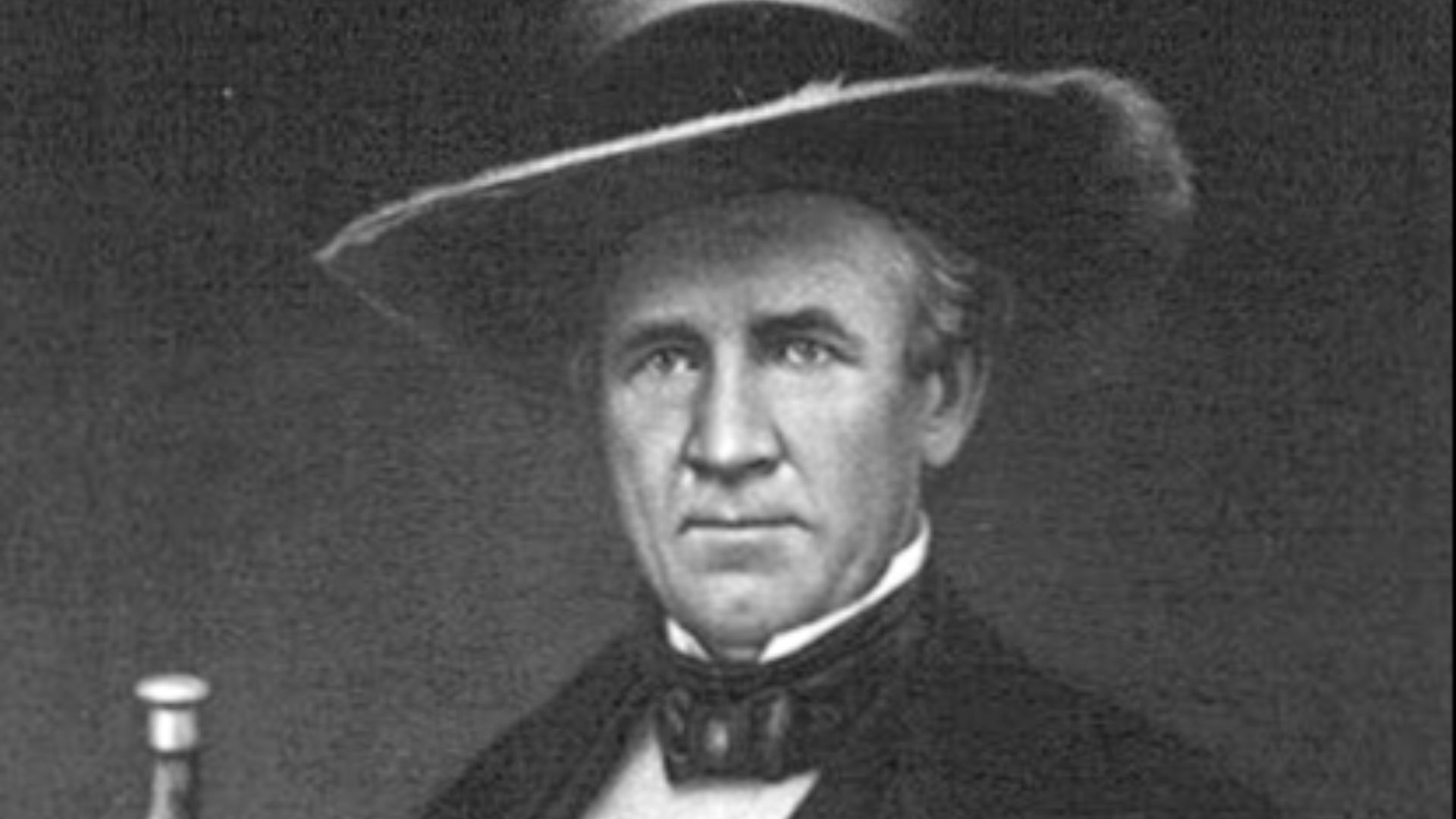
Sam Houston was a congressman in 1826 when a dispute over who should be appointed postmaster in Nashville turned into a challenge from a man named William White. Neither had much interest in the office itself by that point. Houston shot White in the groin, and White survived to make a fairly gracious remark about it afterward.
20. Shut Up, Idiot
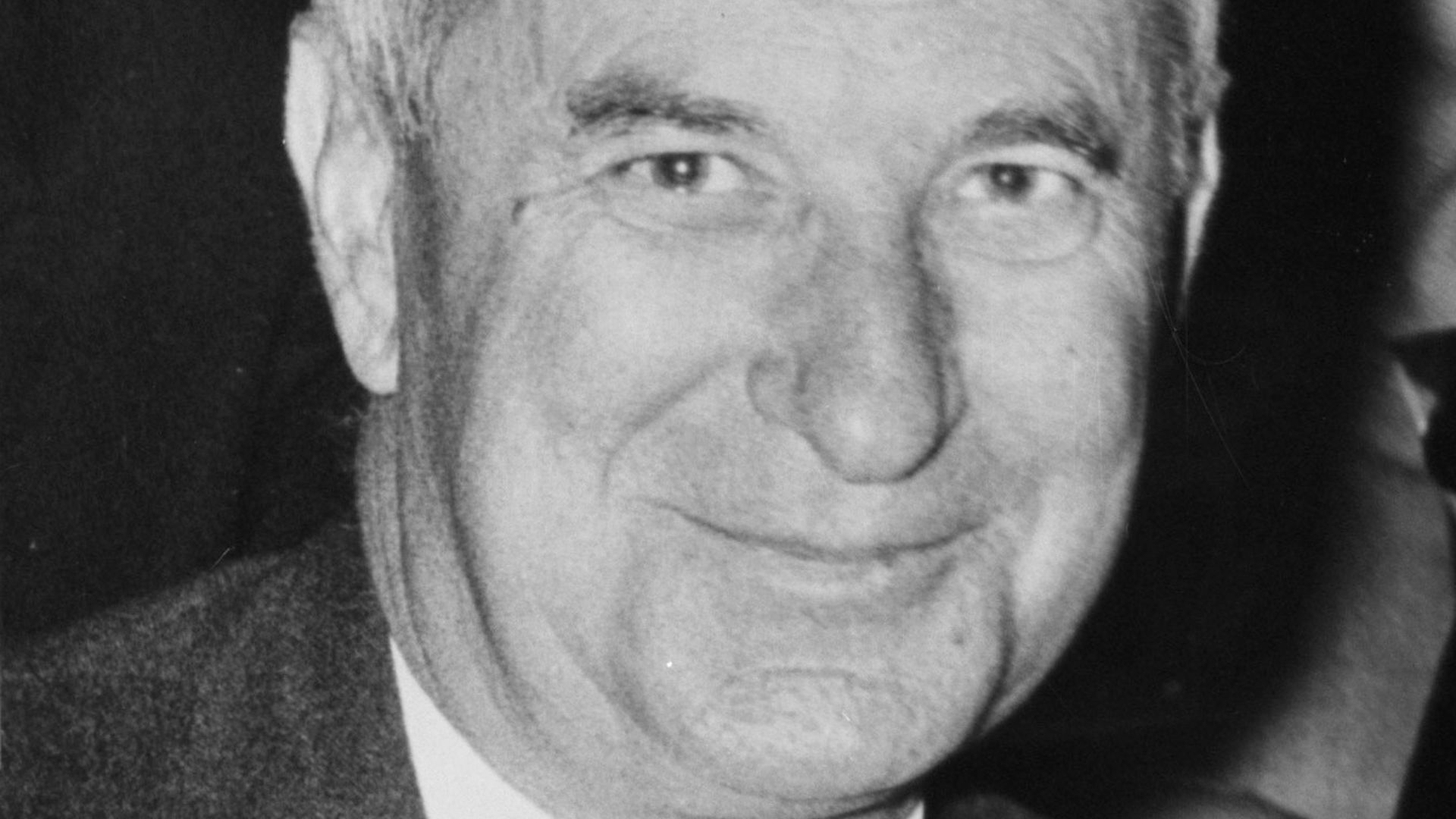
In 1967, Gaston Defferre shouted "Taisez-vous, abruti!" at René Ribière in the French National Assembly and refused to apologize for it. Ribière challenged him to a duel with swords, set for the day before his own wedding. Ribière was wounded twice and lost, in what stands as the last duel fought in France.
 Unknown authorUnknown author on Wikimedia