Creative Detective Work
Before DNA databases and forensic labs, investigators had to work with whatever they could find. Unfortunately, that sometimes meant dreams, ghosts, or suspicious pajamas. From a murder victim who eventually turned up alive to detectives treating a random ticket as evidence, these 20 cases prove that historical investigations got very strange very quickly.
 Unknown authorUnknown author on Wikimedia
1. Russell Colvin
Here’s your headline: Stephen and Jesse Boorn were convicted of murdering Russell Colvin. Why were they convicted, however? Because their uncle said Colvin's ghost showed up in his dreams to reveal where his remains were. Investigators did, in fact, find bones nearby, and three doctors declared them human, but they were later determined not to be. Worse still, in 1820 Colvin was found alive.

2. The Campden Murder
When William Harrison disappeared in 1660, servant John Perry eventually confessed that his mother and brother had helped kill him, despite authorities having no body. Joan, John, and Richard Perry were hanged as a result. Harrison then returned home alive, explaining that he'd actually been abducted and transported overseas.
3. Maria Marten
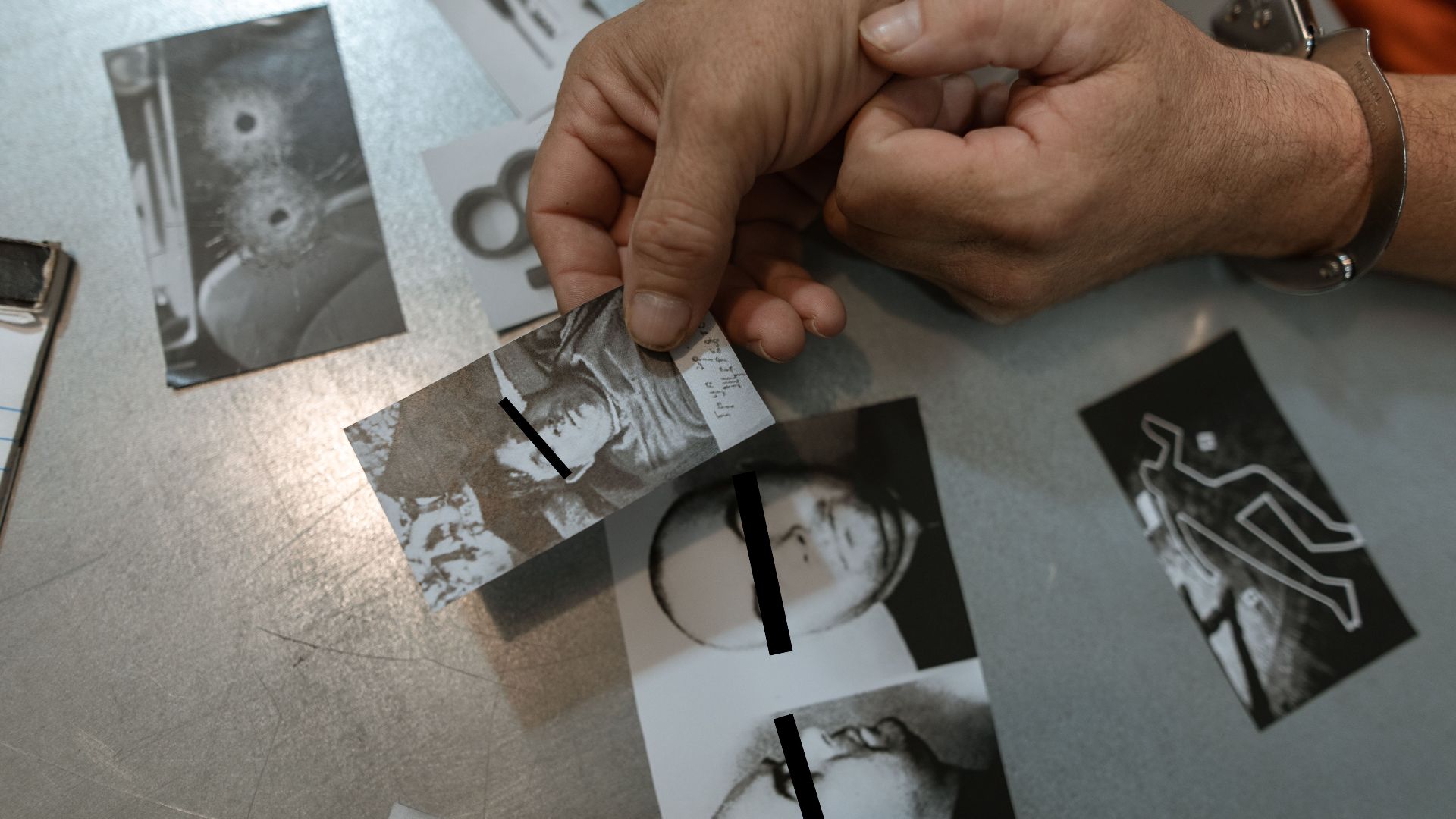
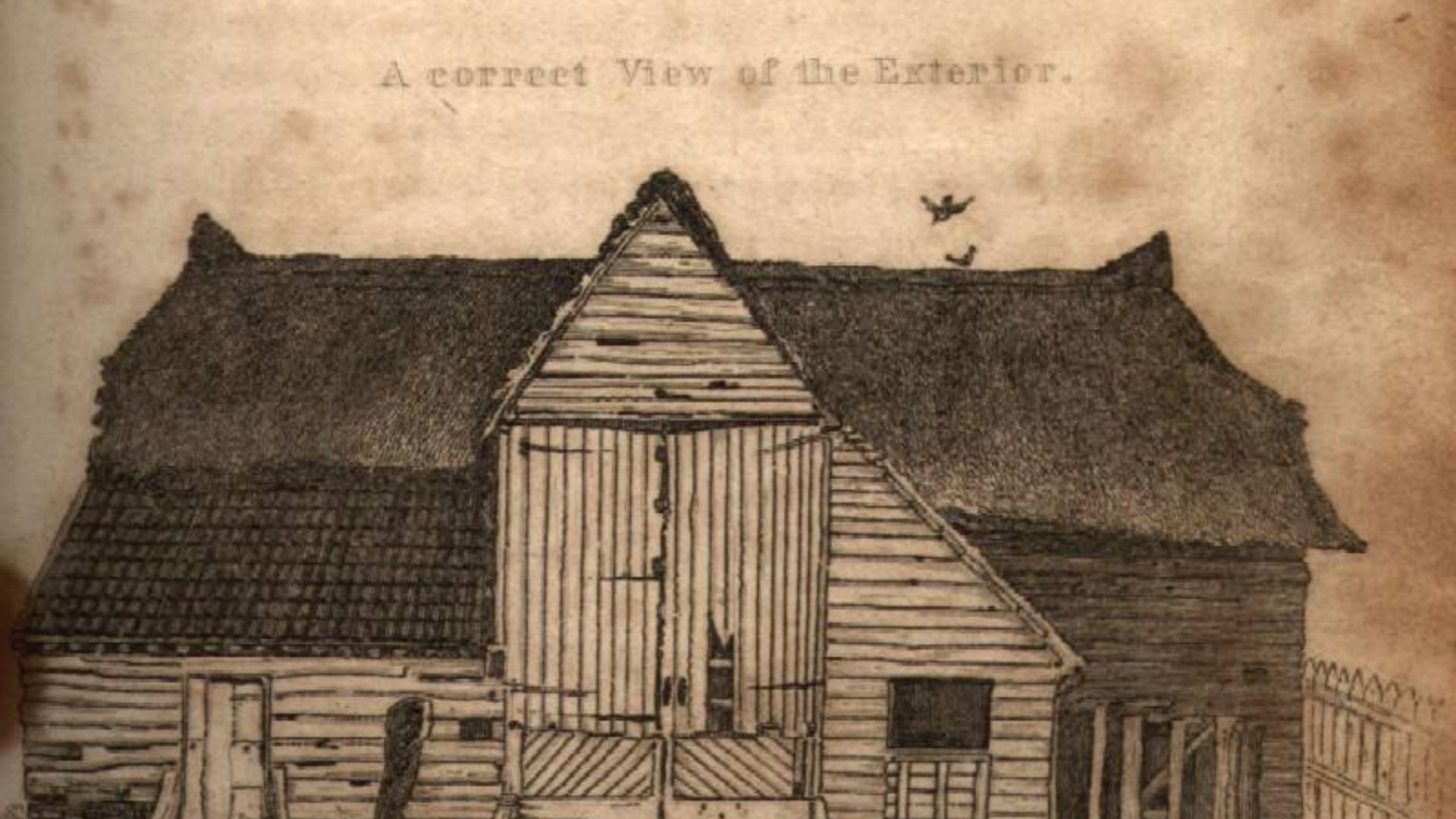
Maria Marten vanished after arranging to meet William Corder in 1827, all while Corder kept sending her family letters claiming she was fine. Months later, Marten's stepmother repeatedly said she'd dreamed that Maria was buried inside the barn, which was all Maria's father needed to dig there. Tragically, he actually found the body.
4. Zona Heaster Shue
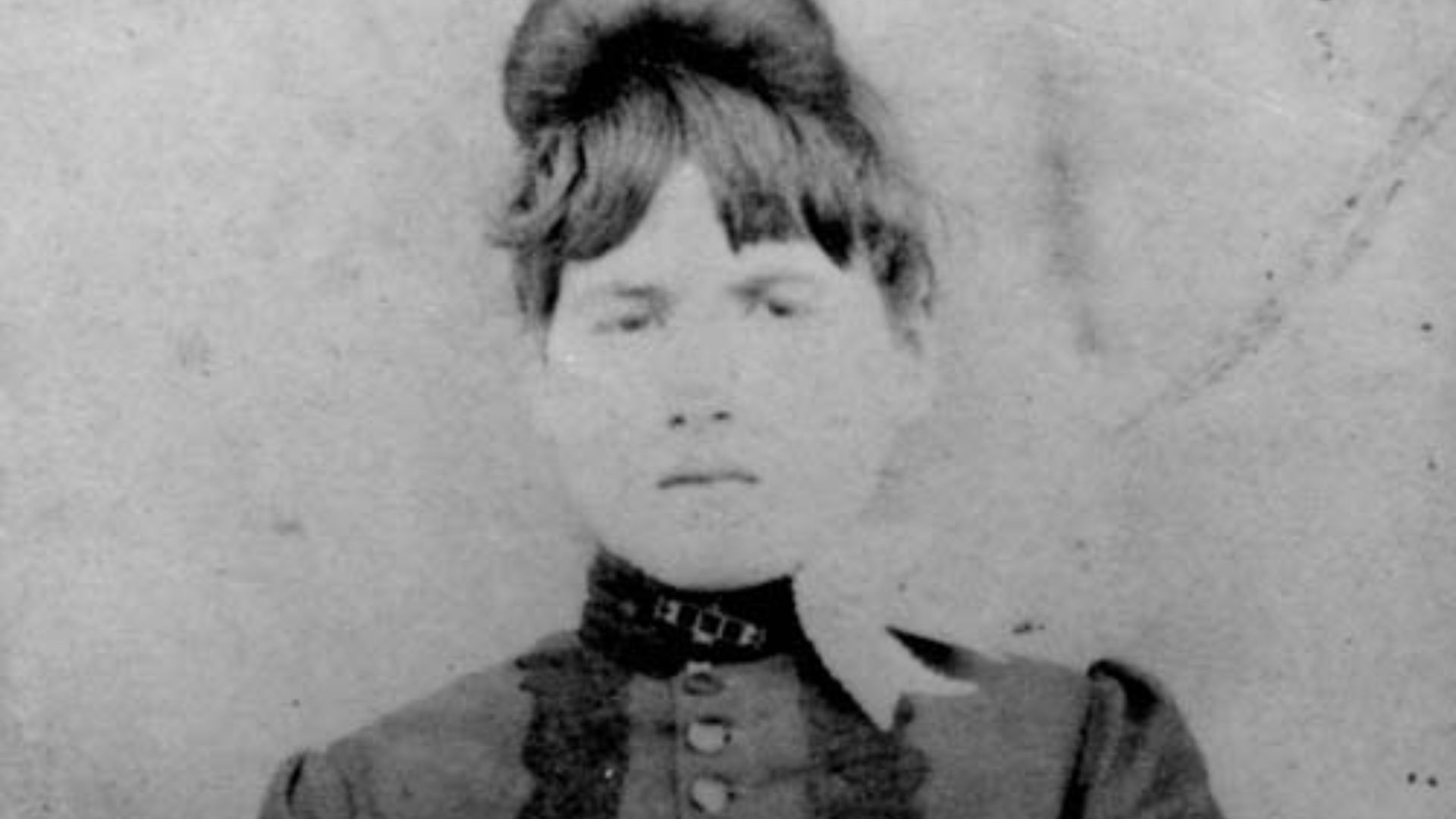
Zona Heaster Shue's 1897 death was initially dismissed as natural causes until her mother insisted Zona's ghost had appeared and accused her husband. An exhumation revealed a broken neck and crushed windpipe, providing the real evidence against Erasmus Shue. Stranger still, the defense actually questioned Zona's mother about the ghostly visits in court.
5. Marion Gilchrist
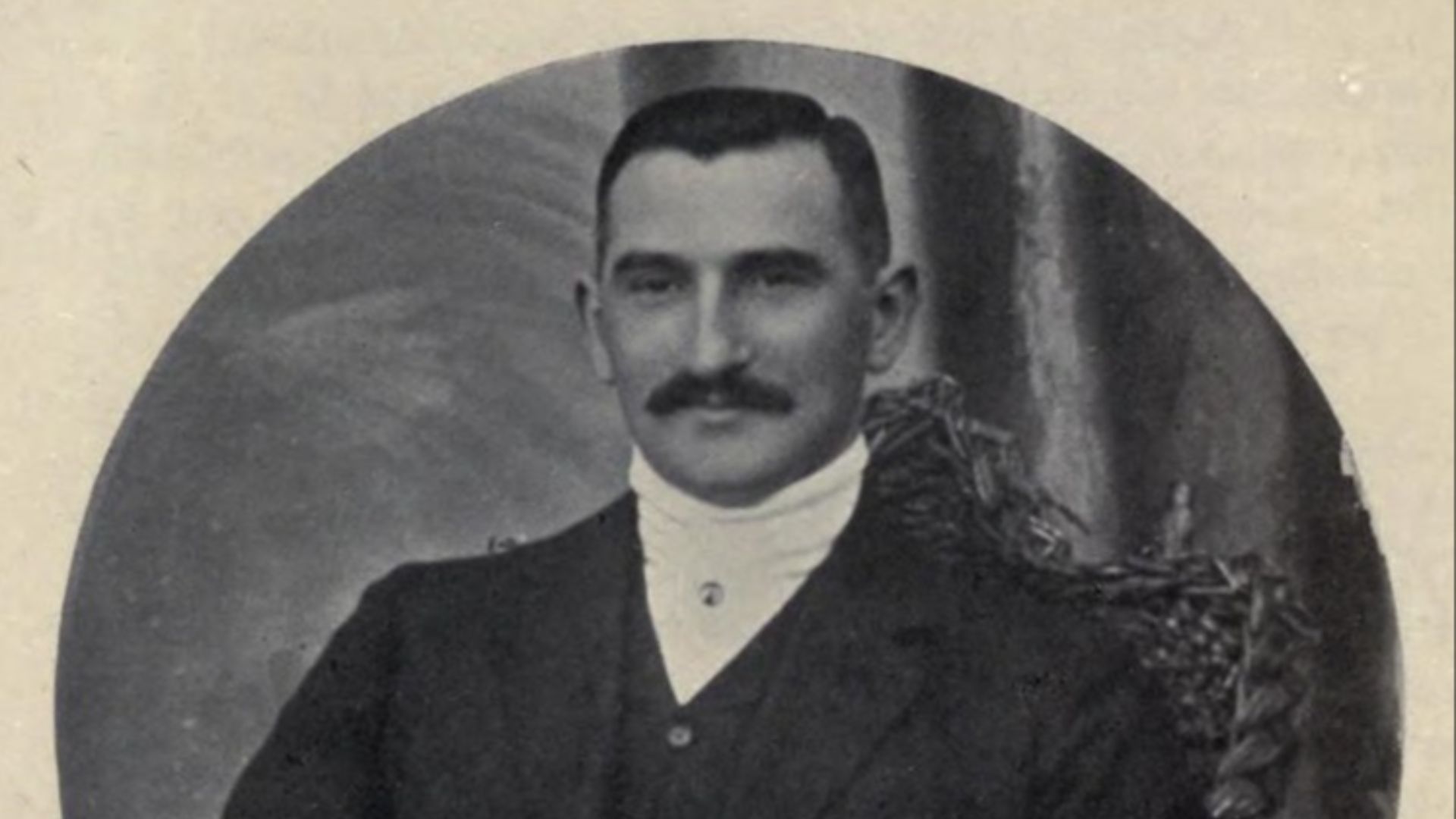
After Marion Gilchrist was murdered in 1908, police were in Oscar Slater because he had a pawn ticket for a brooch. Investigators assumed he'd pawned jewelry stolen from Gilchrist, even though the piece wasn't hers. Slater was still convicted and spent nearly 20 years in prison before his conviction was quashed.
6. Karen Phillips
Following a 1980 Illinois murder, neighbor Steven Linscott made the mistake of telling police that he'd had a dream. Since it contained details that were seemingly related to the crime, prosecutors treated his dream as evidence. In 1980, he was charged with Karen Phillips’s assault and murder, though his conviction was eventually reversed.
7. James Maybrick
When Florence Maybrick's husband James died in 1889, police grew weirdly suspicious because she'd recently bought flypaper that contained arsenic. She said she was soaking it to make a DIY cosmetic treatment, which was plenty common, but ultimately unconvincing. She spent more than 14 years in prison before being released in 1904.
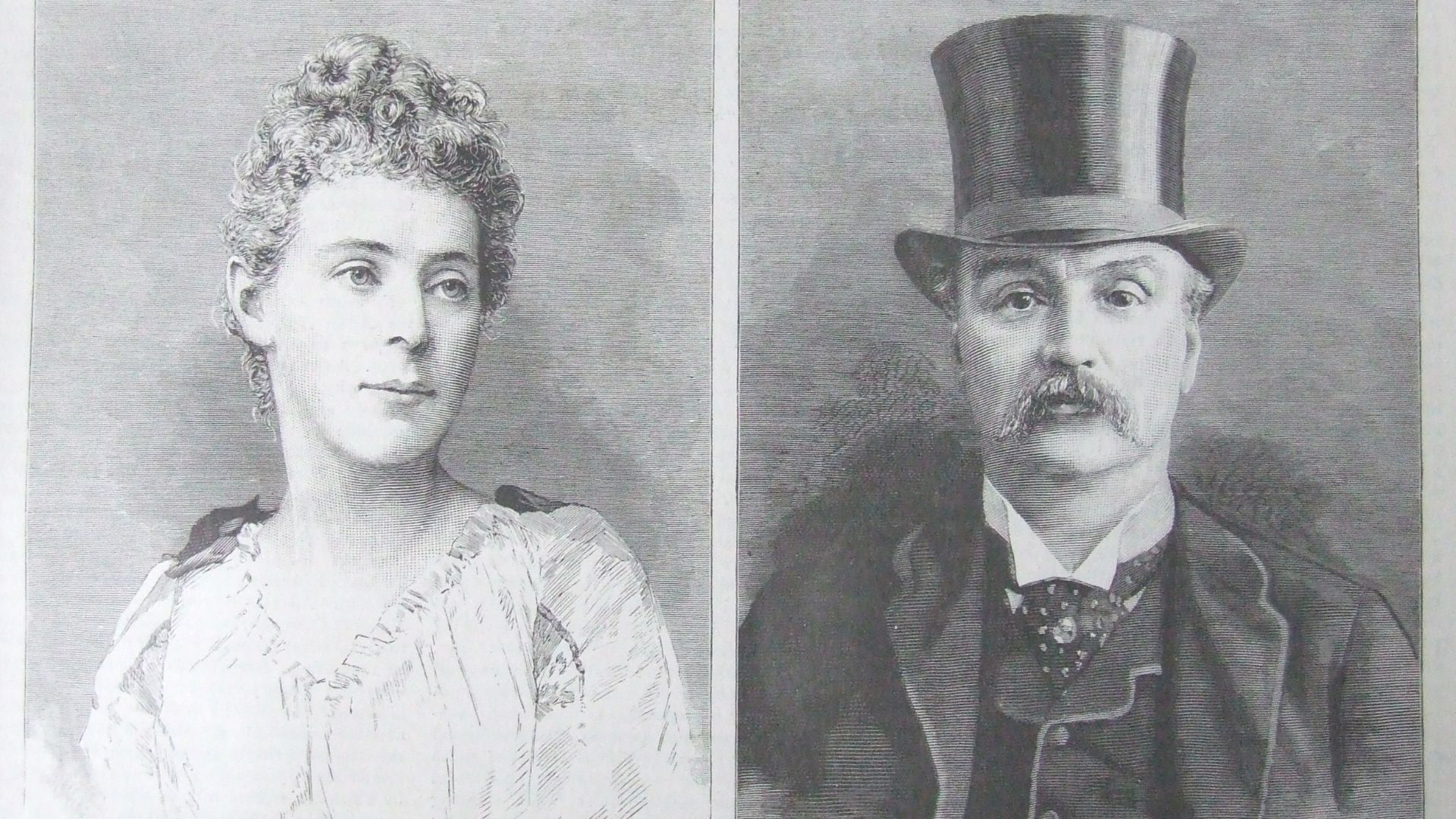 H. Uhlrich, for The Graphic on Wikimedia
8. Cora Crippen
When remains were found beneath Dr. Hawley Harvey Crippen's London home in 1910, investigators didn’t have much to work with. They weren’t even sure whether they belonged to a man or a woman, but prosecutors still argued that a mark on the skin matched a scar on Crippen's missing wife, Cora. They used that as a major part of their case, and Crippen was hanged in 1910. Decades later, DNA testing raised suspicions about whether the remains were hers at all.
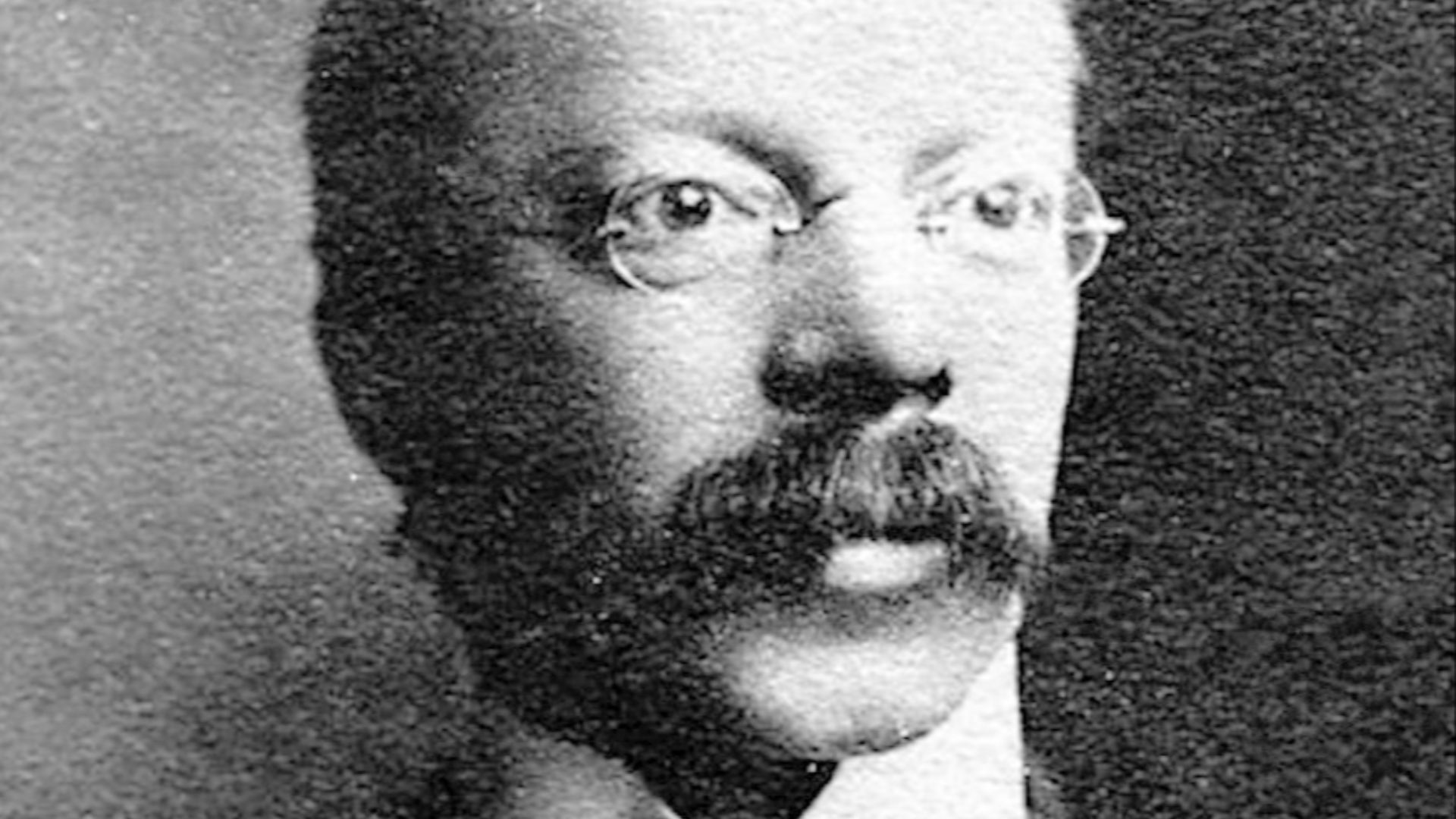 Threedots dead at en.wikipedia on Wikimedia
9. Julia Wallace
William Wallace got a weird message in 1931 instructing him to visit "Menlove Gardens East," a street that didn't even exist. While he started asking residents, a tram conductor, and even a policeman for directions, his wife Julia was murdered at home. Prosecutors argued Wallace made up the appointment, but his conviction became the first British murder conviction overturned because the appellate court found the evidence insufficient.

10. Constance Kent
After a child was murdered at Road Hill House in England in 1860, police reportedly found a nightgown with blood on it. Instead of treating it as a clue, an officer decided the stain was nothing more than menstrual blood and didn't pursue it. Constance Kent later confessed that she did it.
11. Thomas Briggs
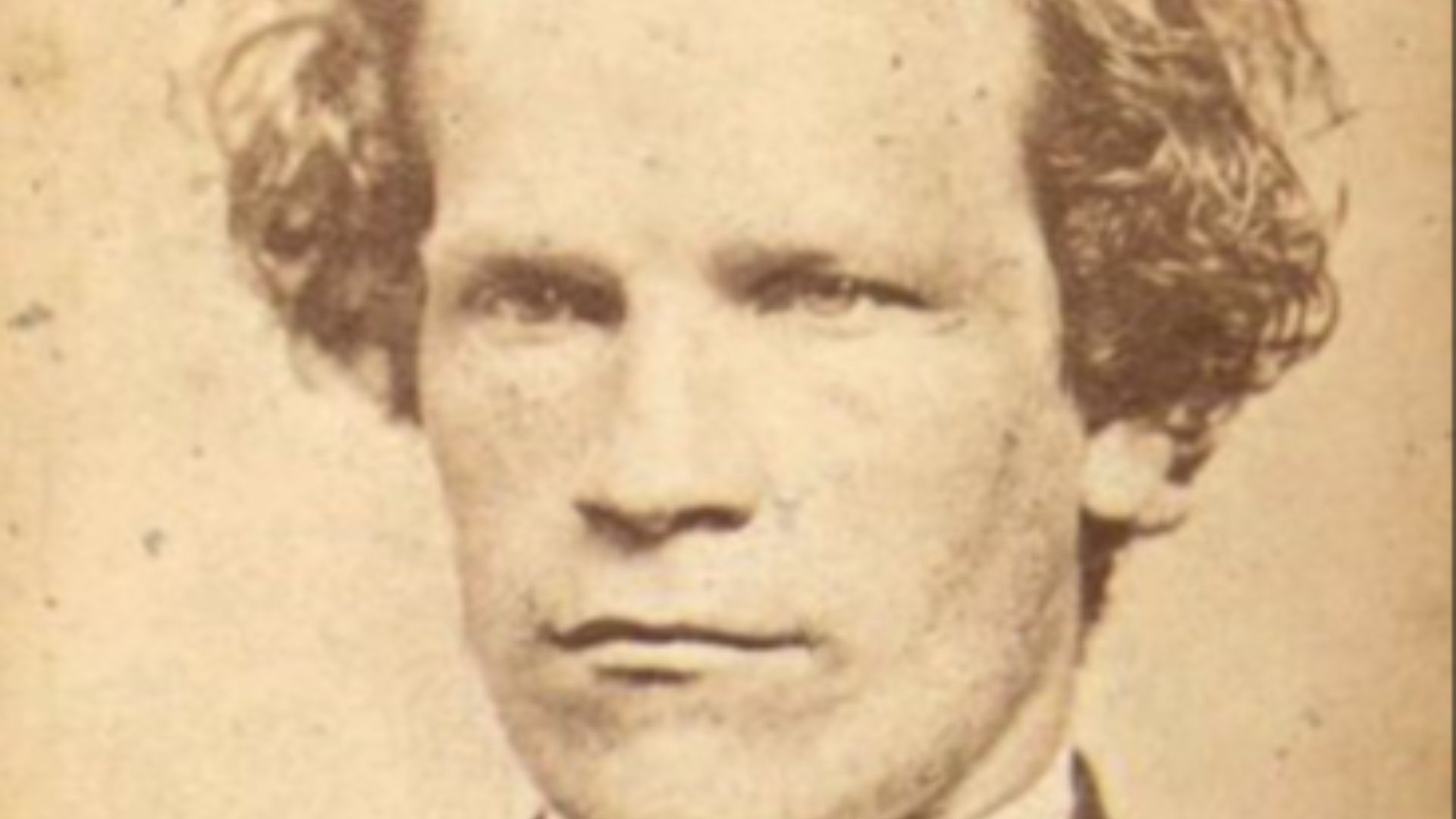
This one, thankfully, involved some real Victorian police work. Thomas Briggs was fatally attacked aboard a London train in 1864, and his hat had disappeared, leading police to believe the killer may have accidentally swapped hats during the struggle. The abandoned hat, along with evidence connected to Briggs's stolen watch chain, led detectives to Franz Müller, who was, in fact, responsible.
 File Upload Bot (Magnus Manske) on Wikimedia
12. Buck Ruxton
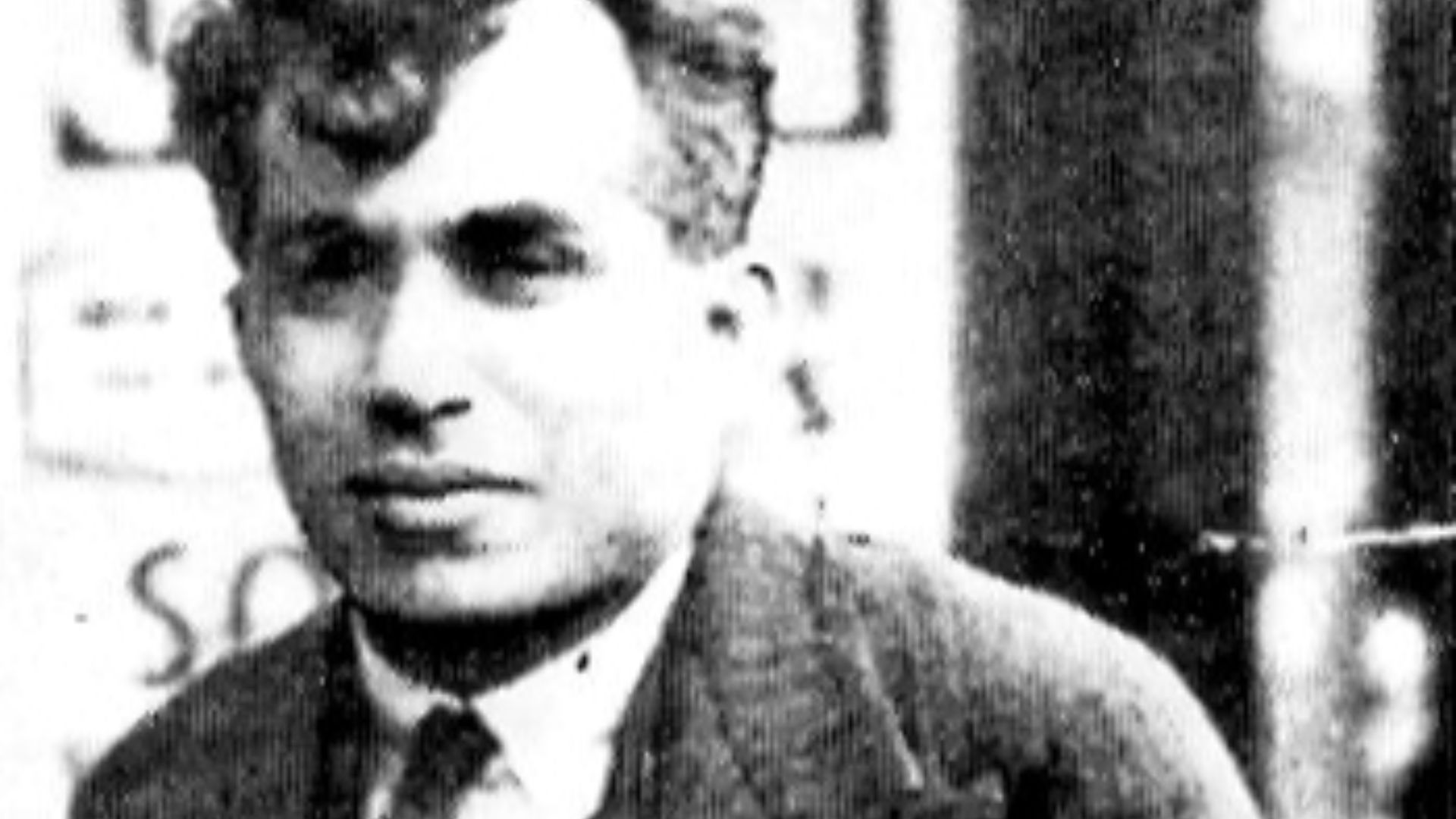
The remains in the 1935 "Jigsaw Murders" left investigators with the rough job of proving who the victims actually were. Forensic experts photographed recovered skulls at careful angles and superimposed transparencies over existing shots to see whether the outlines matched. It sounds like child’s play by today’s standards, but the technique helped identify Isabella Ruxton and became a milestone in forensic facial comparison.
13. George Parkman
After George Parkman disappeared in 1849, investigators found badly burned remains inside professor John Webster's lab. Police weren’t sure what to make of it until dentist Nathan Cooley Keep recognized artificial teeth he'd personally made for Parkman. He even demonstrated that the recovered jaw fitted a plaster model from Parkman's work. That match became a giant piece of evidence, an early example of forensic dentistry.

14. Bobby Frank
Police investigating Bobby Franks's 1924 murder found eyeglasses near his body, initially thinking they belonged to him. They reportedly even placed them on his corpse before a relative said they weren't his. The twist is that the glasses had a hinge sold on only three pairs in the Chicago area—one belonging to Nathan Leopold, the man who committed the crime.

15. Charles Lindbergh Jr.
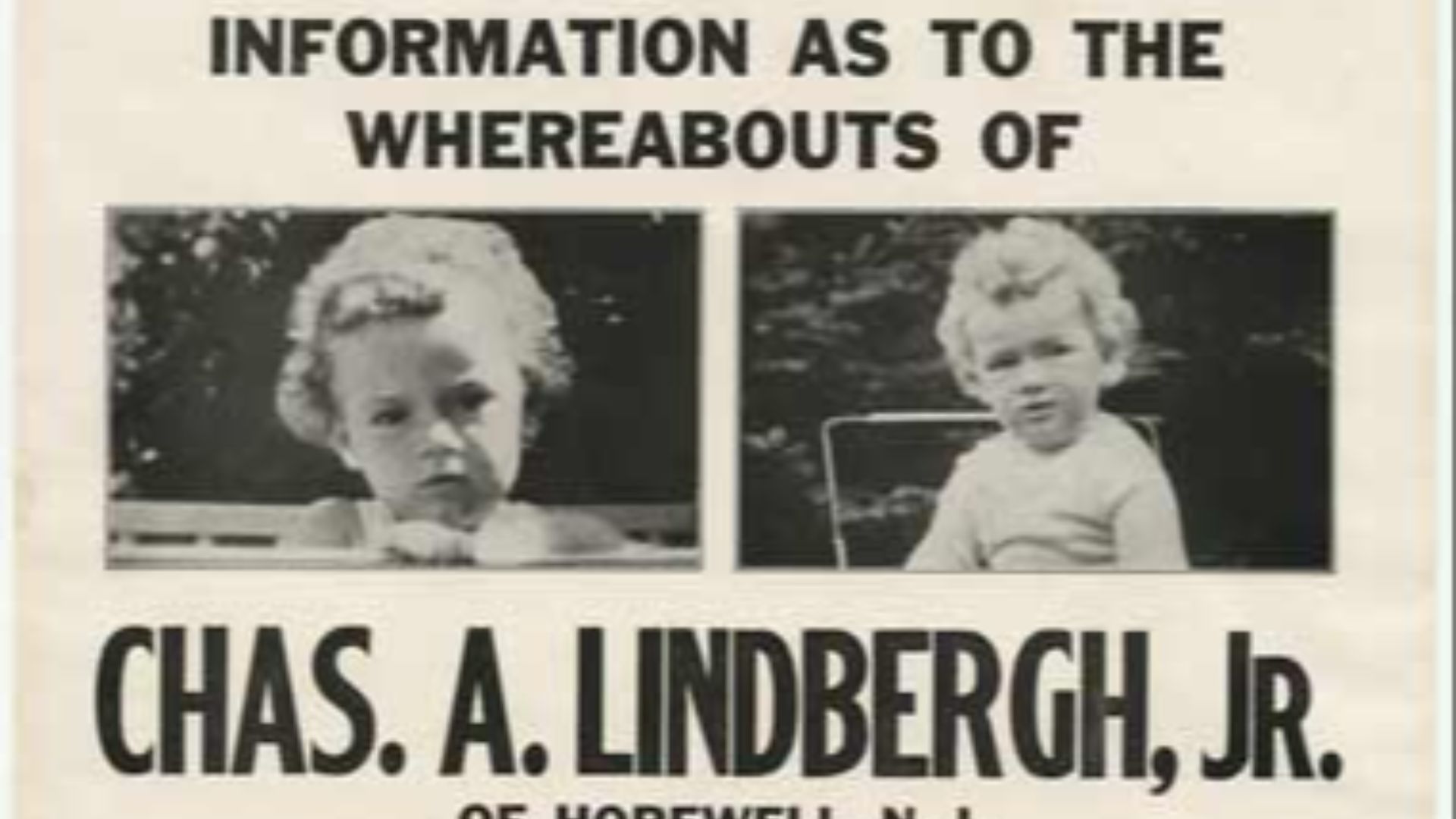
During the investigation into the 1932 kidnapping and murder of Charles Lindbergh Jr., police examined the homemade ladder left at the crime scene. A wood expert concluded that part of the ladder had been made from a floorboard taken from Bruno Hauptmann's attic, based on matching grain and nail holes. Prosecutors compared marks on the ladder with Hauptmann's tools, which turned everyday wood into major evidence.
16. Bella Wright
Bella Wright was found beside her bike in 1919, and the first examination determined that she'd simply crashed and suffered a fatal head injury. But a policeman wasn't satisfied, returning the next morning to find a bullet nearby. After Wright's face was cleaned, an entrance wound was also obvious. Ronald Light was eventually tried and acquitted, but it’s unbelievable to think that a gunshot wound would’ve been dismissed as a cycling accident.

17. Emily Dimmock
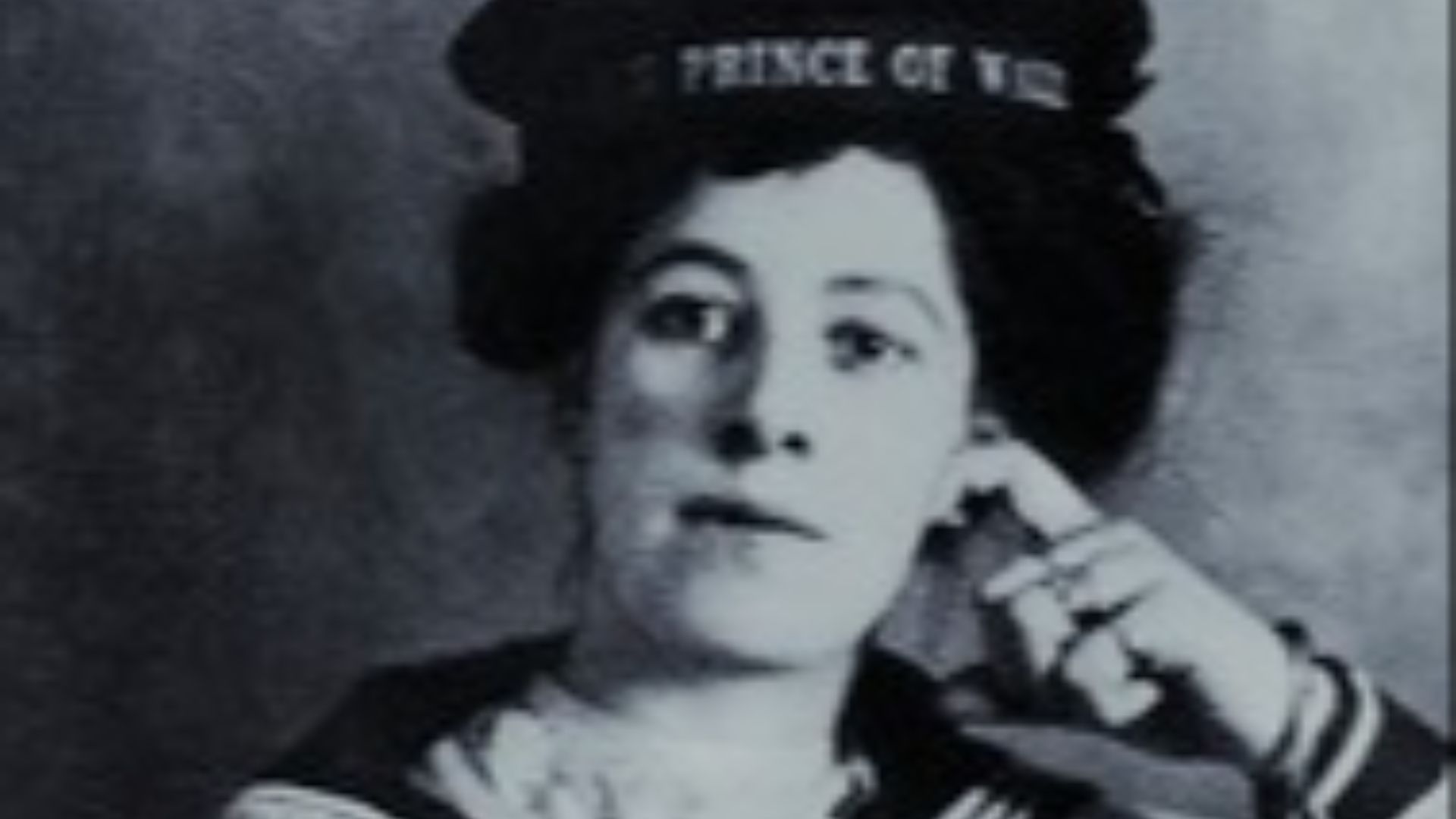
After Emily Dimmock was murdered in 1907, police found a postcard signed "Alice." Newspapers took a shot and reproduced the handwriting, hoping somebody would recognize it. Crazily enough, an old girlfriend of artist Robert Wood did exactly that, identifying his writing and helping turn him into the principal suspect. Wood admitted writing the card but was acquitted in just 15 minutes.
 Studio portrait commissioned by Emily Dimmock herself, circa 1905 on Wikimedia
18. Percy Thompson
When Frederick Bywaters stabbed Percy Thompson in 1922, he stood by the fact that Percy's wife Edith knew nothing about it. Prosecutors nevertheless introduced her enormous collection of private love letters, including exaggerated passages about poison and putting ground glass into food, as evidence that she'd been behind it. No poison or glass was found in Percy's body, but she was still hanged in 1923.
19. Julia Wallace
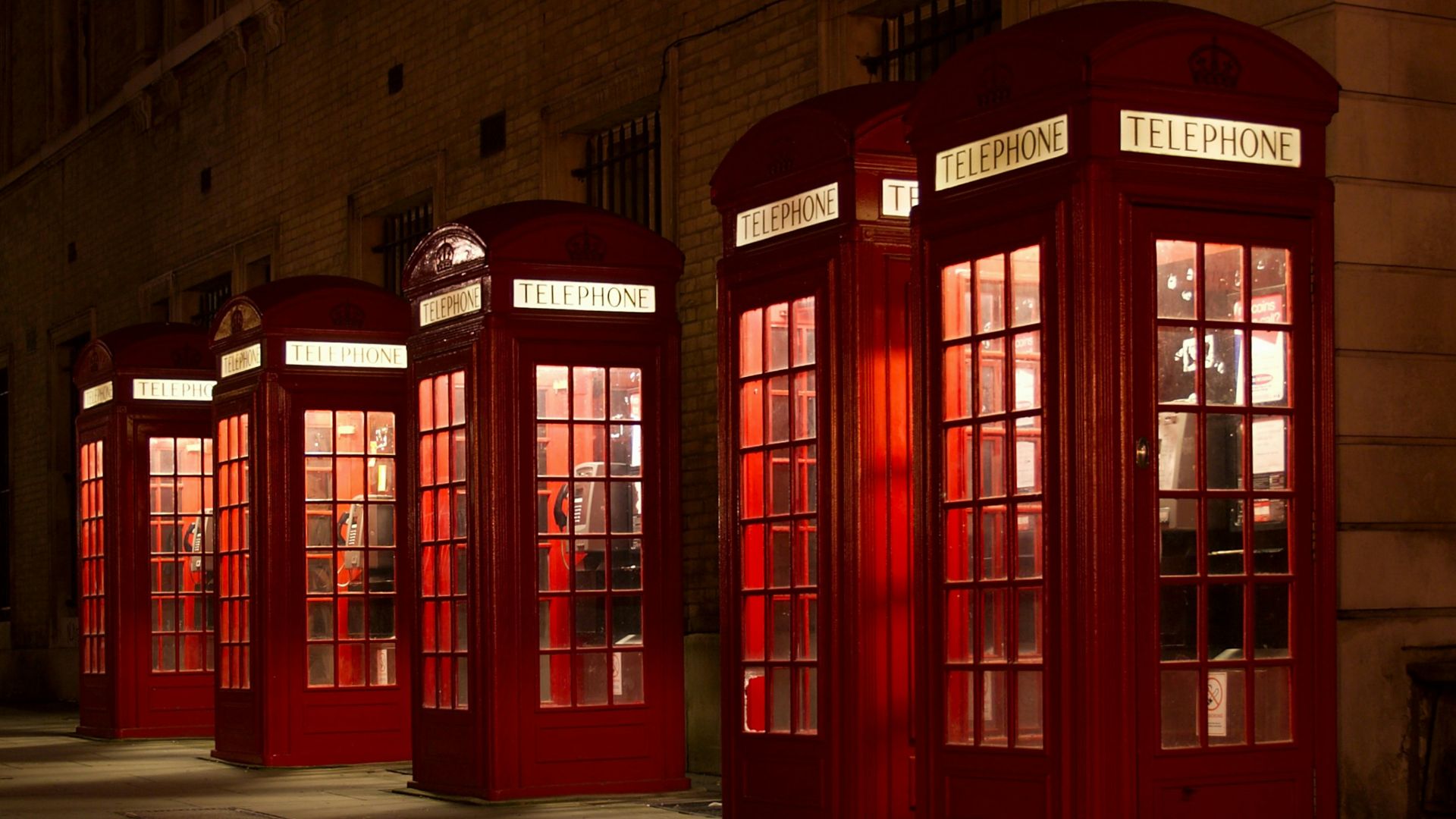
Police investigating Julia Wallace's murder tried to prove that her husband William had enough time to arrange a fake phone message, kill her, and still travel across Liverpool for a believable alibi. Their theory ran with minutes, tram routes, and a telephone box about 400 yards from Wallace's home. However, the timeline was so uncertain that an appeals court later ruled the evidence wasn't strong enough to do anything with.
20. John Lee
In the 1884 Babbacombe murder, investigators found blood on servant John Lee. At the time, they thought that he'd smashed a window and cut himself on purpose so he'd have an explanation for the stains. He was convicted on circumstantial evidence, but the wildest thing about his case was that the executioner tried to hang him three times—and the trapdoor failed every time.
KEEP ON READING