What Used To Pass For Gorgeous
Every era invents its own definition of attractive, and what counted as elegant a few centuries ago sometimes required actual physical damage, from tightly bound feet to skin bleached with actual lead. Entire industries built themselves around achieving looks that would horrify a modern dermatologist. Looking back, it's less about judging the past and more about noticing how fast a beauty standard can flip from admired to unthinkable. Here's 20 historical beauty standards that would raise eyebrows if anyone tried them now.

1. Powdered White Lead Faces
Pale, powder-white skin signaled wealth and leisure in Elizabethan England, since a suntan meant you worked outdoors for a living. Women mixed white lead with vinegar to get that ghostly finish, not realizing the powder was slowly poisoning their skin. The paler you looked, the higher your social rank was assumed to be.
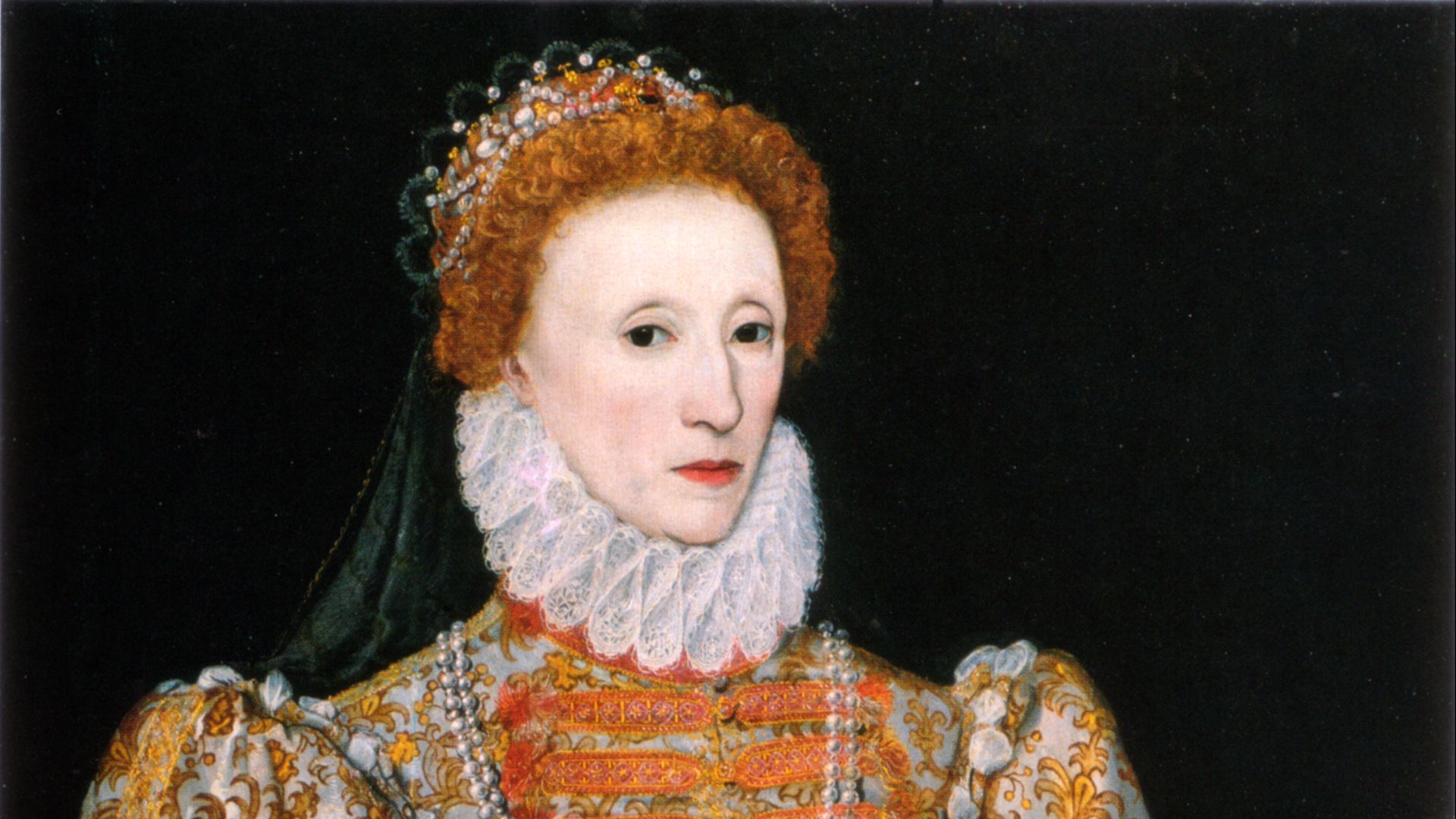 Unidentified painter on Wikimedia
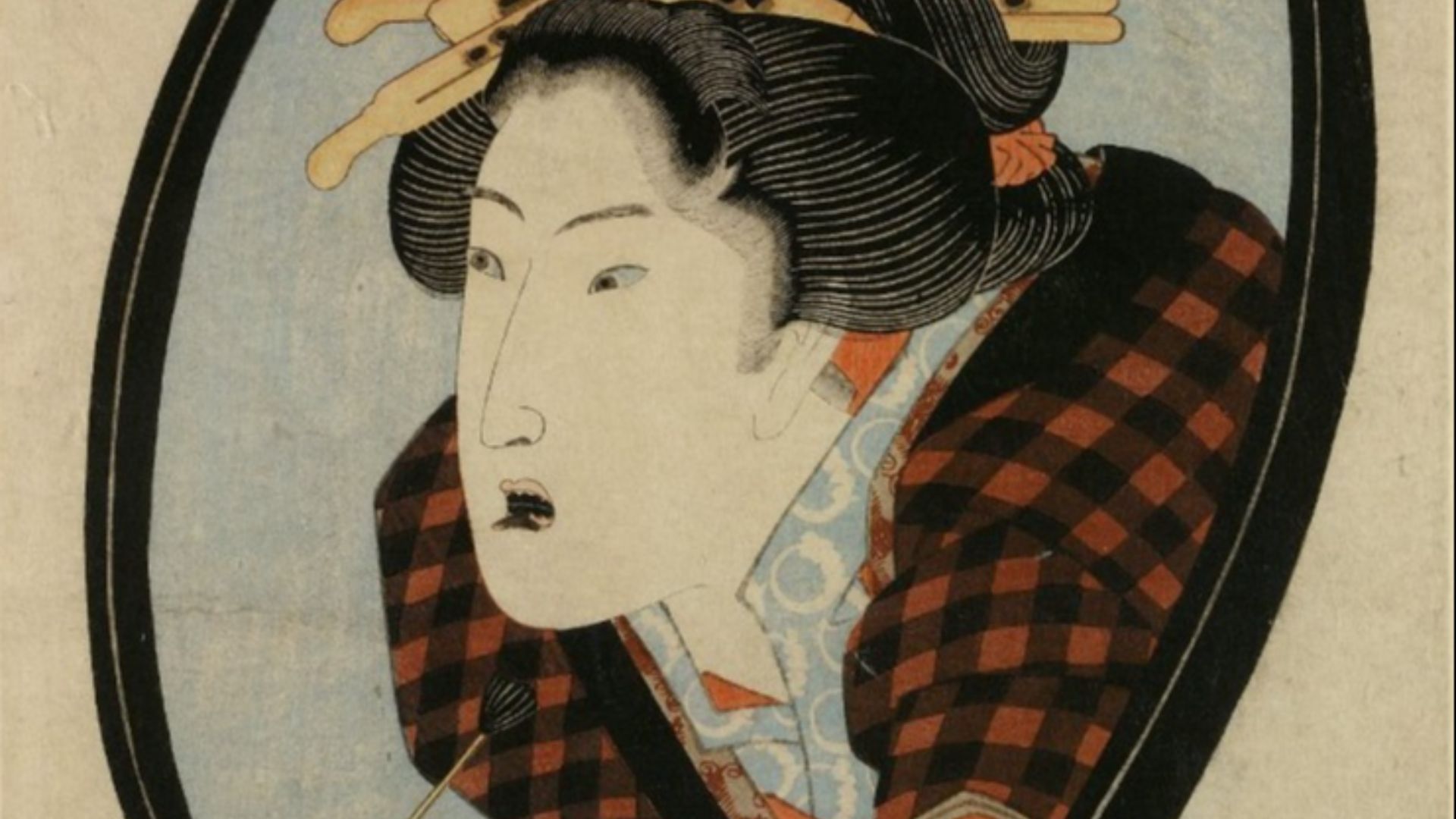
2. Ohaguro, Or Deliberately Blackened Teeth
In Japan, married women and members of the aristocracy dyed their teeth jet black using an iron-based solution, and a bright white smile was considered unfinished. The custom lasted for centuries before falling out of fashion in the late 1800s. A mouth full of black teeth was once the mark of maturity and good taste.
3. Painted-On Unibrows
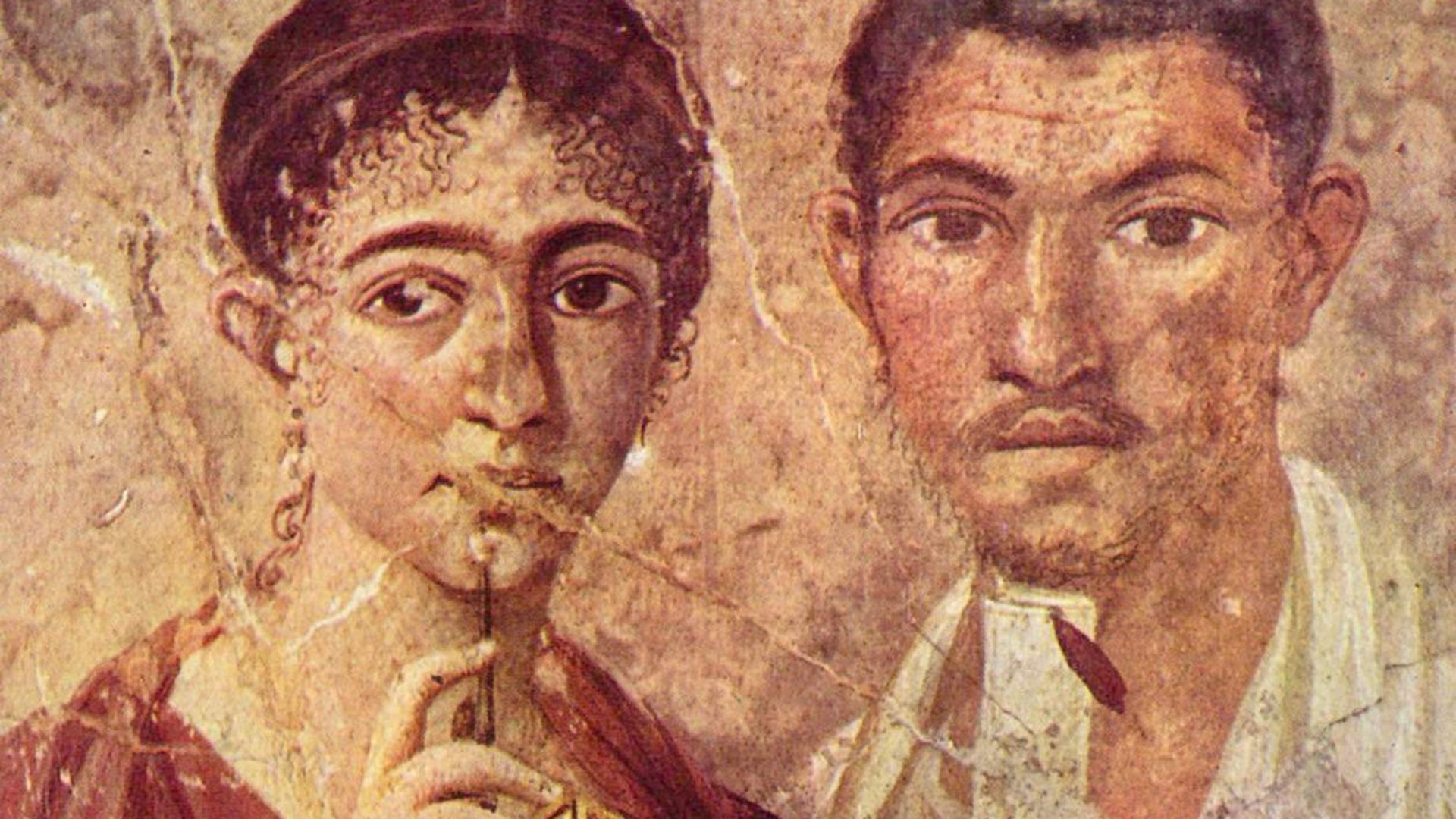
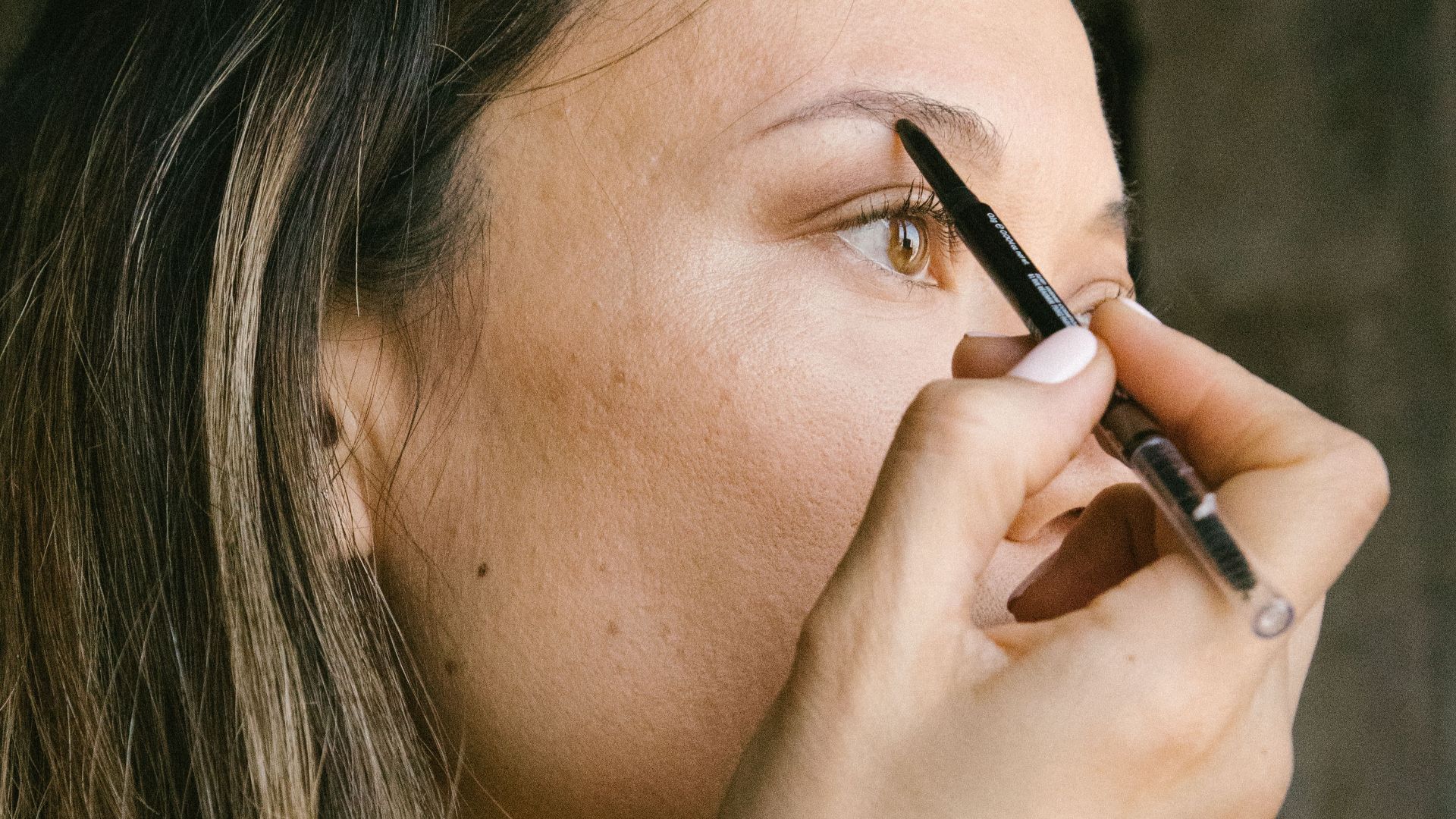
Ancient Greek women didn't pluck their eyebrows apart, they enhanced the connection with soot or dark powder, since a single thick brow was linked to intelligence and moral character. Some who couldn't grow one naturally used goat hair to fake it. A gap between the brows was the look nobody wanted.
 commons.wikimedia.org on Google
4. Shaved Hairlines For A Higher Forehead
Renaissance women plucked their hairline and eyebrows back to stretch their foreheads as high as possible, chasing an egg-shaped silhouette that read as noble and refined. A forehead that looked too low or too crowded with hair was considered plain. Portraits from the period barely show any eyebrows at all once the trend peaked.

5. Waists Cinched Down To Nothing
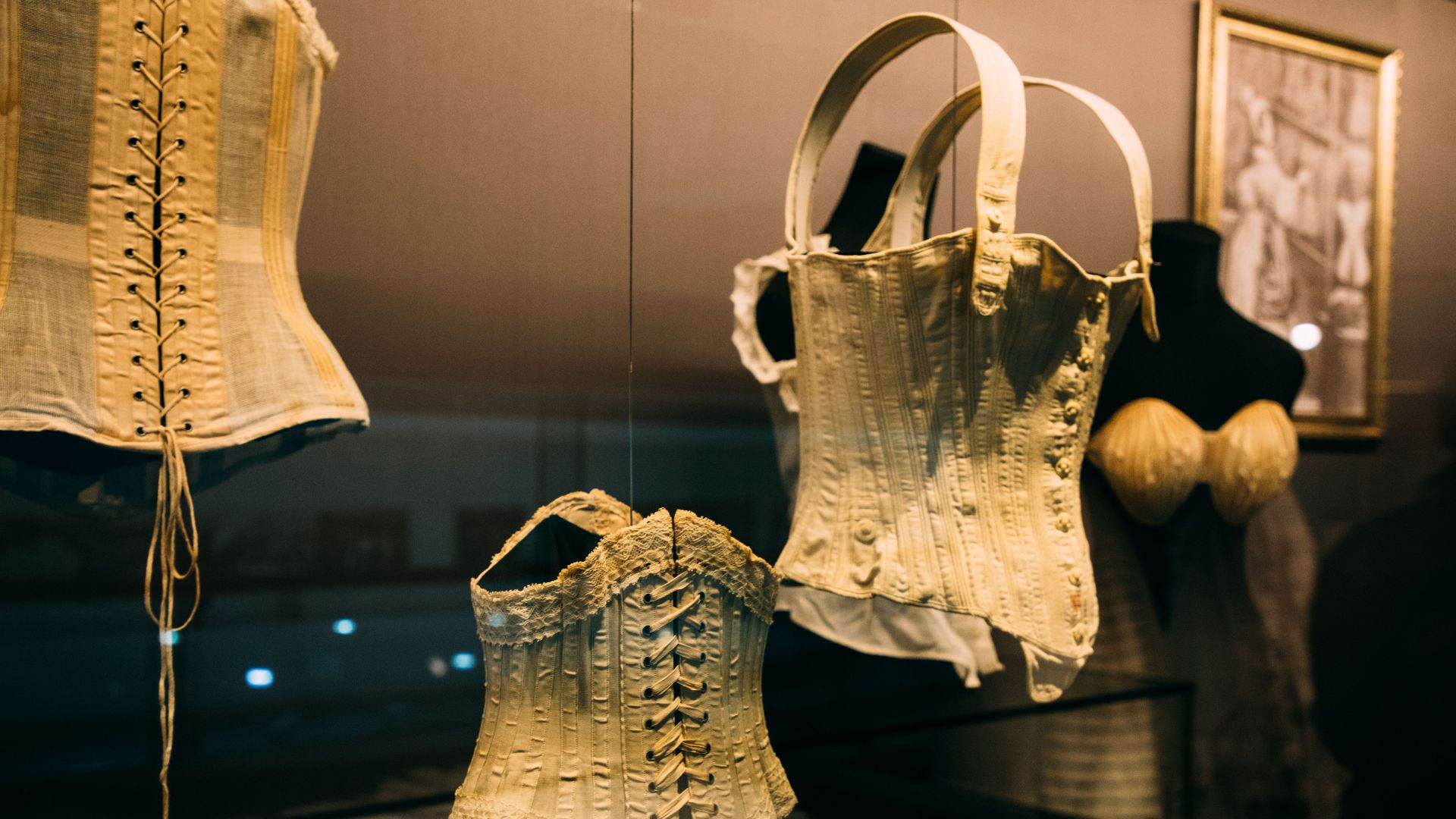
Victorian corsets aimed for an hourglass so extreme that some women's ribs actually shifted out of place over years of tight lacing. The goal was a waist small enough to nearly disappear next to a full skirt and sleeves. Fainting was common, and so was accepting it as the cost of looking fashionable.
6. Bound Feet
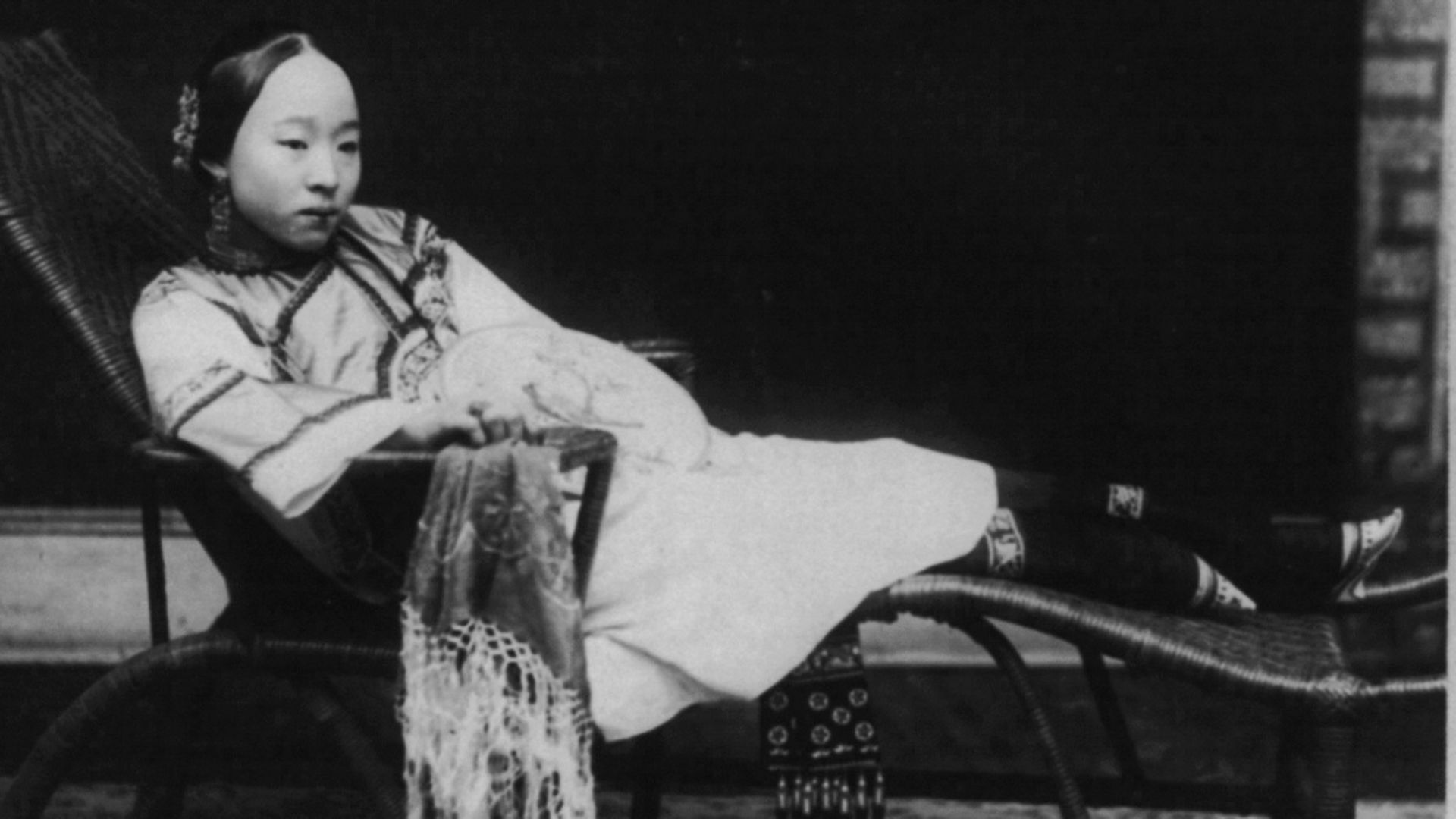
For centuries in China, young girls had their feet tightly bound to keep them small, producing the compact, curved shape known as lotus feet. The process reshaped bones and limited mobility permanently, yet tiny feet were treated as the height of femininity and marriageability. The practice wasn't banned until the early twentieth century.
 Frank and Frances Carpenter Collection on Wikimedia
7. Elongated Necks With Brass Coils
Among the Kayan people of Myanmar and Thailand, women have worn stacked brass rings around their necks for generations, gradually pushing the collarbone down to create the illusion of an impossibly long neck. The look signals beauty and status within the community, even as it draws stares from outsiders. It remains part of some Kayan traditions today, long after most Western beauty trends have moved on to something else.

8. Soft, Full-Figured Bodies
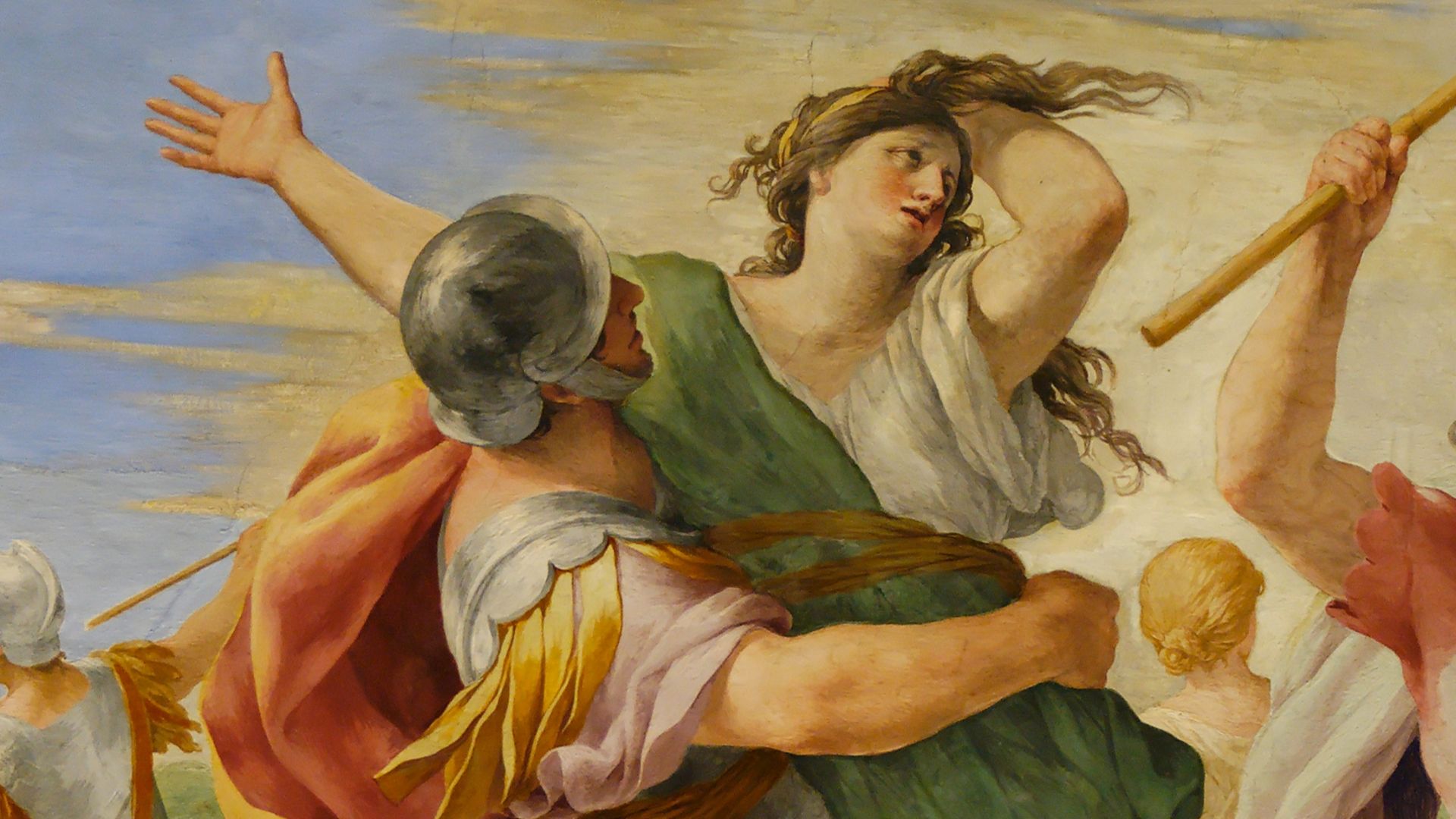
Renaissance and Baroque painters filled their canvases with plump, curved women because that fuller figure represented wealth and fertility at a time when food scarcity was common. Thinness read as poverty or illness, not discipline. Rubens built an entire artistic reputation around bodies that modern diet culture would tell people to shrink.
9. Shaved Heads Under Powdered Wigs
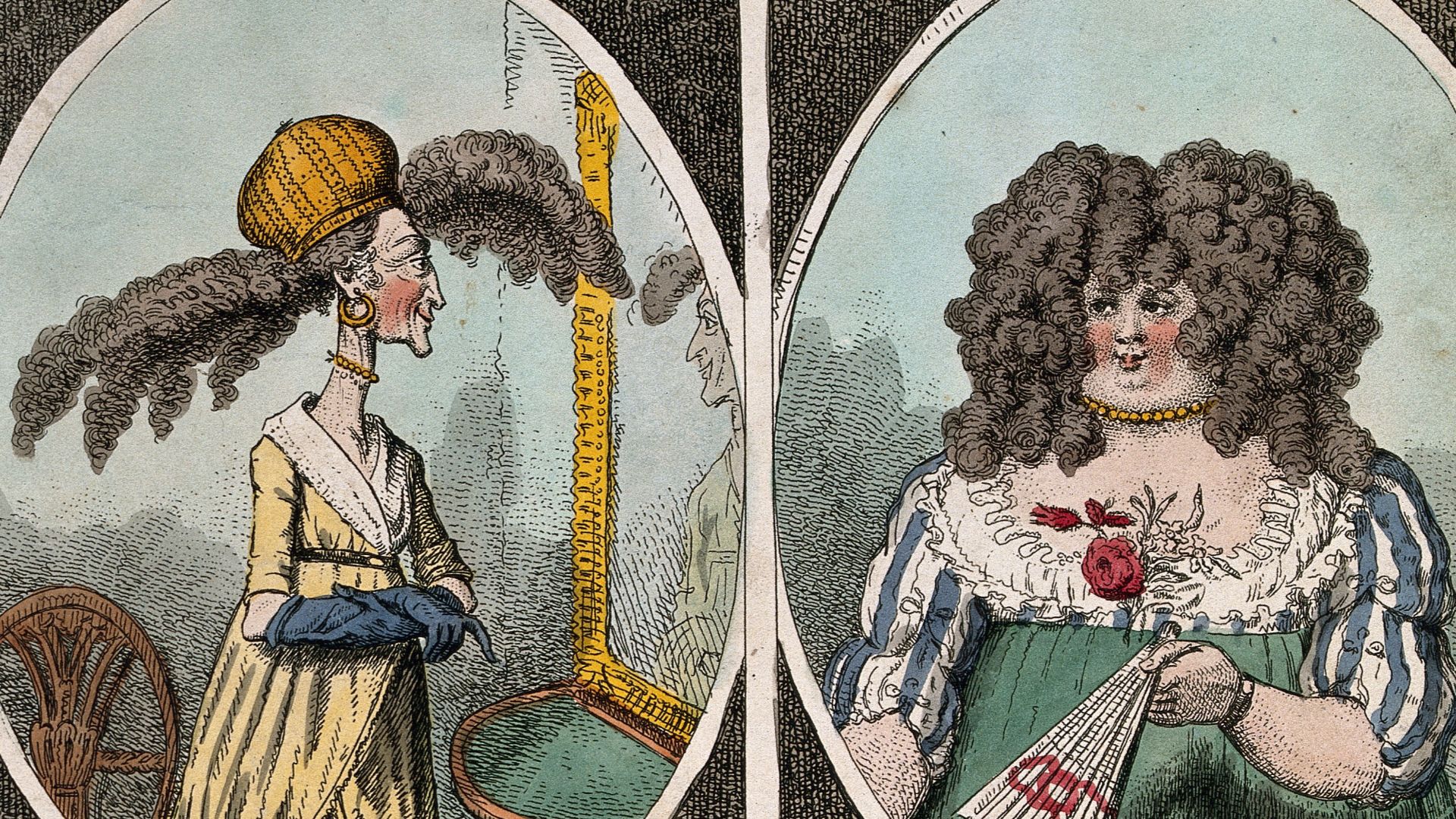
Eighteenth-century French aristocrats often shaved or cropped their natural hair short, then piled elaborate powdered wigs on top that could stand over a foot tall. The wigs got so large and heavy that some required wire frames just to stay upright. Underneath all that powder and horsehair, most heads were nearly bald.
10. Filed, Pointed Teeth
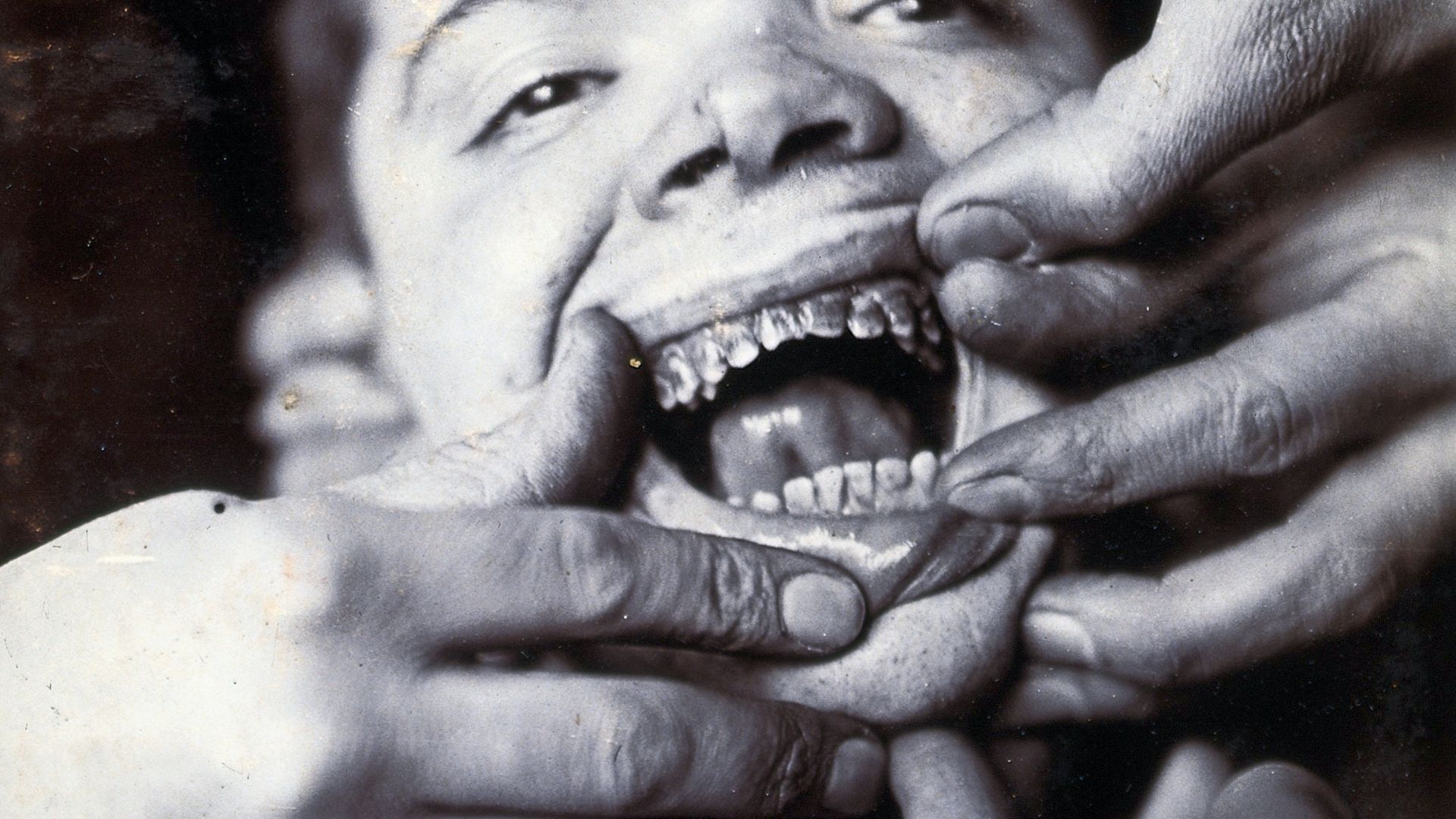
Across parts of ancient Mesoamerica and Southeast Asia, filing teeth into sharp points or inlaying them with jade was considered a sign of beauty and status, not something to hide. Maya elites had dental work done specifically to stand out in a crowd. A mouth full of naturally straight, unaltered teeth wouldn't have impressed anyone.
11. Flattened Skulls
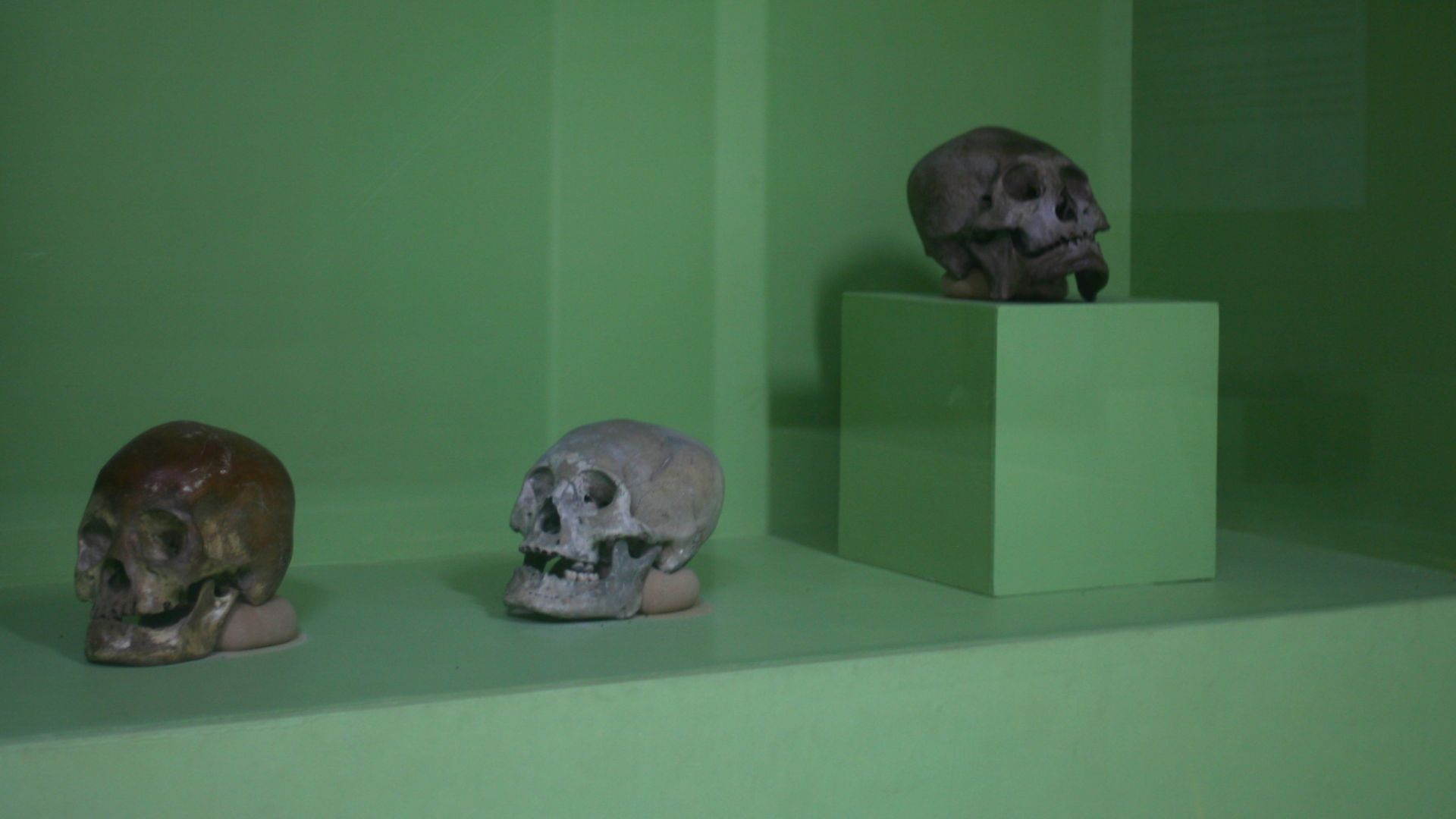
Maya nobility bound infants' heads between boards for the first few years of life, gradually shaping the skull into an elongated, sloped form associated with status and beauty. The practice started in infancy because bone was soft enough to reshape without much resistance. Adults who'd gone through it wore the elongated shape as a permanent symbol of high birth.
12. Barely-There Eyebrows
Flappers in the 1920s plucked their eyebrows down to almost nothing, then redrew a thin, high arch with pencil for a deliberately surprised expression. Full, natural brows read as old-fashioned and unpolished during the era. Some women plucked so aggressively over the years that the hair never fully grew back.
13. Stretched Lip Plates
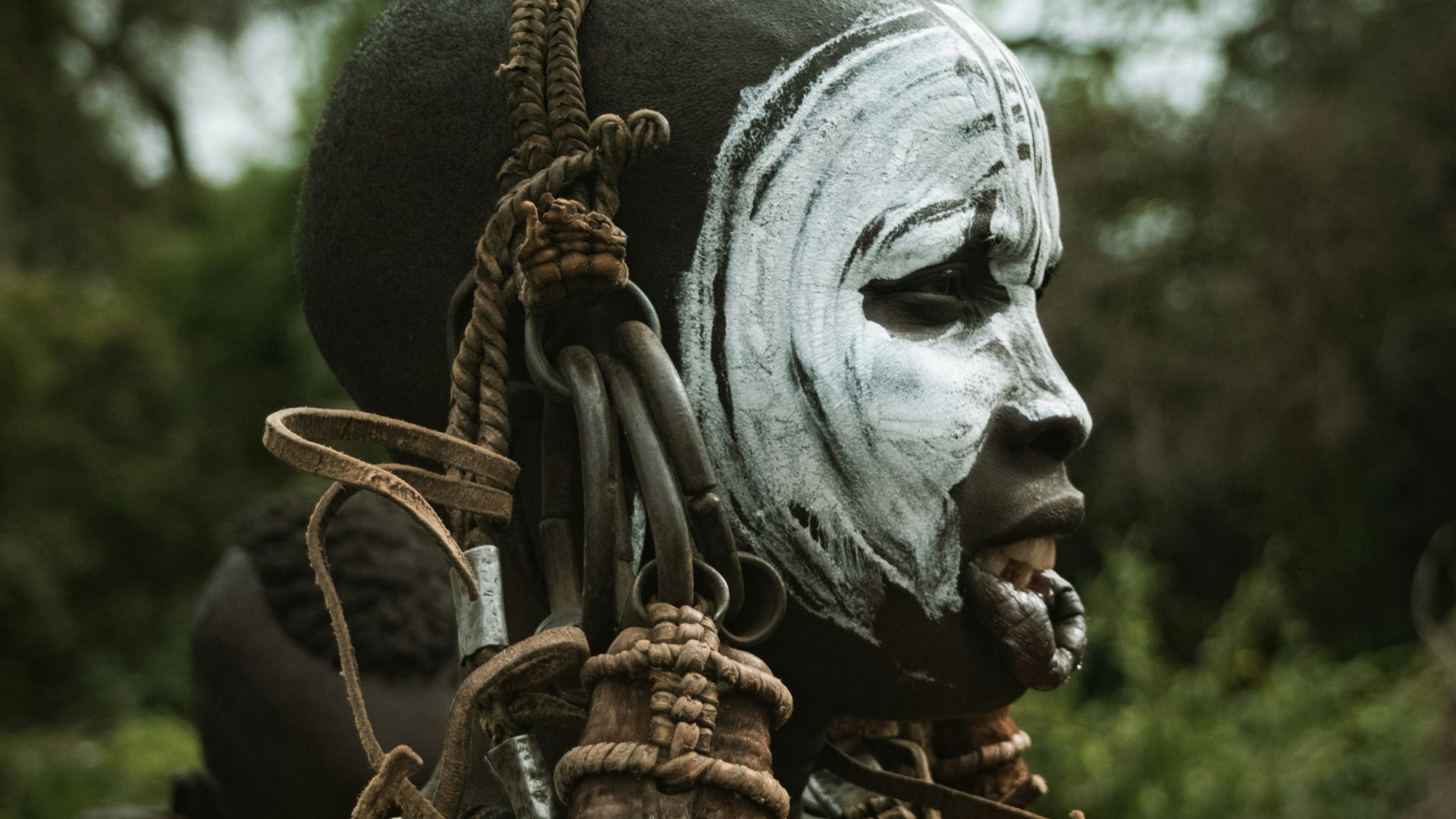
Among the Mursi and Suyá peoples, some women insert increasingly larger clay or wooden discs into a pierced lower lip, stretching it over months or years as a mark of maturity and beauty within the community. The size of the plate can carry real social meaning, including status tied to marriage.

14. Rotten-Looking Teeth As A Status Symbol
In Elizabethan England, sugar was expensive enough that rotten teeth became an accidental brag, since only the wealthy could afford to eat enough of it to ruin their smile. Some people who couldn't actually afford much sugar reportedly blackened their teeth on purpose just to fake the look. A mouth full of decay ended up reading as proof of a comfortable life.
15. Heavy Perfume Instead Of Regular Bathing
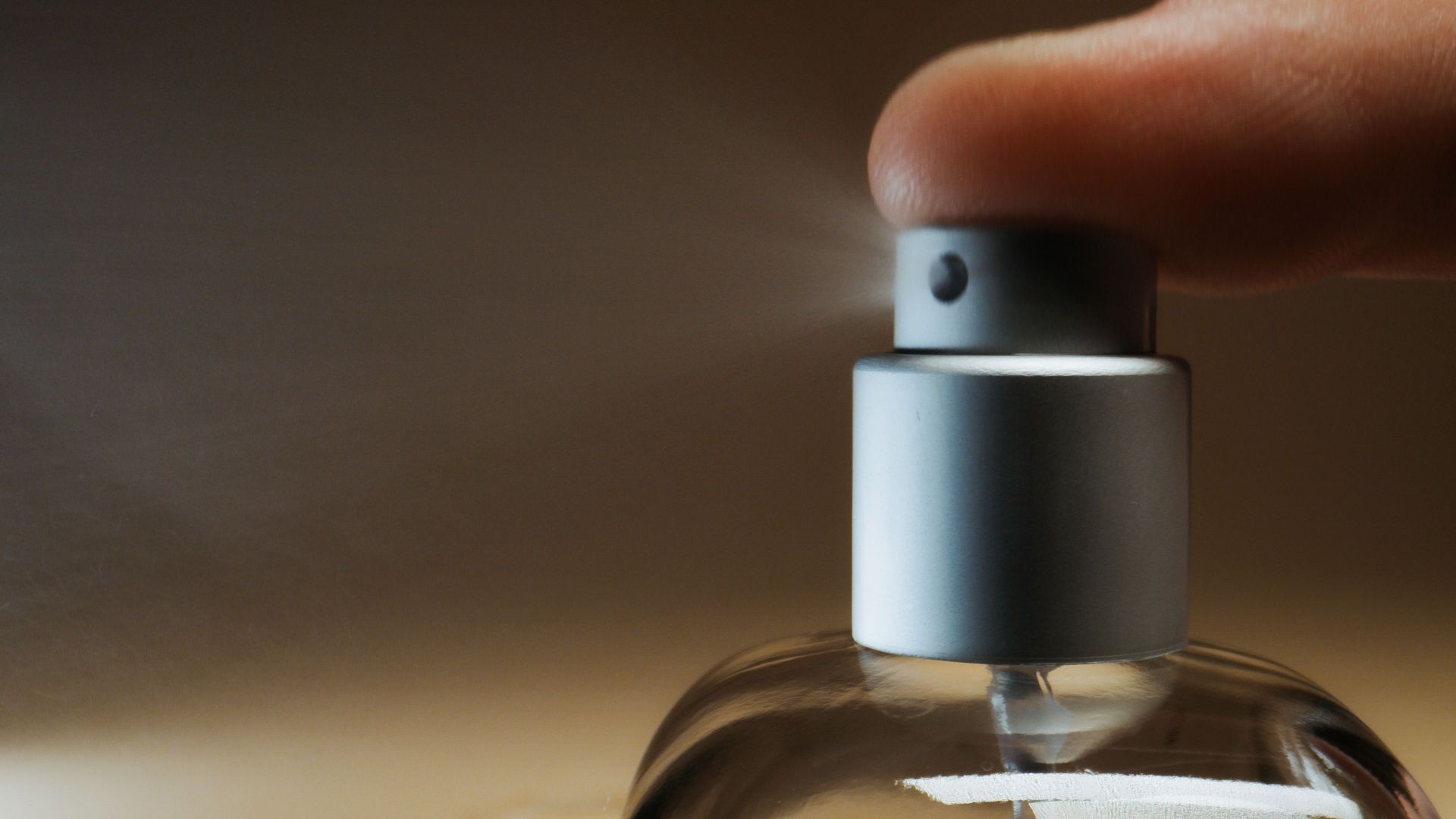
In many European royal courts, bathing happened far less often than modern hygiene would suggest, and heavy perfume was used to mask whatever soap and water weren't handling. Versailles in particular built a reputation around scent covering for a lack of running water and consistent plumbing. Smelling clean mattered more than actually being clean.
16. Dueling Scars On German Faces
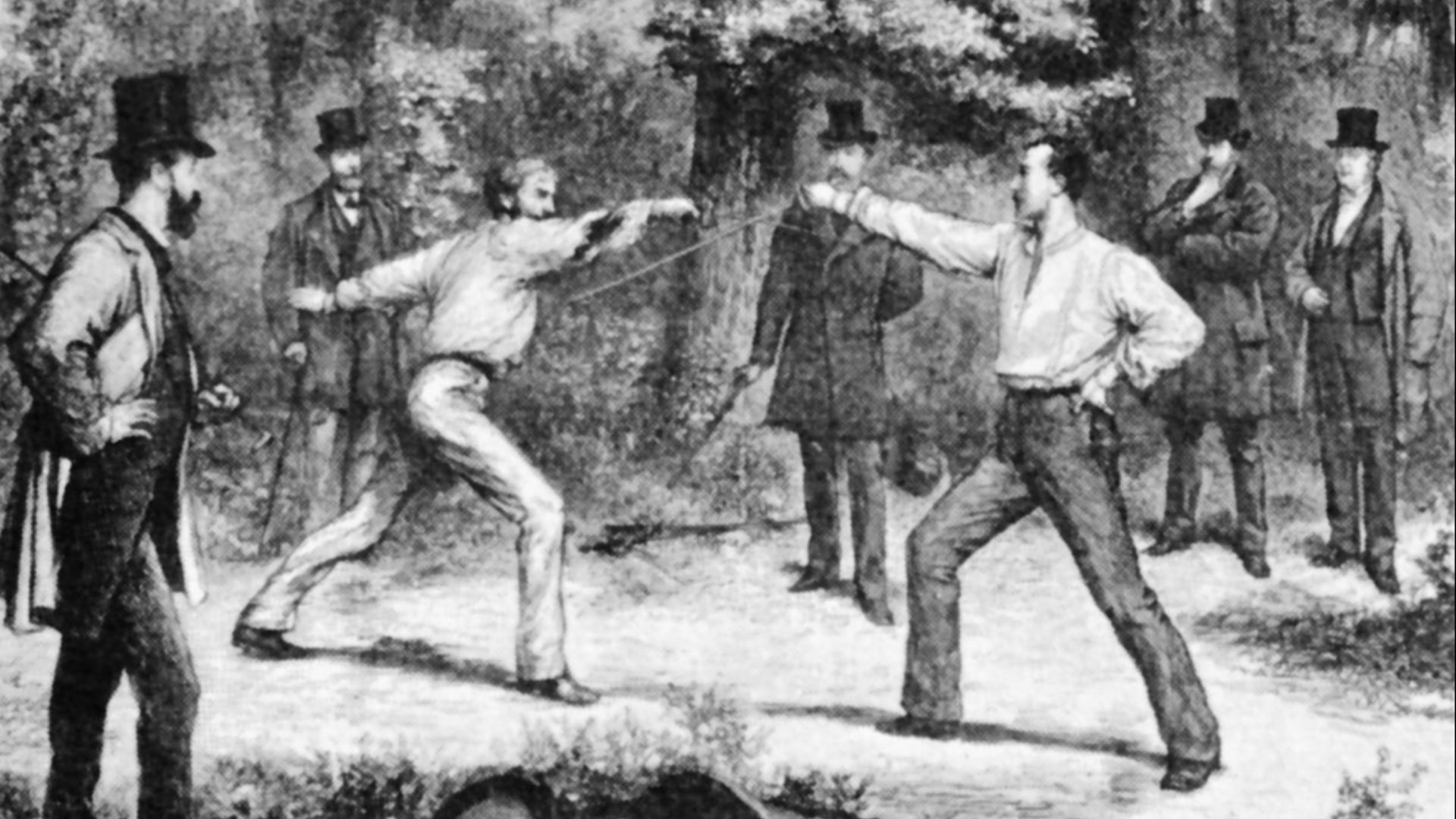
In nineteenth-century Germany, university fencing fraternities treated a facial scar earned in an academic duel, known as a Schmiss, as proof of courage and social standing. Some students reportedly reopened or irritated the wound on purpose to leave a thicker, more visible mark. A smooth, unmarked cheek suggested someone hadn't earned a place among the elite.
17. Extremely Long Fingernails
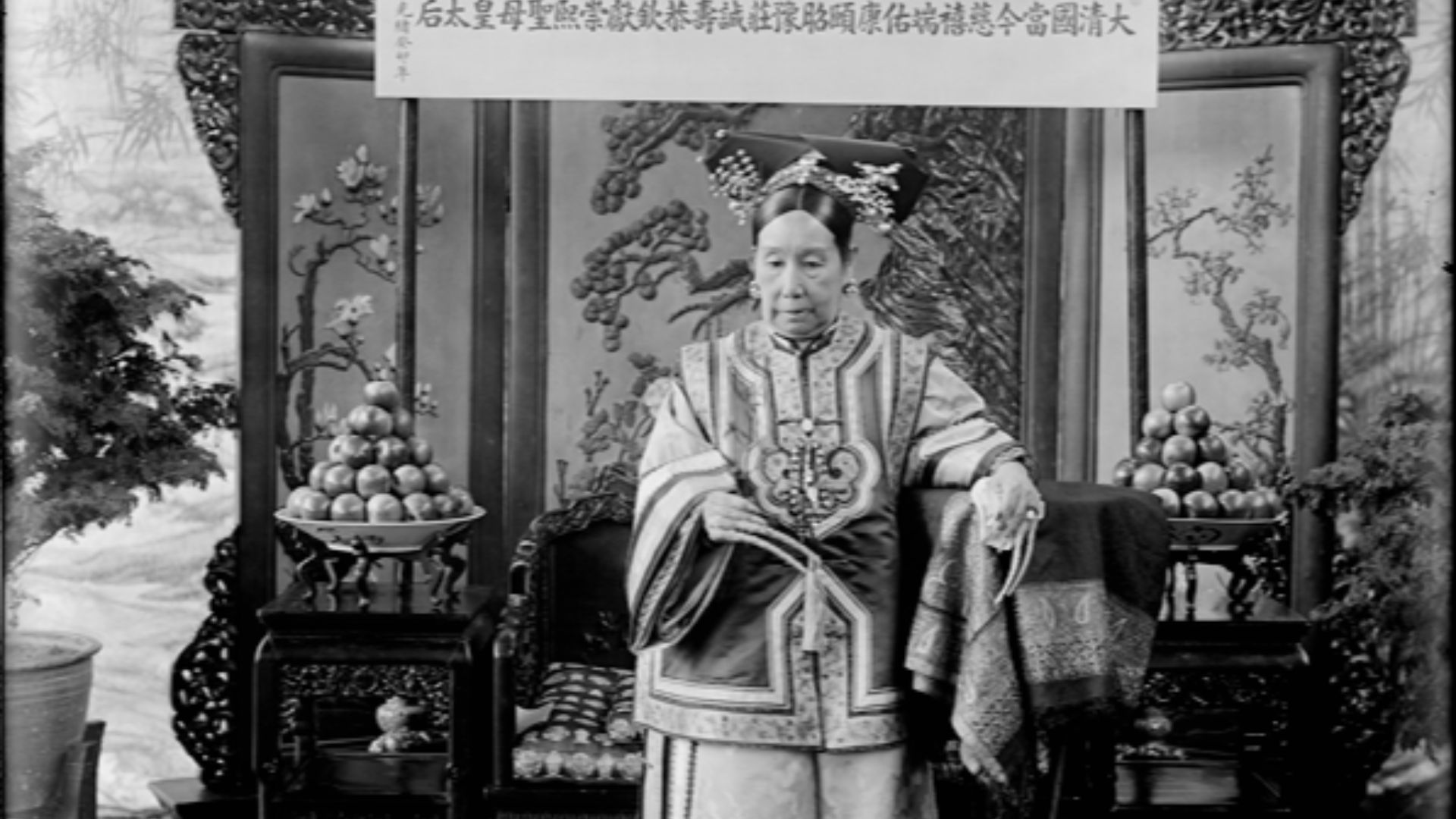
Elite women in Qing dynasty China grew their fingernails several inches long and protected them with ornate gold or jeweled nail guards, since the length proved they never did manual labor. Everyday tasks became nearly impossible with nails that long, which was exactly the point. Uselessness itself was the status symbol.
18. Consumptive Pallor
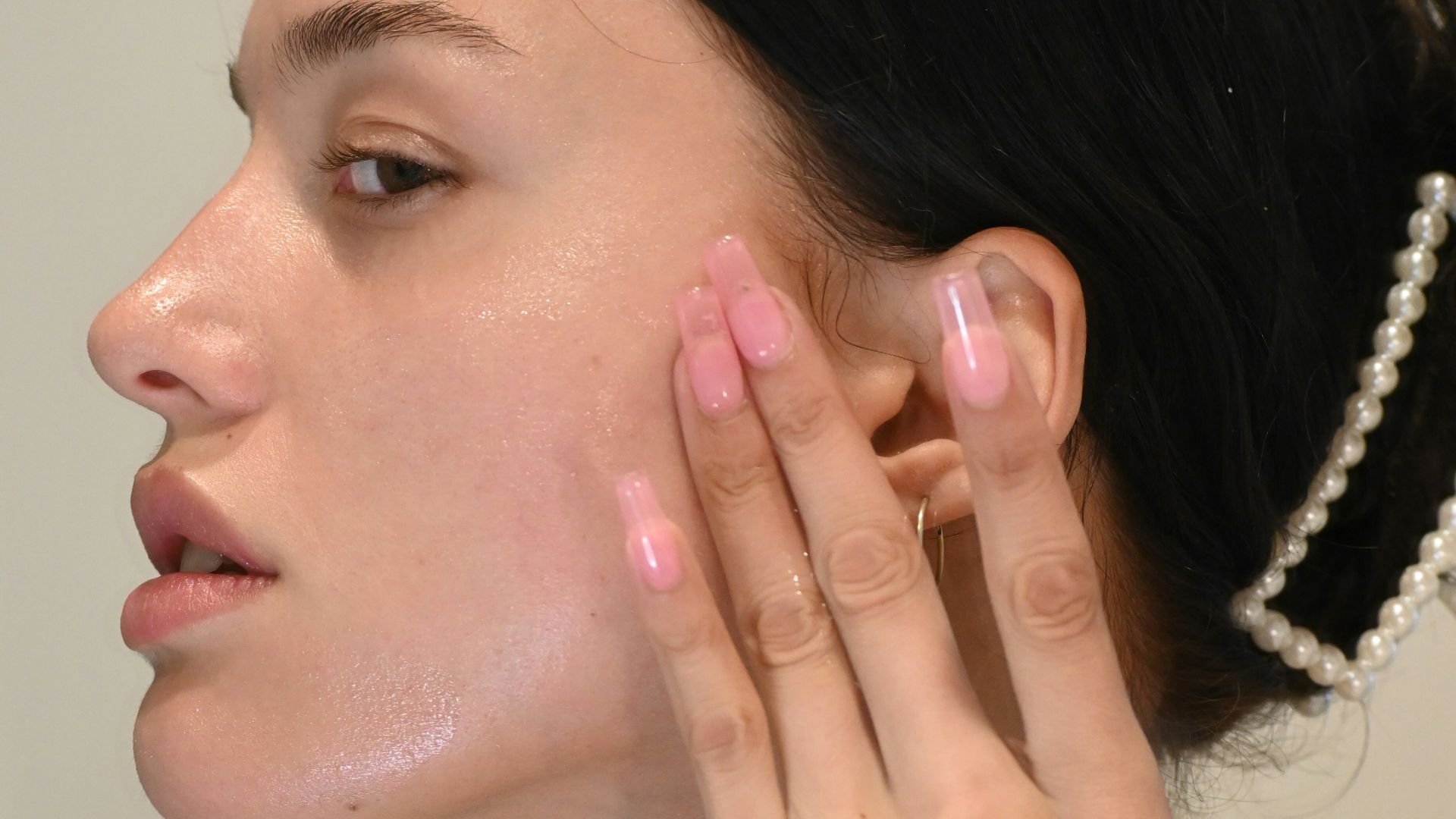
Victorian England romanticized the pale skin and flushed cheeks associated with tuberculosis, treating a sick appearance as delicate and refined. Women used makeup to fake the look even without the illness behind it. An era obsessed with fragility built its entire beauty ideal around looking like it was fading away.
19. A Gap Between The Front Teeth
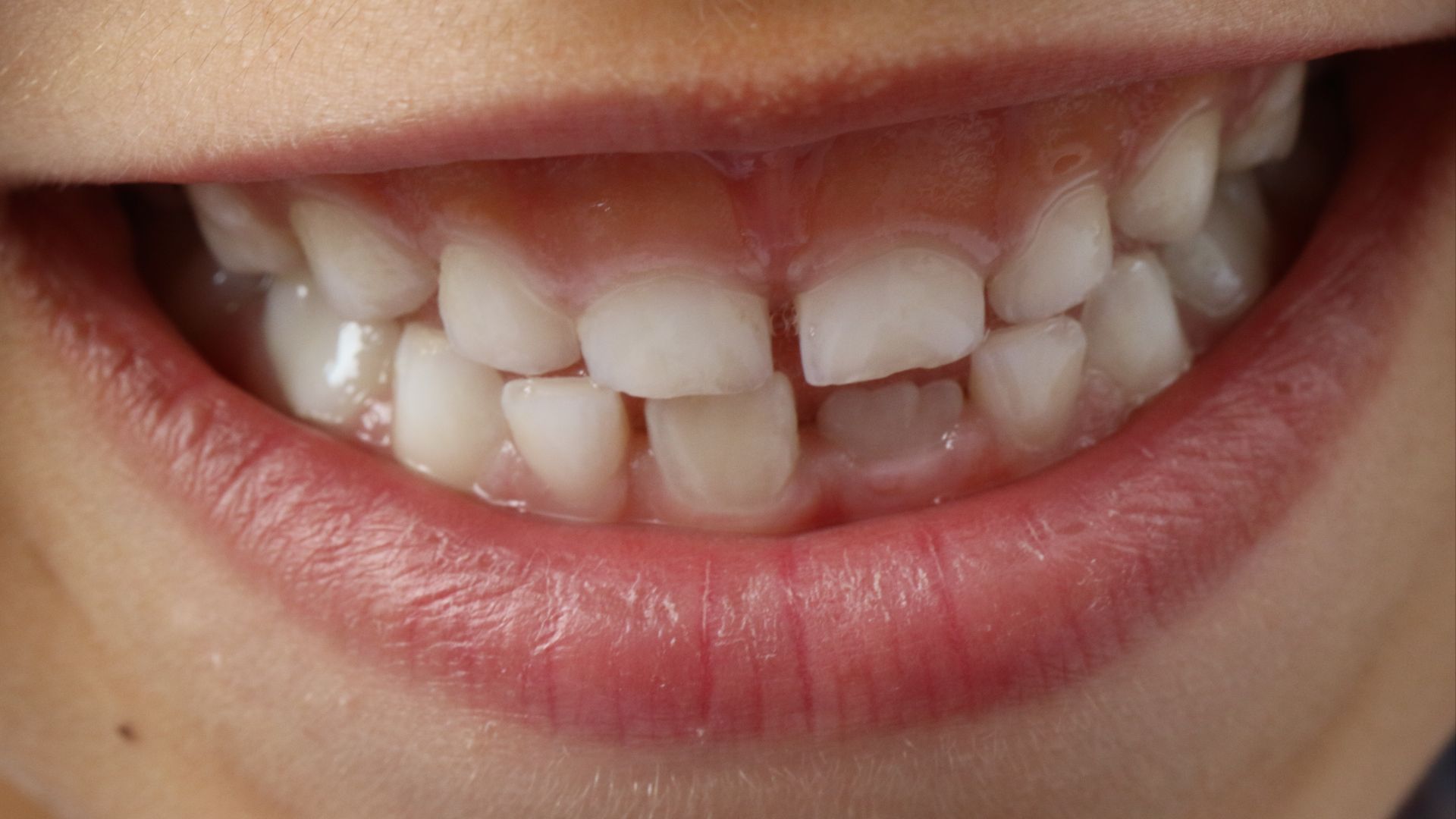
Medieval Europeans considered a noticeable gap between the front teeth, known today as a diastema, to be a lucky and even sensual trait, a detail immortalized in Chaucer's writing. Dentists now often close that same gap with braces or bonding. What was once a favorable feature became something people pay to fix.
20. Heavily Stretched Earlobes
From the Maya to various African and Asian cultures, stretching earlobes with wooden plugs or heavy metal jewelry was a widespread marker of status and beauty. The bigger the stretch, the more it signaled maturity within some communities. What was once a badge of honor now mostly shows up as a niche subculture choice.


KEEP ON READING