20 Historical Figures Who Refused to Back Down Even Though It Killed Them
Some People Just Won't Fold
Most people who refuse to back down get talked into changing their mind, or find some clever middle ground before anyone actually dies. These 20 didn't. Some had the chance to recant, and they chose not to take it. What's left behind is less a lesson about martyrdom and more a pattern, a specific moment where backing off was clearly the smarter option, and someone chose the harder one anyway. Here's 20 people who stood their ground even when it cost them their life.
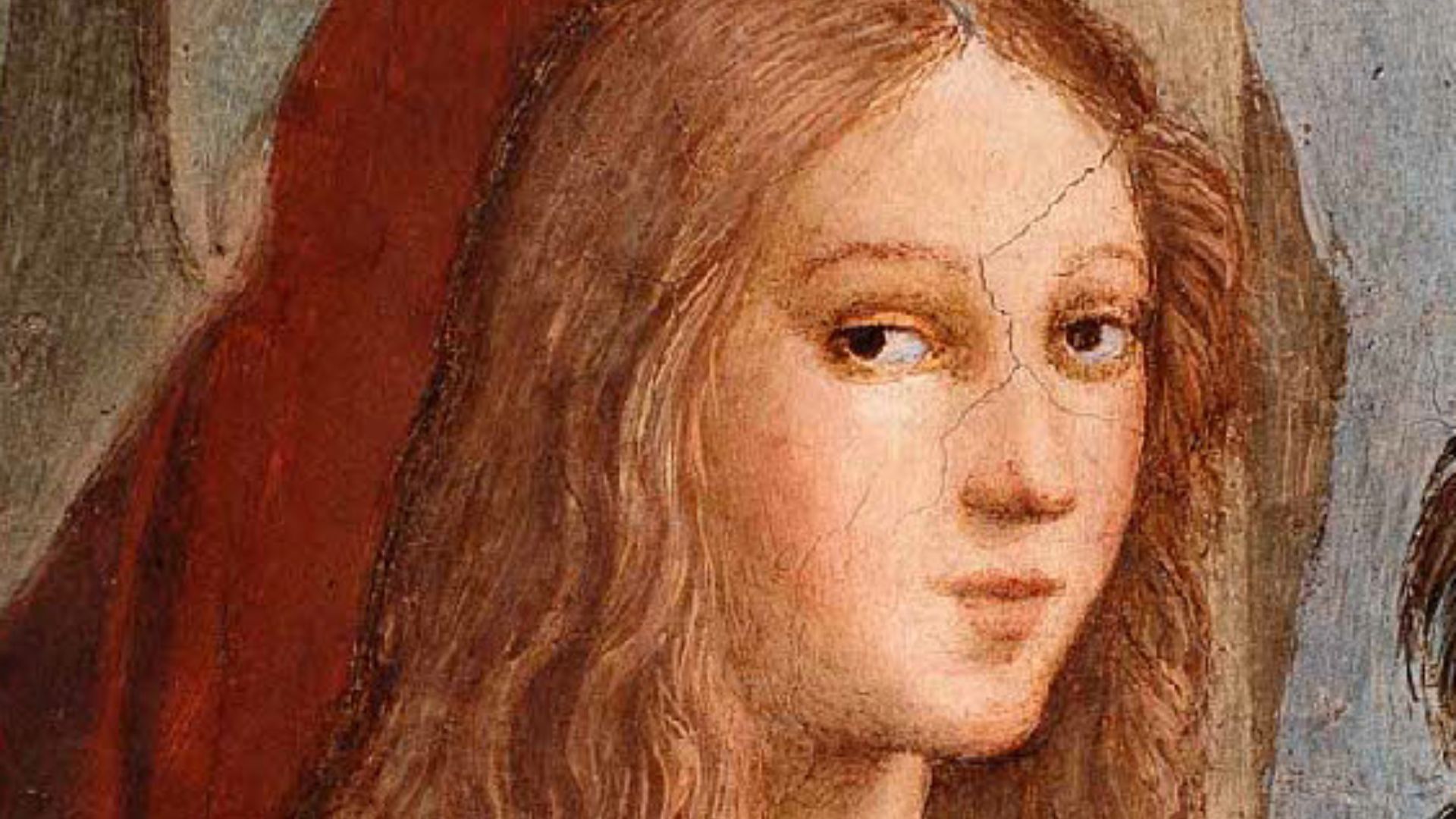
1. Socrates
Convicted of corrupting Athens's youth and offered the chance to accept exile, Socrates chose to stand by his trial and his philosophy. He turned down a later escape plan arranged by his students, arguing that fleeing would betray everything he'd taught about respecting the law. He drank the hemlock himself in 399 BC, calmly, surrounded by grieving friends.
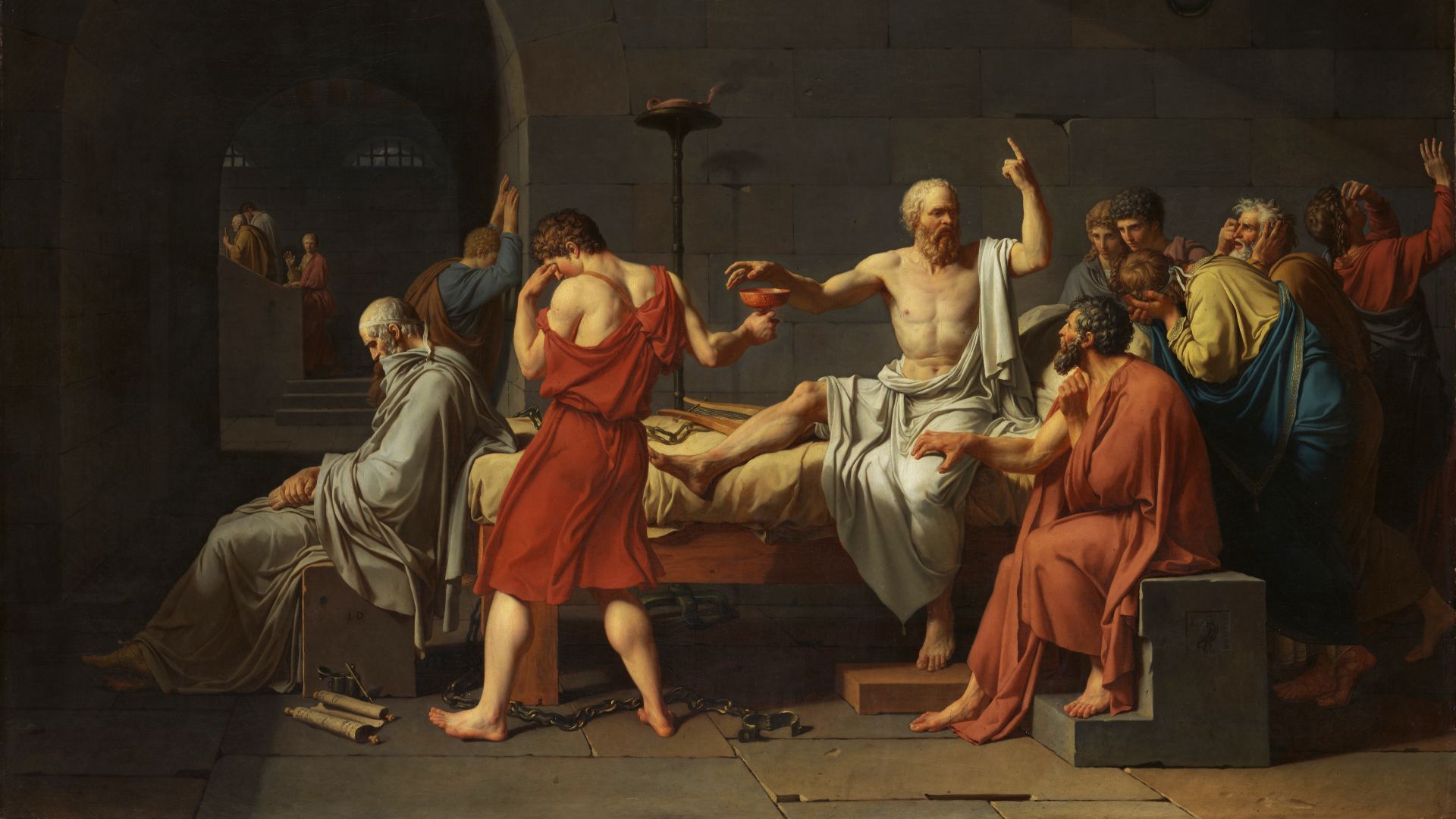 Jacques-Louis David on Wikimedia
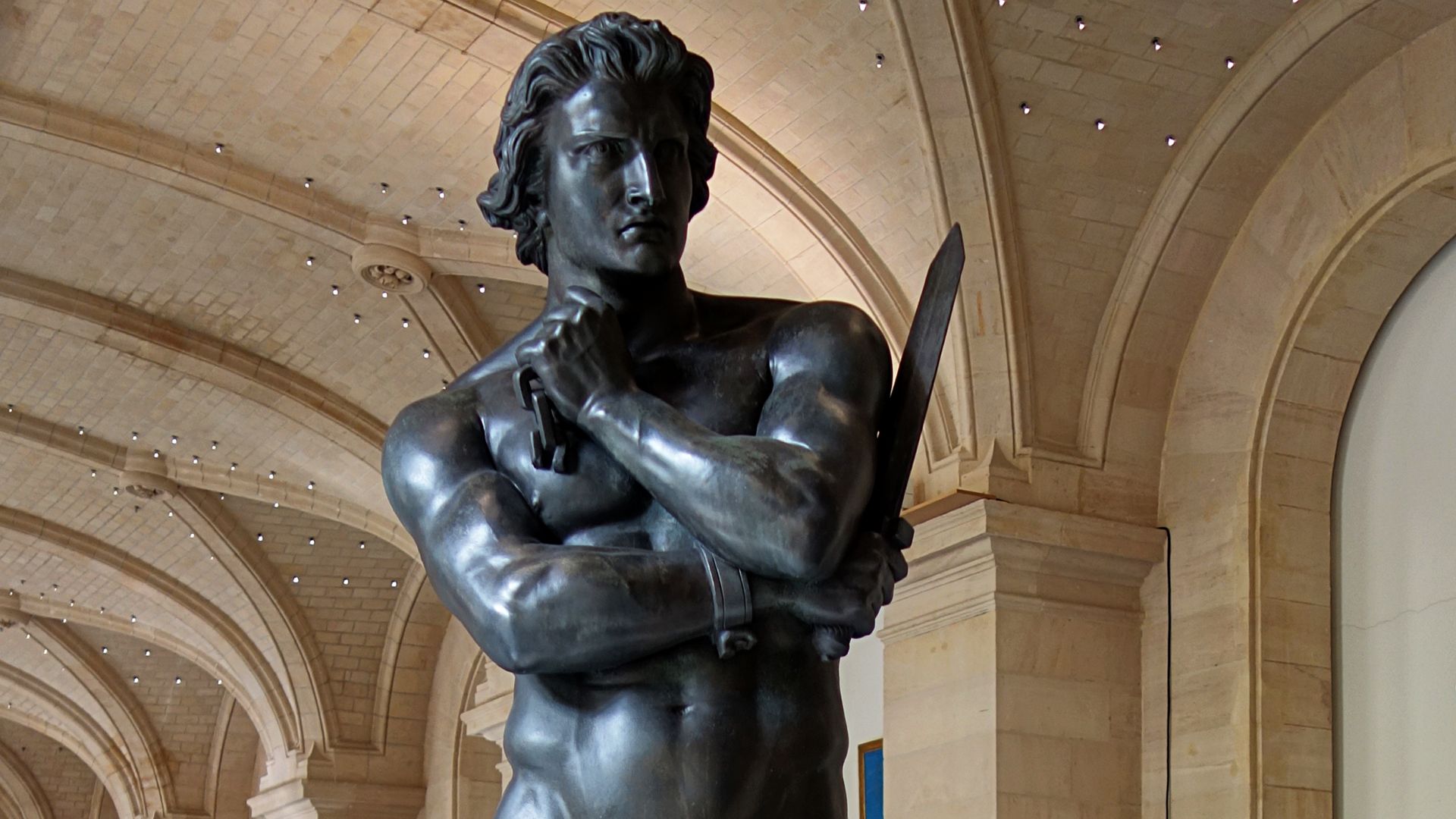
2. Spartacus
A former gladiator, Spartacus led an army of escaped slaves against Rome for nearly two years, defeating several legions along the way. As the campaign turned against him, he kept his forces in the fight rather than scatter and disappear. He died on the battlefield in southern Italy in 71 BC, and his body was never identified.
3. Perpetua
A young Roman noblewoman and new mother, Perpetua was arrested for converting to Christianity and pressed by her own father to recant and think of her son's future. She refused, even after months in prison and repeated pleas from her family. She was killed in the arena at Carthage in 203 AD, reportedly guiding the blade herself when the young executioner's hand shook.
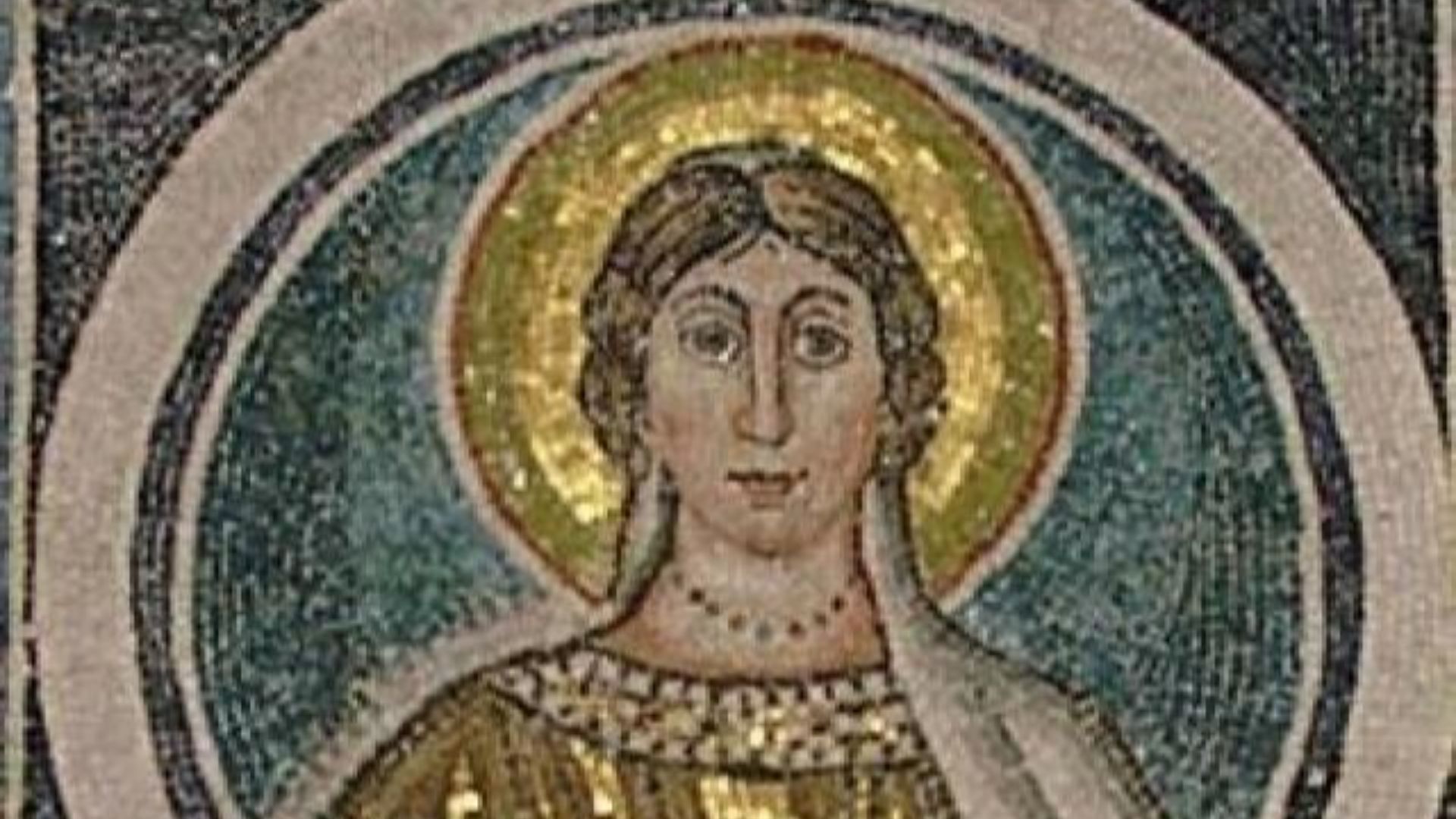 onbekende Venetiaanse kunstenaar. on Wikimedia
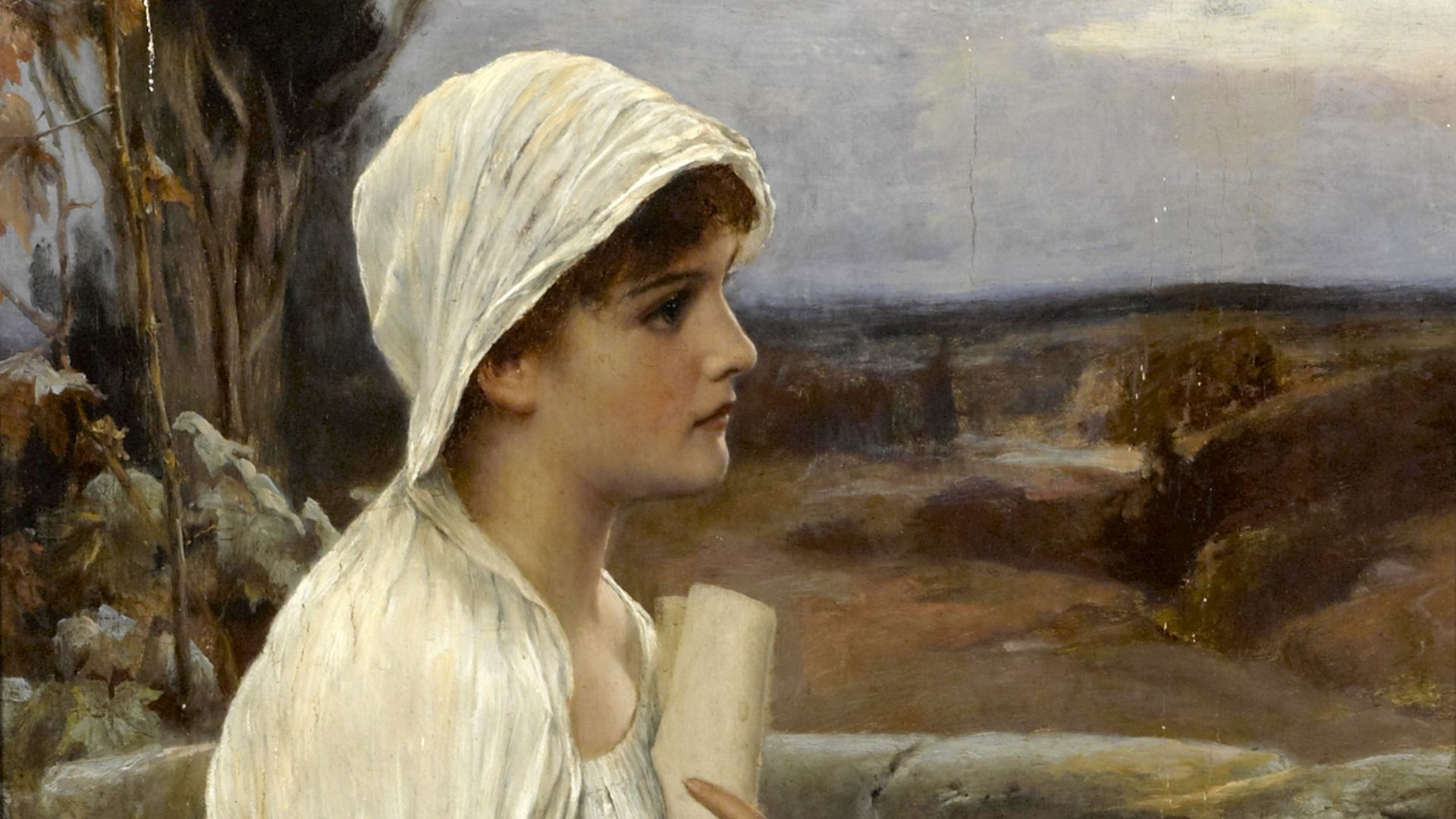
4. Hypatia
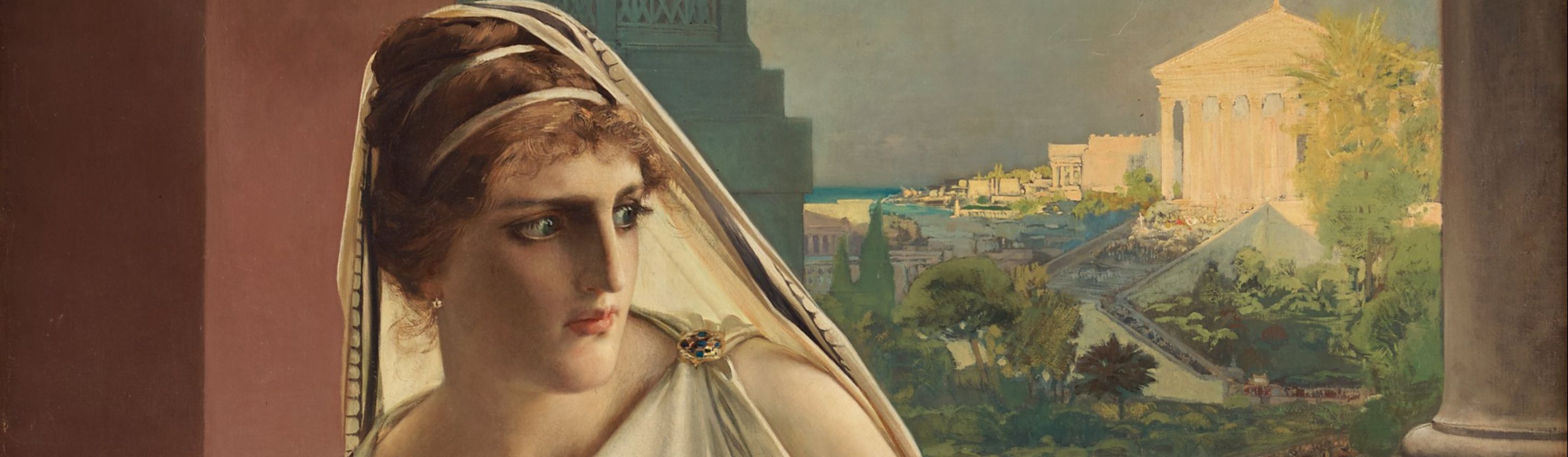
A mathematician and philosopher in Alexandria, Hypatia kept teaching and advising city officials even as tensions between rival religious and political factions turned violent. She didn't withdraw from public life as she became a target of that conflict. In 415 AD, a mob dragged her from her carriage and killed her in the street.
5. Thomas Becket
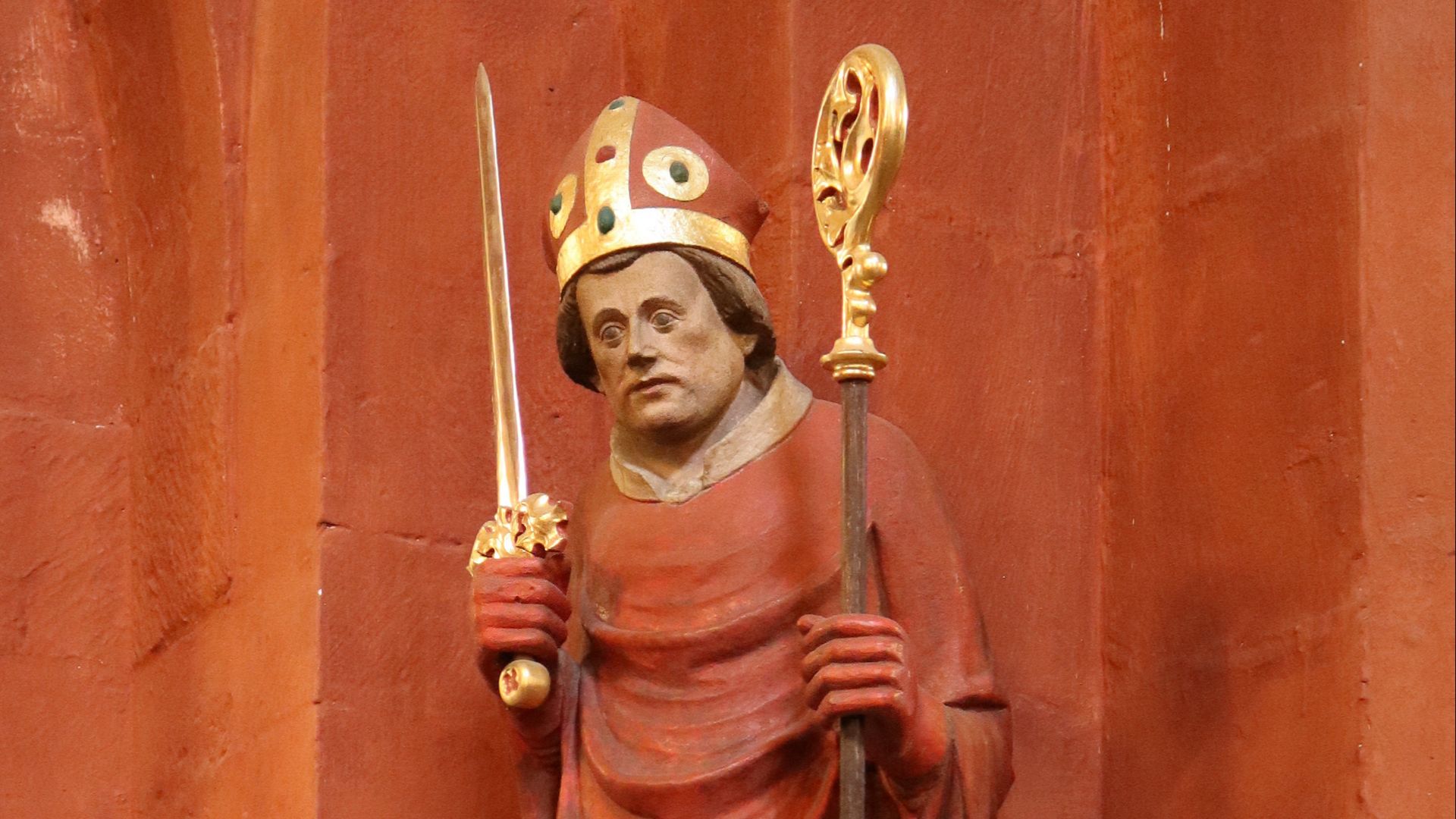
As Archbishop of Canterbury, Becket refused to give King Henry II authority over church courts, a fight that dragged on for years. He was offered chances to soften his position and patch things up with the king, and he didn't take them. Four knights, believing they were acting on the king's wishes, killed him inside Canterbury Cathedral in 1170.
6. William Wallace
Wallace led Scottish resistance against English rule after refusing to accept Edward I's claim to the Scottish throne. Captured in 1305, he was tried for treason despite never having sworn loyalty to the English crown in the first place. He was executed in London that same year, and his defiance became a rallying point for Scottish independence for generations after.
7. Jan Hus
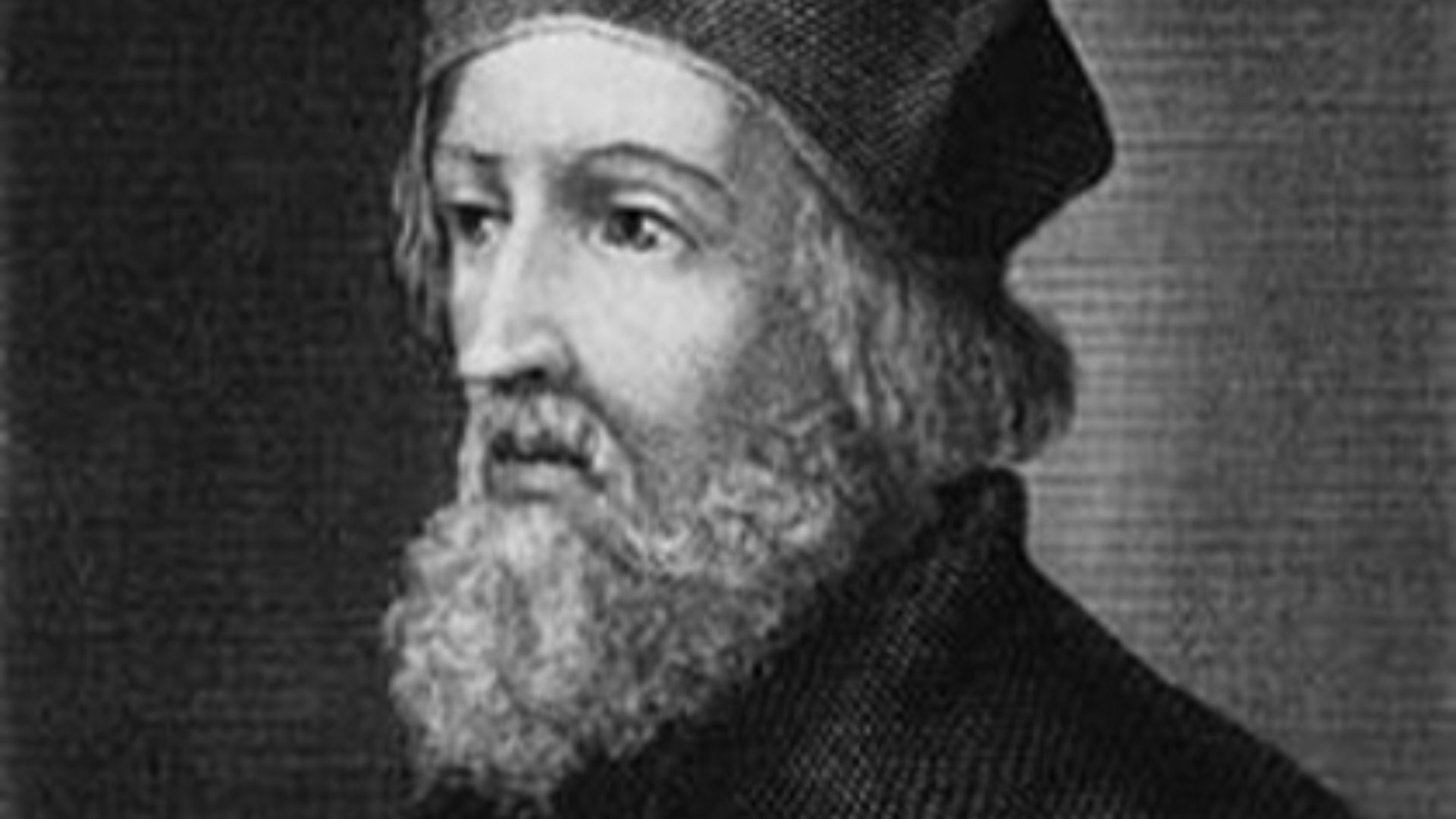
A priest and reformer, Hus criticized corruption in the Catholic Church and was summoned to the Council of Constance under a promise of safe conduct. Pressed repeatedly to recant his teachings, he said he'd rather be shown his error through scripture than simply ordered to stop. The council had him burned at the stake in 1415, safe conduct or not.
 Unknown authorUnknown author on Wikimedia
8. Joan of Arc
Joan led French troops during the Hundred Years' War, claiming her instructions came from divine visions. Captured and tried by an English-backed church court, she was pressured to admit the visions weren't real. She refused, and was burned at the stake in Rouen in 1431 at nineteen years old.
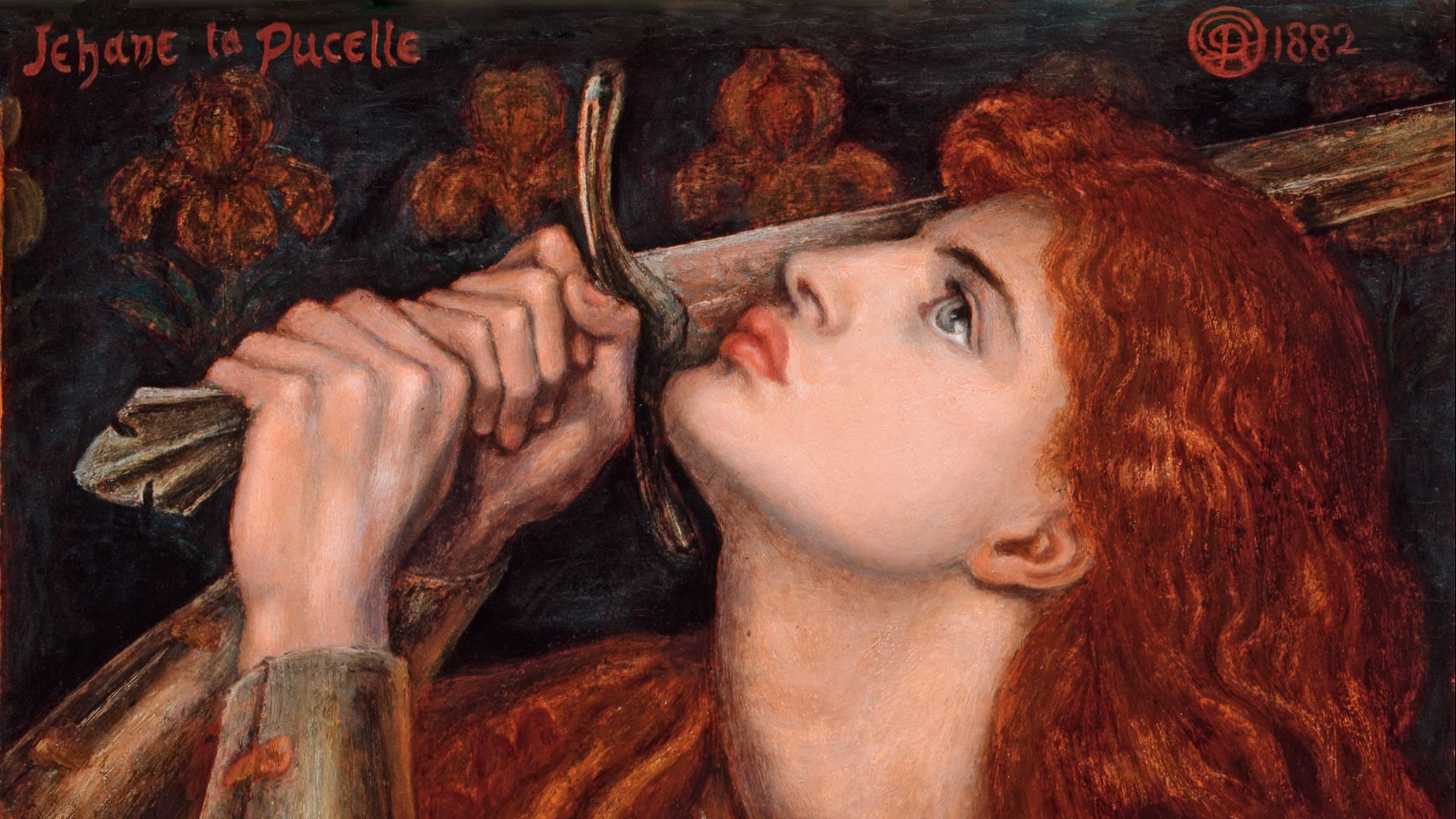 Dante Gabriel Rossetti on Wikimedia
9. Thomas More
As Henry VIII's Lord Chancellor, More refused to sign an oath recognizing the king as head of the Church of England. He mostly stayed silent on the matter rather than argue, hoping silence alone might be enough to avoid punishment. It wasn't, and he was beheaded in 1535.
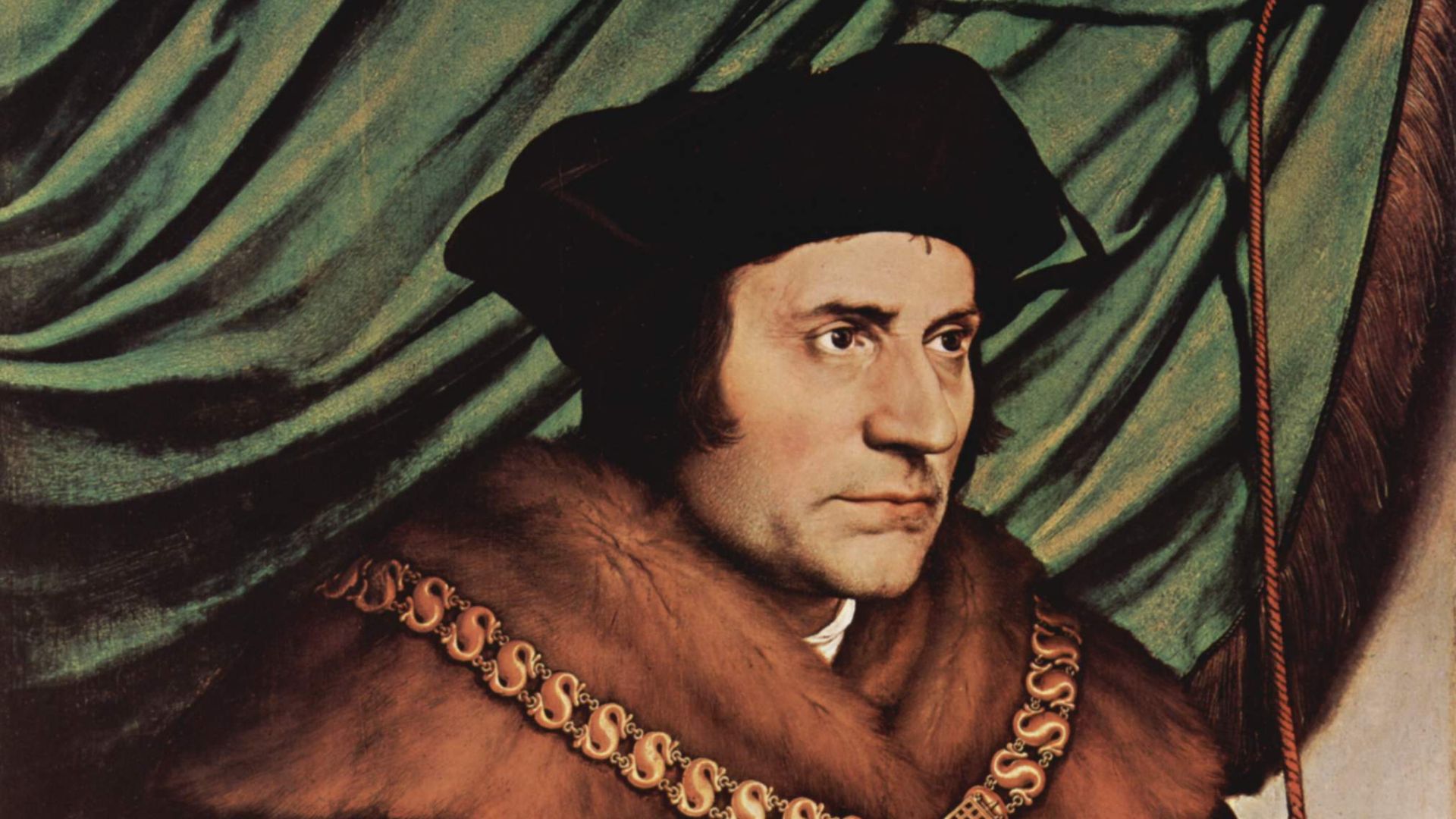 Hans Holbein the Younger on Wikimedia
10. Giordano Bruno
An Italian philosopher, Bruno argued the universe was infinite and that stars were distant suns, ideas that put him at odds with the Roman Inquisition. Held for years and repeatedly asked to recant his positions, he refused each time. He was burned at the stake in Rome in 1600.
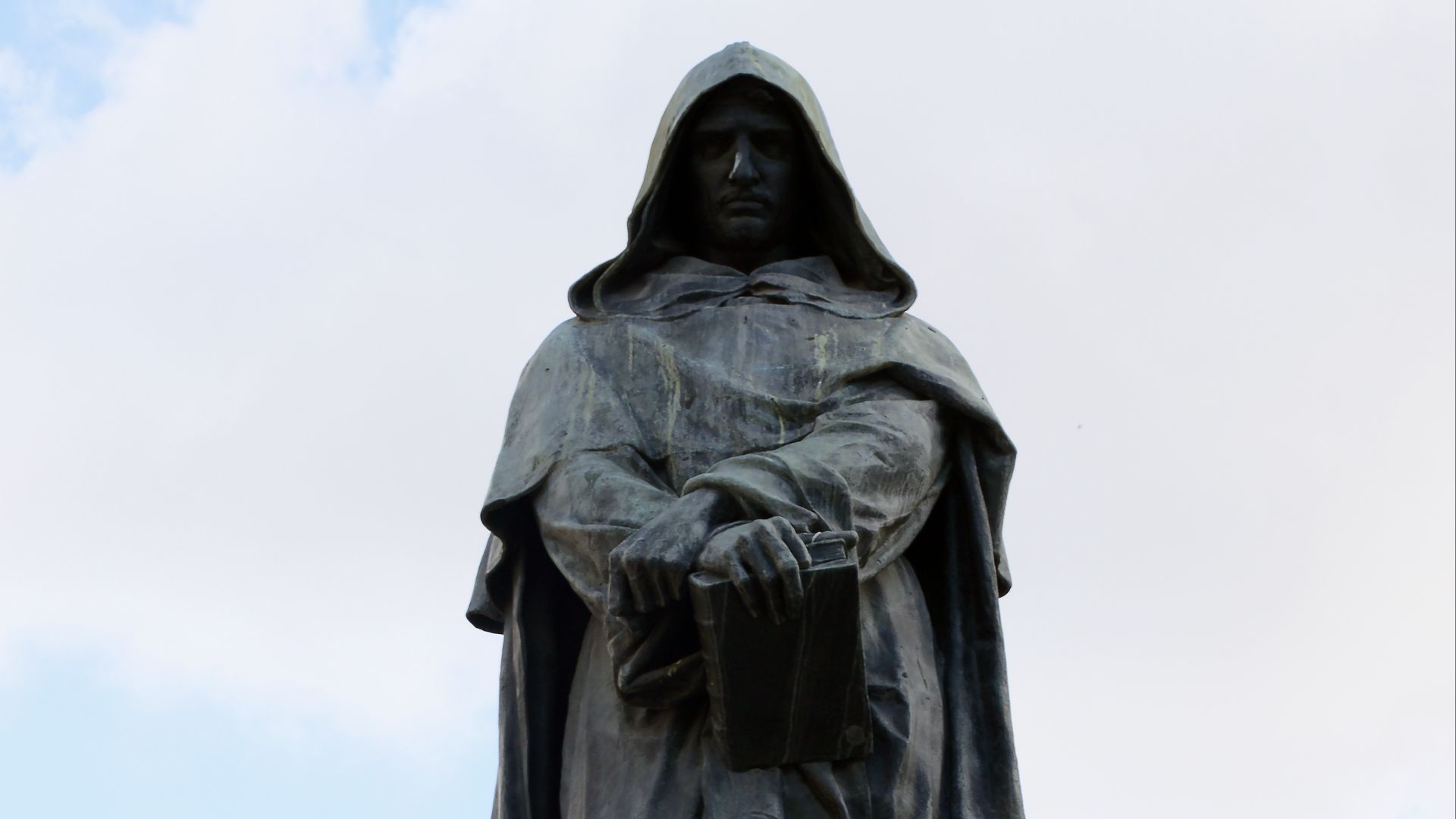 Livioandronico2013 on Wikimedia
11. The 47 Ronin
After their lord Asano Naganori was forced to take his own life over a court dispute, a group of his samurai spent over a year secretly planning revenge instead of accepting the loss. They carried out the killing of the official they blamed, fully aware the law required their own deaths in return. Each accepted the sentence, and together they committed ritual suicide in 1703.
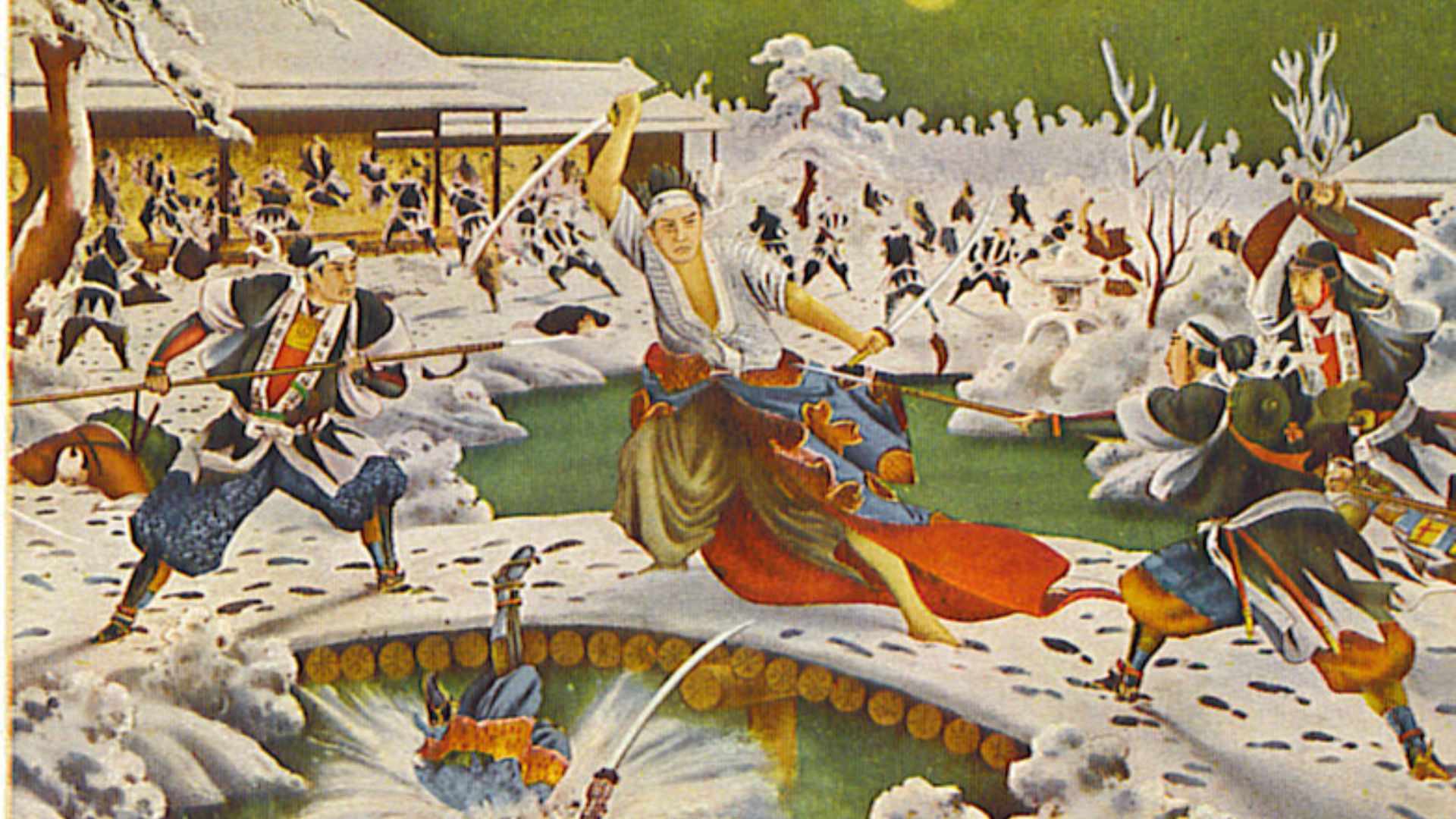 unknown, Japanese on Wikimedia
12. Túpac Amaru II
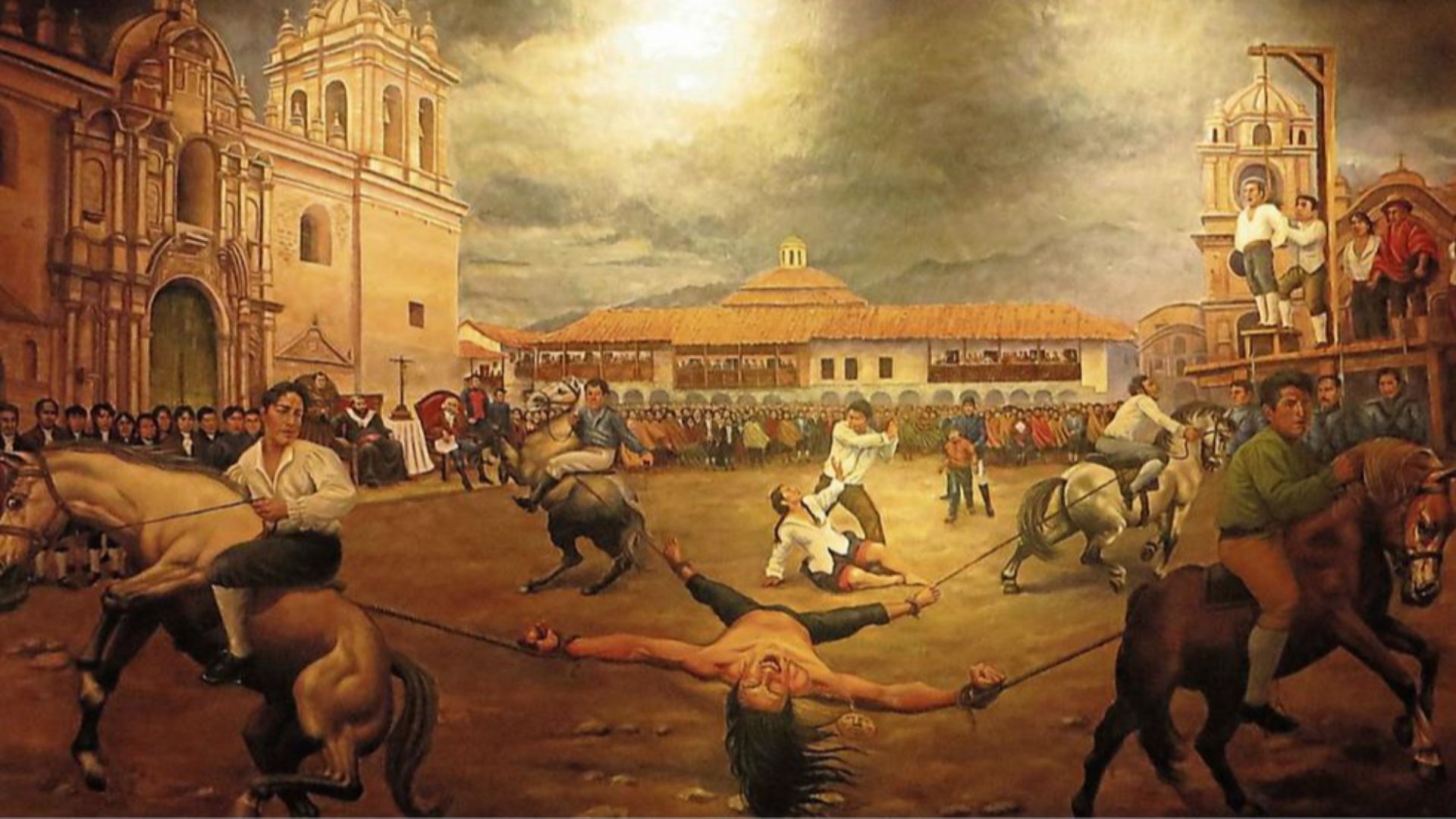
Born José Gabriel Condorcanqui, Túpac Amaru II led a major indigenous uprising against Spanish colonial rule and forced labor in Peru. Offered chances to negotiate a surrender as Spanish forces closed in, he kept the rebellion going instead. Captured in 1781, he was executed in Cusco's main square after being forced to watch members of his family killed first.
13. Miguel Hidalgo
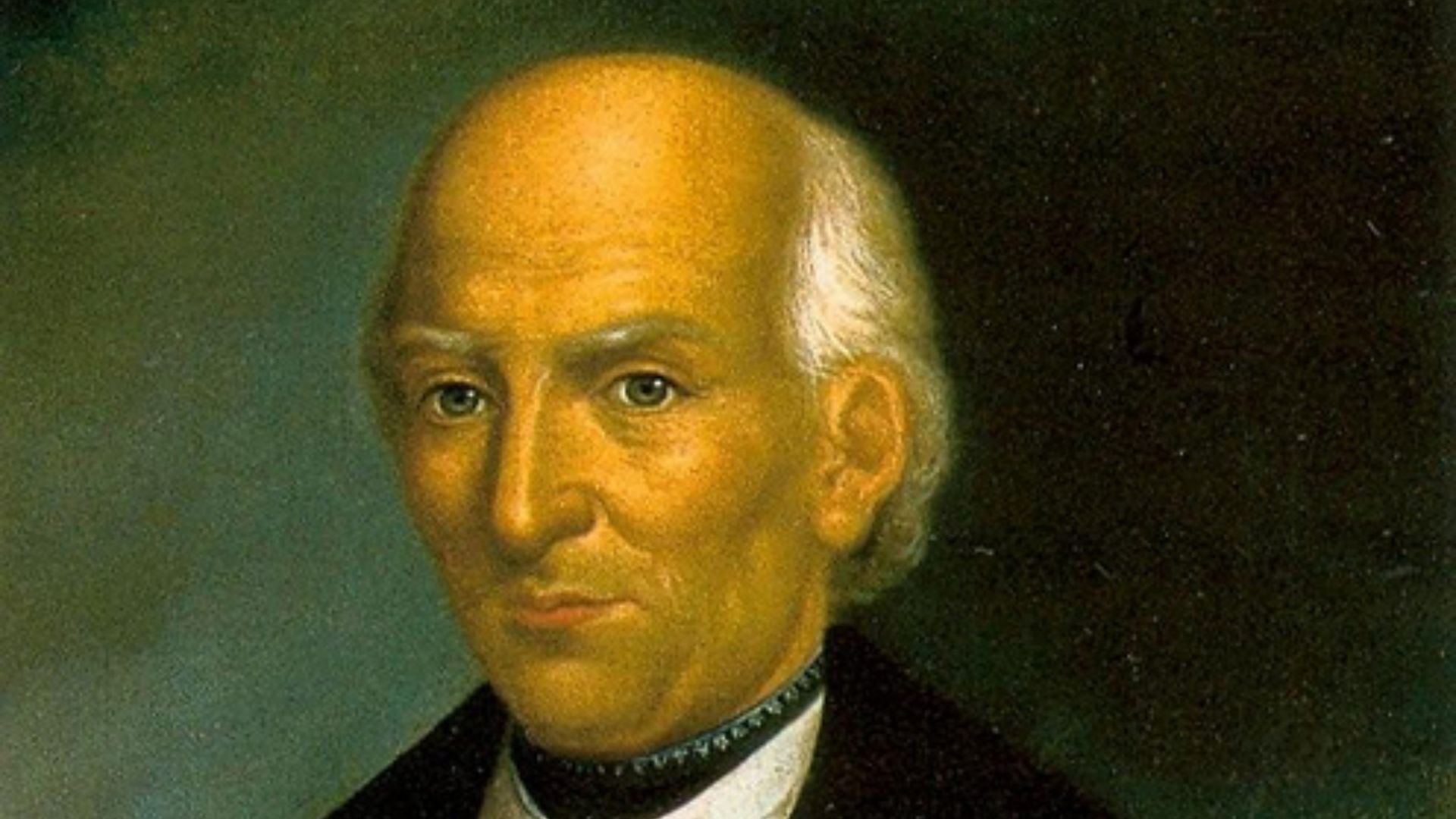
A parish priest, Hidalgo launched Mexico's independence movement with a call to arms against Spanish rule in 1810. As the rebellion's early momentum collapsed and capture became likely, he kept leading what remained of his forces north rather than disband and hide. He was captured, defrocked, and executed by firing squad in 1811.
 AnonymousUnknown author on Wikimedia
14. Nat Turner
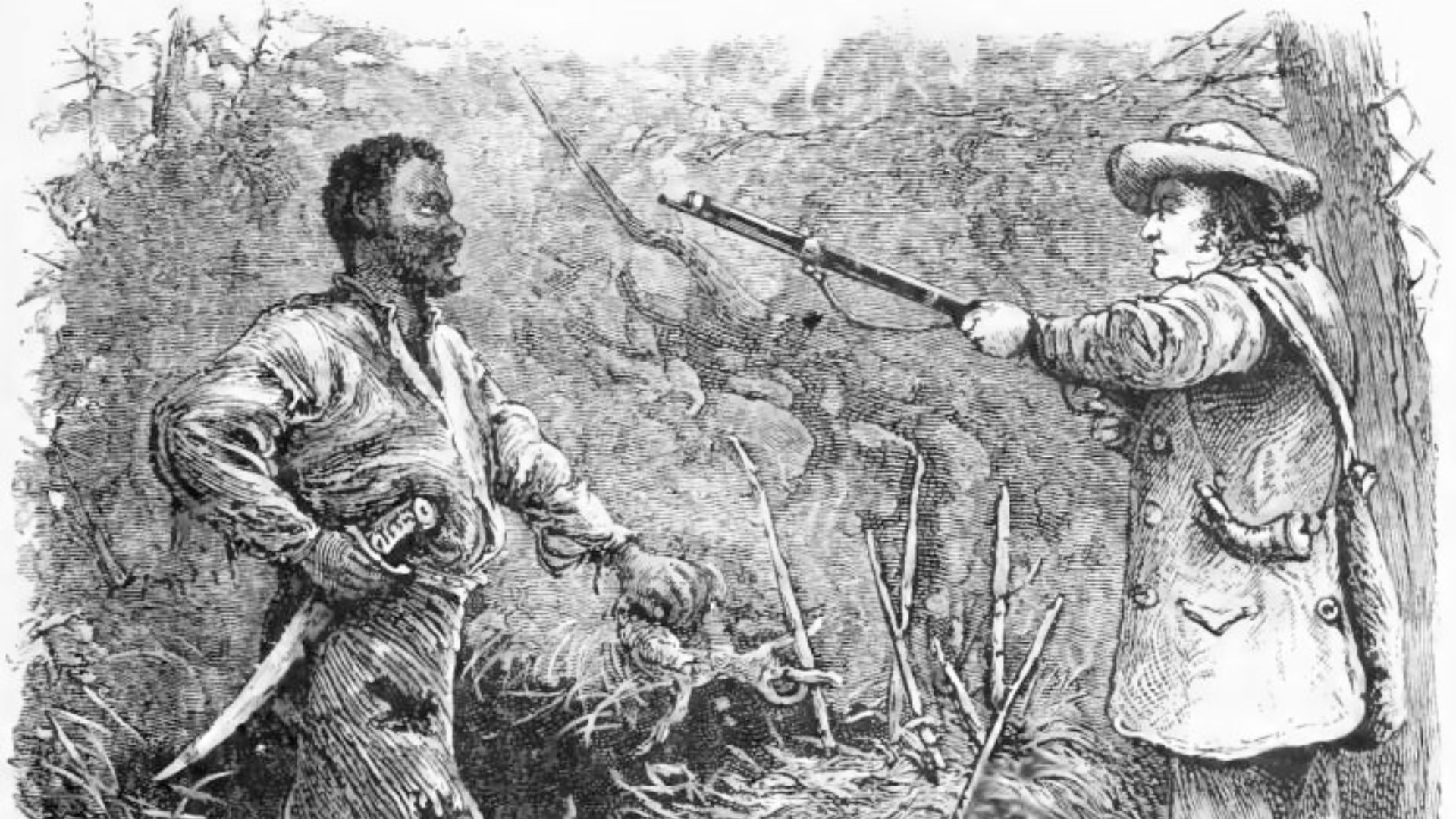
Turner led an armed slave uprising in Southampton County, Virginia, believing he'd been called to the act by religious visions. After the rebellion was crushed within days, he spent more than two months hiding in the woods rather than turn himself in. Once captured, he gave a detailed, unapologetic account of his reasoning before he was hanged in 1831.
 William Henry Shelton (1840–1932)[1][4] on Wikimedia
15. John Brown
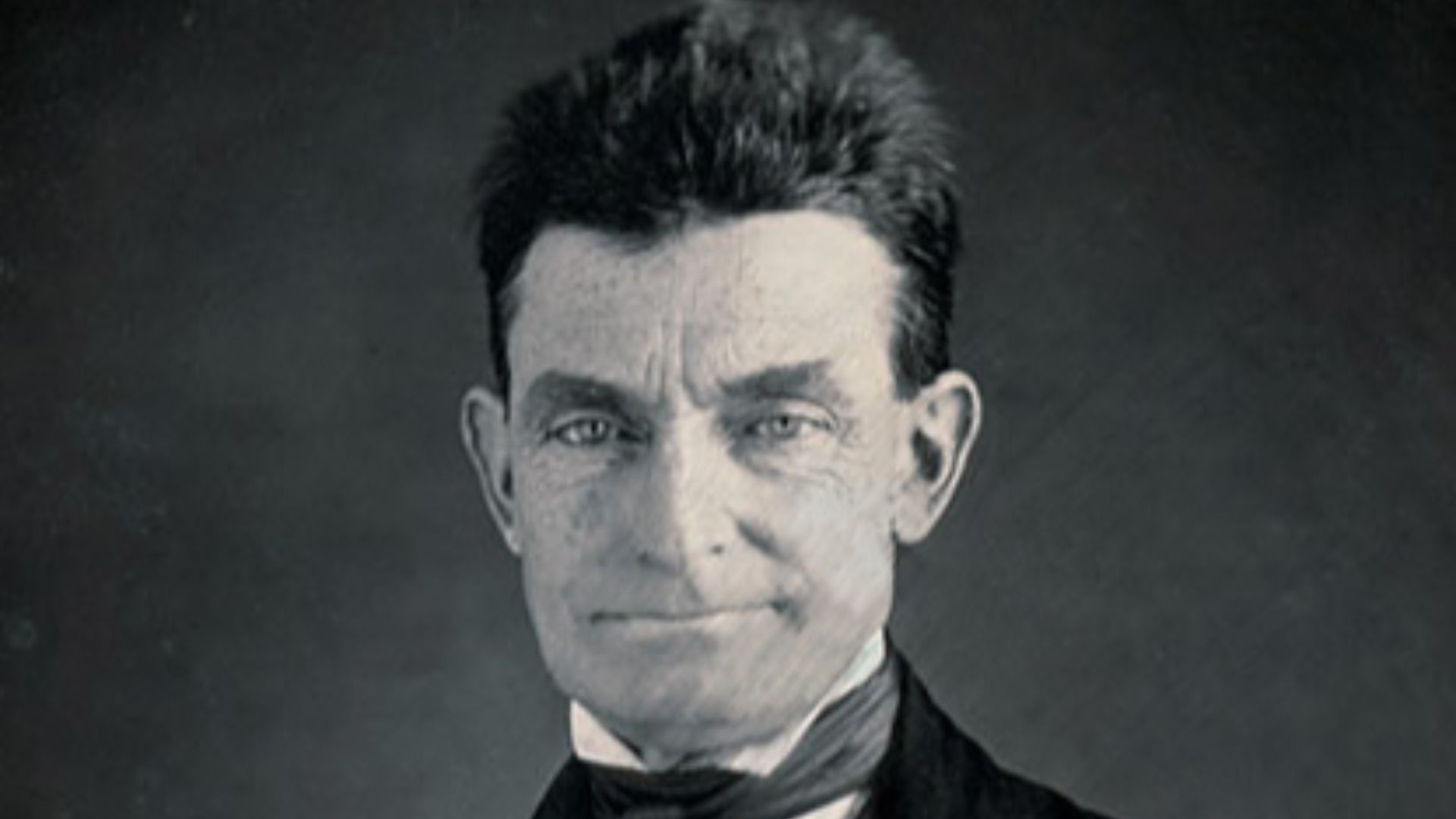
Brown led an armed raid on the federal armory at Harpers Ferry, hoping to spark a wider slave rebellion across the South. The raid failed within two days, and he was wounded and captured by U.S. Marines. At his trial he refused to express regret, telling the court he believed his actions had been justified, and he was hanged that December.
 Augustus Washington on Wikimedia
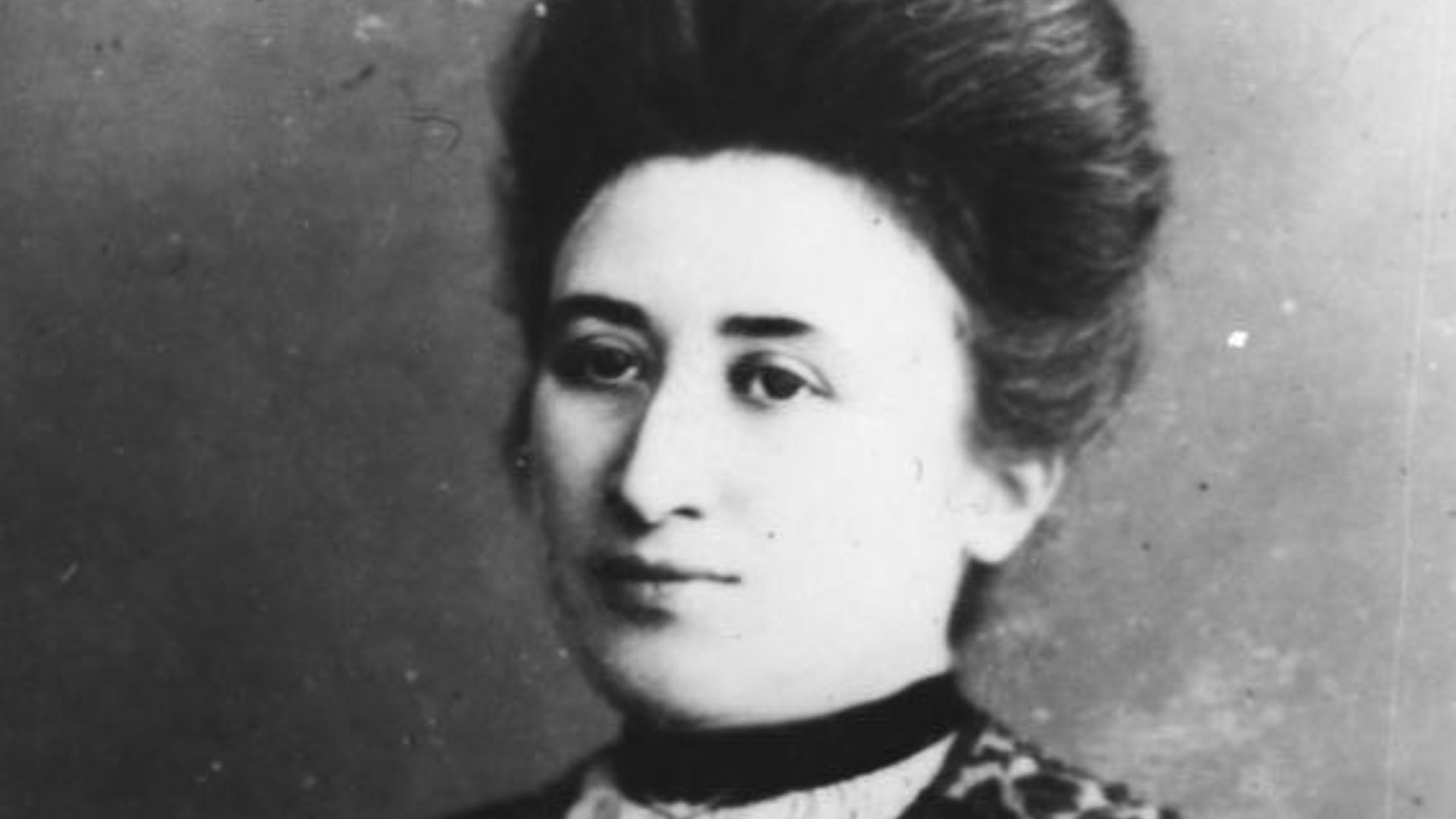
16. Rosa Luxemburg
A revolutionary socialist, Luxemburg helped lead the Spartacist uprising in Berlin even as it became clear the poorly organized revolt was going to fail. Friends urged her to leave the city while she still could. She stayed, and was captured and murdered by Freikorps paramilitaries in January 1919.
 Unknown authorUnknown author on Wikimedia
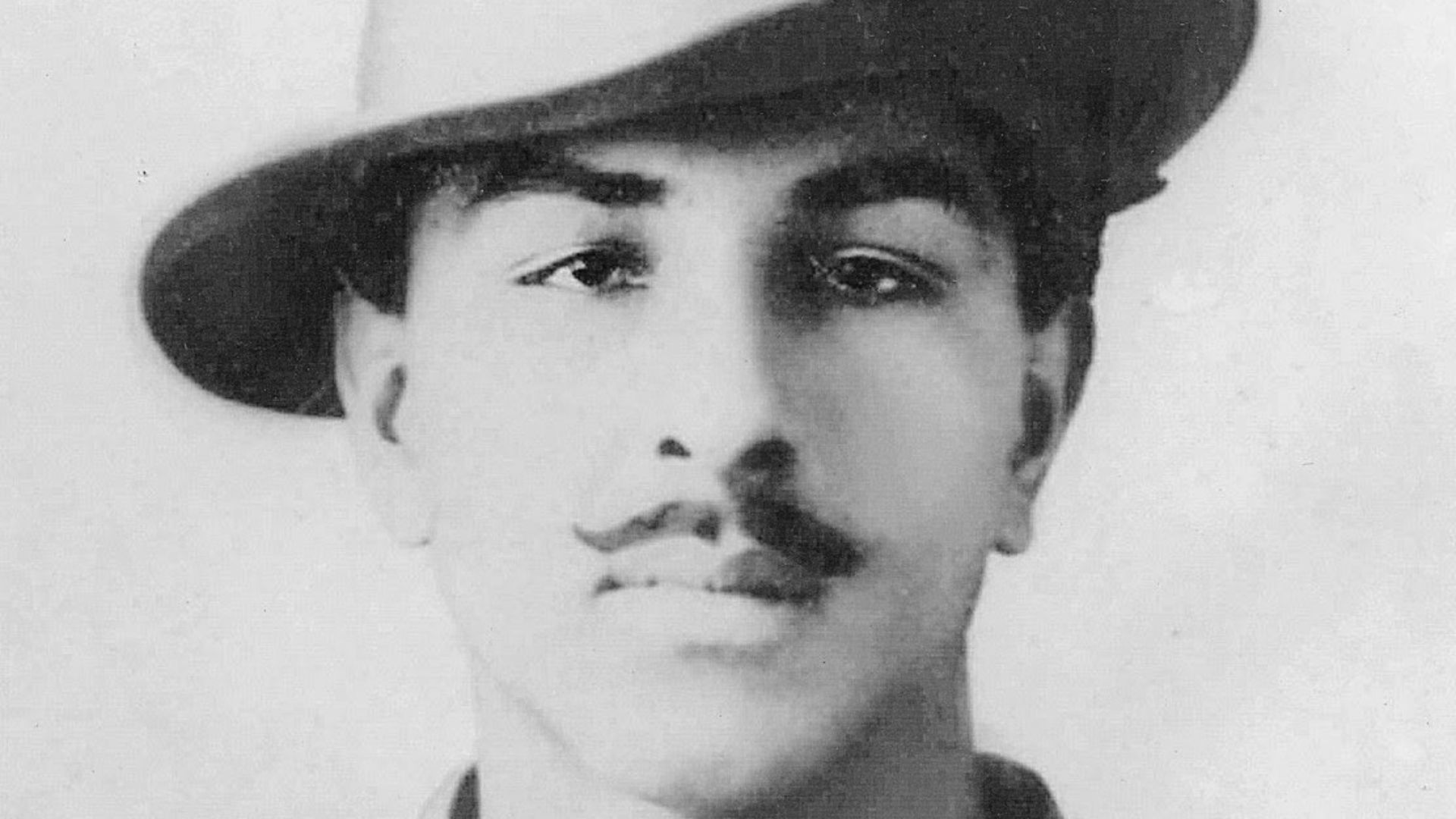
17. Bhagat Singh
An Indian revolutionary, Singh was sentenced to death for his role in the killing of a British police officer and a bombing meant as protest against colonial law. Given the option to file for clemency, he declined, wanting his execution to make a public statement against British rule rather than avoid one. He was hanged in Lahore in 1931 at the age of 23.
 Unknown authorUnknown author (Ramnath Photographers, Delhi) on Wikimedia
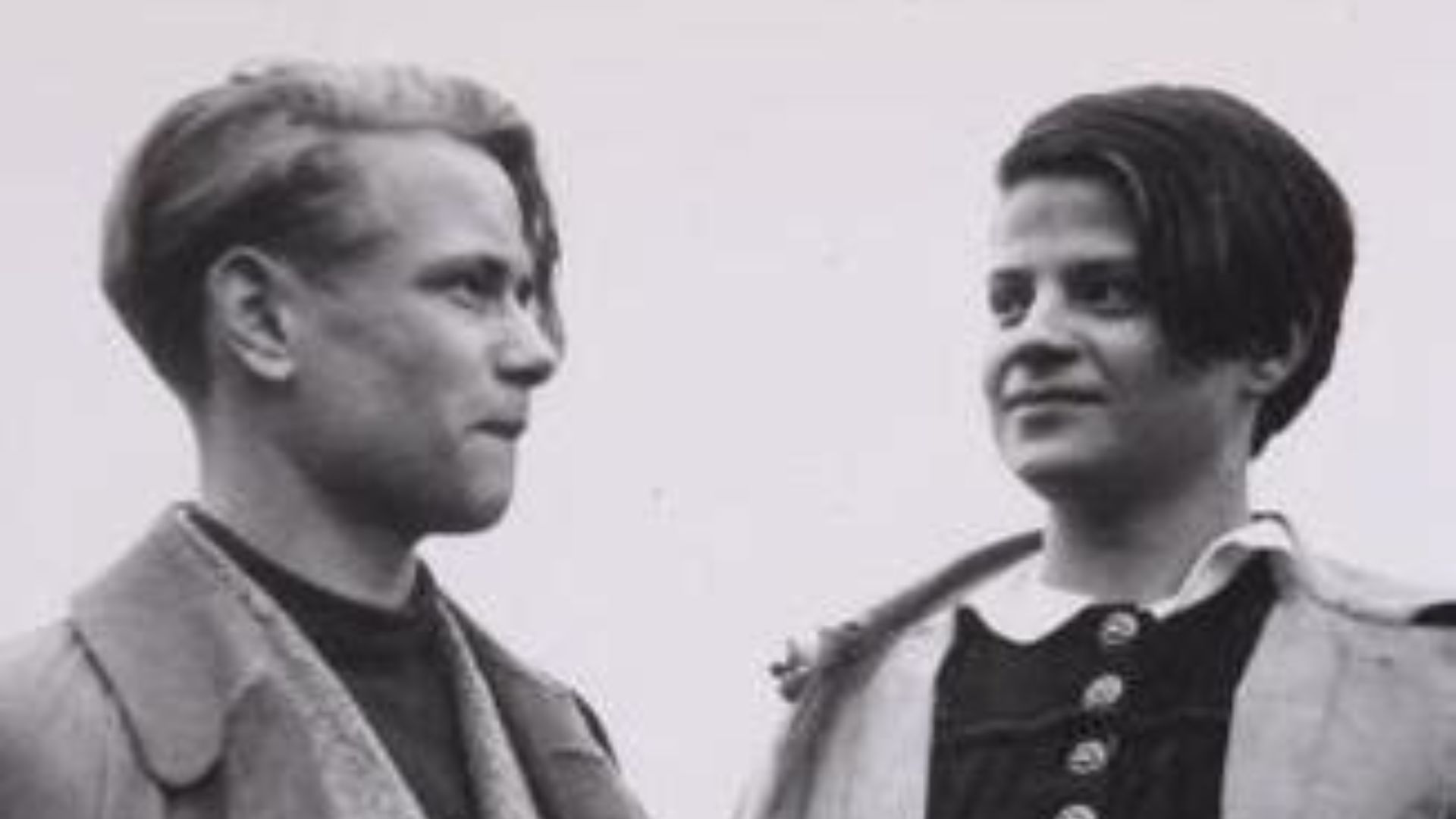
18. Sophie Scholl
A member of the White Rose resistance group, Scholl helped distribute anti-Nazi leaflets at the University of Munich. Arrested along with her brother, she was pressured during interrogation to name other members and express remorse. She did neither, and was executed by guillotine four days after her arrest in February 1943.
 Hans Scholl (1918–1943) on Wikimedia
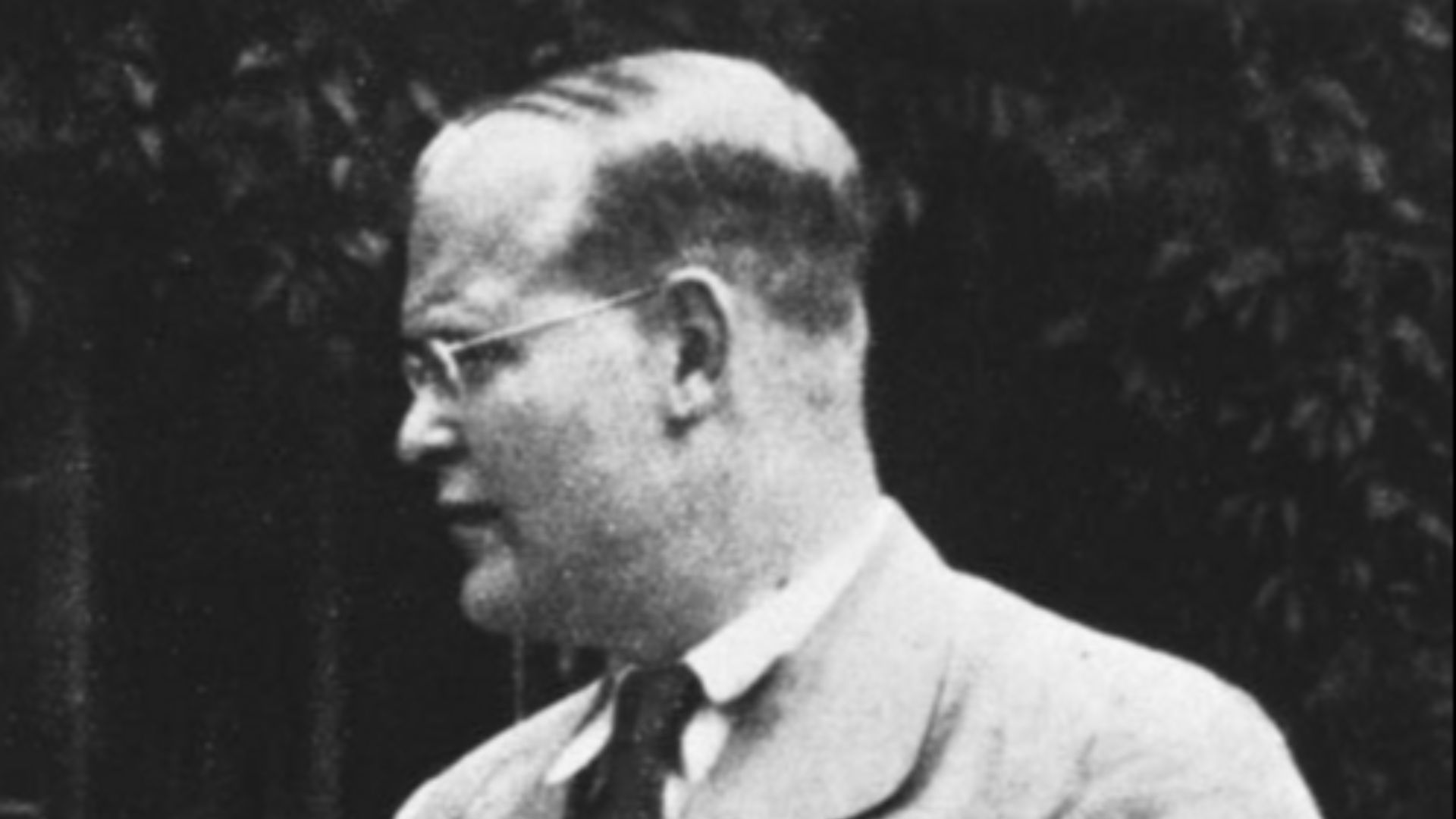
19. Dietrich Bonhoeffer
A German pastor and theologian, Bonhoeffer joined the resistance against Hitler after concluding that silence from the church was its own kind of complicity. He had a chance to stay abroad in the United States, safely out of reach, and chose to return to Germany instead. He was arrested in 1943 and hanged at Flossenbürg concentration camp in April 1945, weeks before the war in Europe ended.
 Unknown authorUnknown author on Wikimedia
20. Steve Biko
A founder of South Africa's Black Consciousness Movement, Biko kept organizing and speaking publicly even after the government banned him from doing either. He was arrested and detained numerous times over the years and never stopped his political work between arrests. In September 1977, he died from injuries sustained during a final interrogation in police custody.