Café Favorite to Cultural Villain
Few alcoholic drinks have picked up as much speculation as absinthe has. Its mix of wormwood, anise, high alcohol content, and memorable serving ritual helped make it one of the most recognizable spirits of the 19th century. Before long, artists were painting it, doctors were blaming it for illnesses, and prohibition campaigners were connecting it with crime and social decline. Many of the scariest claims surrounding absinthe don’t hold up, but that doesn’t mean its history needs extra embellishment. These 20 facts follow the Green Fairy from its early medicinal roots through café culture, artistic fame, prohibition, and its eventual legal return.
1. Wormwood
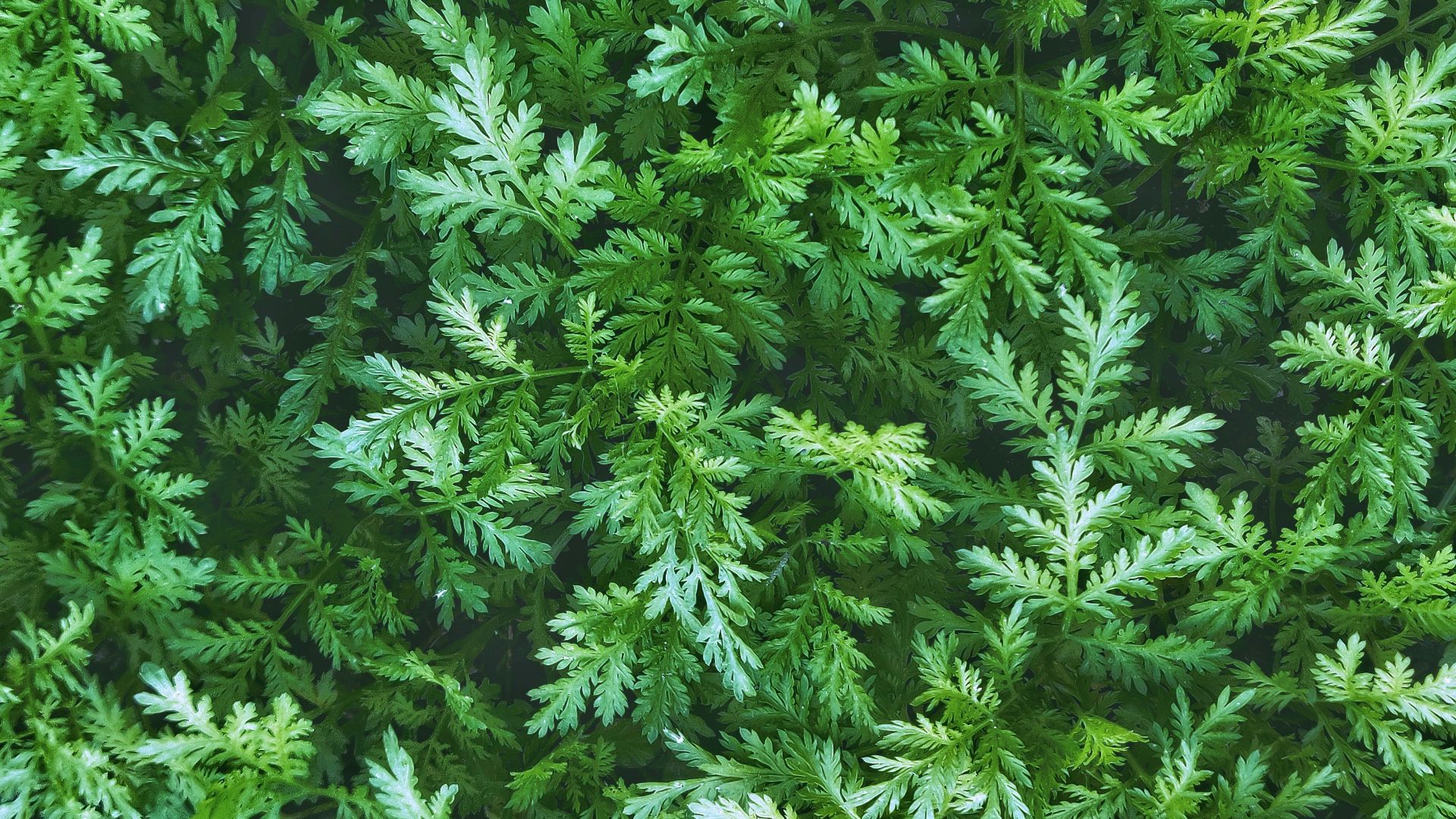
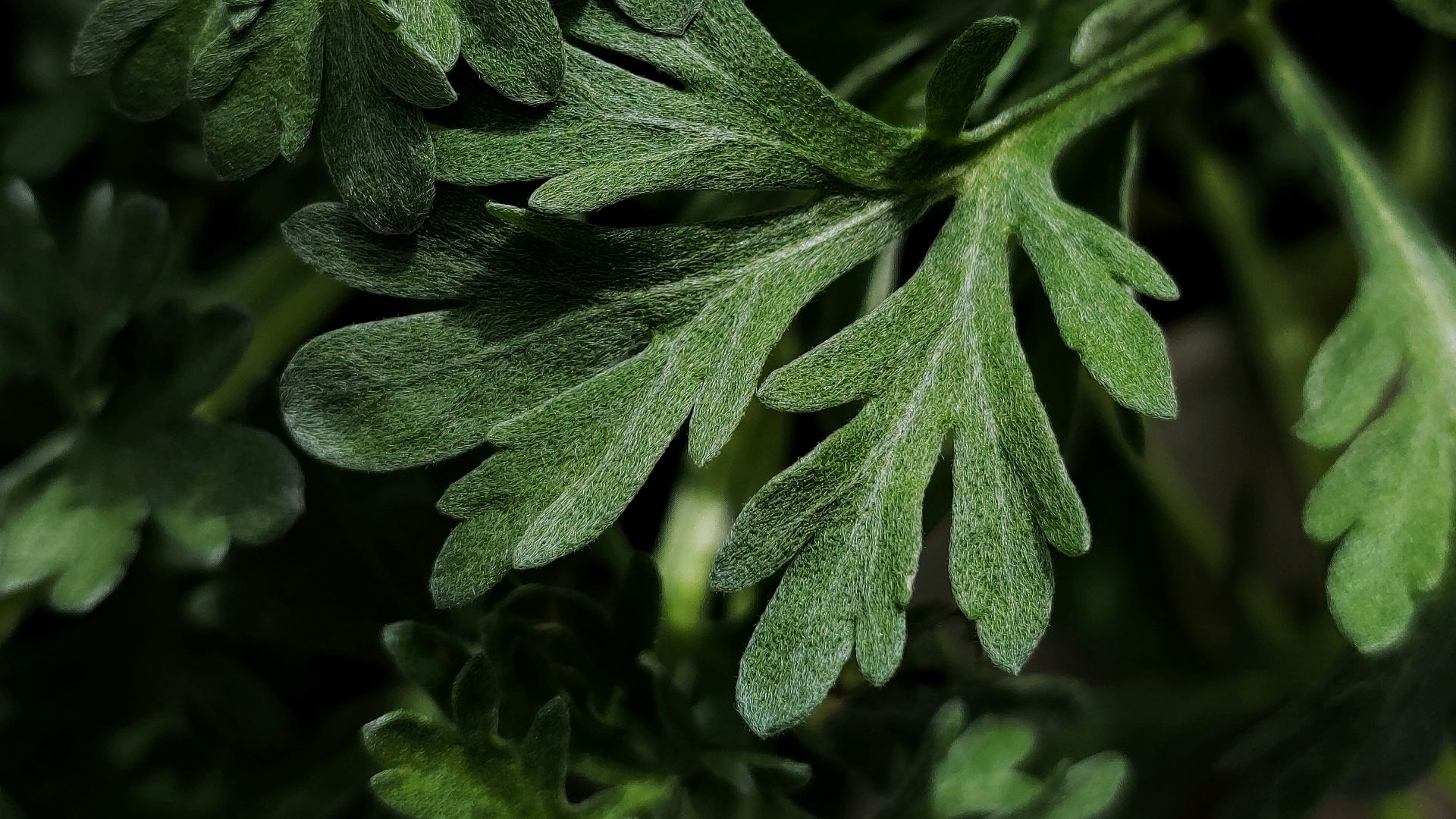
Wormwood, or Artemisia absinthium, had been used medicinally for centuries before the invention of the drink. The intensely bitter herb appeared in preparations traditionally taken for digestive problems and intestinal parasites.
2. Uncertain Origins
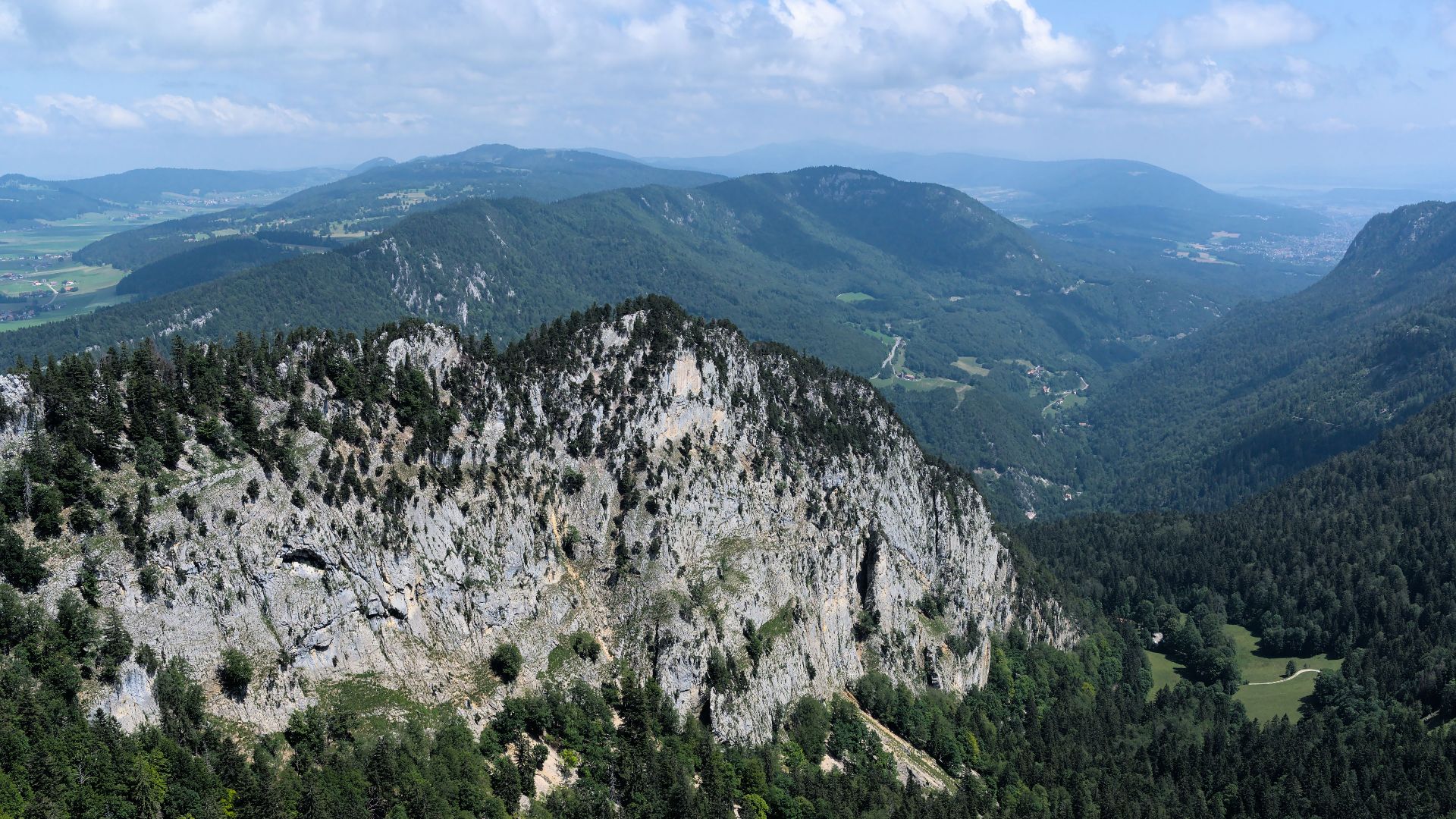
Modern absinthe developed in Switzerland’s Val-de-Travers during the 18th century, though multiple people have been cited as its inventor. One tradition credits physician Pierre Ordinaire around 1792, while another traces an earlier wormwood-based preparation to the Henriod family.
3. Henri-Louis Pernod
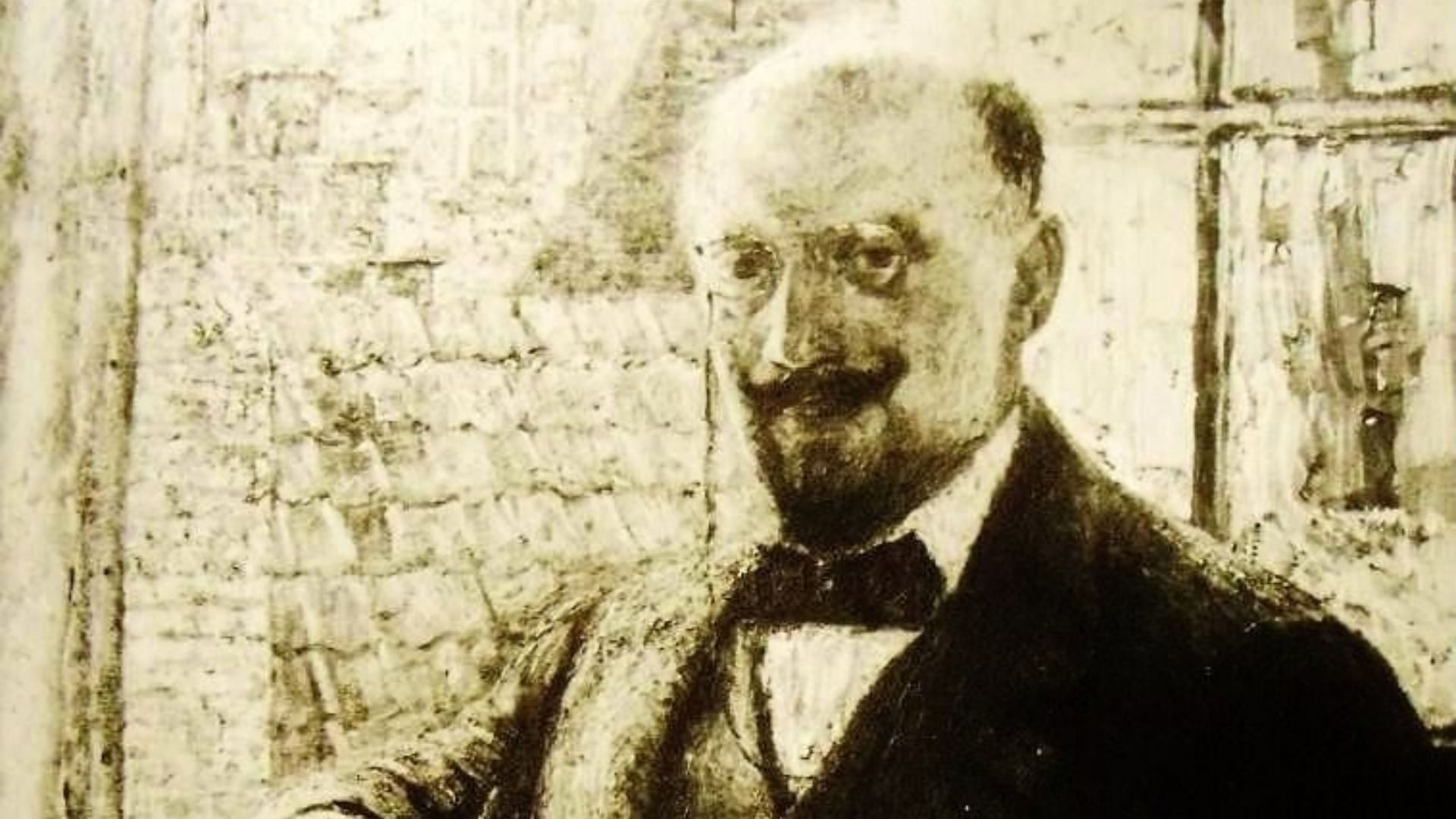
Henri-Louis Pernod became a key figure in absinthe’s commercial growth. In 1905, he opened a distilling operation in Pontarlier, France, helping move the drink beyond its regional roots.
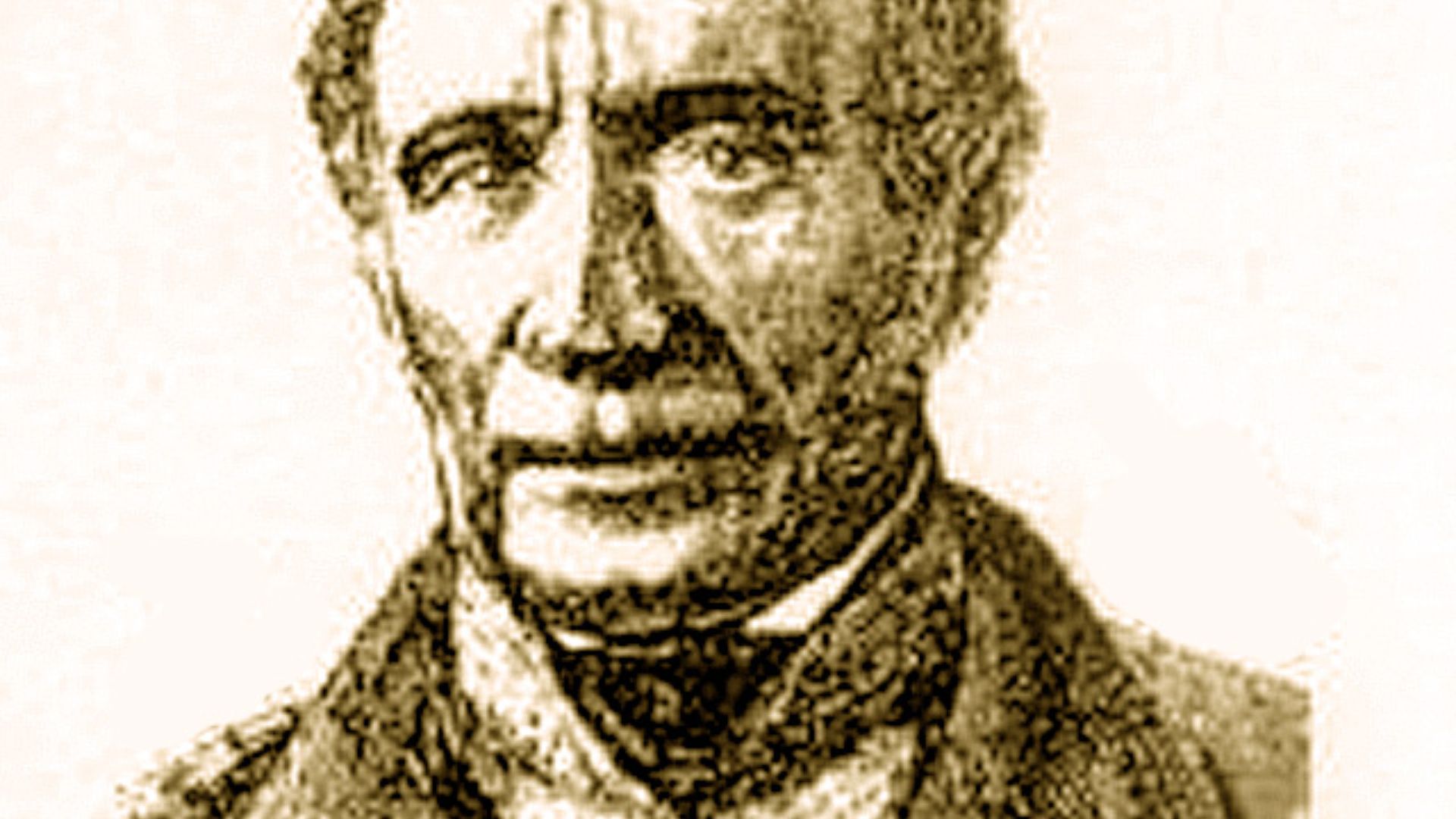 Unknown middle XIXe on Wikimedia
4. French Soldiers
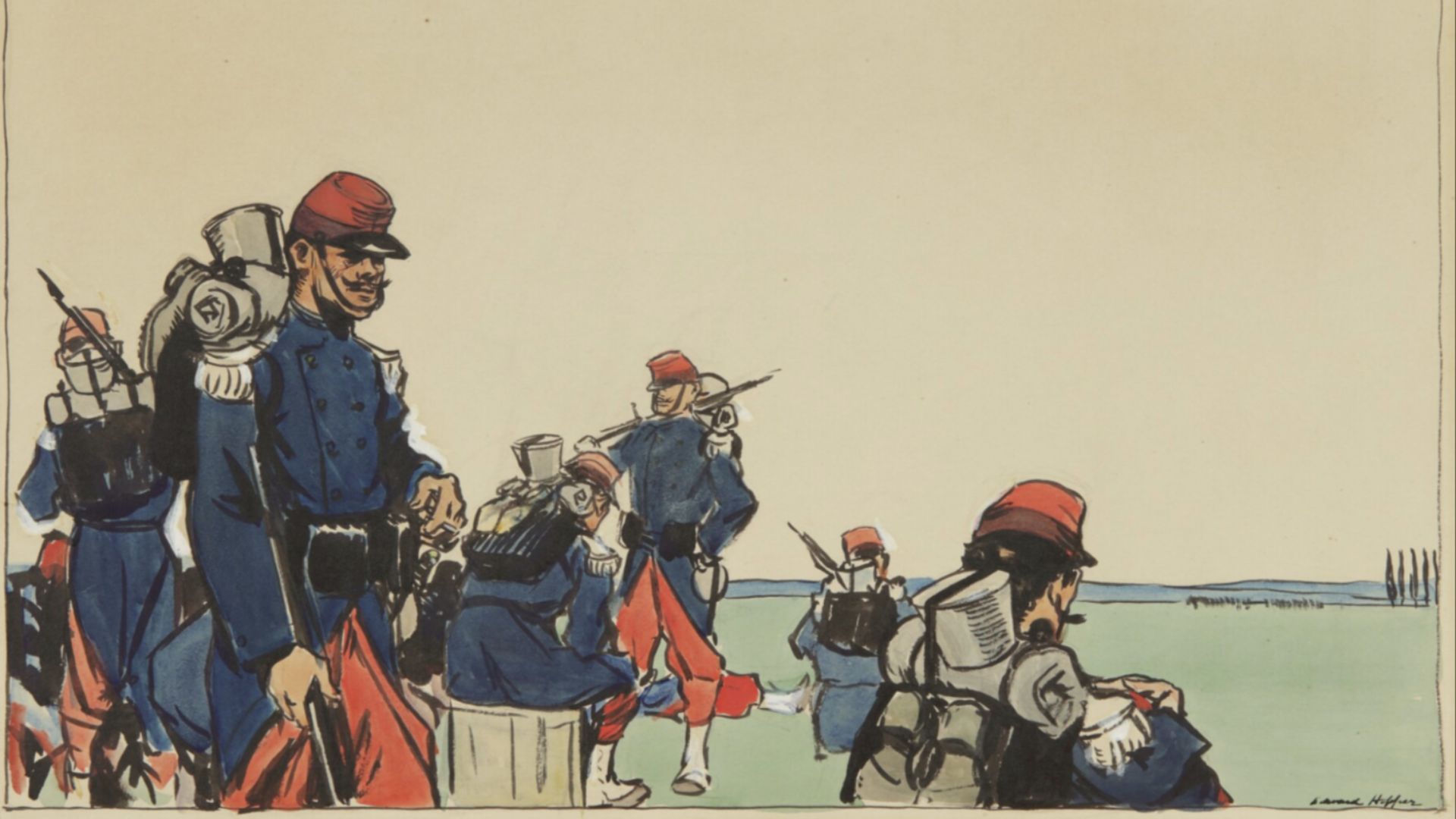
Absinthe became closely connected with French troops serving in Algeria during the 19th century, where wormwood preparations and strong spirits were part of military life. When soldiers returned to France, they brought a taste for the drink home with them.
5. The Daily “Green Hour”
By the late 19th century, absinthe was a common sight in French cafés, especially in the early evening. That drinking period became known as l’heure verte, or “the green hour,” when customers would gather for an aperitif.
6. The Botanicals
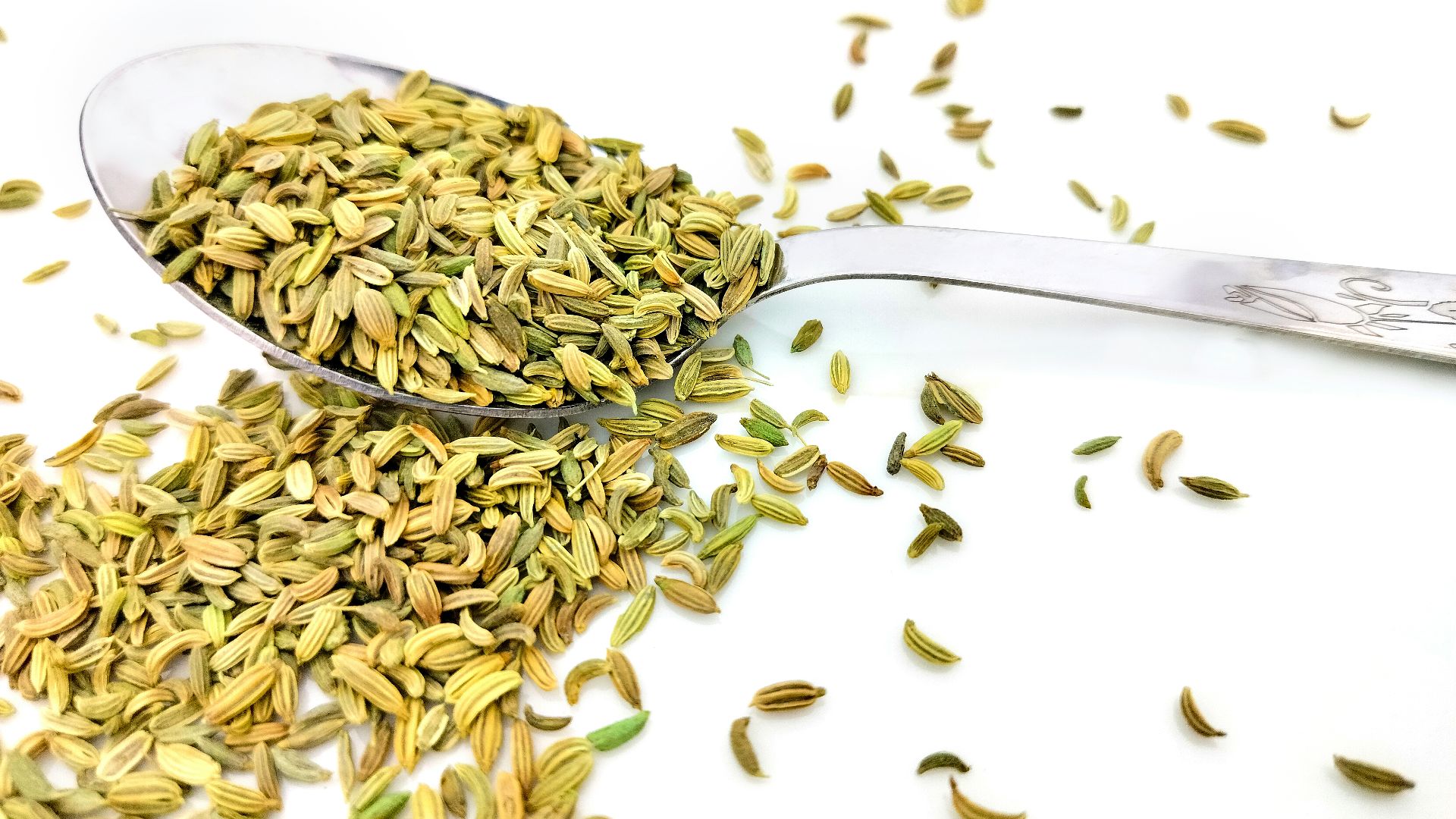
Classic absinthe’s main components are grand wormwood, anise, and fennel, but distillers can also use herbs such as hyssop, lemon balm, mint, and coriander. Even with those variations, traditional absinthe usually keeps the bitter, herbal, strongly anise-forward flavor that made it so easy to recognize.
7. The “Clear Fairy”?
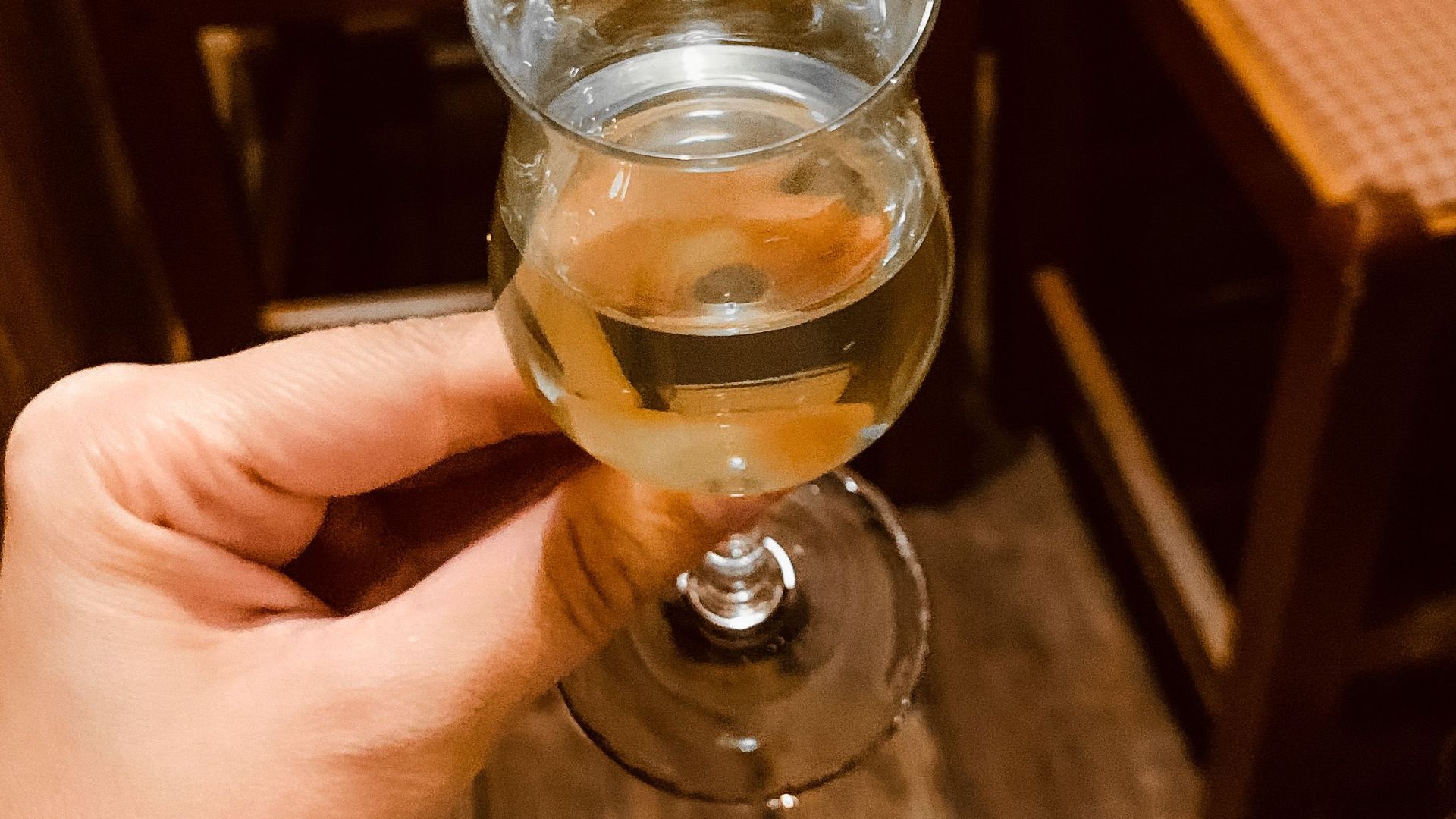
“Green Fairy” is a popular nickname for this drink, but traditional absinthe can be either green or clear. Green versions historically got their color from plant material and chlorophyll, but clear absinthe was the choix de vivre in Switzerland.
8. Adding Sugar
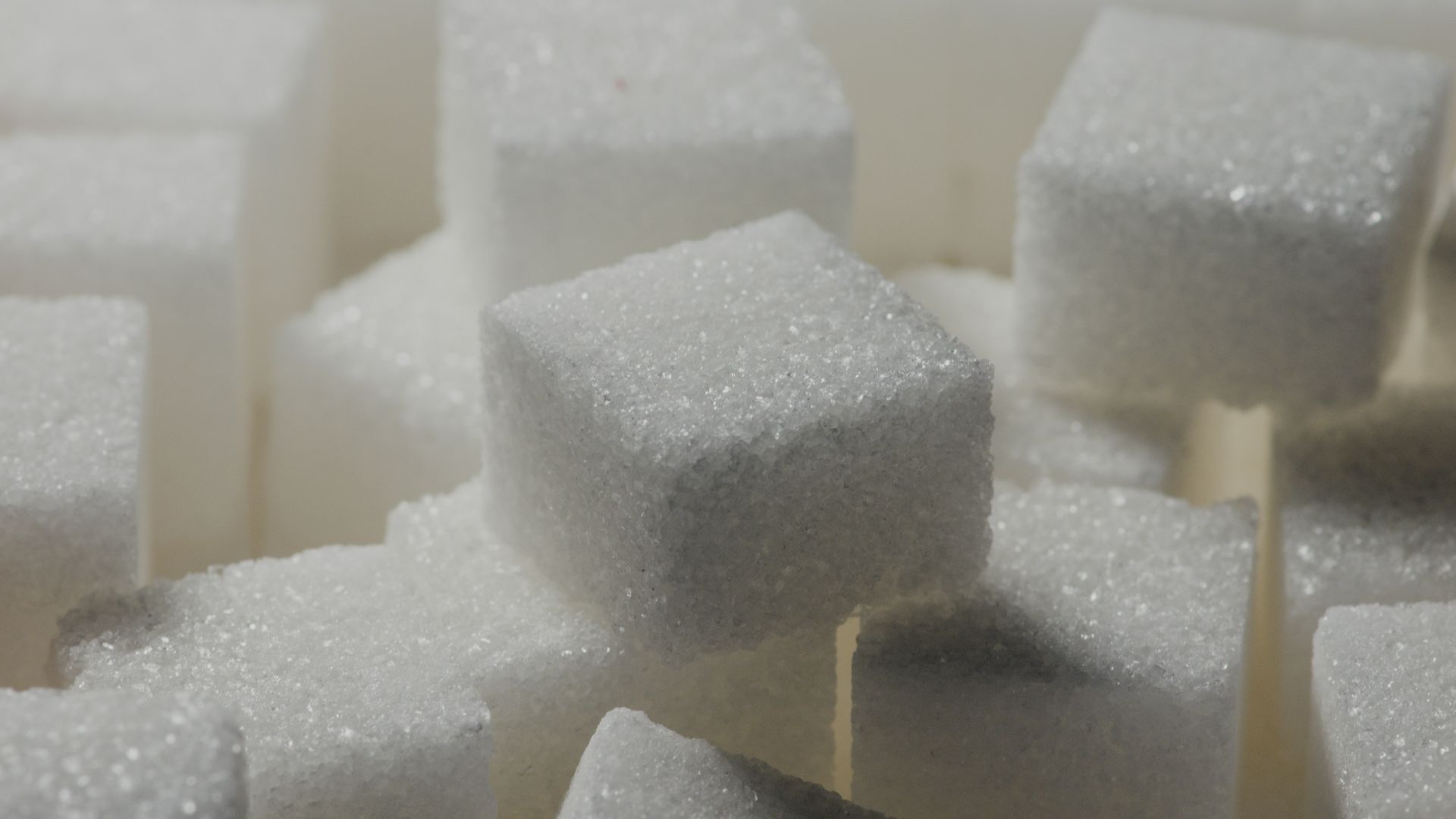
Classic absinthe preparation involves slowly adding cold water to the spirit, sometimes through a sugar cube resting on a perforated spoon above the glass. This combination diluted the strong spirit and took away some of its bitterness.
9. A Cloudy Transformation
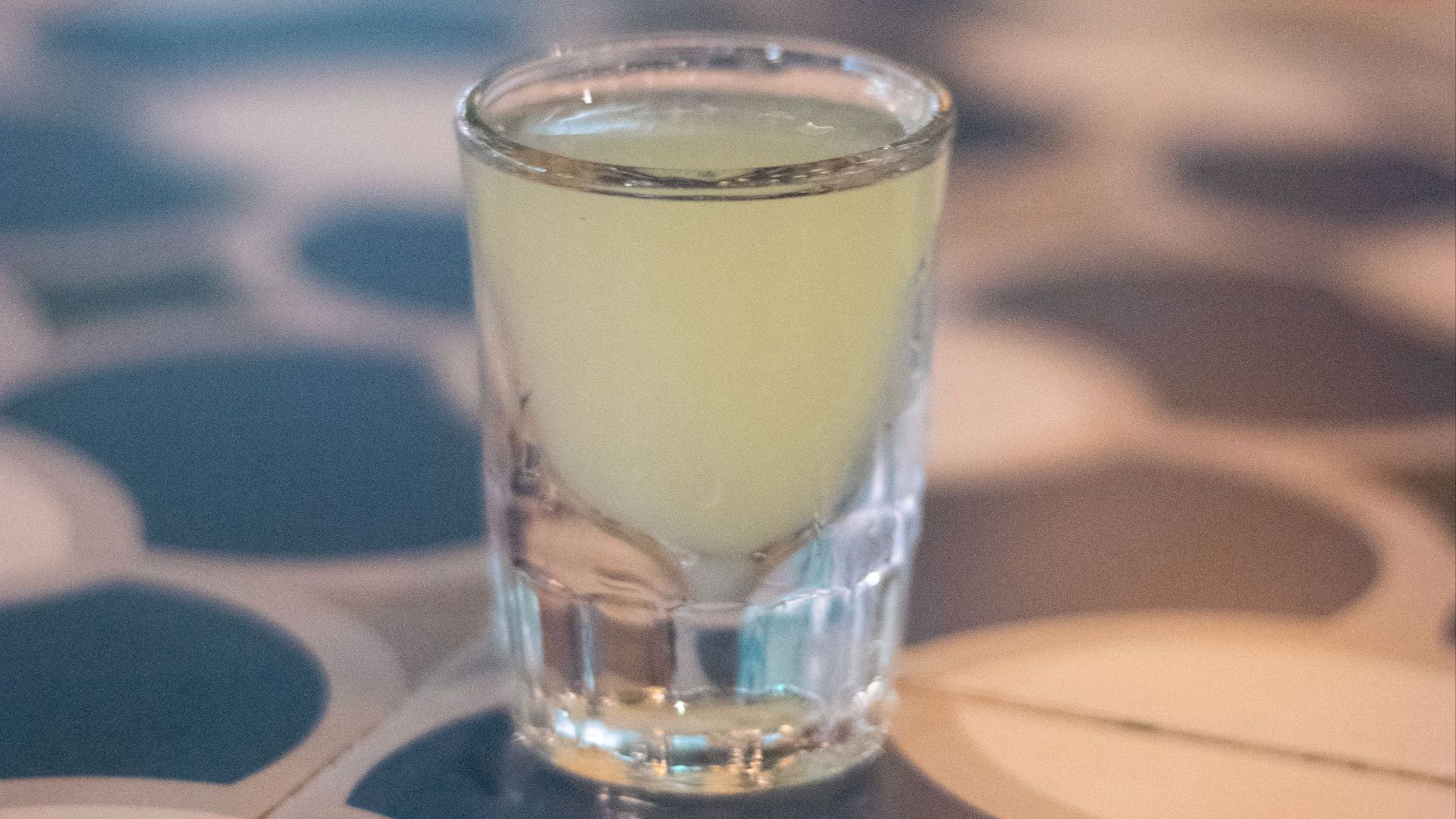
When cold water was added to absinthe, the liquid often went cloudy or milky. This process was known as the louche. Scientifically speaking, it meant that the essential oils dissolved and formed tiny droplets as the drink was diluted. Those droplets create the familiar pale, cloudy appearance that people often associate with a properly prepared glass of absinthe.
10. Its Strength
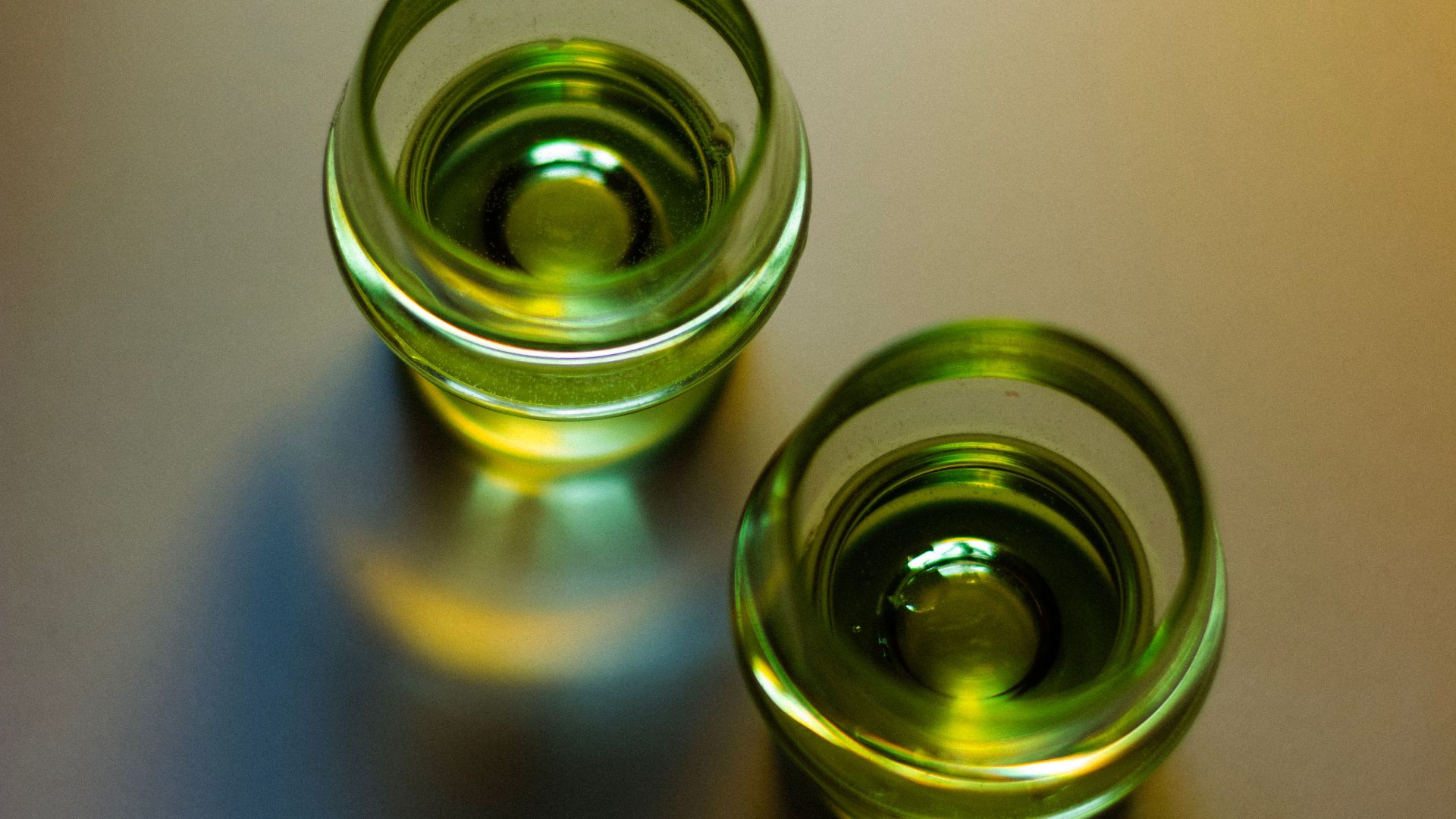
Absinthe is usually bottled at a much higher alcohol level than wine or beer, which is why people traditionally diluted it with water. That strength also helps explain many old reports of severe intoxication, and why it's so carefully controlled today.
11. A Vineyard Disaster
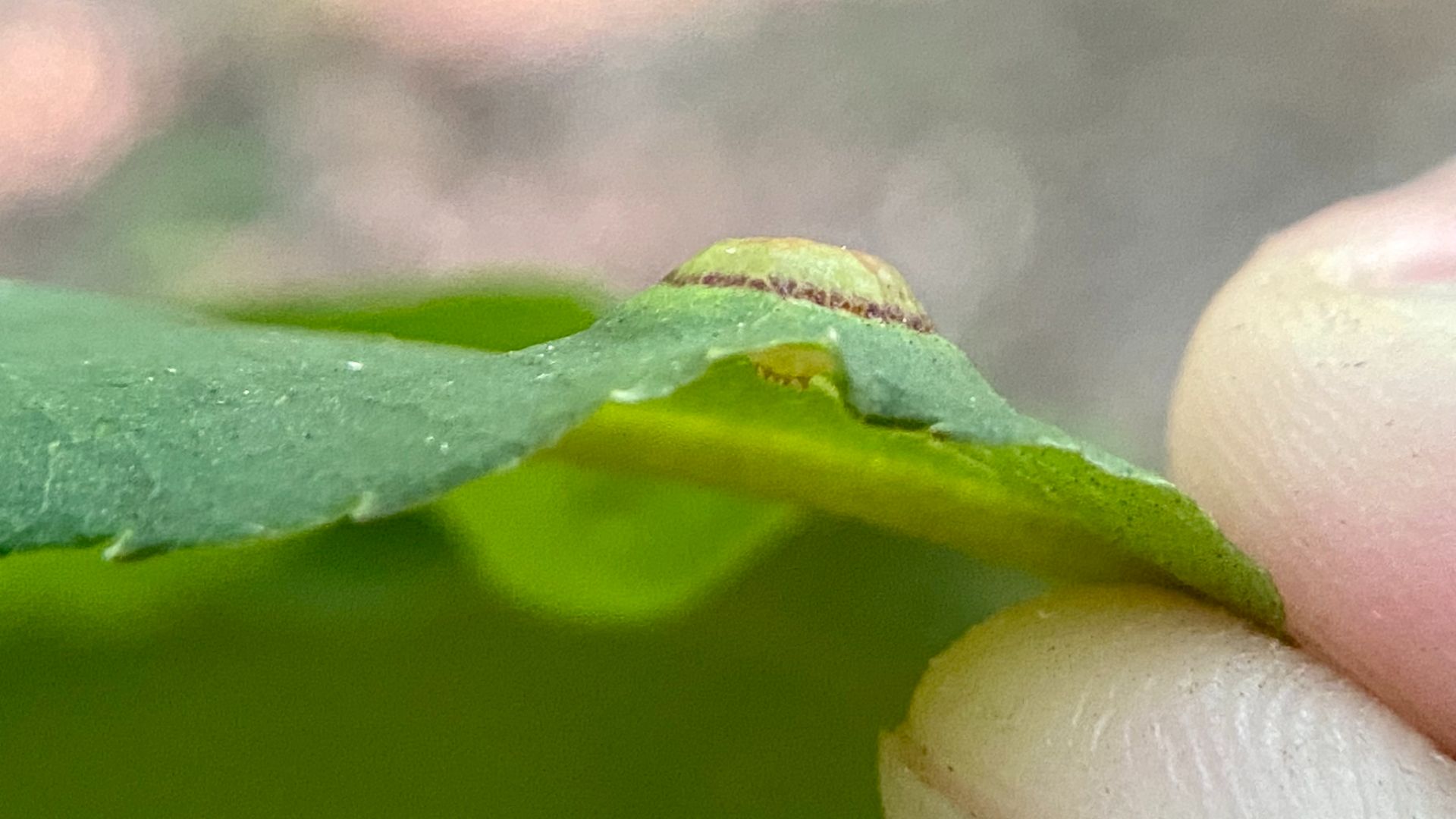
During the late 19th century, an insect pest known as phylloxera devastated vineyards across France and badly disrupted wine production. As wine became more expensive, absinthe made with readily available industrial alcohol became an appealing alternative for many drinkers.
12. Building The Legend
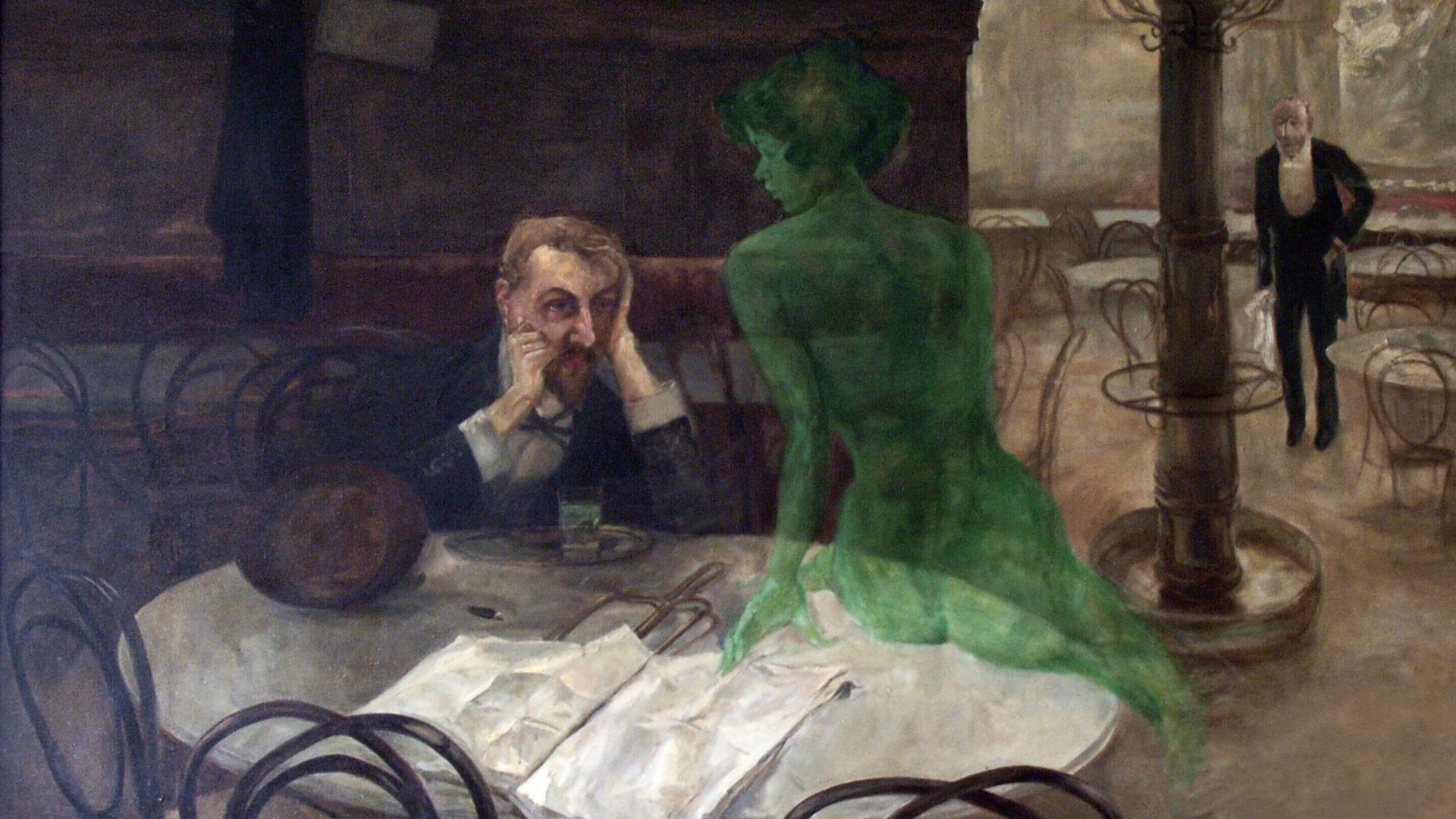
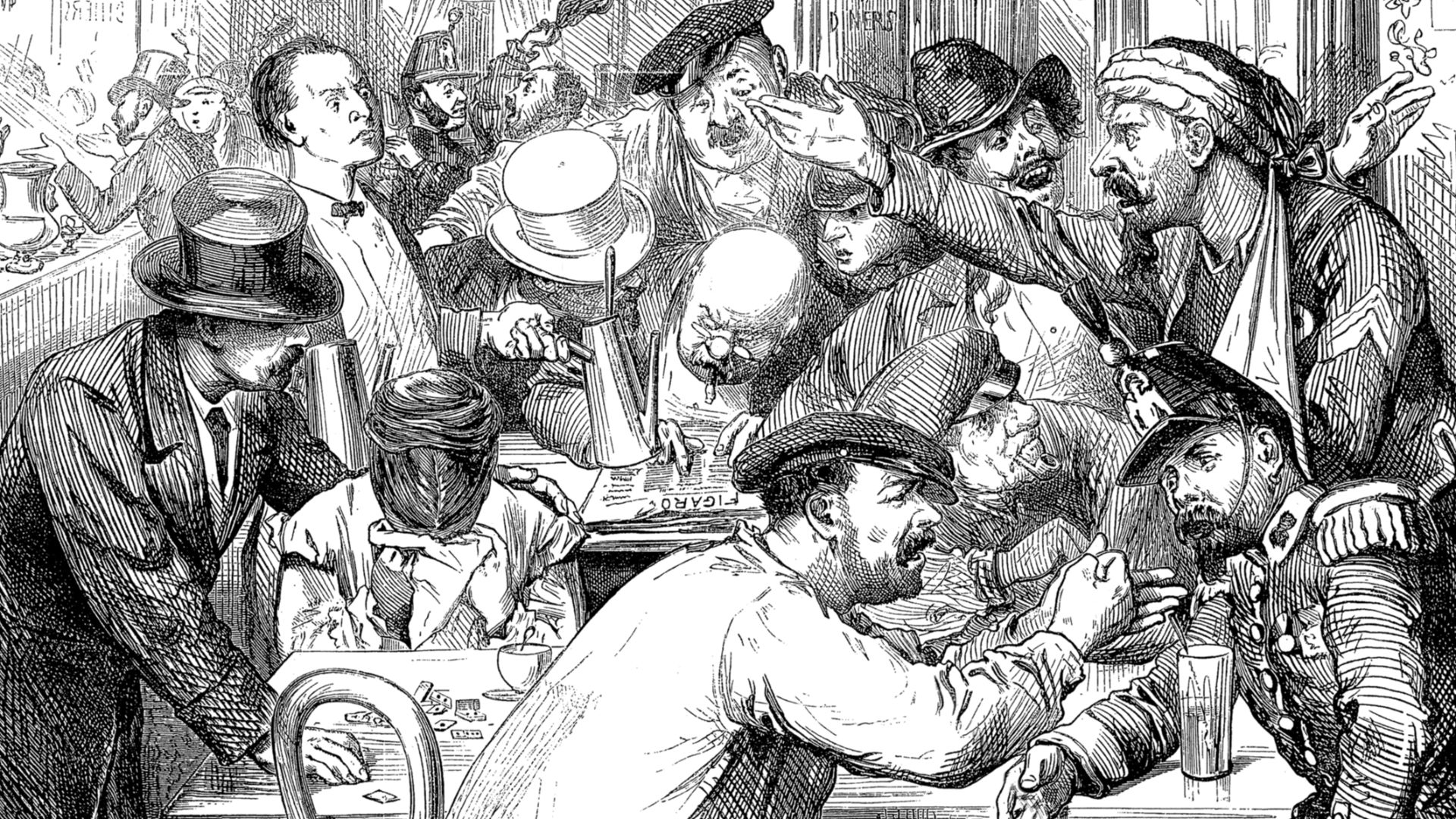
Absinthe became closely tied to the artists and writers of late 19th-century Paris, giving the drink a cultural life far beyond the bar. Édouard Manet, Edgar Degas, and later Pablo Picasso all depicted it in their work. Writers including Paul Verlaine and Arthur Rimbaud also became associated with the wider culture that grew around absinthe and bohemian city life.
13. Degas’s L’Absinthe
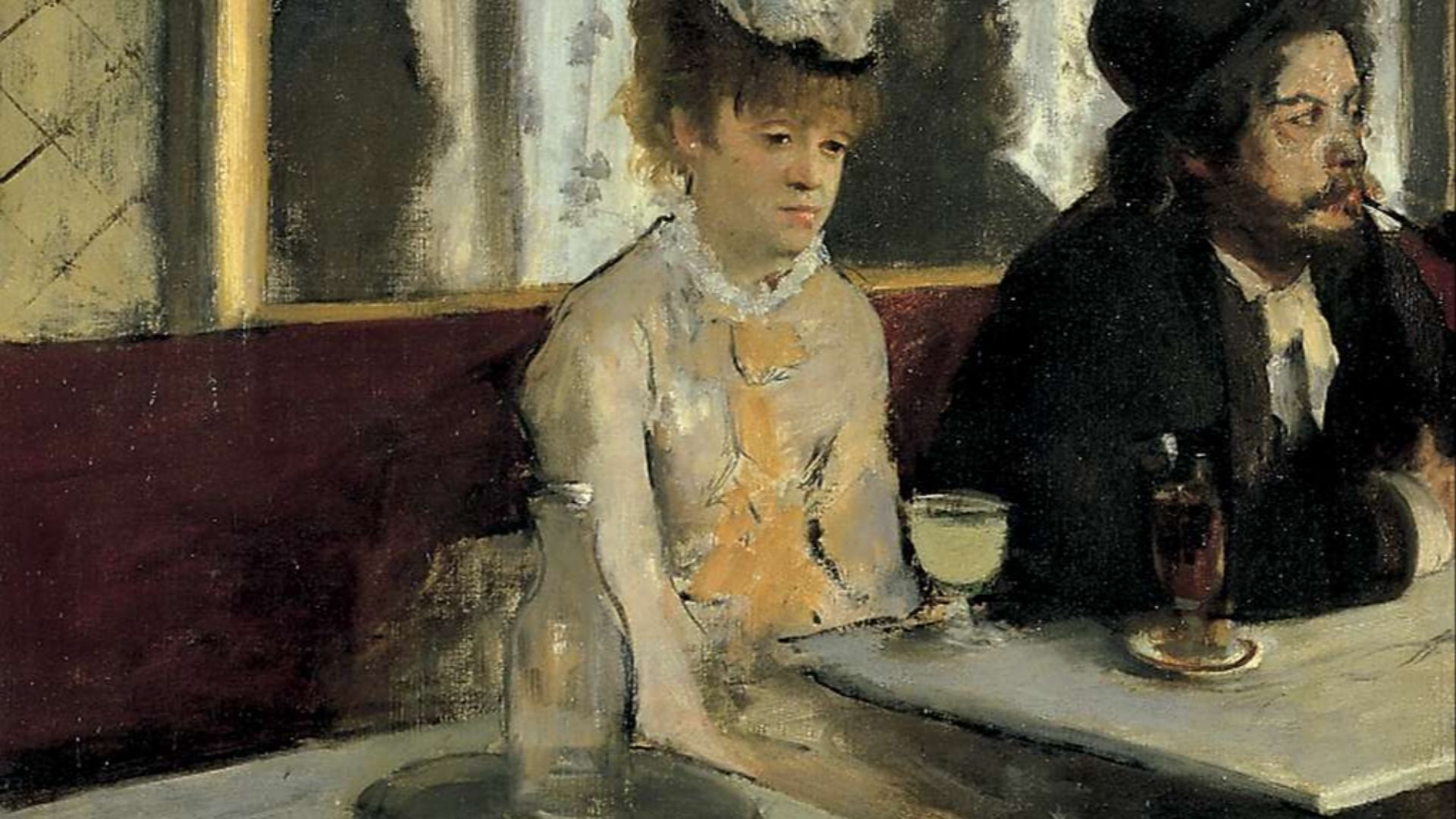
Edgar Degas’s painting commonly known as L’Absinthe, created in the 1870s, offers a far less cheerful picture of café drinking. The withdrawn scene and overall bleak mood of the painting helped strengthen absinthe’s connection with loneliness, excess, and the darker side of modern city life.
14. Picasso’s The Absinthe Glass
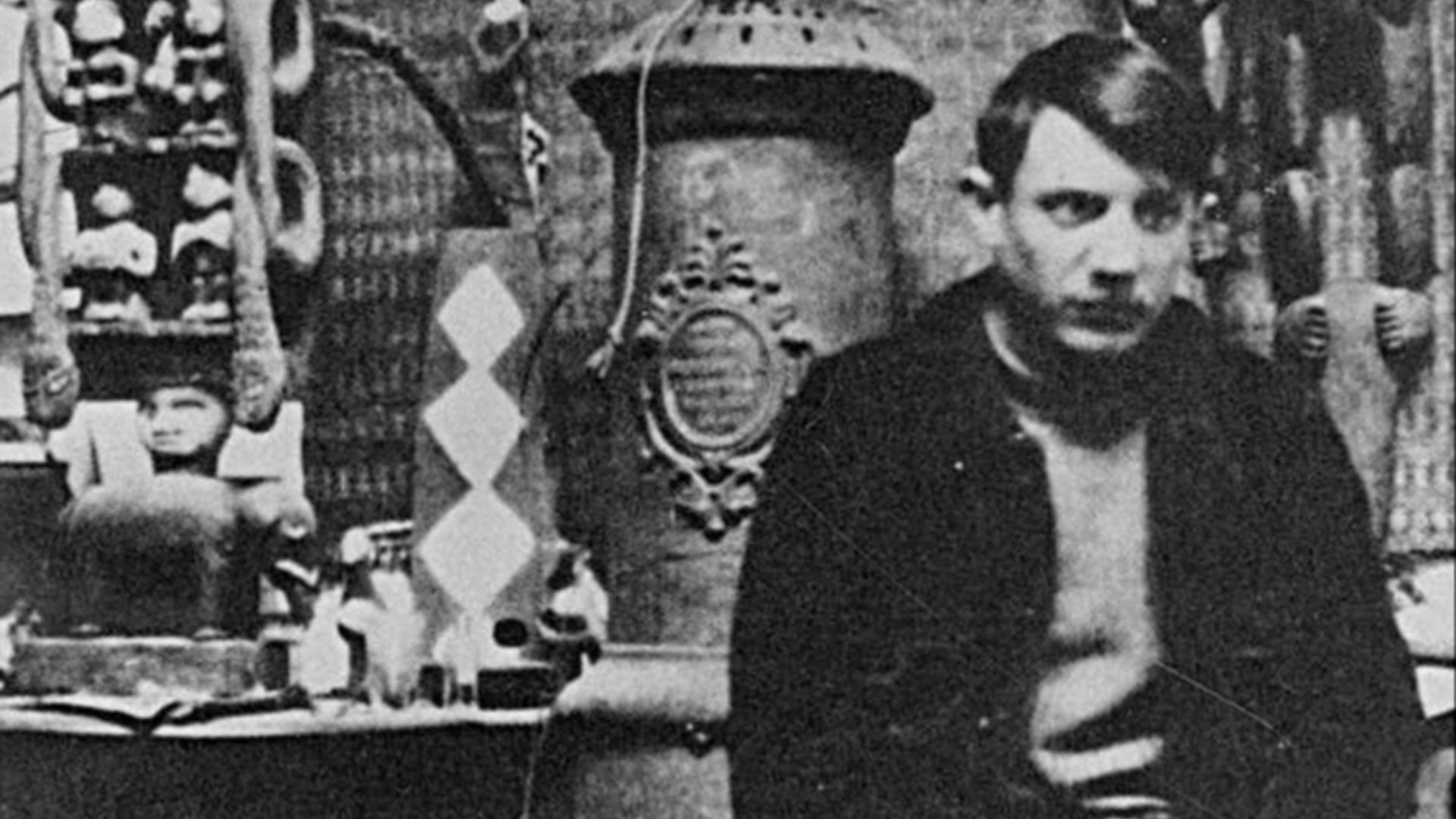
In 1914, Pablo Picasso created The Absinthe Glass, a work that combined a sculpted drinking glass with an actual perforated absinthe spoon. Six bronze versions were made, and each one was individually painted. It showed just how recognizable absinthe and its serving ritual had become by that point.
15. “Absinthism”
Some 19th-century physicians argued that people who drank absinthe heavily over long periods suffered from a condition known as “absinthism.” The symptoms included seizures, hallucinations, sleeplessness, irritability, violence, and mental decline. We know today that many of these symptoms are also common in extended alcohol use.
 Internet Archive Book Images on Wikimedia
16. Animal Experimentation
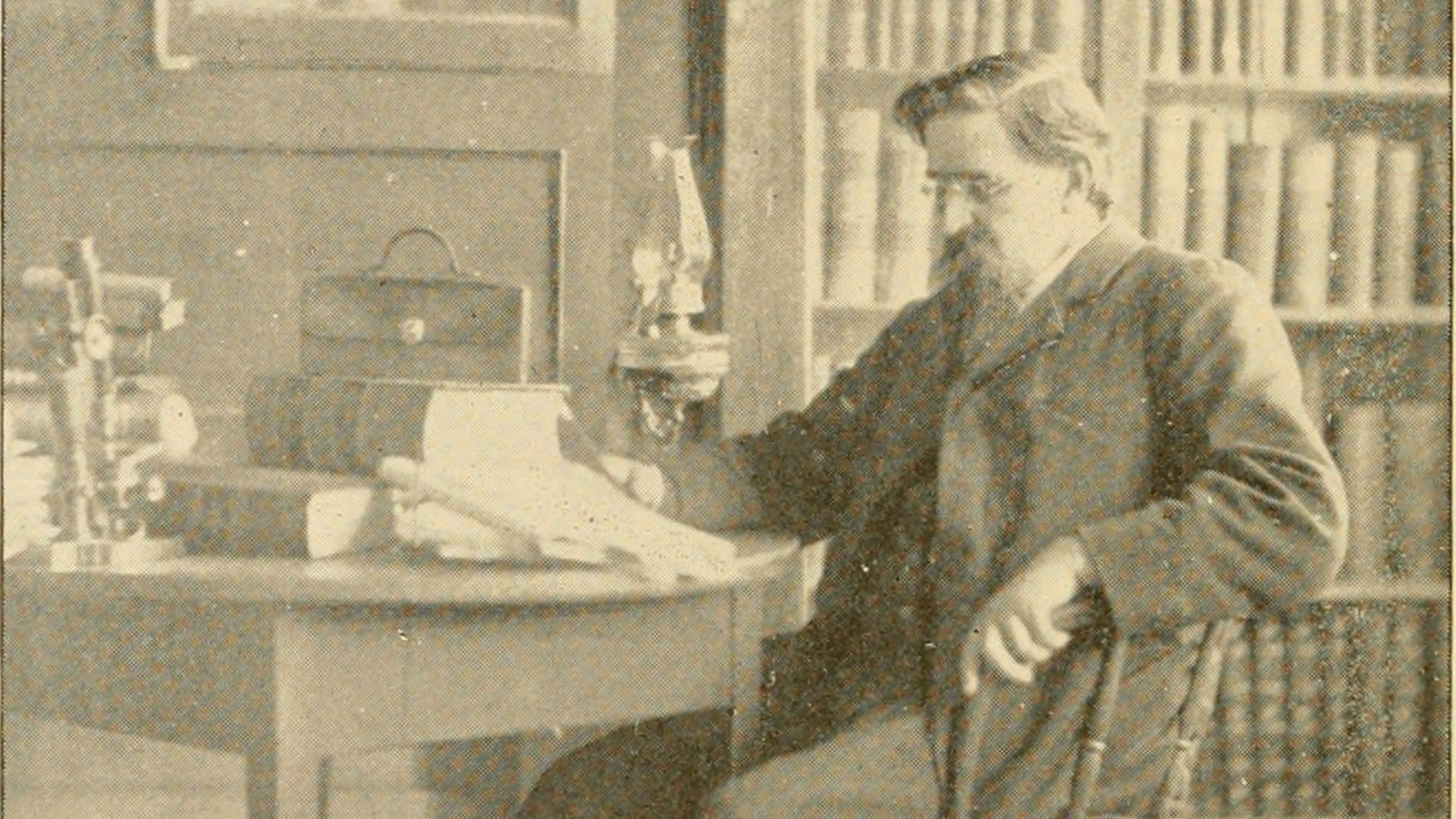
In 1869, physician Valentin Magnan exposed animals to concentrated wormwood oil, witnessing serious reactions in their nervous systems, including seizures. The experiment became influential evidence in arguments against absinthe, despite the wormwood content being much lower in the drink itself.
 Valentine Willaert-Fontan on Wikimedia
17. Thujone
Wormwood contains thujone, a compound that can affect the nervous system and become toxic at high enough doses. This compound exacerbated the claims about absinthe’s unusual mental effects. The amount normally found in absinthe, however, isn’t high enough to produce a psychedelic or hallucinogenic experience.
18. Ruining A Myth
Authentic bottles of absinthe made before the historic bans have shown that older versions generally contained far less thujone than stories once claimed. In reality, pre-ban absinthe wasn’t an unusually powerful hallucinogenic drink. Alcohol itself remains the most convincing explanation for the severe effects connected with heavy consumption of the fairy.
19. Fuel For Prohibition
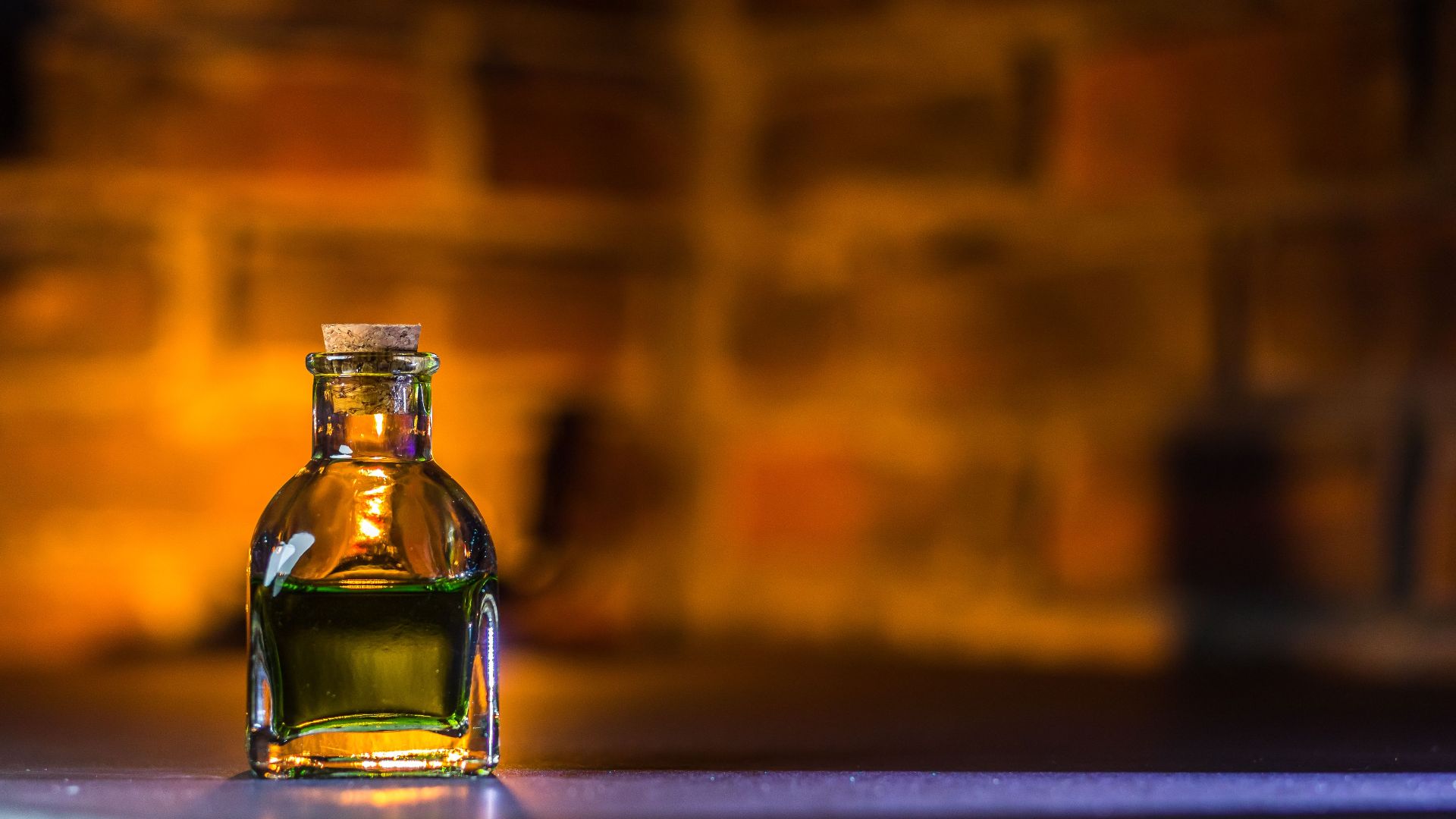
In 1905, Swiss laborer Jean Lanfray murdered his pregnant wife and their two young daughters after drinking large amounts of alcohol throughout the day. Absinthe accounted for only a small part of everything he consumed, yet it was the part that received the most attention. Prohibition campaigners then used the crime as powerful evidence in their effort to have the spirit banned.
20. It’s Still Around
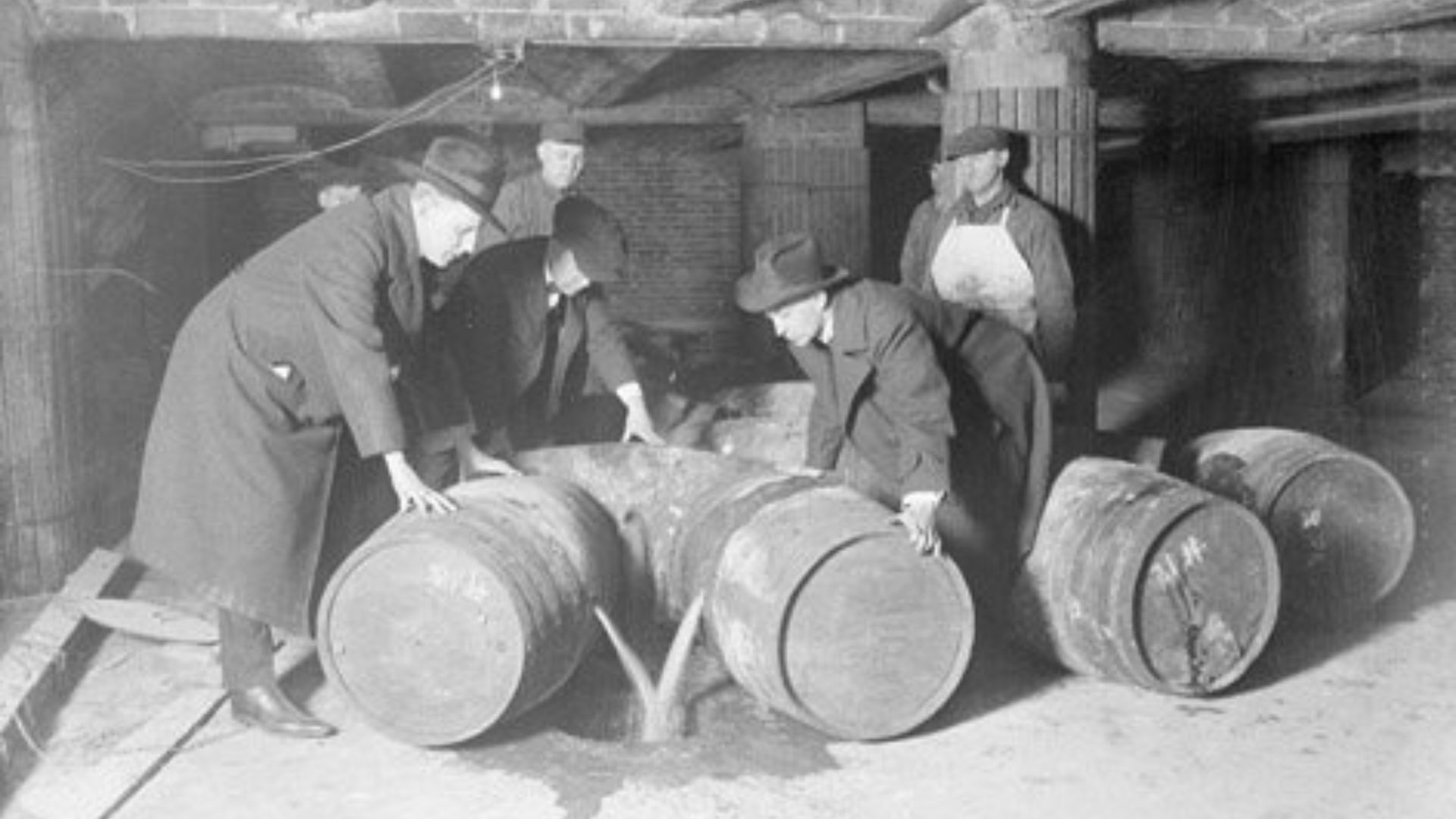
Switzerland prohibited absinthe nationwide in 1910, the United States barred it in 1912, and France banned its manufacture, sale, and circulation in 1915. Production didn’t disappear completely, and illegal distilling continued in parts of Switzerland during the prohibition years. Governments later shifted toward regulating thujone instead of banning absinthe outright, which allowed the once-notorious Green Fairy to return legally.
KEEP ON READING