The Vikings Weren’t the Only Terrifying Warriors
The Vikings built a reputation for showing up without much warning, raiding settlements, and making everyone nearby seriously reconsider their defenses. But from roughly the eighth to eleventh centuries, they shared the world with plenty of other clans who could be equally unpleasant to meet on a battlefield. Some commanded highly disciplined armies, while others specialized in fast raids, brutal conquests, or fighting in environments that outsiders struggled to survive. These 20 Viking rivals prove the Norsemen hardly had a monopoly on terrifying warfare.
1. The Magyars
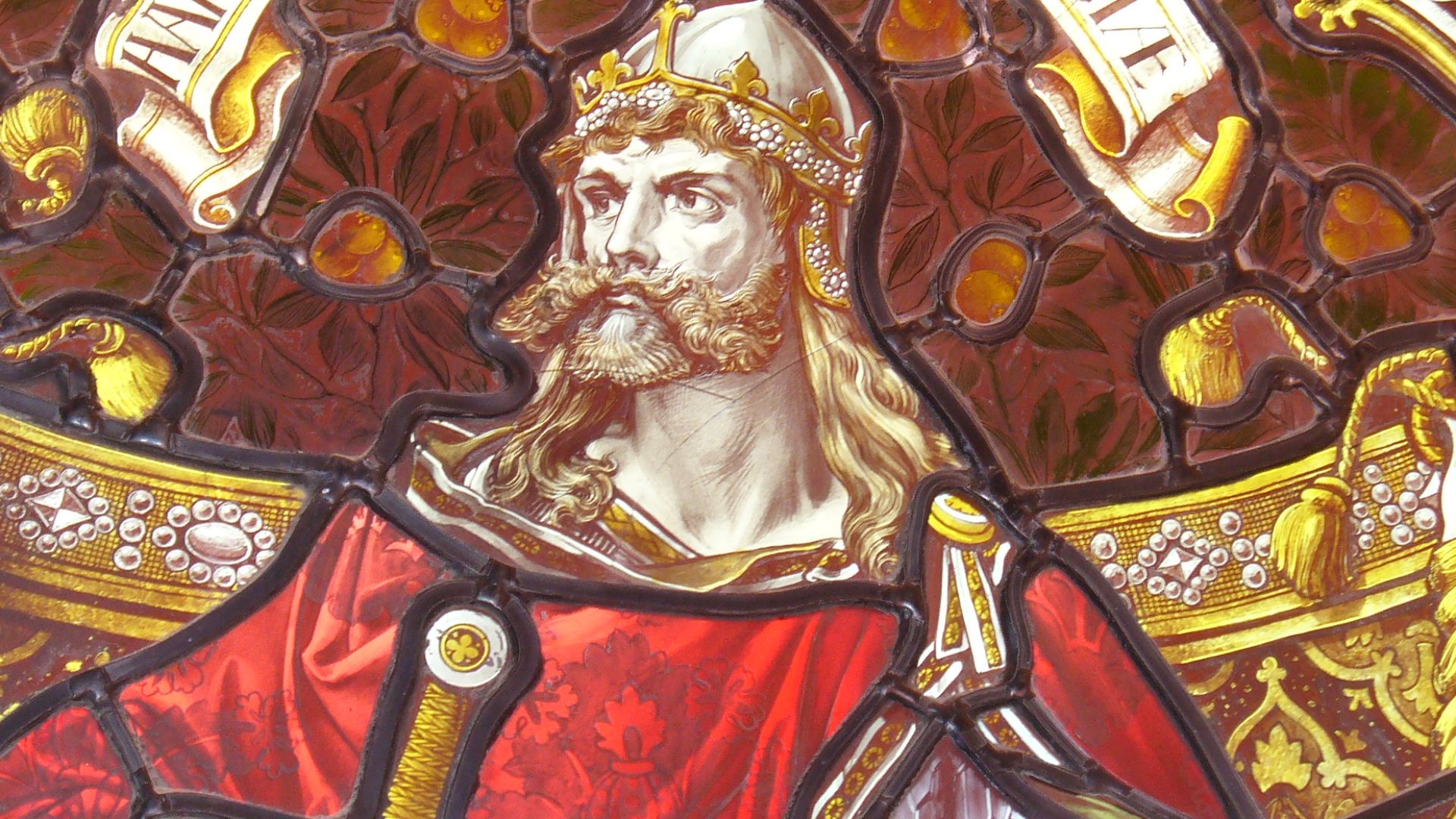
During the ninth and tenth centuries, Magyar horsemen became one of Europe's biggest military headaches. Operating from the Carpathian Basin, they launched raids deep into territories that are now Germany, France, and Italy. Their mounted archers could strike quickly and retreat before slower armies had much chance of catching them.
2. The Varangian Guard
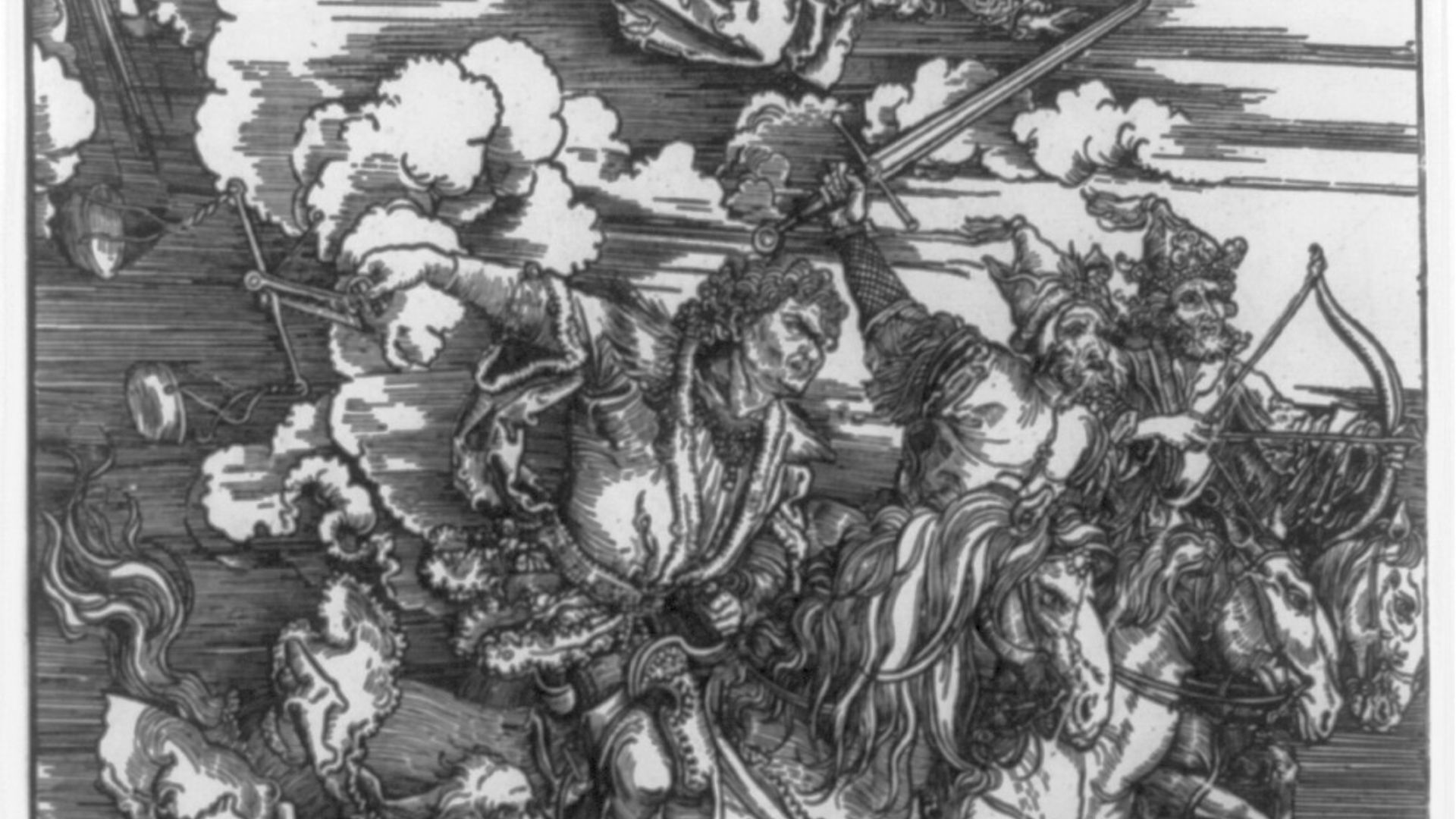
Some Vikings eventually encountered warriors who were technically Vikings themselves, but fighting for somebody else. The Byzantine emperors recruited Scandinavians and other northern Europeans into the Varangian Guard, an elite unit famous for its loyalty and huge axes. Once these men entered Byzantine service, their former countrymen could find themselves facing familiar fighting styles from the opposite side.
3. The Byzantine Cataphracts
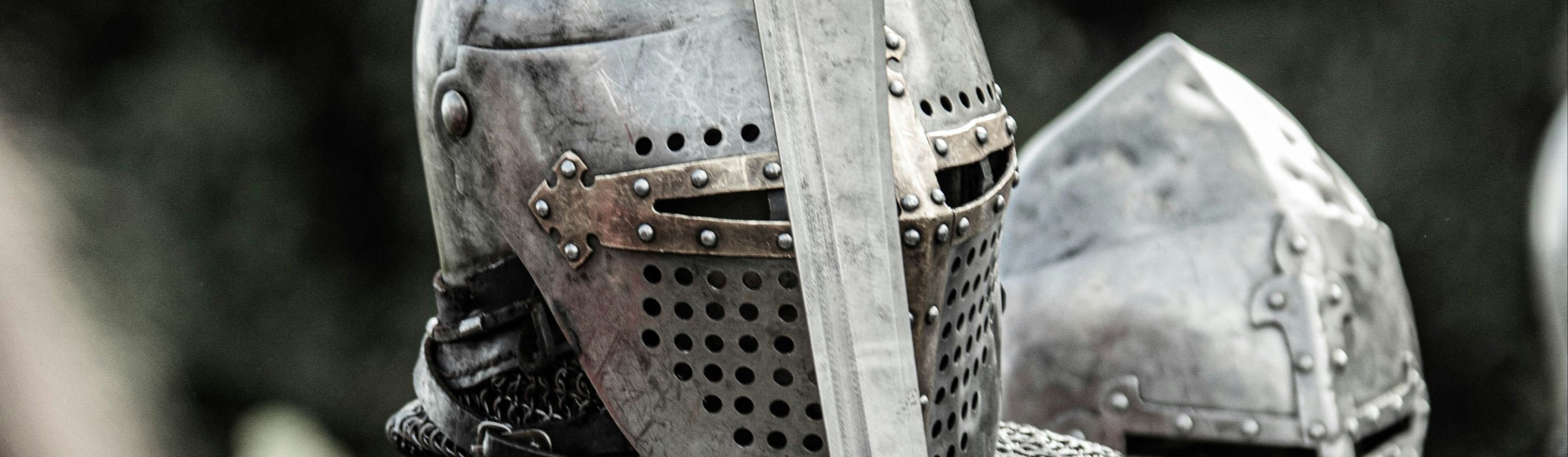
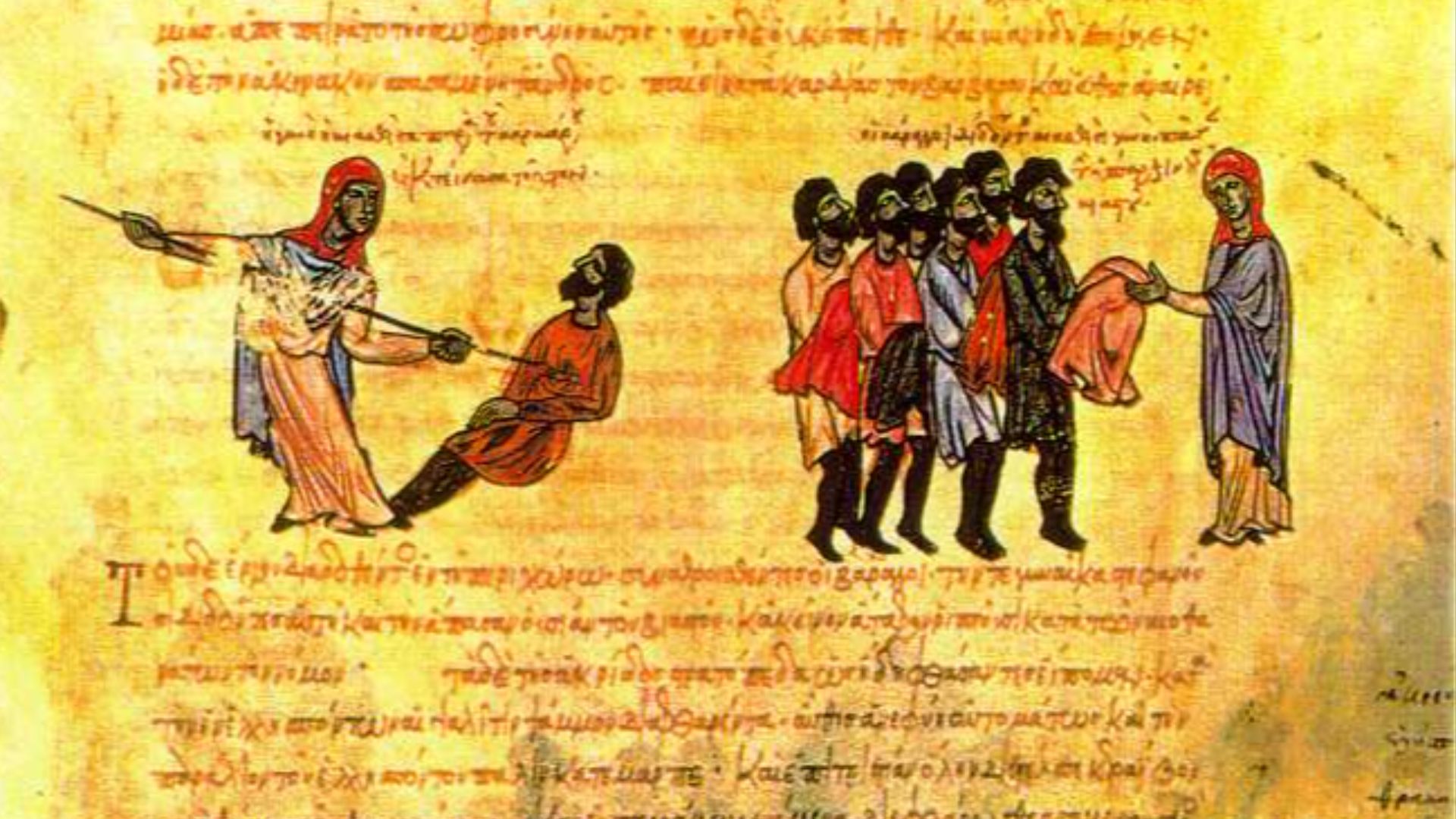
A Viking warrior might have been accustomed to shields and axes, but Byzantine heavy cavalry presented a very different problem. Cataphracts rode armored horses and combined lances, swords, bows, and disciplined formations. Byzantine armies could coordinate cavalry, infantry, and missile troops in ways that made them difficult opponents even for experienced raiders.
4. The Anglo-Saxon Housecarls
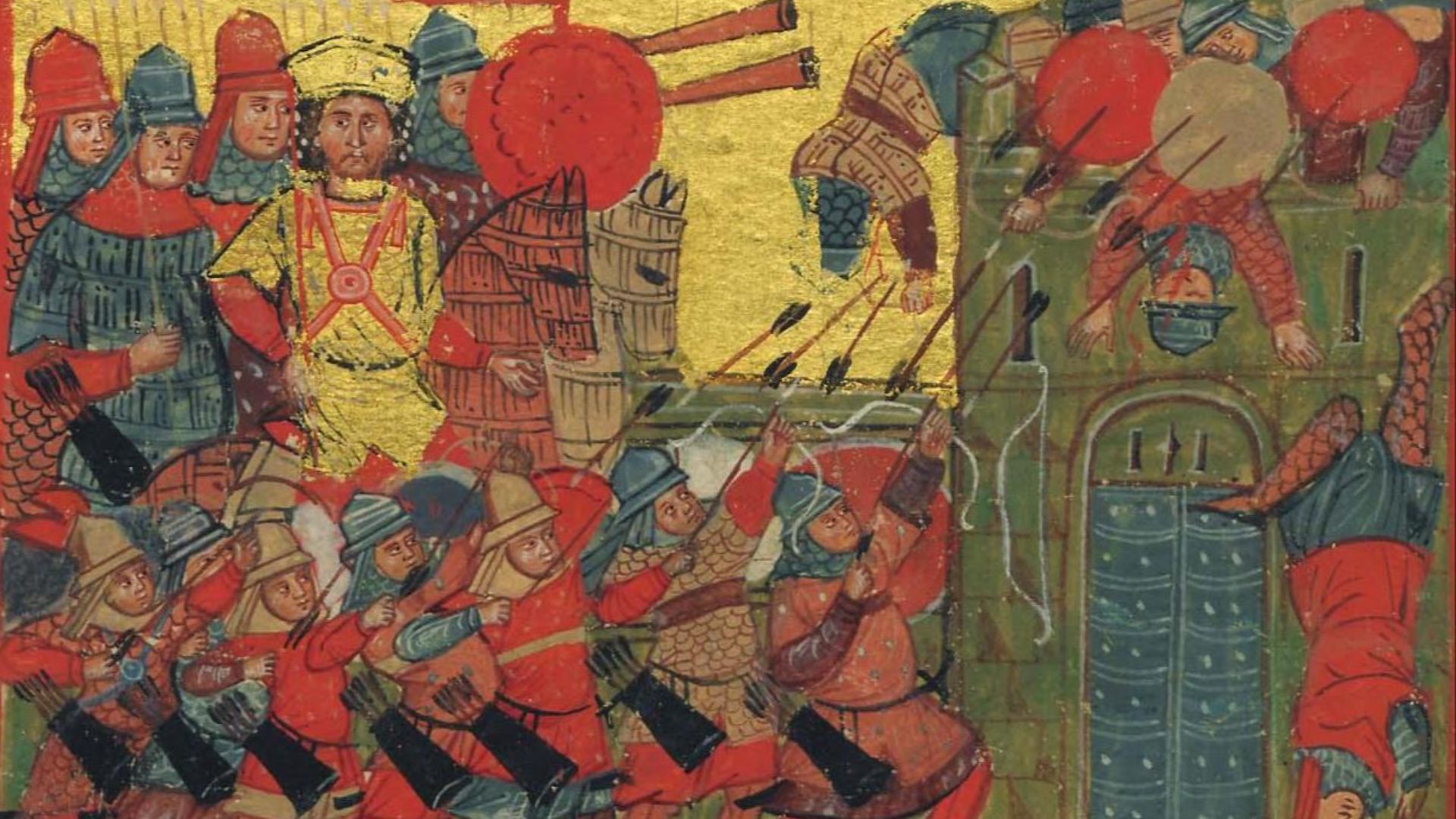
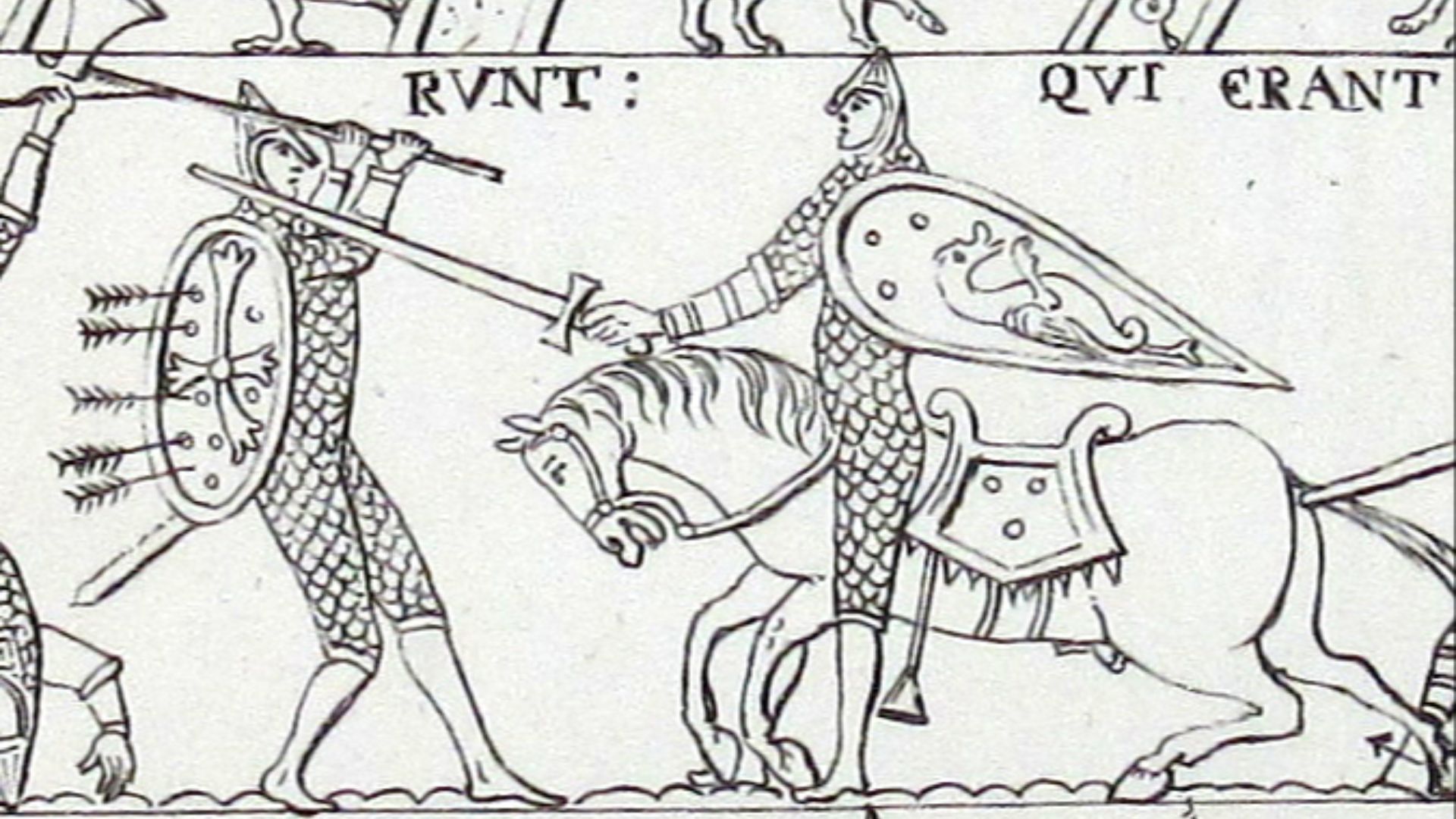
England wasn't simply waiting around helplessly for Viking ships to appear. Anglo-Saxon kings maintained professional warriors known as housecarls, who were heavily armed retainers famous for wielding large two-handed axes. At battles such as Hastings in 1066, they showed just how difficult a disciplined shield wall could be to break.
 Bayeux_Tapestry_Le_Thieullier on Wikimedia
5. The Franks
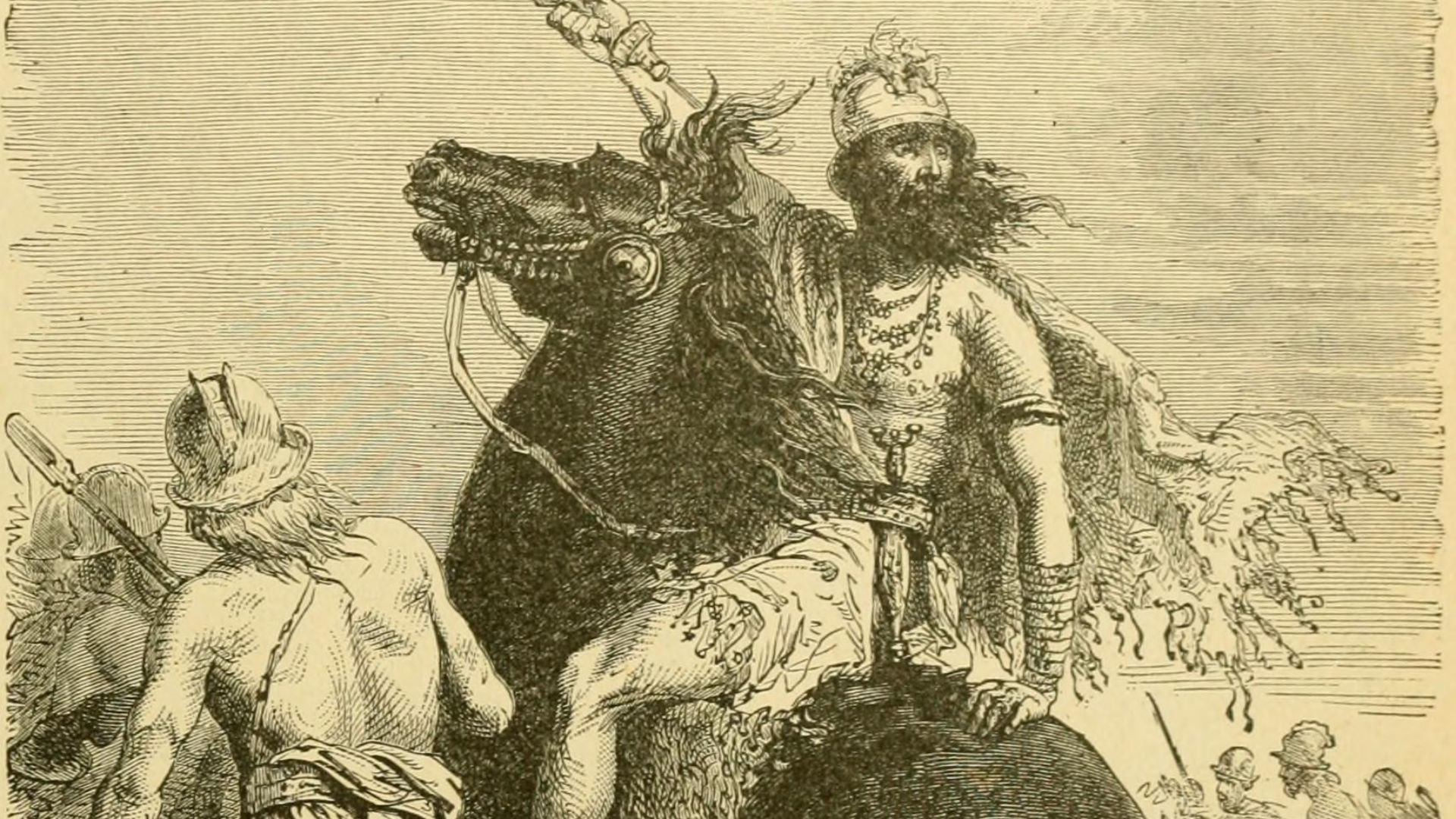
The Frankish kingdoms had been producing formidable armies long before Viking raiders began arriving on their shores. Frankish rulers built forces around armored cavalry, infantry, fortified settlements, and increasingly organized defenses against raids. Vikings could certainly cause enormous damage, but attacking Frankish territory didn't guarantee an easy payday.
 Internet Archive Book Images on Wikimedia
6. The Carolingian Heavy Cavalry
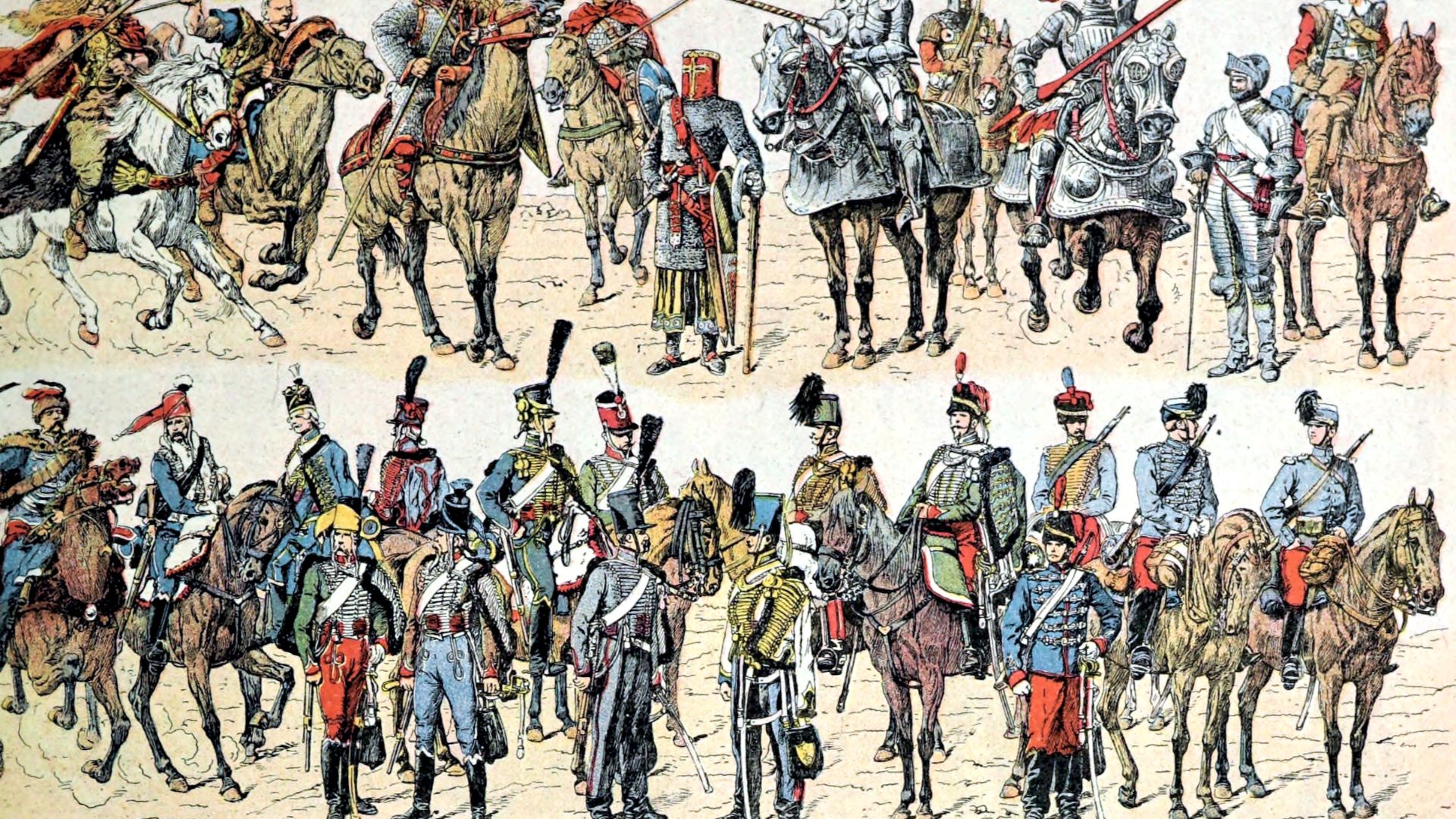
Under Charlemagne and his successors, heavily equipped mounted warriors became an increasingly important part of Frankish warfare. Their horses gave them mobility, while armor, shields, swords, and lances made them dangerous once they reached an enemy formation. Against warriors primarily fighting on foot, a well-organized cavalry attack could create serious trouble.
 Unsigned artwork. on Wikimedia
7. The Irish Warriors
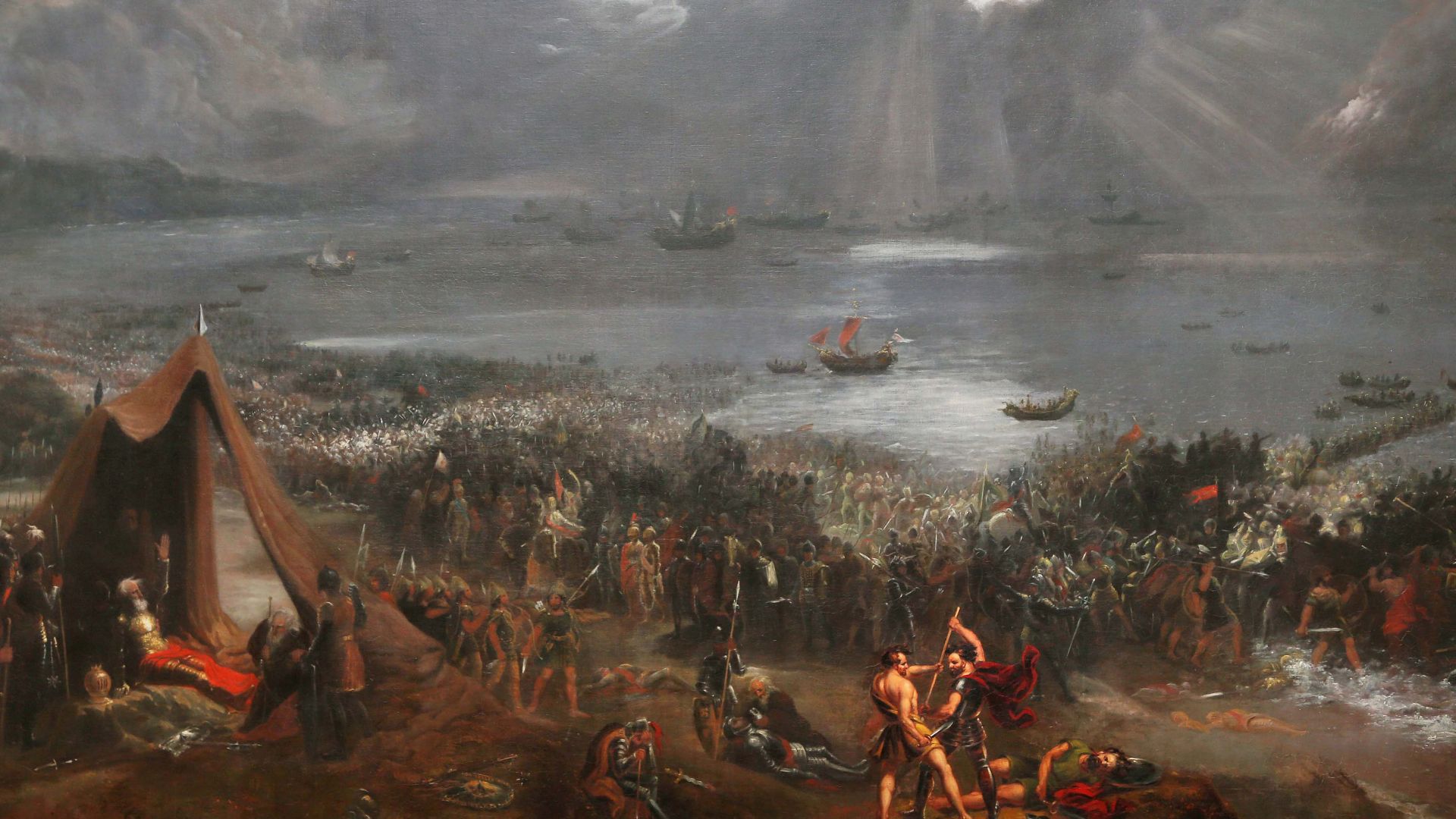
Vikings spent centuries fighting, trading, settling, and occasionally cooperating with different Irish kingdoms. Irish armies could include skilled spearmen, swordsmen, and mobile fighting forces that knew the local terrain much better than foreign raiders did. Battles such as Clontarf in 1014 showed that Norse forces in Ireland could face remarkably determined opposition.
8. The Welsh Warriors
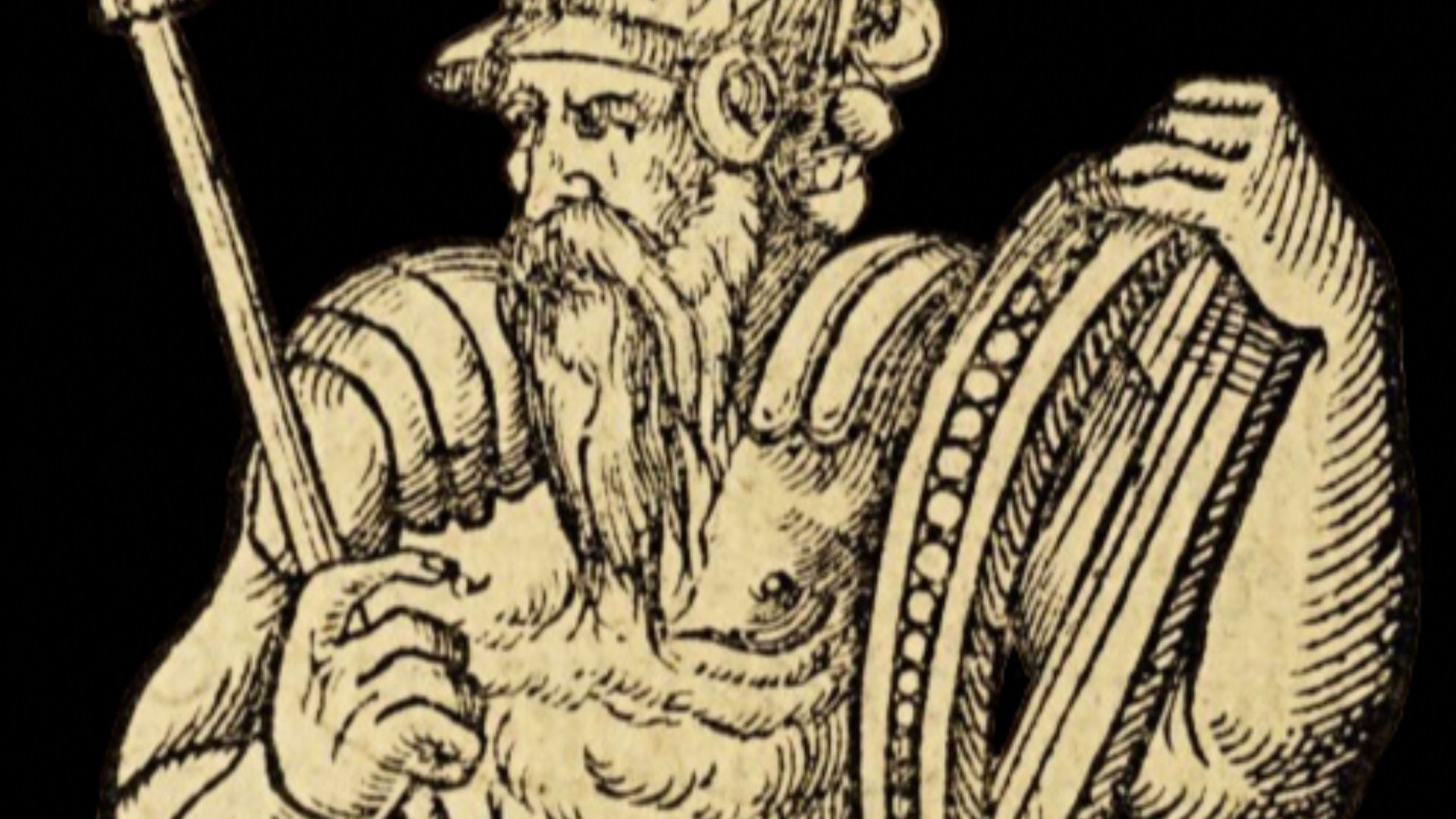
Wales presented Viking raiders with both fierce resistance and difficult geography. Welsh rulers regularly fought neighboring kingdoms as well as Norse attackers, producing warriors accustomed to constant regional warfare. Anyone hoping for a quick raid could instead find themselves dealing with armed locals who knew exactly where to fight and where to disappear.
9. The Picts
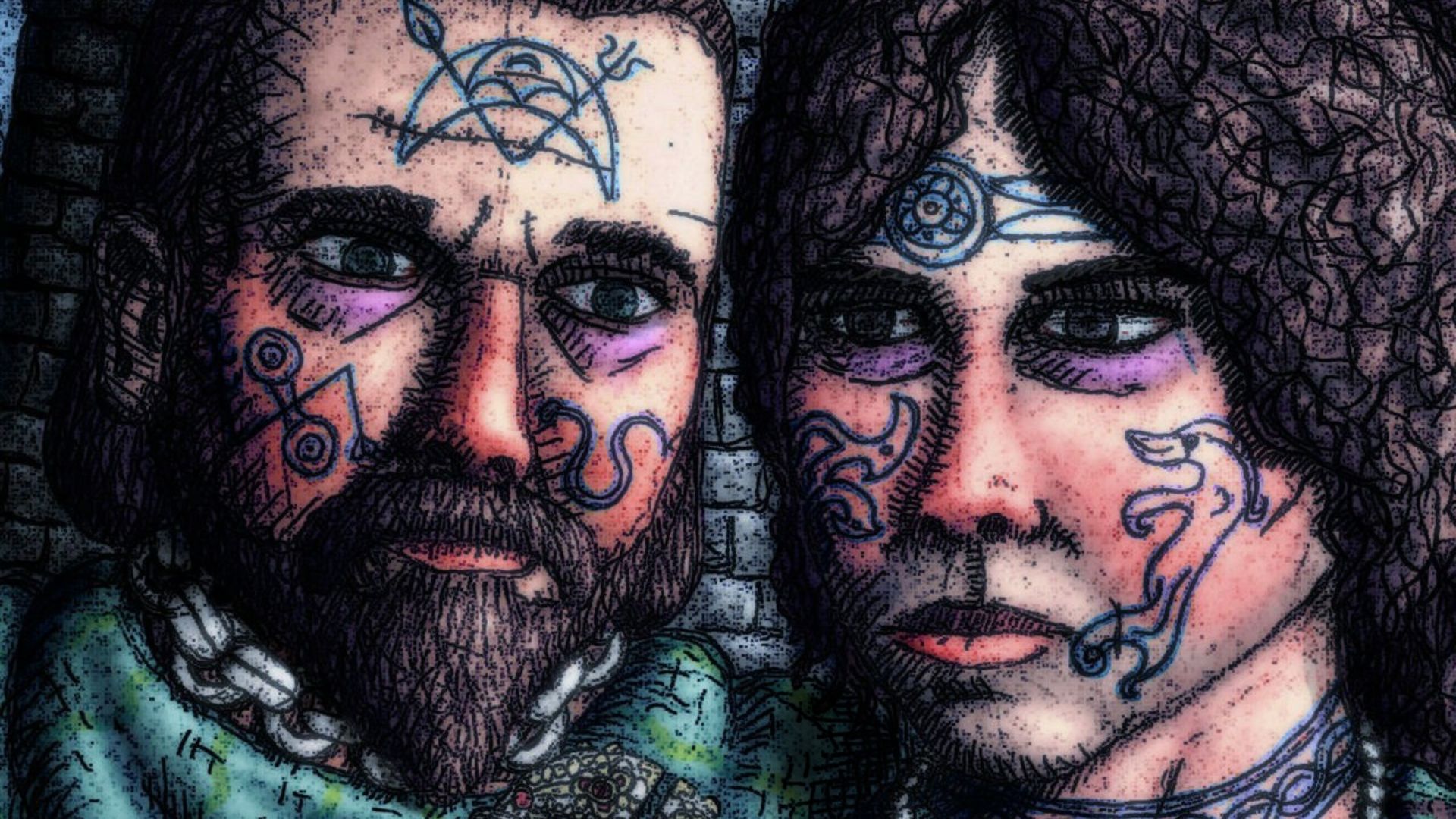
Before the Kingdom of Scotland fully emerged, the Picts controlled much of northern and eastern Scotland. They fought neighboring Britons, Gaels, Anglo-Saxons, and eventually Viking raiders pushing into the region. Their ability to defend rugged territory helped make northern Britain a far more dangerous destination than an exposed coastal monastery.
10. The Rus' Warriors
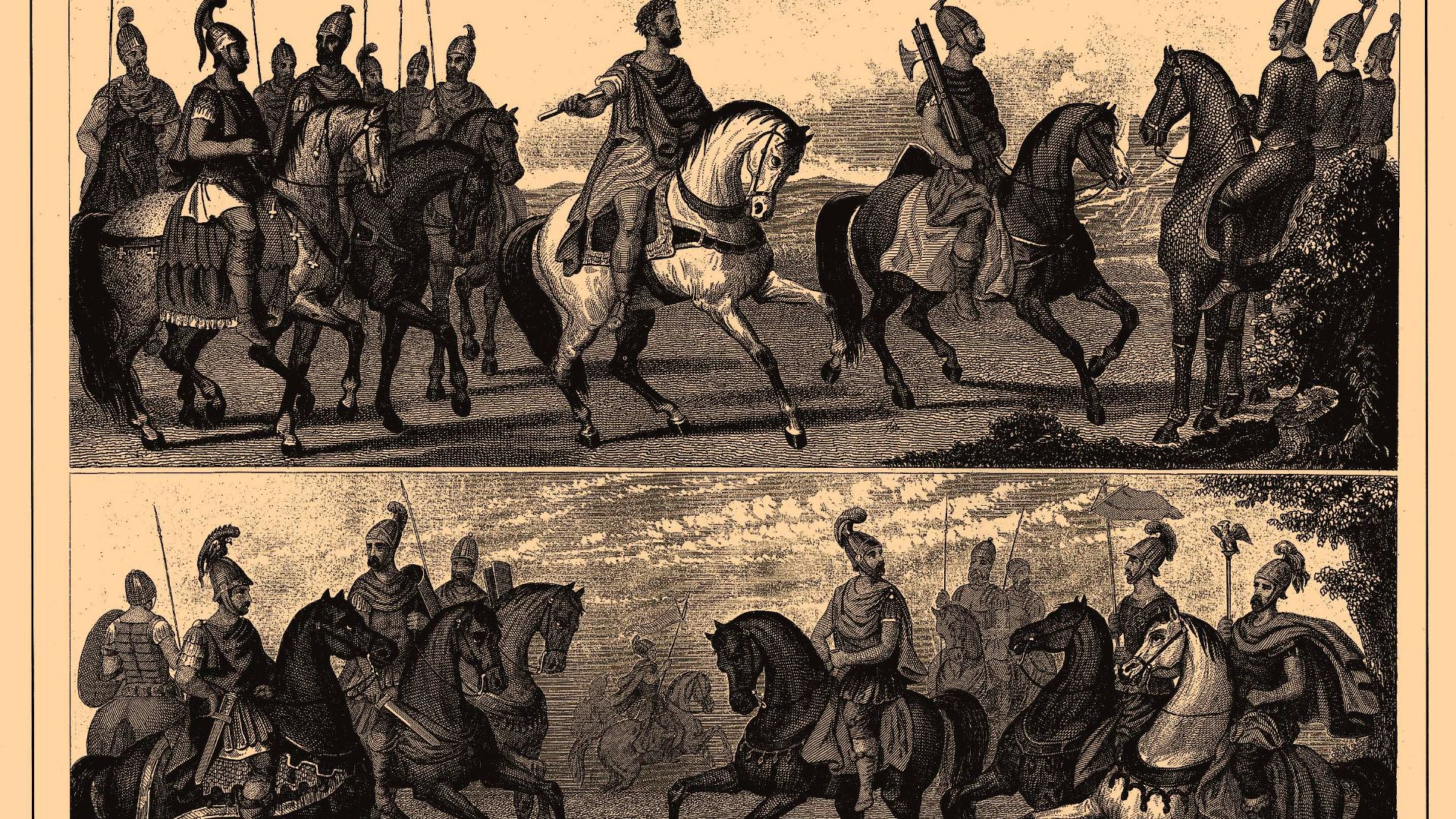
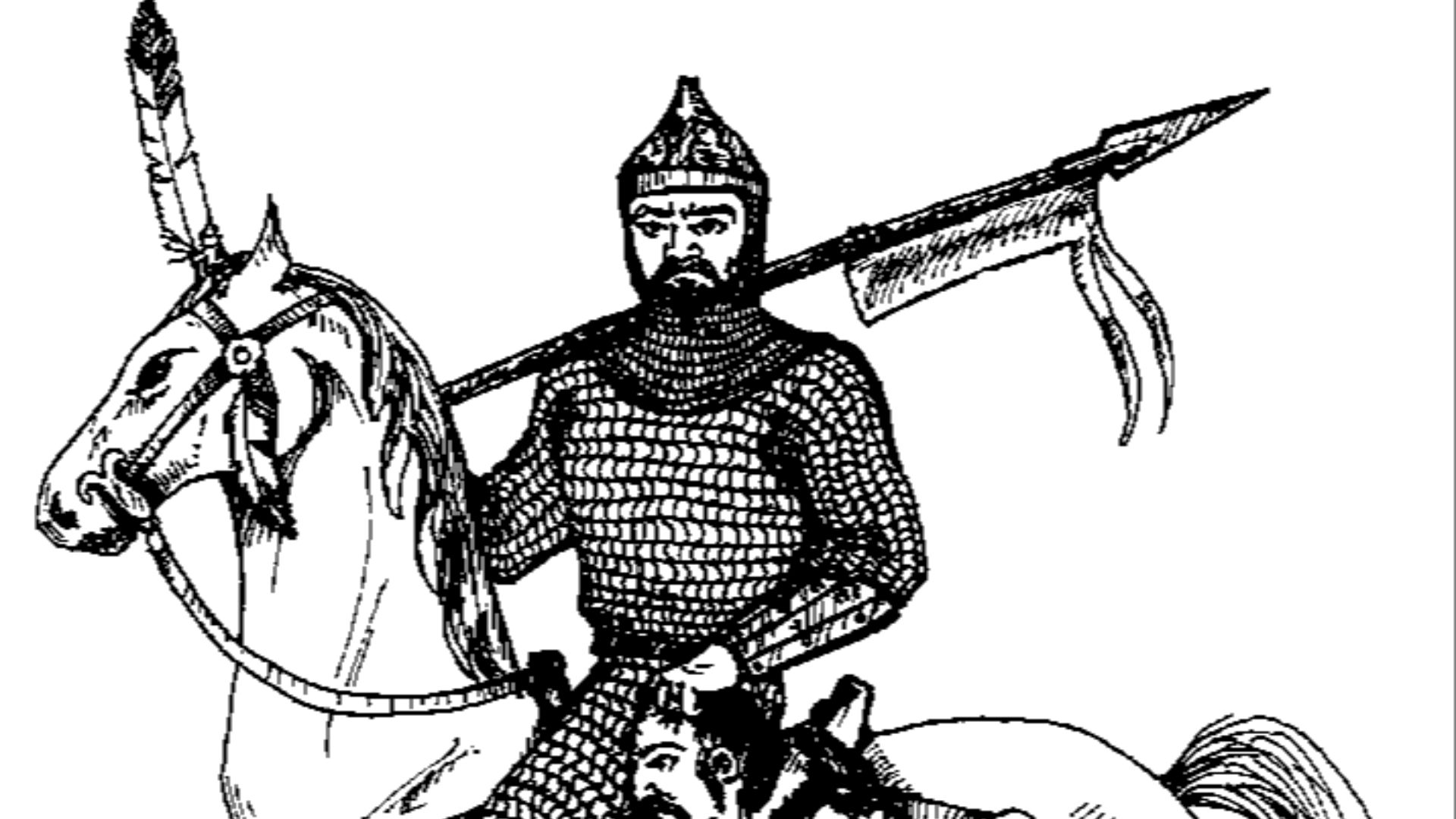
The societies of the early Rus' had strong Scandinavian connections, but they soon developed into powerful military forces in their own right. Rus' armies combined Norse-style infantry with Slavic troops and influences picked up through contact with steppe peoples and Byzantium. Their campaigns eventually reached all the way to Constantinople, which gives you some idea of their ambitions.
 Brockhaus and Efron Encyclopedic Dictionary on Wikimedia
11. The Pechenegs
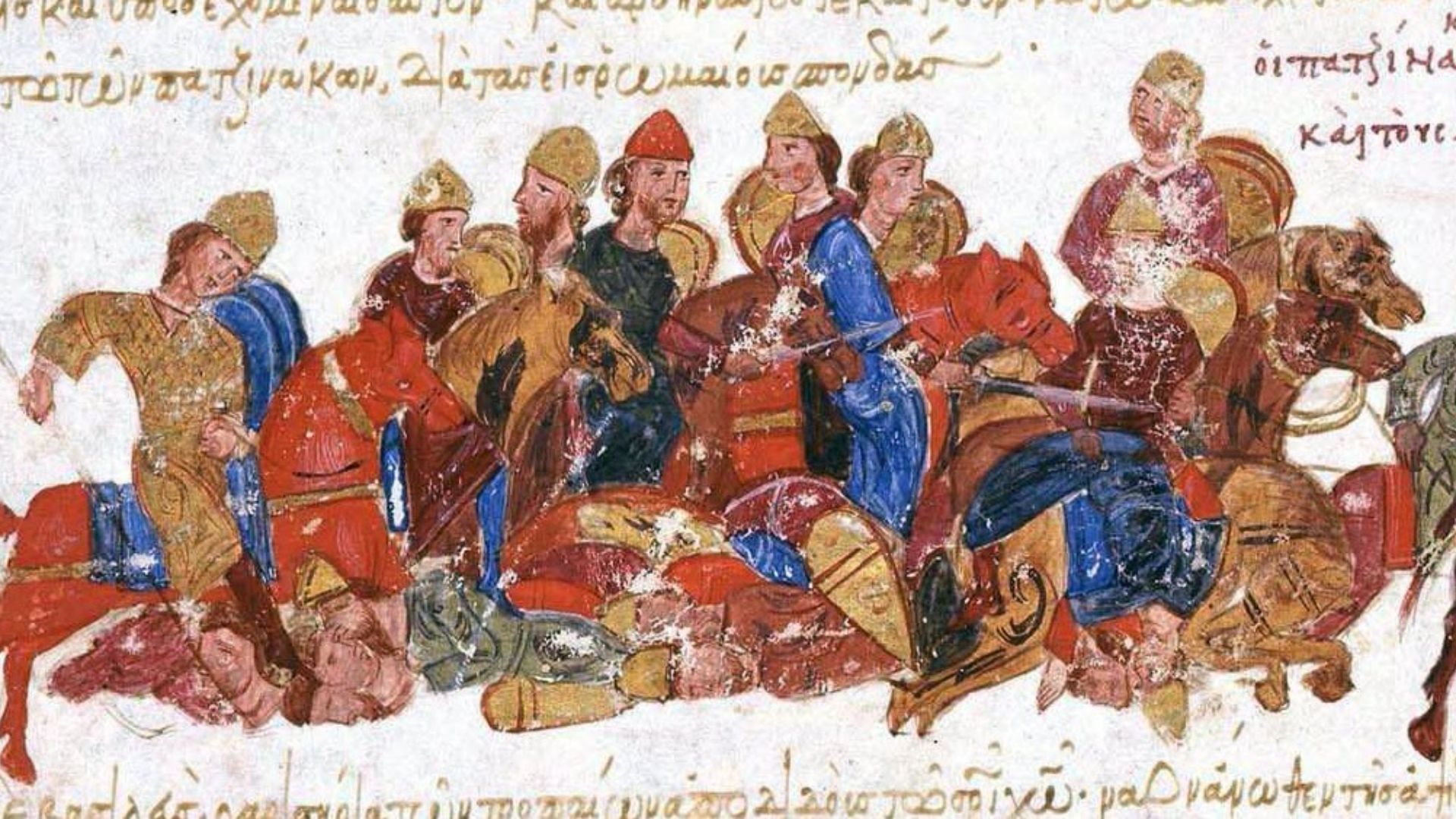
If Vikings were masters of ships, the Pechenegs were masters of the Eurasian steppe. These nomadic horsemen relied heavily on mounted archery, speed, and sudden attacks, making them frustrating opponents for armies that couldn't match their mobility. Their position north of the Black Sea repeatedly brought them into conflict with the Rus' and Byzantine world.
12. The Khazars
For centuries, the Khazar Khaganate controlled an enormous area around the Caspian Sea and the western Eurasian steppe. Its military benefited from cavalry traditions and access to warriors from several different ethnic and cultural groups. Norse traders and adventurers traveling east couldn't simply ignore a state powerful enough to control major commercial routes between Europe and Asia.
 Norman Finkelshteyn on Wikimedia
13. The Abbasid Soldiers
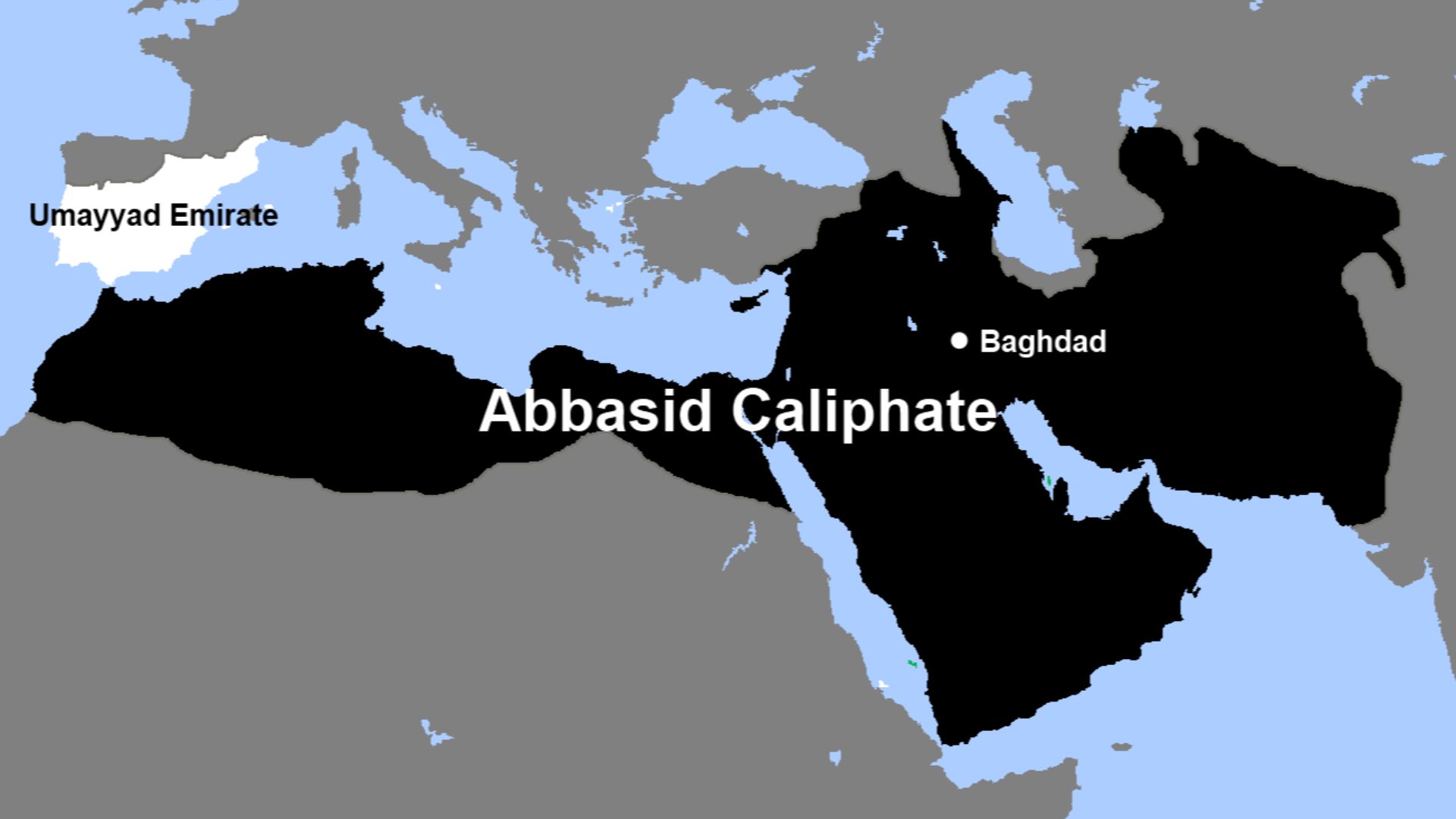
Vikings traveled surprisingly far into the Islamic world, particularly along eastern trade routes, but the Abbasid Caliphate was no easy target. Abbasid armies drew soldiers from across a huge empire and included cavalry, archers, infantry, and increasingly influential Turkic military forces. Once entering this sphere, a Scandinavian raiding party was dealing with something much larger and better equipped than an isolated village.
14. The Andalusian Armies
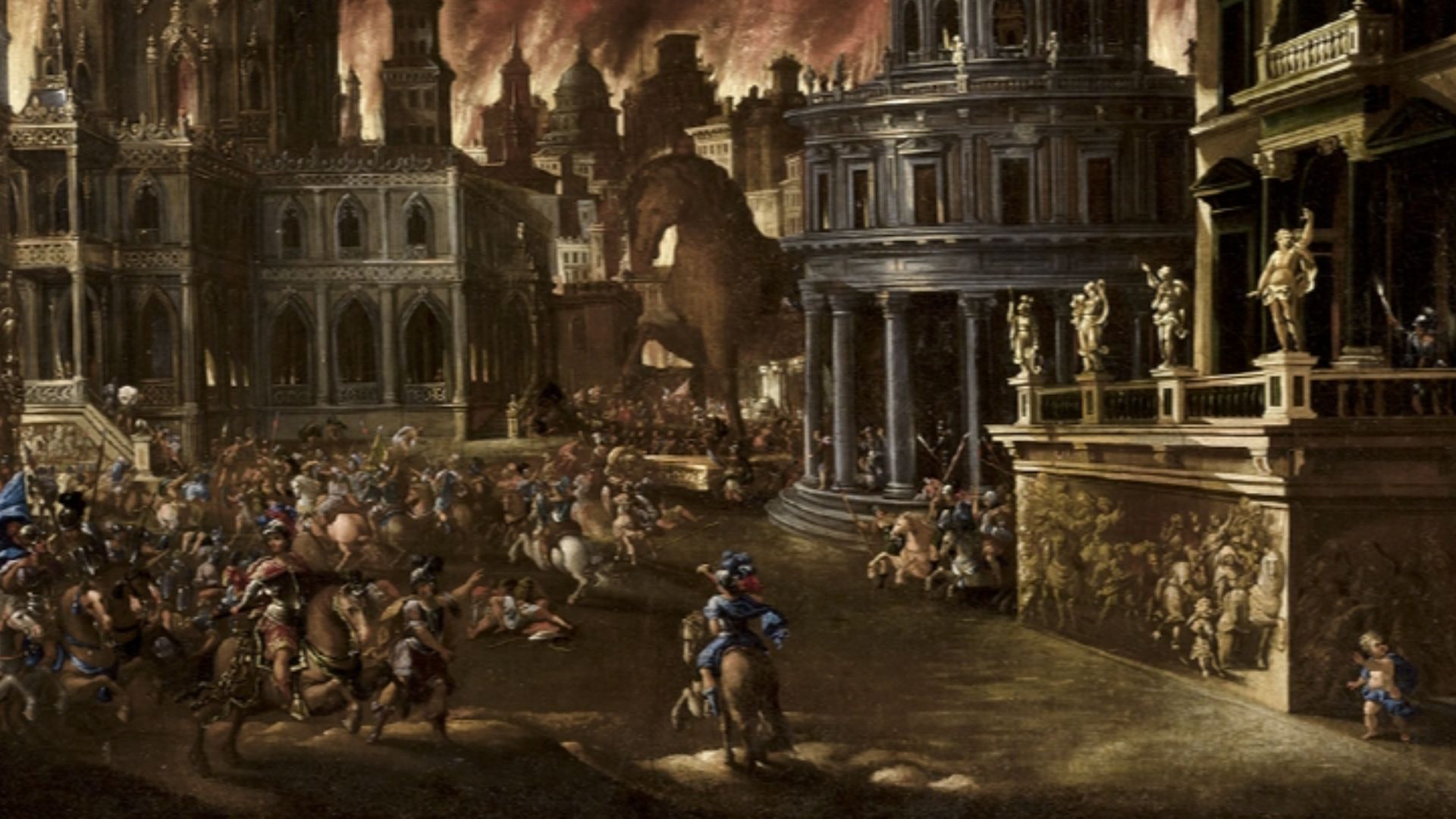
When Vikings raided Muslim-controlled Iberia in the ninth century, local rulers quickly demonstrated that they could fight back. After attacks that included the sack of Seville in 844, the Emirate of Córdoba strengthened its coastal defenses and naval capabilities. Viking raiders returned to Iberia later, but they increasingly faced opponents who knew what was coming.
 Francisco Gutiérrez on Wikimedia
15. The Slavic Warriors
Eastern Europe was filled with Slavic peoples who fought both alongside and against Scandinavians throughout the Viking Age. Depending on the region, their forces included infantry, archers, cavalry, and warriors experienced in defending fortified settlements. Viking expansion eastward therefore involved much more than peacefully sailing down rivers and trading silver.
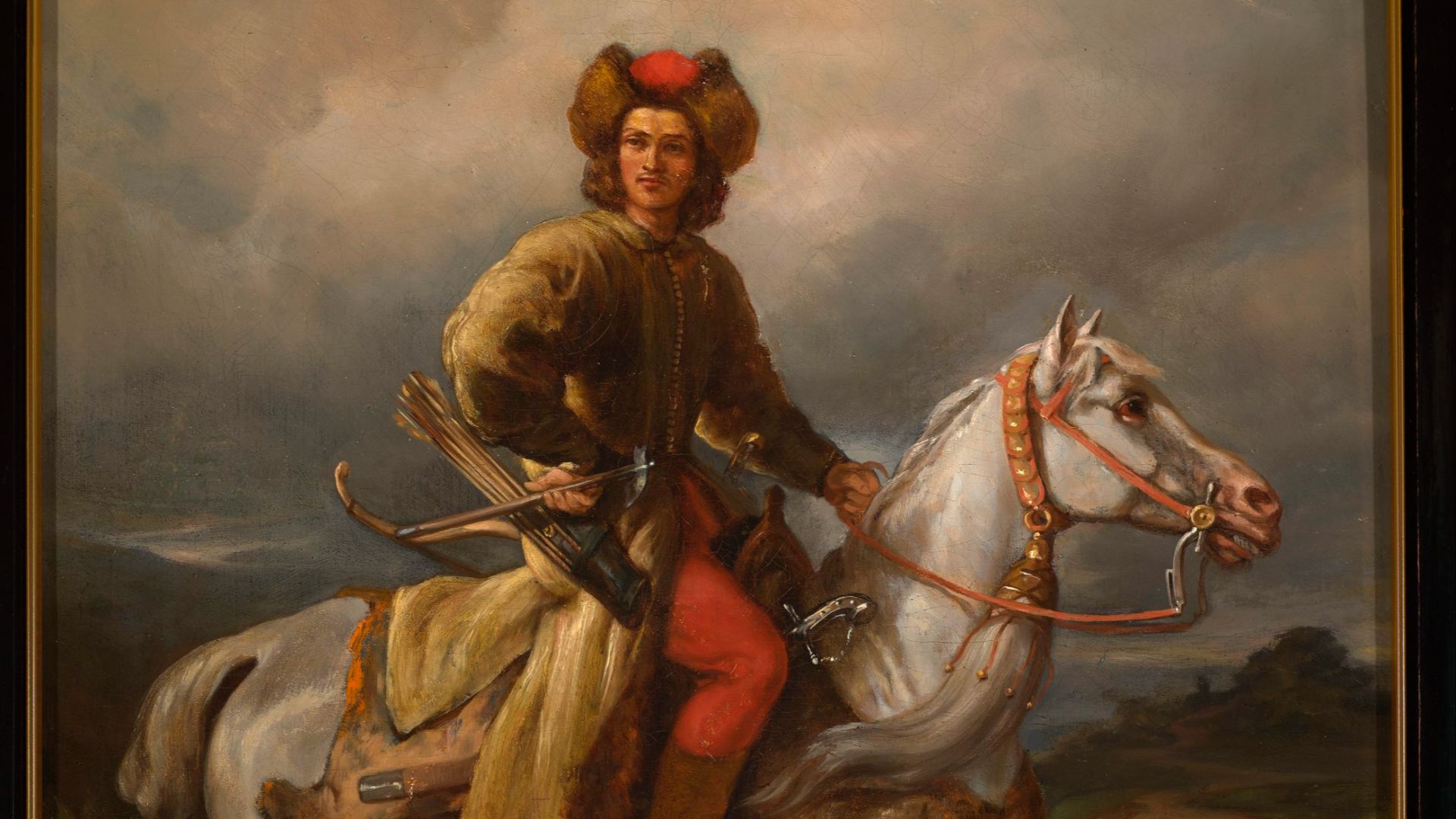
16. The Wends
The Wends were West Slavic peoples living along the southern Baltic coast, putting them directly across the water from Scandinavian kingdoms. They weren't merely Viking victims either, as Wendish raiders conducted maritime attacks of their own and fought repeatedly with Danes and other neighbors. For medieval Scandinavians living near the Baltic, danger could arrive from the opposite shoreline.
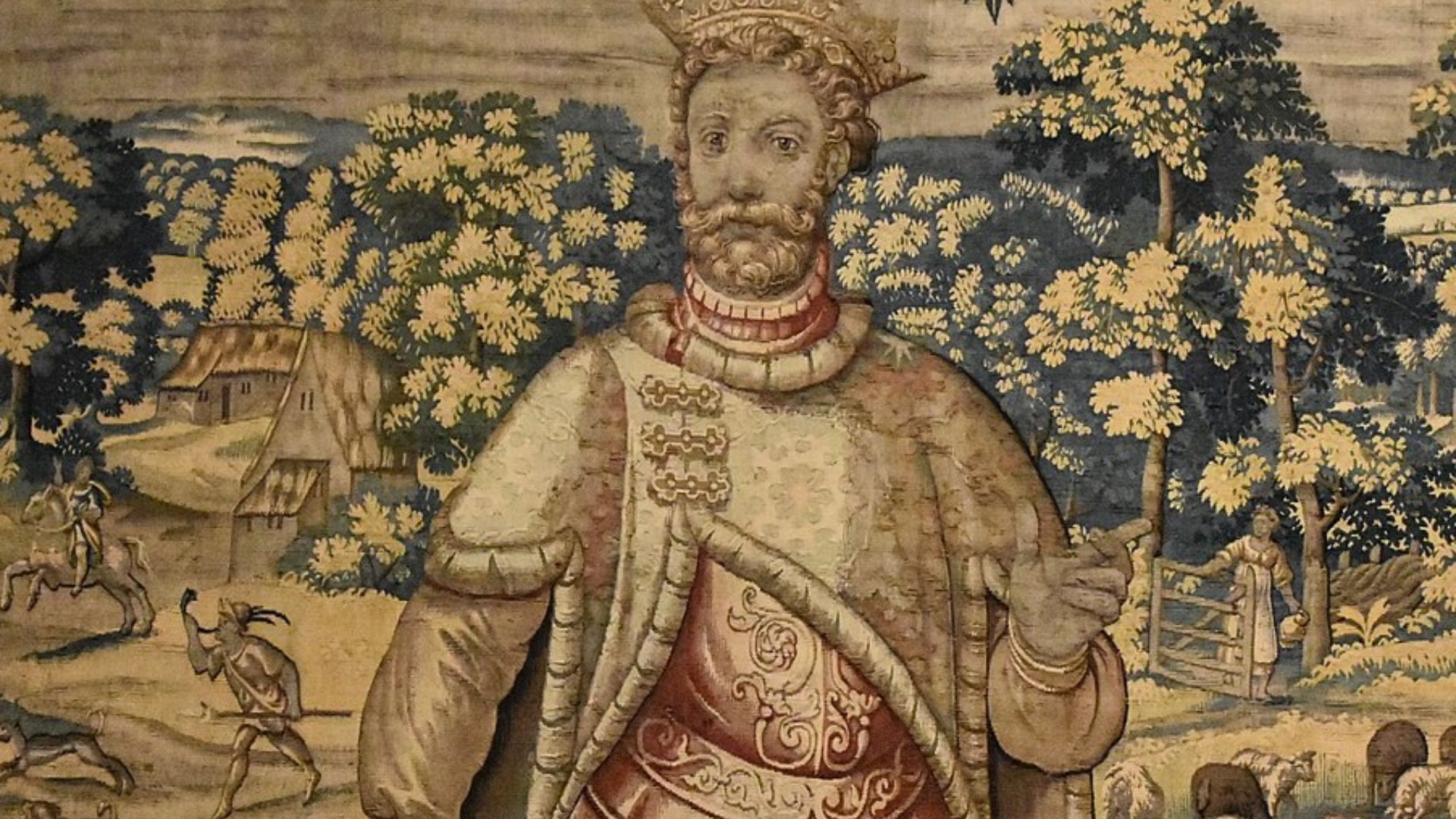
17. The Sámi Fighters
The Sámi weren't organized into large conquering armies, but fighting them in their northern homelands proved incredibly challenging. Their knowledge of forests, mountains, snow, and Arctic conditions gave local fighters major advantages over outsiders. Scandinavians who ventured into the far north couldn't assume conventional Viking tactics would work there.
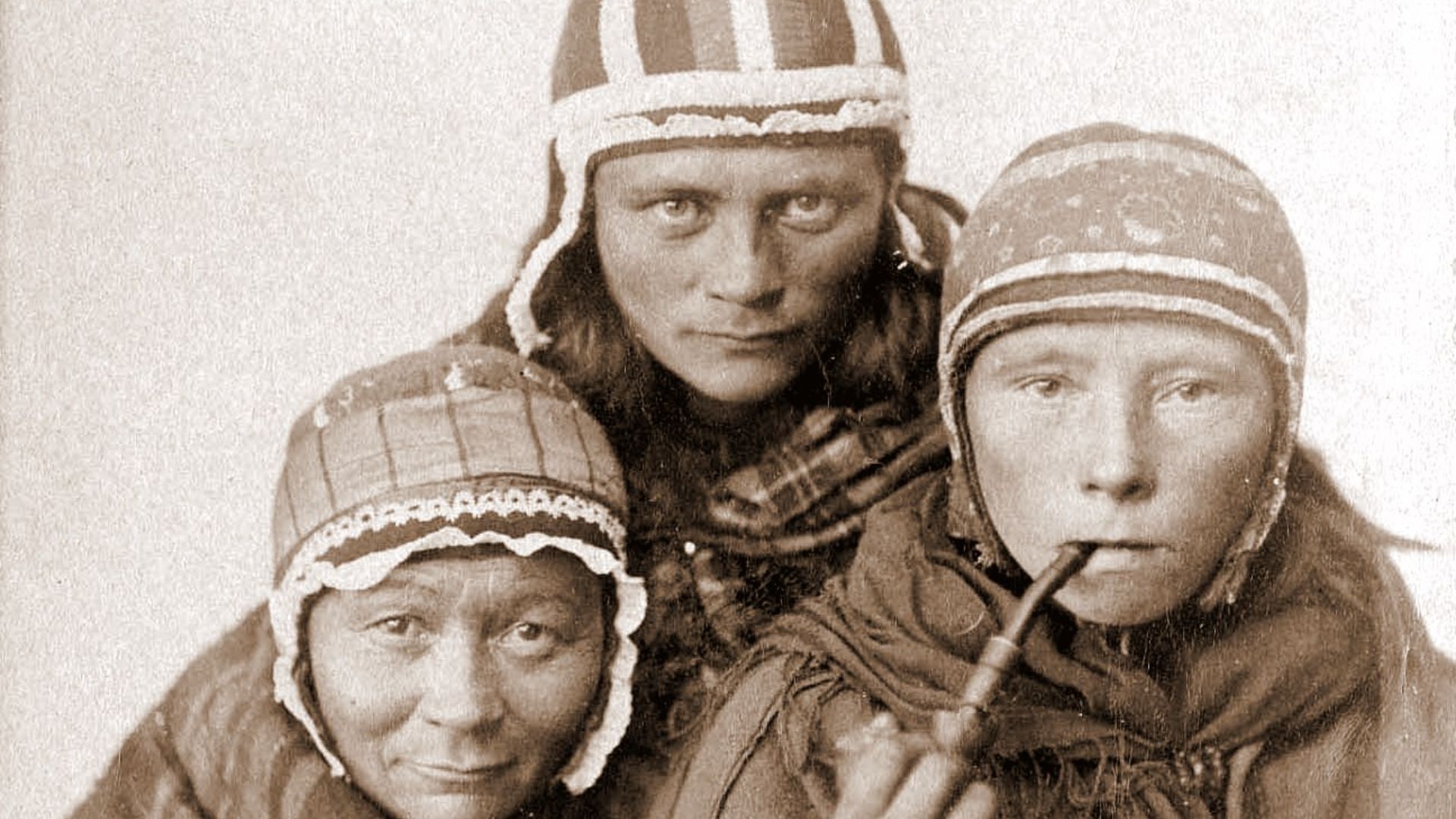
18. The Normans
By the eleventh century, descendants of Viking settlers in Normandy had developed one of Europe's most effective military cultures. Norman armies became famous for combining cavalry, archers, and infantry, instead of relying on a single style of fighting. Their victories from England to southern Italy showed how dramatically Scandinavian warfare could evolve within only a few generations.
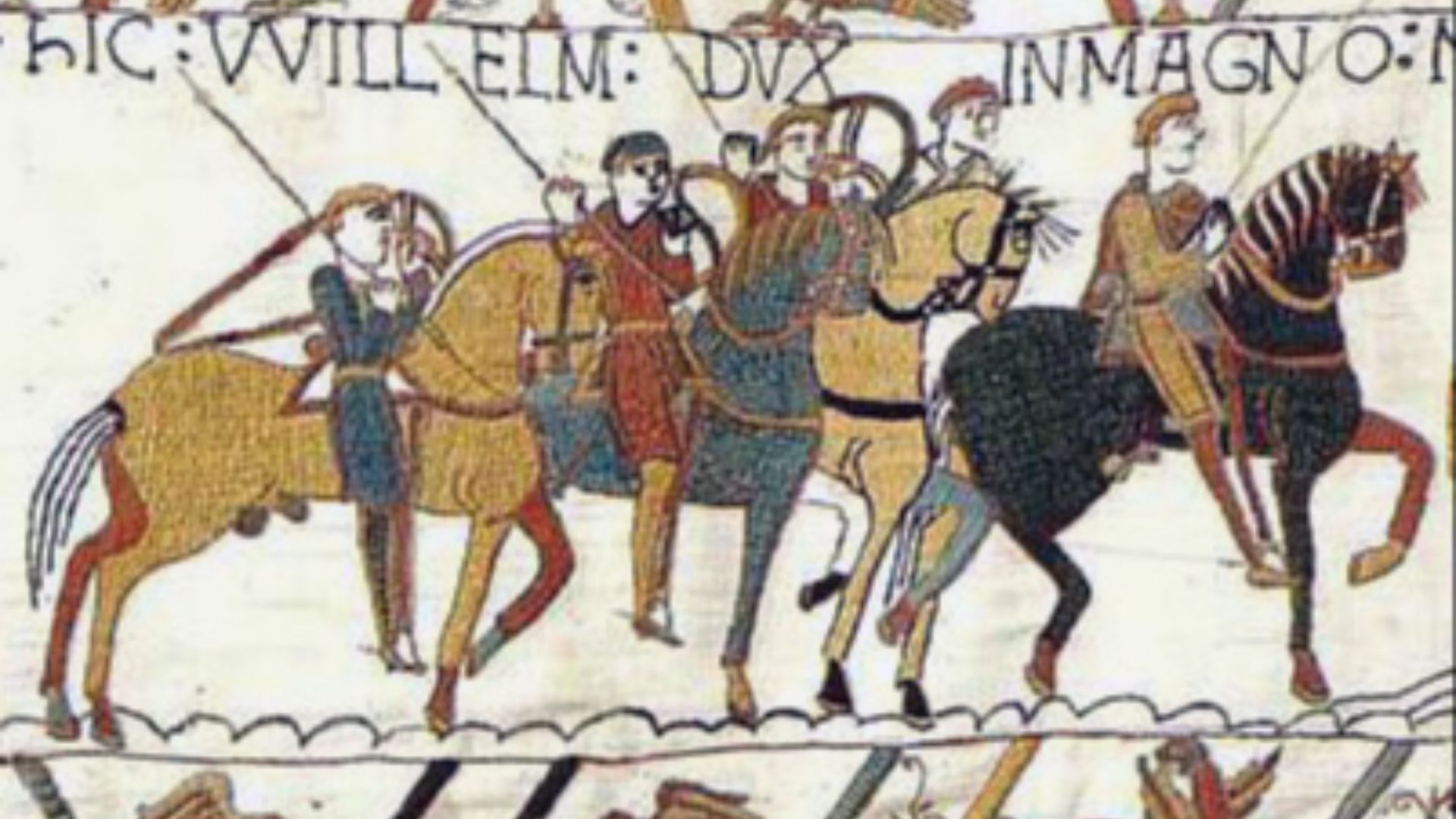
19. The Byzantine Navy
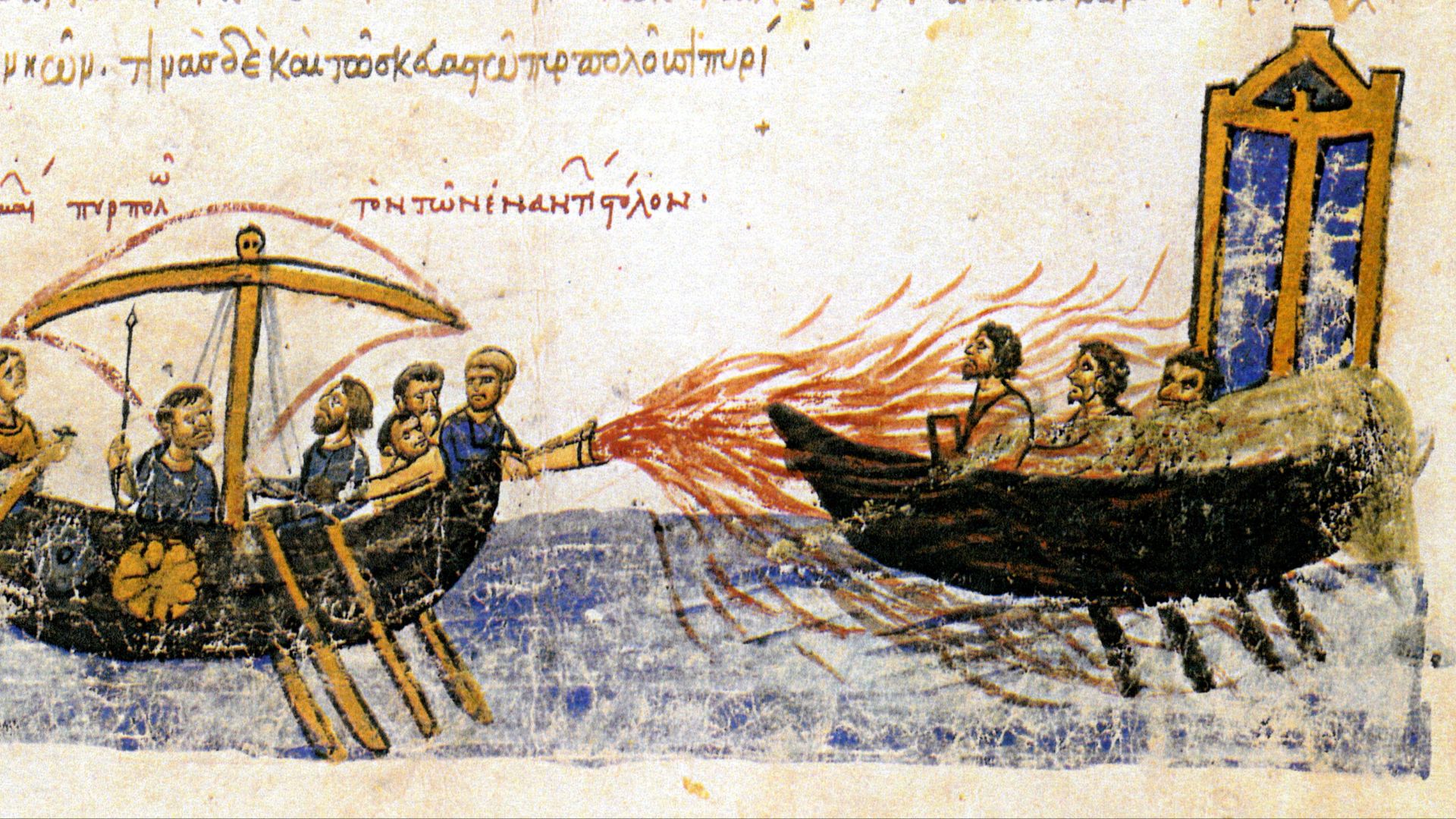
Vikings approaching Constantinople weren't facing an ordinary medieval fleet. Byzantine warships could use Greek fire, a devastating flamethrower-like incendiary weapon that stuck to targets and even burned on water. For men accustomed to dominating waterways, encountering ships capable of hurling burning material at them was probably an unwelcome change of pace.
20. The Steppe Turkic Horsemen
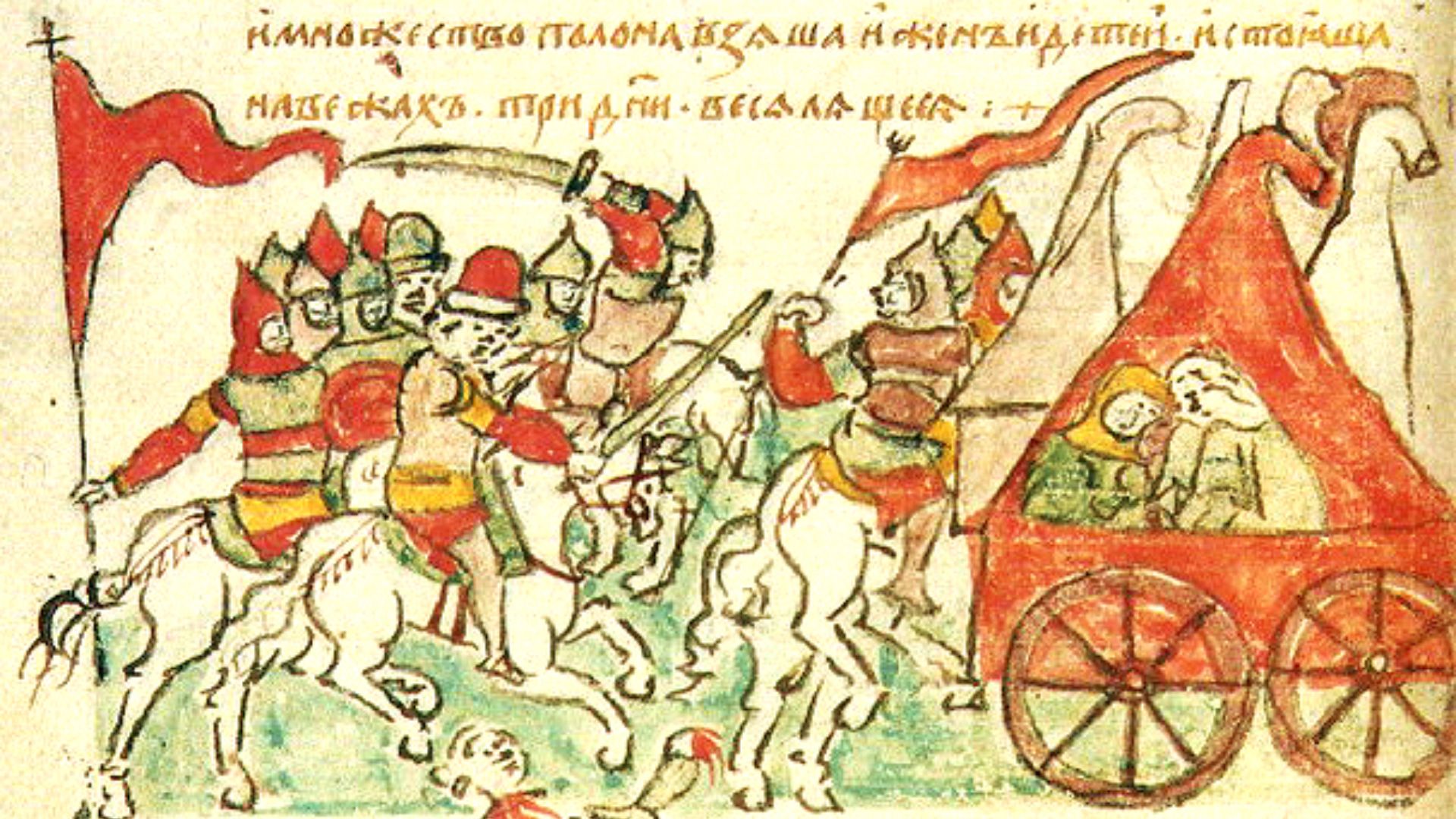
Across eastern Europe and Central Asia, various Turkic-speaking steppe peoples developed warfare around exceptional horsemanship and archery. Their riders could harass an enemy from a distance, withdraw rapidly, and return from another direction before slower troops reorganized. Vikings were dangerous when they controlled the coastline, but far out on the open steppe, somebody else had the mobility advantage.
KEEP ON READING