20 Things People Used to Do to Wake Up Before Alarm Clocks Existed
Getting Up Used To Be a Little More Complicated
Waking up at a specific time seems simple when you can set six phone alarms five minutes apart, but people managed for centuries without that luxury. Before personal alarm clocks became affordable and common, getting out of bed often depended on sunlight, church bells, other people, animals, and some surprisingly creative devices. Back then, if you had somewhere to be before sunrise, you couldn't exactly hit snooze and hope for the best. Here are 20 things people did to wake up before alarm clocks.
 Catsimpoolas, Nicholas on Wikimedia
1. They Hired a Knocker-Upper
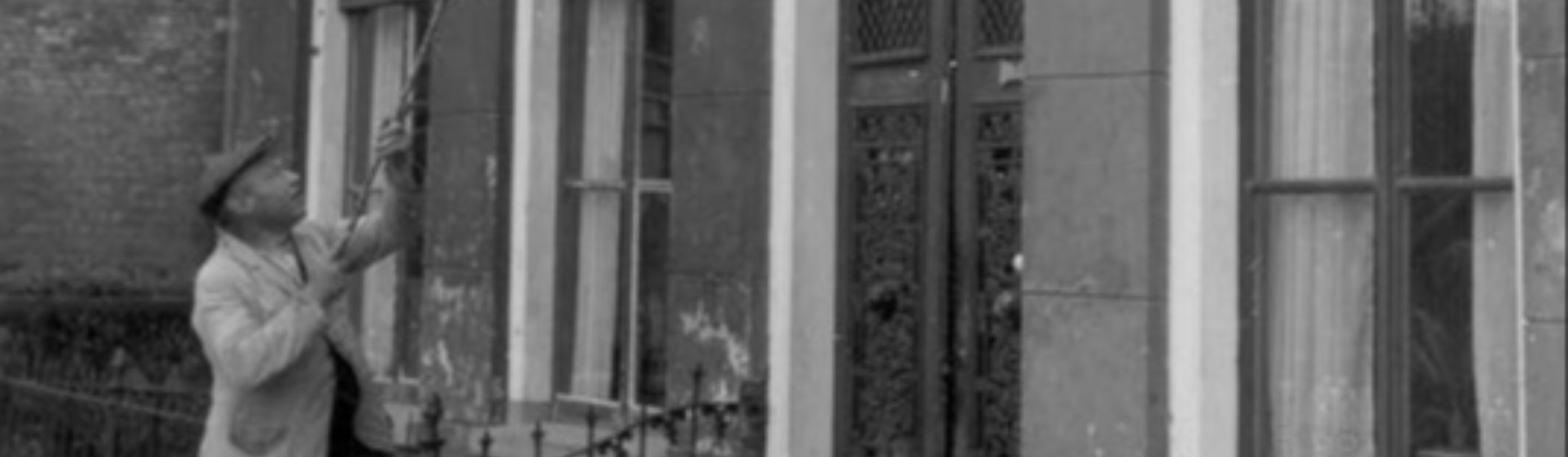
In industrial Britain and Ireland, some workers actually paid another person to wake them each morning. Known as knocker-uppers or knocker-ups, these professional human alarms walked through neighborhoods tapping on customers' doors or bedroom windows. They were especially useful to factory, mine, and dock workers who had to report for early shifts.
2. They Asked Someone to Tap Their Window With a Long Pole
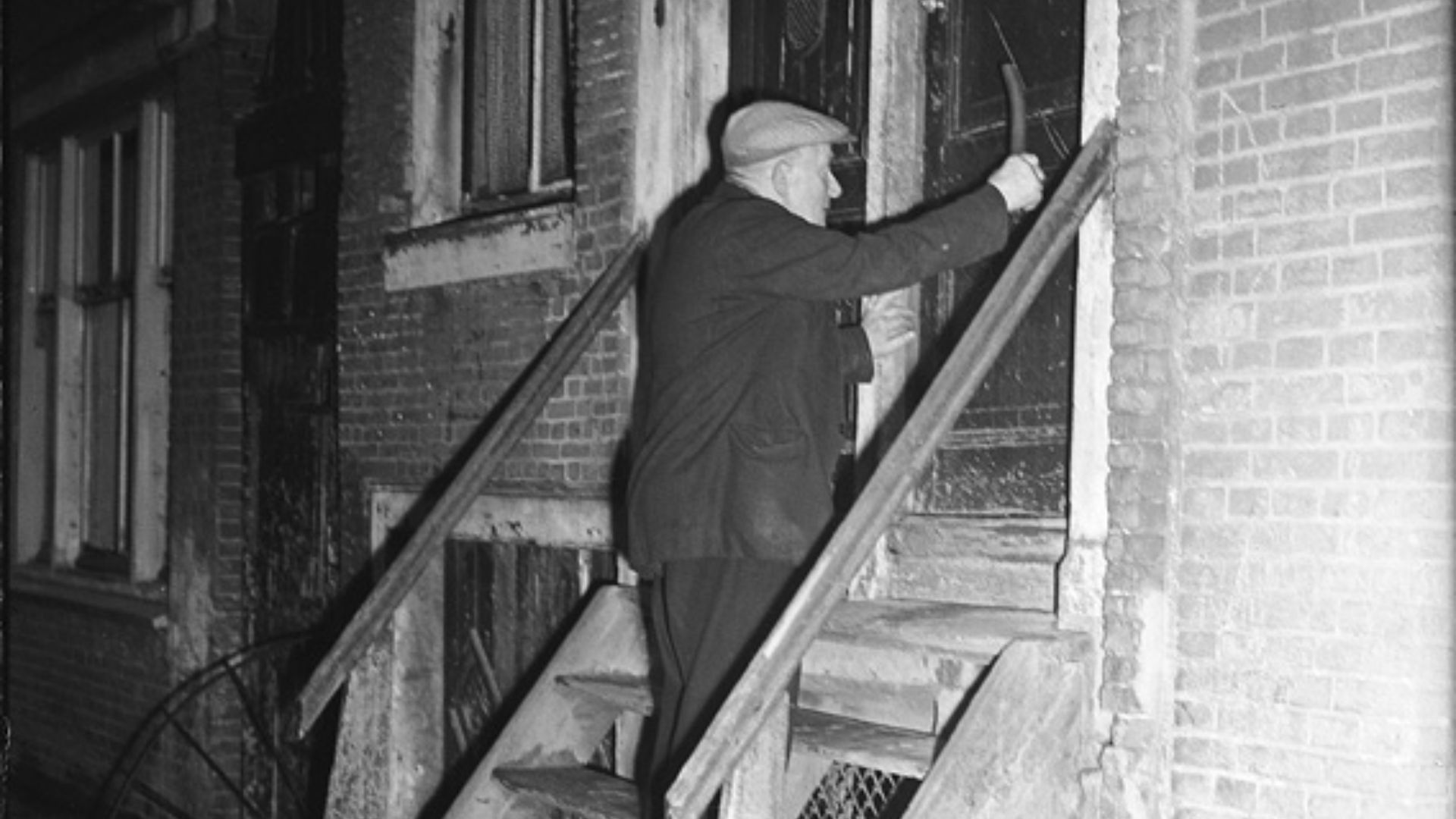
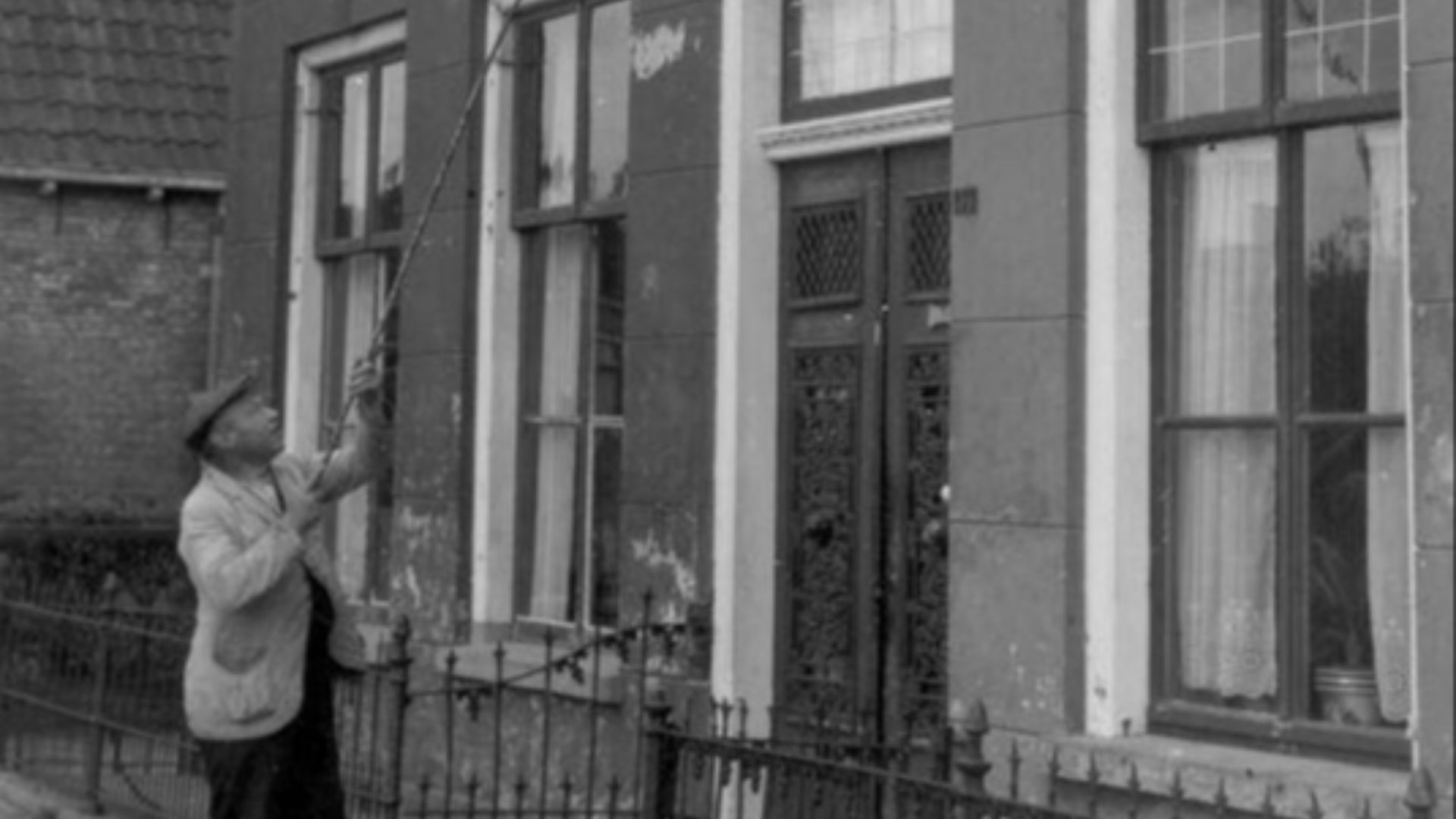
Knocker-uppers didn't necessarily have to stand right outside your front door, making enough noise to wake the entire household. Some carried extremely long sticks or poles that allowed them to reach upstairs bedroom windows. A few gentle taps could wake the paying customer while hopefully leaving everyone next door asleep. It was a surprisingly precise system for something involving a giant stick.
 Nationaal Archief (flickr.com) on Wikimedia
3. They Got Peas Shot at Their Windows
One of the more inventive versions of the knocker-upper used a pea shooter instead of a pole. London knocker-upper Mary Smith became famous for blowing dried peas at customers' upper-story windows during the early 20th century. The method allowed her to reach windows that would've been awkward to hit with a stick. Getting pelted with peas at dawn probably made sleeping in difficult.
 Eglon van der Neer on Wikimedia
4. They Woke Up With Church Bells
For centuries, church bells helped structure daily life in European communities. Bells could announce religious services and prayer times, giving people regular audible markers throughout the day. Someone living close enough to a church might therefore hear an early bell while still in bed. Now you know why old churches can be so obnoxious.

5. They Listened for Monastery Bells
Because monks and other members of religious orders followed schedules of prayer, religious communities had particularly strong reasons to keep track of time. Bells signaled when it was time to rise, worship, eat, or begin particular duties. People living around monasteries could hear those signals as well.

6. They Relied on the Call to Prayer
In Muslim communities, the call to the dawn prayer, or Fajr, also provided an early-morning signal. Traditionally delivered by a muezzin, the call announced that the time for prayer had arrived. For people living within hearing distance, it naturally became part of the rhythm of waking and beginning the day. Communities had public ways of marking morning long before everyone carried their own timepiece.

7. They Let the Sun Wake Them
Sometimes the simplest alarm was the sunrise itself. Without blackout curtains, electric lighting, and today's highly controlled bedrooms, daylight had a stronger influence on when many people slept and woke. Daily routines also tended to follow natural light more closely, particularly in agricultural communities.

8. They Positioned Their Beds Near Morning Light
If sunlight was going to be your alarm, it helped to make sure it could actually reach you. Sleeping near a window or in a room that became bright in the morning could make waking with daylight easier. This wasn't an exact way to hit 6:15 a.m., especially as sunrise changed with the seasons, but precision mattered less in many preindustrial routines.
9. They Counted on Roosters
Roosters have been providing unwanted early-morning announcements for thousands of years. Their crowing is influenced by an internal biological clock, which is why they often start making noise around dawn. For farming families who already kept chickens, the sound provided a convenient reminder that morning had arrived.
 Alberto Rodríguez Santana on Unsplash
10. They Got Up When the Animals Needed Them
Farm life came with plenty of built-in reasons not to remain in bed. Cows needed milking, livestock needed feeding, and other morning chores had to be completed on a fairly regular schedule. Animals themselves could become restless or noisy when they expected attention. When an entire day's work depended on agricultural routines, sleeping until noon wasn't much of an option.
 Wolfgang Hasselmann on Unsplash
11. They Had Servants Wake Them
Wealthier households had a much easier solution: make waking up someone else's job. Servants could enter a bedroom, open curtains, light a fire, bring hot water, or directly tell their employer it was time to get up. Large households often operated according to established daily routines, making this relatively straightforward. How the servants got up on time, however, was another matter.
12. They Asked Family Members to Wake Them
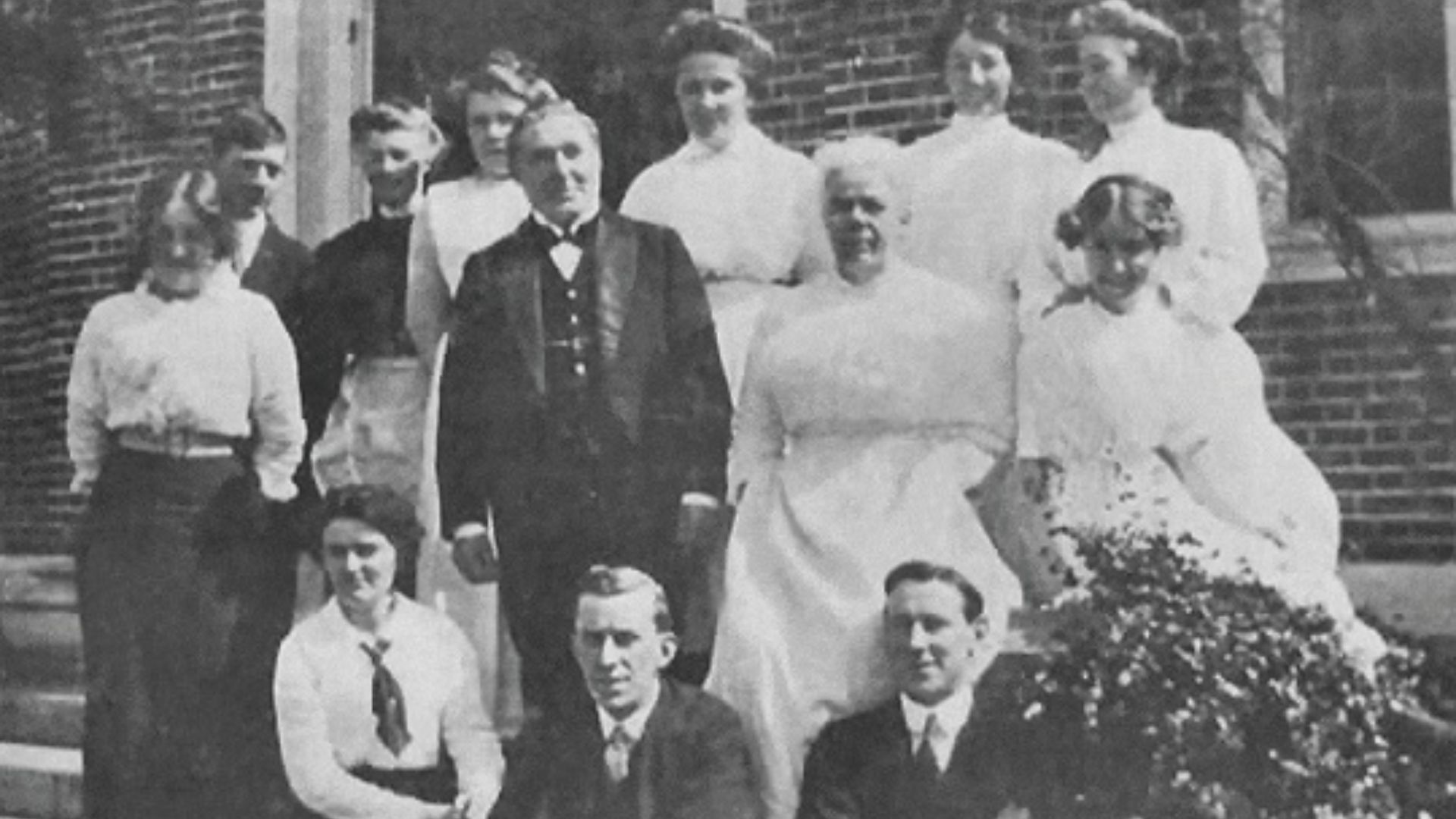
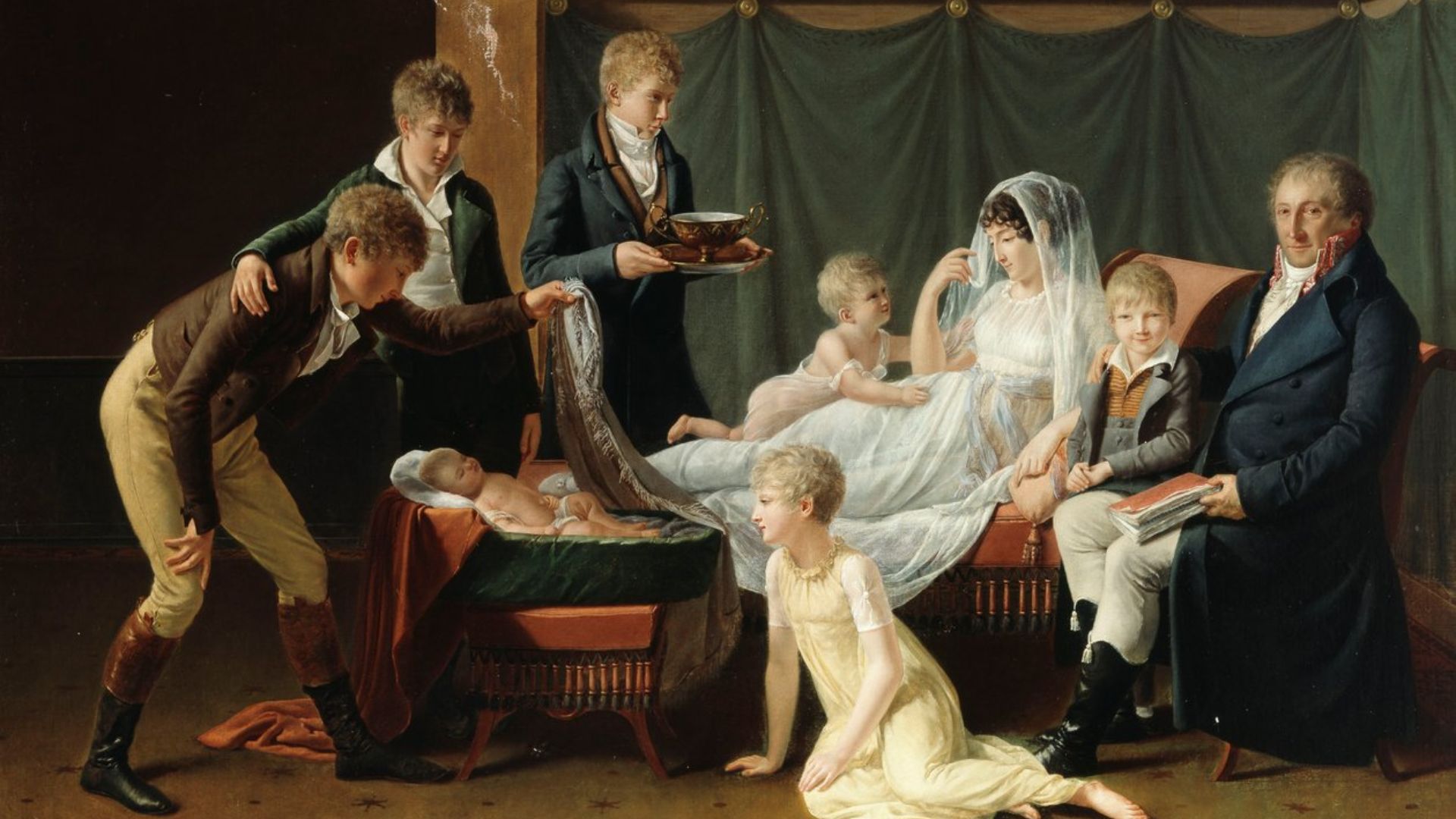
You didn't necessarily need paid help if somebody else in the house was already an early riser. Family members could wake one another when different people had work, travel, or household responsibilities requiring an early start. In homes where several generations or large families lived together, someone was often awake before everyone else anyway.
 Attributed to Jean Louis Ducis on Wikimedia
13. They Used Candle Clocks
Candles could do more than provide light because their fairly predictable burning rate allowed them to serve as rough timekeepers. Markings along a candle showed how much time had passed as the wax burned downward. More elaborate versions incorporated metal pins or nails inserted at certain points in the candle. Once the surrounding wax melted, the metal could fall onto a surface below and make enough noise to attract attention.

14. They Built Water-Powered Alarms
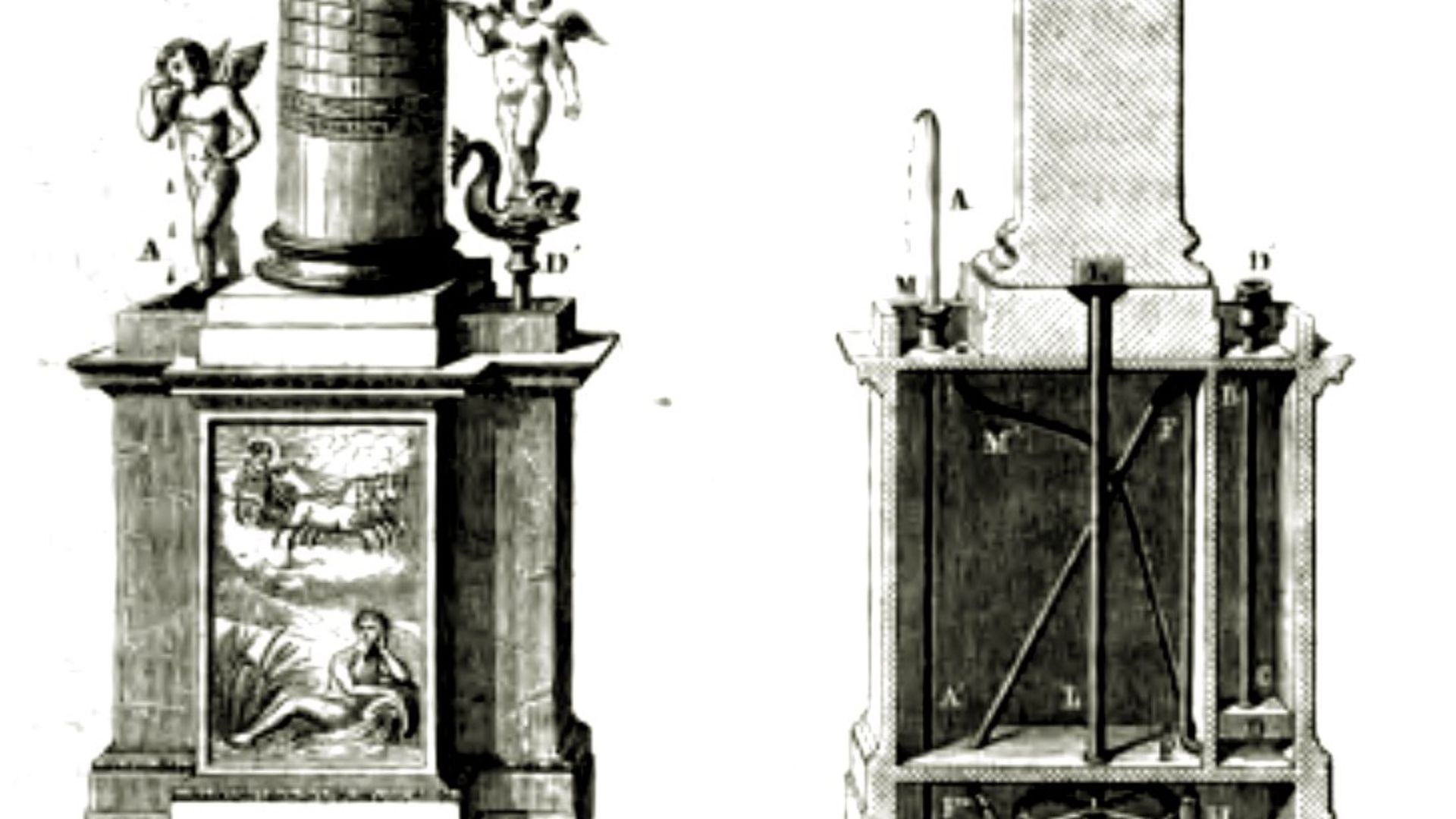
Water clocks had already been used for centuries before mechanical clocks took over. Some clever designs went beyond simply measuring time and incorporated sounds that could function as alarms. Ancient accounts even associate the Greek philosopher Plato with a water-based device that produced a whistle at a chosen time. Human beings clearly started trying to automate the wake-up process very early.
15. They Used Incense to Measure the Night
Incense clocks were used in parts of East Asia to measure time as incense burned at a relatively controlled rate. Some designs included threads holding small weights or other components that could fall once the flame reached a certain point. The resulting noise could signal that a period of time had passed. It was a far more elaborate approach than simply hoping you'd wake up naturally.

16. They Waited for Town Clock Bells
Once public mechanical clocks became established in European towns, their bells became an important way of broadcasting the time. You didn't need to own a clock if a nearby tower loudly announced the hours for everyone. Early morning chimes could therefore help residents know when the day was beginning.
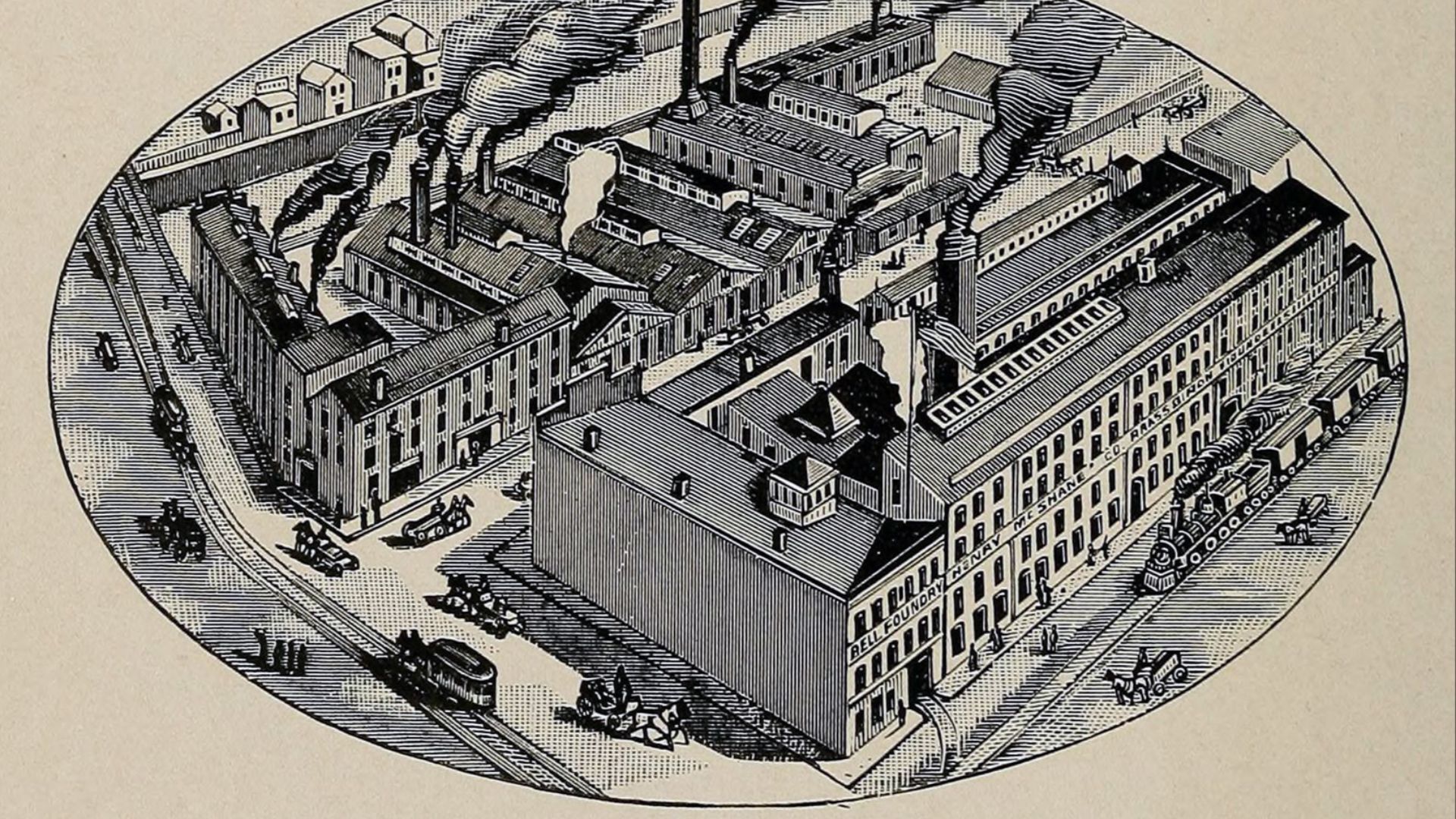
17. They Got Up to Factory Bells
The Industrial Revolution made punctuality much more important for enormous numbers of workers. Some factories used bells to signal when employees were expected to report for their shifts, and the sound could carry into surrounding neighborhoods. Workers had a strong incentive to pay attention because arriving late could result in lost wages or fines. Suddenly, "around sunrise" wasn't specific enough.
 McShane Bell Foundry on Wikimedia
18. They Woke to Factory Whistles
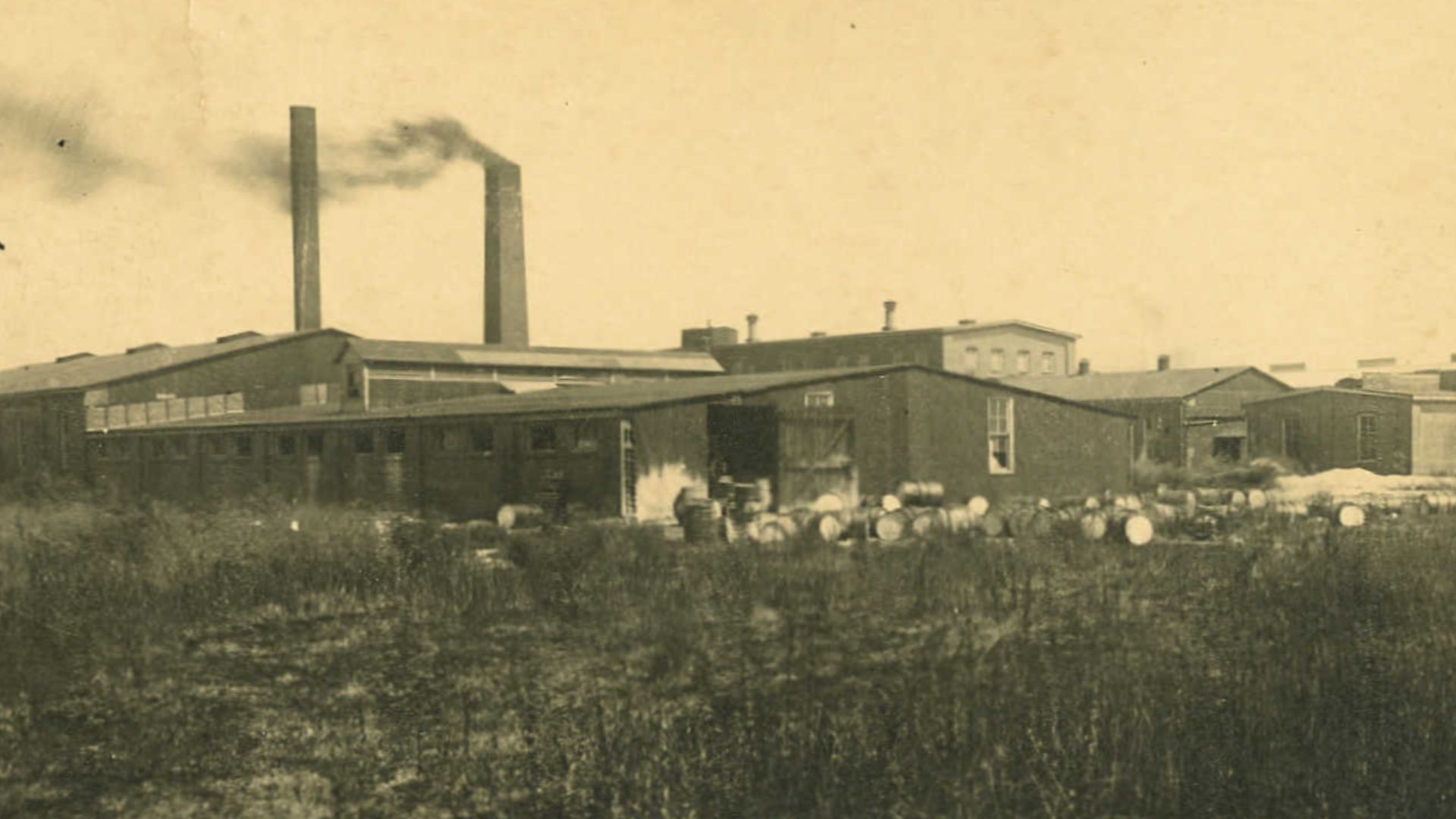
Steam whistles eventually became another familiar sound in industrial towns. Factories could use them to announce shift changes or the beginning of the working day, creating a signal audible across a wide area. Anyone who lived nearby might use that noise as part of their morning routine.
19. They Trained Themselves to Wake at a Regular Time
Human bodies aren't completely helpless without electronic assistance. Going to bed and waking up at consistent times can help the body's circadian system anticipate when morning usually begins. People following rigid routines could therefore become accustomed to rising at roughly the same hour each day. It wasn't accurate to the minute, but many daily schedules didn't require that level of precision.

20. They Simply Went to Bed Much Earlier
One surprisingly effective way to wake early is to actually get enough sleep beforehand. Before widespread electric lighting, nighttime activities were more limited, and many people's schedules were tied more closely to darkness and daylight. Sleep patterns varied greatly by period, place, occupation, and season, but staying awake scrolling until 1 a.m. obviously wasn't an option, and therefore wasn't a problem.

KEEP ON READING