A Time Before The Dating Apps
People have always looked for signs of their true love. Long before texts, dating profiles, and relationship statuses, young people used flowers, food, birds, insects, and everyday household items to predict who they might marry. The details changed from one place and generation to another, yet the hope behind them stayed much the same. People wanted to believe fate might drop a useful hint about romance, and these 20 old superstitions show how creative they got.
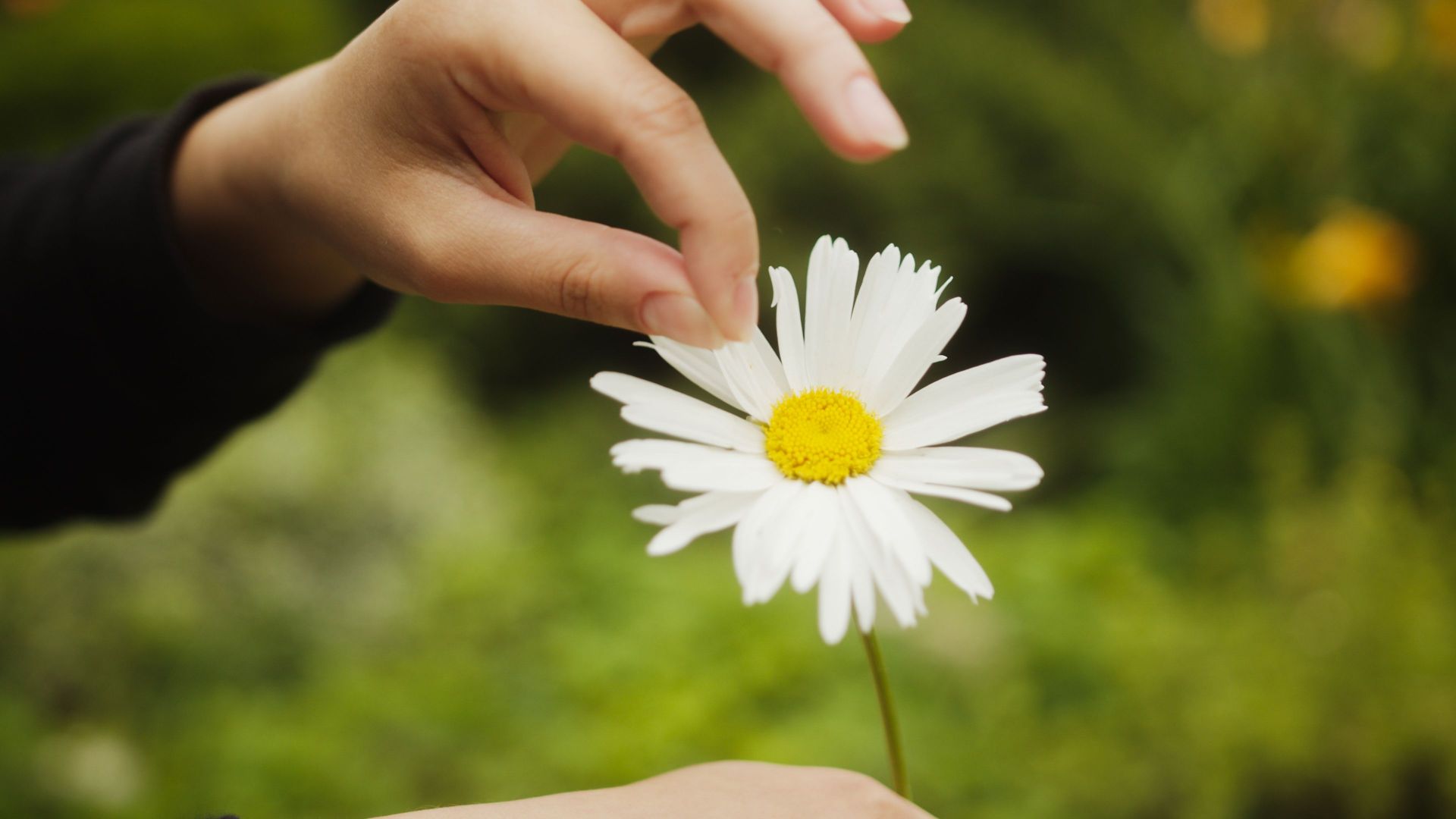
1. Flower Petals
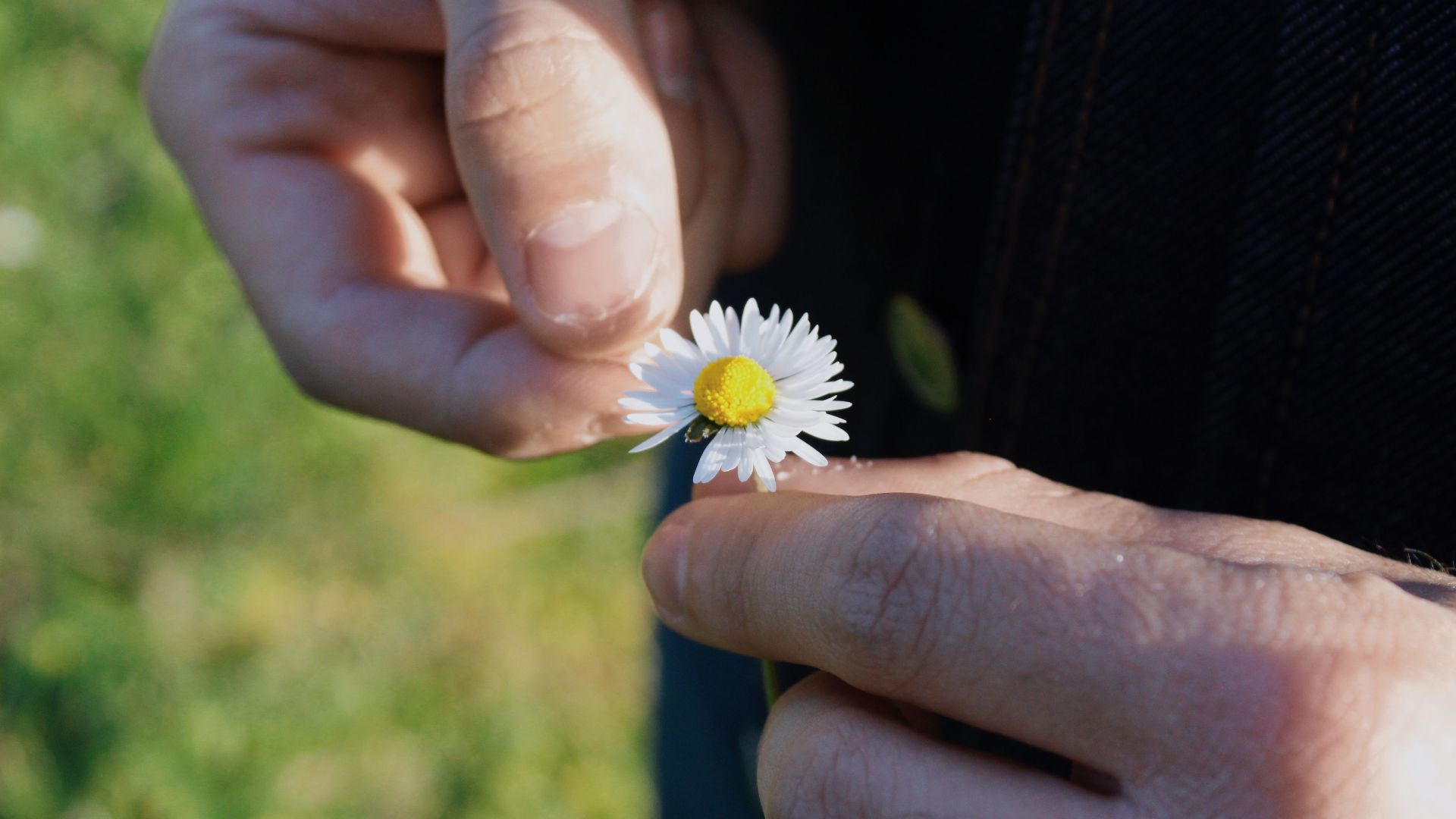
The familiar game of pulling petals from a flower while saying “he loves me” and “he loves me not” was already well known by the early 19th century. Players repeated the two phrases until they reached the final petal, which was supposed to reveal whether their feelings were returned.
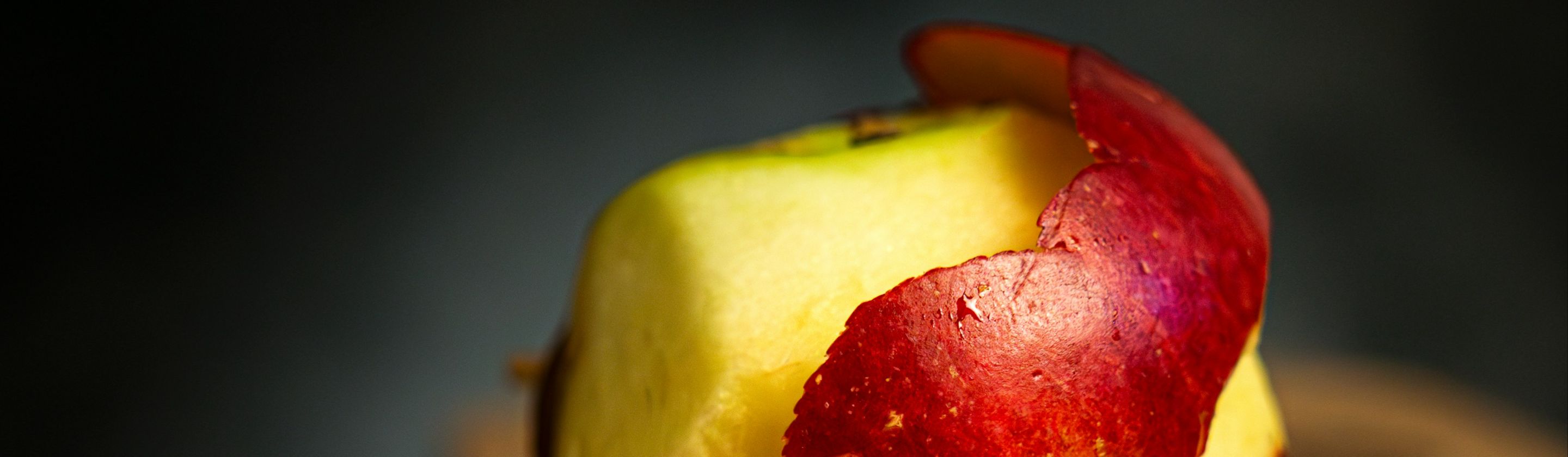
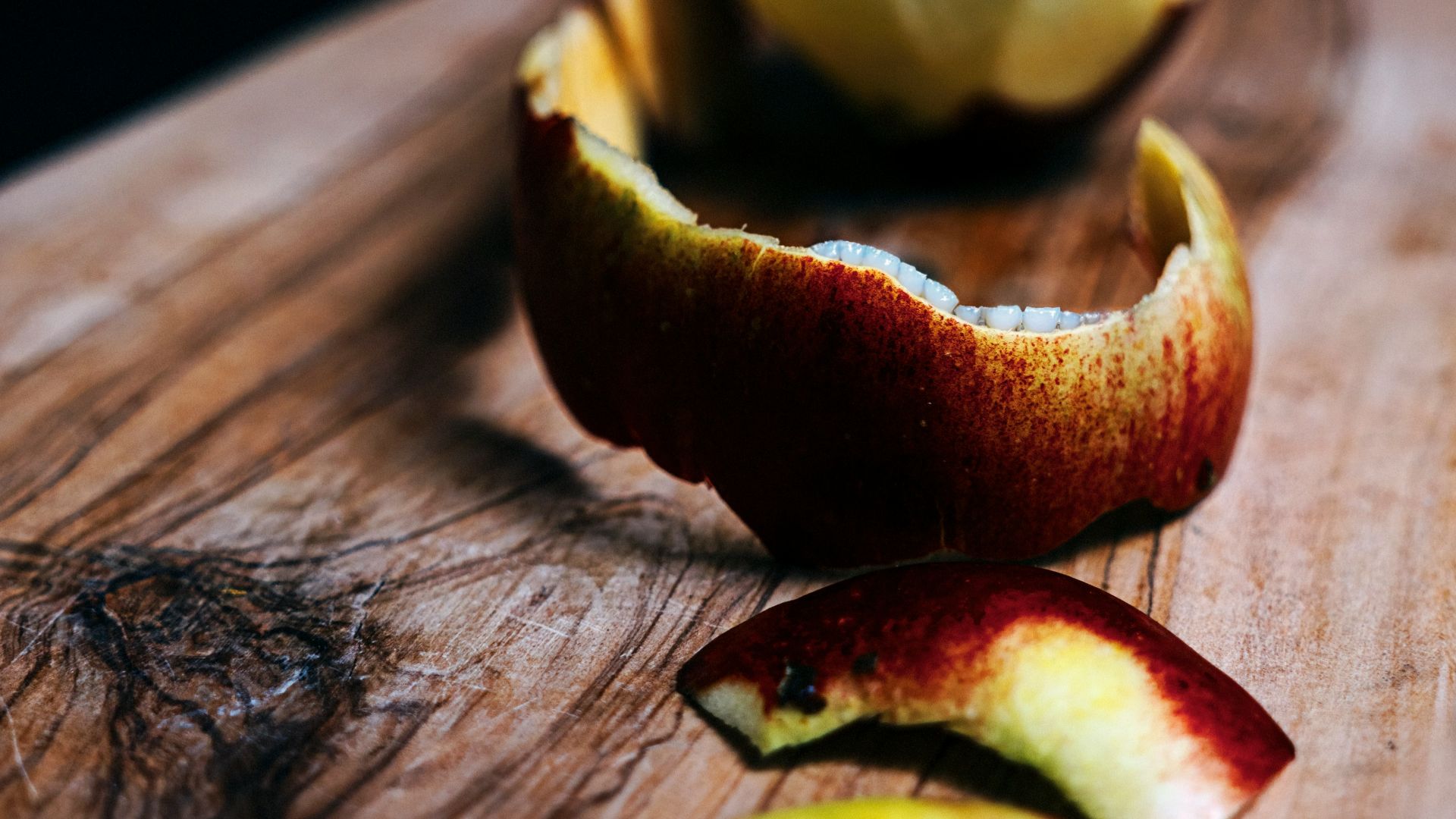
2. An Apple Peel
One popular courtship game called for peeling an apple in a single, unbroken strip and tossing the peel over your shoulder. Once it landed, the shape was believed to look like the first letter of a future husband or sweetheart’s name.
 Jonathan Cosens Photography on Unsplash
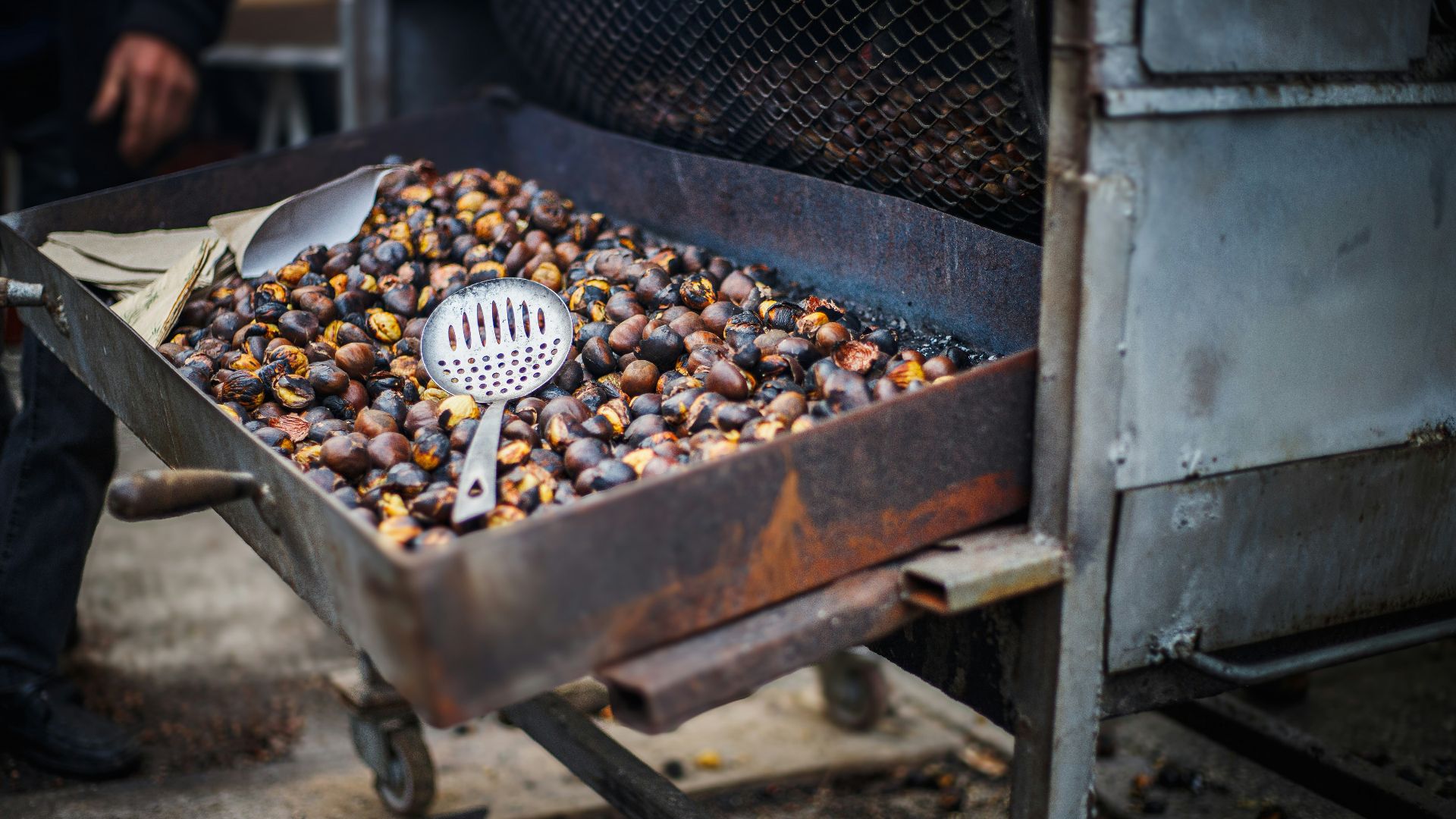
3. Roasting Nuts
At Halloween gatherings, young women sometimes named nuts or chestnuts after possible partners and placed them close to the fire. The nut that popped, cracked, or burned most strongly could point to the favored suitor, while one that quietly smoldered suggested a less promising match. In some versions, a calm and steady burn stood for a peaceful relationship instead.
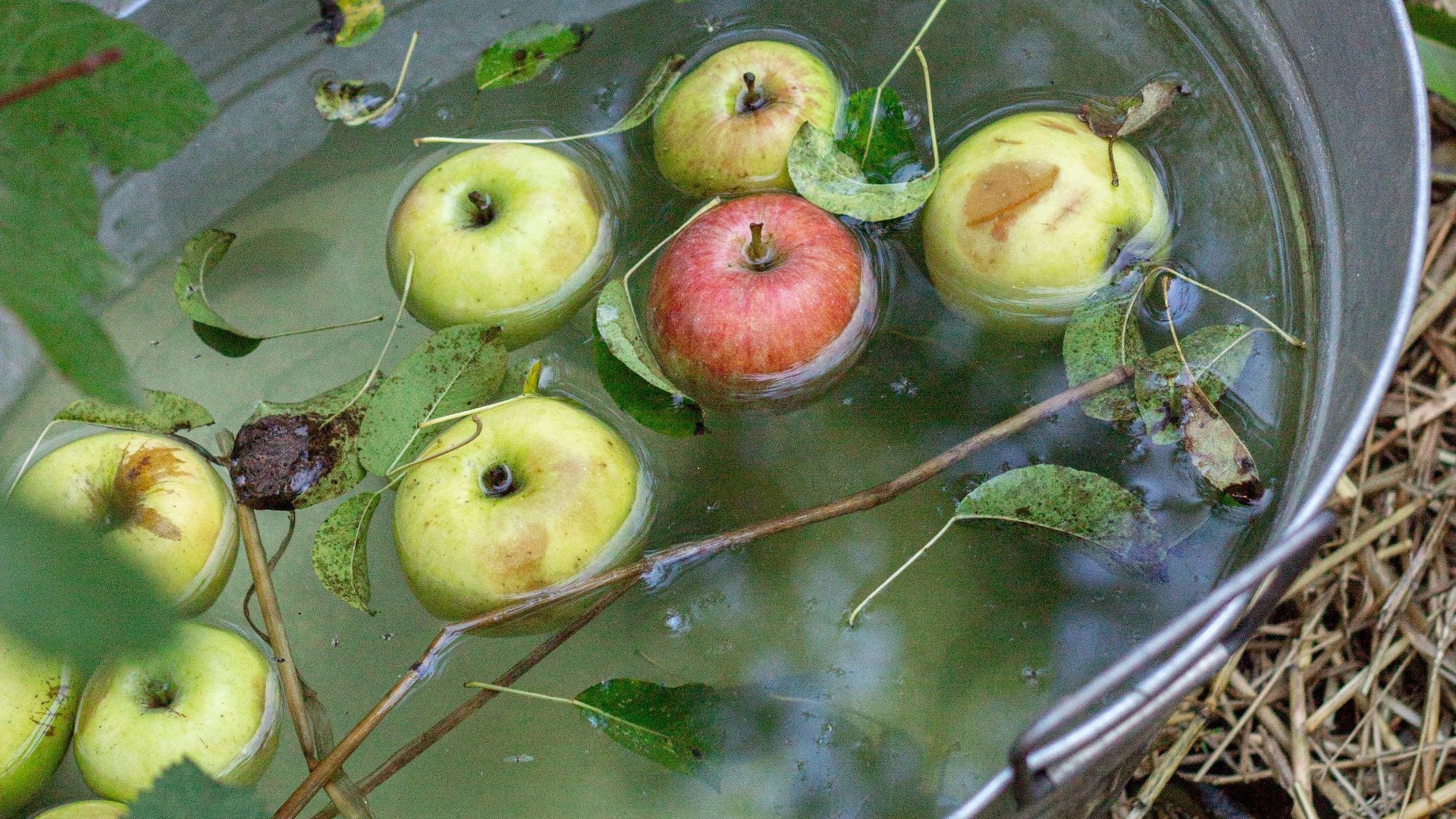
4. Bobbing for Apples
Bobbing for apples once had a romantic purpose beyond the familiar children’s party game. In some versions, the first person to catch and bite an apple would be the first one to marry.
5. A Mirror
Mirrors played a major part in old love rituals, especially around Halloween. Someone might walk backward in the moonlight while looking into a mirror, or stare into one by candlelight and wait for the face of a future husband or wife to appear.

6. A Blown Hair
Another Halloween ritual began with someone plucking a strand of hair and releasing it outside. The direction the wind carried it was believed to show where that person’s future spouse lived.

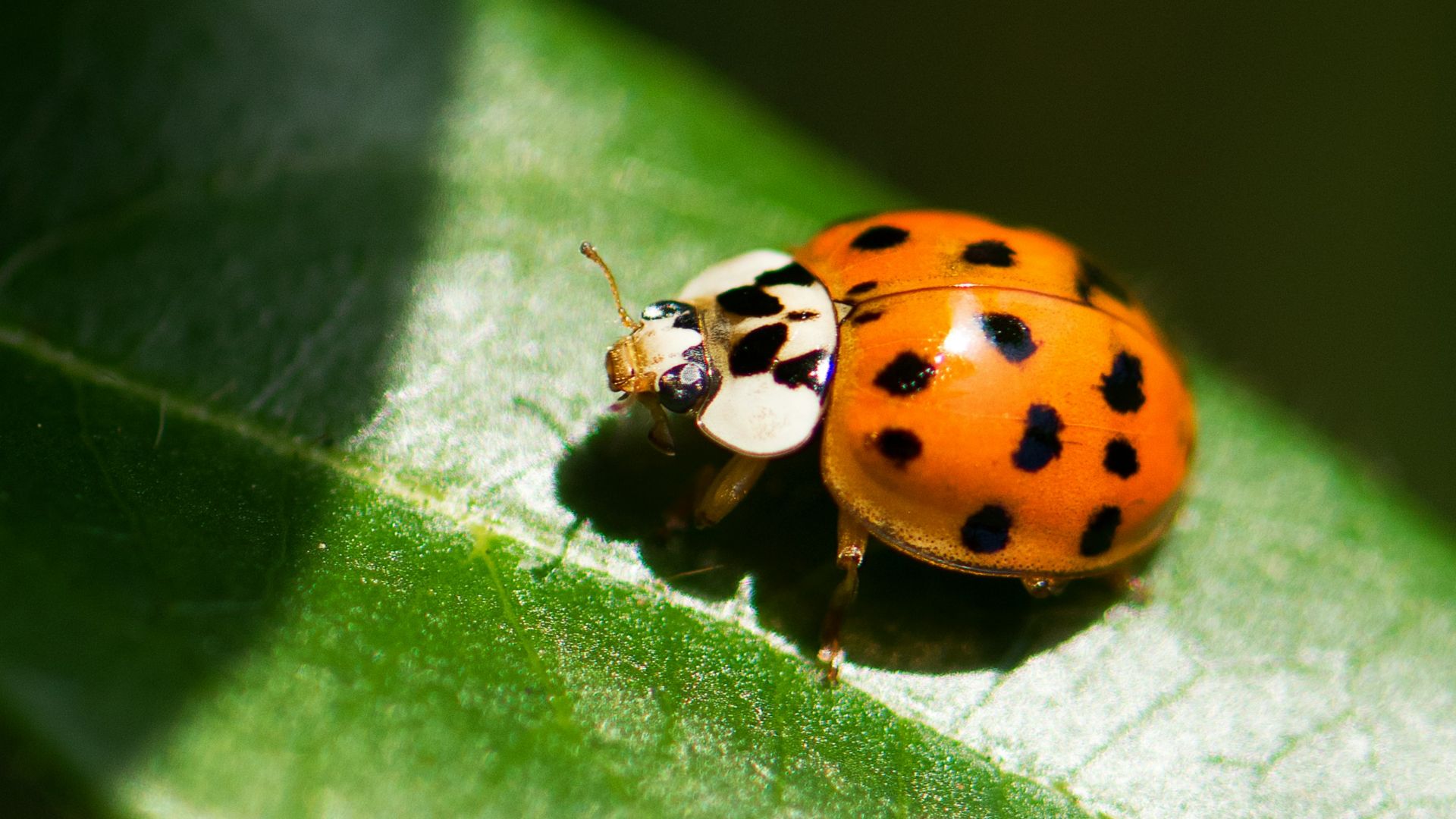
7. A Ladybird
In one English belief, a person tossed a ladybird into the air and asked it to show where a loved one lived. If the insect flew toward the sweetheart’s home, its path was taken as a good sign for the relationship. The little beetle became an unlikely messenger of love.
 Vincent van Zalinge on Unsplash
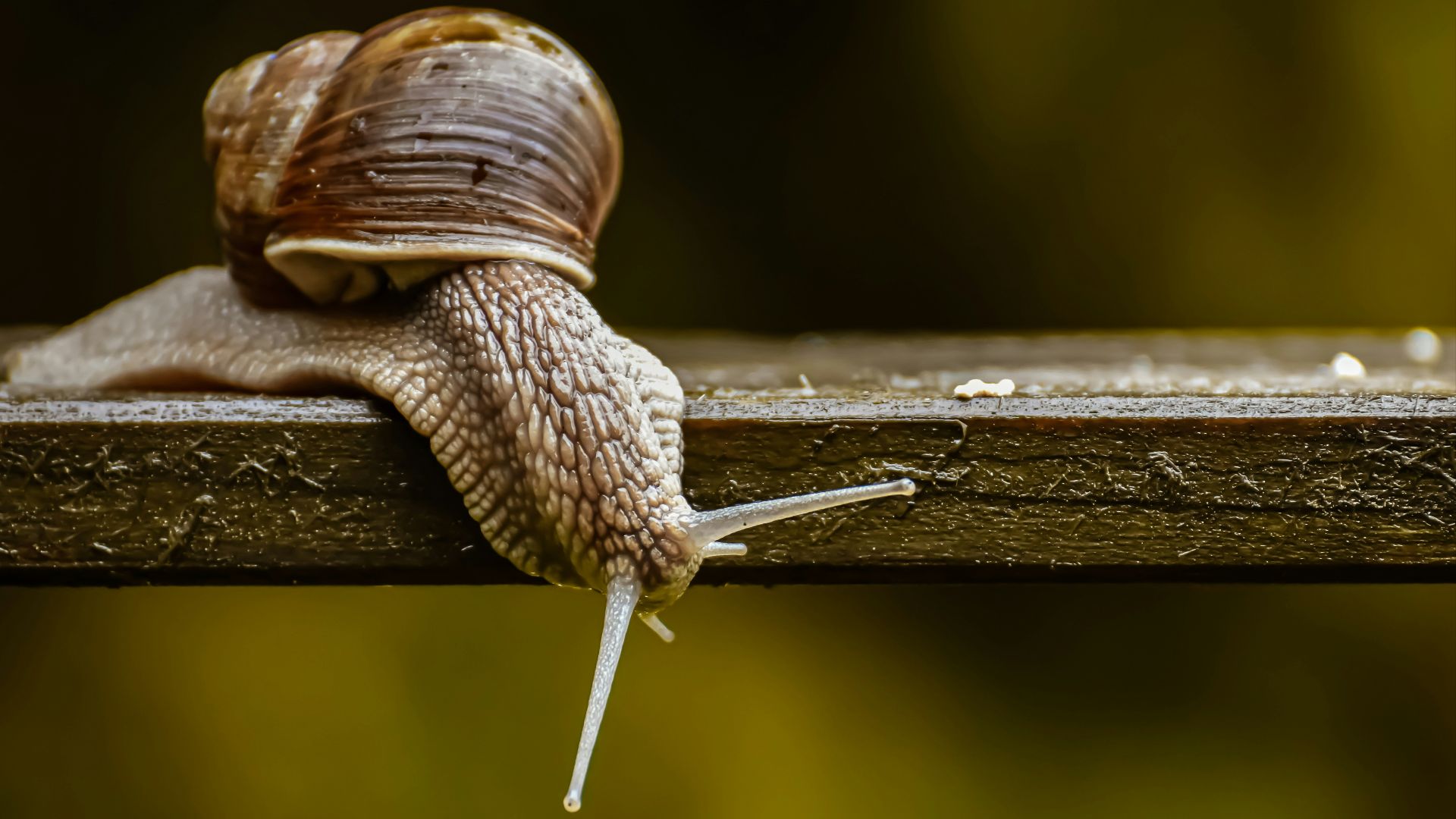
8. A Snail
Snails were sometimes placed on pale ashes and allowed to crawl across the surface. People studied the trail afterward, looking for a letter that was believed to be the initial of a lover or future spouse.
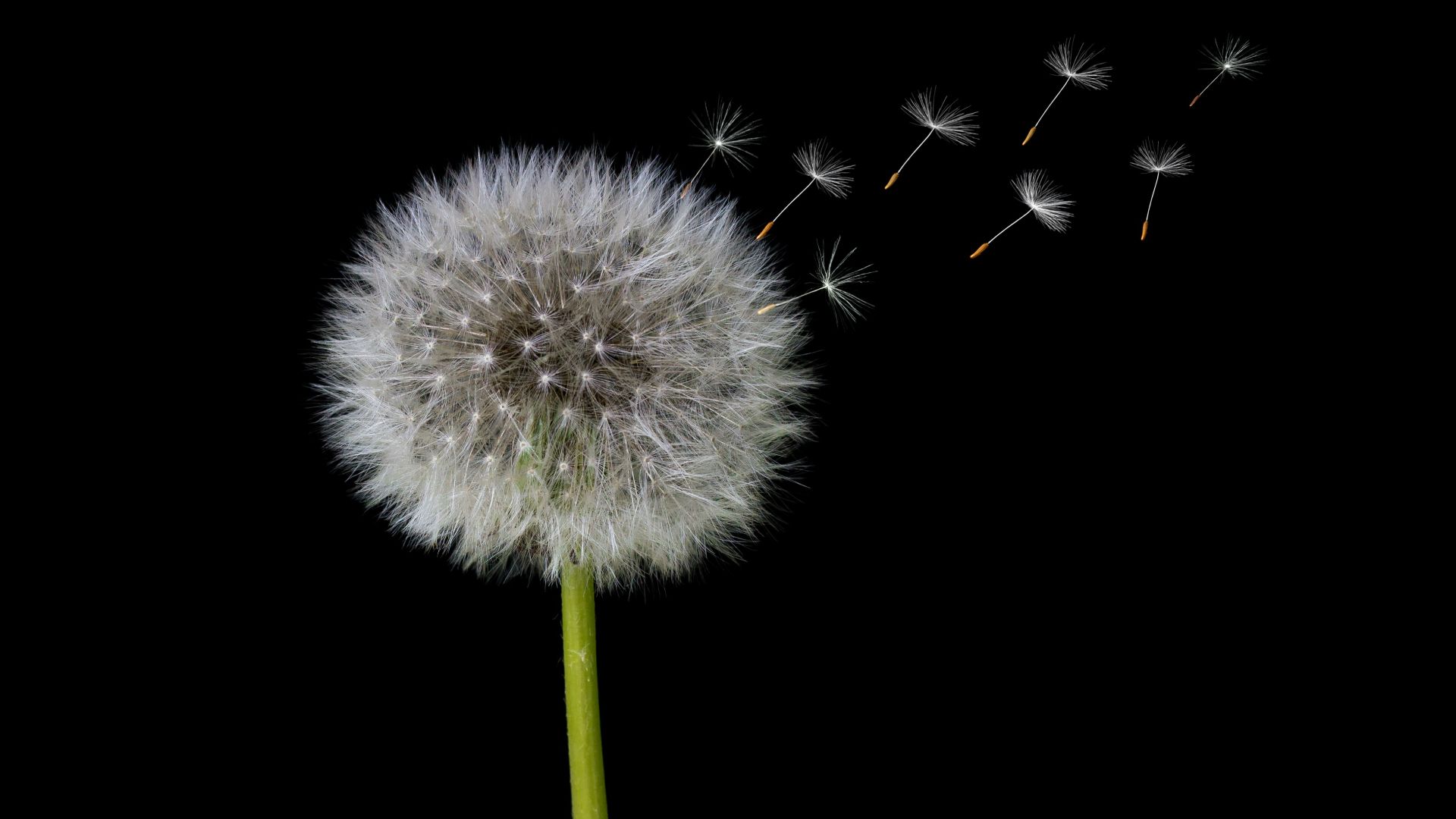
9. Dandelion Puffs
A ripe dandelion seed head could be used to count how many years remained before marriage. The number of breaths needed to blow away every seed was said to match the number of years a person would have to wait. Anyone who cleared the stem in one strong breath could take it as good news, while several tries pointed to a longer stretch of single life.
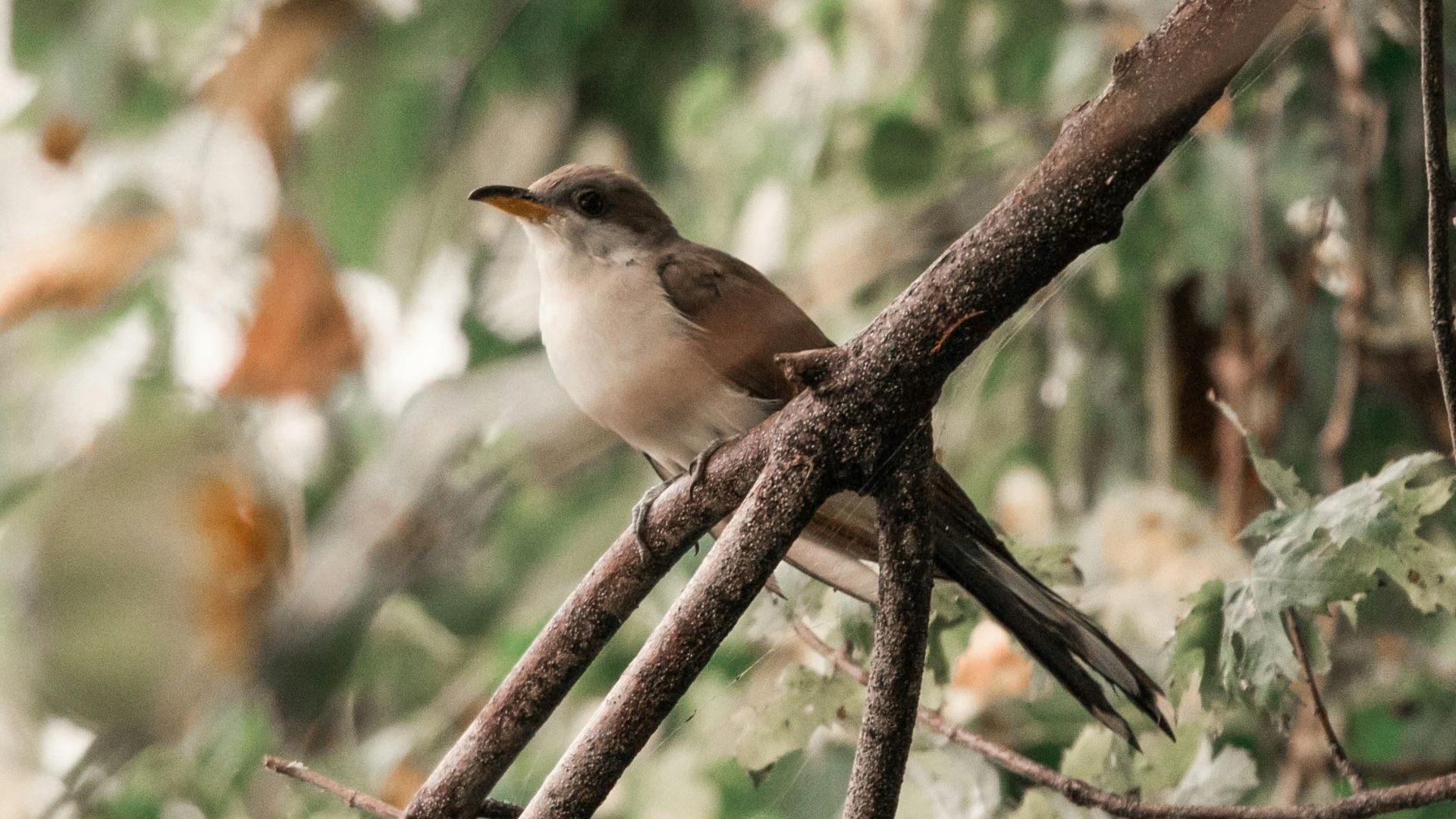
10. Cuckoo Calls
When an unmarried person heard the first cuckoo of spring, they might count how many times the bird called. Each call was believed to represent another year before marriage, tying romantic predictions to the return of spring and its connection with renewal.
11. Magpies
Magpies carried different meanings depending on how many were seen together. In one version of the counting superstition, spotting three magpies meant a wedding was on the way.

12. A Match Flame
A burning match could also be used as a quick romantic compass. When someone held it upright, the direction in which the flame leaned was believed to show where a sweetheart lived. Depending on the version, people might also watch the smoke or the burned end of the match.

13. Bay Leaves
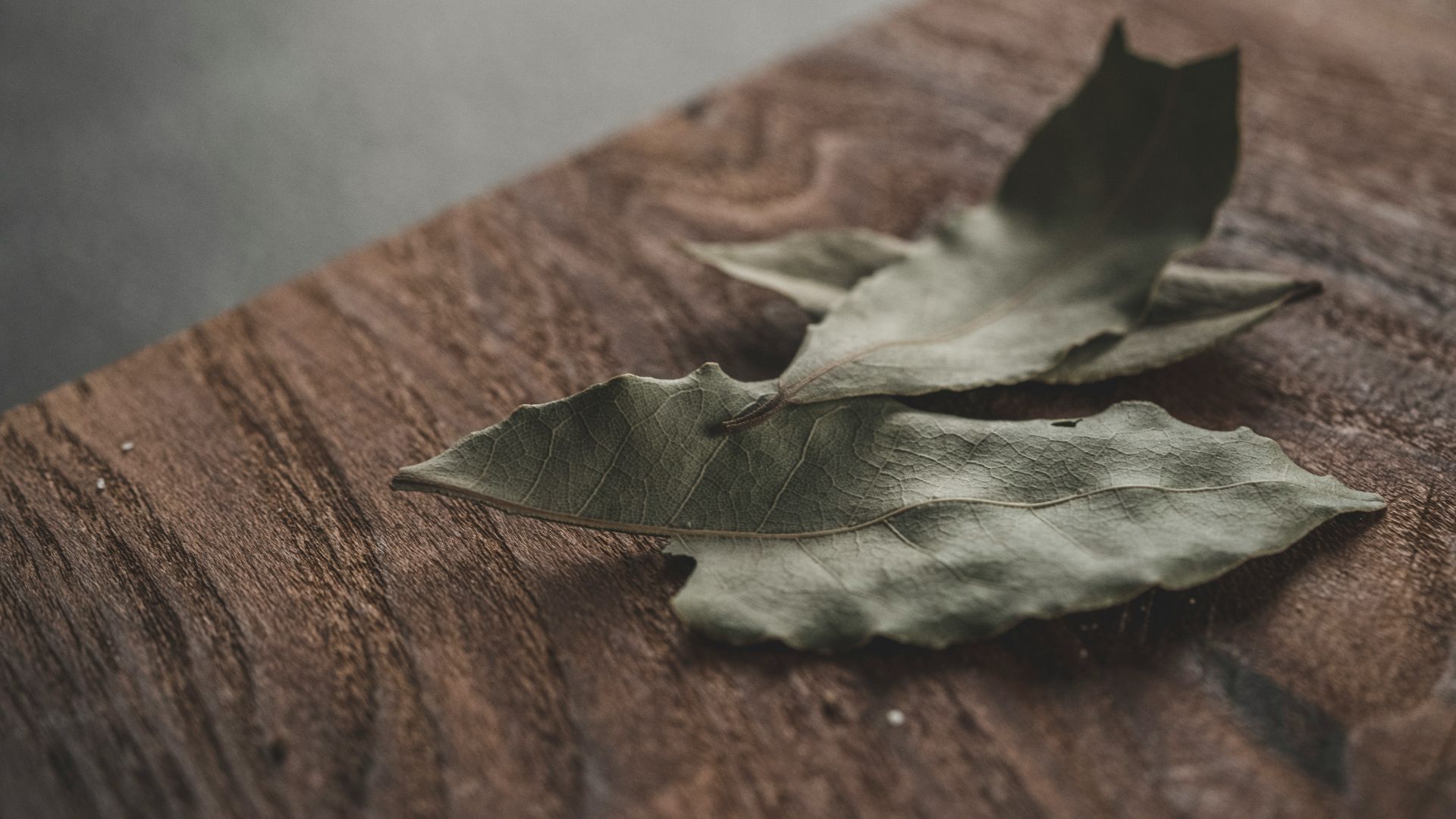
One bedtime ritual involved placing five bay leaves around a pillow, with four at the corners and one in the center. If the sleeper dreamed about a lover that night, it was taken as a sign that the couple would marry within the year.
14. Flowers
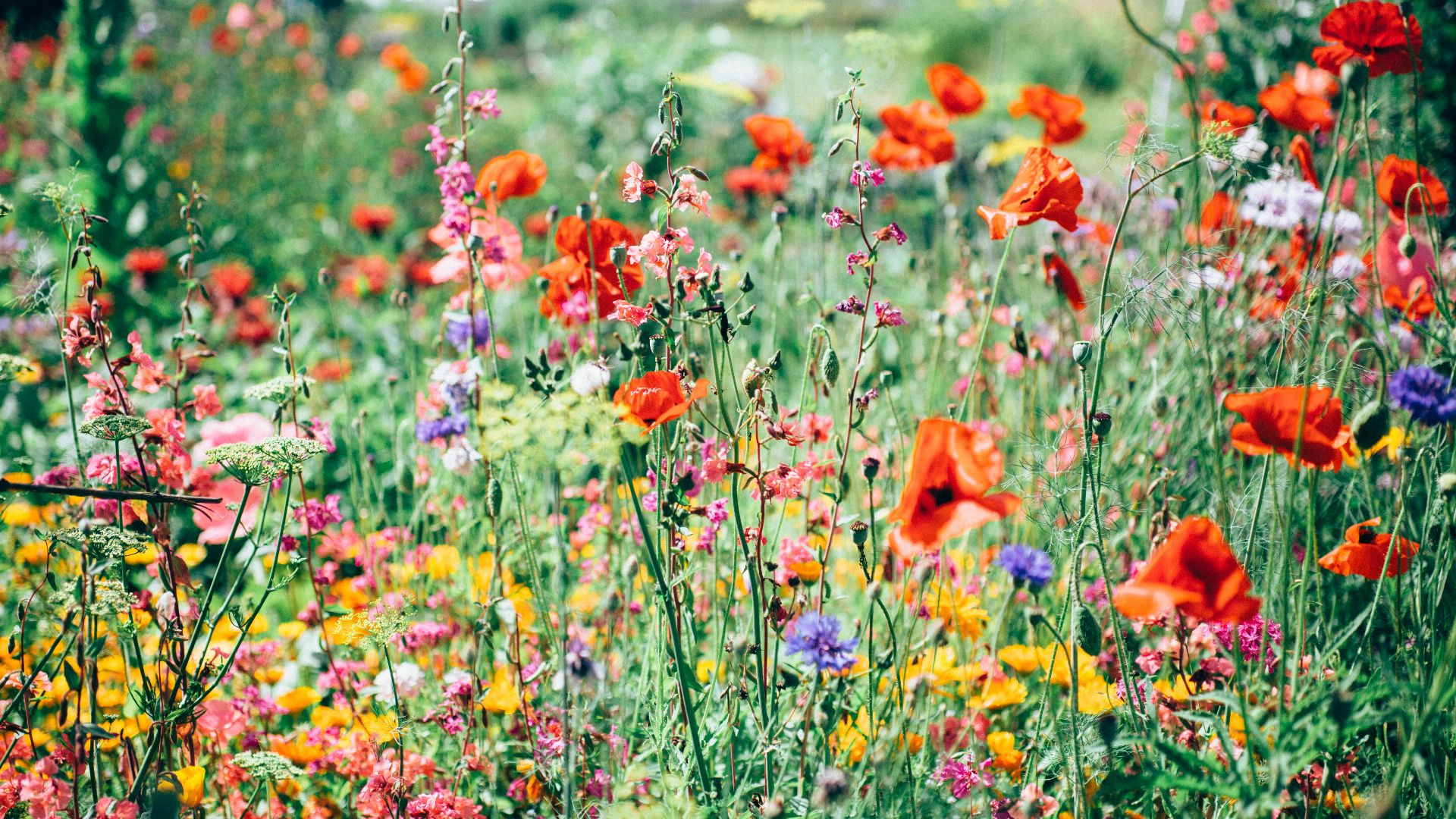
A Swedish Midsummer tradition told an unmarried woman to gather seven different kinds of flowers and place them beneath her pillow. Some versions required her to pick the flowers in complete silence, adding another rule to the nighttime ritual. Once she fell asleep, she was expected to dream about the person she’d eventually marry.
 Nature Uninterrupted Photography on Unsplash
15. Wedding Cake
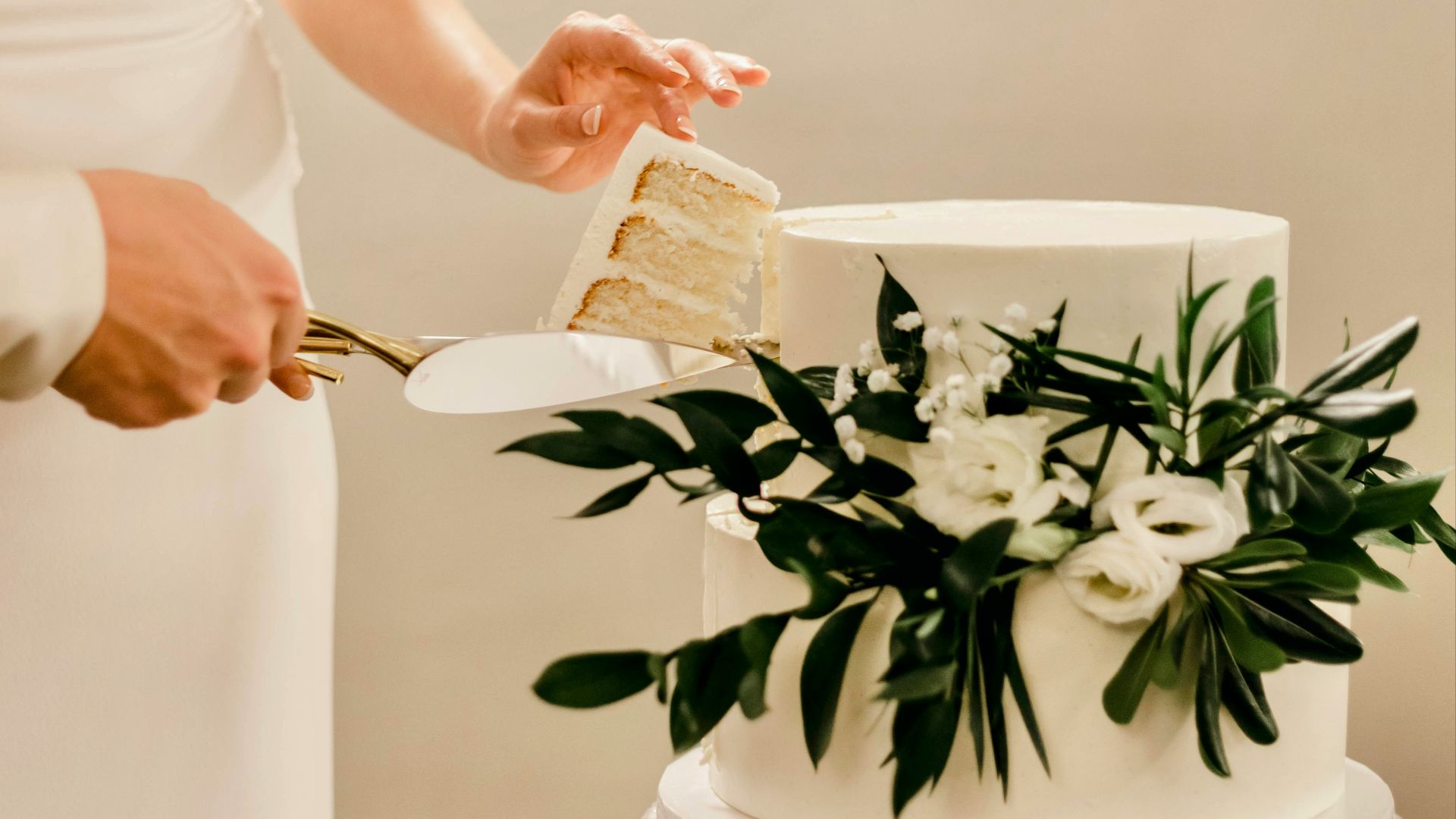
Unmarried wedding guests sometimes took a piece of wedding cake home and placed it beneath their pillows before going to sleep. The person who appeared in their dreams that night was believed to be the one they’d eventually marry.
16. A Silent Supper
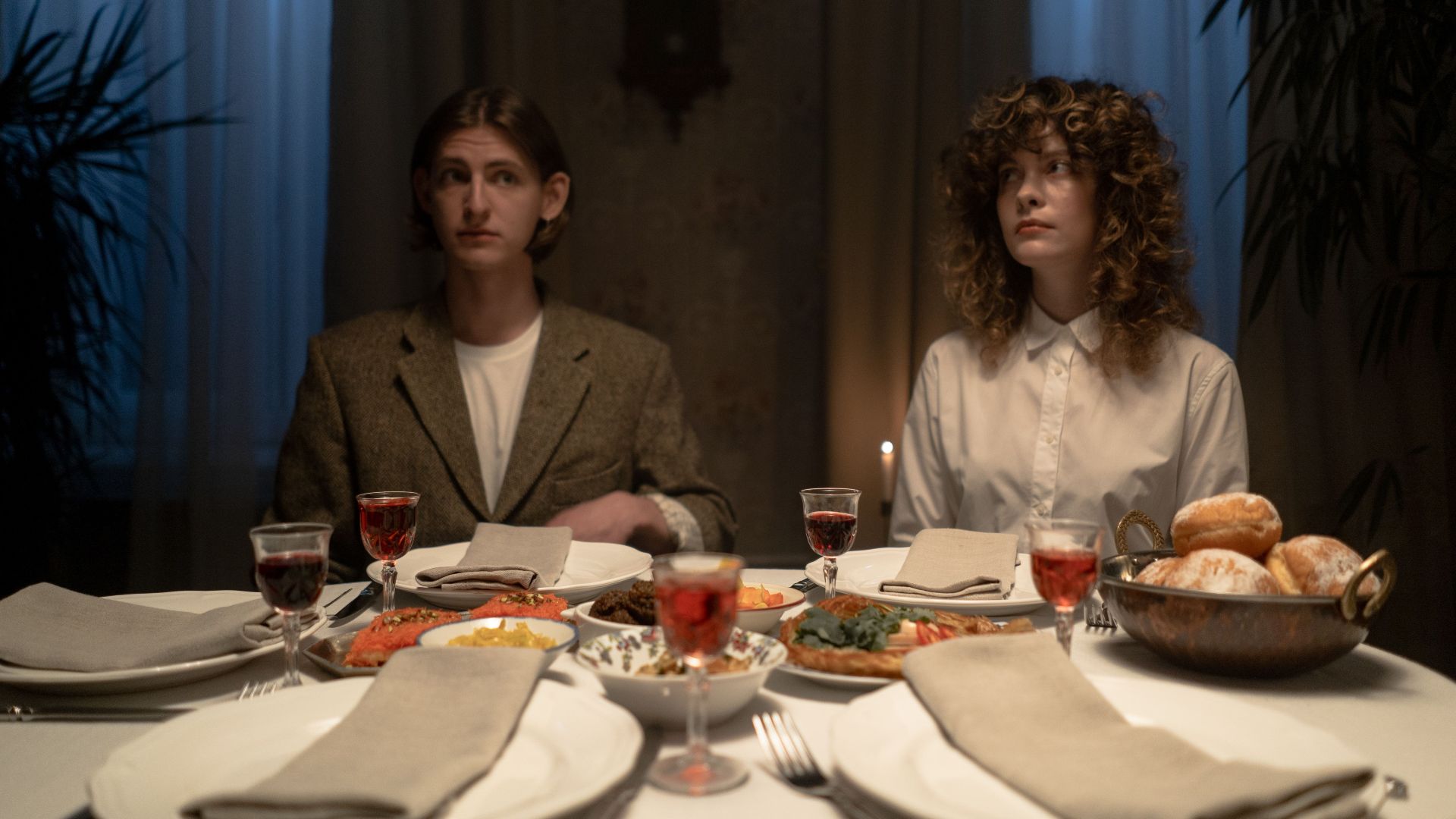
A “dumb supper,” using the older meaning of “dumb” as silent, required participants to prepare and eat an entire meal without speaking. In some versions, the image of a future husband would appear on a dark wall during the meal. Other versions claimed that the first man seen afterward would be the person a participant married.
17. Salty Food
Another bedtime custom involved eating a heavily salted egg, salted porridge, or a small amount of salt without drinking any water afterward. The person who brought the thirsty sleeper a drink in a dream was believed to be their future husband or wife.

18. Valentine’s Morning
In one Cornish belief, a young woman looked out of her bedroom window on Valentine’s morning and paid attention to the first man she saw. She was expected to marry either that man or someone who shared his name.

19. May Weddings
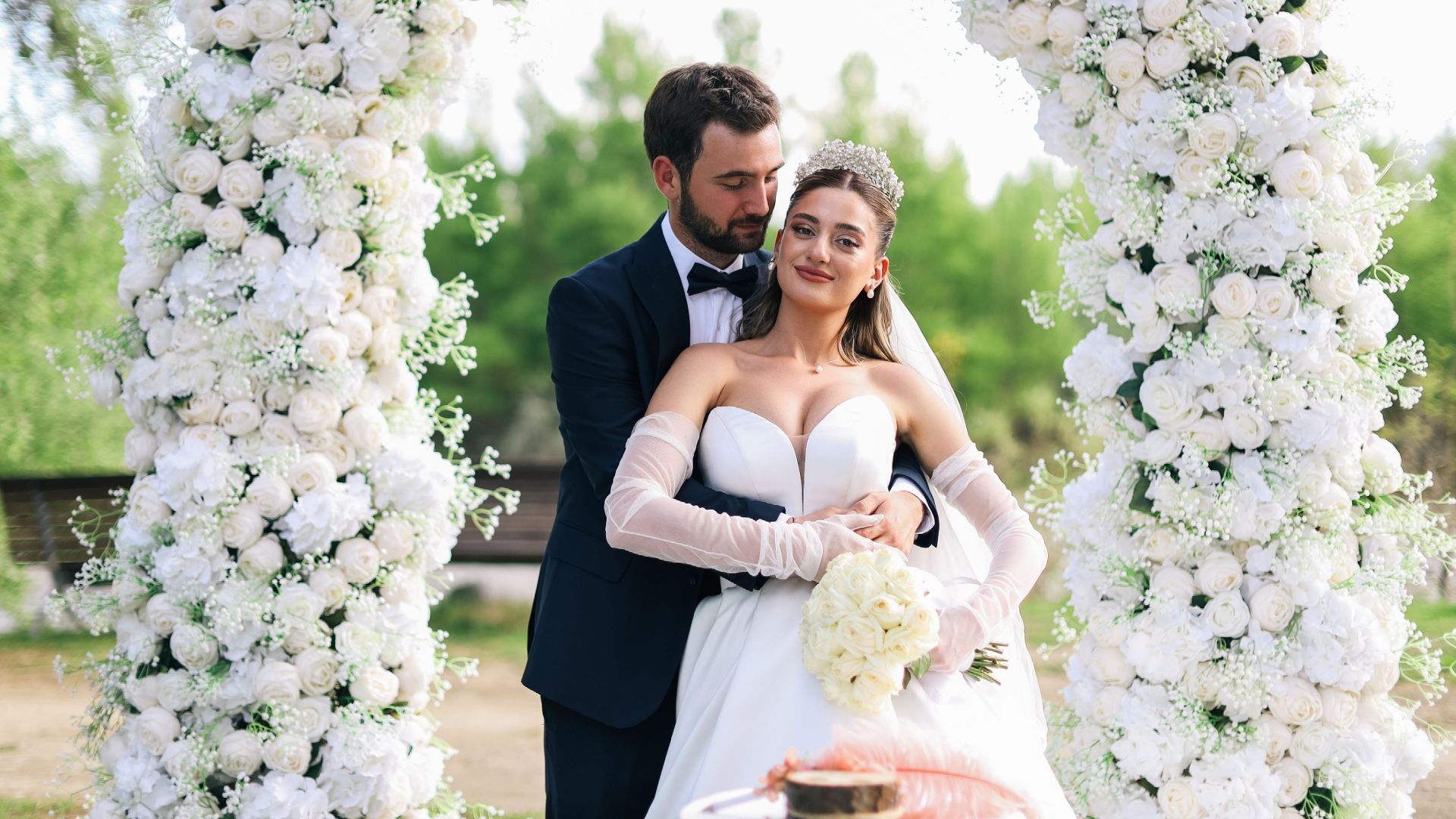
The warning “Marry in May and you’ll rue the day” came from a long-standing belief that May weddings brought unhappiness or misfortune. The saying became familiar enough that some couples chose another month for their ceremony. Even though May offered pleasant spring weather, the old warning could still be enough to push a wedding into June.
 Photography Maghradze PH on Pexels
20. Funerals
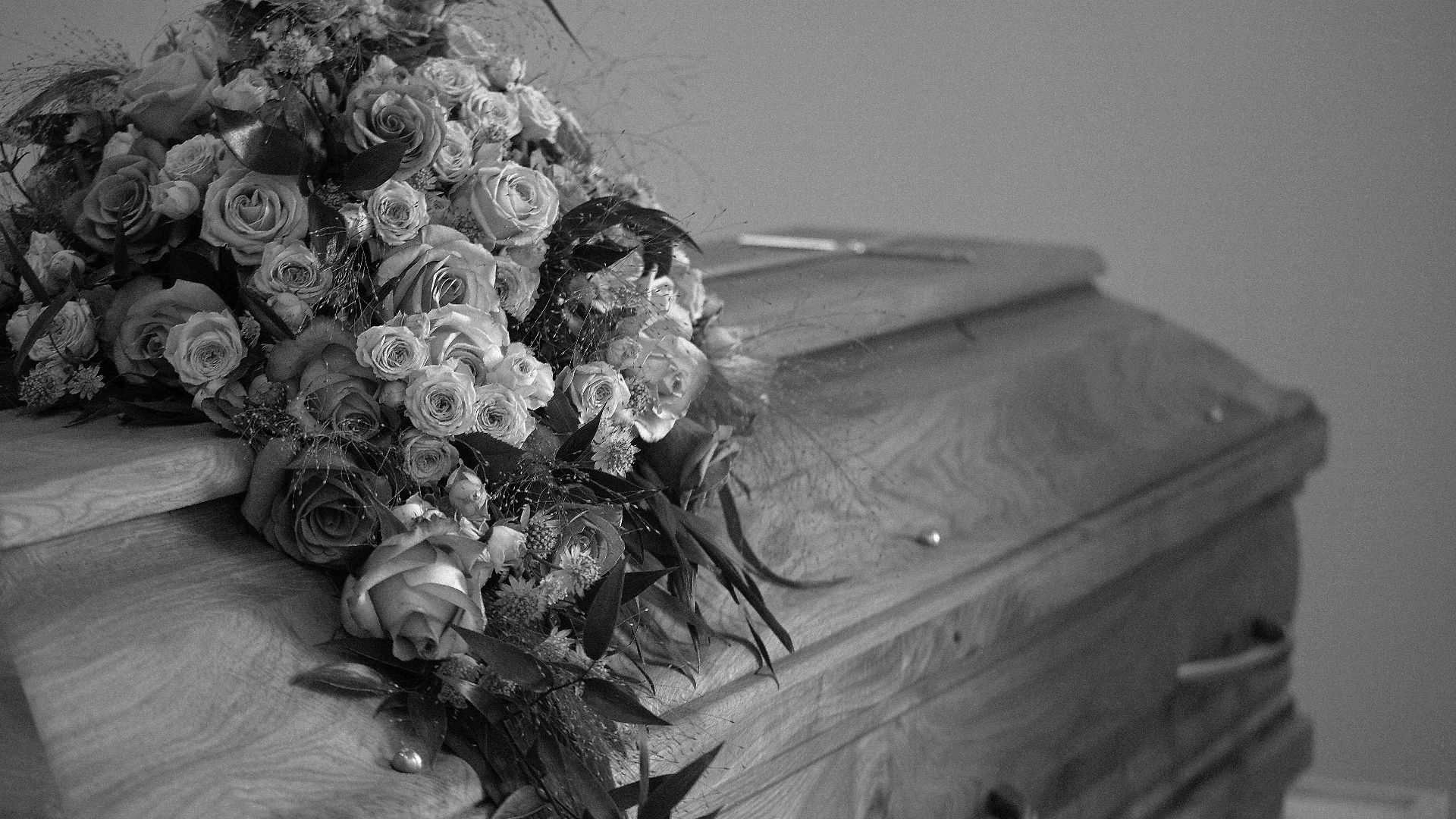
A bride or groom was warned against crossing paths with a funeral procession while traveling to or from the wedding ceremony. Some versions claimed that meeting a woman’s funeral threatened the bride, while meeting a man’s funeral put the groom in danger.
KEEP ON READING