20 Tiny Historical Etiquette Mistakes That Could Ruin Your Reputation
When Good Manners Were Taken Very Seriously
These days, forgetting to thank someone or showing up a little late might earn you a disapproving look, but in the past, even the smallest etiquette mistake could seriously damage your reputation. In certain social circles, people had to follow surprisingly specific rules about everything from dinner invitations to how they greeted someone on the street. Getting these details wrong could make you seem disrespectful, poorly educated, or completely unsuitable for polite society. Here are 20 small etiquette mistakes that could get you into serious social trouble throughout history.
 Birmingham Museums Trust on Unsplash
1. Forgetting to Leave a Calling Card
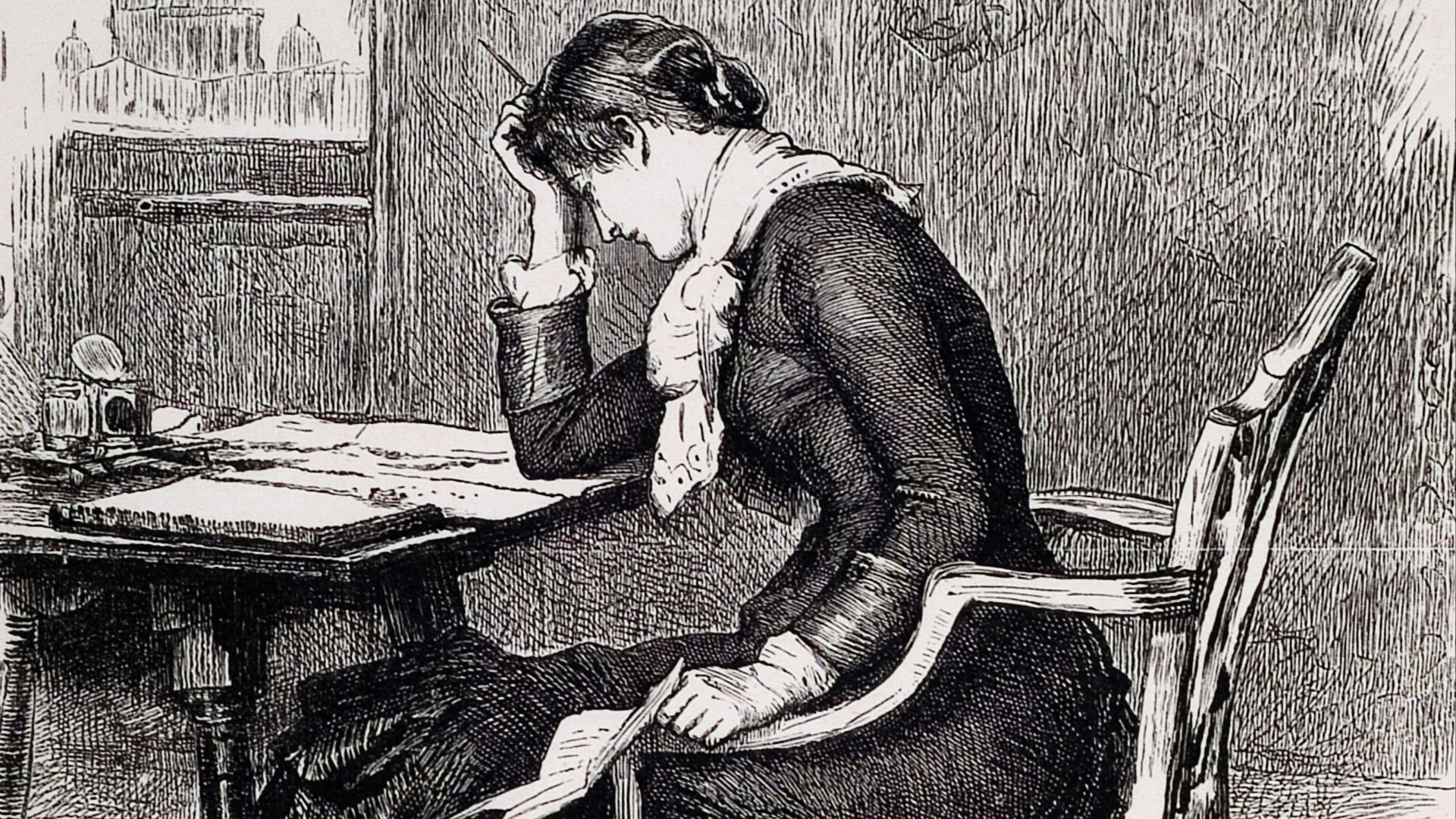
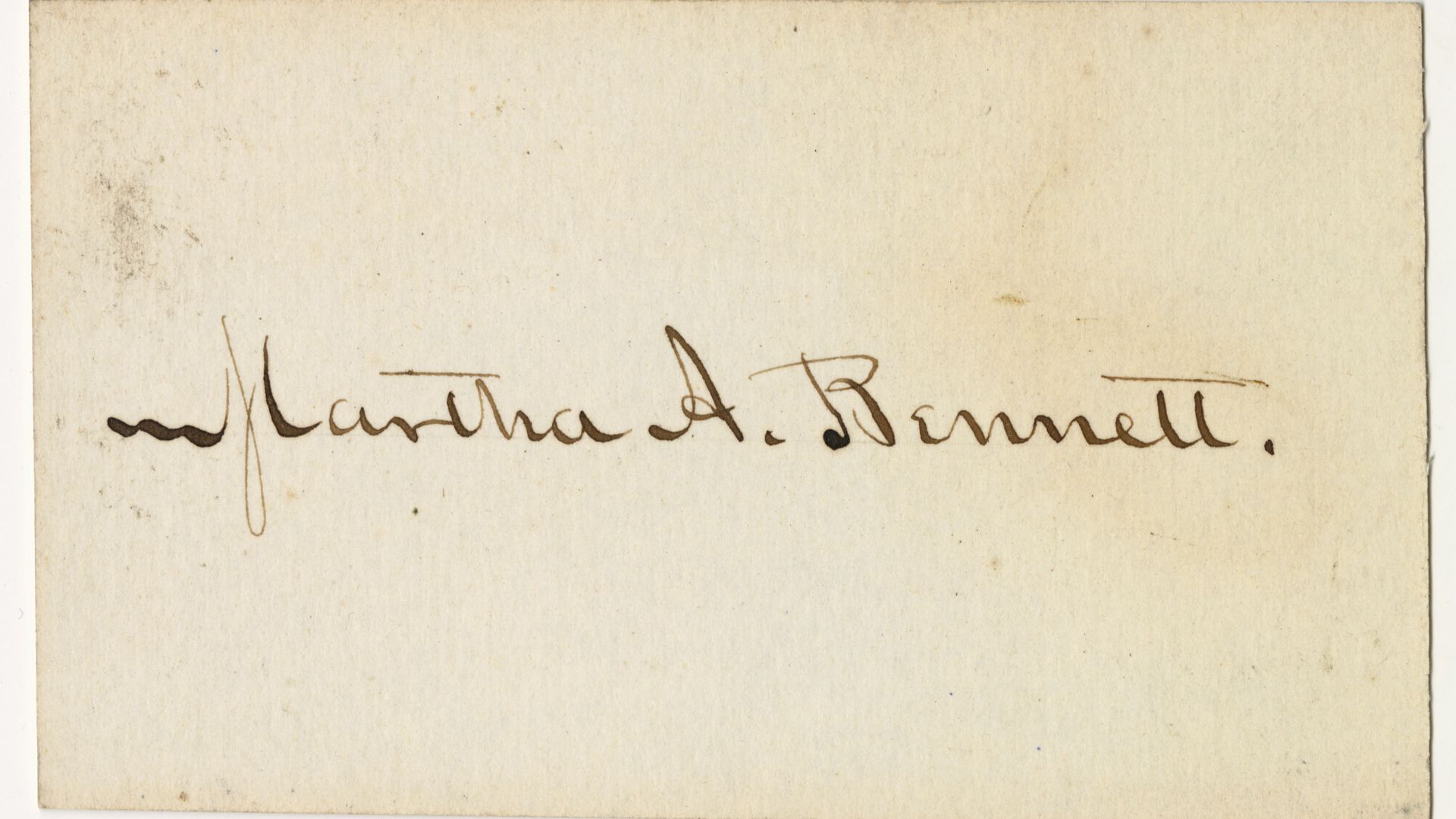
In Victorian society, visiting someone's home wasn't as simple as knocking on the door to say hello. Respectable visitors were generally expected to leave a calling card, even if the person they wanted to see wasn't home. These little cards helped people maintain social connections and keep track of who had stopped by. Forgetting one could suggest that you weren't familiar with the basic expectations of polite society.
 Carpenter, Martha Bennett, 1854-1930, author on Wikimedia
2. Sitting Down Before the Hostess
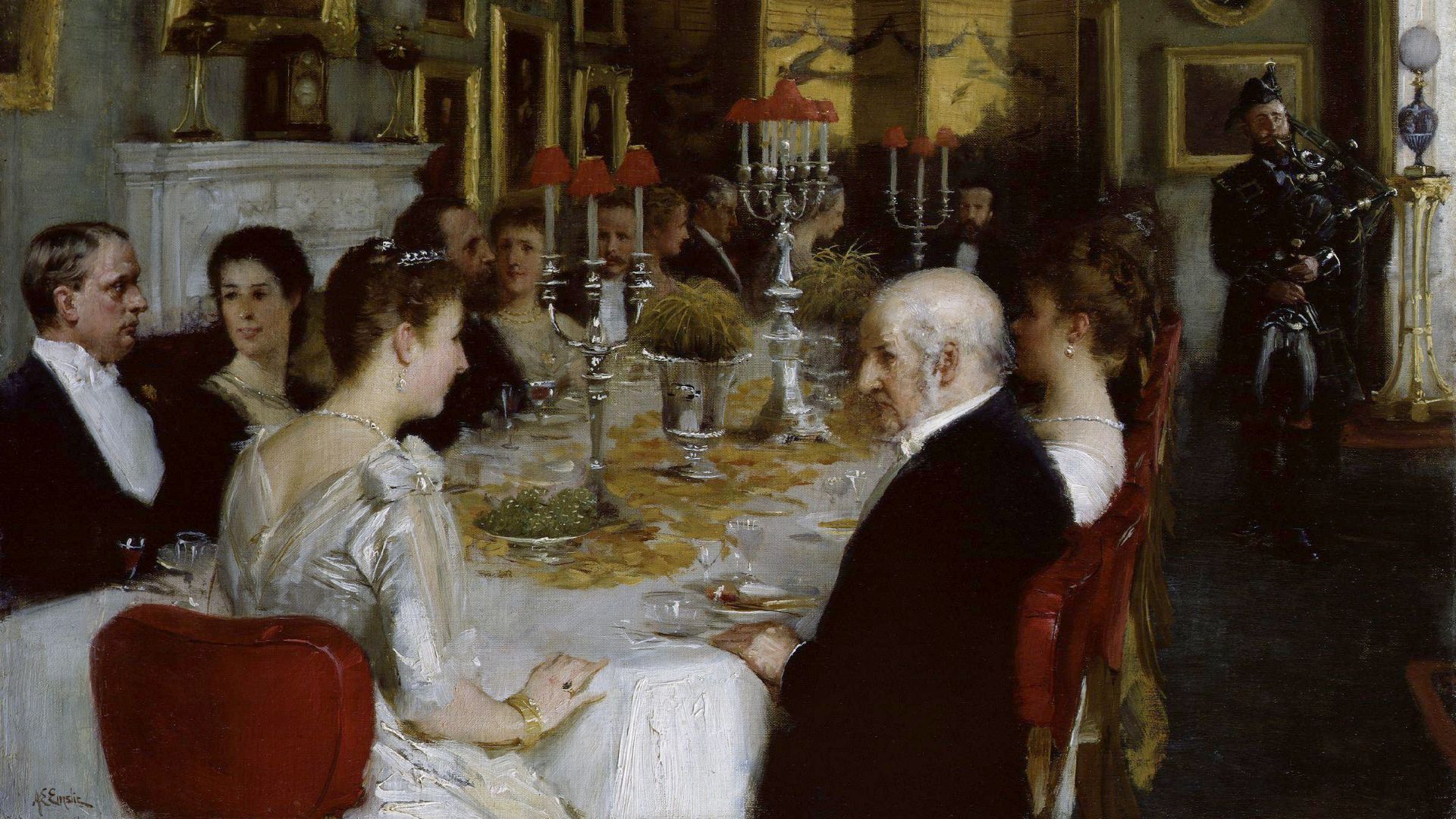
At formal dinners in the late 19th and early 20th centuries, guests couldn't just sit down whenever they pleased. In fashionable American society, gentlemen were generally expected to remain standing while the hostess stood, even before everyone entered the dining room. Taking a seat too soon could make you appear inconsiderate or unfamiliar with proper social behavior. It was a minor detail, but people who regularly attended formal gatherings were expected to know these things.
 Alfred Edward Emslie on Wikimedia
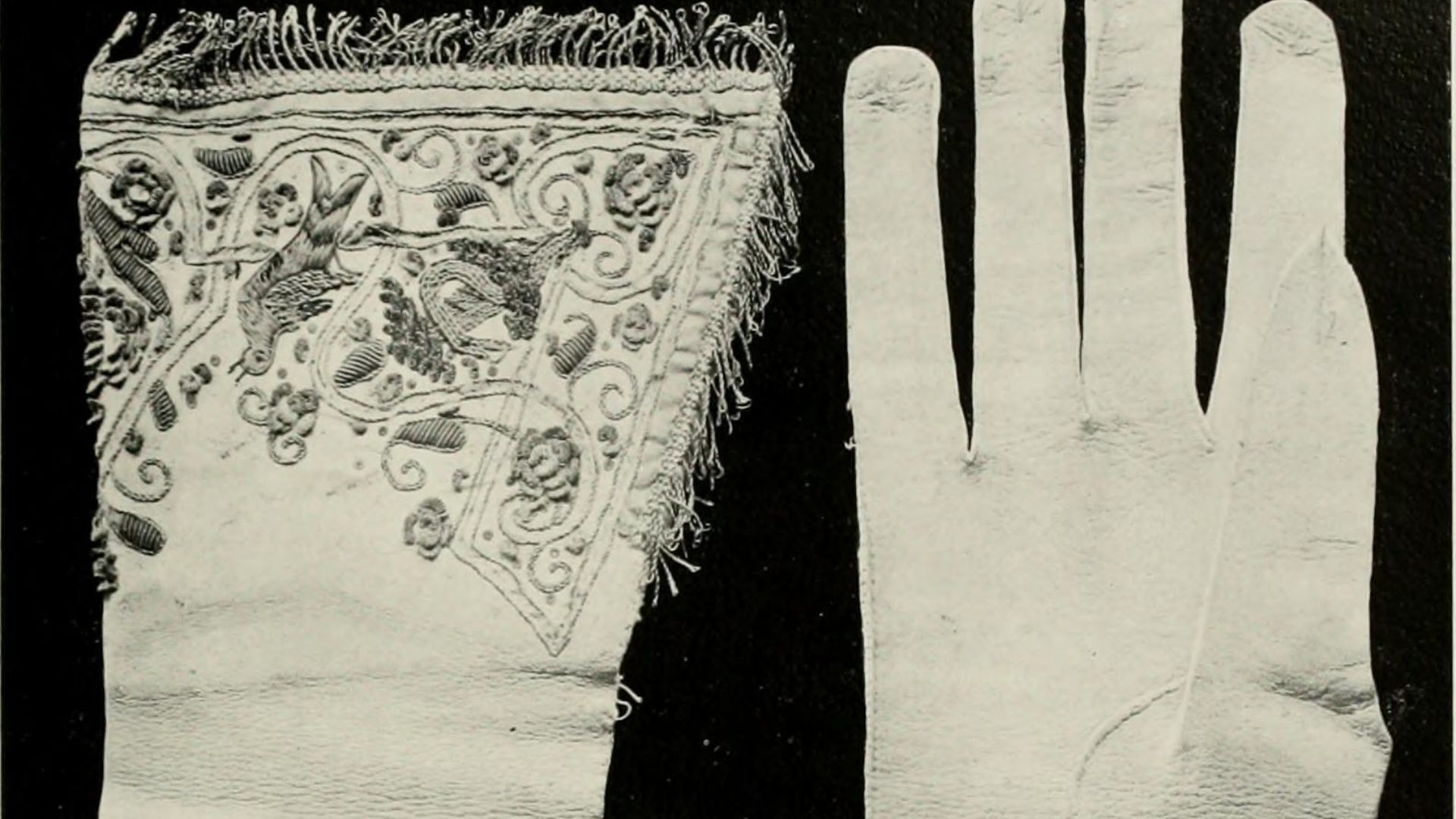
3. Wearing Gloves While Eating Dinner
For wealthy women attending formal dinners during the Victorian and Edwardian periods, gloves were an essential part of evening attire. However, wearing them while eating was considered inappropriate, and etiquette guides instructed women to remove them completely at the table. Something that seems perfectly harmless today could make you look surprisingly inexperienced in fashionable company.
 Internet Archive Book Images on Wikimedia
4. Failing to Return a Social Visit
During the 19th and early 20th centuries, receiving a formal visit often meant you were expected to return the favor. Ignoring someone who had made the effort to call on you could be taken as a deliberate insult, especially if it was their first visit. You didn't have to become lifelong friends, but acknowledging the gesture was important. Failing to do so could hurt a potentially valuable social connection.
5. Addressing Someone Too Casually
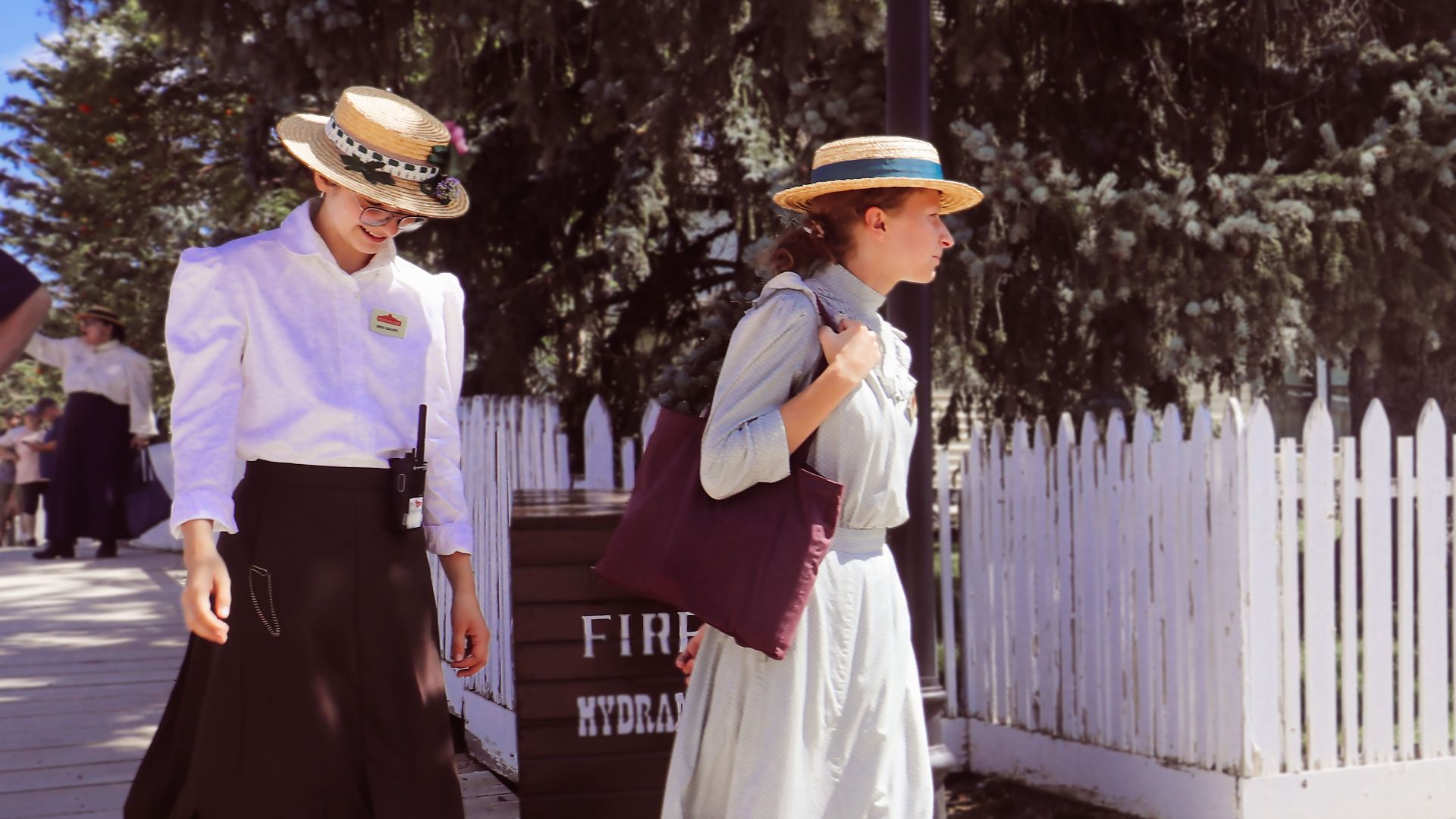
In Victorian Britain, using someone's first name without knowing them well enough could be an embarrassing breach of etiquette. Titles and surnames helped establish social boundaries, especially when speaking to older people or those of higher rank. Calling a respectable married woman by her first name when you barely knew her might suggest an inappropriate level of familiarity. People took these distinctions seriously because the wrong form of address could easily come across as disrespectful.
6. Staying Too Long During a Visit
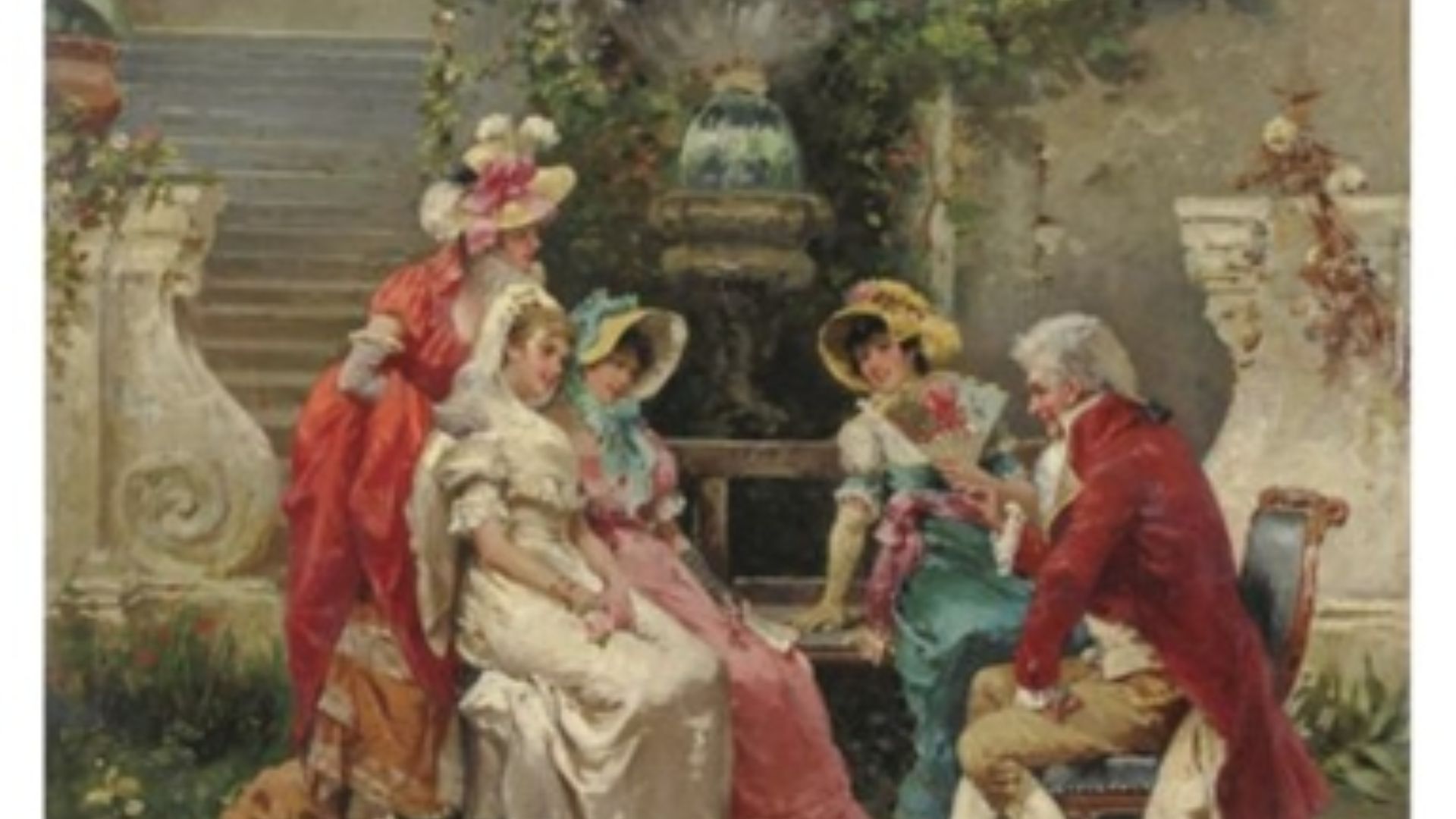
If you were making a formal social call in the early 20th century, you weren't supposed to make yourself comfortable for the entire afternoon. Emily Post's 1922 etiquette guide recommended that formal visits generally last around 20 minutes, with some flexibility when appropriate. Lingering for an hour could suggest that you had little consideration for your host's time.
7. Forgetting to Remove Your Hat Indoors
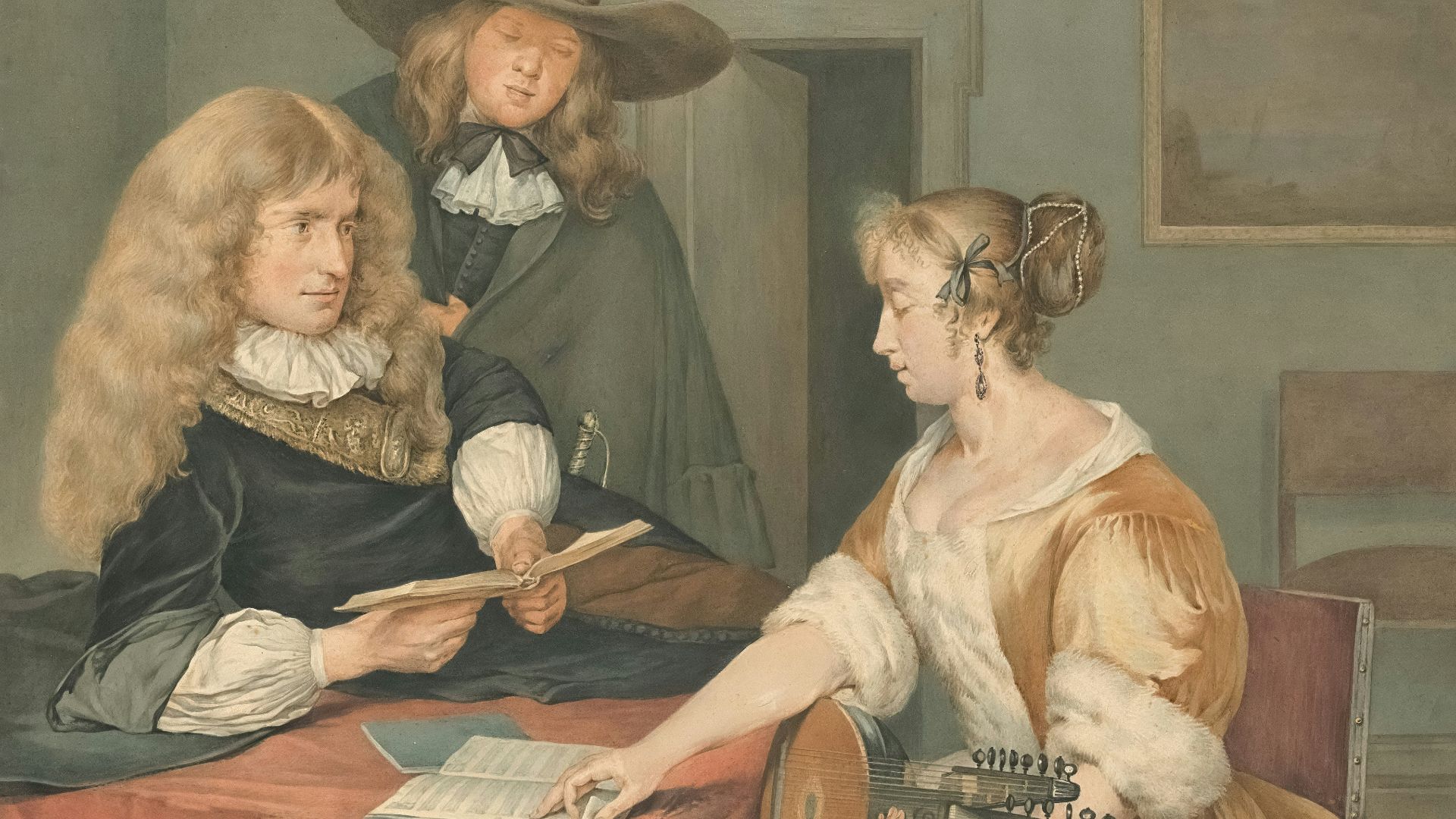
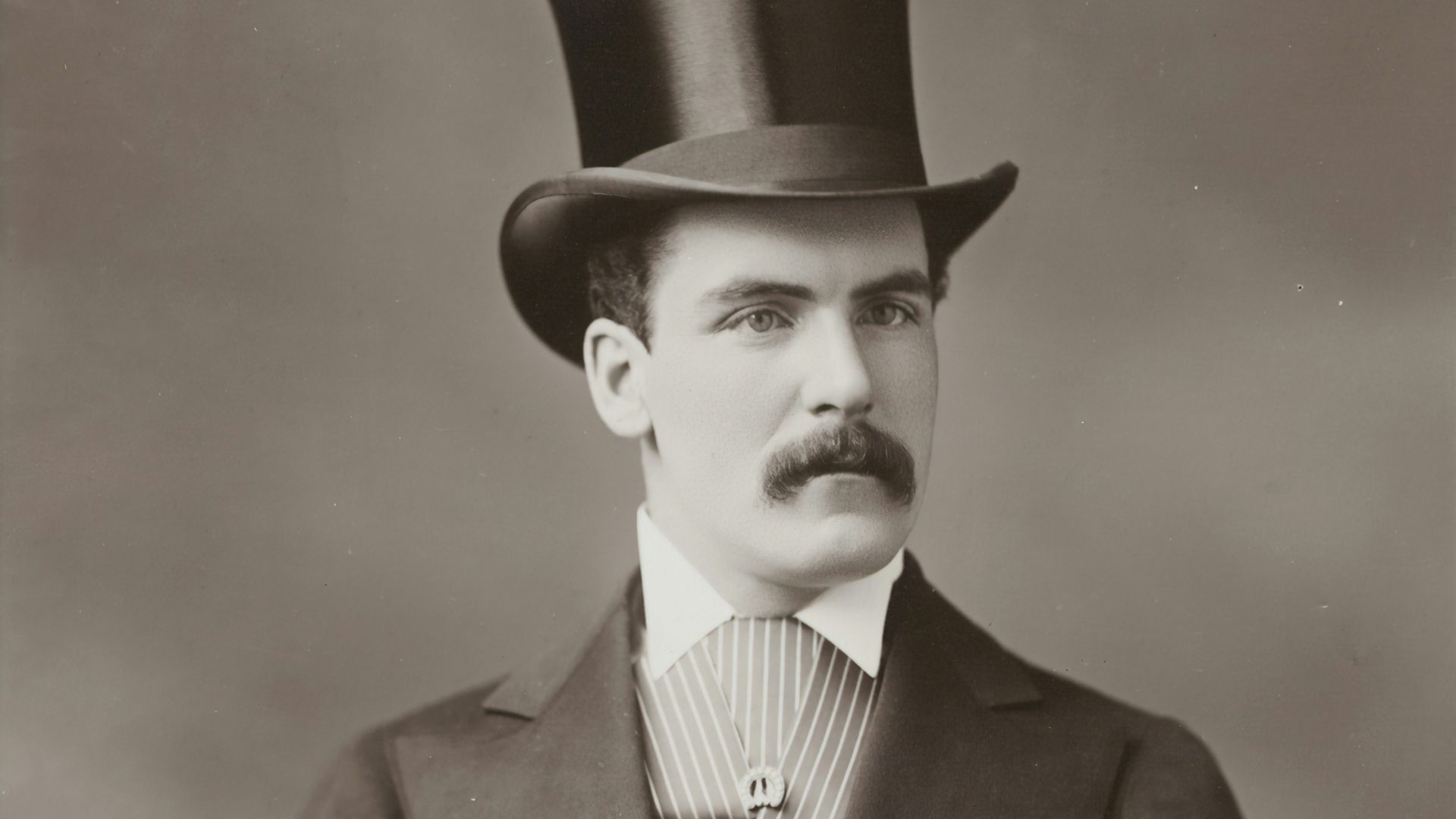
Throughout much of 19th-century Western society, men were generally expected to remove their hats when entering private homes and certain other indoor spaces. Leaving one on in the wrong setting could be seen as disrespectful toward the host or other guests. The rules varied depending on the building and occasion, making it easy for a perfectly respectable gentleman to embarrass himself simply by forgetting to take off his hat.
8. Refusing One Dance & Accepting Another
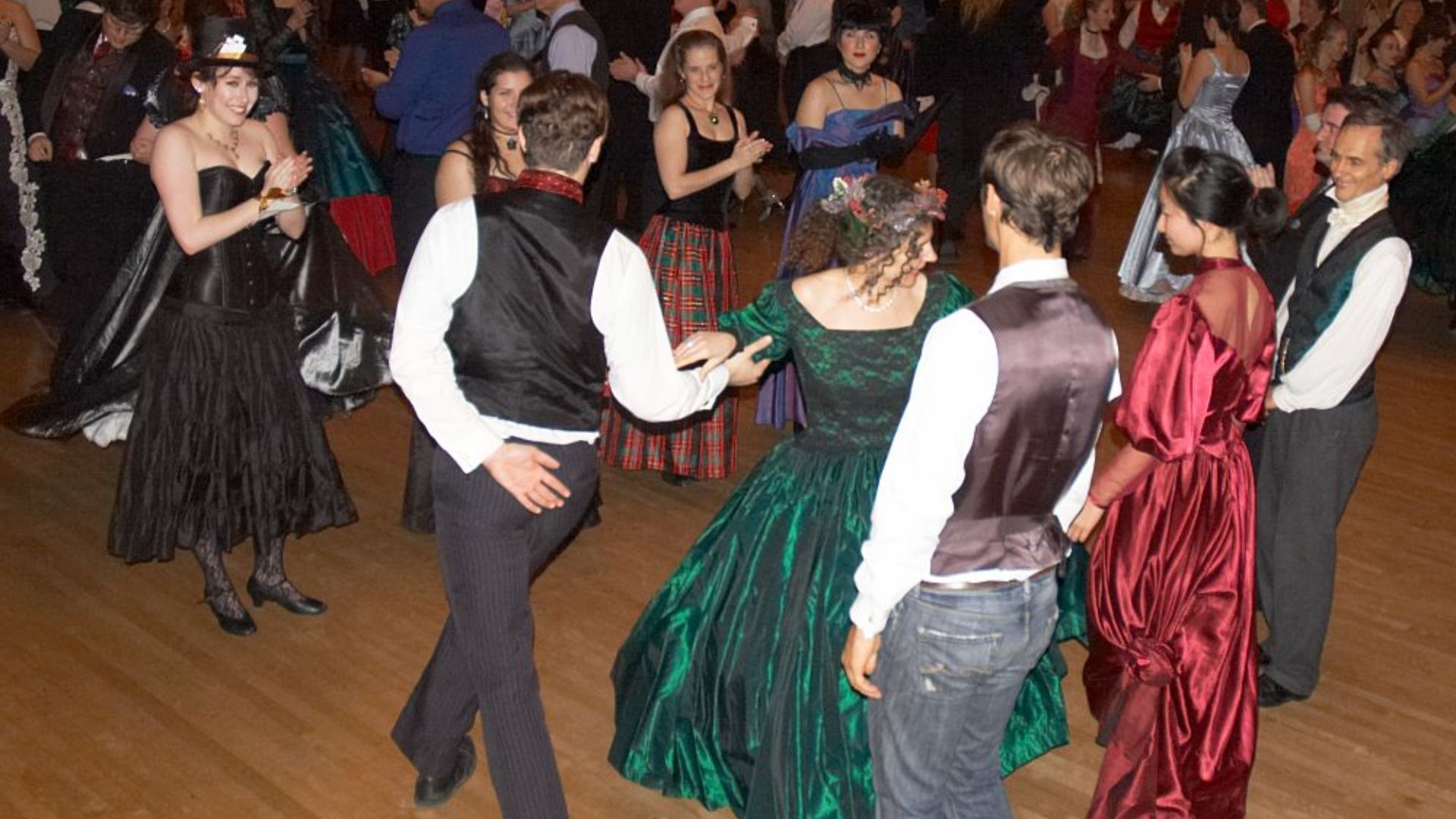
At Victorian balls, turning down an invitation to dance had to be handled carefully. A woman who declined a gentleman's invitation because she supposedly wasn't dancing that particular dance could cause offense if she accepted another partner moments later. Others might interpret the decision as a deliberate public rejection rather than an innocent change of plans. In social circles where appearances mattered enormously, this could quickly become a source of gossip.
 Argyriou at English Wikipedia on Wikimedia
9. Arriving Late to a Formal Dinner
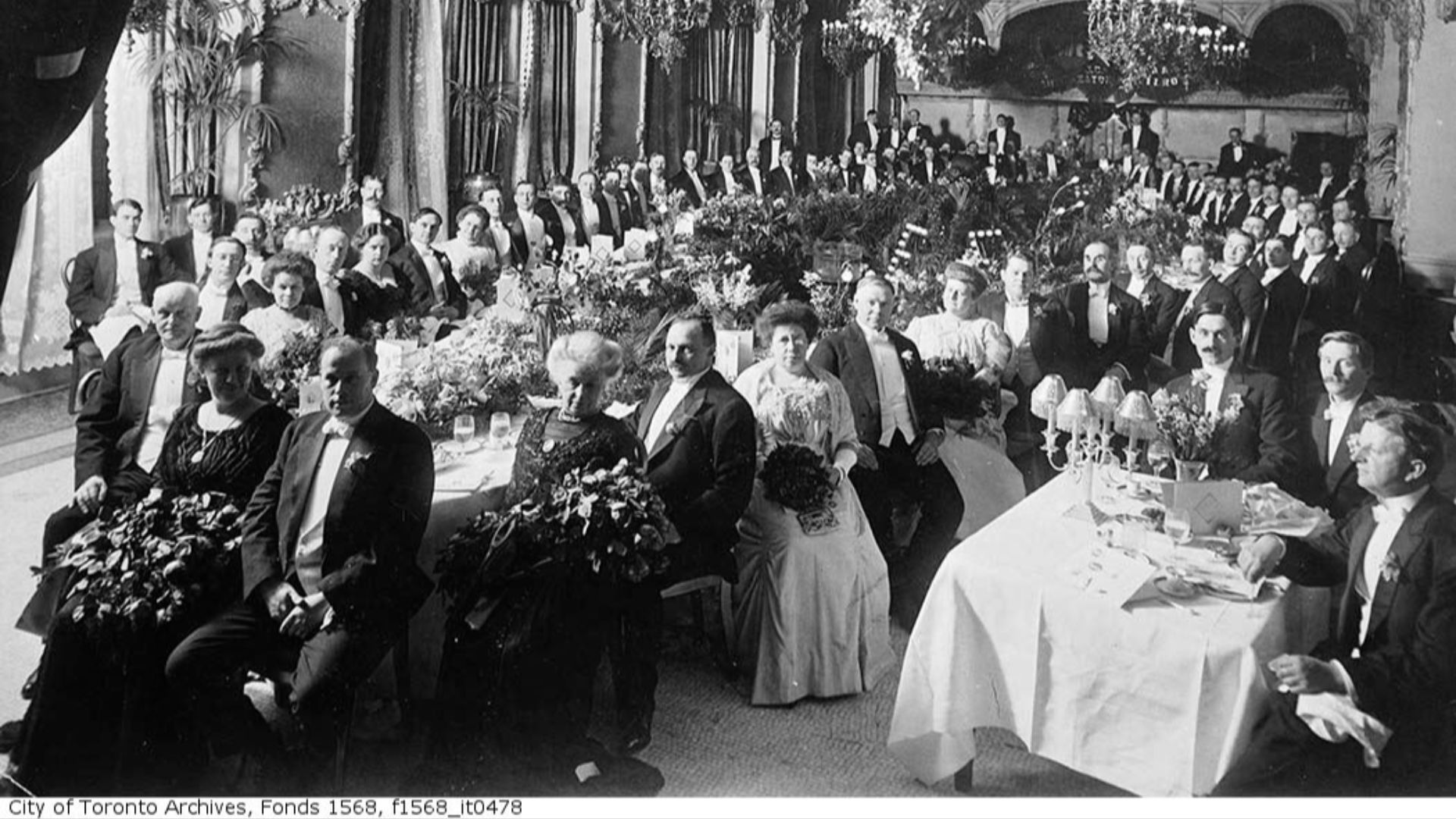
Being on time was especially important at formal dinners during the Victorian and Edwardian periods. Hosts carefully planned seating arrangements, courses, and serving times, so a late guest could throw off the evening's schedule. Arriving after everyone had gathered might also suggest that you didn't take your social obligations seriously. While occasional delays were understandable, regularly showing up late probably wouldn't help you secure future invitations.
 Alaxander W. Galbraith on Wikimedia
10. Using the Wrong Hand at a Meal
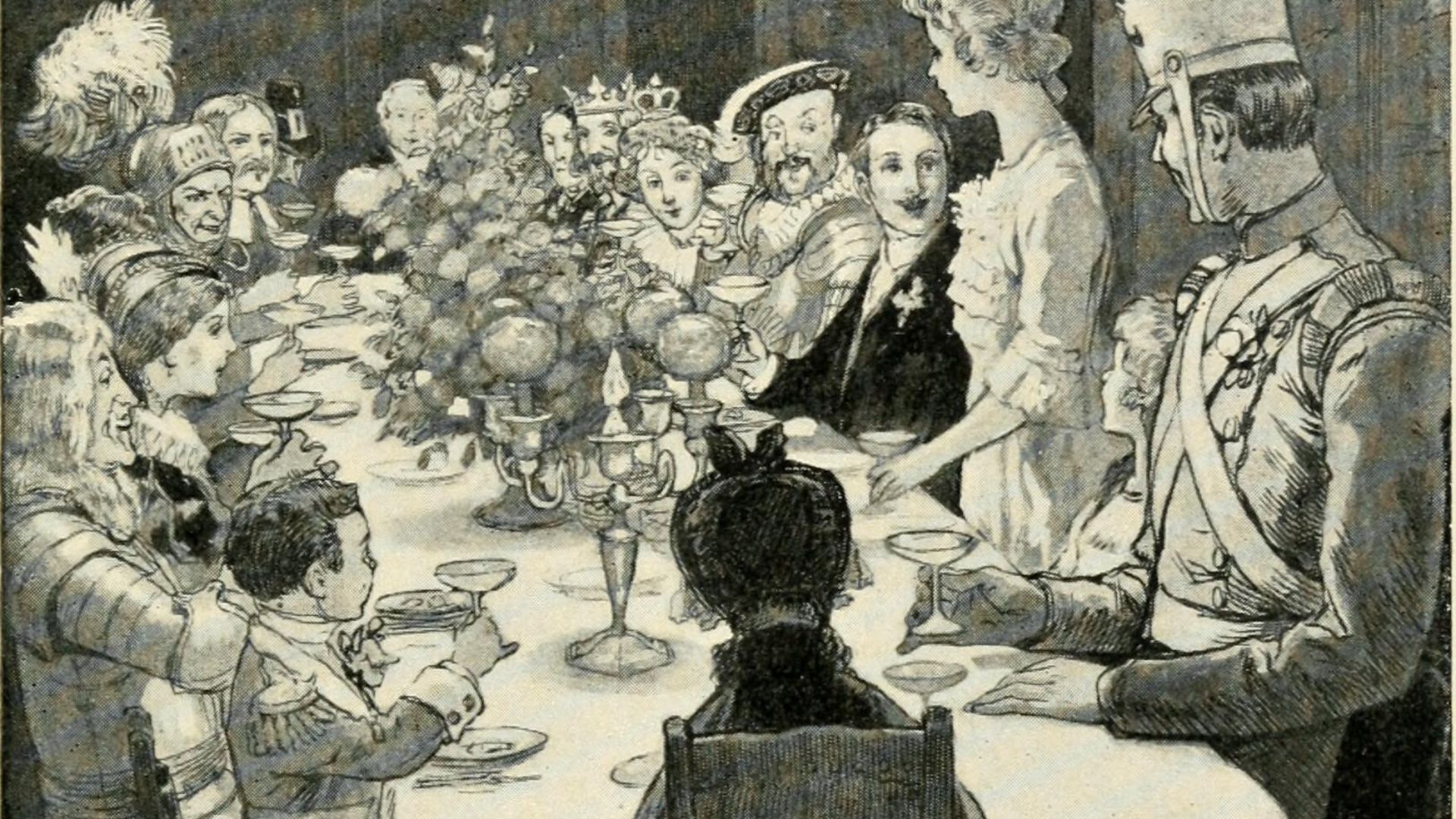
In many historical societies, eating customs held important religious and cultural significance. Across numerous Middle Eastern and South Asian communities, for example, the right hand was traditionally used for eating and offering food, while the left was associated with personal hygiene. Using your left hand to take food at a communal meal could therefore be seen as disrespectful or unclean.
 Internet Archive Book Images on Wikimedia
11. Speaking to Royalty Without Permission
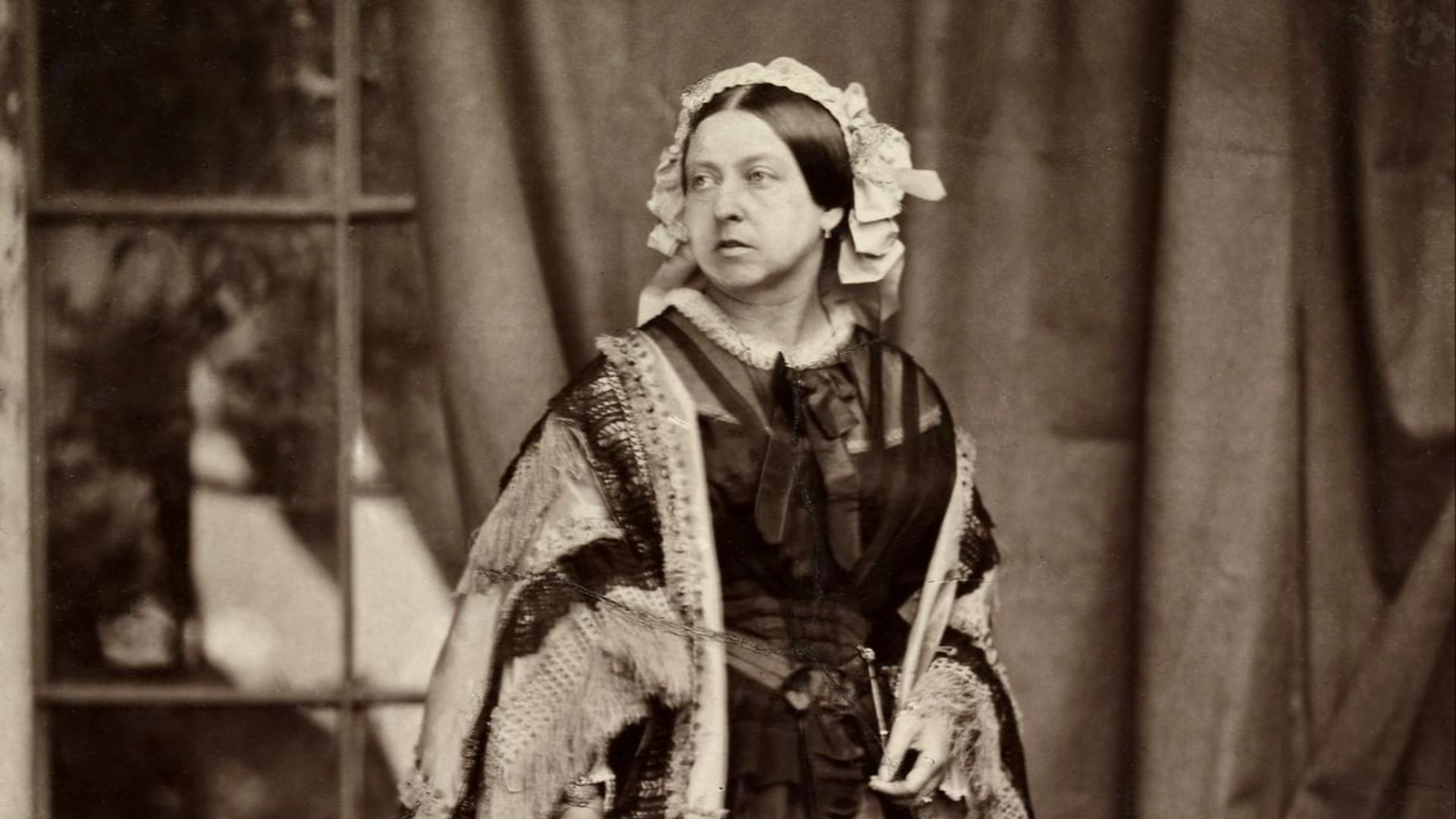
At European royal courts, even ordinary conversations were often controlled by strict rules that reinforced social rank. Depending on the court and period, approaching a monarch too casually or speaking without the proper acknowledgment could be viewed as a serious breach of protocol. Courtiers had to understand when to bow, how to address royal figures, and when it was appropriate to speak. Making a mistake could damage your standing in a world where gaining royal favor was extremely important.
 John Jabez Edwin Mayall on Wikimedia
12. Forgetting to Answer an Invitation
In Victorian high society, formal invitations weren't something you could simply ignore until you felt like making a decision. Guests were expected to respond promptly, particularly when the invitation involved an elaborate dinner or social event. Leaving a host wondering whether you'd attend could complicate their plans and make you seem inconsiderate.
13. Sitting in the Wrong Place at Dinner
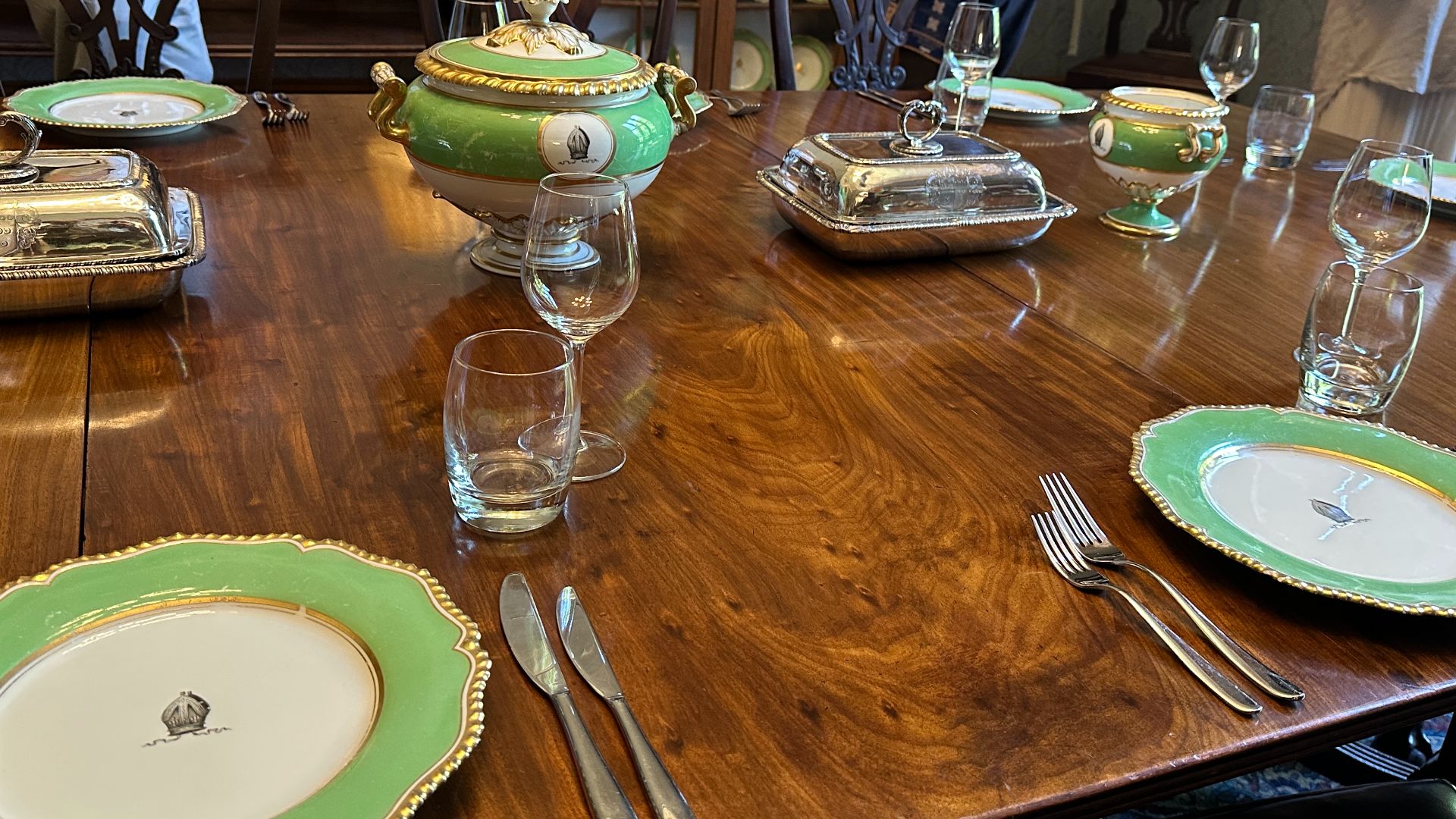
At formal dinners in wealthy European and American households, seating arrangements were often carefully organized according to rank, relationships, and social expectations. Guests couldn't necessarily choose to sit beside whichever friend they liked most. Accidentally taking a seat reserved for someone more distinguished could create an awkward moment for both the host and the other guest. Even an innocent mistake could make you appear unfamiliar with important social distinctions.
14. Greeting Someone You Weren't Supposed to Know
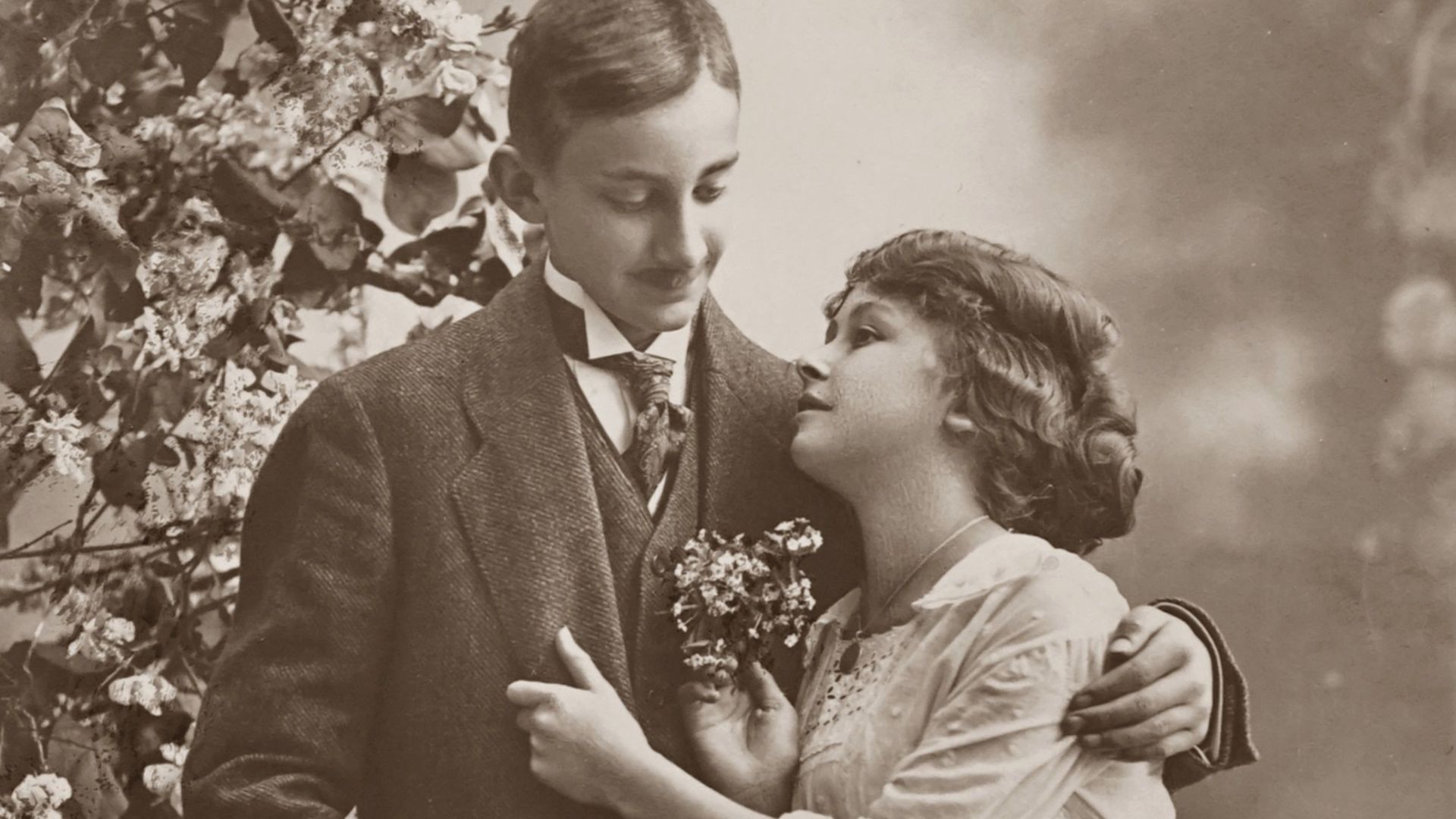
In some fashionable 19th-century social circles, greeting someone in public wasn't always as straightforward as you'd expect. A gentleman generally wasn't supposed to assume that a lady acquaintance wanted to acknowledge him, so etiquette guides advised waiting for her recognition before saying hello. Speaking too familiarly could put the woman in an uncomfortable position, particularly if they hadn't been formally introduced.
15. Breaking Mourning Rules Too Early
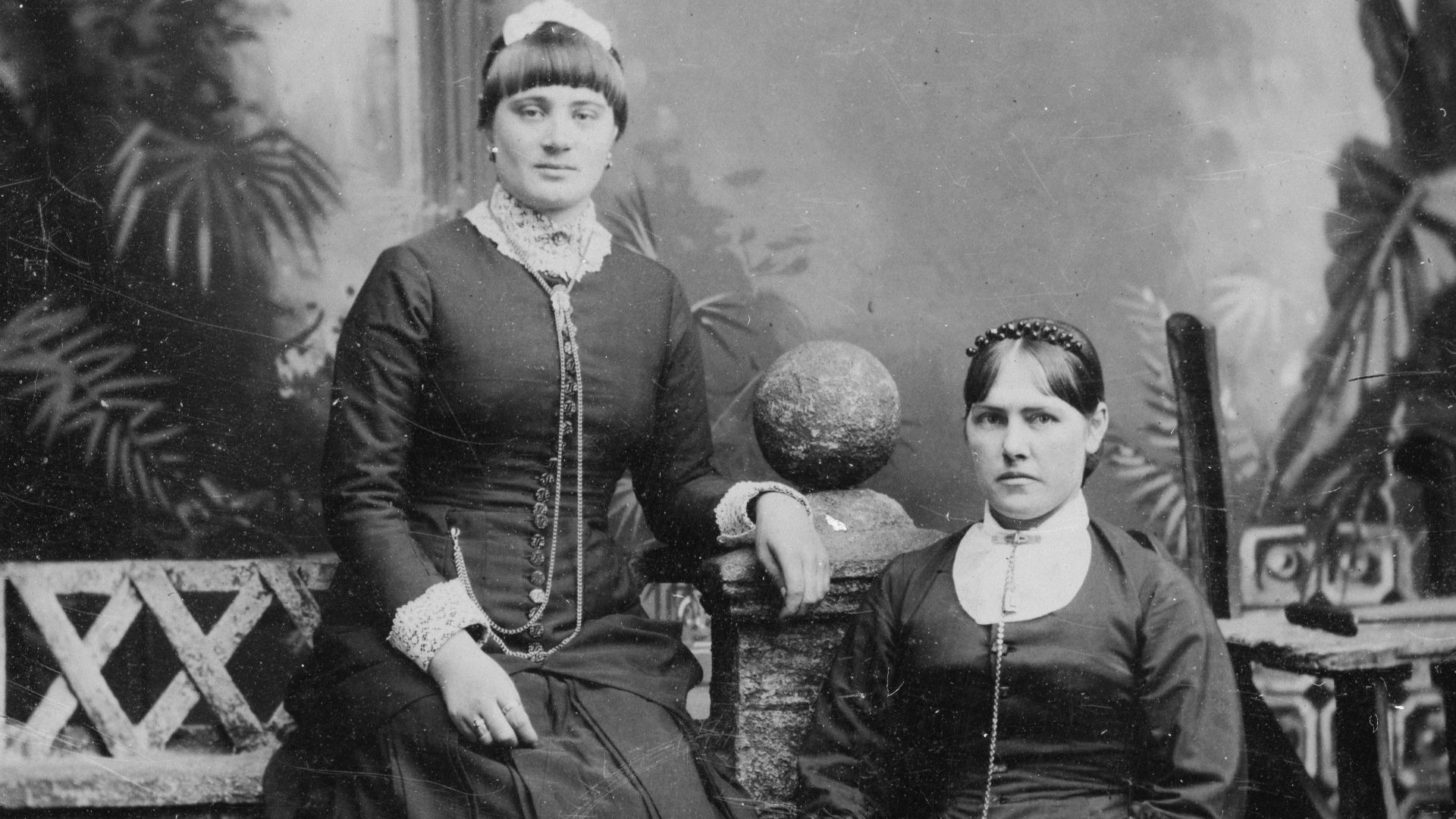
In Victorian Britain, mourning customs often determined what people wore and how they participated in society after losing a relative. Widows in particular faced strict expectations involving black clothing, limited social activities, and gradual transitions into lighter mourning attire. Returning to parties or wearing bright clothing earlier than convention allowed could attract some unpleasant criticism. Others might take it as a sign that you hadn't shown enough respect for the person who died.
 Fylkesarkivet i Vestland on Unsplash
16. Forgetting to Bow Properly
In early modern European courts, bowing was far more than a polite greeting, as it also acknowledged another person's social position. How deeply you bowed and the way you performed the gesture could depend on rank, occasion, and local court traditions. Offering an overly casual greeting to someone important might make you appear arrogant. For ambitious courtiers trying to impress influential people, even a poorly executed bow could make for an embarrassing first impression.
17. Mentioning a Party in Front of Someone Who Wasn't Invited
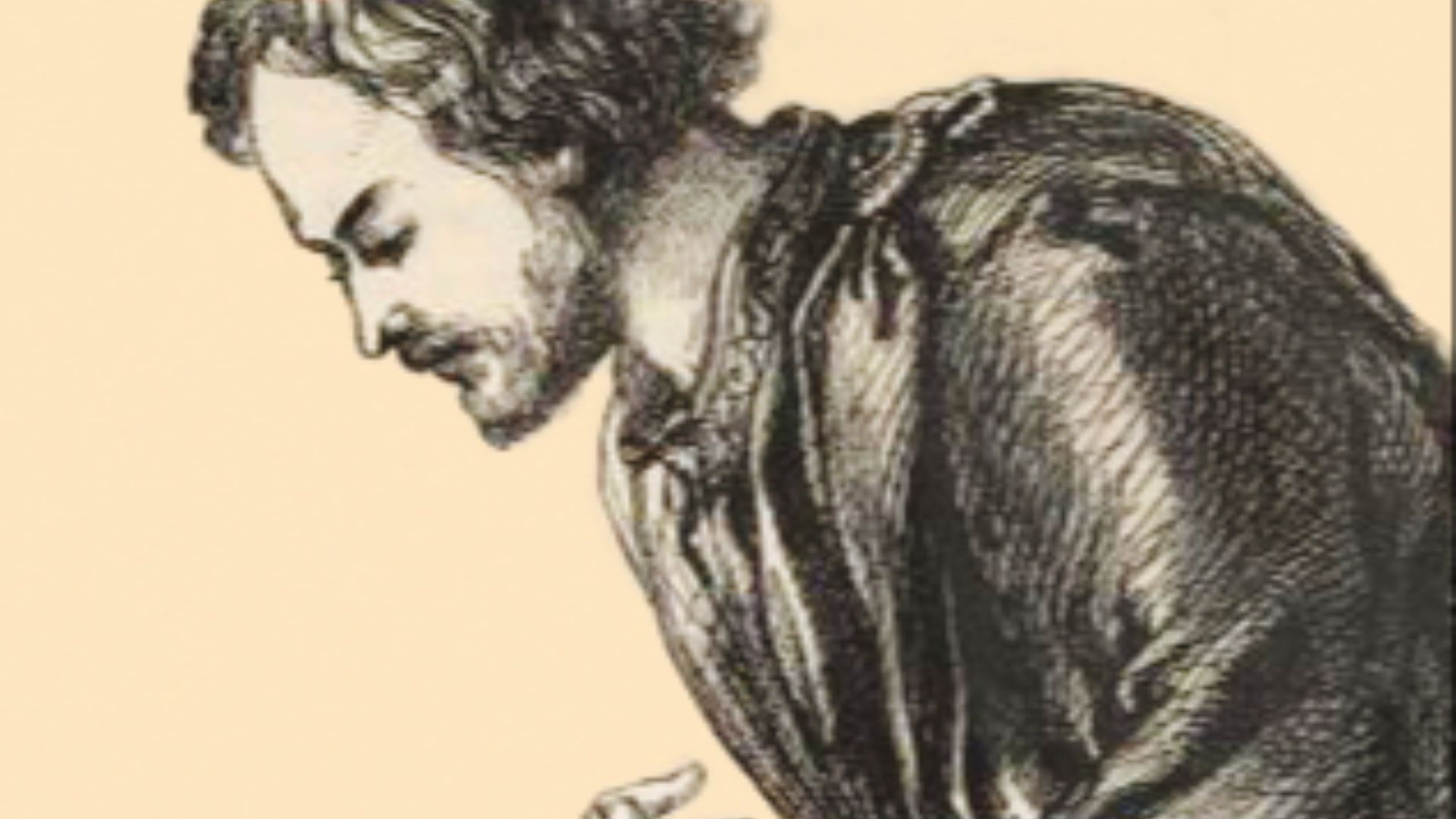
Etiquette manuals from the late 19th and early 20th centuries warned people against discussing exclusive invitations in front of those who hadn't received them. Talking excitedly about an upcoming dinner or ball could embarrass an excluded acquaintance and make you seem rather thoughtless. The issue wasn't the event itself, but the unnecessary reminder that someone had been left out.
 Louis-Léopold Boilly on Wikimedia
18. Making an Introduction in the Wrong Order
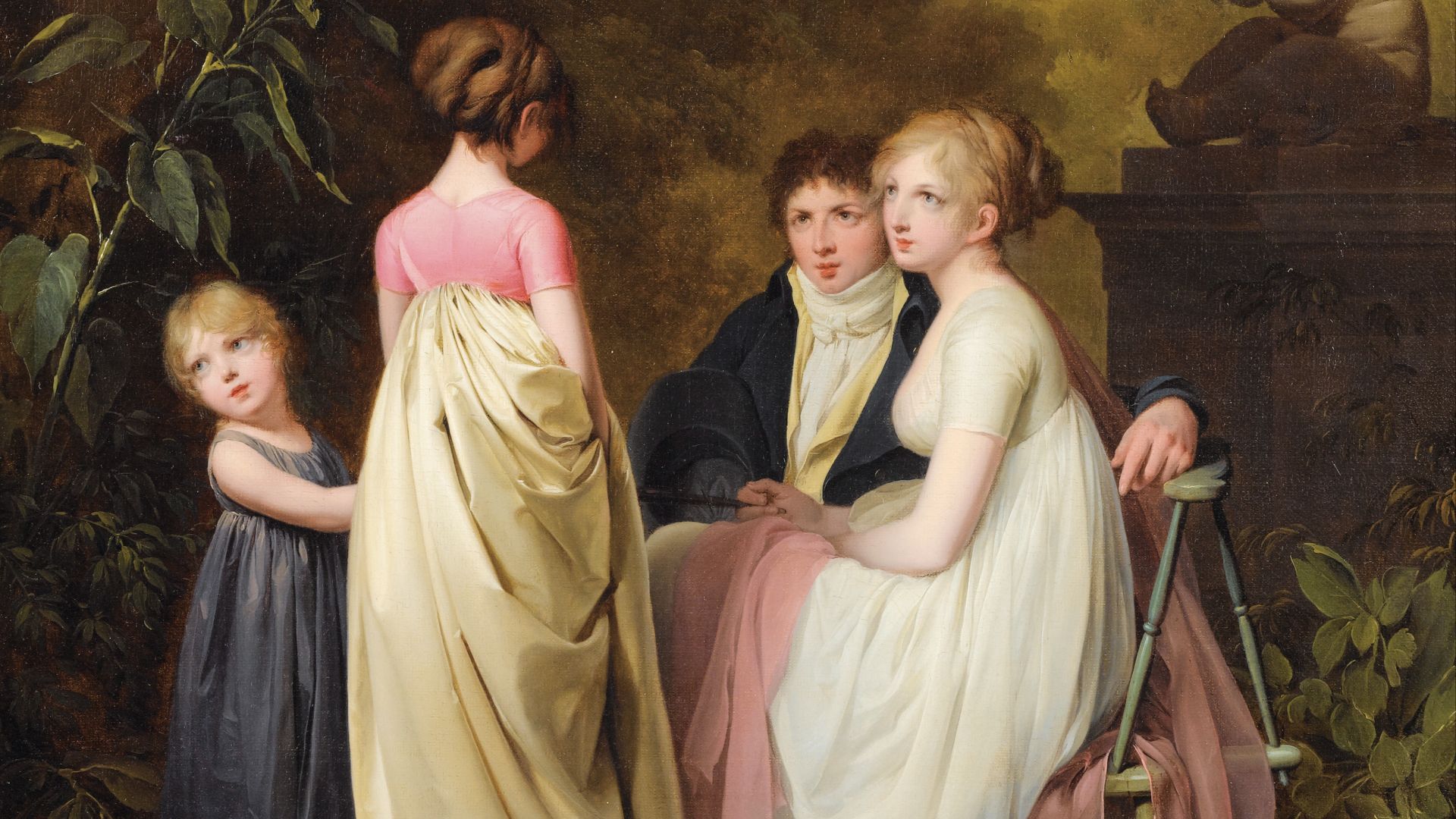
Introducing two people might seem simple enough, but traditional etiquette had surprisingly specific rules about who should be presented to whom. In fashionable American society during the early 20th century, a younger person was generally introduced to an older person, while a gentleman was traditionally presented to a lady. Getting the order wrong could unintentionally suggest that you didn't understand their relative social positions.
19. Failing to Respect Tea Ceremony Etiquette
In Japan, the traditional tea ceremony developed detailed customs surrounding movements, conversation, and the handling of utensils. Guests were expected to appreciate the setting and follow established procedures, including the proper way to receive and examine the tea bowl. Carelessly handling an important utensil or disregarding the host's instructions could be taken as a sign of disrespect.

20. Writing a Letter With the Wrong Salutation
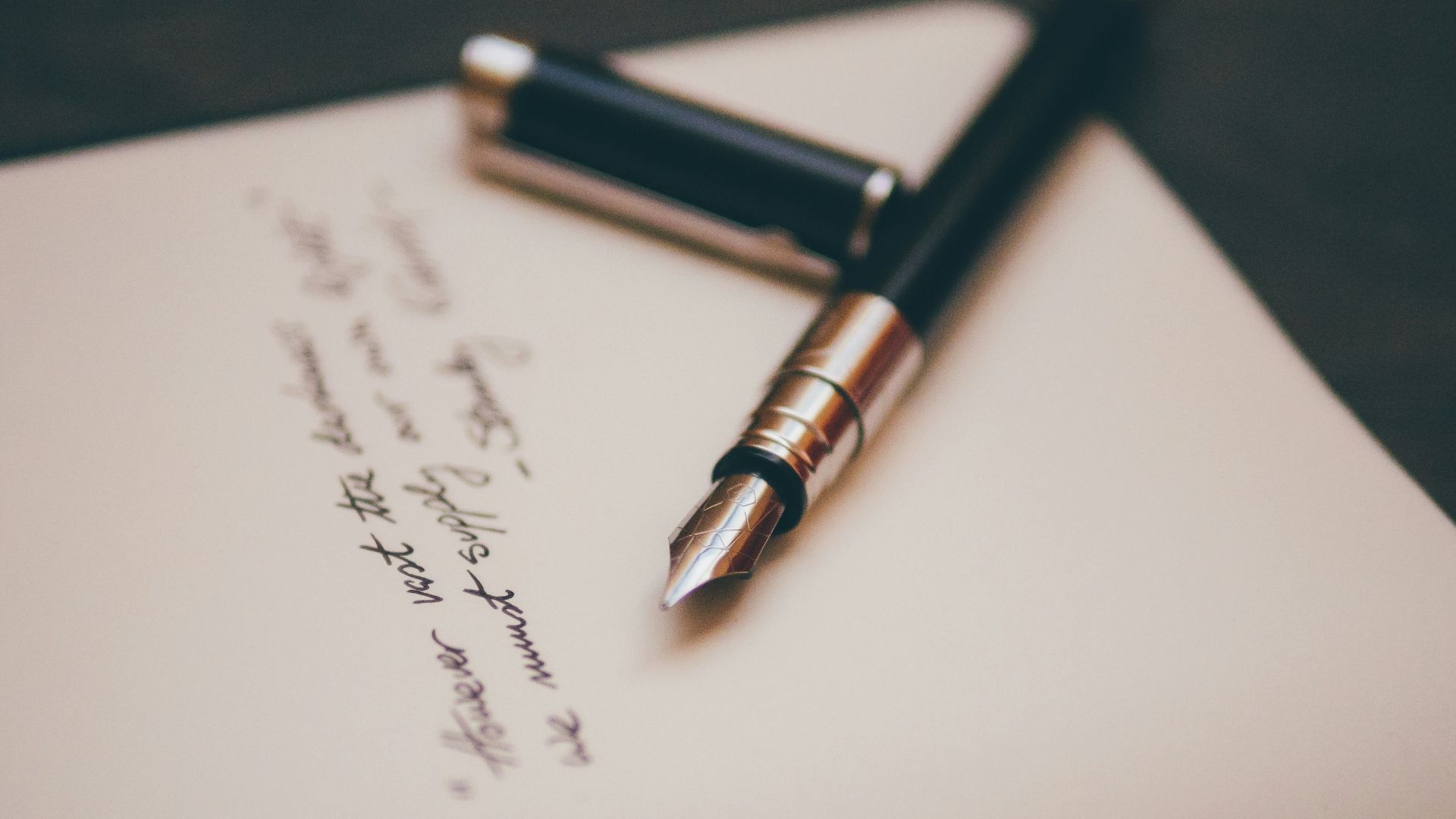
Before emails and text messages, formal letters played an important role in maintaining personal and professional relationships. During the Victorian era, etiquette guides recommended different greetings and closings depending on the recipient's status and how well the writer knew them. Using an overly familiar opening when addressing someone of higher social standing could seem disrespectful, while the wrong closing might come across as awkward or presumptuous.
KEEP ON READING