20 of the Weirdest Dishes From the World's First Home Cookbook
Victorian Home Cooking Was Not Playing Around
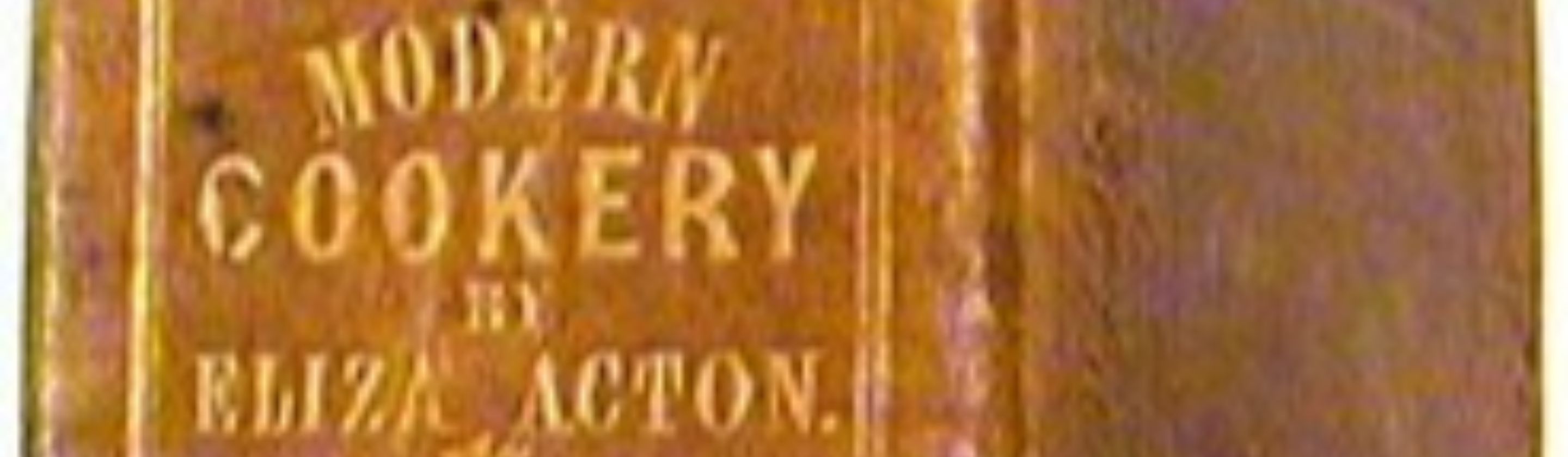
Eliza Acton’s Modern Cookery for Private Families, first published in 1845, is widely considered the first true cookbook written explicitly for the everyday home cook. It was practical, influential, and meant for private families rather than palace kitchens, which makes some of its recipes even more surprising now. Alongside familiar pies, soups, puddings, and vegetables, Acton included calf’s head, beef palates, eel dishes, brain cakes, veal custard, and other dishes that remind you how different “normal dinner” could look in a 19th-century kitchen. Here are 20 of the cookbook's weirdest dishes.
1. Mock-Turtle Soup
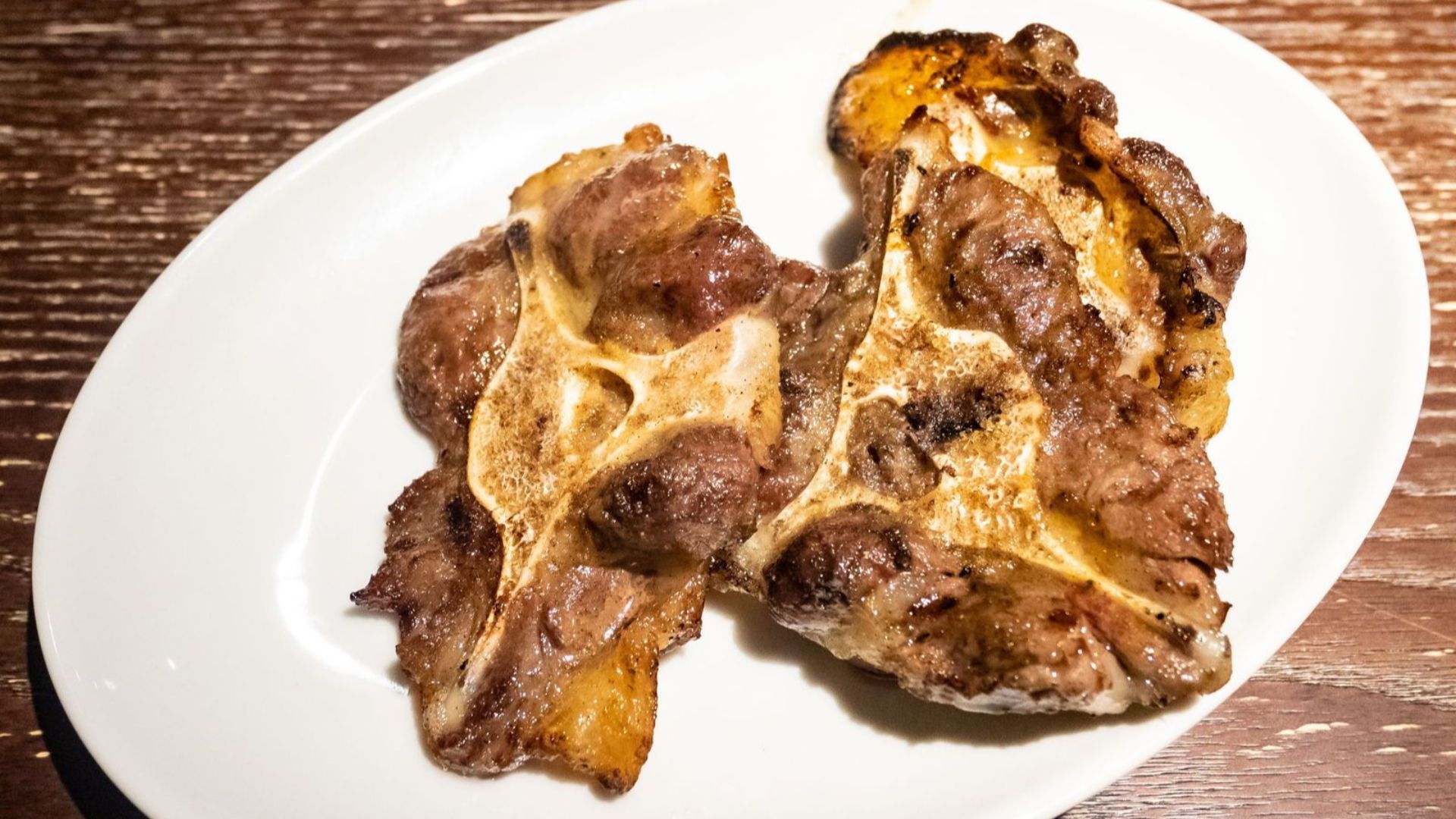
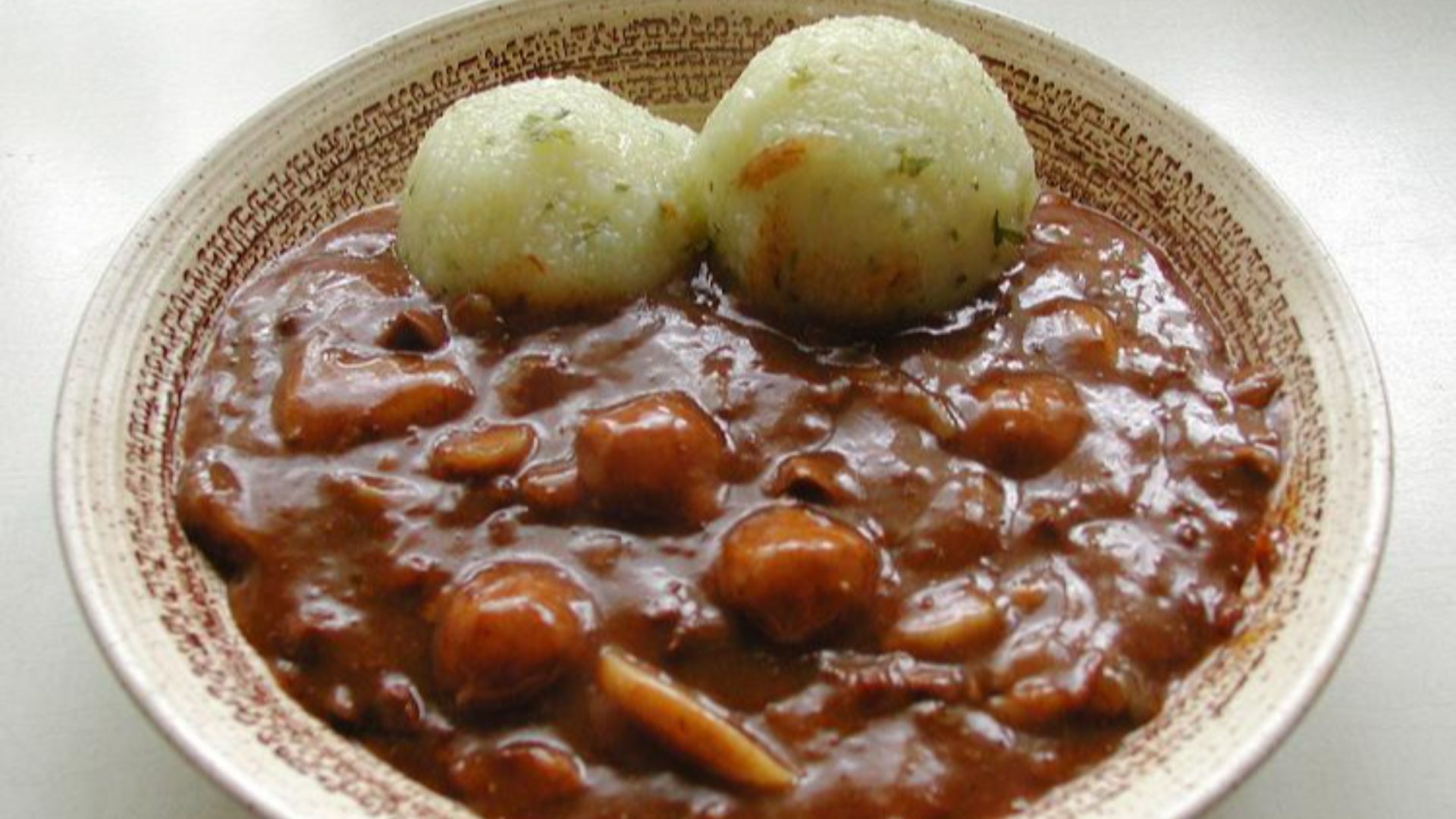
Mock-turtle soup was designed to imitate real turtle soup, which was apparently a desirable thing at that time, without requiring an actual turtle. Acton’s version uses calf’s head, especially the skin and tongue, cut into small pieces and cooked with rich seasonings. To modern readers, the strange part is not the imitation but the fact that calf’s head was the clever substitute.
 Wilfried Wittkowsky on Wikimedia
2. Swan’s Egg en Salade
Swan’s egg en salade is one of those Acton recipes that sounds equal parts elegant and bizarre. The egg was boiled, halved, and filled with a rich mixture made from its yolk, butter, cayenne, salt, anchovy essence, chili vinegar or lemon juice, and sometimes herbs or shallots. Acton suggested serving it in a bowl of dressed salad or using it as a decoration for lobster or German salad.

3. Prepared Calf’s Head
Prepared calf’s head is one of those recipes that immediately tells you grocery shopping has changed. Acton instructs the cook to remove the brains and tongue, bone the head carefully, season it, roll it up, and bind it tightly. The recipe is practical and precise, but the whole process feels startling if you’re used to buying meat in neat little packages.

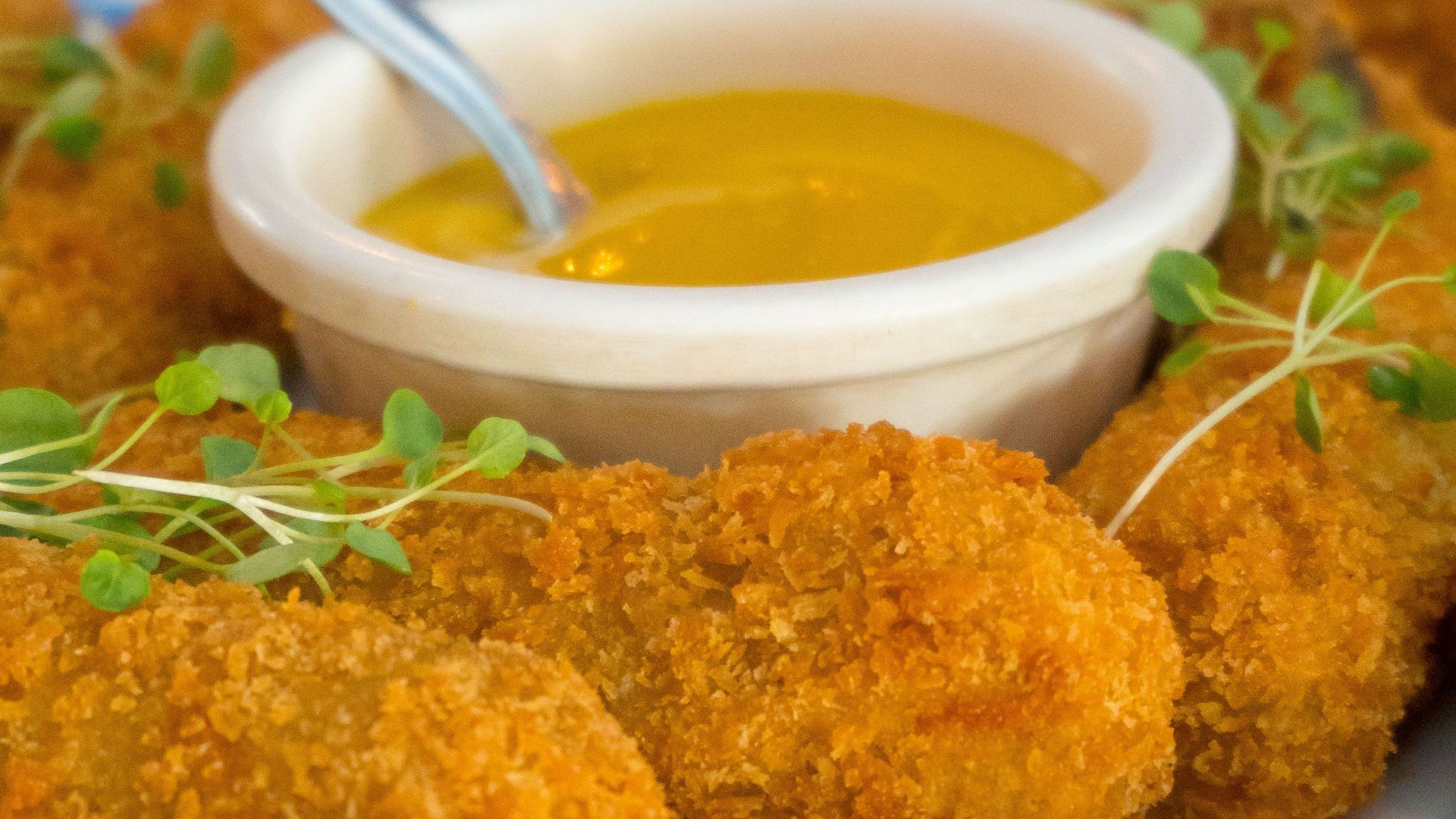
4. Cutlets of Calf’s Head
Cutlets of calf’s head take the prepared head and turn it into slices that are breaded and fried. That makes the dish sound almost familiar for a second, until you remember what the cutlets are made from. Acton suggests seasoning the crumbs with lemon rind, herbs, cayenne, and even chopped ham if available.
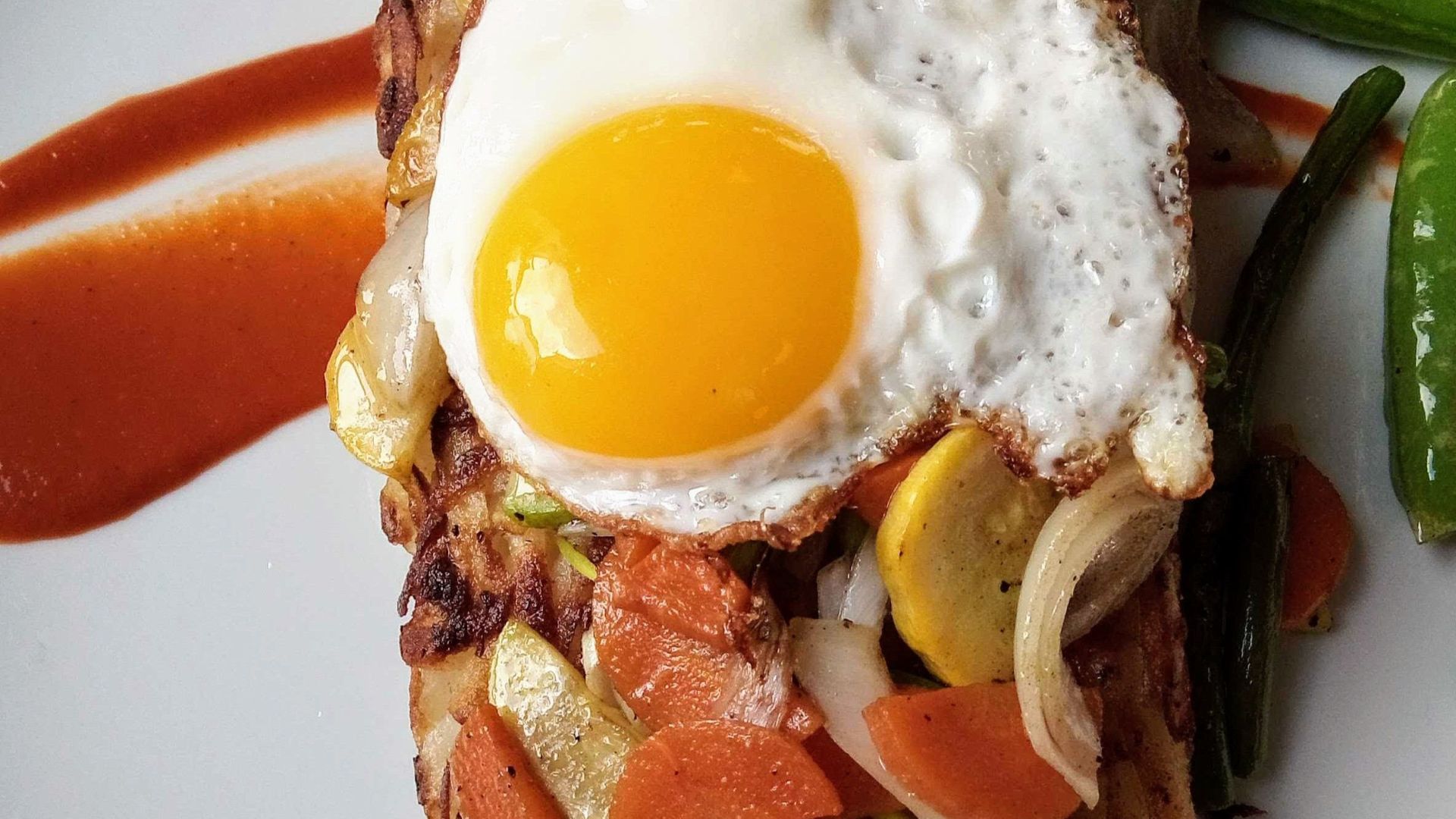
5. Hashed Calf’s Head
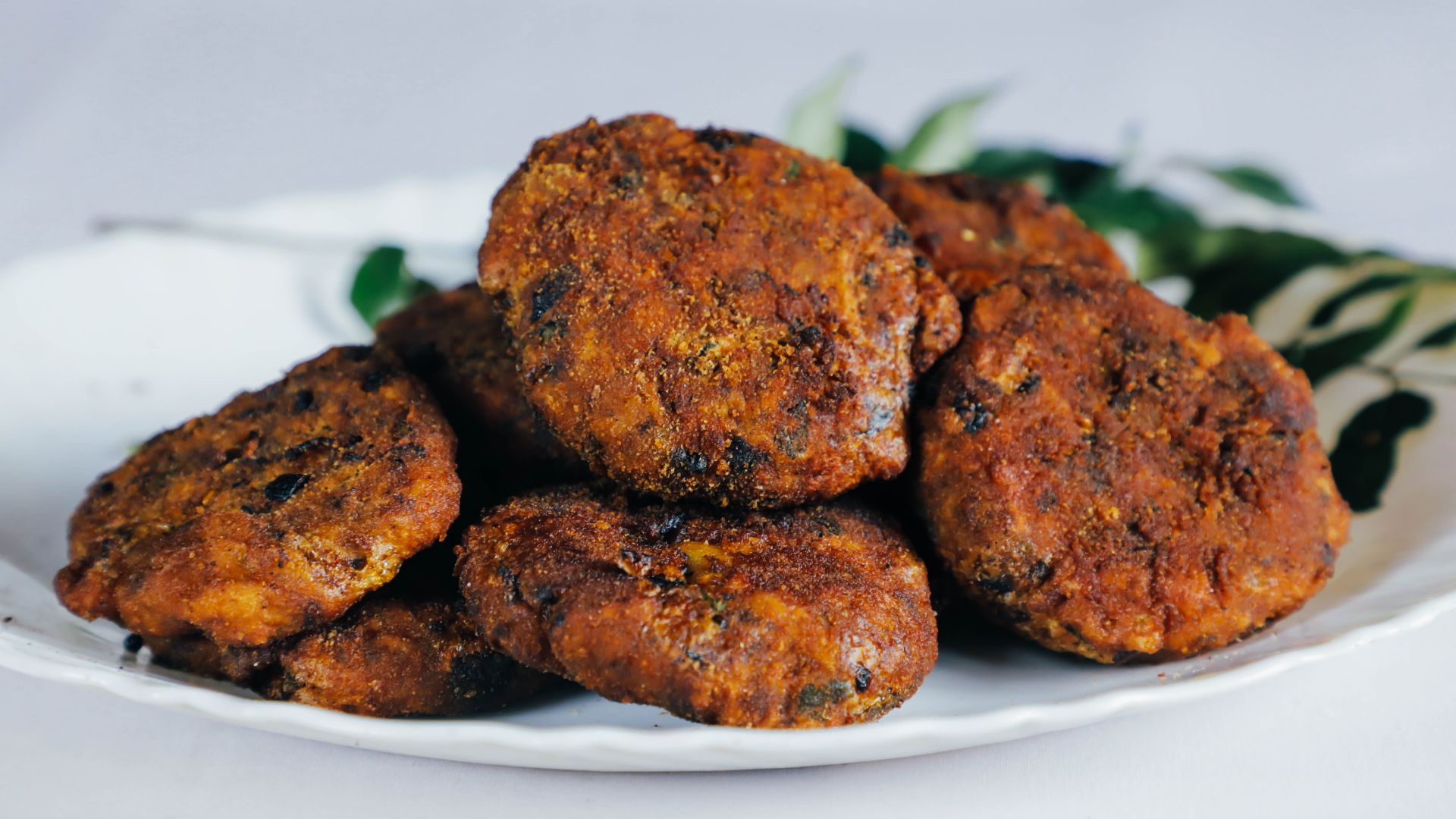
Hashed calf’s head was another way to turn leftovers into a full dish. Acton’s version connects it to mock-turtle flavors and even suggests serving it with brain cakes and forcemeat balls. The result would have been rich, highly seasoned, and much more elaborate than the word “hash” makes it sound.
 Jeanetta Richardson-Anhalt on Pexels
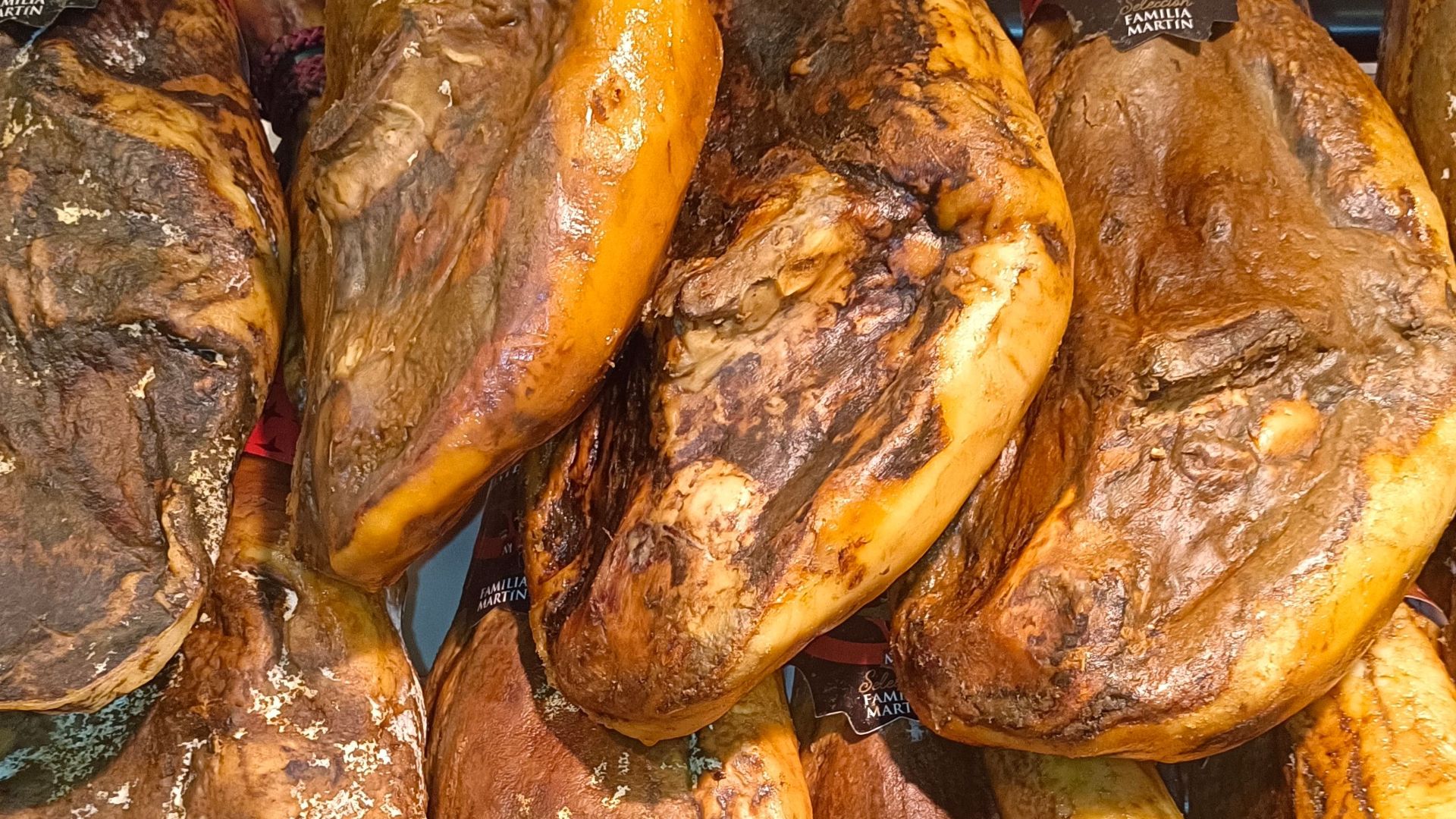
6. Calf’s Head Brawn
Calf’s head brawn is a preserved dish made from a boned calf’s head with the skin on. Acton’s recipe involves salting, curing, turning, basting, and eventually boiling and pressing the meat into shape. It’s a lot of work, but it shows how seriously earlier cooks took preservation and using every part of the animal.
7. Brain Cakes
Brain cakes are exactly what the name suggests, which is both helpful and alarming. Acton includes them among her forcemeat recipes, and they could be served with dishes such as hashed calf’s head. In the 19th century, this kind of preparation made sense in a kitchen that wasted very little.
8. Beef Palates
Beef palates may be one of the strangest entries for modern readers because they use the roof of the cow’s mouth. Acton explains that they need careful cleaning, boiling, peeling, trimming, and then stewing in a strongly flavored sauce. This is the kind of recipe that clearly came out of necessity, not one you'd specifically shop for.

9. Beef Palates, Neapolitan Mode
Beef palates, Neapolitan mode, may be one of Acton’s strangest ideas because the roof of a cow’s mouth was prepared almost like pasta. After boiling, peeling, and stewing the palates until tender, she instructed cooks to cut them into narrow strips and finish them using one of her macaroni recipes. Substituting a rough part of beef for noodles seems like a weird swap.
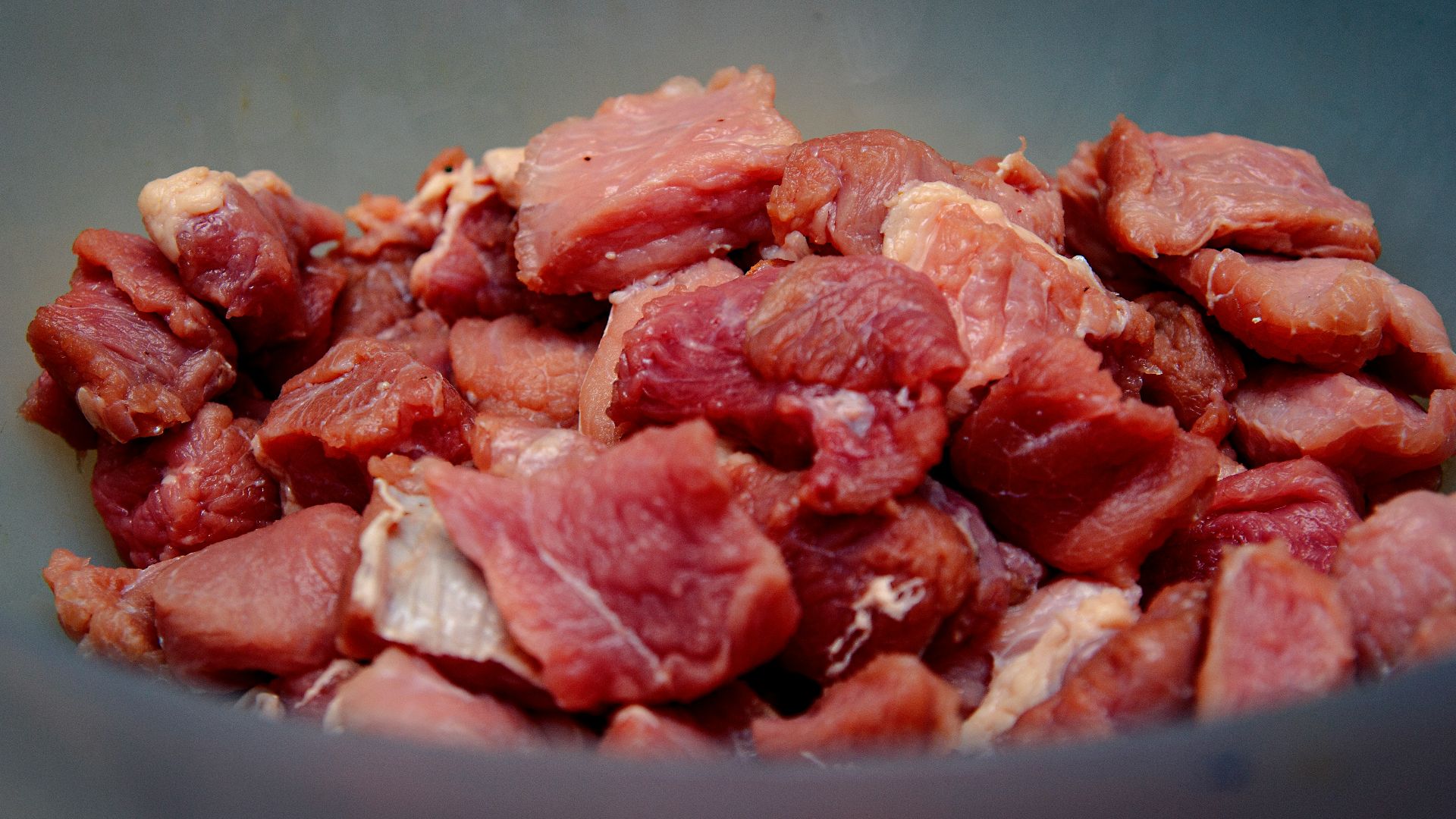
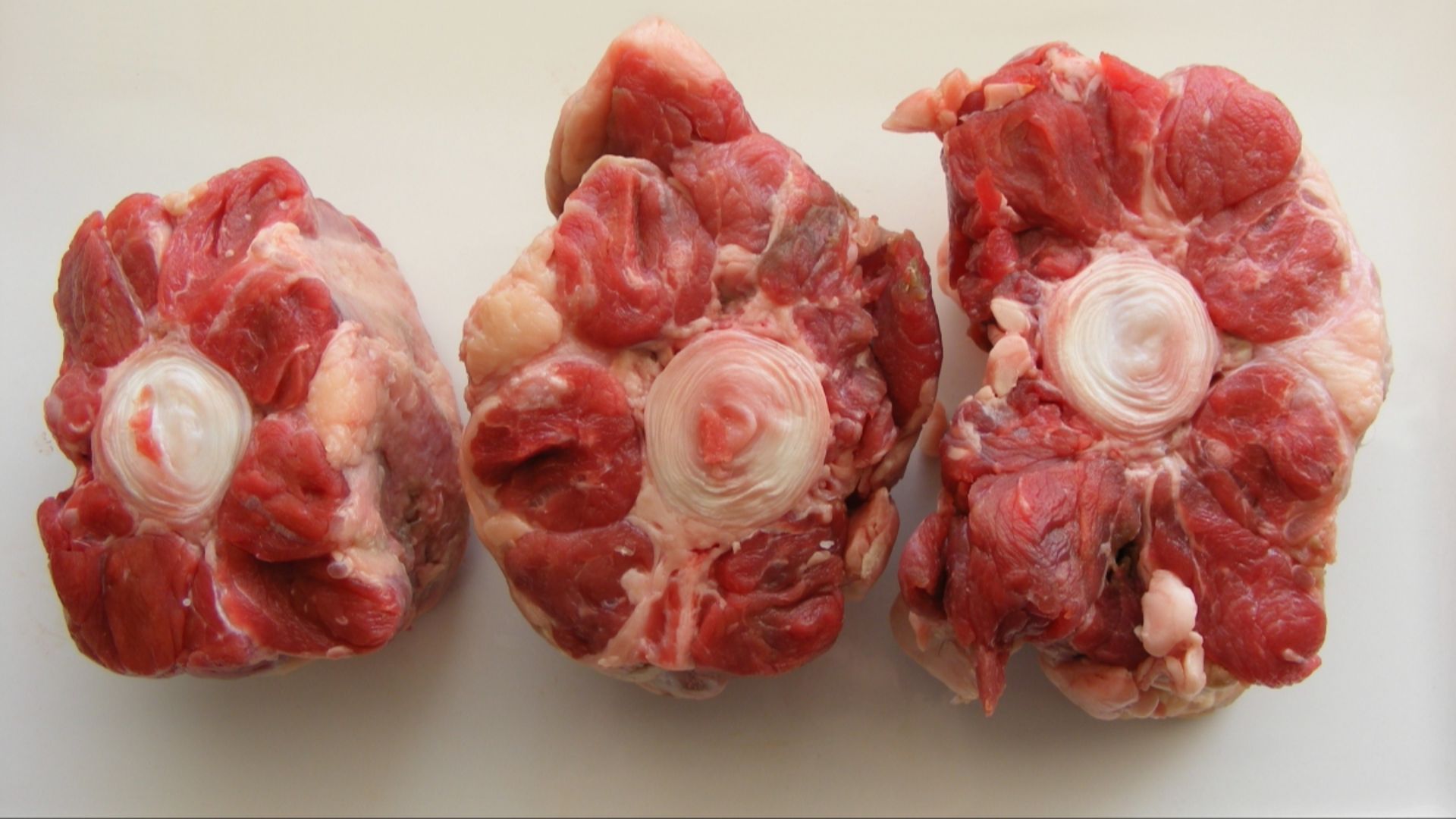
10. Broiled Ox-Tail
Oxtail soup may still be familiar in some kitchens, but Acton’s broiled ox-tail is a more surprising production. The tail is simmered until tender, coated with butter and bread crumbs, then browned on a gridiron. It’s a lot of effort for a part of the animal that many modern cooks rarely see outside specialty dishes. Acton, however, treats it like a perfectly respectable entrée.
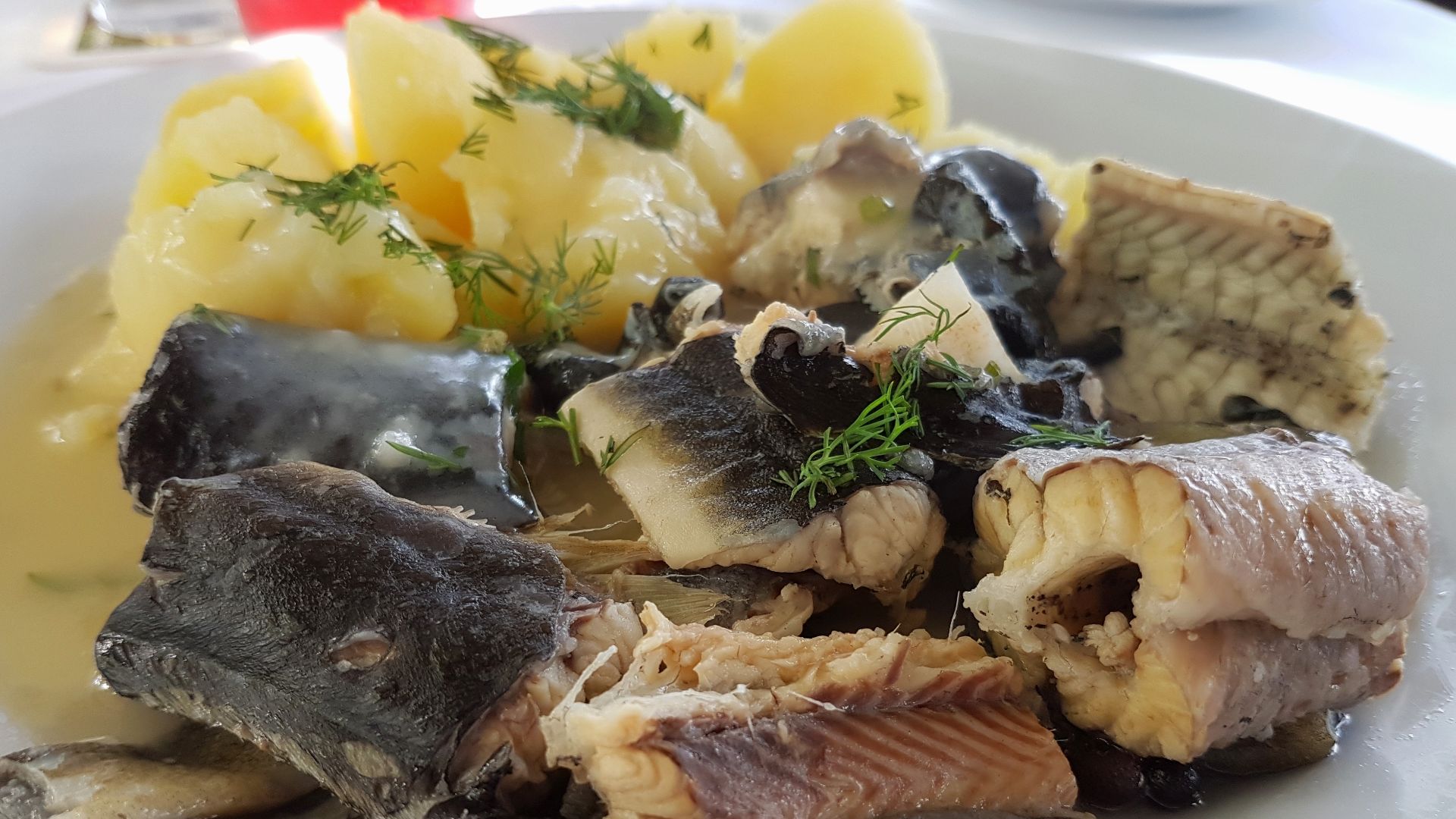
11. Eels With Clotted Cream
Acton’s Cornish eel recipe stews cleaned eels gently, then finishes the sauce with flour, butter, parsley, and clotted cream. That combination sounds rich, coastal, and very far from what most Americans imagine when they hear “fish dinner.” Eels were once much more common in British cooking, so this wouldn't have seemed as strange then.

12. Boiled Eels
The German-style boiled eels in Acton’s book are cooked with lemon, mace, white peppercorns, parsley, and salt. The instructions are careful, especially about cleaning and gentle simmering. Modern diners may associate eel with sushi, smothered in that sweet eel sauce, or not at all, so a whole boiled eel dish can be hard to picture.
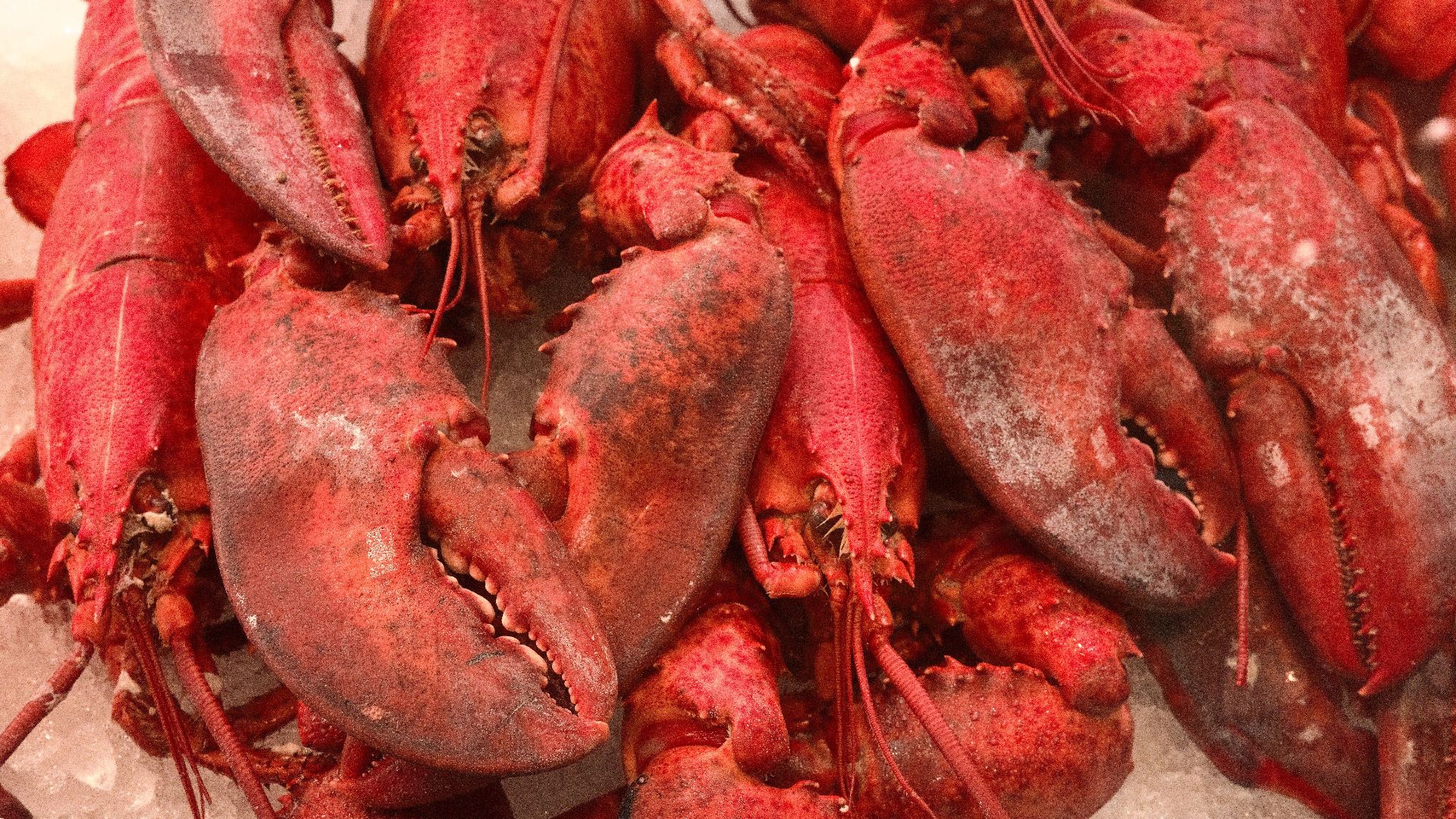
13. Boudinettes of Lobsters, Prawns, or Shrimps
Boudinettes sound delicate, and in Acton’s hands they were meant to be small molded seafood preparations. The fish or shellfish was pounded, shaped in little cups, gently heated, and served with a rich white sauce. That sounds fancy enough, but the texture would probably surprise modern diners used to shrimp cocktail or lobster rolls.
14. Pigeon Pie
Pigeon pie was once a normal enough dish to appear in household cookbooks, but it feels striking now. Acton’s version layers young pigeons into a pastry dish with veal or steak, butter, spice, gravy, and hard-boiled egg yolks. It’s hearty, decorative, and much more elaborate than the name suggests.

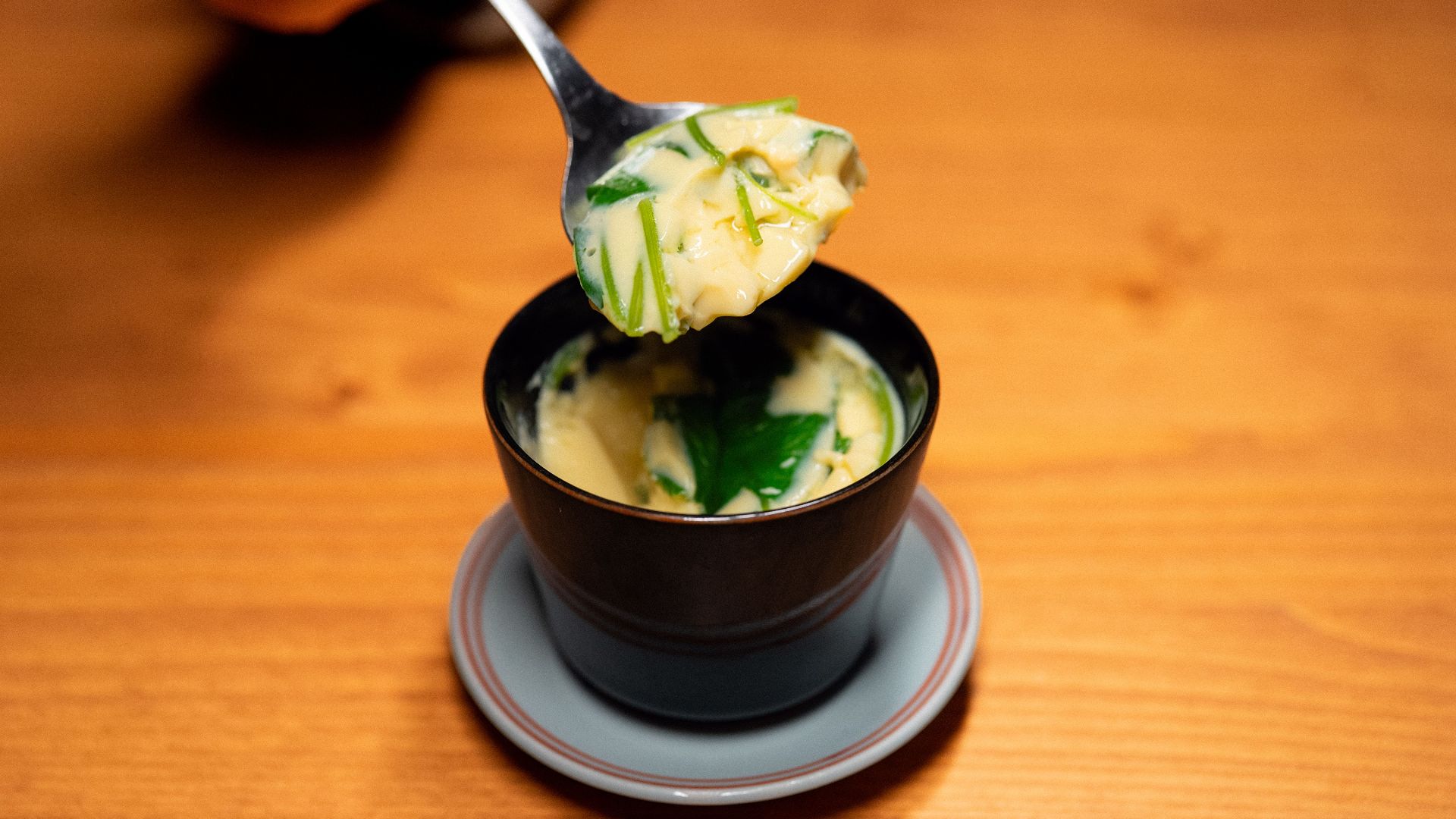
15. A Sefton, or Veal Custard
A veal custard may sound shocking if your association with custard is something sweet and creamy like crème brûlée. Acton makes it with rich veal gravy poured over beaten eggs, then seasons it with lemon rind, cayenne, mace, and salt. The result is a savory custard, which is less strange once you think about quiche or chawanmushi. Still, the phrase “veal custard” doesn't exactly glide into modern conversation.
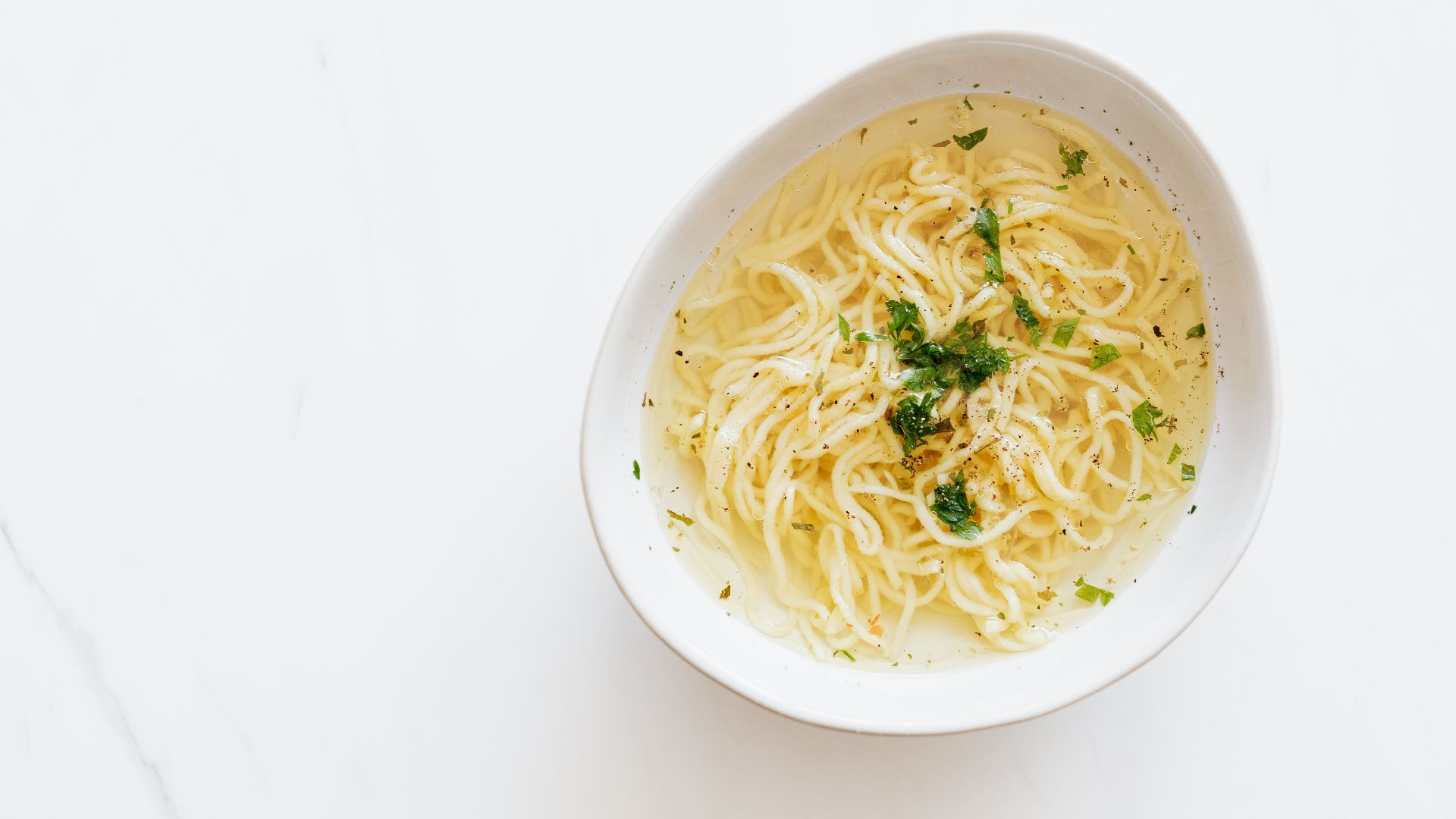
16. Milk Soup With Vermicelli
Milk soup with vermicelli isn't horrifying, but it is odd to modern ears. Acton includes it as a simple soup that could also use rice, semolina, or sago. The idea of milk as the base for a savory or lightly seasoned soup feels very 19th-century in a way that modern menus rarely embrace. It sounds gentle, economical, and just strange enough to raise questions.
17. Dandelions Dressed Like Spinach
Acton includes instructions for dressing dandelions like spinach or serving them as a salad. That may sound like backyard desperation today, but it reflects a time when edible greens were used more widely and seasonally. Dandelions are perfectly edible when handled correctly, though most people now treat them like lawn enemies.

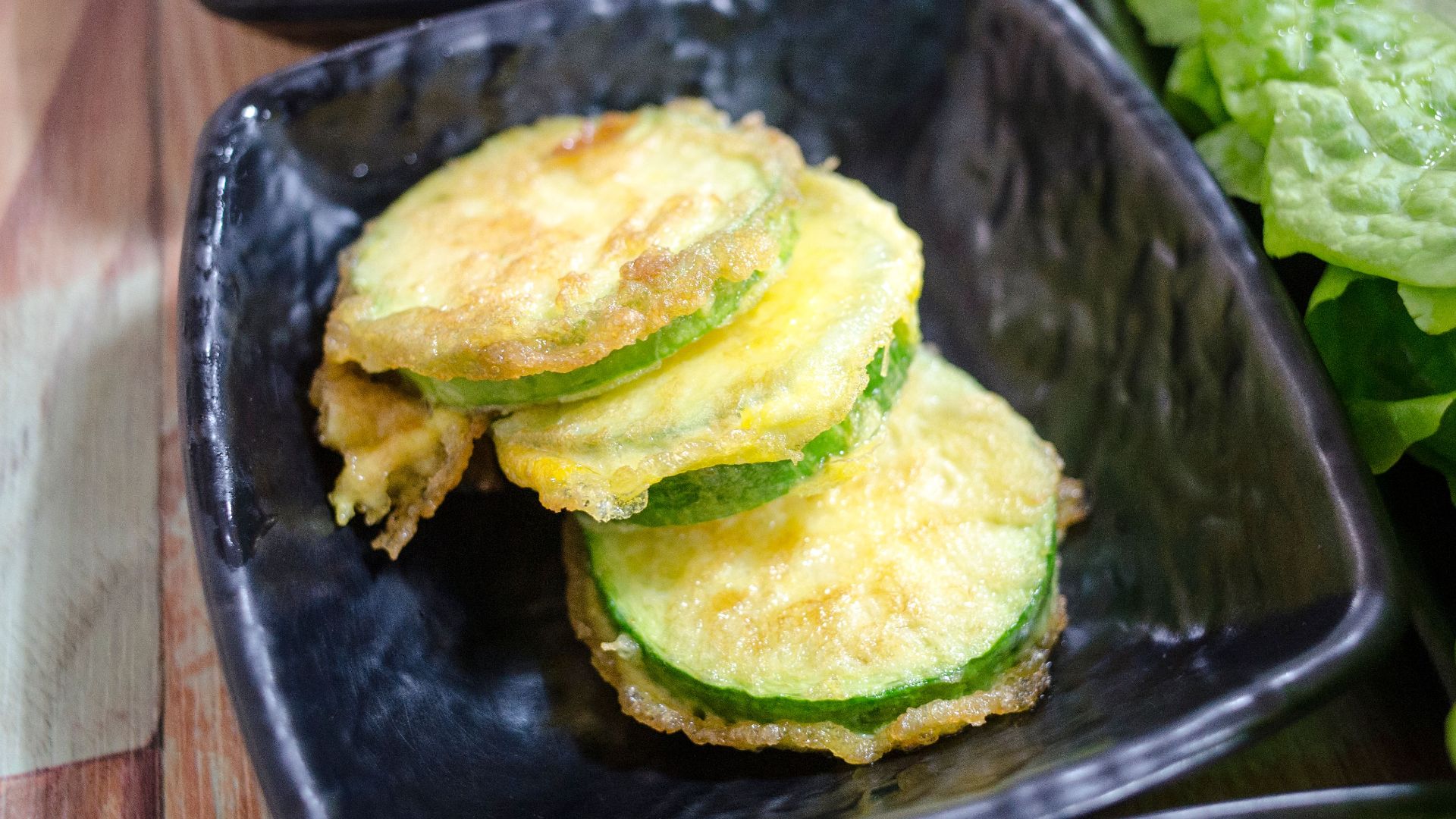
18. Fried Cucumbers
Fried cucumbers appear in Acton’s vegetable chapter as something to serve with hashes and minces. Most modern Americans think of cucumbers as cold, crisp, and destined for salads or pickles. Cooking them changes the texture completely, which makes the dish feel unfamiliar even though the ingredient is ordinary.
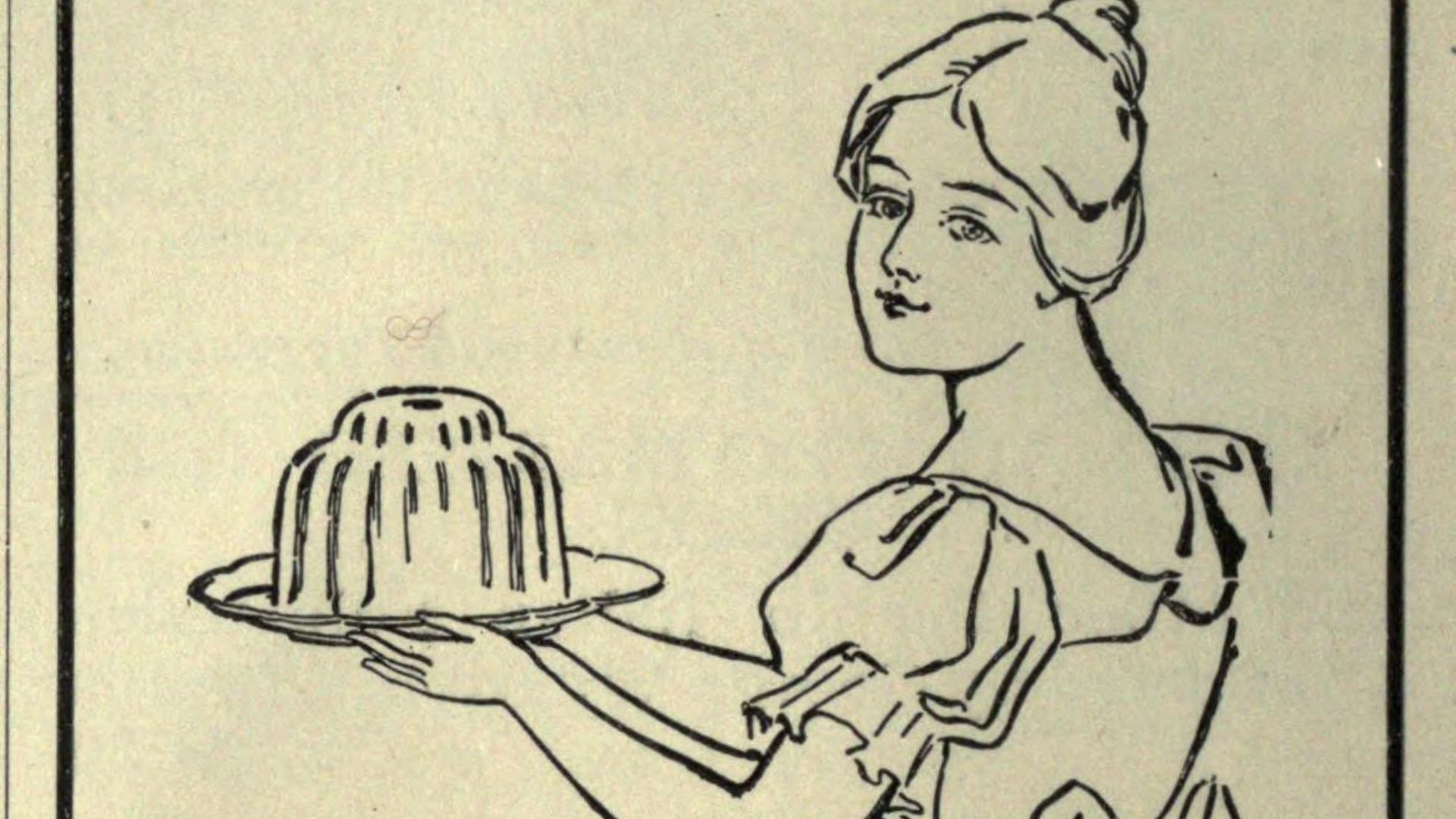
19. Calf’s Feet Jelly
Calf’s feet jelly was a sweet, delicate jelly made by boiling calf’s feet to extract natural gelatin, then straining and flavoring the liquid with lemon, wine, sugar, and spices. In the 19th century, this was practical because the natural gelatin from the feet helped the jelly set before store-bought gelatin was common. Today, it’s hard not to pause at the idea of a sweet, elegant dish that begins with an animal's hoof.
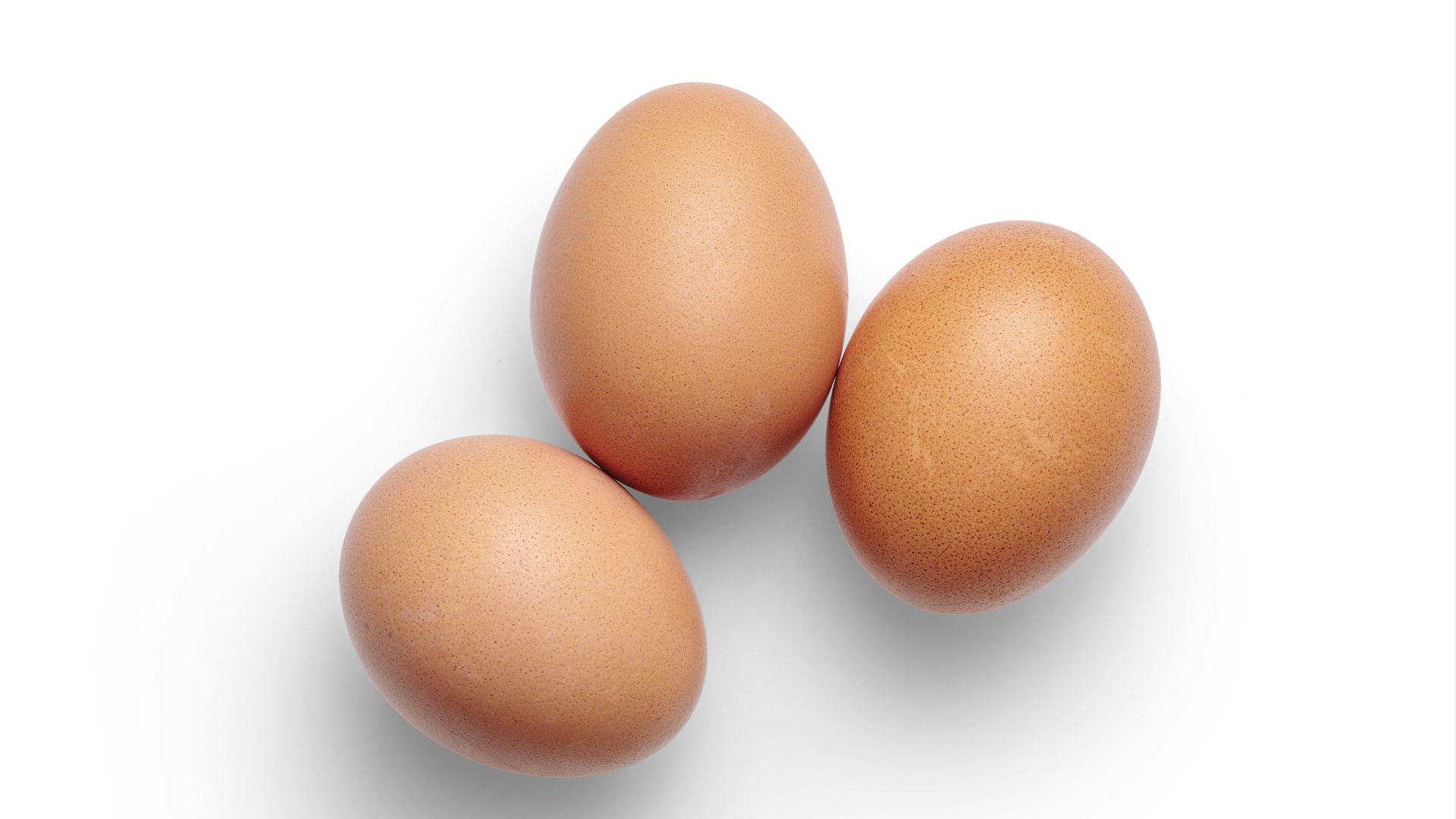
20. Egg Balls
Egg balls sound like a modern snack invention, but Acton used them as a garnish for soups and rich, savory dishes. They were made by pounding hard-boiled egg yolks with raw yolk, salt, and sometimes cayenne, then rolling the mixture into tiny balls and boiling them until set. It’s not the strangest ingredient in the book, but it is wonderfully specific in a way modern cooks rarely bother with.
KEEP ON READING