The Mad King: 20 Royals Who Probably Had A Few Screws Loose
No Wildfire Here
So often we hear stories of royals who were bad people or who did bad things, with little disregard for context. While there are certainly rulers that engaged in less-than-favorable behavior, many of the rulers on this list were sick, lonely, grieving, frightened, or trapped in courts full of people waiting for them to slip up. The word “mad” gets used a lot with these figures, though it doesn’t always tell the full story. Some really did suffer serious illness, while others were called unstable because it helped relatives, ministers, or enemies take control. Here are 20 royals whose reigns, behavior, or reputations made people wonder what was really happening behind the palace doors.
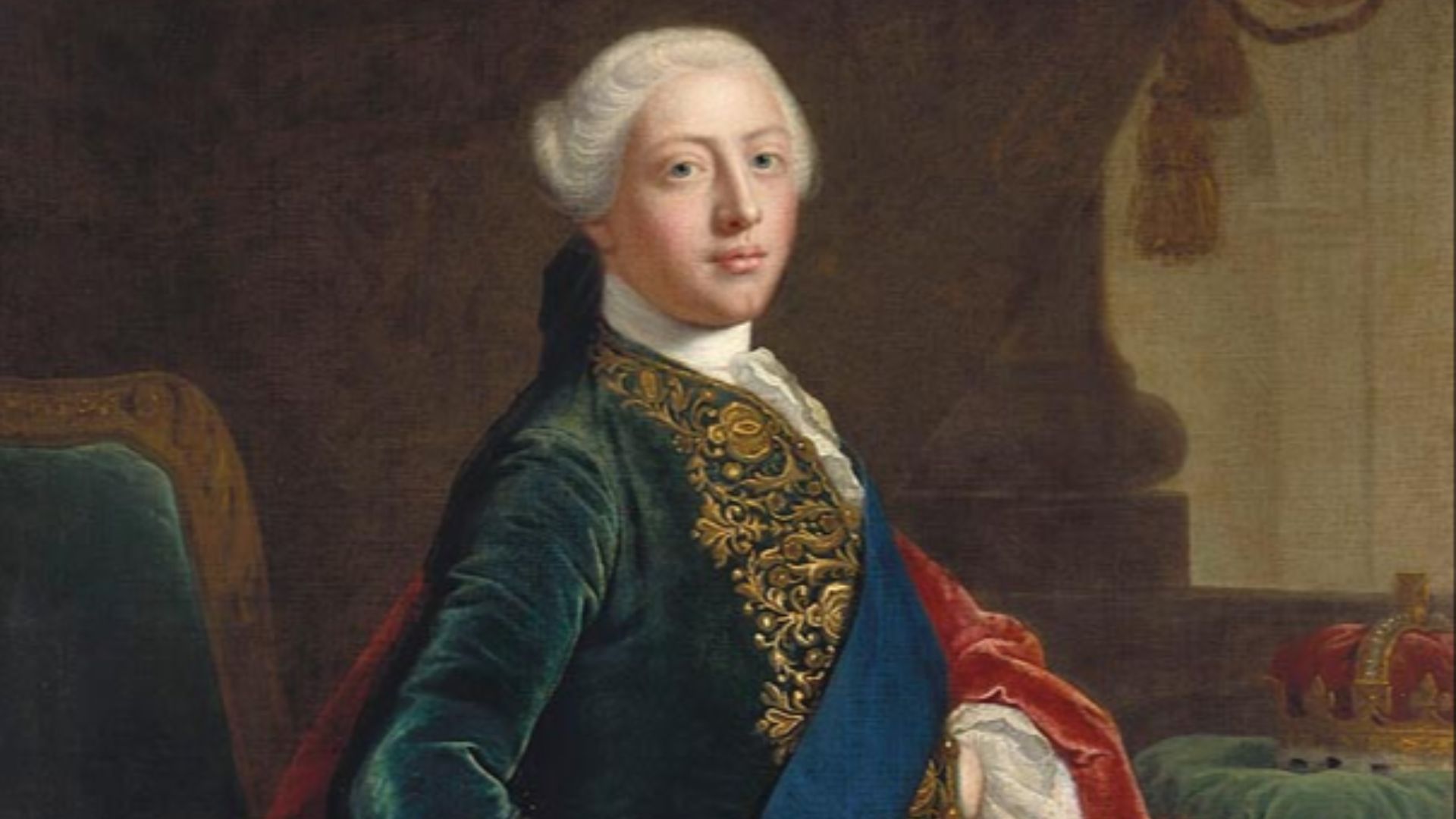 Sir Joshua Reynolds on Wikimedia
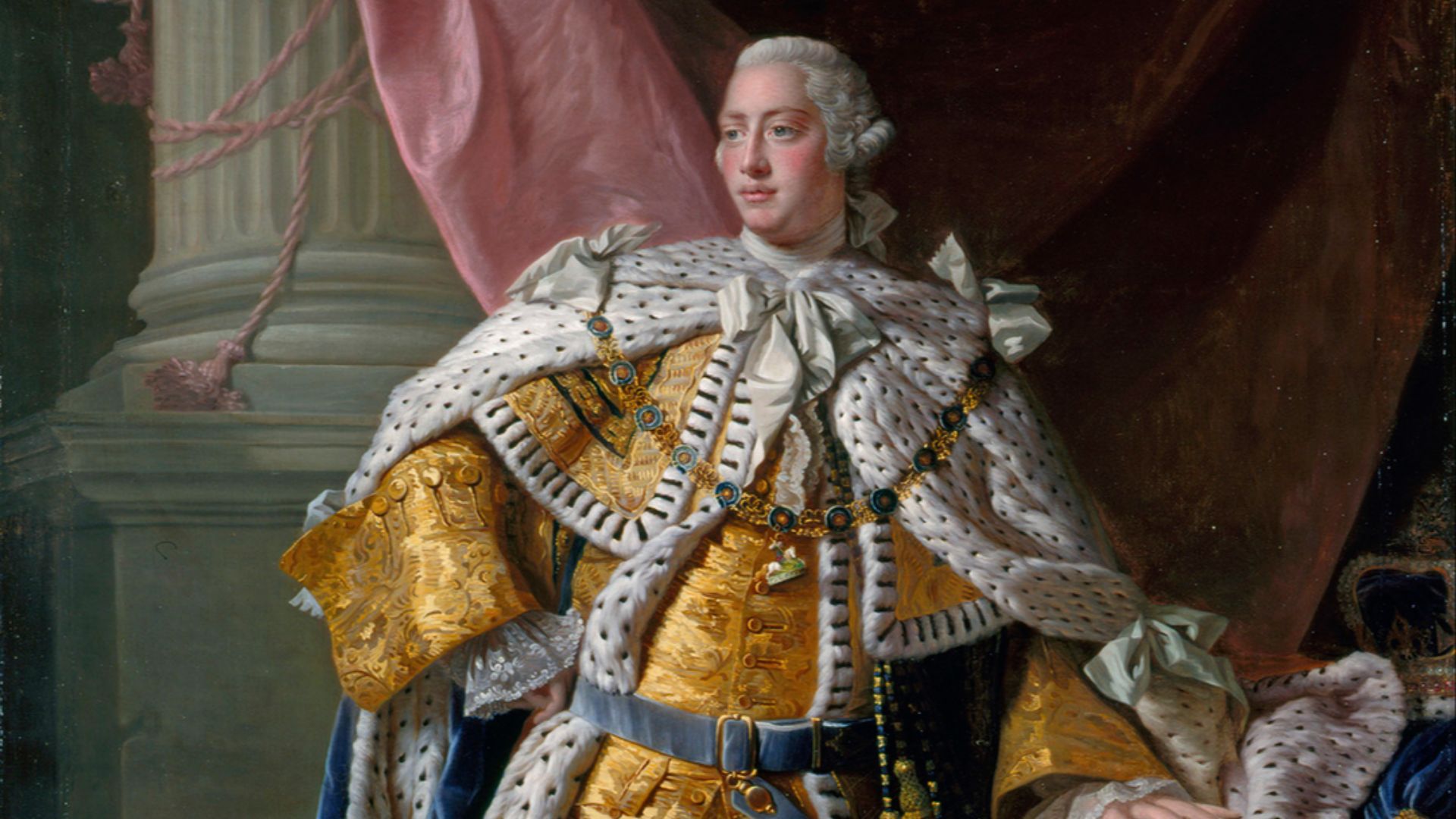
1. George III, The King Who Became The Famous “Mad King”
George III is still one of history’s best-known “mad kings.” His illness, surmised to be bipolar disorder, came in repeated episodes, and doctors closely watched his sleep, eating, speech, and behavior. The treatments he received were harsh, even by royal standards, and they made an already painful situation even harder.
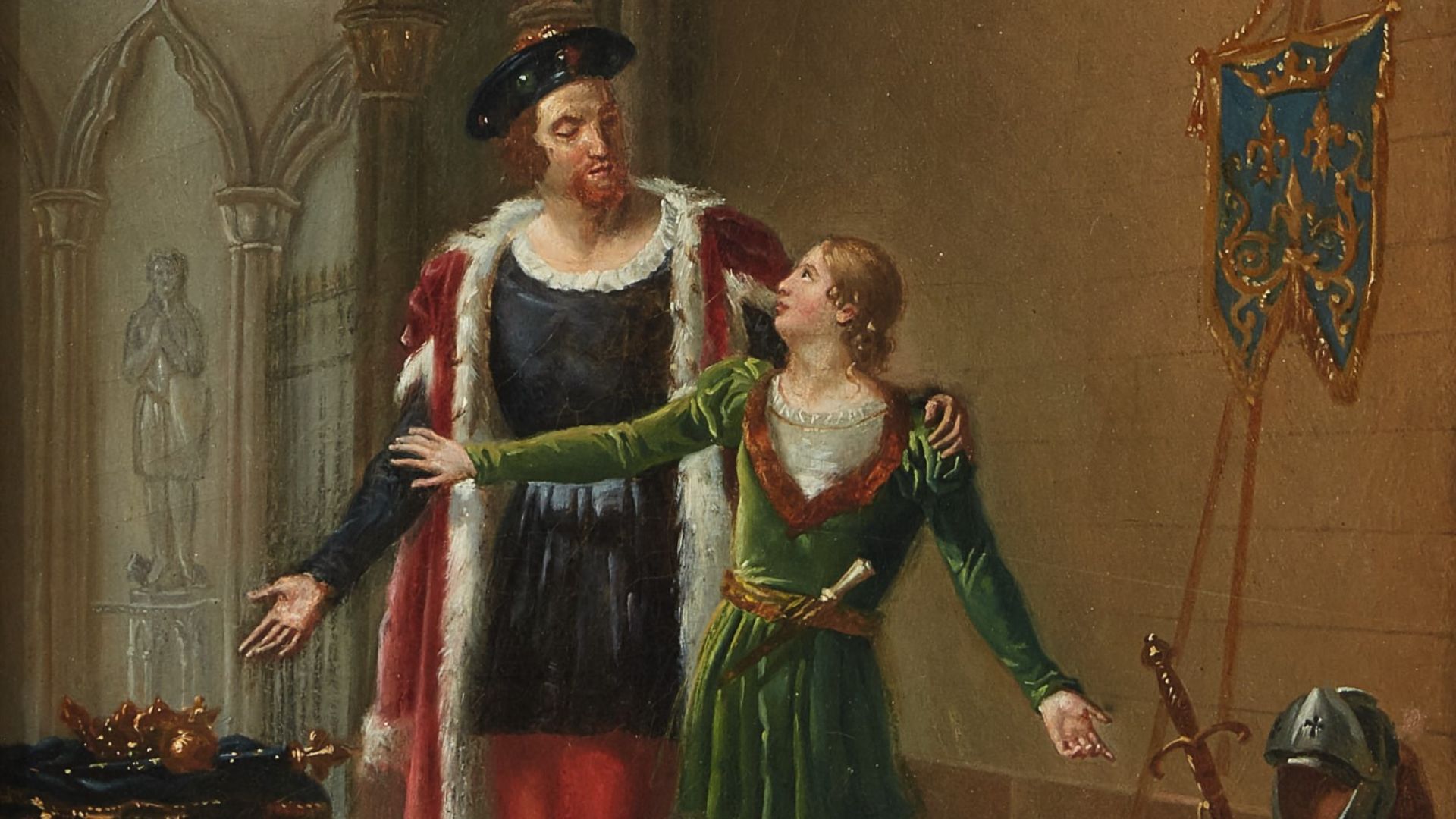
2. Charles VI Of France, The King Who Thought He Was Glass
Charles VI started his reign with promise, but ultimately suffered a series of psychotic breaks. His episodes included paranoia, violence, and the famous belief that he was made of glass. While he struggled, powerful nobles fought for control, leaving France in a dangerous position.
 Claude-Jean Besselièvre on Wikimedia
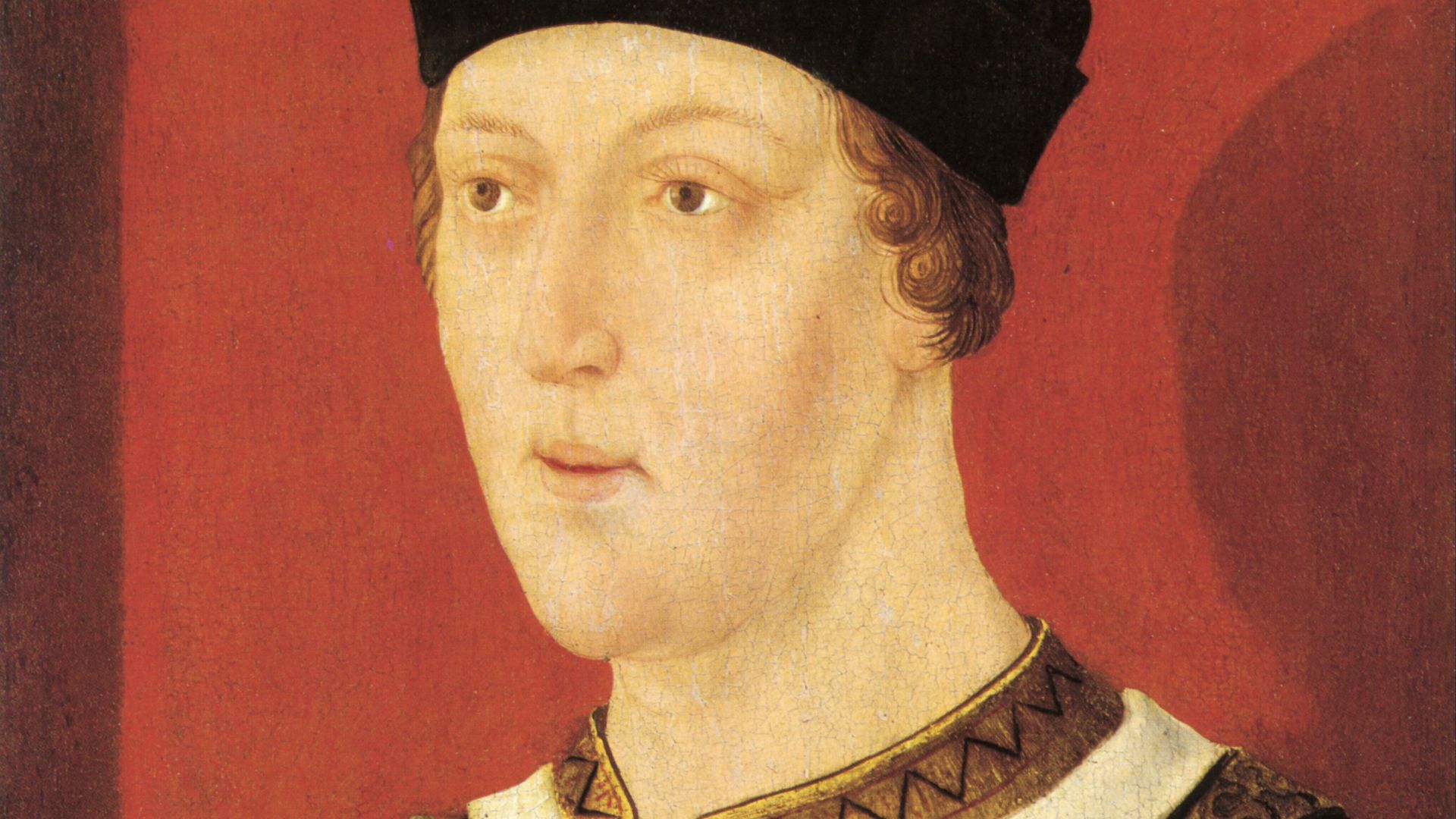
3. Henry VI Of England, The Gentle King Who Went Silent
Henry VI was deeply religious and gentle, which didn’t help him much in the rough world of 15th-century English politics. In 1453, he suffered a collapse that left him unable to govern. The fight for power around his throne helped fuel the Wars of the Roses.
4. Joanna Of Castile, The Queen Whose Madness Was Useful To Others
Joanna of Castile is still remembered as “the Mad,” though that nickname hides a lot. Her husband, father, and son all had reasons to limit her power, and all of them benefited when she was pushed aside. Her long confinement is a sad story of personal suffering and political control.
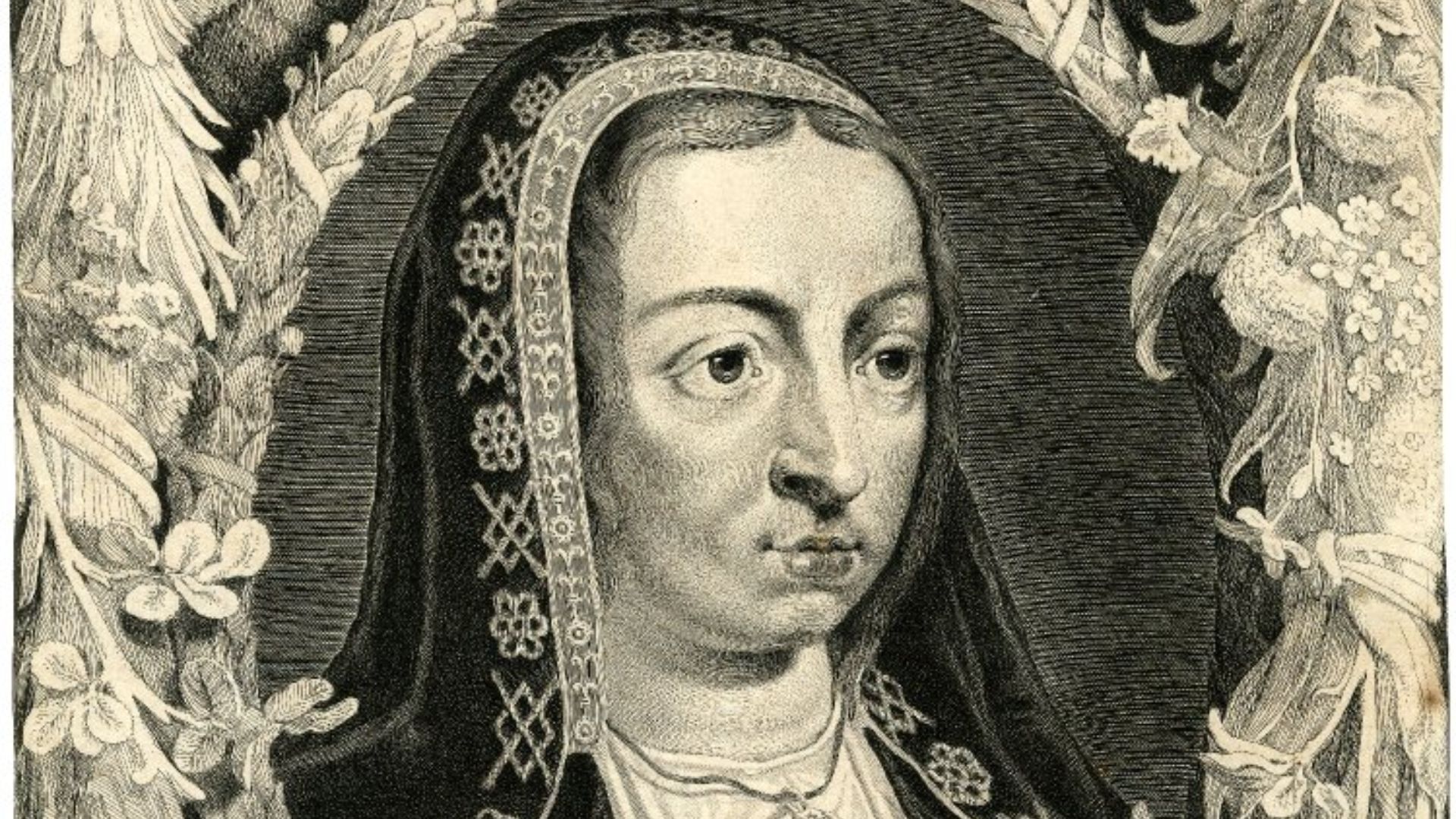 Pieter Soutman (After); Pieter Soutman (Print made by); Pieter Soutman (Published by) on Wikimedia
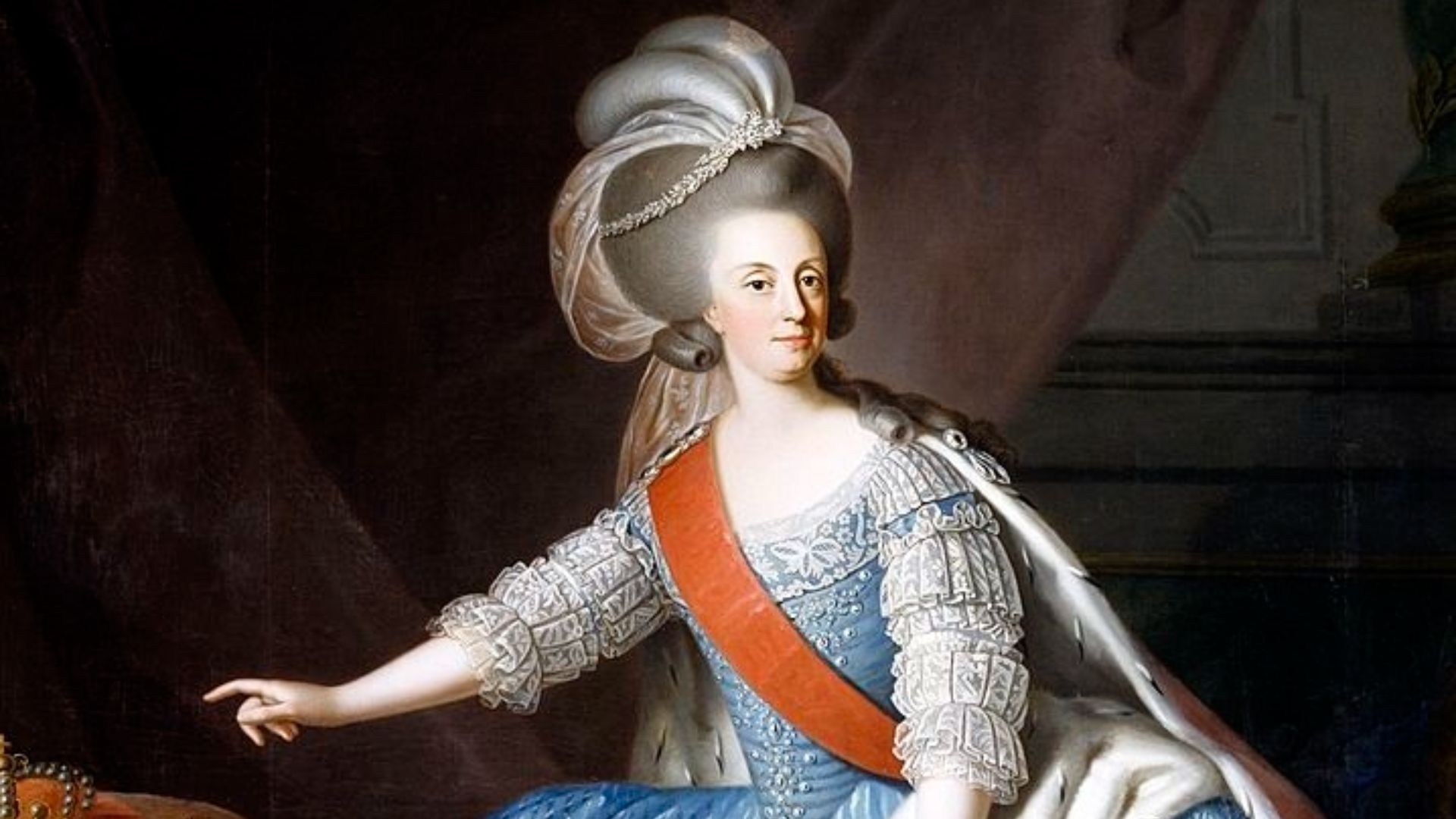
5. Maria I Of Portugal, The Queen Crushed By Grief
Maria I ruled Portugal in her own right, but her later years were marked by severe mental illness. Grief, religious fear, and the pressure of monarchy all surrounded her decline.
 Possibly Giuseppe Troni on Wikimedia
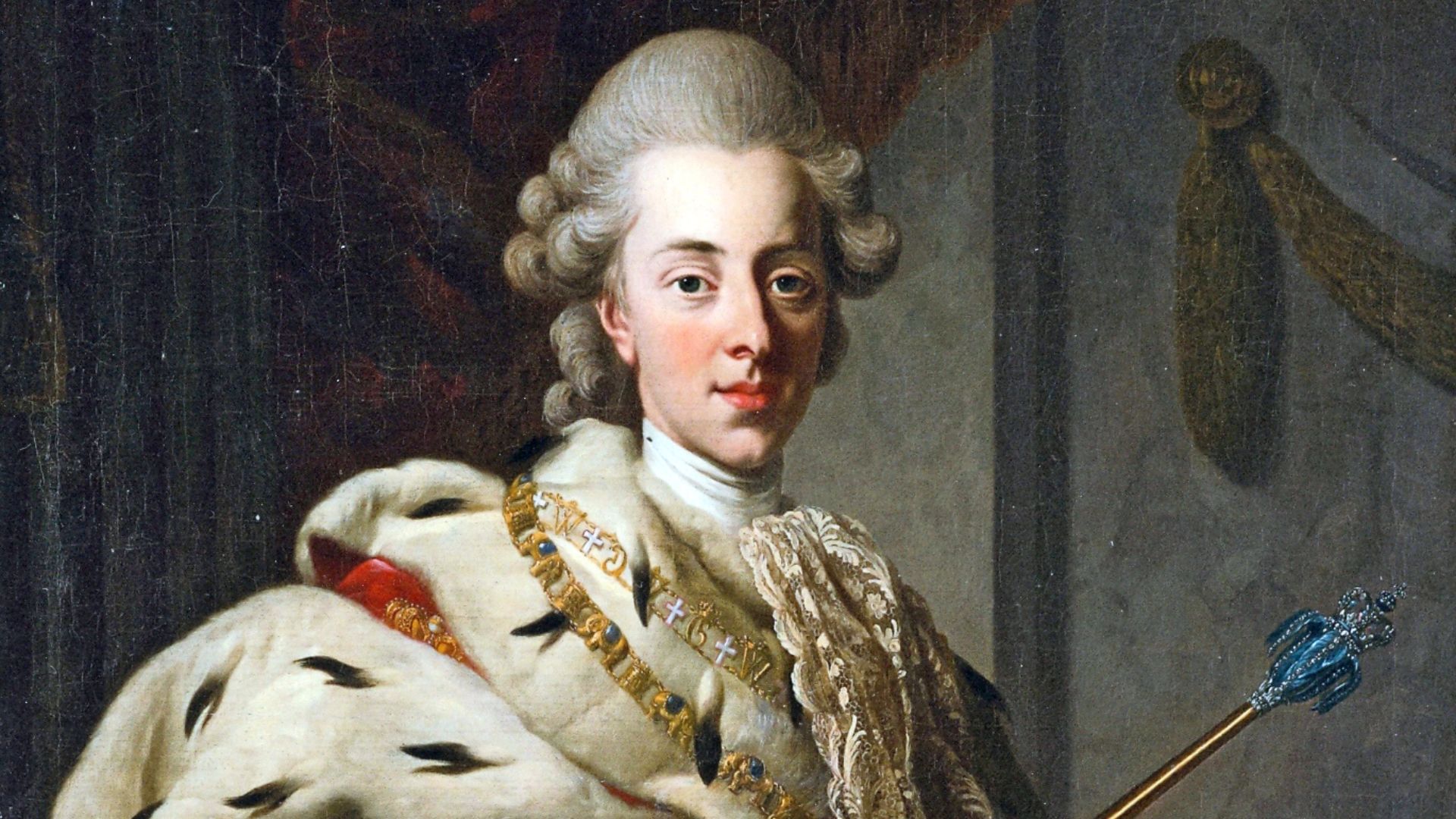
6. Christian VII Of Denmark, The King Others Ruled Around
Christian VII’s schizophrenia made him vulnerable in a court full of people with their own plans. His physician, Johann Friedrich Struensee, briefly became the real power behind the throne and pushed through reforms. Scandal and politics eventually ended this strange arrangement.
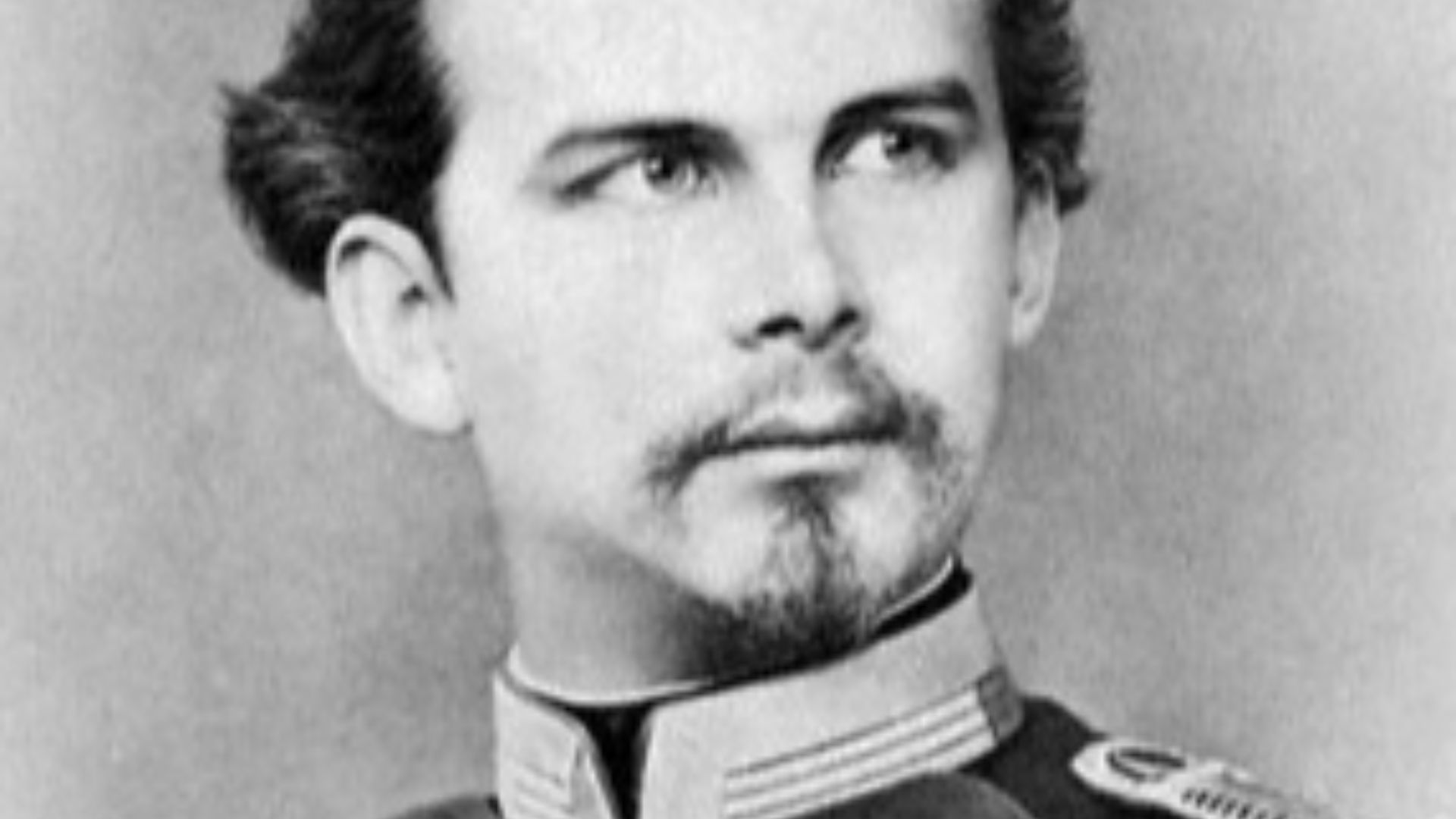
7. Ludwig II Of Bavaria, The Fairy-Tale King
Ludwig II is still famous for his dreamlike castles, especially Neuschwanstein. His ministers, though, saw a withdrawn and extravagant ruler they no longer trusted to govern. In 1886, a psychiatric report helped remove him from power, and his mysterious death soon after made the story even harder to settle.
 Unknown authorUnknown author on Wikimedia
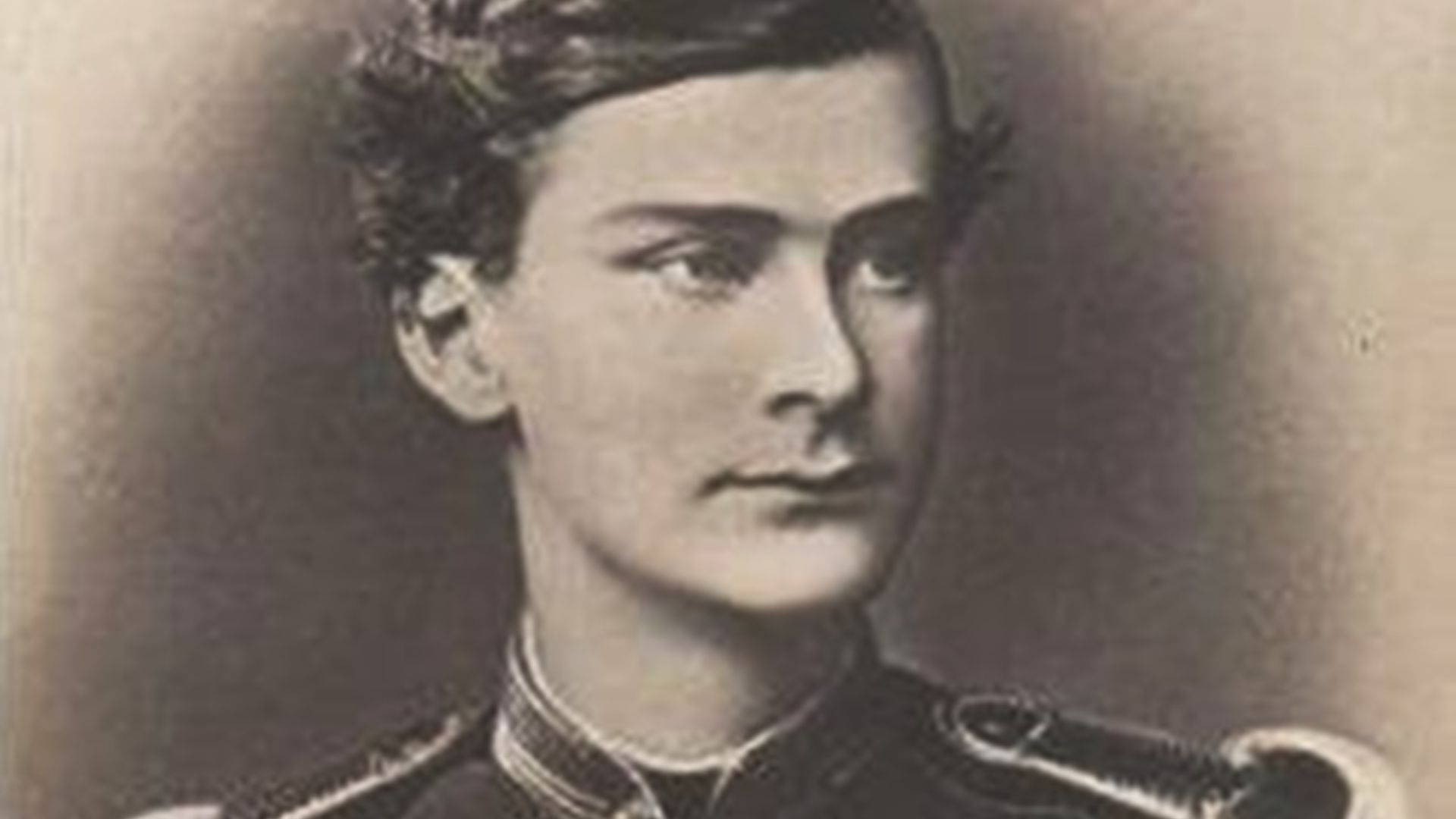
8. Otto Of Bavaria, The King Who Barely Ruled
Otto inherited the Bavarian crown, but severe mental illness kept him from truly ruling. Regents handled the government while he shied away from public life.
 Unknown authorUnknown author on Wikimedia
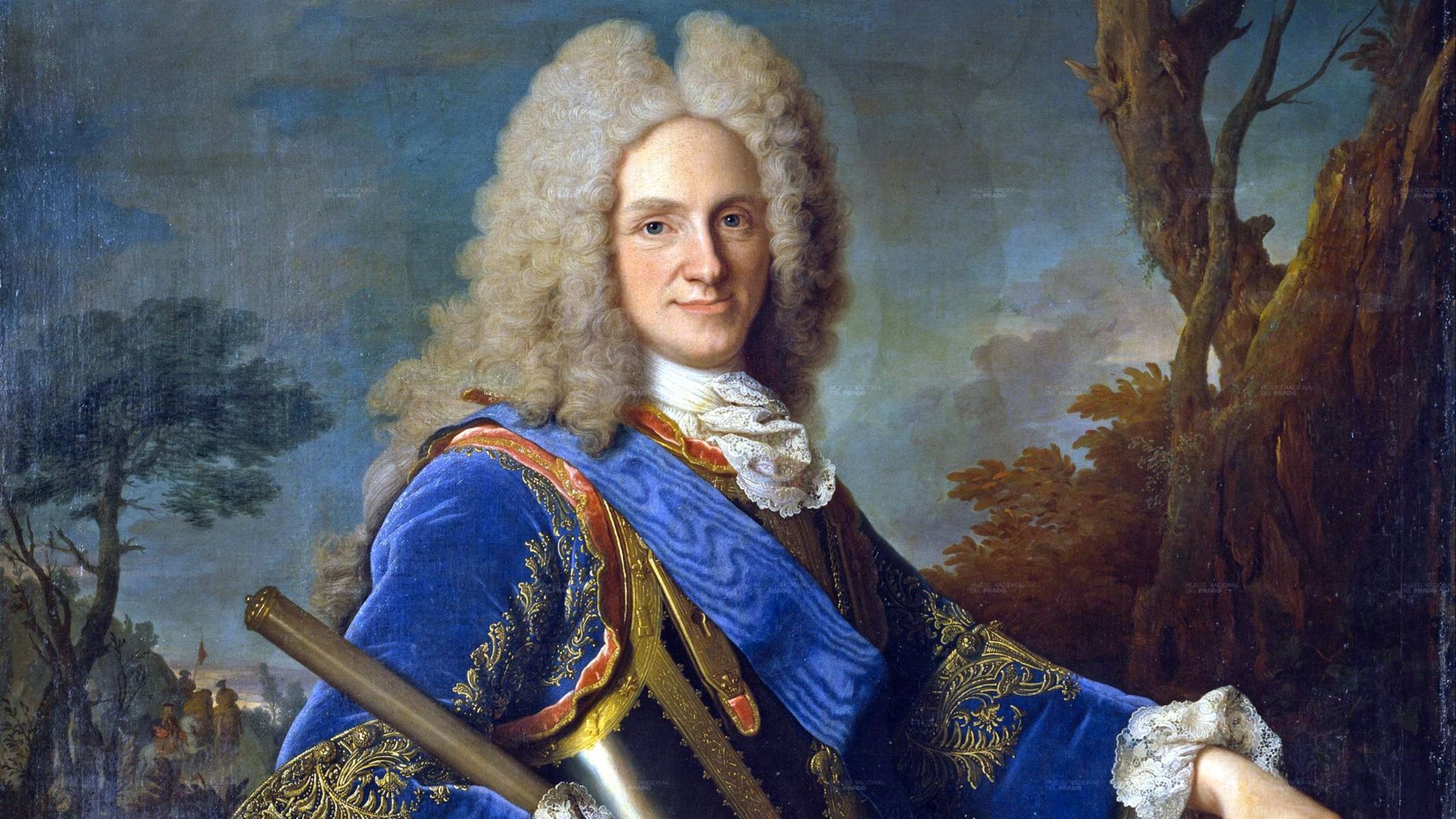
9. Philip V Of Spain, The King Soothed By Song
Philip V suffered from deep depression that sometimes pulled him away from public life and royal duties. The famous singer Farinelli was brought to court, and his performances reportedly helped calm the king.
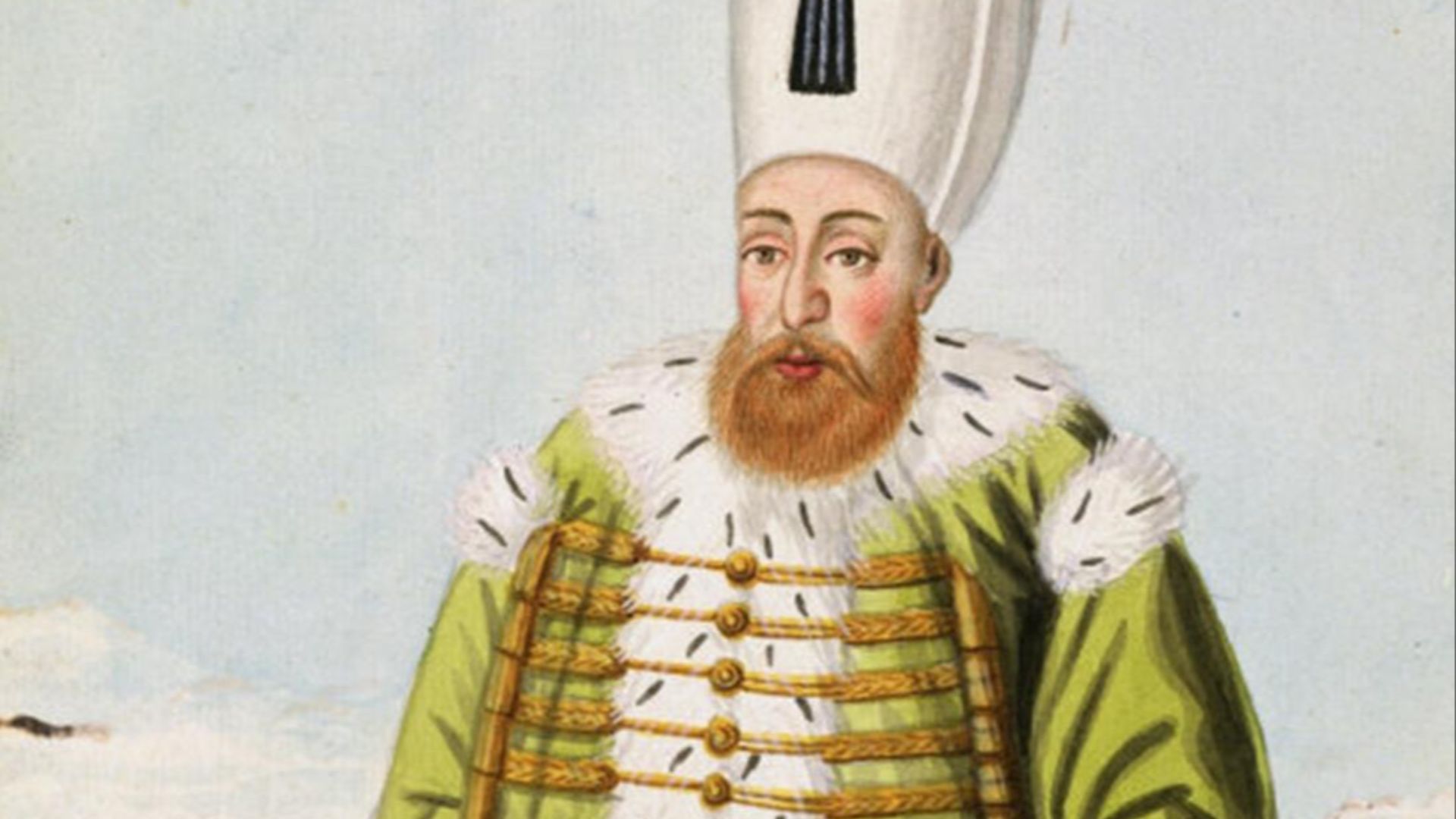
10. Mustafa I, The Sultan Shaped By Confinement
Mustafa I spent years in palace confinement before he became Ottoman sultan. That kind of life would have worn down almost anyone, and he was already seen as mentally unwell when he took power. He ruled twice, though others handled much of the real control around him.
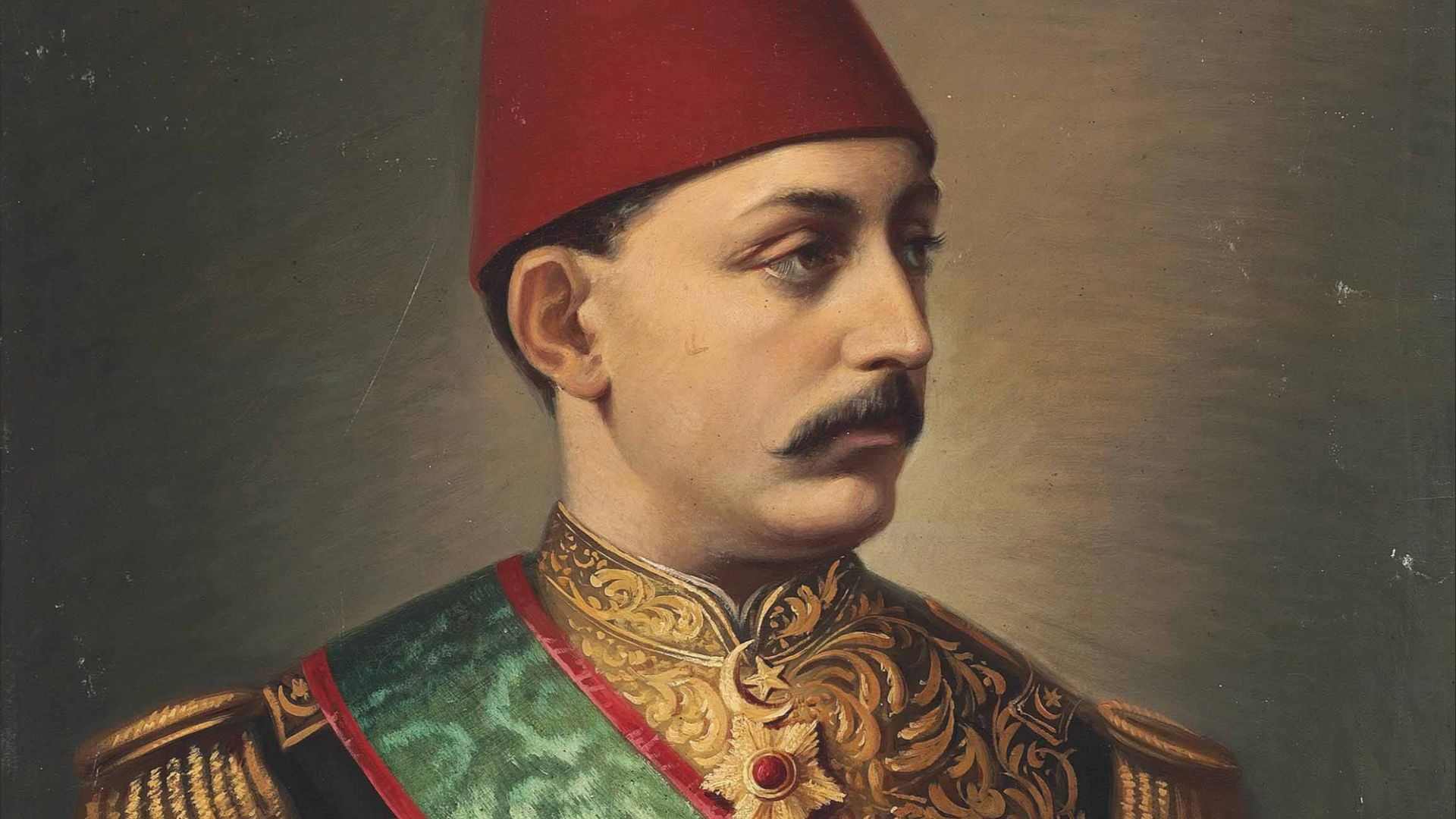
11. Murad V, The Sultan Who Lasted 93 Days
Murad V came to the Ottoman throne in 1876, during a tense moment for the empire. Some reformers had hope for him, but his mental health quickly deteriorated. After only 93 days, he was removed from power, ending one of the shortest and saddest reigns on this list.
 Unknown authorUnknown author on Wikimedia
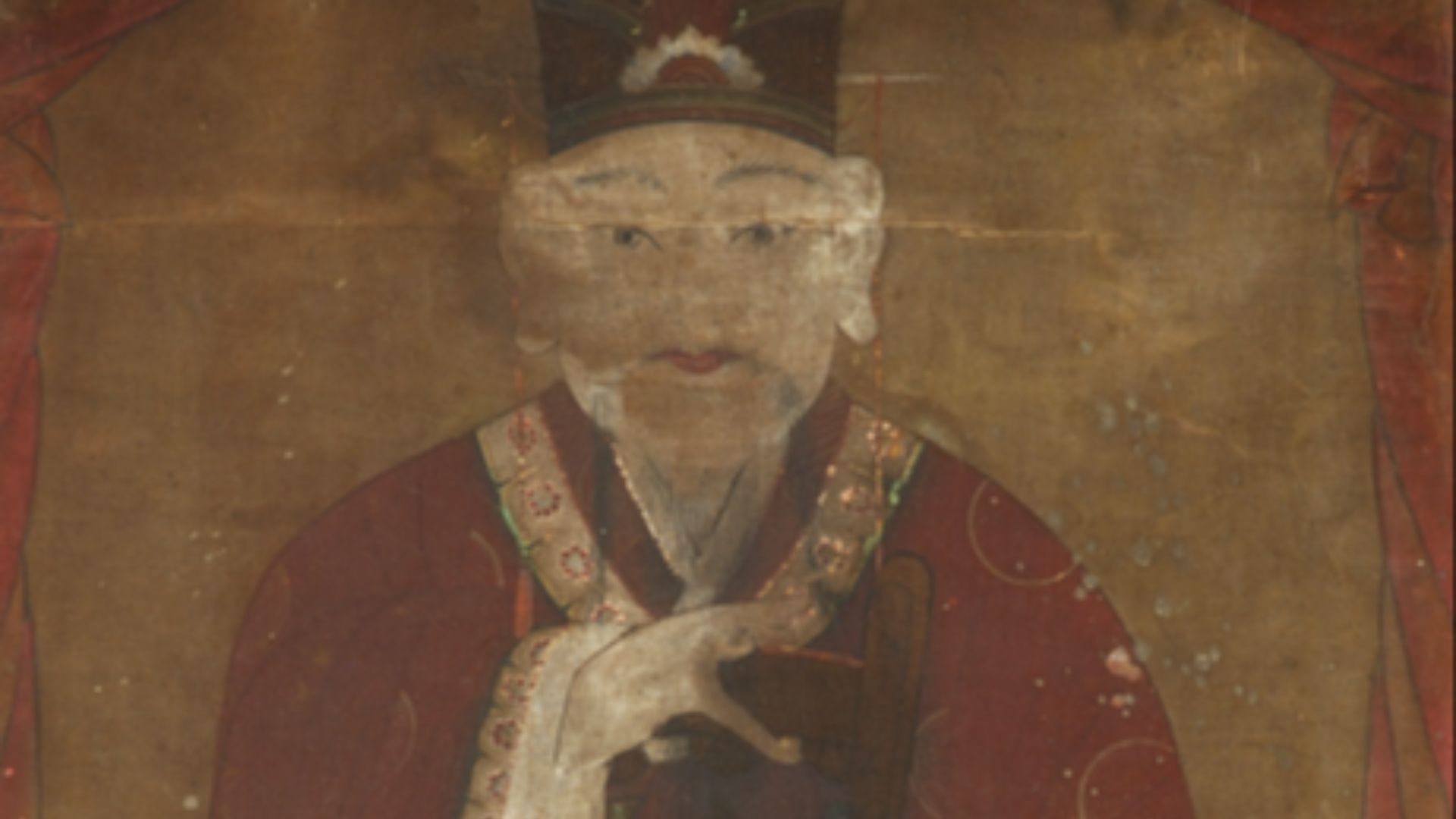
12. Crown Prince Sado, The Heir Who Terrified The Court
Crown Prince Sado never became king, but his story is too disturbing to leave out. Accounts from inside the Korean court describe violent behavior, mental collapse, and a family crisis that kept getting worse. His father eventually ordered him sealed inside a rice chest, where he died.
 Unknown authorUnknown author on Wikimedia
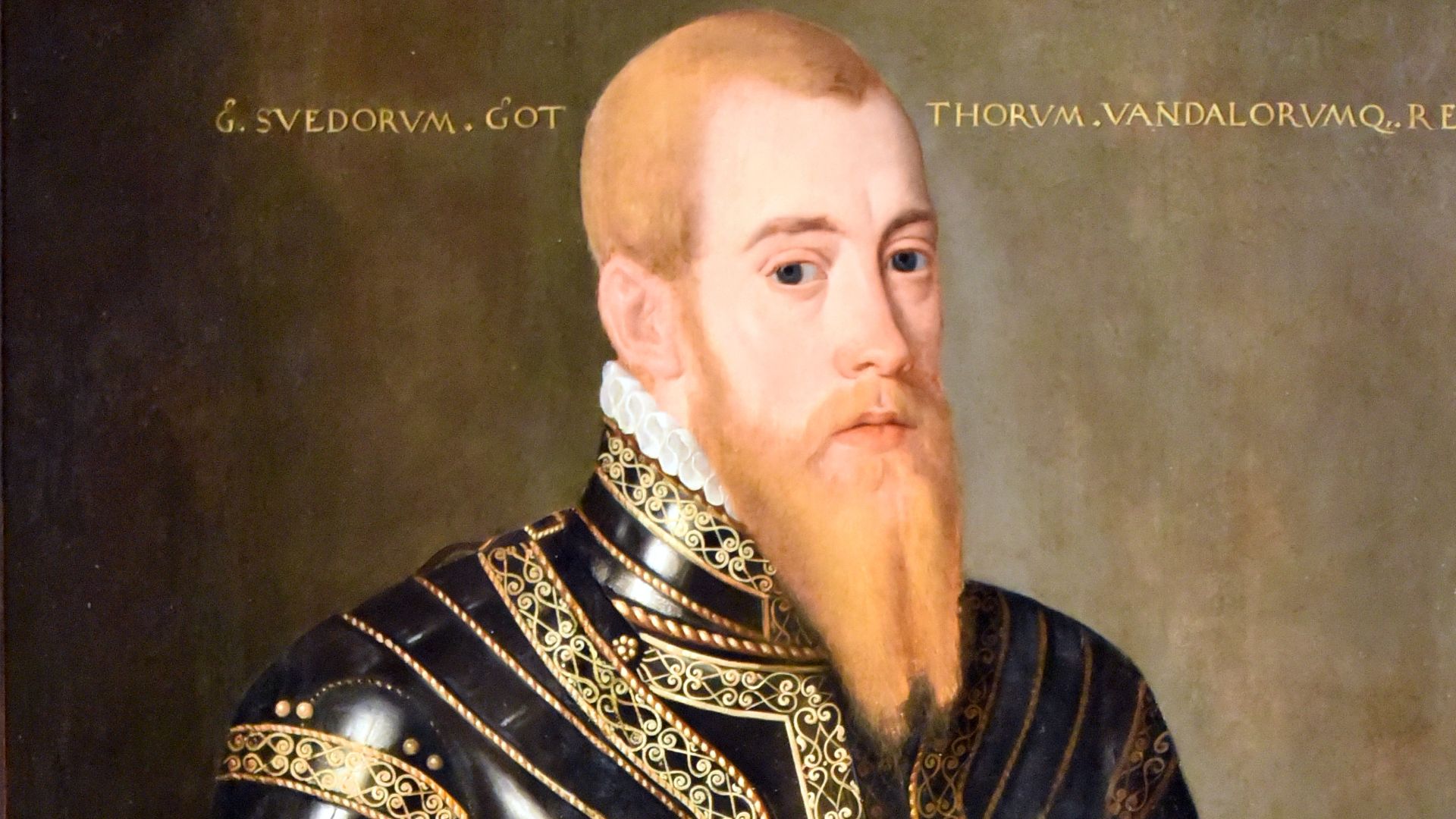
13. Eric XIV Of Sweden, The Paranoid King
Eric XIV was clever and ambitious, but his growing suspicion became dangerous. The 1567 Sture murders, where imprisoned nobles were killed, badly damaged his authority. After that, the belief that his paranoia had become a threat was hard to shake.
 Osama Shukir Muhammed Amin FRCP(Glasg) on Wikimedia
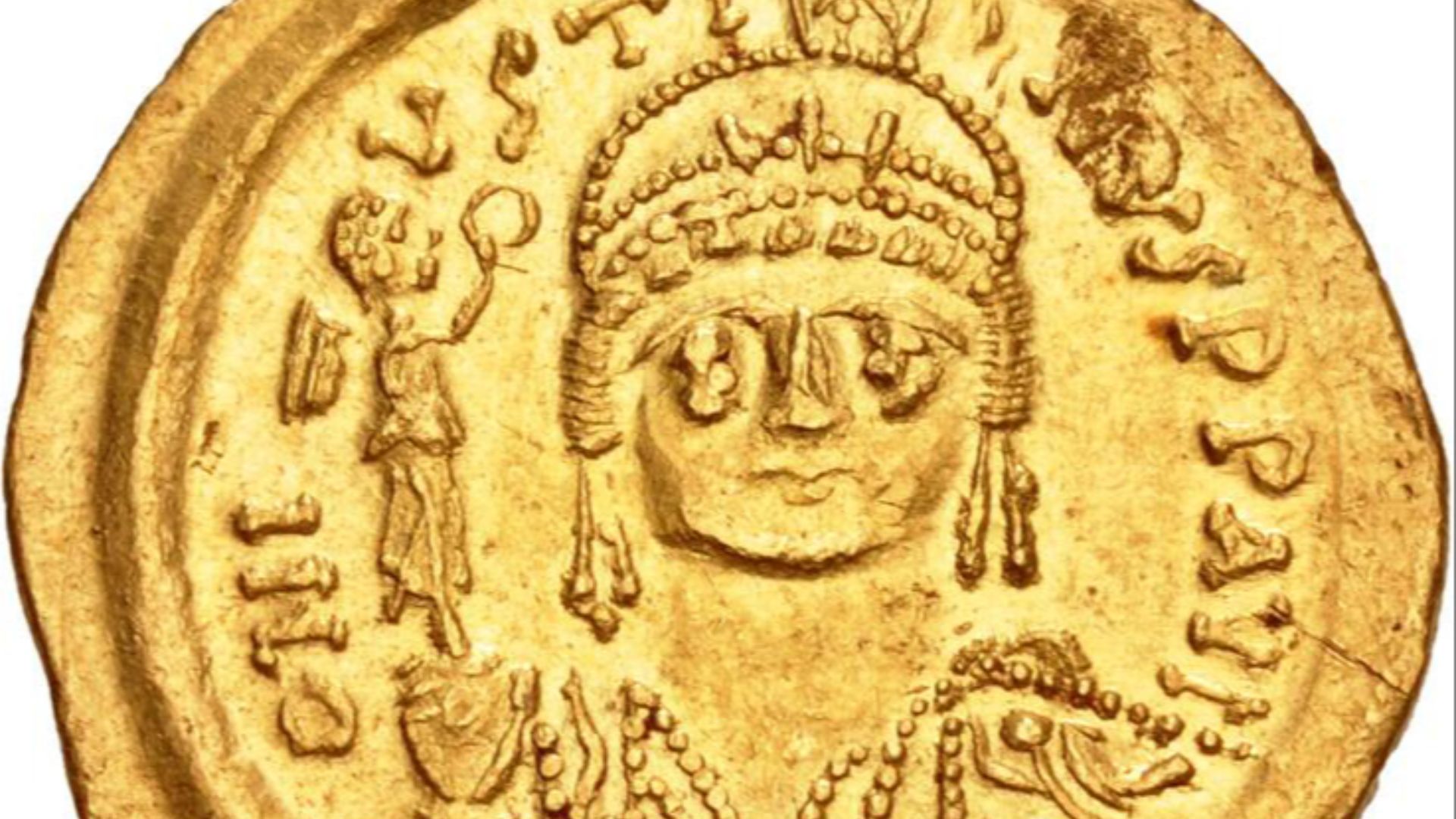
14. Justin II, The Emperor Who Broke Under Pressure
Justin II inherited a strained Byzantine Empire, and the pressure appears to have overwhelmed him. Reports of erratic behavior grew, and his wife Sophia and the general Tiberius took on much of the governing.
 Classical Numismatic Group on Wikimedia
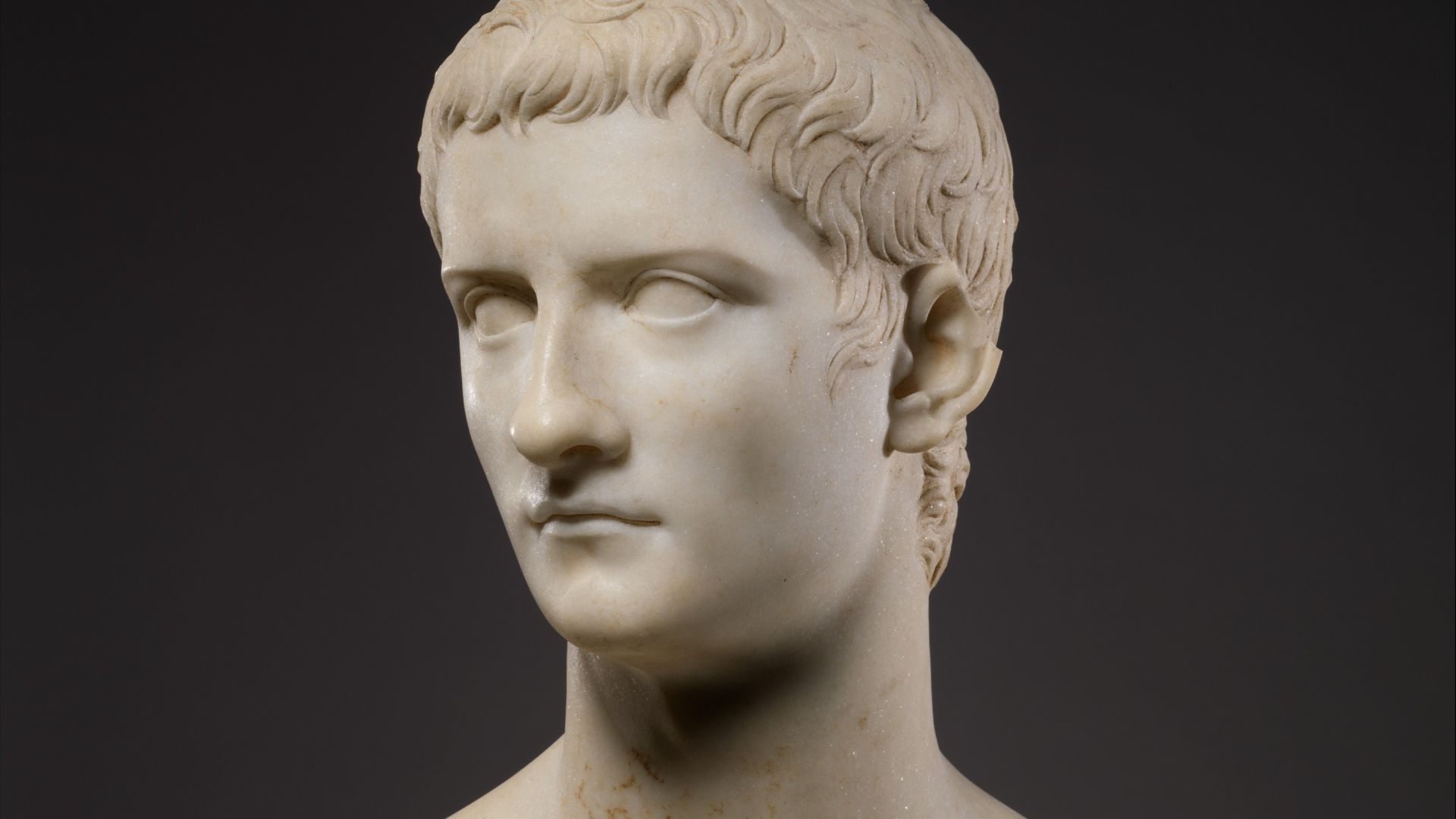
15. Caligula, The Emperor Whose Reputation Ran Wild
Caligula has had a history of being badmouthed by ancient writers, attempting to permanently damage his reputation. Even so, after a serious illness early in his reign, accounts described paranoia, cruelty, insomnia, and unpredictable behavior. That helped create one of history’s most famous legends of an unstable ruler.
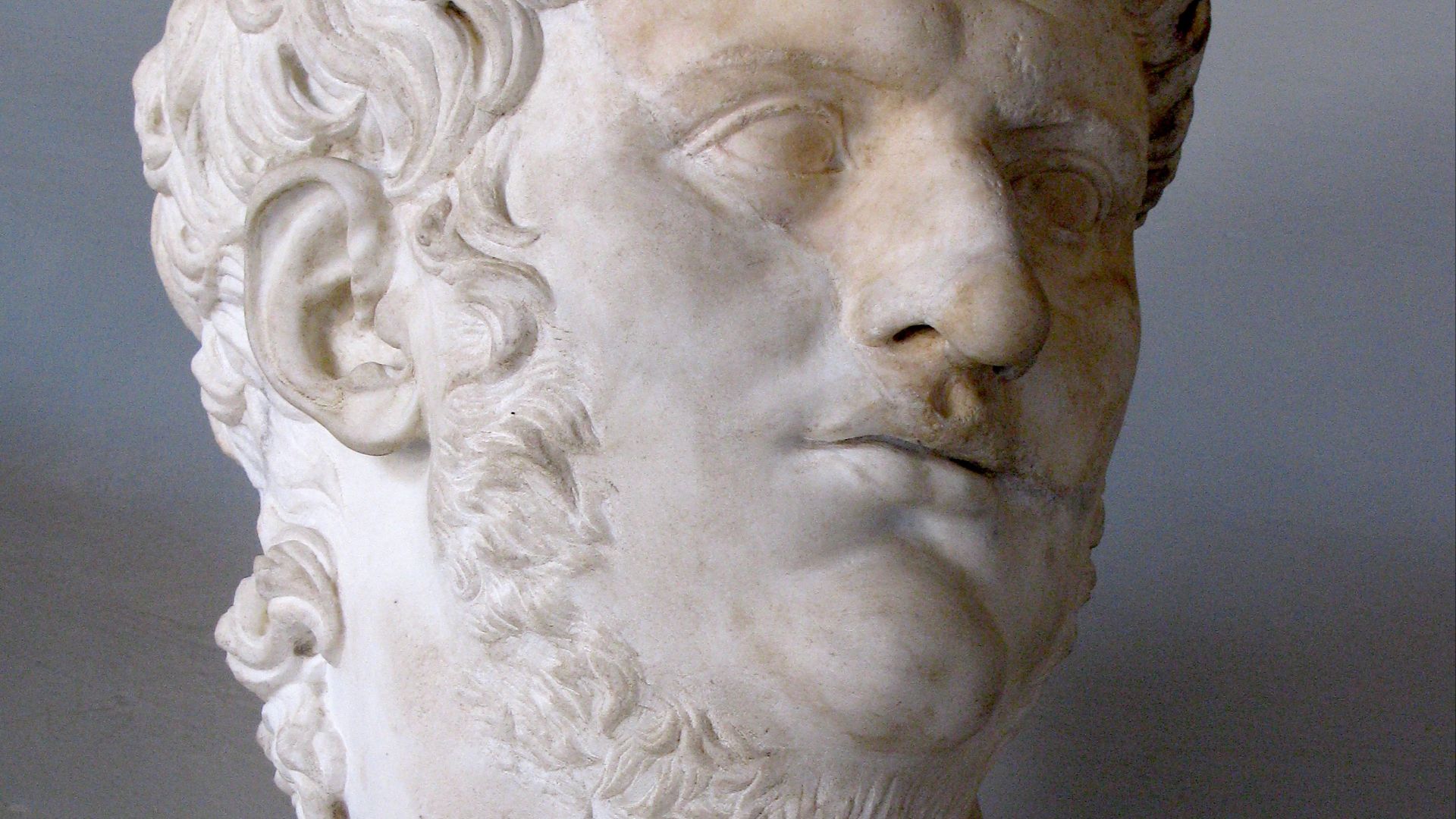
16. Nero, The Emperor With Terrible Judgment
Nero’s reputation was also shaped by ancient writers, who weren’t fans of his political and religious choices. His reign became tied to family violence, political fear, and intense self-obsession. His behavior helped turn Rome’s ruling class against him.
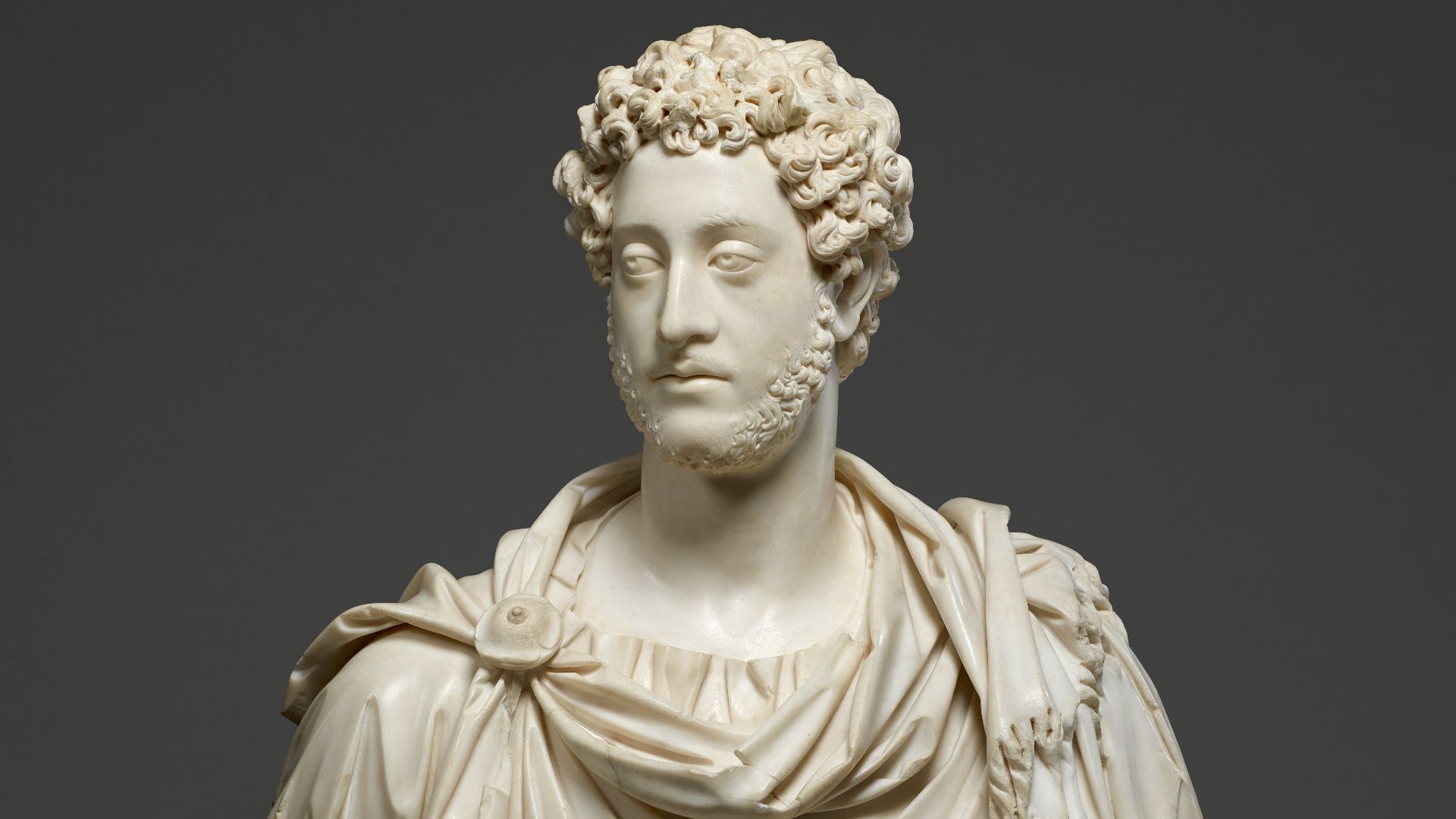
17. Commodus, The Emperor Who Wanted To Be Hercules
Commodus treated the Roman throne like a stage for his own glory. He styled himself after Hercules, fought as a gladiator, and made imperial rule feel like personal theater. Unfortunately, that didn’t exactly reassure people about Rome’s future.
 J. Paul Getty Museum on Wikimedia
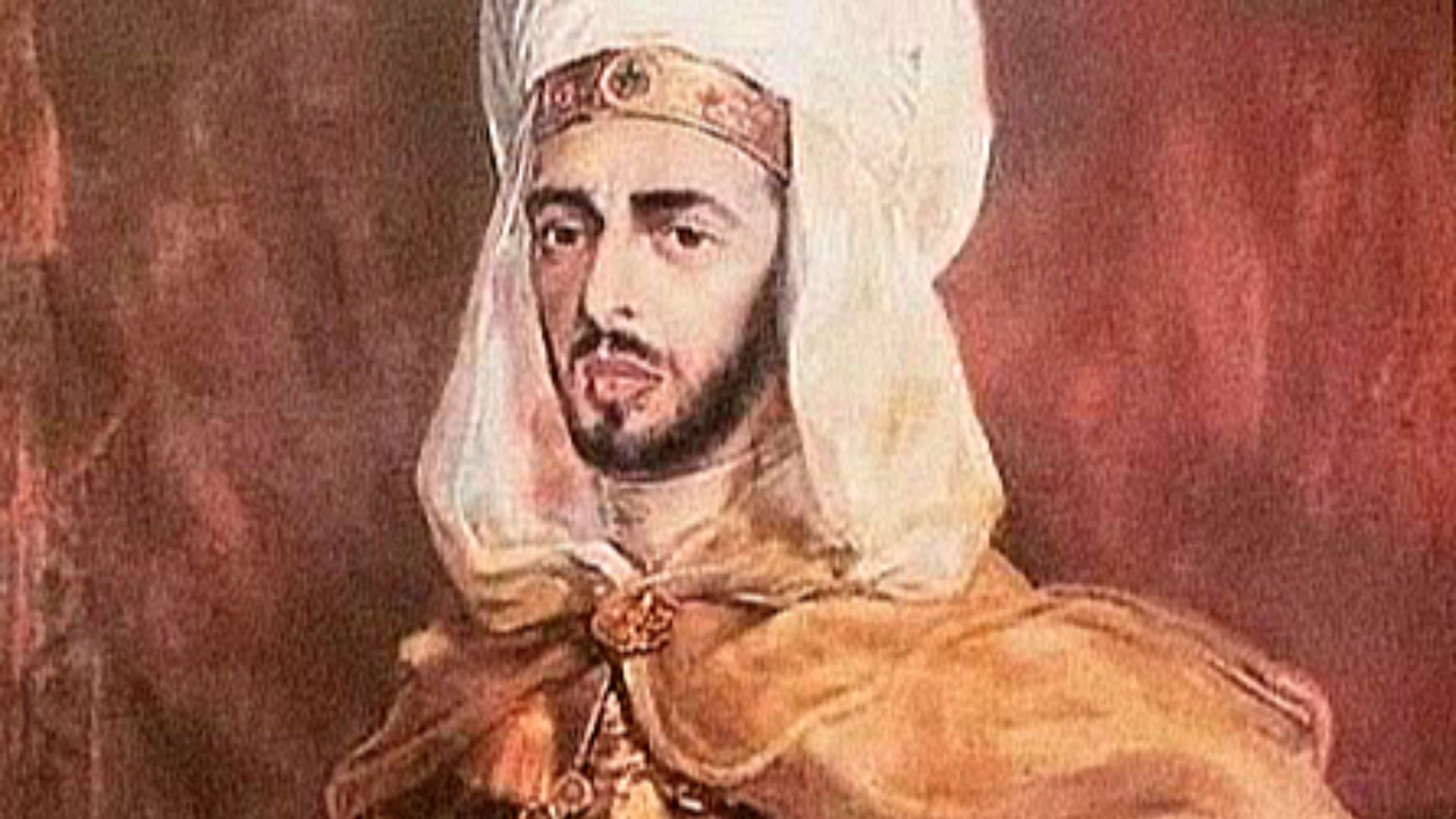
18. Al-Hakim Bi-Amr Allah, The Caliph Of Strange Decrees
Al-Hakim became Fatimid caliph as a child and grew into one of the medieval world’s most debated rulers. His sudden policies, harsh decrees, reversals, and mysterious disappearance left behind a reputation people still argue over. Depending on the account, he appears as a visionary, a tyrant, an eccentric ruler, or a legend.
 Jules de Moutier (1836–1898) on Wikimedia
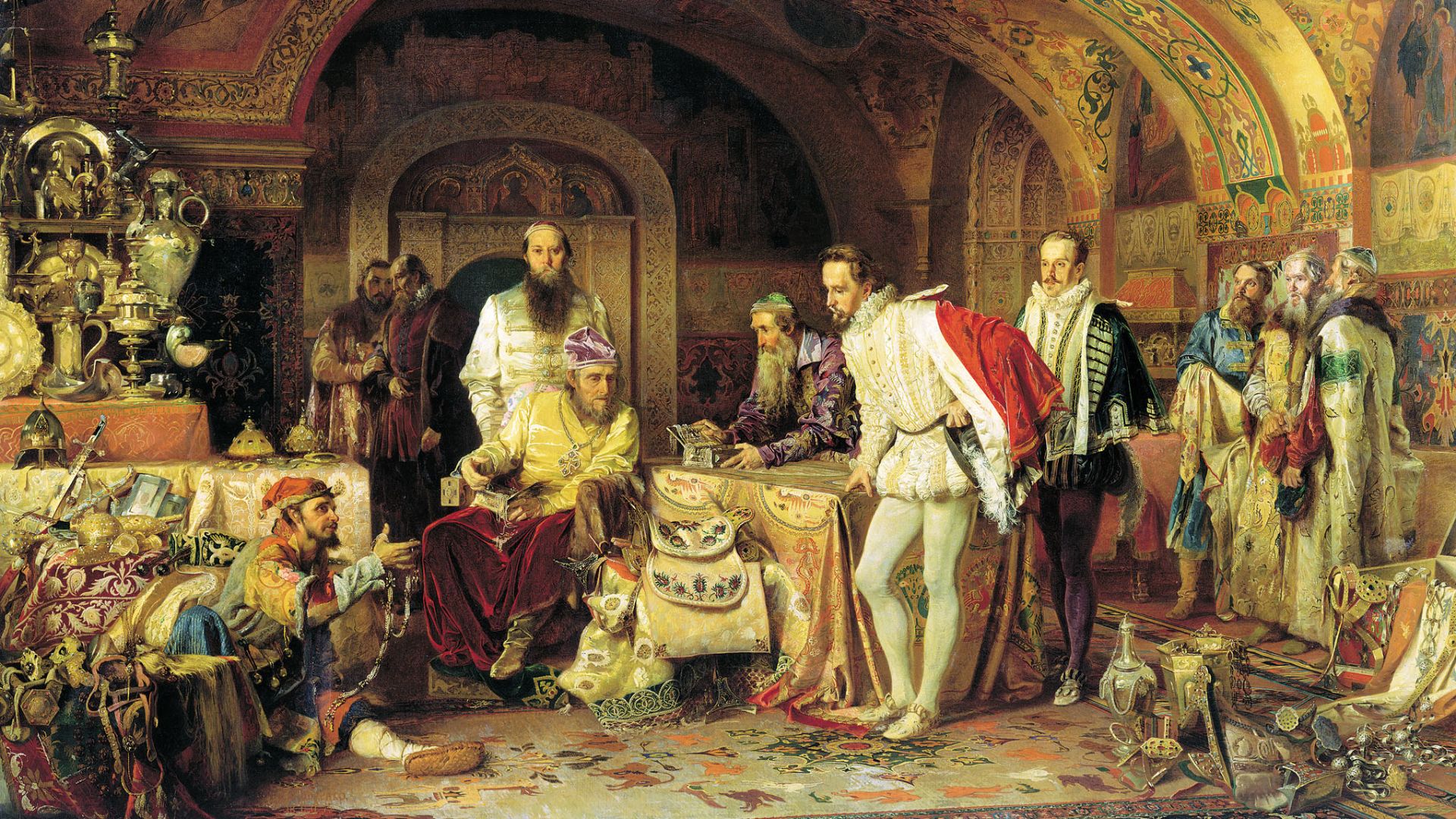
19. Ivan IV Of Russia, The Tsar Who Made Fear A System
Ivan IV became defined by the suspicion and defiance that surrounded his rule. The oprichnina, the terror at Novgorod, and the story that he killed his own son all helped shape his fearsome reputation. “Ivan the Terrible” became a little more than a nickname.
 Alexander Litovchenko on Wikimedia
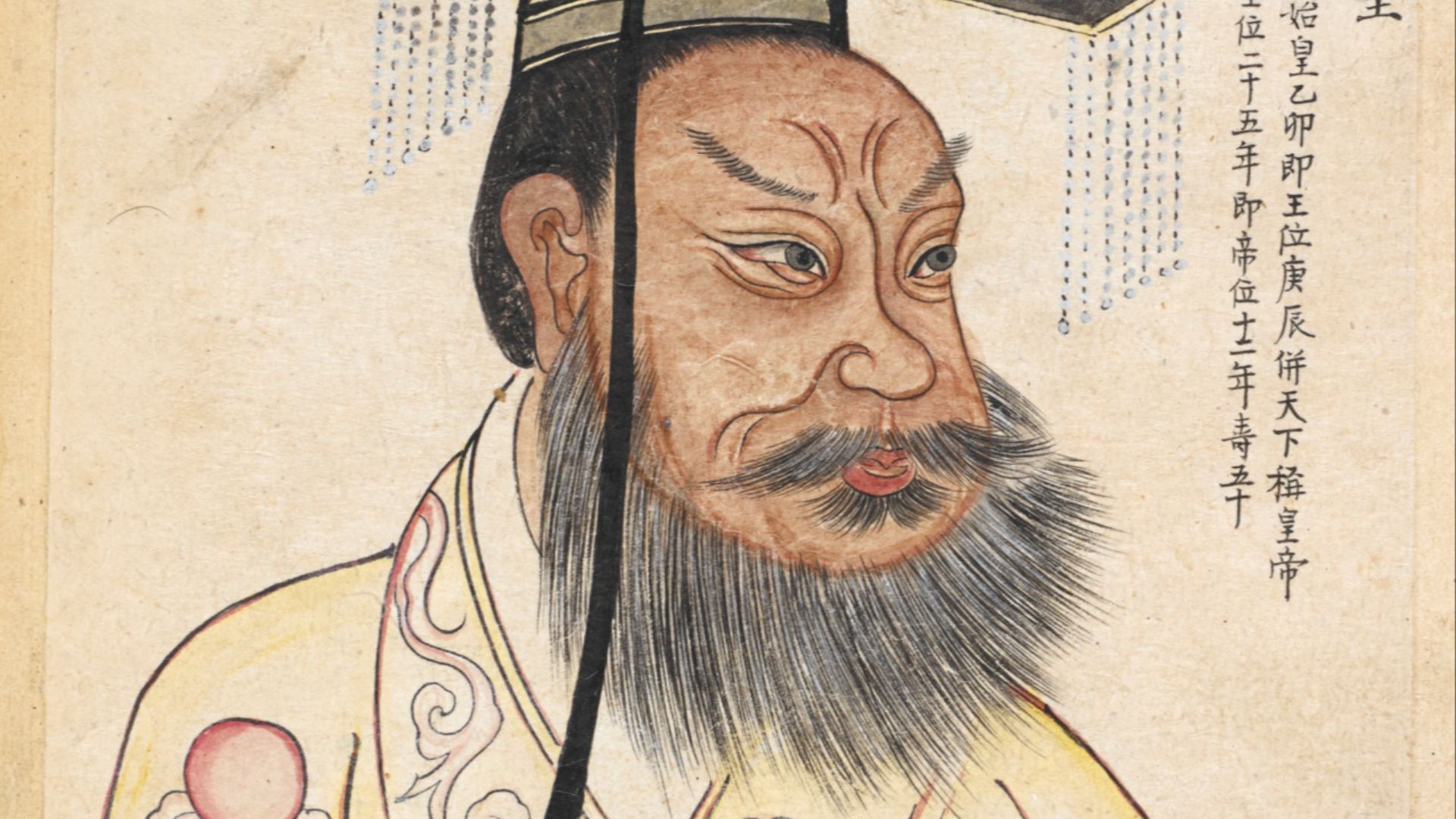
20. Qin Shi Huang, The Emperor Who Tried To Beat Death
Qin Shi Huang unified China with ruthless brilliance, but sadly chased the one thing even power couldn’t guarantee. His search for immortality became one of the most memorable parts of his story. Even the emperor who reshaped China couldn’t win against this fight.
KEEP ON READING