Forever Set in Stone
Monuments aren't always erected to celebrate victories, rulers, or great achievements. In fact, many of the world's most affecting memorials exist because communities wanted to honor the memory of those taken away by devastating tragedies. And while some commemorate events that changed the course of history, others grew from deeply personal stories. From stories of loss to unwavering devotion, these monuments carry stories that remain heartbreakingly difficult to forget.
1. The National September 11 Memorial — New York City
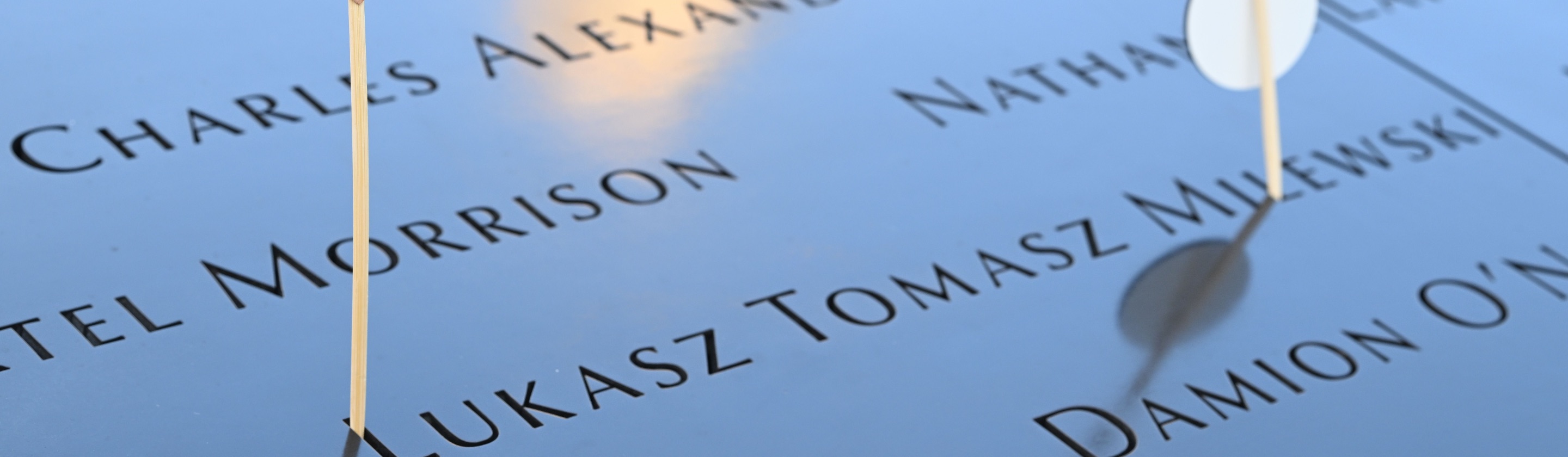
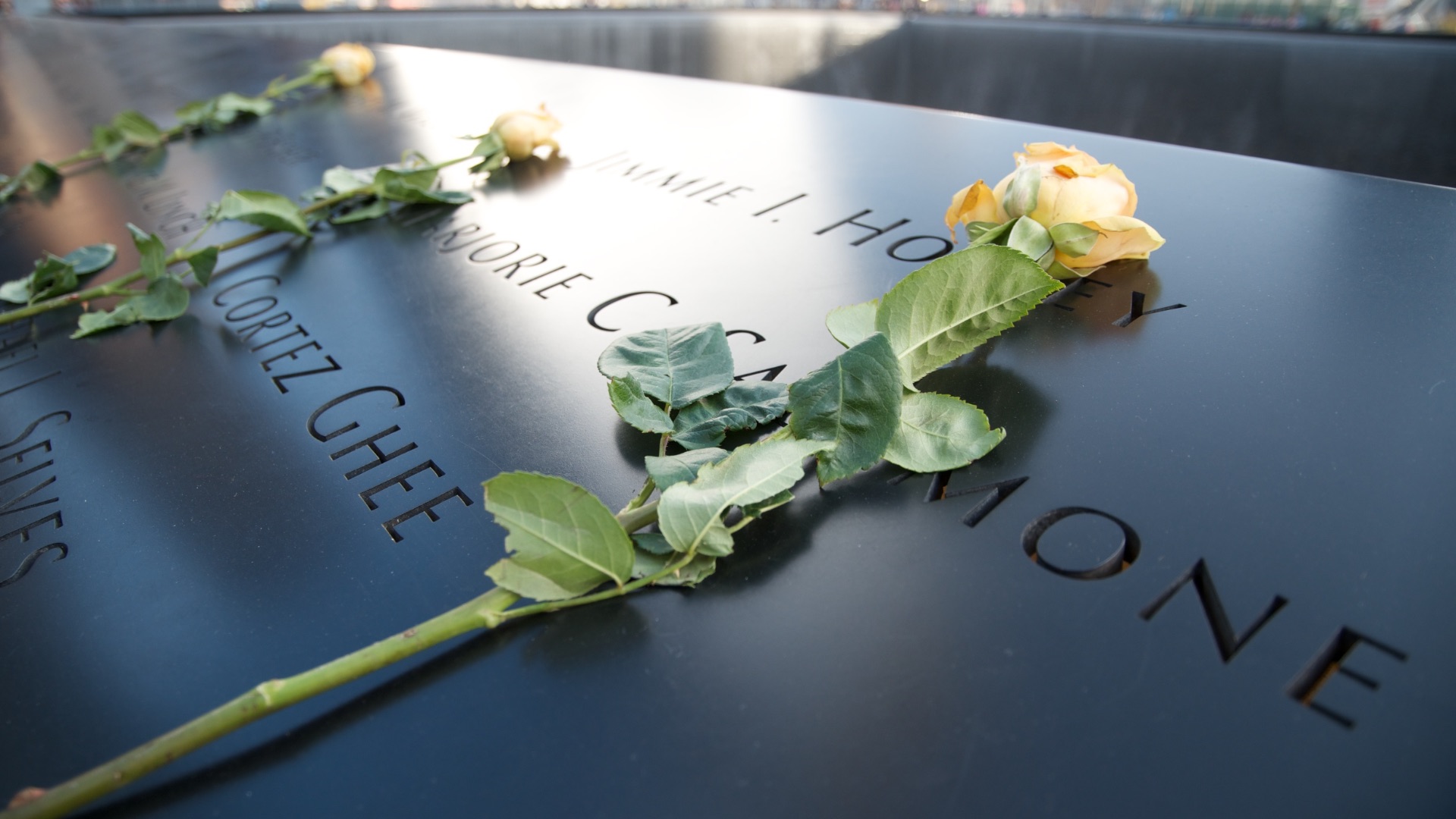
Built at the site of the former World Trade Center, the National September 11 Memorial commemorates the nearly 3,000 people killed in the terrorist attacks of September 11, 2001, as well as the six people killed in the 1993 World Trade Center bombing. Two enormous reflecting pools occupy the footprints of the Twin Towers, with victims' names inscribed around their edges. Water continuously descends into central voids whose bottoms can't be seen from the surrounding plaza, giving visitors a stark physical representation of absence.
 Tim Wilson from Blaine, MN, USA on Wikimedia
2. Hachiko Statue — Tokyo, Japan
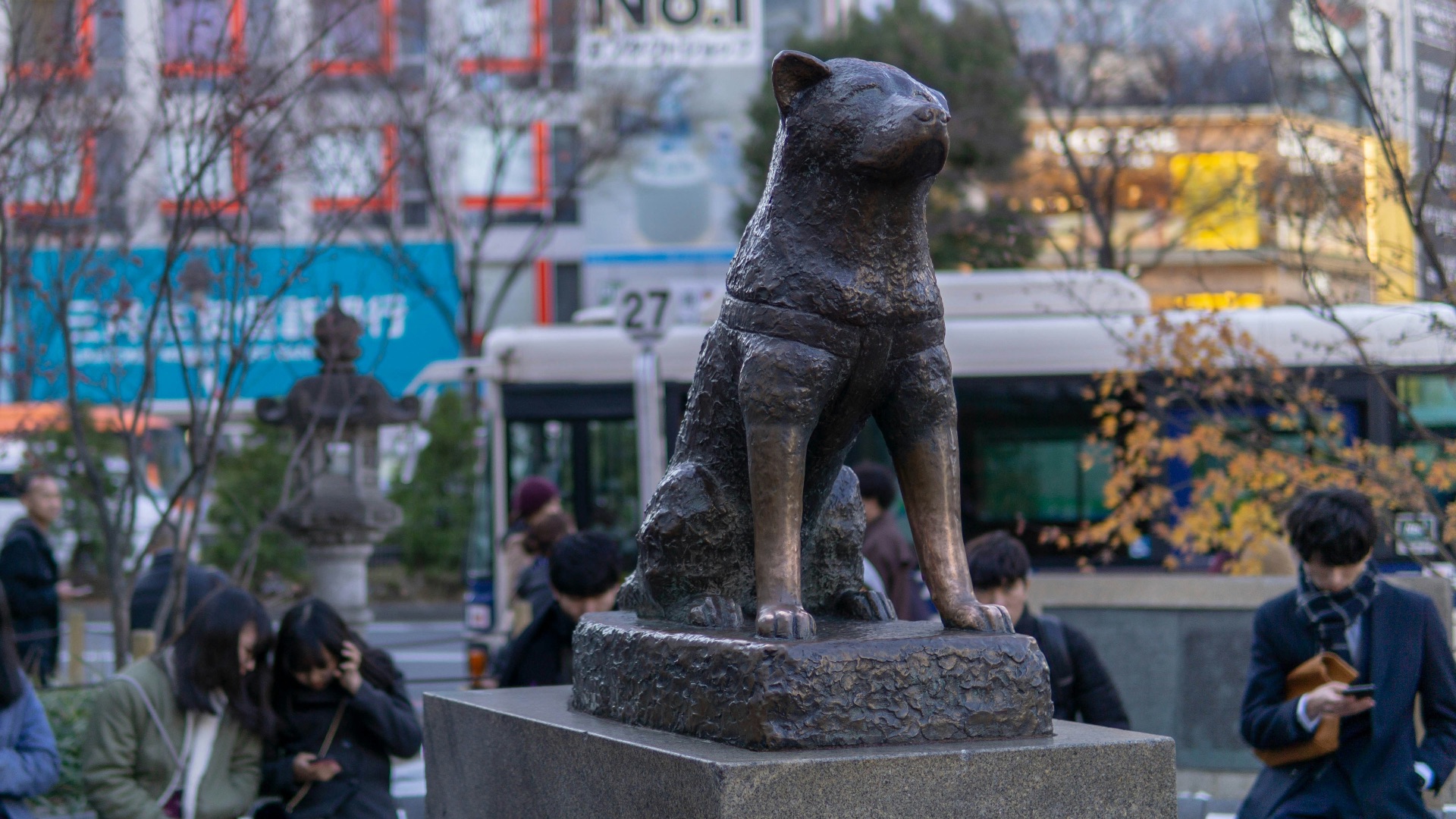
The small bronze dog outside Shibuya Station commemorates one of Japan's most heartbreaking stories of devotion. Hachiko, an Akita, regularly waited at the station for his owner, Professor Hidesaburo Ueno, to return from work, but Ueno died suddenly from a cerebral hemorrhage in 1925 and never came home. Hachiko nevertheless continued returning to Shibuya Station for roughly nine more years until his own death, turning him into a national symbol of loyalty and remembrance.
3. Hiroshima Peace Memorial — Hiroshima, Japan
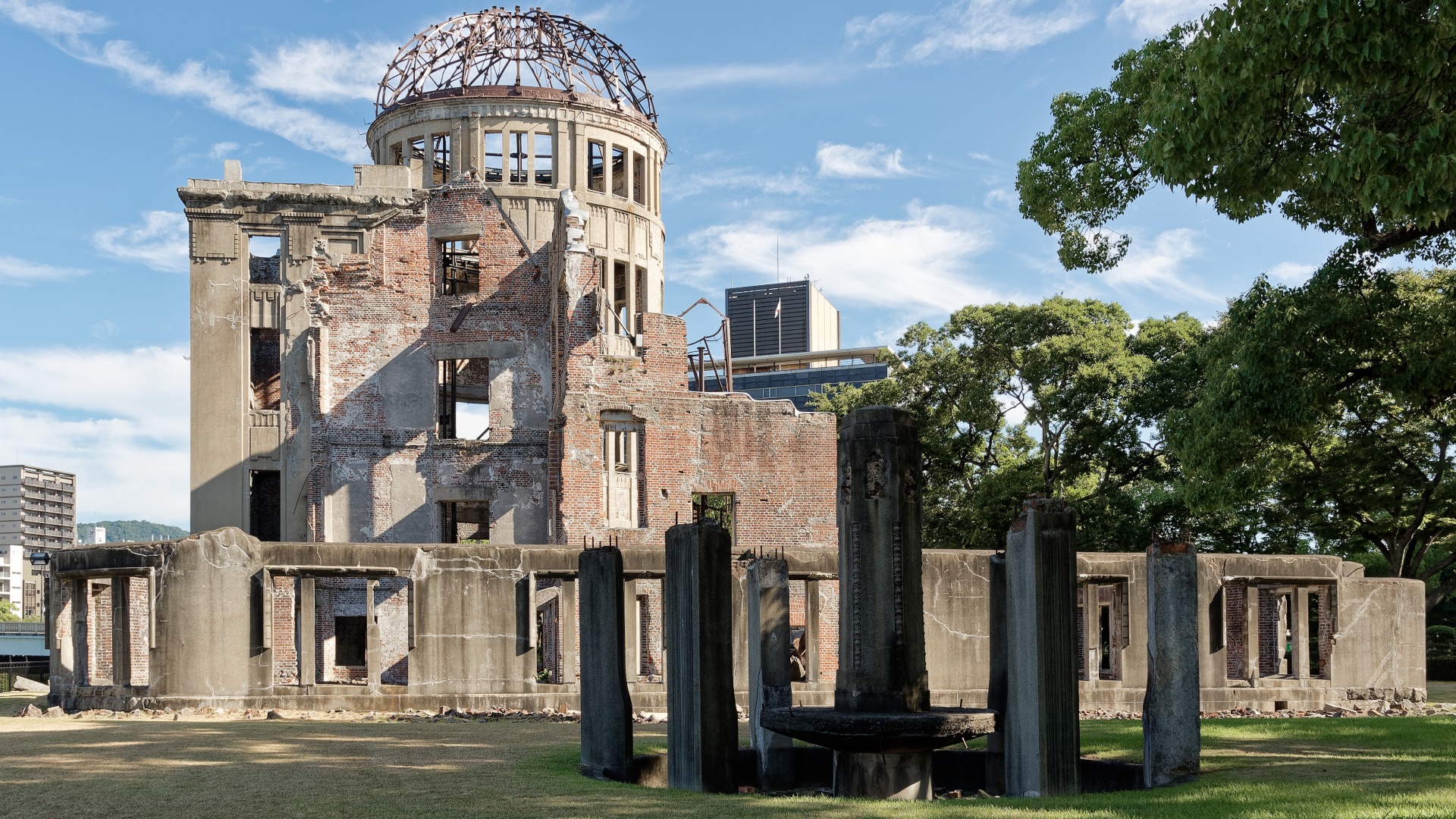
Few surviving buildings carry a history as devastating as Hiroshima's Genbaku Dome, now officially known as the Hiroshima Peace Memorial. The former exhibition hall stood close to the hypocenter of the atomic bomb detonated over Hiroshima on August 6, 1945, yet portions of its structure remained standing while much of the surrounding city was destroyed. Preserved rather than demolished, its exposed framework now serves as a permanent reminder of the enormous human cost of nuclear warfare.
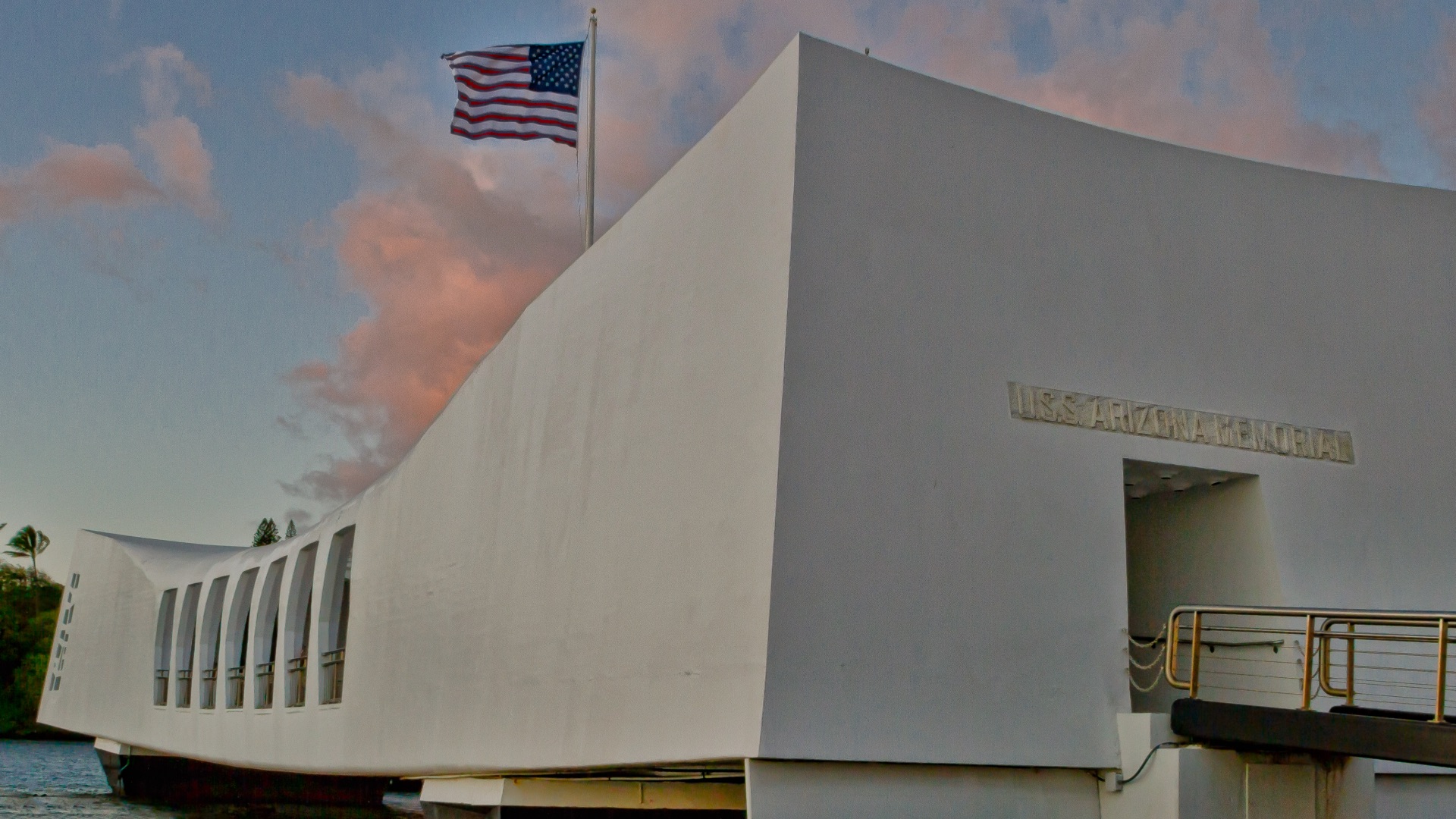
4. USS Arizona Memorial — Honolulu, Hawaii
The USS Arizona Memorial sits directly over the sunken battleship destroyed during Japan's attack on Pearl Harbor on December 7, 1941. Of the ship's 1,177 crewmen who died that day, more than 900 remain entombed within the wreck beneath the memorial. Visitors can see the ship beneath the water and enter a shrine room where the names of those killed aboard the Arizona are engraved into a marble wall.
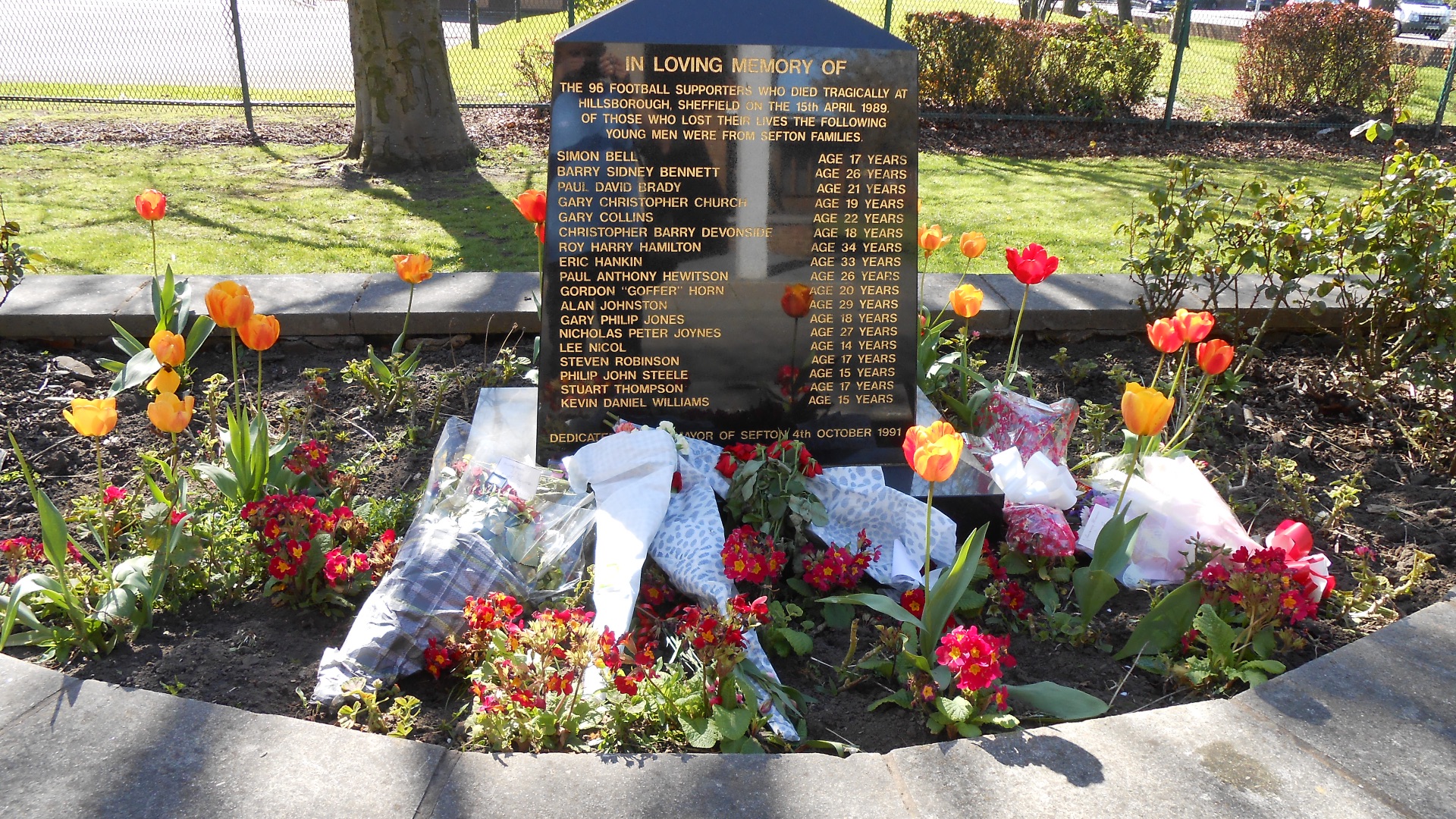
5. Hillsborough Memorial — Liverpool, England
The Hillsborough disaster occurred during an FA Cup semifinal on April 15, 1989, when a fatal crowd crush developed at Hillsborough Stadium in Sheffield. Ninety-seven Liverpool supporters ultimately died as a result, while survivors and victims' families spent decades challenging false claims about supporters' responsibility and seeking official accountability. Memorials bearing the victims' names can now be found in Liverpool and at Hillsborough, reflecting both the original tragedy and the long struggle that followed it.
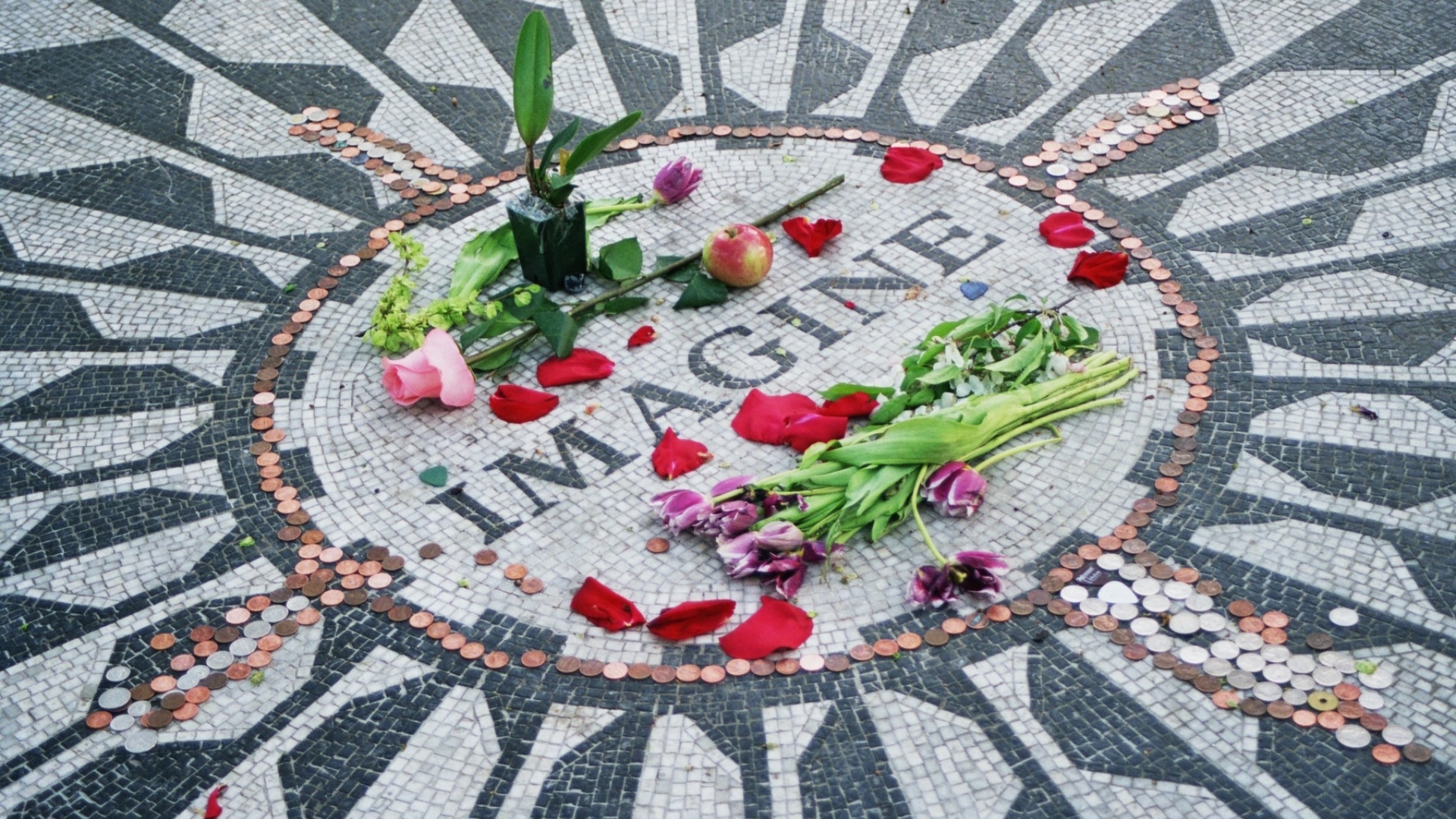
6. Strawberry Fields — New York City
John Lennon's murder outside the Dakota apartment building on December 8, 1980, stunned music fans around the world. Just across the street in Central Park, Strawberry Fields was subsequently established as a living memorial to the former Beatle, with its famous "Imagine" mosaic serving as the central gathering point. Visitors still leave flowers, photographs, and other tributes there, keeping the memorial closely connected to both Lennon's life in New York and the location of his death.
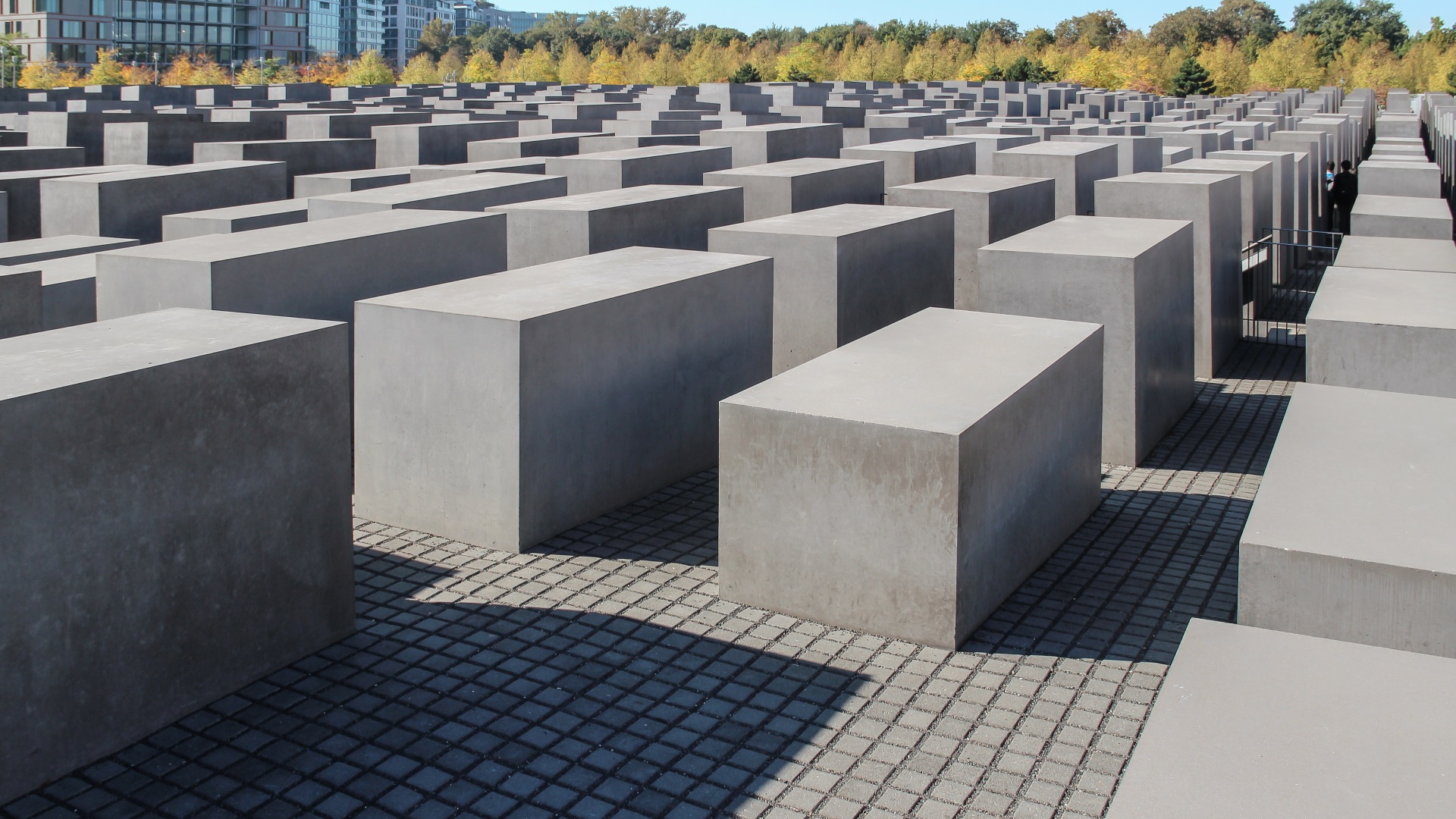
7. Memorial to the Murdered Jews of Europe — Berlin, Germany
Covering a large area near Berlin's Brandenburg Gate, this memorial honors the approximately six million Jewish people murdered during the Holocaust. Architect Peter Eisenman designed the site using 2,711 concrete slabs of differing heights arranged across an uneven field. Walking between them gradually places visitors within narrow corridors surrounded by increasingly tall blocks, creating an intentionally disorienting experience while leaving interpretation largely to the individual.
8. Vietnam Veterans Memorial — Washington, D.C.
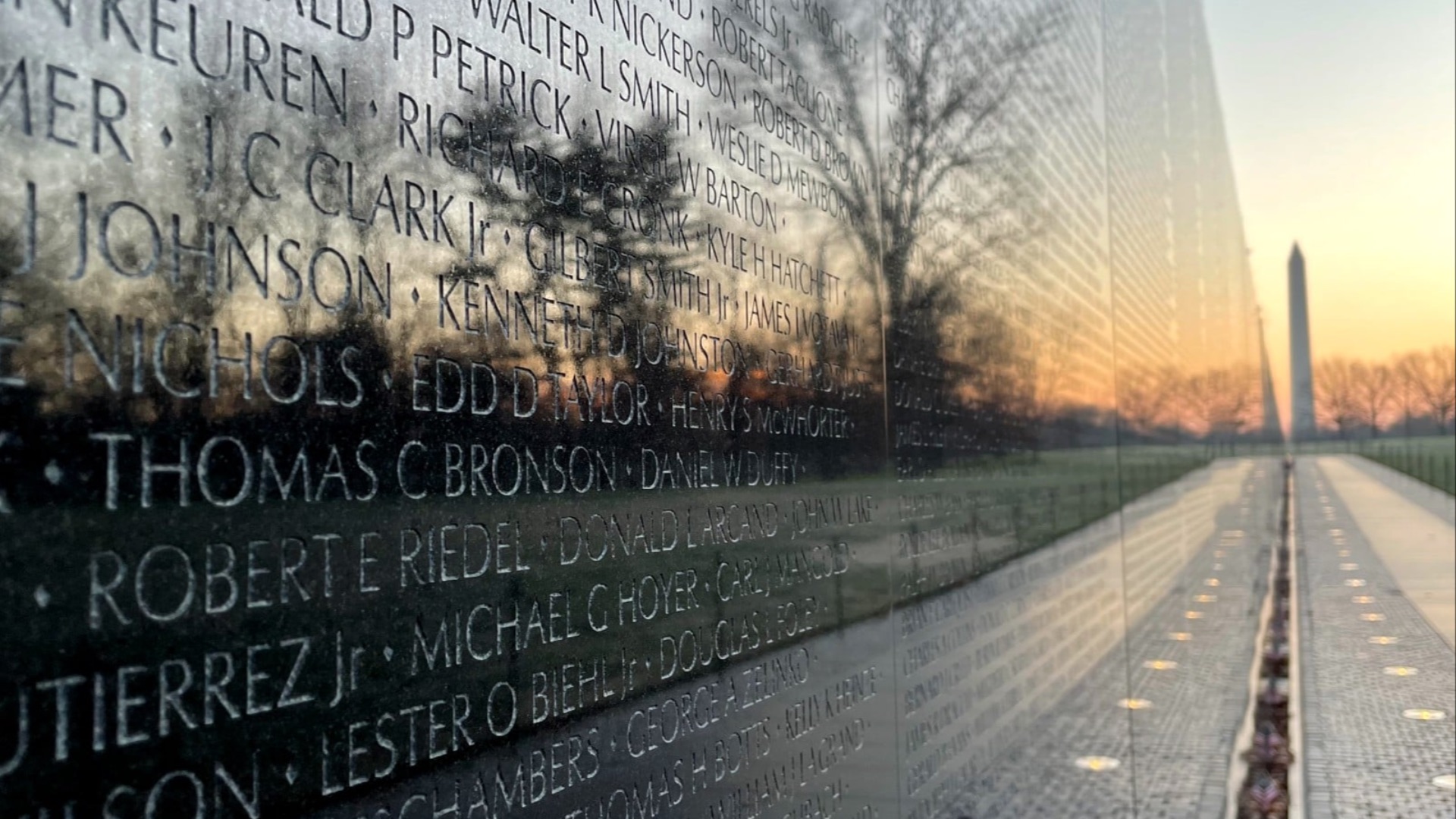
Rather than depicting soldiers in heroic poses, the Vietnam Veterans Memorial centers its attention on the people who never returned. Its polished black granite walls contain the names of more than 58,000 U.S. service members who died or remain missing as a result of the Vietnam War. Visitors frequently leave photographs, letters, medals, flowers, and other personal objects beside individual names, making the memorial an unusually personal record of a conflict whose consequences continue to affect families decades later.
 National Park Service on Wikimedia
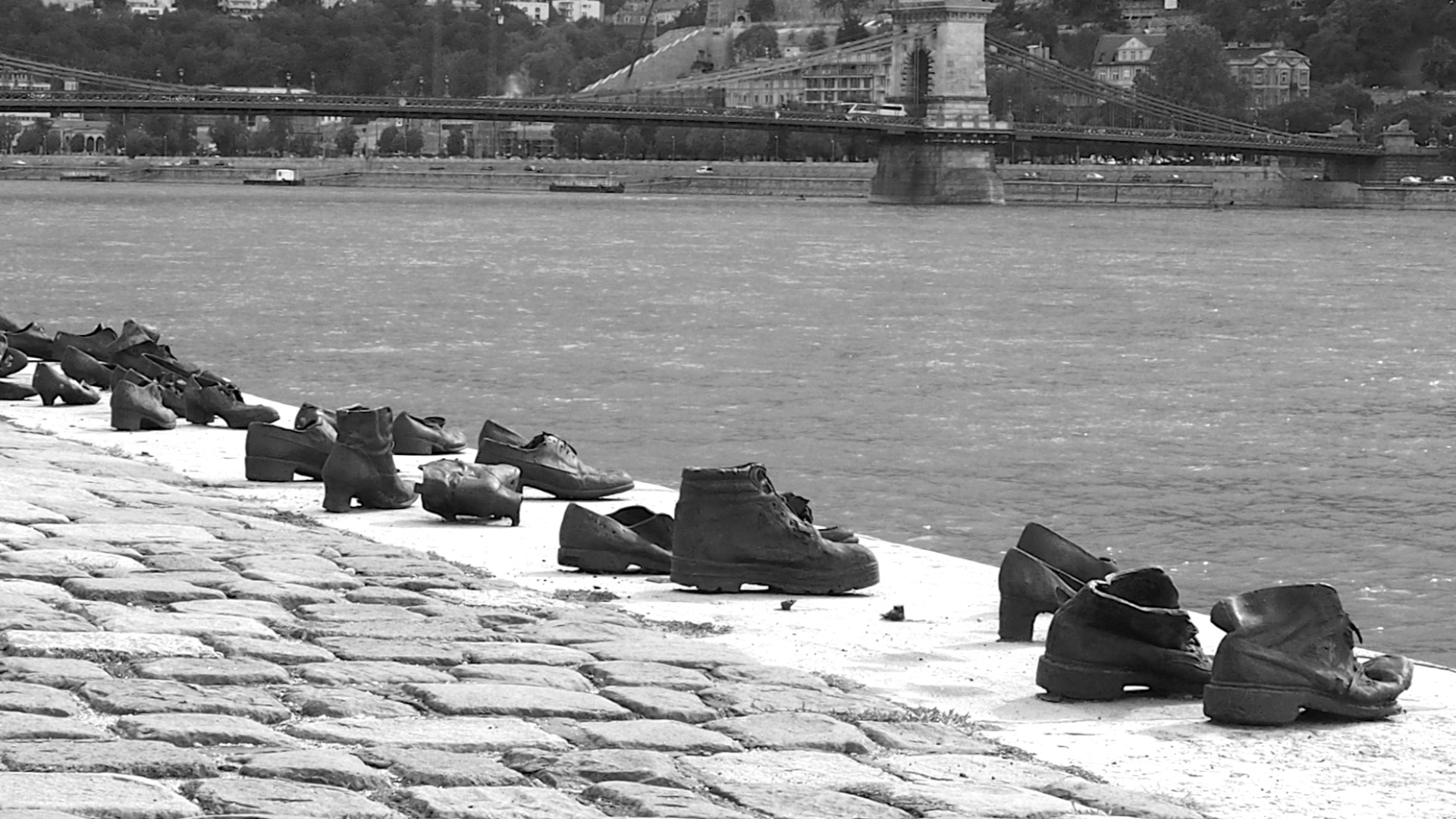
9. Shoes on the Danube Bank — Budapest, Hungary
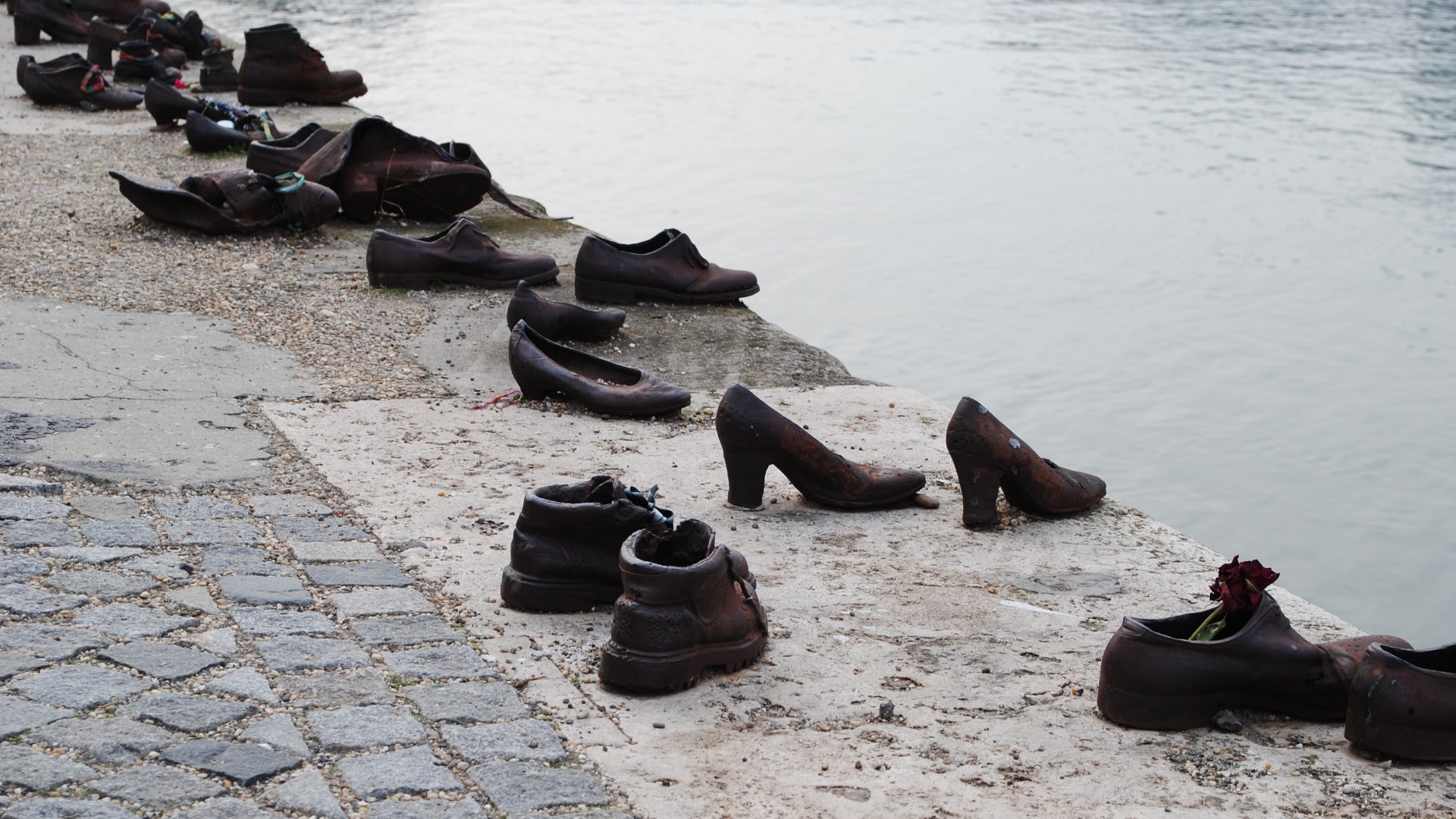
Along the Danube River in Budapest sits a row of iron shoes that appear as though their owners simply stepped out of them. The memorial honors Jewish victims murdered by members of Hungary's fascist Arrow Cross during World War II, many of whom were forced to remove their shoes before being shot at the riverbank. Created by film director Can Togay and sculptor Gyula Pauer, the installation includes men's, women's, and children's footwear, emphasizing that entire families were among those targeted.
10. Tsitsernakaberd Armenian Genocide Memorial — Yerevan, Armenia
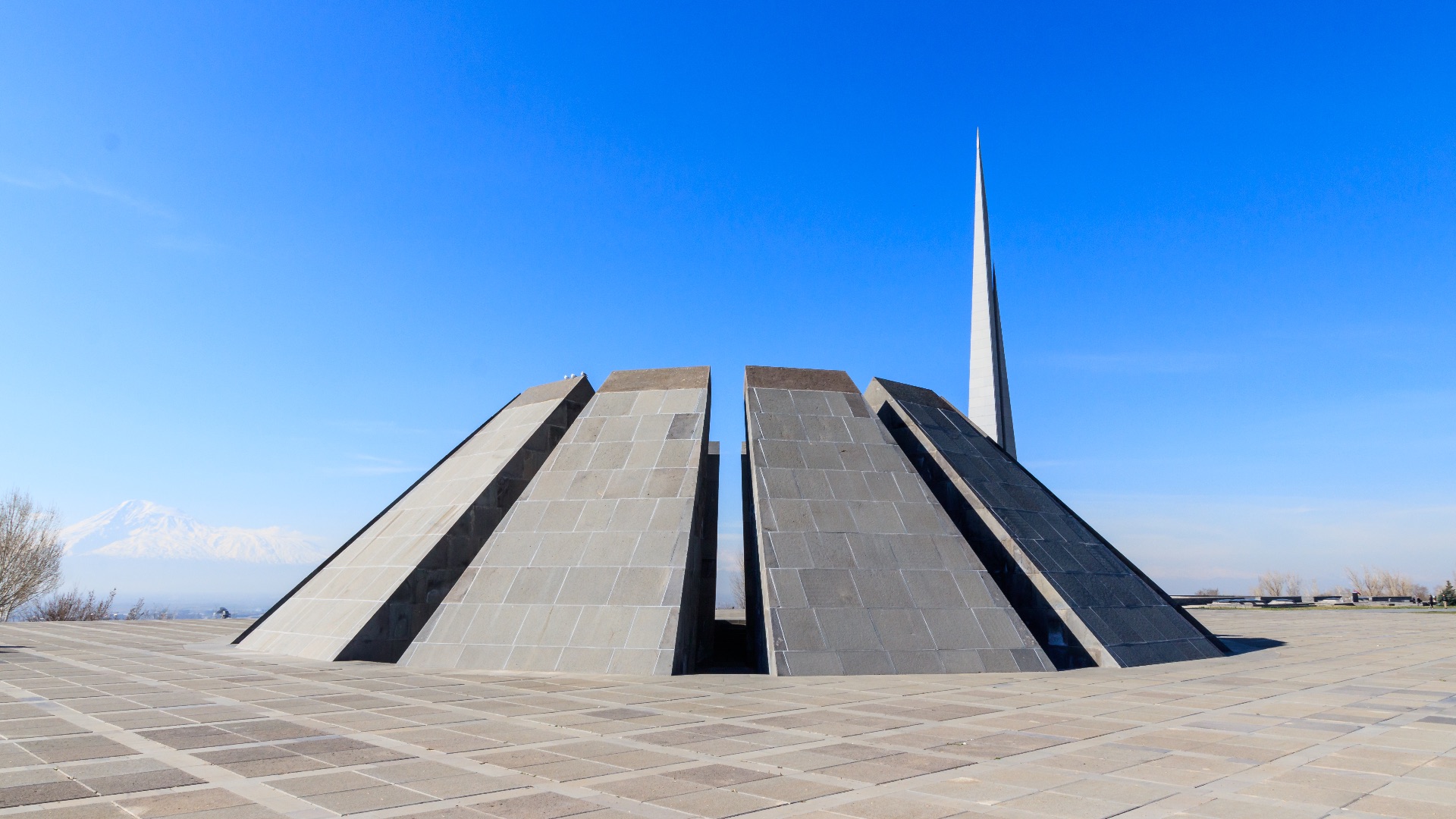
Rising above Yerevan, Tsitsernakaberd commemorates the Armenian victims of mass killings and deportations carried out within the Ottoman Empire beginning in 1915. Twelve large stone slabs surround an eternal flame where visitors traditionally leave flowers in remembrance. Nearby, a tall split spire rises above the landscape, while the memorial complex has become the central gathering place for Armenia's annual genocide commemorations.
 User:Matthias Süßen on Wikimedia
11. Oklahoma City National Memorial — Oklahoma City, Oklahoma
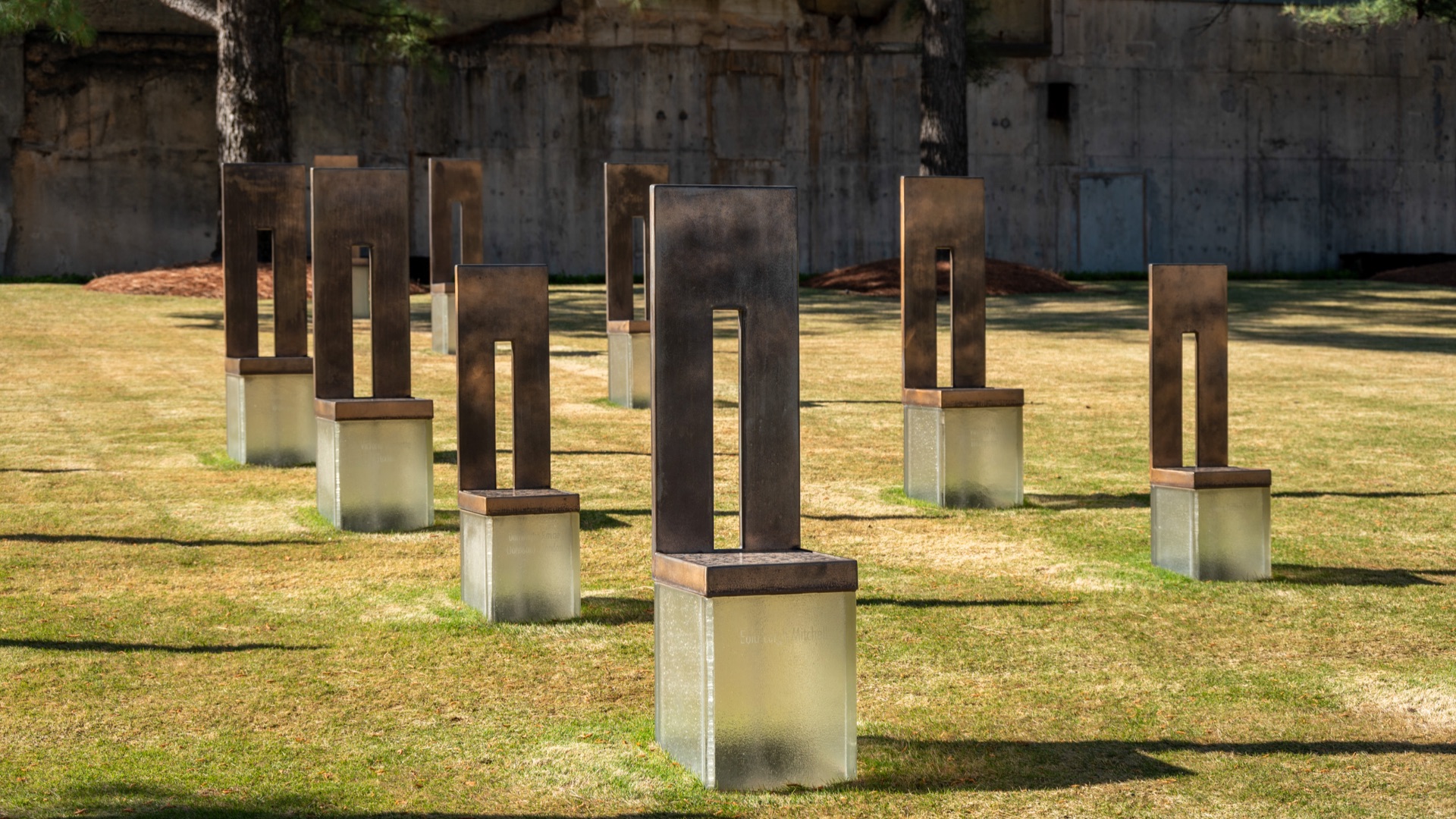
The bombing of the Alfred P. Murrah Federal Building on April 19, 1995, killed 168 people and became one of the deadliest acts of domestic terrorism in U.S. history. At the memorial occupying the former building site, 168 empty chairs represent those who died, with smaller chairs used for the 19 children among the victims. The Gates of Time mark the moments immediately before and after the 9:02 a.m. explosion (9:01 on the east gate and 9:03 on the west), fixing an ordinary morning permanently within the site's design.
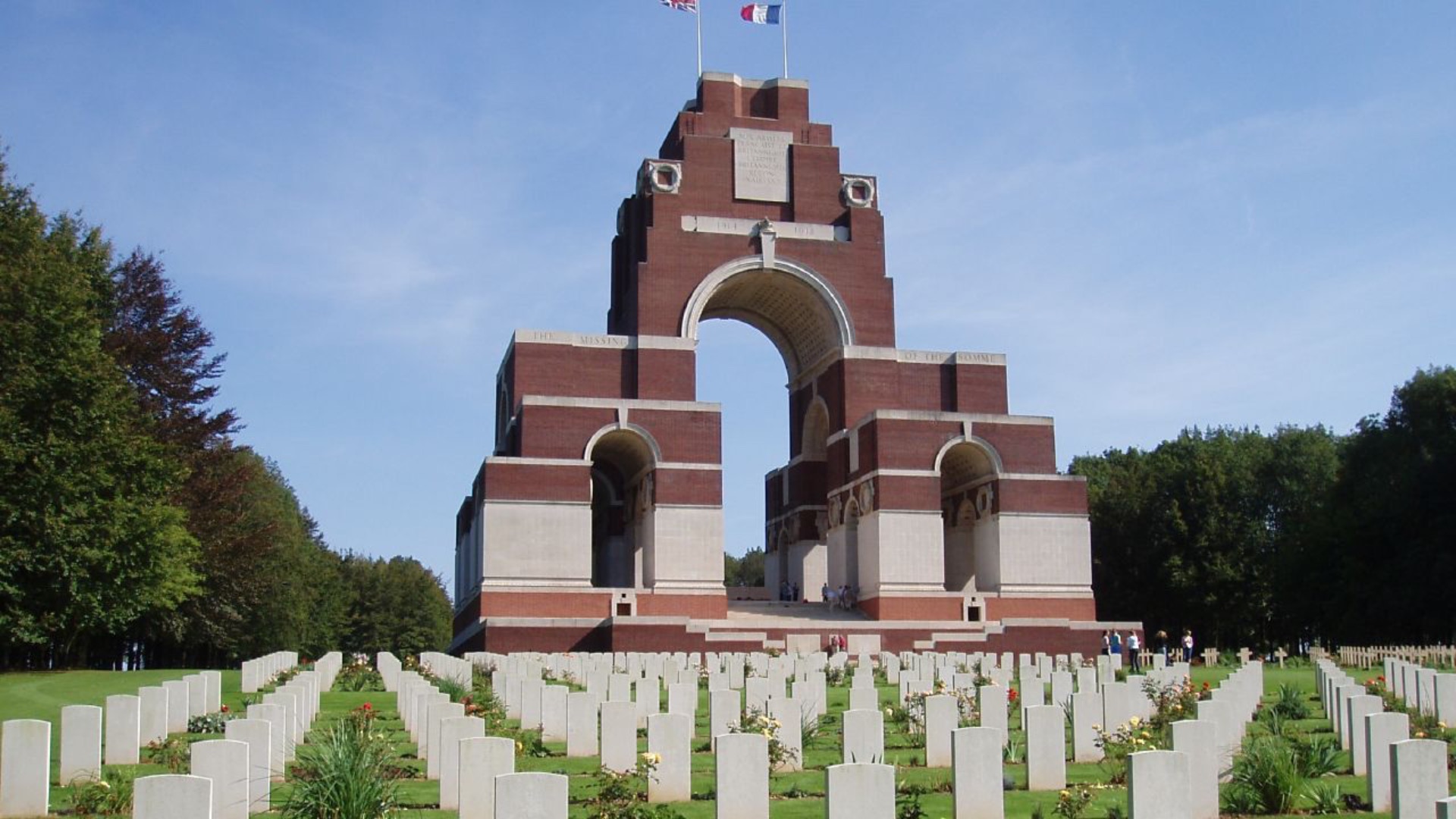
12. Thiepval Memorial to the Missing of the Somme — France
The enormous Thiepval Memorial rises above what was once one of World War I's deadliest battlefields. Its stone surfaces bear the names of more than 72,000 British and South African soldiers who died in the Somme sector and had no known grave, most of them killed during the 1916 Battle of the Somme. The scale becomes especially difficult to comprehend when you realize that nearly every name represents someone whose family never received a body to bury.
 Amanda Slater, from Coventry (England) on Wikimedia
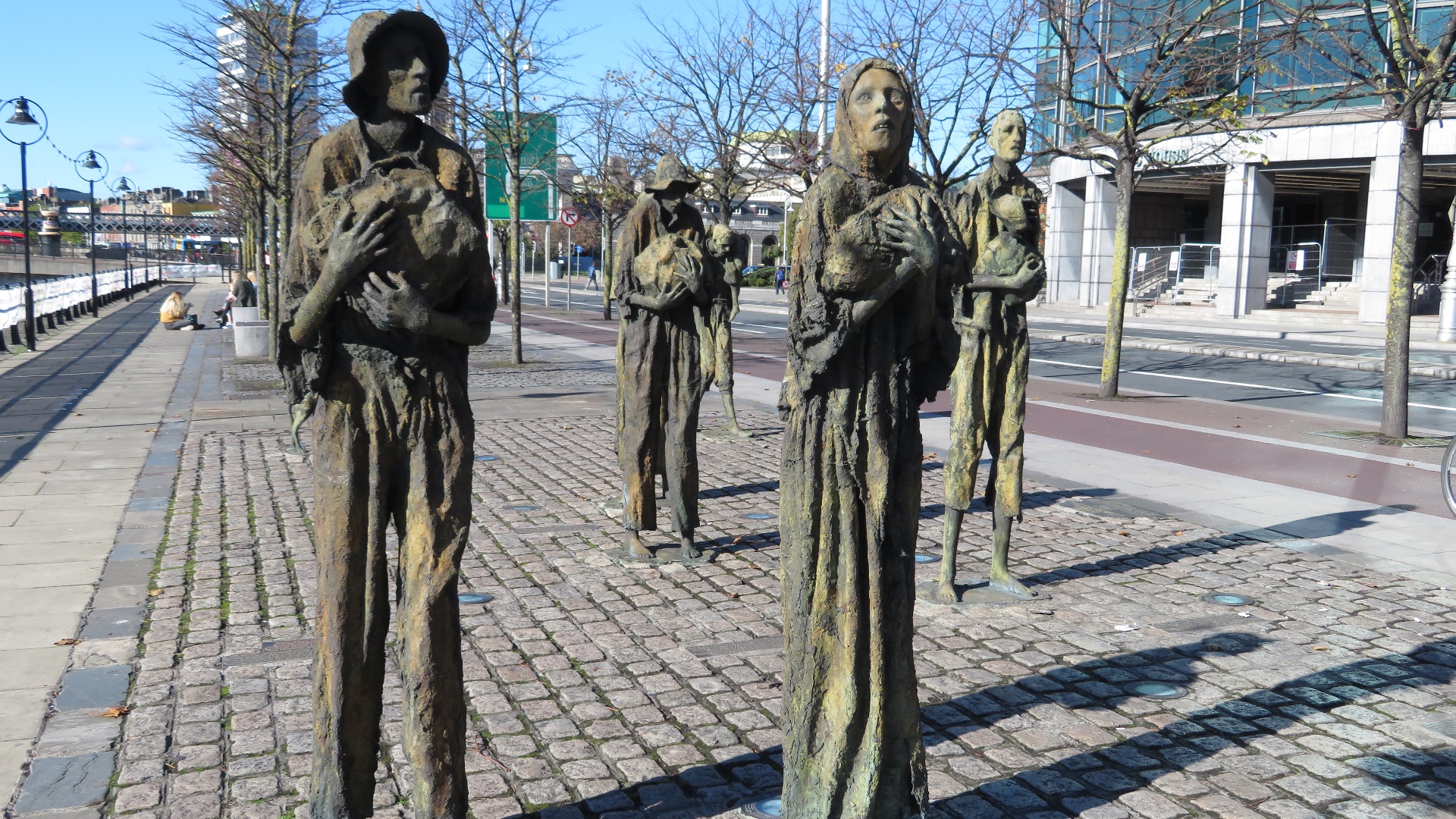
13. Famine Memorial — Dublin, Ireland
Along Dublin's Custom House Quay, a group of thin bronze figures walks toward the waterfront carrying bundles and children. Sculptor Rowan Gillespie created the Famine Memorial to commemorate those who suffered during the Great Famine of the 1840s, when mass starvation, disease, and emigration dramatically reduced Ireland's population. Its location is particularly significant because thousands of emigrants departed from nearby docks while attempting to escape worsening conditions.
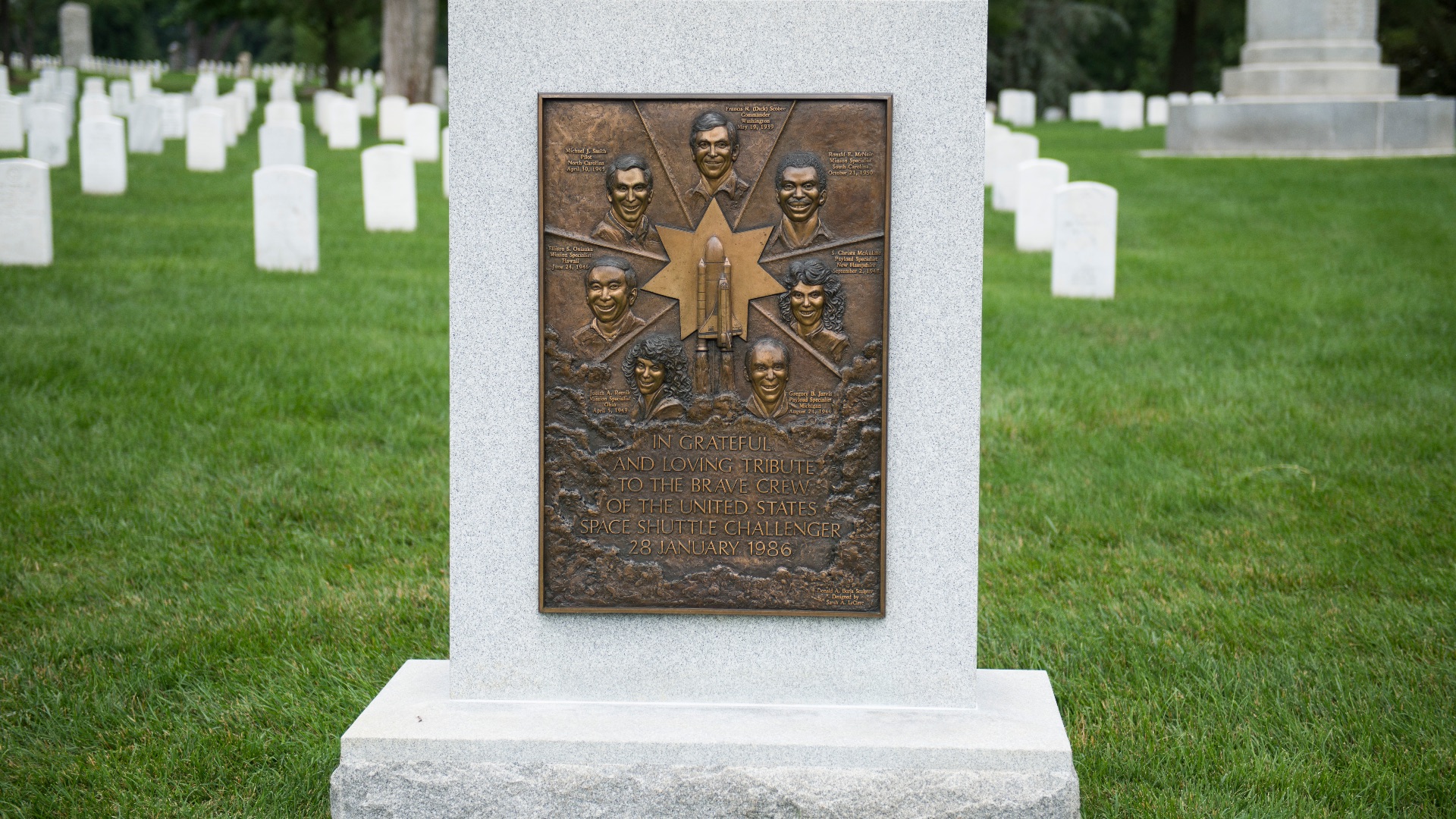
14. Challenger Memorial — Arlington, Virginia
The Space Shuttle Challenger broke apart shortly after liftoff on January 28, 1986, killing all seven crew members aboard. Their deaths were witnessed live by millions of people, including schoolchildren watching because teacher Christa McAuliffe had been selected to travel with the crew. A memorial at Arlington National Cemetery contains unidentified remains recovered after the disaster and commemorates a mission that became one of the most painful moments in the history of the U.S. space program.
 Arlington National Cemetery on Wikimedia
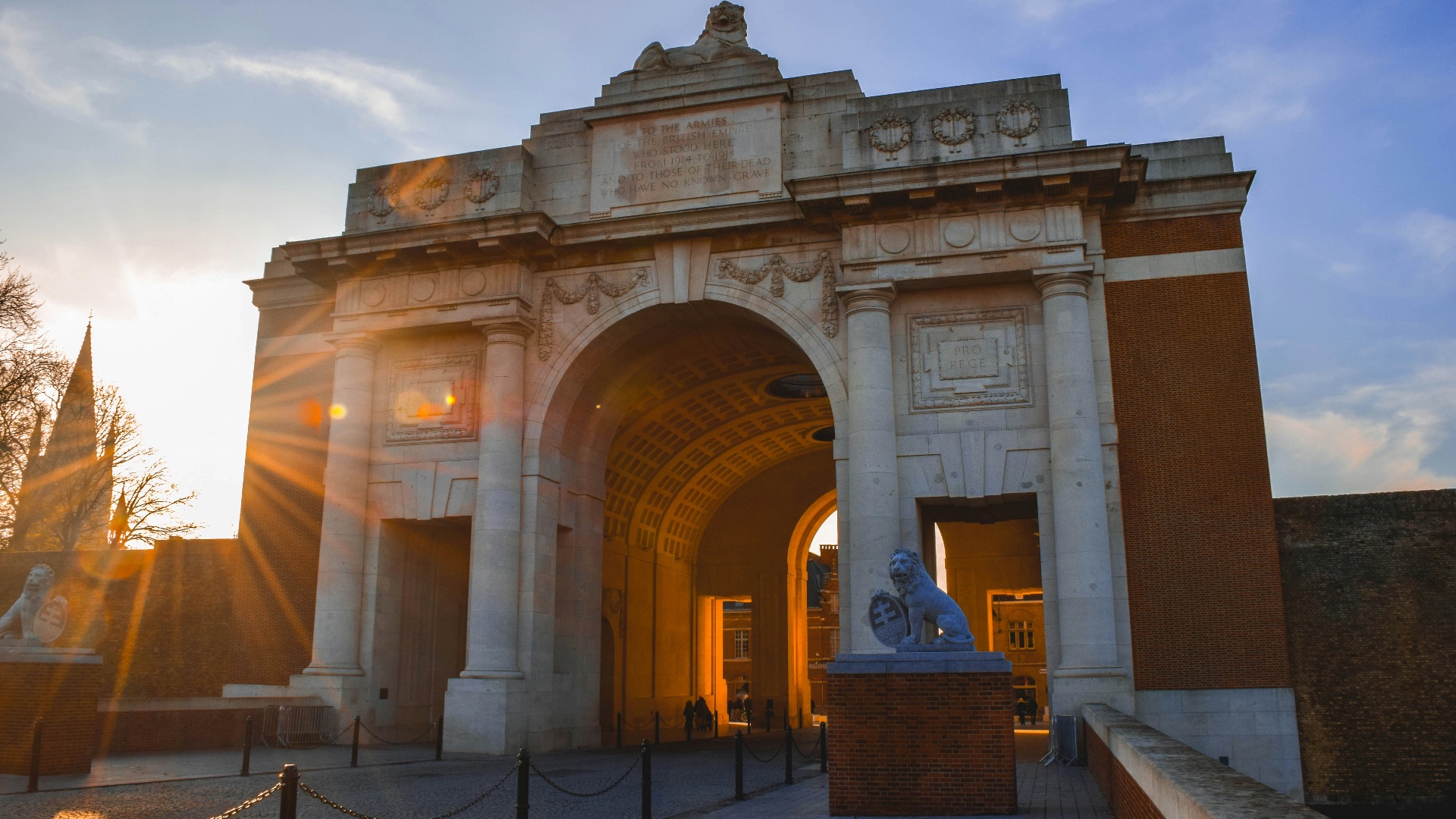
15. Menin Gate Memorial — Ypres, Belgium
The Menin Gate bears the names of more than 54,000 soldiers from Britain and the Commonwealth who died in the Ypres Salient during World War I and whose graves were never identified. Its vast walls make clear how many men disappeared into battlefields where recovering or identifying bodies could become impossible. Since 1928, buglers have traditionally performed the Last Post beneath the gate each evening, with interruptions occurring only during the German occupation of Belgium in World War II.
16. Memorial to the Martyrs of Deportation — Paris, France
Behind Notre-Dame Cathedral lies one of Paris's more understated memorials, dedicated to people deported from France to Nazi concentration and extermination camps during World War II. Visitors descend below street level into an enclosed stone space whose narrow passages and restricted views deliberately create a sense of confinement. Thousands (200,000, to be exact) of illuminated glass elements line one interior corridor, representing deportees who never returned.
17. Memorial to the Sinti and Roma Victims of National Socialism — Berlin, Germany
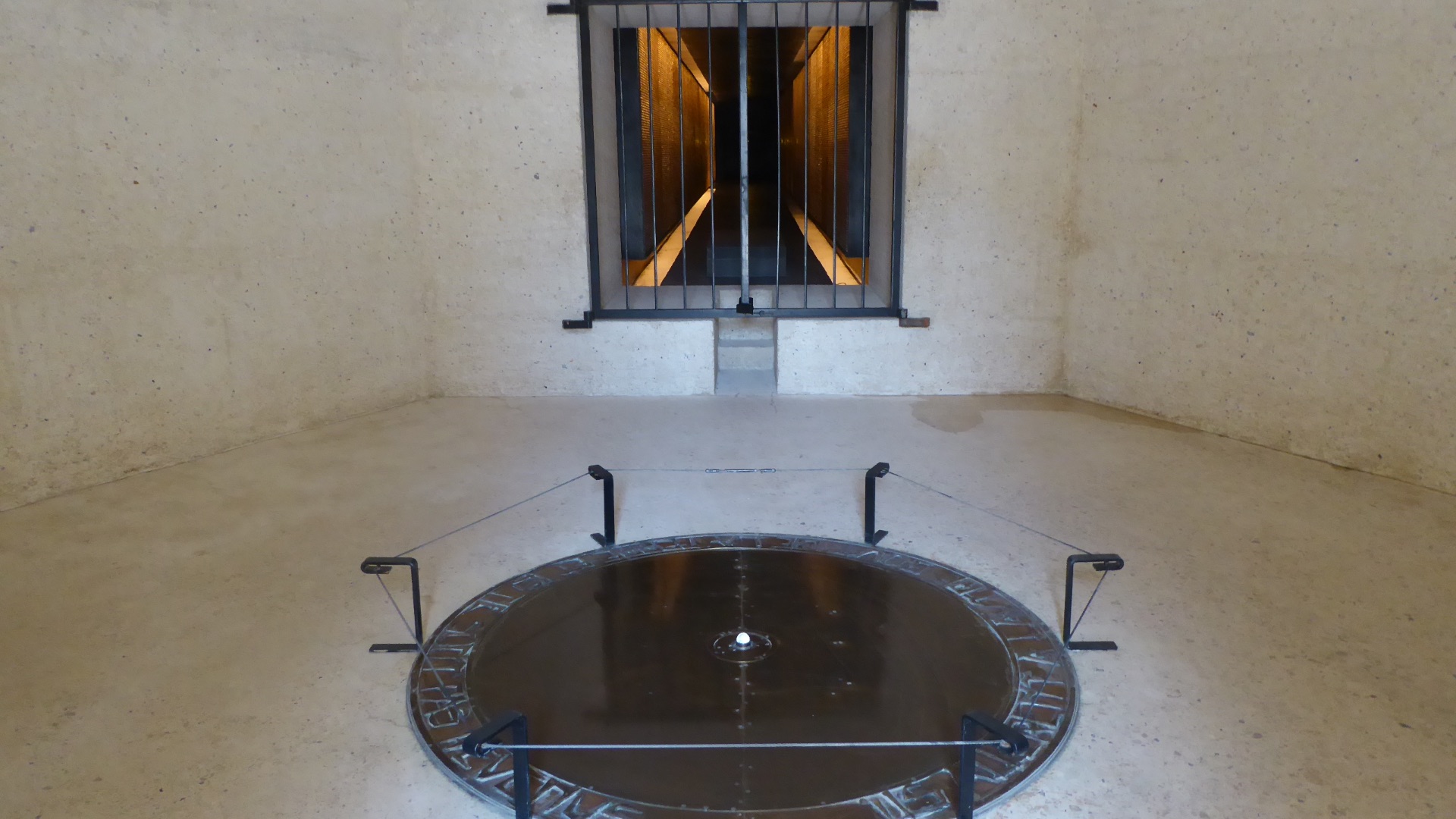
Located close to Germany's Reichstag building, this memorial honors the hundreds of thousands of Roma and Sinti persecuted and murdered under Nazi rule. At its center sits a circular pool containing a triangular stone on which a fresh flower is placed regularly. The monument also acknowledges decades in which the scale of Roma and Sinti persecution received comparatively little public recognition, making its eventual establishment in 2012 significant in its own right.
18. Holodomor Memorial — Kyiv, Ukraine
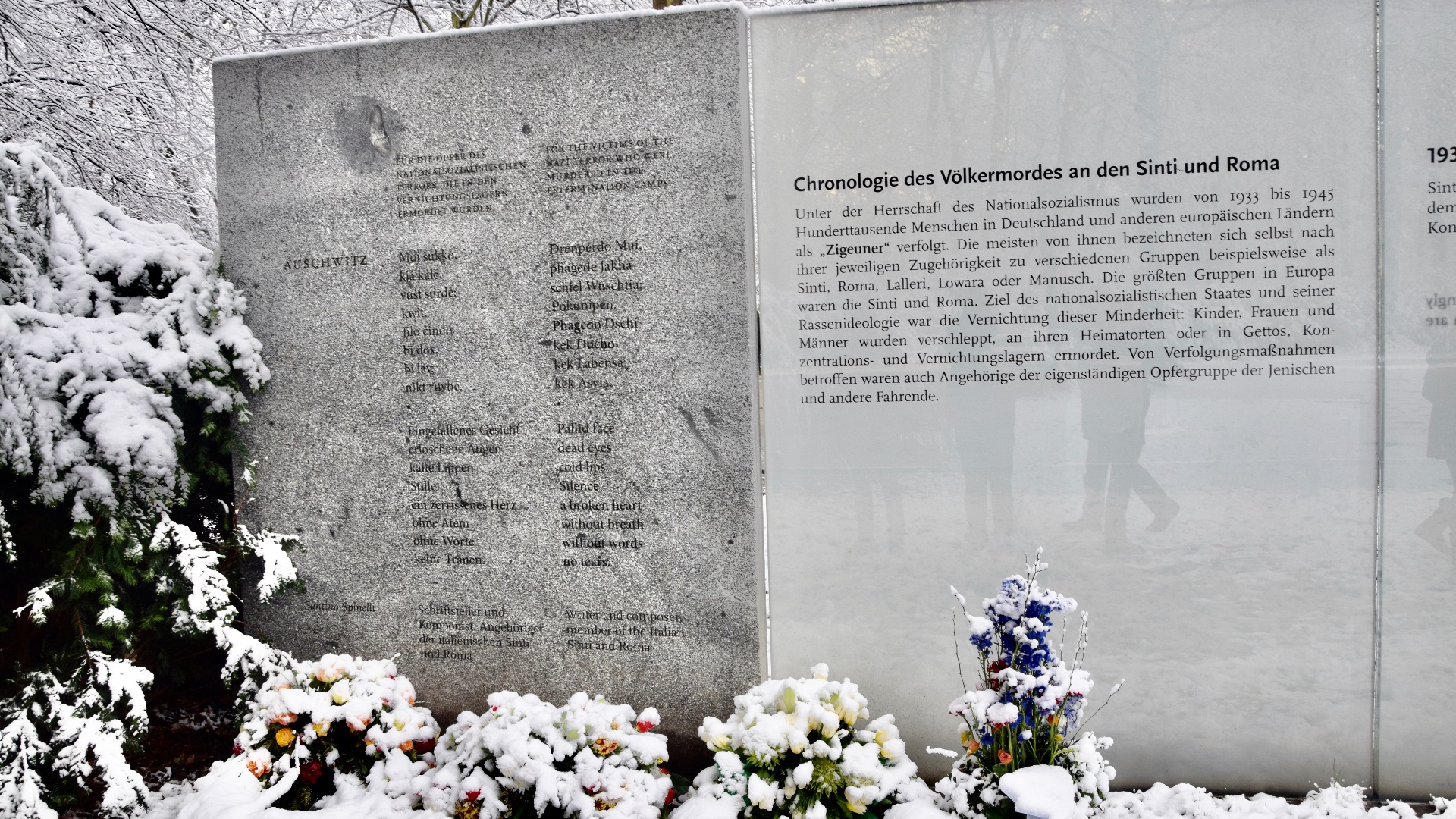
Kyiv's Holodomor memorial complex commemorates the millions who died during the catastrophic Soviet-era famine of 1932–33 in Ukraine. One of its most recognizable elements is a sculpture of a painfully thin young girl holding five stalks of wheat against her chest, which allude to the 1932 “Law of Five Ears of Grain,” under which taking even small amounts of collective-farm grain could bring extreme punishment. The figure emphasizes the experiences of children during a famine in which food seizures, severe restrictions, and Soviet agricultural policies contributed to immense loss of life.
19. Kindertransport Memorial — London, England
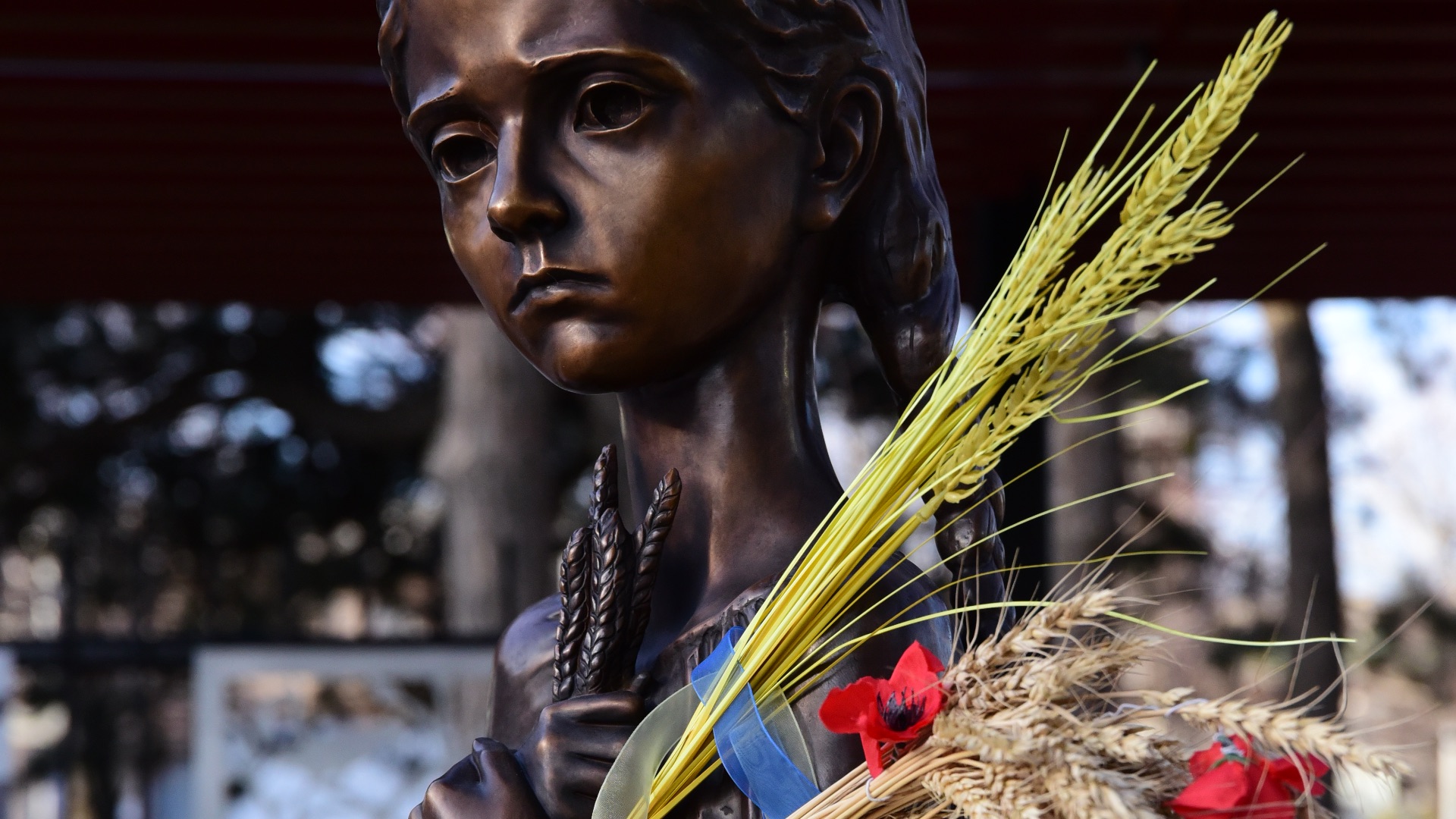
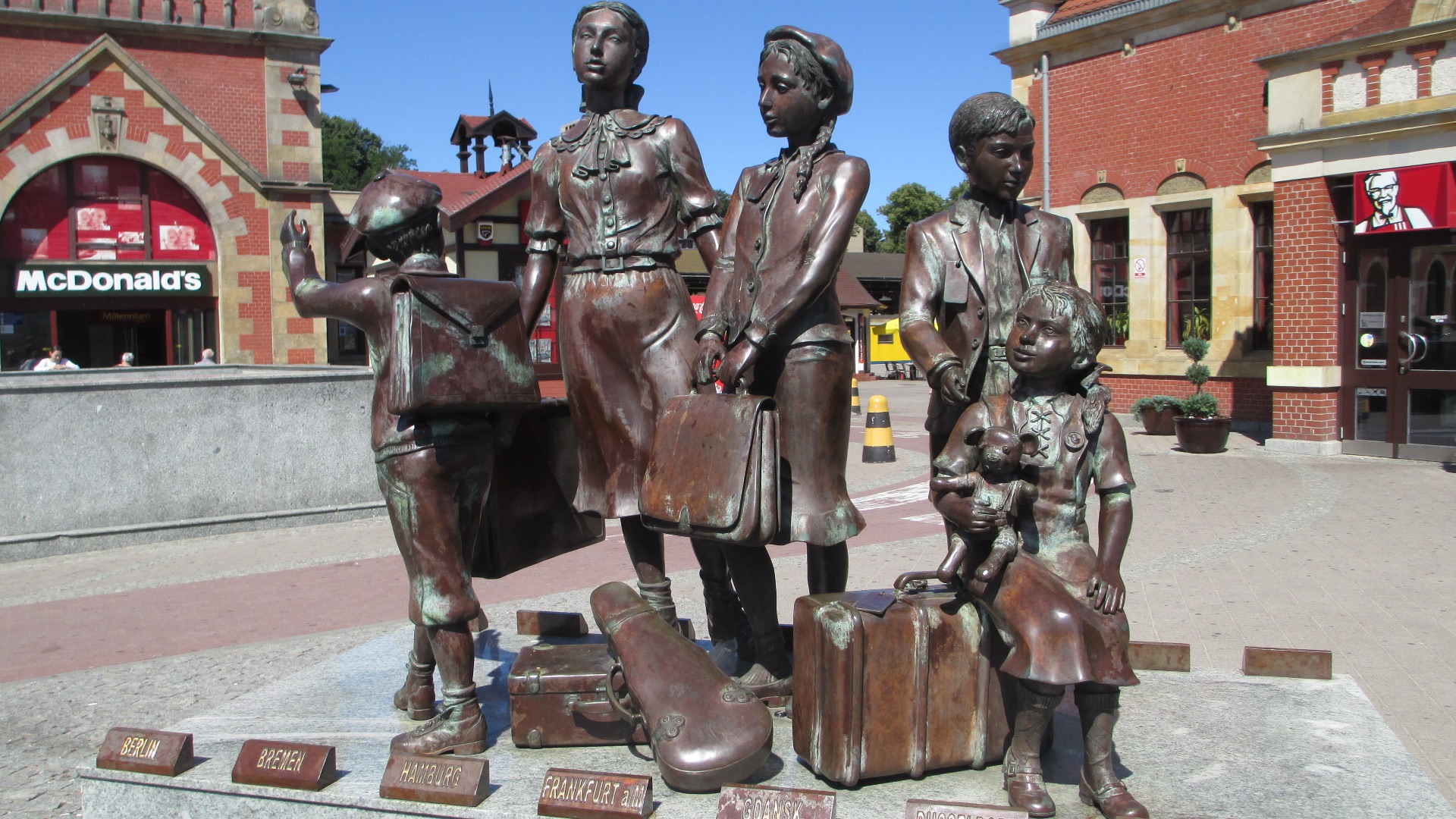
Outside London's Liverpool Street Station stands a group of bronze children carrying suitcases, recalling the thousands of young refugees brought to Britain through the Kindertransport shortly before World War II. Roughly 10,000 children, most of them Jewish, escaped Nazi-controlled territories through the program between 1938 and 1939. Many survived the Holocaust because they were sent away, but a devastating number never saw their parents again.
 Avi1111 dr. avishai teicher on Wikimedia
20. Katyn Memorial — Poland
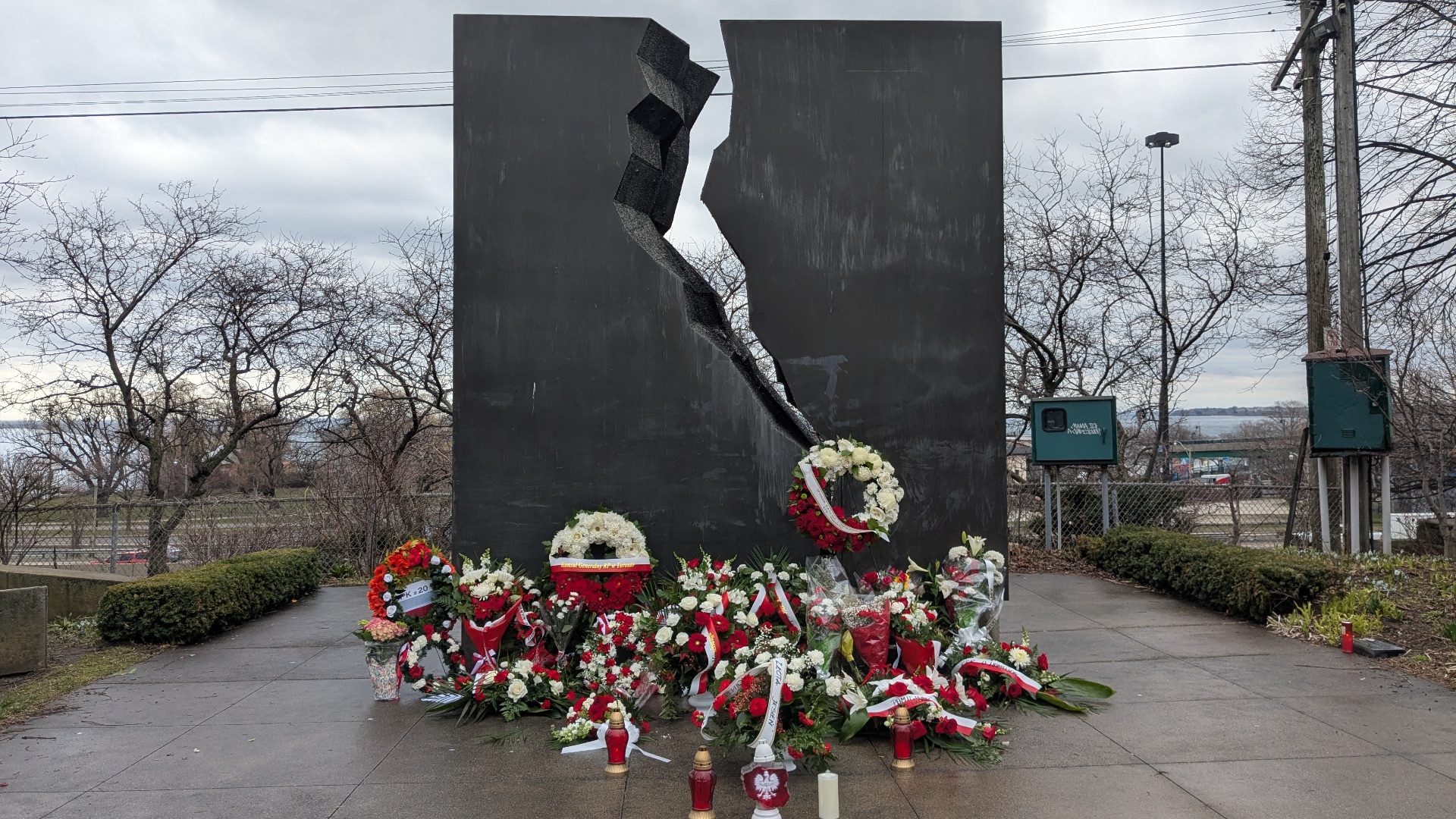
Memorials to the Katyn massacre commemorate thousands of Polish military officers, police officers, intellectuals, and other prisoners executed by the Soviet NKVD in 1940. Roughly 22,000 Polish citizens were killed at Katyn and other execution sites after being captured following the Soviet invasion of eastern Poland. For decades, Soviet authorities denied responsibility and blamed Nazi Germany, adding years of official deception to an event that had already devastated thousands of Polish families.
KEEP ON READING