10 Reasons We're In the Most Peaceful Time In History & 10 Reasons It Doesn't Feel Like It
10 Reasons We're In the Most Peaceful Time In History & 10 Reasons It Doesn't Feel Like It
10. There’s More Accountability Than There Used to Be
War crimes investigations, human rights reporting, and global scrutiny are far more common than in earlier eras. Plenty of perpetrators still evade justice, but the idea that abuses should be documented and prosecuted is stronger than it was historically. The norms aren’t perfect, but the direction has changed.
Now that we've covered why we're actually in the most peaceful time in human history, let's talk about why it certainly doesn't seem that way.
1. The News Highlights the Worst, Not the Typical
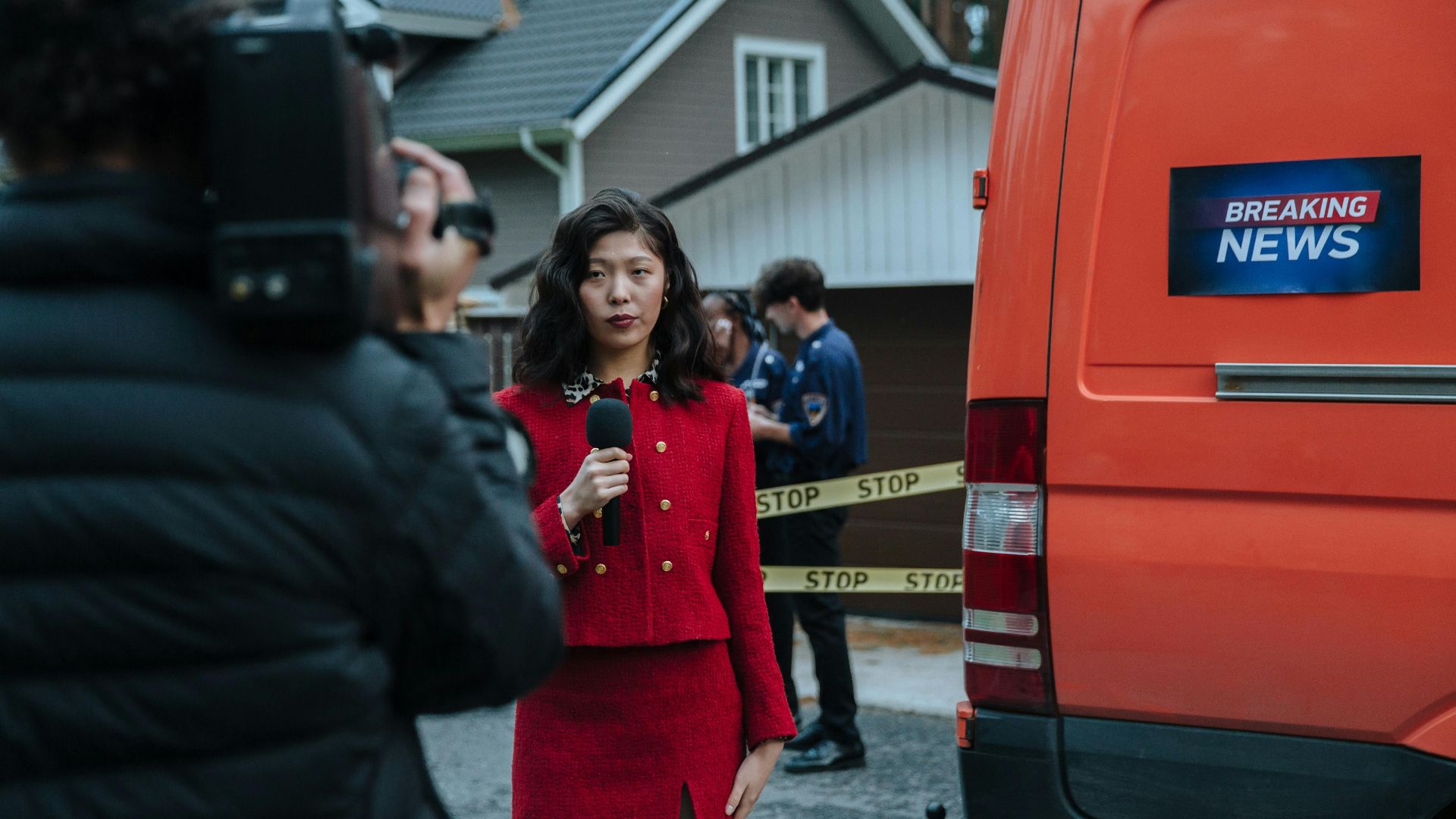
Media is designed to grab your attention, and calm progress is not exactly clickbait. If a hundred places are peaceful and one place is in crisis, the crisis becomes the headline because that’s what sells. Your brain concludes “everything is collapsing,” even when the average day is relatively quieter.
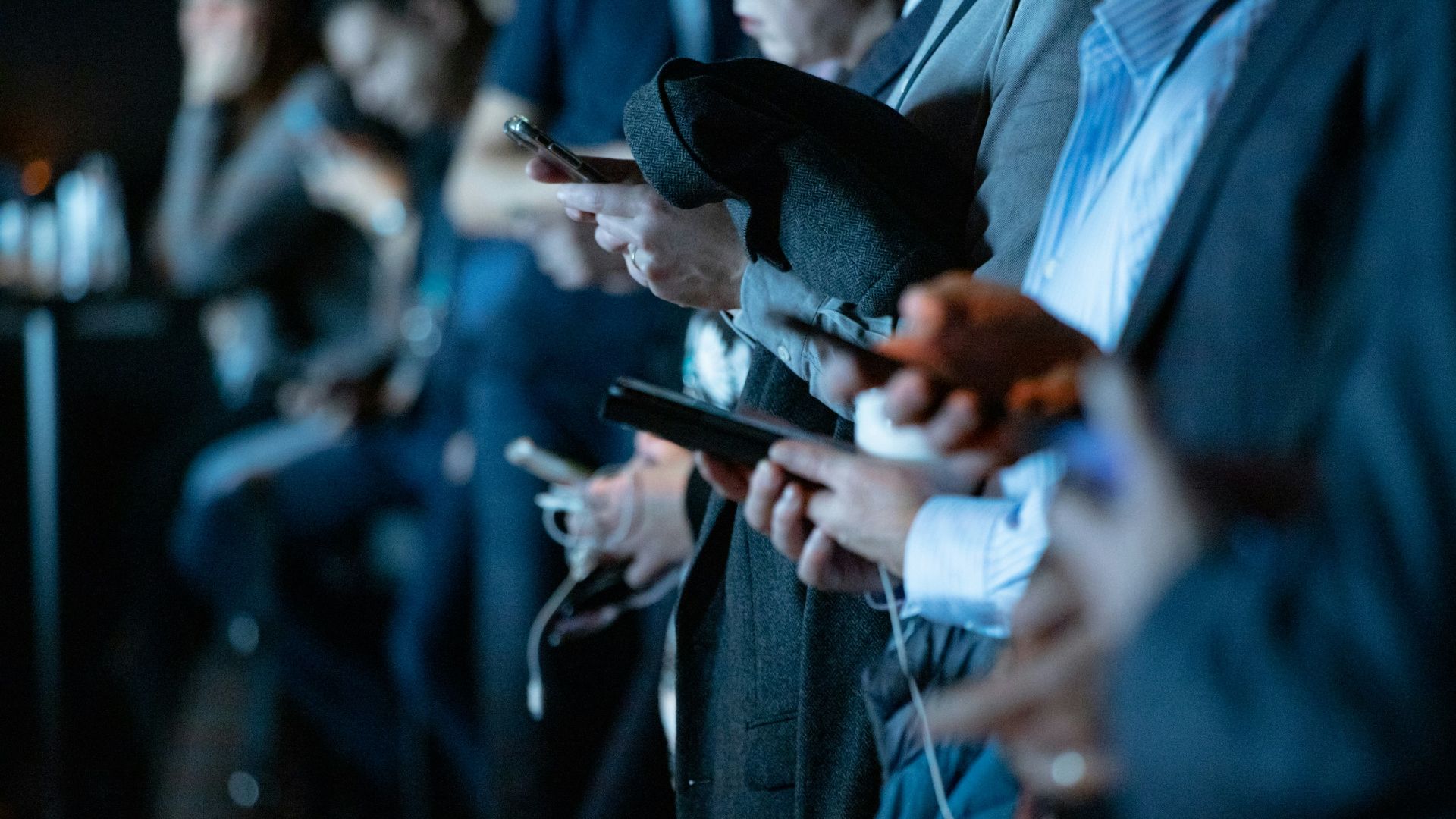
2. Social Media Makes Distant Pain Feel Like It’s Next Door
You can witness tragedy in real time from thousands of miles away, and your body reacts as if it’s happening nearby. That constant exposure can keep you on edge even if your local life is stable. Strangely, being more connected can make the world feel less safe.
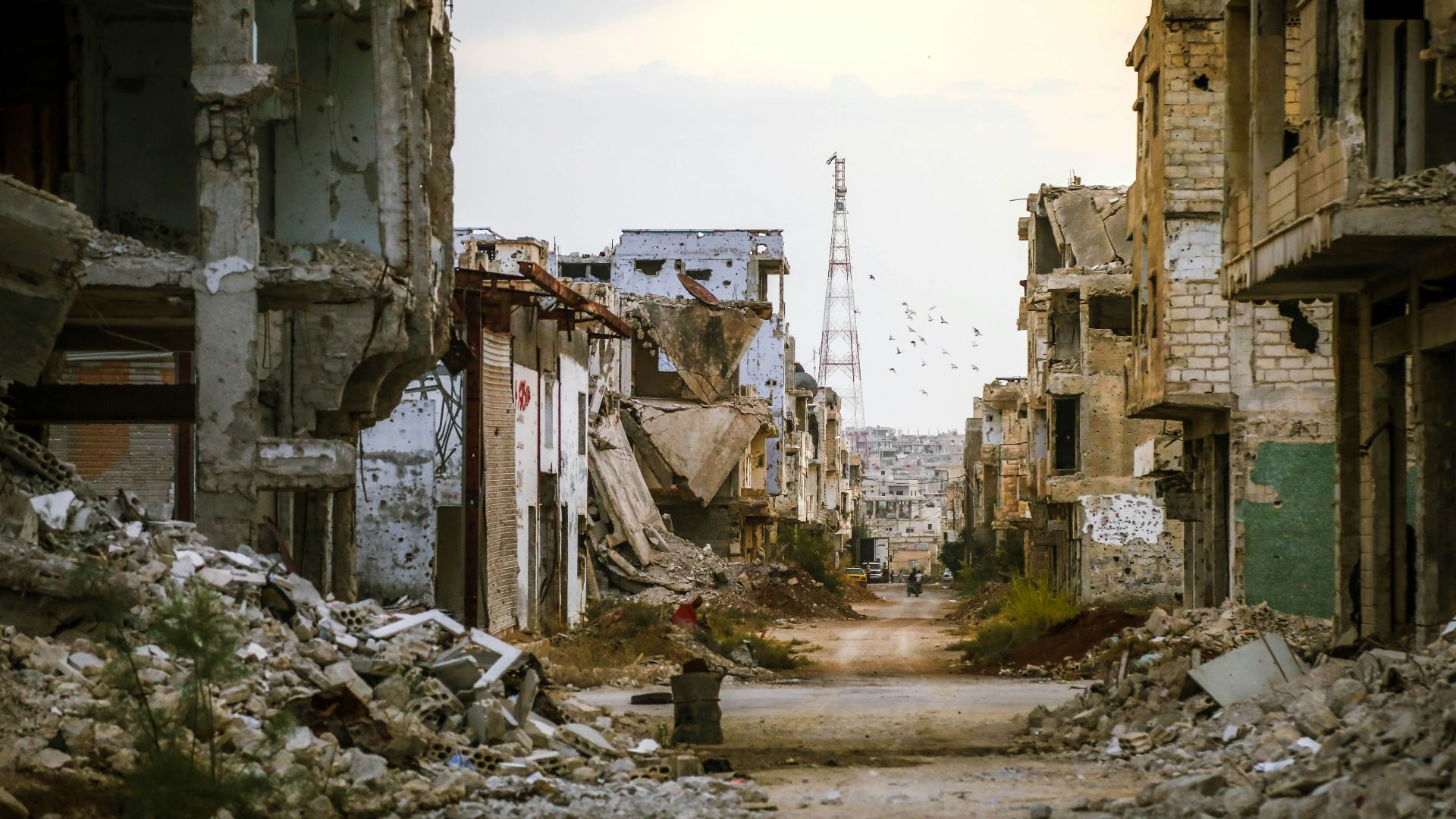
3. Recent Conflicts Have Been Highly Visible & Brutal
The last few years have included major wars and humanitarian crises that are hard to ignore. Research groups have reported elevated battle deaths in the 2020s compared with much of the post–Cold War period. So even if the long-run story is improvement, the short-run chapter has been rough.
4. Modern Violence Can Be More Psychological Than Geographic
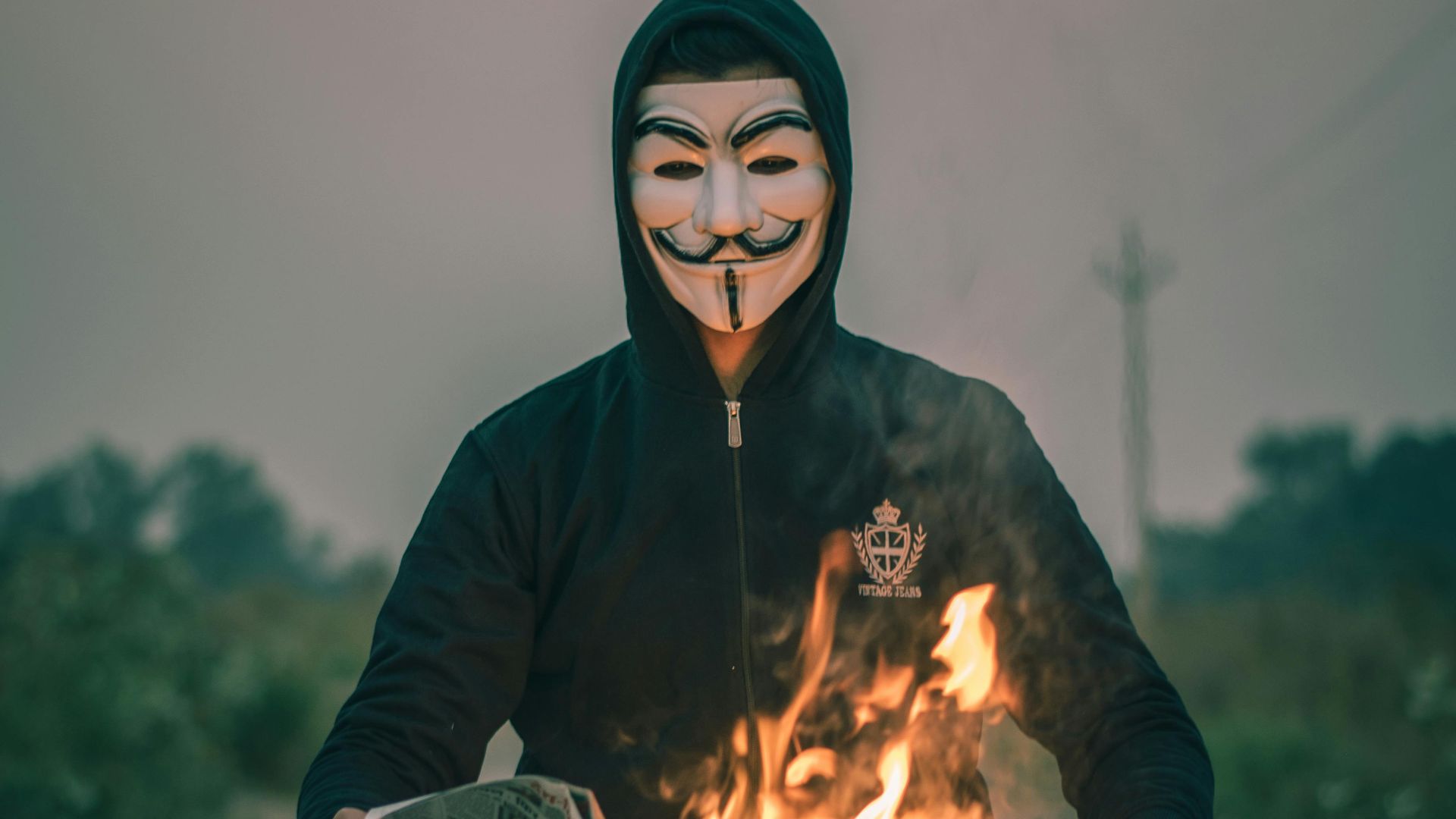
Even if you’re far from a war zone, economic shocks, cyberattacks, and disinformation campaigns can still hit your life. That kind of threat feels slippery because you can’t point to it on a map and say, “It’s over there.” Uncertainty is stressful, and modern uncertainty has a range.
5. We’re Comparing “Now” to an Ideal, Not to History
It’s easy to judge today against how things should be, not against what things were like in 1620 or 1920. Progress doesn’t feel comforting when your standard is “no suffering at all,” which is a very human standard to have. The mismatch makes improvement feel irrelevant.
6. One Big Disaster Can Drown Out Ten Quiet Wins
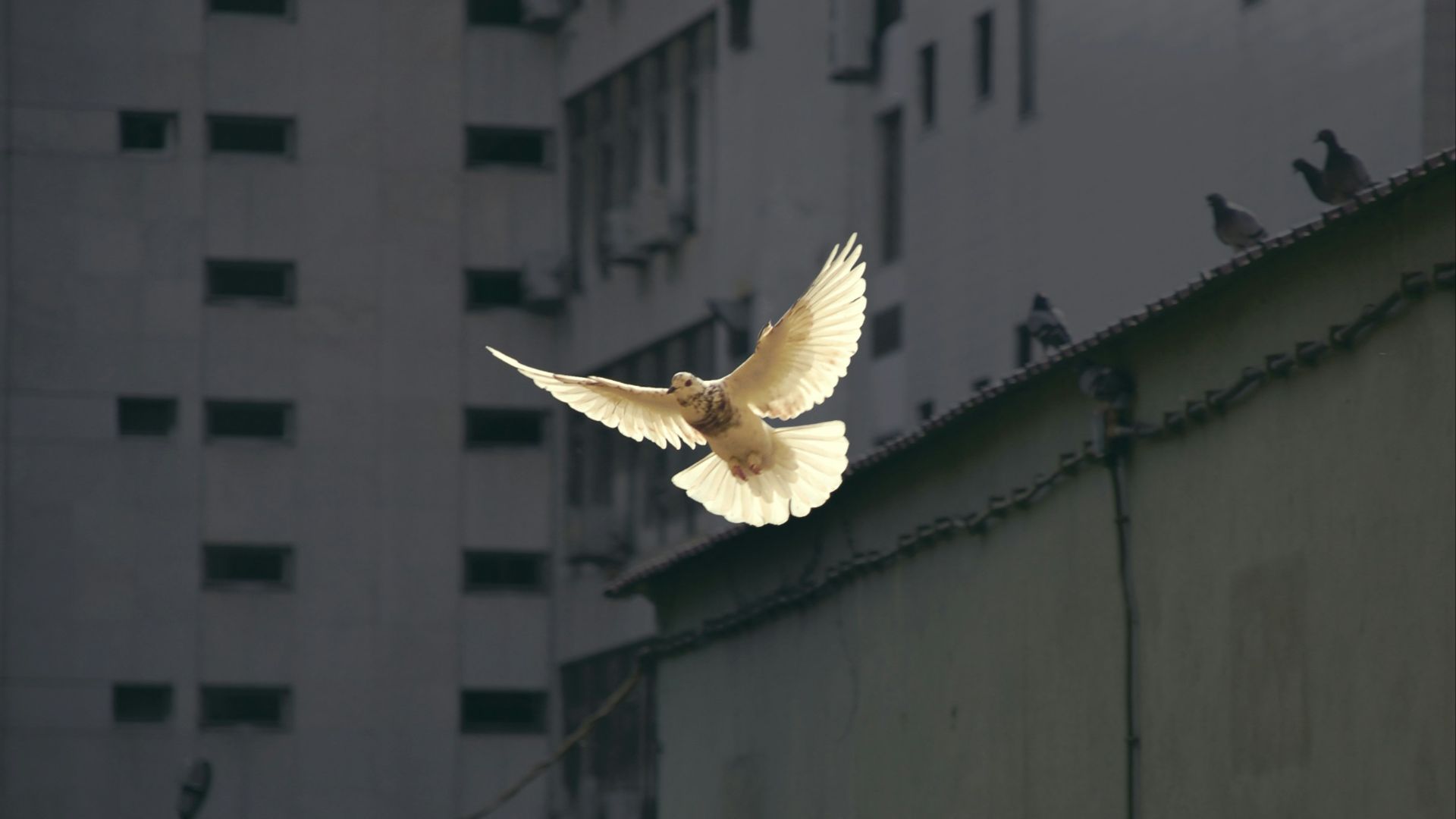
A single horrific event can erase the emotional impact of many smaller positive trends. That’s not you being irrational; it’s how attention works under threat. The trouble is that the world keeps delivering big, vivid events on a regular schedule.
7. Our Brains Aren’t Built for Global-Scale Awareness
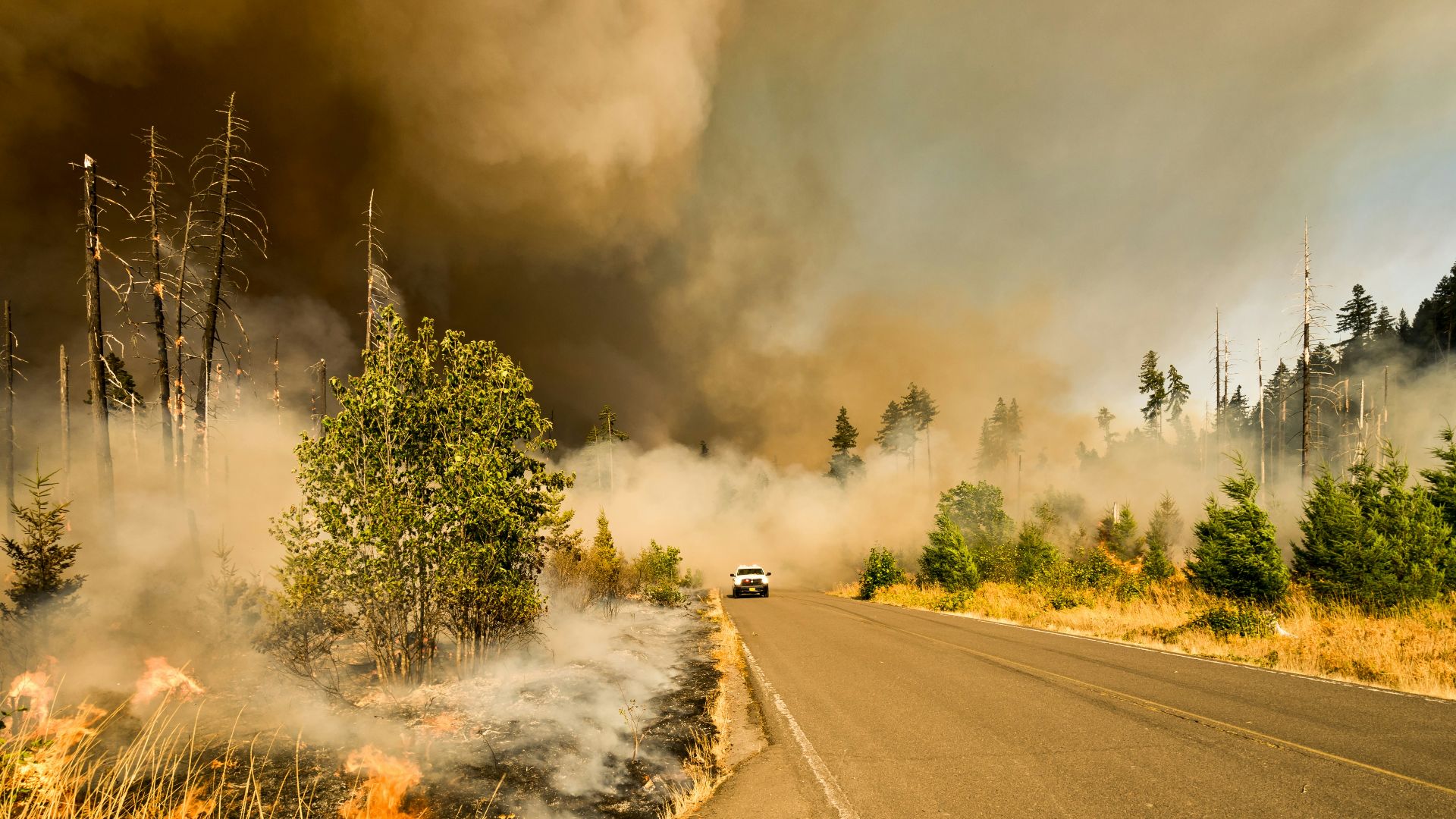
Your mind evolved to track danger in a tribe-sized world, not a planet-sized one. Now you’re processing problems from everywhere while still trying to remember where you put your keys. That overload can make “safe” feel impossible to believe.
8. Political Polarization Makes Everything Feel Like a Fight
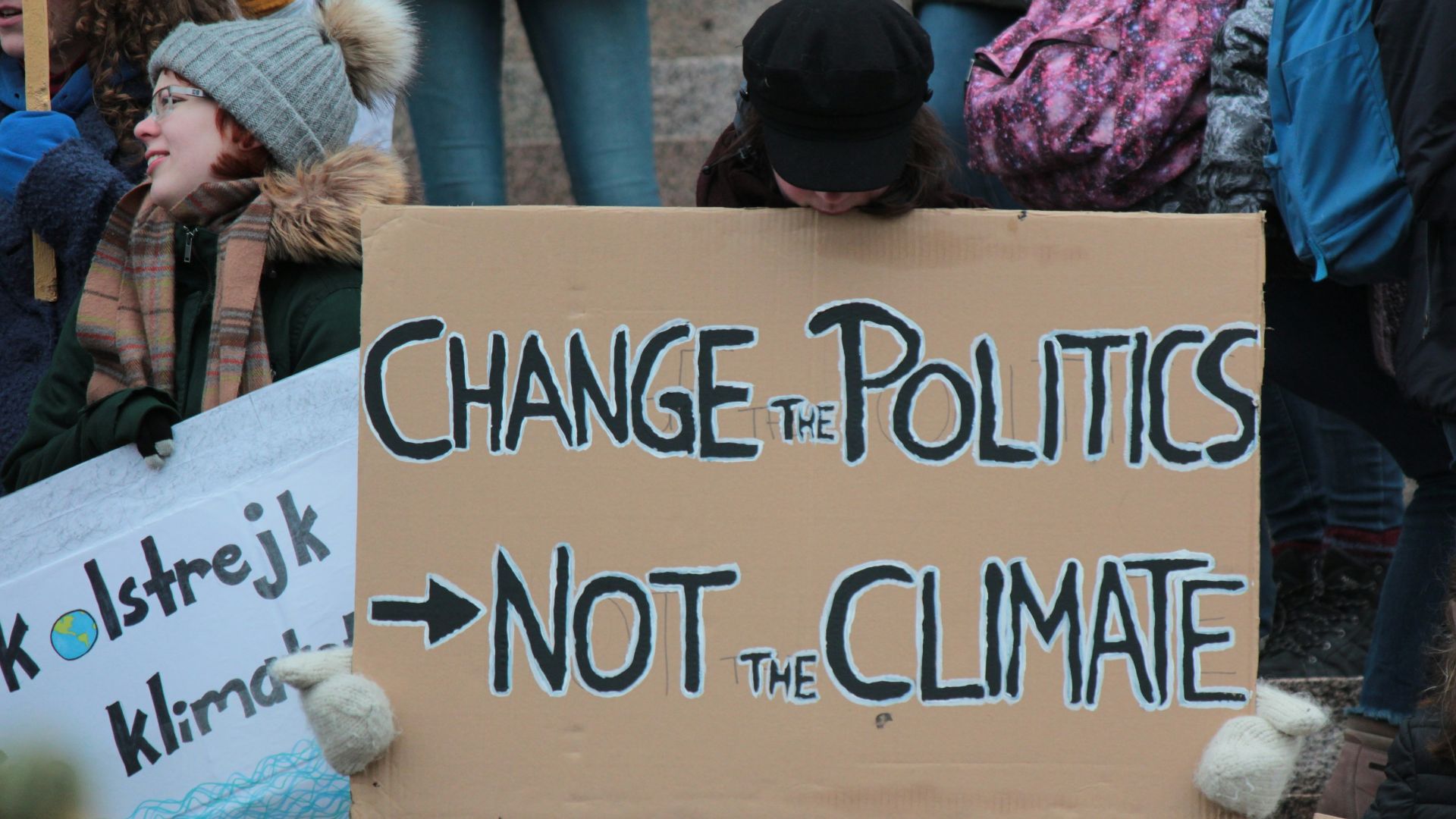
When public life is tense, even normal disagreements can feel like a crisis. If every issue is framed as existential, your body stays in battle mode. Peace doesn’t feel peaceful when everyone’s yelling.
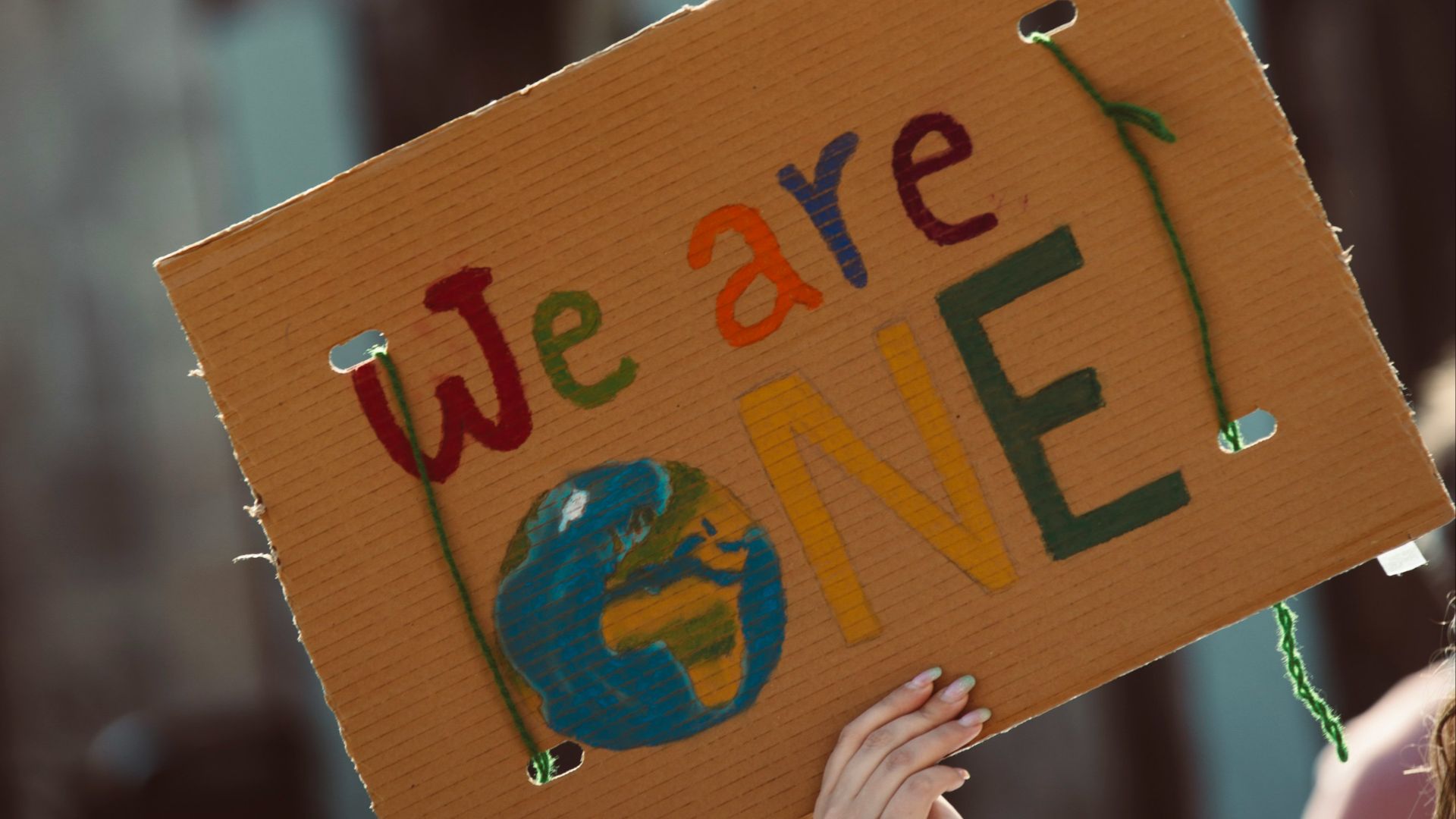
 Tania Malréchauffé on Unsplash
9. Economic Anxiety Hits Close to Home
You can’t pay rent with “historical trends,” and financial stress makes the world feel unstable fast. Even if violent conflict is lower than in past eras in many ways, day-to-day insecurity can still be intense. When your personal future feels shaky, global peace stats won’t soothe you much.
10. We Notice What’s Wrong Because We Expect Better Now
Rising expectations are actually a sign of progress, even if they make you more disappointed in the moment. When people believe life can be safer and fairer, suffering becomes less “normal” and more outrageous, as it should. The frustrating part is that a higher standard can make an improving world feel like it’s failing.
KEEP ON READING