Against All Odds: 20 Battles That Were Won by Complete Underdogs
When the Expected Winner Somehow Lost
Military history is filled with commanders who had bigger armies, better equipment, stronger positions, and every reason to expect an easy victory. Occasionally, though, the side that looked doomed found the right combination of terrain, tactics, leadership, and sheer determination to turn the situation around. Some of these victories changed entire wars, while others became famous simply because the losing side really should have won on paper. These 20 battles prove that overwhelming advantages don't always translate into victory.
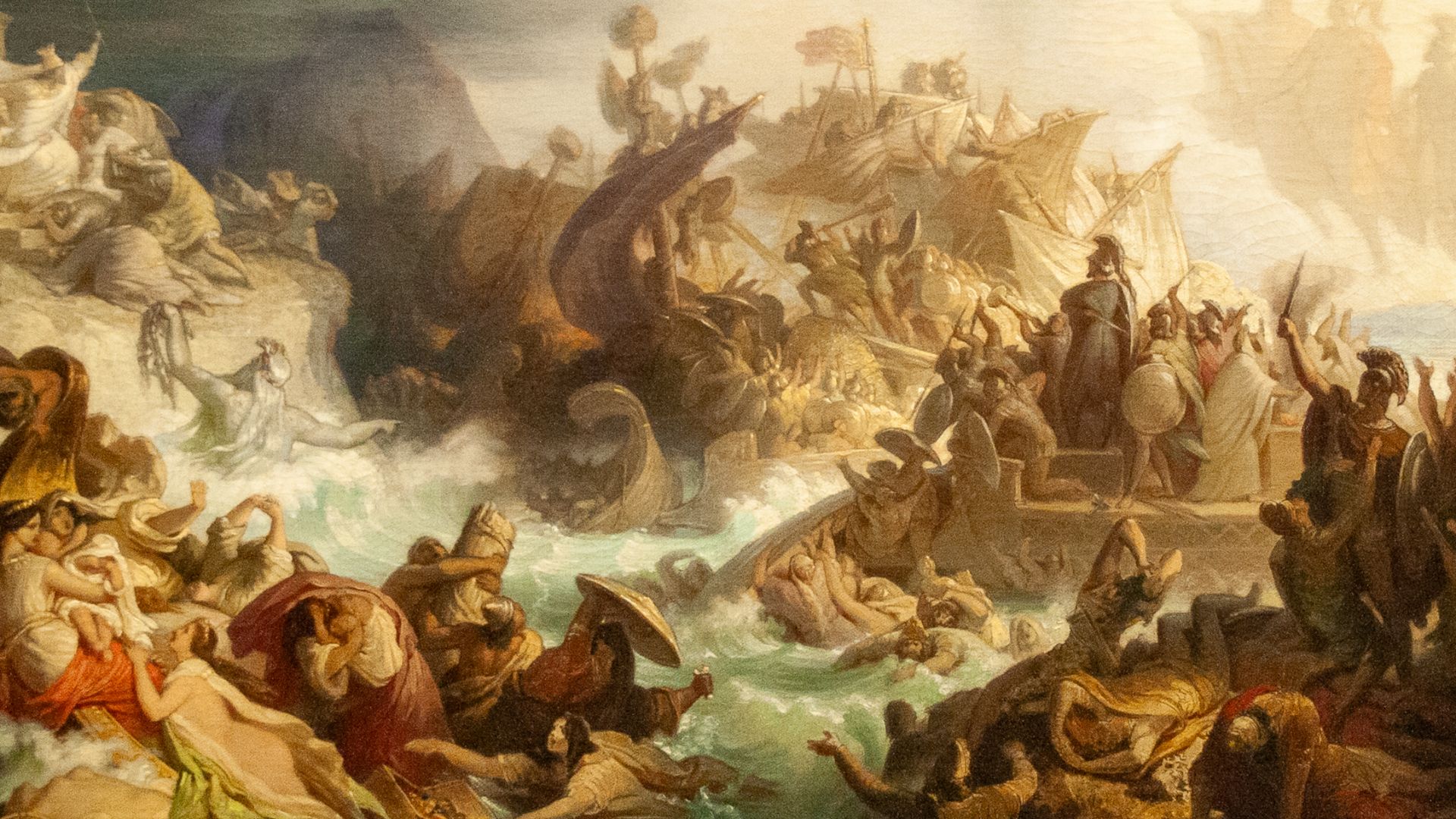 Photo by Szilas in München on Wikimedia
1. Battle of Marathon, 490 BC
When a Persian invasion force landed near Marathon, the Athenians faced an empire with vastly greater resources and a fearsome military reputation. Rather than remain on the defensive, the Greeks launched an aggressive attack that disrupted the Persian formation and drove much of the invading army back toward its ships. The victory became one of the defining moments of ancient Greek history.
 Georges Rochegrosse on Wikimedia
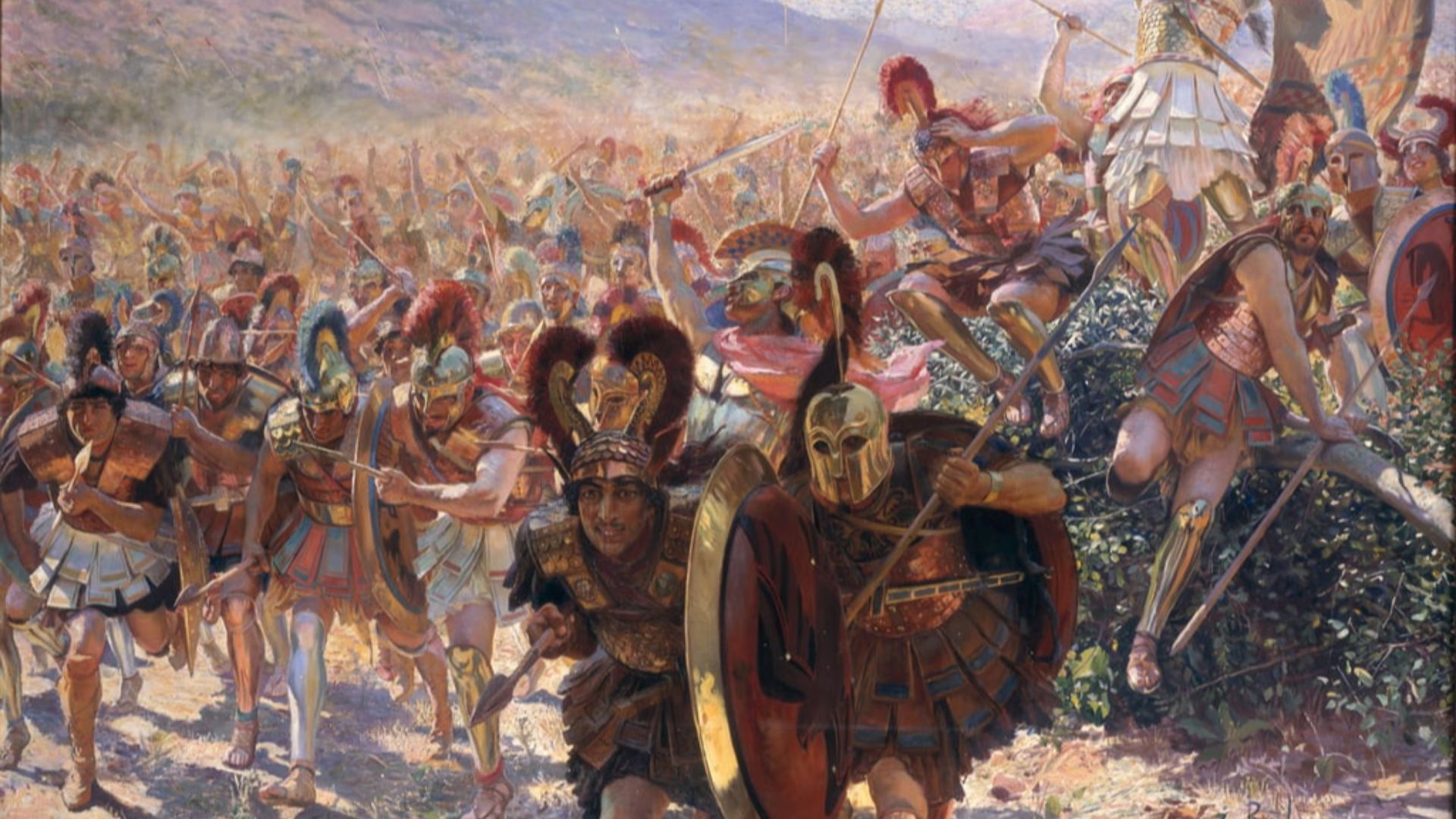
2. Battle of Salamis, 480 BC
A decade after Marathon, the Persians returned with an even larger invasion, and things initially looked terrible for the Greek resistance. Greek commander Themistocles helped lure the Persian fleet into the narrow waters around Salamis, where its numerical advantage became much less useful. The smaller Greek fleet then attacked ships that struggled to maneuver effectively in the crowded straits. Persia still possessed enormous military power afterward, but the naval defeat badly damaged its campaign in Greece.
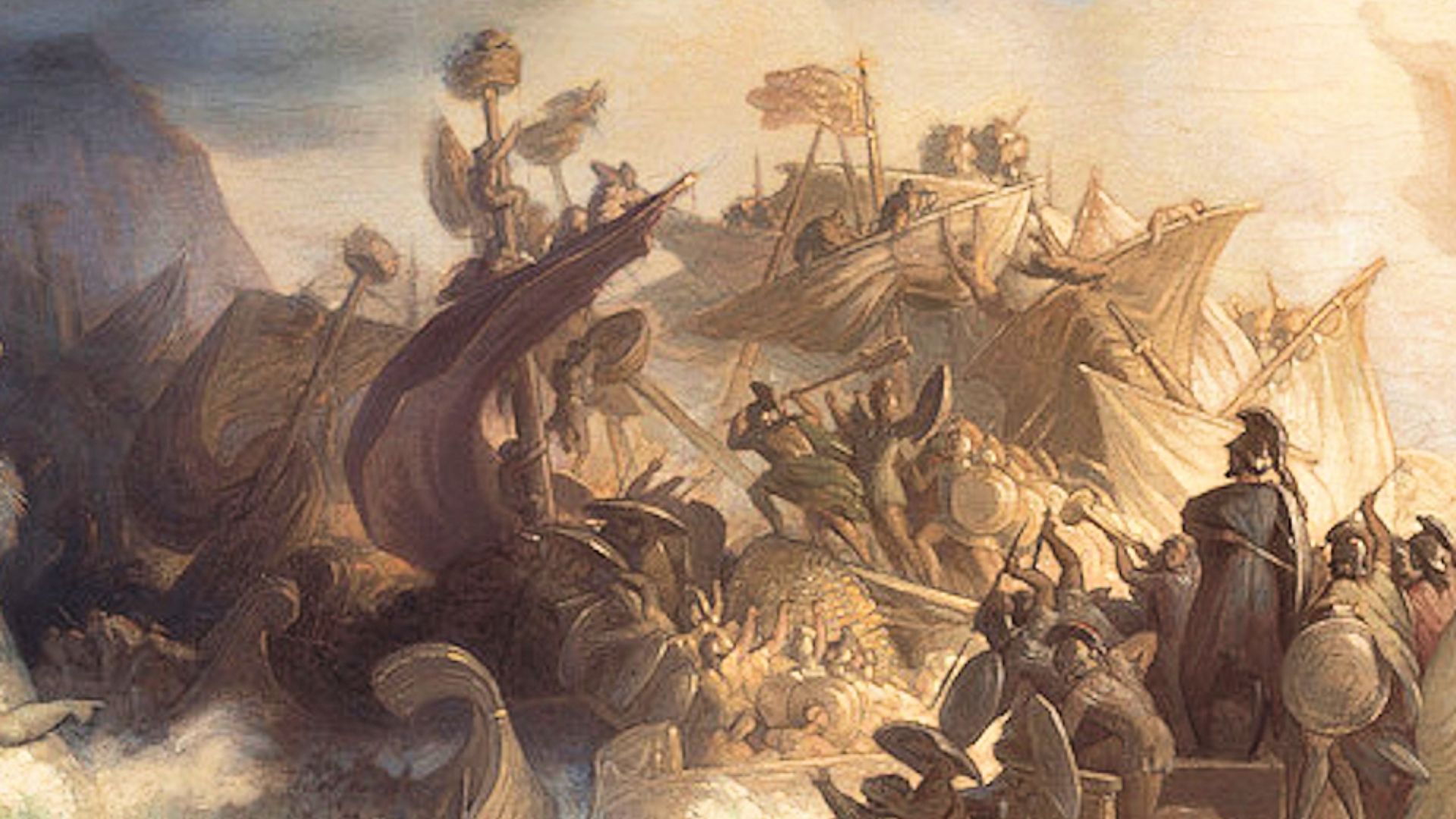 Wilhelm von Kaulbach on Wikimedia
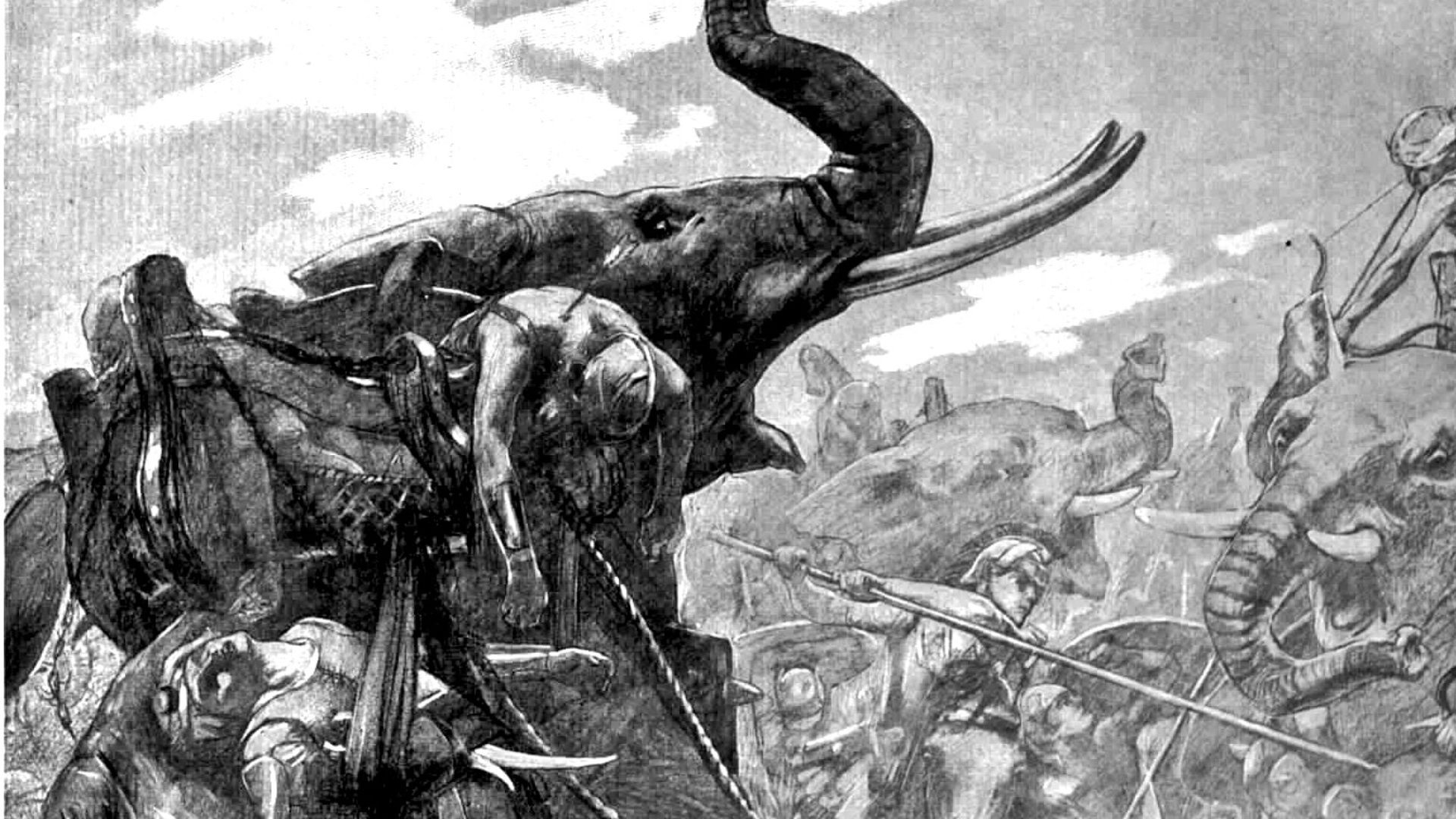
3. Battle of the Hydaspes, 326 BC
Alexander the Great had spent years defeating larger armies, but crossing the Hydaspes River to face King Porus created one of his toughest challenges. Porus had war elephants, experienced troops, and a strong defensive position waiting on the opposite bank. To counter this, Alexander secretly moved part of his army upstream, crossed during difficult weather, and forced Porus into battle before he could fully respond. The Macedonians won, although Porus fought so impressively that Alexander reportedly allowed him to continue ruling his territory.
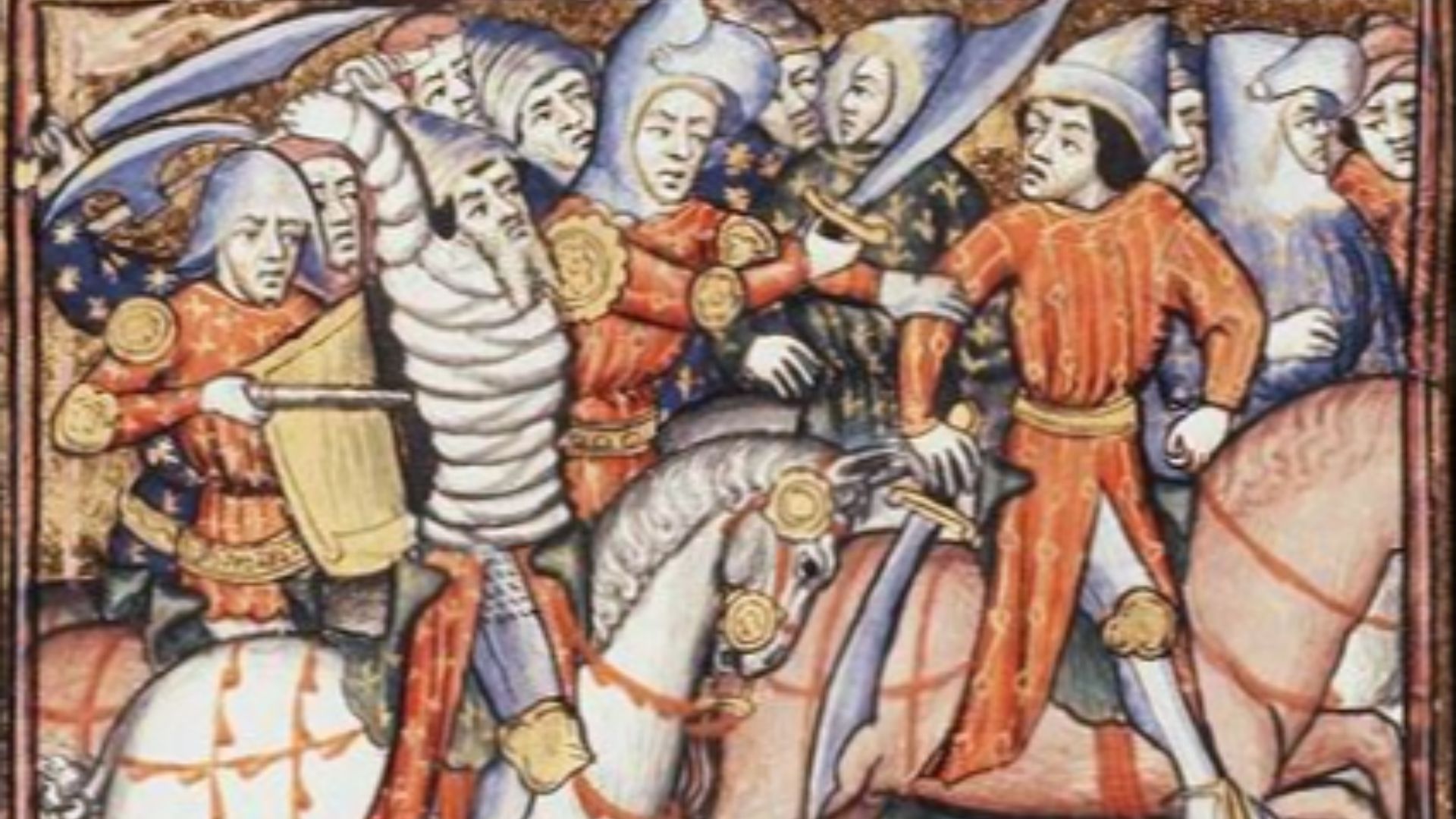
4. Battle of Cannae, 216 BC
Rome sent an enormous army to crush Hannibal after suffering several humiliating defeats during the Second Punic War. Hannibal was badly outnumbered, but he deliberately allowed the Roman center to push forward while his stronger troops gradually closed around both sides. Eventually, Roman soldiers found themselves surrounded with almost nowhere to escape. It became one of the most devastating defeats Rome ever experienced and one of history's most famous underdog stories.
5. Battle of Stirling Bridge, 1297
William Wallace and Andrew Moray faced an English army with more professional soldiers and powerful heavy cavalry during the First War of Scottish Independence. Instead of meeting that force on open ground, the Scots waited while the English crossed a narrow bridge over the River Forth. Once enough troops had crossed to become vulnerable, the Scottish army attacked before the rest could properly support them. England's numerical and technological advantages couldn't accomplish much when most of its army was stuck on the wrong side of a river.
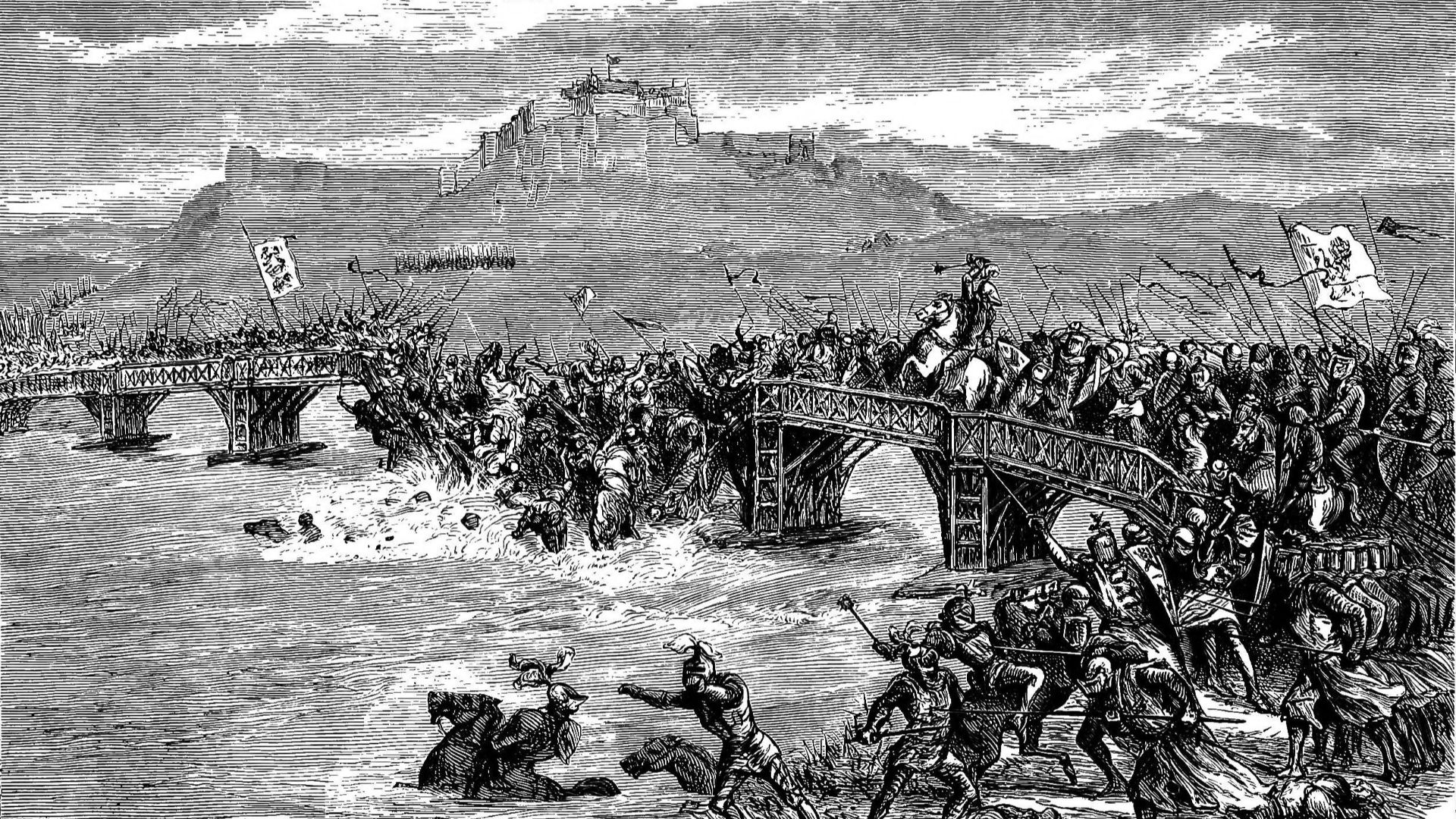 Matthew White Ridley on Wikimedia
6. Battle of Bannockburn, 1314
Robert the Bruce's Scottish army entered Bannockburn facing a much larger English force led by Edward II. The Scots cleverly used tightly packed spear formations and terrain that restricted the movement of England's cavalry, preventing the larger army from using its strength effectively. Confusion spread through the English ranks as the Scots continued pressing forward. What was supposed to restore English control instead became one of Scotland's most celebrated military victories.
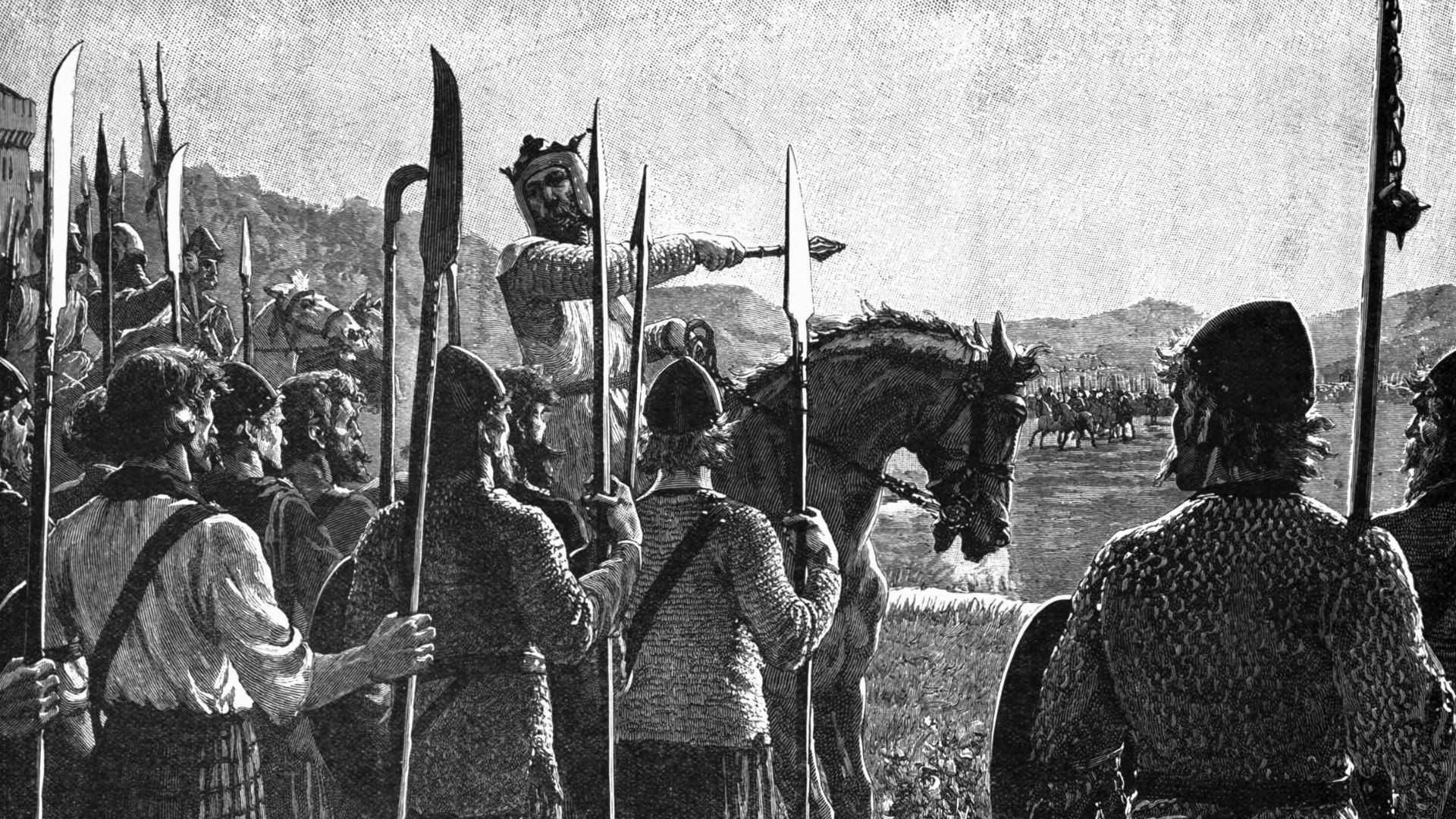 Edmund Blair Leighton on Wikimedia
7. Battle of Agincourt, 1415
Henry V's English army was exhausted, weakened by illness, and greatly outnumbered when it encountered the French near Agincourt during the Hundred Years' War. But heavy rain had turned the battlefield into thick mud, making it difficult for armored French troops to advance efficiently. English and Welsh longbowmen took advantage by pouring arrows into the approaching forces while the battlefield grew increasingly crowded. In this case, having a greater number of troops just added more chaos instead of guaranteeing a victory.
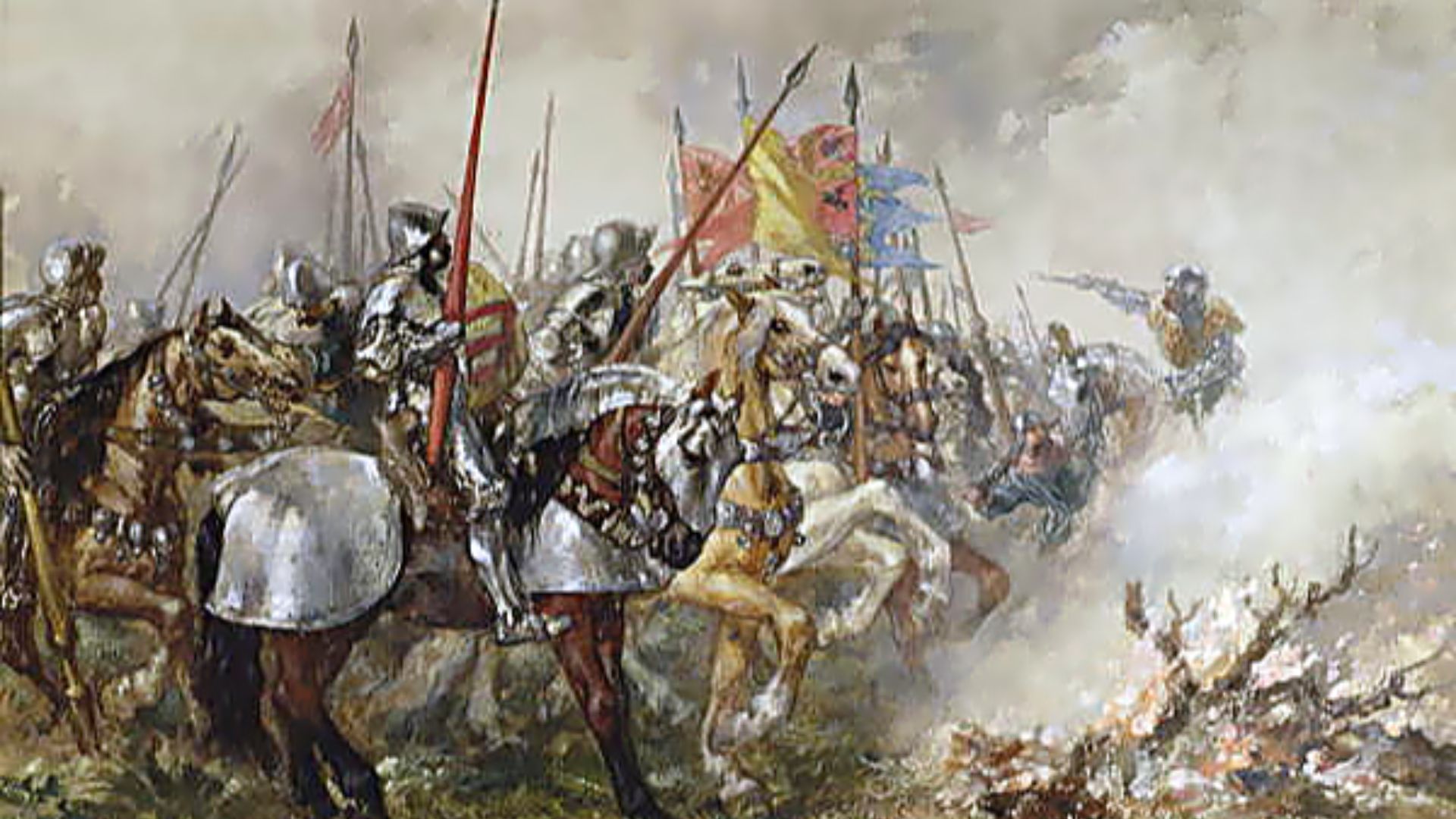 John Gilbert (1817–97) on Wikimedia
8. Siege of Malta, 1565
The Knights Hospitaller and their allies faced an enormous Ottoman expedition determined to capture Malta and strengthen Ottoman control of the Mediterranean. Defenders held a series of fortifications through months of bombardment, assaults, and brutal close fighting. Ottoman commanders expected resistance to collapse long before relief arrived, but the defenders refused to surrender. When reinforcements finally landed in September, the exhausted Ottoman force withdrew.
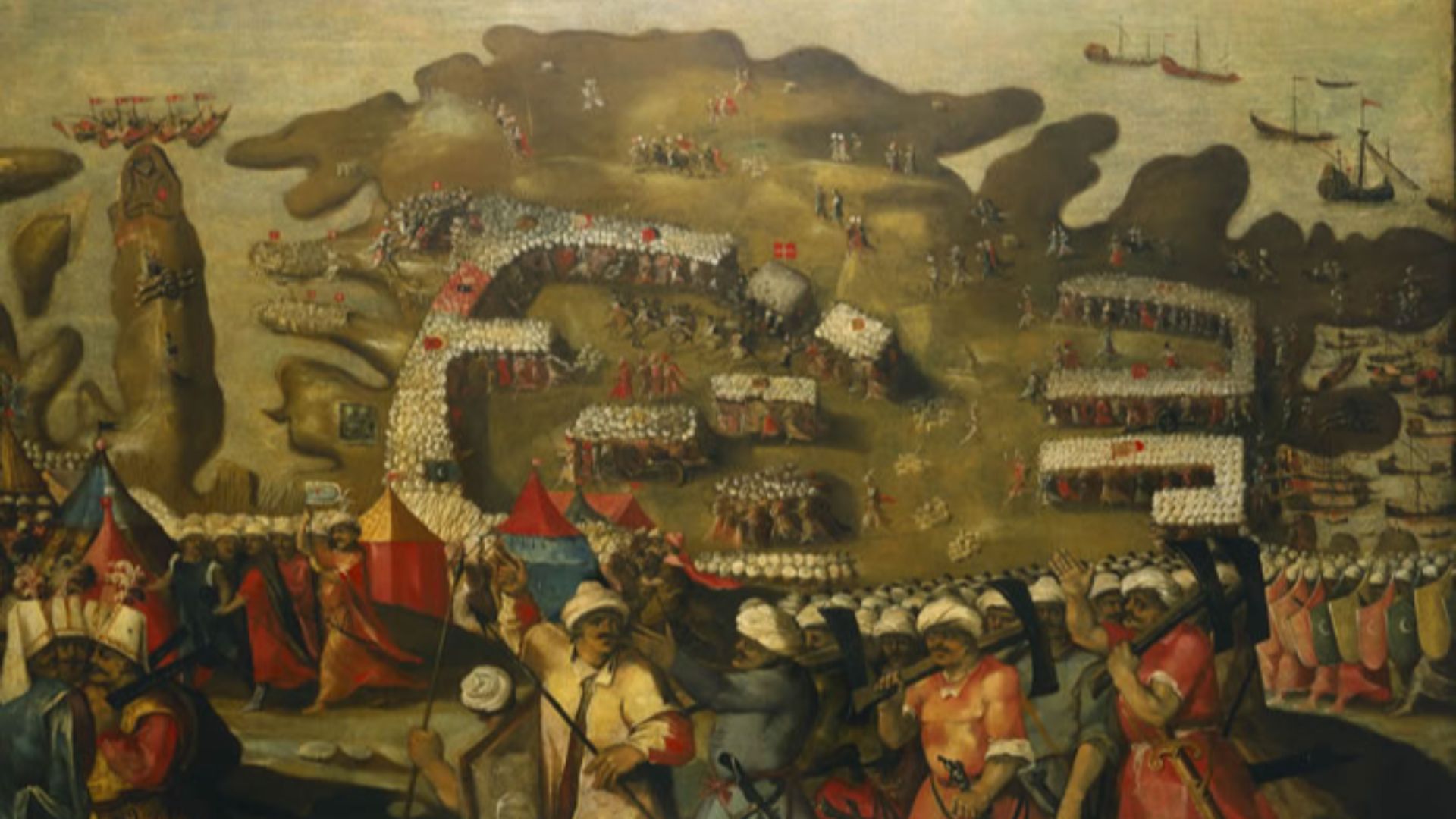 Matteo Perez d'Aleccio on Wikimedia
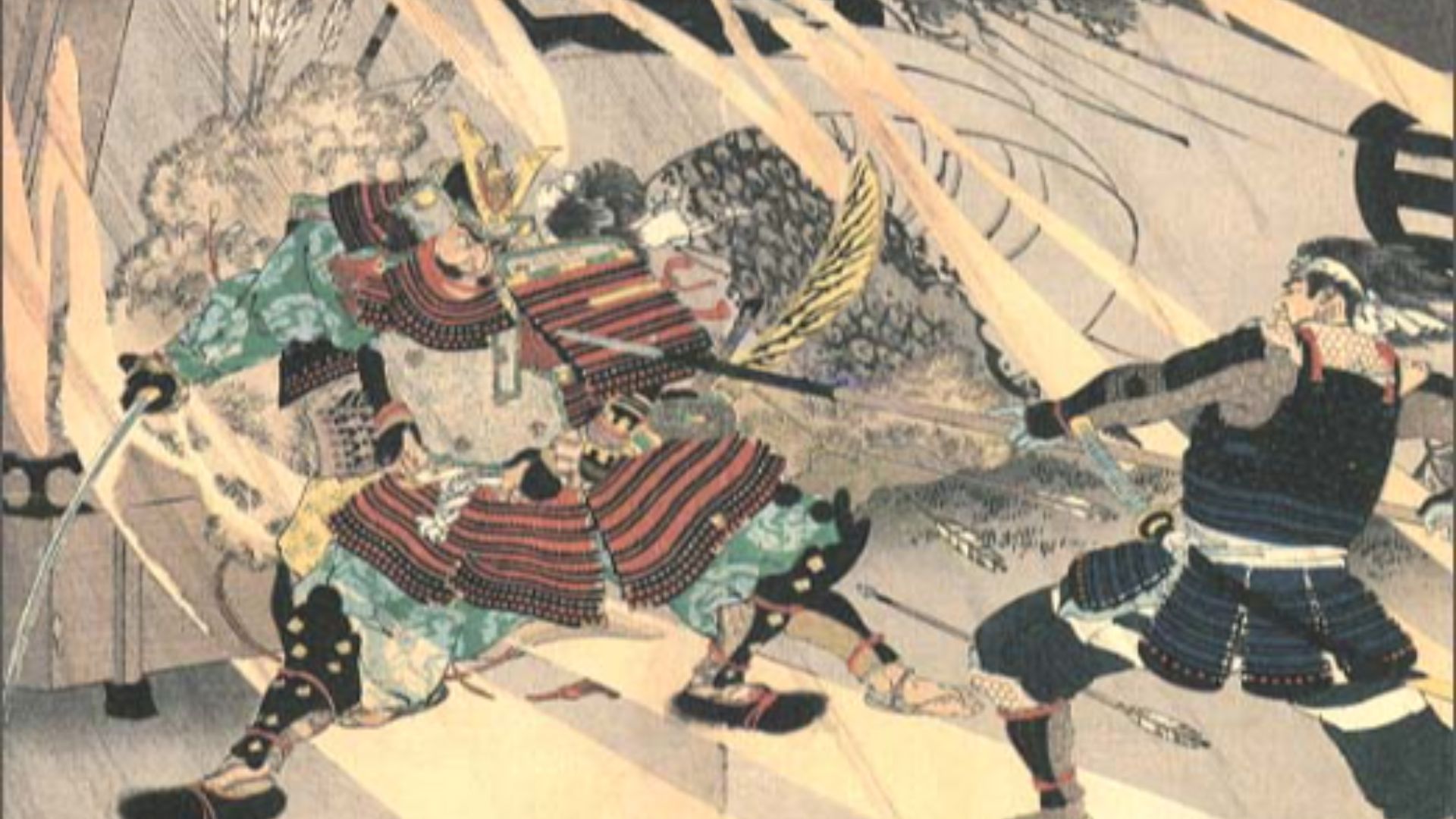
9. Battle of Okehazama, 1560
Japanese warlord Oda Nobunaga faced an invading army led by Imagawa Yoshimoto that greatly outnumbered his own forces. Instead of retreating behind his defenses, Nobunaga launched a surprise attack during a thunderstorm against the enemy camp. Yoshimoto was killed, and his much larger army rapidly fell apart once commanders realized what had happened.
10. Battle of Myeongnyang, 1597
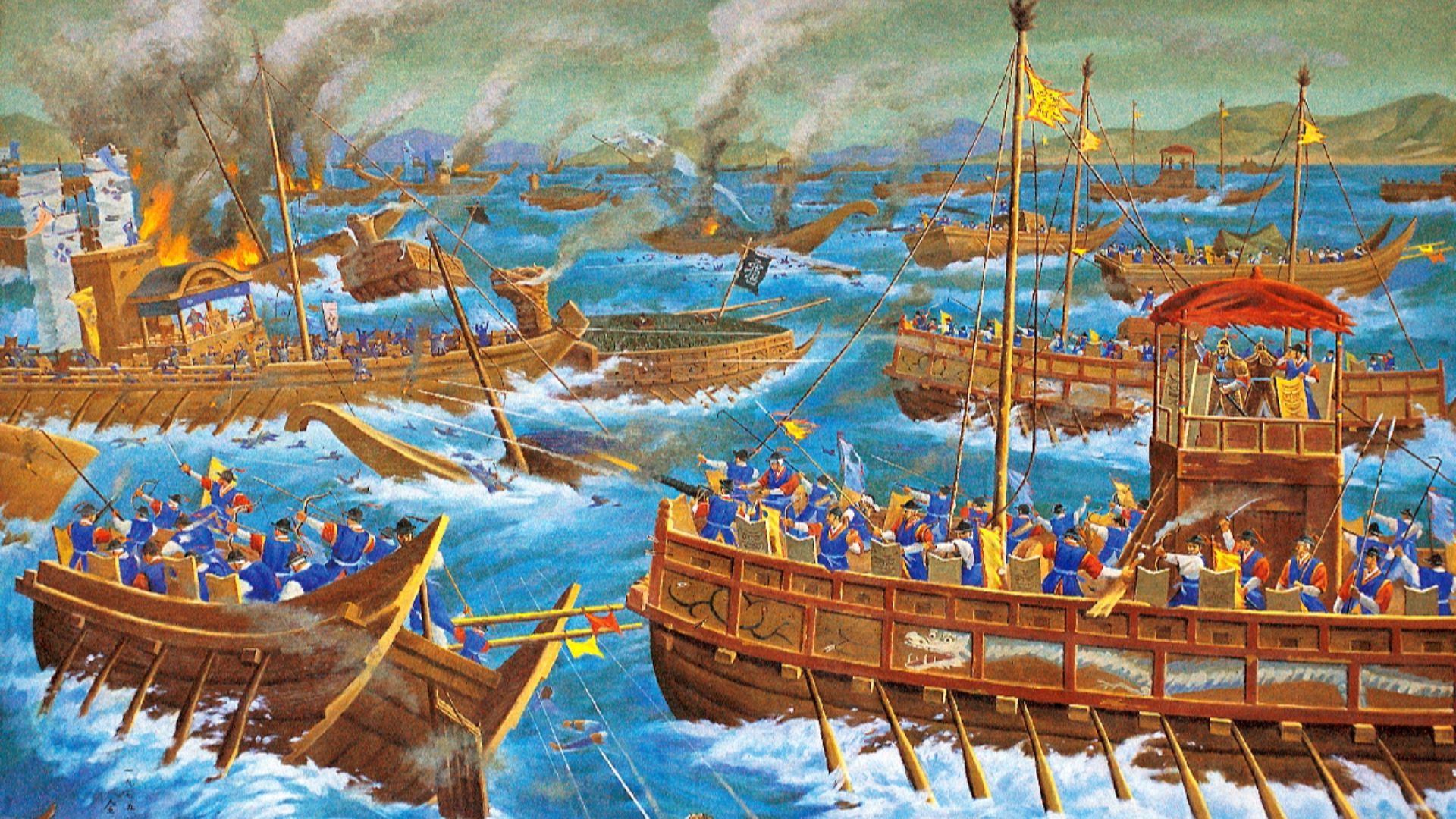
Korean admiral Yi Sun-sin faced what looked like an impossible naval situation during Japan's invasions of Korea. He had only a tiny number of functioning warships available while a much larger Japanese fleet moved against him. Yi chose the narrow Myeongnyang Strait, where dangerous currents and limited space reduced the usefulness of the Japanese numerical advantage. His fleet inflicted severe losses and survived, producing one of naval history's most extraordinary underdog victories.
 War Memorial of Korea Open Archives on Wikimedia
11. Battle of Vienna, 1683
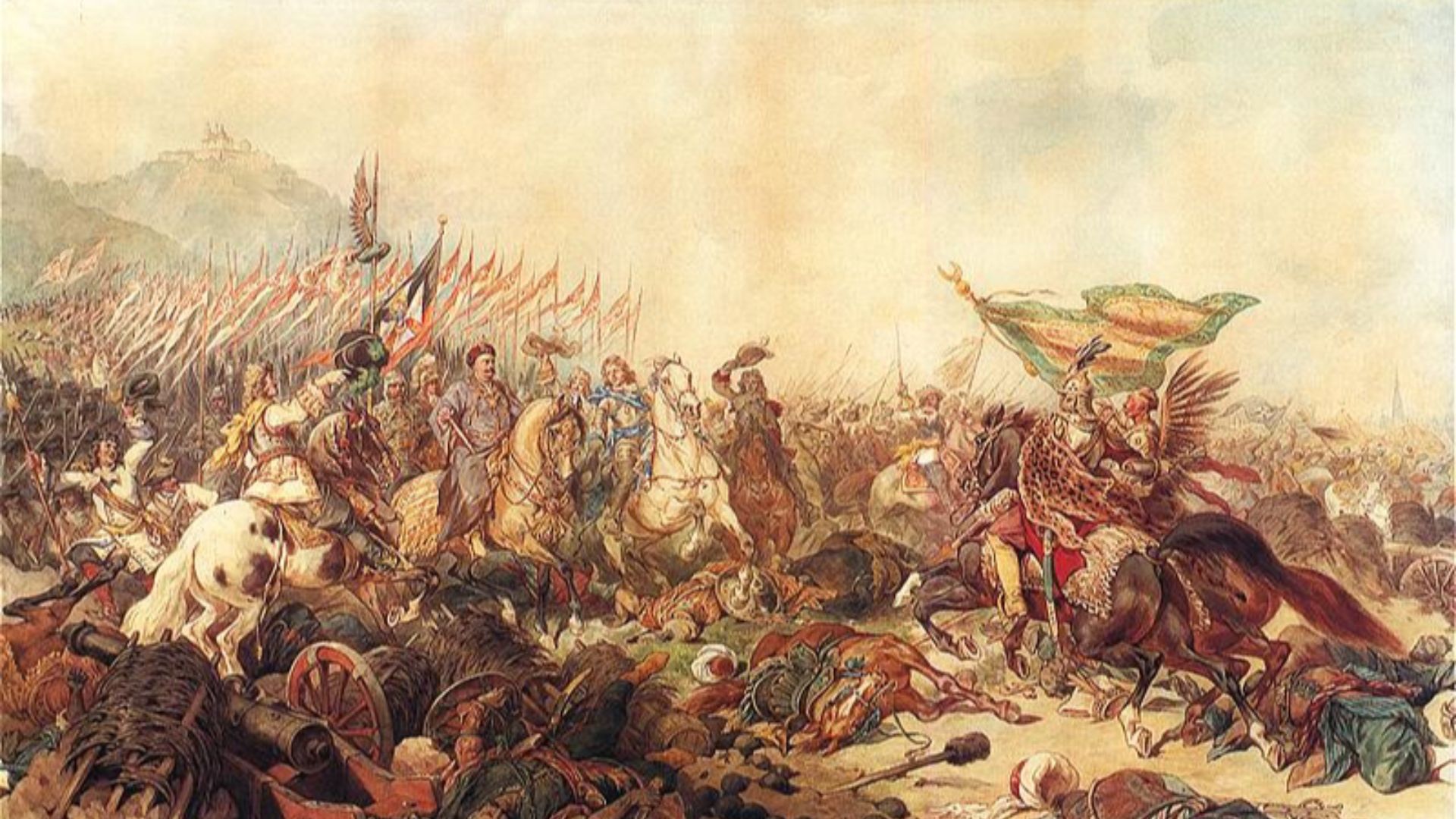
Vienna had been under Ottoman siege for weeks when a relief army finally approached the city. The Christian coalition assembled to rescue it was confronting a large Ottoman force that had already surrounded one of Europe's major capitals and nearly breached its defenses. Fighting culminated in a massive cavalry assault that helped break the Ottoman lines and end the siege. The battle halted a major Ottoman offensive into Central Europe and dramatically changed the strategic situation.
12. Battle of Trenton, 1776
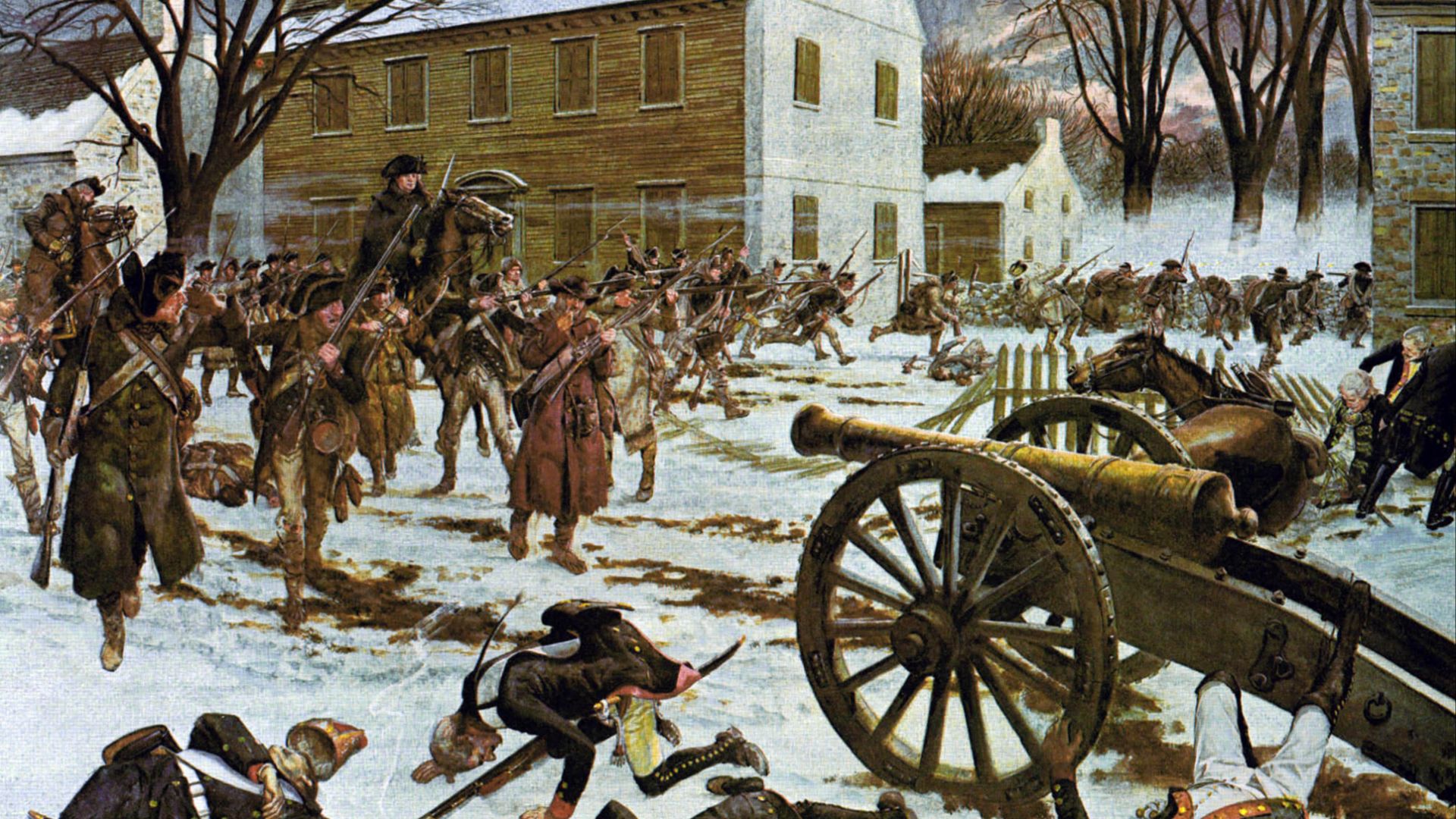
By late 1776, George Washington's Continental Army had suffered repeated defeats, lost New York City, and watched morale take a nosedive. Washington responded with a risky nighttime crossing of the icy Delaware River before launching a surprise attack against Hessian troops stationed at Trenton. The Americans captured hundreds of soldiers while taking relatively light casualties. Trenton wasn't a huge battle, but at a moment when the Revolution looked close to collapse, the psychological victory really mattered.
 Published by U.S. Government Printing Office on Wikimedia
13. Battle of Cowpens, 1781
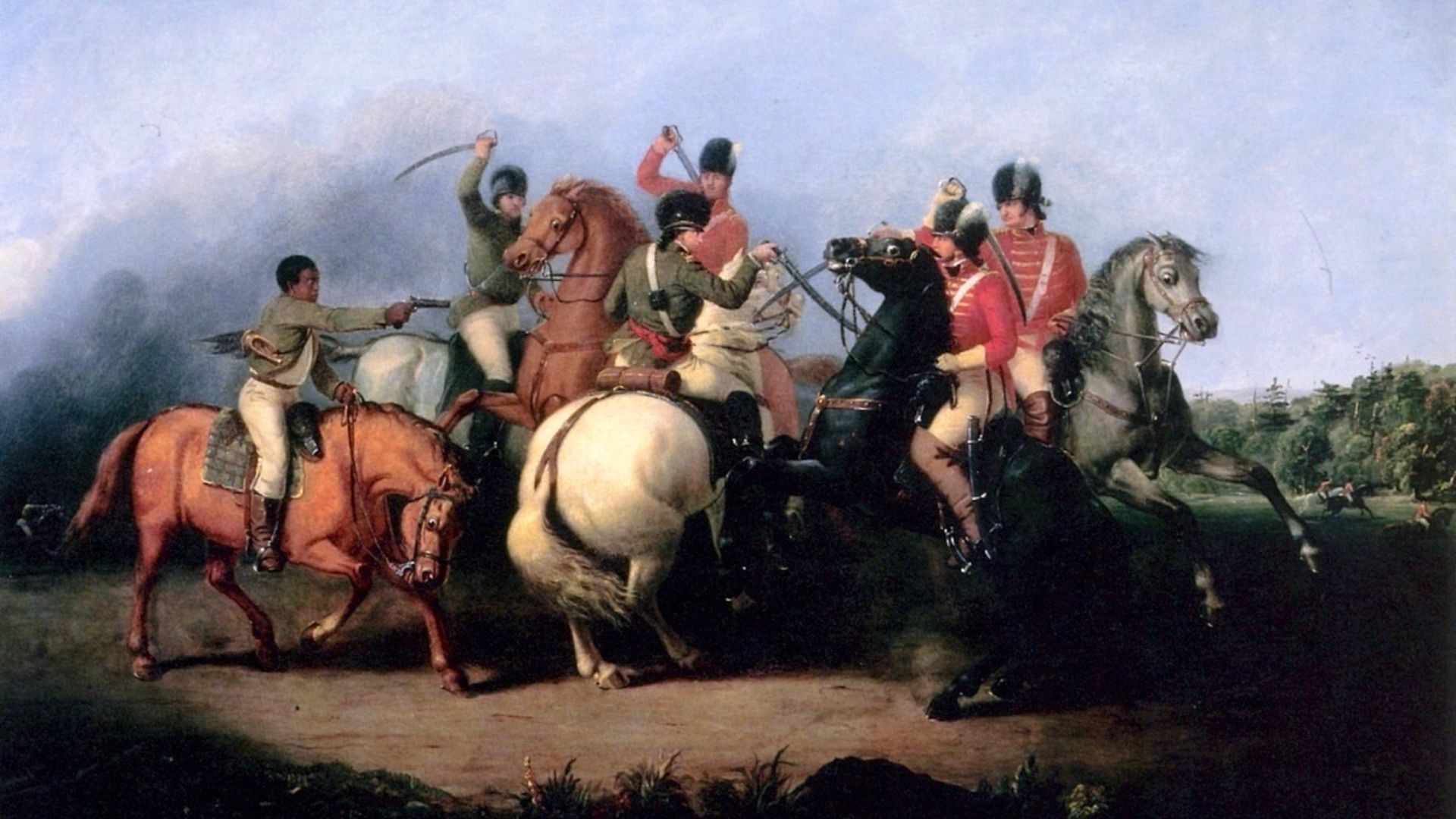
American commander Daniel Morgan faced experienced British troops led by Banastre Tarleton during the southern campaign of the Revolutionary War. Morgan arranged his soldiers in several lines and deliberately planned for the front ranks to fire before withdrawing, knowing the British might mistake the movement for a retreat. Tarleton's troops rushed forward and soon found themselves facing a coordinated American counterattack. The result was an overwhelming American victory that severely weakened British forces in the South.
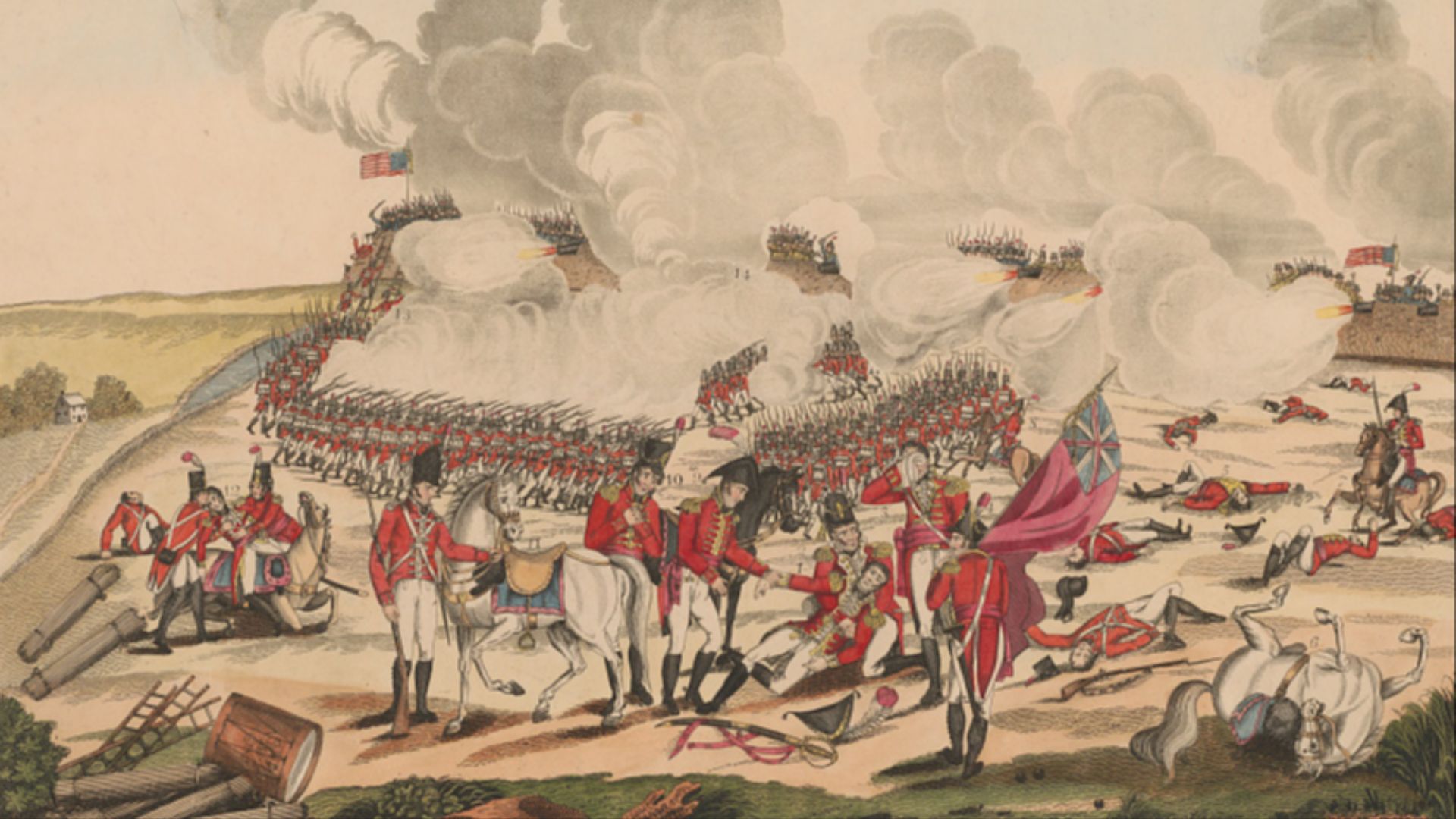
14. Battle of New Orleans, 1815
Andrew Jackson's mixed American force included regular troops, militia units, free Black soldiers, Native American allies, and even pirates when the British approached New Orleans. The attacking British were experienced veterans and expected to overpower the city's defenders. Instead, they advanced across exposed ground toward strong American positions and suffered devastating casualties from concentrated gunfire and artillery.
 William Edward West & Joseph Yeager on Wikimedia
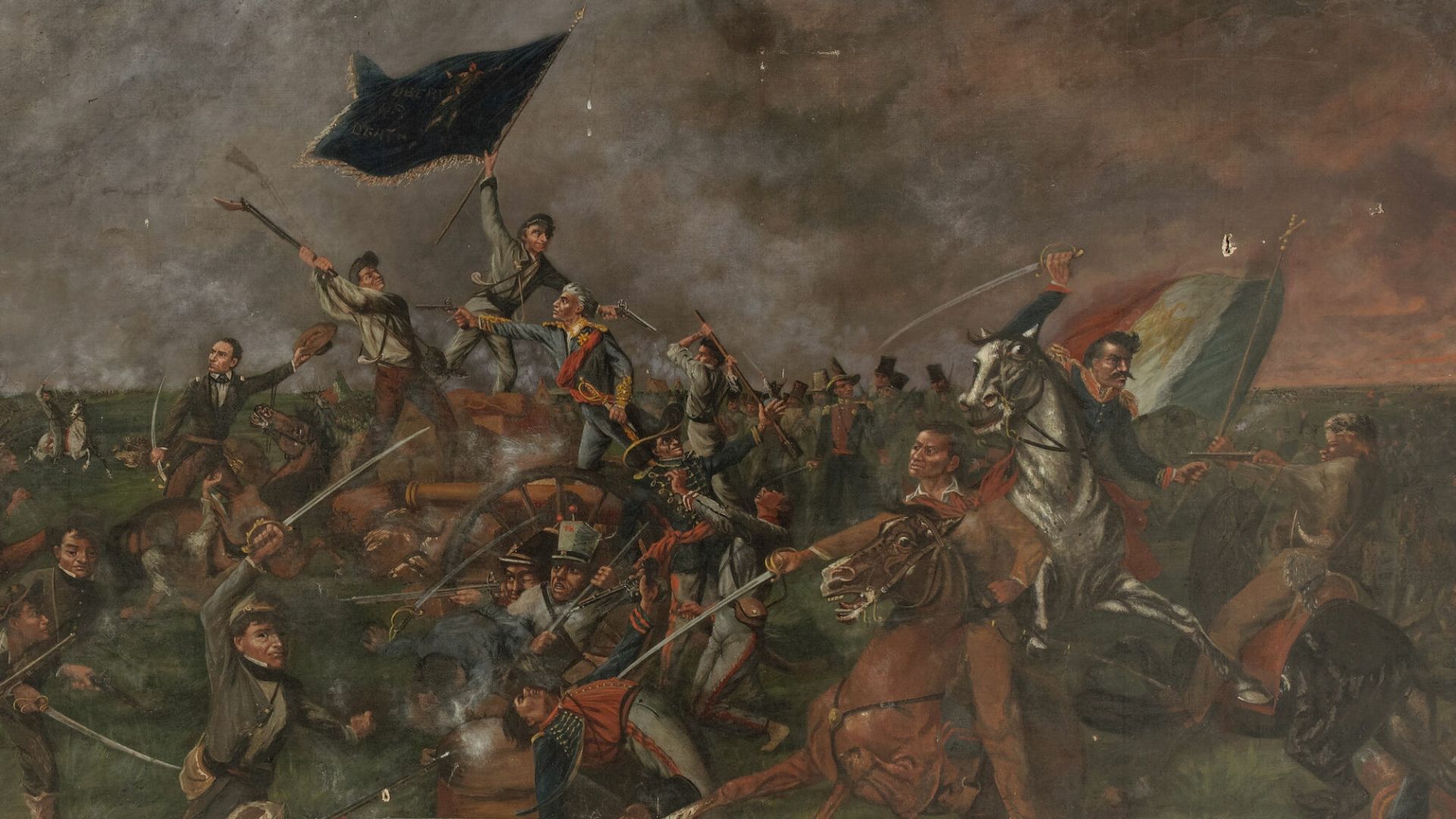
15. Battle of San Jacinto, 1836
After the crushing Texan defeat at the Alamo, Mexican leader Antonio López de Santa Anna appeared to have the rebellion firmly under control. Sam Houston's smaller Texan army eventually caught Santa Anna's forces resting near the San Jacinto River and launched a surprise attack. The battle itself was remarkably brief, with Mexican resistance collapsing rapidly. Santa Anna was captured the next day, giving the Texans a huge amount of leverage in securing independence.
 Henry Arthur McArdle on Wikimedia
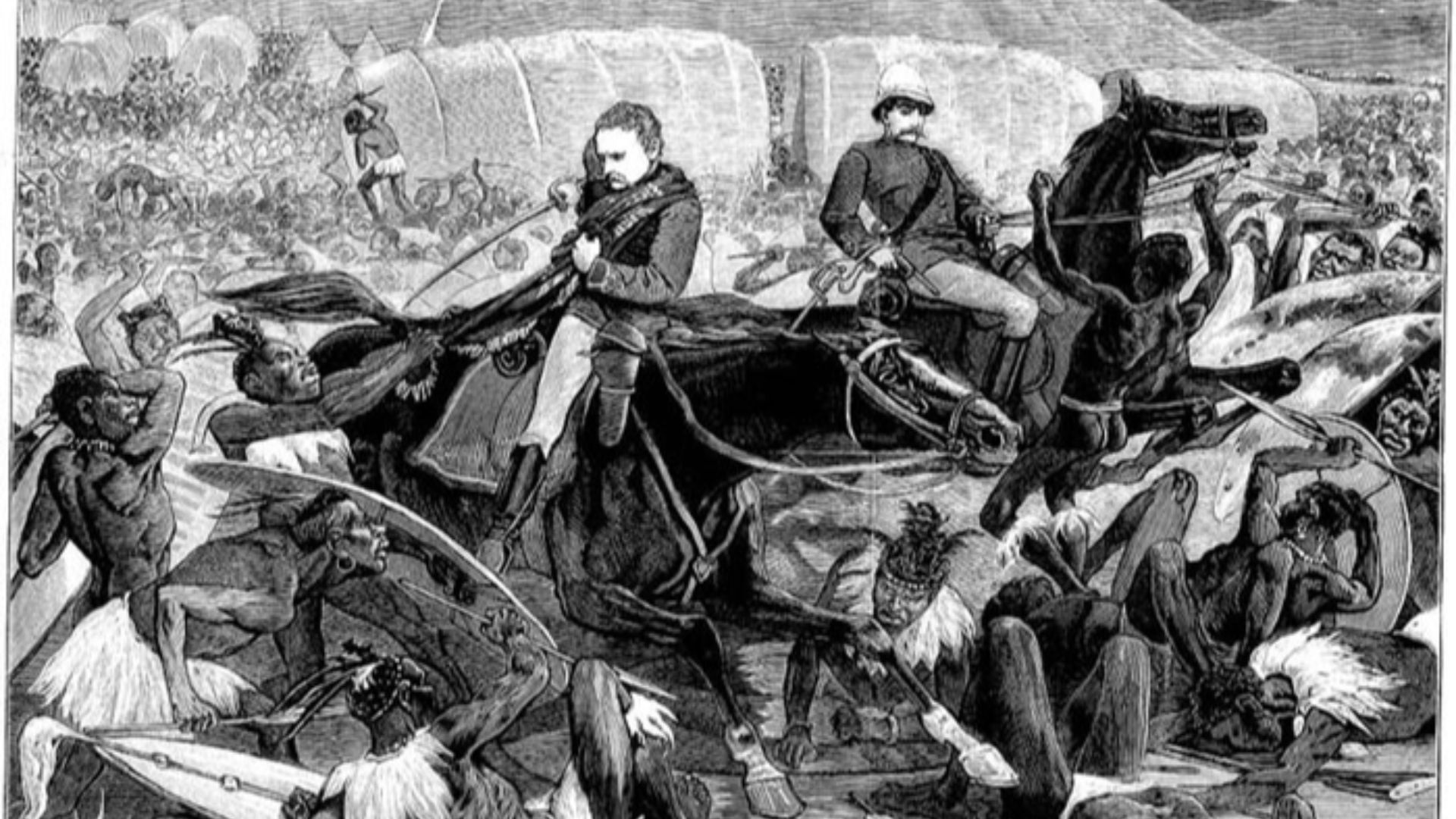
16. Battle of Isandlwana, 1879
British commanders invading the Zulu Kingdom possessed modern rifles, artillery, and the confidence of an empire accustomed to defeating armies around the world. At Isandlwana, however, a massive Zulu force used speed and coordinated encirclement tactics to overwhelm a badly positioned British camp. The destruction of such a heavily armed imperial force stunned Britain and turned Isandlwana into one of the Zulu Kingdom's greatest victories.
 After John Charles Dollman on Wikimedia
17. Battle of Adwa, 1896
Italy expected its invasion of Ethiopia to establish another European colony in Africa, but Emperor Menelik II had assembled a surprisingly powerful resistance. Ethiopian forces greatly outnumbered the Italian army at Adwa and were also better armed than many European officials had assumed. When Italian units became separated during their advance, Ethiopian troops attacked them individually and inflicted a crushing defeat. Ethiopia preserved its independence and became a powerful symbol of successful resistance to European colonial expansion.
18. Battle of Suomussalmi, 1939-1940
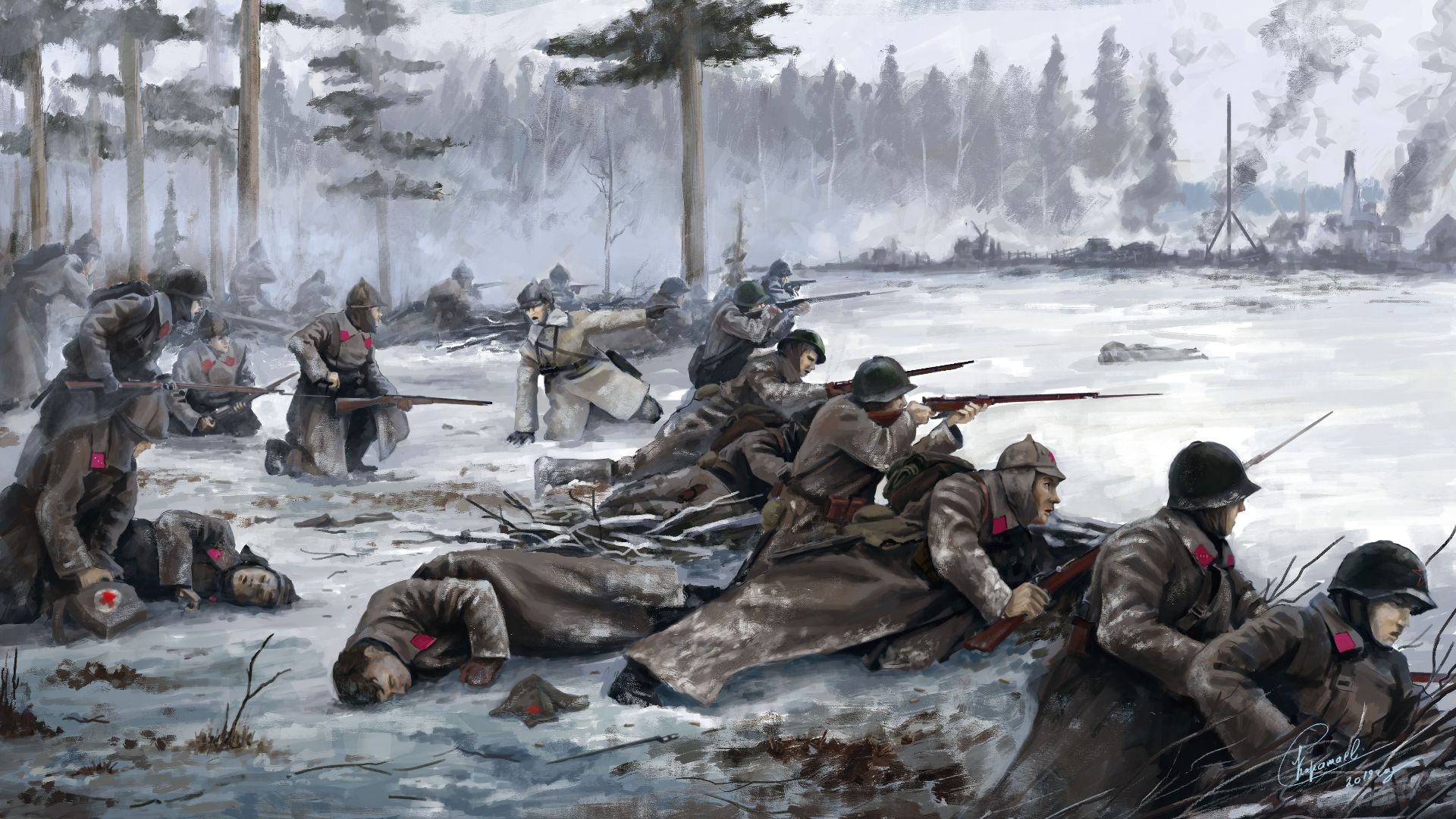
During the Winter War, the Soviet Union invaded Finland with vastly greater numbers of soldiers, tanks, aircraft, and artillery. Around Suomussalmi, Finnish troops used skis, forests, freezing temperatures, and intimate knowledge of the terrain to isolate Soviet columns stretched along narrow roads. They repeatedly attacked separated sections. A Soviet operation that looked overwhelming on paper ended with entire formations destroyed or scattered.
19. Battle of Rorke’s Drift, 1879
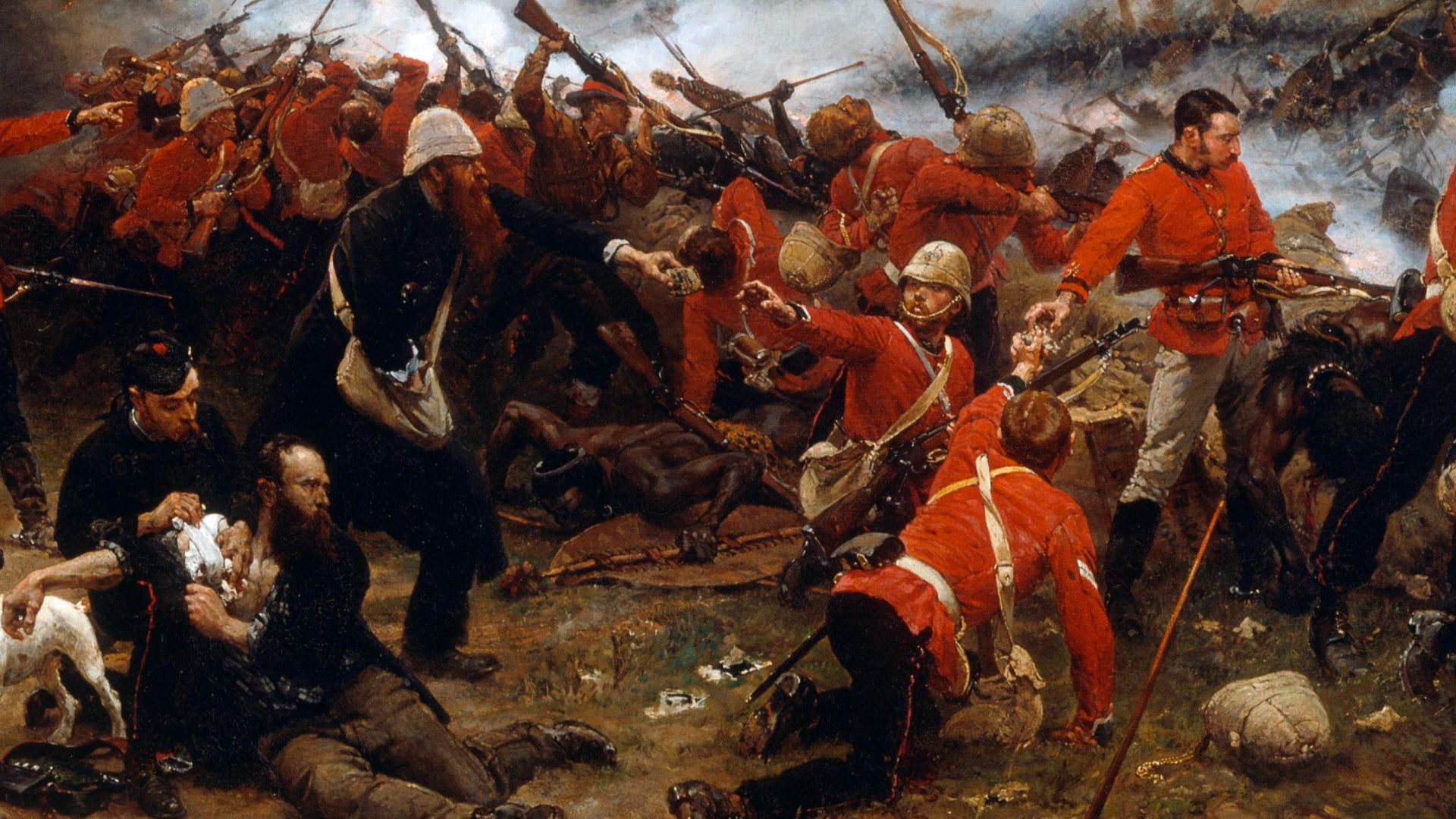
Just hours after the British disaster at Isandlwana, a small garrison at Rorke’s Drift found itself facing several thousand Zulu warriors. Roughly 150 British and colonial troops hurriedly fortified the mission station with mealie bags, biscuit boxes, and whatever else they could use for cover. The defenders held off repeated attacks through the night despite being outnumbered by an enormous margin. By morning, the Zulu force had withdrawn, leaving behind one of the most famous last-stand victories in British military history.
 Alphonse de Neuville on Wikimedia
20. Battle of Longewala, 1971
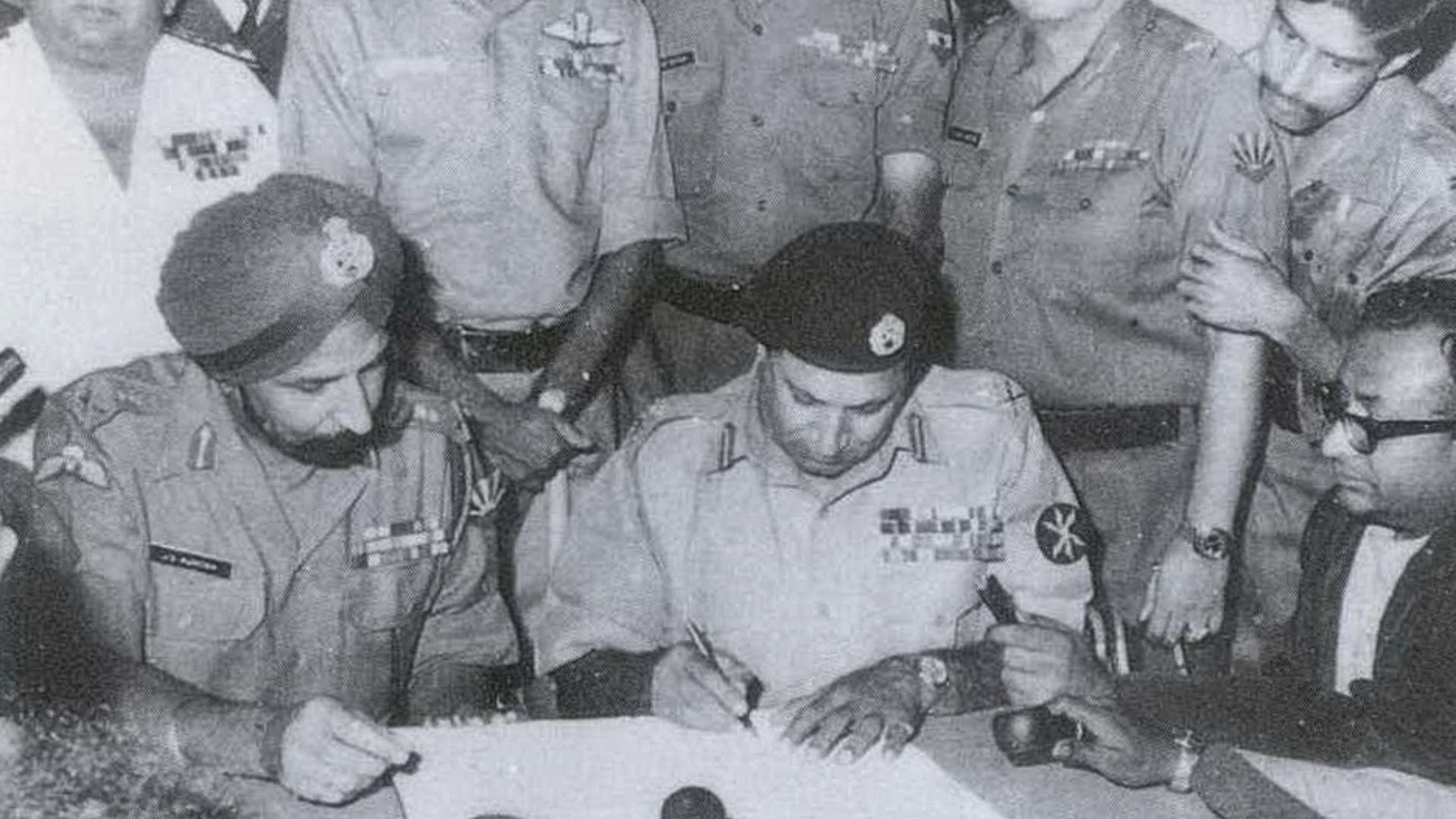
During the Indo-Pakistani War of 1971, a small Indian force stationed at Longewala faced a much larger Pakistani armored column advancing through the Rajasthan desert. The defenders held their position overnight despite being heavily outnumbered and lacking the strength to stop the attackers through ground combat alone. Once daylight arrived, Indian aircraft repeatedly struck Pakistani tanks and vehicles exposed in the desert. The attempted breakthrough collapsed, turning what initially looked like an almost hopeless defense into a famous Indian victory.
KEEP ON READING