Built Fast, Gone Faster
Conquest is the easy part, which is the uncomfortable lesson buried in most imperial history. A capable general with momentum can take enormous territory in a decade. Holding it requires bureaucrats, roads, tax collection, and some reason for conquered people to accept the arrangement, and that's where most of these fell apart. A few empires solved the problem so thoroughly they lasted longer than some languages. Here's 10 that burned out before the founder's grandchildren were grown, and here are 10 empires that rules for centuries.

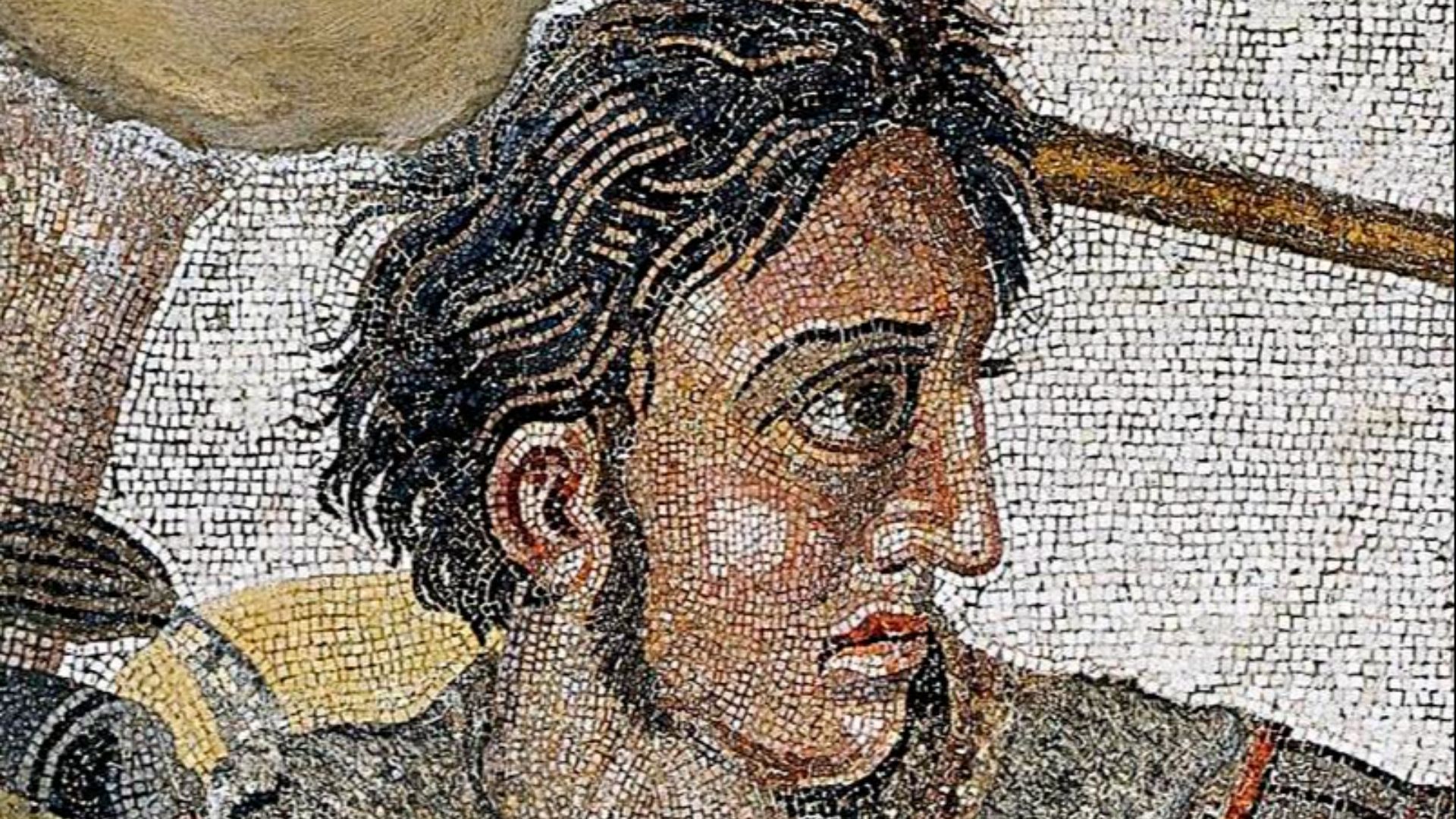
1. Alexander's Macedonian Empire
Alexander conquered from Greece to the Indus in about eleven years and died at 32 without naming a successor. His generals carved the territory into competing kingdoms almost immediately. The empire as a single entity lasted roughly a decade.
 Unknown authorUnknown author on Wikimedia
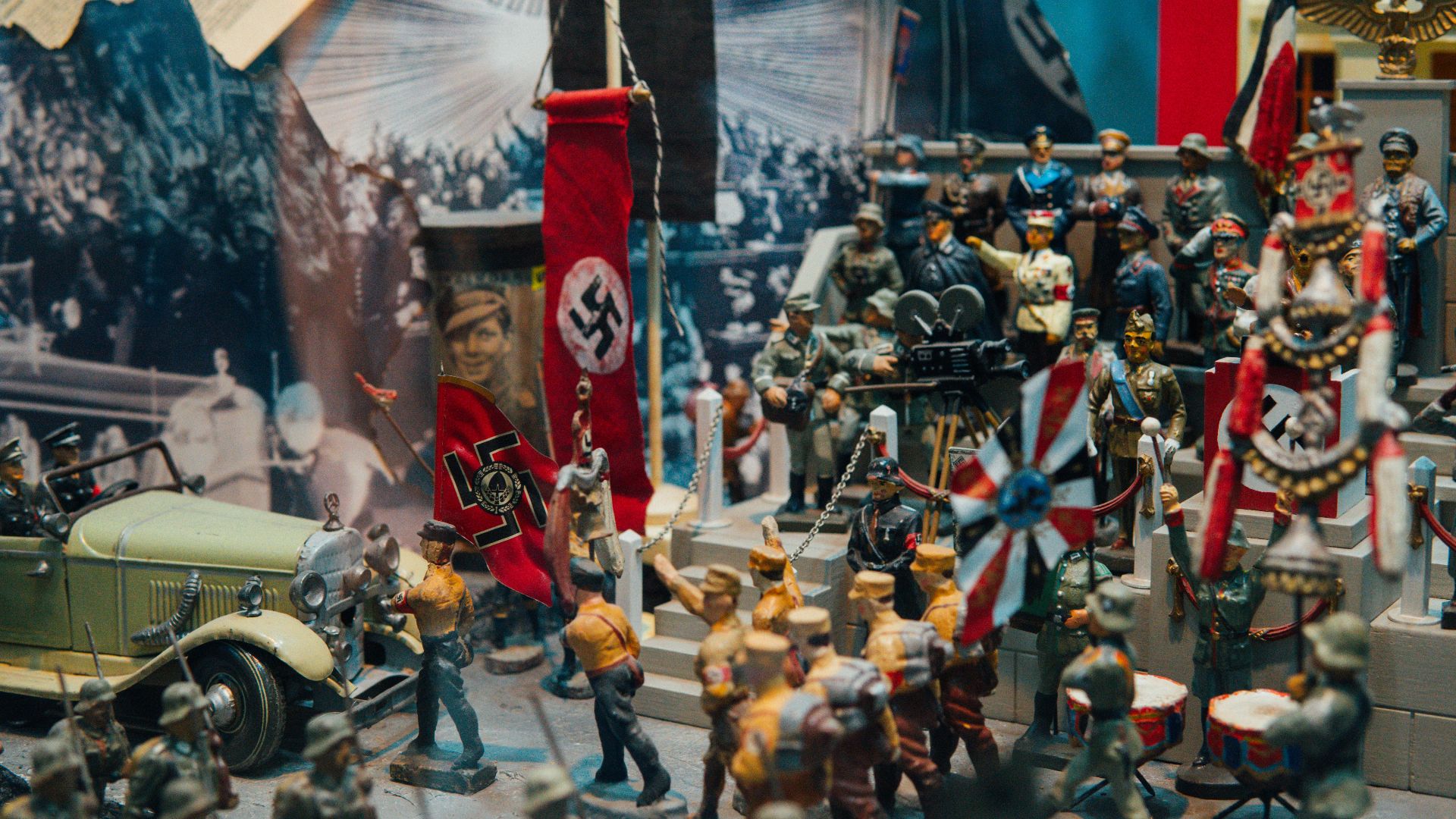
2. The Third Reich
Hitler's regime lasted twelve years and spent most of the last three losing territory it had taken in the first three. The "thousand-year" framing was propaganda from the start. Almost nothing of the imperial structure survived 1945.
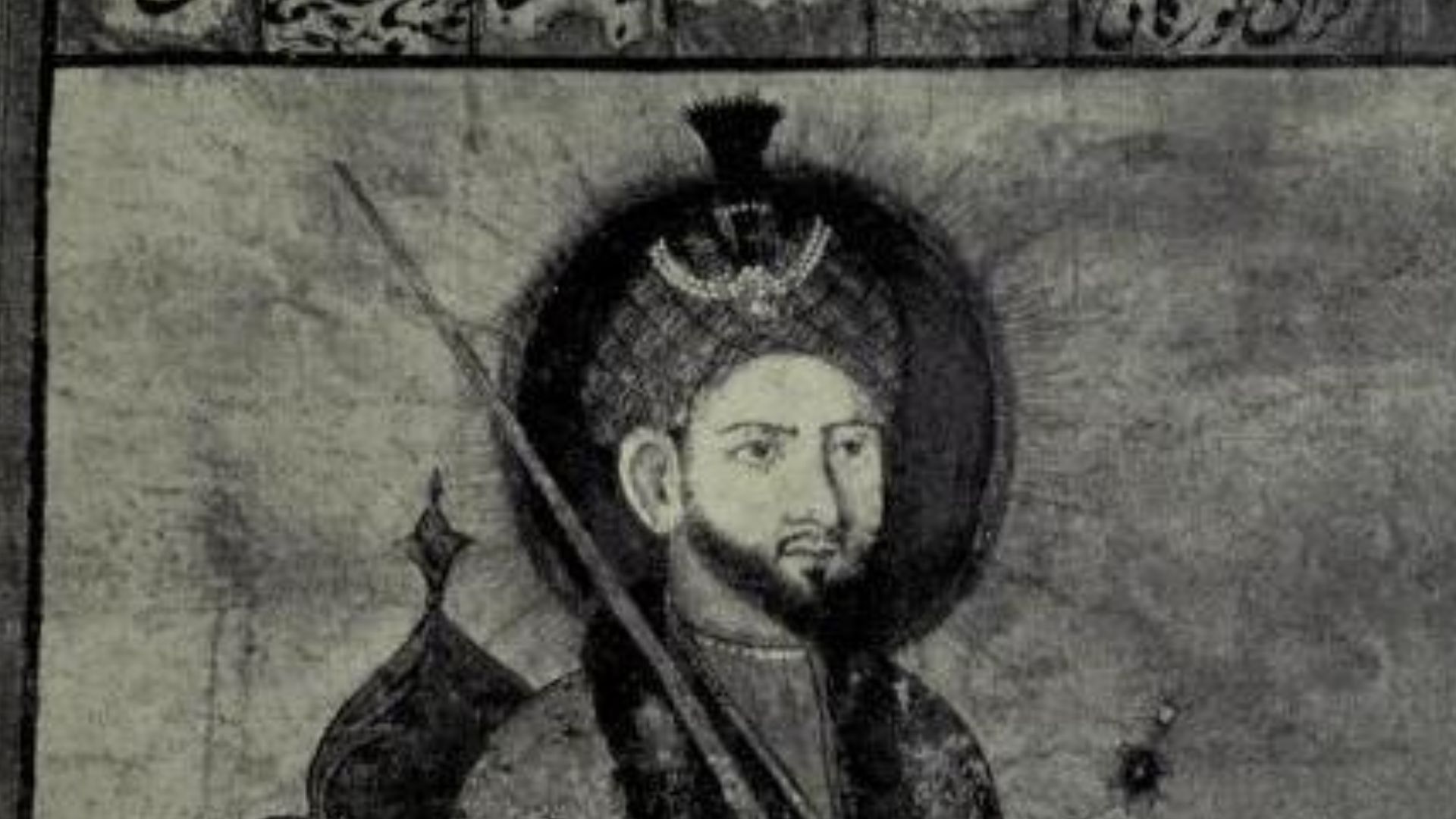
3. Tamerlane's Timurid Empire
Timur spent thirty-five years conquering Persia, India, and swaths of the Middle East, mostly through campaigns that leveled cities entirely. He died in 1405 heading toward China. The empire fractured among his sons within a few years of the funeral.
4. The Empire of Napoleon
France dominated continental Europe from roughly 1804 to 1814, a stretch shorter than most people's careers. The Russian campaign of 1812 destroyed the army that made it possible. Waterloo three years later ended the second attempt in a single afternoon.
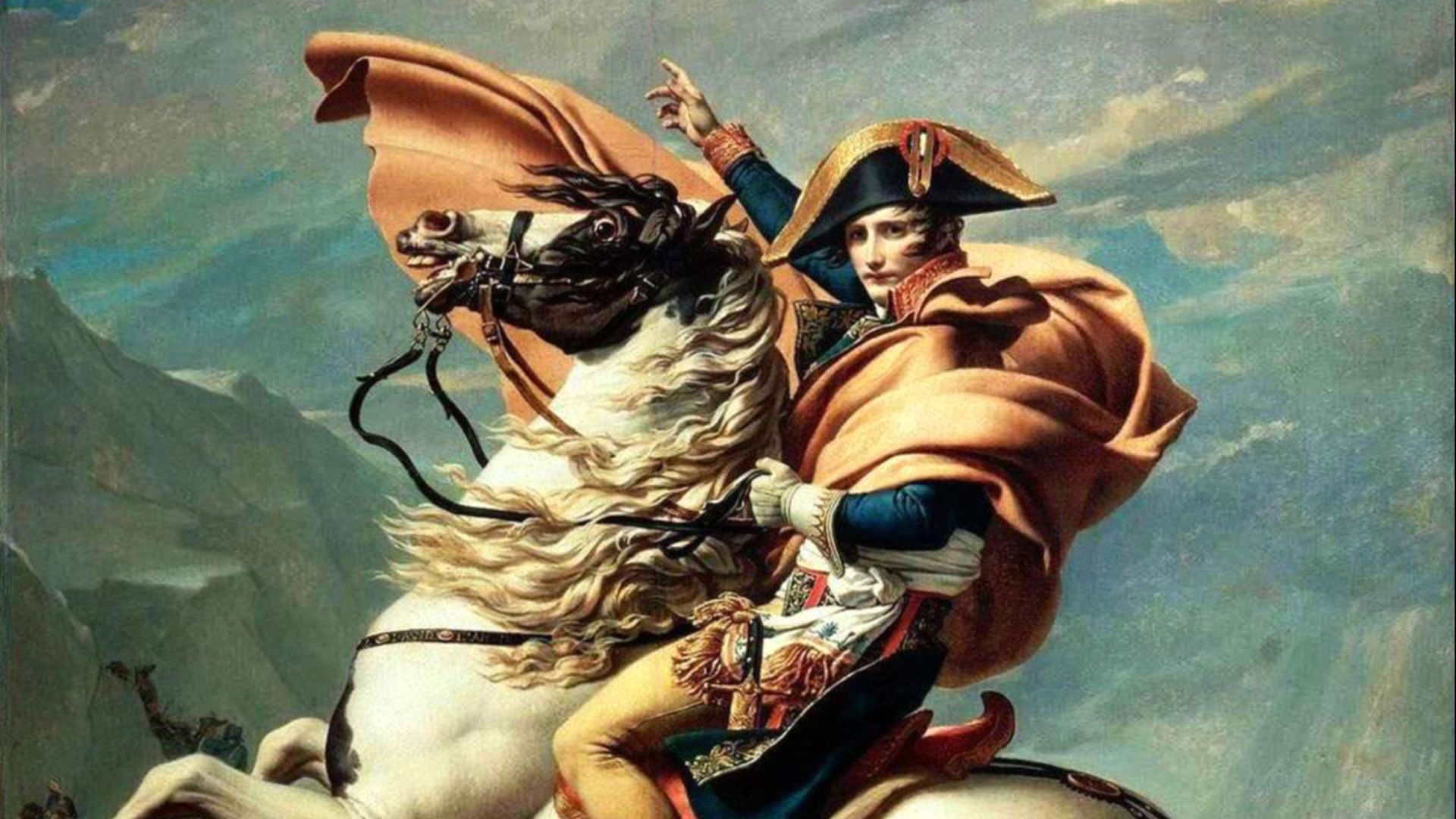 Jacques-Louis David on Wikimedia
5. The Sassanid-Byzantine Exhaustion
Not a collapse of one empire so much as two, and worth including for how fast it happened. The Sassanids and Byzantines fought a war from 602 to 628 that drained both treasuries and armies completely. Arab forces took Sassanid Persia within twenty years of the ceasefire.
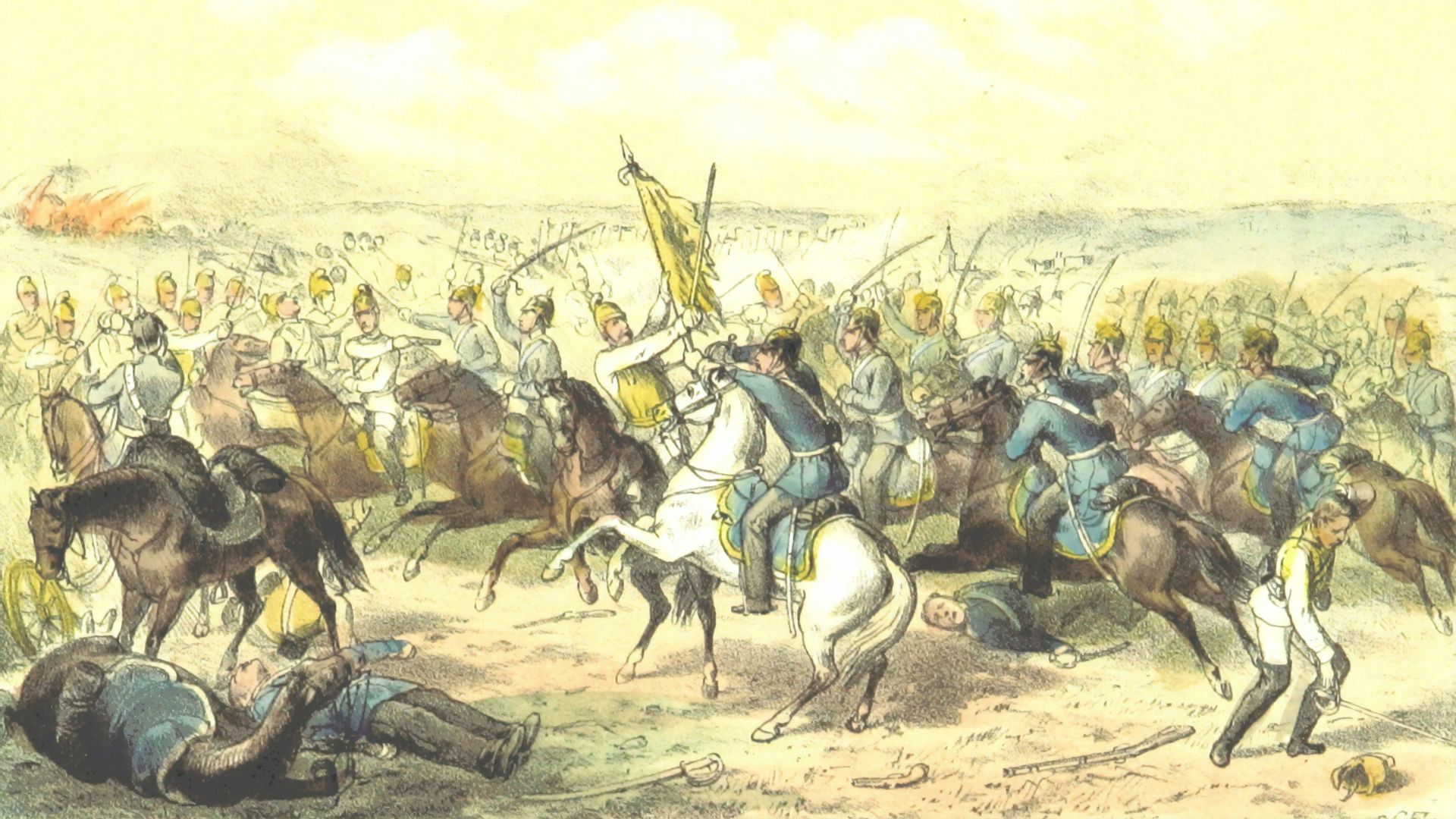
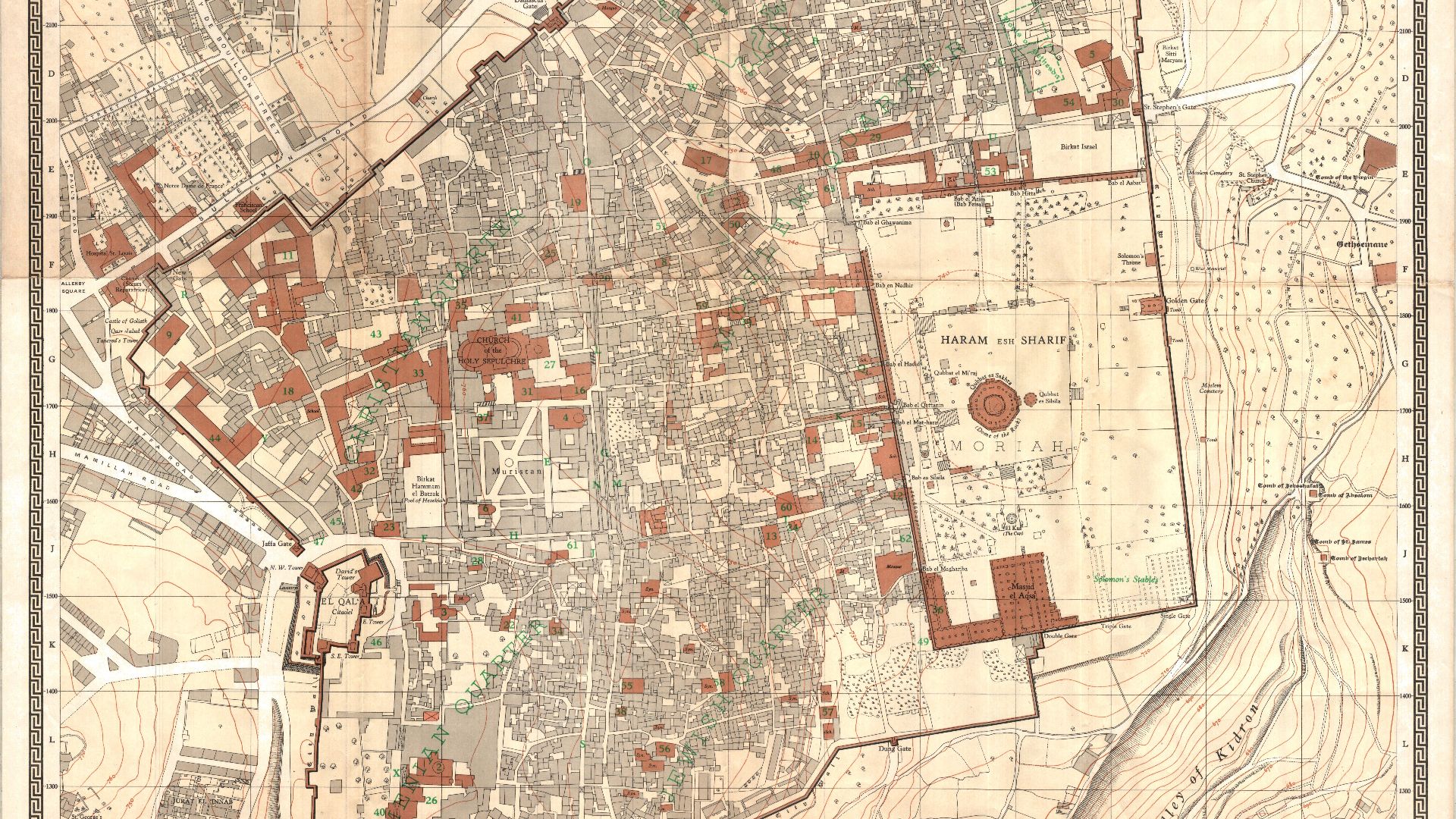
6. The Kingdom of Jerusalem
Crusader states held territory in the Levant from 1099, and the Kingdom of Jerusalem lost the city itself to Saladin in 1187. The core imperial project lasted under a century. Remnant coastal holdings hung on until 1291 without much power behind them.
 Survey of Palestine on Wikimedia
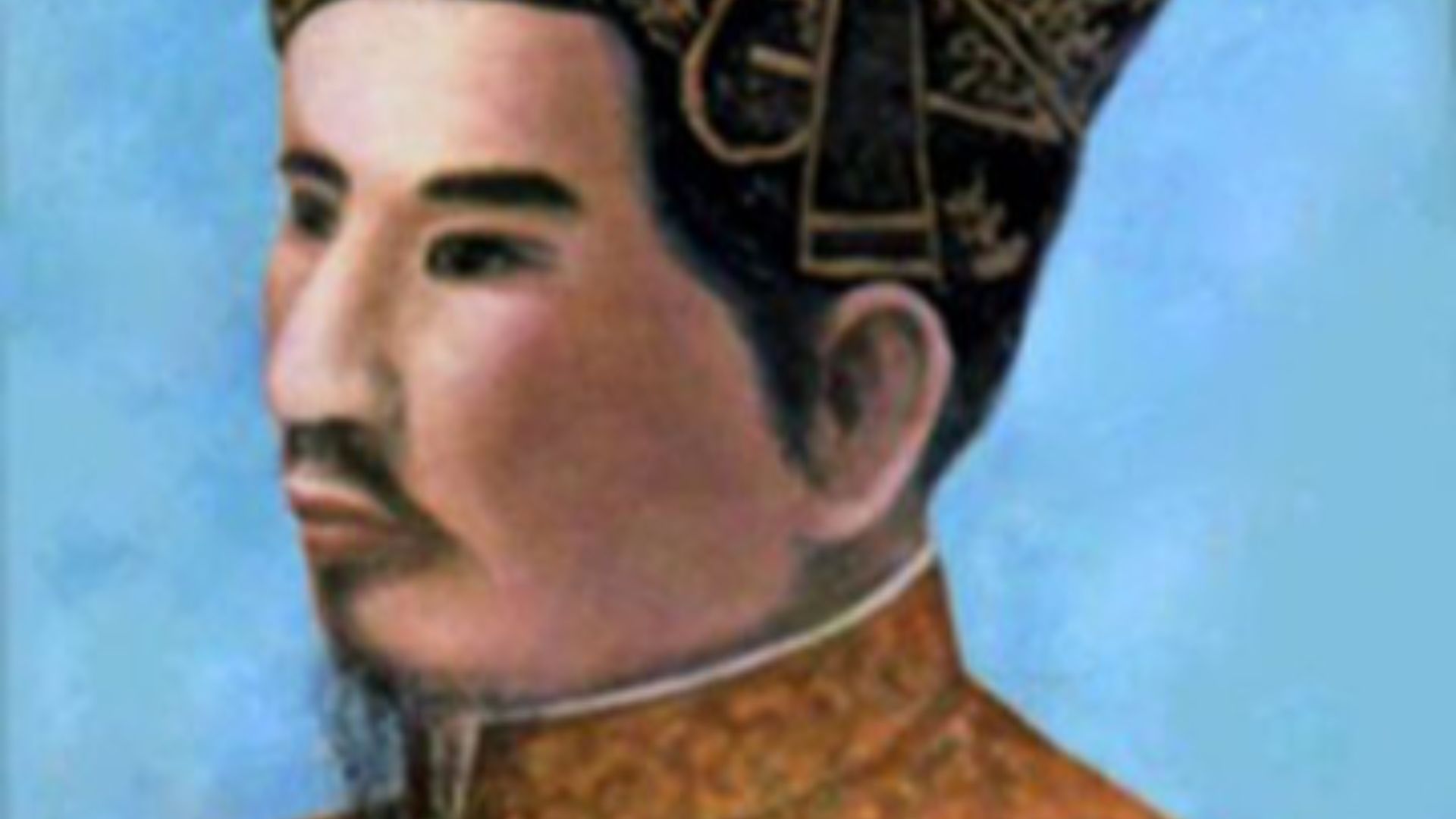
7. The Nguyen and Tay Son Dynasty
The Tay Son brothers overthrew centuries-old Vietnamese ruling houses in the 1770s and took the whole country. Their rule lasted roughly twenty-five years. Nguyen Anh reconquered it in 1802 and founded a dynasty that outlived them by a century.
 Unknown authorUnknown author, restored by Nguyễn Phước Vĩnh Khánh ([1]) on Wikimedia
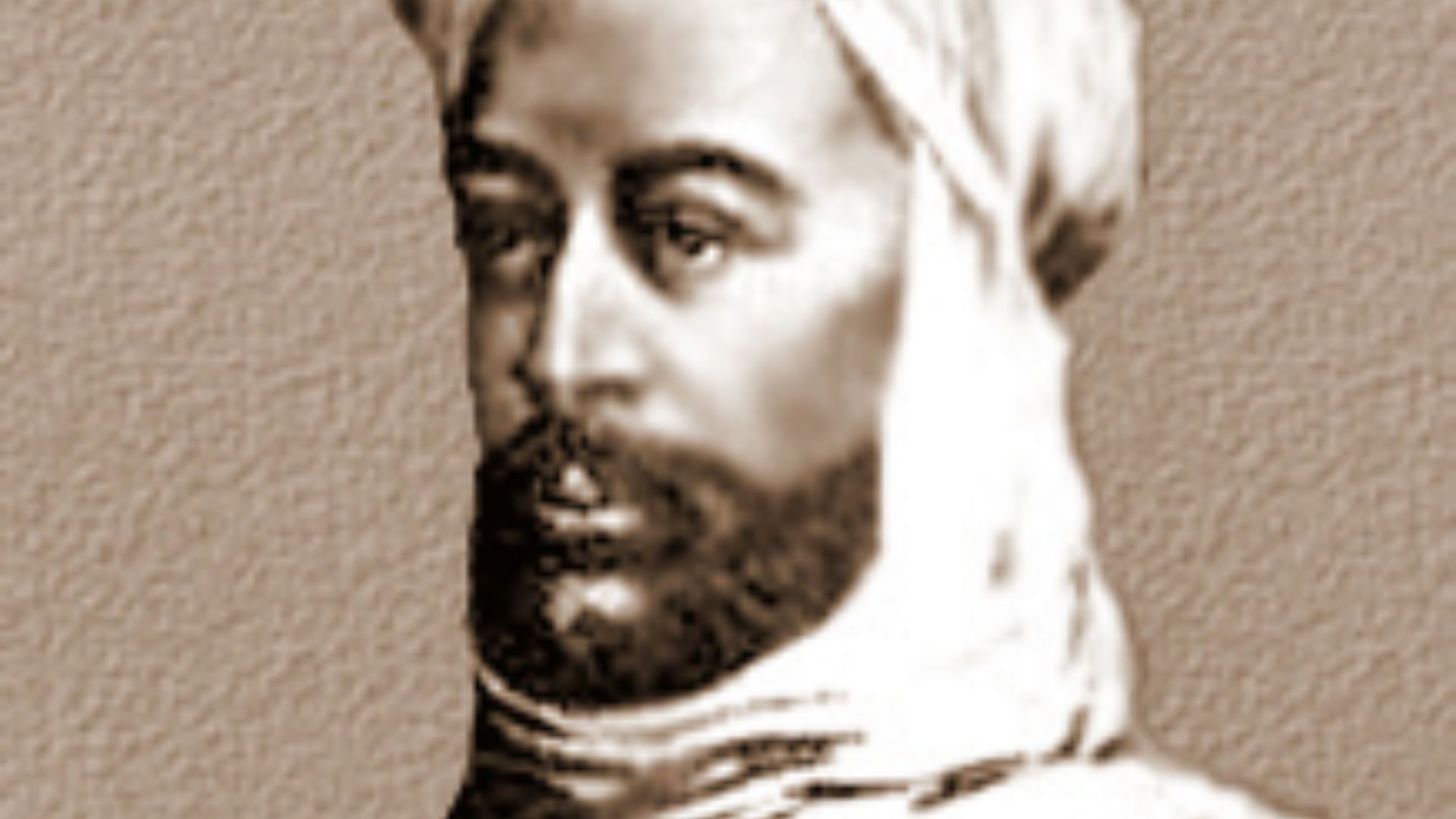
8. The Mahdist State
Muhammad Ahmad declared himself the Mahdi in 1881 and took Sudan from Egyptian control, including Khartoum in 1885. He died months after that victory. British forces destroyed the state at Omdurman in 1898, thirteen years after its founding.
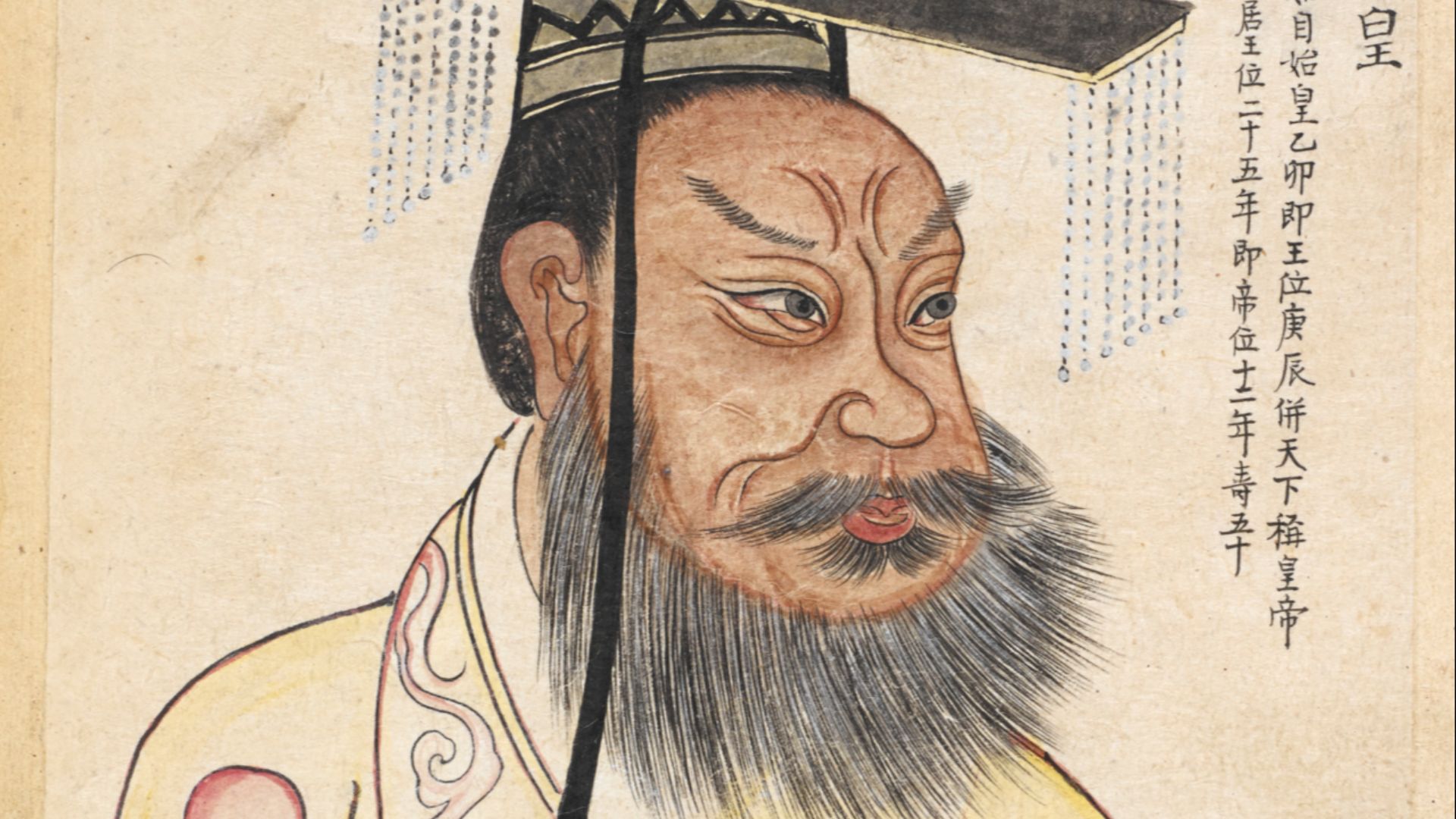
9. Qin Dynasty China
Qin Shi Huang unified China in 221 BCE and built the administrative system every later dynasty borrowed from. The dynasty itself collapsed four years after his death. Fifteen years total, and the legal framework outlived it by two millennia.
 Unknown authorUnknown author on Wikimedia
10. The Aztec Triple Alliance at Its Peak
The alliance ruled central Mexico for less than a century before Cortés arrived in 1519. Two years later Tenochtitlan had fallen. Disease and Indigenous allies did most of the work, and the empire vanished within a single reign.
Now, here's 10 empires that endured for centuries.

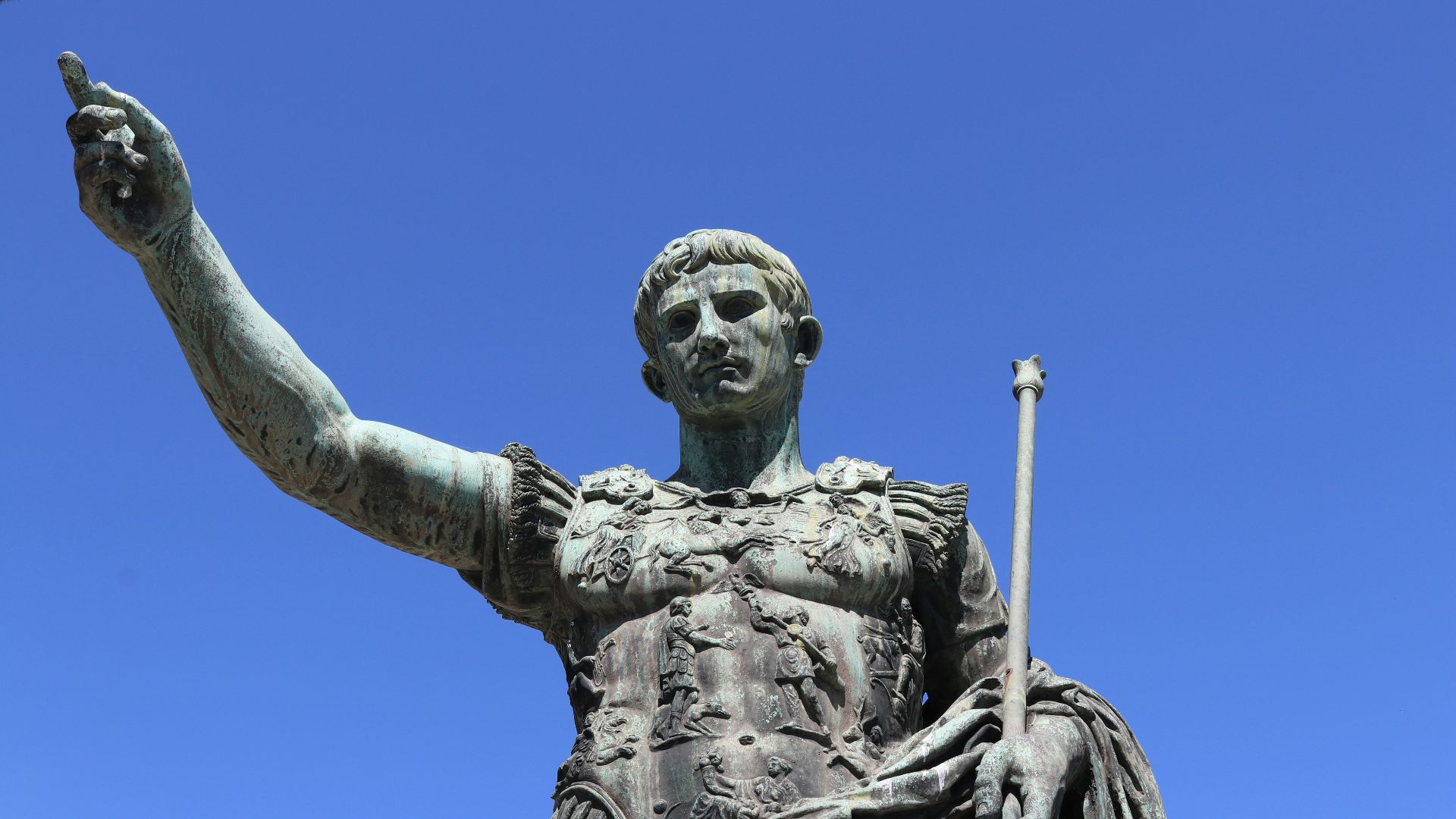
1. The Roman Empire
Rome ran as an imperial state for roughly five centuries in the west, and the eastern half continued for another thousand years after that. Roads, citizenship grants, and a professional army did the holding. The Senate outlasted several dynasties that tried to abolish it.
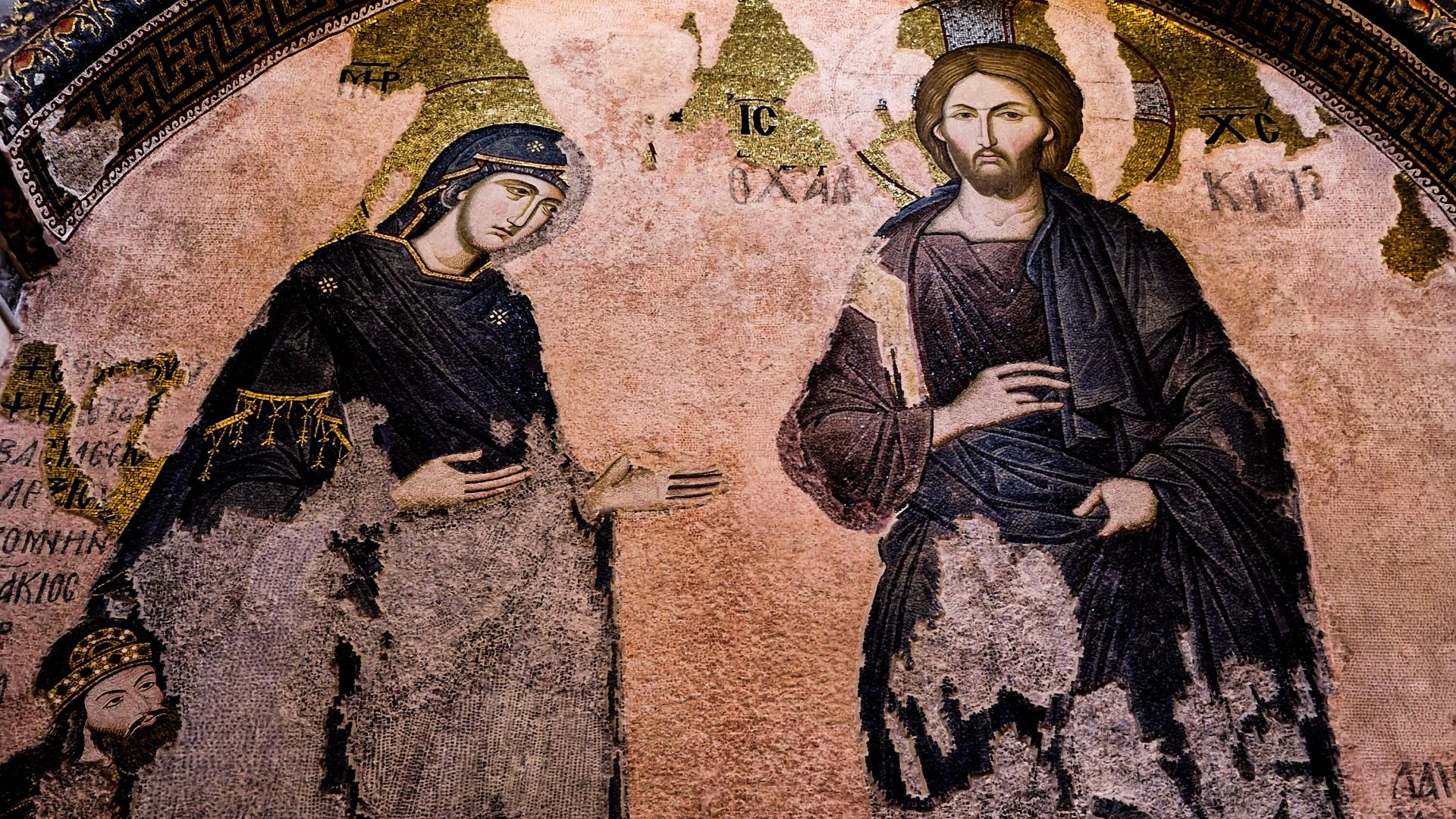
2. The Byzantine Empire
Constantinople held out from 330 to 1453, absorbing sieges from Persians, Arabs, Bulgars, and eventually Ottomans. Its survival came down to walls, naval technology, and diplomatic patience. Eleven centuries is longer than the United States has existed by a factor of five.
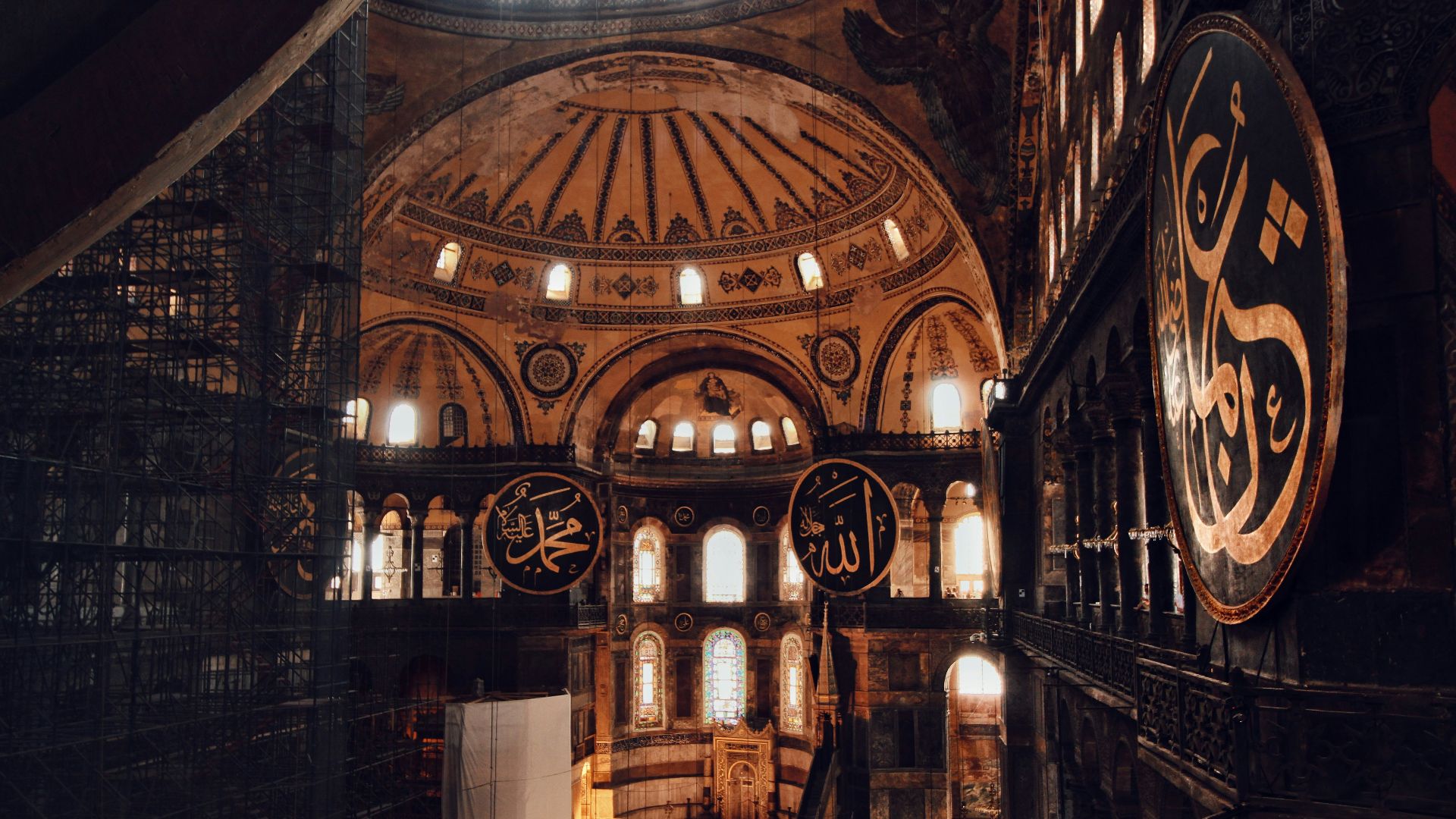
3. The Ottoman Empire
Founded around 1299, the Ottomans lasted until 1922, spanning six hundred years and three continents. The millet system let conquered religious communities govern their own affairs. That single administrative choice bought centuries of relative stability.
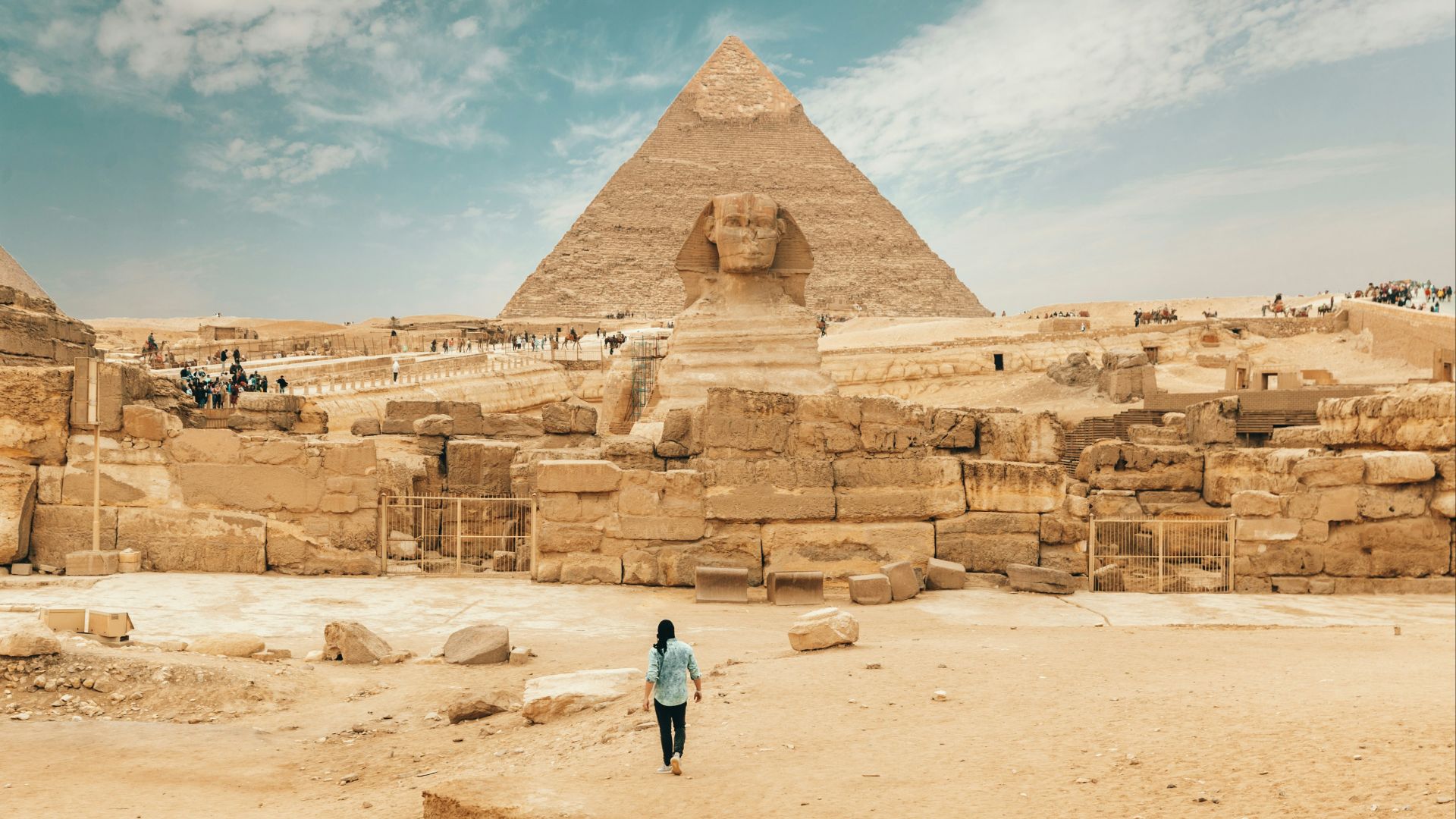
4. Ancient Egypt
Pharaonic Egypt ran for roughly three thousand years across thirty-odd dynasties, with interruptions but remarkable continuity. The Nile's predictable flooding made agricultural surplus reliable. Cleopatra lived closer in time to the moon landing than to the building of the Great Pyramid.
5. The Holy Roman Empire
It lasted from 962 to 1806, and Voltaire's line about it being neither holy nor Roman nor an empire captures the joke everyone was already making. The looseness was the point. Decentralization meant no single defeat could end it.
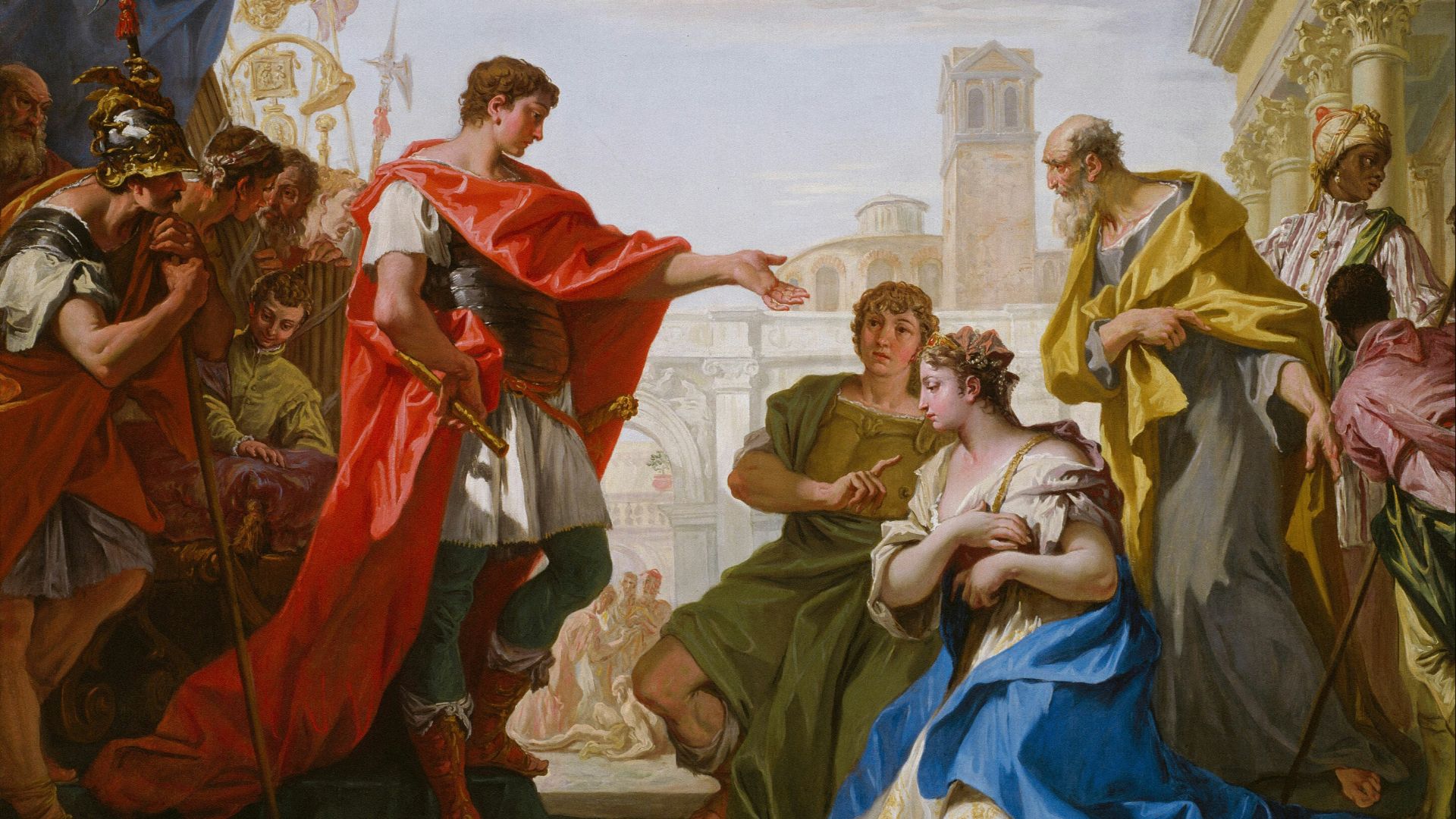 Art Institute of Chicago on Unsplash
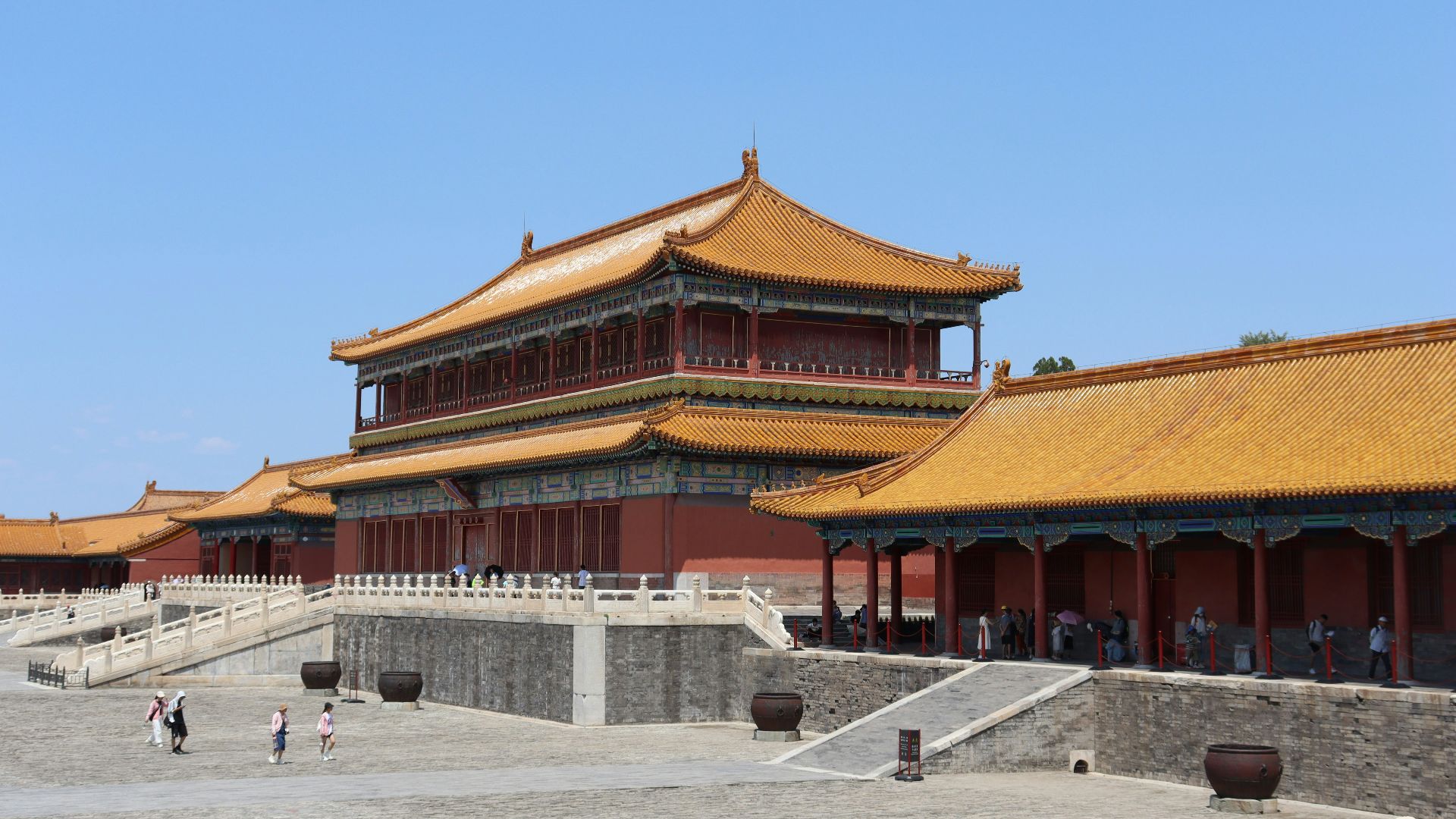
6. Imperial China Under the Han
The Han ruled for four centuries and established the civil service exam system that later dynasties kept using. Merit-based bureaucracy meant governance didn't depend on any one emperor being competent. The ethnic majority in China still calls itself Han.
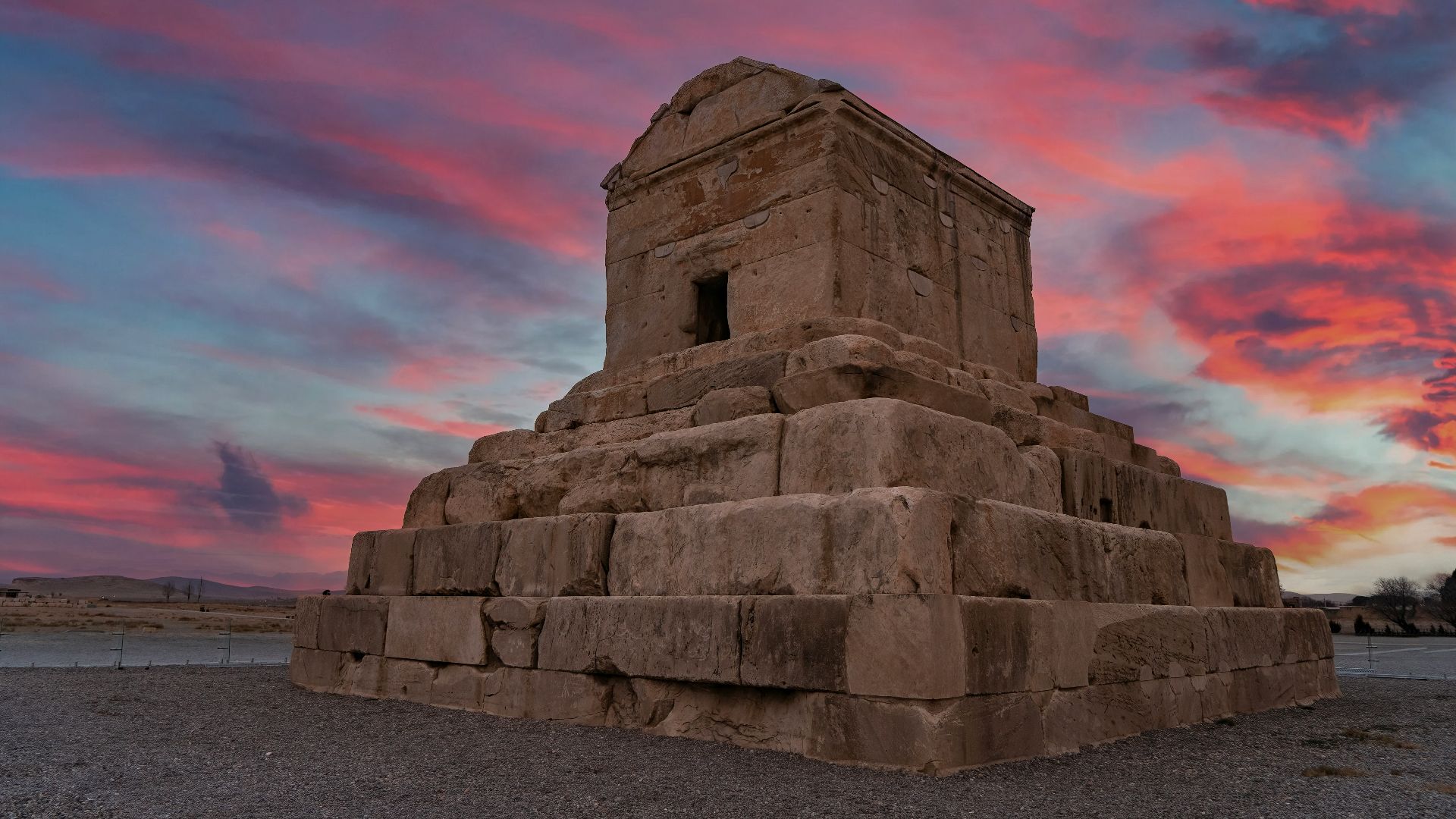
7. The Persian Achaemenid Empire
Cyrus and his successors ran the largest empire in the world at the time for over two centuries, from about 550 to 330 BCE. Satrapies gave local governors real authority within a central framework. It took Alexander to end it.
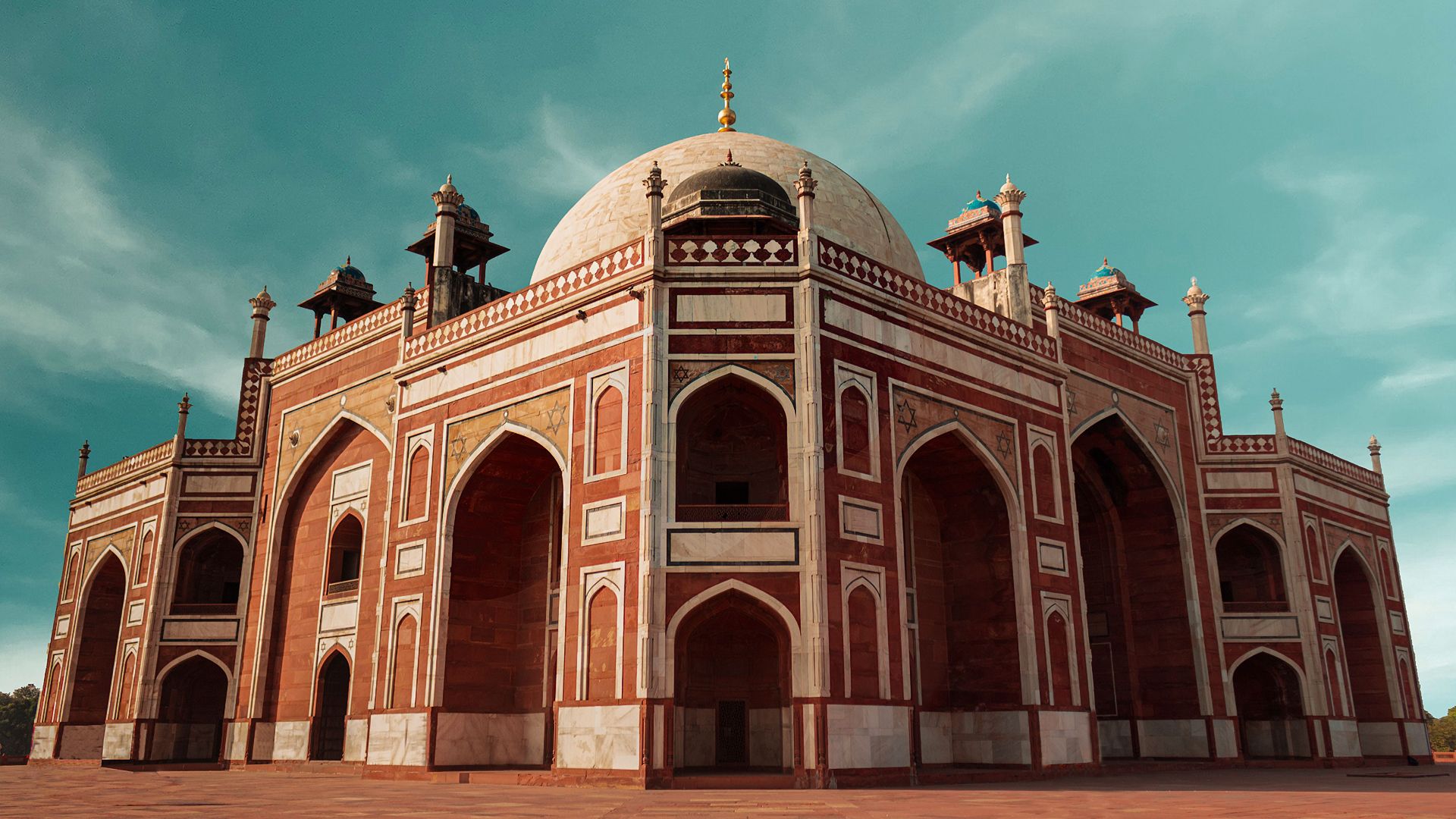
8. The Mughal Empire
The Mughals held most of the Indian subcontinent from 1526 into the 1700s, with real power lasting roughly two hundred years. Akbar's religious tolerance policies kept a Muslim minority ruling a Hindu majority without constant revolt. The decline came slowly, over generations.
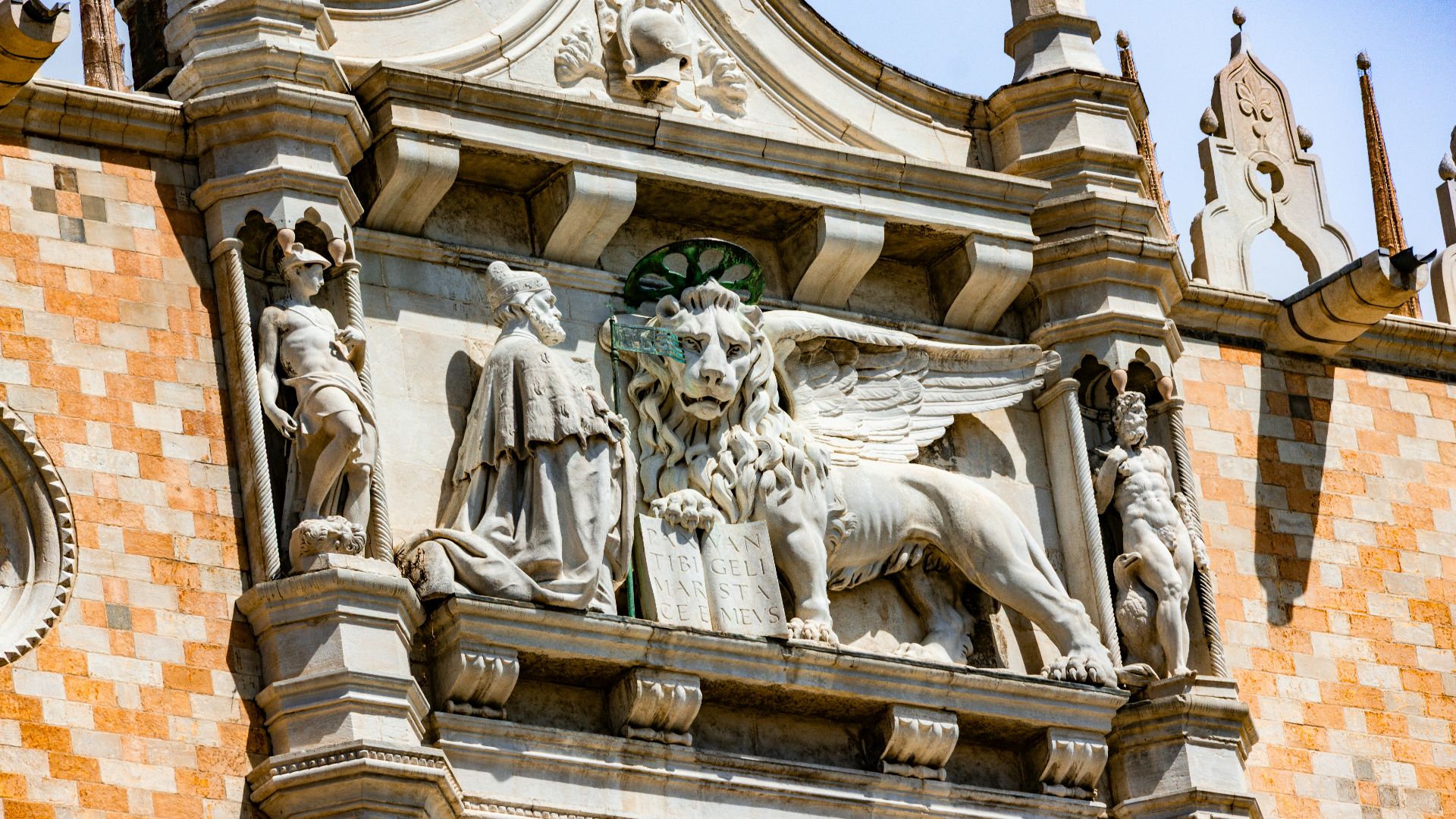
9. The Republic of Venice
Venice governed as an independent maritime power from the late 600s until Napoleon ended it in 1797, over a millennium. It never conquered much land, holding trade routes instead. Elected doges and institutional continuity outlasted every empire around it.
10. The British Empire
Britain built the largest empire in history across roughly three centuries, peaking at about a quarter of the world's land. Naval supremacy and indirect rule through local elites kept the costs manageable. Decolonization after 1945 unwound it faster than it was built.

KEEP ON READING