Unusual Resumes Before Historical Fame
When you think of historical figures, you think of people who are remembered for leading nations (for good or bad), writing influential novels, leading iconic films, and more. Everything always seems so big and grand, which is why it's easy to overlook the small details, like how they might've started out with humble jobs. If there's anything to take away here, it's that early employment by no means predicts greatness or terrible leadership. Here are 20 historical figures who worked surprising jobs.
 Boy Scouts of America on Wikimedia
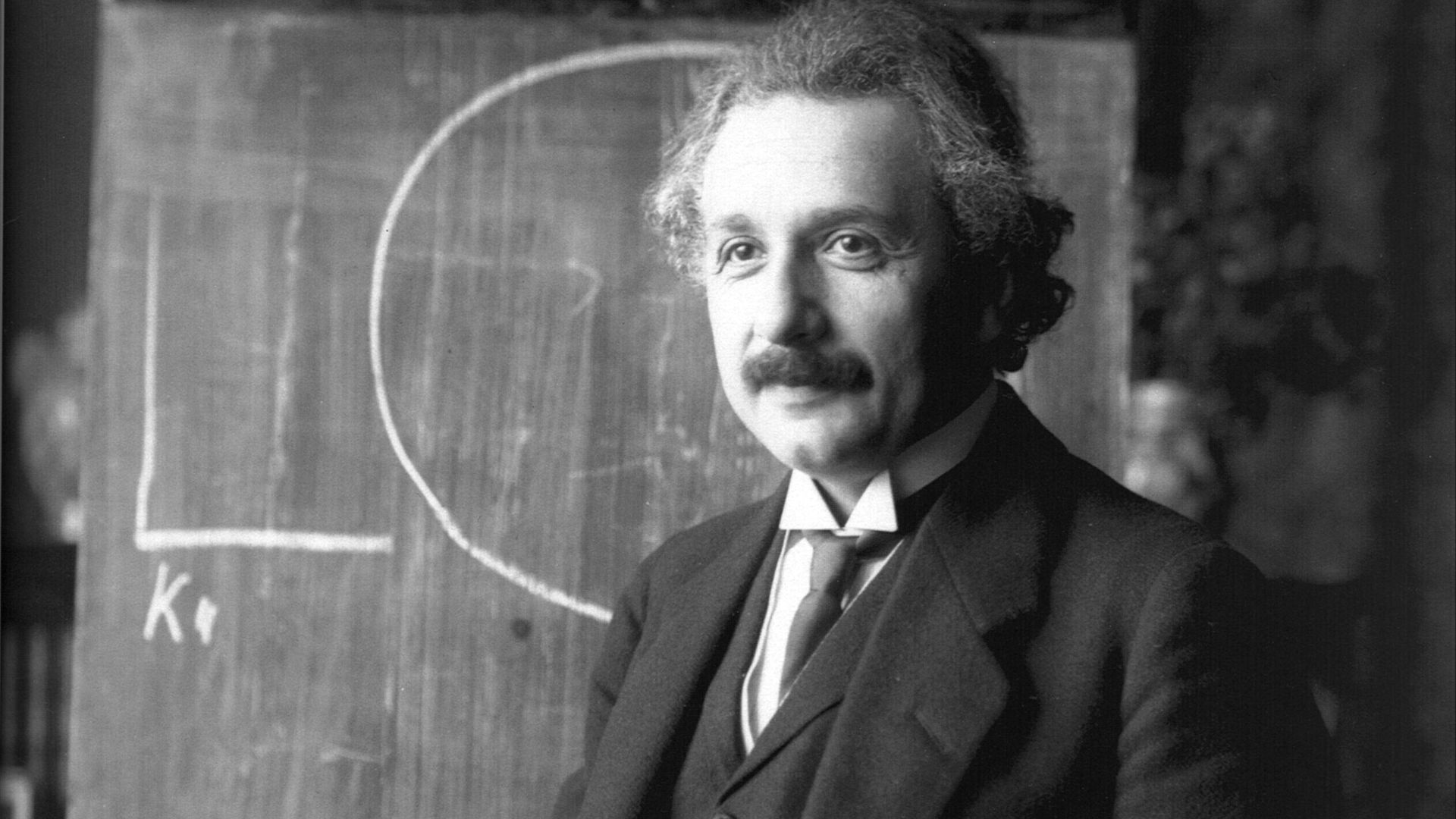
1. Albert Einstein Was A Patent Clerk
Many people know Albert Einstein as "the smartest man in history," but did you know that before becoming one of the most famous physicists ever, he was first a patent clerk? Working at the Swiss Federal Institute of Intellectual Property in 1902, he reviewed applications and determined whether they were original enough to receive legal protection.
 Ferdinand Schmutzer on Wikimedia
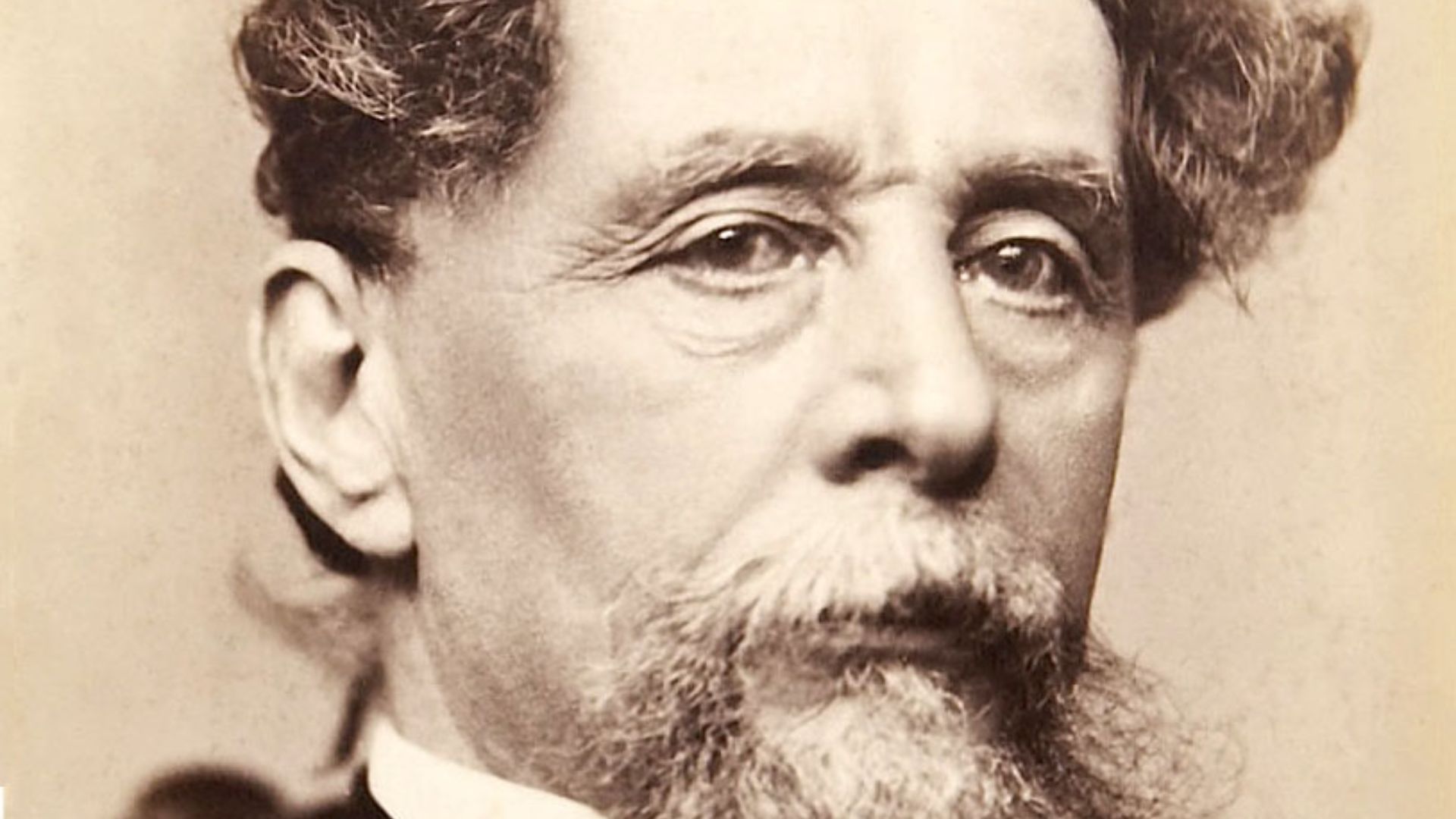
2. Charles Dickens Worked In A Boot Polish Factory
Before becoming one of the most recognized authors in history, at the young age of 12, Charles Dickens was sent to work in a shoe polish factory. After his father was sent to prison for debt, Dickens was forced to work in terrible and difficult conditions in an attempt to help support his family. The experience went on to influence his writing!
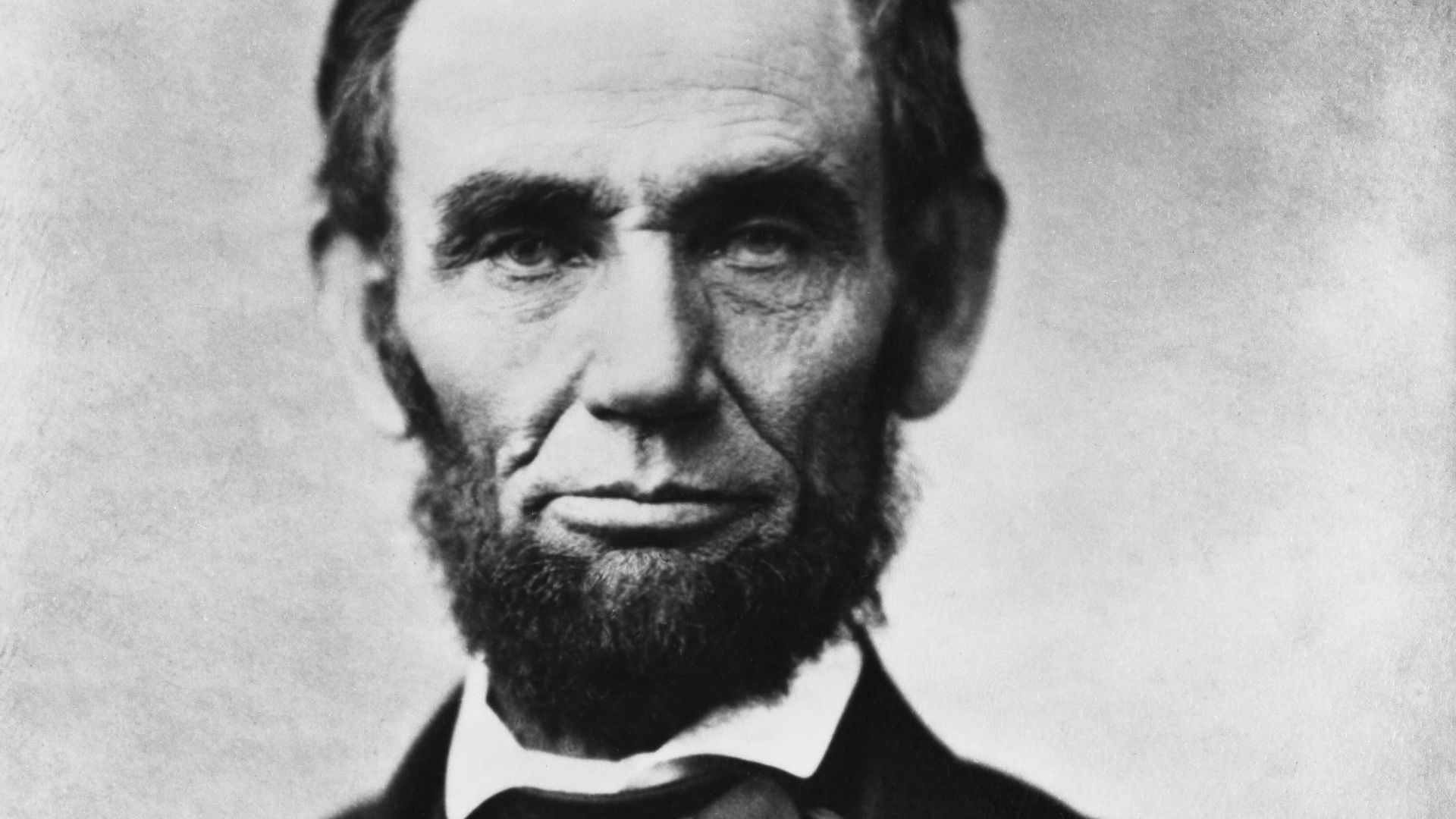
3. Abraham Lincoln Operated A Ferryboat
Arguably the most recognized historical figure in American history, Abraham Lincoln had a fascinating life before entering the White House. In fact, as a young man, he worked on ferryboats along American rivers, where he earned money by transporting people, bags, and goods across the water.
 Alexander Gardner on Wikimedia
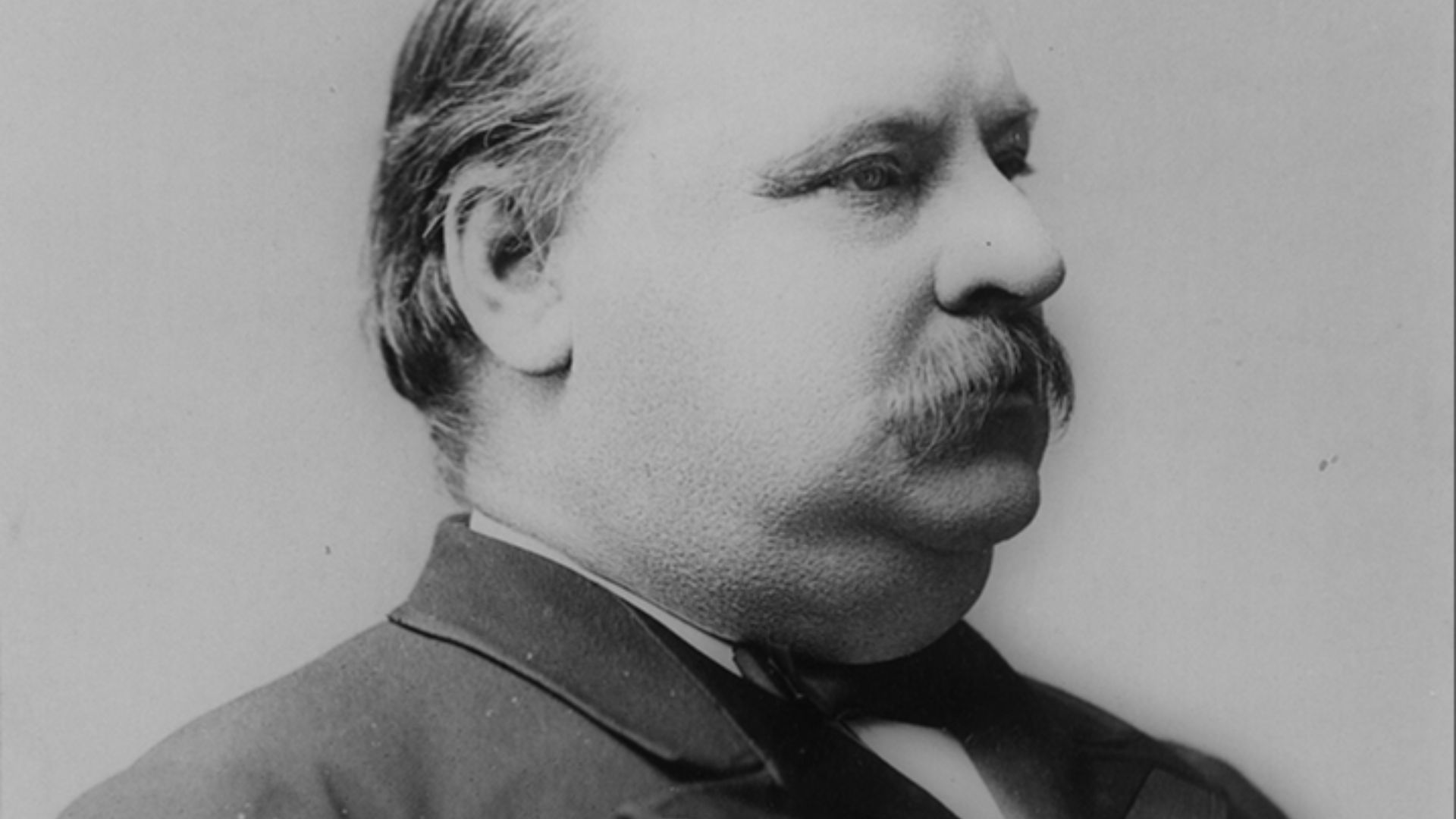
4. Grover Cleveland Was An Executioner
Before Grover Cleveland became president, he served as a sheriff for Erie County, New York. During his term there, he had to carry out two executions, for Patrick Morrissey and John Gaffney, which marks him as the only U.S. president in history to carry out such a job.
 Charles Milton Bell on Wikimedia
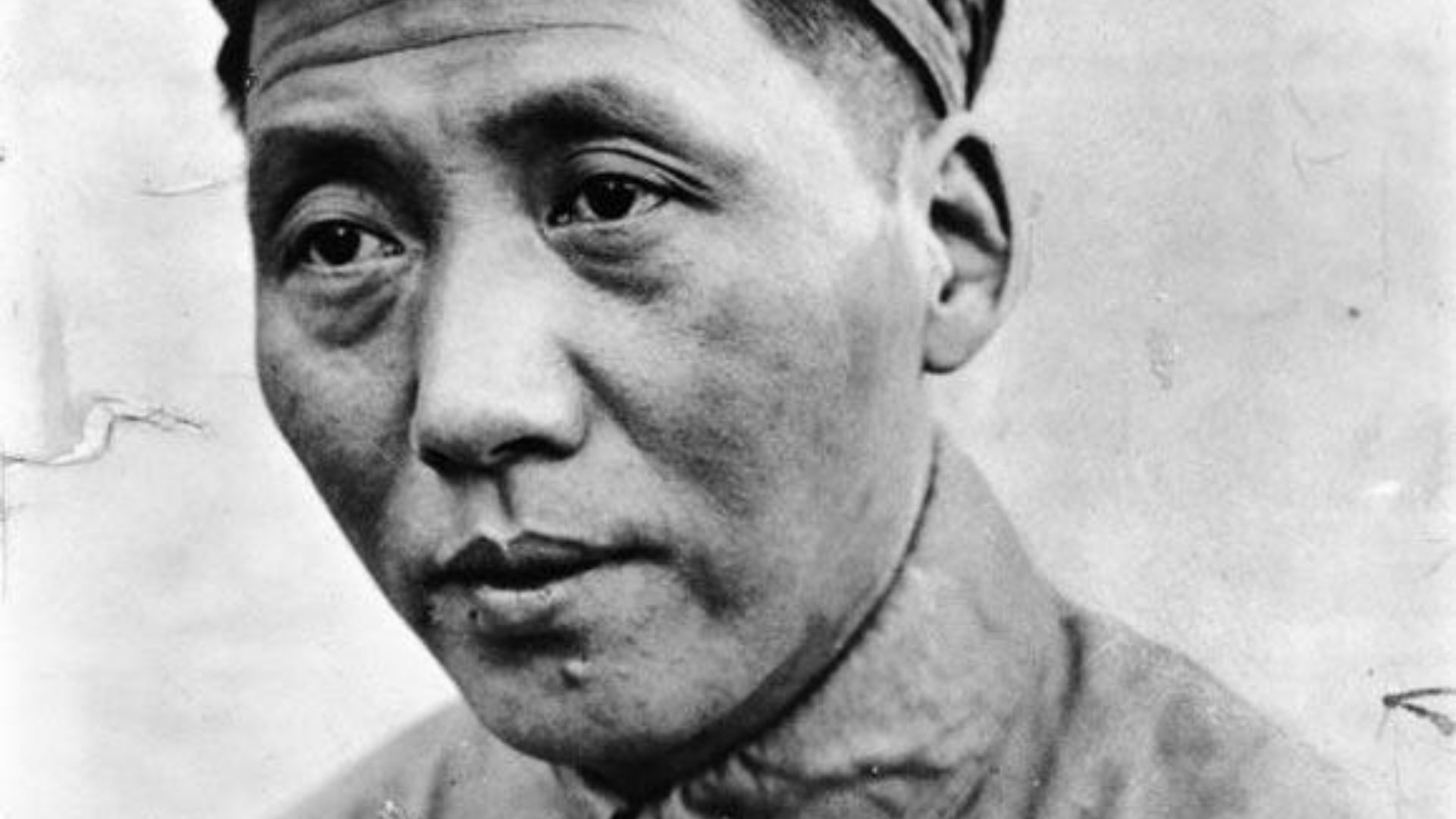
5. Mao Zedong Was A Library Assistant
Mao Zedong is infamous, remembered for being a ruthless and brutal authoritarian leader of People's Republic of China, which is why it's hard to wrap your head around the fact that he once had a very quiet and simple job. At Peking University in 1918, he worked as a library assistant, a position you likely wouldn't associate with him.
 Unknown photographer on Wikimedia
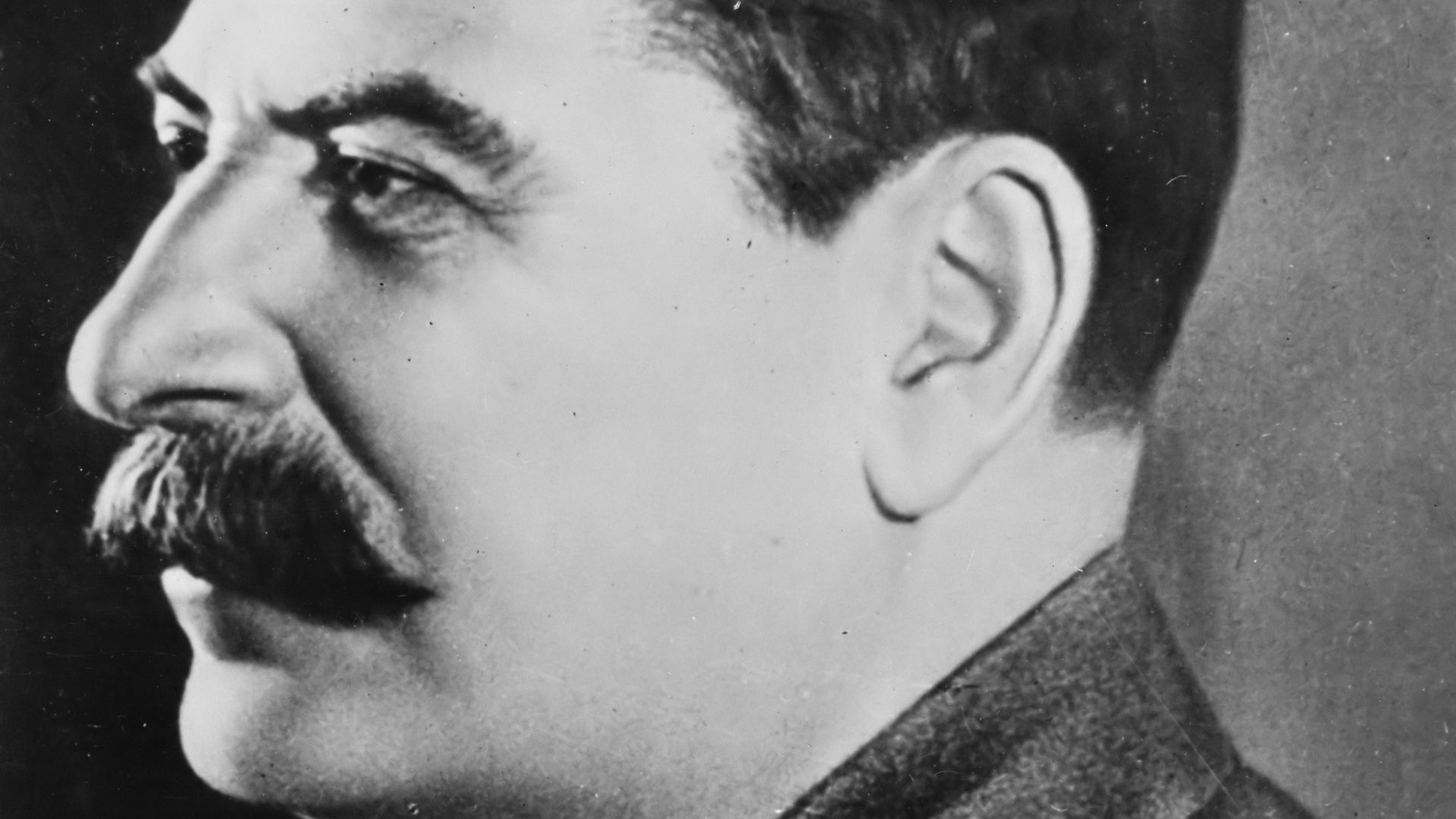
6. Joseph Stalin Recorded The Weather
In 1899, Joseph Stalin worked as a weather observer at the Tiflis Meteorological Observatory. Here, he performed calculations and recorded weather information for a modest salary. It's hard to believe, considering his later political activities were anything but reserved and quiet.
 Unknown authorUnknown author; image flipped by Gaeser (talk) on Wikimedia
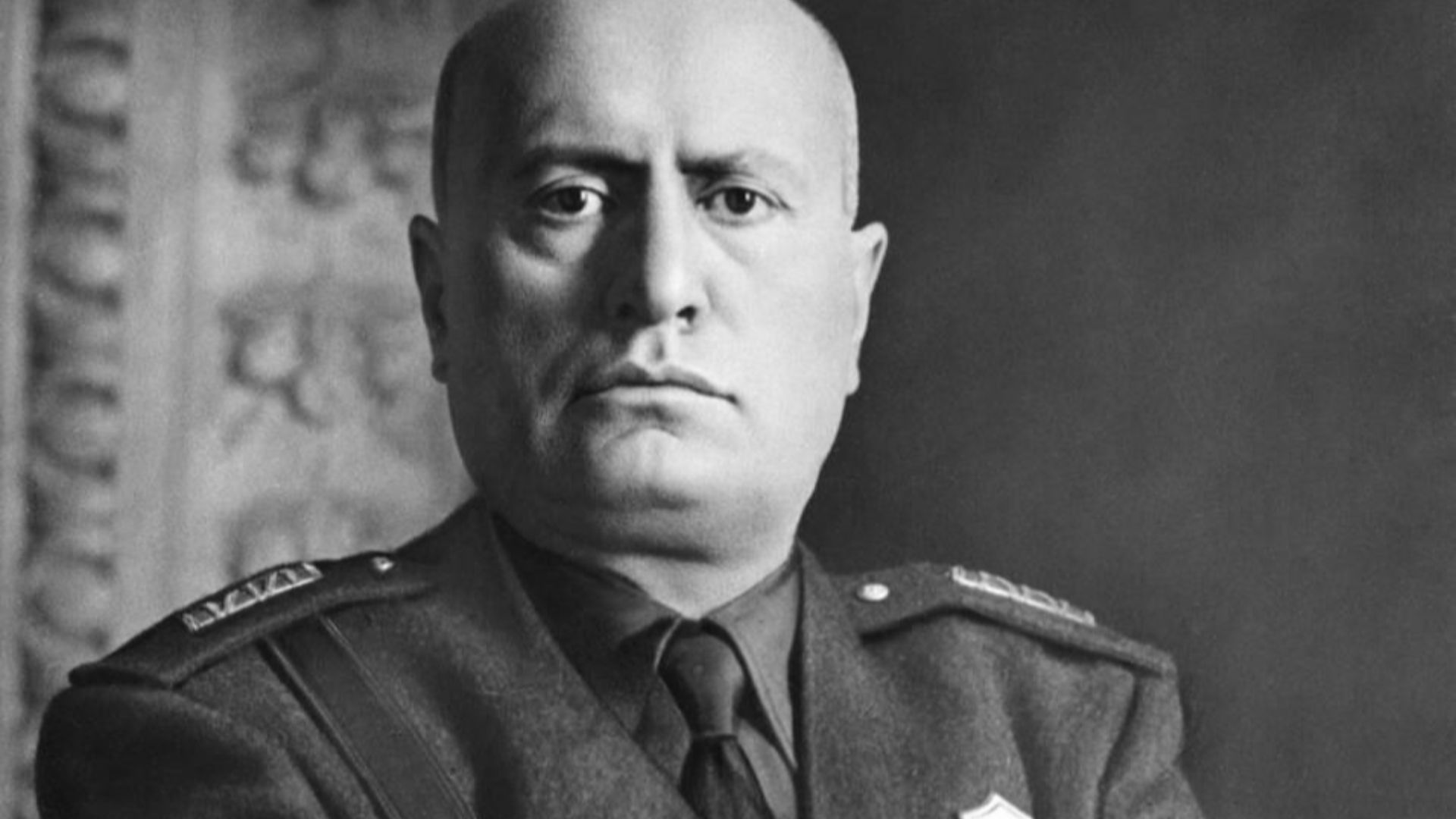
7. Benito Mussolini Was An Elementary School Teacher
For a man who's known in history for founding facism and being a totalitarian dictator, it seems wrong that Benito Mussolini was once an elementary school teacher. After obtaining a teaching diploma in 1901, he was hit by a series of rejections before eventually teaching at an elementary school in Pieve Saliceto.
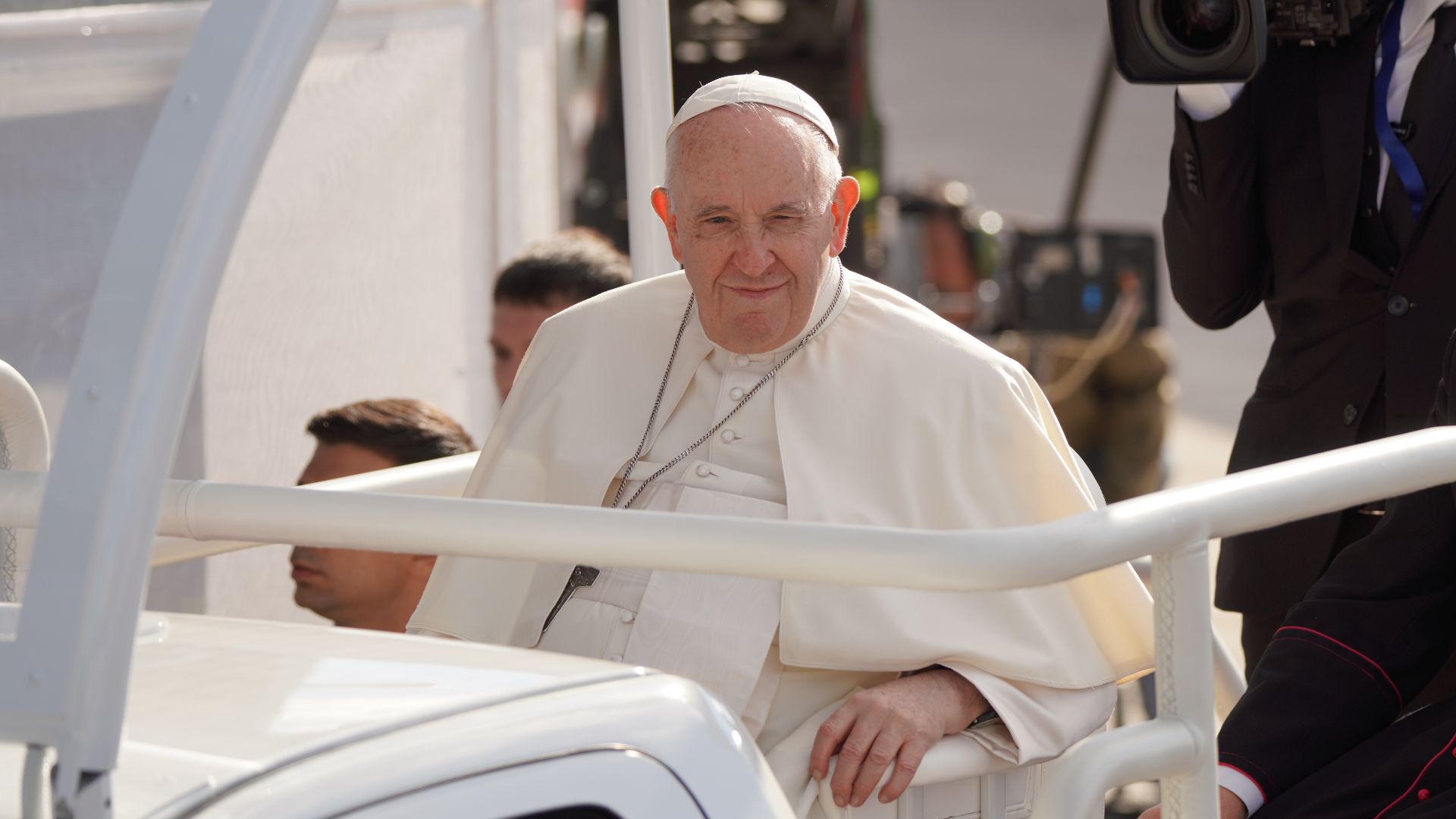
8. Pope Francis Worked As A Nightclub Bouncer
A pope working as a nightclub bouncer? It sounds made up, but for Pope Francis, it was reality! A long time ago, before joining the priesthood, Pope Francis worked as a bouncer in Buenos Aires. If that wasn't strange enough, he's worked various odd jobs, also sweeping floors and working in a chemical laboratory, too.
9. Ronald Reagan Was A Lifeguard
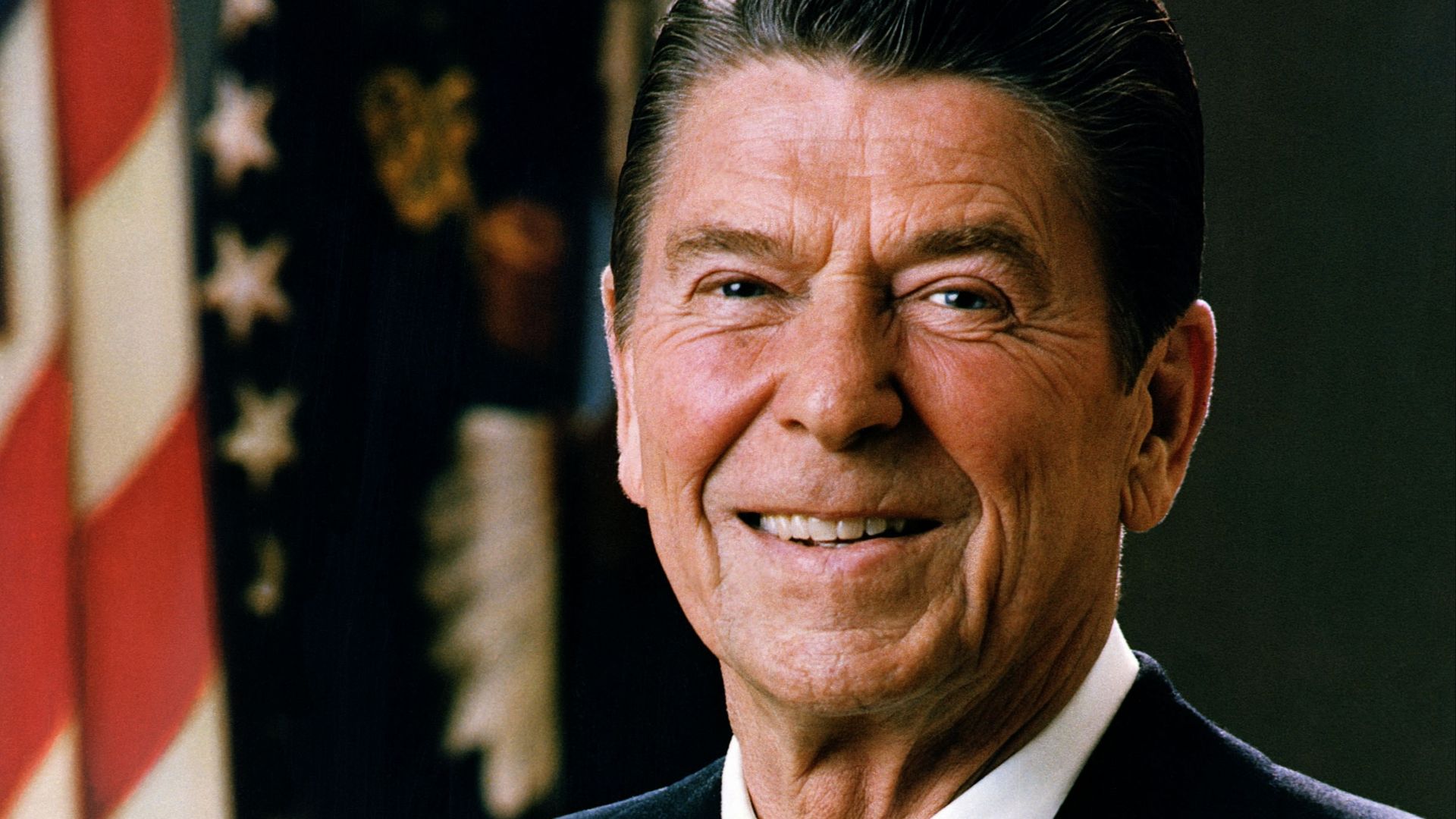
Ronald Reagan is best known for being America's 40th president, and while many know he was also once a working actor, you might not have heard he also held a position as a lifeguard in Illinois. As a young man, it's said that he saved around 77 people during those years, marking a surprising addition to this once-president's resume.
10. Agatha Christie Dispensed Medicine
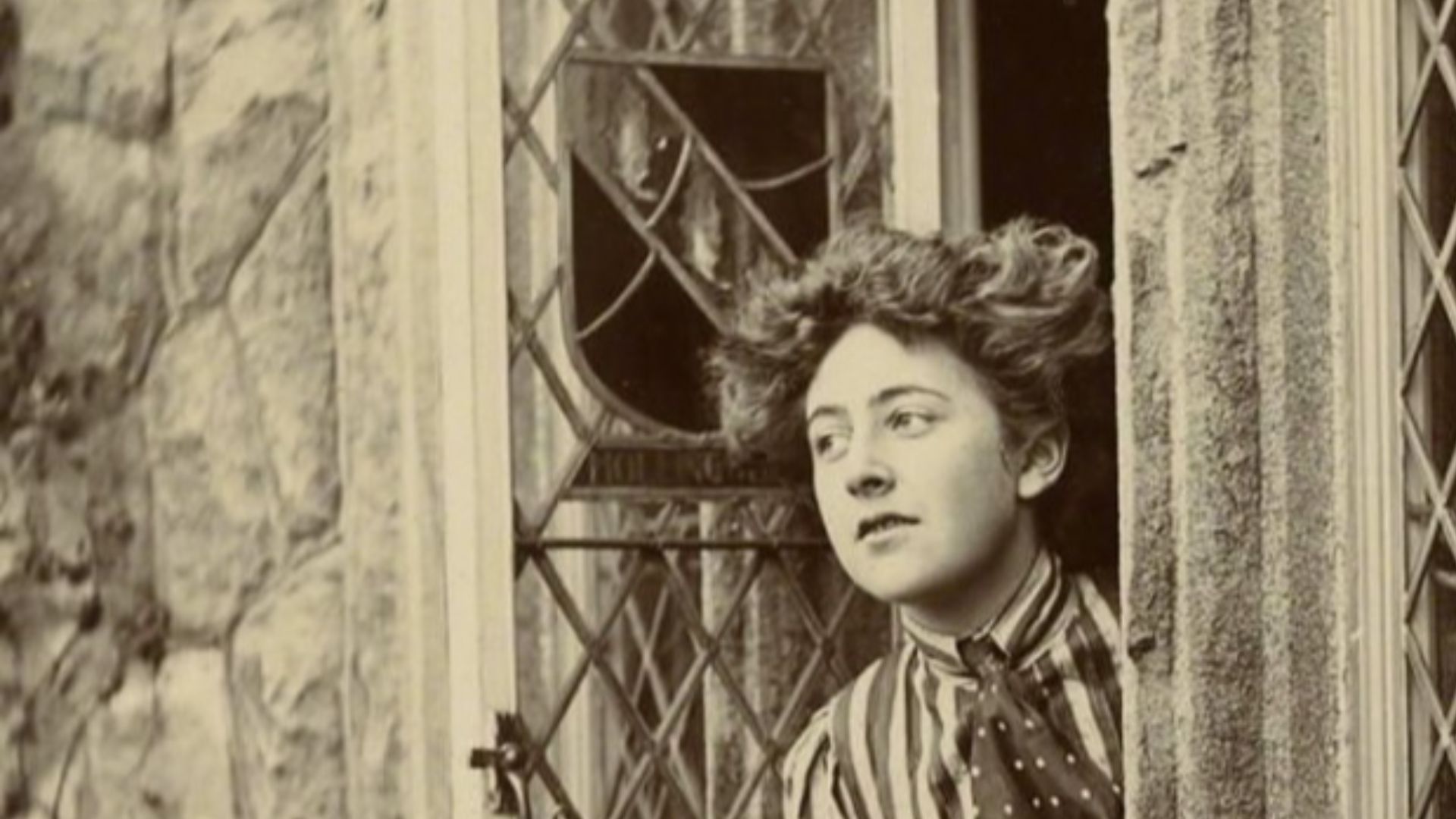
It's impossible to talk about mystery and detective novels without mentioning Agatha Christie's name, but turns out, you could also throw "nurse" and "worked in a hospital pharmacy" in the mix, too. During World War I, this iconic author worked in the dispensary, learning plenty about chemistry, medications, and more.
 Unknown authorUnknown author on Wikimedia
11. Jack London Was An Oyster Pirate
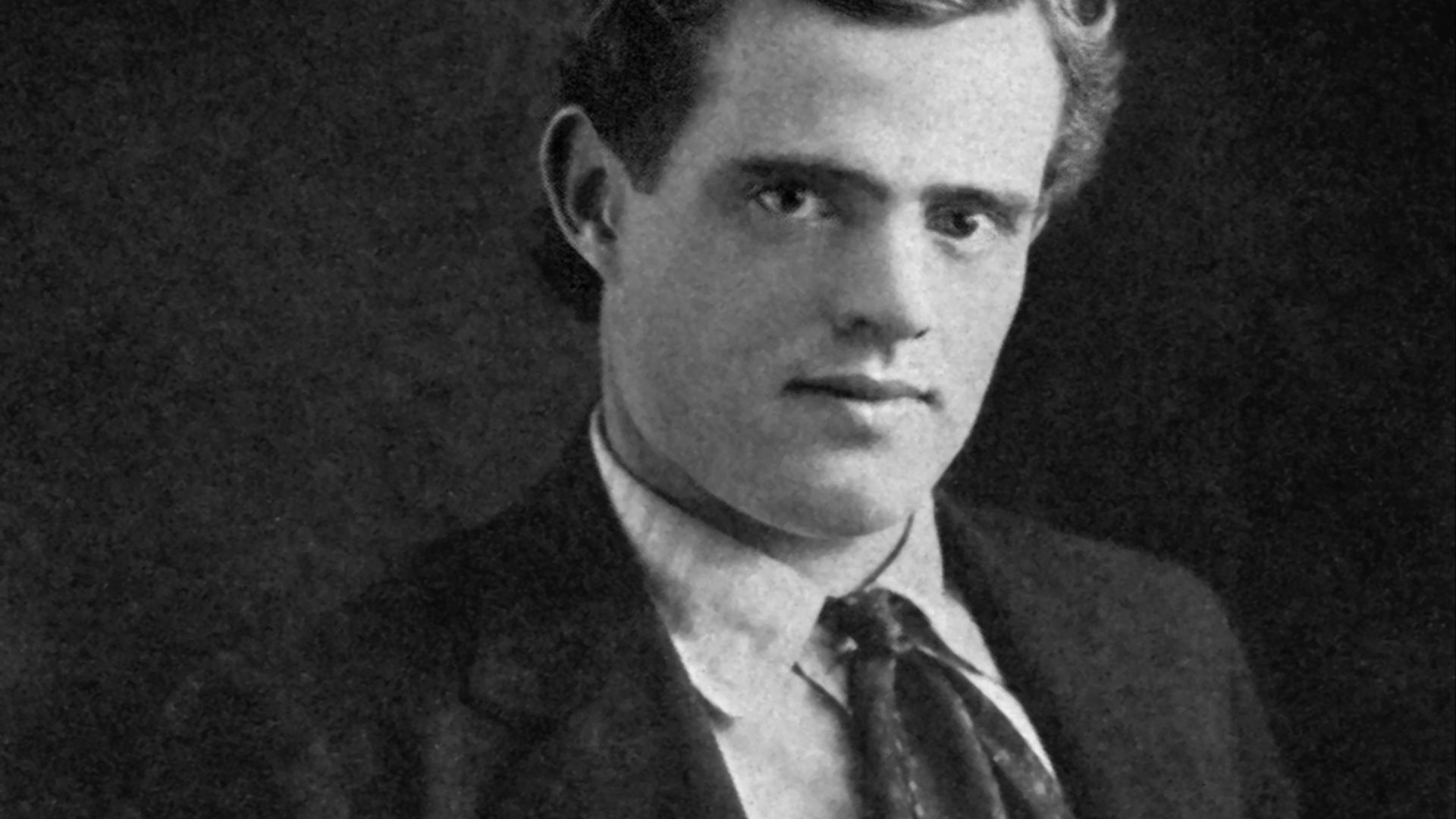
This American author did more than just write The Call of The Wild in his lifetime; turns out, Jack London also became an oyster pirate in 1889! He purchased a small boat as a teen and began stealing oysters from privately owned beds in the San Francisco Bay area.
 published by L C Page and Company Boston 1903 on Wikimedia
12. George Orwell Was A Dishwasher
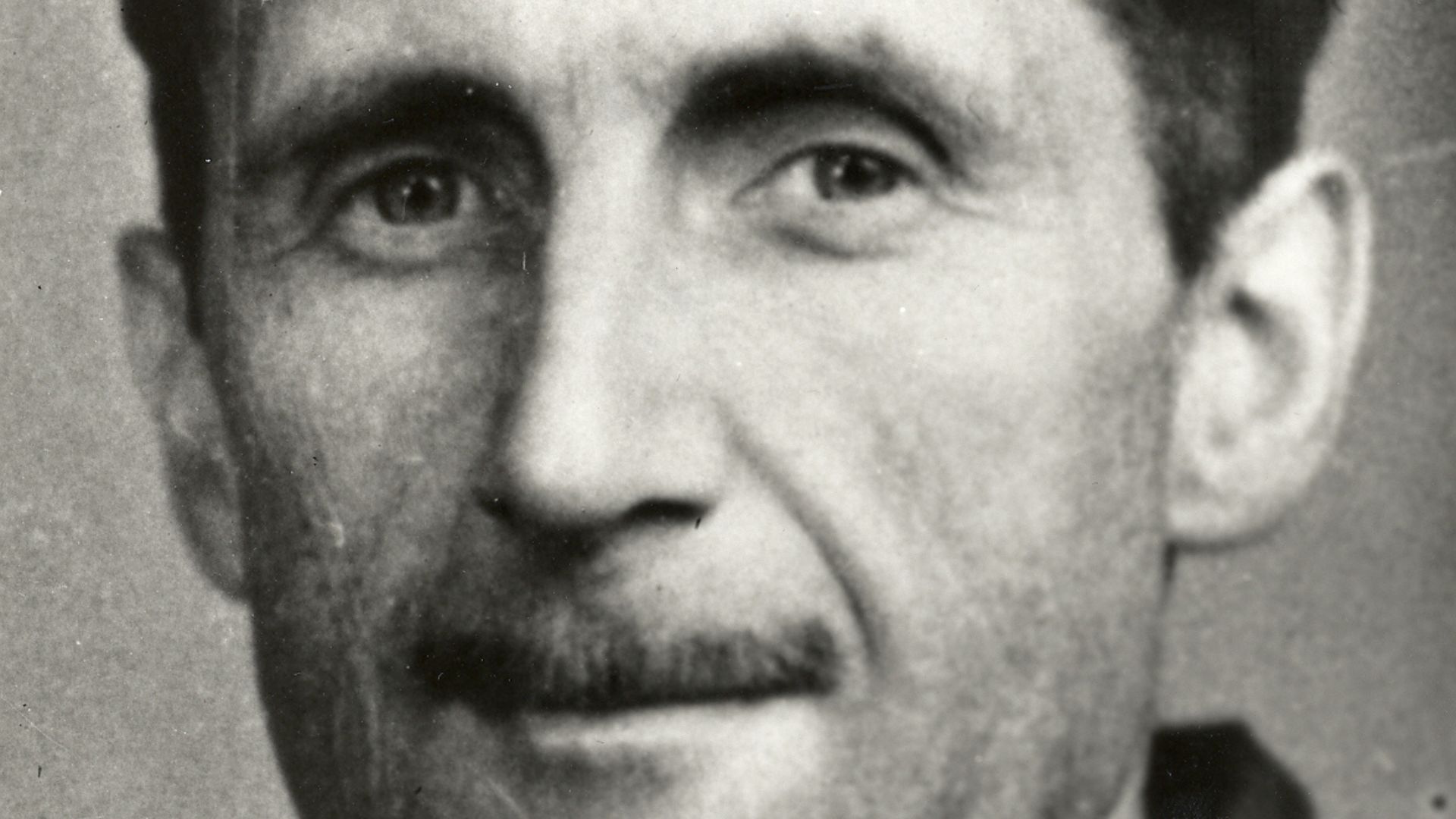
Best known for writing famous novels like Animal Farm and 1984, George Orwell is a well-known historical figure people don't know enough about. For instance, did you know that in the late 1920s, he worked long hours as a dishwasher in various hotels and restaurants in Paris? It might not seem too rough, but back then, it was physically demanding and poorly paid.
 Branch of the National Union of Journalists (BNUJ). on Wikimedia
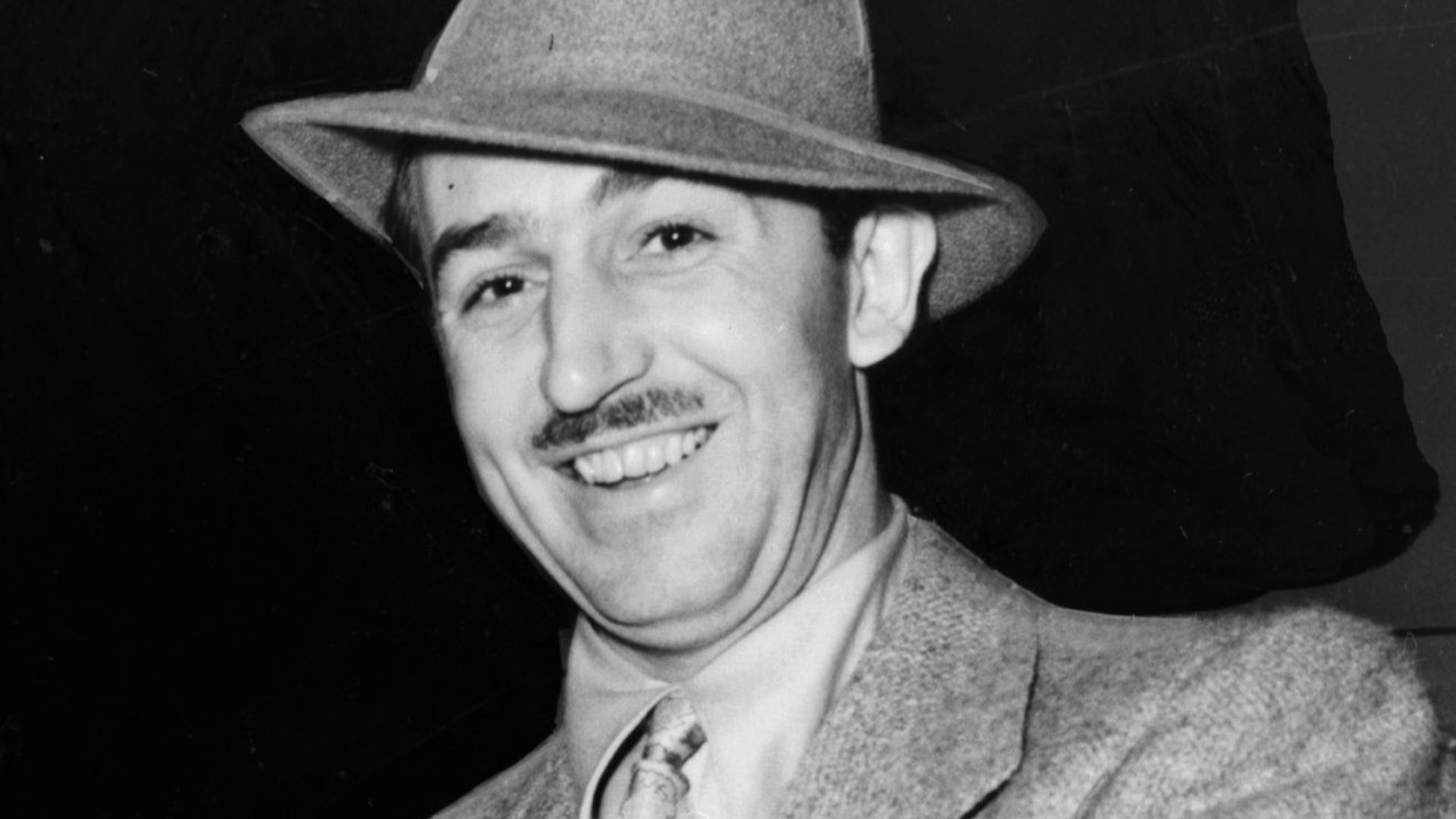
13. Walt Disney Drove An Ambulance
A household name that sparks joy for many families, there's more to Walt Disney than the animated legacy he left behind. In fact during World War I, before he became what he's famous for, he actually joined the American Red Cross Ambulance Corps and drove ambulances and other vehicles.
 New York World-Telegram and the Sun staff photographer: Fisher, Alan, photographer. on Wikimedia
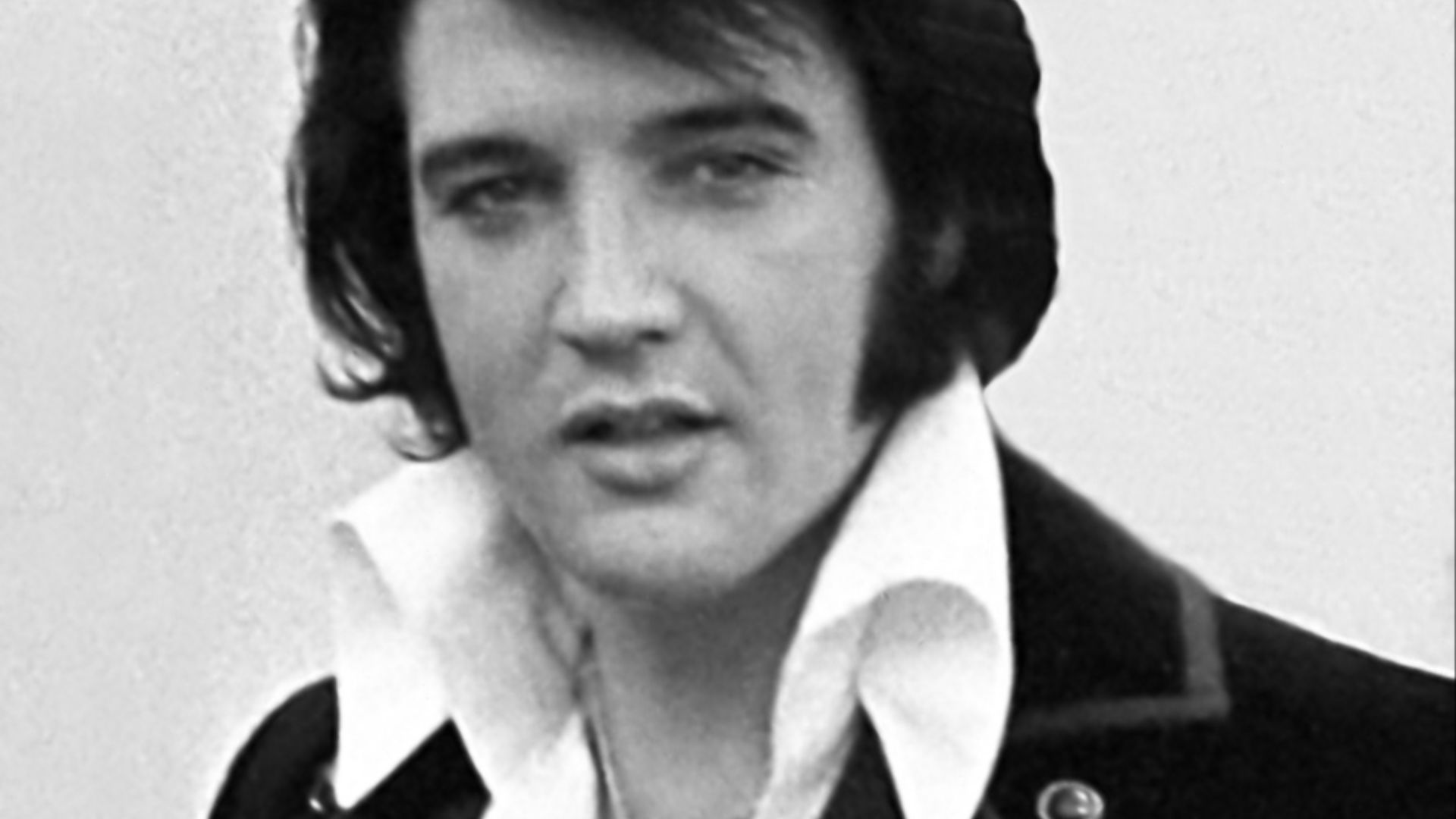
14. Elvis Presley Drove A Delivery Truck
Before his music career took off, Elvis Presley actually worked as a truck driver for Crown Electric in Memphis, a much less glamorous position. He delivered supplies and equipment, and supposedly, in his downtime would work on his music and singing.
 Ollie Atkins, chief White House photographer at the time. See ARC record. on Wikimedia
15. Julia Child Helped Develop Shark Repellent
The world might remember Julia Child as a TV personality and chef, but she has a much more interesting history beyond that. During World War II, she actually worked for the Office of Strategic Services, an organization that preceded the CIA! There, she assisted with research that was meant to prevent sharks from setting off underwater explosives.
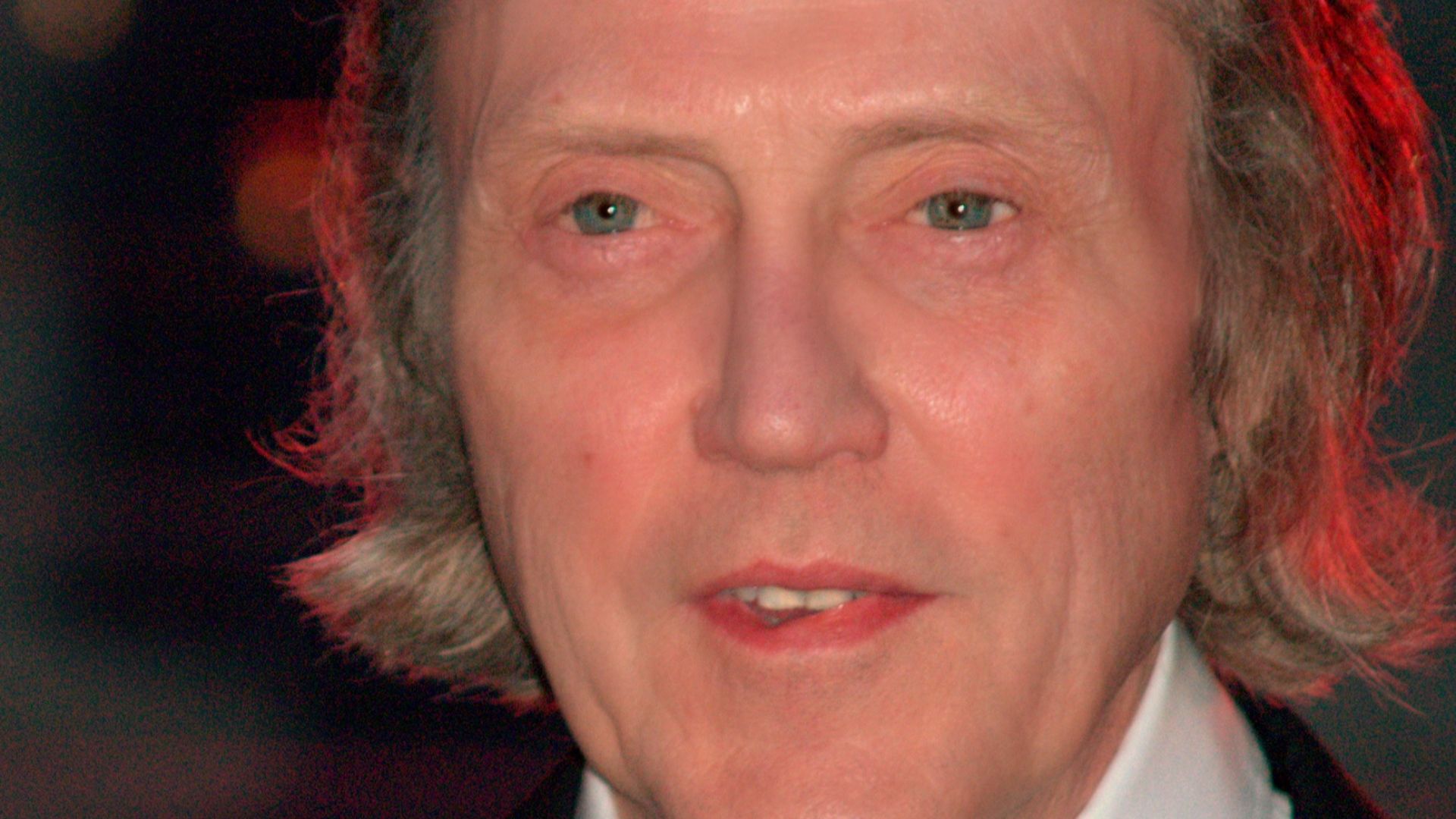
16. Christopher Walken Assisted A Lion Tamer
Christopher Walken has had a long and acclaimed history in Hollywood, but he wasn't always an actor. When he was 16 years old, in the late 1960s, he actually worked as an assistant to a lion tamer in a traveling circus! Fun fact, the lion's name was Sheba.
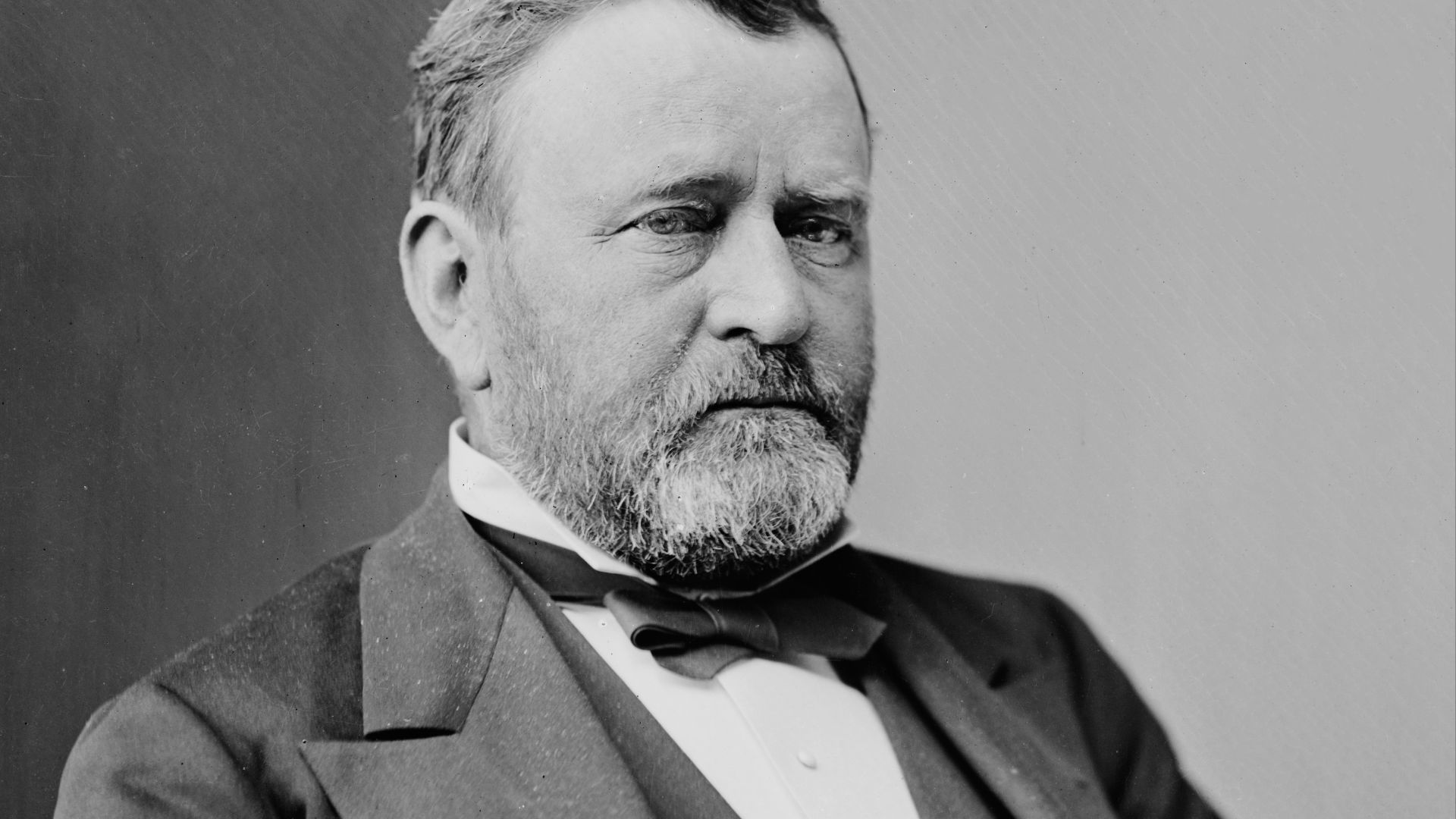
17. Ulysses S. Grant Sold Firewood
The 18th president of the United States didn't always have a life in politics. After leaving the military in 1854, Ulysses S. Grant had to find ways to support his family. He worked various jobs, one of which included manual labor where he cut down trees, split the wood, and sold them on the streets of St. Louis.
 Brady-Handy Photograph Collection, Library of Congress on Wikimedia
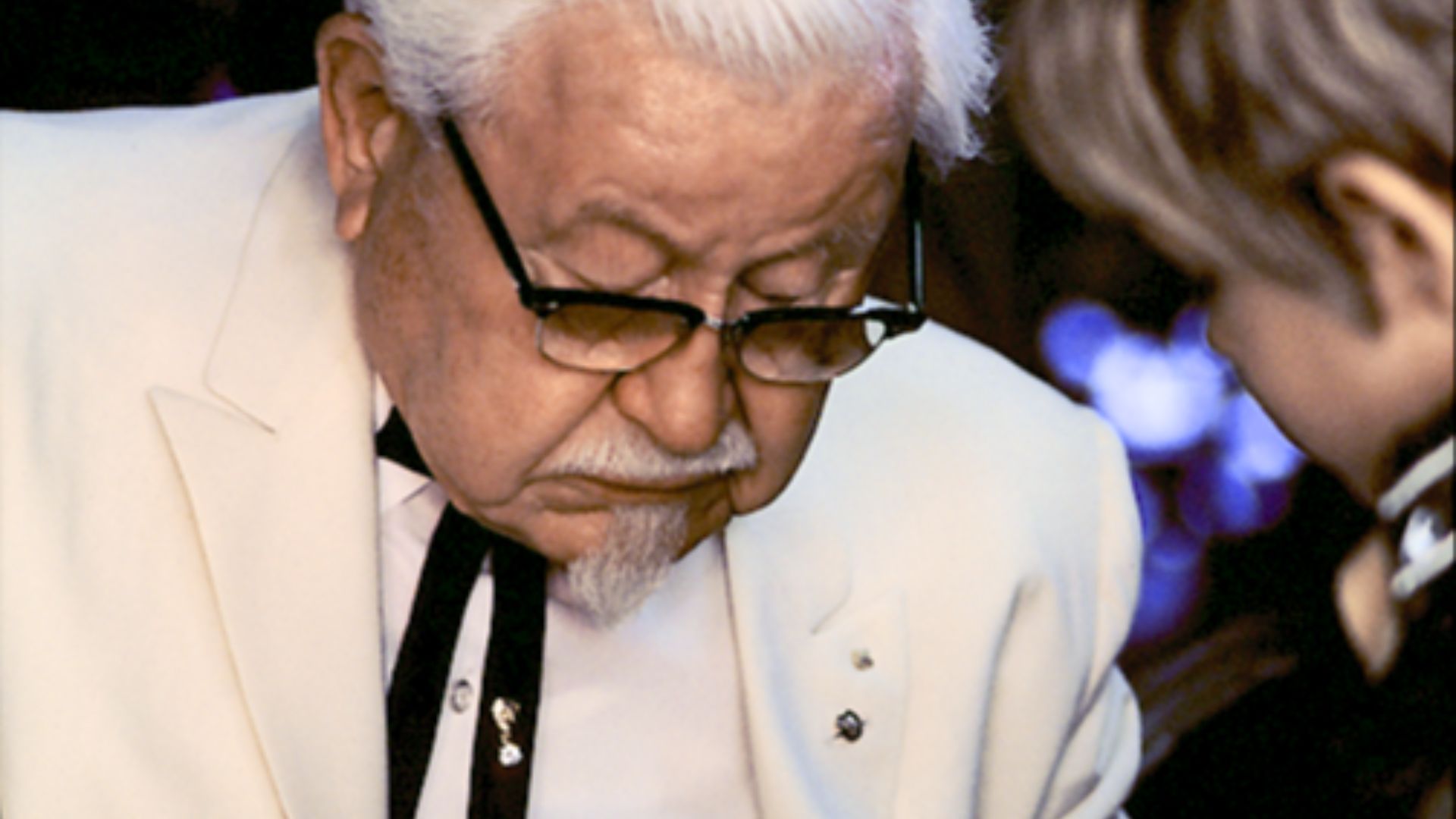
18. Harland Sanders Delivered Babies
If you've ever had KFC, you'll know who Colonel Harland Sanders is (the founder!). Before building his fried chicken empire, he worked multiple odd jobs including a railroad laborer, insurance salesman, and ferry operator. Those might sound pretty weird already, but the strangest of them all was that he worked as a midwife delivering babies, depiste having no formal medical degree.
 Edgy01/Dan Lindsay on Wikimedia
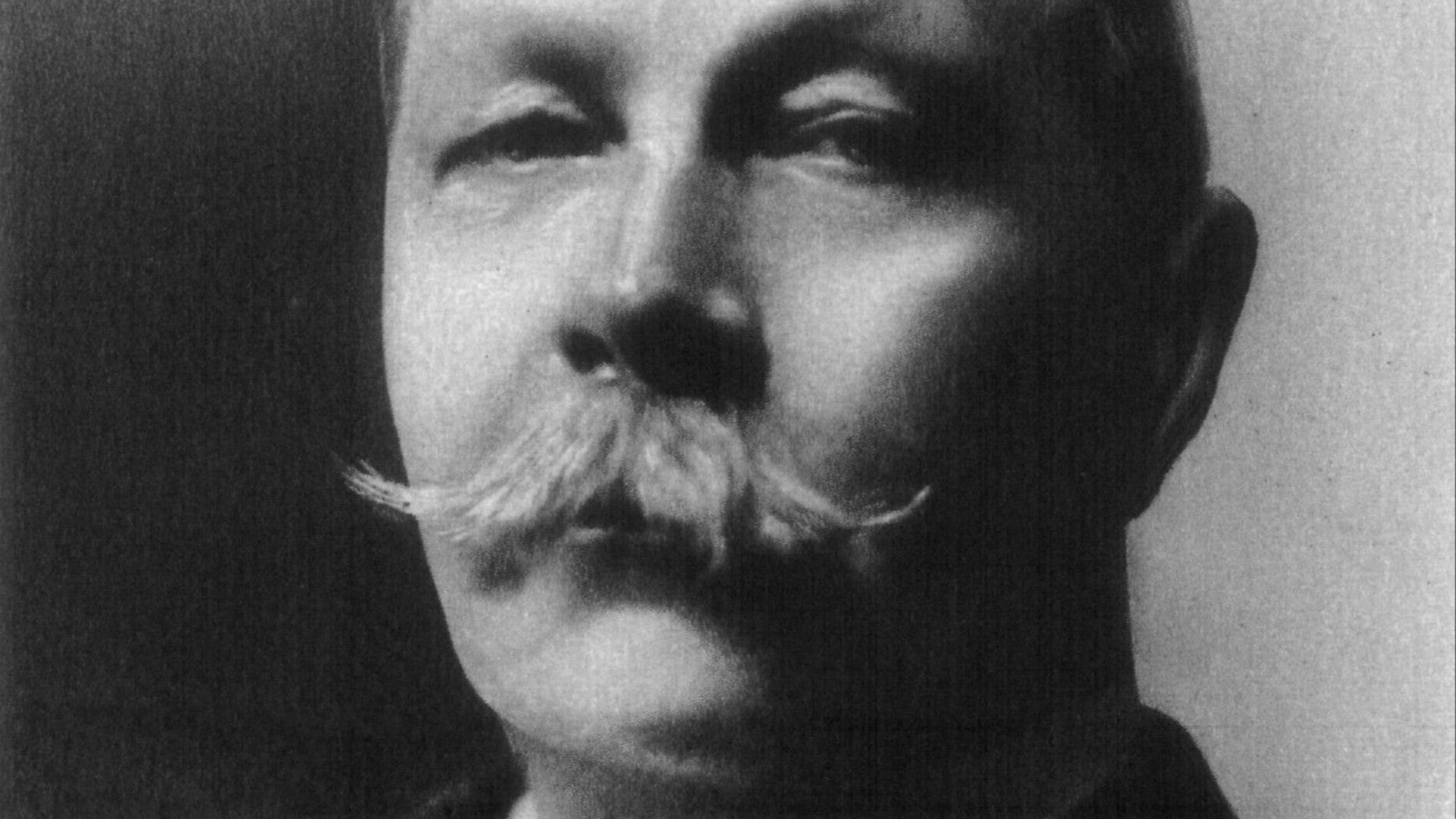
19. Arthur Conan Doyle Was A Ship’s Doctor
We all have Arthur Conan Doyle to thank for the creation of the iconic character, Sherlock Holmes, but before he was writing these fantastic mysteries, he had a life of adventure himself. In 1880 at just 21 years old, he actually worked as a ship's doctor aboard two sea voyages!
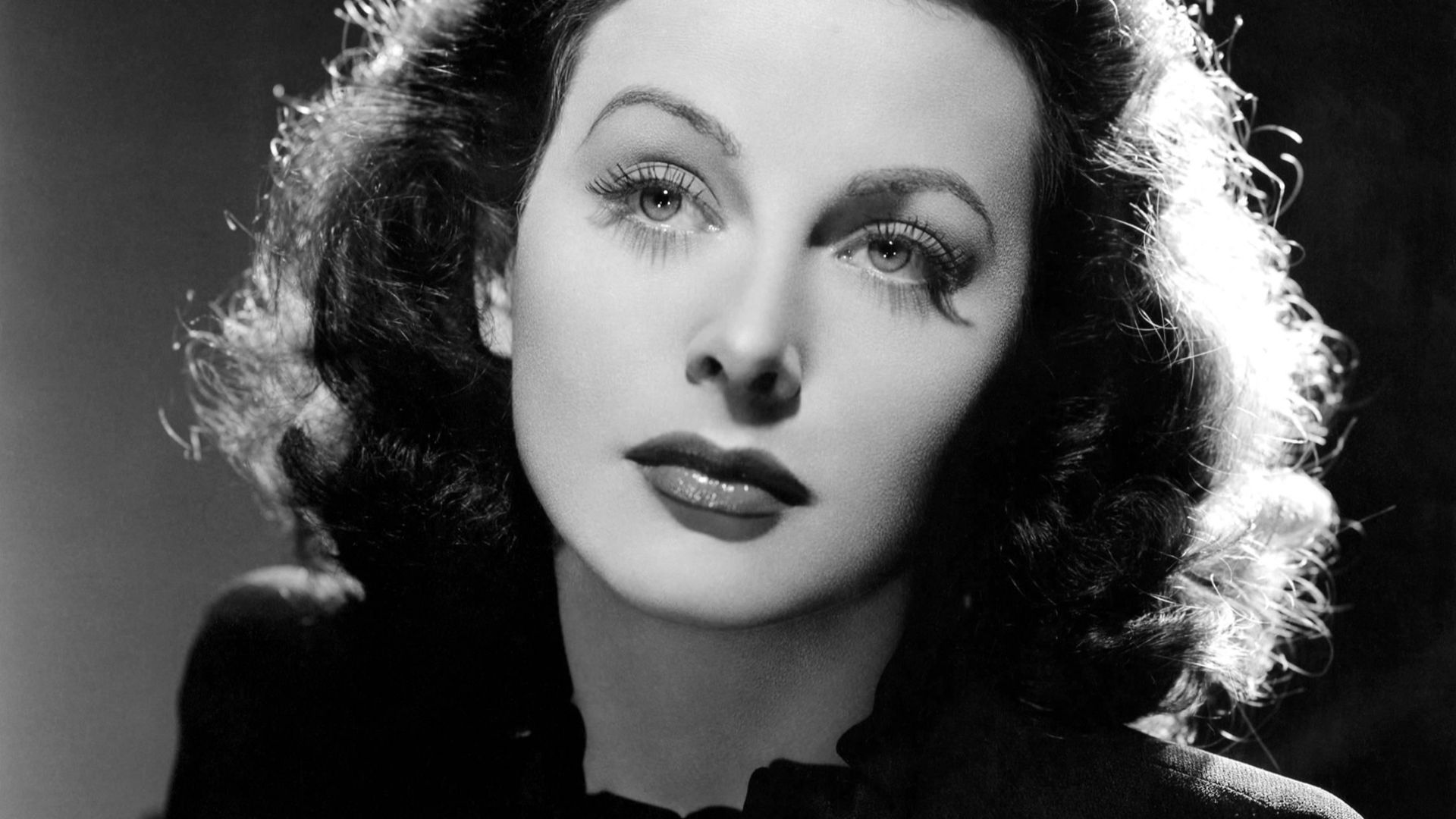
20. Hedy Lamarr Tested Military Technology
Hedy Lamarr became famous as a Hollywood actress, but what you likely didn't know is that she also spent time developing inventions. During World War II, she and composer George Antheil designed a frequency-hopping communication system that the military didn’t immediately adopt, but its underlying design and ideas did help contribute to later developments in wireless communication.
 Employee(s) of MGM on Wikimedia