20 Once-Forbidden Ideas People Were Punished for Believing
When Having the Wrong Opinion Was Dangerous
Throughout history, believing the wrong thing could cost you far more than an awkward argument. Governments, religious authorities, and powerful social institutions have imprisoned, exiled, tortured, and even executed people for ideas that challenged accepted beliefs. Some of those once-dangerous opinions now seem completely ordinary, while others helped spark political and social changes that reshaped entire societies. Here are 20 ideas that people once took serious risks simply by believing openly.
1. The Earth Moves Around the Sun
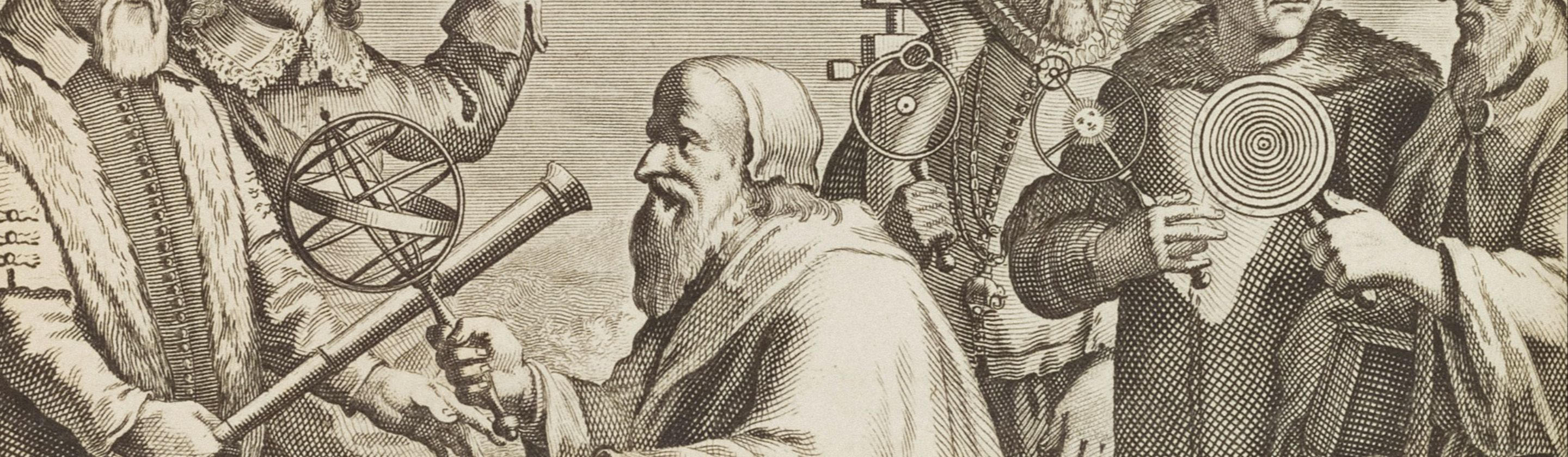
Supporting heliocentrism could put a scholar in dangerous territory in early modern Europe. Galileo Galilei was famously tried by the Roman Inquisition in 1633 after defending a Sun-centered model of the solar system. He was forced to formally renounce aspects of his position and spent the rest of his life under house arrest.
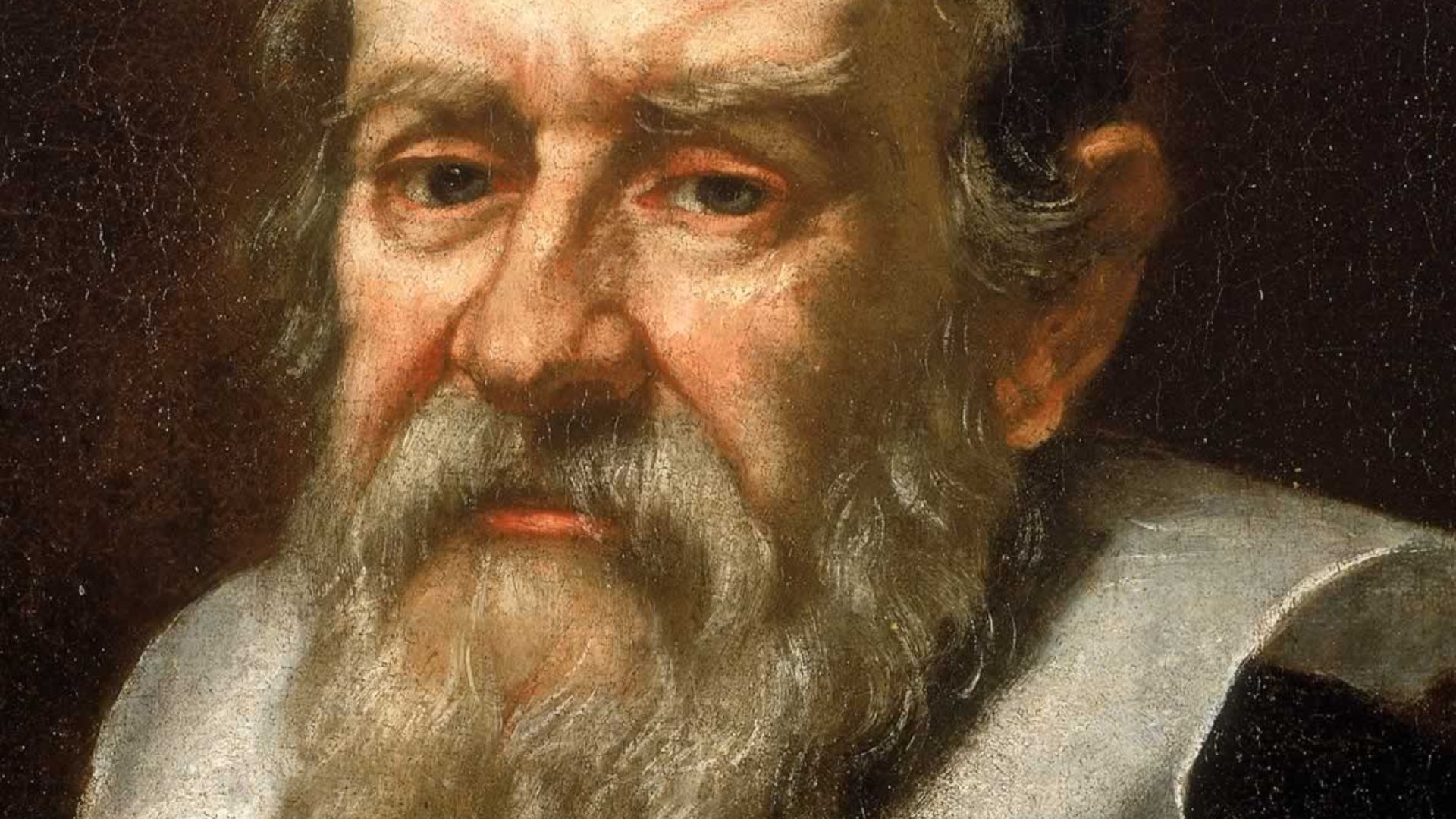 Justus Sustermans on Wikimedia
2. Ordinary People Should Be Able to Read the Bible
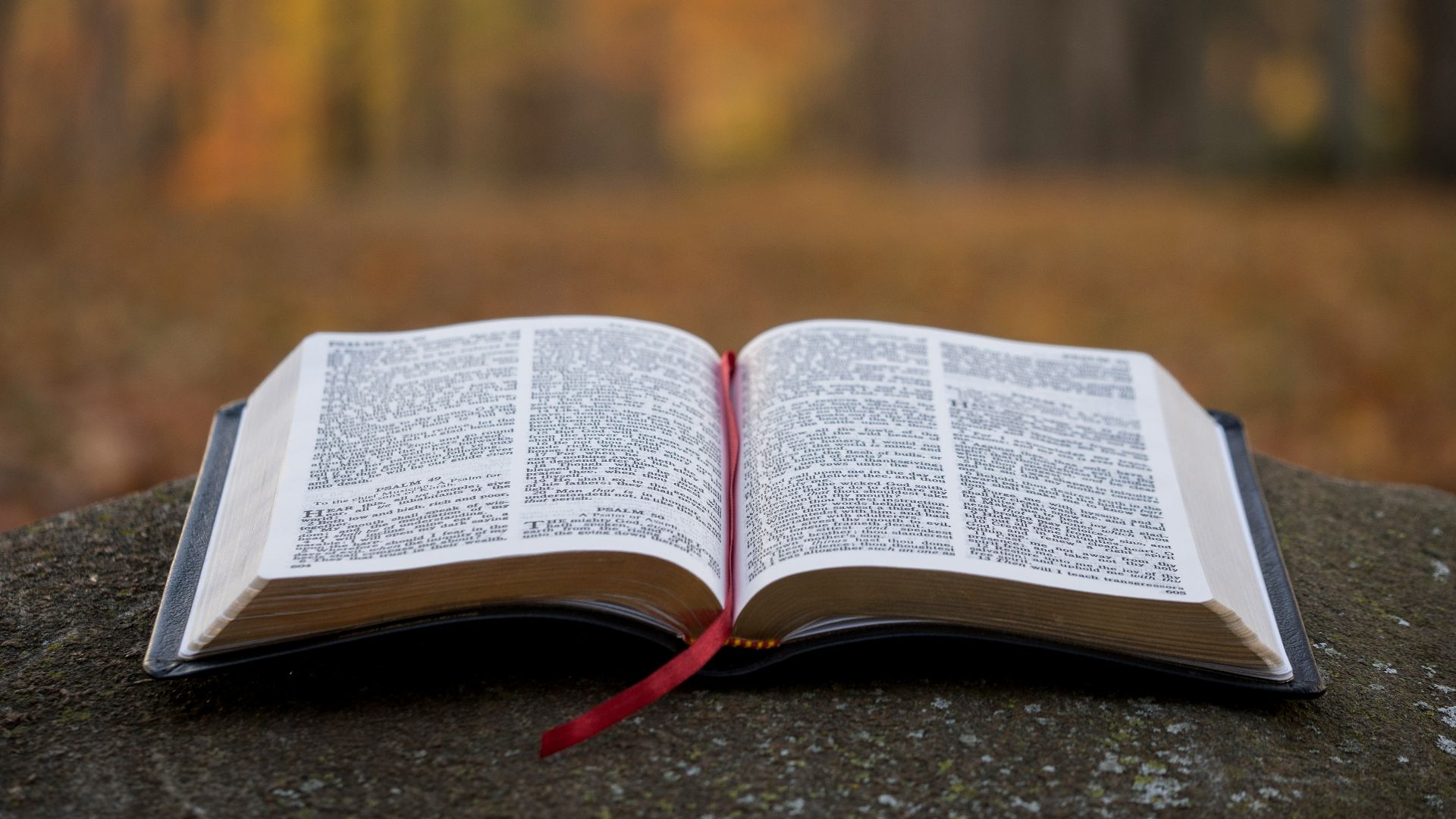
For centuries, translating Scripture into languages ordinary people could read was deeply controversial in parts of Europe. English reformer William Tyndale produced an English translation of the New Testament without official approval and was eventually arrested, convicted of heresy, and executed in 1536. The basic idea that worshippers should be able to read religious texts for themselves could be seen as a threat to established authority.
3. Slavery Should Be Abolished
Calling for an end to slavery wasn't always something you could safely do in public. Abolitionists in the U.S. faced mob violence, censorship, arrests, and laws designed to suppress antislavery literature, particularly in slaveholding states. Journalist Elijah Lovejoy was murdered by a pro-slavery mob in 1837 after repeatedly defending his right to publish abolitionist views.
4. Women Should Have the Right to Vote
Demanding voting rights for women led to arrests on both sides of the Atlantic. British suffragettes were imprisoned for political demonstrations, while American suffragists were arrested for protesting outside the White House. What's now seen as a basic democratic right was once something you could be jailed for believing.

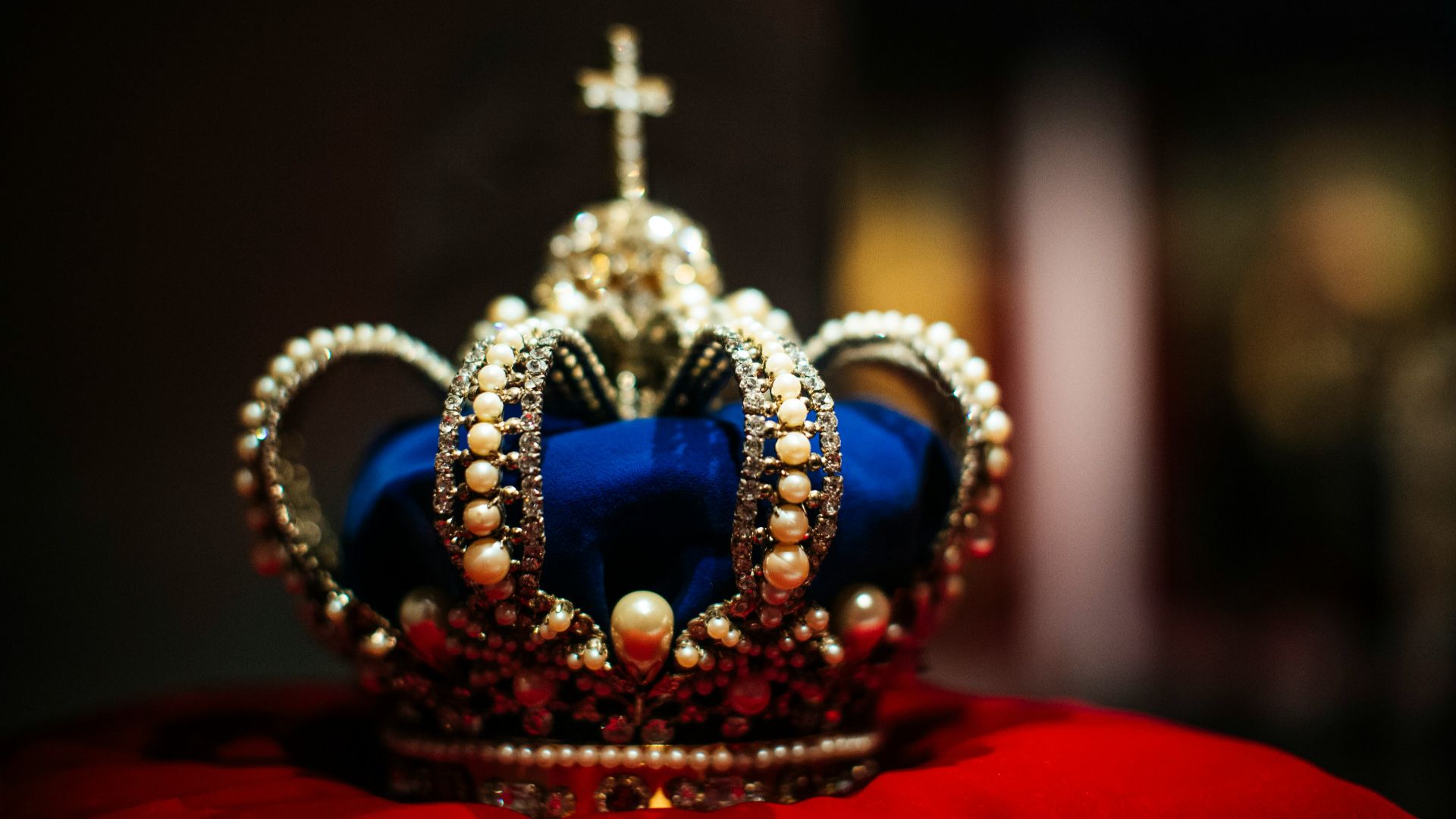
5. A King Doesn't Rule by God's Permission
Questioning the divine right of kings could amount to questioning the entire political system. Writers and political activists who argued that monarchs received their authority from the people rather than directly from God faced censorship, imprisonment, or worse in several European kingdoms. Publishing the wrong theory about where political power came from wasn't exactly harmless philosophy when it put the king's legitimacy at risk.
6. People Should Be Free to Practice Different Religions
Religious tolerance sounds fairly uncontroversial today, but openly advocating it could once put someone in serious trouble. Roger Williams was banished from the Massachusetts Bay Colony in 1635 after promoting religious liberty and arguing that civil authorities shouldn't control personal faith. He later founded Rhode Island, where religious freedom became a defining principle.
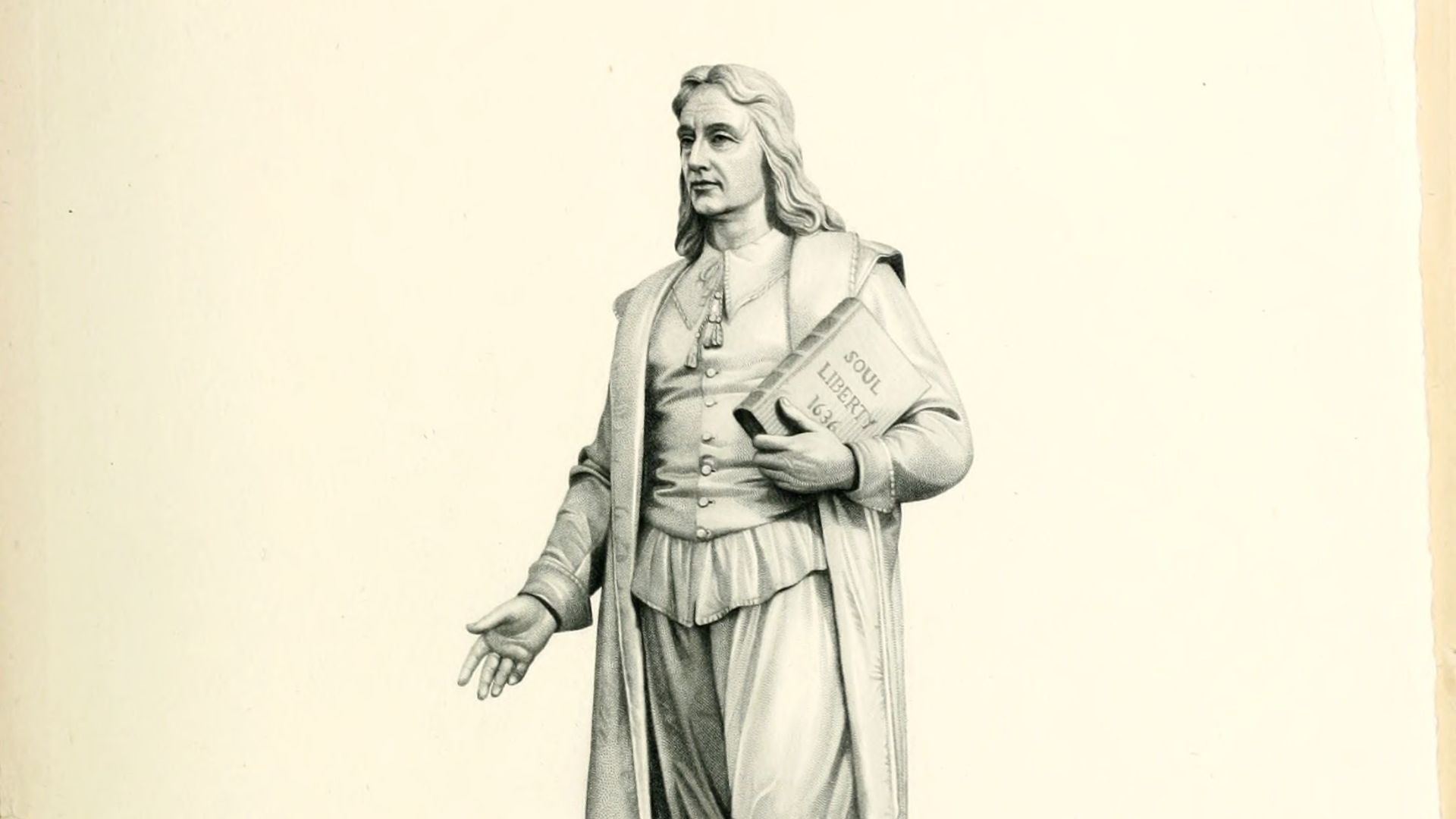 National Biographical Publishing Co., publisher on Wikimedia
7. There Might Be More Than One World in the Universe
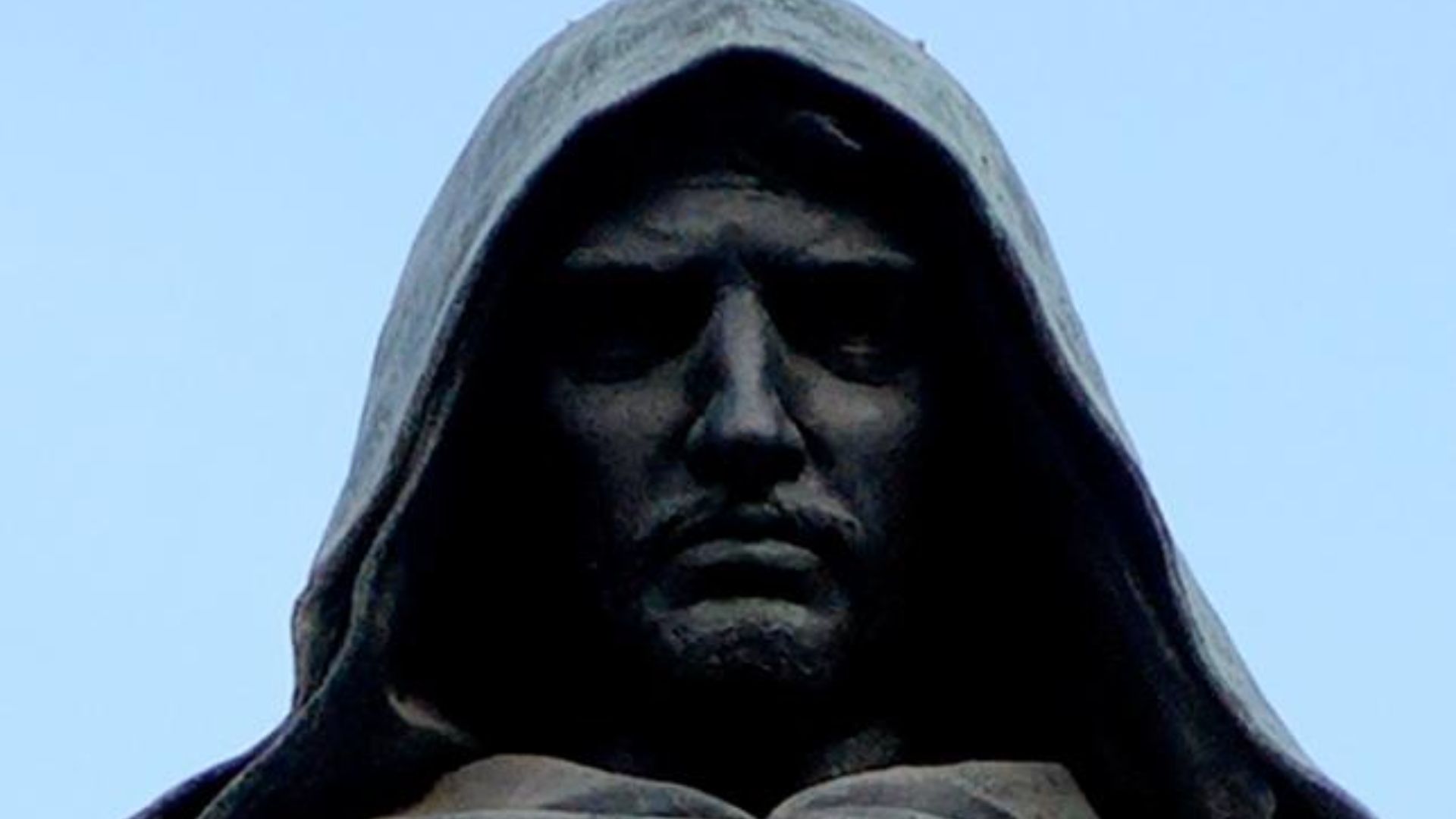
Italian philosopher Giordano Bruno promoted numerous controversial religious and philosophical ideas, including an infinite universe containing countless worlds. The Roman Inquisition convicted him of heresy after a lengthy imprisonment, and he was burned at the stake in 1600. His execution involved far more than his astronomical views alone, but that doesn't stop popular memory from viewing him as a martyr for modern science.
8. Workers Should Be Allowed to Organize
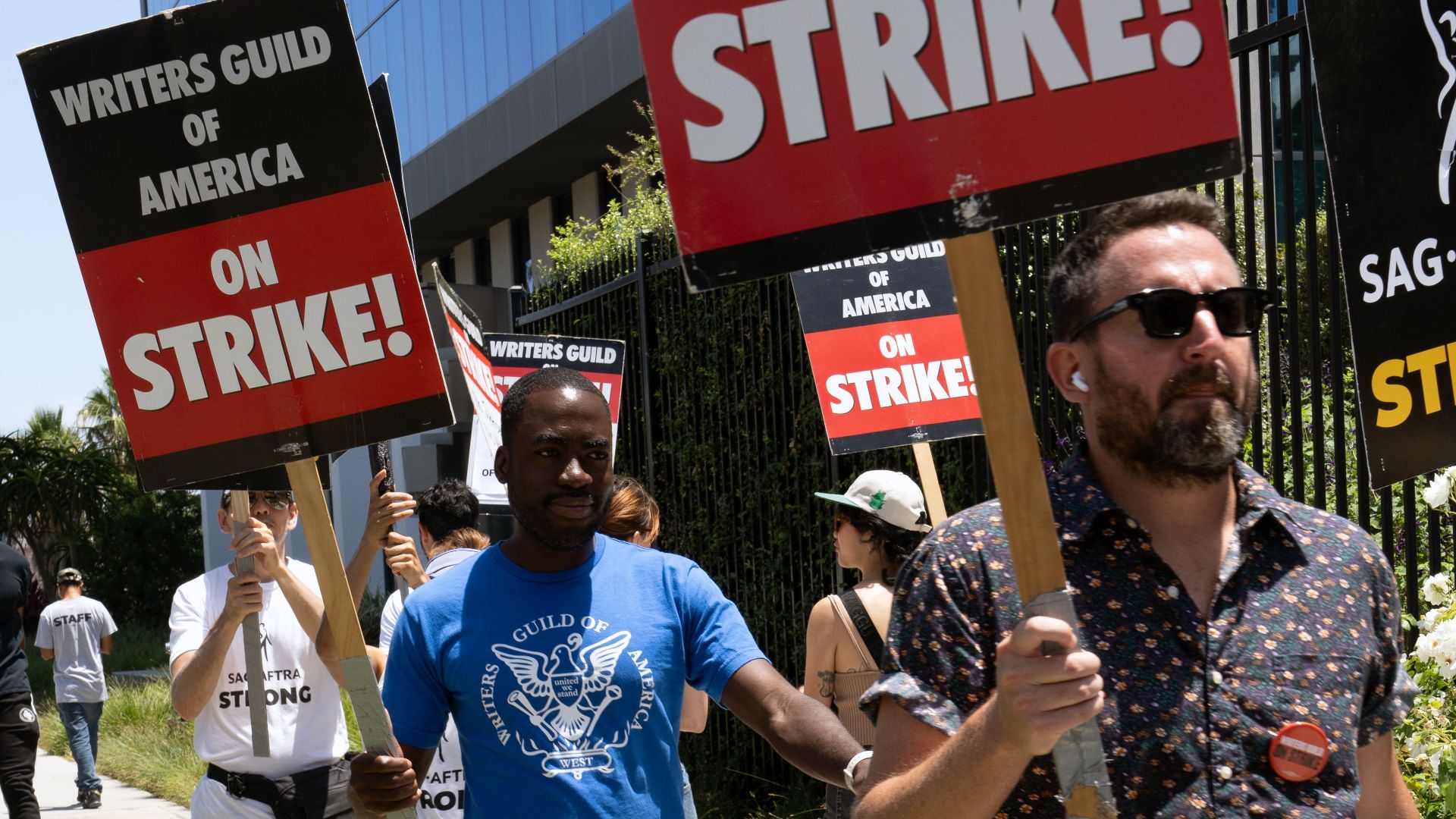
Workers forming unions or collectively demanding better conditions were once treated as criminals in many places. Early labor organizers faced arrest, blacklisting, violence, and laws that classified certain forms of collective action as conspiracy. The idea that employees could band together to negotiate with employers took decades of conflict before becoming legally protected in many countries.
9. Rulers Shouldn't Be Above the Law
Saying that even a monarch had limits on their authority could be a very dangerous political position. Thinkers, lawmakers, and activists who promoted constitutional government repeatedly found themselves imprisoned or accused of treason when their arguments threatened absolute rulers. Today, limiting government power is a familiar political principle, but getting there involved a surprising number of jail cells.
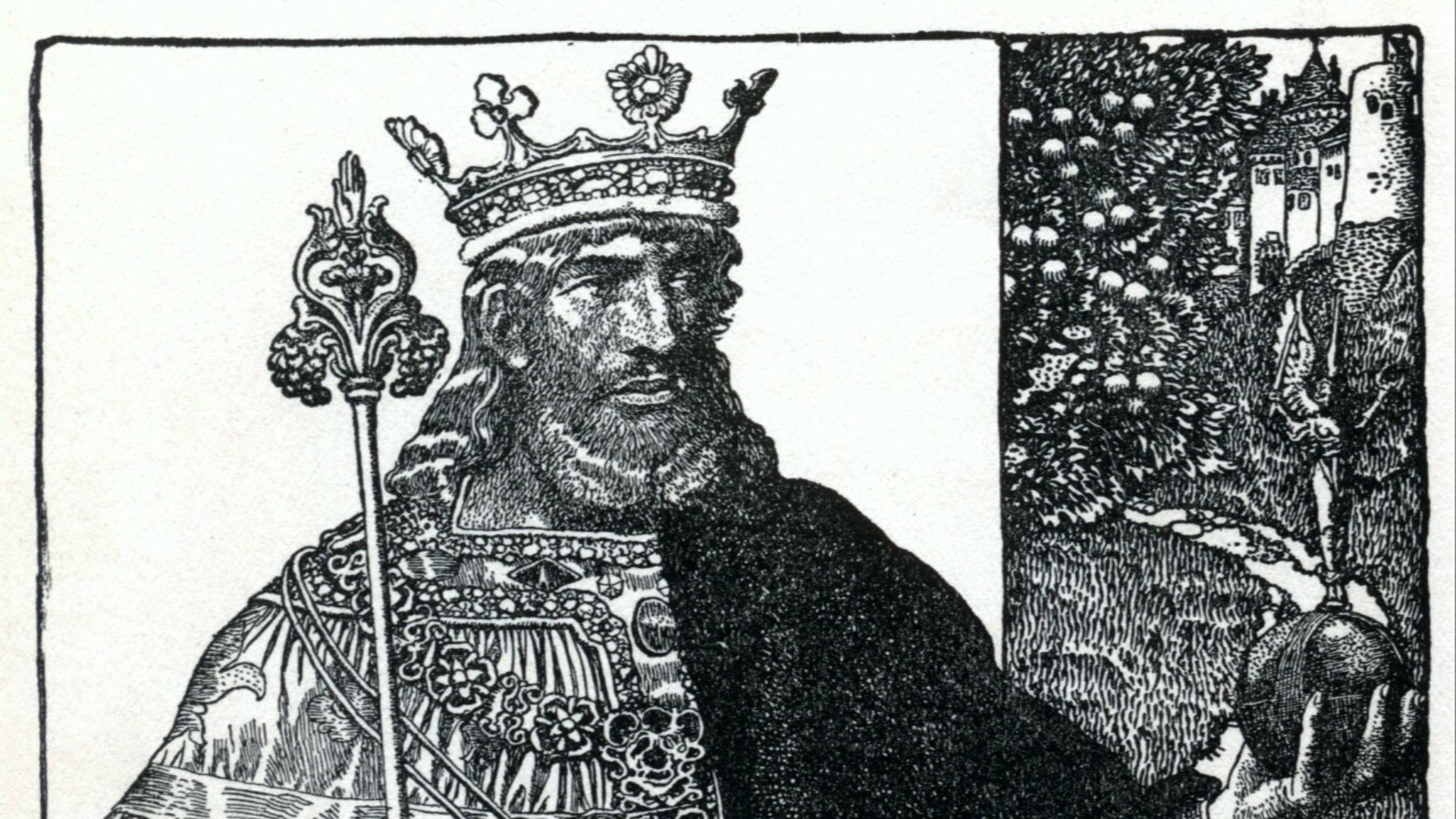
10. Religious Leaders Could Be Wrong
Challenging established church teachings carried enormous consequences during the Reformation. Martin Luther was declared an outlaw by the Holy Roman Empire after refusing to withdraw his criticisms of Catholic practices and doctrines, meaning he could legally be arrested and his writings were banned. Protection from sympathetic rulers helped him avoid the fate that had met other religious dissenters.
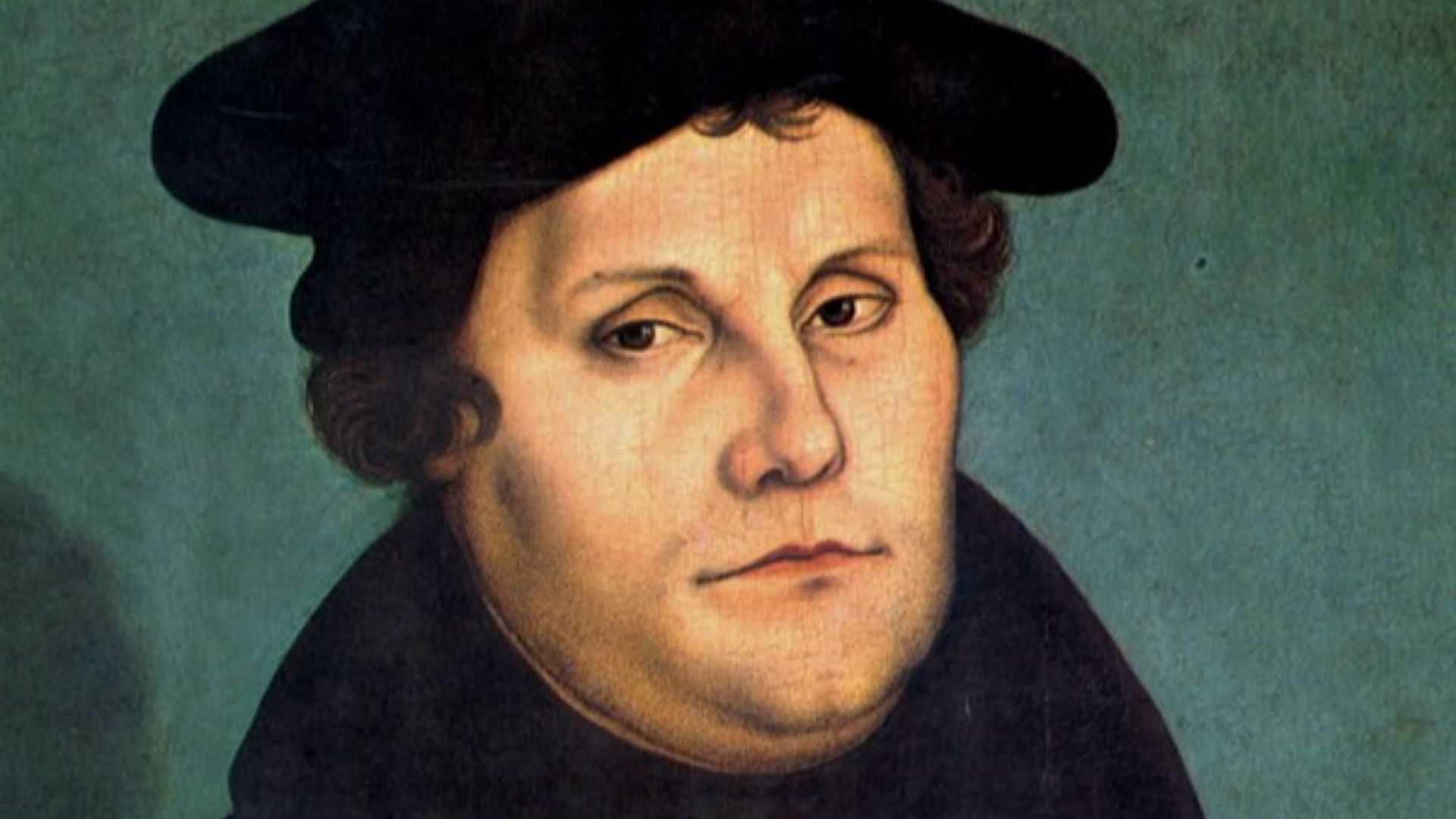 Lucas Cranach the Elder on Wikimedia
11. People Shouldn't Be Forced to Follow an Official Church
Refusing to participate in a government-approved religion could lead to fines, imprisonment, or exile. Quakers in 17th-century England were repeatedly jailed for holding unauthorized meetings and refusing religious practices they believed violated their faith. Some eventually crossed the Atlantic to flee the persecution they were facing at home for their beliefs.
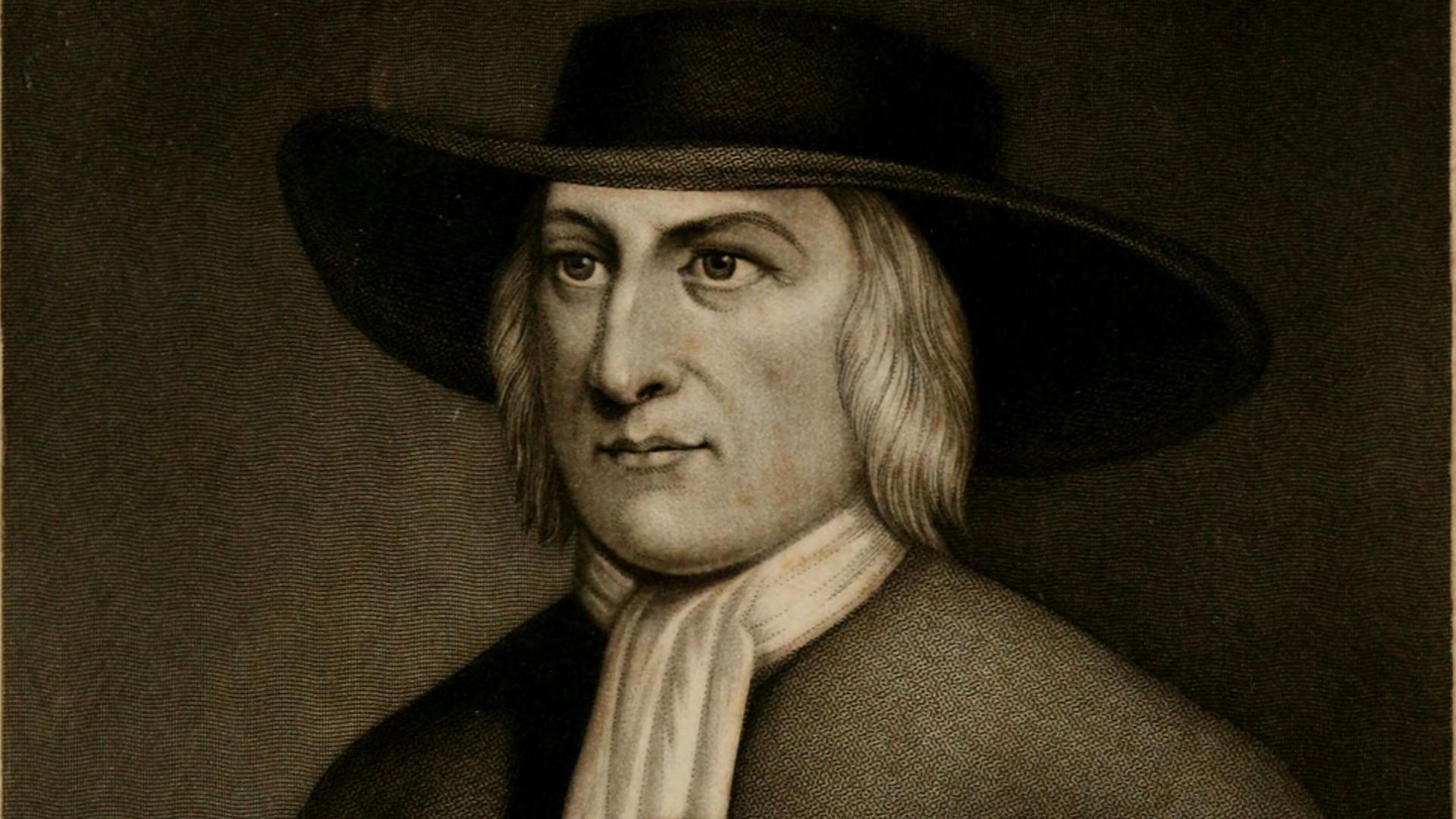 Internet Archive Book Images on Wikimedia
12. Black Americans Should Have Equal Civil Rights
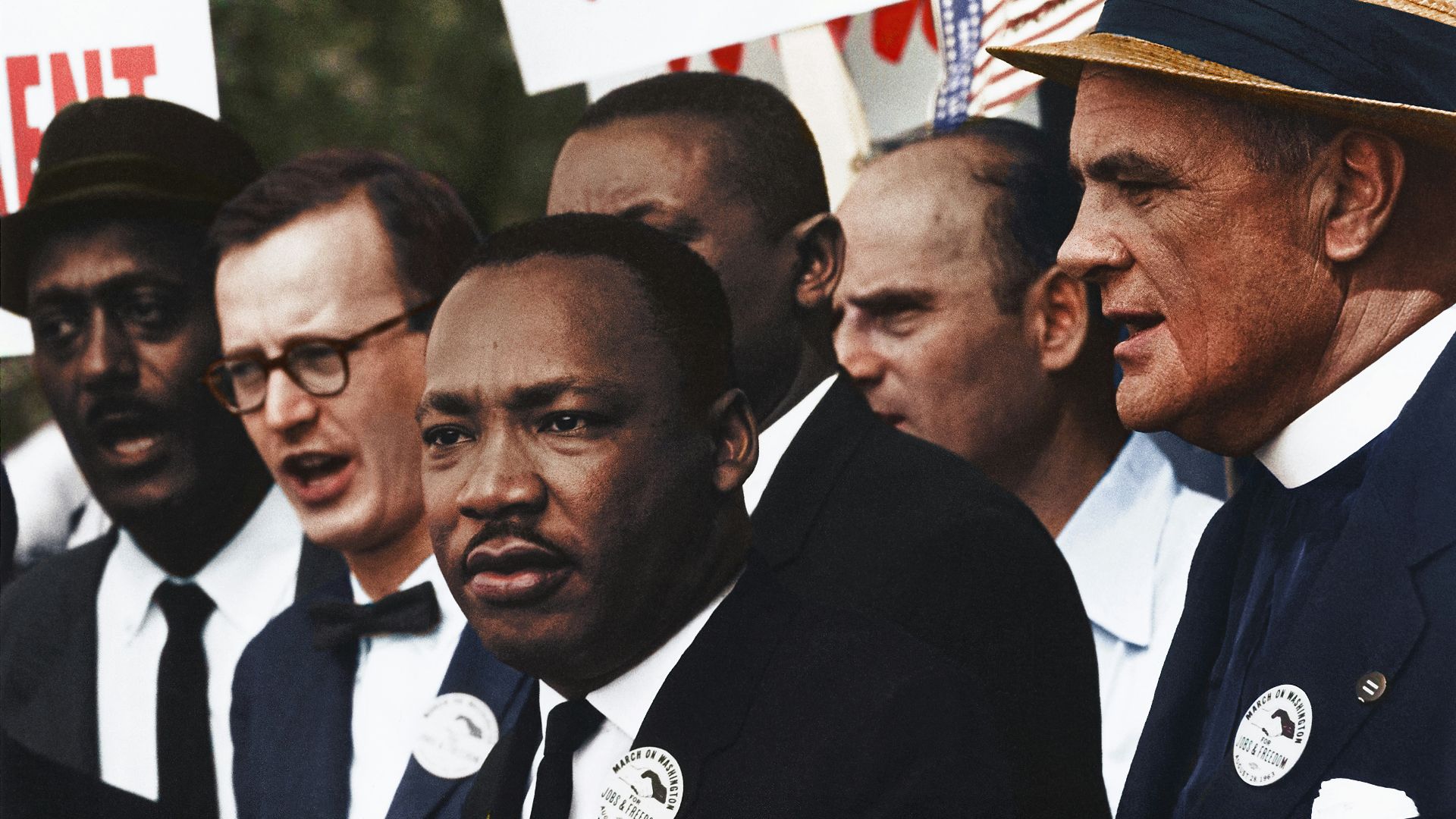
During the civil rights movement, people were routinely punished simply for demanding rights supposedly guaranteed under American law. Protesters were arrested for participating in sit-ins, marches, voter-registration efforts, and demonstrations against segregation. Martin Luther King Jr.'s famous "Letter from Birmingham Jail" was quite literally written because campaigning against racial injustice had landed him behind bars.
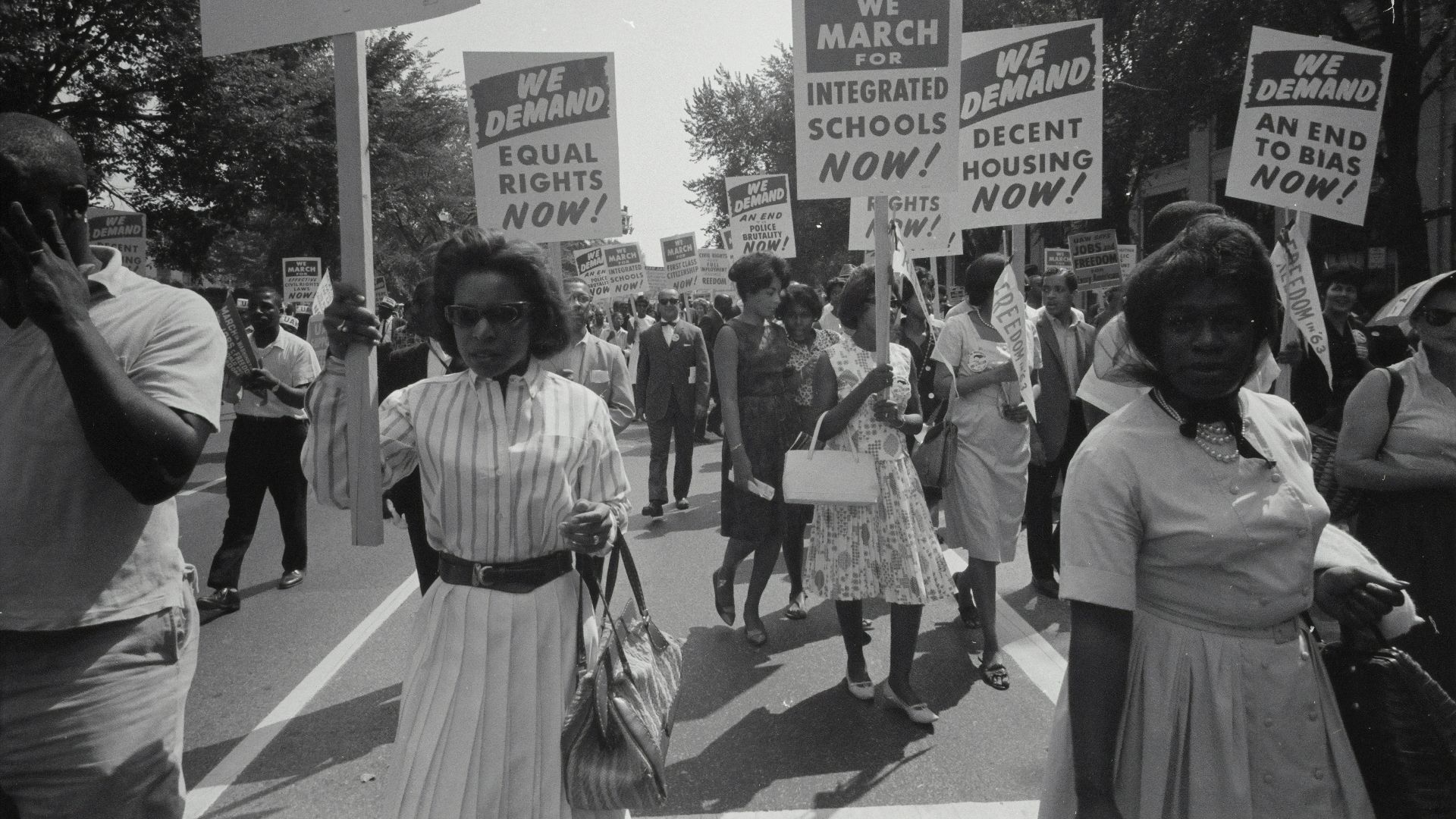 Library of Congress on Unsplash
13. A Country Should Be Independent From Its Empire
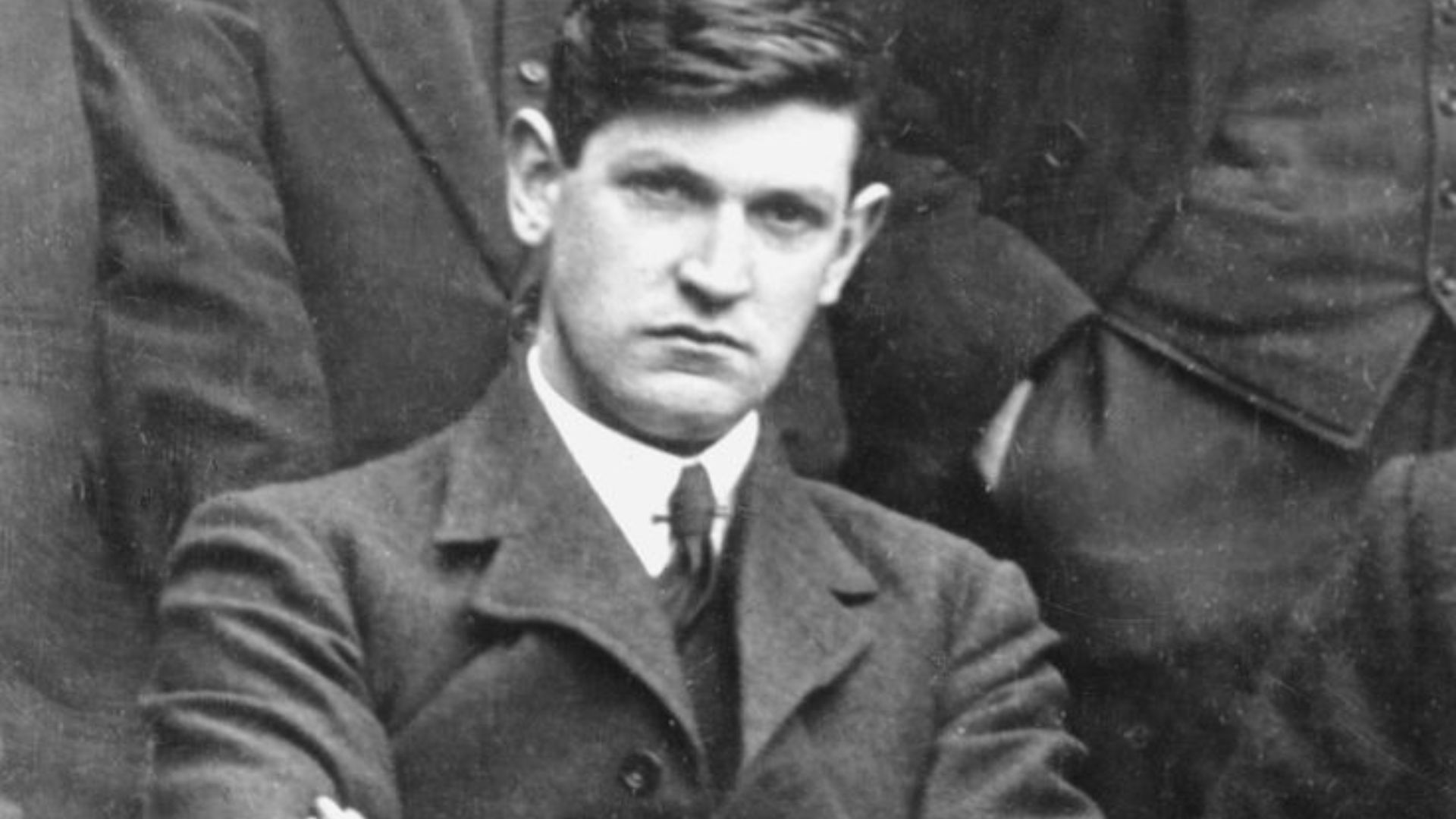
Advocating independence has frequently been treated as treason by governments determined to hold onto their territories. Independence activists from India to Ireland faced imprisonment for challenging imperial rule, sometimes spending years behind bars for speeches, publications, or political organizing. Ideas that later became the foundations of new nations initially looked like criminal rebellion to the authorities in charge.
14. The Government Shouldn't Control What Newspapers Print
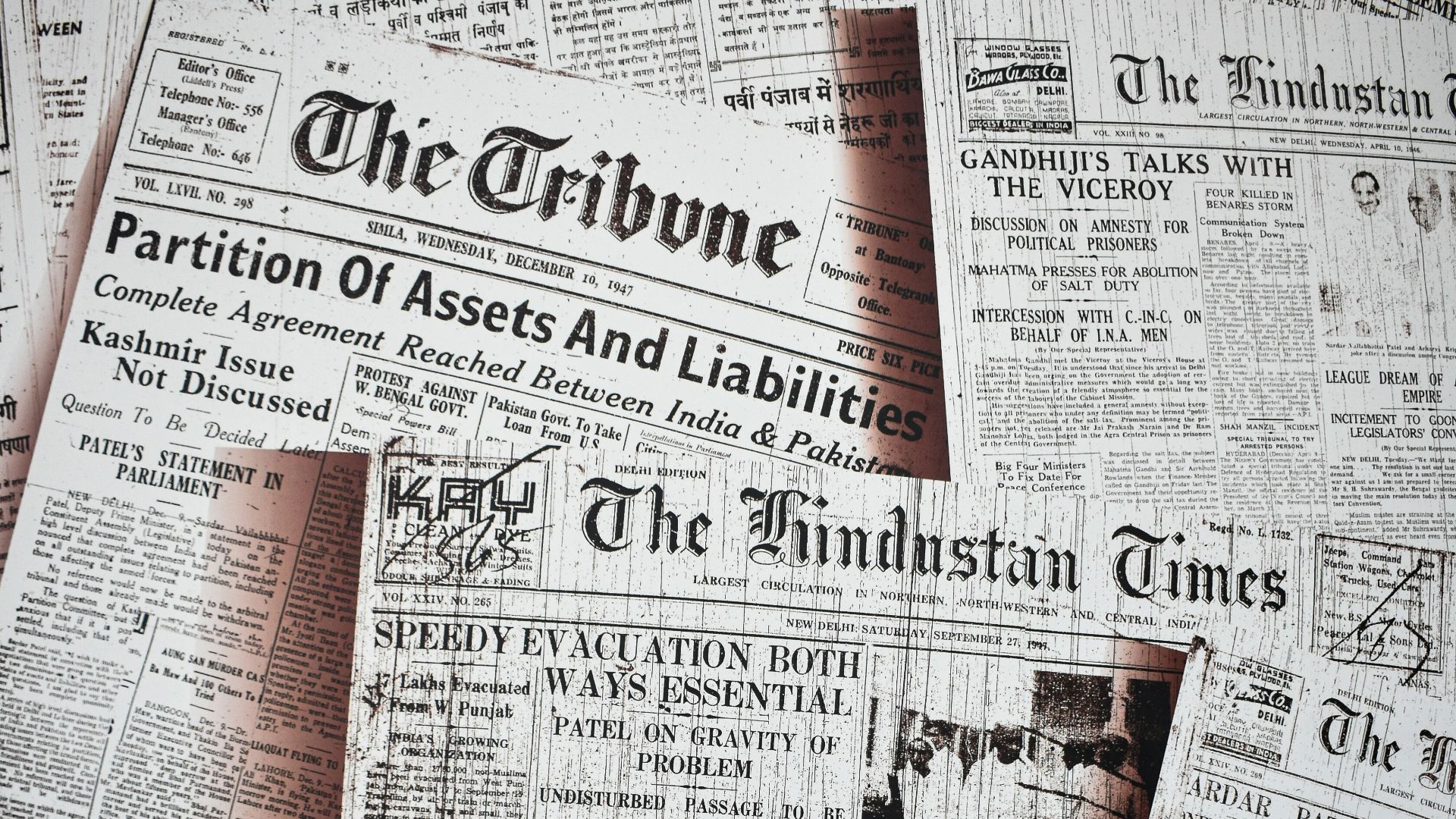
Press freedom wasn't handed to journalists because rulers suddenly decided criticism was good for them. Printers and writers across Europe and colonial America were arrested for publishing material considered seditious, insulting, or dangerous to the government. John Peter Zenger, for example, was jailed in New York in 1734 after his newspaper criticized the colonial governor, though a jury later acquitted him.
15. Communion Bread & Wine Weren’t Literally Christ’s Body & Blood
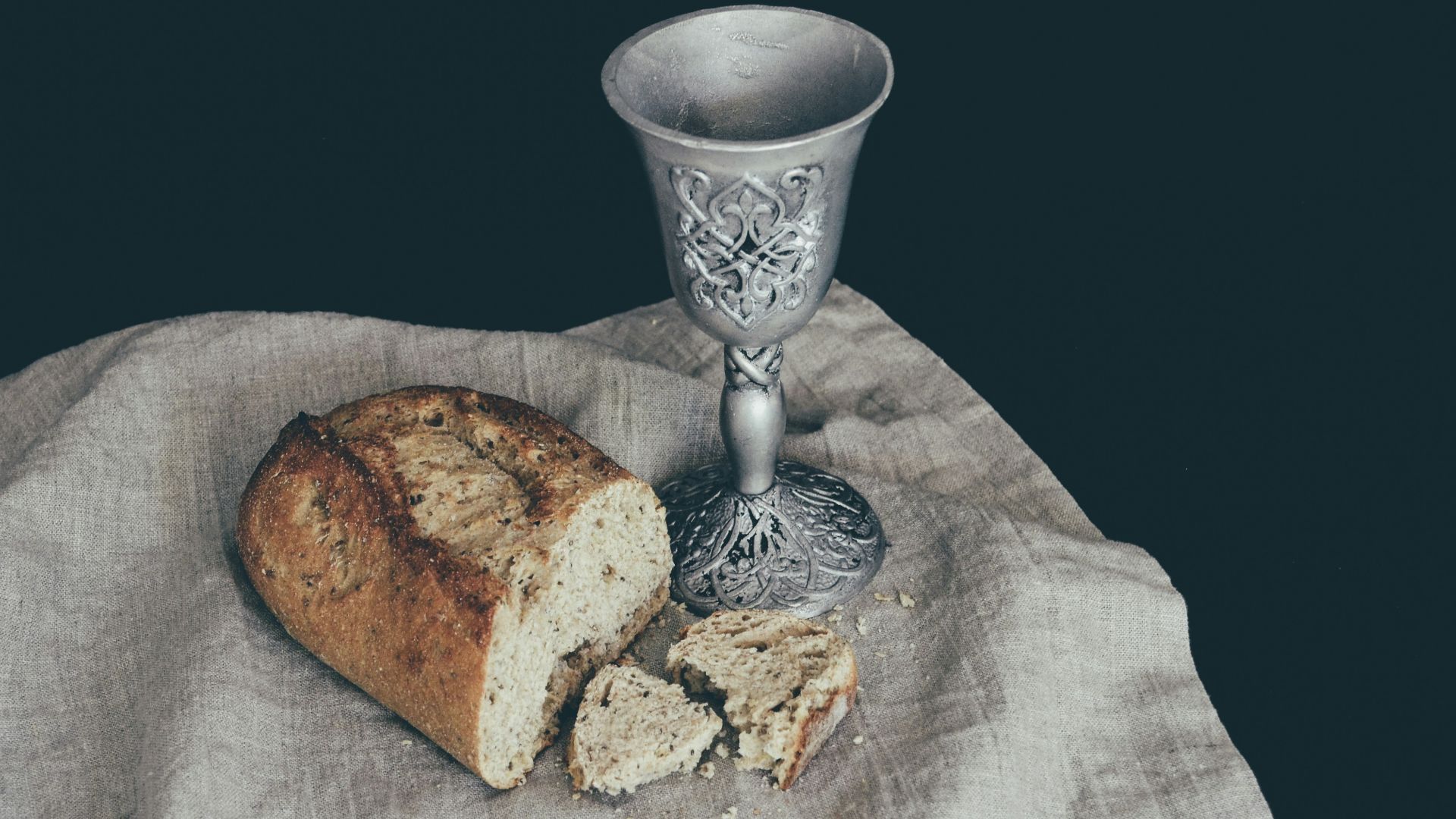
During the Reformation, disagreeing over the meaning of Communion could become a matter of life and death. In 16th-century England, Protestants who rejected the Catholic doctrine of transubstantiation were prosecuted for heresy, particularly during the reign of Mary I. What sounds like an intensely theological disagreement today could once be cause for execution.
16. People Should Be Allowed to Be Atheists
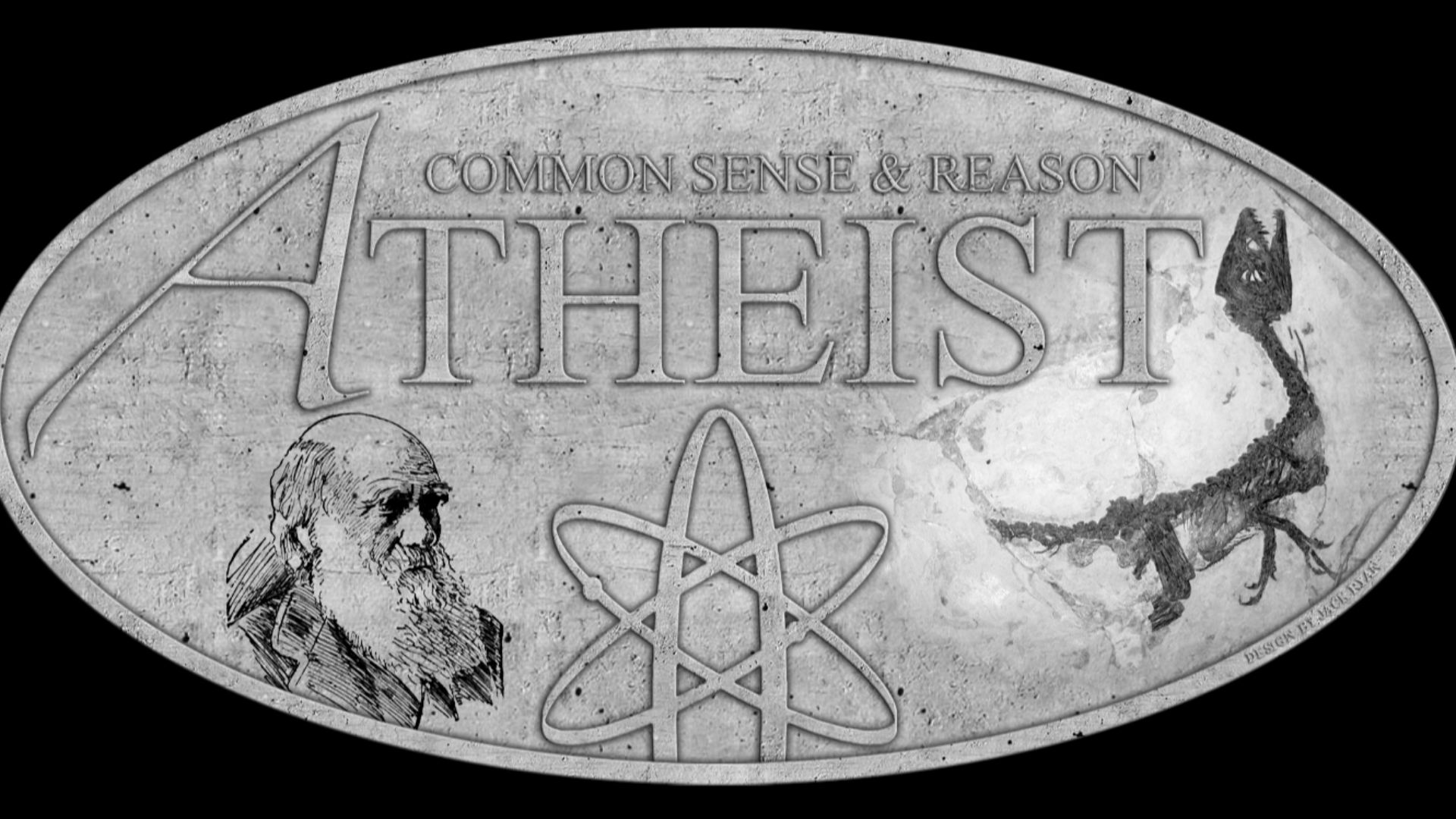
Openly denying the existence of God could once lead to prosecution under blasphemy or heresy laws. In several European societies, atheistic writings were banned, while authors suspected of rejecting Christianity could face imprisonment or exile. Even philosophers who privately doubted religion often chose their wording very carefully because openly stating those doubts could turn an intellectual debate into a legal problem.
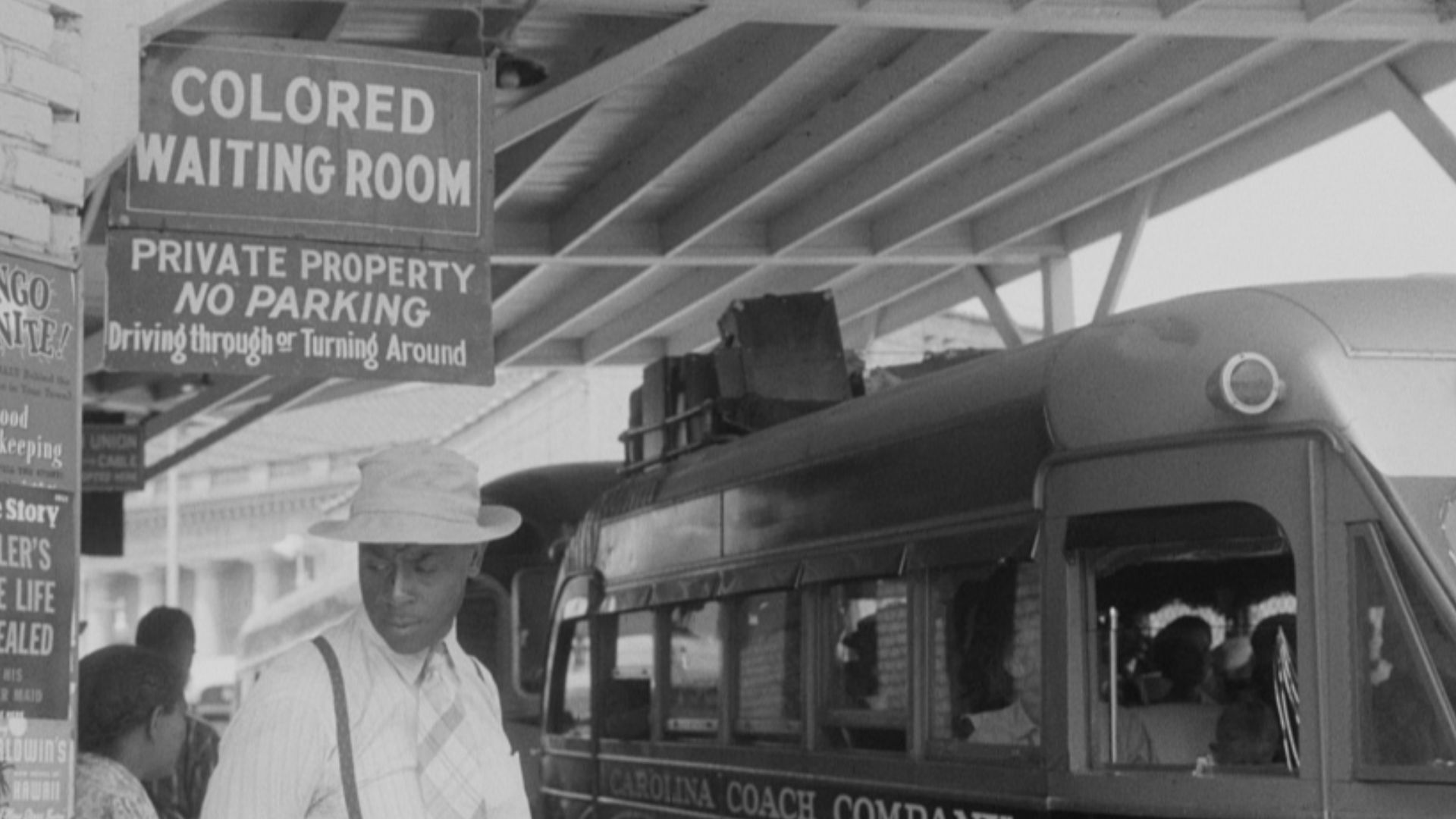
17. Segregation Should Be Defied
Opposing segregation wasn't only controversial in the American South. It could mean violating laws that were deliberately created to enforce racial separation. Rosa Parks was arrested in Montgomery, Alabama, in 1955 after refusing to surrender her bus seat, and countless other activists were detained for similar acts of resistance. Their belief that unjust laws shouldn't simply be accepted helped transform American society.
18. Colonial Subjects Deserved the Same Rights as Europeans
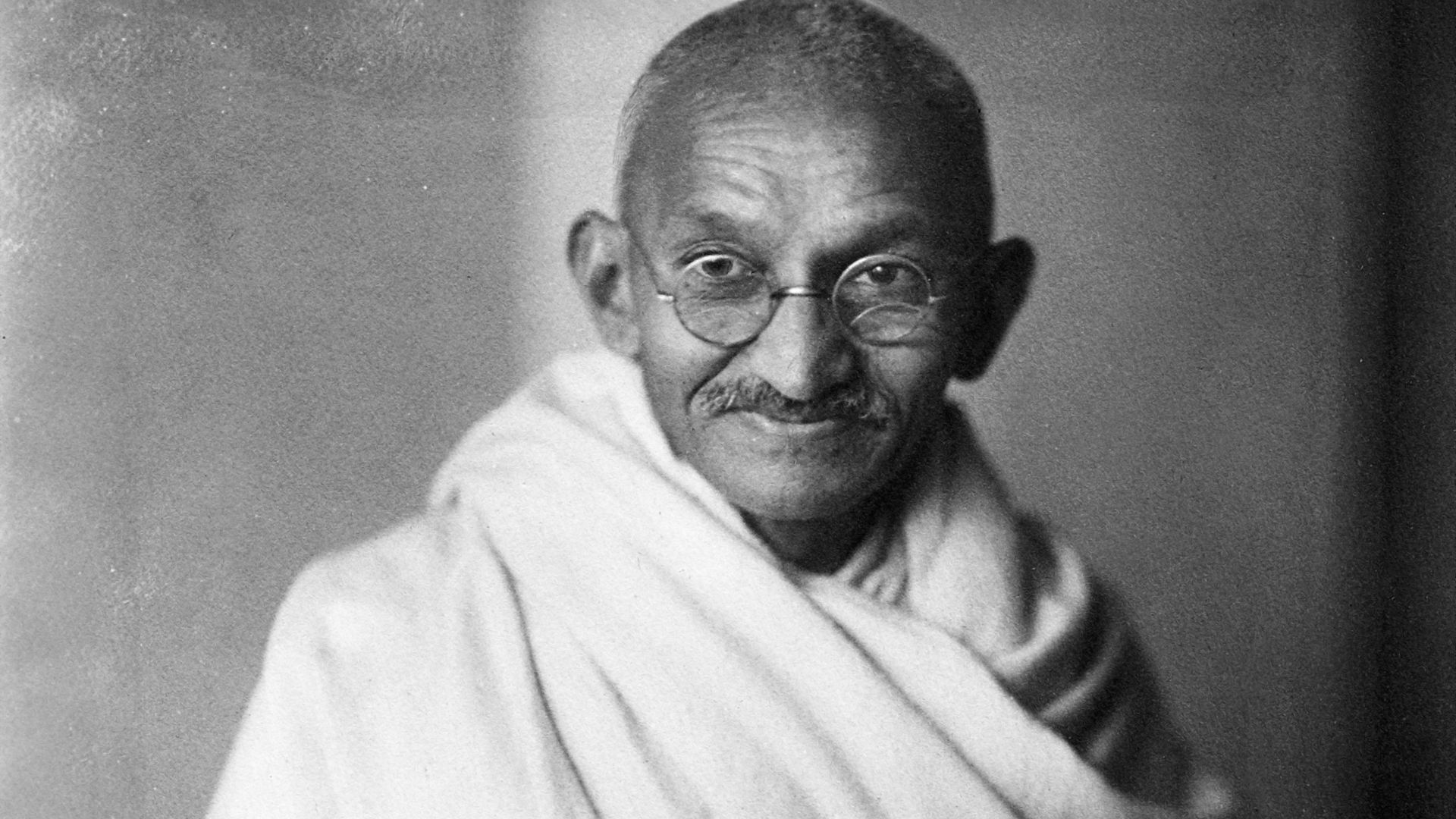
European empires frequently promoted ideas about liberty at home while limiting those same rights in their colonies. Activists who demanded political equality, representation, or independence could be censored, arrested, deported, or imprisoned. Mahatma Gandhi, for instance, was repeatedly jailed by British authorities while campaigning against colonial rule in India.
19. A Government Could Be Criticized During Wartime
War has often made governments especially sensitive to dissent. During World War I, the U.S. prosecuted people under the Espionage and Sedition Acts for speeches and writings criticizing the war effort or military recruitment. Socialist leader Eugene V. Debs received a 10-year prison sentence after delivering an antiwar speech in 1918, showing how quickly political disagreement could become a federal crime.
20. The Government Should Be Chosen by the People
Advocating popular government could once be treated as outright sedition. In monarchies across Europe, republicans who argued that political power should come from citizens rather than hereditary rulers faced censorship, imprisonment, exile, and sometimes execution. English republican Algernon Sidney, for example, was executed for treason in 1683, with his writings about resistance to absolute rule used as evidence against him.