What the Movies Got Wrong
The knight most people picture comes from Victorian paintings and Hollywood, both of which took liberties. Real knights spent more time managing farmland and collecting rents than charging across battlefields. The armor was lighter than you'd guess, the horses were smaller, and the code of chivalry showed up centuries later than the knights themselves. Some of the surprises are unflattering and some make them more impressive. Here's 10 things that were actually true, and 10 myths that people still cling to.
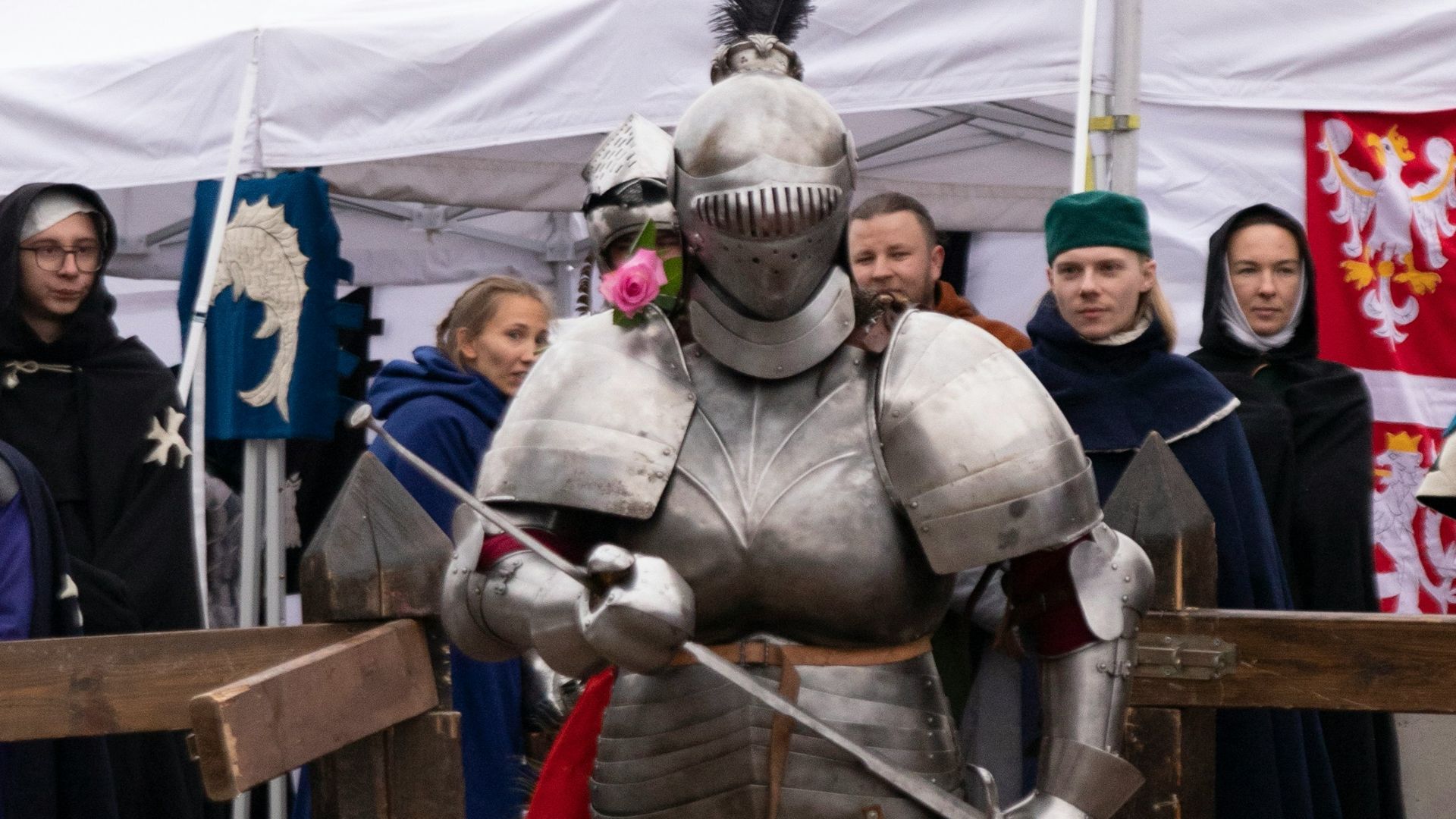
1. Armor Weighed Less Than a Modern Soldier's Kit
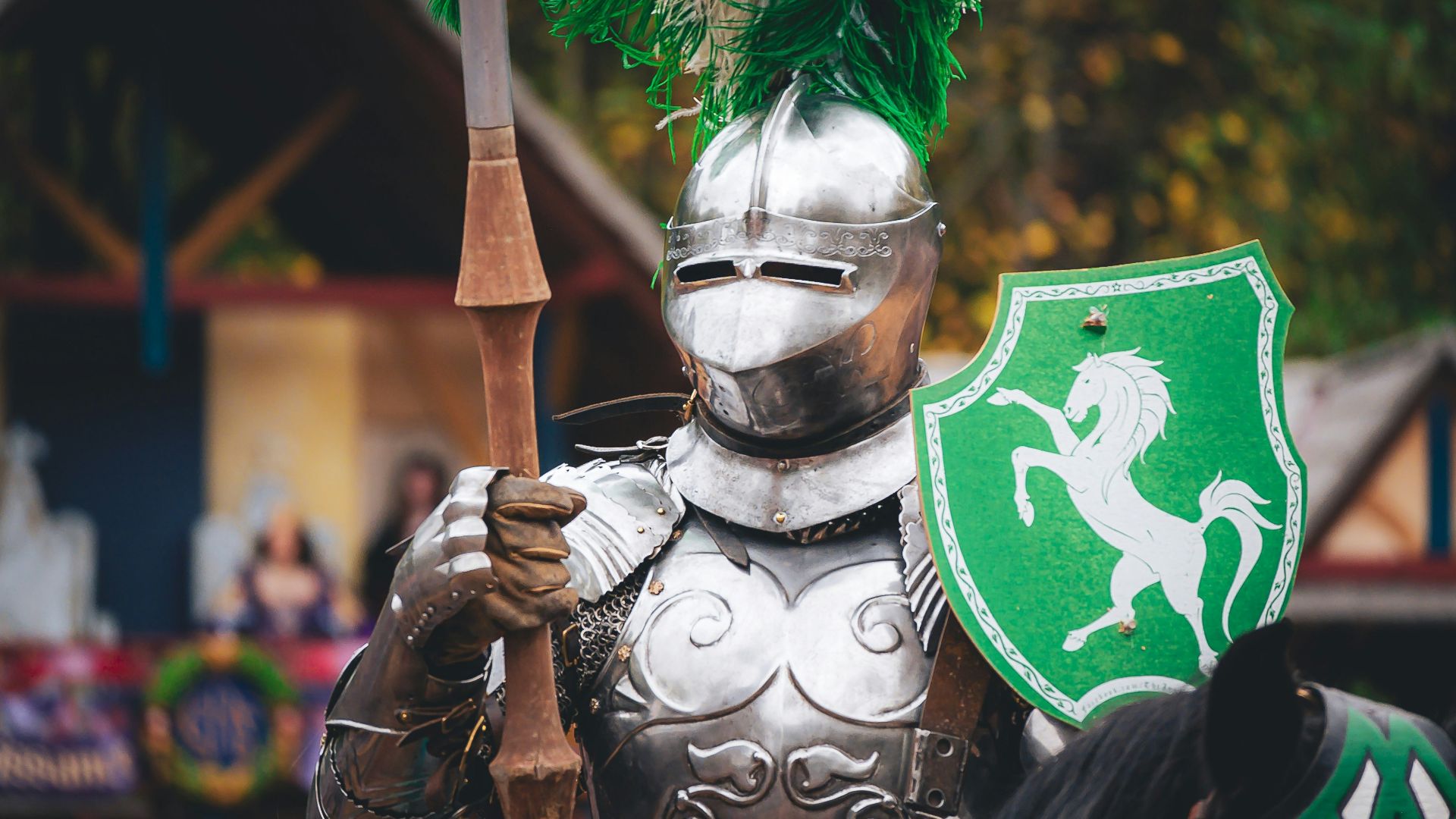
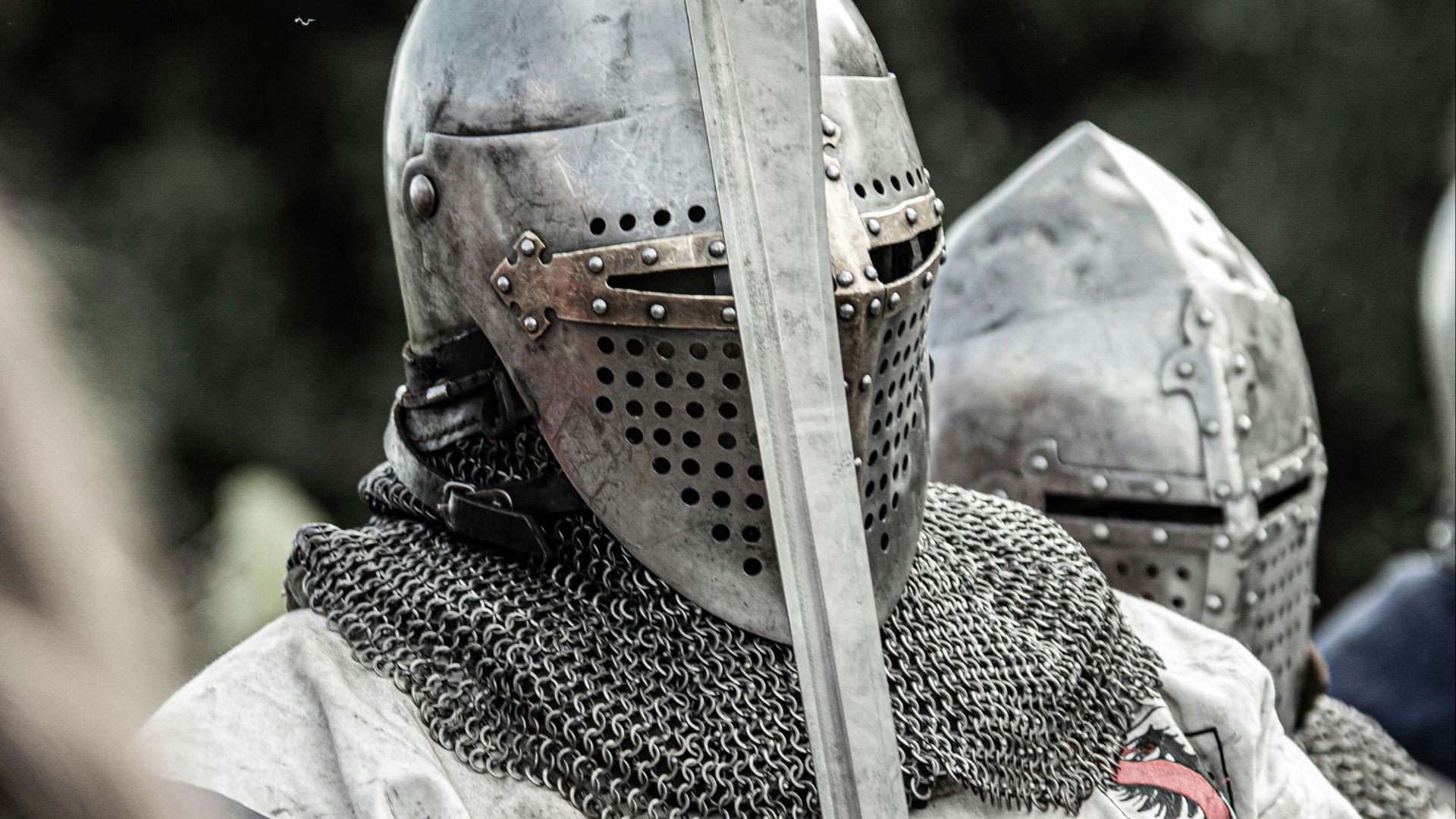
A full suit of plate armor ran about 45 to 55 pounds, distributed across the entire body. A modern infantry soldier carries 60 pounds or more concentrated on the back and shoulders. Knights could run, mount unaided, and get up off the ground without help.
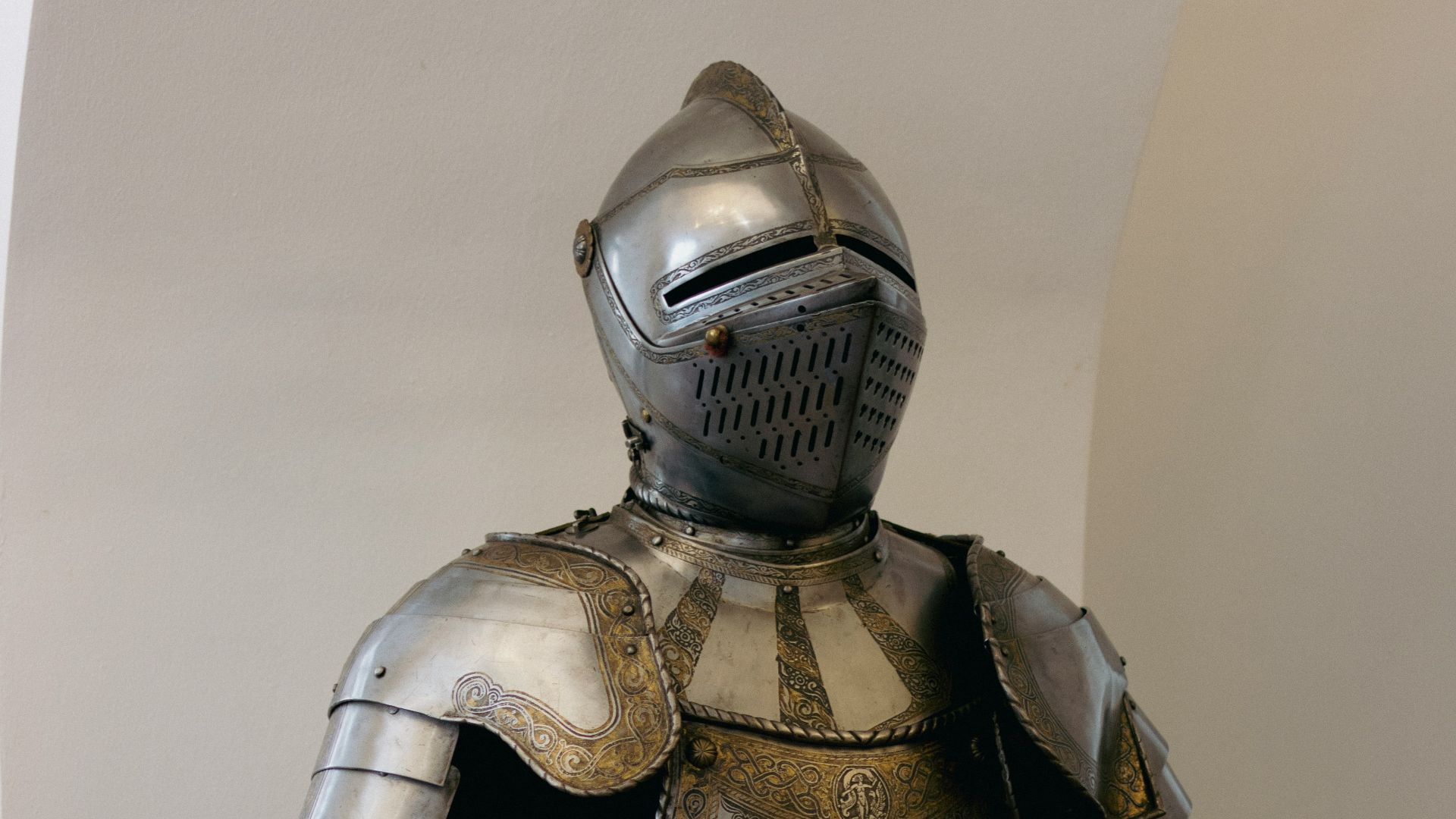 Evgeni Adutskevich on Unsplash
2. Warhorses Were Smaller Than You'd Think
Destriers stood around 15 to 16 hands, roughly the size of a modern quarter horse rather than a Clydesdale. Archaeological evidence from English sites suggests many were even smaller. They were bred for temperament and power, not height.

3. Knighthood Was Extremely Expensive
Equipping a single knight cost roughly the equivalent of a small farm, including armor, weapons, and multiple horses. Many landholders paid a tax called scutage specifically to avoid the obligation. The financial barrier kept the numbers low.
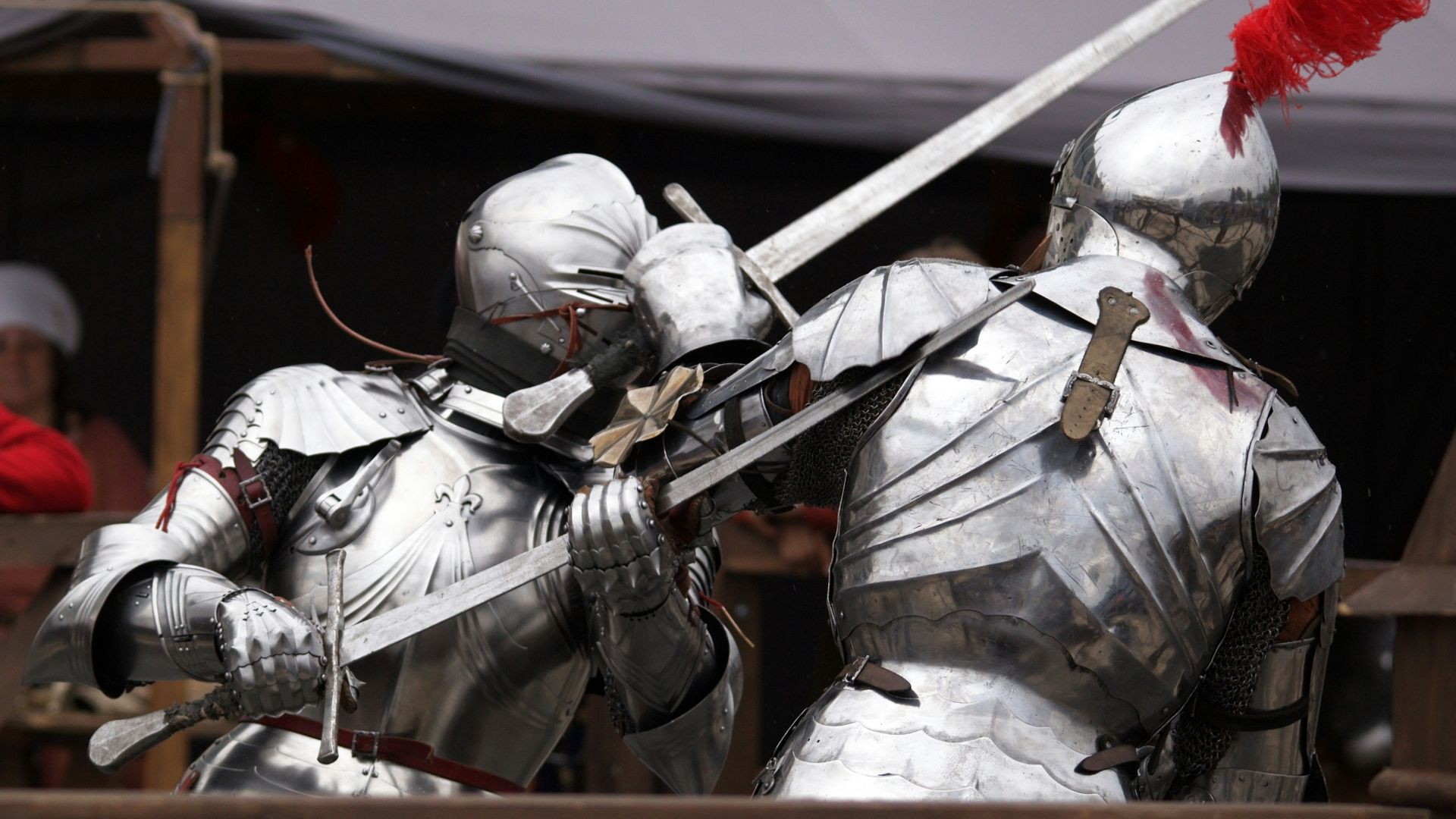
4. Ransom Was the Real Business Model
Capturing an enemy knight alive was worth far more than killing him. Bertrand du Guesclin was ransomed multiple times, and King John II of France was held for a sum that nearly bankrupted his kingdom. Battles were fought with capture in mind.

5. Most Fighting Happened on Foot
The mounted charge was a specific tactic, not the default. English knights at Agincourt and Poitiers dismounted to fight alongside their infantry. Horses were often used for transport and pursuit rather than the engagement itself.
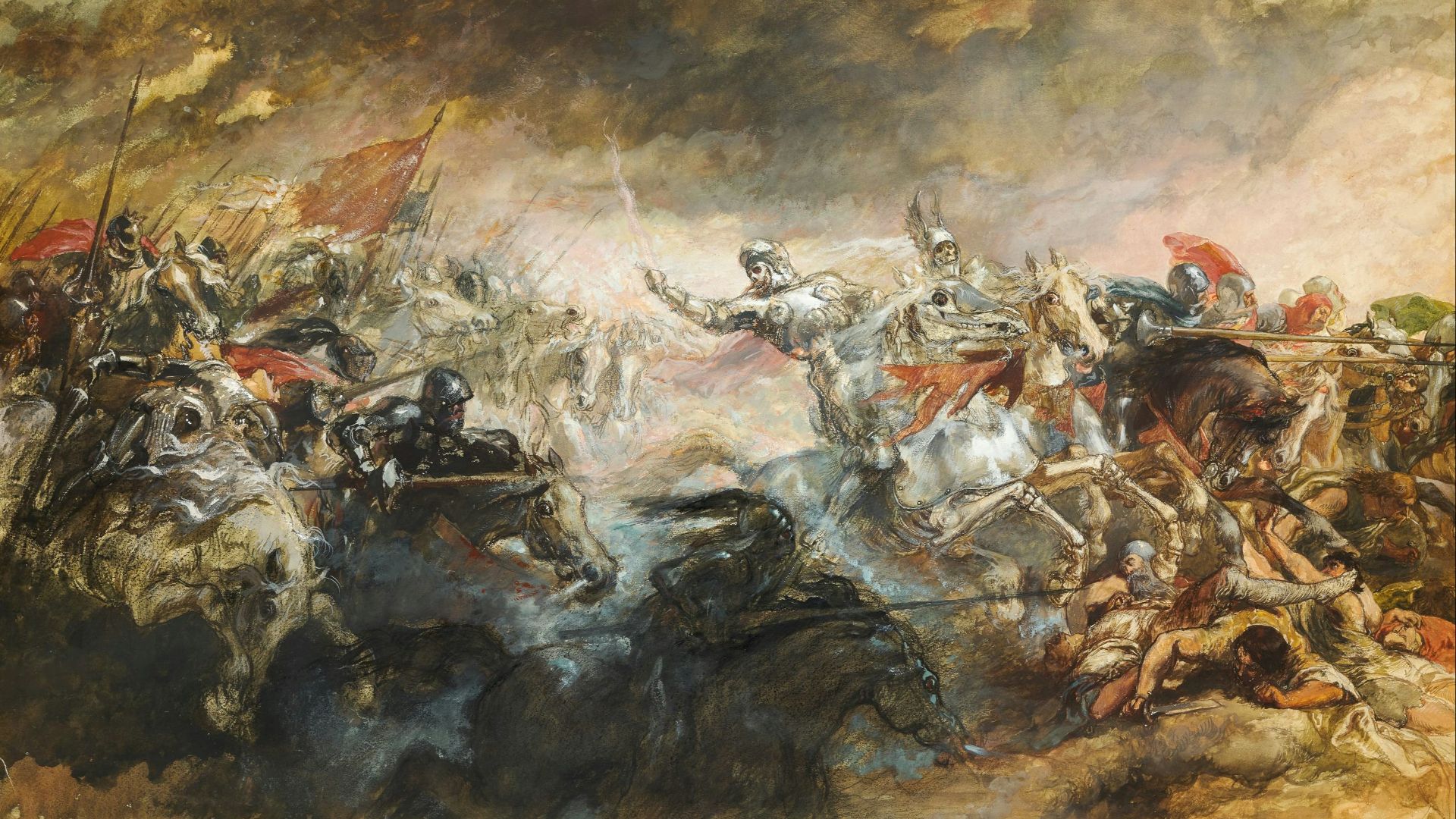 Birmingham Museums Trust on Unsplash
6. Squires Started Around Age Seven
Boys entered another noble household as pages at seven or so and spent a decade learning weapons, horsemanship, and etiquette. Knighthood typically came at 21 if it came at all. The training pipeline ran longer than a modern medical degree.
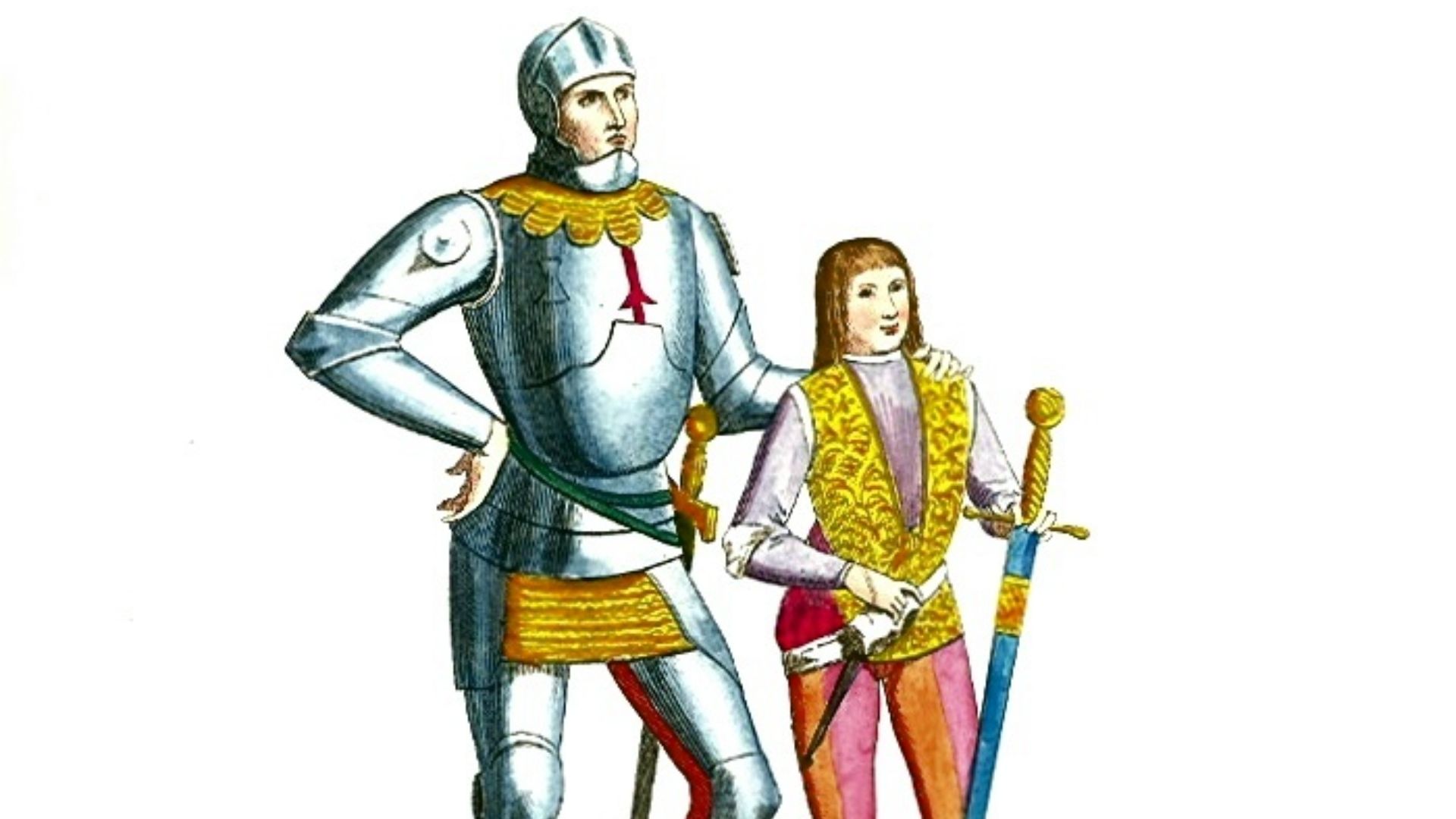
7. Tournaments Were Genuinely Deadly
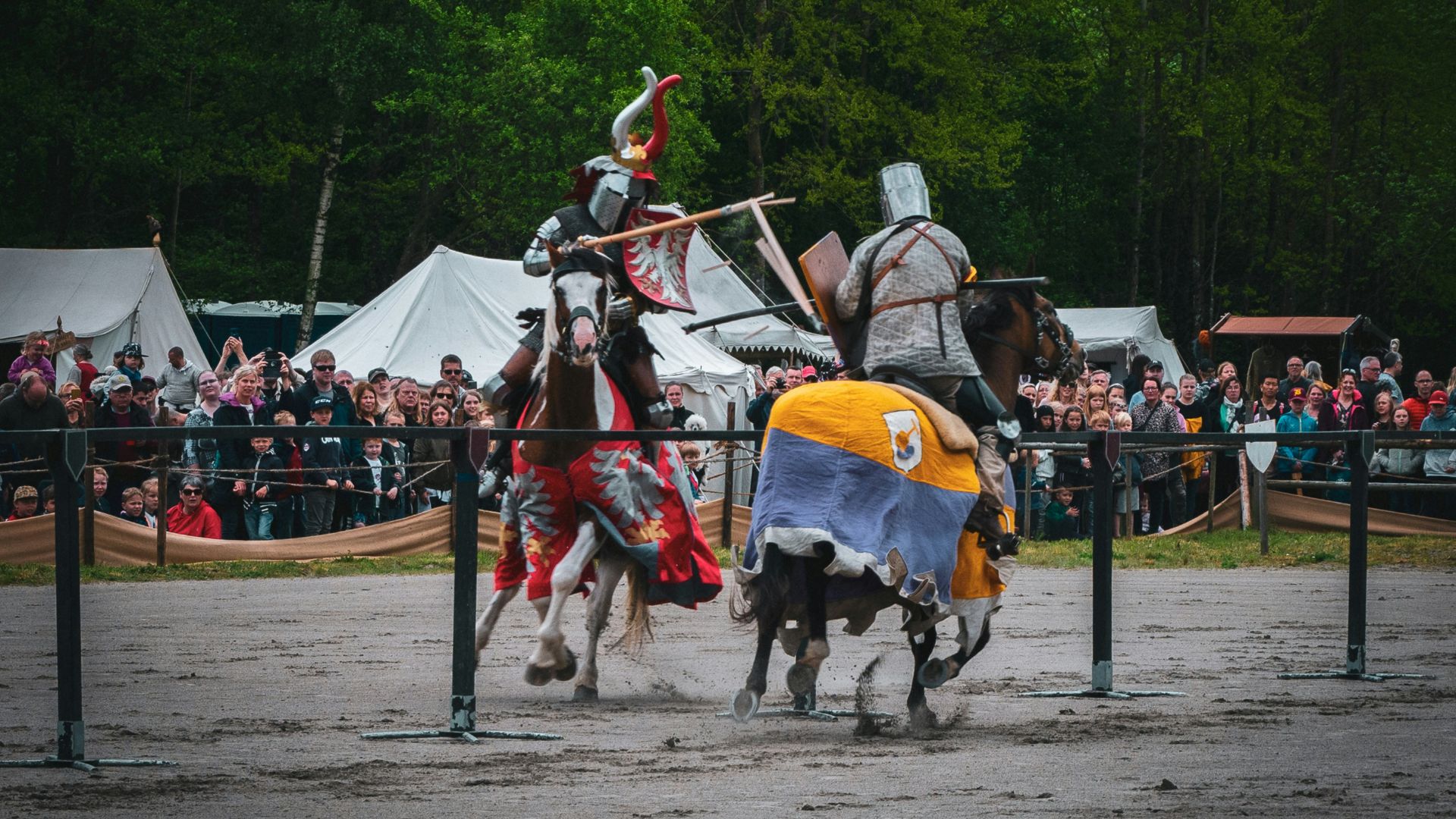
Early tournaments were closer to controlled battles than sporting events, with teams fighting across open country. Deaths were common enough that the Church banned them repeatedly. Henry II of France died from a lance splinter through the eye in 1559.
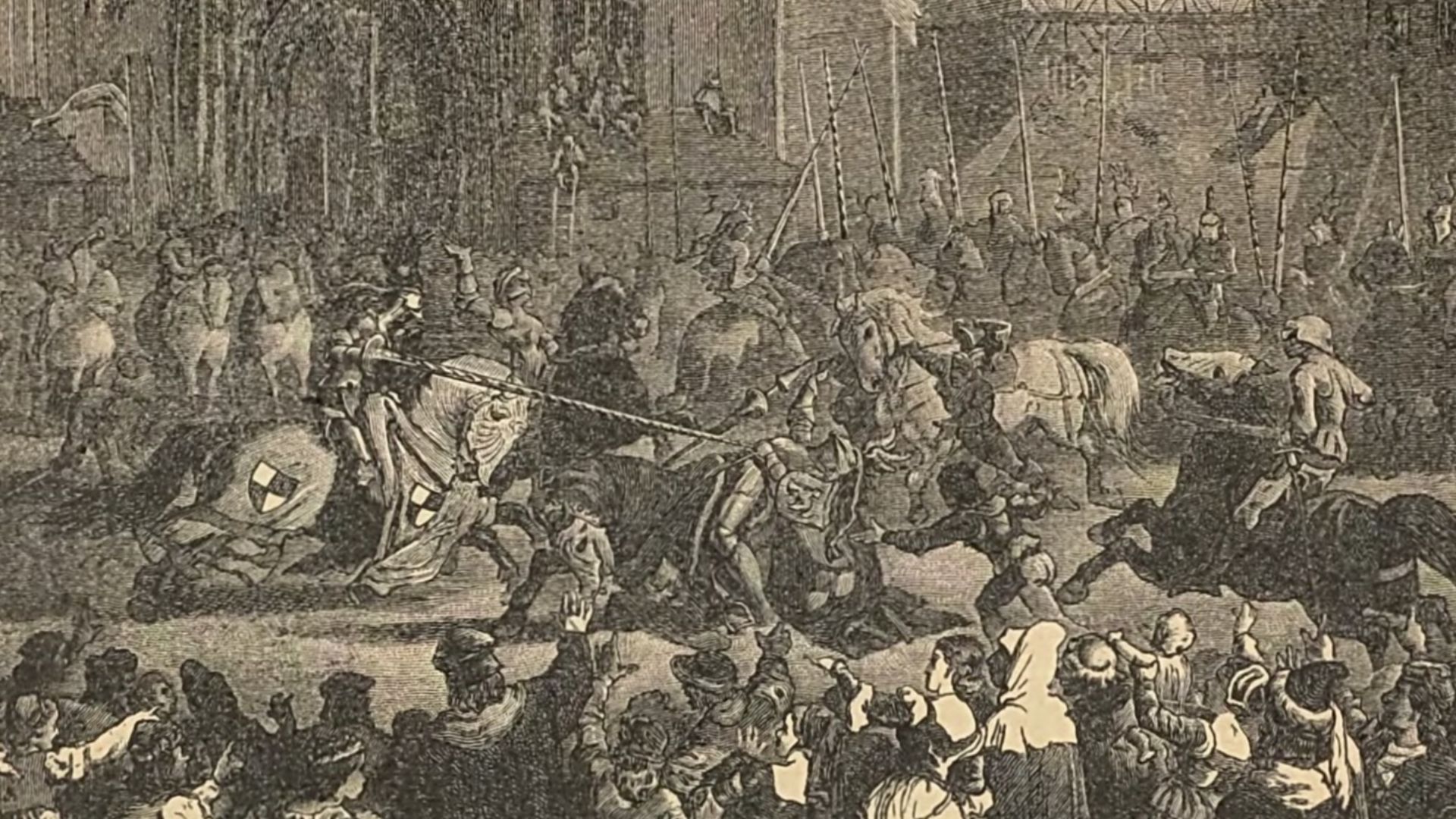 Emil Nietzsch Sohn on Wikimedia
8. Knights Were Frequently Broke
Land generated income slowly, and the costs of maintaining status were constant. Younger sons inherited nothing and often became mercenaries or joined military orders out of necessity. Debt was a standard feature of knightly life.
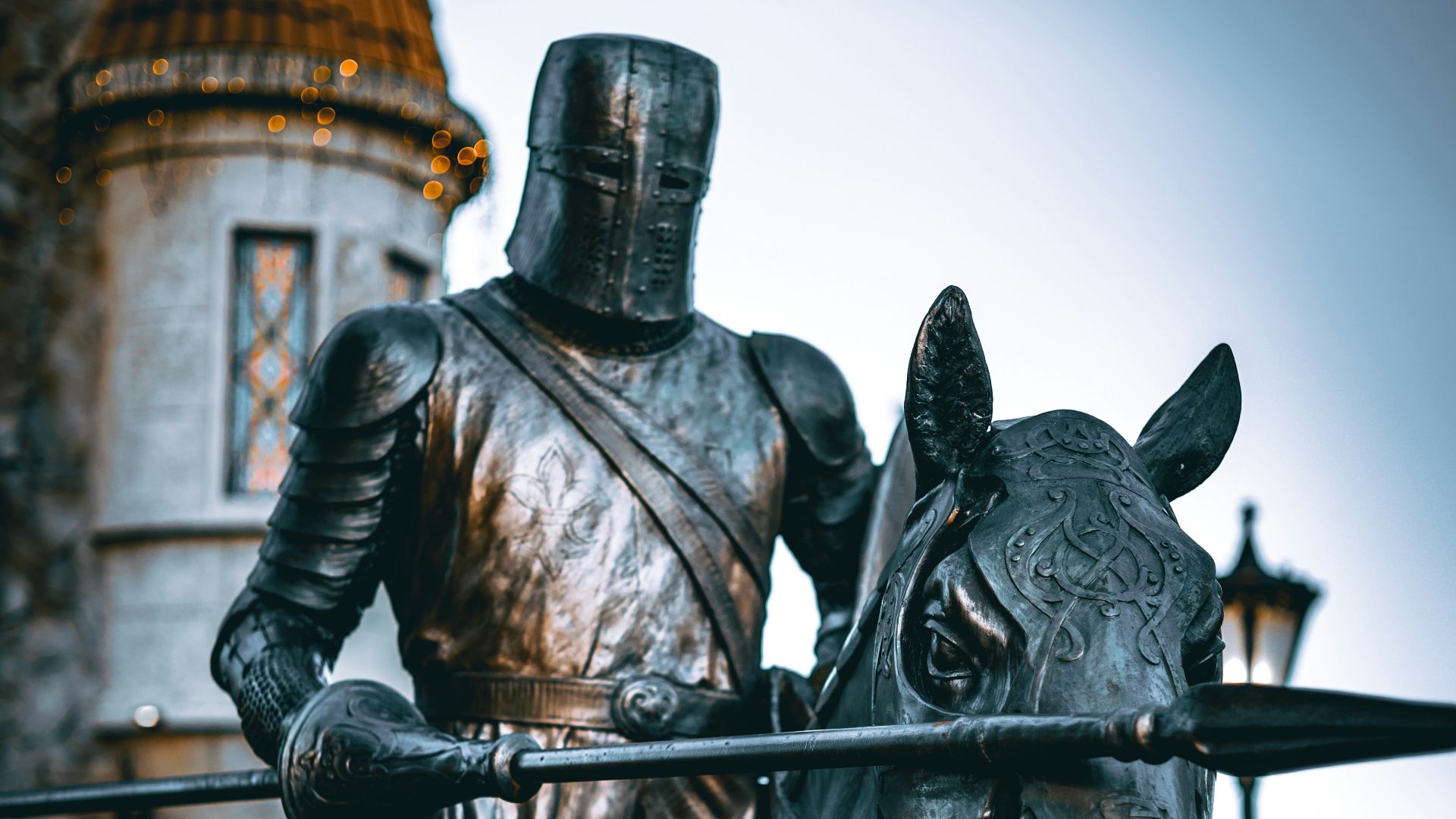
9. The Codpiece Came Before the Cup
Armor for the groin evolved into an elaborate and heavily decorated piece by the 1500s. Function drove the original design, and fashion took it somewhere else entirely. Museum collections have examples that are difficult to look at with a straight face.
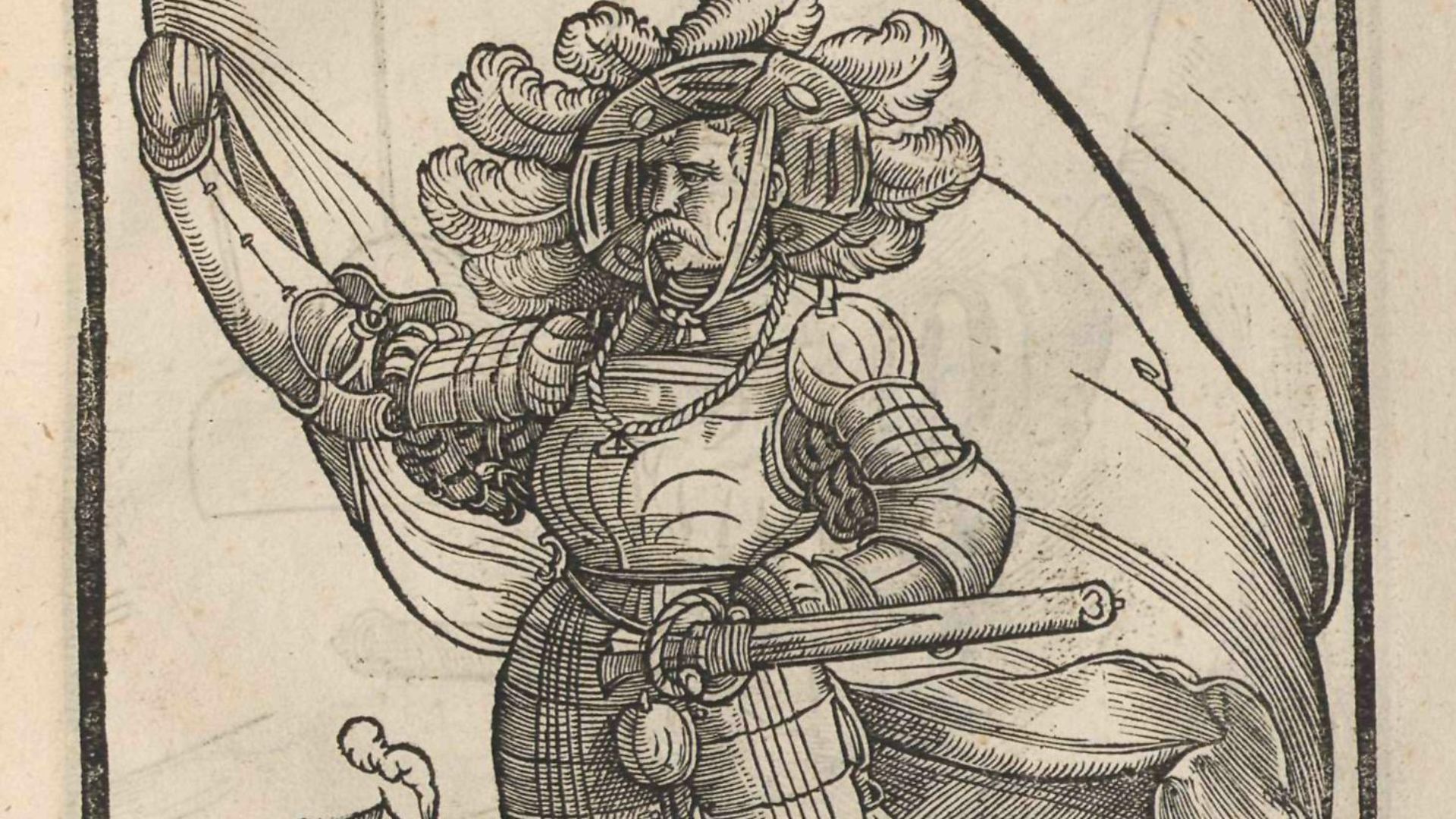
10. Many Couldn't Read
Literacy was a clerical skill for much of the medieval period, not a noble one. Plenty of knights signed documents with a mark and had scribes handle correspondence. Reading became more common among the nobility only in the later Middle Ages.
Now, here's 10 things that never happened the way you've heard.

1. Knights Needed Cranes to Mount
The crane story traces to a 1944 Laurence Olivier film and has almost no historical basis. Fifteenth-century fighting manuals show armored men vaulting into saddles and doing cartwheels. The myth persists because it makes for a good visual.
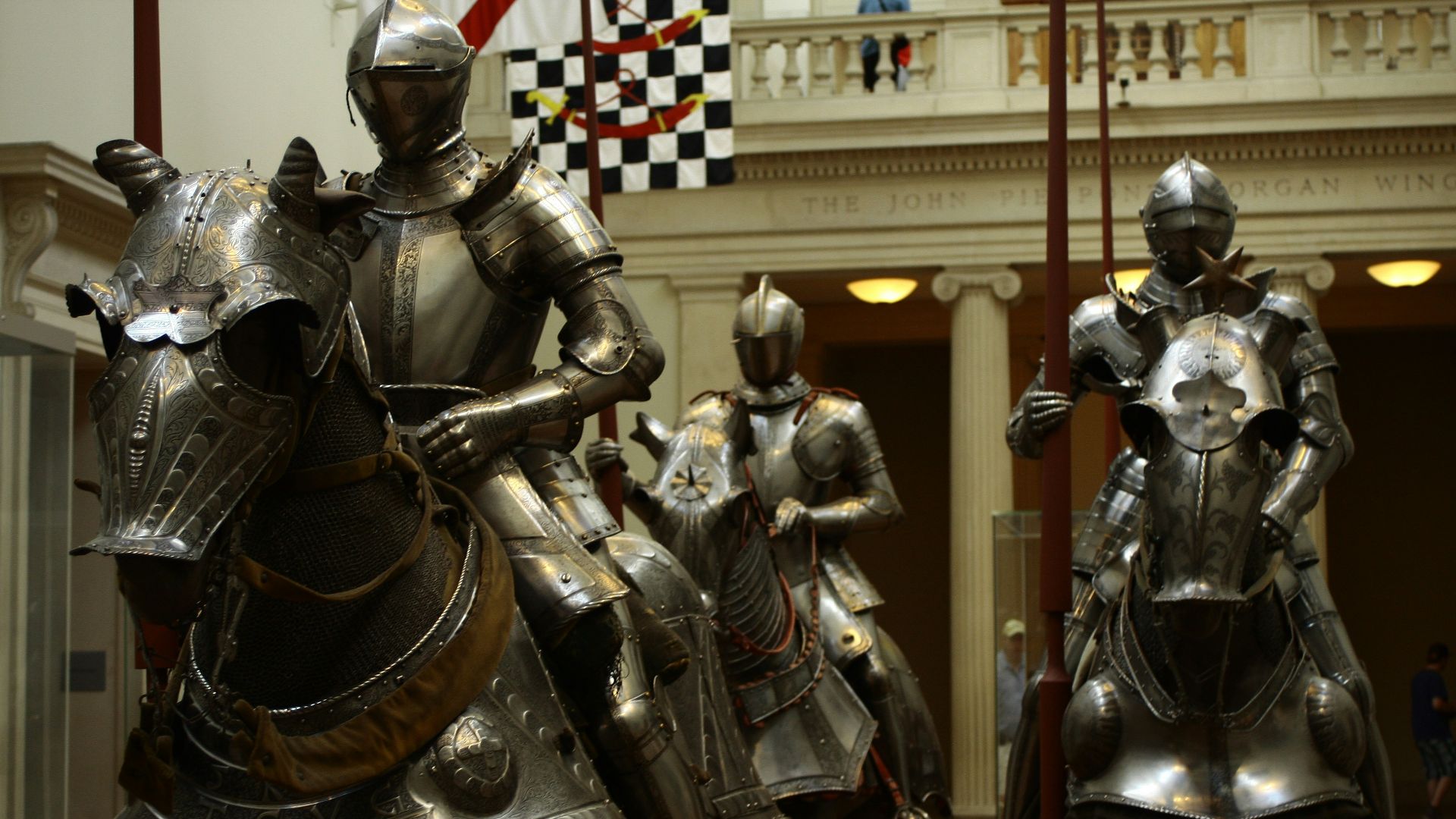
2. Armor Made You Helpless on the Ground
Falling over in plate armor was inconvenient, not fatal. Training treatises by Fiore dei Liberi include extensive armored grappling and ground fighting techniques. Getting back up was a basic skill, not a miracle.
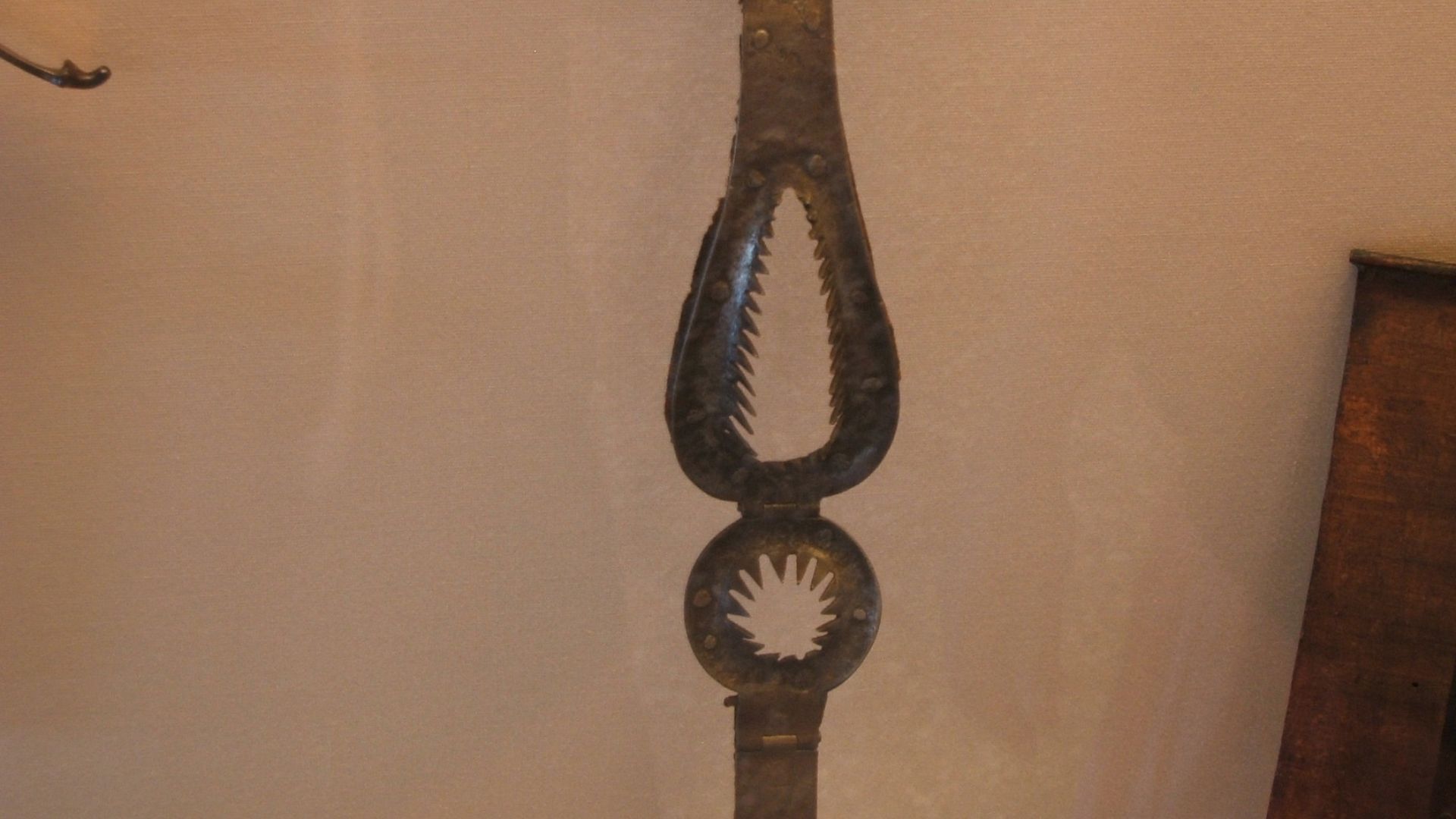
3. Chastity Belts Were Common
No authenticated medieval chastity belt exists in any museum collection. The examples in the British Museum and elsewhere have been reclassified as 18th and 19th century curiosities or outright fakes. The idea came from Renaissance satire, not medieval practice.
 Stevenj at English Wikipedia on Wikimedia
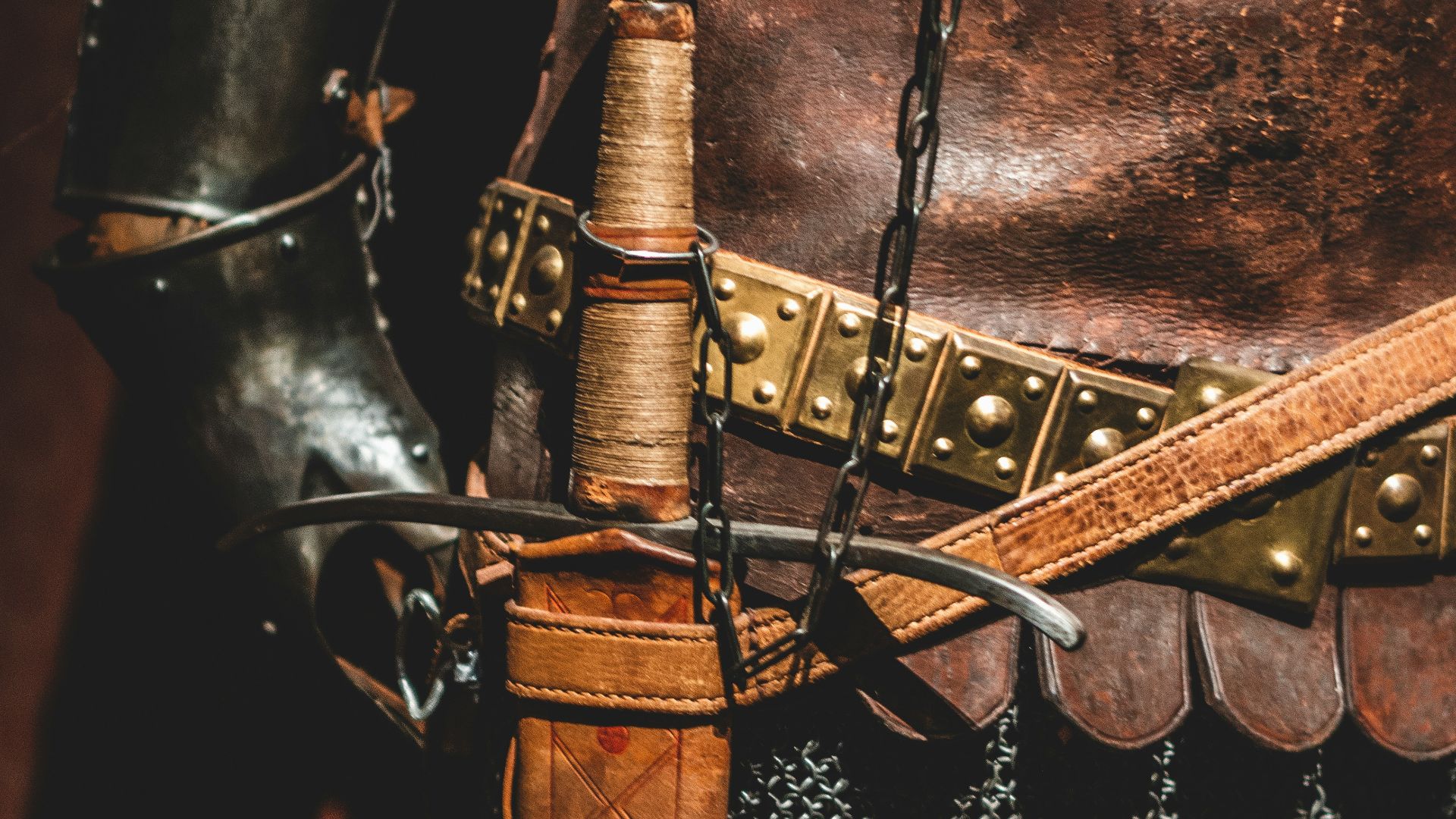
4. Swords Weighed Twenty Pounds
A typical arming sword weighed two to three pounds, and even a large two-handed sword rarely exceeded six. Victorian collectors and later fiction inflated the numbers considerably. Heavy swords are slow swords, and slow swords lose.
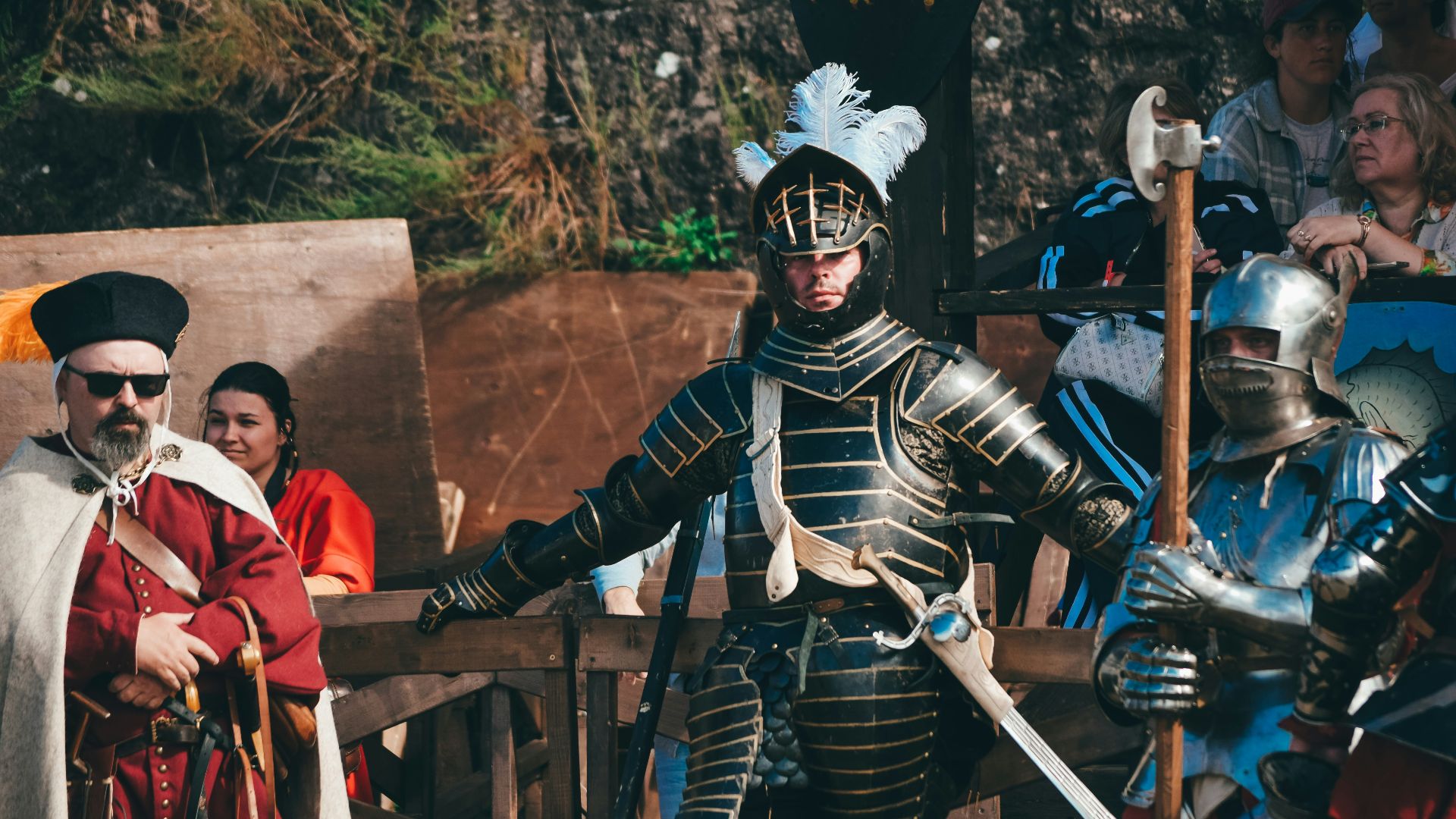
5. Chivalry Governed Battlefield Behavior
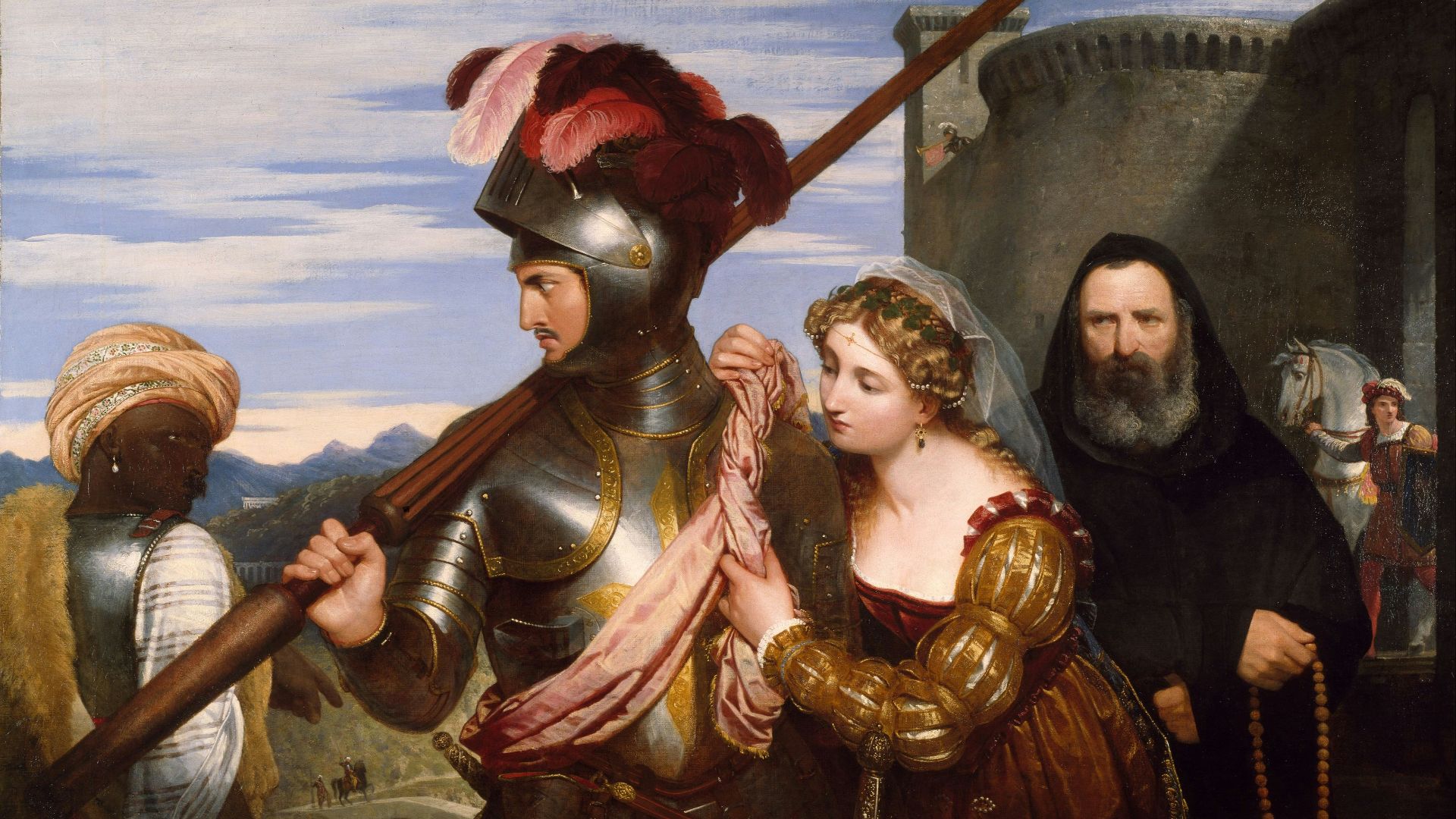
The chivalric code was largely a literary construct that developed in poetry and romance, then got read backward onto history. Actual conduct included sacking towns and killing prisoners when ransom seemed unlikely. Henry V ordered exactly that at Agincourt.
 Evgeny Strzhalkovsky on Unsplash
6. Knights Were Always Noble by Birth
Battlefield knighthood was granted for service often enough that it functioned as a route upward. Mercenaries and men-at-arms of common origin received it in France and England both. Hereditary nobility hardened later than the institution itself.
7. Everyone Had a Family Coat of Arms
Heraldry belonged to individuals, not surnames, and passed through specific inheritance rules. The companies selling your family crest are working from a shared last name and nothing else. Medieval heralds would have found the practice absurd.

8. Jousting Was the Main Event
Jousting became prominent late, as tournaments shifted from mass combat toward spectacle in the 14th and 15th centuries. Earlier tournaments centered on the mêlée, which involved dozens of participants across a wide area. The single-lance duel is the tail end of the tradition.
9. Knights Fought in Full Plate All Along
Plate armor as commonly pictured belongs to roughly 1400 to 1550. Knights at Hastings in 1066 wore mail hauberks and carried kite shields. Nearly four centuries separate those two images that get blended together constantly.
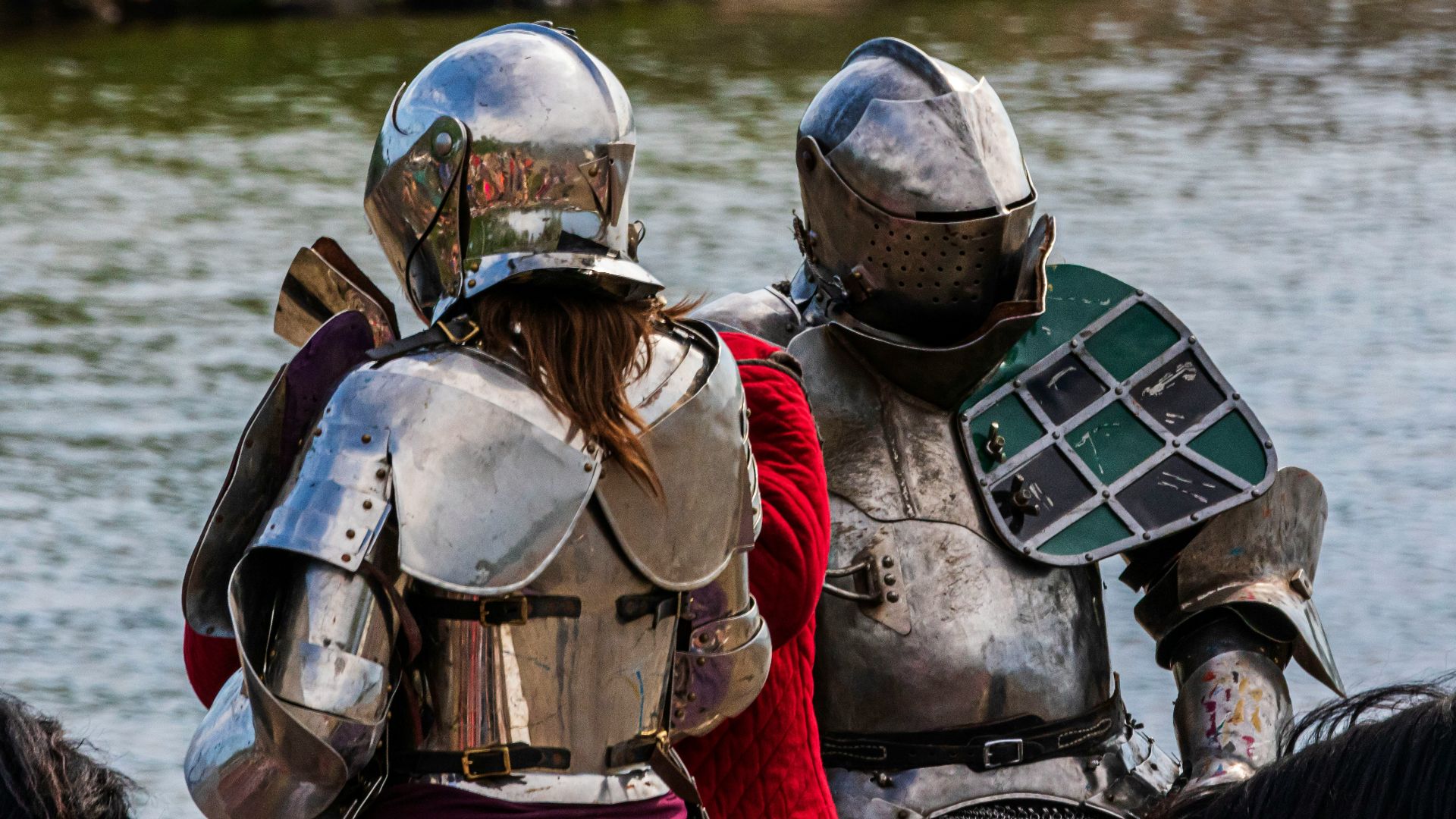 Camerauthor Photos on Unsplash
10. The Right of First Night
Droit du seigneur, the supposed lordly right to a bride on her wedding night, has no documentary evidence behind it in medieval Europe. The concept appears in Enlightenment writing as a critique of aristocracy. Historians have looked for supporting records and found essentially none.
KEEP ON READING