Built for War, Kept for Everything Else
A surprising amount of ordinary life was designed to solve a problem on a battlefield. Armies have deep budgets and hard deadlines, which is a decent formula for inventing things. Most of it reached the public later, usually because a company found a peacetime market or a government decided the secret was no longer worth keeping. You'd never guess the origin from the packaging. Here's 20 things that started out as military hardware.
1. GPS
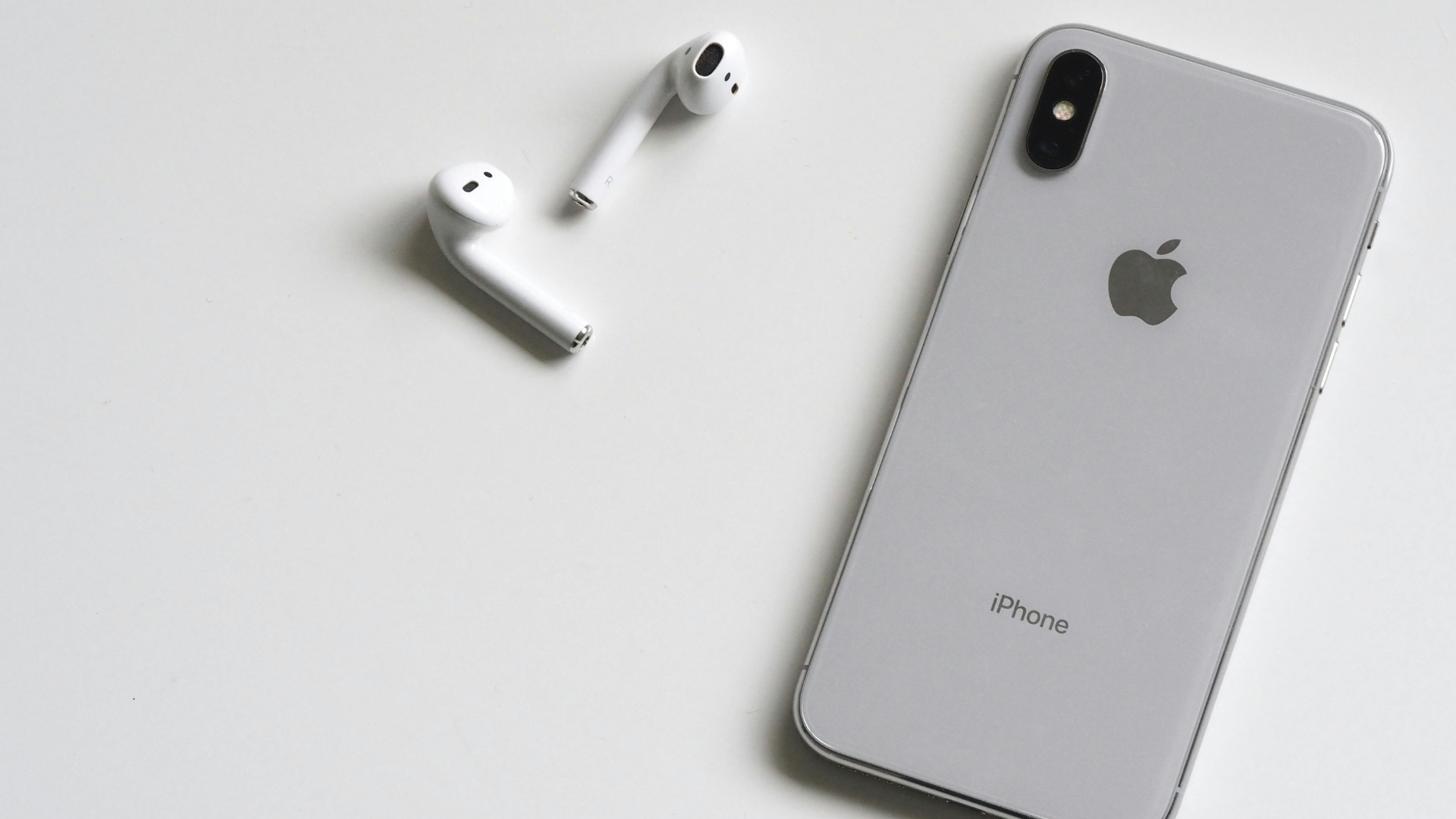
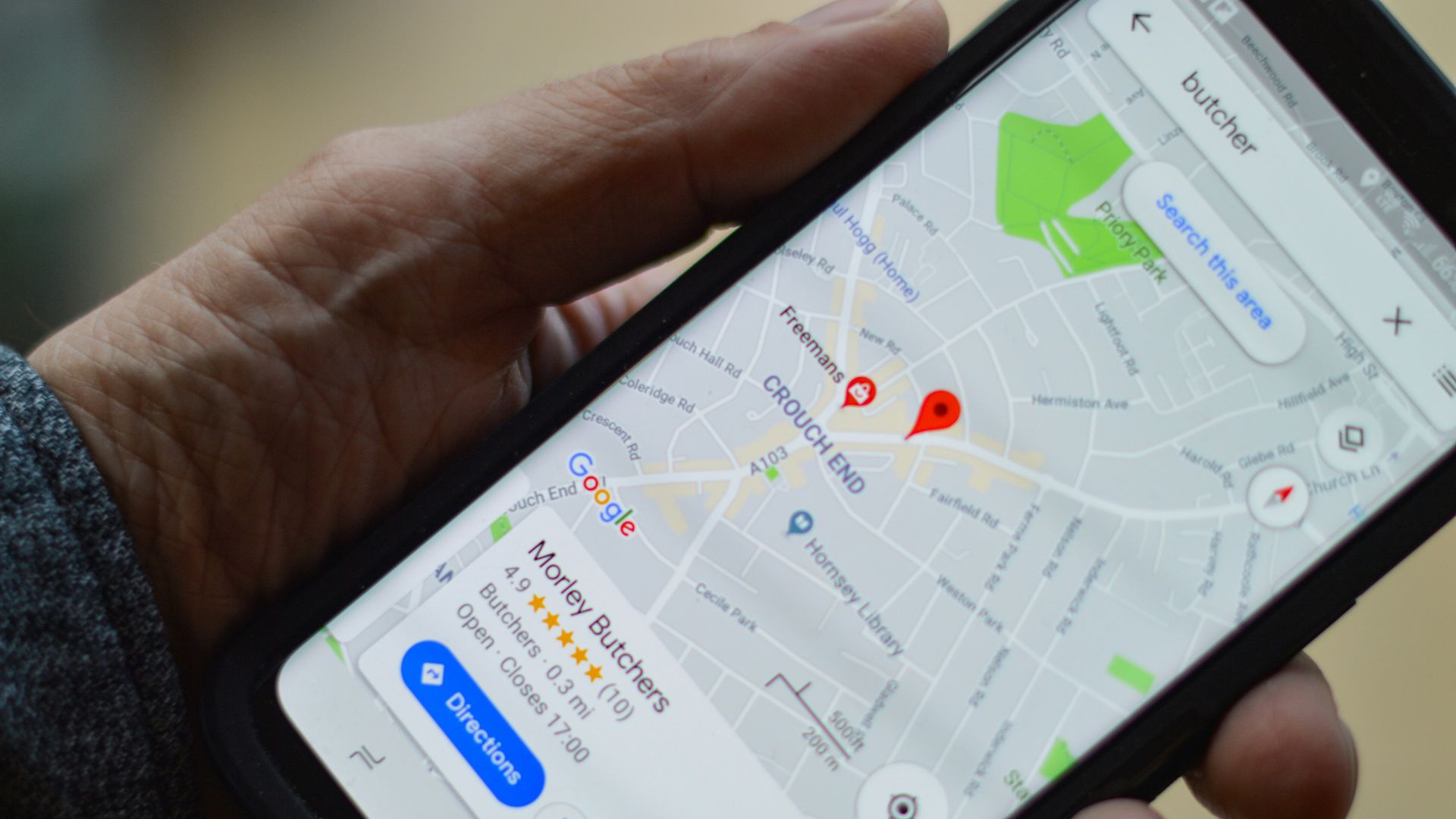
The satellites your phone talks to were launched so submarines and missiles could keep track of each other. Civilians got access after a Korean airliner drifted into Soviet airspace in 1983 and was shot down, and Reagan opened the system up in response. The Air Force still owns and operates the whole constellation, and the signal your phone reads is free because a president said so.
2. The Internet
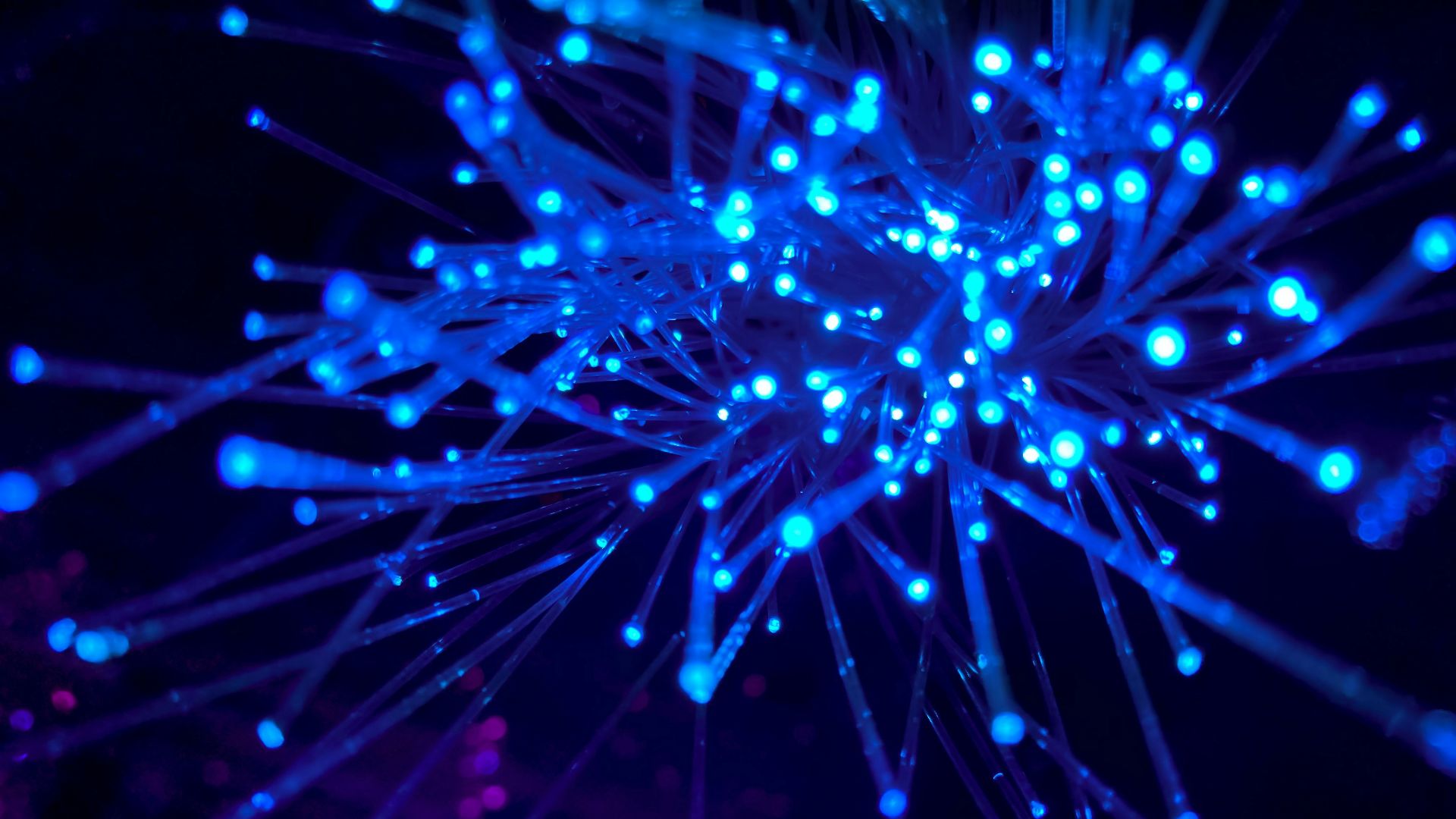
ARPANET linked four university computers in 1969 on Defense Department funding. The point was letting researchers share machines that cost more than buildings, along with keeping messages moving if some of the lines went down. Everything people associate with the internet now, the web included, got built on top of that decades later by people with no connection to the Pentagon.
3. Microwave Ovens
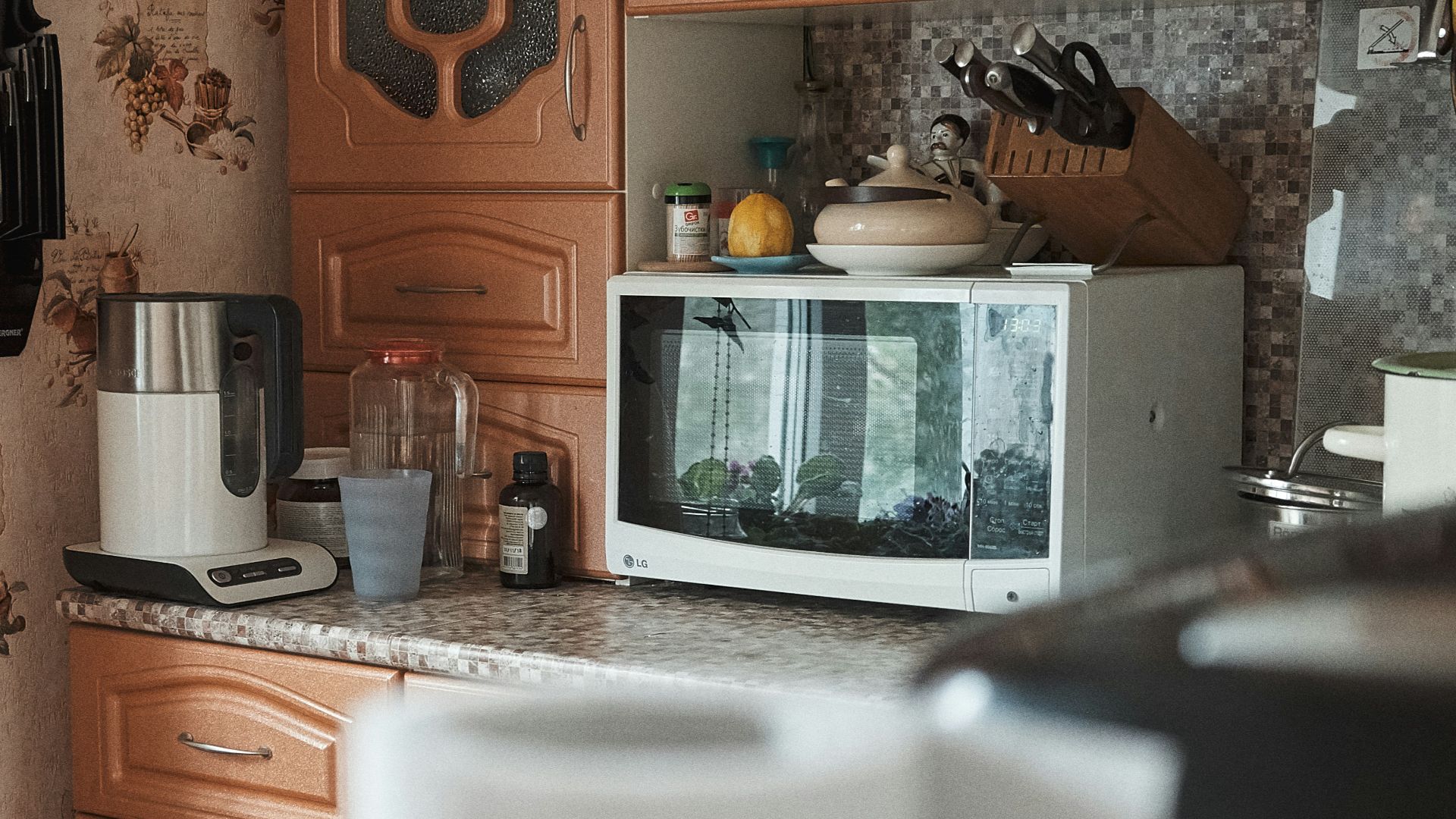
Percy Spencer was standing near an active radar magnetron at Raytheon in 1945 when the candy bar in his pocket turned to mush. He tried popcorn next, then an egg, which exploded in a colleague's face. Raytheon had a commercial oven on the market two years later, roughly the size of a refrigerator and priced like a car.
4. Duct Tape
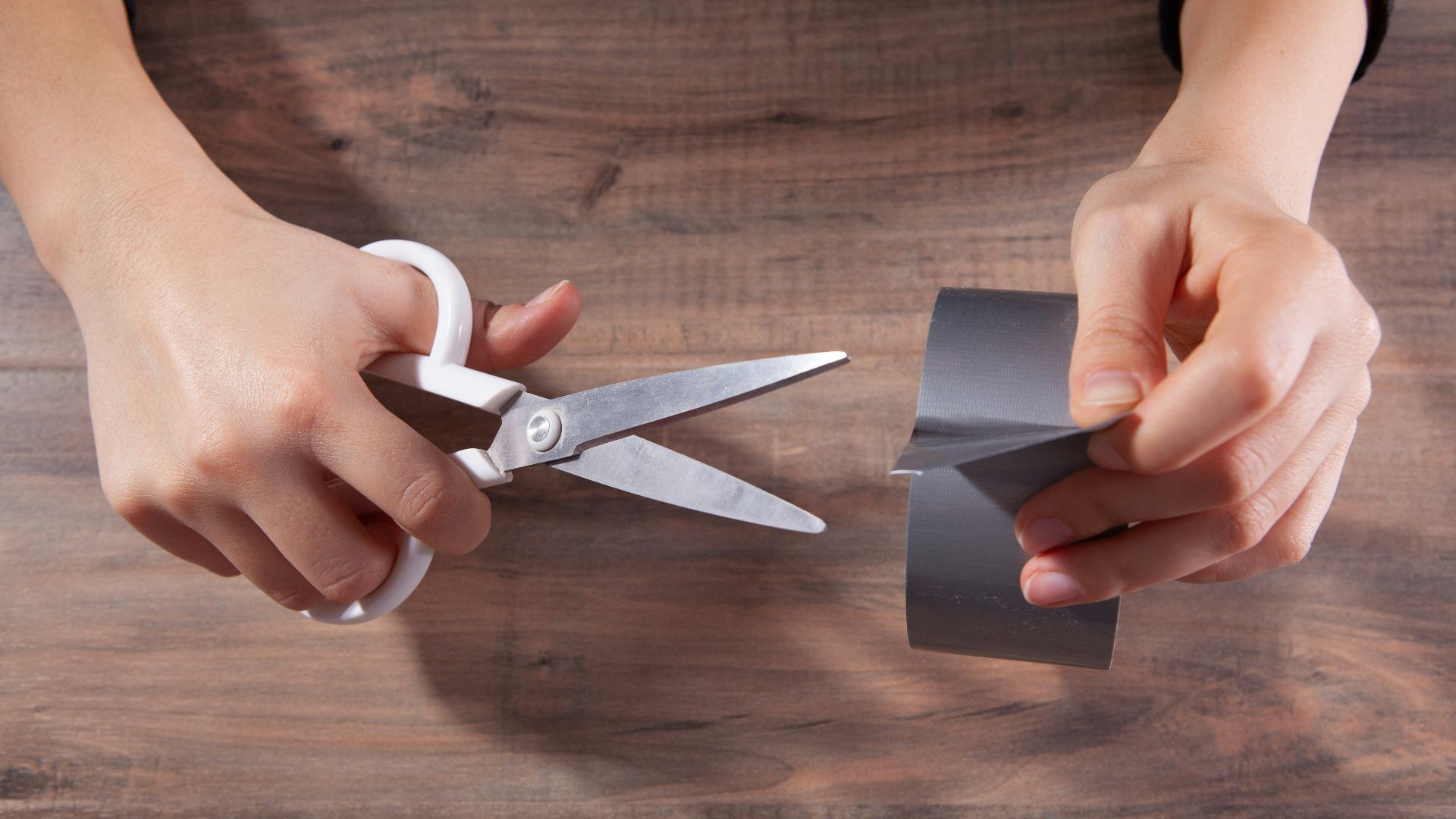
Vesta Stoudt inspected and packed cartridges at an Illinois ordnance plant, and she wrote to Roosevelt in 1943 about the flimsy paper tabs soldiers had to tear to get a box open. What came back was a cloth tape with a waterproof backing that ripped clean by hand. Troops used it on everything except ammunition boxes, and the silver version showed up on household ductwork after the war.
5. Super Glue
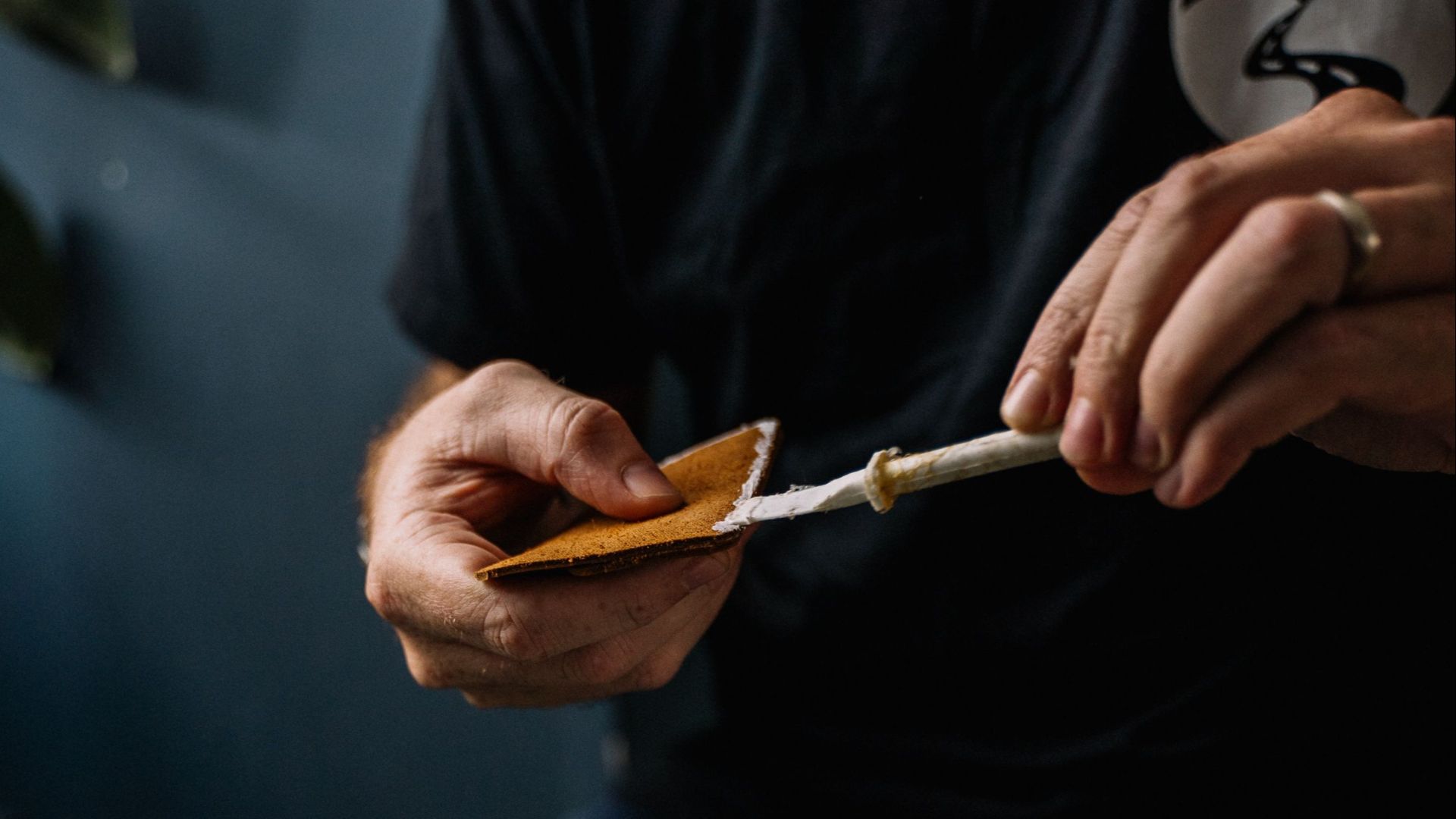
Clear plastic gun sights were the goal in 1942, and what Harry Coover kept producing instead bonded to whatever it touched. He shelved the stuff twice as a failure before deciding the sticking was the product. Medics in Vietnam later sprayed a version of it on open wounds to hold them together long enough to reach surgery.
6. Canned Food
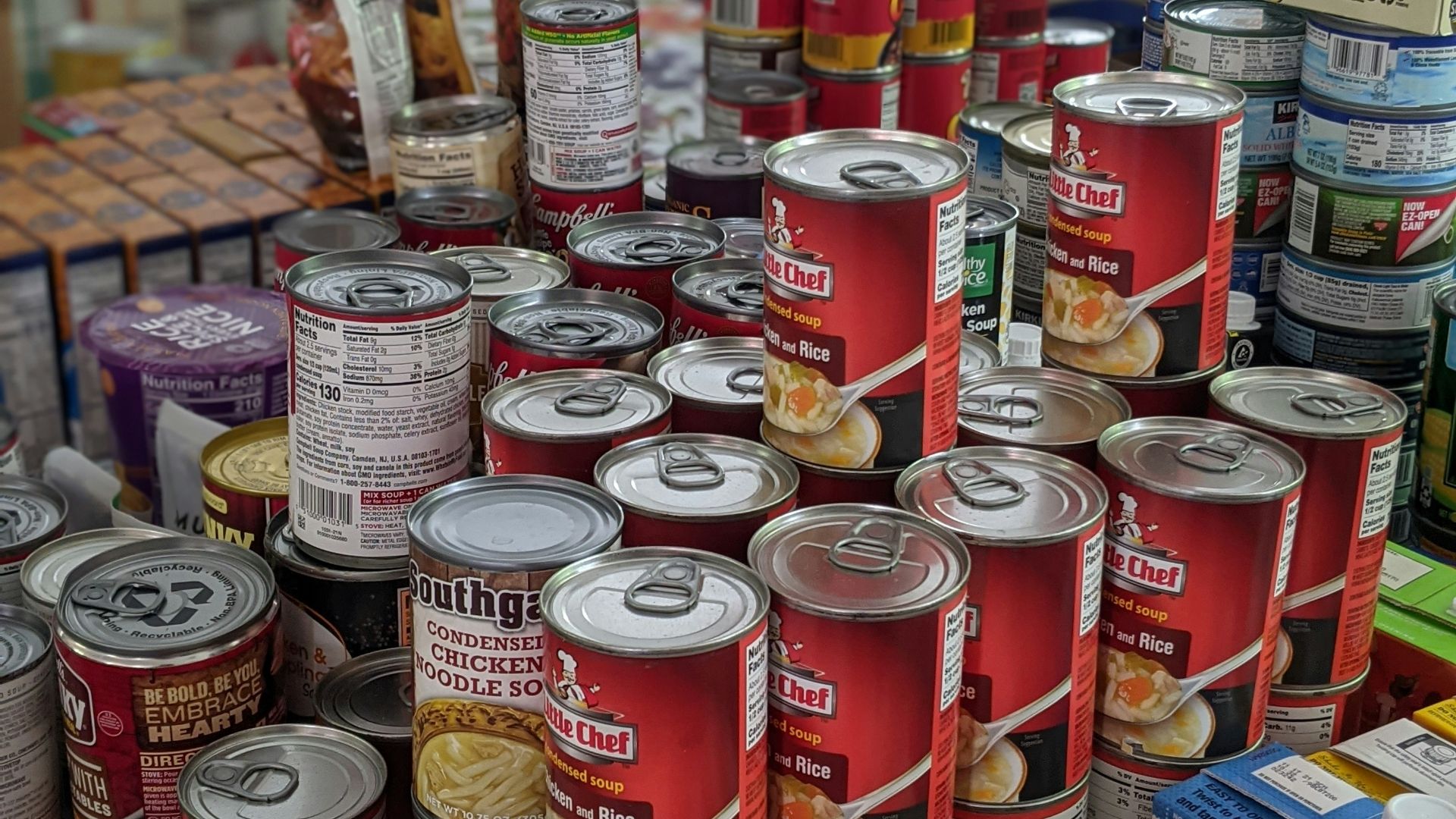
France put up prize money in the 1790s for anyone who could keep an army fed on a long march. Nicolas Appert took it by sealing food in glass jars and boiling them, roughly fifty years before Pasteur explained why that worked. Tin containers arrived shortly after, though a decent can opener took another forty years.
7. Jet Engines
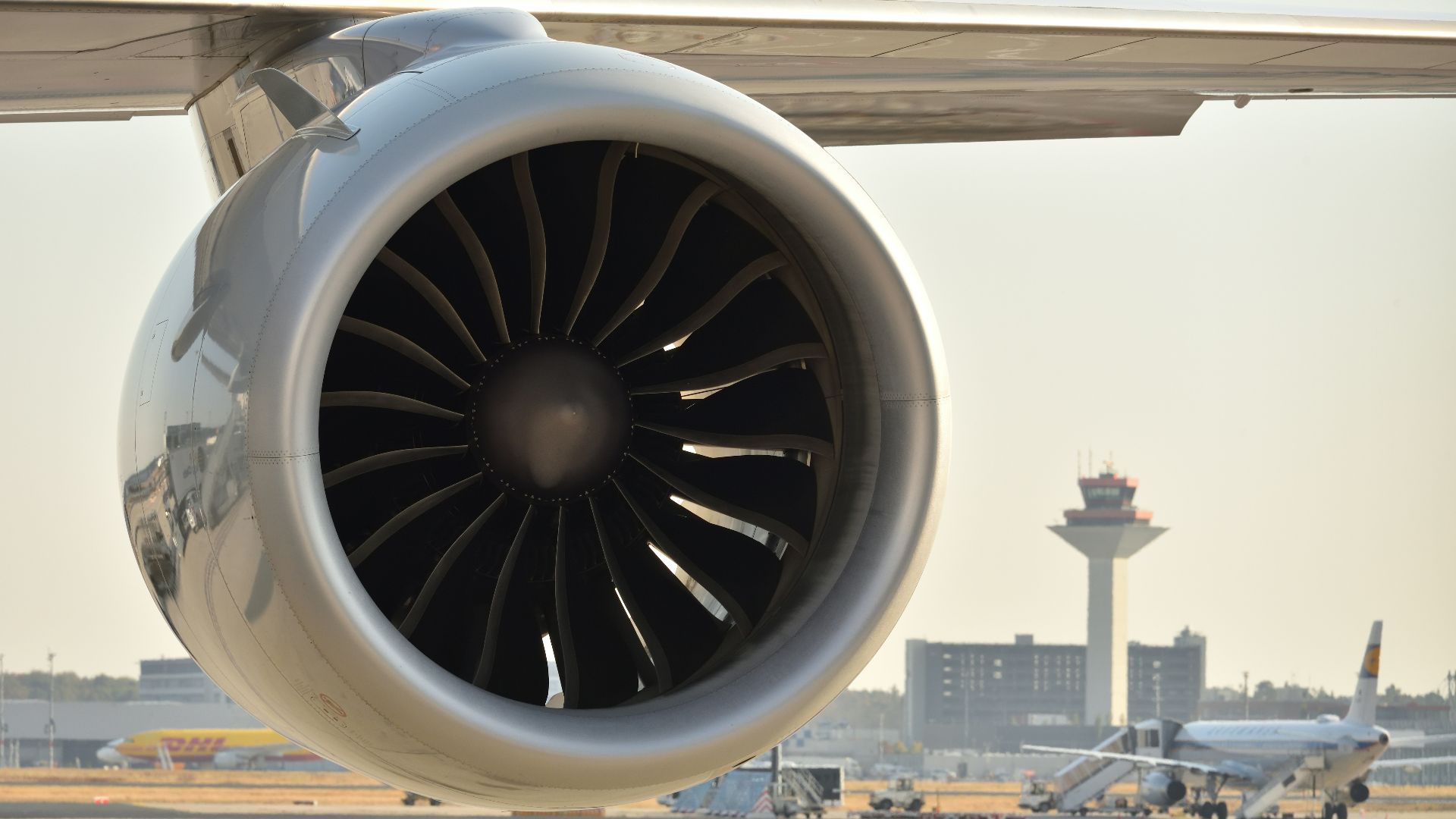
Frank Whittle patented a jet engine design in 1930 and could not get the Royal Air Force interested for most of a decade. Germany flew the first jet aircraft in 1939, and both sides had operational fighters before the war ended. Commercial jets arrived in the fifties using engines that came directly out of that work.
8. Digital Computers
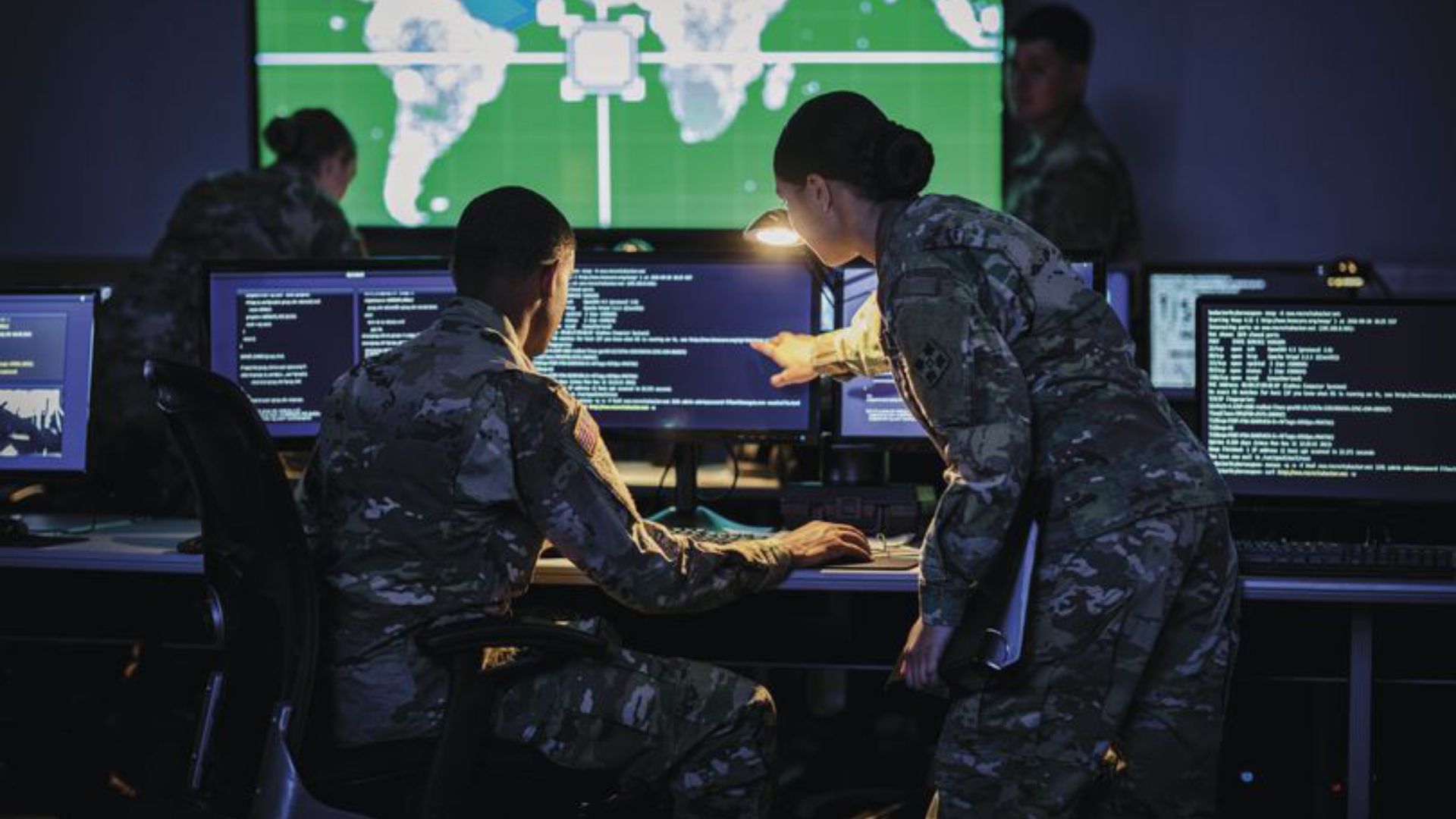
ENIAC was built to calculate artillery firing tables for the Army, a job that took human mathematicians weeks per table. It filled a room and weighed thirty tons, and reprogramming it meant physically rewiring the machine by hand. Every computer since owes something to a machine designed to tell gunners where a shell would land.
9. Drones
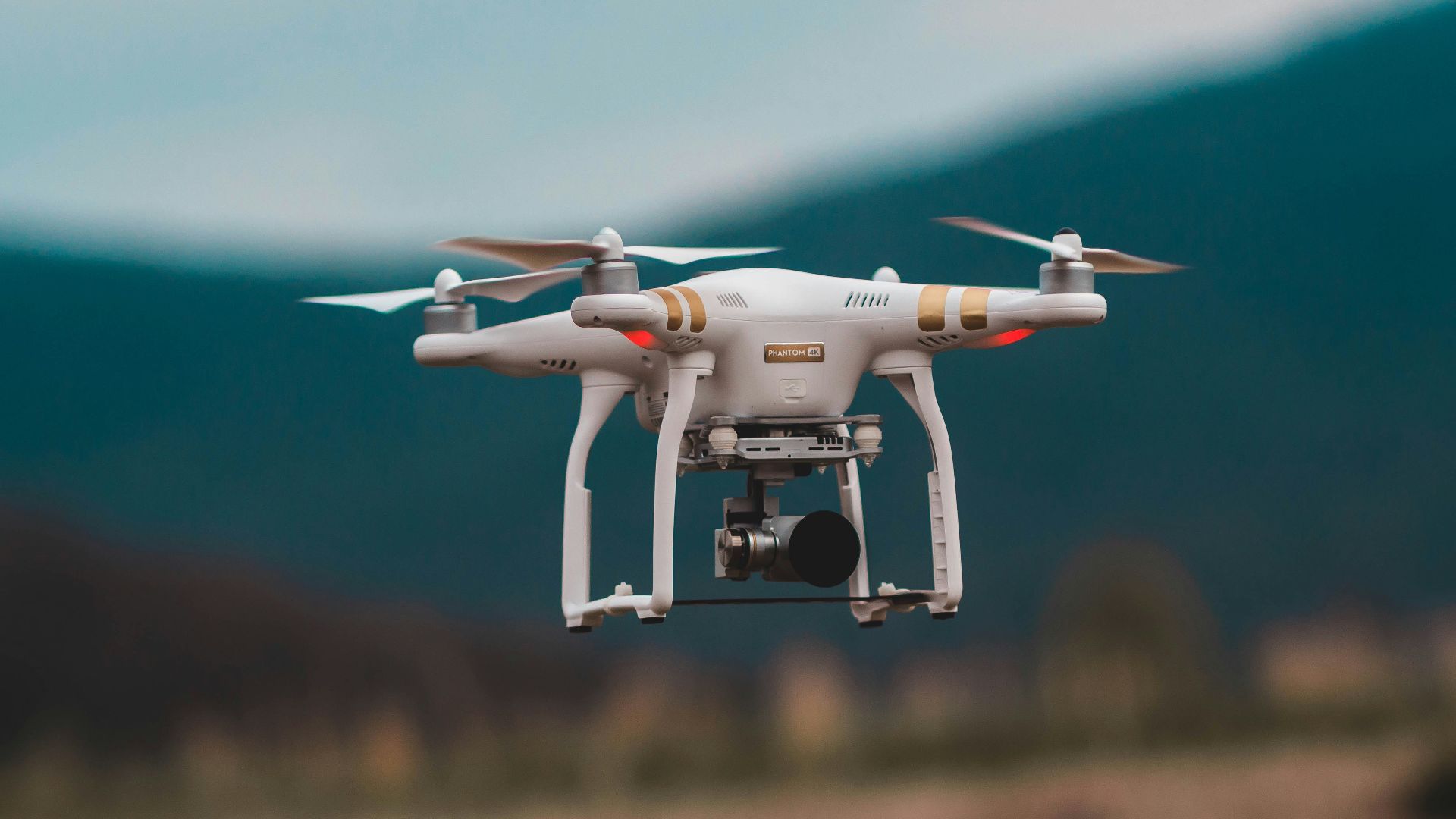
Radio-controlled aircraft go back to the First World War, when both sides tried to build flying bombs and mostly failed. For decades afterward they were target practice for anti-aircraft crews. Reconnaissance came later, and the quadcopter somebody flies over a wedding is a direct descendant of a machine built to get shot at.
10. Night Vision
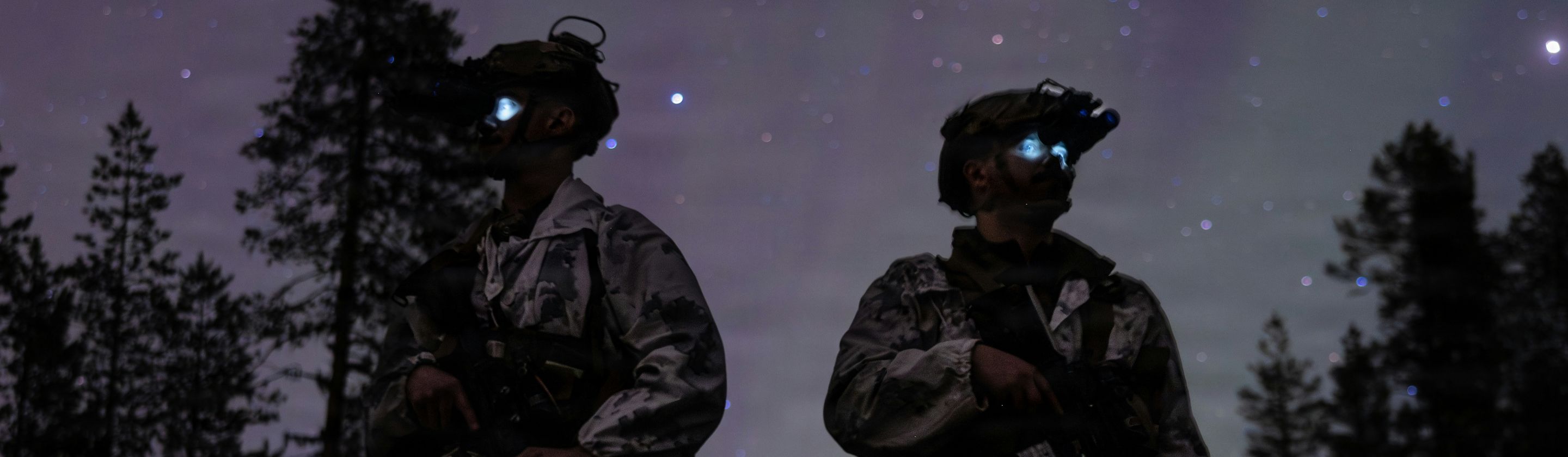
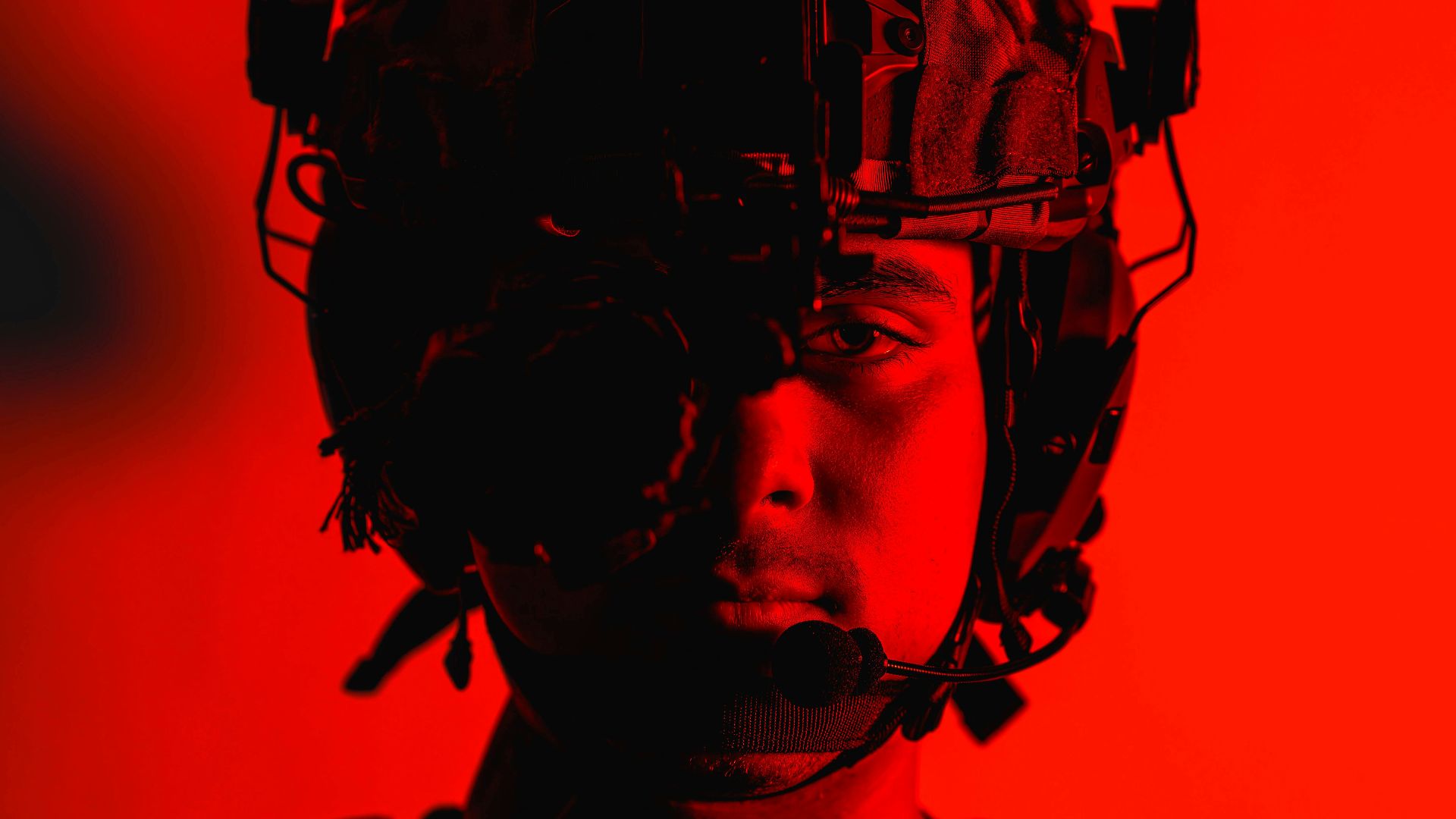
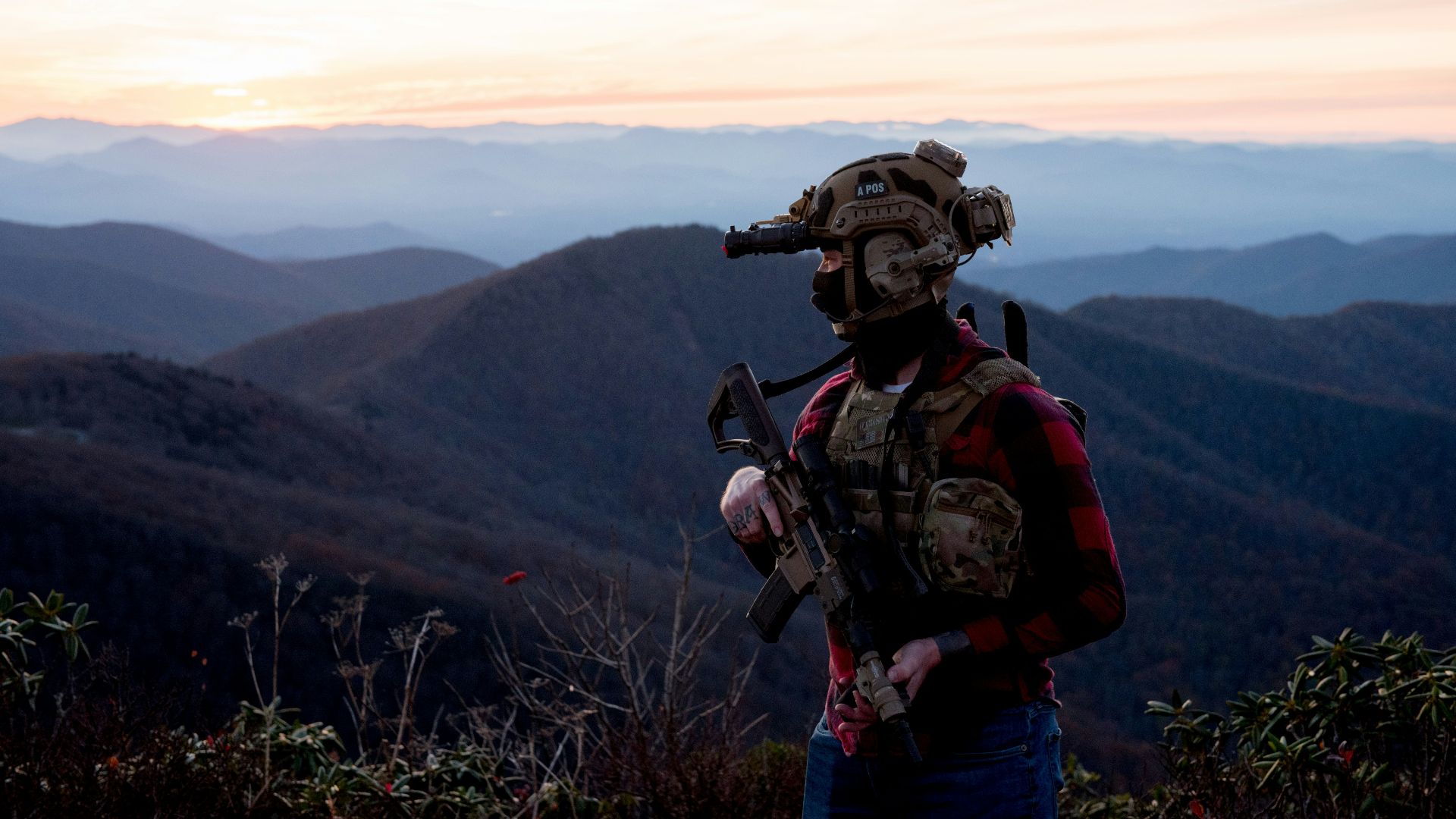
Infrared scopes mounted on rifles showed up near the end of World War II, heavy enough to need a backpack full of batteries. American troops used them on Okinawa. The technology went through three generations of military development before anything resembling it turned up in a hunting store.
11. Walkie-Talkies
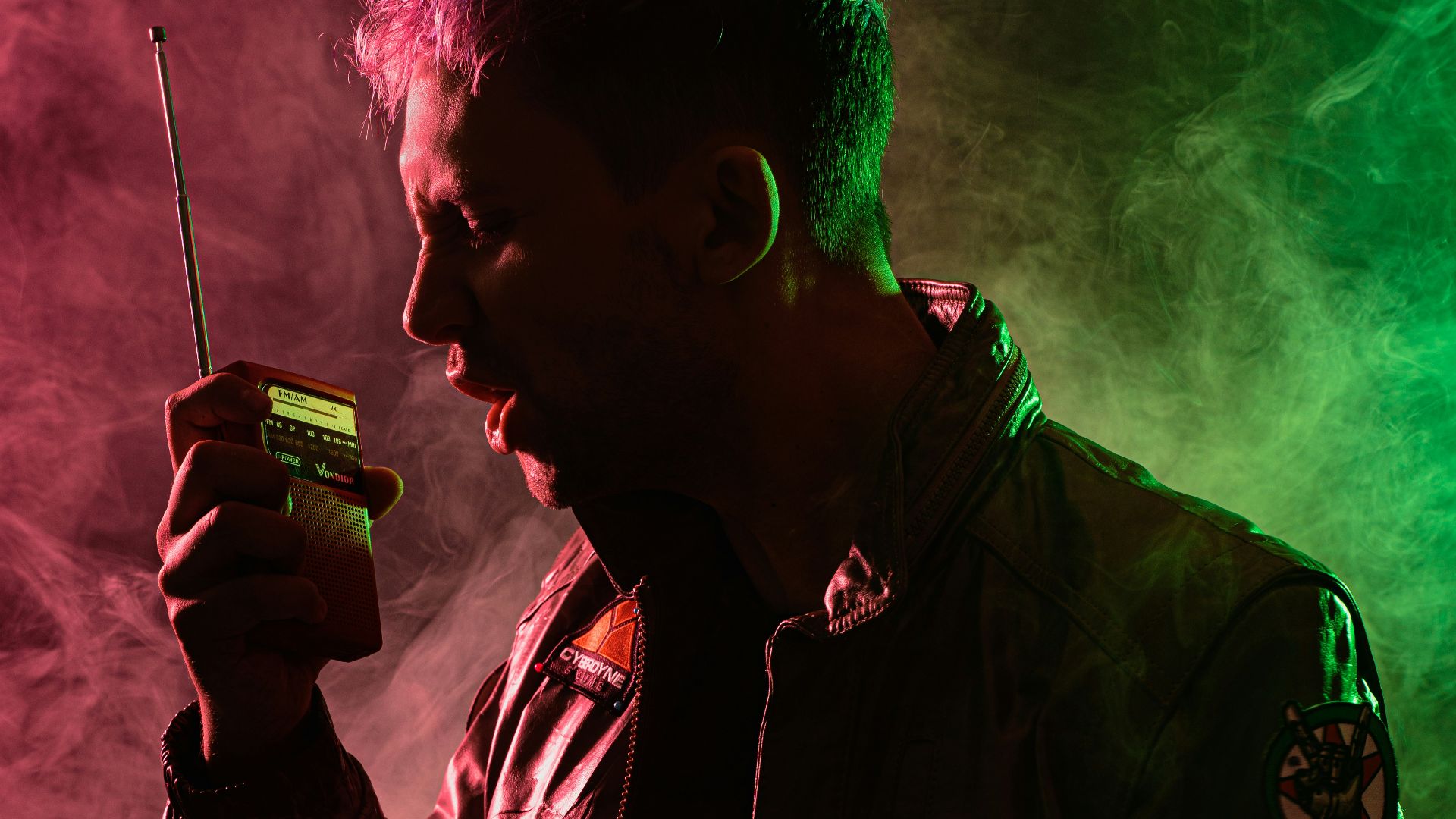
The Army got its first handheld two-way radio from Motorola in 1941, and roughly a quarter million went out over the course of the war. Radios before that lived in vehicles or tents, so being able to talk while walking was the entire innovation, and the name says so. Everything portable and wireless traces back through that box.
12. The EpiPen
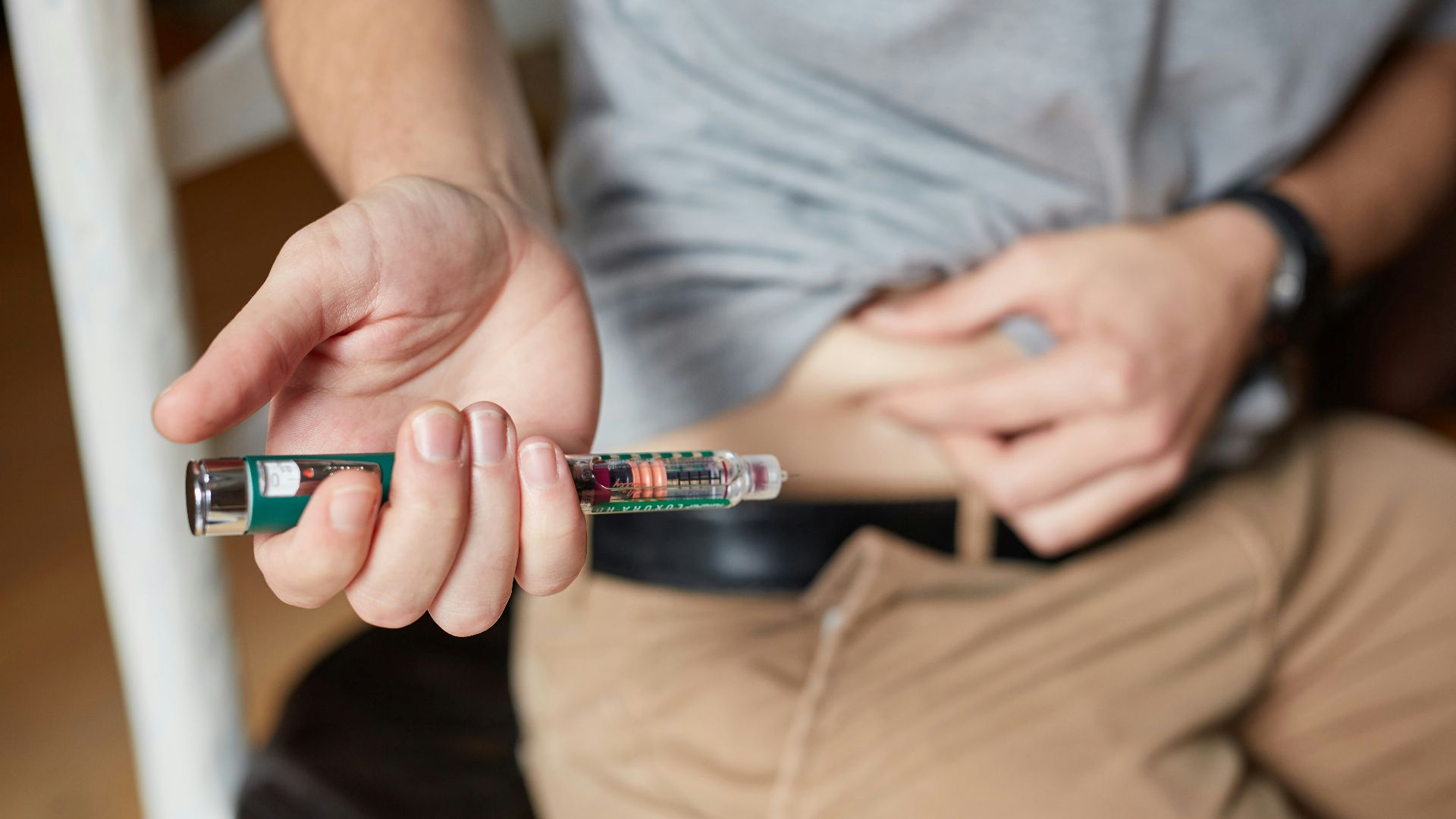
Nerve gas leaves a soldier seconds to respond, which is why Sheldon Kaplan designed an injector that worked straight through a uniform with no training required. It had to fire on one press and survive being dropped in mud. Adapting it for epinephrine came afterward, and the mechanism inside is largely the same one.
13. Blood Banks
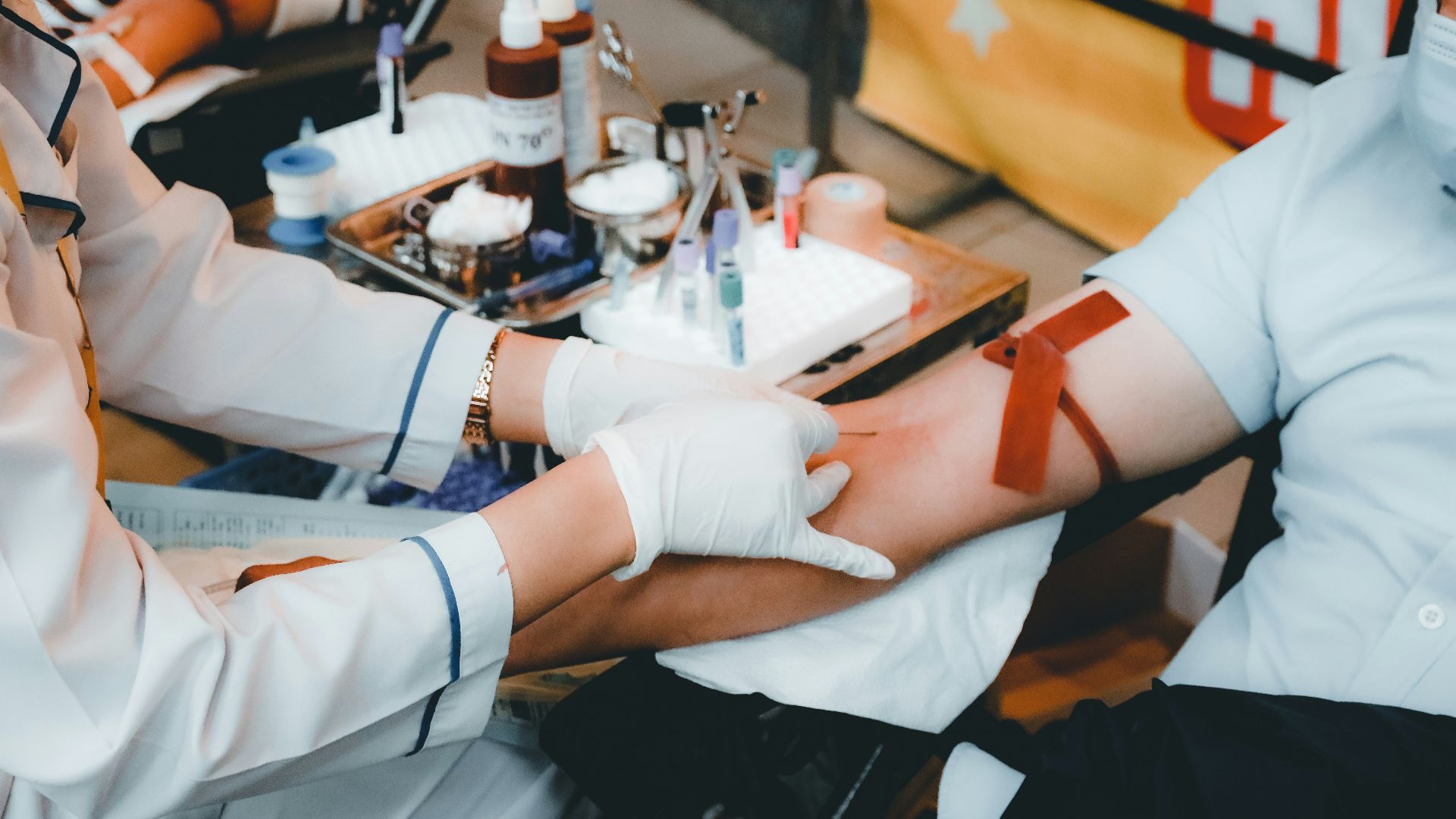
Getting blood plasma across an ocean without spoiling it was the problem in 1940, and Charles Drew solved it running the Blood for Britain program. The war supplied both the urgency and the money to build collection on that scale. Hospitals inherited the infrastructure once it was over.
14. Ambulances and Triage
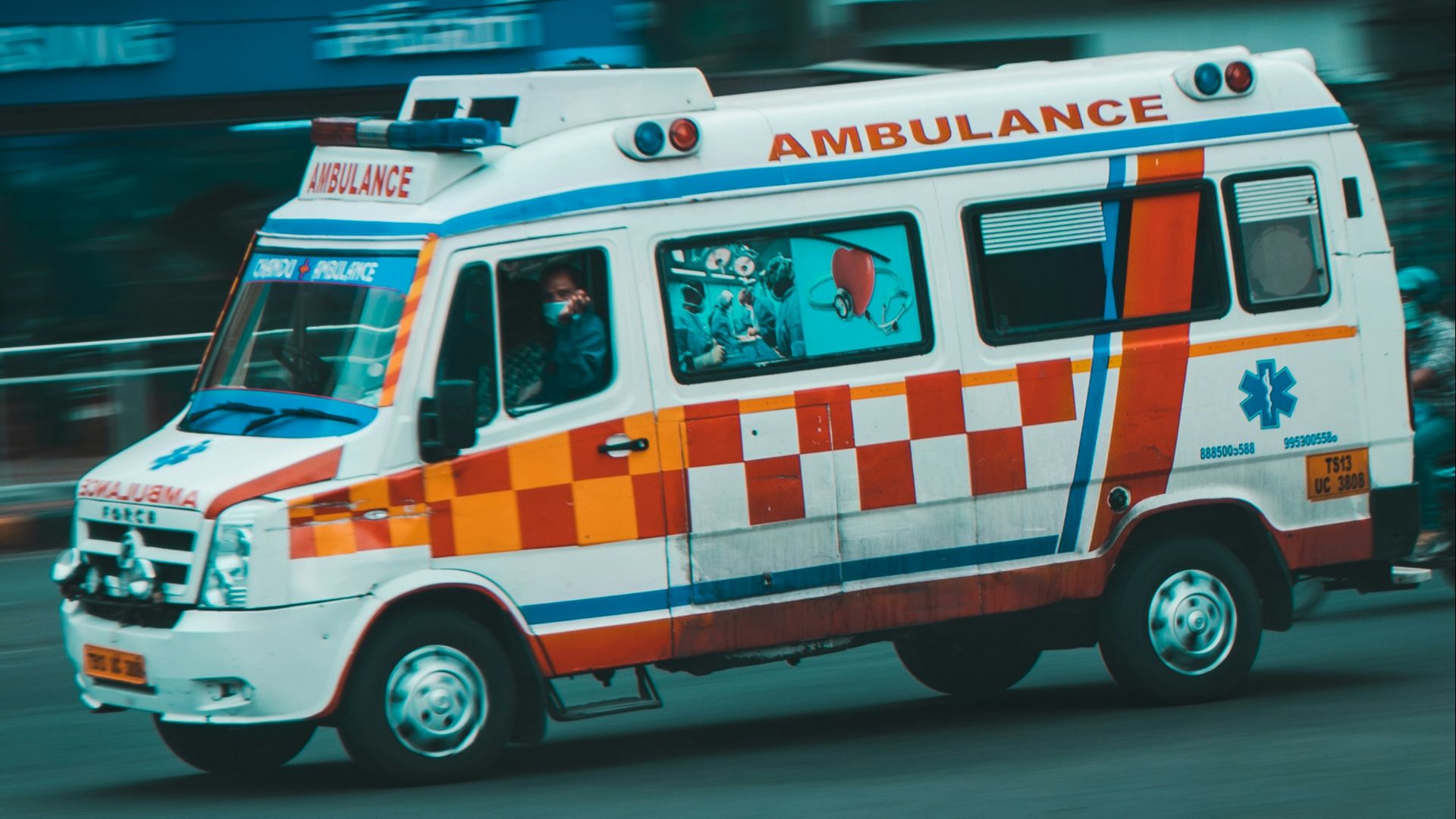
Dominique Larrey was Napoleon's surgeon and got tired of watching wounded men wait until a battle finished. He built horse-drawn carts to pull them out mid-fight and sorted them by how urgently they needed care rather than by rank. Both ideas are still how emergency medicine works.
 Lalithmalhaar Gudi on Unsplash
15. Aviator Sunglasses
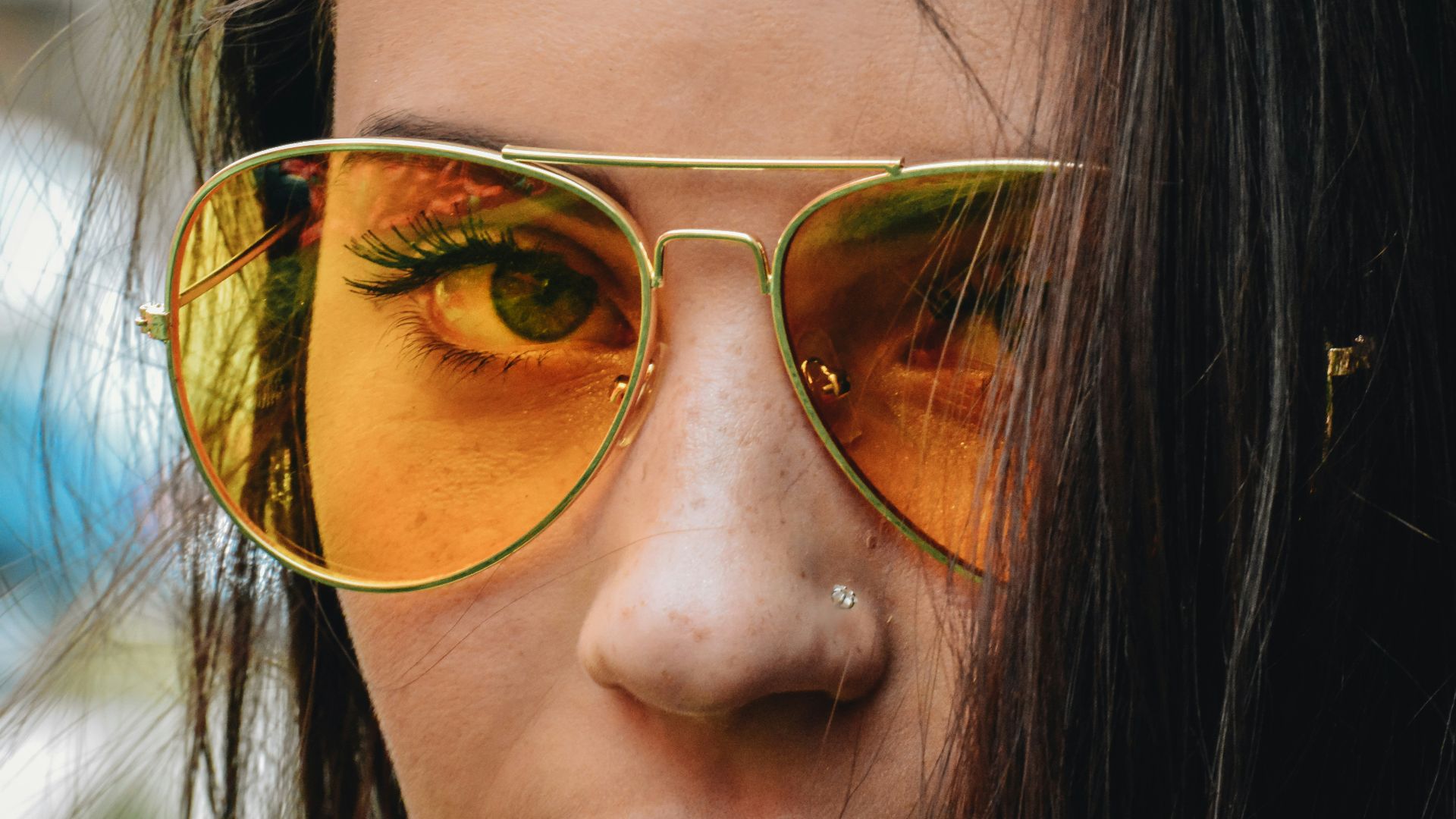
Glare at altitude left pilots with headaches and nausea bad enough to affect flying, so Bausch and Lomb built a lens for it in the thirties. The teardrop shape was sized to cover the full range of a pilot's eye movement without him turning his head. They went on sale to the public in 1937 and never really went out of style.
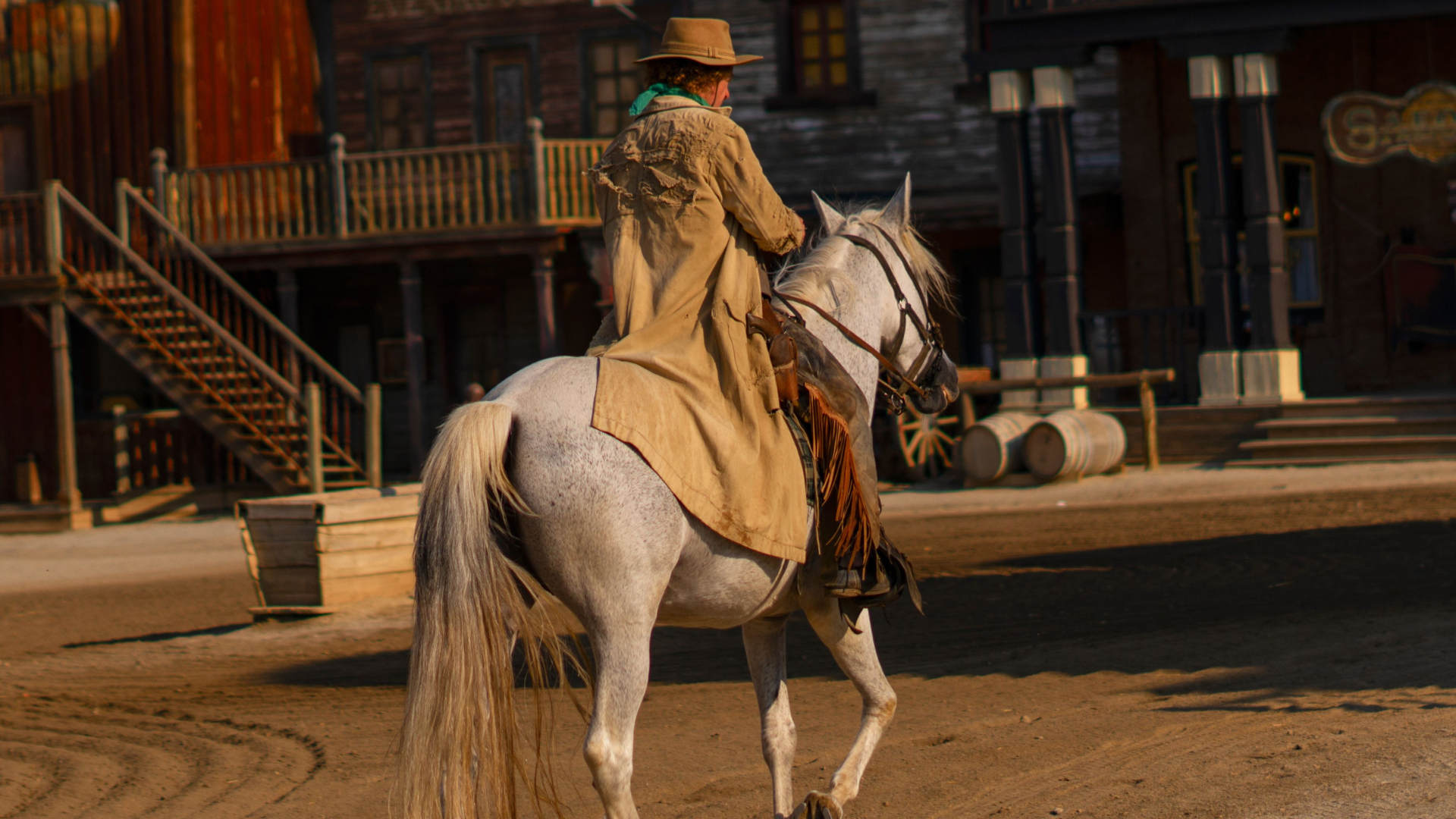
16. Trench Coats
British officers bought their own coats in the First World War, and the waterproofed gabardine version sold by Burberry and Aquascutum became the standard. The shoulder straps held rank insignia and the D-rings on the belt carried equipment. Both details survive on coats sold today, where they hold nothing and mean nothing.

17. Chinos
Khaki started with British troops in India who dyed their white uniforms to match the dust. American soldiers in the Philippines got twill trousers in the same color, milled in China, which is where the name came from. College students picked them up from returning veterans in the forties, and the pants have barely changed since.

18. Wristwatches
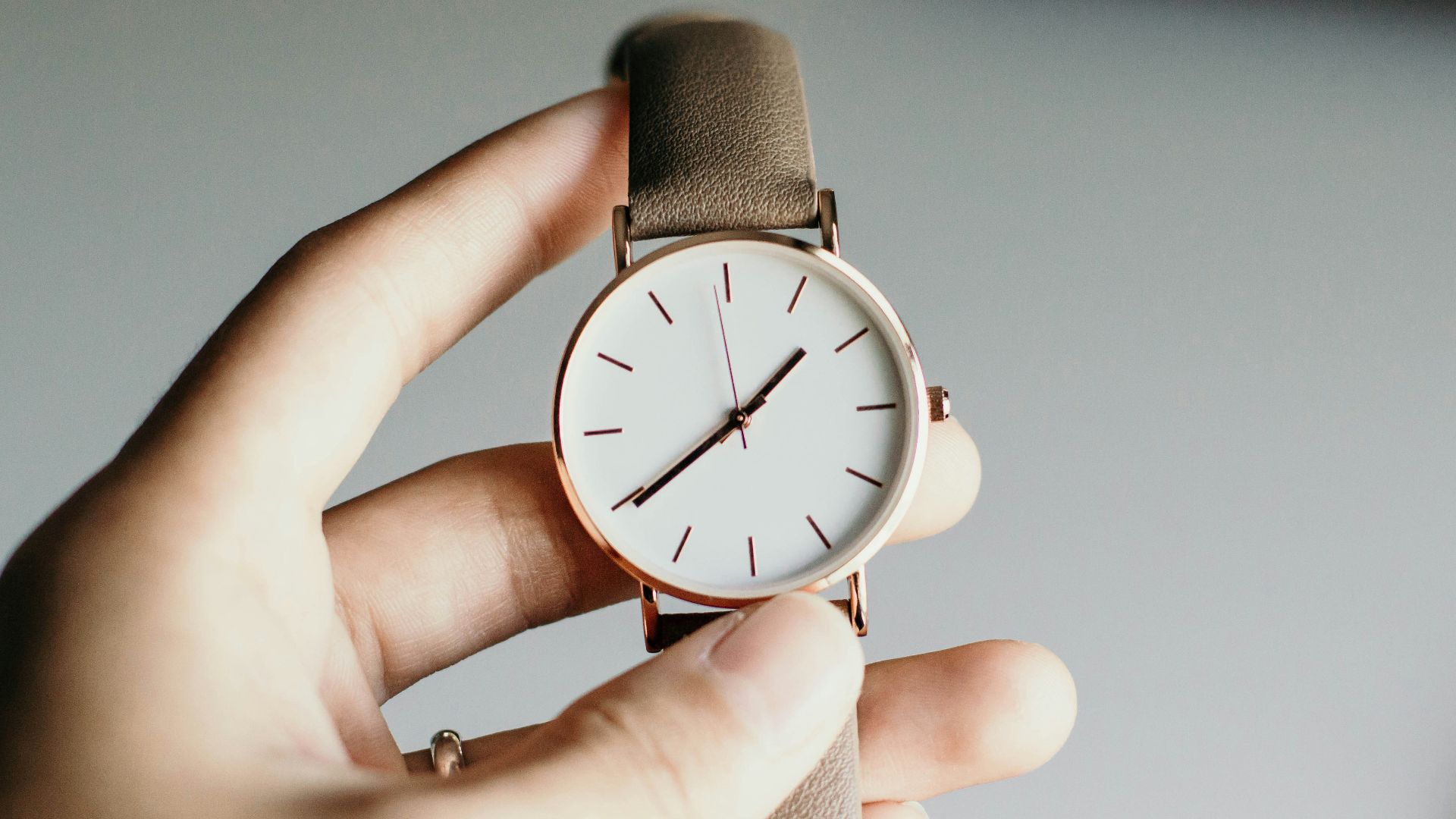
Watches belonged in a pocket until artillery officers needed both hands and an exact time to coordinate a barrage. Strapping one to the wrist started as a battlefield workaround and came home with a generation of men who no longer considered it unmanly. Pocket watch sales never recovered from it.
19. T-Shirts
The US Navy issued a crew-neck cotton undershirt around the First World War, meant to be worn under a uniform and never seen. Sailors wore them alone in hot weather anyway. Marlon Brando put one on screen in 1951 and the undershirt stopped being underwear.

20. Disposable Sanitary Pads
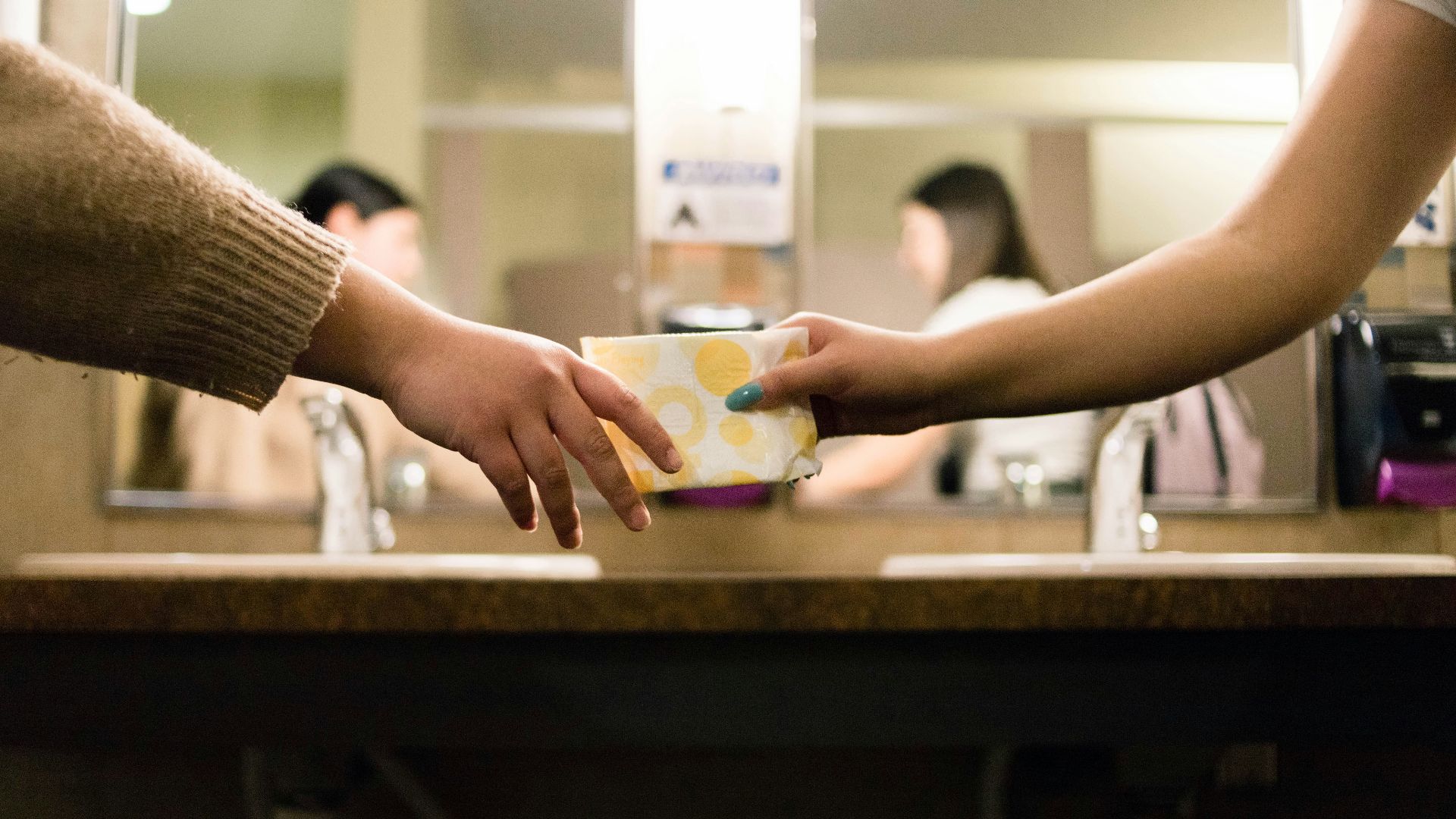
Cotton was needed for other things during the First World War, so Kimberly-Clark worked up a wood-pulp dressing to take its place in field hospitals. Army nurses started using it for their periods, and the company paid attention. Kotex went on sale in 1920, made of leftover war-production material nobody had another use for.
KEEP ON READING