

The Quick Choices That Changed History
History is full of moments where split-second decisions decided the fate of nations. Sometimes, generals and leaders had to make calls with barely any time to think, and the results were staggering. Some choices led to stunning victories, while others ended in crushing defeats. Here are 20 examples of last-minute decisions that dramatically shaped wars.
1. The Battle of Agincourt – Henry V’s Arrows Advantage
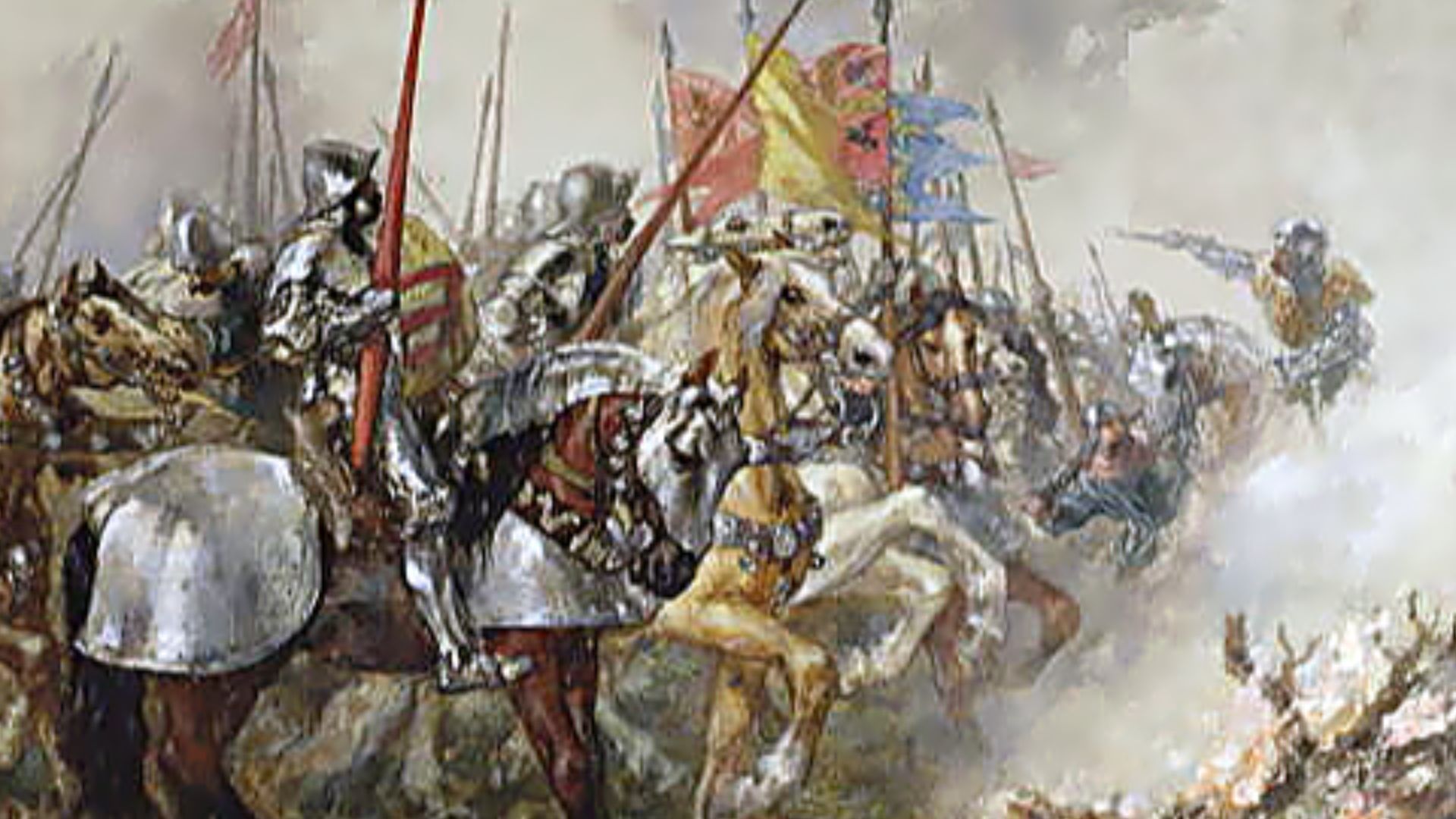
On the morning of Agincourt, King Henry V chose to reposition his archers into muddy flanks, a decision made quickly under pressure. This move maximized the impact of his longbowmen. The French army struggled to advance, giving the English a decisive win despite being heavily outnumbered.
 John Gilbert (1817–97) on Wikimedia
2. Gettysburg – Pickett’s Charge
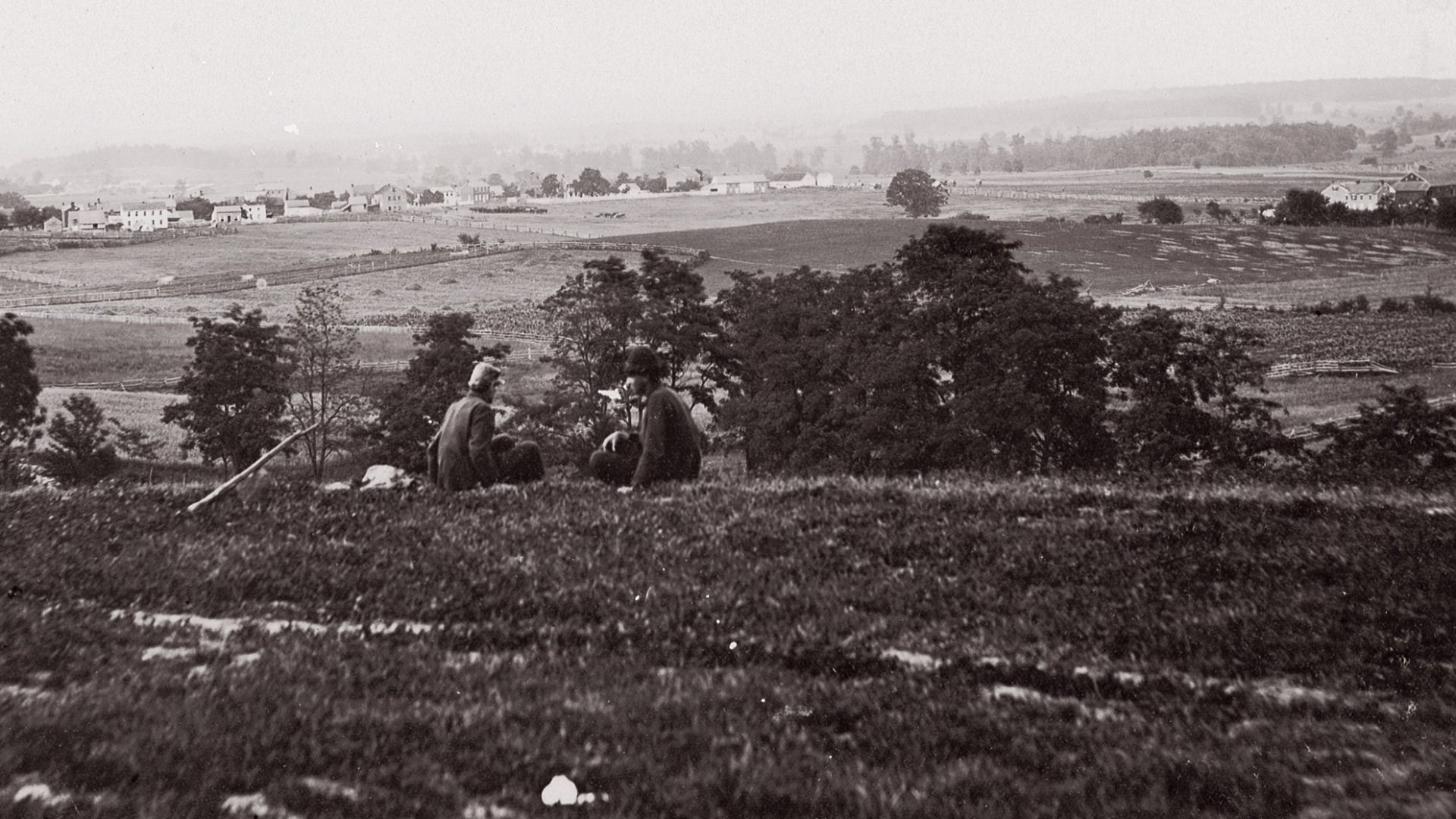
At Gettysburg, General Lee decided to order Pickett’s Charge against the center of the Union line. This last-minute gamble ignored intelligence that Union positions were heavily fortified. The attack failed catastrophically, leading to huge Confederate losses.
 Unknown authorUnknown author on Wikimedia
3. D-Day – Eisenhower’s Weather Call
Eisenhower had to decide whether to delay the Normandy invasion due to bad weather. He chose to proceed on June 6, 1944, after consulting meteorologists. The gamble paid off, catching German forces unprepared and securing a crucial foothold in Europe.
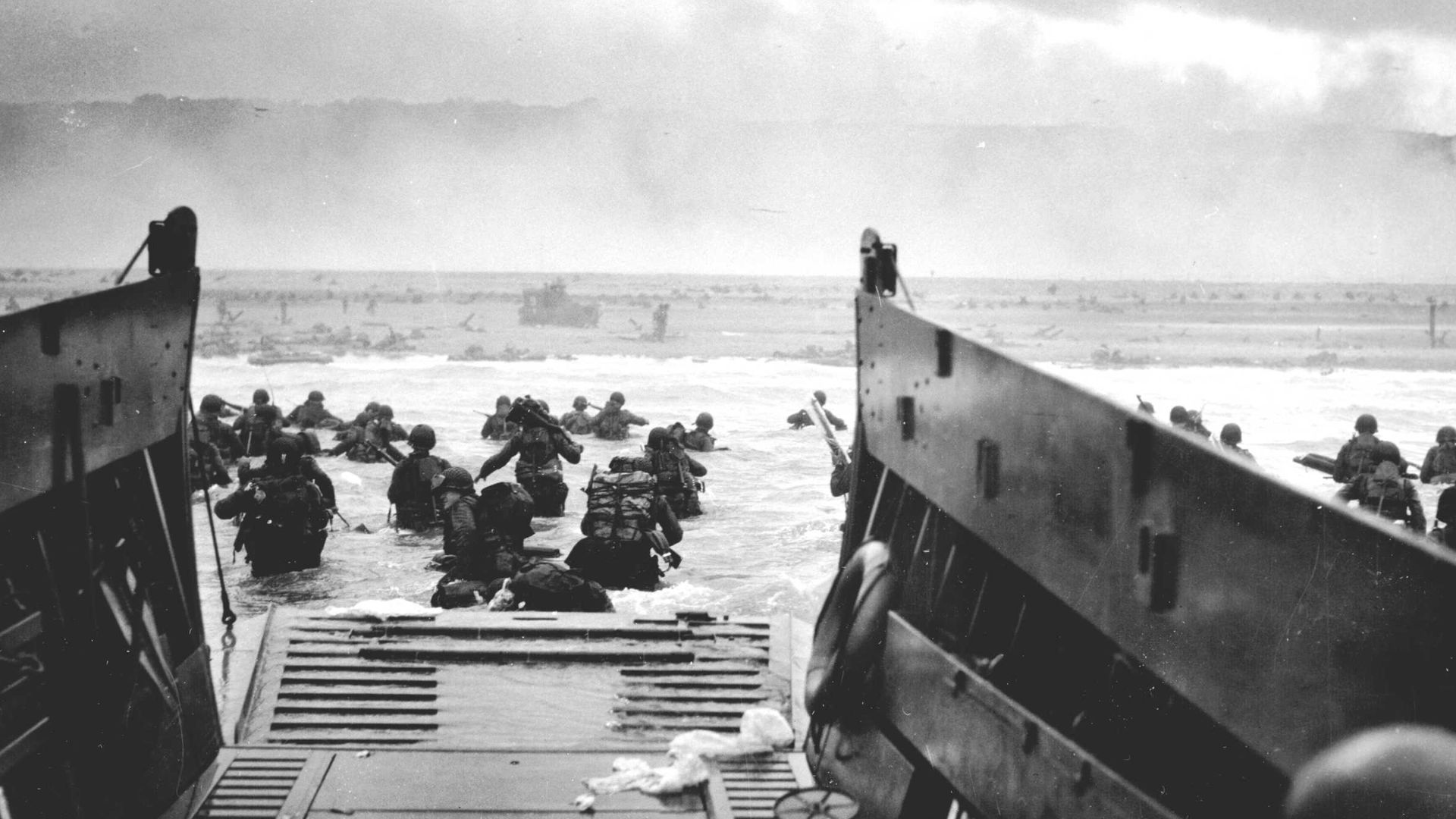 Chief Photographer's Mate (CPHOM) Robert F. Sargent, U.S. Coast Guard on Wikimedia
4. Battle of Midway – The Carrier Ambush
Admiral Nimitz decided to place his carriers in unexpected positions based on last-minute intelligence. This allowed U.S. forces to ambush the Japanese fleet. The decision turned the tide of the Pacific War in America’s favor.
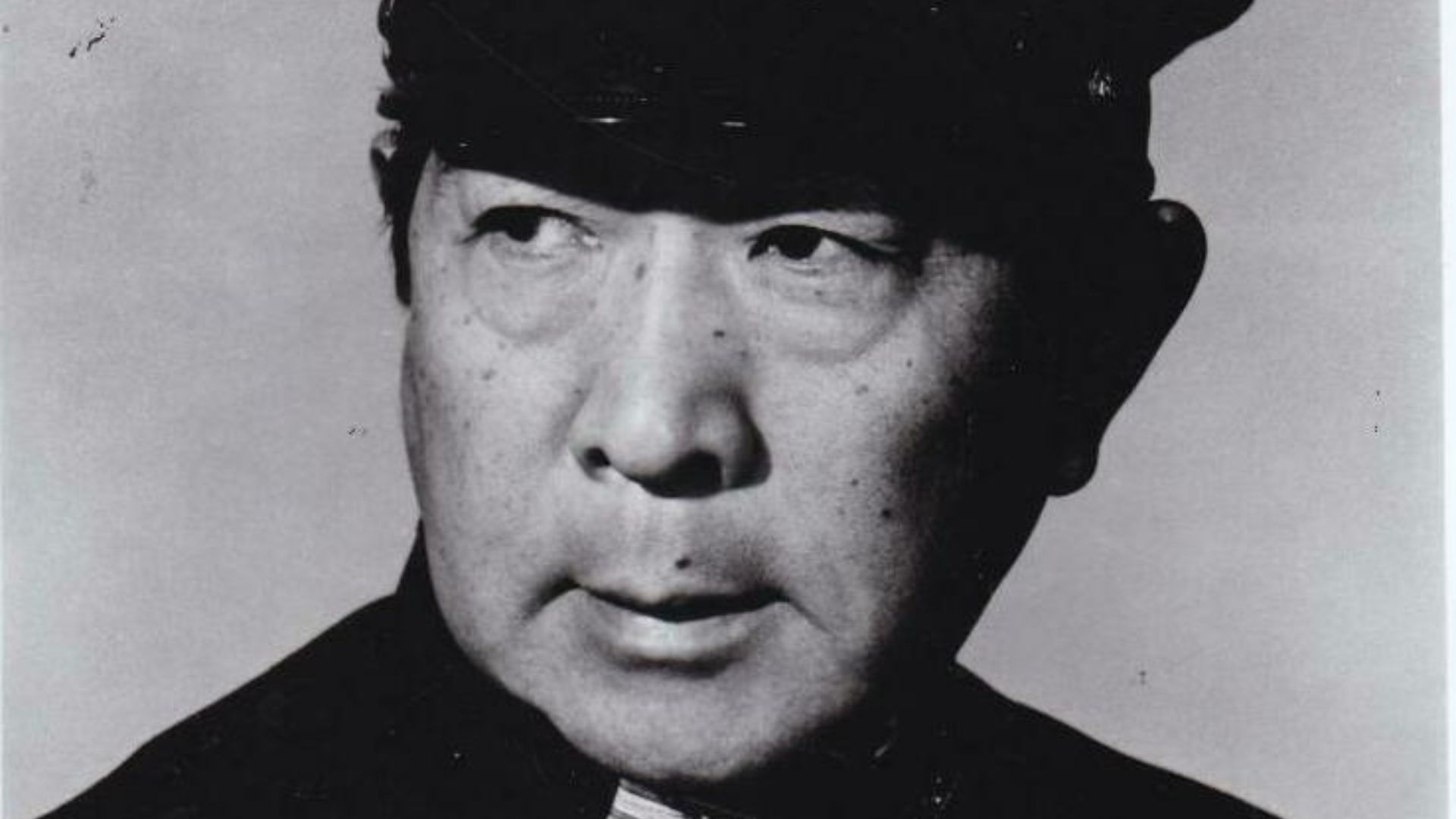 Universal Pictures on Wikimedia
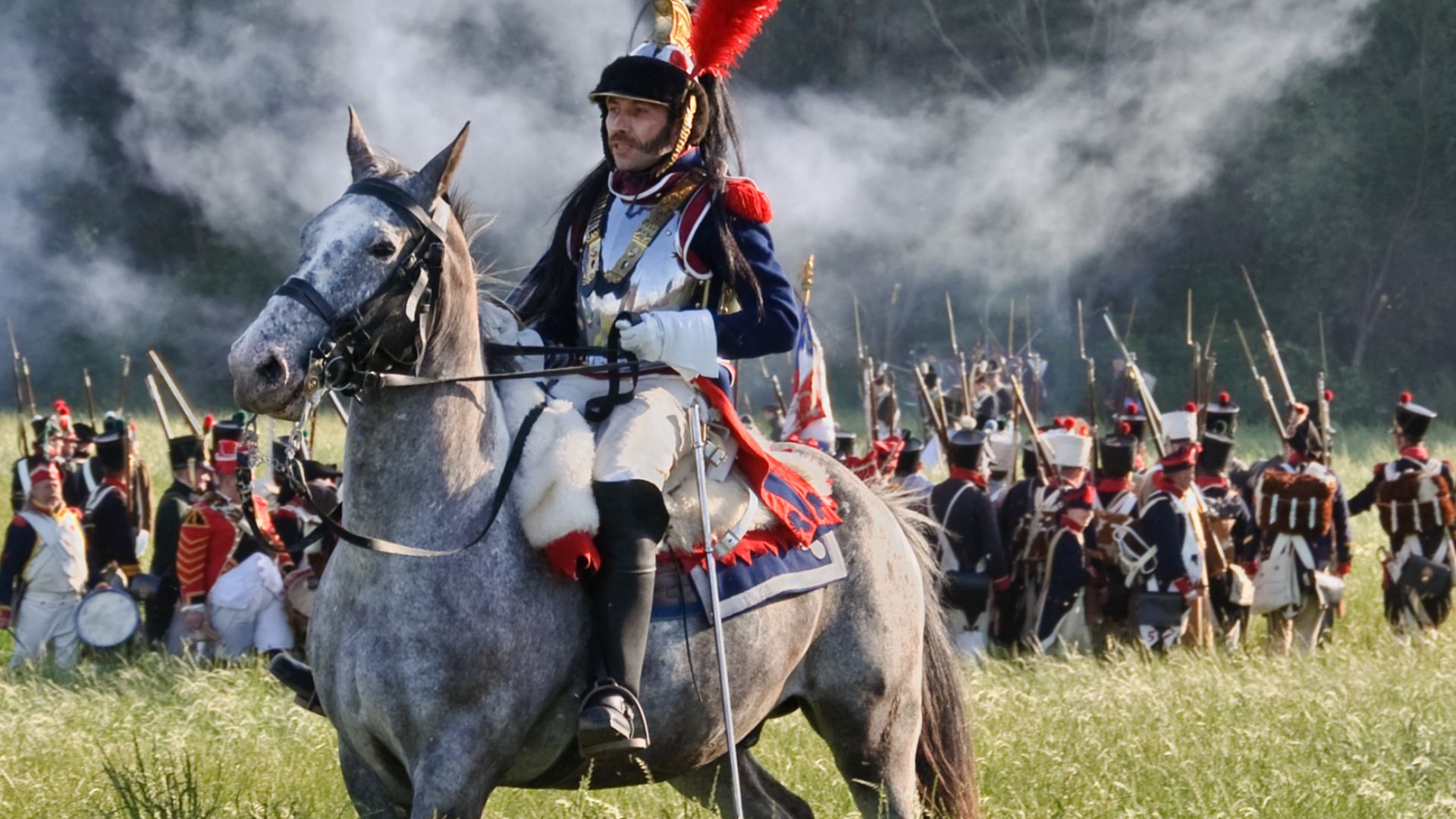
5. Waterloo – Napoleon’s Late Attack
Napoleon delayed his attack against Wellington at Waterloo, hoping for drier ground. The extra time allowed Prussian forces to arrive and reinforce Wellington. His hesitation ultimately cost him the battle and ended his reign.
6. The Tet Offensive – U.S. Troop Decisions
During the Tet Offensive, American commanders decided to reinforce certain cities with troops at the last minute. These quick deployments blunted the surprise attacks from North Vietnamese forces. The decision helped prevent a strategic disaster despite heavy casualties.
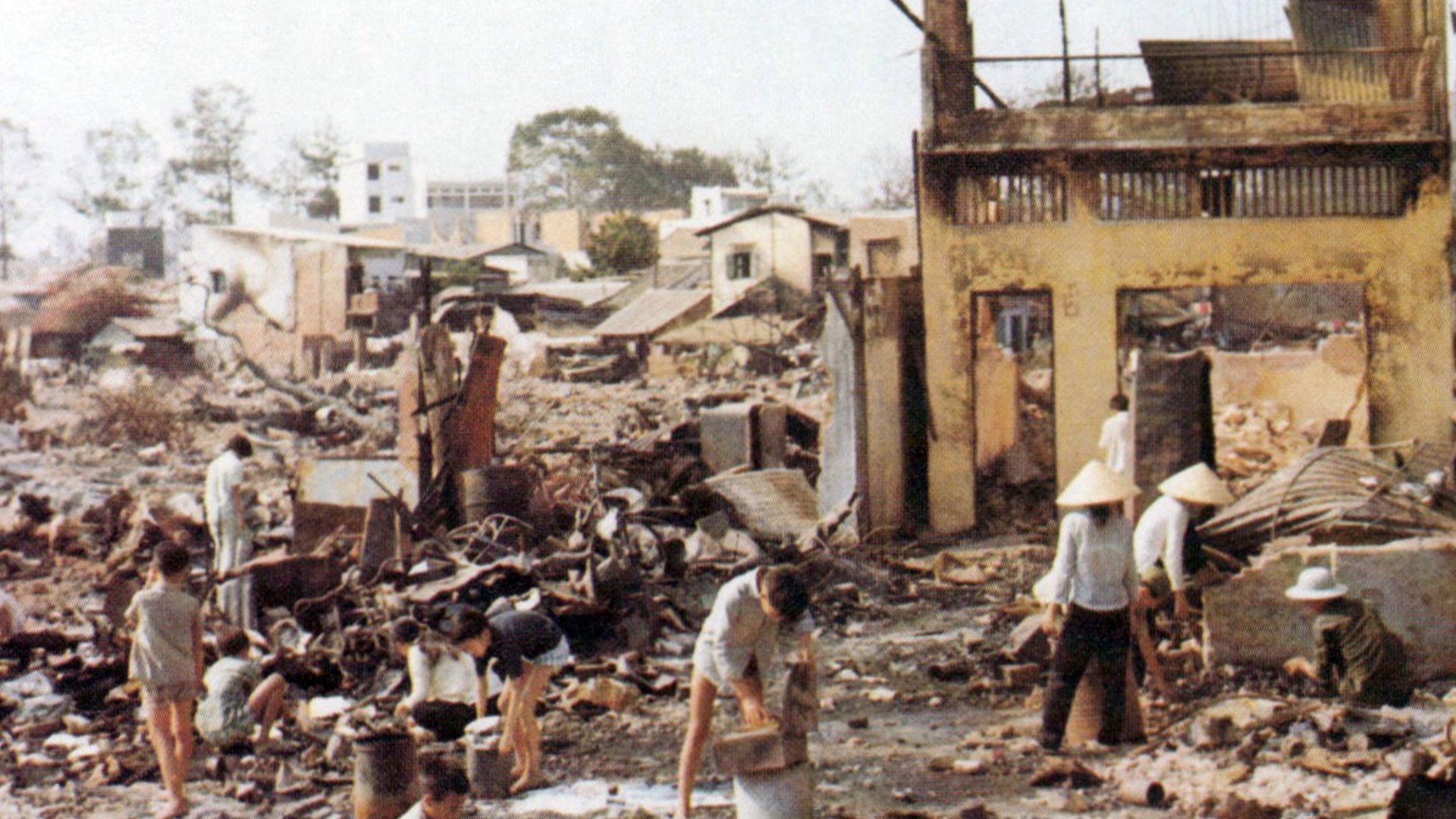 Meyerson, Joel D. on Wikimedia
7. Battle of Hastings – Harold’s Shield Wall Choice
King Harold chose to hold a shield wall against William’s Norman cavalry, a last-minute defensive setup. This initially slowed the Normans but couldn’t sustain the pressure. Harold’s eventual decision to charge too late cost him the battle.
8. Pearl Harbor – Japanese Fleet Timing
The Japanese admiral in charge adjusted the attack timing at the last minute due to weather concerns. This choice allowed planes to launch from carriers safely. The surprise strike inflicted severe damage, though it ultimately drew the U.S. fully into World War II.
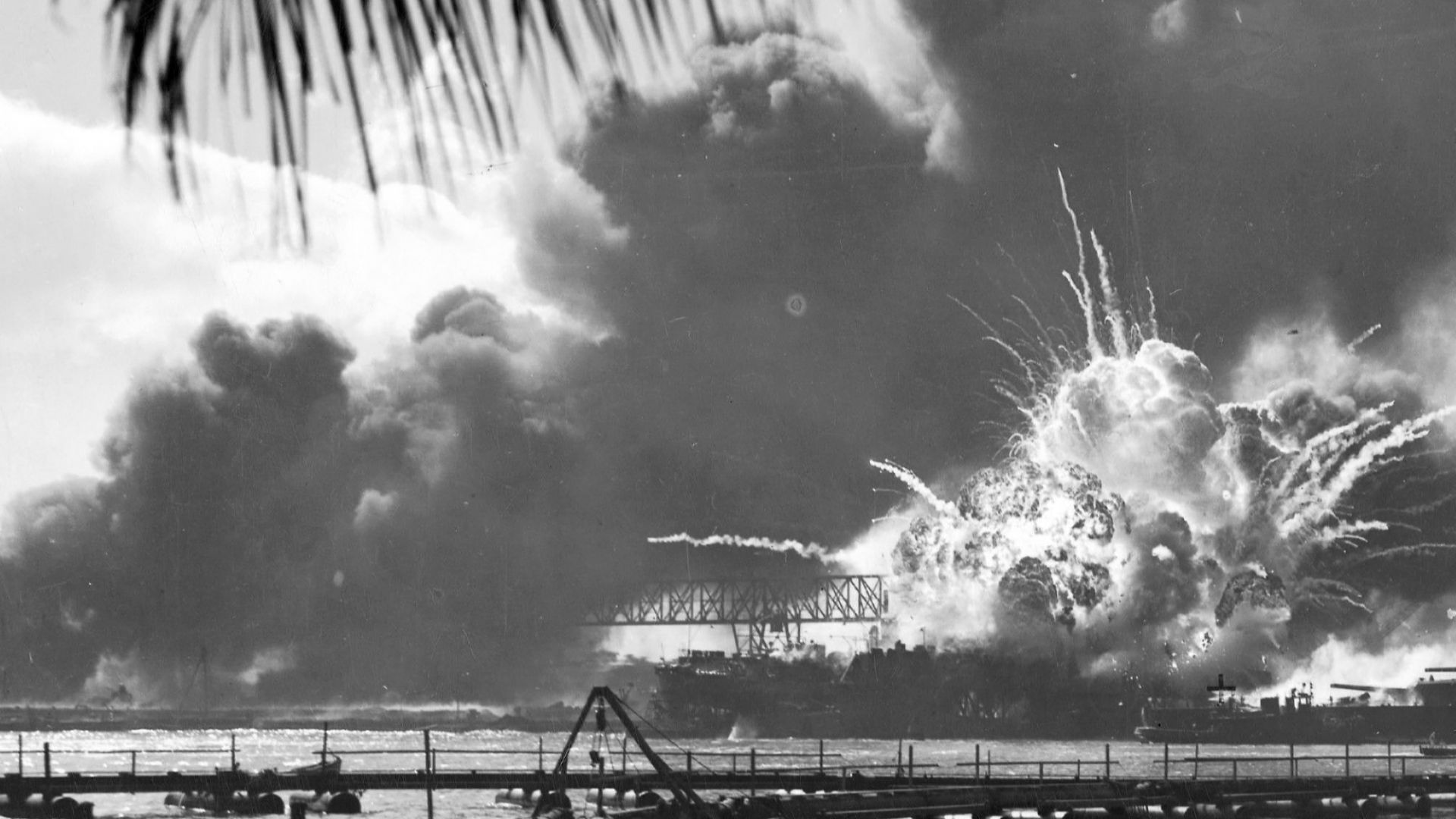 Unknown navy photographer on Wikimedia
9. Battle of the Bulge – Patton’s Rapid Pivot
General Patton made a sudden decision to redirect his Third Army north to relieve Bastogne. This rapid maneuver caught German forces off guard. The move helped turn the battle and prevented a deeper breakthrough in Allied lines.
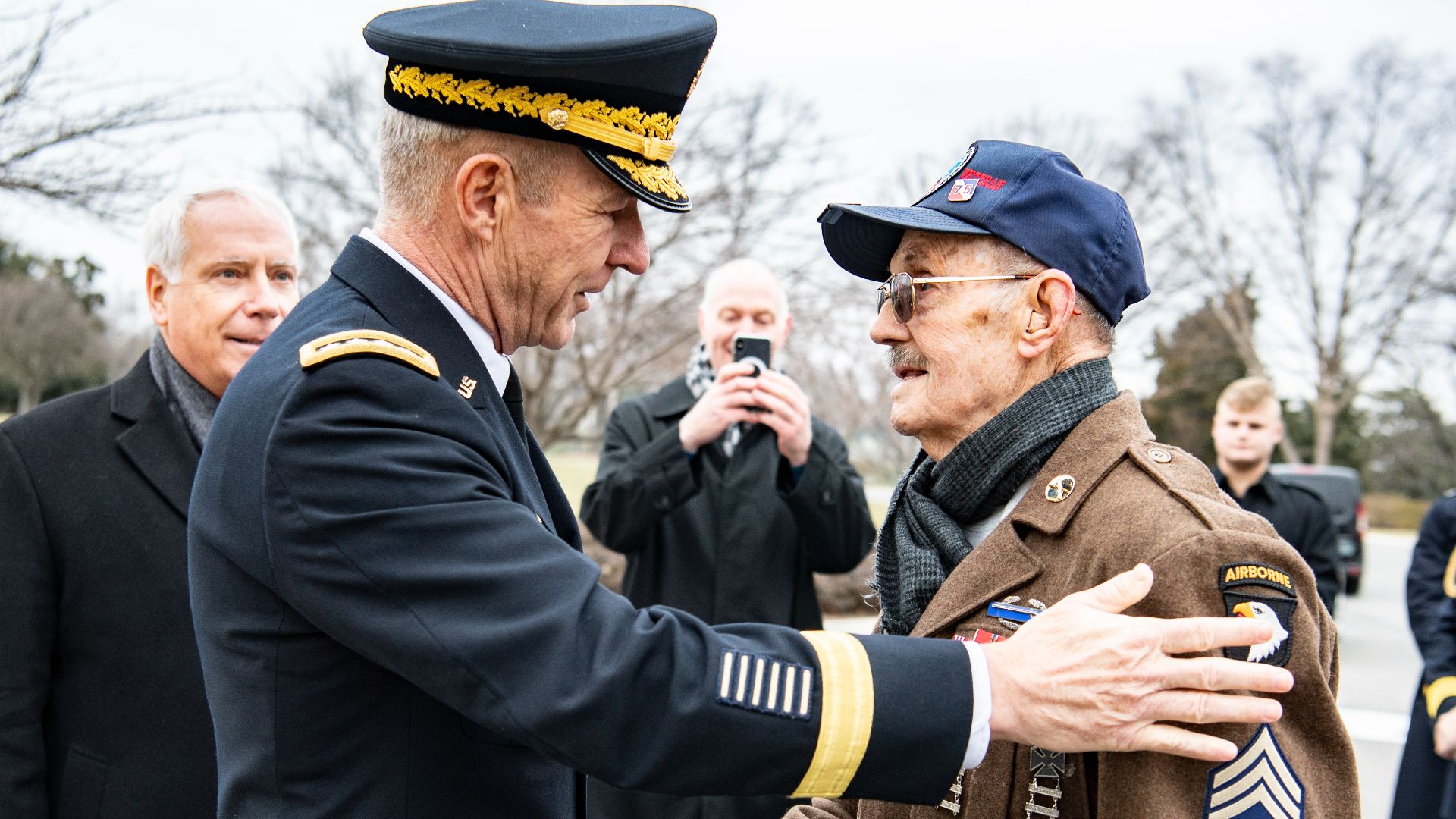 Arlington National Cemetery on Wikimedia
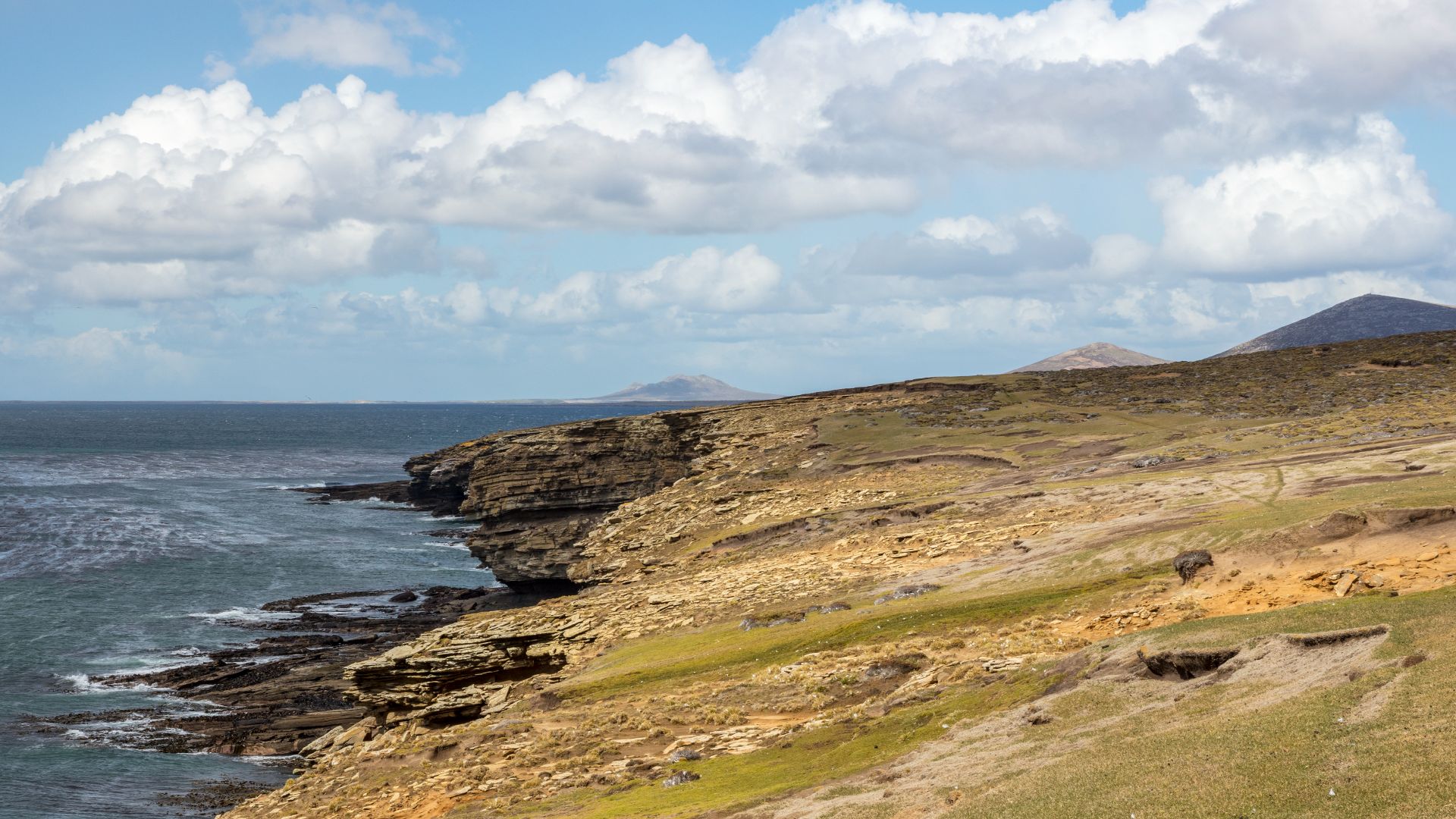
10. The Falklands – British Task Force Route
Admiral Woodward chose a less predictable naval route to the Falklands at the last minute. This reduced the risk of Argentine ambushes and allowed the British fleet to approach safely. The decision contributed to their swift recapture of the islands.
11. Cannae – Hannibal’s Double Envelopment
Hannibal shifted his formations at the last minute to encircle Roman forces. The adjustment surprised the Romans and allowed the Carthaginian army to inflict massive casualties. It became one of the most studied tactical victories in history.
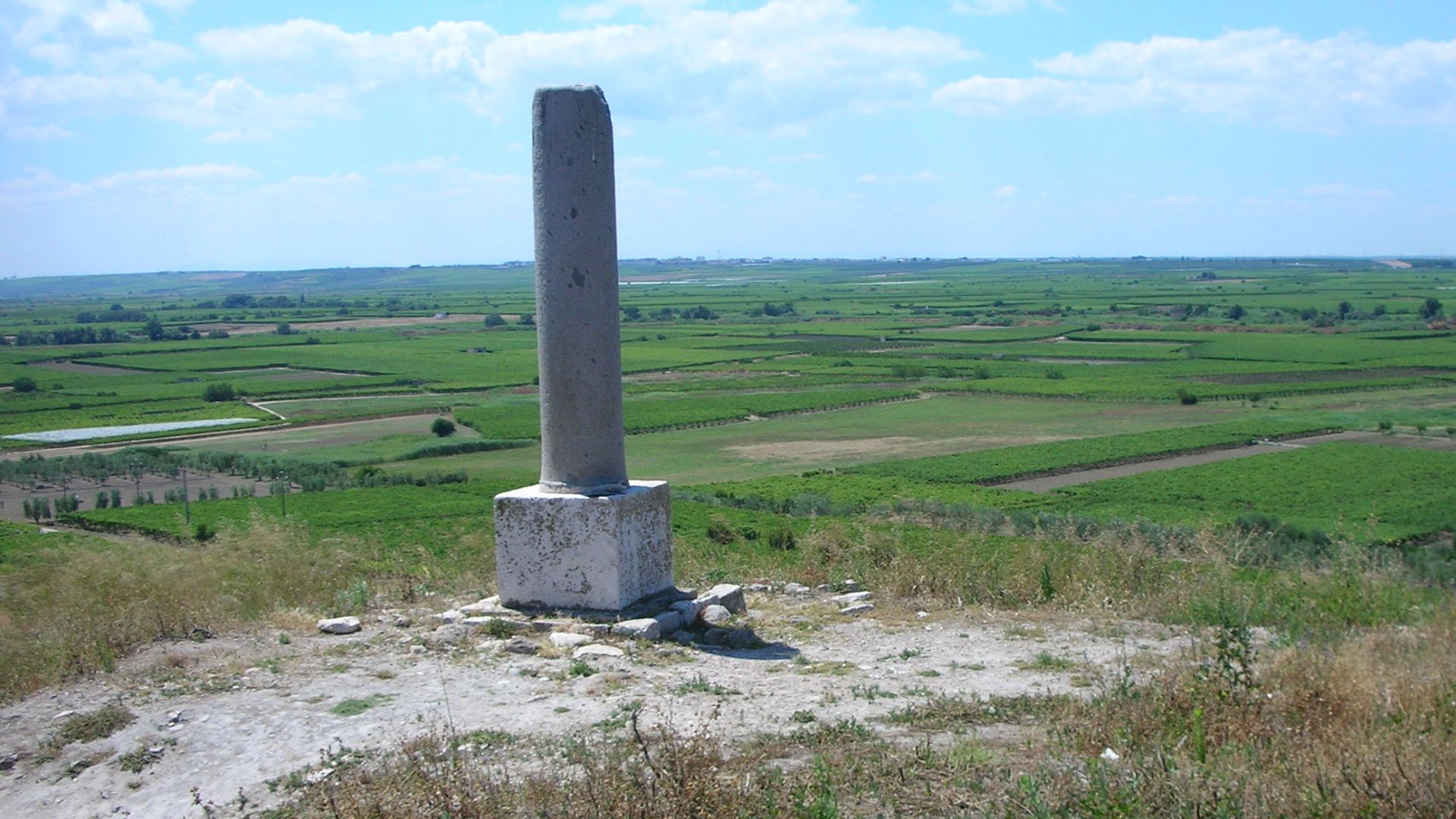
12. Iwo Jima – Marine Flank Decision
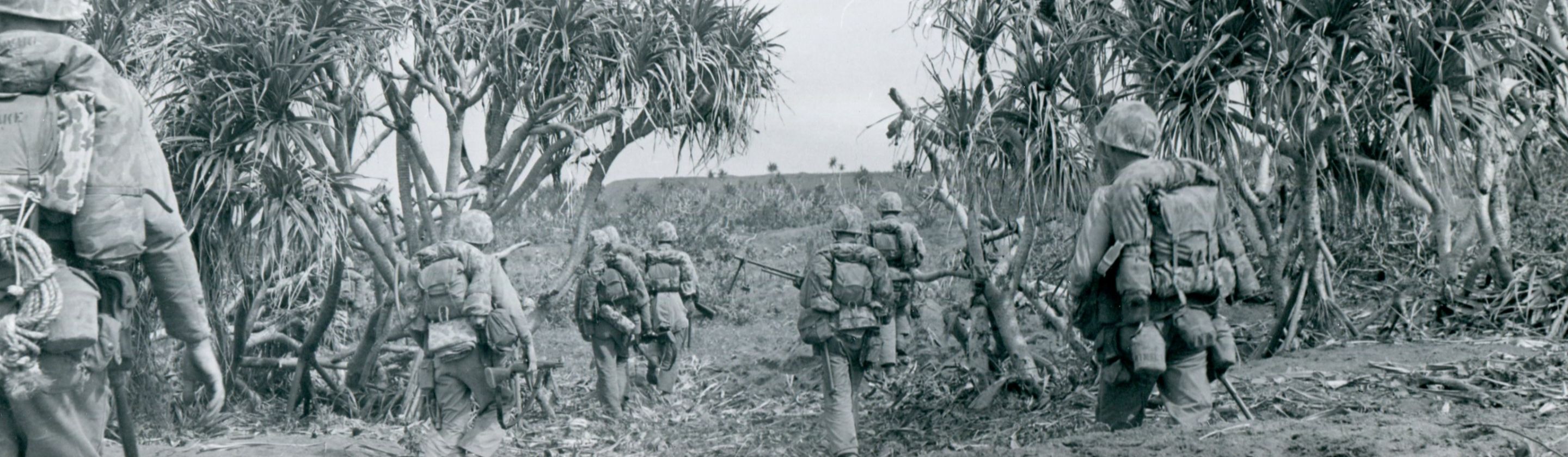
U.S. Marines redirected landing forces to less defended beaches after last-minute reconnaissance. This decision minimized initial casualties and allowed the assault to gain a foothold. It set the stage for one of the fiercest battles in the Pacific.
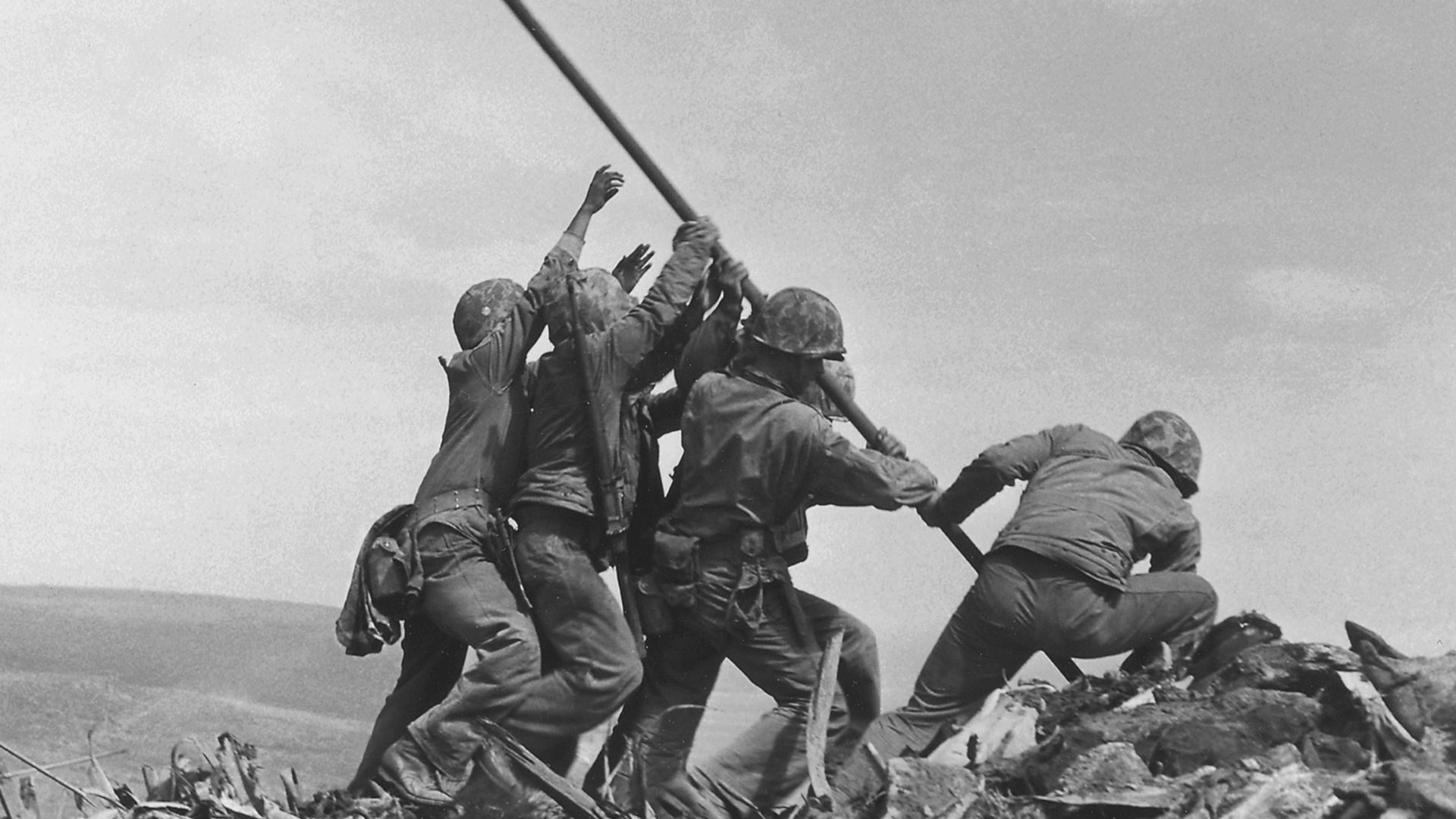
13. The Winter War – Finnish Motti Tactics
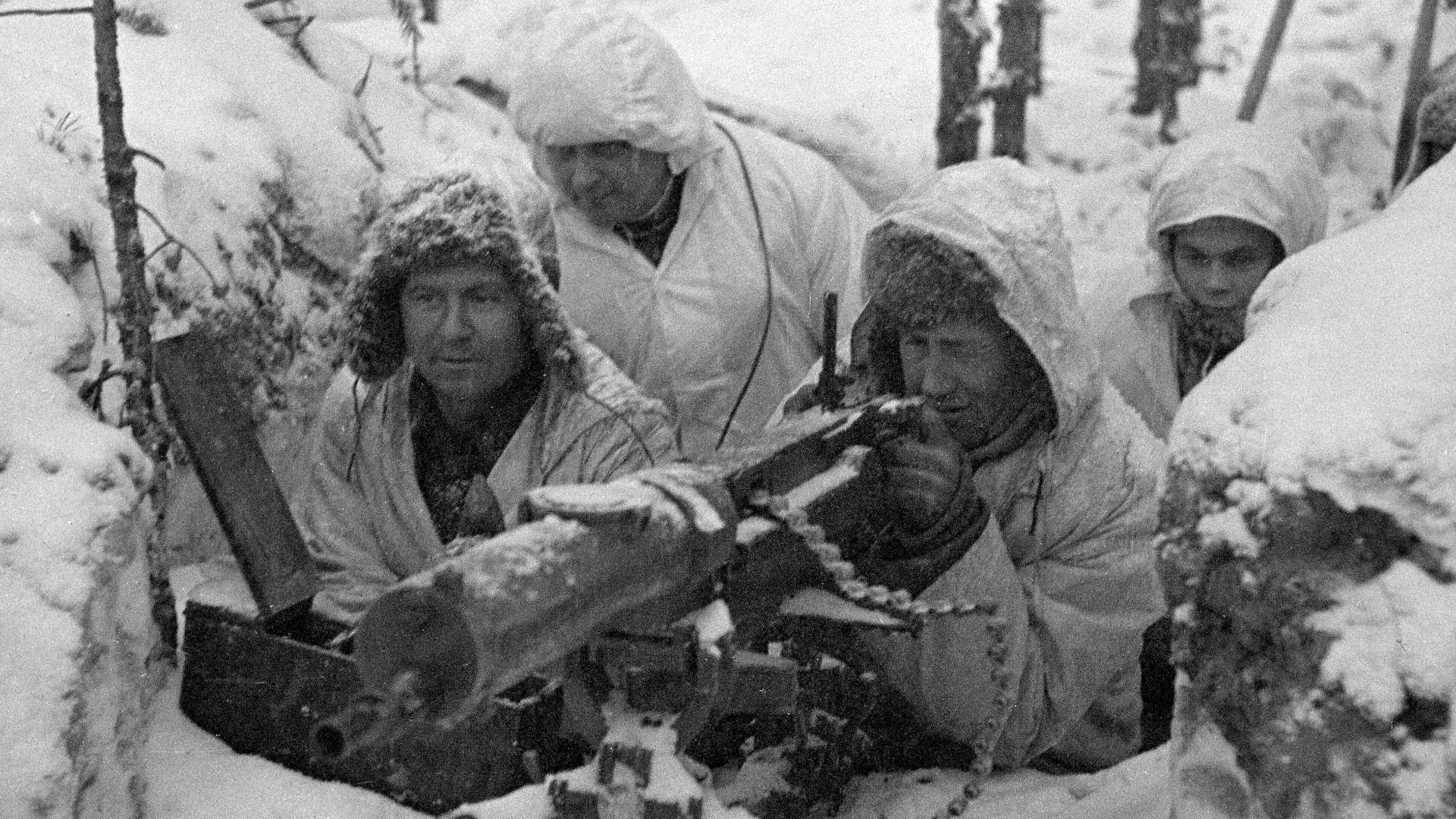
Finnish commanders used last-minute knowledge of forested terrain to divide Soviet columns into smaller targets. This unconventional decision led to disproportionate losses for the Soviets. The Finns held out far longer than expected despite being outnumbered.
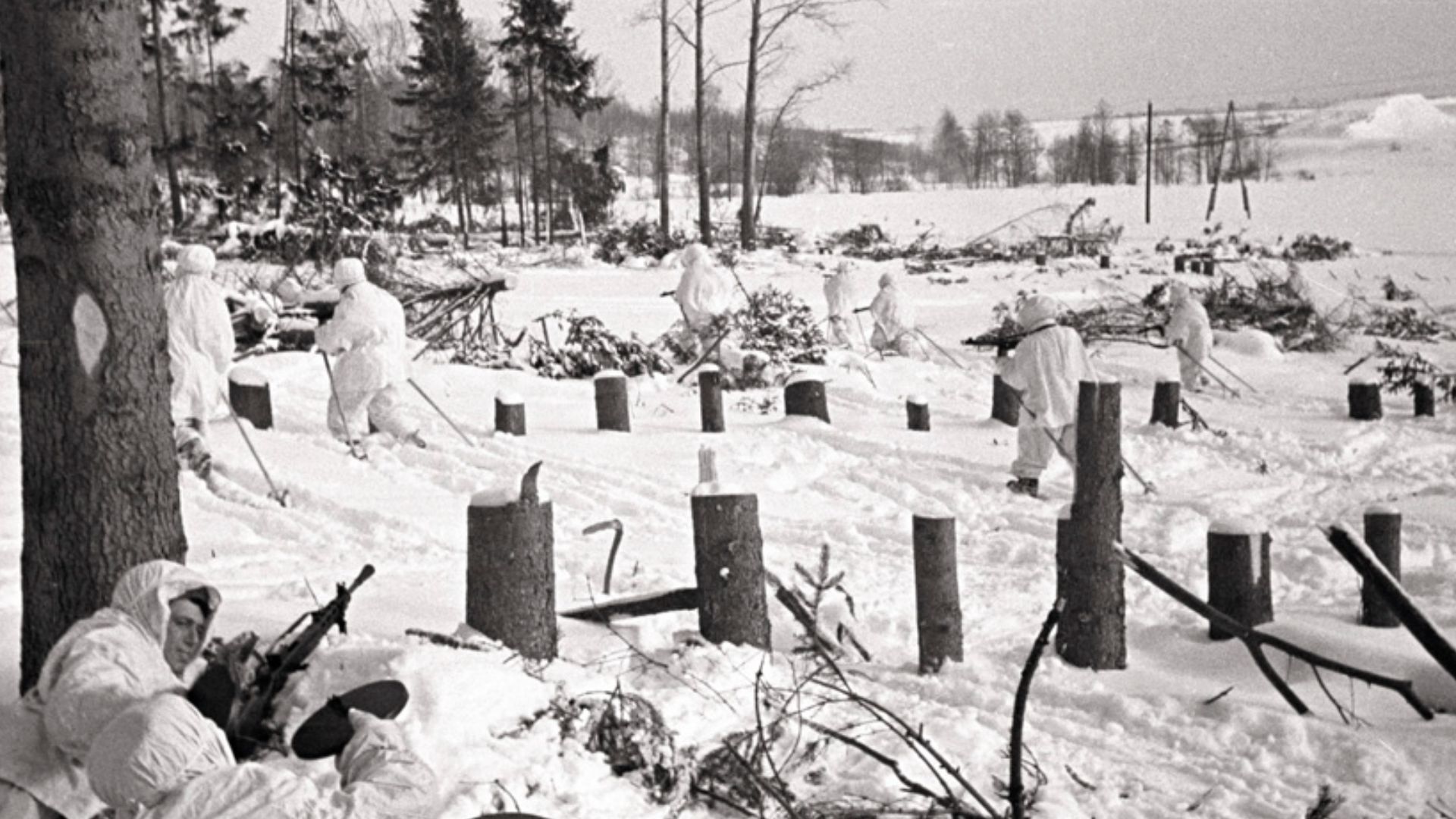 Oleg Knorring / Олег Кнорринг on Wikimedia
14. Battle of Stalingrad – Soviet Encirclement
Soviet generals decided to launch Operation Uranus with quick repositioning of reserves. This caught German forces off guard and trapped the Sixth Army. The move was pivotal in turning the Eastern Front against Germany.
 Soviet Government on Wikimedia
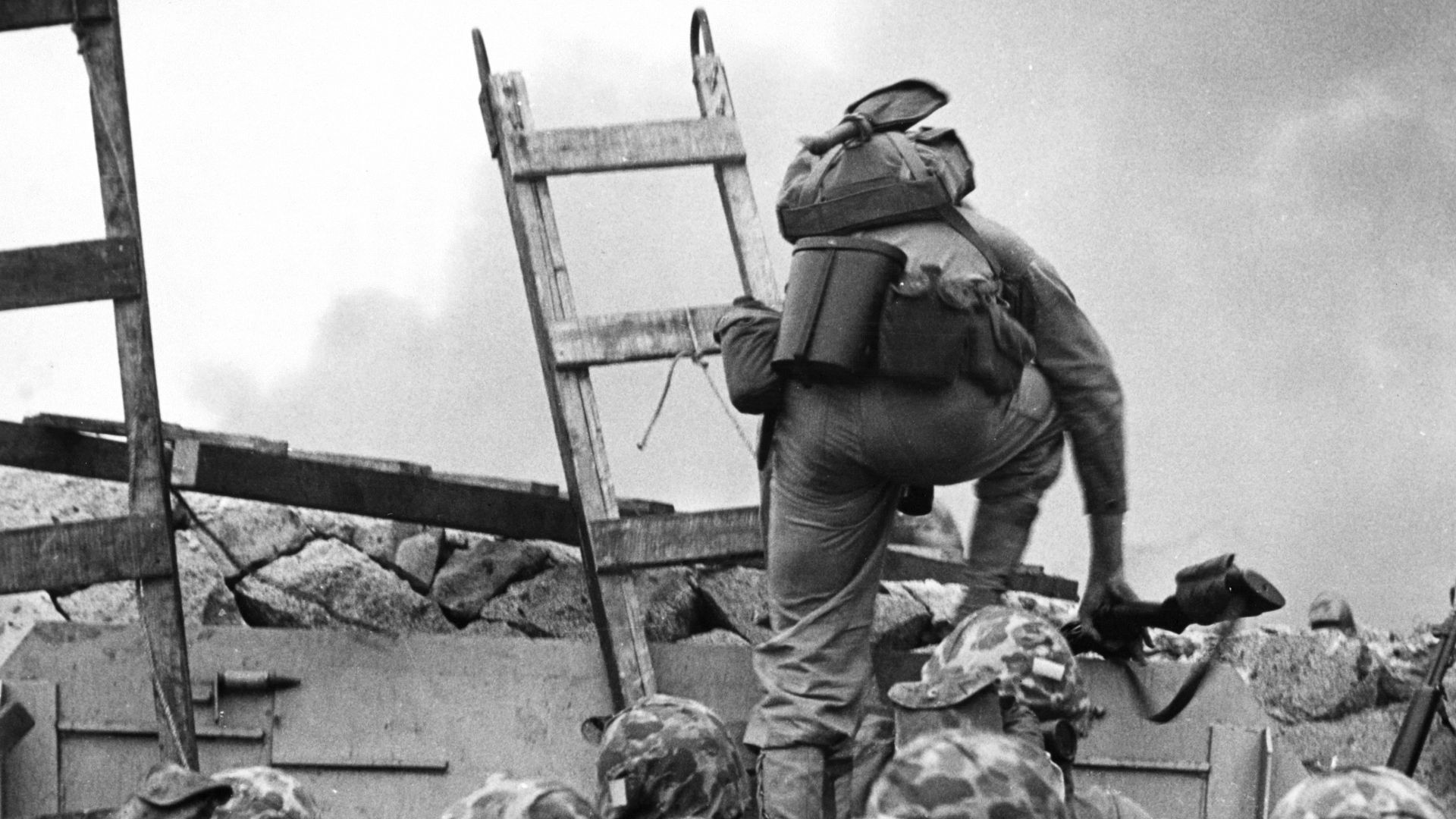
15. The Inchon Landing – MacArthur’s Surprise Choice
General MacArthur chose Inchon for the amphibious landing just days before the operation. The tides and narrow channels made it a risky last-minute choice. It succeeded spectacularly, cutting North Korean supply lines and changing the course of the Korean War.
16. The Spanish Armada – English Fire Ships
The English sent fire ships at the last moment to scatter the anchored Armada. This caused chaos among Spanish fleets and forced them into open waters. It was a decisive tactic that contributed to England’s naval victory.

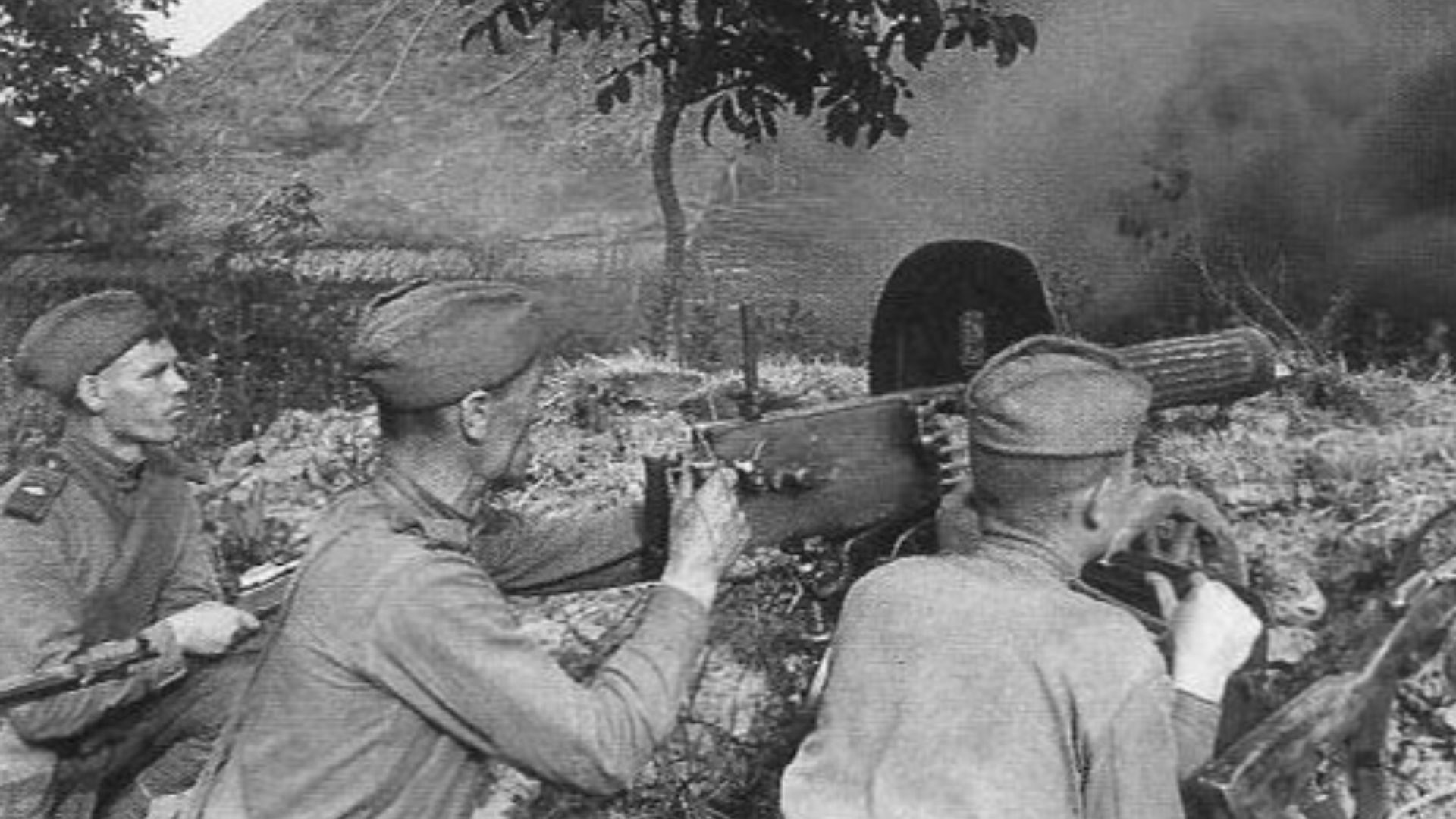
17. Battle of Kursk – Soviet Defensive Depth
Soviet commanders quickly reinforced defensive positions upon learning German attack plans. Their last-minute fortifications slowed the Germans and led to heavy enemy losses. It marked the beginning of a major push westward.
 Unknown authorUnknown author on Wikimedia
18. Normandy Counterattack – German Hesitation
German commanders delayed counterattacks after D-Day, unsure of Allied strength. This last-minute hesitation allowed Allied forces to secure beaches and expand inland. Quick, decisive German action could have changed the initial campaign.

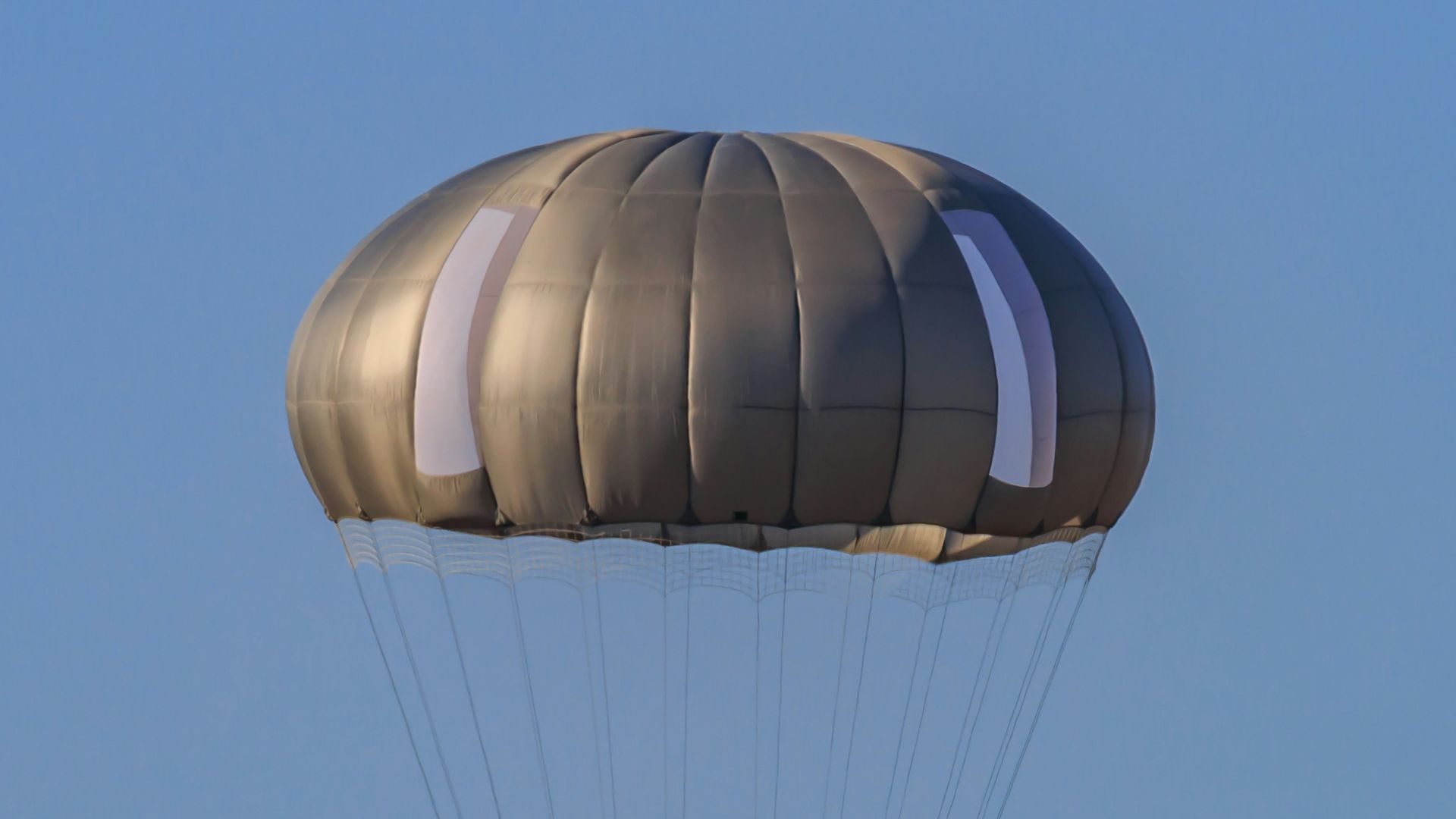
19. Operation Market Garden – Paratrooper Deployment
Allied leaders made late adjustments to the timing of airborne drops. Some changes caused misalignment between ground and air forces. The plan partially failed, illustrating the risk of last-minute changes under pressure.
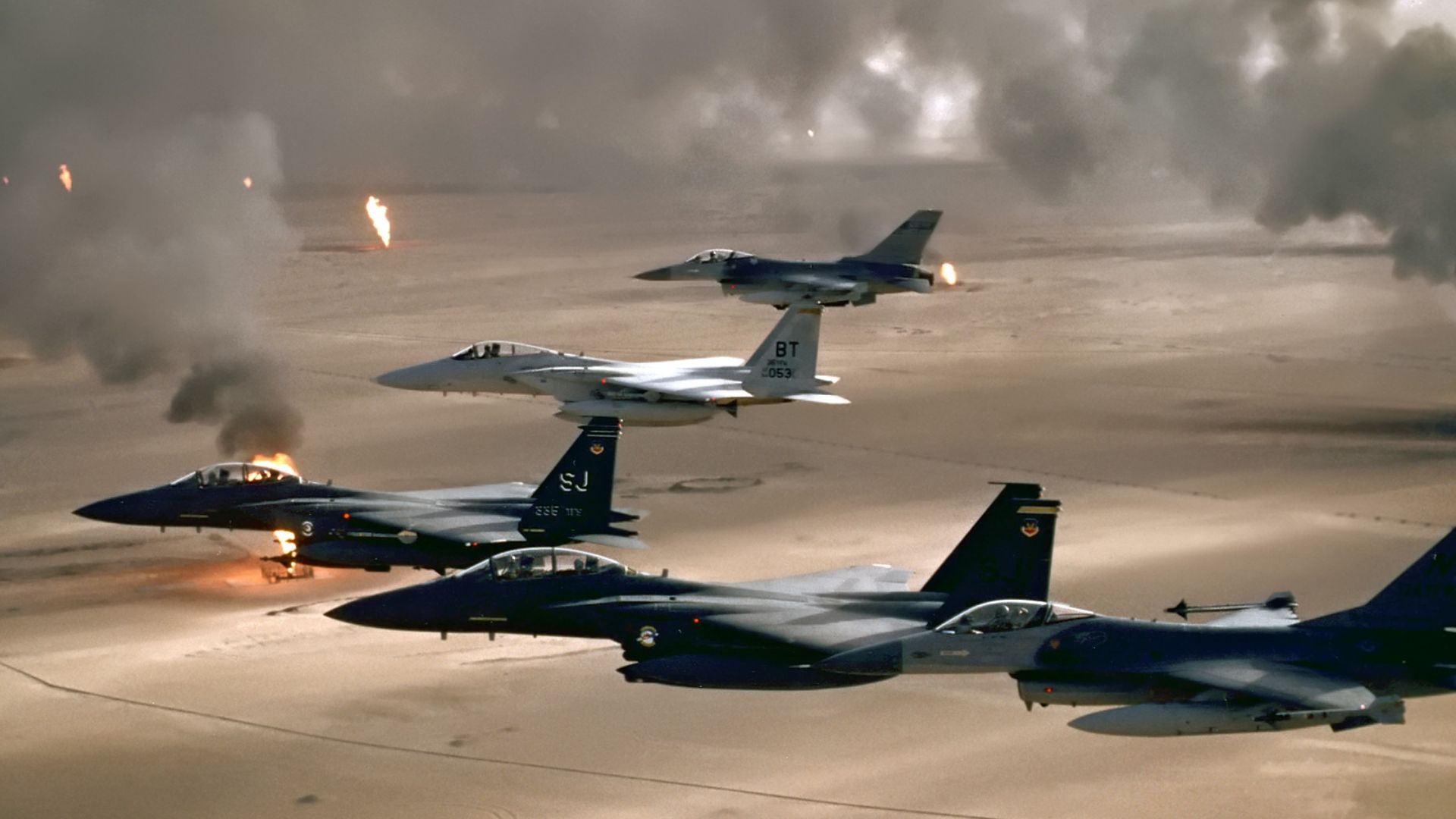
20. The Gulf War – Coalition Air Strategy
Coalition commanders adapted their air campaign on the fly after Iraqi positions shifted. Last-minute target adjustments increased bombing efficiency and minimized civilian casualties. This flexible decision-making helped secure a swift victory.
KEEP ON READING

The 10 Youngest Monarchs In History & The 10 Oldest
Age Is Just A Number. Imagine being crowned king or…
By Chase Wexler Mar 11, 2025
You Think You Have Problems? These Royal Families Were Cursed
Boasson and Eggler St. Petersburg Nevsky 24. on WikimediaHeavy is…
By Ashley Bast Dec 5, 2025
You Can Thank This Greek-Canadian For Creating Pineapple On Pizza…
Love it or hate it, pineapple on pizza sparks debate…
By David Davidovic Dec 1, 2025
Yes, Female Gladiators Existed, And Here's Everything You Need To…
History of Women in Combat. Most people picture gladiators as…
By David Davidovic Jan 17, 2026
Yes, Australians Once Lost A Battle Against Flightless Birds
David Clode on UnsplashIn 1932, the Australian military went to…
By David Davidovic Nov 24, 2025
The Y2K Bug: Why Did Everyone Think Year 2000 Was…
Alan W on UnsplashOn December 31, 1999, people all over…
By Christy Chan Dec 22, 2025