Hello, I’m Johnny Cash
Johnny Cash’s story gets retold so often that you never really know what’s true and what just got made up along the way. Sure, you know some of it: the baritone voice, the black wardrobe, the prison concerts, the larger-than-life reputation. But plenty of details sit just outside the usual highlights, and some of them are genuinely surprising once you notice them. With that, let’s dive into everyone’s favorite country star.
1. He Was Born “J.R.,” and It Wasn’t Short For Anything
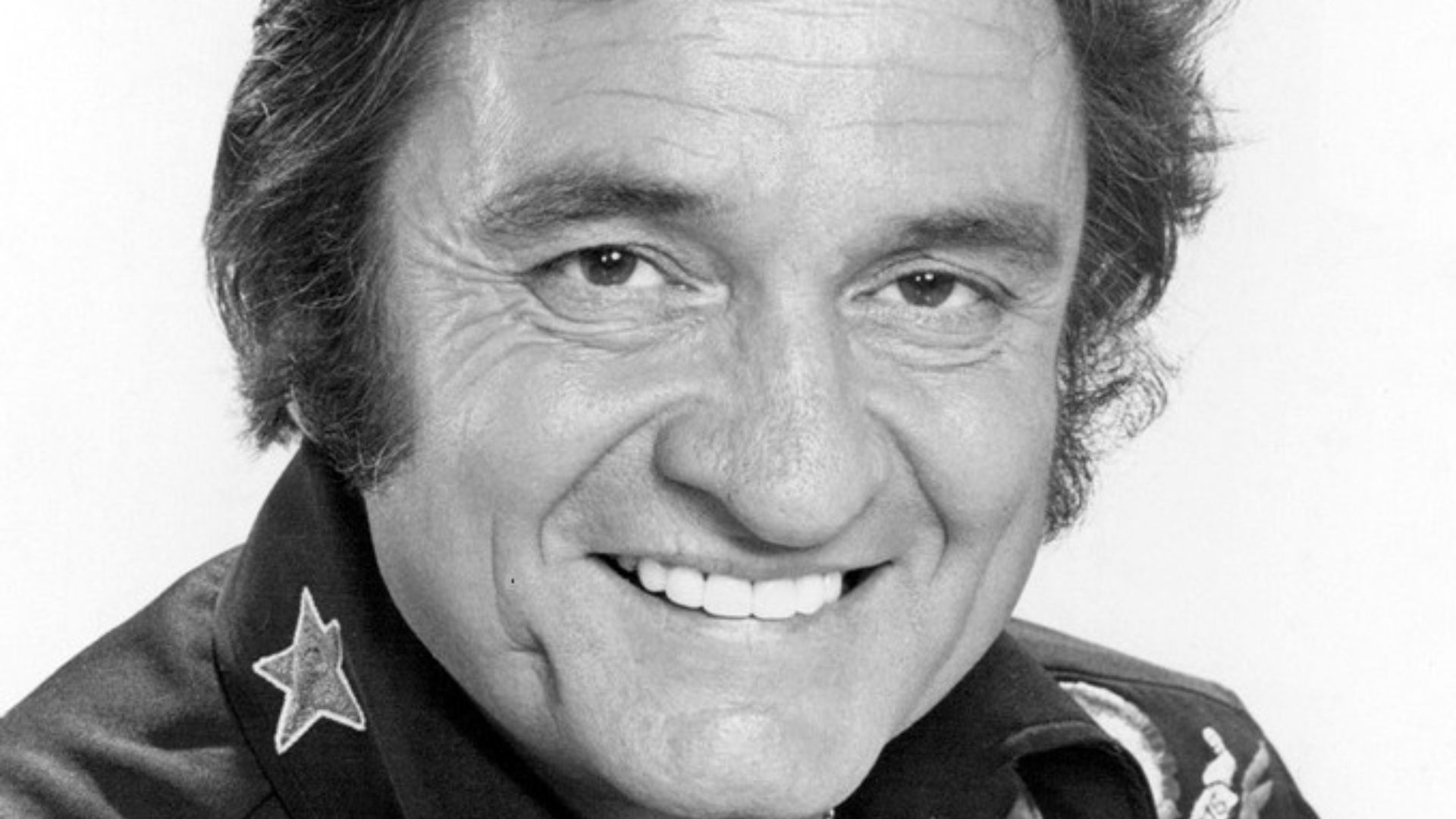
At birth, his name was literally just J.R. Cash. However, unlike most abbreviations, those letters weren’t initials. His parents chose them because they couldn’t agree on what to call him, and later, “John” became the practical fix, while “Johnny” became what stuck in public.
2. The Air Force Helped Secure His Stage Name
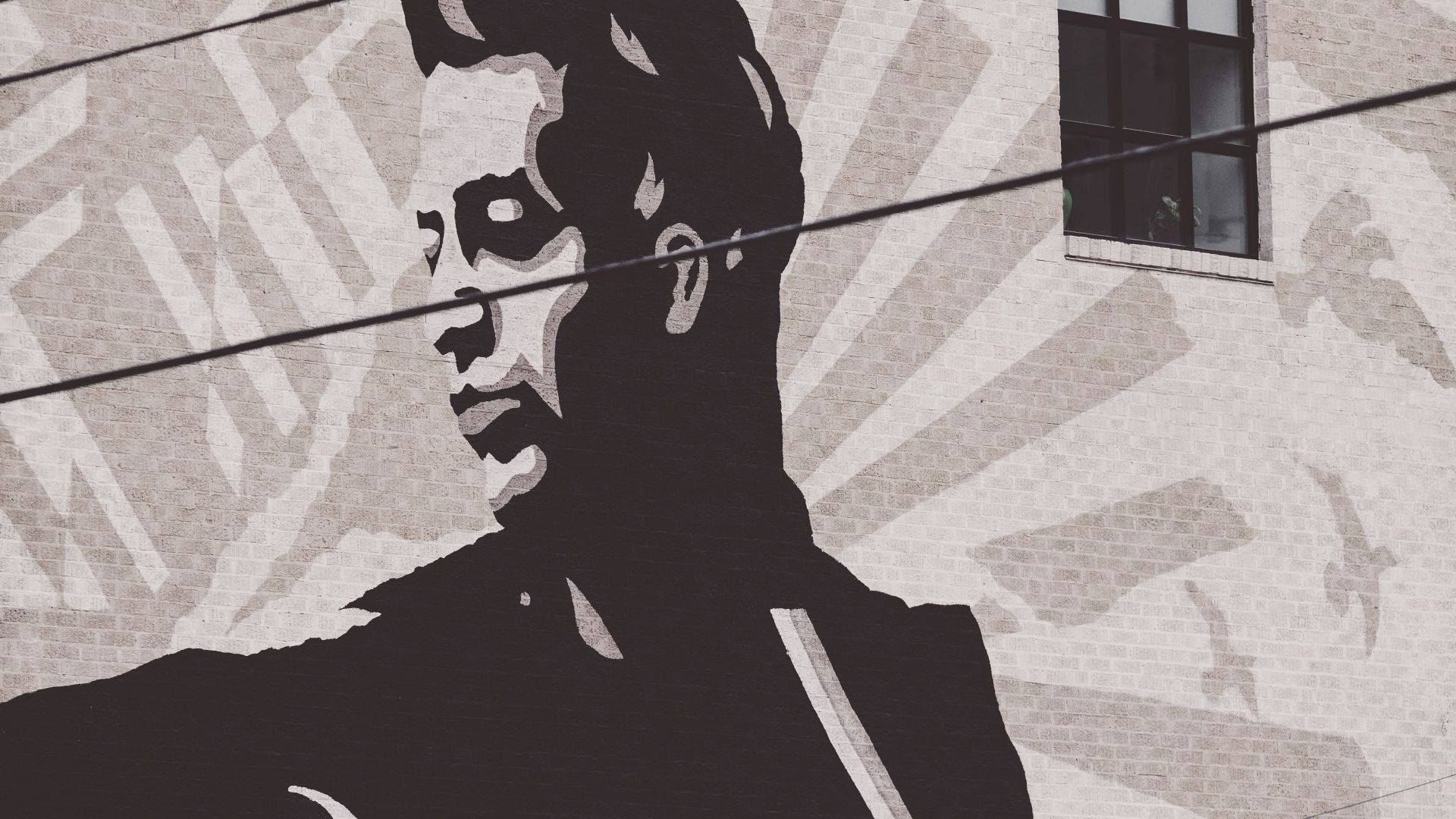
Before he ever became a household name, Cash served in the U.S. Air Force during the Cold War. Military life obviously wasn’t glamorous, but it gave him structure and time to focus on music on the side. During those years, “Johnny Cash” started to feel like more than a nickname and more like a brand.
 Nixon's official photographer, Ollie Atkins on Wikimedia
3. His Military Work Was More Technical Than You’d Expect
A lot comes to mind when you envision a soldier, but Cash didn’t do the duties people would imagine. He trained as a Morse code operator and worked with intercepted communications. By the time he returned home, he’d climbed to the rank of staff sergeant before being honorably discharged on July 3, 1954.
4. He Played San Quentin Years Before His Famous Album
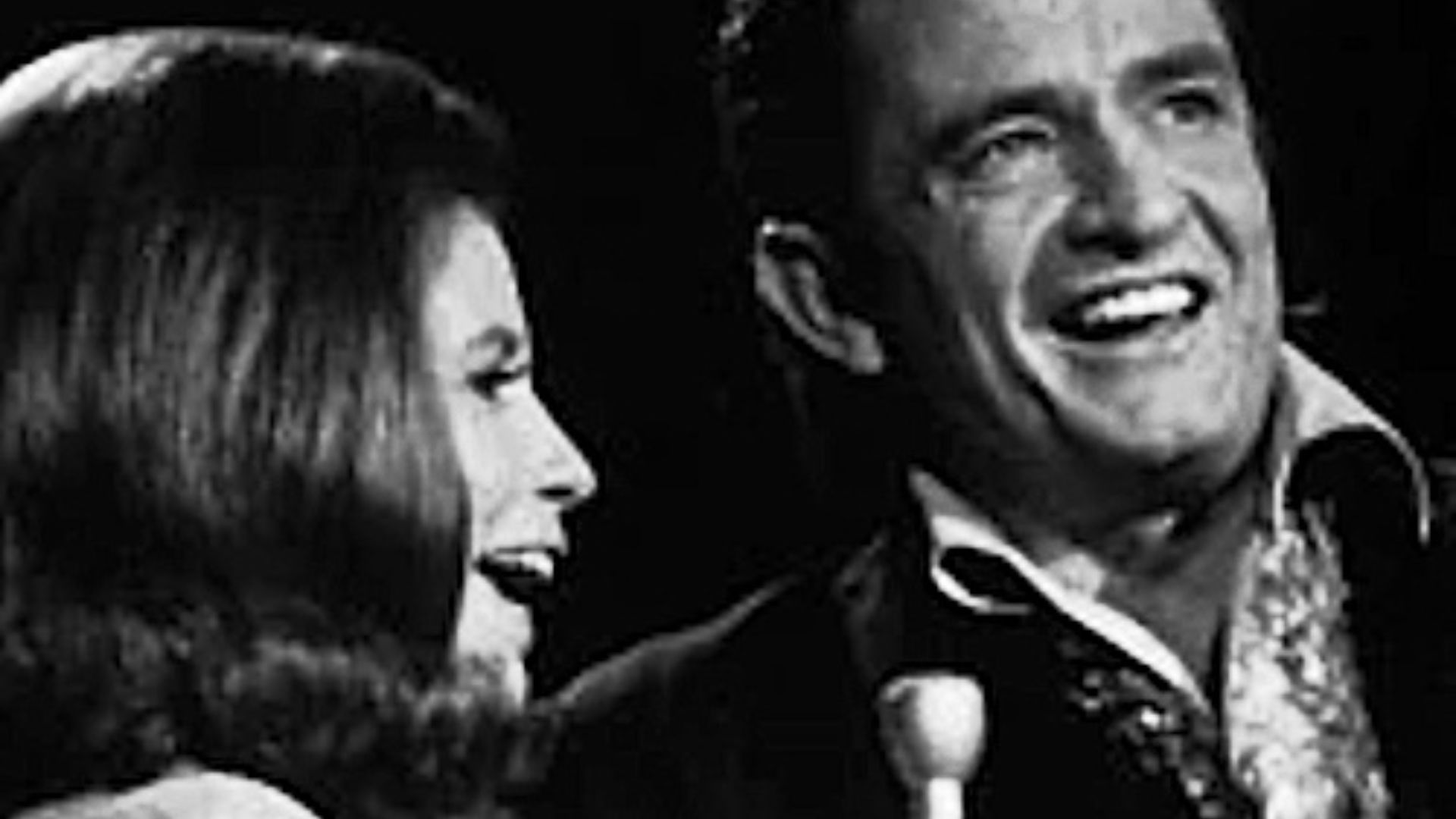
Many people assume his prison performances began with the well-known live releases, but they actually started much earlier. He performed at San Quentin in 1958, a full decade before the era most fans associate with that image.
5. “Folsom Prison Blues” Was Old News By The Time His Prison Albums Hit
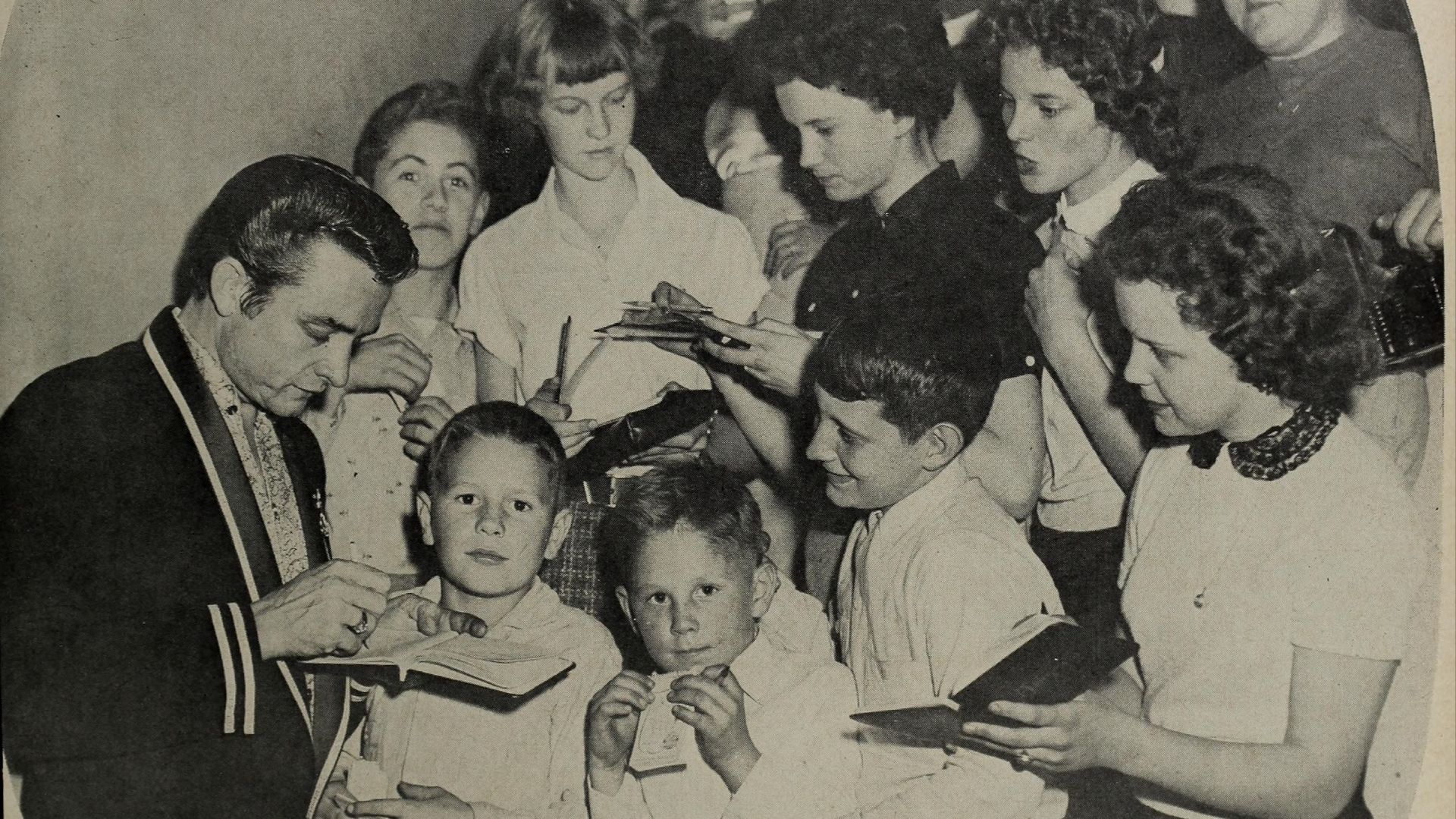
“Folsom Prison Blues” was recorded in the mid-1950s, long before the headline-making concerts. Essentially, the whole prison theme wasn’t a late-career gimmick, and it didn’t come out of nowhere—he’d already been building that world years before the culture caught up.
 Daniel Hartwig from New Haven, CT, USA on Wikimedia
6. He “Played” a Snare Drum Without an Actual Drummer
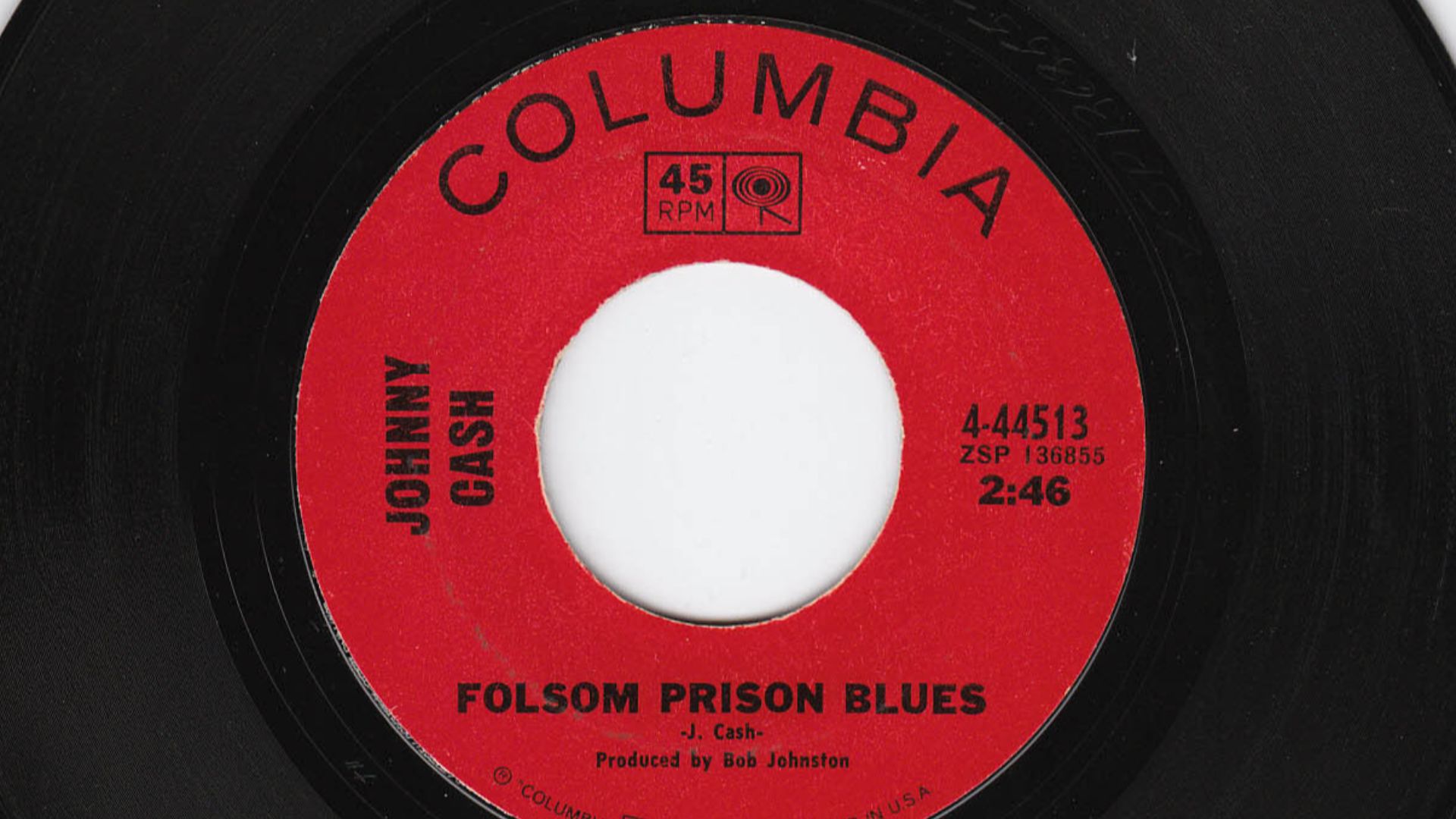
On early Sun recordings, there wasn’t a drummer in the studio, so Cash shoved a piece of paper under his guitar strings to mimic a snare-like snap. He later used the same trick in TV performances to recreate that feel.
7. A Backwards Tape Recorder Sparked “I Walk The Line”
While he was in the Air Force, he heard guitar parts played back in reverse on a reel-to-reel recorder. While that probably didn’t mean much to anyone else, he said the sound influenced the song’s unusual progression.
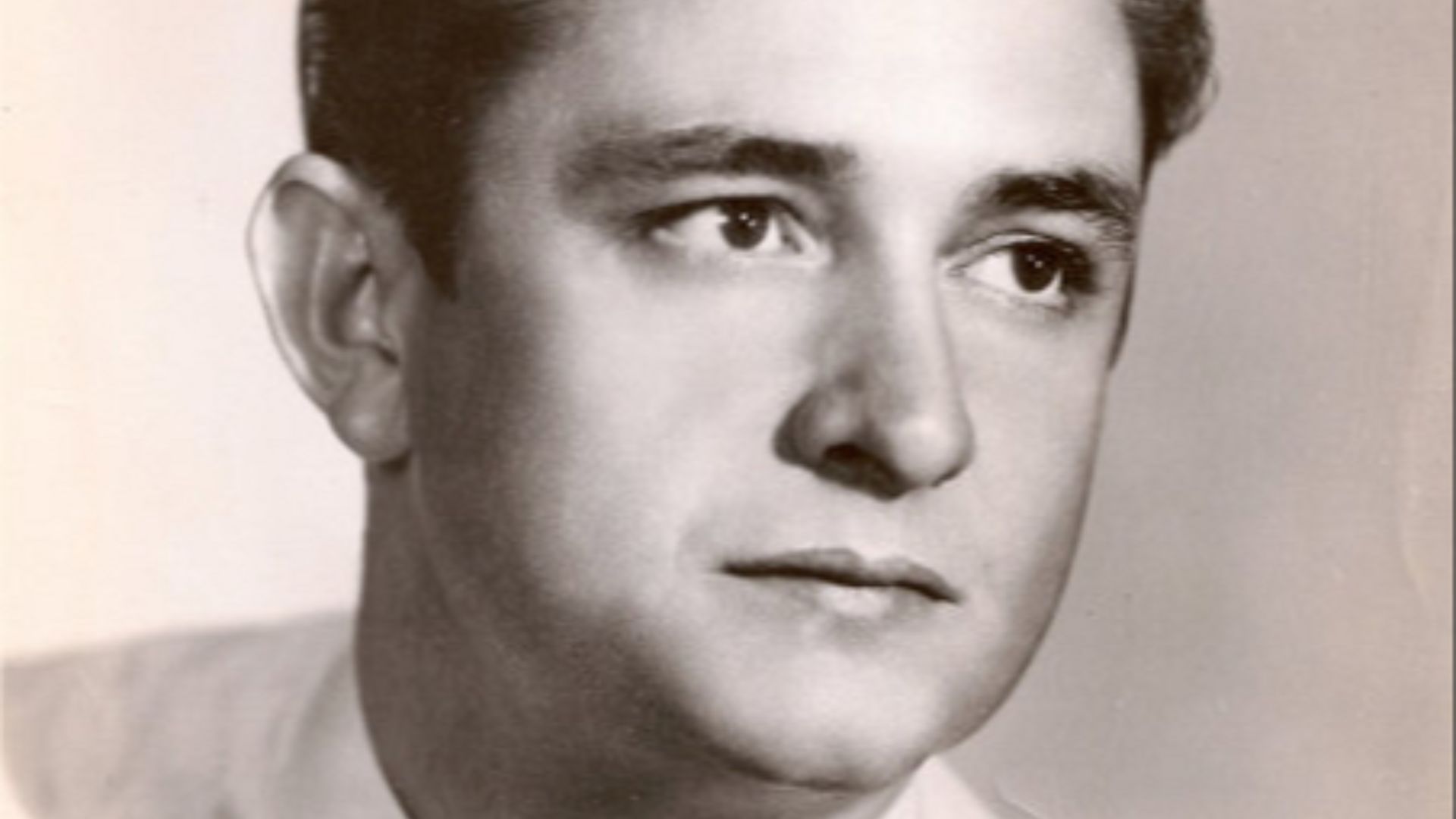
8. He Released a Concept Album About Native American Stories
In 1964, Cash released Bitter Tears: Ballads of the American Indian, and it didn’t shy away from hard subject matter. The album centered on Native themes and challenged listeners who wanted simple entertainment. Of course, it also drew pushback, but that’s part of why it still feels like a bold move today.
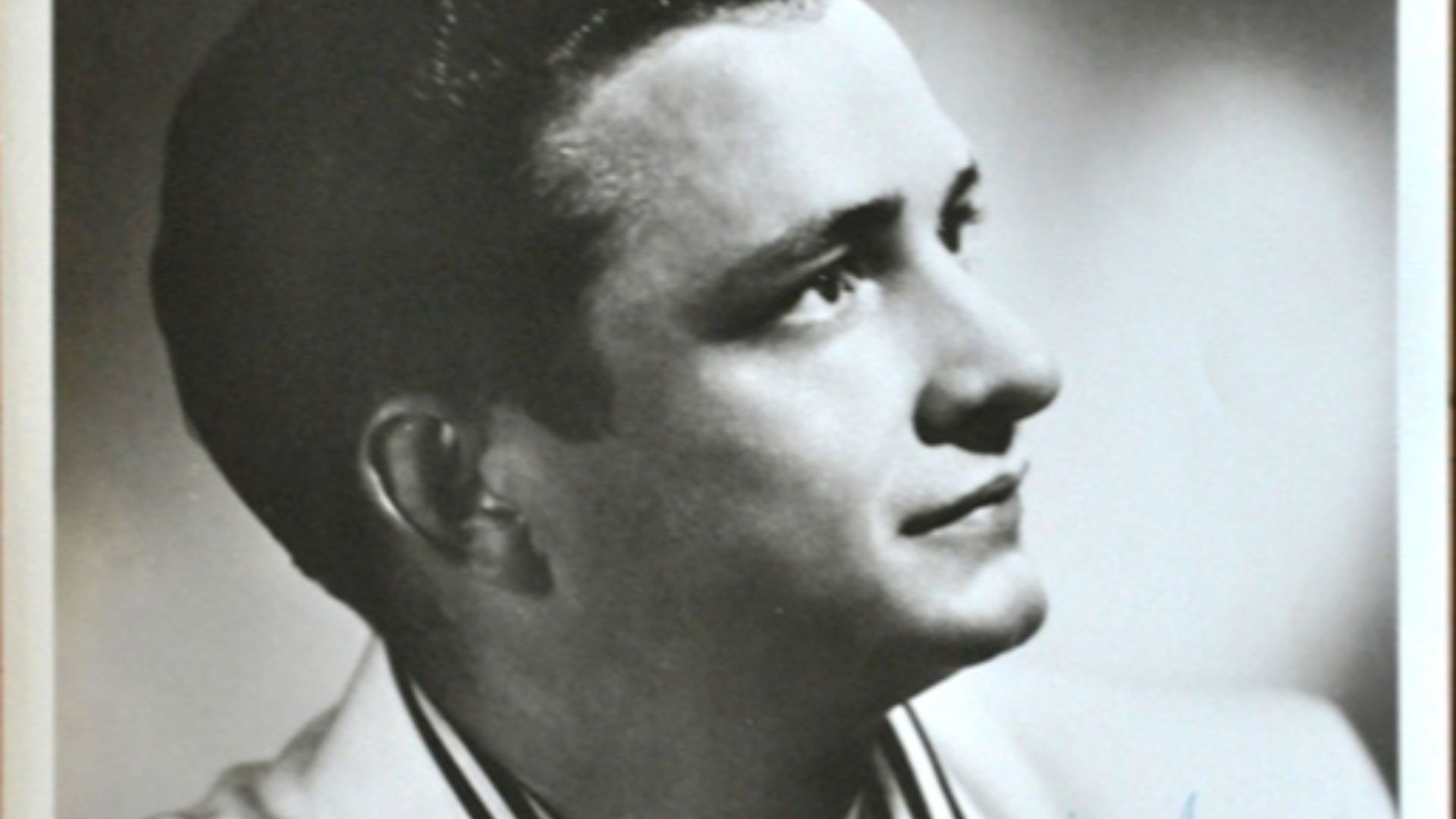 Johnny Cash Promotional Photo for Sun Records, taken in 1955 on Wikimedia
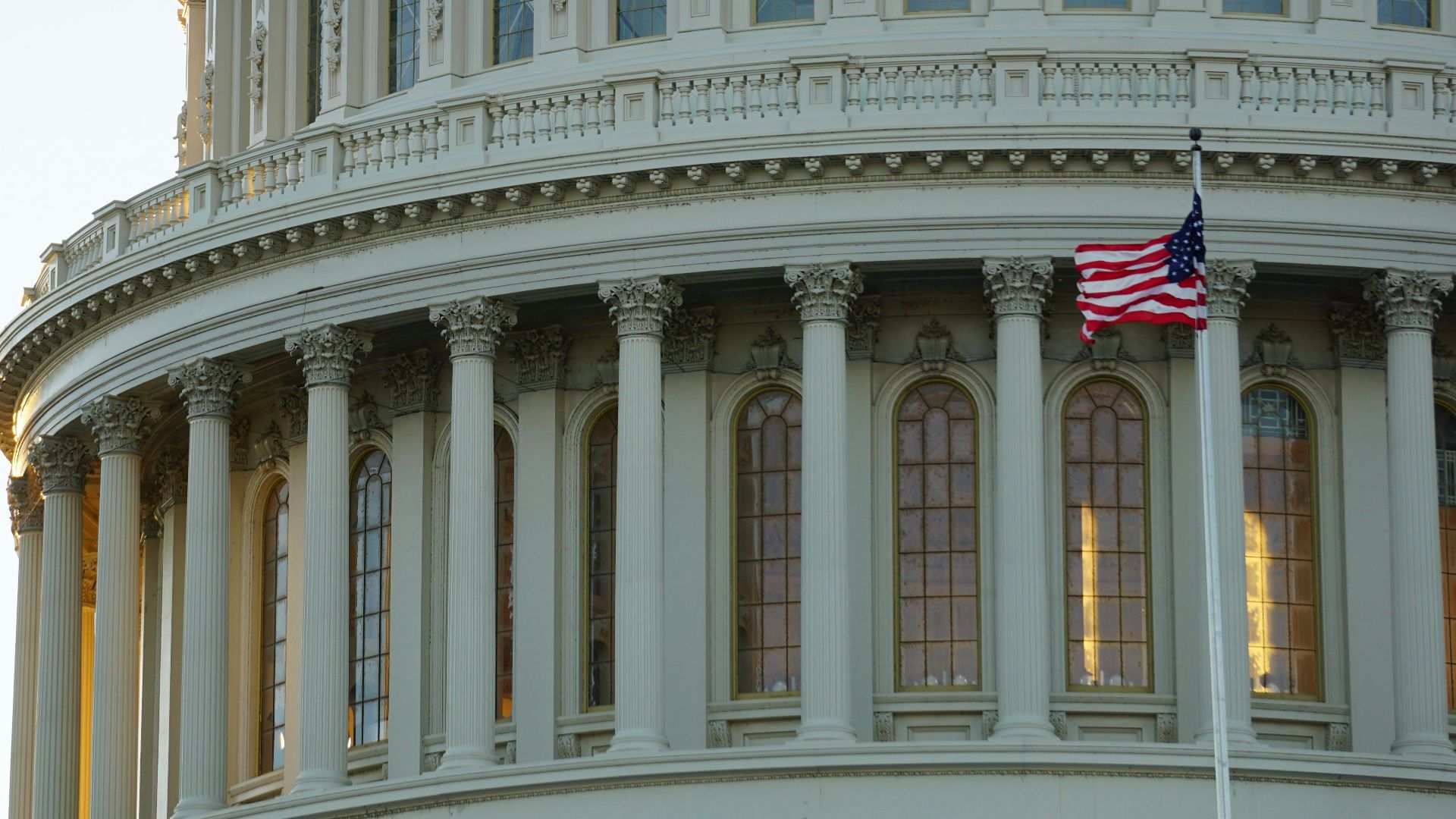
9. He Testified Before Congress About Prison Conditions
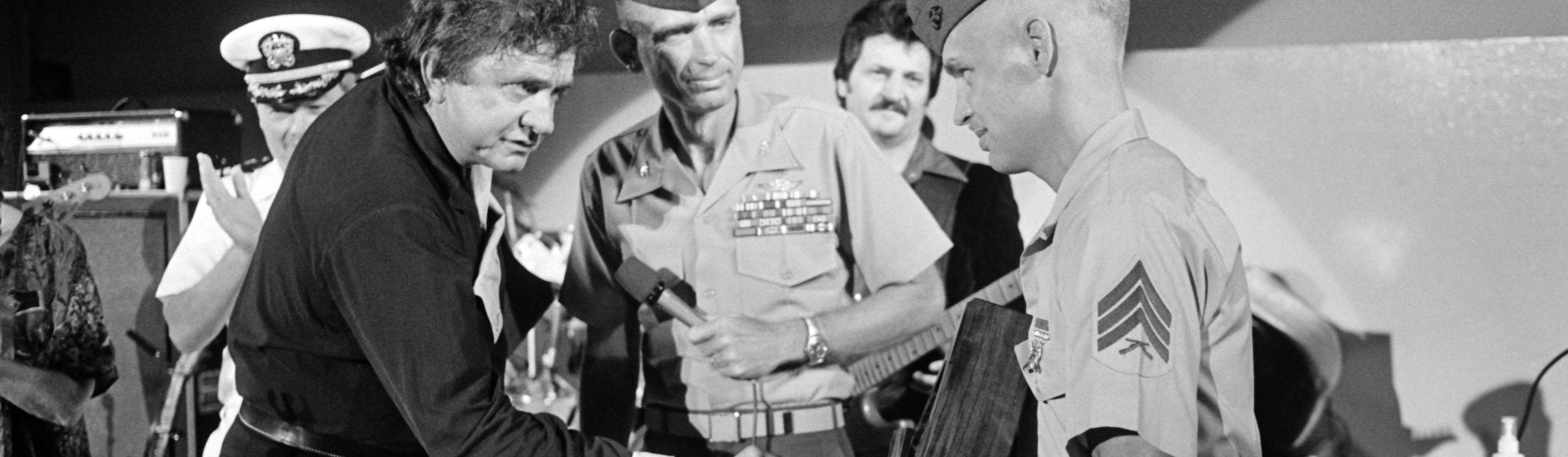
In July 1972, Cash appeared with two former inmates to speak on prison conditions and reform before a Senate subcommittee. He didn’t pull any punches on his beliefs, either. One reported line from his testimony: he’d seen things at concerts that “would chill the blood of the average citizen.”
10. A “Lost” Live Album From 1968 Later Surfaced
A live performance recorded on April 24, 1968, at San Francisco’s Carousel Ballroom was later positioned for official release. The timing’s actually pretty fascinating because it captures him close to the peak years of his legendary live work.
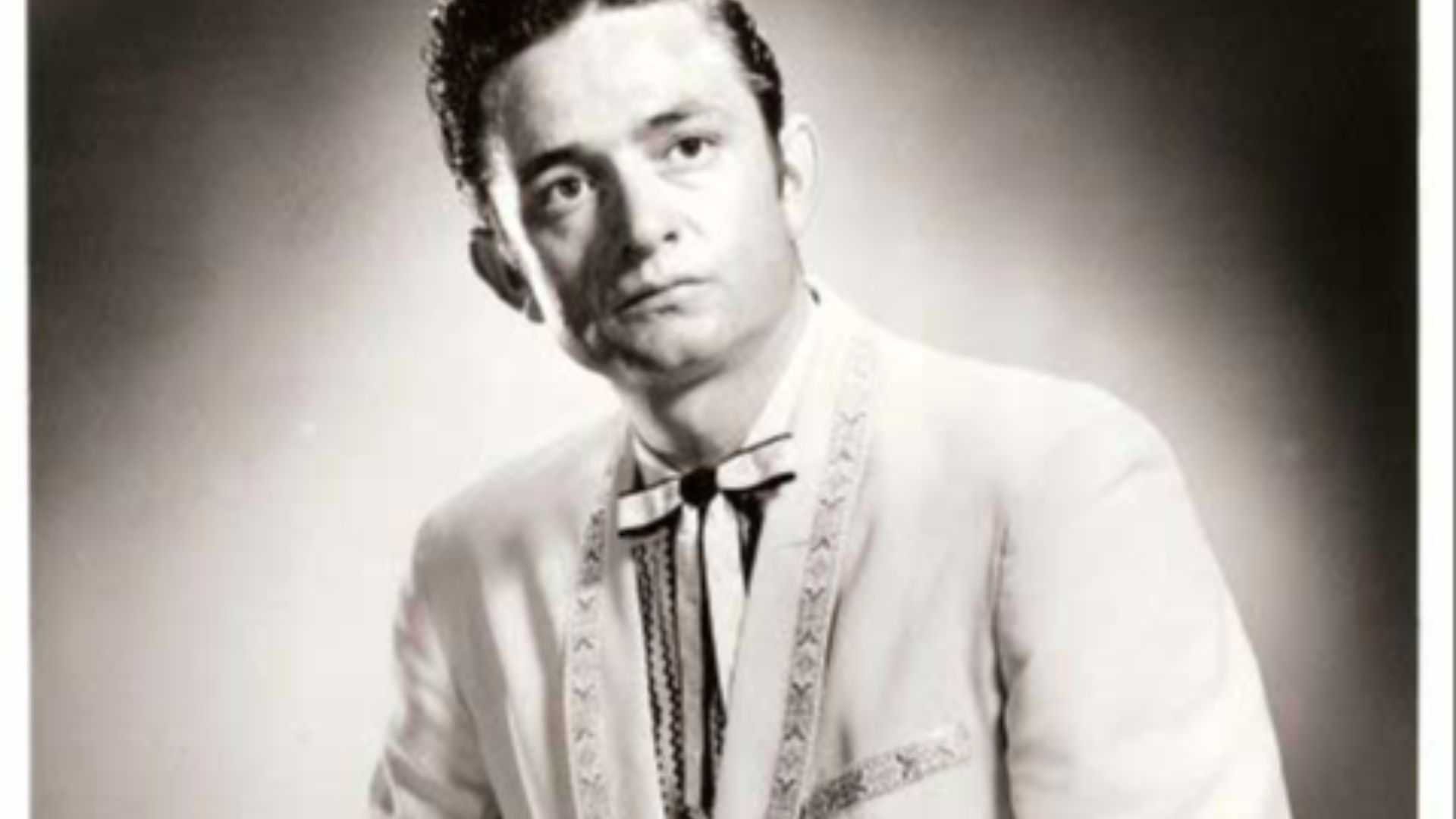
11. A Legendary Rock Audio Figure Recorded That 1968 Show
Believe it or not, the famous Carousel Ballroom recording was made by Owsley “Bear” Stanley, a famous figure connected to the Grateful Dead’s sound. Sure, it’s not an obvious pairing if you don’t think outside the box a little, but if you dig deeper, you realize it fits his career better than you might think—he moved comfortably across boundaries.
12. He Had a Larger Family Than Many People Realize
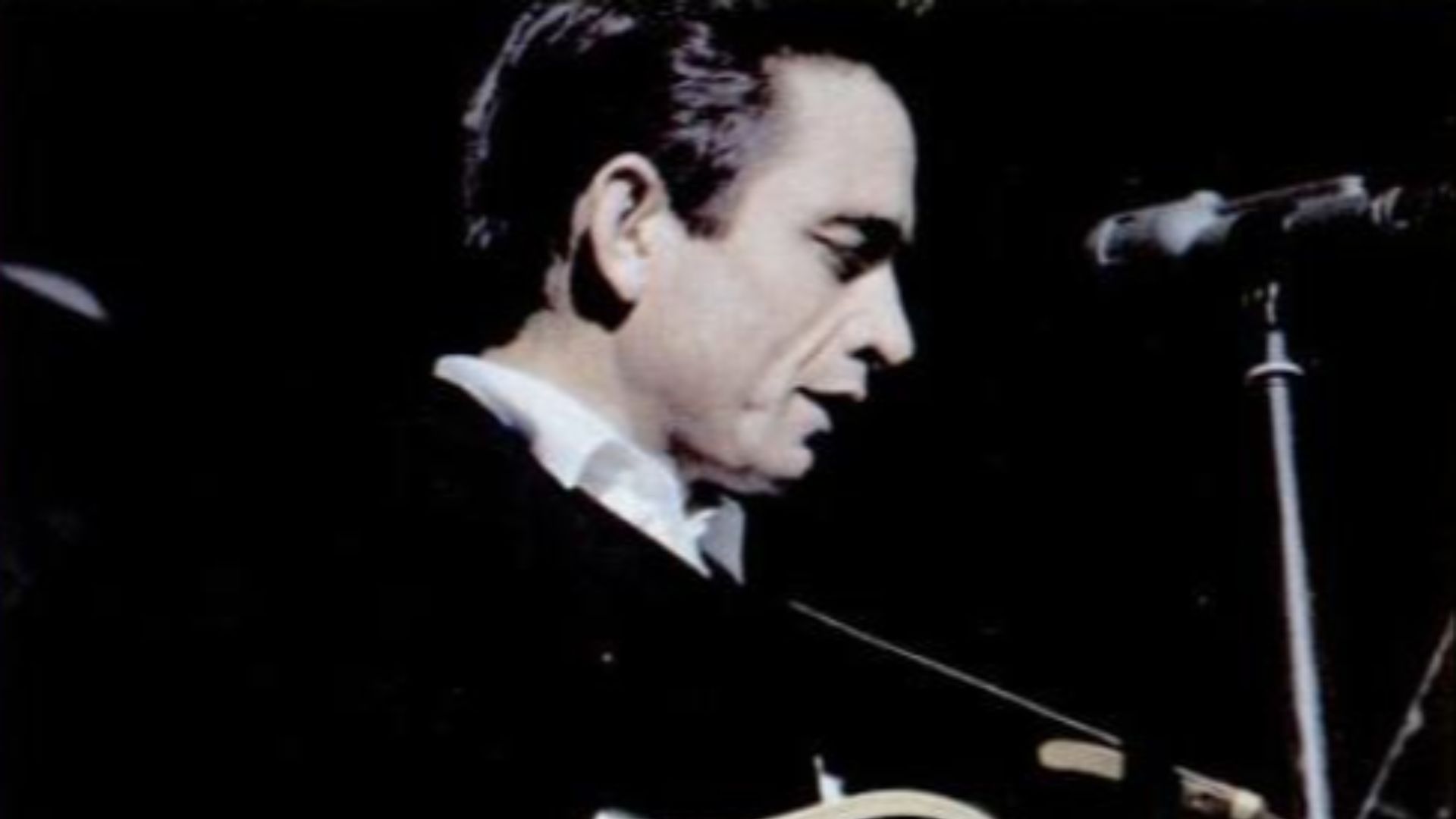
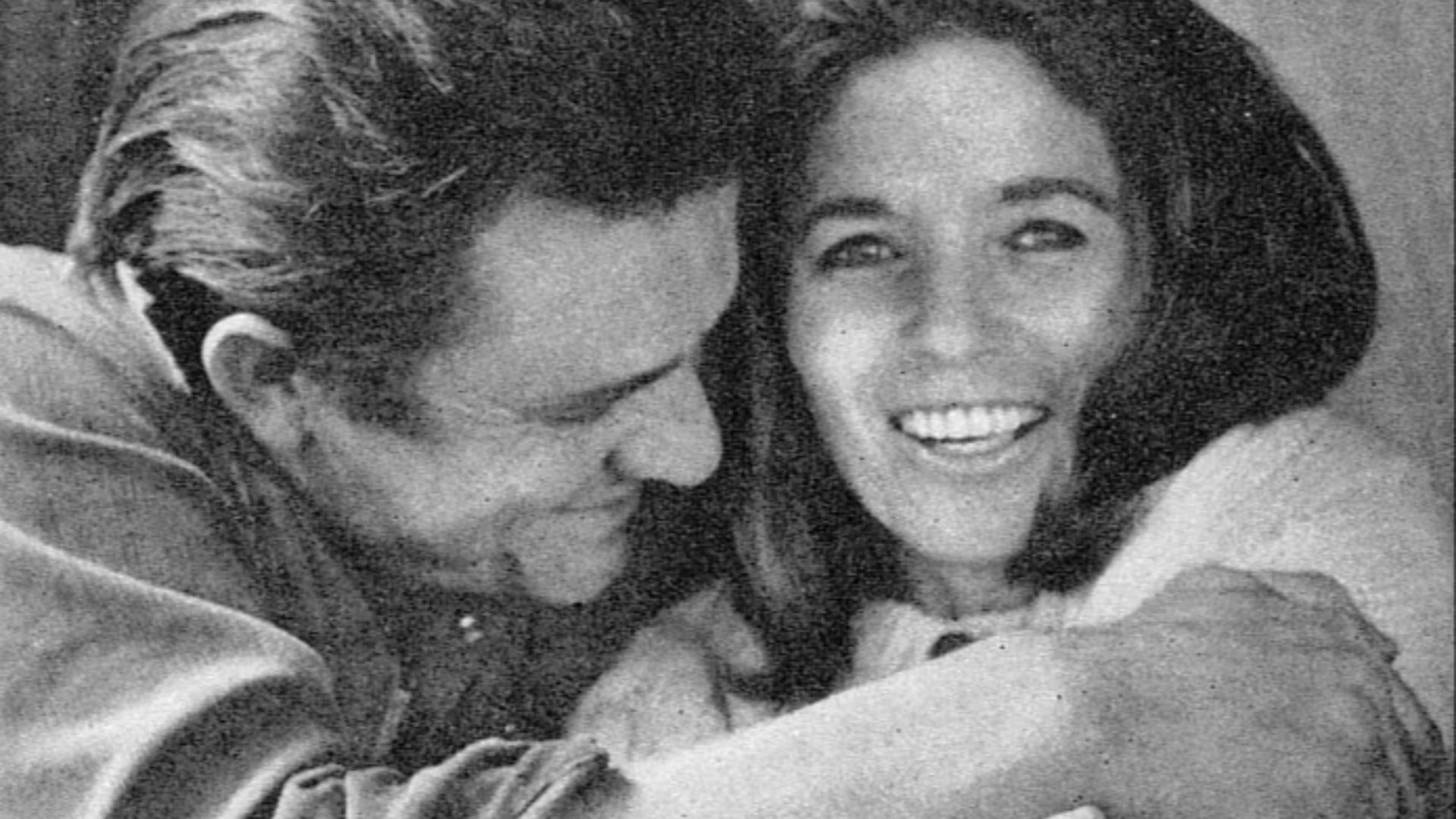
Cash had seven children in total, including stepchildren through his marriage to June Carter. The public image often frames him as a lone icon, but family life was a constant part of the real story. In fact, some of his very own children have gone on to start music careers of their own.
13. He Made a Self-Parody Song Called “The Chicken in Black”
In 1984, he released a deliberately hilarious track built around a bizarre brain-transplant storyline involving a chicken. It’s an odd footnote that clashes so hard with his image that people often assume it must be an internet rumor, but it’s actually well-documented.

14. He Recorded a Full Audio Reading of the New Testament
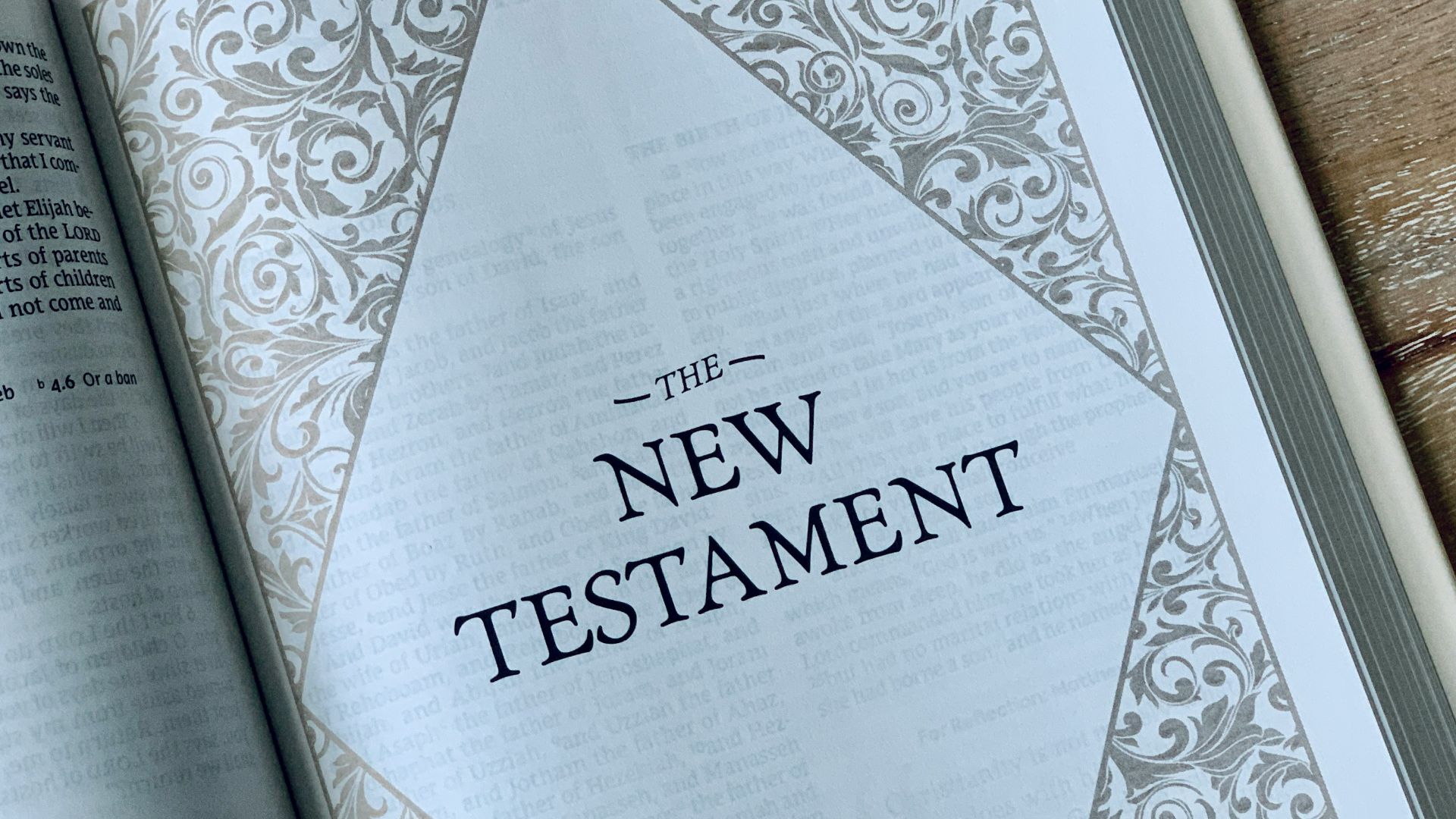
Any real fan knows that Cash dedicated a lot of his life to religion, but not everyone knows just how big a role it played. In 1990, Cash recorded a complete New Testament narration, something he’d reportedly been encouraged to do for years. It’s not just a cameo or a few verses; it was intended as a full, start-to-finish reading.
15. “Greystone Chapel” Was Written By an Inmate
“Greystone Chapel” was originally written by Folsom inmate Glen Sherley, slipped to Cash the night before the concert. Sherley sat in the front row and didn’t realize his song was about to be played until Cash introduced it.
16. “Ring Of Fire” Was Recorded By Anita Carter First
Before Cash’s version became the instantly recognizable version, the song was originally recorded as “(Love’s) Ring of Fire” by Anita Carter, June Carter’s sister. Cash later popularized it with his own recording, which is why most listeners assume it started with him.
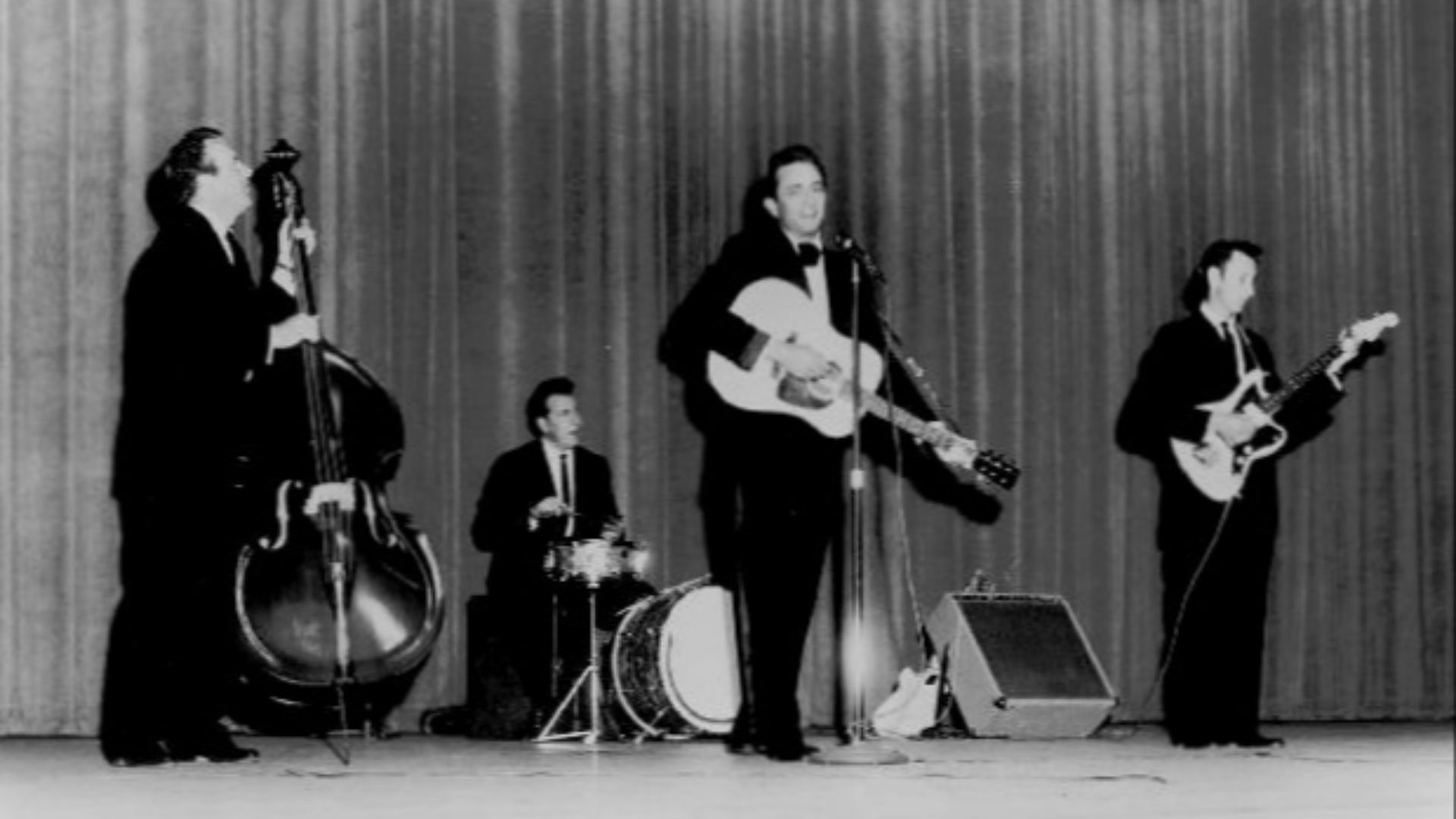 Saul Holiff, Ventura, California (management) on Wikimedia
17. His Comeback Was Kicked Off By a Surprise Producer
Cash’s American Recordings was released on April 26, 1994, produced by Rick Rubin on a label better known at the time for rap than country. Though it seems strange, that unlikely pairing is a big reason the album landed the way it did, with a stark, intimate sound that put his voice front and center.
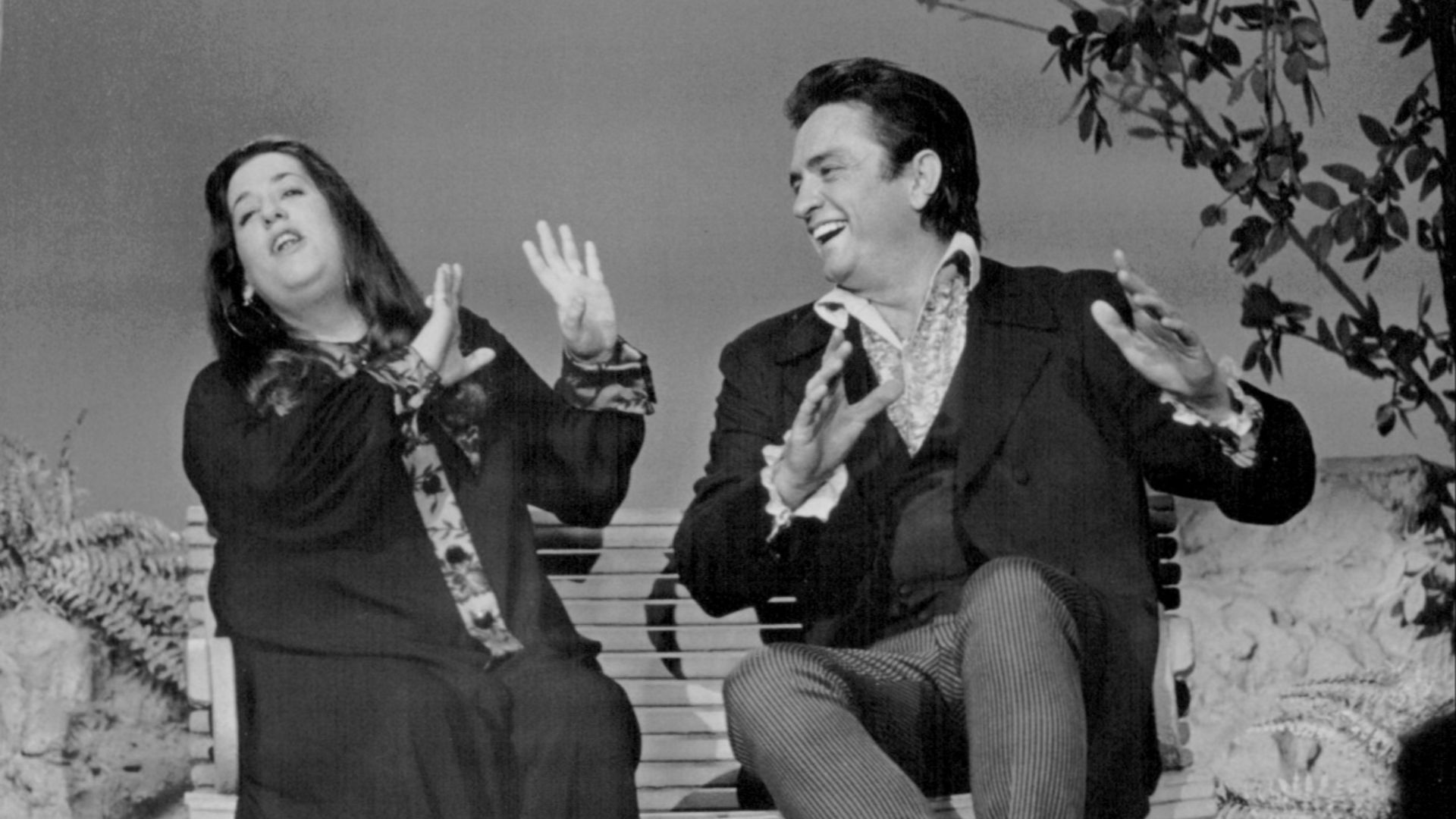
18. The Late-1960s Hot Streak Was More Concentrated Than It Seems
People sometimes speak as if his landmark live moments were spread out across a long span. The truth is, several pivotal recordings cluster tightly around 1968 and 1969. So, the next time you hear someone talk about his “golden years,” you’ll know what they mean.
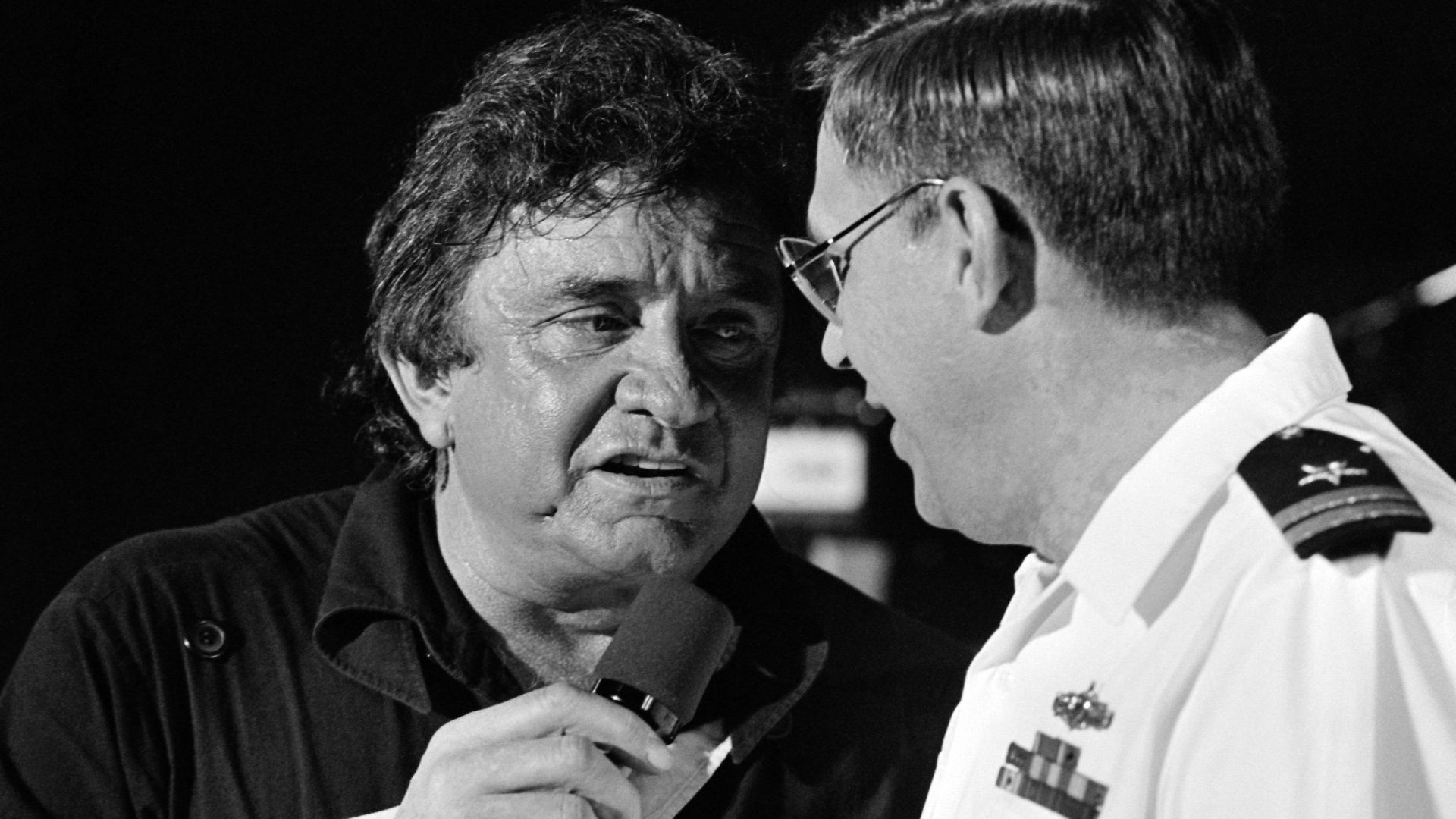 PH1 GARY RICE, USN on Wikimedia
19. A New Album Was Built From Rediscovered 1993 Demos
A set of 1993 demos was later rediscovered and used as the foundation for a new posthumous release. Luckily, the project added carefully chosen instrumentation around Cash’s existing vocal recordings rather than trying to “modernize” him.
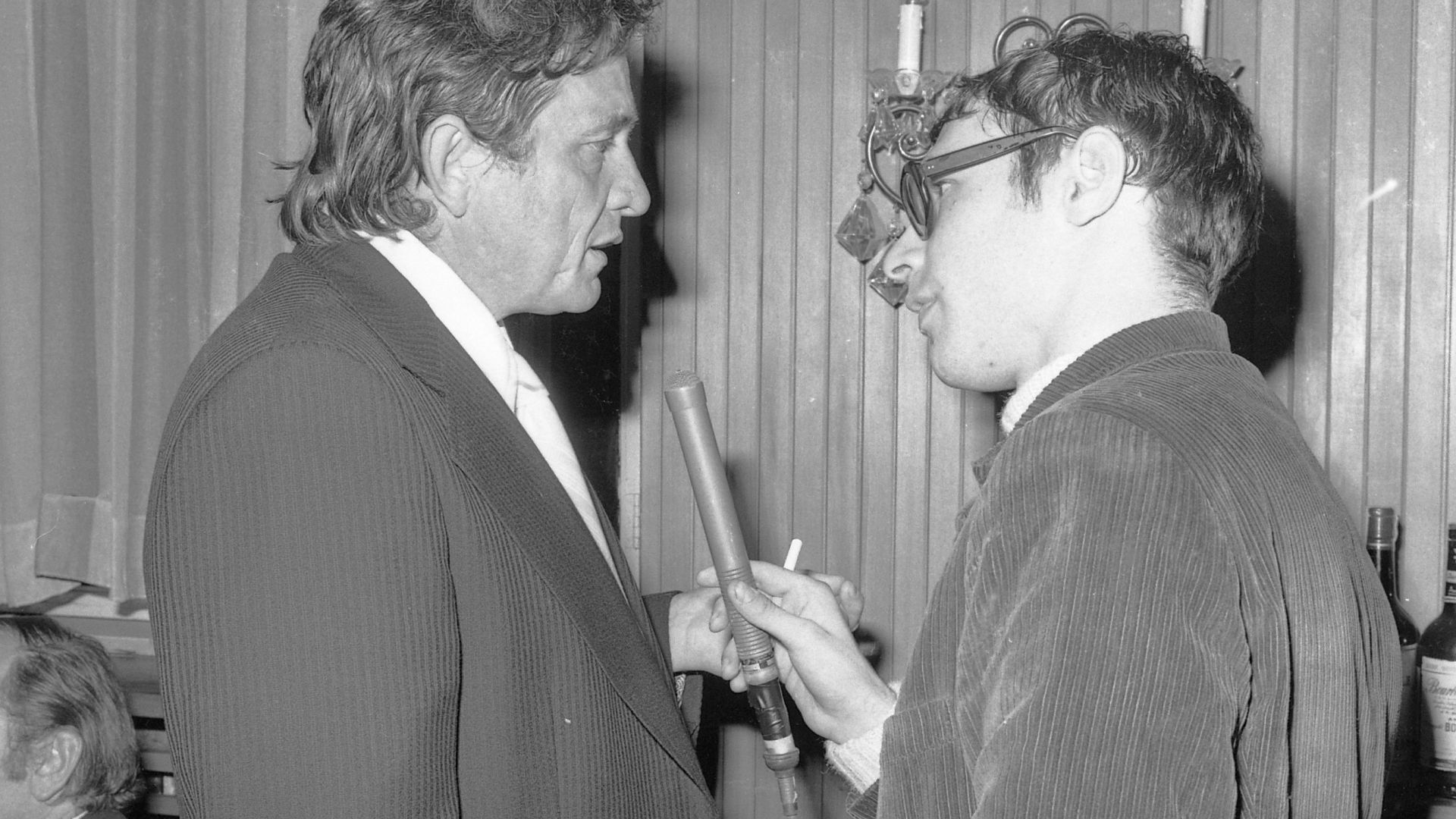 IPPA photographer on Wikimedia
20. His Biggest Themes Had Specific Roots
The prison songs. The moral edge. The empathy. These themes weren’t invented overnight. You can track those threads from early studio work, to early prison performances, to the massive late-1960s statements that sealed the legend. Once you connect those dots, his career reads less like a myth and more like a long, deliberate build.
 Unknown authorUnknown author or not provided on Wikimedia
KEEP ON READING