The Quiet Architects Behind The Powerful
History tends to spotlight presidents, prime ministers, monarchs, and revolutionaries, but power rarely develops in isolation. Behind nearly every influential leader stands a teacher, advisor, confidant, strategist, or intellectual who helped shape their thinking. Some of these figures operated quietly in classrooms or private studies, while others advised from the shadows during moments of global crisis. They didn’t always hold office themselves, yet their ideas and guidance altered the course of nations. Here are 20 lesser-known individuals whose influence helped steer some of the most powerful leaders in history.
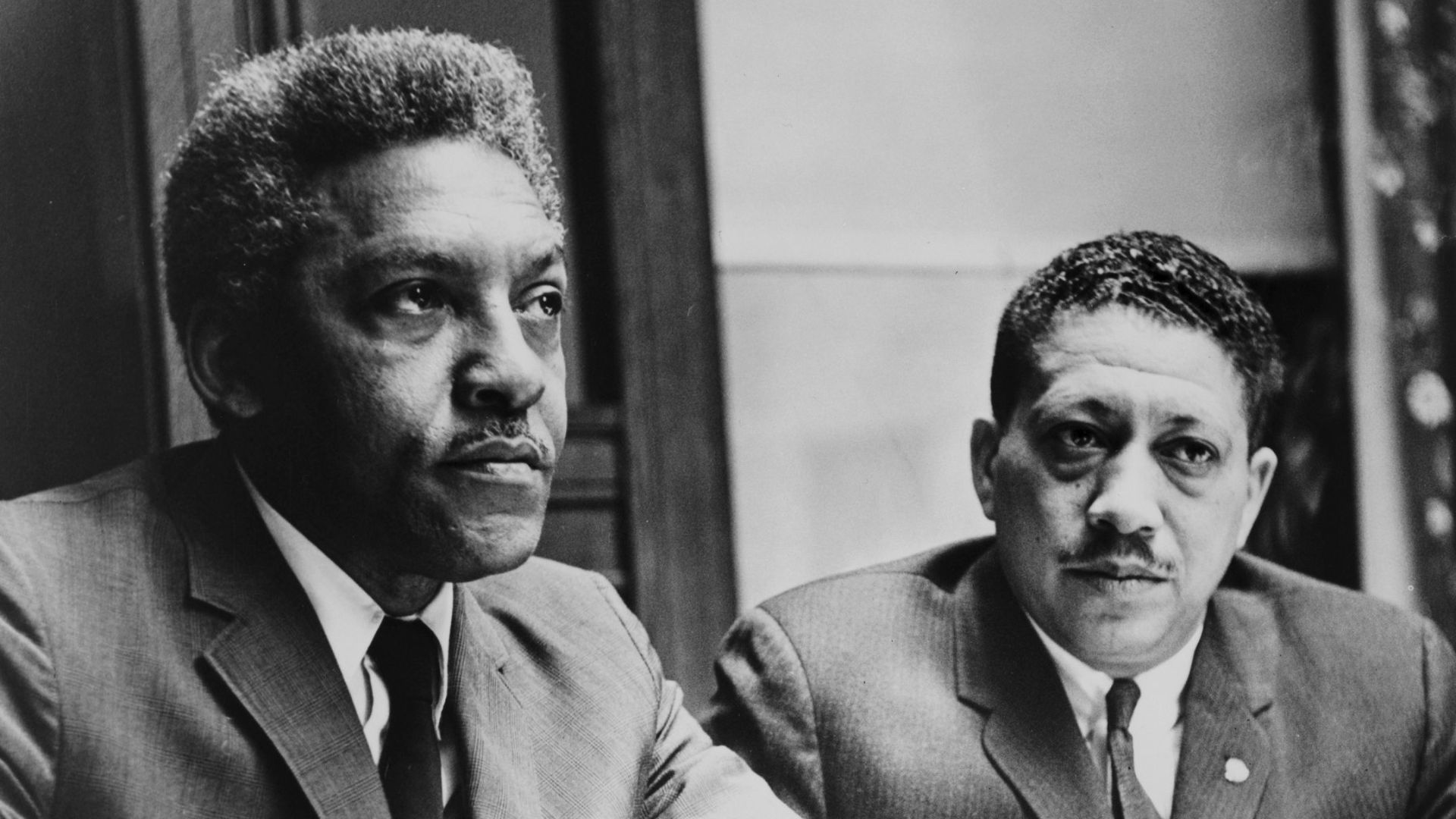 Al Ravenna, New York World-Telegram and the Sun staff photographer on Wikimedia
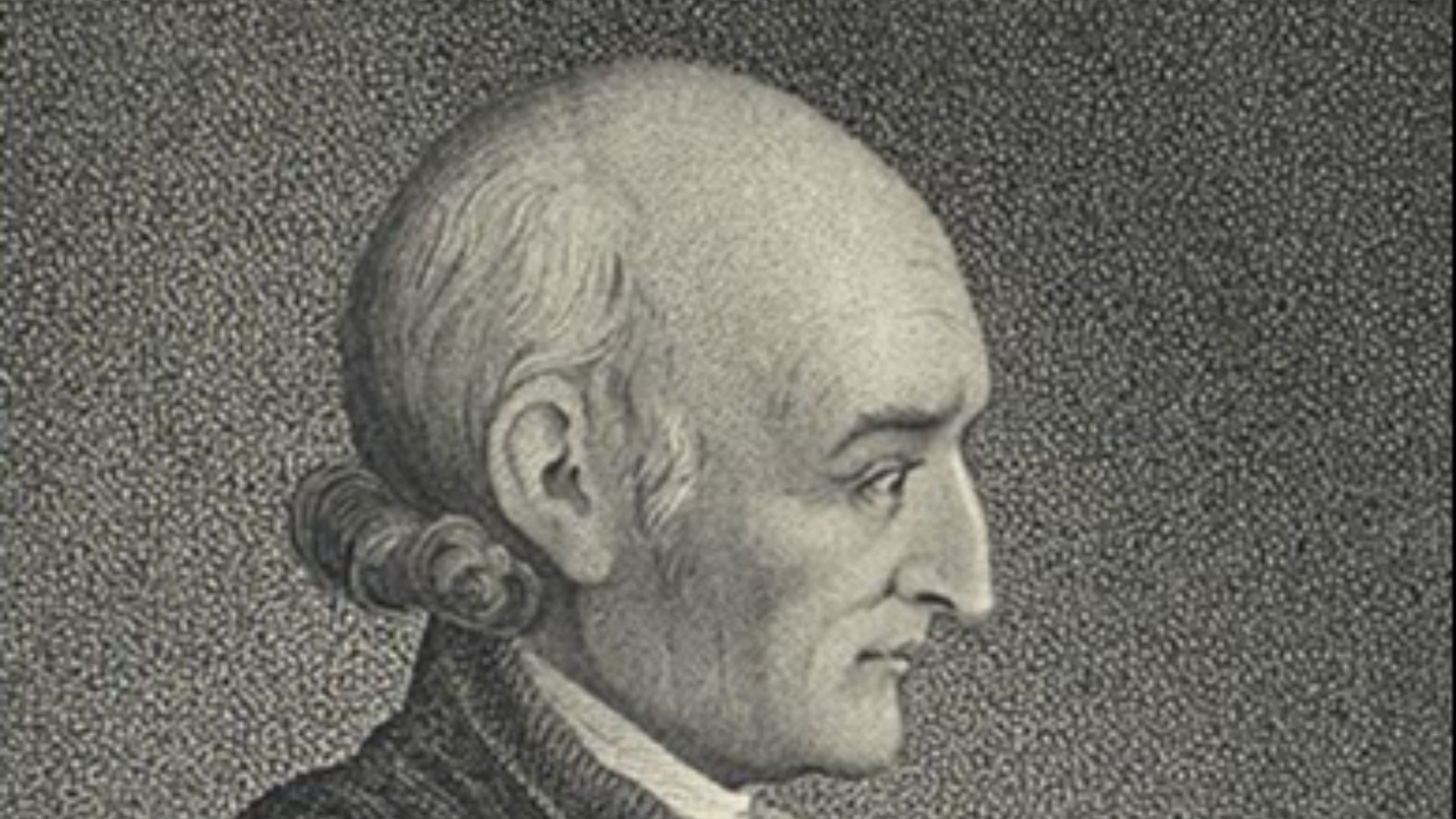
1. George Wythe
Before Thomas Jefferson drafted the Declaration of Independence, he studied law under George Wythe, one of America’s first law professors. Wythe emphasized natural rights and constitutional principles, which deeply shaped Jefferson’s political philosophy.
 James B. Longacre on Wikimedia
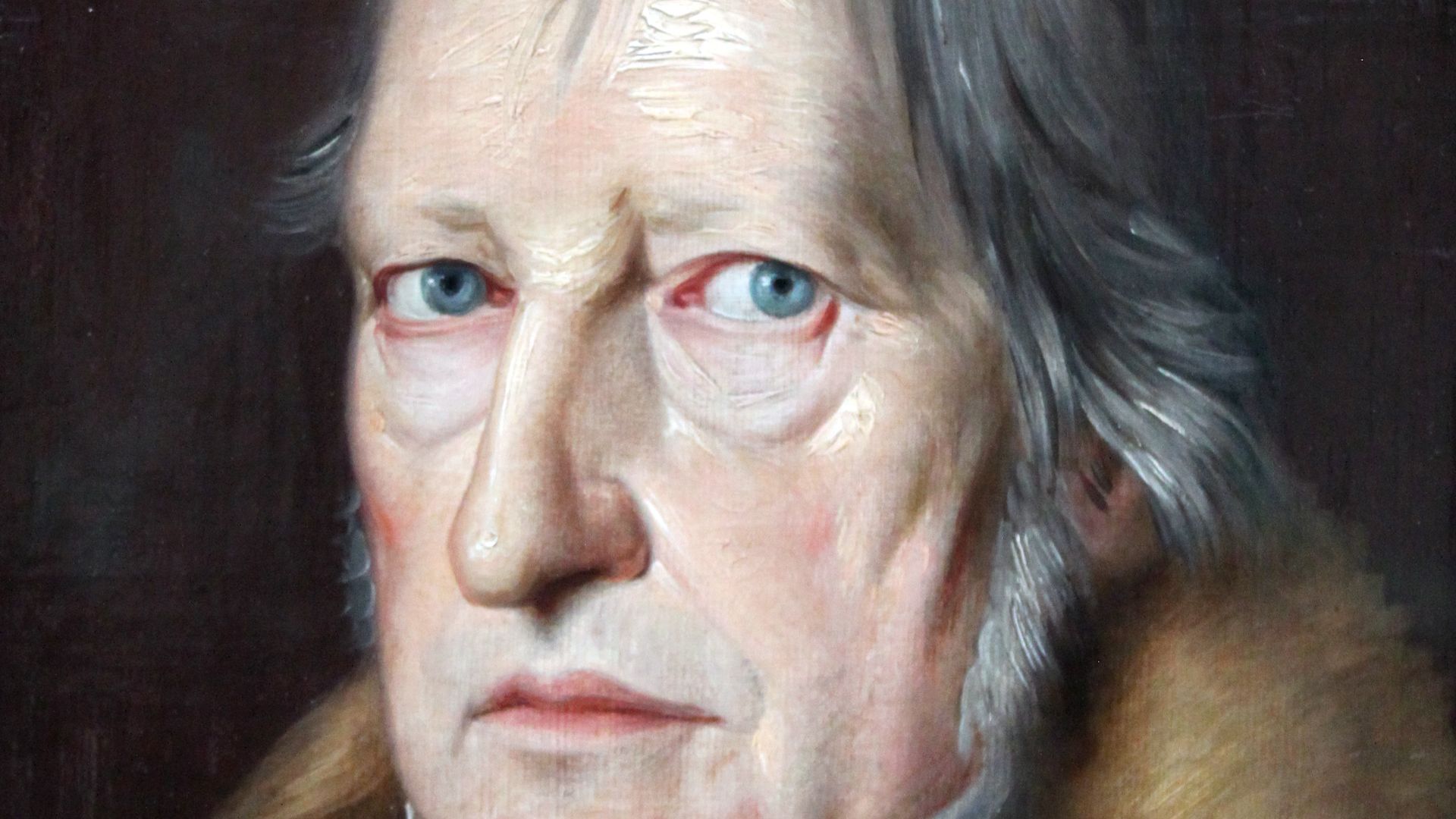
2. Friedrich Hegel
Although better known among philosophers than the general public, Hegel’s ideas profoundly influenced Karl Marx. Hegel’s dialectical method, which examined history as a process of conflict and resolution, became central to Marx’s development of historical materialism.
 Jakob Schlesinger on Wikimedia
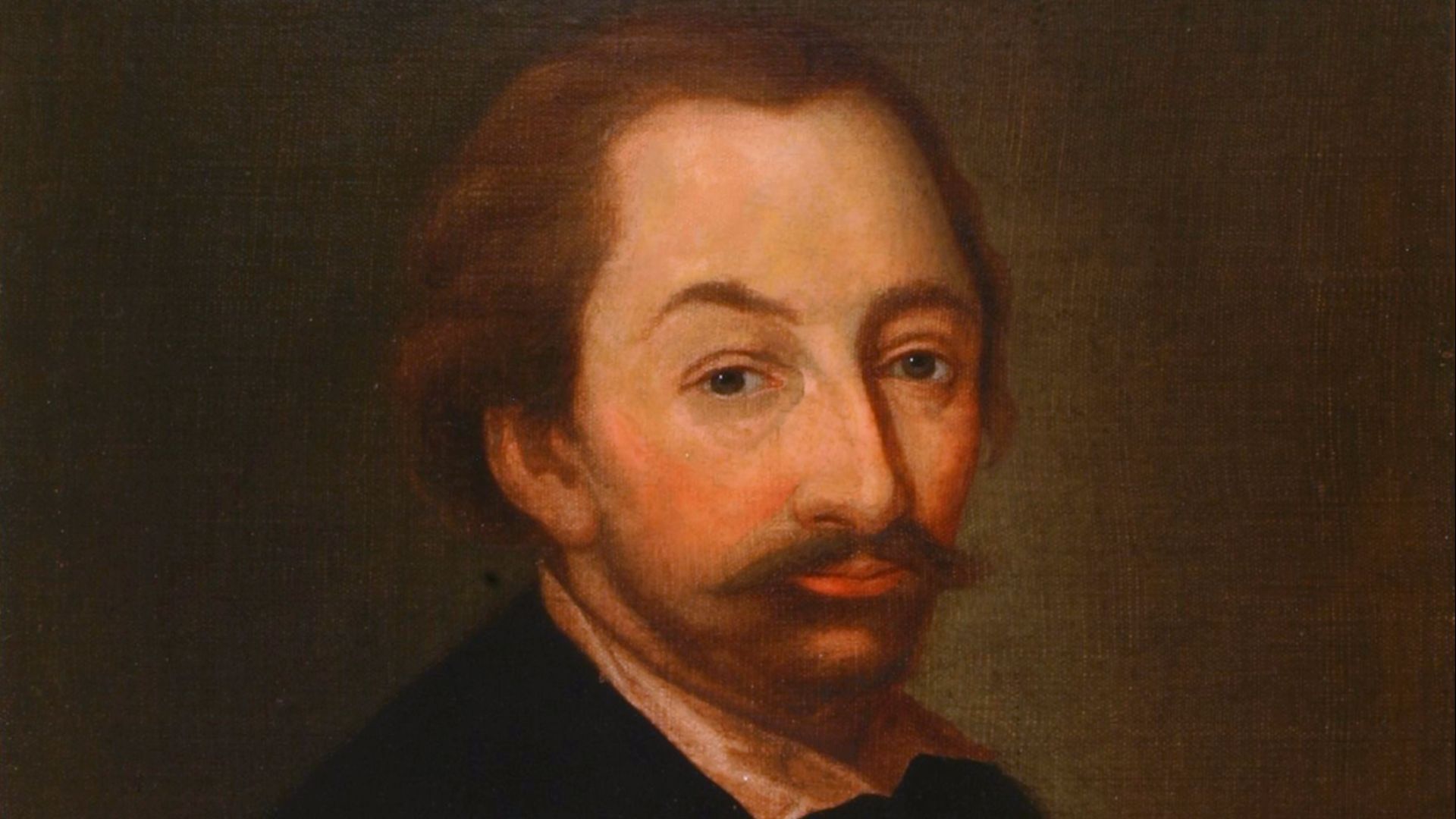
3. Stanisław Żółkiewski
This Polish statesman and military commander mentored Prince Władysław IV Vasa in the early 17th century. Żółkiewski emphasized strategic diplomacy alongside military strength.
 AnonymousUnknown author on Wikimedia
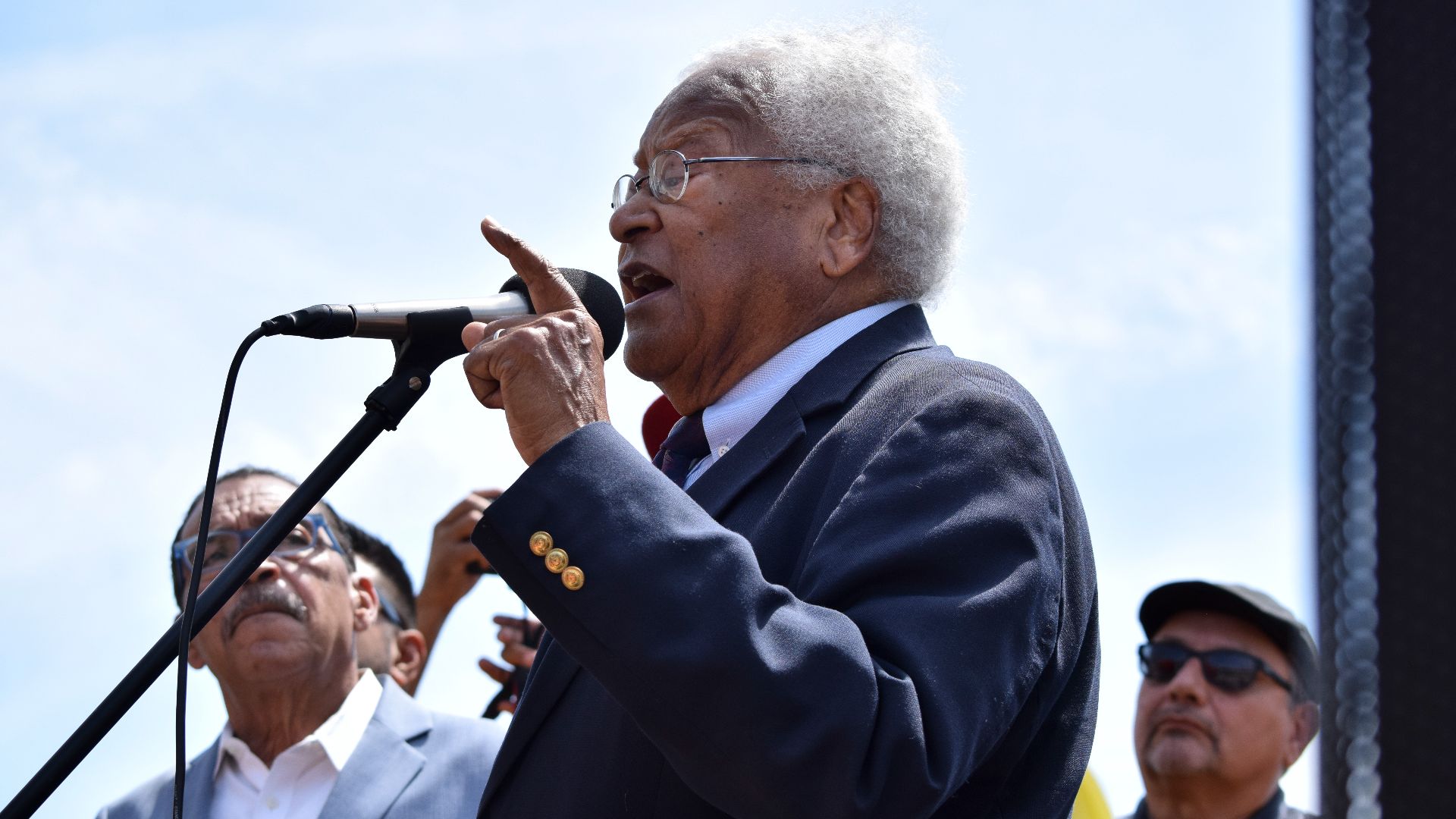
4. Reverend James Lawson
James Lawson, a Methodist minister, trained activists in nonviolent resistance during the American Civil Rights Movement. His workshops deeply influenced Martin Luther King Jr. and other leaders by refining strategies rooted in Gandhian philosophy. Lawson’s emphasis on disciplined nonviolence shaped pivotal campaigns in Nashville and beyond. While King became the face of the movement, Lawson helped sharpen its tactical edge.
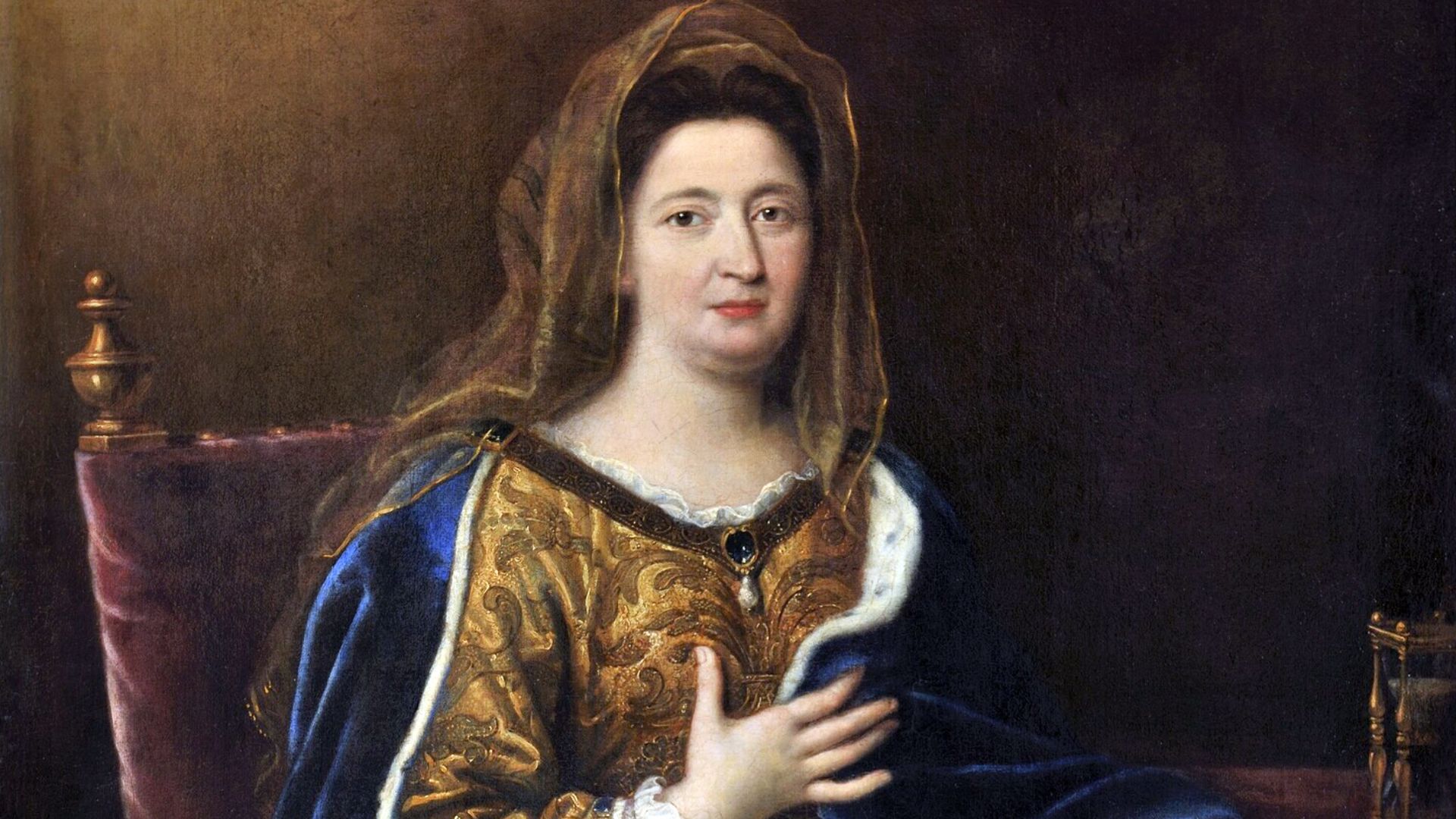
5. Madame de Maintenon
Françoise d’Aubigné, better known as Madame de Maintenon, became the secret wife of King Louis XIV of France. Though she held no official political office, she influenced court culture and religious policy. Historians note her role in encouraging the king’s increased religious devotion later in his reign. Her quiet presence altered the tone of Versailles.
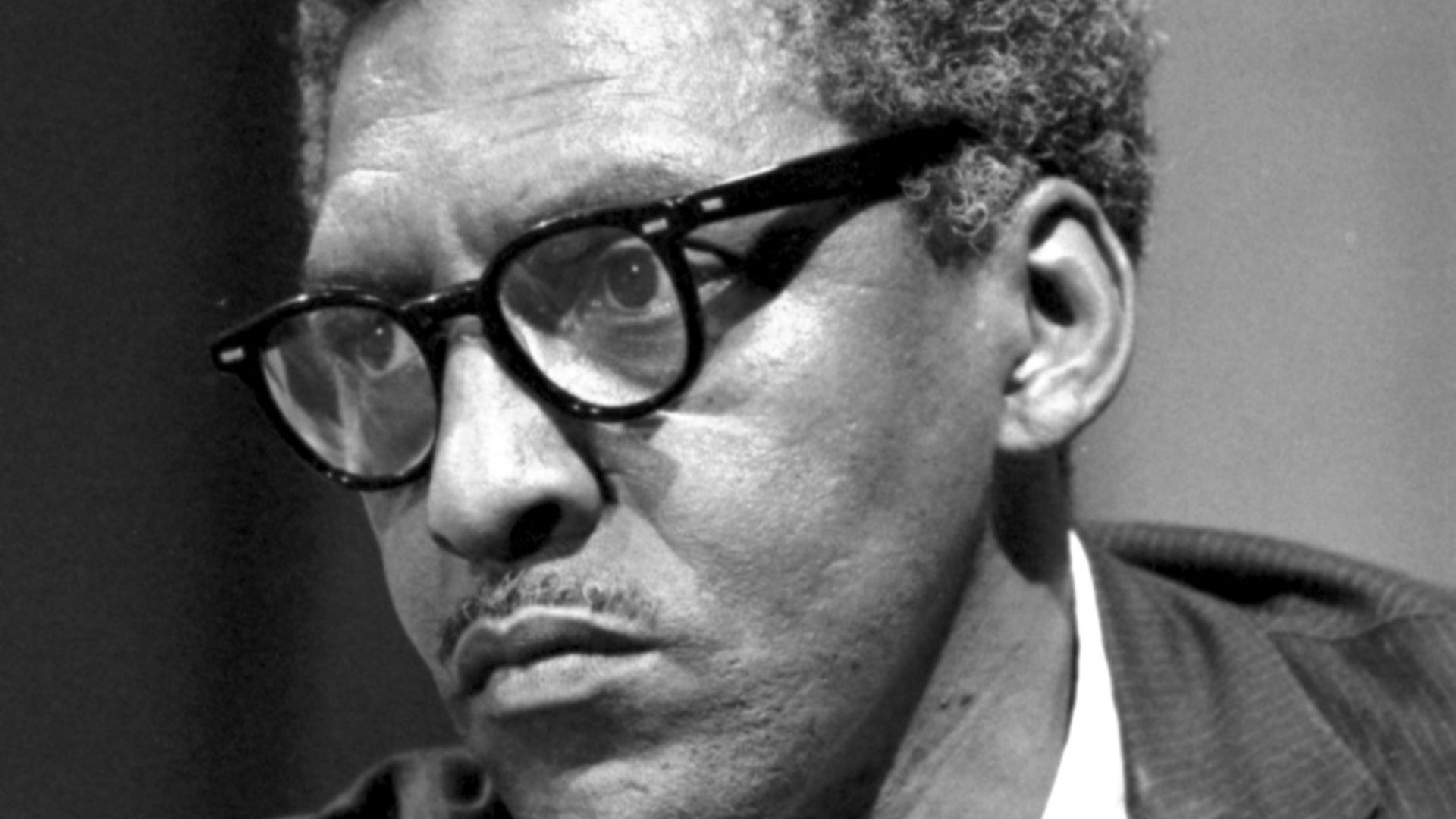
6. Bayard Rustin
Bayard Rustin was a key organizer behind the 1963 March on Washington. He advised Martin Luther King Jr. on nonviolent tactics and logistical strategy. Rustin’s background in pacifism and civil rights organizing helped shape the movement’s disciplined approach.
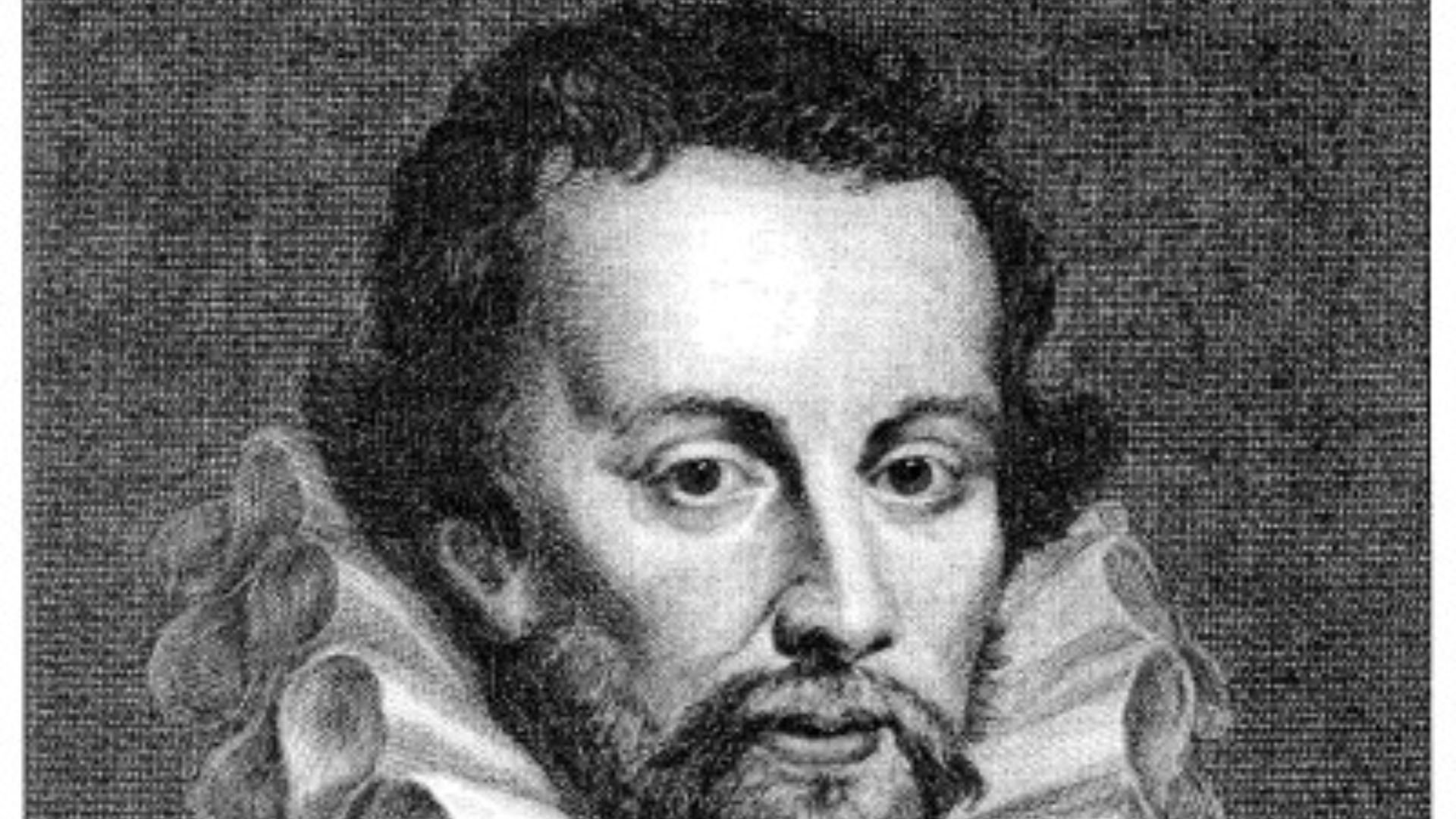
7. Sir Edward Coke
An English jurist in the 17th century, Coke championed the idea that even the king was subject to the law. His writings on common law strongly influenced the framers of the United States Constitution, including James Madison.
 Unknown authorUnknown author on Wikimedia
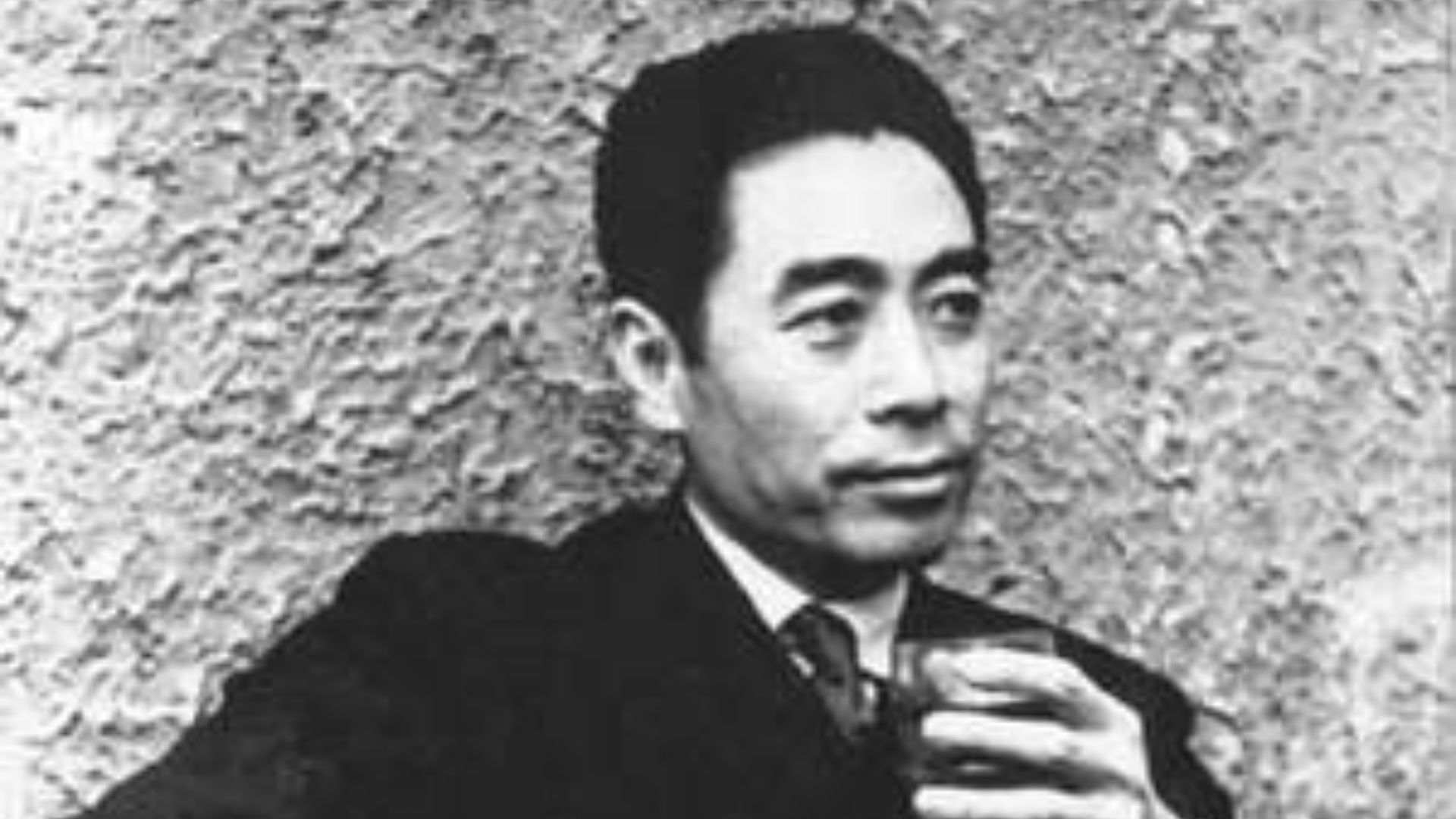
8. Zhou Enlai
Often overshadowed by Mao Zedong, Zhou Enlai served as Premier of the People’s Republic of China for decades. While he was a prominent leader in his own right, he frequently acted as a moderating influence on Mao’s policies.
 Unknown authorUnknown author on Wikimedia
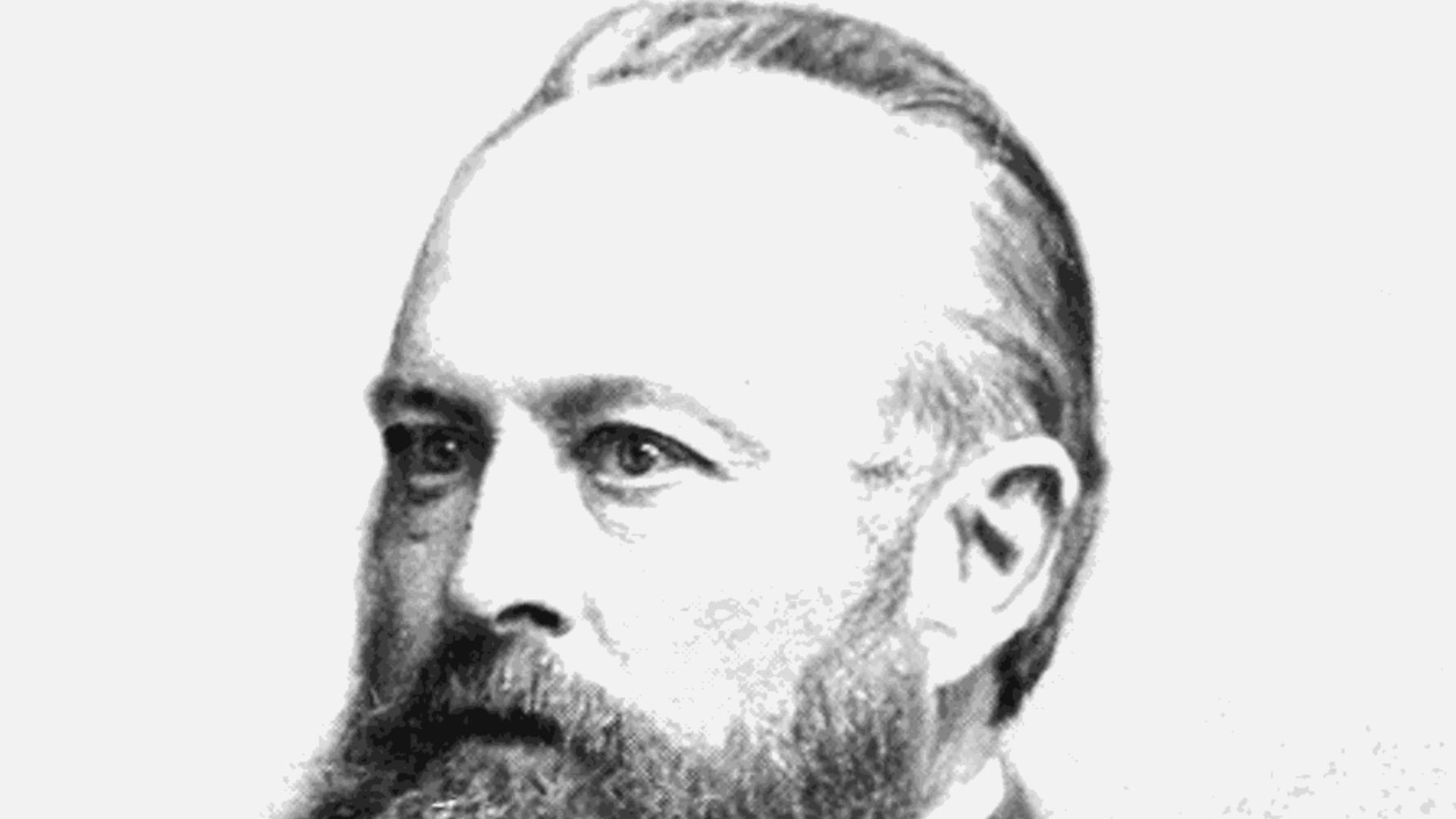
9. Lord Acton
John Emerich Edward Dalberg-Acton, known as Lord Acton, is famous for the phrase “Power tends to corrupt.” He corresponded with British Prime Minister William Ewart Gladstone and influenced liberal political thought in Victorian Britain.
 Unknown authorUnknown author on Wikimedia
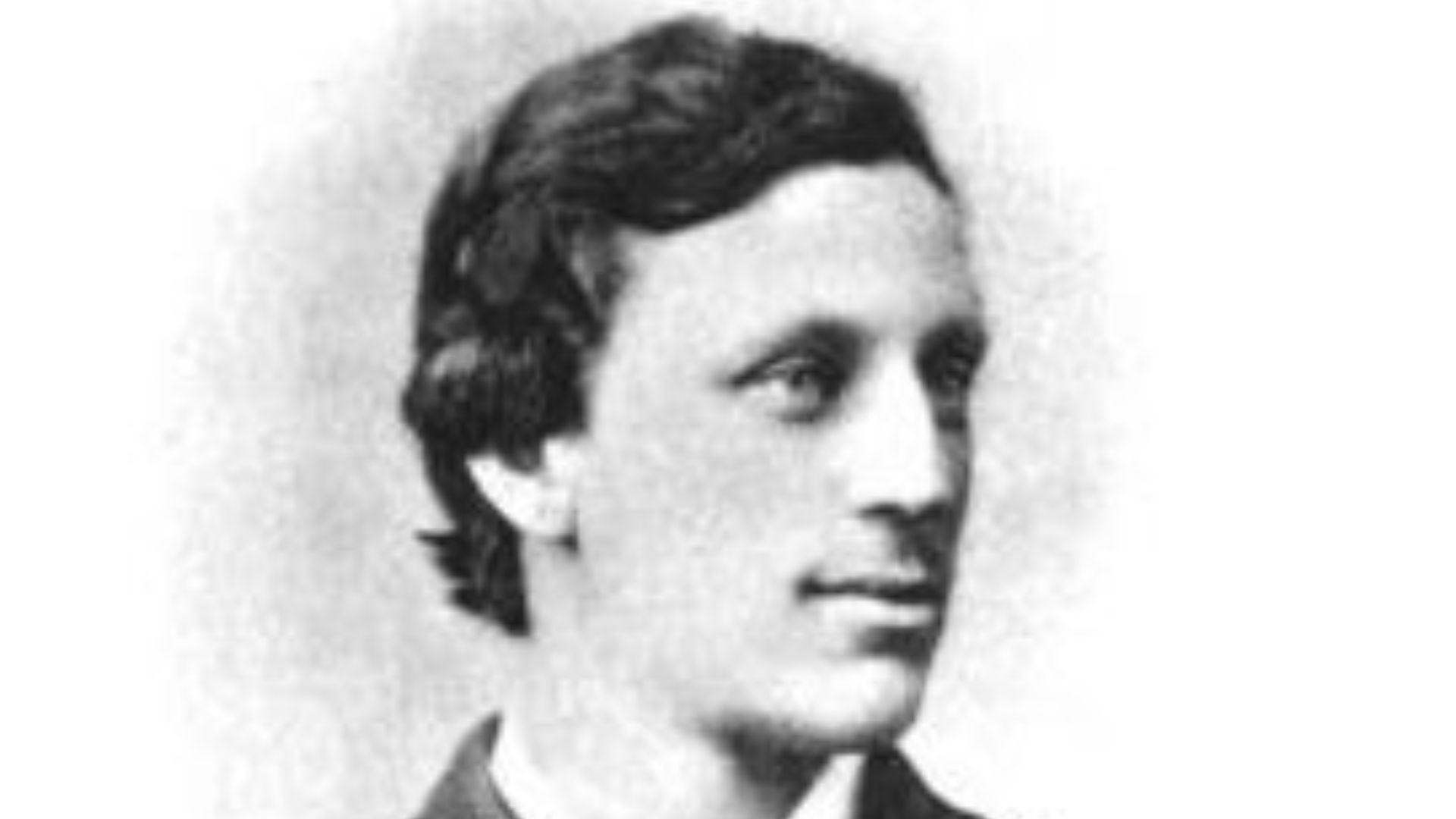
10. Arnold Toynbee
The British historian Arnold Toynbee developed sweeping theories about the rise and fall of civilizations. His works influenced leaders and policymakers in the mid-20th century, including discussions among Western statesmen during the Cold War.
 The original uploader was Fconaway at English Wikipedia. on Wikimedia
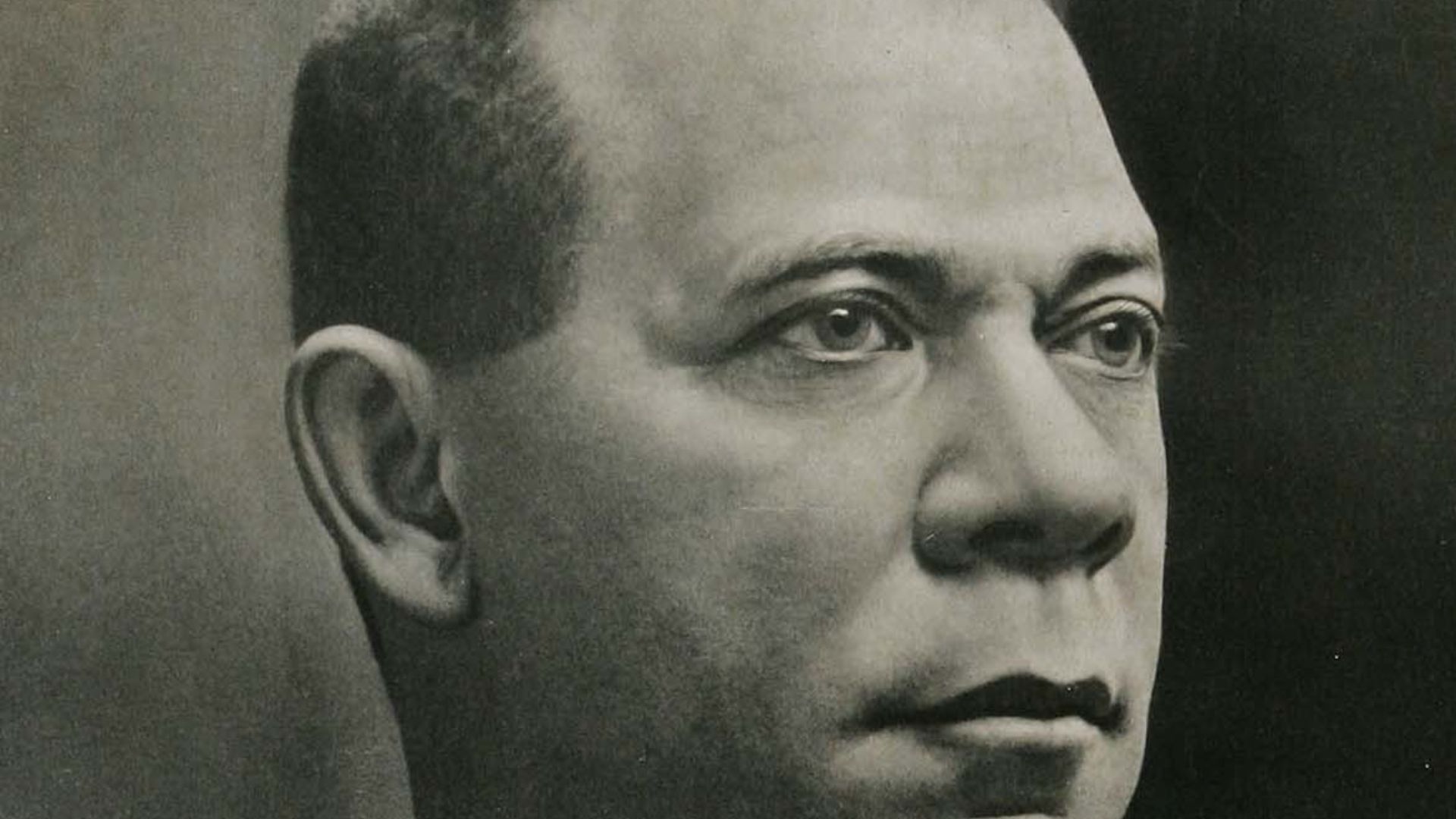
11. Booker T. Washington
Though widely known in educational history, Washington’s advisory role to Presidents Theodore Roosevelt and William Howard Taft is less discussed. He privately counseled them on race relations and political appointments.
 Unknown photographer, cropped by User:Connormah on Wikimedia
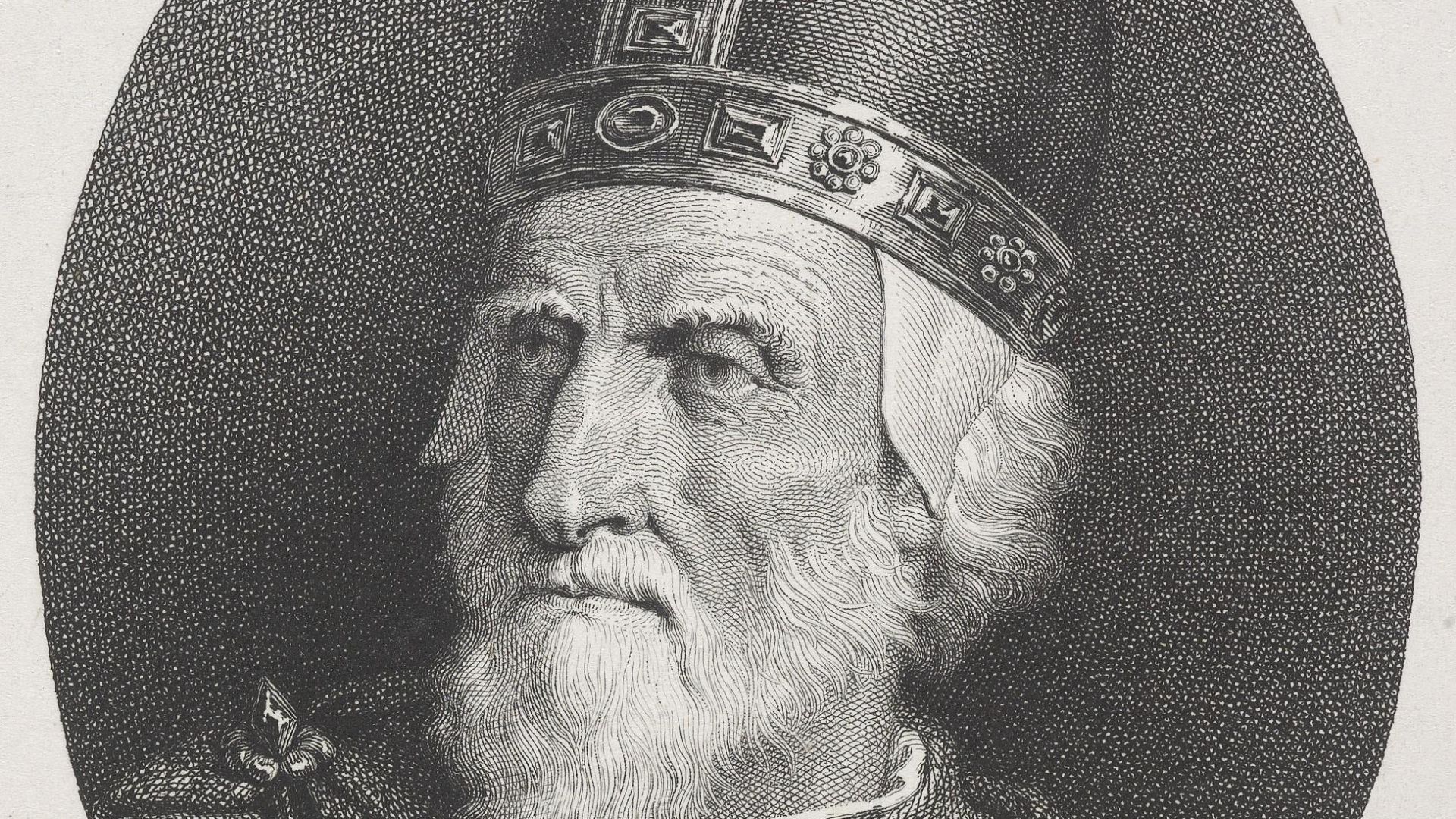
12. Alcuin of York
In the 8th century, Alcuin served as an advisor to Charlemagne. He helped lead the Carolingian Renaissance by promoting educational reform and standardized learning across the empire.
 Theodoro Matteini on Wikimedia
13. Valerie Jarrett
Valerie Jarrett served as a senior advisor to President Barack Obama. A longtime confidant, she played a key role in policy discussions and political strategy.
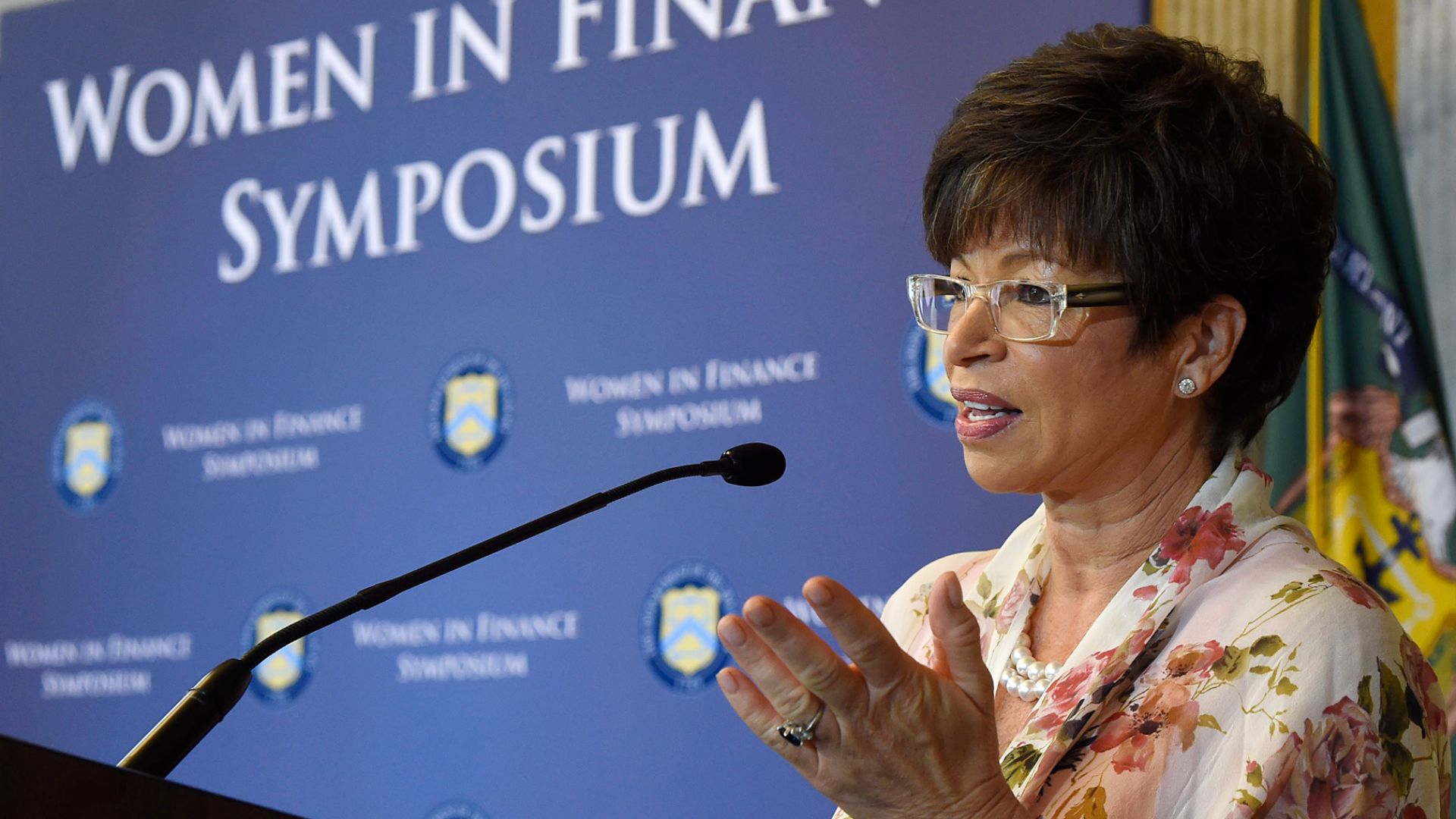 U.S. Department of the Treasury on Wikimedia
14. Niccolò Machiavelli
Machiavelli never ruled Florence, but his writings influenced generations of leaders. “The Prince” offered blunt advice about power, statecraft, and political survival.
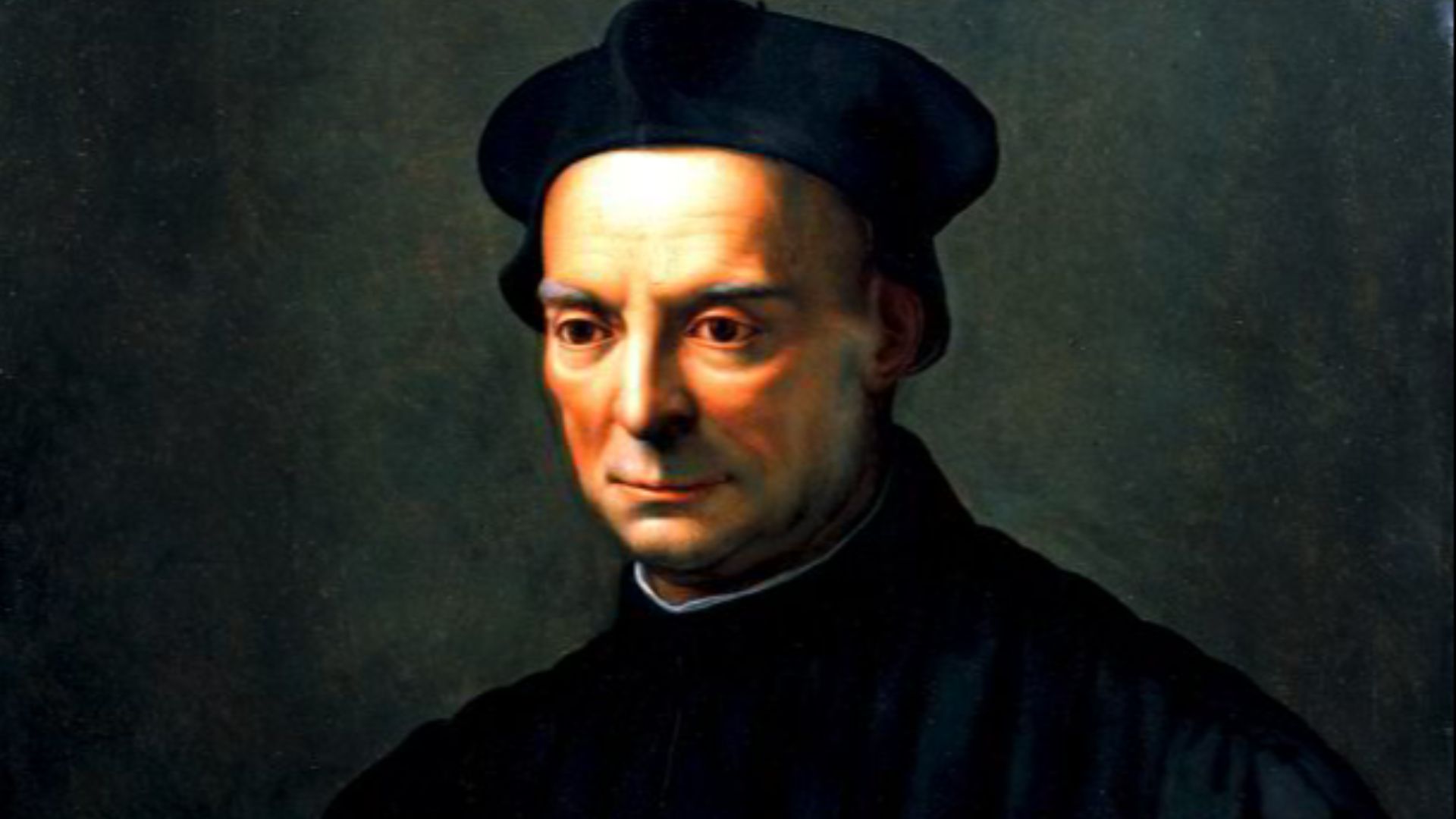 Ridolfo del Ghirlandaio on Wikimedia
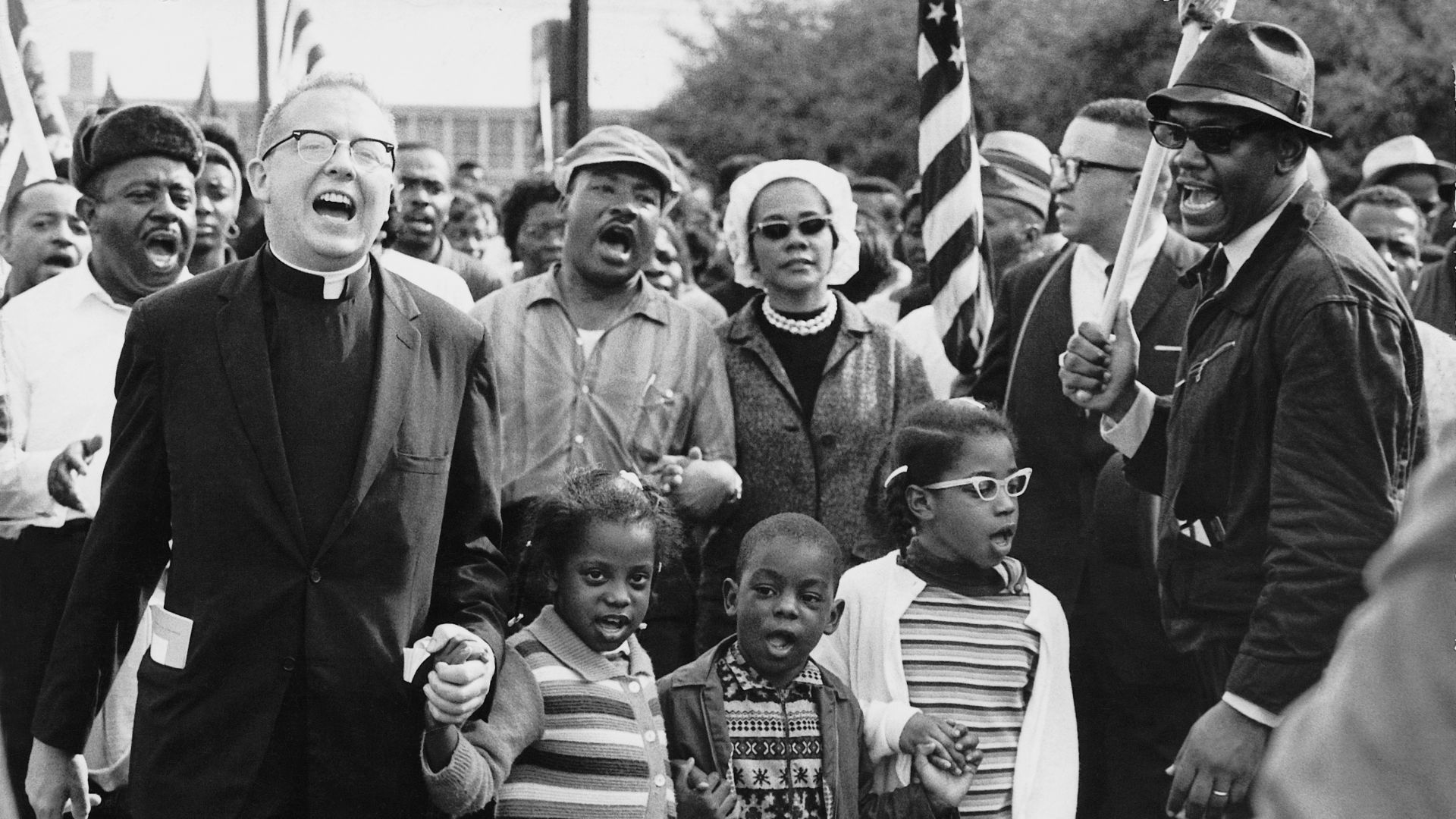
15. Ralph Abernathy
Ralph Abernathy worked closely with Martin Luther King Jr. and co-founded the Southern Christian Leadership Conference. He provided strategic and emotional support during pivotal campaigns.
16. Cardinal Richelieu
Though he held formal office, Richelieu operated primarily as chief minister to King Louis XIII of France. He consolidated royal power and reshaped French foreign policy. His political maneuvering strengthened the monarchy and laid the groundwork for future centralized authority.
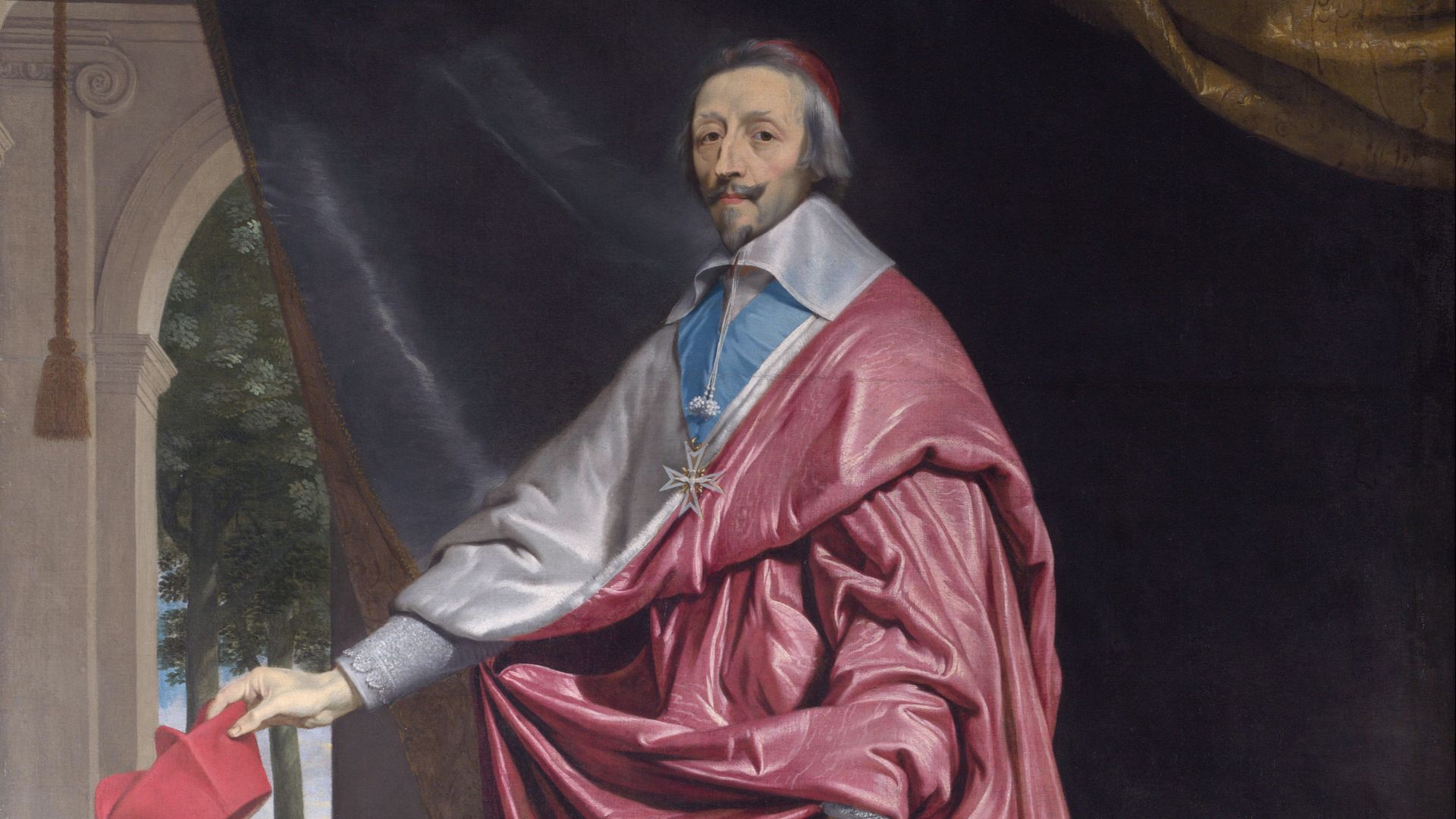 Philippe de Champaigne on Wikimedia
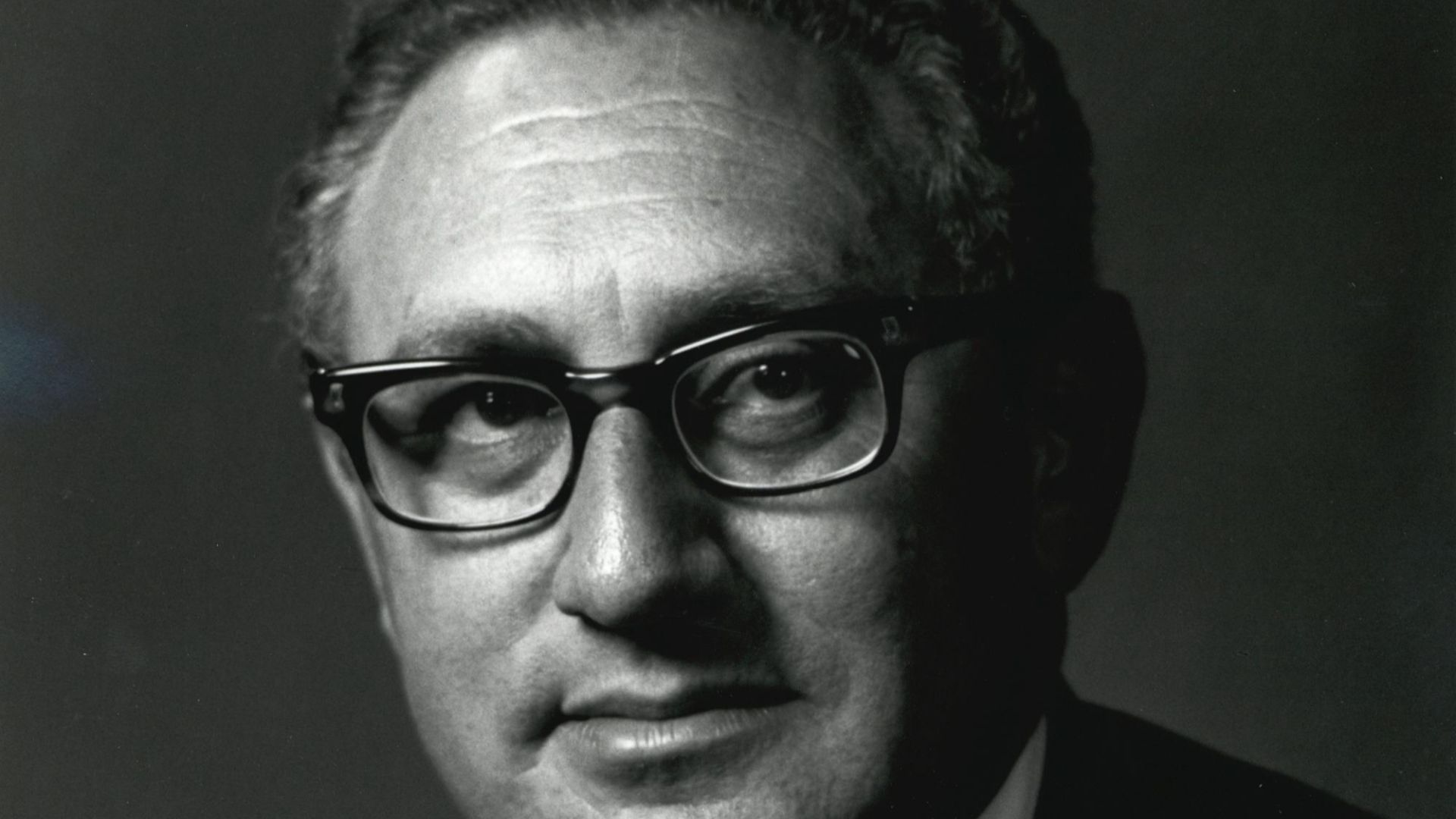
17. Henry Kissinger
Serving as National Security Advisor and later Secretary of State, Kissinger advised Presidents Richard Nixon and Gerald Ford. He played a central role in opening diplomatic relations with China and negotiating arms control agreements with the Soviet Union. His realpolitik approach significantly shaped U.S. foreign policy. Though controversial, his influence was undeniable.
 United States Department of State on Wikimedia
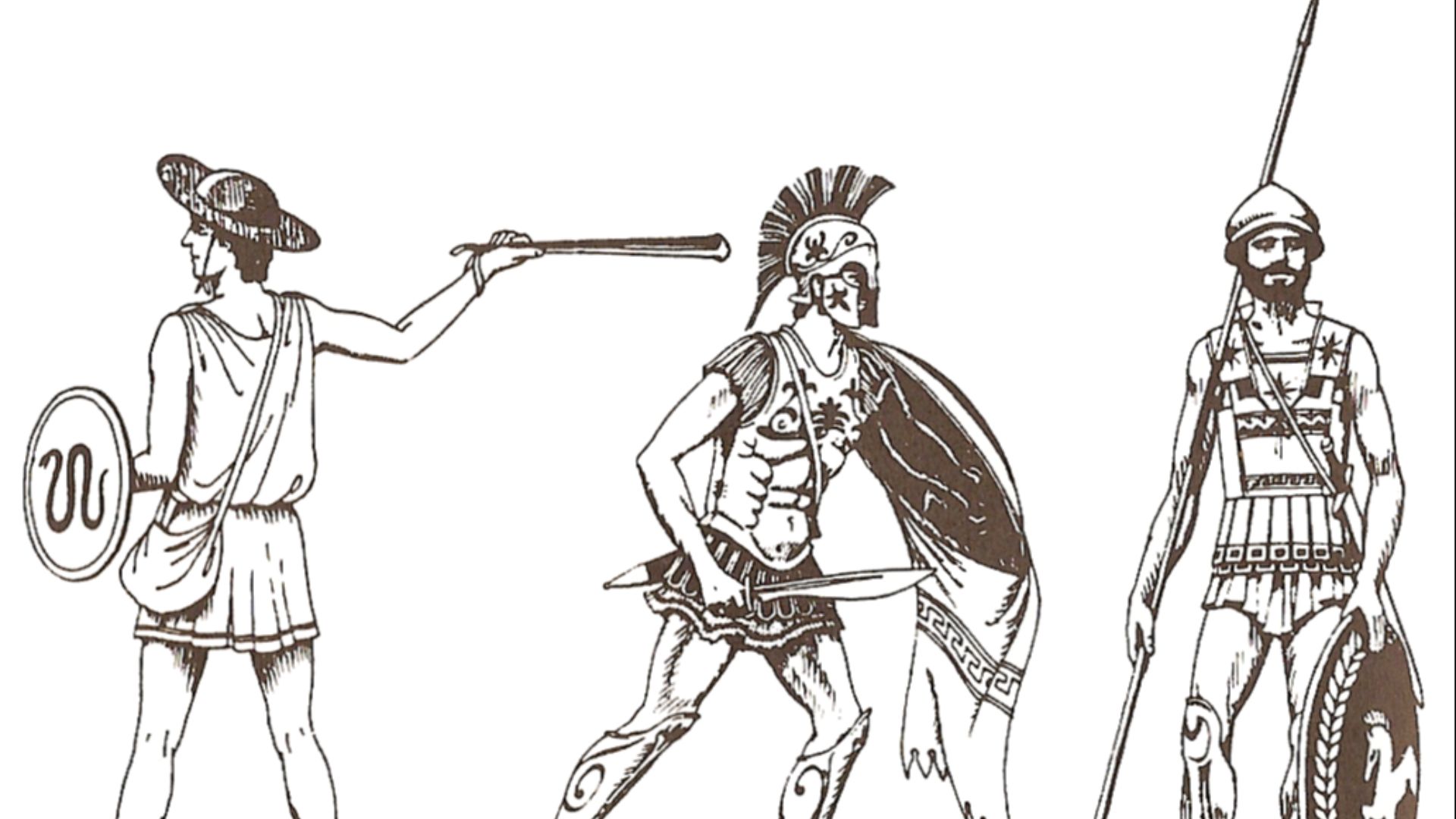
18. Themistocles’ Tutor, Mnesiphilus
Mnesiphilus of Athens advised Themistocles during the Persian Wars. Ancient sources credit him with influencing strategic decisions before the Battle of Salamis. His counsel helped shape naval tactics that proved decisive against Persian forces.
 scan by ru:user:Кучумов Андрей on Wikimedia
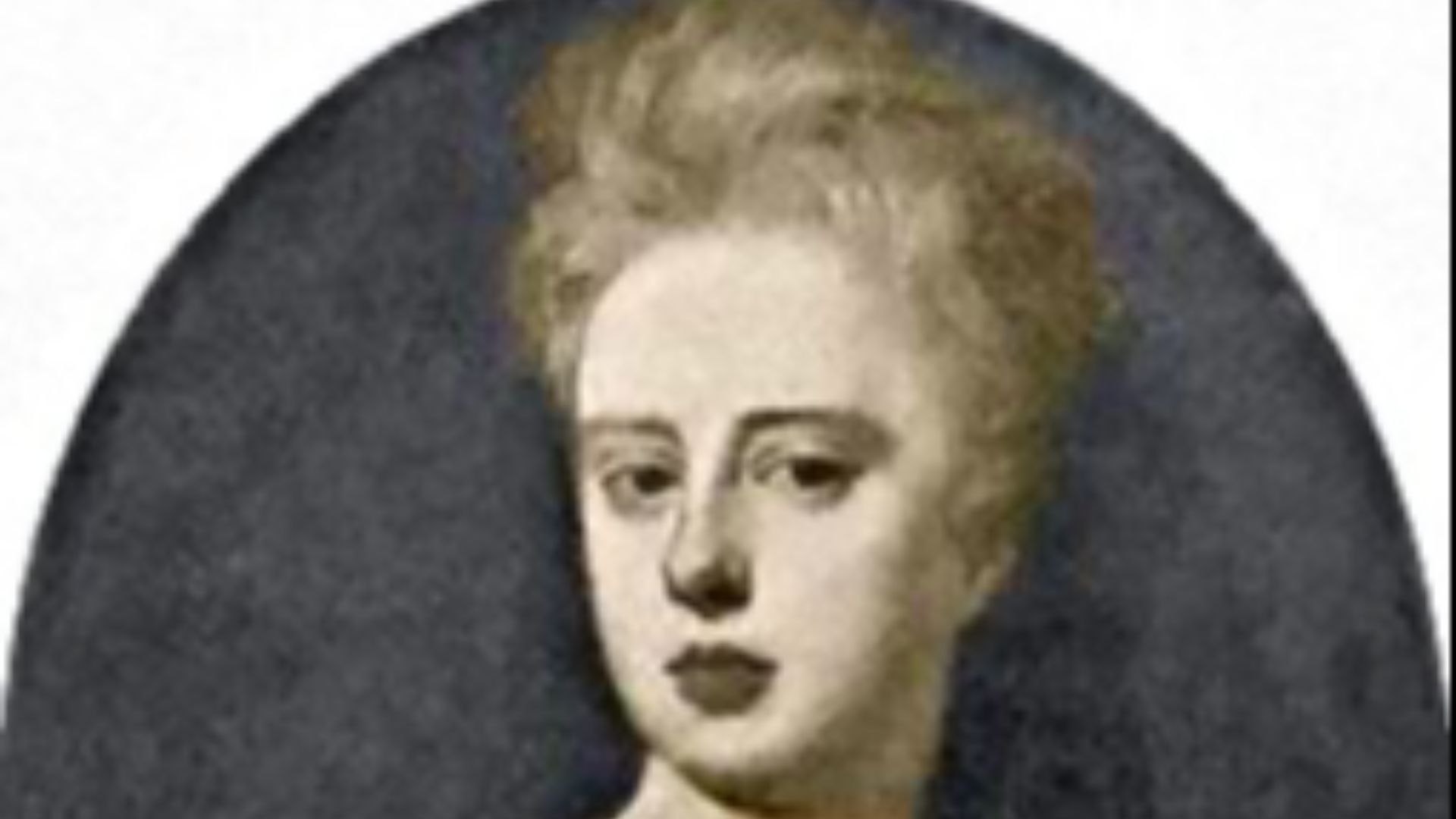
19. Sarah Churchill
Sarah Churchill, Duchess of Marlborough, maintained a close friendship with Queen Anne of Great Britain. Through personal influence, she affected court appointments and political alliances. Her access to the queen gave her considerable sway during a volatile political period.
 Unknown authorUnknown author on Wikimedia
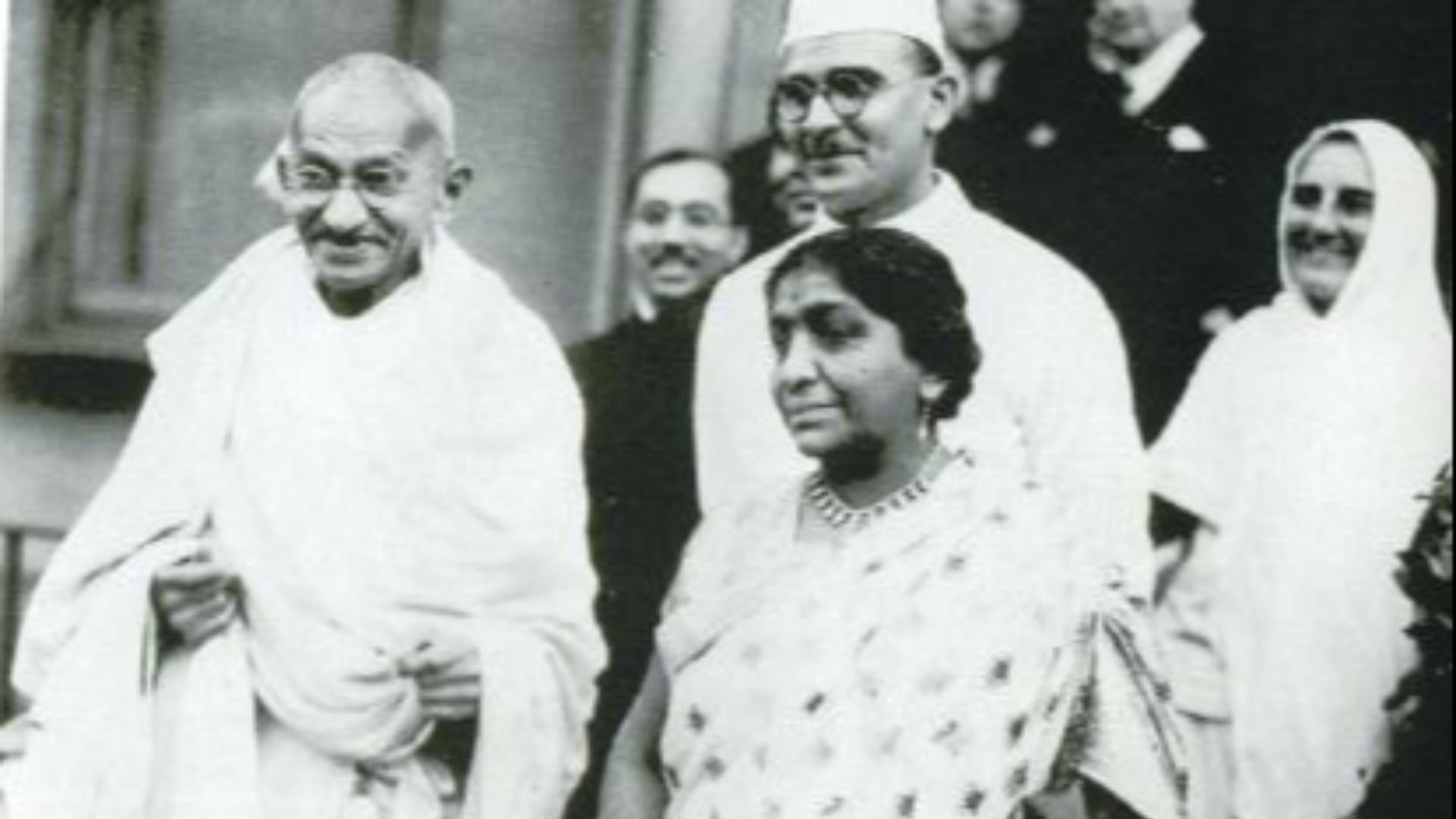
20. Mahadev Desai
Mahadev Desai served as Mahatma Gandhi’s personal secretary for over two decades. He documented Gandhi’s campaigns and helped manage correspondence and strategy. Desai’s intellectual and organizational support strengthened Gandhi’s leadership during India’s independence movement.
 Unknown authorUnknown author on Wikimedia
KEEP ON READING