

Creating a list of who were the most powerful women in history tends to come with a lot of fights. Sure, we can talk about personal power until we’re blue in the face, but what we’re really talking about here is the authority to make decisions that change laws, borders, wars, or the daily lives of huge numbers of people, and having the machinery to enforce them.
Some women held a crown and put their names on official orders and coinage. Others worked through a son, a husband, or a court system that publicly sidelined them while privately depending on them. Modern leaders face parliaments, parties, and elections, which can limit power even as they give it legitimacy. The examples below are not a tidy ranking, yet each represents women who exercised real, documentable authority.
Ruling In Their Own Name
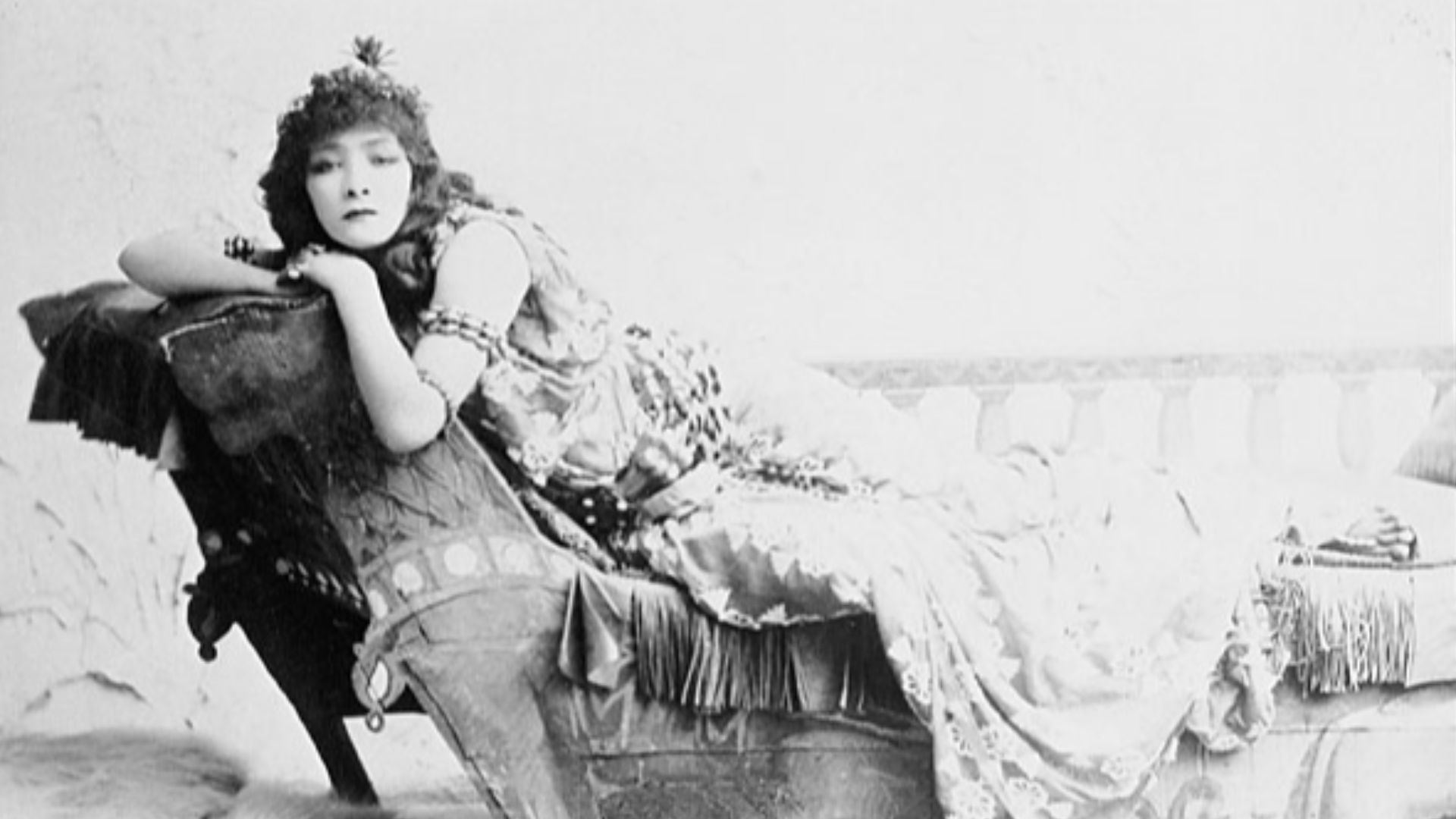
Ancient Egypt’s Hatshepsut ruled as pharaoh in her own right, roughly 1479 to 1458 BCE, and even adopted full royal titles and regalia to make her status unmistakable. Britannica notes that she took on the symbolism of kingship. Similarly, Cleopatra VII held Egypt’s throne from 51 to 30 BCE, and Britannica describes her as actively influencing Roman politics at a crucial moment. England’s Elizabeth I reigned from 1558 to 1603, and the Tilbury speech, tied to the Spanish Armada crisis of 1588, shows how a queen could turn rhetoric into wartime authority.
China’s Wu Zetian went further than most influential consorts, ruling as an emperor in her own name. It’s said that she governed effectively for years, with her final 15 years dated 690 to 705, an era that makes her unique in imperial Chinese history. Her rise from concubine to empress to sovereign was strategic and often harsh. Even later dynastic historians, who were not eager to praise her, had to record that she sat at the center of the state.
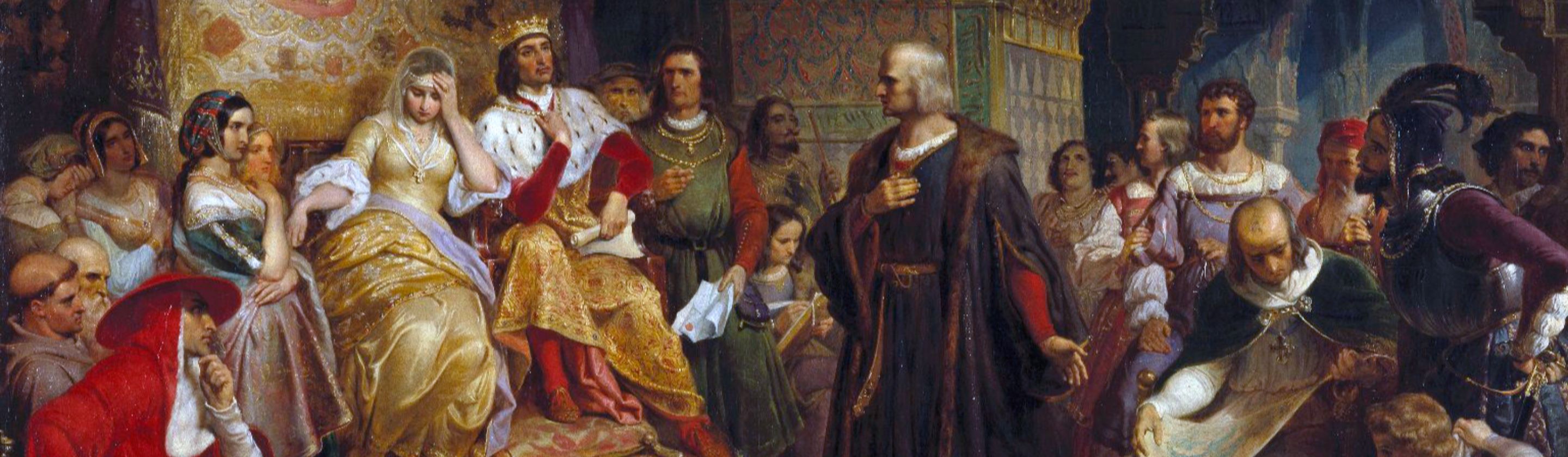
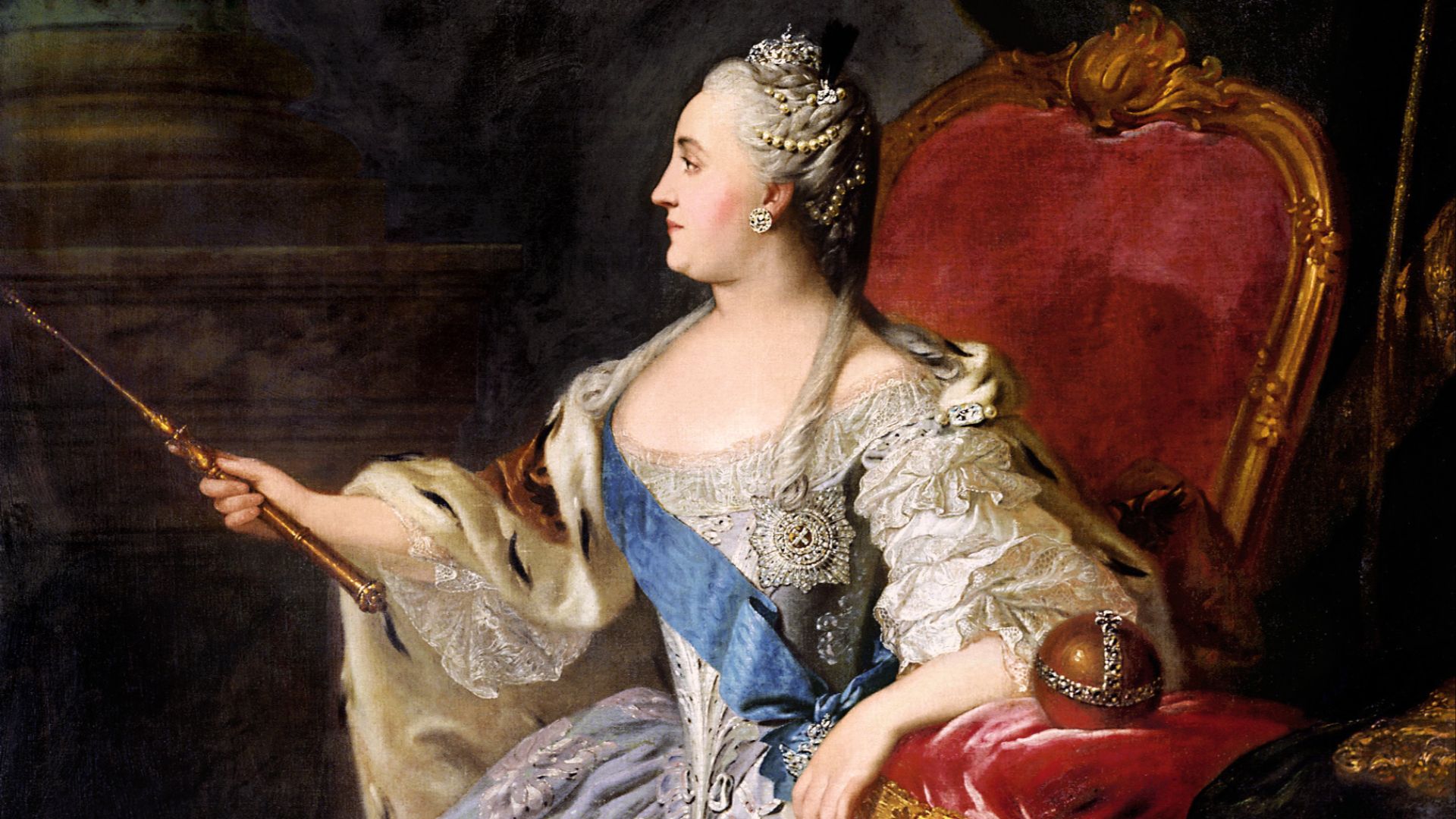
Isabella I of Castile ruled from 1474 to 1504 and, by governing jointly with Ferdinand of Aragon from 1479, helped set the foundation for a permanently united Spain. Britannica also links her reign to the beginnings of an overseas empire through Columbus’s voyage under her sponsorship. Russia’s Catherine the Great reigned from 1762 to 1796, and Britannica credits her with reorganizing administration and law while expanding territory, including Crimea and much of Poland. She even wrote the Nakaz in 1767, a set of instructions for a legislative commission, which survives as a primary text and shows an empress speaking in her own policy voice.
Power Behind The Throne
Empress Dowager Cixi shows how power can sit just off-center and still control the room. Britannica calls her a towering presence over the Qing Empire for almost half a century, holding authority as empress dowager and regent between 1861 and 1908. She may not have ruled outright, but she certainly puppeteered behind the curtain.
Byzantine Empress Theodora, wife of Justinian I, is described as a woman whose intelligence and political acumen made her her husband’s most trusted adviser. Procopius’s account of the Nika Revolt in 532 records her rejecting flight and quoting an old saying that “royalty is a good burial shroud,” which is a very direct way to argue for holding power at any cost. In that same passage, Procopius claims more than 30,000 people died when the revolt was suppressed, underlining how quickly political decisions could lead to mass death and destruction.
Nur Jahan, the chief consort of Mughal Emperor Jahangir, led as the de facto ruler during the later years of his reign. Britannica notes she minted coins in her own name, alongside issuing royal decrees, which were powers normally reserved for sovereigns rather than wives. The same piece points to contemporary observers commenting on her influence and even highlights Jahangir’s diaries as a rare personal window into how he viewed her role.
Modern Leaders
Democracies can produce formidable power, especially when a leader controls the ruling party and the state apparatus. Indira Gandhi was India’s first female prime minister, serving from 1966 to 1977 and again from 1980 until her assassination in 1984. Her years in office included the Emergency period, and the fact that the term is still capitalized in historical writing says a lot about how intensely it is debated. For readers who equate power with the ability to reshape institutions quickly, her career offers plenty to study.
Europe’s first woman Prime Minister, Margaret Thatcher, held Britain’s top political office from 1979 to 1990. She won three consecutive terms, which gave her unusual staying power to drive policy through Parliament.
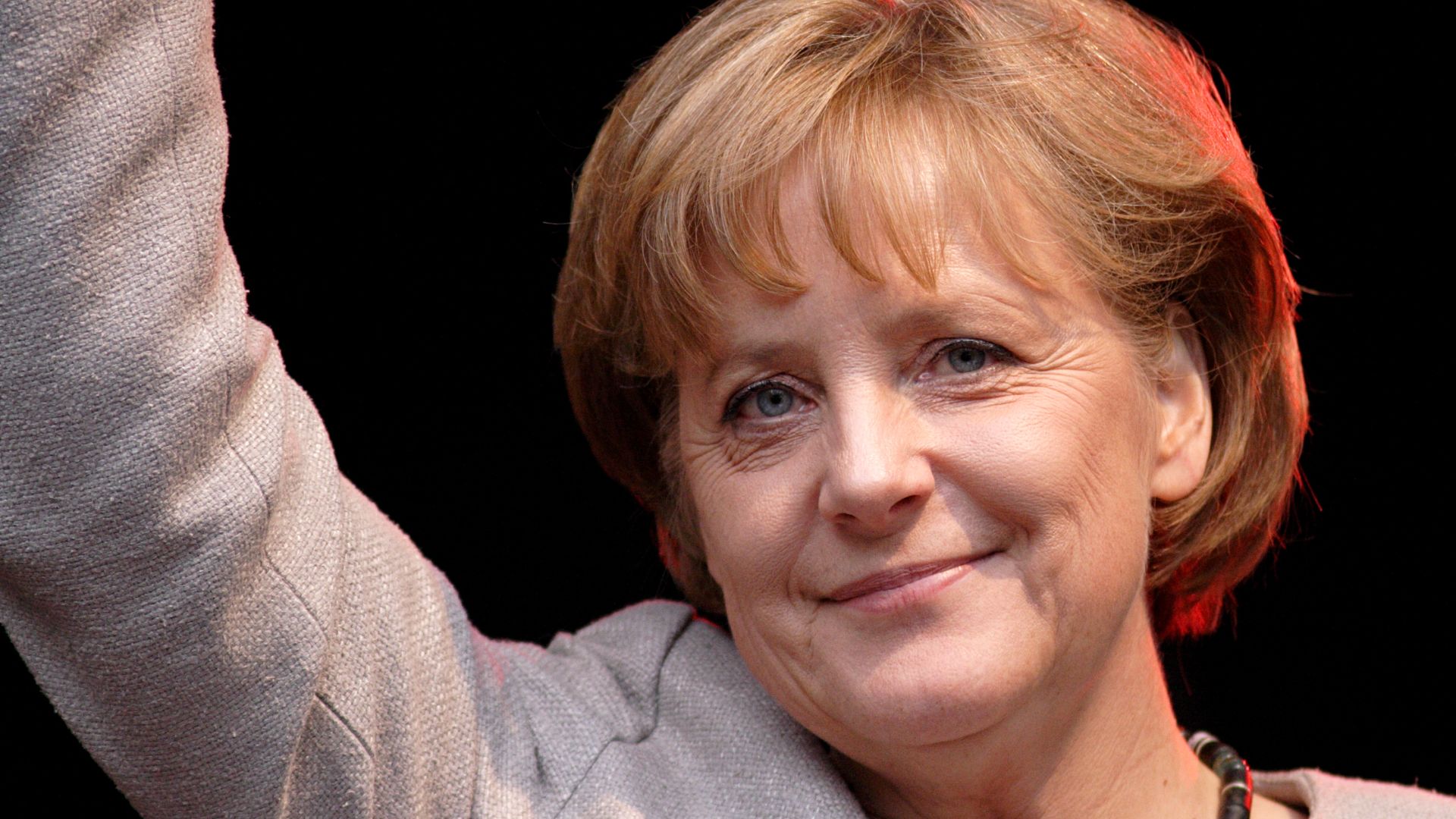
Angela Merkel’s influence came through longevity and coalition management, and Germany’s federal government notes she was sworn in as chancellor on November 22, 2005, becoming the first woman and the first East German to hold the job.
KEEP ON READING
20 Weirdest Historical Objects in Museums
Check Out the Pickled Heart of a Saint. Museums carry…
By Rob Shapiro Oct 1, 2025
20 Scariest Missing Persons Cases in History
Eerie Disappearances. There's something uniquely unsettling about a person who…
By Christy Chan May 1, 2026
20 Greatest Ancient Athletes In History
Ancient Olympics. Long before modern stadiums and multimillion-dollar endorsements, athletes…
By Sara Springsteen May 1, 2026
10 Phenomenal Mythical Creatures & 10 That Are Just Plain…
Legends Both Majestic And Peculiar. Do you ever wonder why…
By Chase Wexler Oct 1, 2025
10 Presidents Who Never Served In The Military & 10…
Commanders And Civilians In Office. Power can rise from very…
By David Davidovic Sep 1, 2025
20 Wars That Could Have Ended Much Sooner Than They…
Wars That Lasted Far Too Long. Wars are often remembered…
By David Davidovic Sep 1, 2025