When Words Weren’t Enough
Diplomacy is supposed to prevent catastrophe through conversation, compromise, and carefully managed tension. Sometimes it works beautifully, but history also gives us moments when talks collapse, leaders misjudge one another, or events spiral beyond anyone’s control. In those instances, the breakdown didn’t just end a meeting; it reshaped borders, governments, and lives. Here are 20 moments when diplomacy failed spectacularly.
1. The Assassination In Sarajevo
In June 1914, Archduke Franz Ferdinand of Austria-Hungary was assassinated in Sarajevo by Gavrilo Princip. Austria-Hungary responded with a harsh ultimatum to Serbia, demanding sweeping concessions. Serbia accepted most of the terms but rejected a few that threatened its sovereignty.

2. The July Crisis Escalation
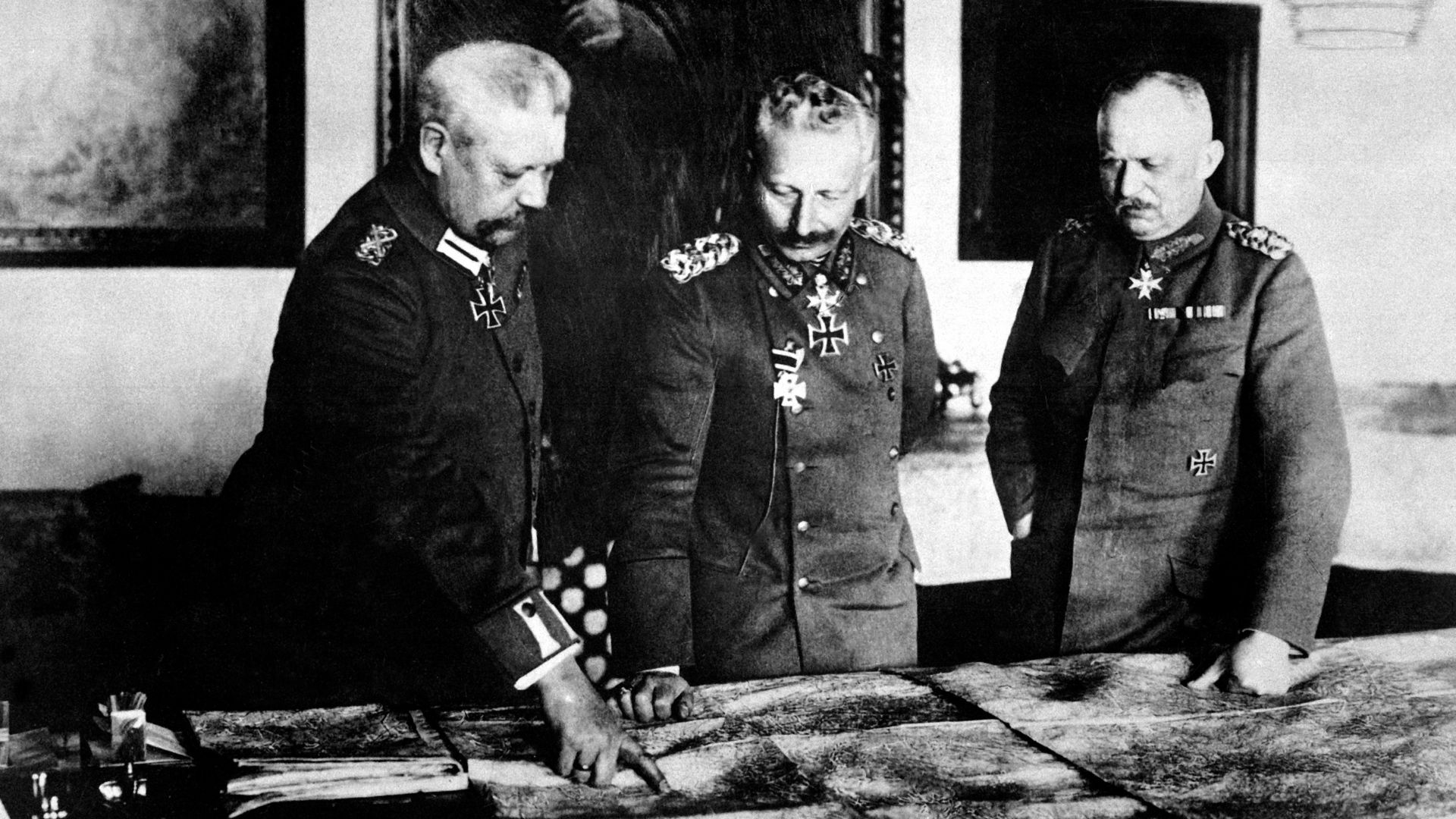
Throughout July 1914, European leaders exchanged telegrams and assurances while armies quietly prepared for war. Kaiser Wilhelm II and Tsar Nicholas II personally communicated in an attempt to ease tensions, yet mobilization plans kept moving forward.
3. The Munich Agreement
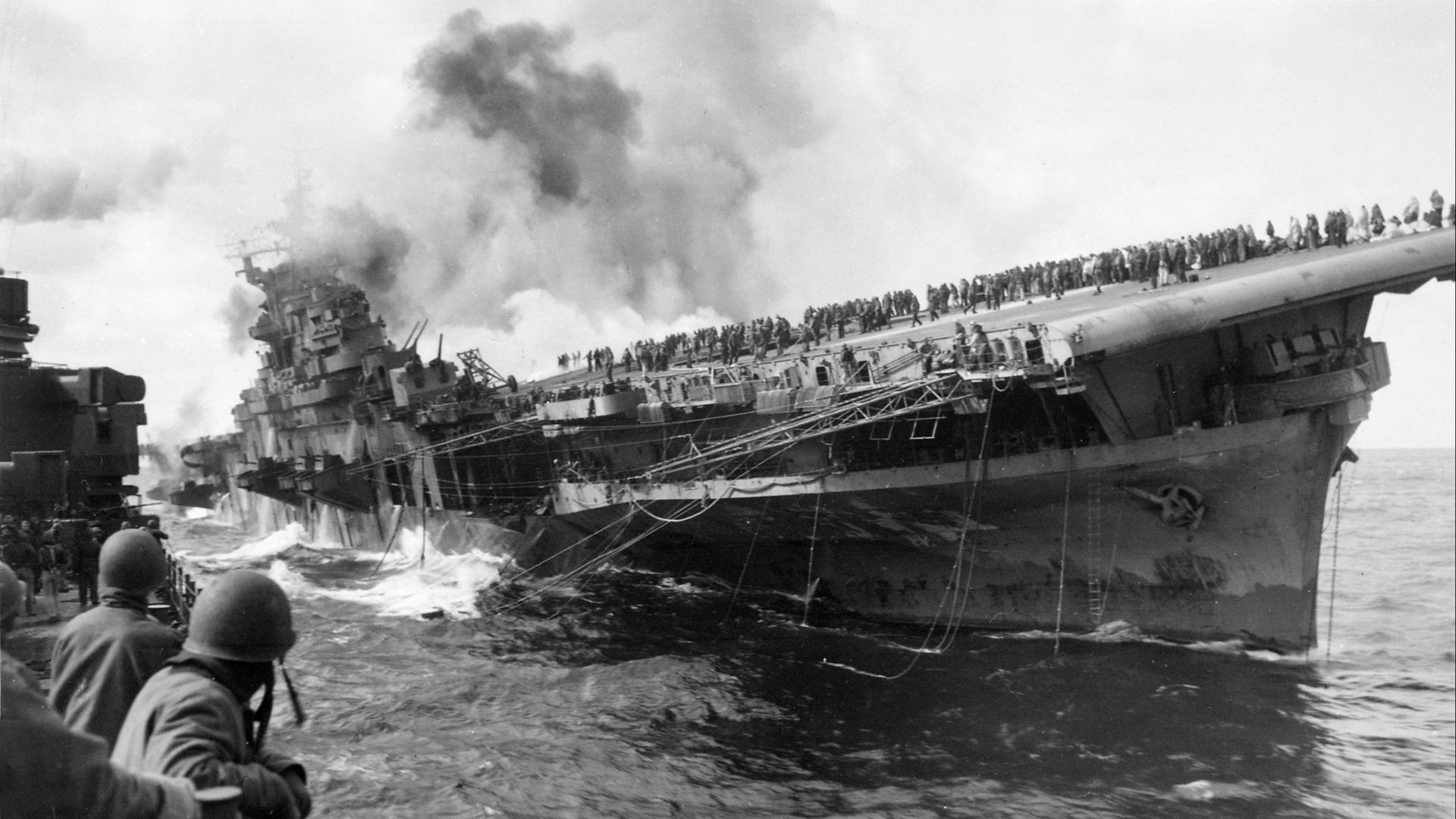
In 1938, Britain and France agreed to allow Nazi Germany to annex the Sudetenland from Czechoslovakia. The agreement was meant to preserve peace in Europe and avoid another devastating war. Adolf Hitler promised it was his final territorial demand, but within months, he occupied the rest of Czechoslovakia.
4. The Molotov-Ribbentrop Pact Collapse
In August 1939, Nazi Germany and the Soviet Union signed a nonaggression pact that secretly divided Eastern Europe into spheres of influence. For nearly two years, the agreement kept the two powers from fighting each other. In June 1941, Germany launched Operation Barbarossa, invading the Soviet Union without warning.
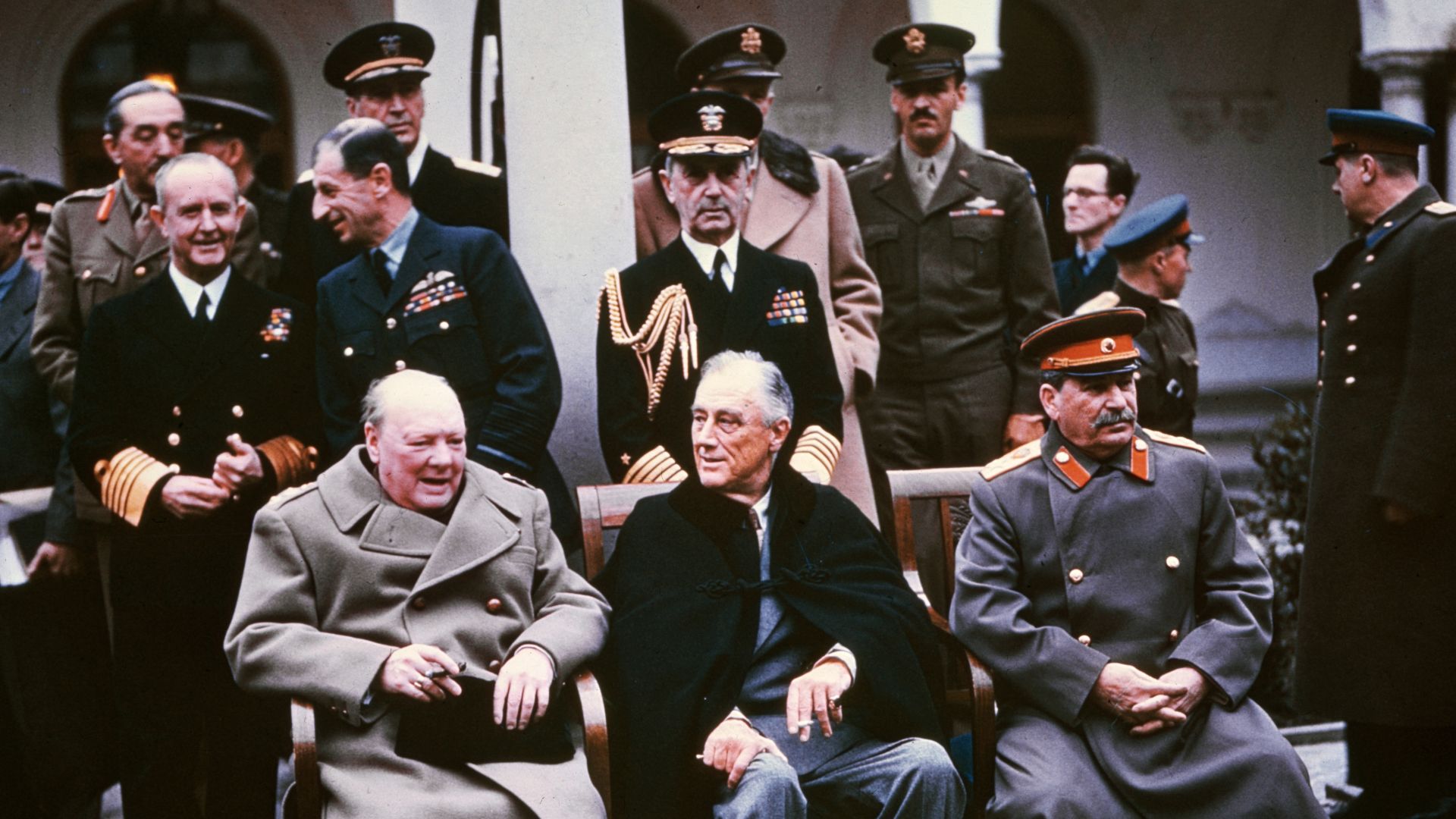 Photograph from the Army Signal Corps Collection in the U.S. National Archives. on Wikimedia
5. The League Of Nations And Manchuria
When Japan invaded Manchuria in 1931, the League of Nations condemned the action but struggled to enforce any meaningful response. A commission investigated the situation and recommended withdrawal, yet Japan simply left the League in 1933.
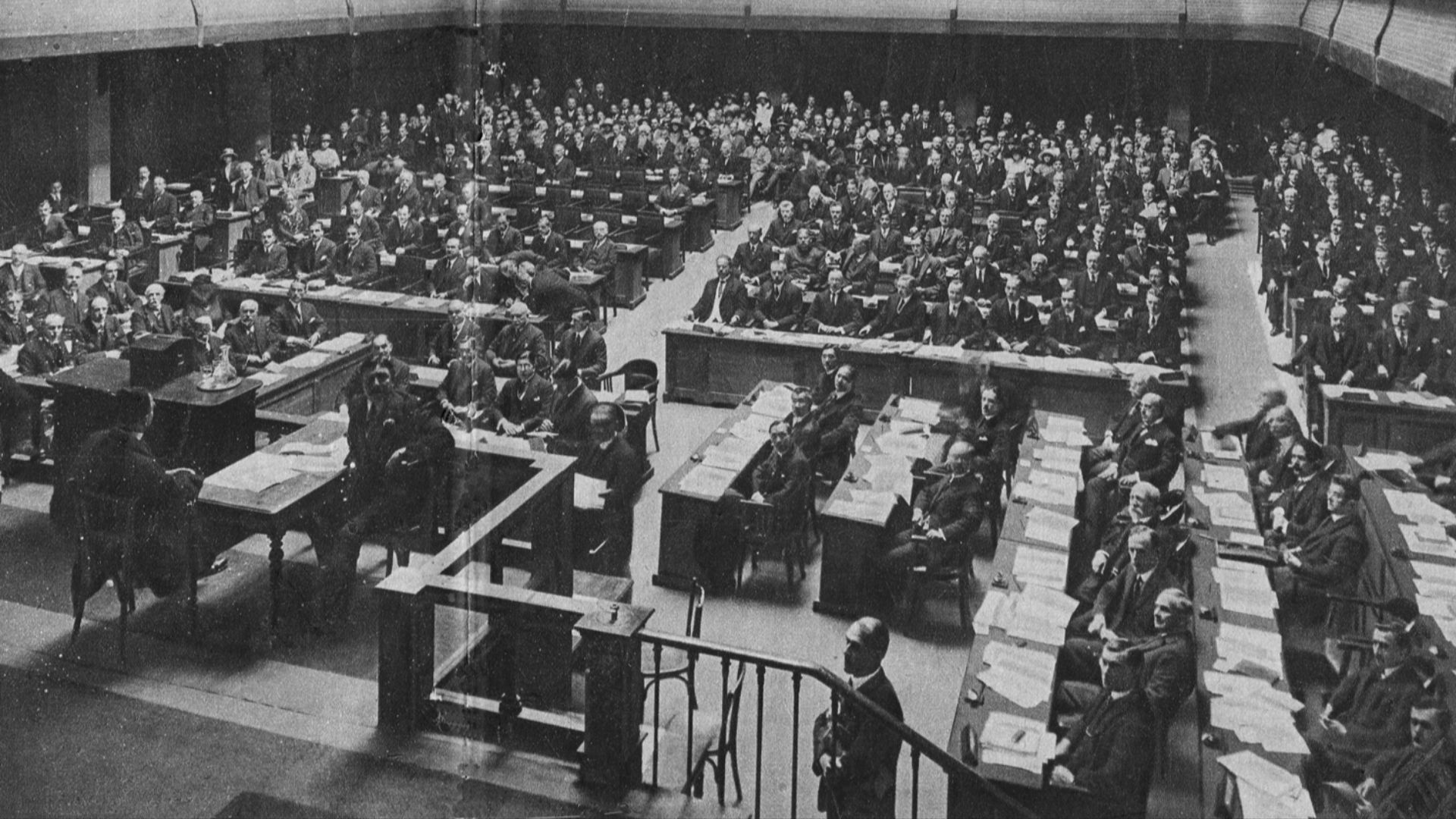 Anonyymi uutiskuva on Wikimedia
6. The Failure To Prevent The Spanish Civil War
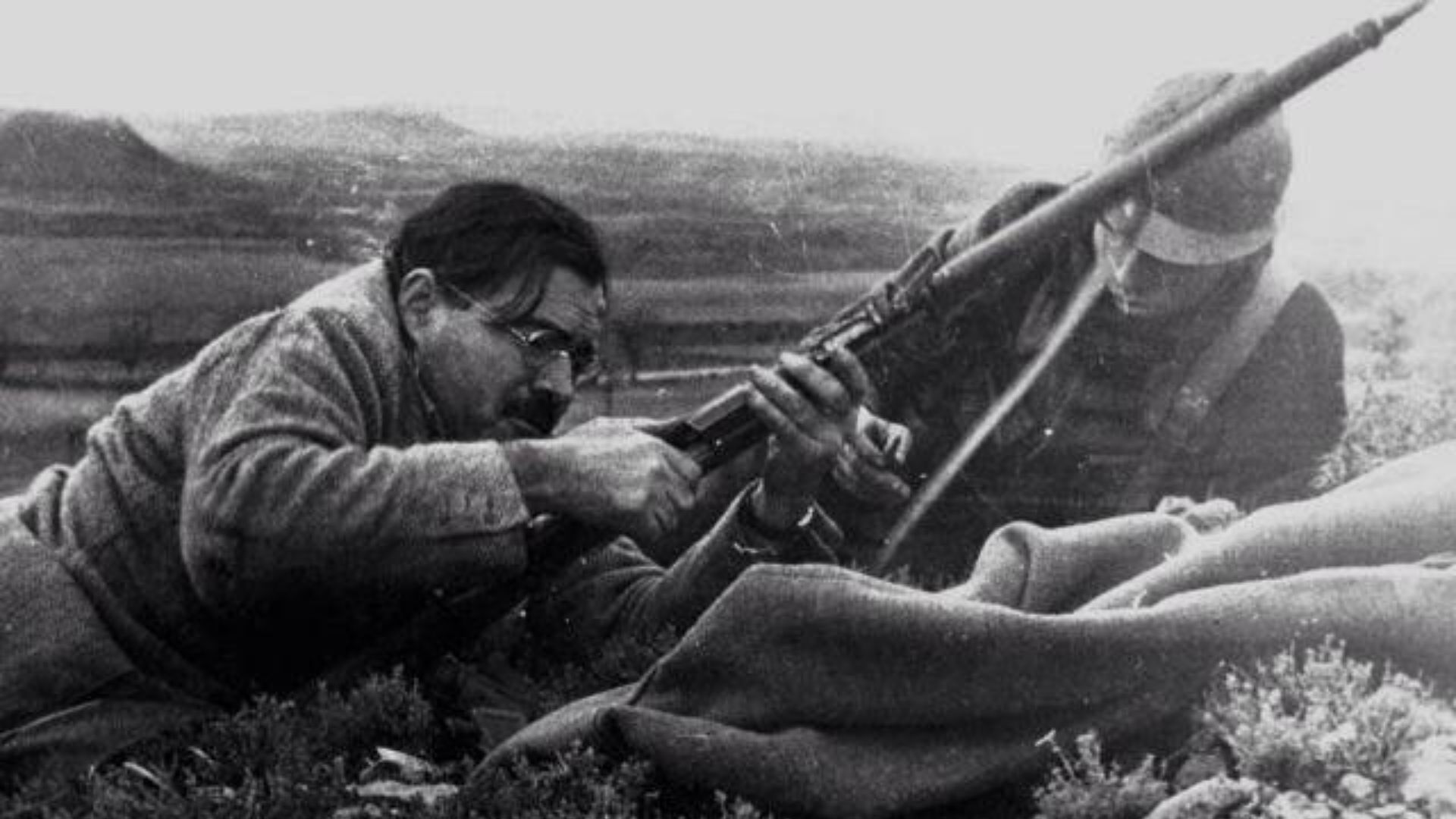
In 1936, Spain descended into civil war after a military uprising against the elected government. European powers adopted a Non-Intervention Agreement meant to prevent foreign involvement.
7. The Sudden Outbreak Of The Korean War
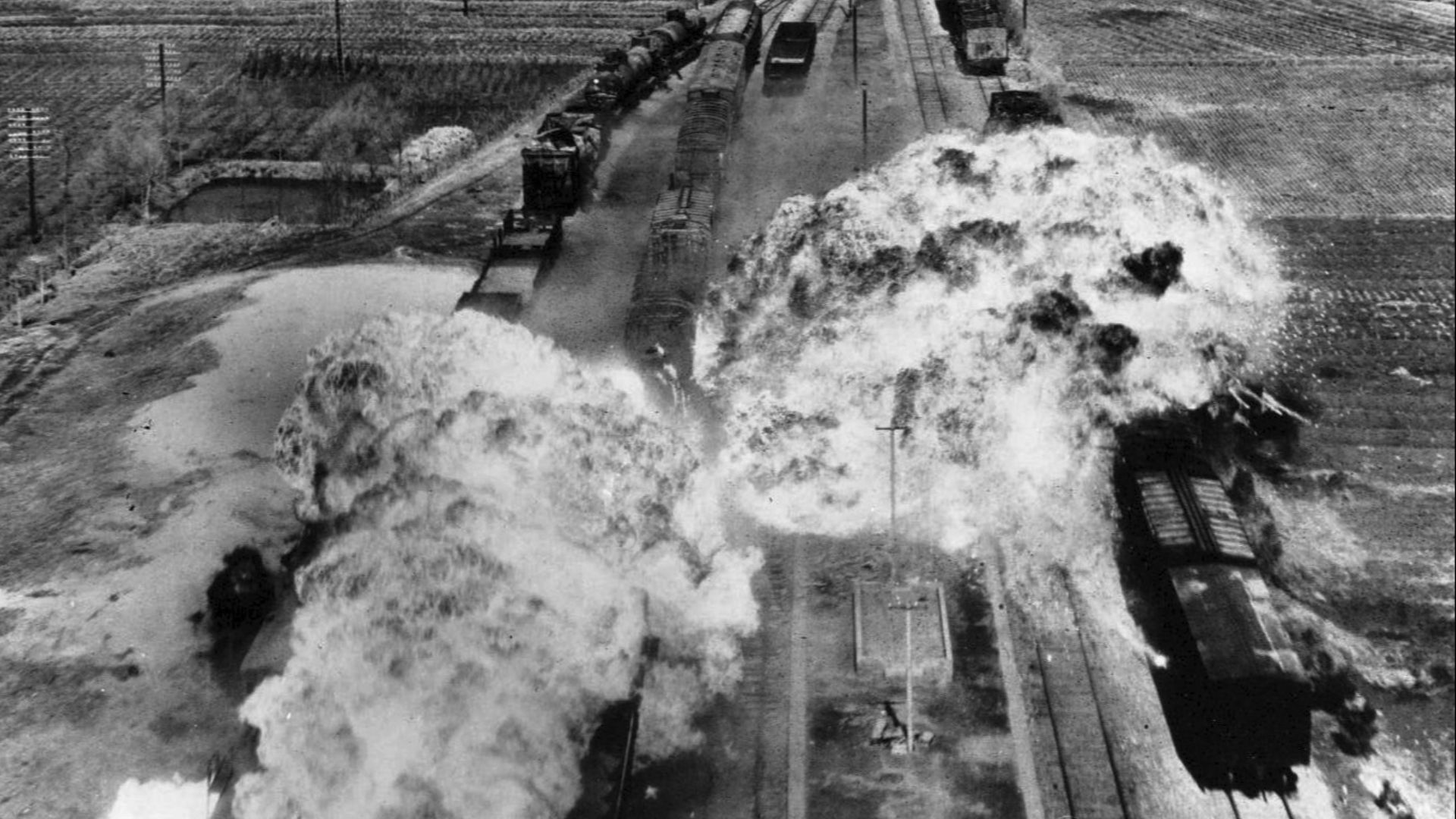
After World War II, Korea was divided along the 38th parallel, with the Soviet Union in the north and the United States in the south. Efforts to unify the country through elections failed amid Cold War tensions. In June 1950, North Korean forces crossed the border and invaded the south.
 U.S. Army Military History Institute on Wikimedia
8. The Suez Crisis
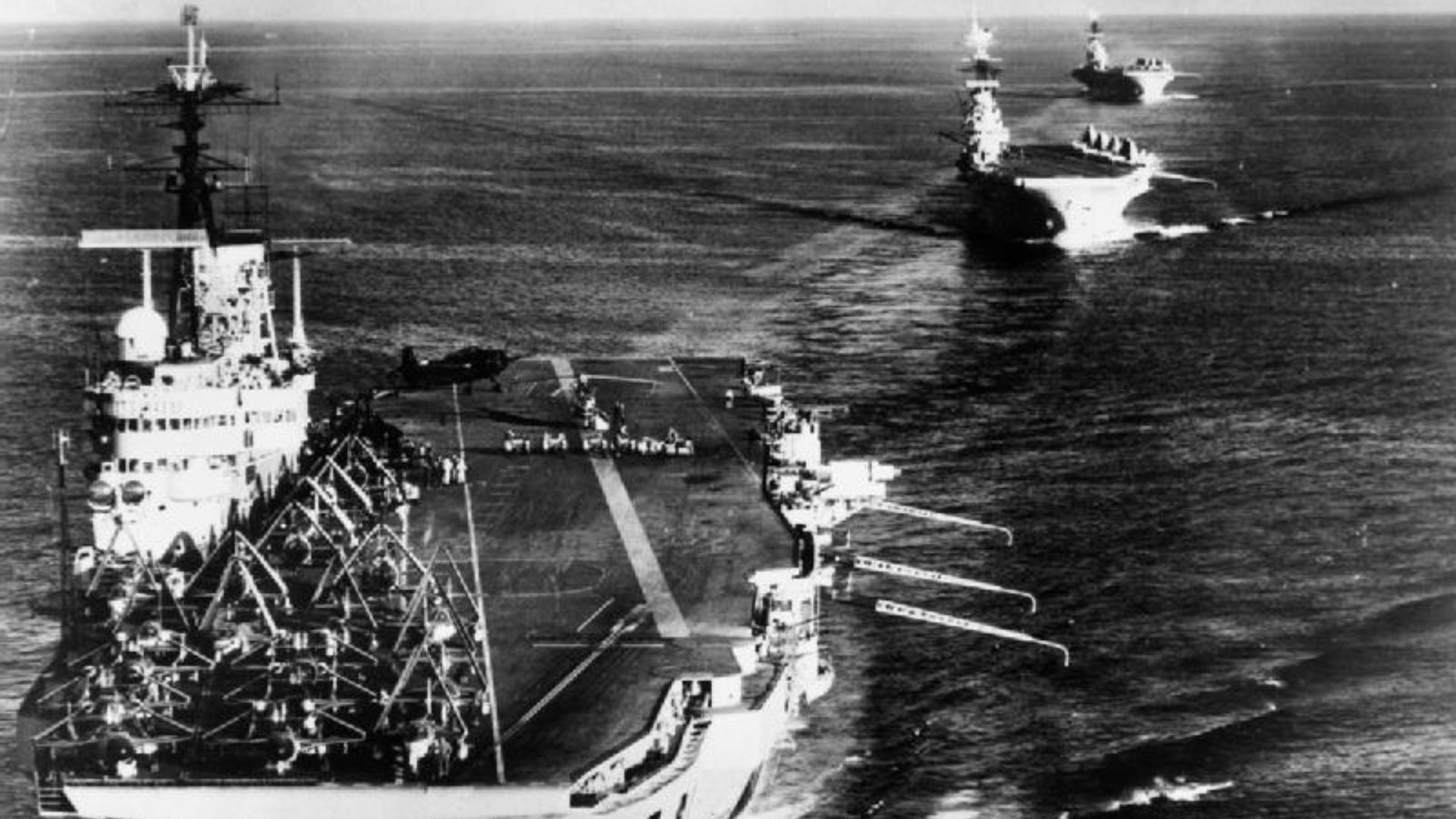
In 1956, Egyptian President Gamal Abdel Nasser nationalized the Suez Canal, which had been controlled by British and French interests. Britain, France, and Israel secretly coordinated a military response. International pressure, especially from the United States and the Soviet Union, forced them to withdraw.
 Royal Navy official photographer on Wikimedia
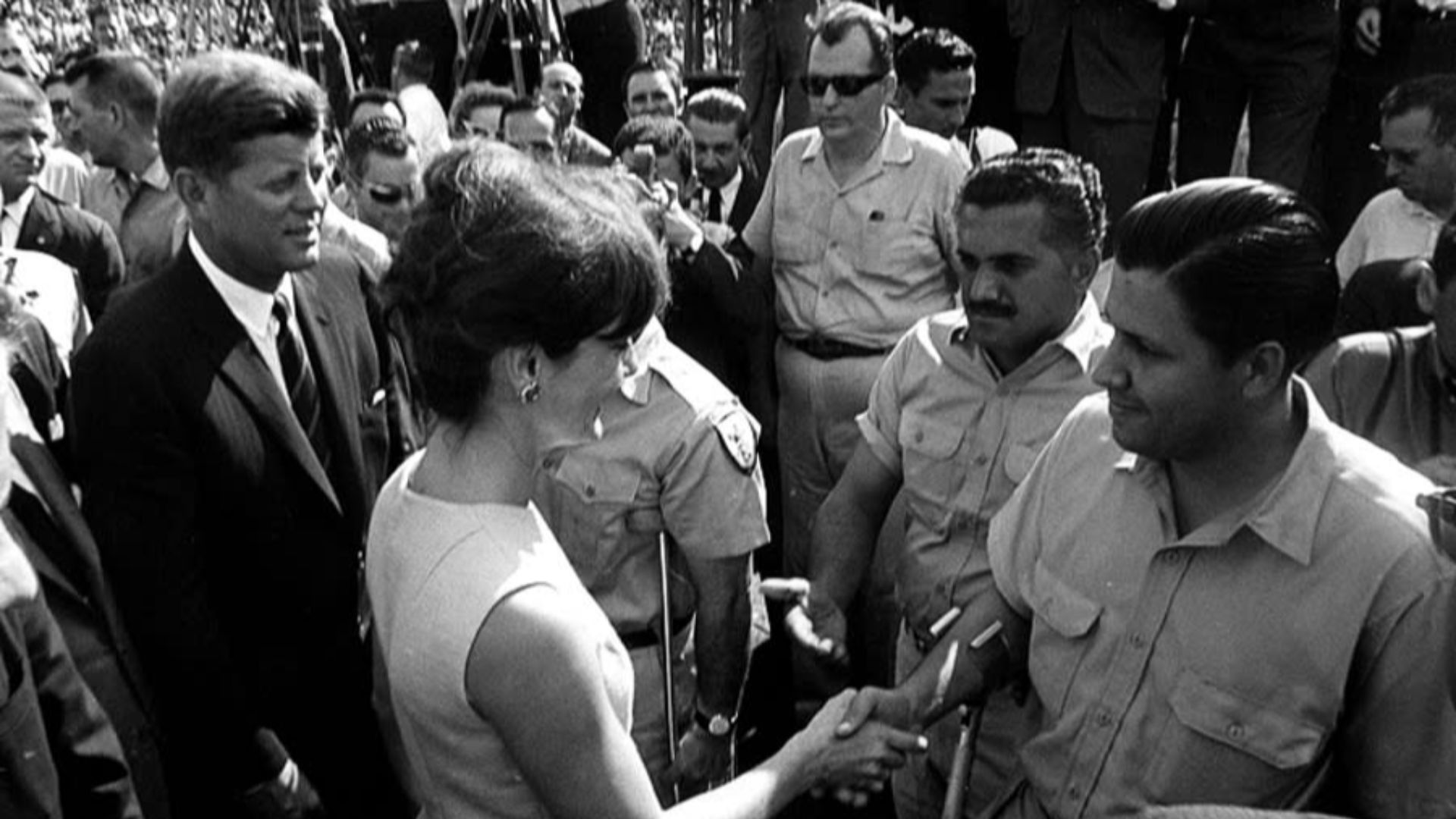
9. The Bay Of Pigs Invasion
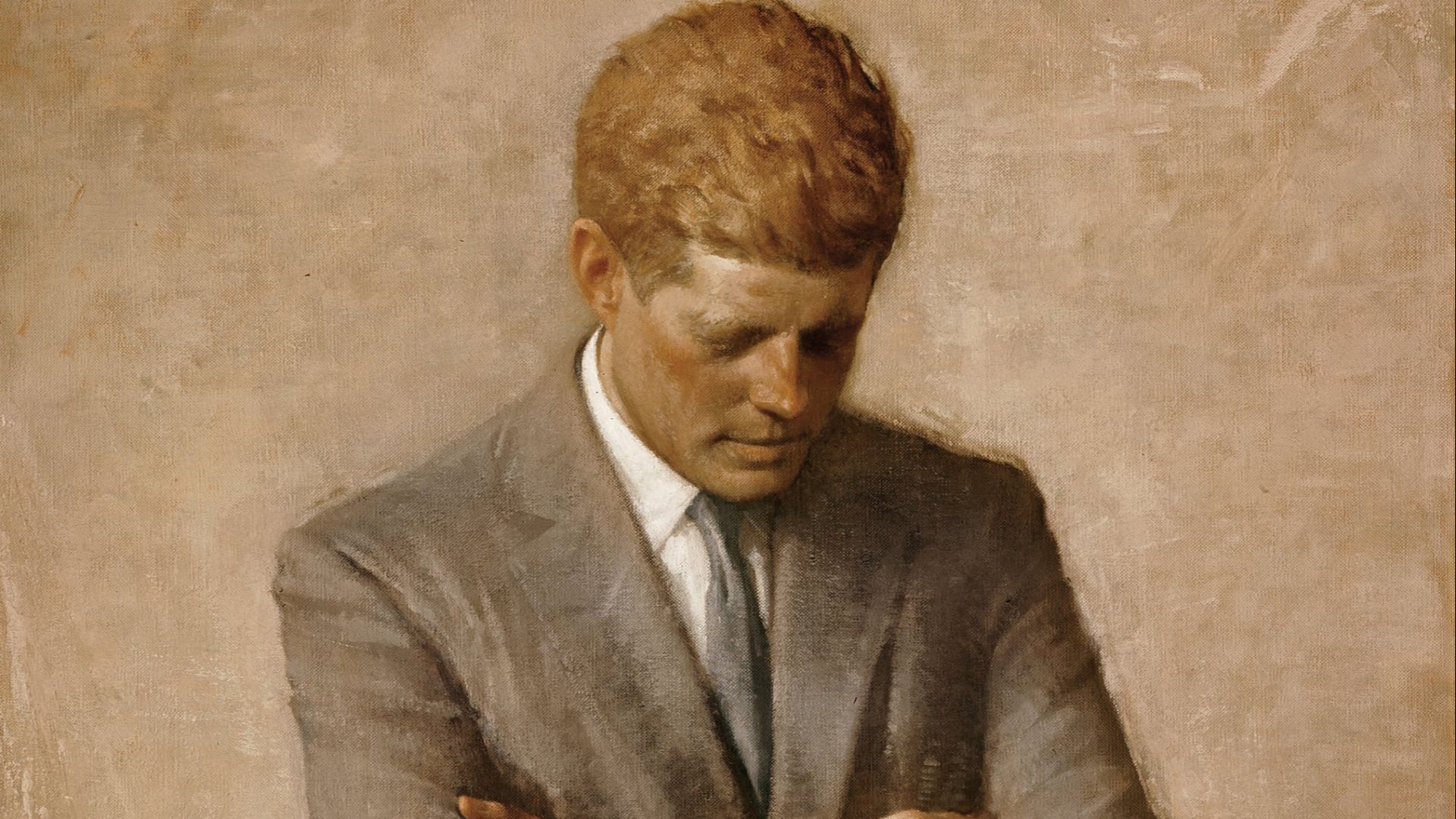
In 1961, the United States supported a failed invasion of Cuba by Cuban exiles seeking to overthrow Fidel Castro. The operation collapsed within days, embarrassing the Kennedy administration.
10. The Cuban Missile Crisis Brinkmanship
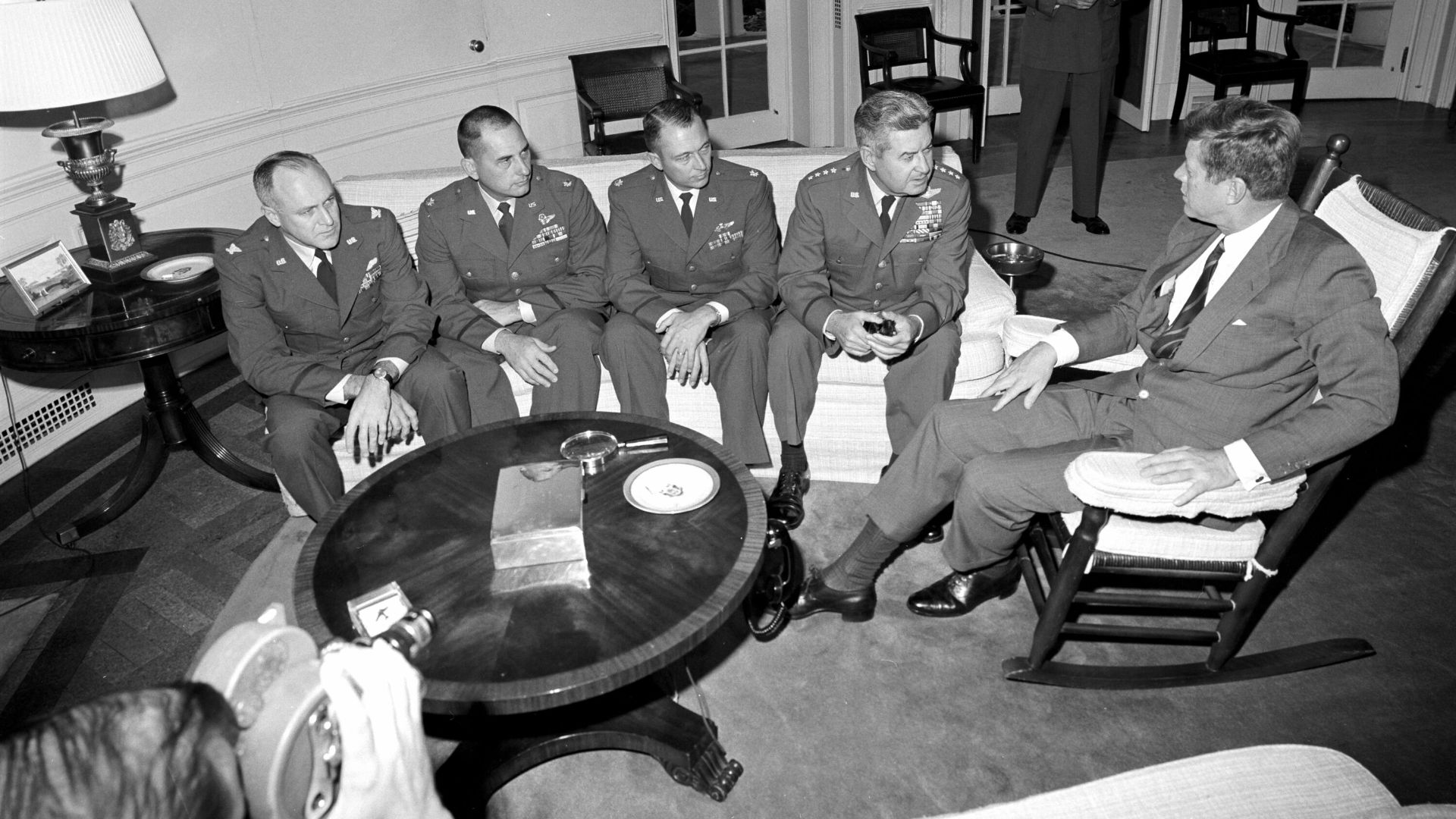
In 1962, the discovery of Soviet nuclear missiles in Cuba brought the United States and the Soviet Union to the brink of nuclear war. For thirteen tense days, both sides engaged in high-stakes negotiations and military positioning.
11. The Vietnam Peace Talks Breakdown
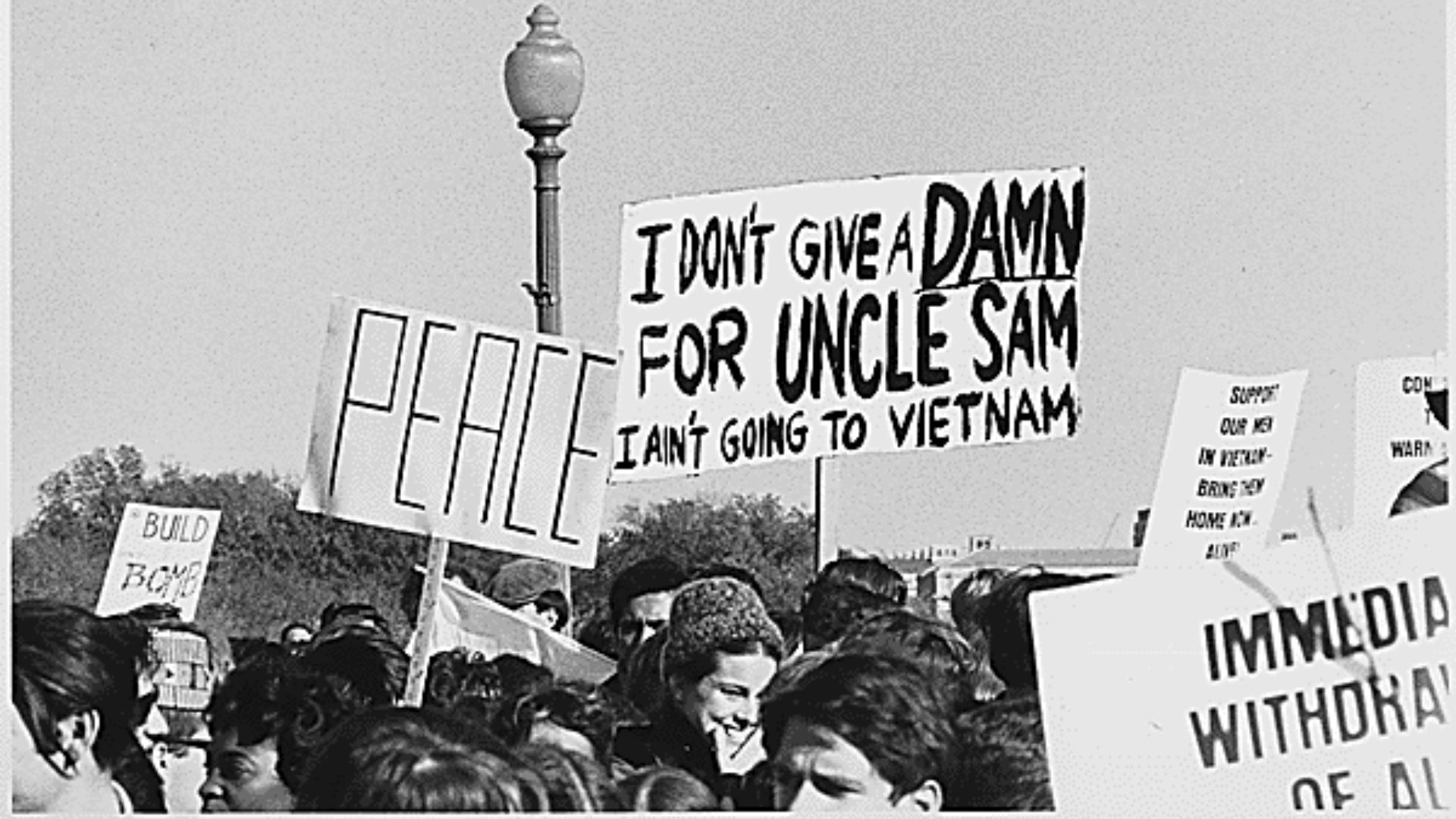
Negotiations to end the Vietnam War stretched on for years in Paris. Although a ceasefire agreement was signed in 1973, fighting between North and South Vietnam continued. By 1975, North Vietnamese forces captured Saigon.
12. The Iranian Hostage Crisis
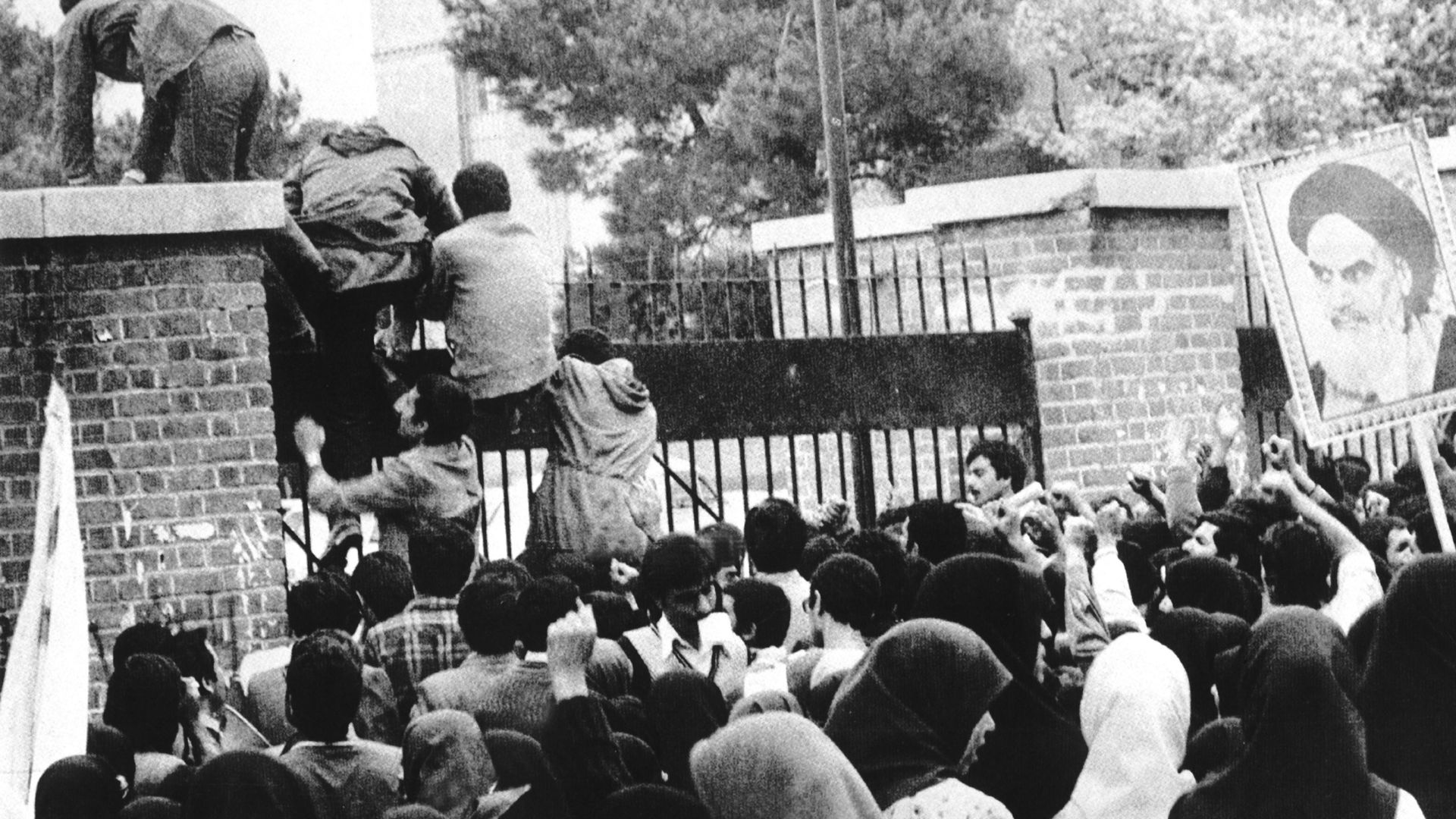
In 1979, militants seized the United States Embassy in Tehran and held 52 American diplomats hostage. Negotiations and rescue attempts failed to secure a quick resolution. The crisis lasted 444 days and deeply strained relations between the United States and Iran.
 Unknown authorUnknown author on Wikimedia
13. The Falklands War
In 1982, Argentina invaded the Falkland Islands, a British territory in the South Atlantic. Diplomatic efforts through the United Nations failed to produce a settlement.

14. The Collapse Of Yugoslav Negotiations
During the early 1990s, Yugoslavia began to break apart along ethnic and political lines. Attempts to negotiate power-sharing arrangements and prevent violence struggled against rising nationalism.
 U.S. Air Force/Staff Sgt. Brian Schlumbohm on Wikimedia
15. The Oslo Accords Stagnation
In the 1990s, Israeli and Palestinian leaders signed the Oslo Accords in hopes of achieving a two-state solution. Initial optimism faded as violence resumed and key issues remained unresolved. Trust between both sides eroded over time. The peace process stalled without producing a final agreement.
 Unknown authorUnknown author or not provided on Wikimedia
16. The Camp David Summit Of 2000
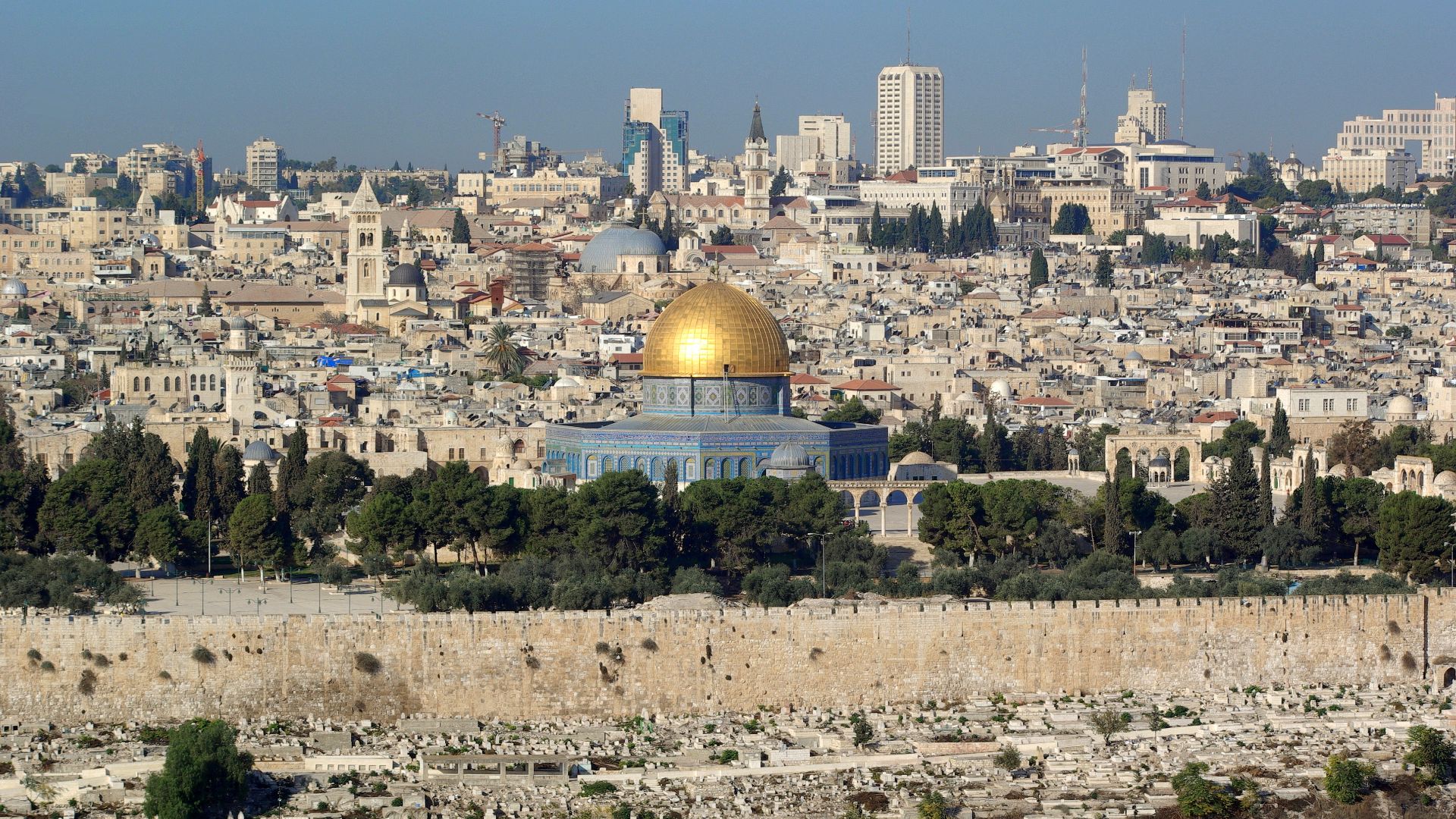
In 2000, U.S. President Bill Clinton hosted Israeli Prime Minister Ehud Barak and Palestinian Authority Chairman Yasser Arafat at Camp David. The goal was to reach a final status agreement on borders, Jerusalem, and refugees. Talks ended without a deal.
17. The Breakdown Of The Agreed Framework
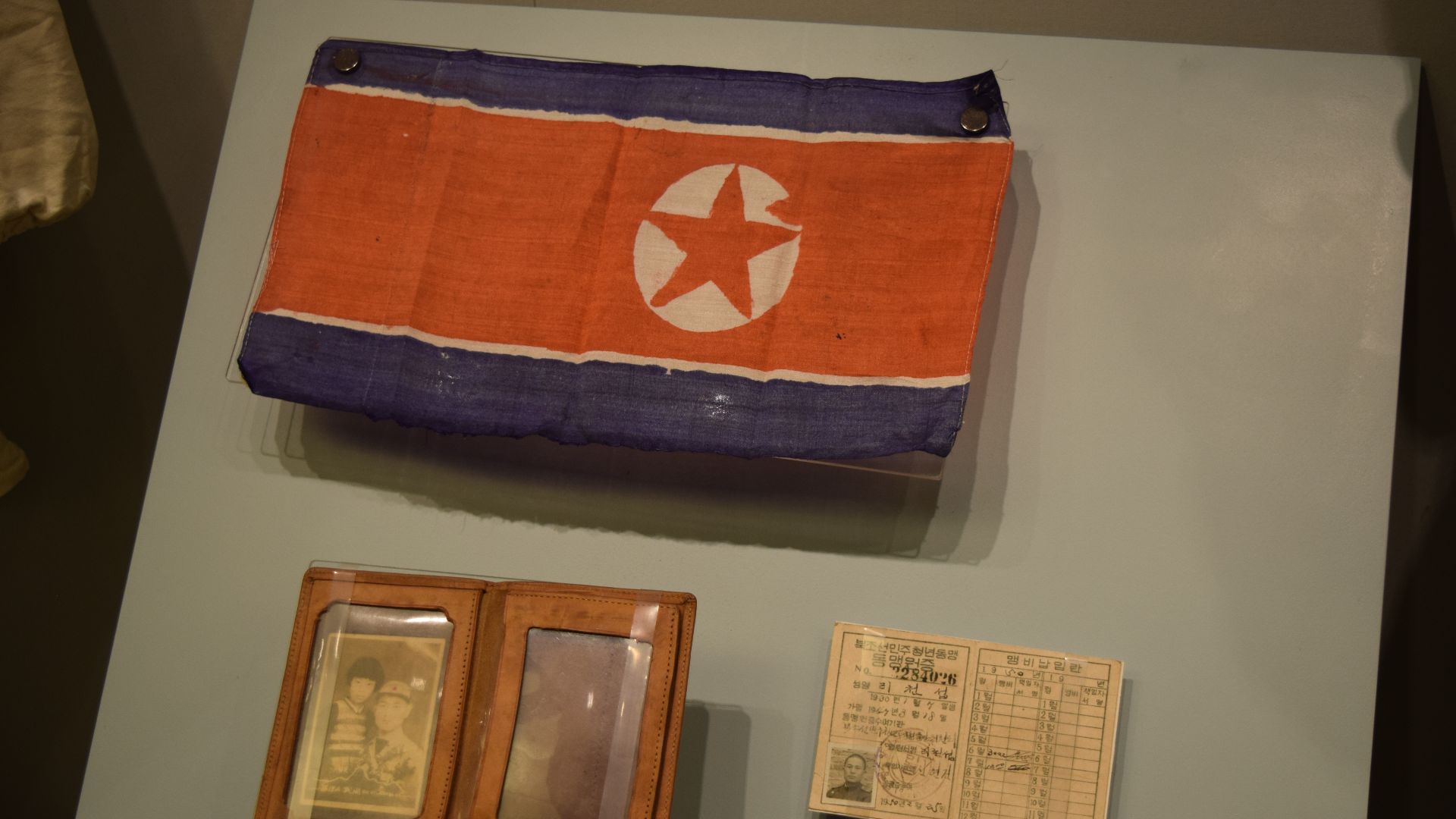
In 1994, the United States and North Korea signed the Agreed Framework to halt North Korea’s nuclear program. The agreement provided for energy assistance in exchange for freezing nuclear facilities. By 2003, North Korea withdrew from the Nuclear Non-Proliferation Treaty.
18. The Iraq-Kuwait Dispute
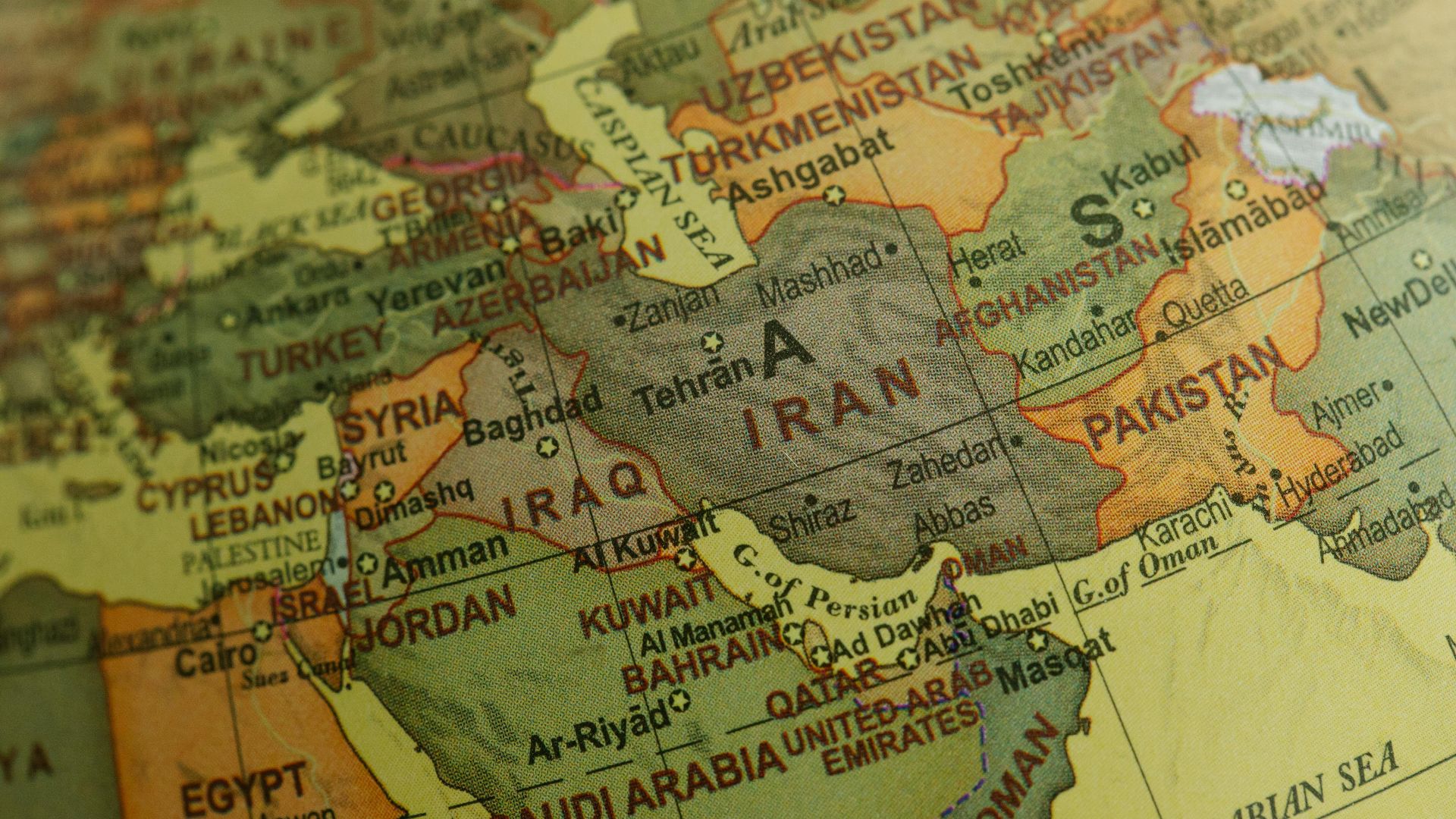
In 1990, Iraq accused Kuwait of overproducing oil and harming its economy. Diplomatic talks between the two countries failed to resolve the dispute. Iraq invaded Kuwait in August 1990, prompting an international coalition response.
19. The Georgian-Russian Conflict
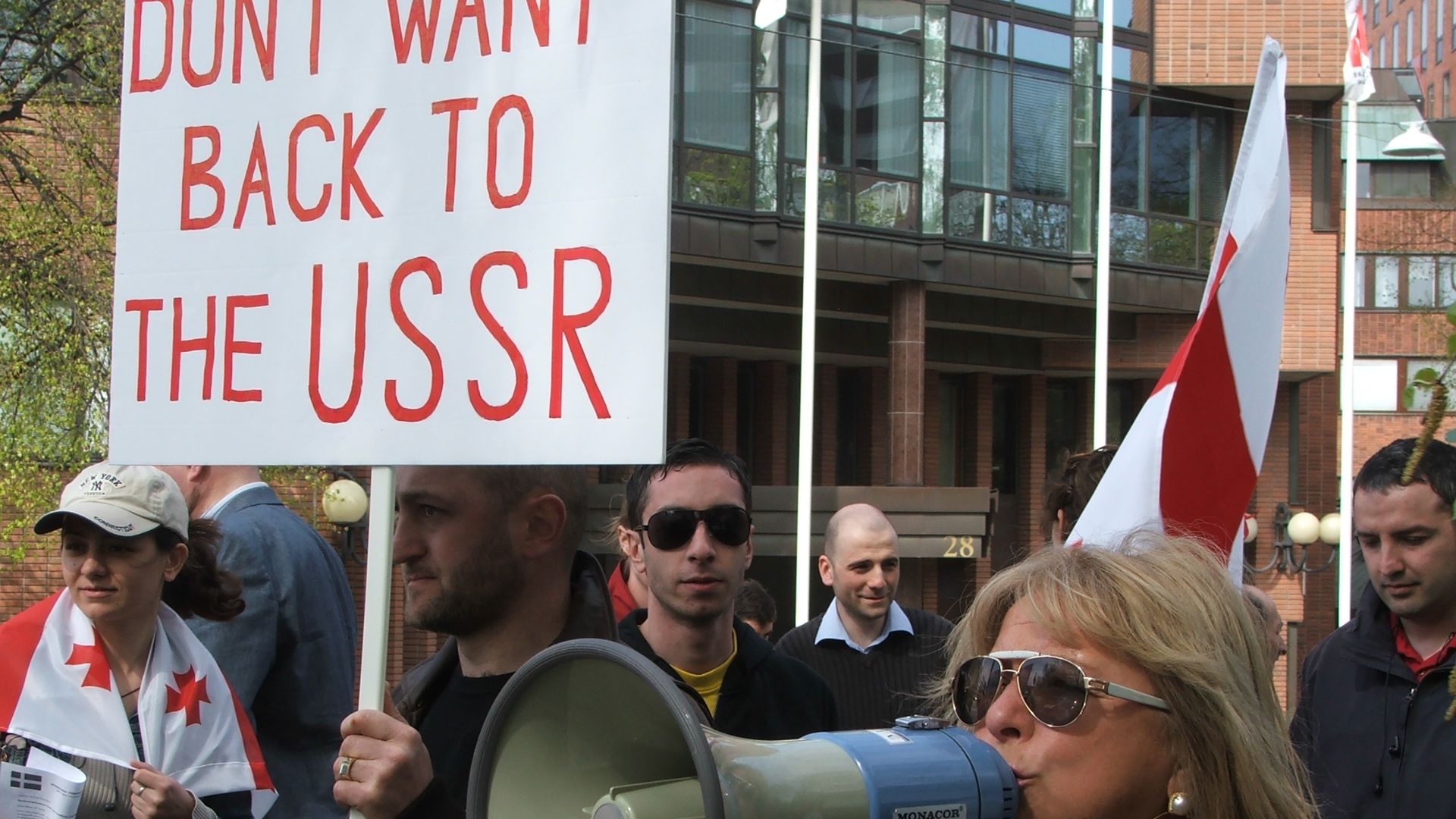
Tensions between Georgia and Russia over the regions of South Ossetia and Abkhazia escalated in 2008. Diplomatic efforts to ease hostilities faltered amid clashes.
20. The Syrian Civil War Negotiations
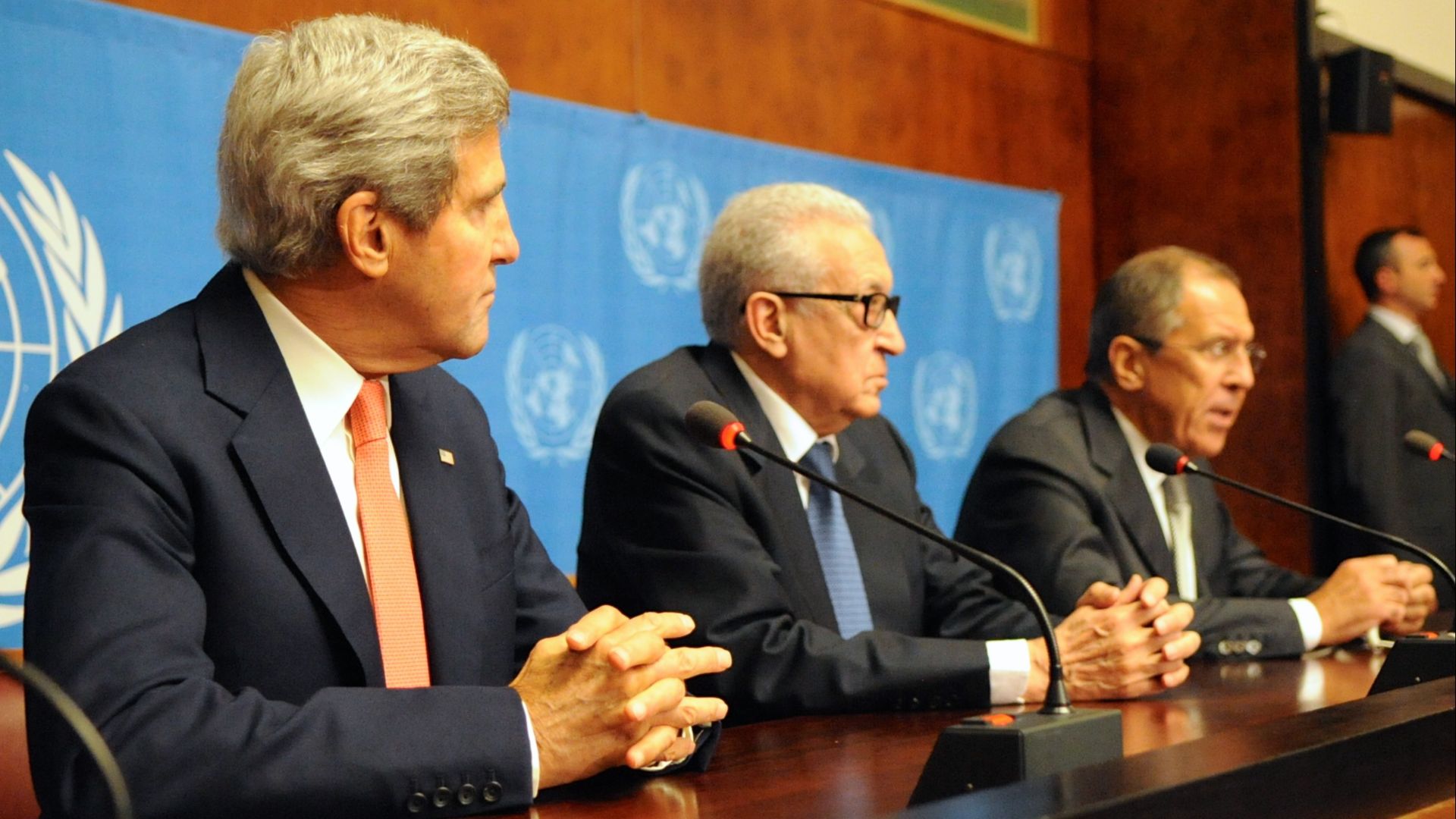
Protests in Syria in 2011 evolved into a prolonged civil war. Numerous rounds of international talks attempted to broker ceasefires and political transitions. Agreements were often temporary and collapsed amid renewed fighting.
 U.S. Department of State from United States on Wikimedia