

A Brief Tour Of Medicine’s Baffling Past
Medicine only looks inevitable in hindsight. For most of human history, people faced the same fevers, infections, infertility, chronic pain, and sudden mental breaks, with almost none of the tools that make modern explanations feel solid. Without microscopes for most of that timeline and with limited anatomical knowledge, doctors built theories out of philosophy, tradition, and whatever previously worked. Some wrong ideas even produced occasional improvements by accident, which let them stick around far longer than they deserved. What follows is a list of real 20 medical theories that were mainstream in their time, and sound unbelievable now.
 John Vachon(w) for the United States Farm Security Administration(w) on Wikimedia
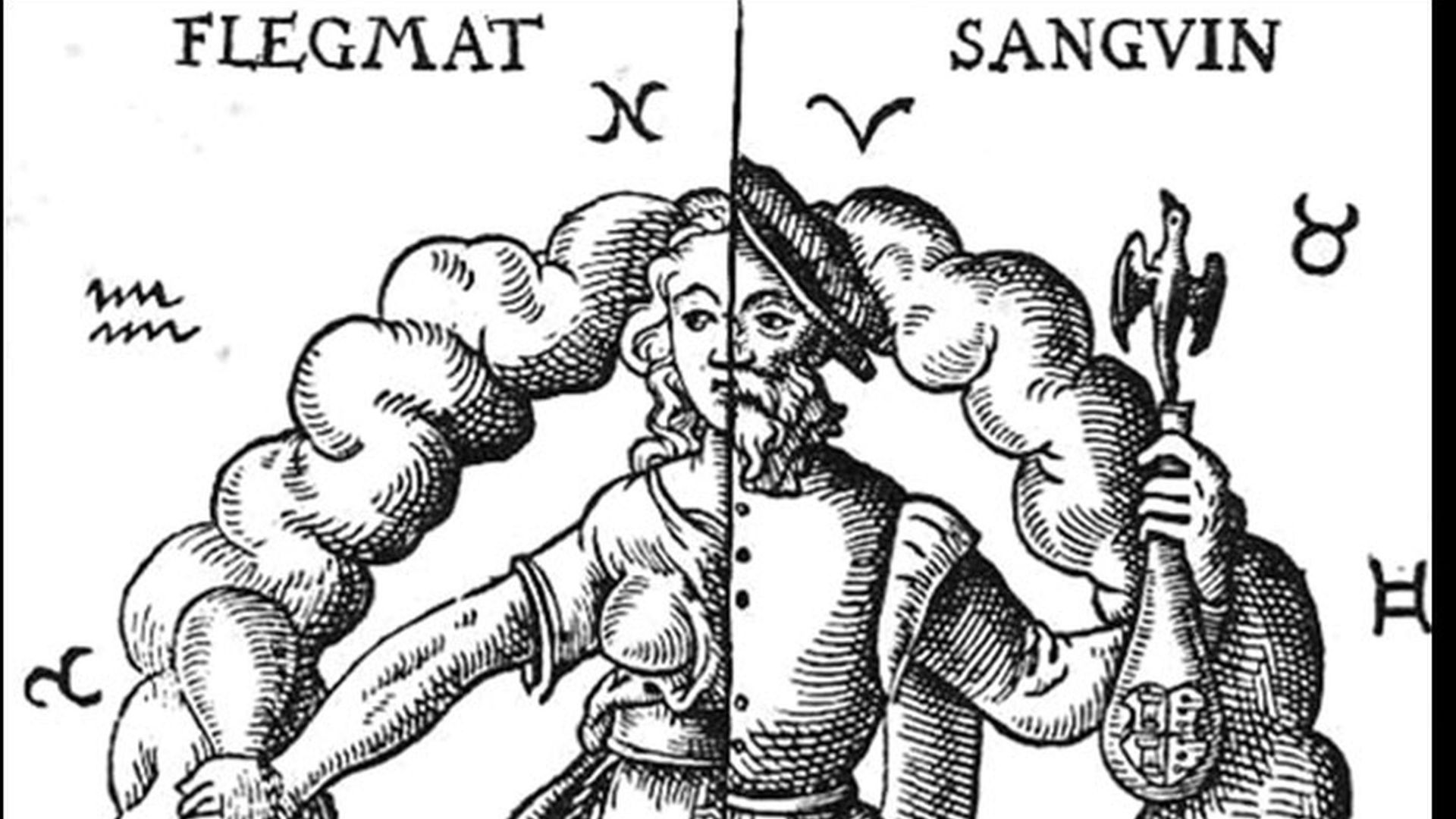
1. The Four Humors Ran The Body
Ancient Greek and Roman medicine, associated with Hippocrates and Galen, taught that health depended on balancing blood, phlegm, yellow bile, and black bile. That framework was used to explain illness, personality, and mood, so treatment often meant restoring a supposed balance rather than addressing a specific cause.
 Unknown authorUnknown author on Wikimedia
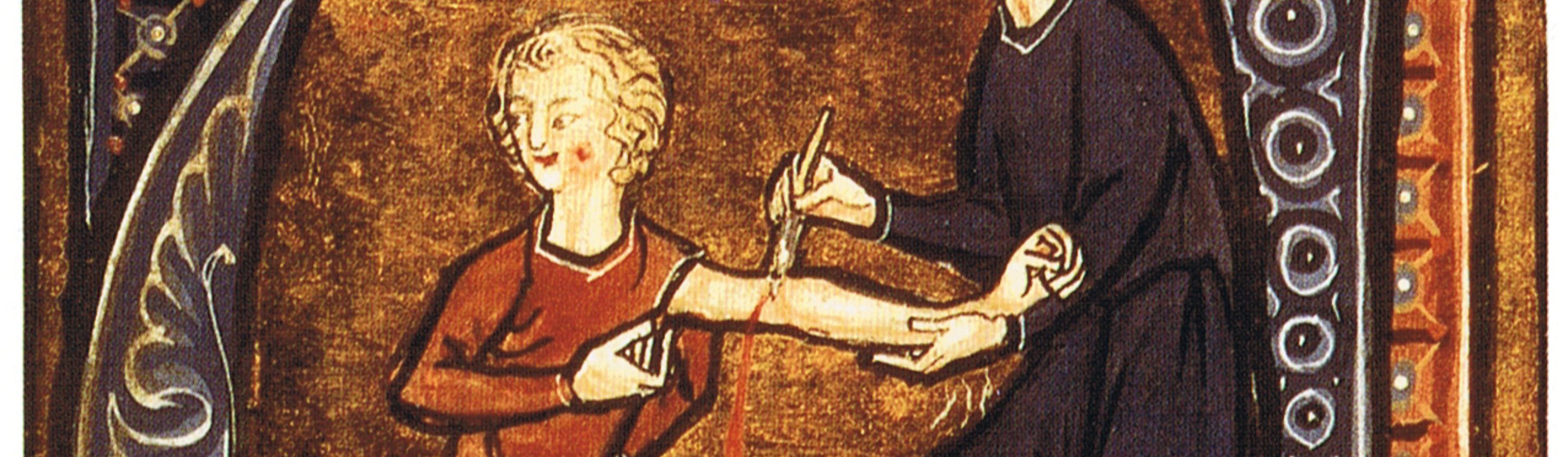
2. Bloodletting Could Cure Almost Anything
If sickness was framed as excess, removing blood felt like a reasonable reset. For centuries, physicians and barber-surgeons used bloodletting for fevers and inflammation, and the practice persisted well into the nineteenth century in parts of Europe and the United States.

3. Bad Air Caused Epidemics
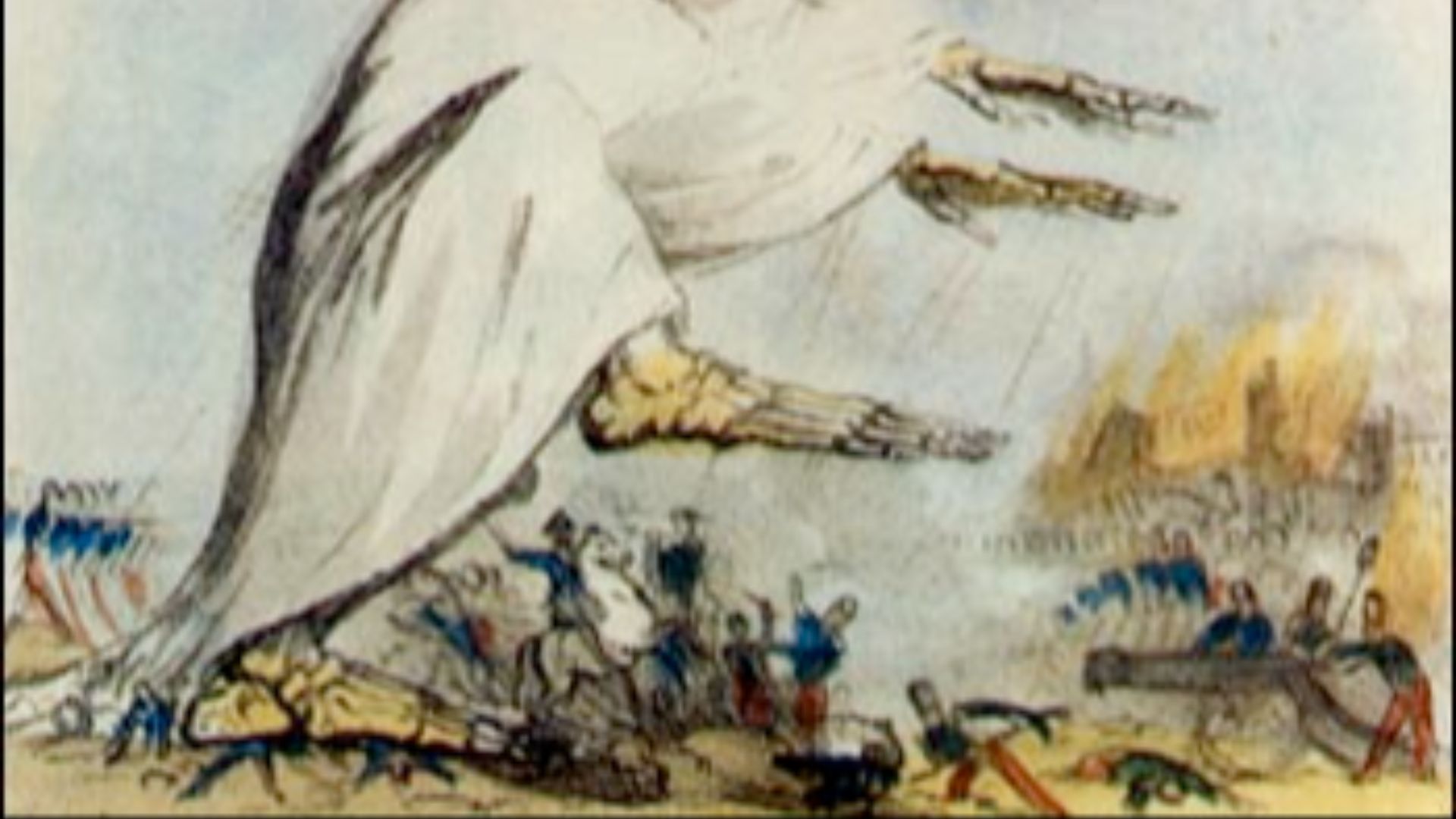
The miasma theory blamed disease on foul-smelling air rising from decay and filthy streets. Cities sometimes improved public sanitation under this belief, which made the theory feel validated even though it missed the true mechanism behind many outbreaks.
4. A Wandering Womb Triggered Women’s Illness
Some ancient writers claimed the uterus could move around the body and cause choking, fainting, and anxiety. Treatments aimed to lure it back with scents or lifestyle prescriptions, turning real suffering into a story about a roaming organ.

5. Melancholy Came From Black Bile
Under humoral medicine, prolonged sadness and lethargy were often blamed on excess black bile. That idea offered a tidy physical explanation, yet it pushed treatments toward purging and dietary tinkering rather than deeper understanding of mental distress.

6. Tooth Worms Ate Holes In Teeth
For long stretches of history, tooth decay was attributed to worms burrowing into teeth. The theory matched what cavities looked like to the naked eye, so remedies focused on smoke, herbs, or rituals meant to drive the worms out.
7. Spontaneous Generation Explained Infection
Many people believed living organisms could arise from nonliving matter, which made microbes feel like something that simply appeared. Experiments by researchers such as Francesco Redi and later Louis Pasteur helped overturn this, clearing space for modern ideas about contamination and prevention.

8. Pus Was Considered A Healthy Sign
Some surgeons praised thick pus as evidence a wound was healing properly. Without germ theory, infection could look like productive work, and it took the rise of antiseptic practice to reframe pus as danger rather than progress.
9. Plants Looked Like The Organs They Healed
The doctrine of signatures claimed nature marked remedies by appearance, so a plant resembling a body part was assumed to treat that part. It made herbal medicine feel organized and divinely labeled, even when outcomes were inconsistent.

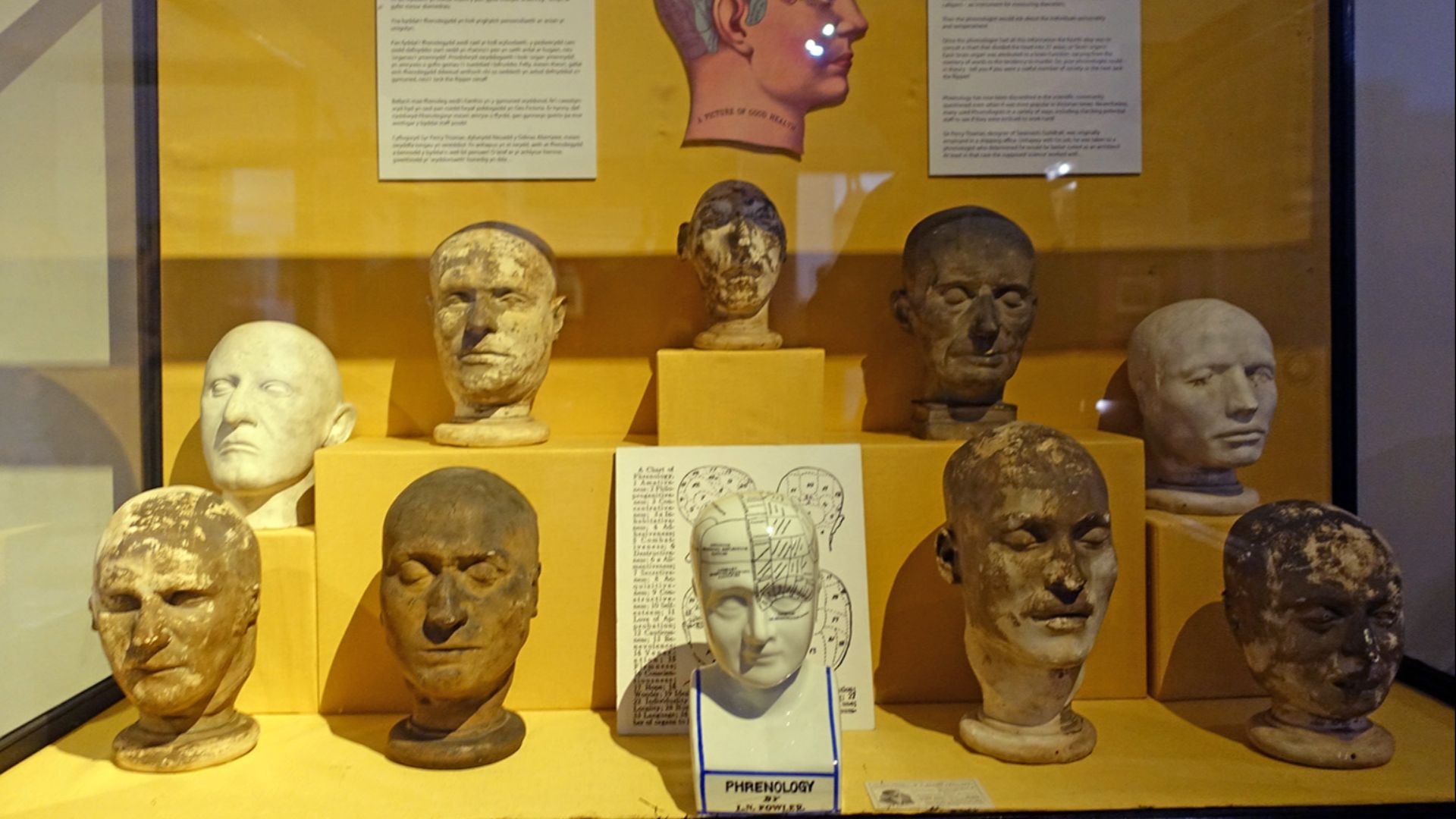
10. Phrenology Read The Mind From Skull Bumps
In the nineteenth century, phrenologists claimed character traits and mental capacity could be measured through the shape of the skull. It drifted into medical and legal thinking, lending scientific-sounding support to prejudice and bad diagnoses.
11. Hysteria Became A Catch-All For Women
For centuries, hysteria was used to explain a wide range of symptoms in women, including pain and emotional distress. The label carried judgment and dismissal, and it often served as a shortcut when physicians could not explain what they were seeing.

12. Autointoxication Blamed The Colon For Everything
In the late nineteenth and early twentieth centuries, autointoxication argued that constipation let toxins seep into the body and cause illness. This fueled aggressive cleansing practices and even unnecessary surgeries, built on a sweeping claim that rarely matched reality.

13. Bad Blood Meant Moral And Biological Taint
Before genetics and modern microbiology, people often treated illness as proof of tainted bloodlines. This blended easily with class and racial hierarchy, making social prejudice look like medical certainty.
 Evan from San Francisco, CA, USA on Wikimedia
14. Vitalism Required A Special Life Force
Vitalism argued that living organisms had an extra essence beyond chemistry and physics. As biochemistry advanced and metabolism became clearer, the need for an invisible force faded, and the theory lost credibility.

15. Animal Magnetism Could Realign Health
Franz Mesmer promoted the idea that an unseen magnetic fluid flowed through the body and could be manipulated to cure disease. Some patients reported relief, likely tied to suggestion and attention, while the proposed mechanism never held up.

16. Homeopathy Made Dilution More Powerful
Homeopathy claimed substances that cause symptoms could treat those symptoms when diluted to extreme levels. It gained followers partly because conventional treatments of the era could be harsh, yet the core claims conflict with basic chemistry and pharmacology.

17. Radium Was Marketed As A Health Booster
In the early twentieth century, radioactive products were sold as modern and invigorating. People drank tonics and used consumer goods containing radium before the dangers of radiation exposure were widely accepted and regulated.
 Internet Archive Book Images on Wikimedia
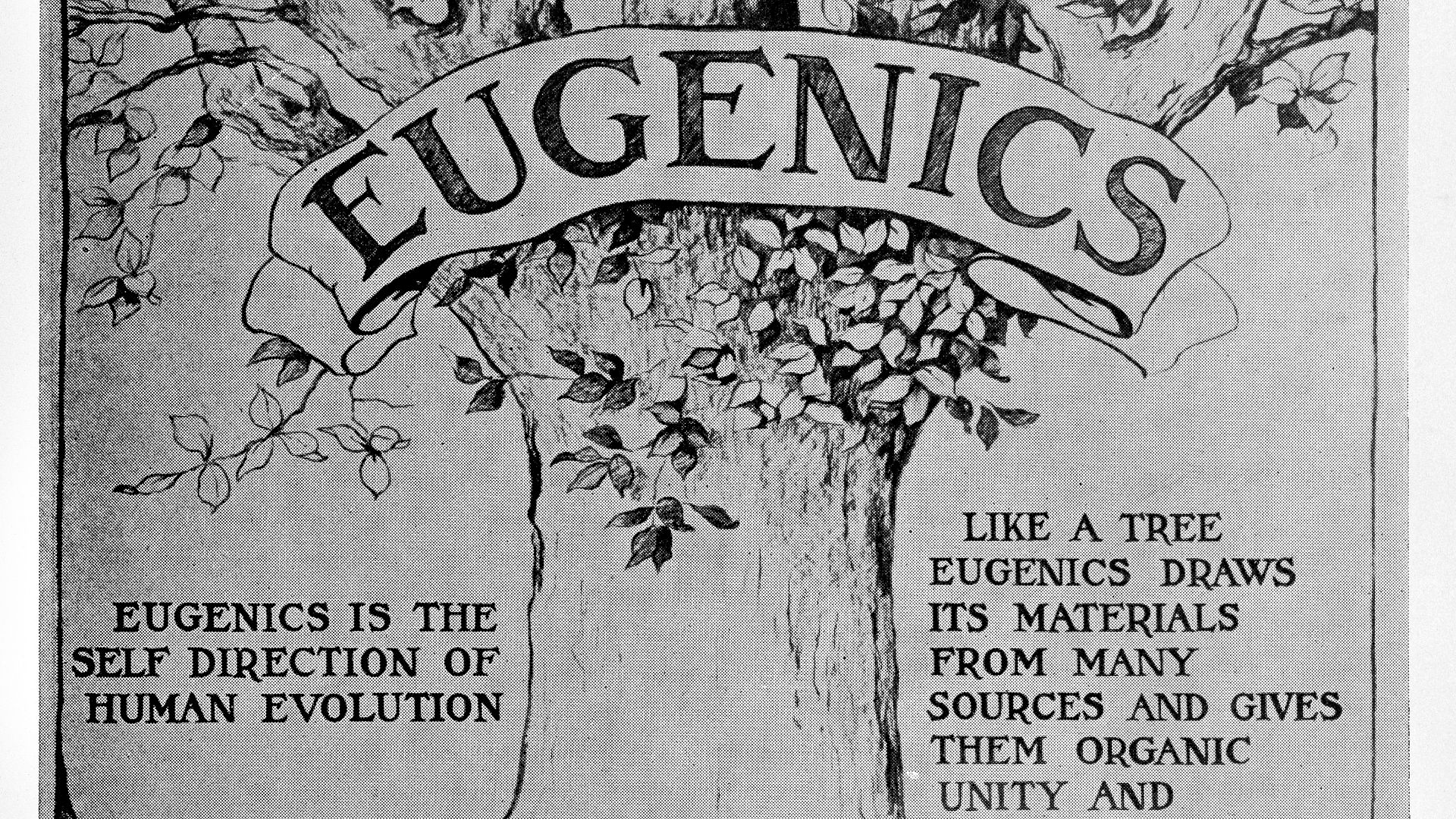
18. Eugenics Posed As Public Health
Eugenics presented itself as a plan to improve populations by controlling reproduction. In the United States and other countries, it influenced forced sterilization policies aimed at disabled people and marginalized communities, leaving a documented trail of abuse.
19. Malaria Therapy For Syphilis Used Fever As Treatment
Before antibiotics, some doctors deliberately infected syphilis patients with malaria to induce high fevers. The approach earned formal recognition in its time, including a Nobel Prize for Julius Wagner-Jauregg, and then became obsolete once penicillin arrived.
 Wolfgang Hasselmann on Unsplash
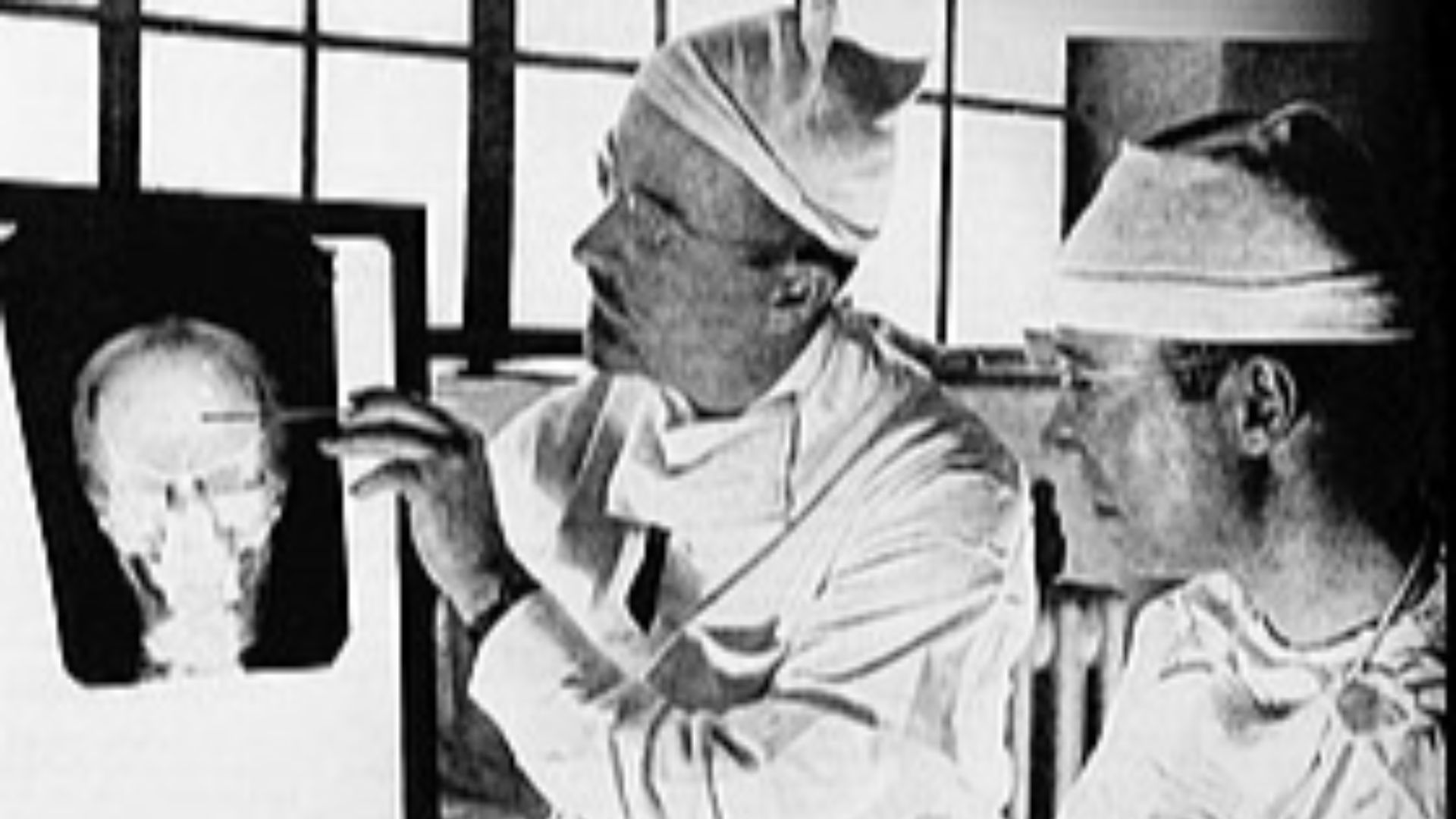
20. Lobotomy Was Sold As A Sensible Psychiatric Fix
Mid-twentieth-century lobotomy aimed to relieve severe mental illness by cutting brain connections. It spread rapidly in hospitals in the United States and Europe, and later collapsed under evidence of lasting harm and the arrival of safer treatments.
KEEP ON READING
The 20 Most Recognized Historical Figures Of All Time
The Biggest Names In History. Although the Earth has been…
By Cathy Liu Oct 4, 2024
10 of the Shortest Wars in History & 10 of…
Wars: Longest and Shortest. Throughout history, wars have varied dramatically…
By Emilie Richardson-Dupuis Oct 7, 2024
10 Fascinating Facts About Ancient Greece You Can Appreciate &…
Once Upon A Time Lived Some Ancient Weirdos.... Greece is…
By Megan Wickens Oct 7, 2024
20 Lesser-Known Facts About Christopher Columbus You Don't Learn In…
In 1492, He Sailed The Ocean Blue. Christopher Columbus is…
By Emilie Richardson-Dupuis Oct 9, 2024
20 Historical Landmarks That Have The Craziest Conspiracy Theories
Unsolved Mysteries Of Ancient Places . When there's not enough evidence…
By Megan Wickens Oct 9, 2024
The 20 Craziest Inventions & Discoveries Made During Ancient Times
Crazy Ancient Inventions . While we're busy making big advancements in…
By Cathy Liu Oct 9, 2024