

Just Be Glad You Weren't Born In The 1800s
Modern dating has its frustrations, no question, but a quick look back at the courtship rules of the Victorian, Regency, and colonial eras makes any bad date look incredible by comparison. These were societies where romance was governed less by personal chemistry and more by property, reputation, and familial approval. The rules were rigid, the stakes were high, and the margin for error was essentially zero. What follows is a look at 20 historical courtship practices that would make modern relationships virtually impossible to navigate.
1. Parental Consent Comes First
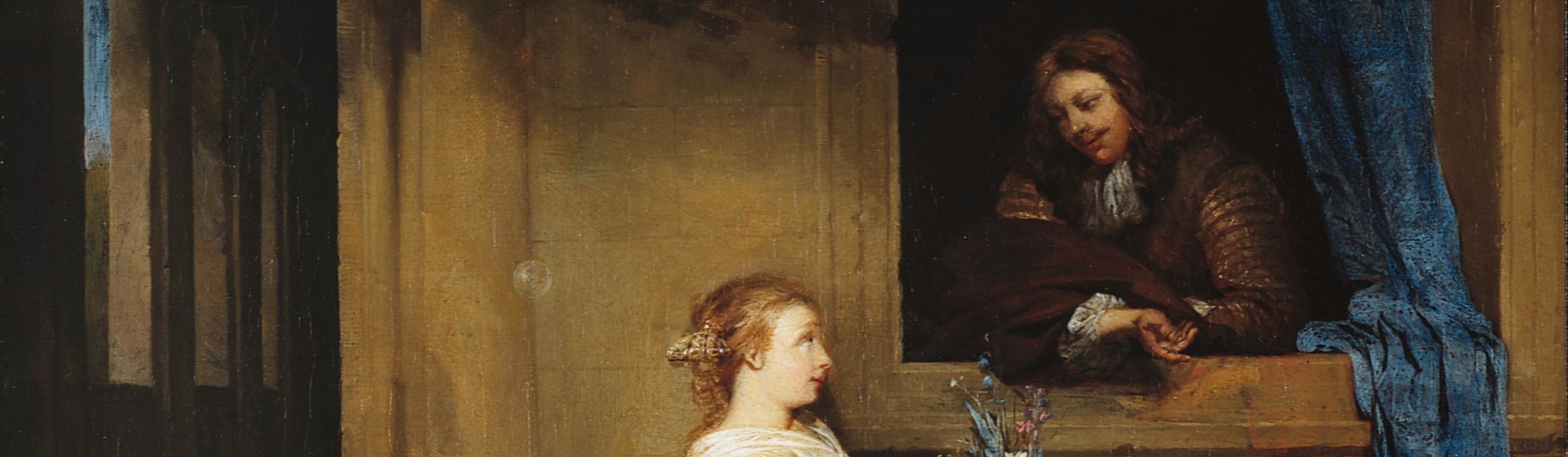
Before a man could so much as exchange pleasantries with a woman he admired, he was expected to formally request permission from her father or male guardian. There was no casual meeting at a coffee shop, no sliding into someone's DM’s; the entire process began and ended with dear Papa.
2. Suitors Came Calling
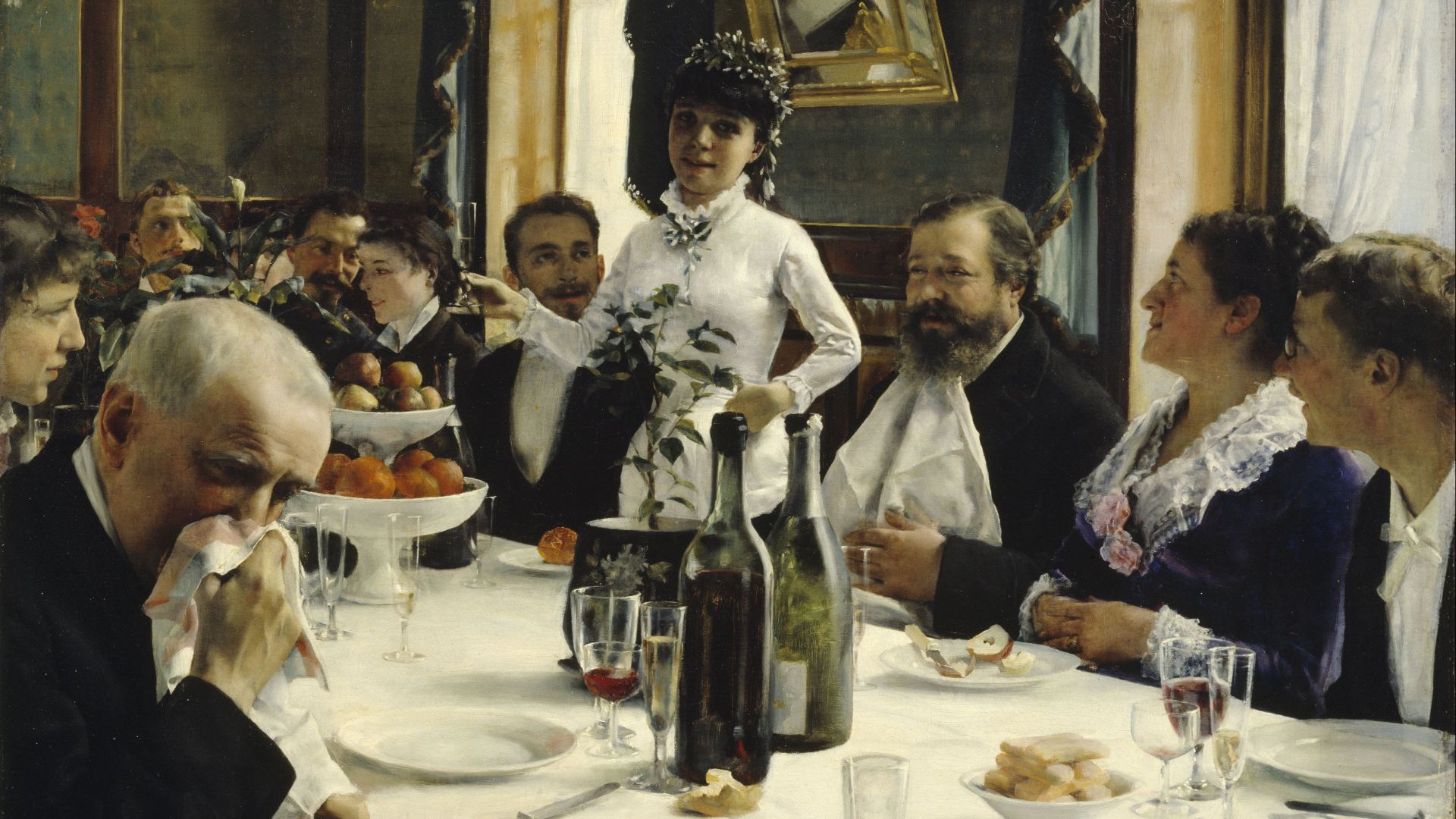
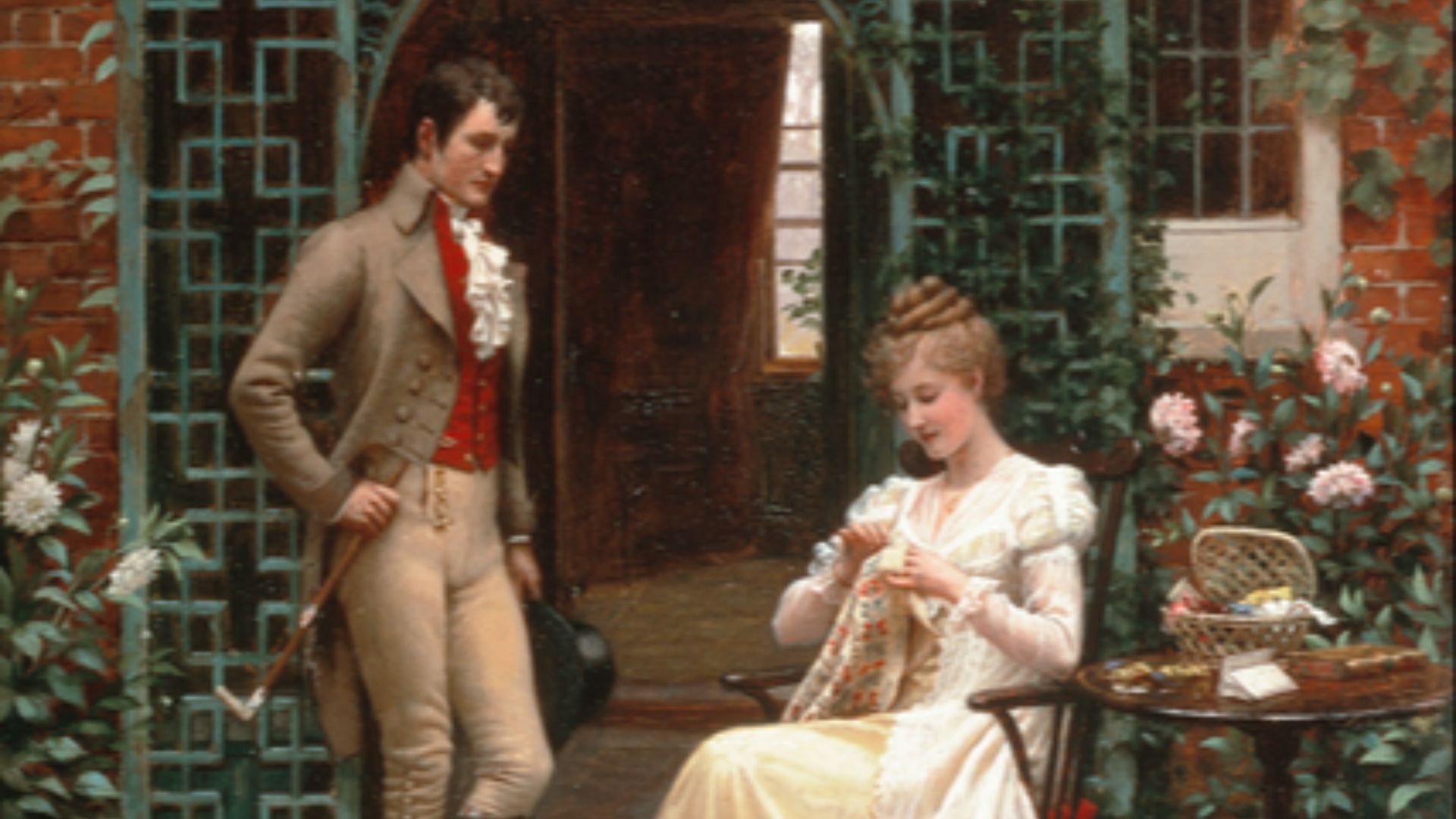
Rather than asking someone out, a man would present himself at a woman's family home and hope to be received in the parlor, usually with her entire family present. The idea of meeting privately, or even semi-privately, was considered deeply inappropriate and would have raised immediate suspicions about both parties.
3. The Colonial Version Of A Sleepover
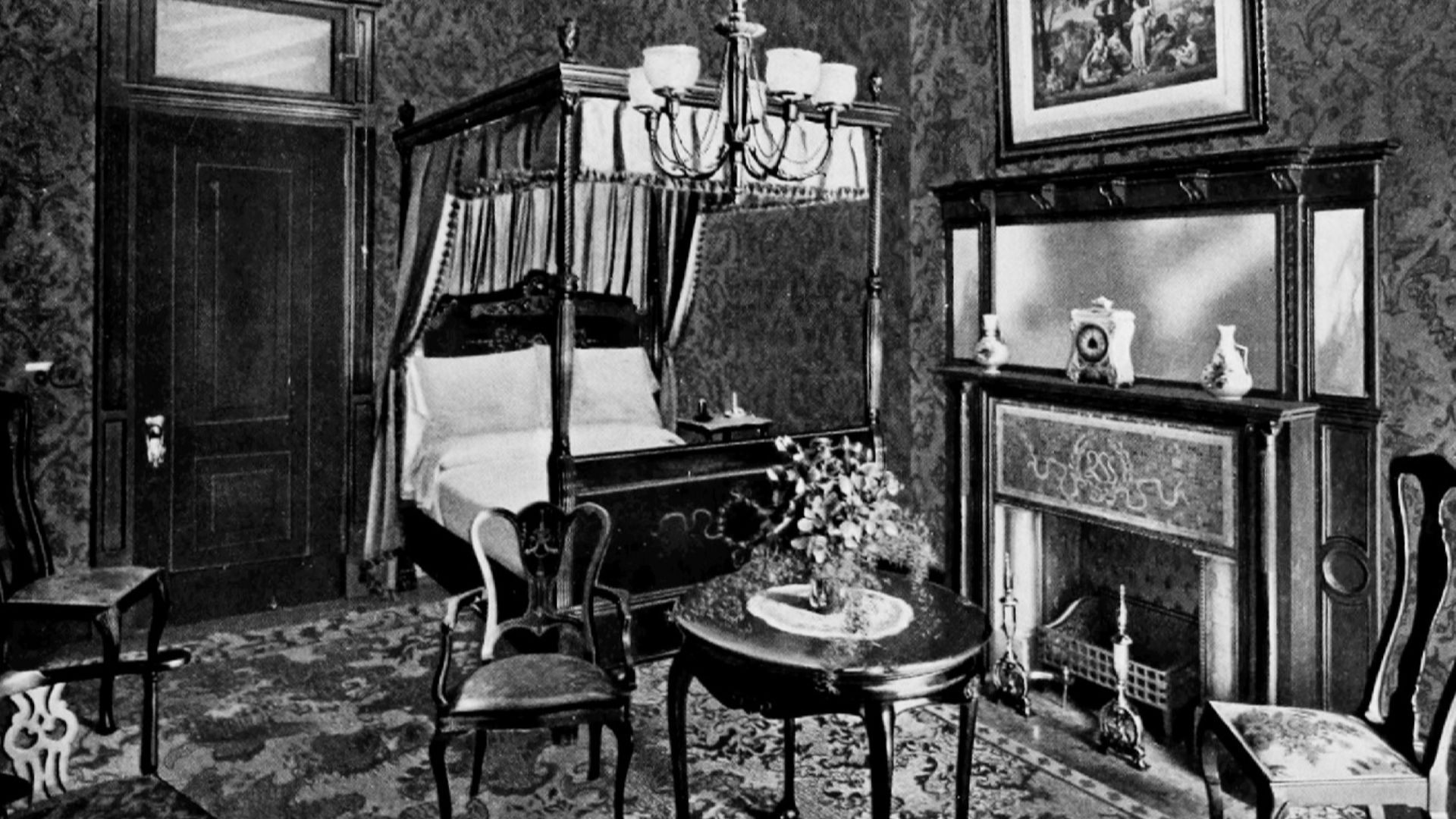
In colonial New England, a practice known as bundling allowed courting couples to share a bed for the night, with a catch, of course. A wooden board was placed between the couple, with the woman occasionally being sewn into what we can only imagine is a chastity sack. The whole arrangement required a level of trust in physical boundaries that seems almost comically optimistic in hindsight.
4. No Physical Contact Before A Formal Engagement
Even something as minor as a prolonged handshake could damage a woman's reputation under Victorian social codes. Physical affection of any meaningful kind was strictly reserved for after a formal engagement had been announced, which meant couples could spend months in courtship without ever touching.
 Carel van Savoyen on Wikimedia
5. Dowries
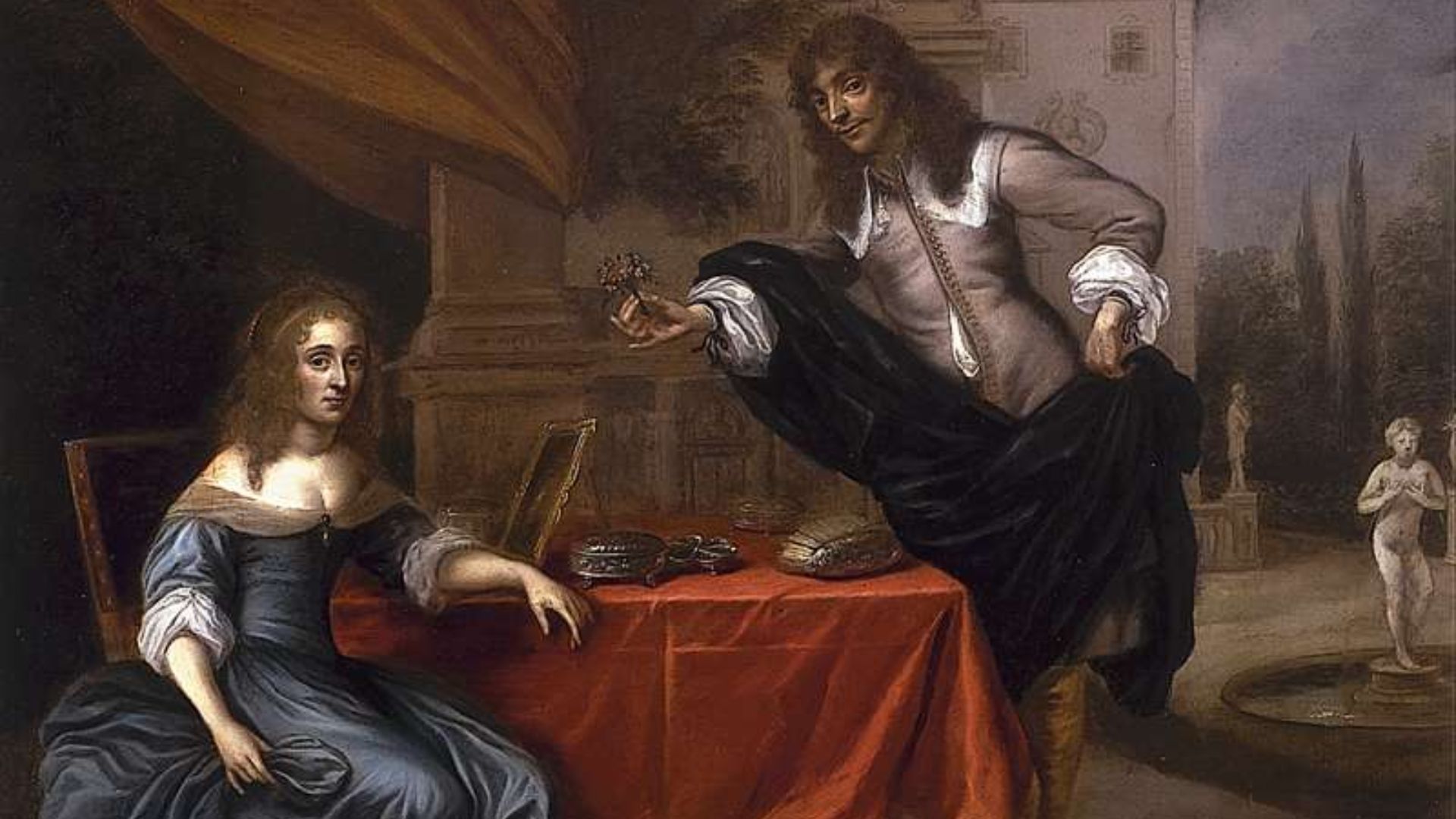
Marriage in earlier centuries was frequently a financial arrangement between two families, with wealth, land, or livestock exchanged as part of the deal. The emotional compatibility of the two people actually getting married was, at best, a secondary consideration.
 Nikolay Bekryashev on Wikimedia
6. Women Could Not Initiate
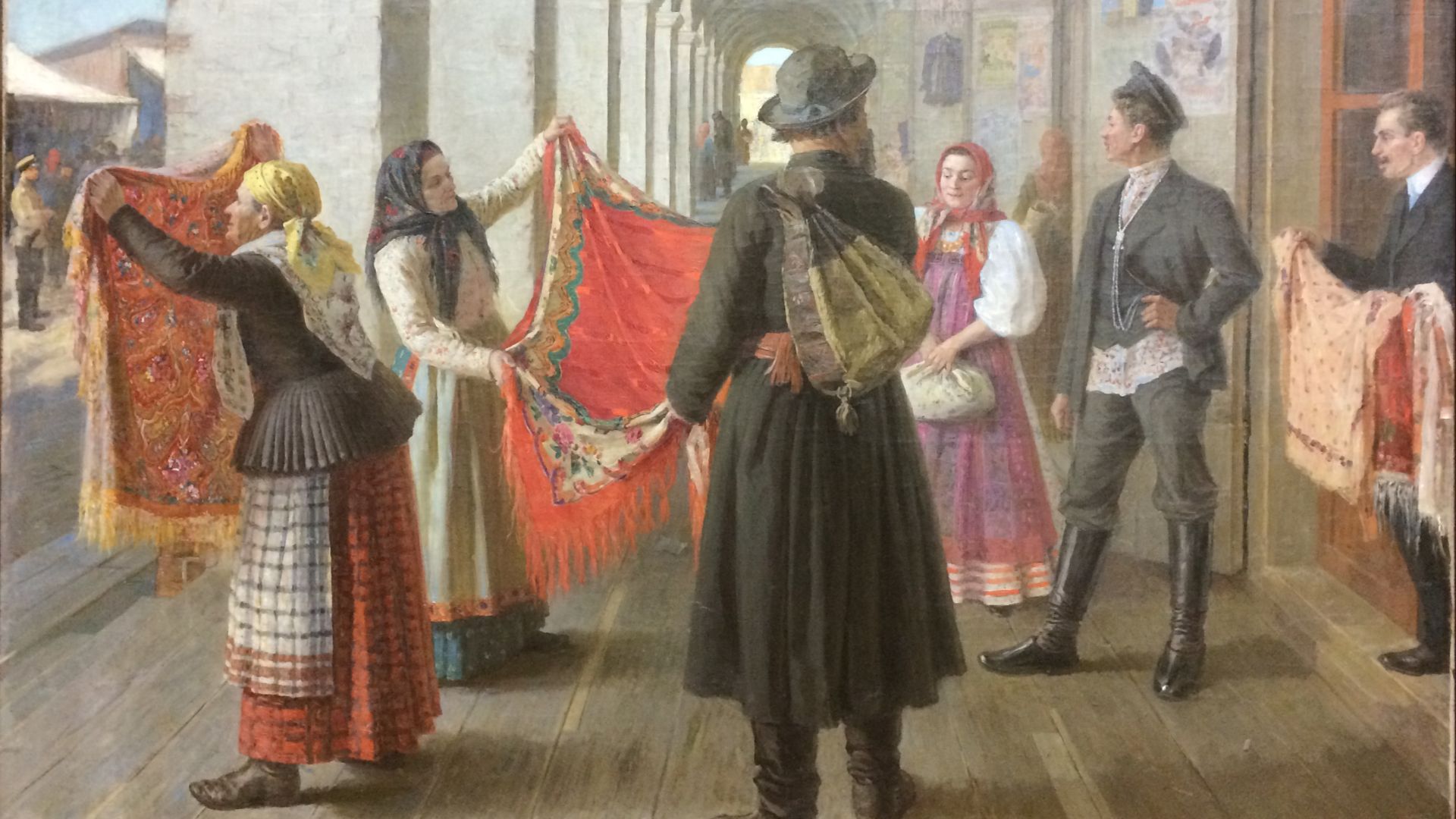
A woman who showed overt interest in a man risked being labeled as “forward” in her social circles. All romantic momentum had to come from the man, which meant women spent a great deal of energy communicating interest through gestures that were technically deniable.
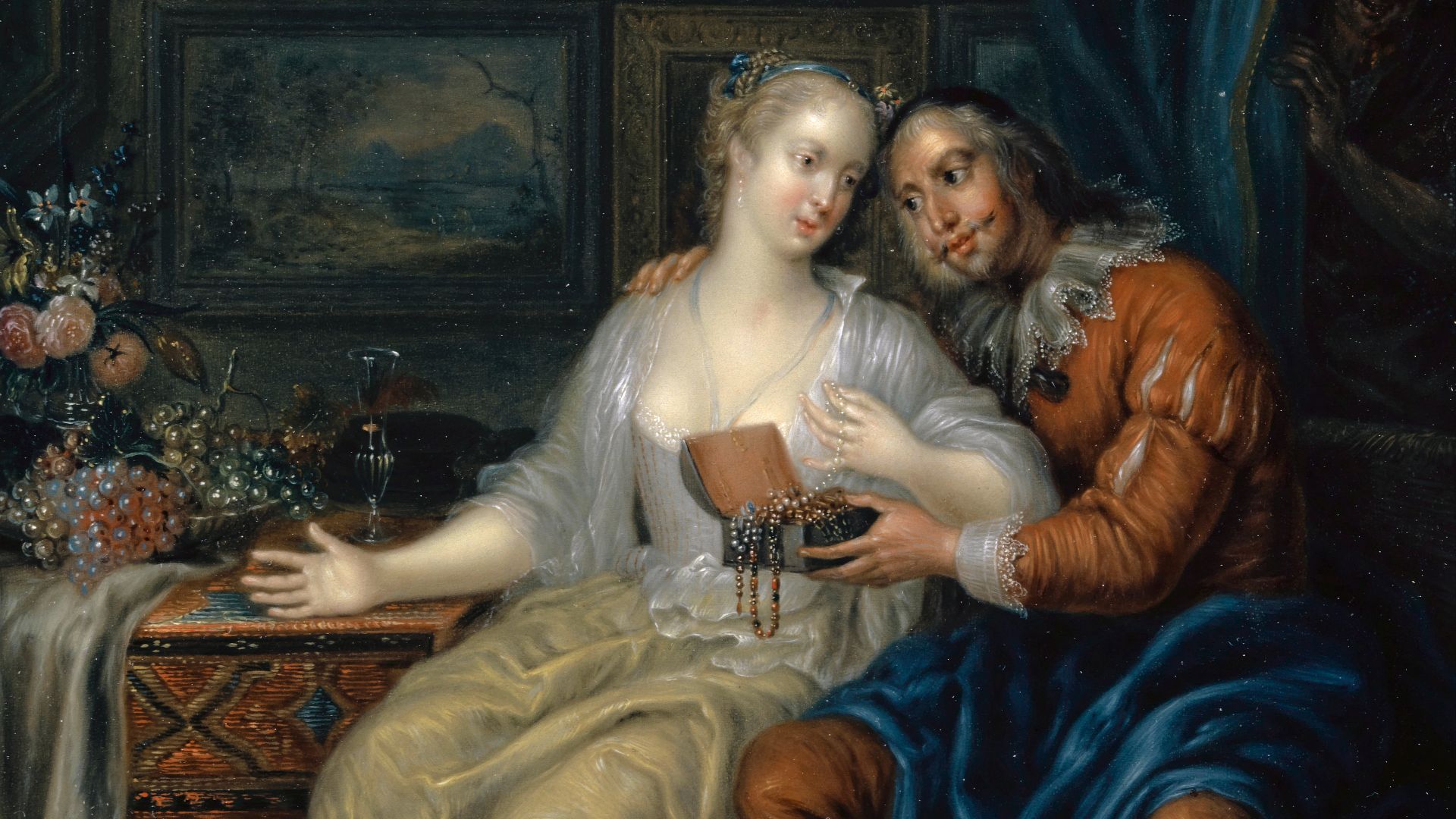
7. Matchmakers And Church Elders Arranged Marriages
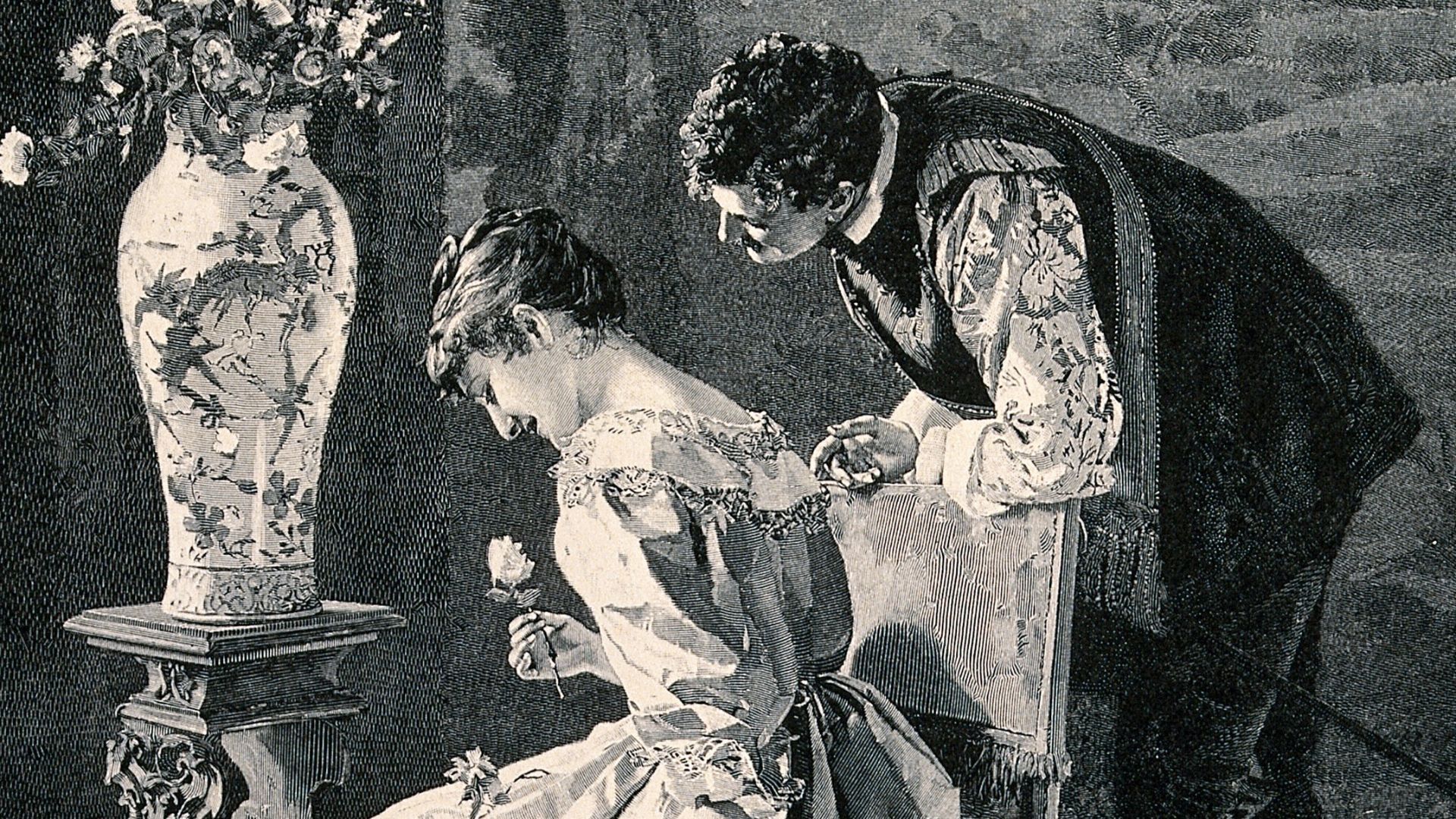
In many communities, particularly before the 19th century, it was not uncommon for marriages to be arranged entirely by religious figures or designated community matchmakers. The couple's own feelings about the arrangement were rarely the deciding factor.
 Johann Georg Platzer on Wikimedia
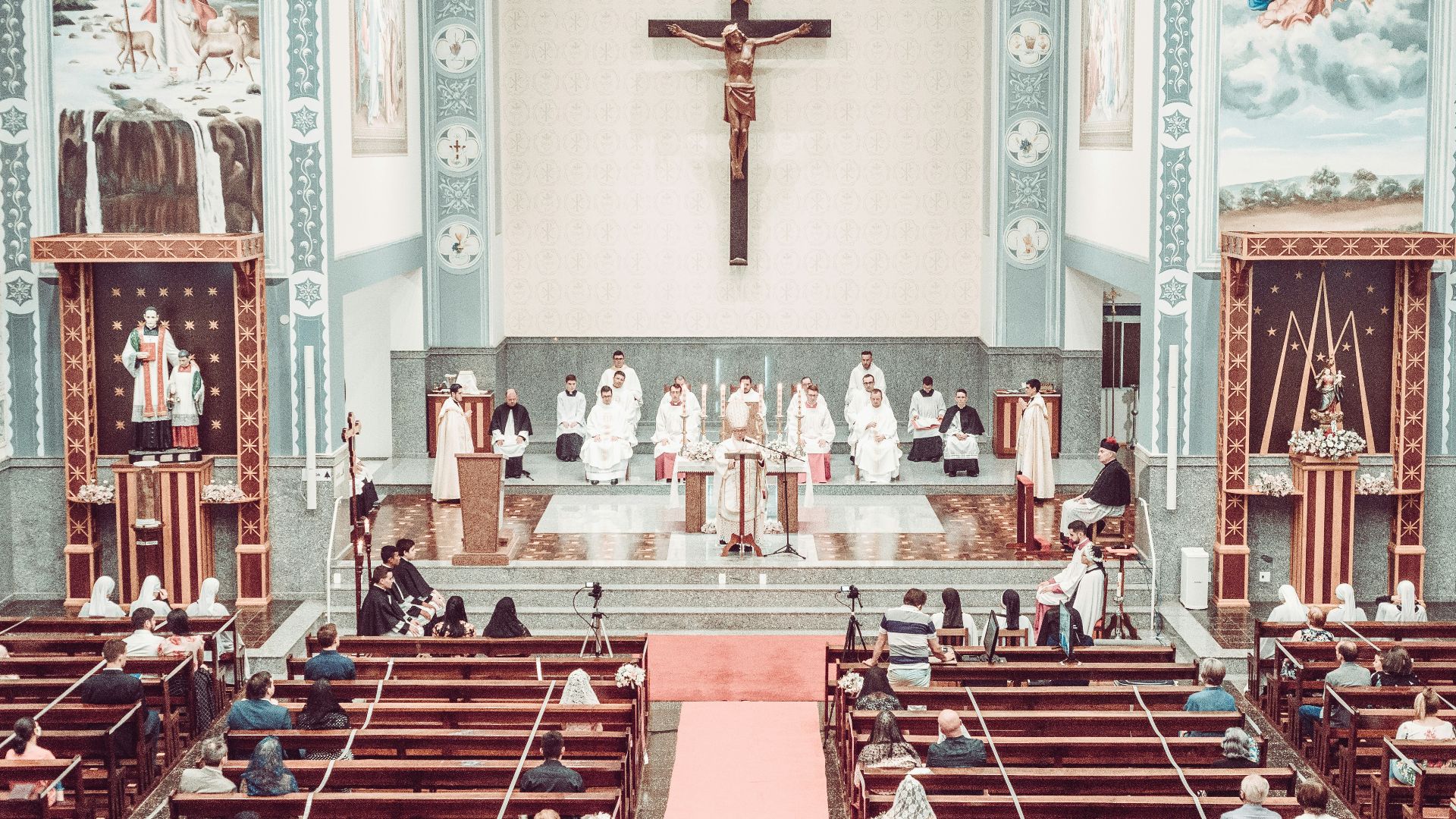
8. Banns
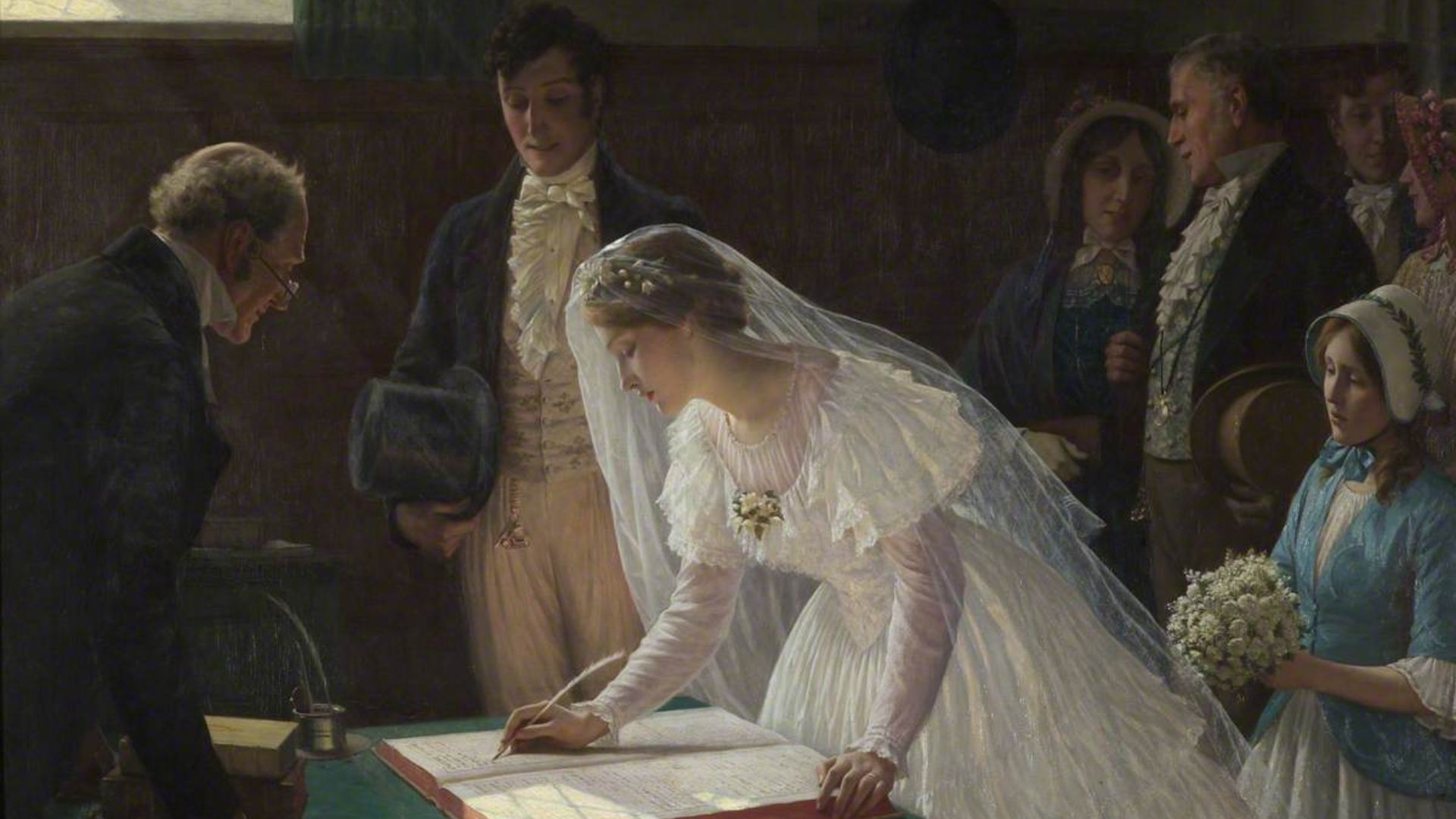
Before a couple could marry, their intention to wed was announced publicly in church on three consecutive Sundays, a practice called reading the banns. The purpose was to give anyone with an objection, a prior claim, or a secret enough time to come forward and voice their issues.
 Mateus Campos Felipe on Unsplash
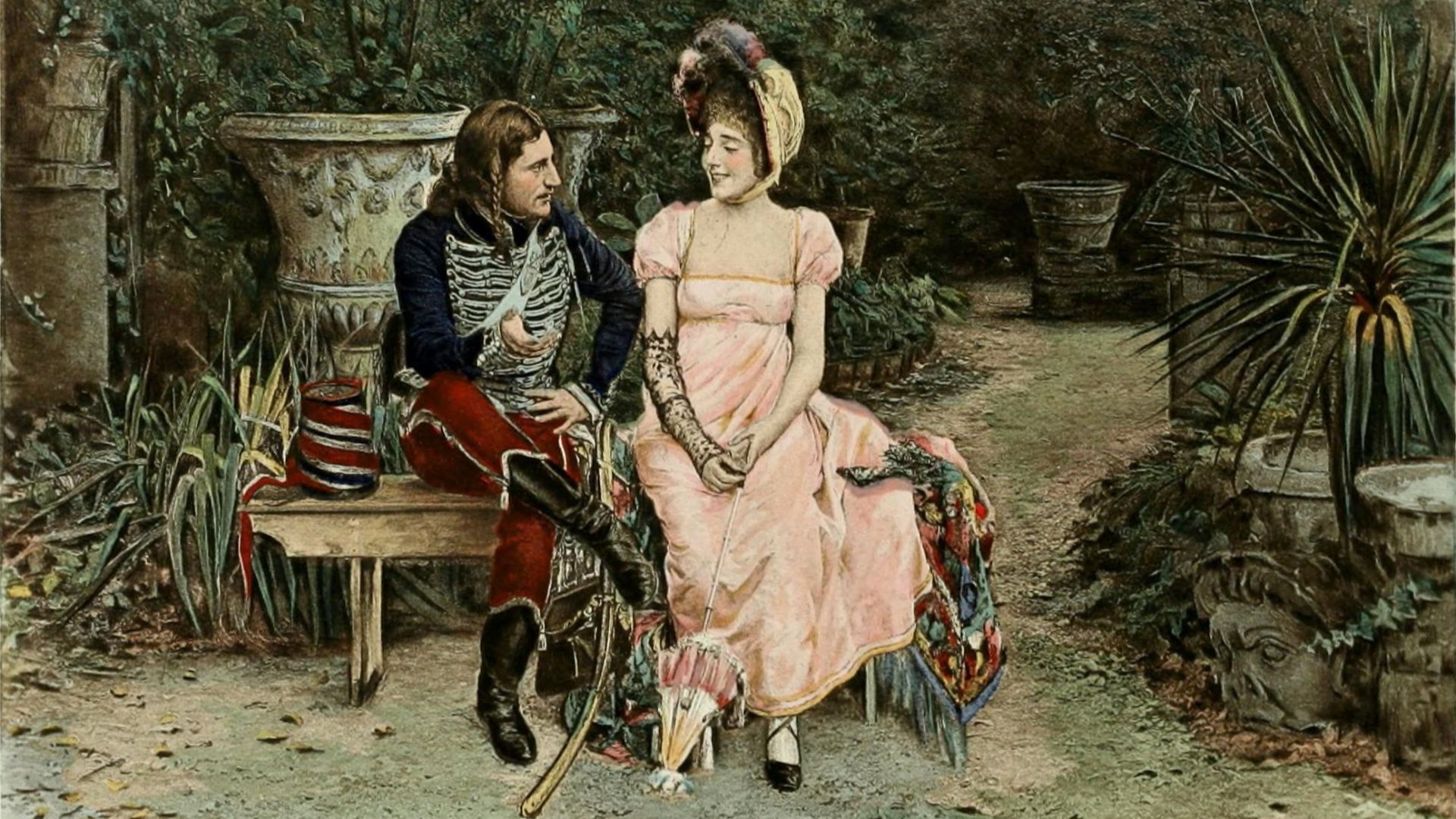
9. No First-Name Basis
Regency-era etiquette manuals were emphatic that courting couples should address each other by formal titles, Miss and Mr., throughout the entire courtship period. Using a first name was considered an intimacy reserved for close family, and doing so prematurely could be read as presumptuous or even scandalous.
 Gioacchino Pagliei on Wikimedia
10. Gifts Were Strictly Regulated
Acceptable tokens of affection in earlier centuries included handwritten poetry, a lock of hair, or small pieces of gold jewelry, and the meaning of each was carefully understood within a shared social code. Showing up with something practical, unexpected, or purchased from a shop without symbolic weight would have been met with confusion or possibly distaste.
 Blaise Alleyne from Toronto, Canada on Wikimedia
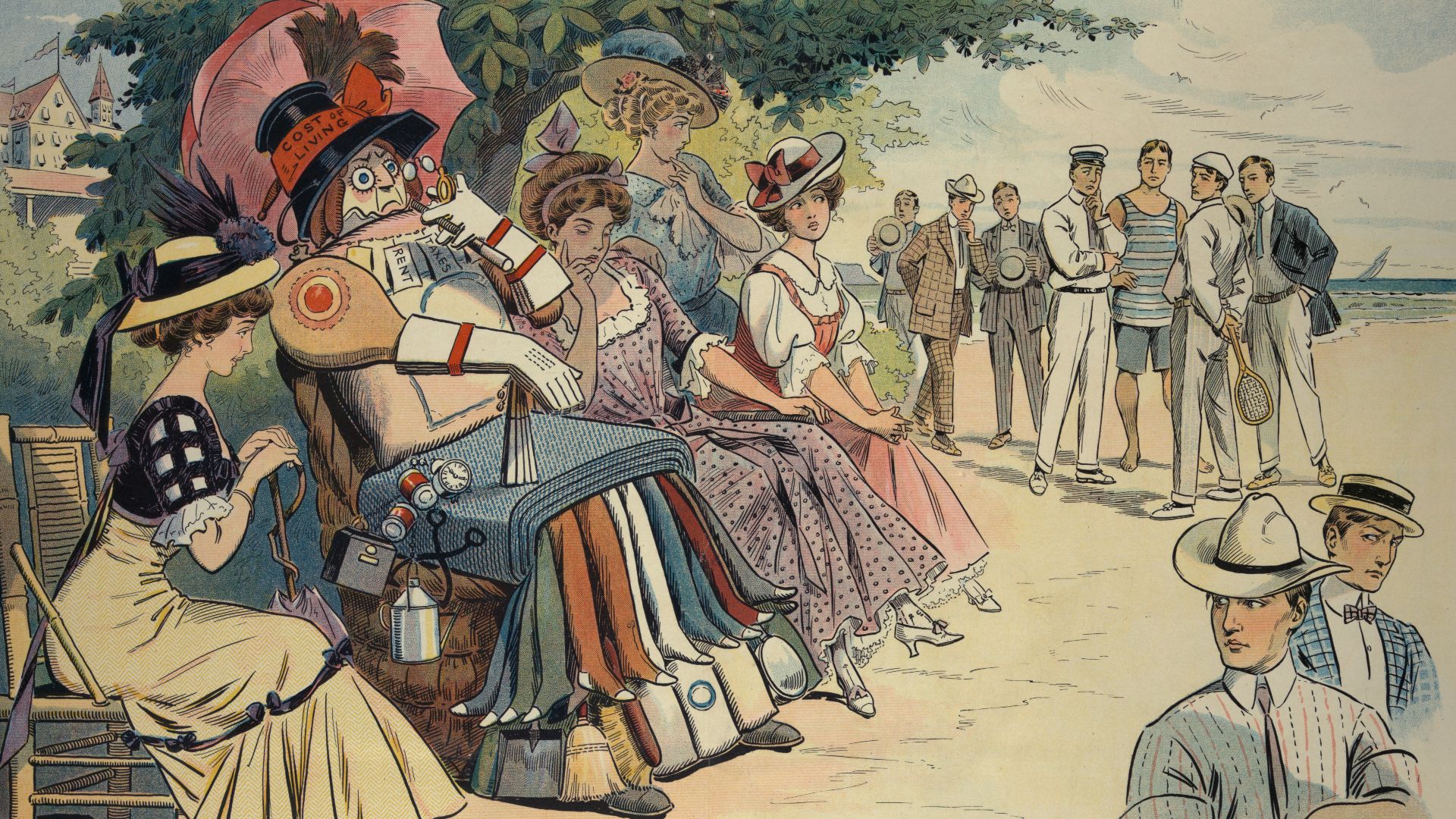
11. Chaperones Were Non-Negotiable
During the Regency period, a young woman was never permitted to be alone with a male suitor under any circumstances. A chaperone, typically an older female relative, was required at every meeting, every outing, and every conversation of any meaningful length.
 Ehrhart, S. D. (Samuel D.), approximately 1862-1937, artist on Wikimedia
12. Passing Your Prime
The social pressure on women to marry young was severe enough that those who remained unmarried into their mid-twenties were routinely referred to as old maids, a label that carried some pretty vicious social stigma.
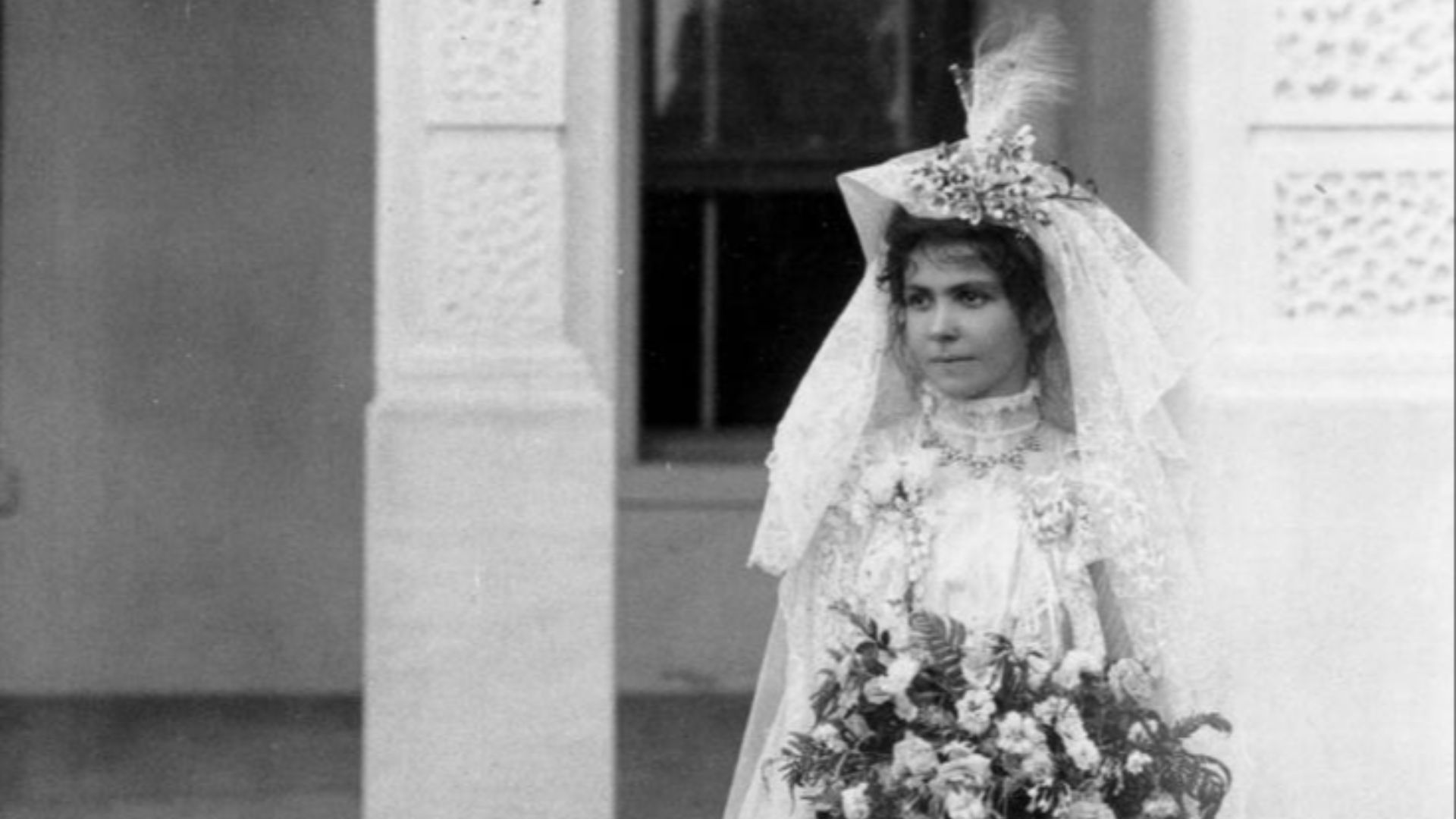 Contributor(s): Poul C. Poulsen, Brisbane on Wikimedia
13. Certain Conversation Topics Were Forbidden
Etiquette guides from the Regency era explicitly warned women against discussing politics, displaying too much intelligence, or engaging in gossip during courtship conversations. The expectation was that a woman's role in early courtship was to be pleasant, agreeable, and non-threatening.
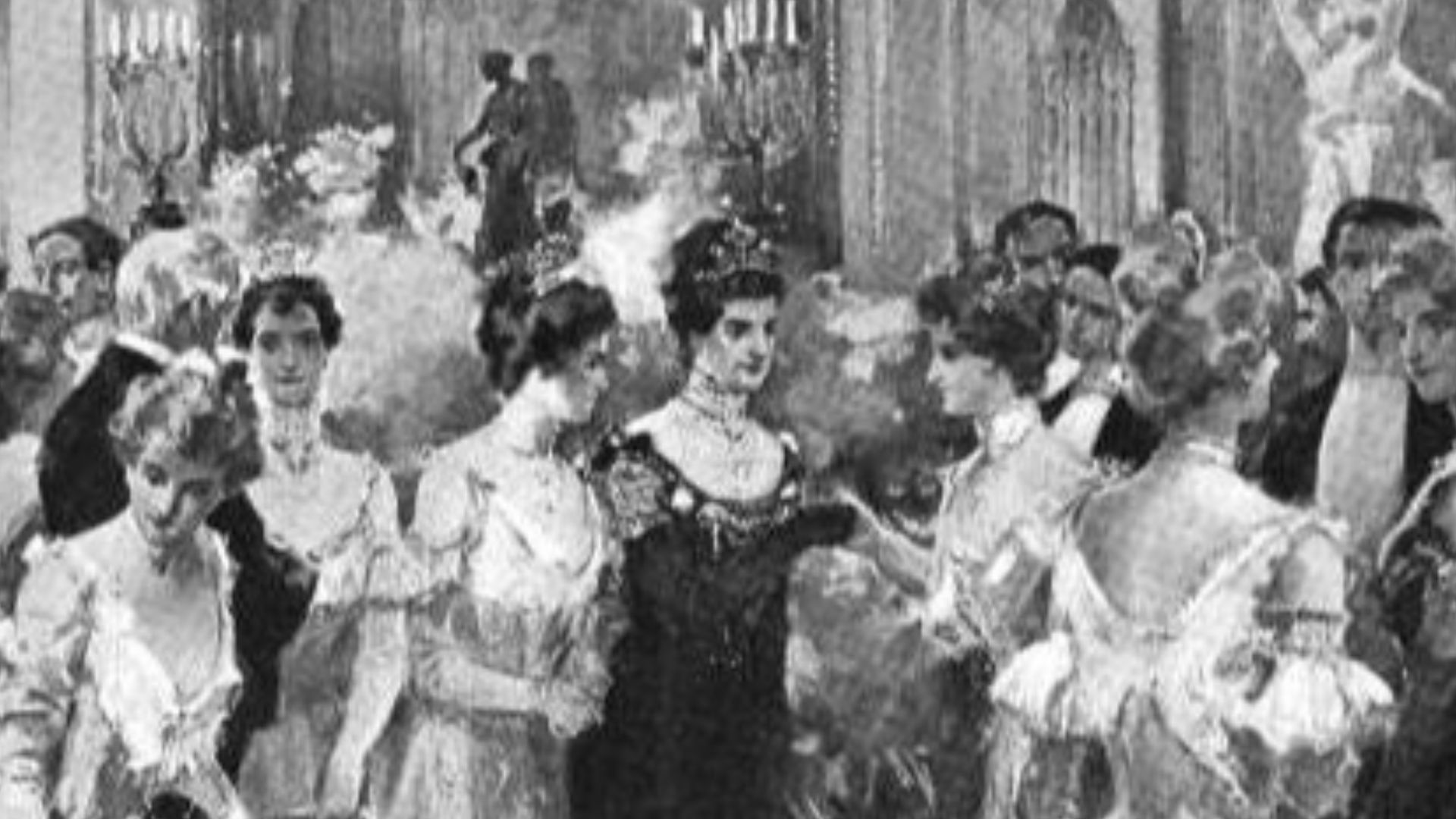 Unknown authorUnknown author on Wikimedia
14. Gender Roles Governed Every Practical Interaction
Men were expected to handle all logistics, ordering food, opening doors, managing payment, and making decisions about where a couple would go and when. A woman who stepped outside those expectations was not seen as capable or independent; she was seen as a problem.

15. Breaking An Engagement
Once a formal betrothal had been announced, ending it wasn’t just awkward; it was potentially devastating to a woman's social standing and marriageability. A broken engagement could follow a woman for years, coloring how her community perceived her character and judgment.

16. Suitors Were Investigated
In many colonial and Victorian communities, a man pursuing a woman would find that her neighbors, fellow churchgoers, and local merchants had quietly begun assessing his character and financial standing long before he made any formal declaration.
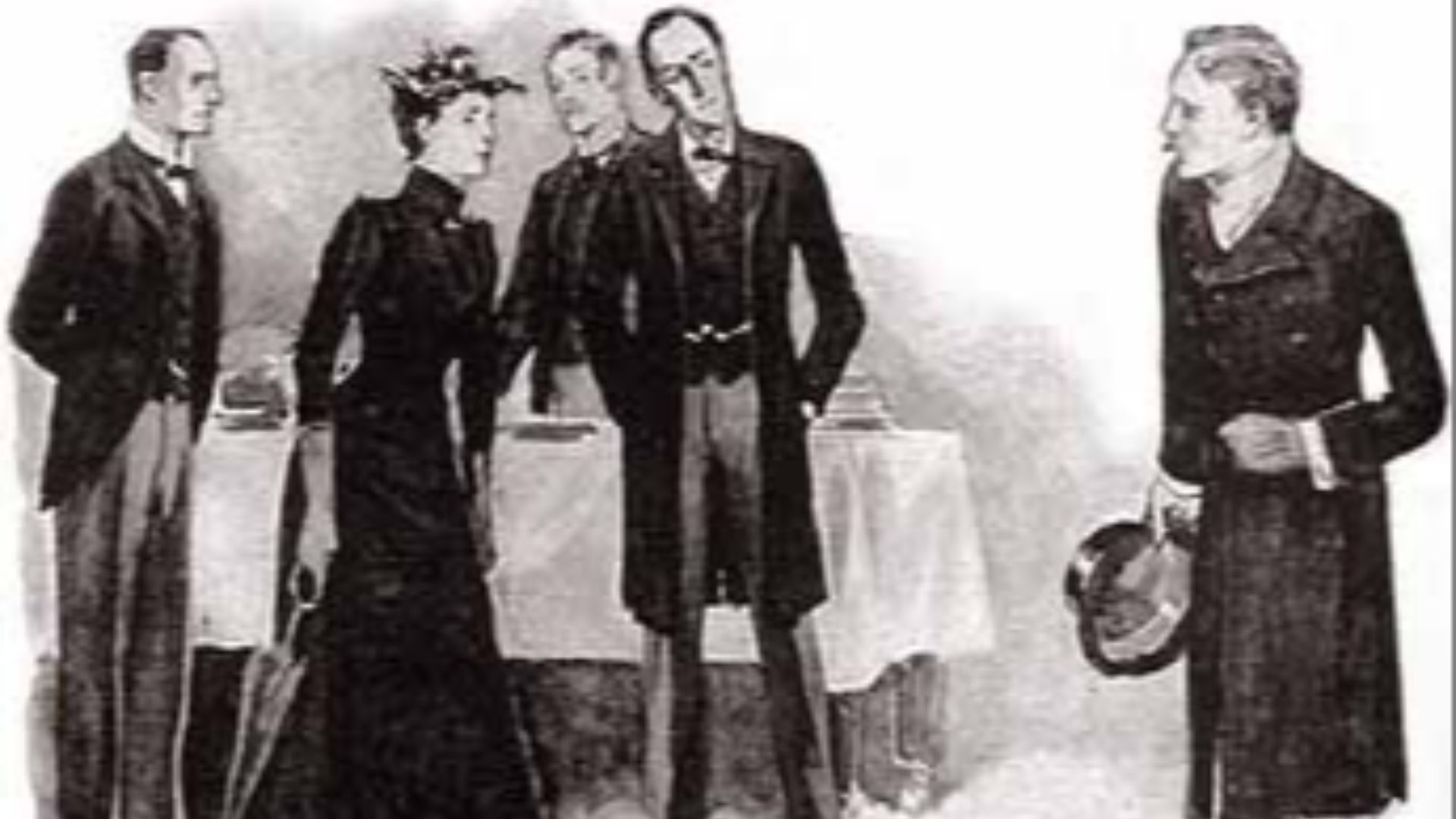
17. Marrying Within Your Social Standing
Marrying outside your social class or religious community was not just frowned upon; it could result in genuine social exclusion for both parties and a severing of family ties that left couples isolated. The pool of acceptable partners was considerably smaller than most people today would find tolerable.
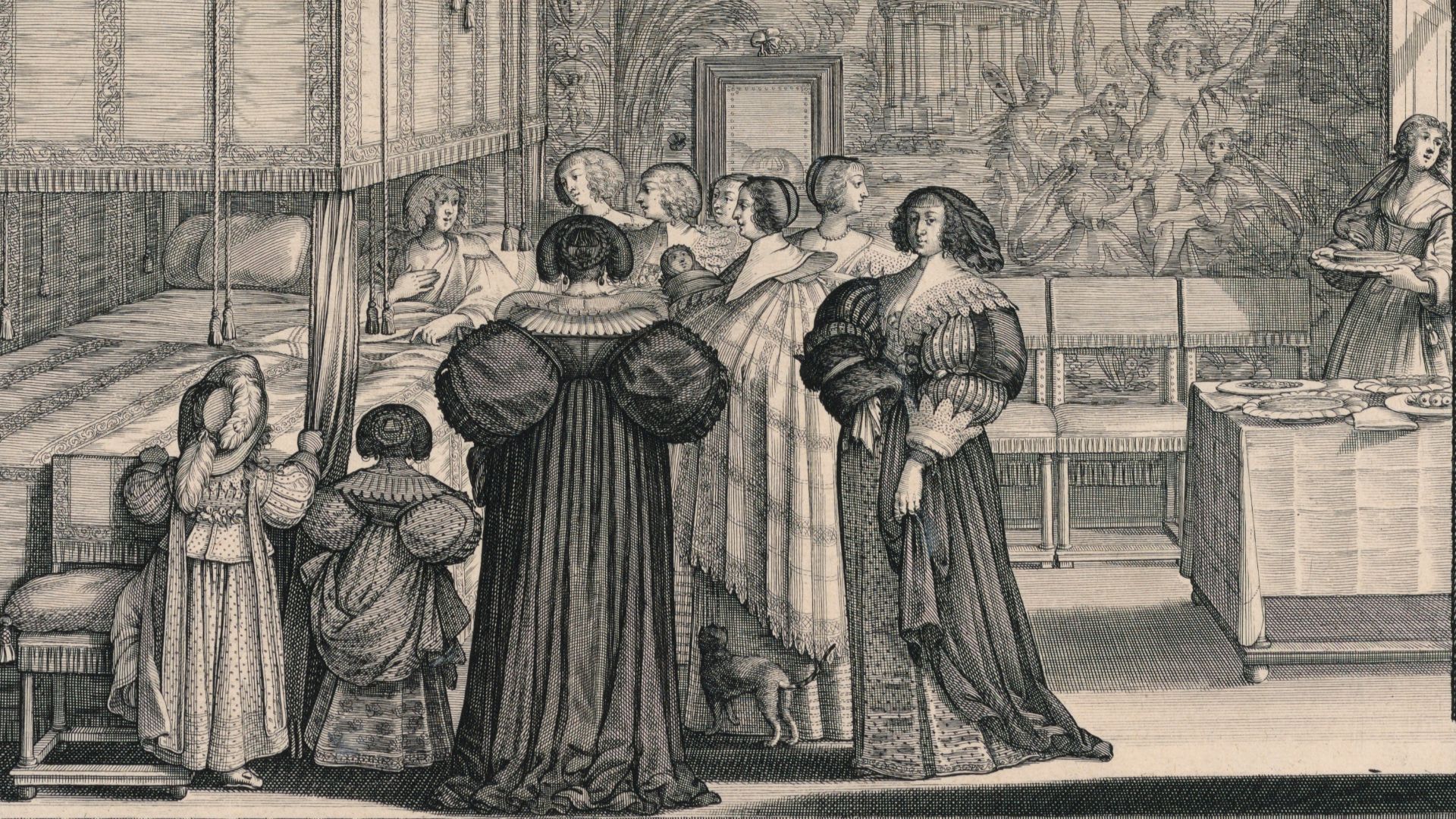
18. Courtship Unfolded Over Months With Staged Approvals
The process of moving from initial interest to engagement was not a matter of weeks but often stretched across many months, with each stage requiring fresh approval from the woman's family. There was no ‘taking this at your own pace.’
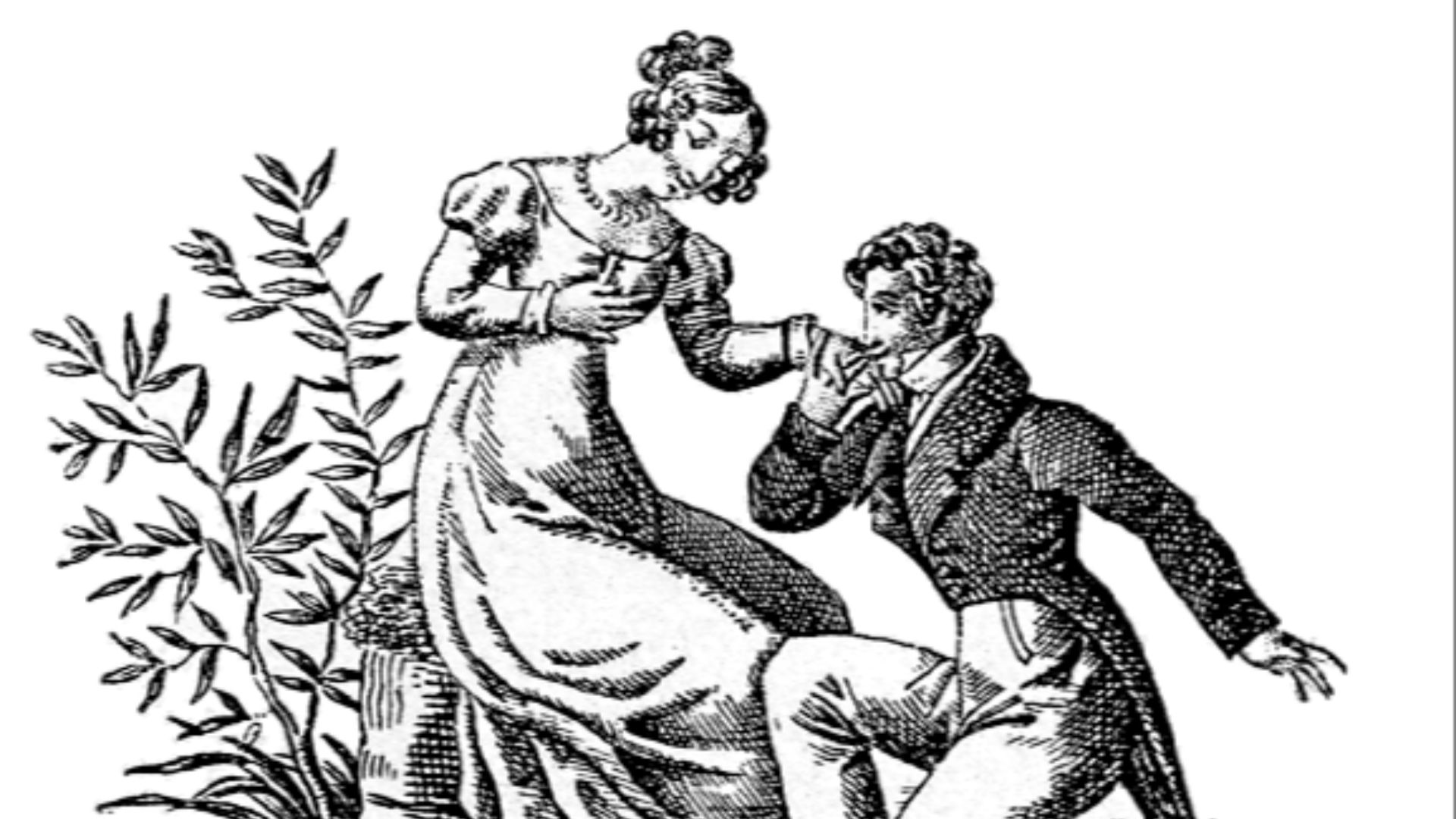
19. Refusing A Dance
At formal balls during the Regency era, a woman who wished to discourage a particular suitor's attention could do so by refusing to dance with him, a move that everyone in the room would understand and interpret. It was a quick and polite way to let someone know you weren’t interested.
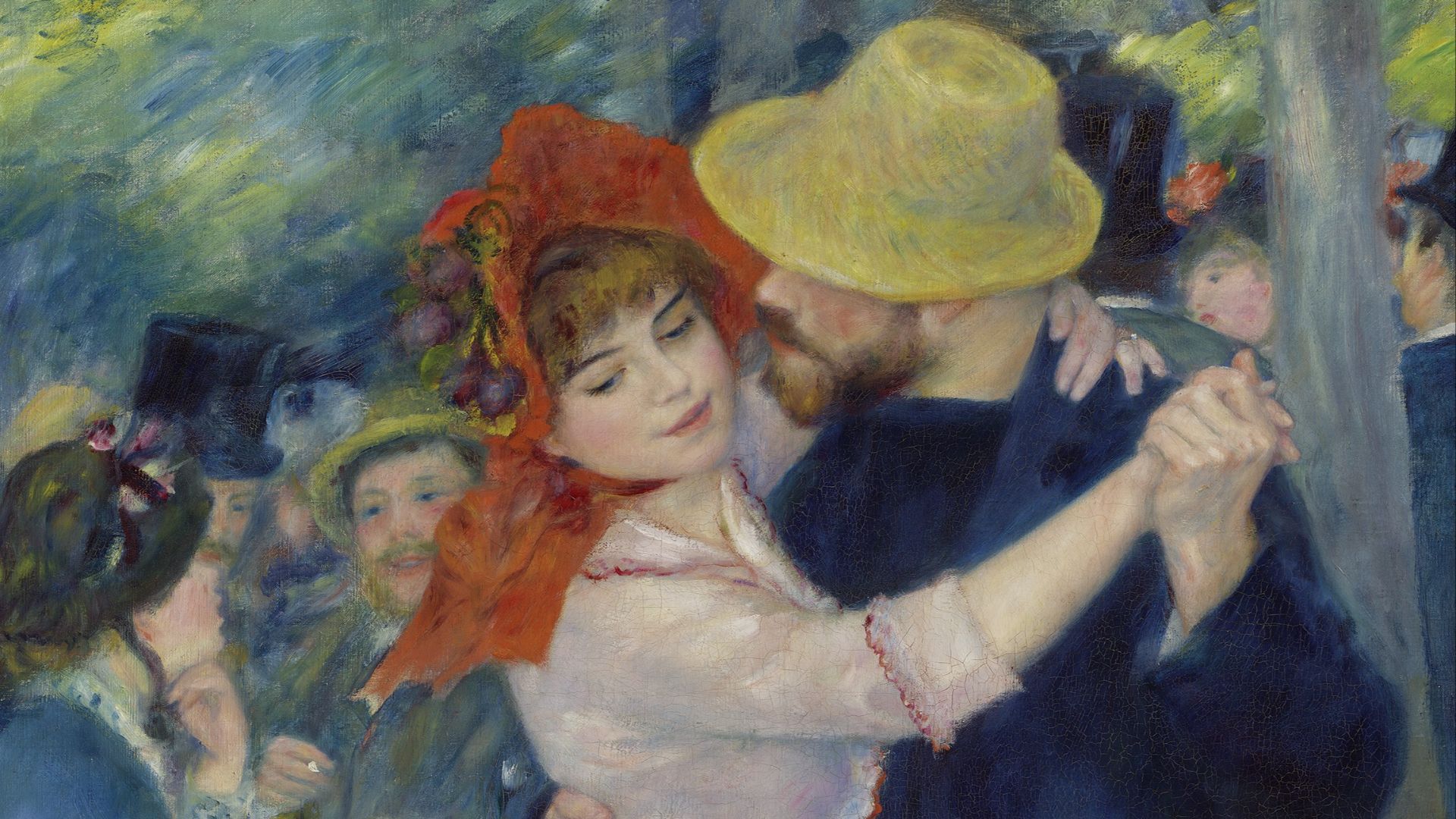 Pierre-Auguste Renoir on Wikimedia
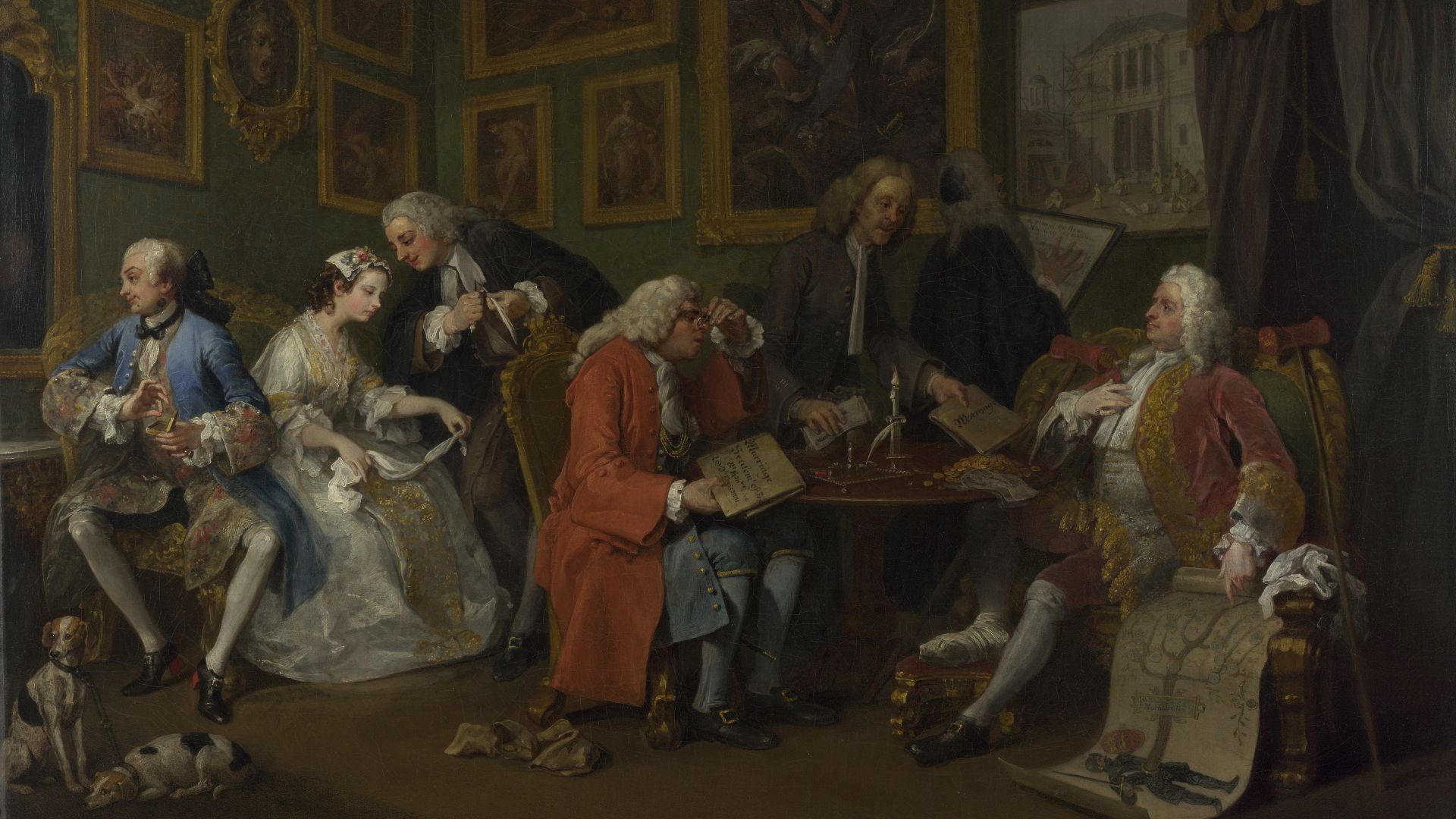
20. Marriage Was A Civil Contract, Not A Love Story
For much of recorded history, marriage was understood primarily as a legal and economic arrangement between families, with romantic love treated as a pleasant bonus if it happened to develop over time. The notion that personal happiness and emotional fulfillment should be the primary reasons to marry is, historically speaking, a fairly recent and genuinely radical idea.
KEEP ON READING
The 20 Most Recognized Historical Figures Of All Time
The Biggest Names In History. Although the Earth has been…
By Cathy Liu Oct 4, 2024
10 of the Shortest Wars in History & 10 of…
Wars: Longest and Shortest. Throughout history, wars have varied dramatically…
By Emilie Richardson-Dupuis Oct 7, 2024
10 Fascinating Facts About Ancient Greece You Can Appreciate &…
Once Upon A Time Lived Some Ancient Weirdos.... Greece is…
By Megan Wickens Oct 7, 2024
20 Lesser-Known Facts About Christopher Columbus You Don't Learn In…
In 1492, He Sailed The Ocean Blue. Christopher Columbus is…
By Emilie Richardson-Dupuis Oct 9, 2024
20 Historical Landmarks That Have The Craziest Conspiracy Theories
Unsolved Mysteries Of Ancient Places . When there's not enough evidence…
By Megan Wickens Oct 9, 2024
The 20 Craziest Inventions & Discoveries Made During Ancient Times
Crazy Ancient Inventions . While we're busy making big advancements in…
By Cathy Liu Oct 9, 2024