 State Archives of North Carolina on Wikimedia
Few early American mysteries capture the imagination quite like the disappearance of the Roanoke colony. Established in the late 16th century on Roanoke Island, off the coast of present-day North Carolina, it was one of England’s first serious attempts at permanent settlement in North America. When the colony’s governor returned from a delayed supply mission, the settlement appeared abandoned. That single discovery launched centuries of questions.
While dramatic theories often circulate in popular culture, historians rely on surviving documents, archaeological findings, and records from later English settlements. The truth is likely rooted in practical survival decisions rather than sensational explanations. If you look closely at the timeline and available evidence, the mystery becomes less theatrical and more human. The real story reflects the uncertainty and hardship of early colonial life.
The Colony’s Fragile Foundations
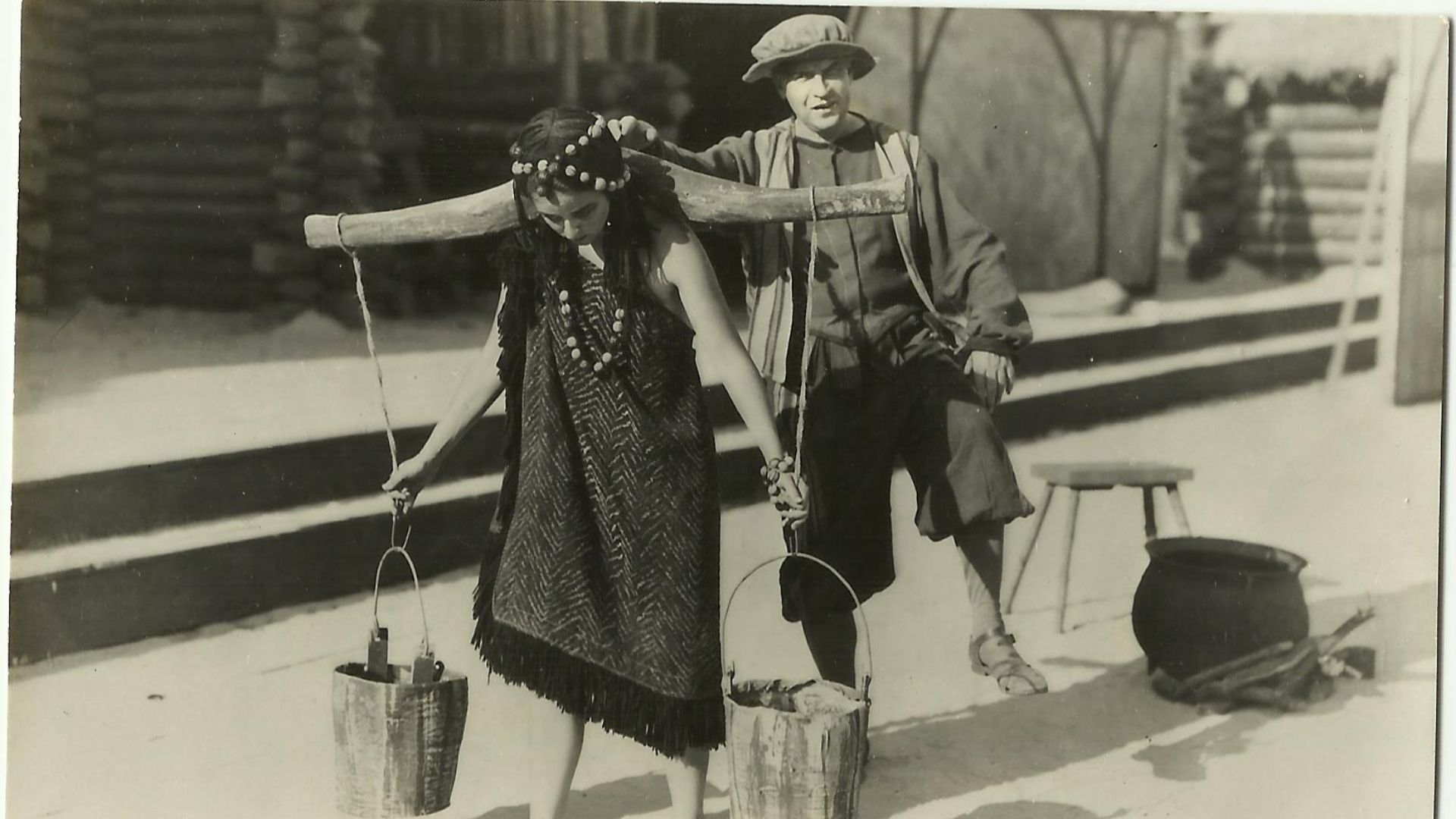
The Roanoke venture began under the sponsorship of Sir Walter Raleigh, who received a charter from Queen Elizabeth I to establish English colonies. The first group of settlers arrived in 1585, but that military-style expedition struggled with food shortages and deteriorating relations with some local Algonquian-speaking tribes. Within a year, the colonists abandoned the settlement and returned to England with Sir Francis Drake. This early failure demonstrated how dependent the English were on steady supplies and local cooperation.
A second attempt began in 1587, this time intended as a permanent civilian settlement. Led by John White, the group included families, craftsmen, and farmers rather than soldiers. Their original destination was the Chesapeake Bay area, but they were left on Roanoke Island instead, partly due to the ship captain’s refusal to sail farther. That unexpected decision placed them back in a region where tensions had previously flared.
Shortly after arrival, White’s daughter gave birth to Virginia Dare, the first English child born in North America. Despite this hopeful milestone, the colony quickly faced shortages and uncertainty. Relations with neighboring Indigenous groups were complicated by earlier violence from the 1585 expedition. Realizing that they lacked sufficient supplies, the colonists persuaded White to return to England for assistance.
War And An Empty Settlement
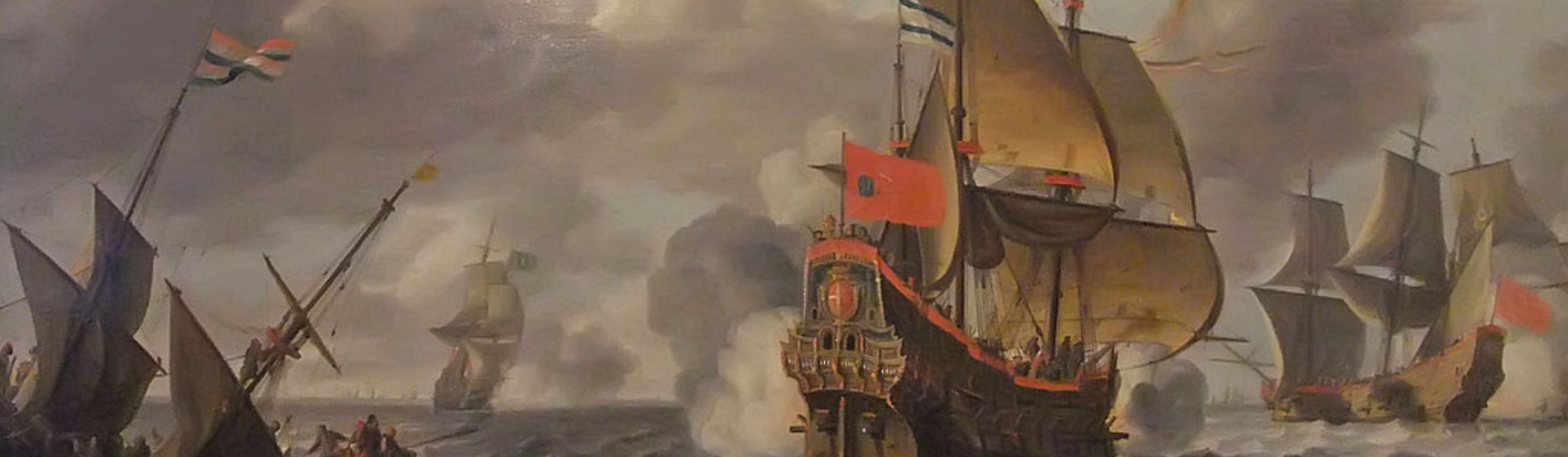
John White intended to return swiftly with provisions, but international events intervened. England was preparing to defend against the Spanish Armada in 1588, and maritime resources were redirected toward national defense. As a result, White was unable to secure passage back to Roanoke for three years. The delay proved critical for a settlement already struggling to survive.
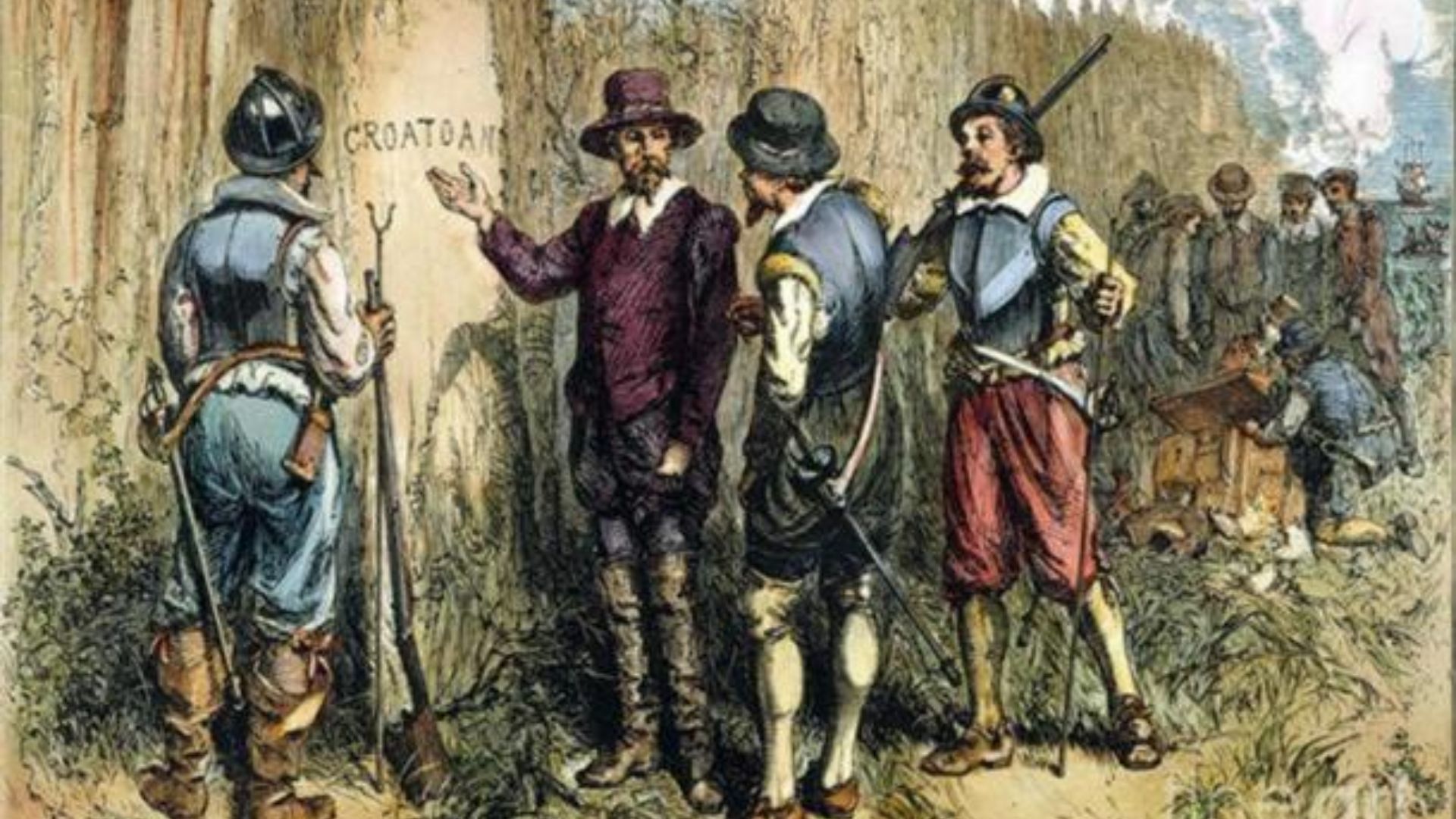
When White finally returned in 1590, he found the settlement deserted. The houses had been carefully dismantled rather than burned, and there were no signs of a violent attack. The word “CROATOAN” was carved into a wooden post, and the letters “CRO” appeared on a nearby tree. According to prior agreement, the colonists were to leave a sign if they relocated voluntarily.
Croatoan referred to a nearby island, now known as Hatteras Island, and to a friendly Indigenous community living there. White believed this carving indicated the colonists had moved to seek support. Unfortunately, severe weather and damaged ships prevented him from investigating further. He was forced to return to England without confirming their fate.
What Modern Evidence Suggests
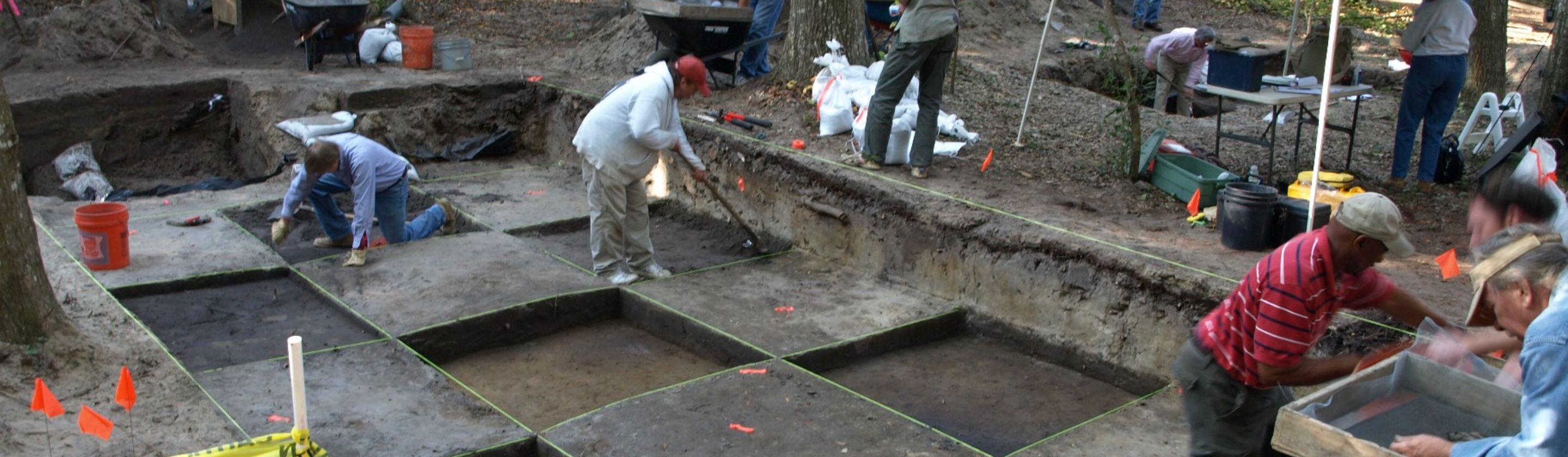
Over the centuries, historians and archaeologists have revisited the case with new tools and methods. Excavations on Hatteras Island have uncovered European artifacts from the late 16th century, including pottery and weapon fragments consistent with English presence. These discoveries suggest interaction between English settlers and Indigenous communities in the region. While not definitive proof, they support the relocation theory.
There is also evidence that some colonists may have moved inland toward areas near the Albemarle Sound. Archaeological surveys have identified English-style artifacts in locations away from Roanoke Island. Some later English settlers at Jamestown reported hearing of Native groups who claimed descent from earlier English colonists. Although such reports must be treated carefully, they align with the possibility of assimilation.
Most scholars now consider integration with local Indigenous communities the most plausible explanation. Faced with isolation, food shortages, and no timely rescue, relocation would have been a logical survival strategy. Early colonial life was unpredictable, and cooperation with established communities often meant the difference between life and death. Rather than a sudden catastrophe, the Roanoke story likely reflects adaptation under pressure.
The Lost Colony remains unresolved in absolute terms, yet the available evidence paints a picture grounded in context rather than mystery. Delayed supplies, fragile alliances, and the realities of 16th-century exploration created a precarious situation. When you strip away speculation, what remains is a story of endurance and difficult choices. The disappearance of Roanoke may never be fully documented, but it almost certainly reflects the harsh realities of early settlement rather than an inexplicable vanishing.
KEEP ON READING