

Outsmarting The Walls
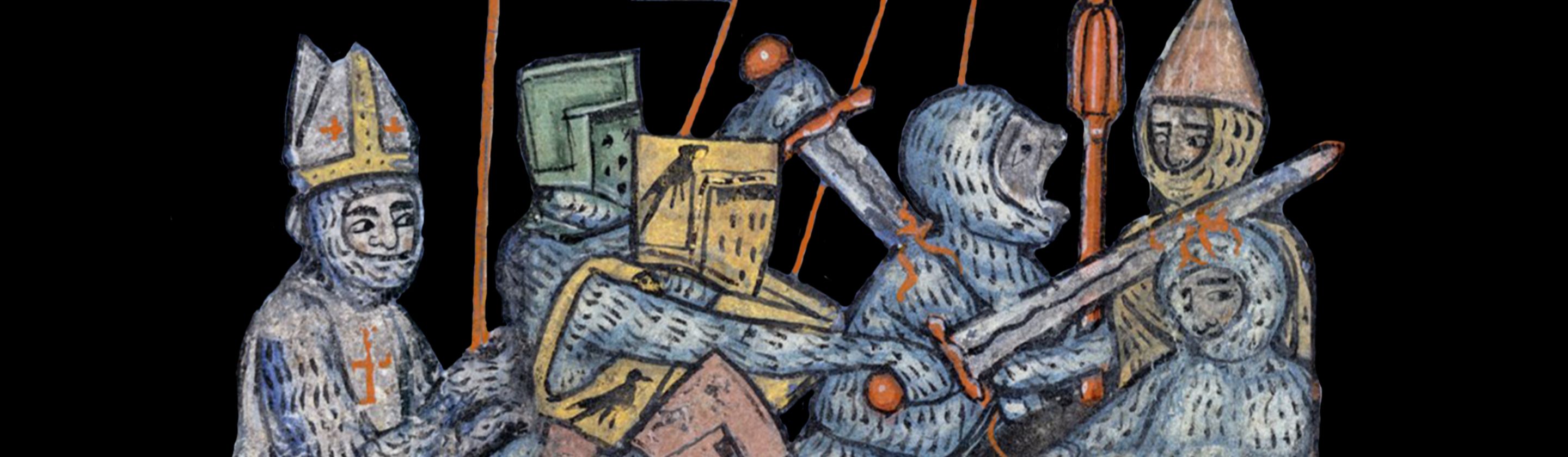
A siege is supposed to be a test of force and patience. You surround a city, cut off supplies, wait for hunger and fear to do their work, and eventually the walls stop mattering. But history is full of commanders who looked at that slow, brutal formula and decided they’d rather win by making the defenders misread what was happening. Sometimes that meant bribery, sometimes a fake retreat, sometimes a hidden tunnel, and sometimes one absurd move so unexpected it shattered the logic of the defense. Here are 20 sieges where trickery, not just strength, made the difference.
 Jean-Joseph Dassy on Wikimedia
1. Troy
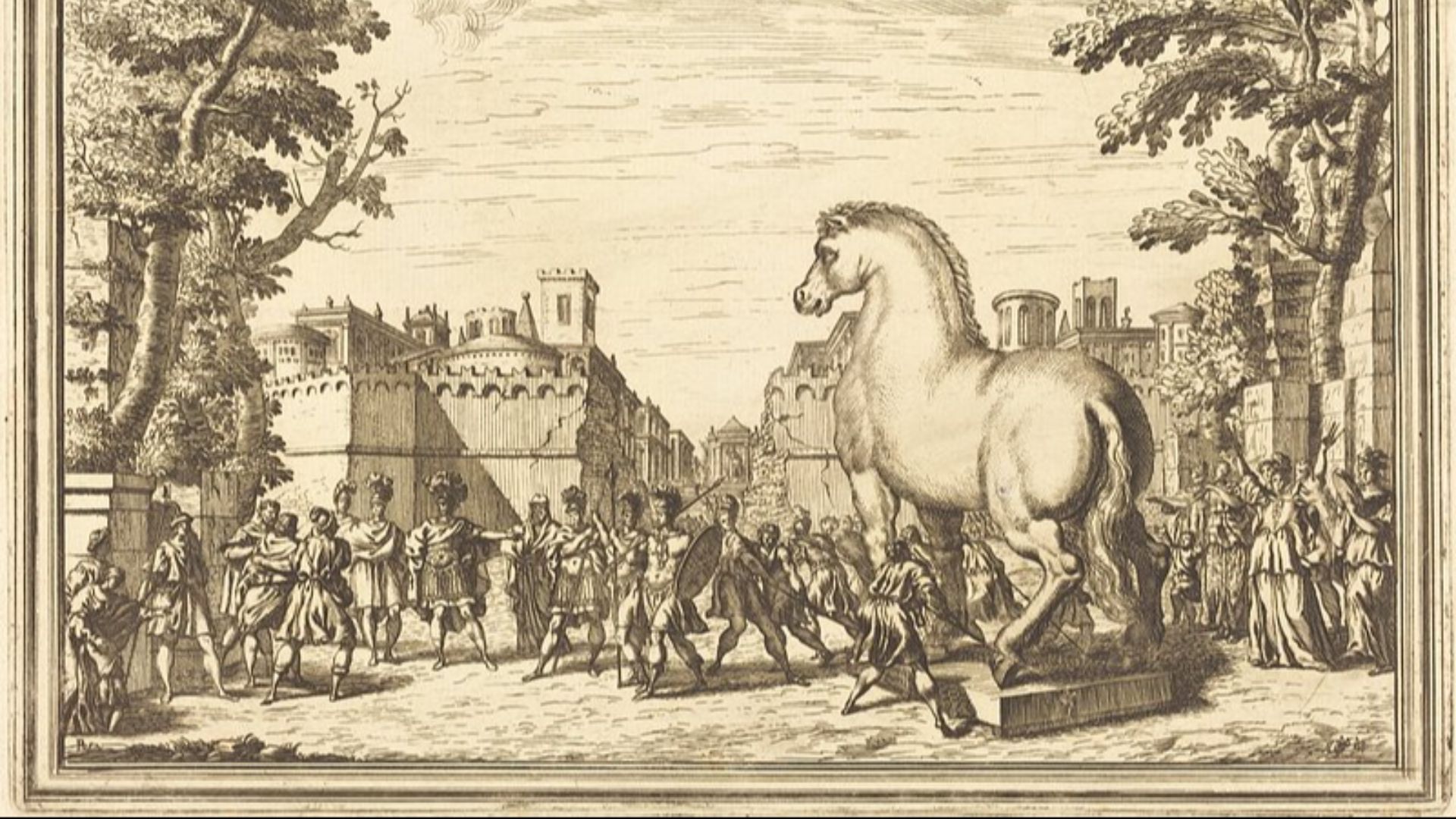
Traditionally dated to the late Bronze Age, often around the 12th or 13th century BCE, Troy became the classic example for a reason. The Greeks did not simply leave a wooden horse behind—they also staged a believable departure and let the Trojans persuade themselves the war was over. The city fell because the defenders treated a trick as a trophy.
2. Babylon
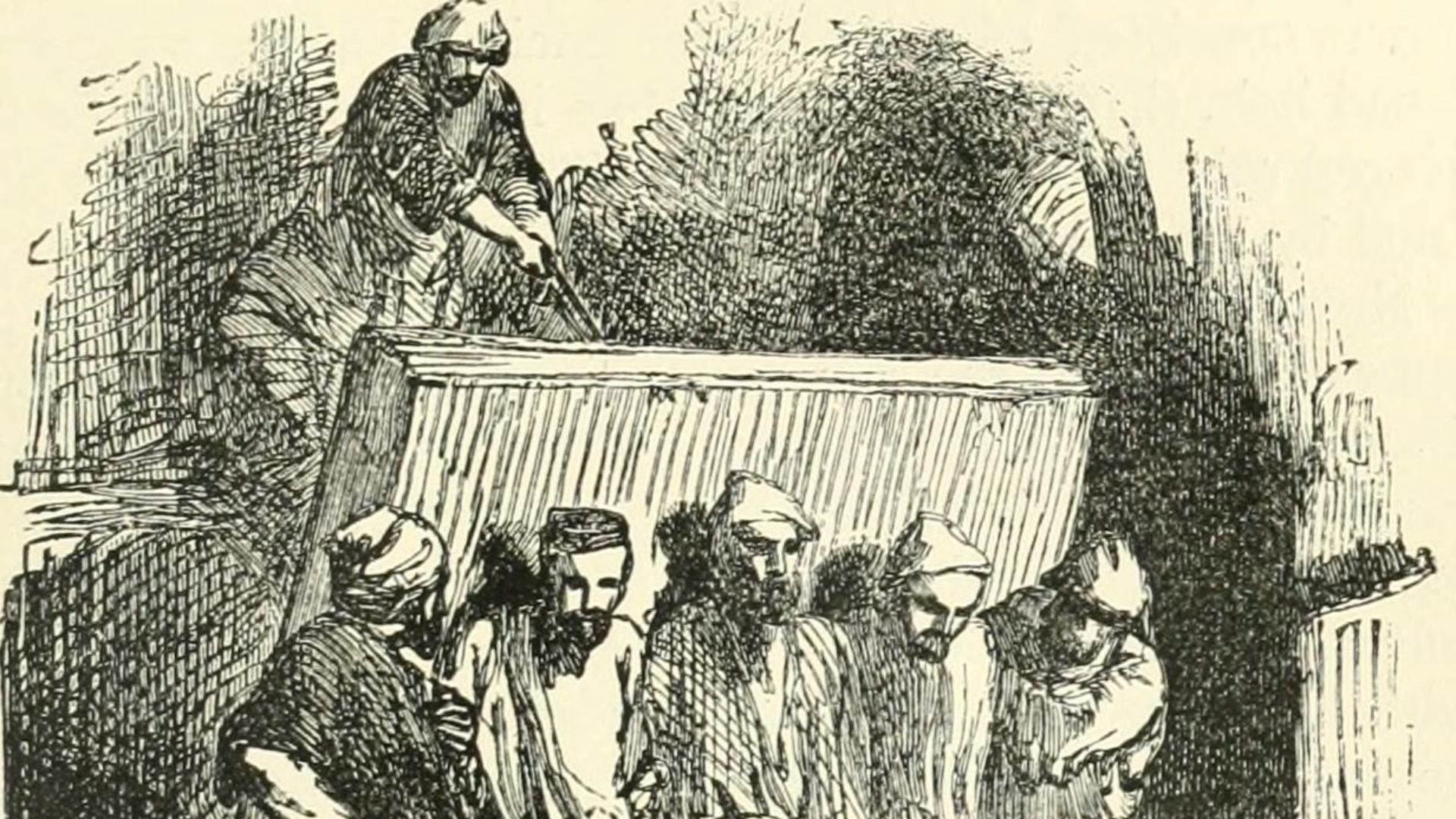
When Cyrus the Great took Babylon in 539 BCE, later accounts emphasized cunning as much as conquest. The Persians were said to have diverted the Euphrates enough to move men through the river channel while the Babylonians trusted the city’s massive defenses. Whether every detail is exact or not, the story survives because it captures a familiar weakness: confidence.
 Internet Archive Book Images on Wikimedia
3. Sardis
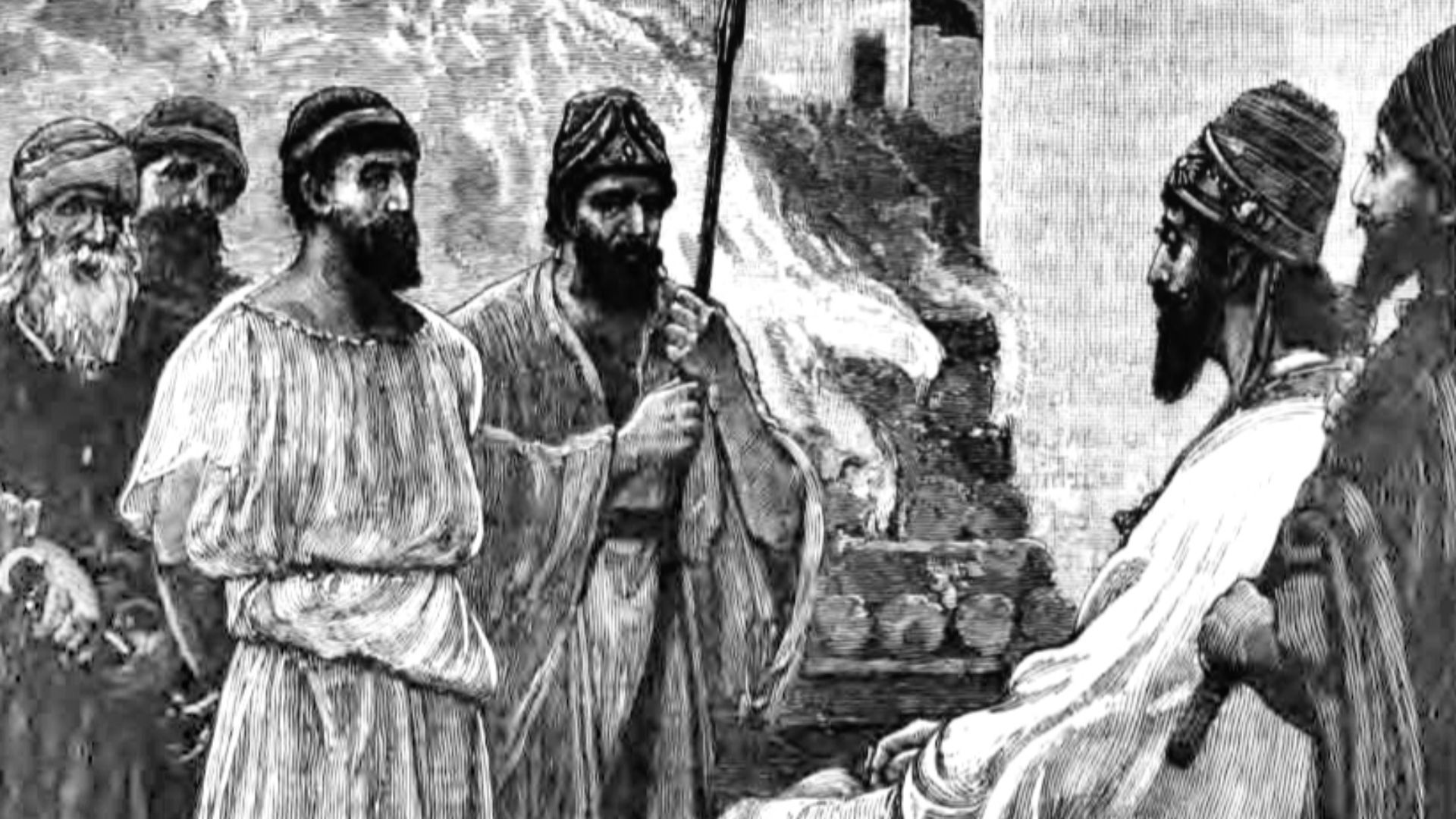
Sardis fell to Cyrus in 546 BCE after one of those tiny observations that change everything. A Persian attacker reportedly saw a defender climb down a steep section to recover a dropped helmet, proving that a route the city considered secure was not secure at all. Once a few men scaled it, the wall stopped being the real defense.
 Edmund Ollier Publication date 1882 on Wikimedia
4. Pelium
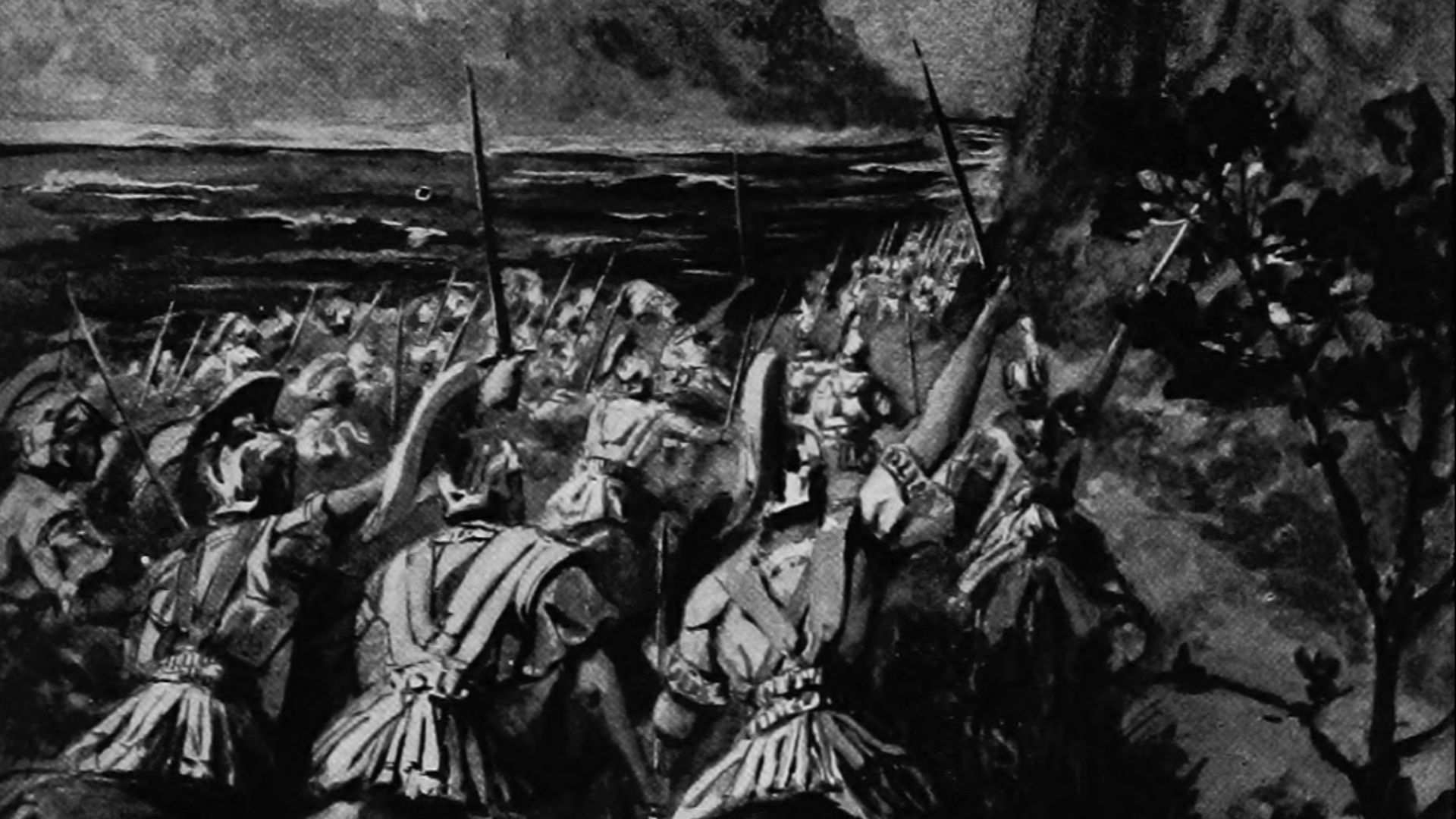
At the siege of Pelium in 335 BCE, Alexander the Great relied on theater as much as pressure. He used disciplined formations, sudden maneuvers, and intimidating displays to unsettle the defenders and their allies before striking at the right moment. The point was to make the enemy react badly before the real advantage appeared.
5. Tyre
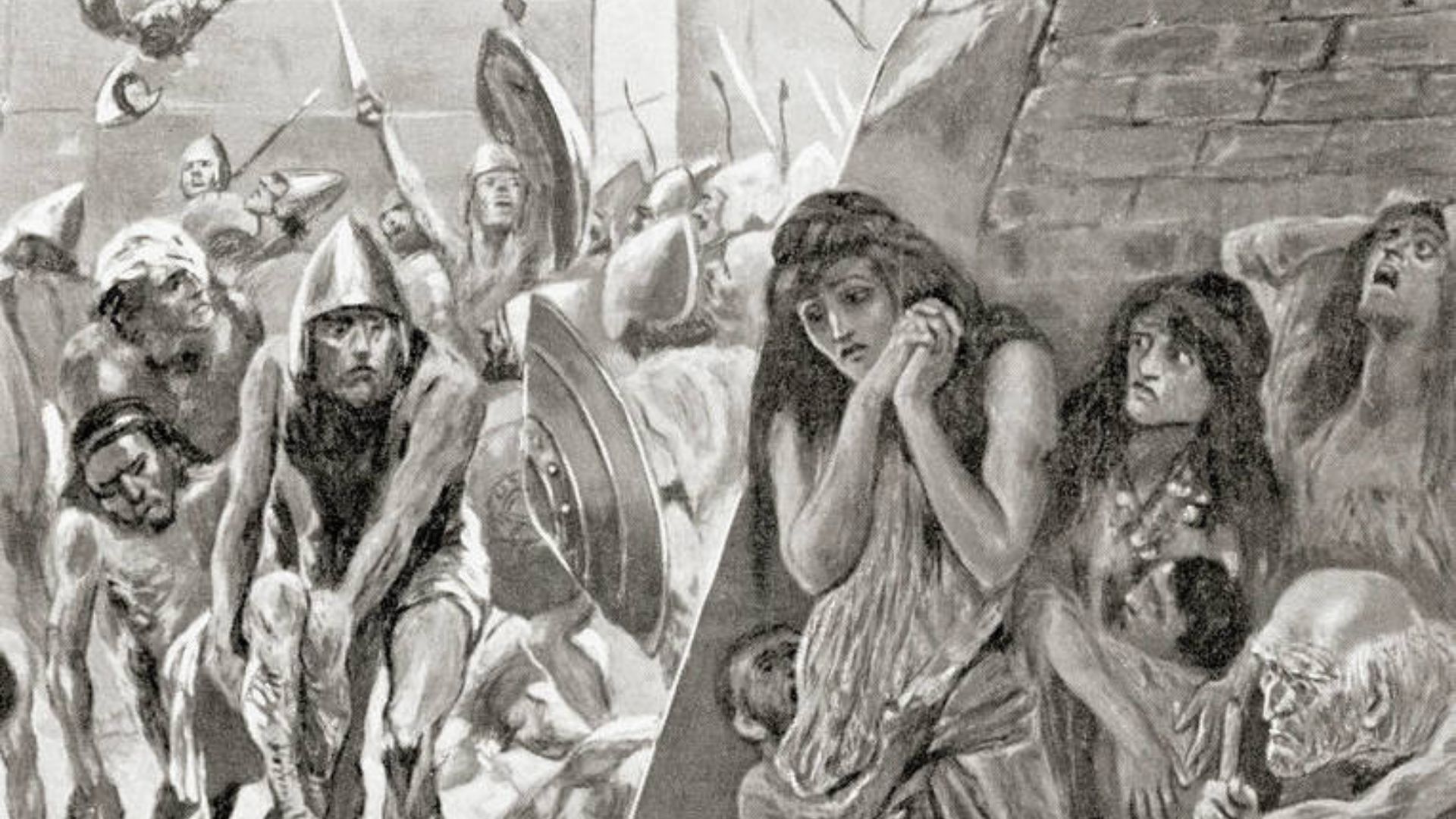
Tyre, besieged by Alexander in 332 BCE, looked maddeningly difficult to crack because of its island position and strong walls. But the Macedonians kept changing methods, pressing from sea and land, forcing the defenders to divide their attention and guess wrong about where the decisive blow would come. In the end, confusion helped weaken a city brute force alone might not have broken.
 Stanley Llewelyn Wood on Wikimedia
6. Veii
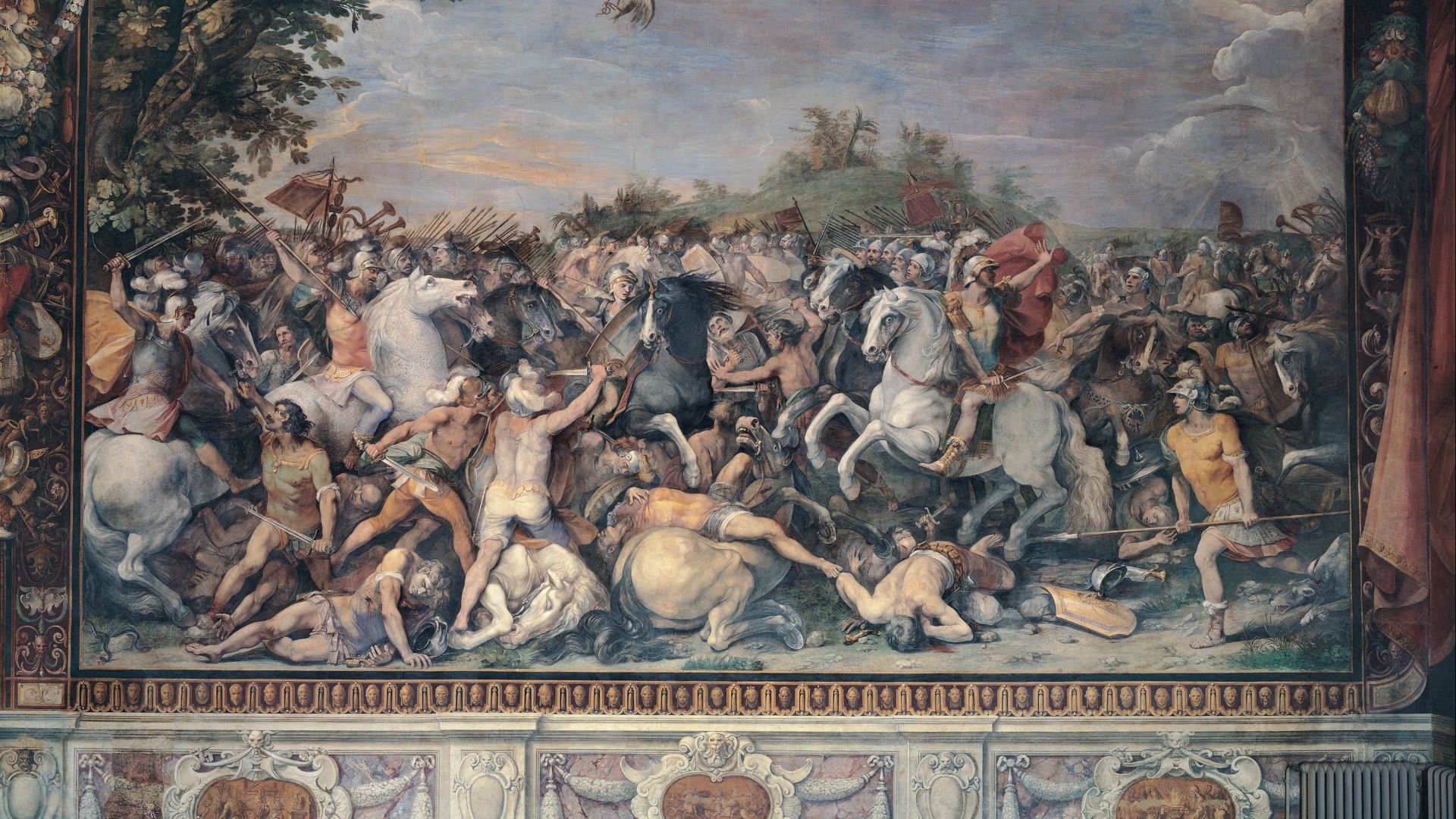
The Roman capture of Veii, traditionally dated to 396 BCE, is remembered for what happened under the city rather than in front of it. While the siege dragged on visibly, Roman forces were said to be tunneling their way beneath the defenses. The defenders focused on the walls and missed the more dangerous route entirely.
 Workshop of Giuseppe Cesari on Wikimedia
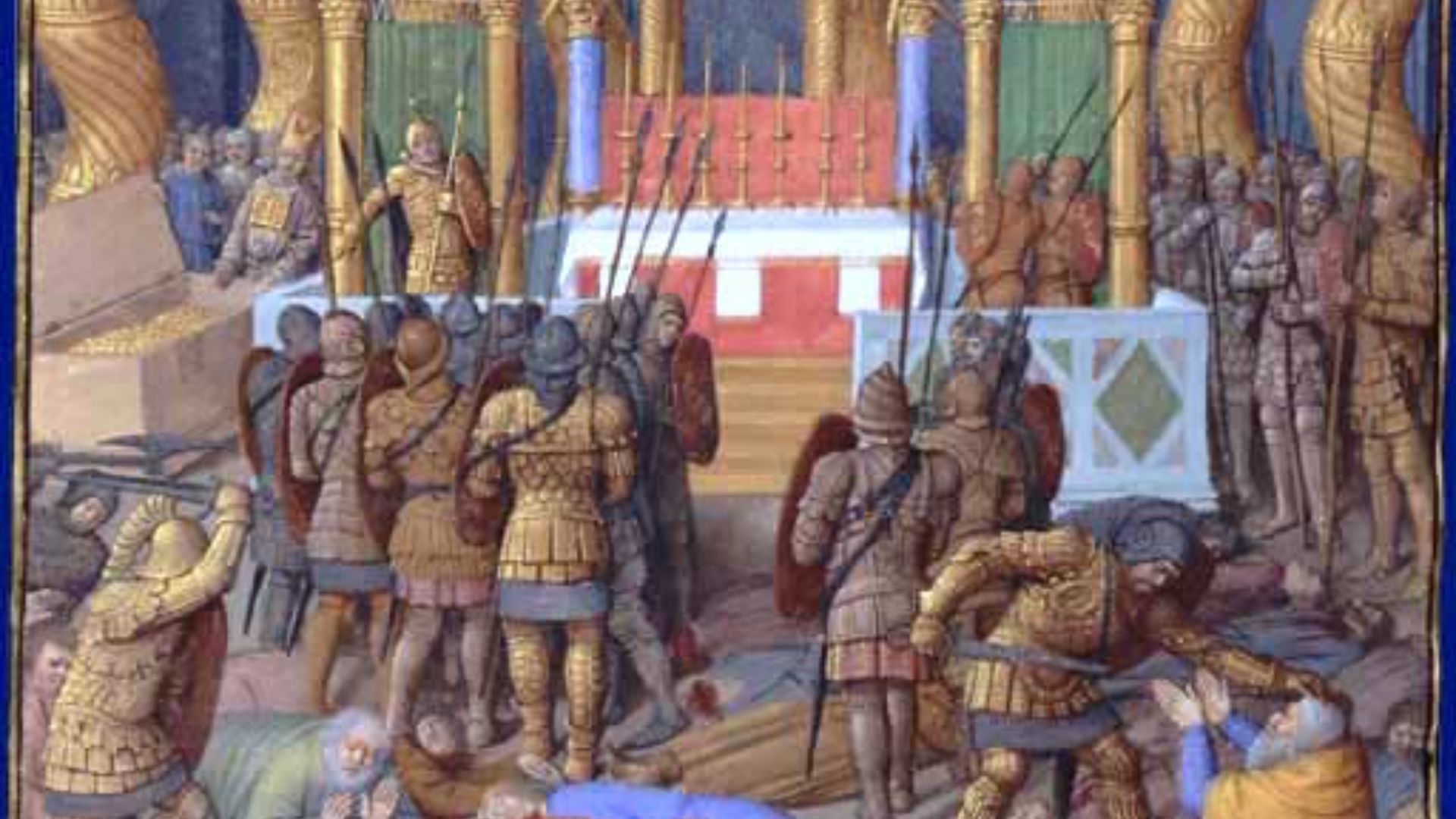
7. Jerusalem
During the Roman siege of Jerusalem in 70 CE, trickery worked through morale as much as movement. The Romans staged terrifying public displays outside the walls, showing the city exactly what resistance was leading to and making despair part of the battlefield. By the time the defenses gave way, the psychological siege had already done enormous damage.
8. Antioch
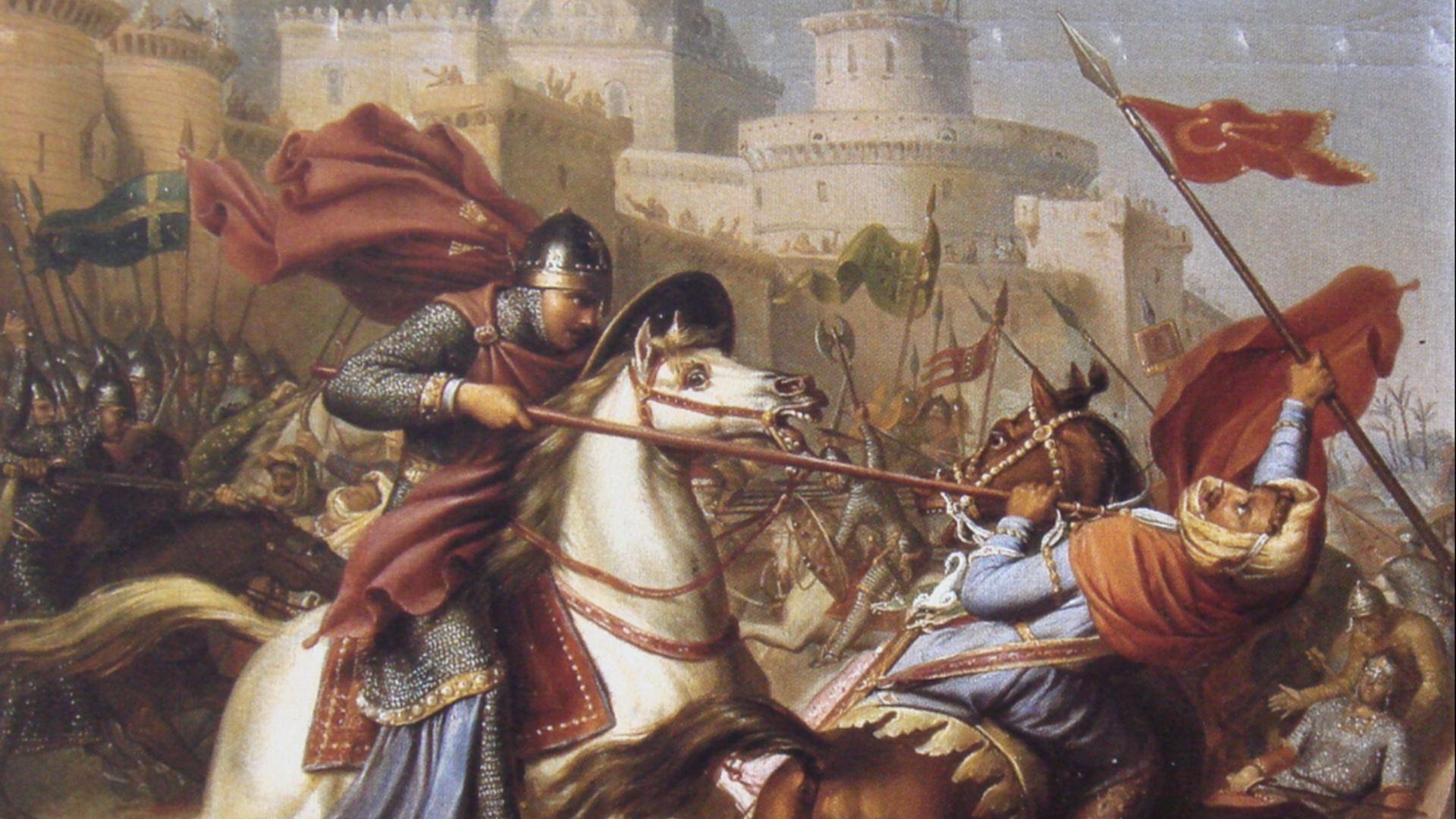
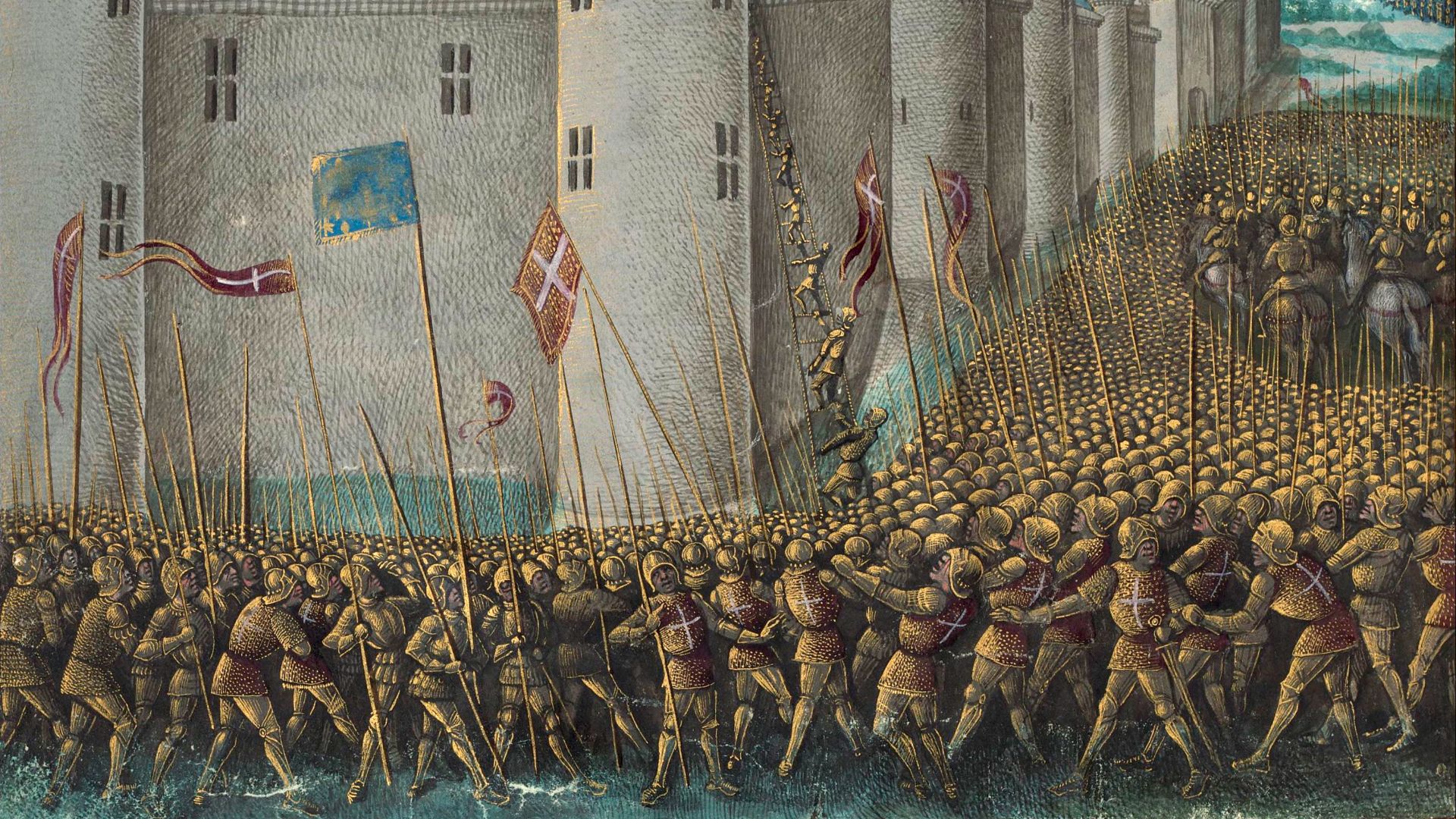
Antioch fell to the First Crusade in 1098 not because the Crusaders finally battered the city into submission, but because a gate was opened from within. A guard named Firouz was bribed or persuaded to help them enter by night. After months of hunger and failure, one compromised man mattered more than the walls.
9. Ma’arra
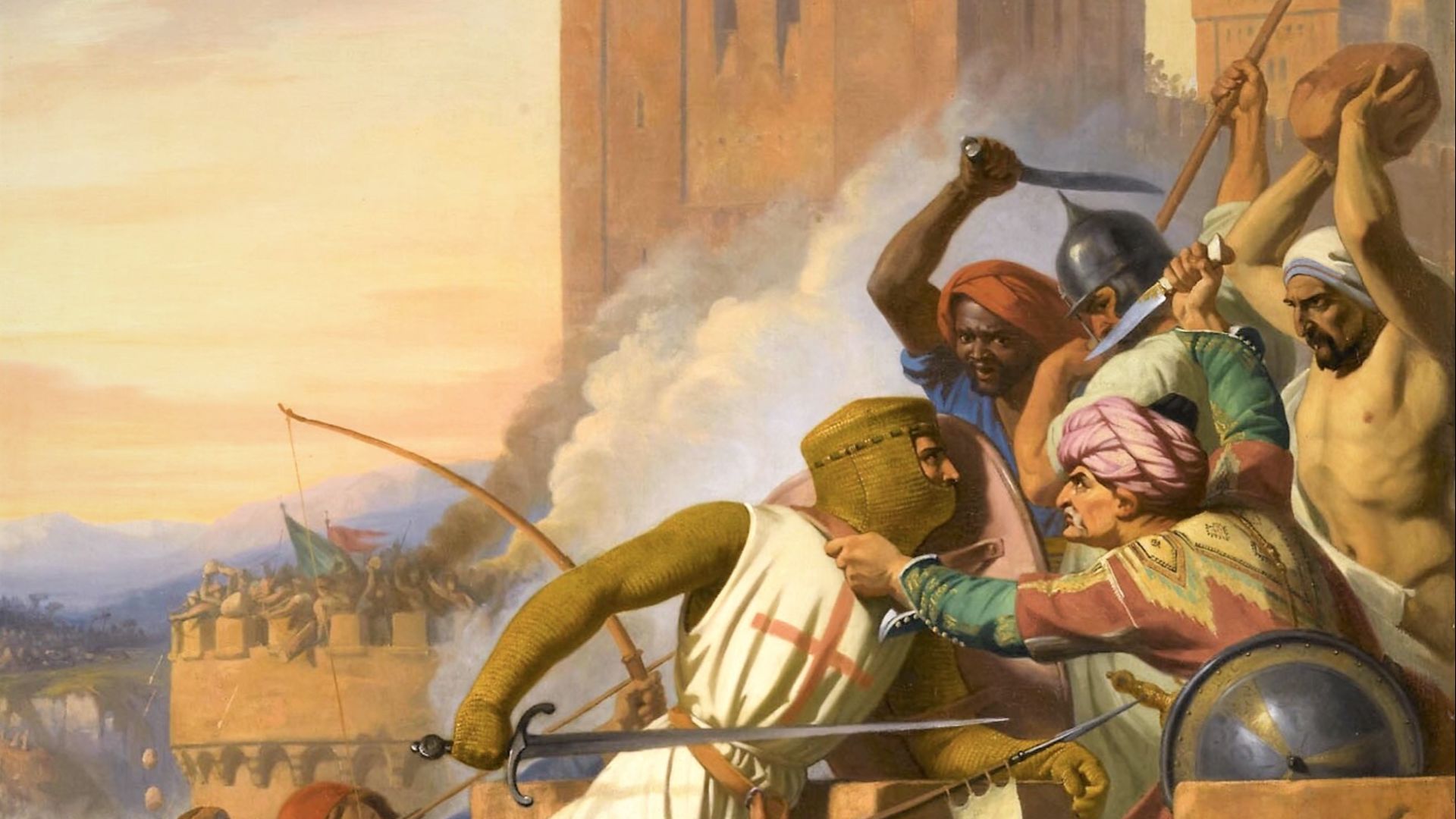
At Ma’arra in 1098, the Crusaders used pressure, misinformation, and relentless intimidation to make resistance feel increasingly hopeless. The defenders were not simply facing an assault—they were facing an enemy whose unpredictability and brutality made ordinary calculations harder. In siege warfare, fear itself can distort judgment, and that mattered here.
10. Xiangyang
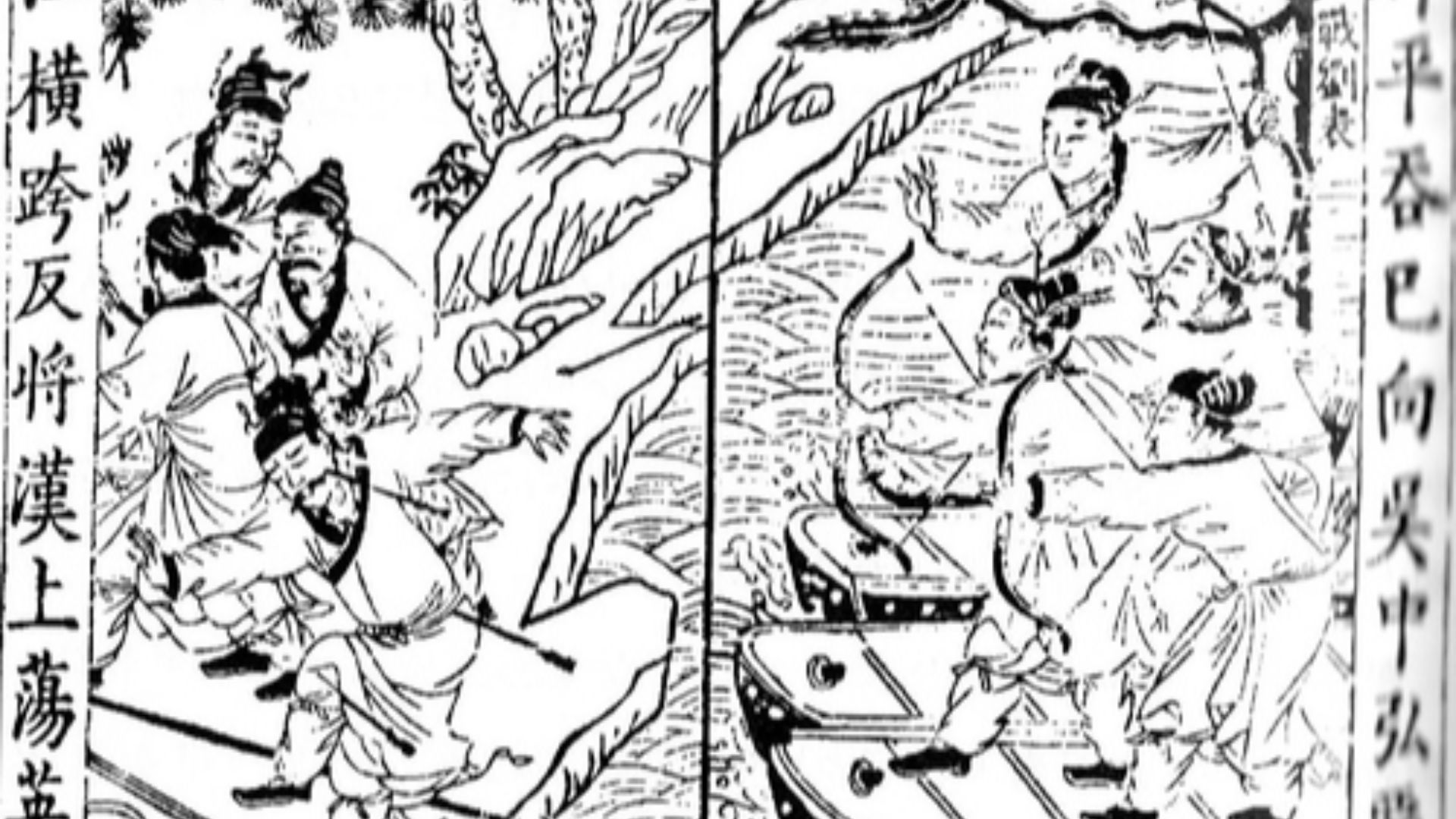
The Mongol siege of Xiangyang ended in 1273 after years of resistance, but one of the turning points was technological surprise. Powerful counterweight trebuchets, likely introduced through engineers from farther west, changed what the defenders thought their walls could survive. Sometimes the trick is not disguise, but introducing a weapon the defense was never built to answer.
 commons.wikimedia.org on Google
11. Constantinople
When Constantinople fell in 1453, one of the most memorable Ottoman moves was hauling ships over land into the Golden Horn. The city had relied on a great chain to block a direct naval entrance, only to discover the Ottomans had bypassed the obstacle altogether. It was a logistical stunt, but it also felt like a psychological ambush.
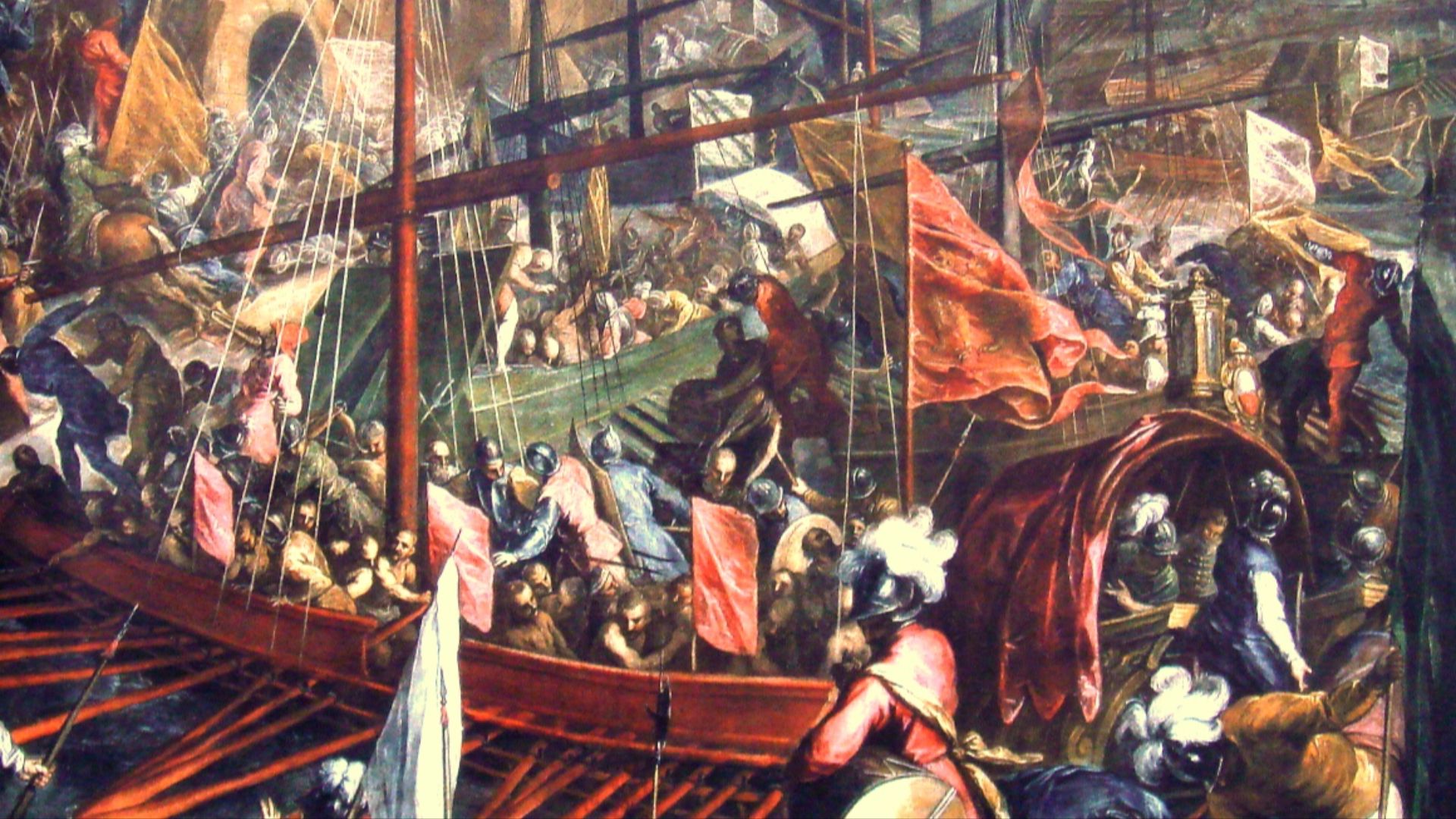 Palma Le Jeune (1544–1620) on Wikimedia
12. Calais
The siege of Calais in 1346–1347 was not won with one dramatic deception, but with drawn-out pressure shaped by negotiation and uncertainty. The defenders held on while terms, hopes of relief, and possible outcomes kept shifting. In a long siege, delaying clarity can become its own kind of trap.
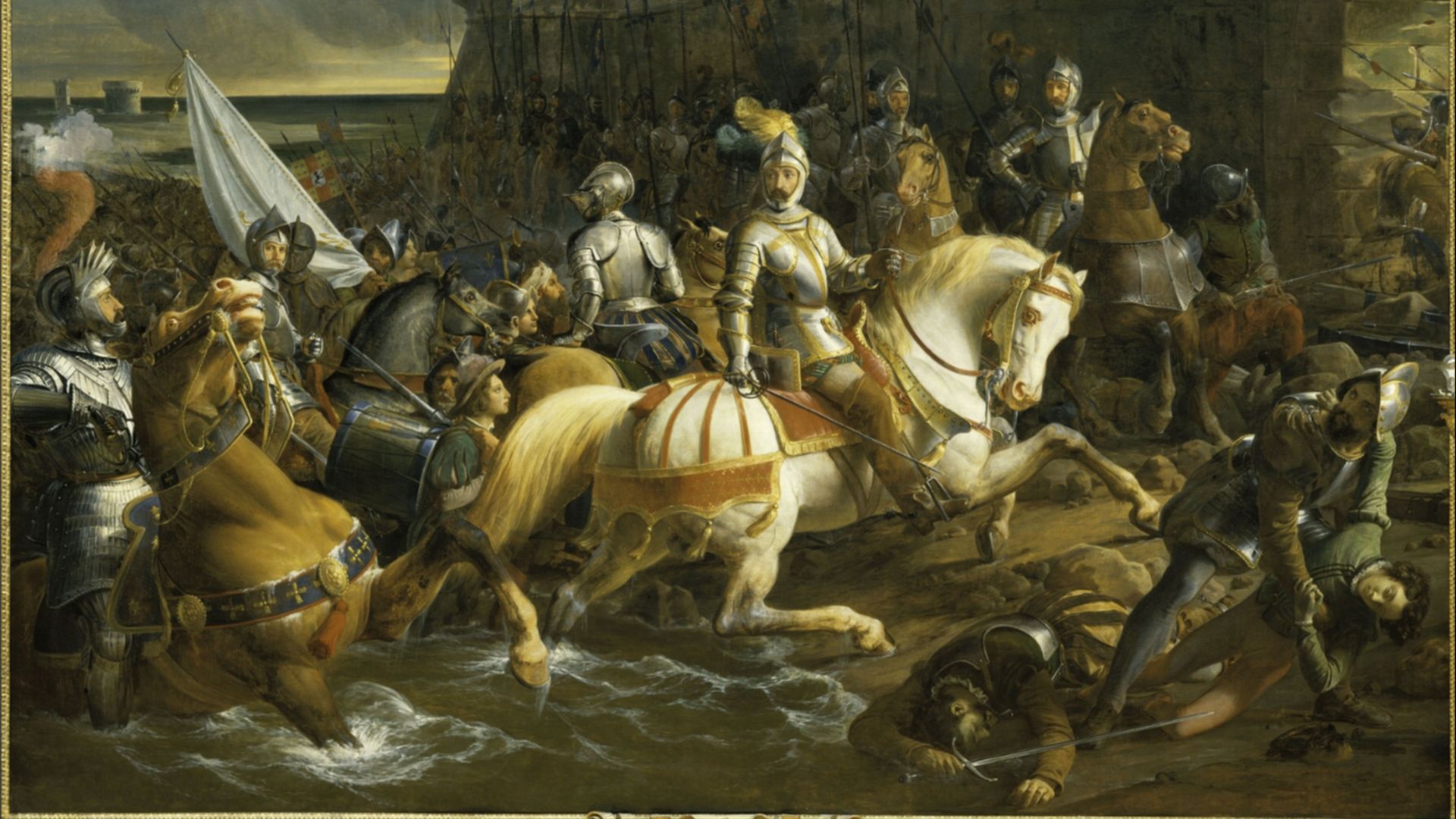 François-Édouard Picot on Wikimedia
13. Edinburgh Castle
In 1314, during the Wars of Scottish Independence, Edinburgh Castle was retaken by a night climb up a steep path thought too difficult to guard heavily. A small force led by Thomas Randolph used the route precisely because the defenders trusted the terrain to do the work for them. Natural strength became a blind spot.
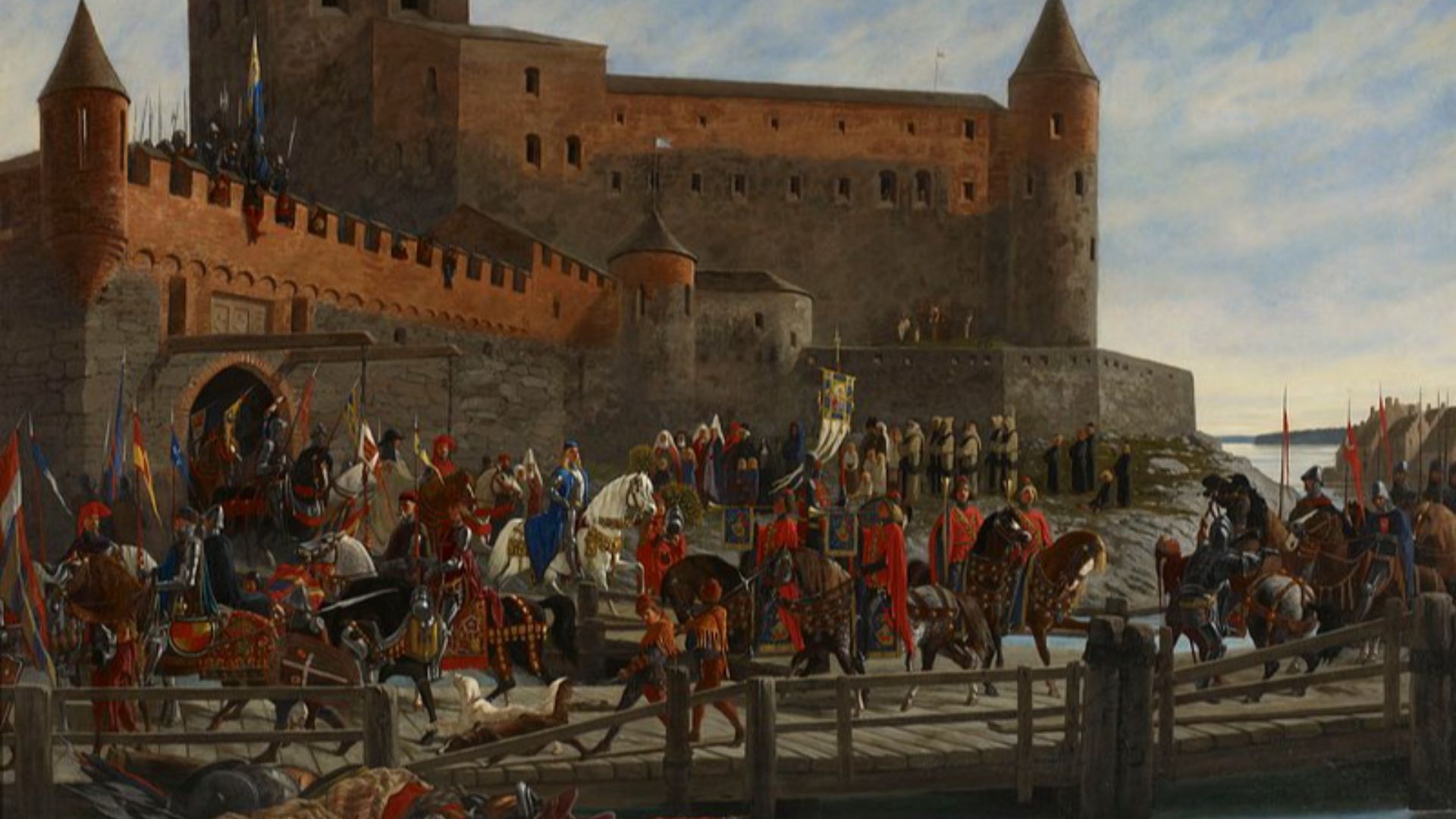
14. Tenochtitlan
The siege of Tenochtitlan in 1521 was brutal and direct, but it also involved careful manipulation of the city’s geography. Spanish and allied forces cut causeways, controlled movement, and used brigantines to turn the surrounding water from protection into exposure. The city was not just attacked—it was strategically rearranged into a trap.
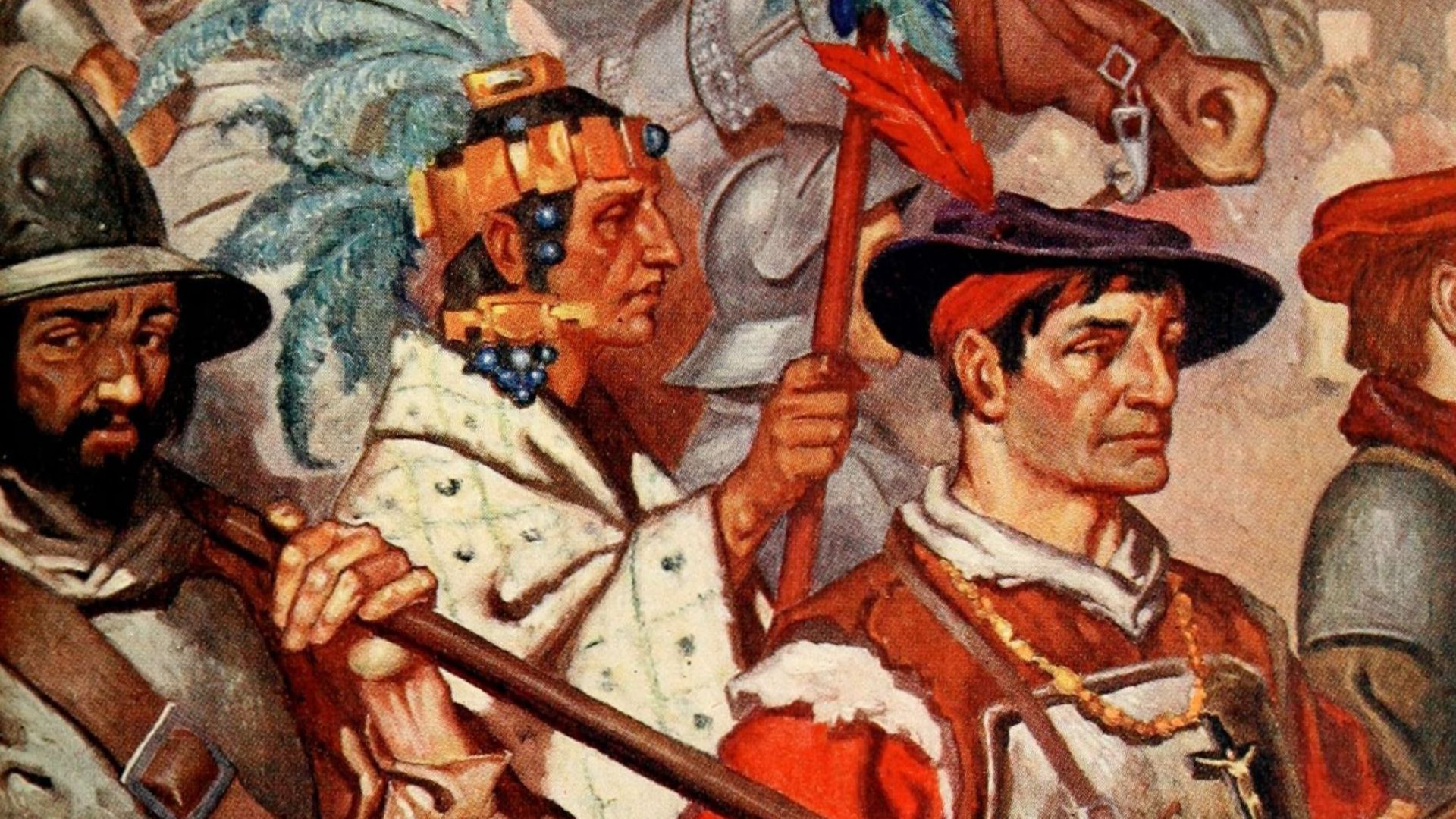 Margaret Duncan Coxhead on Wikimedia
15. Malta
During the Great Siege of Malta in 1565, deception often took the form of controlled appearances. The defenders concealed weakness in some places, exaggerated readiness in others, and let the Ottomans commit to costly assaults on positions that were harder to take than they looked. A siege can turn on making the enemy feel confident too soon.
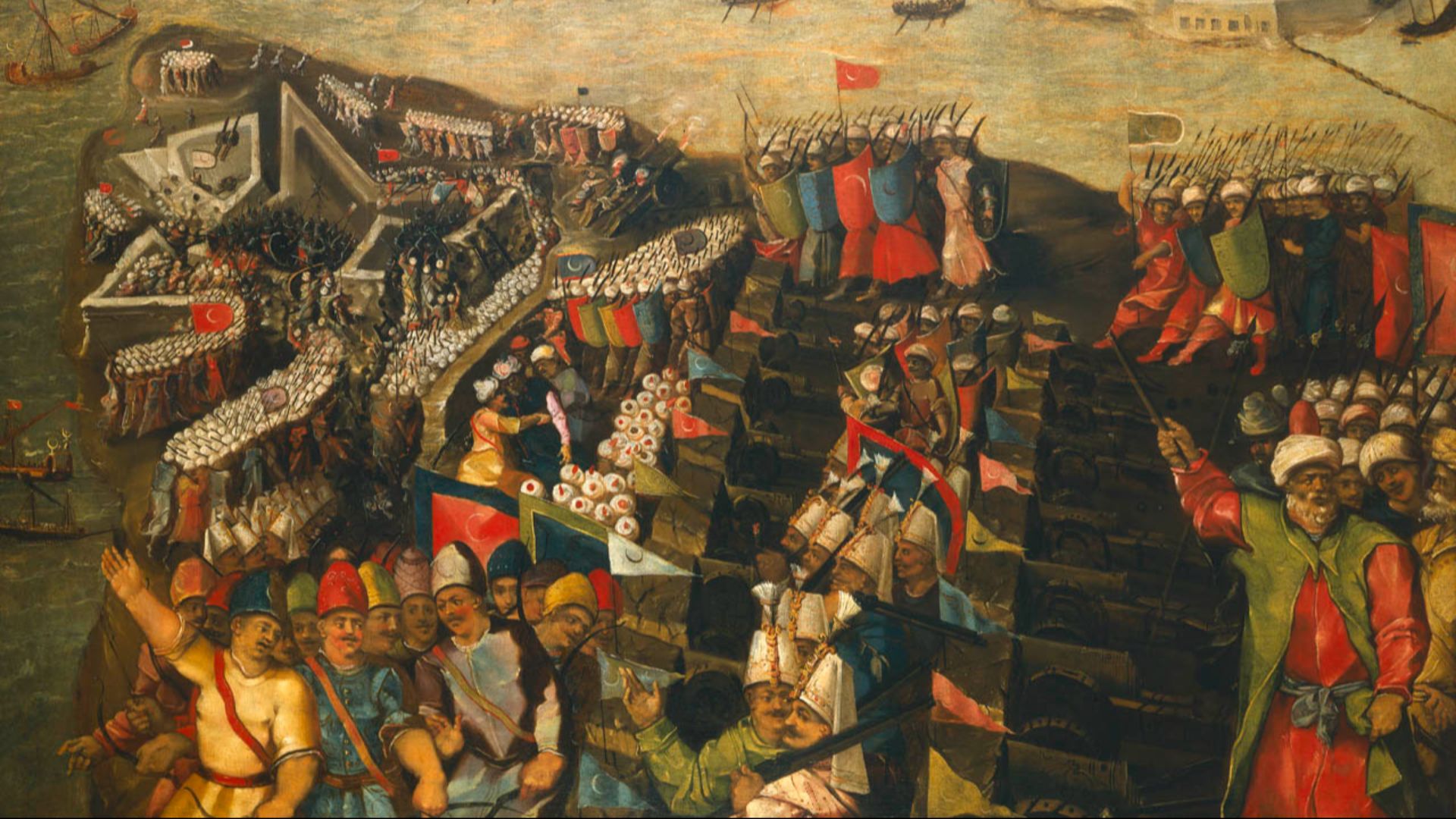 Matteo Perez d'Aleccio on Wikimedia
16. Candia
The siege of Candia, which lasted from 1648 to 1669, became a long war of exhaustion, engineering, and misinformation. Both Ottomans and defenders relied on false signals, concealed works, and misleading troop movements over the years. At that length, deception stopped being an episode and became part of the everyday method of war.
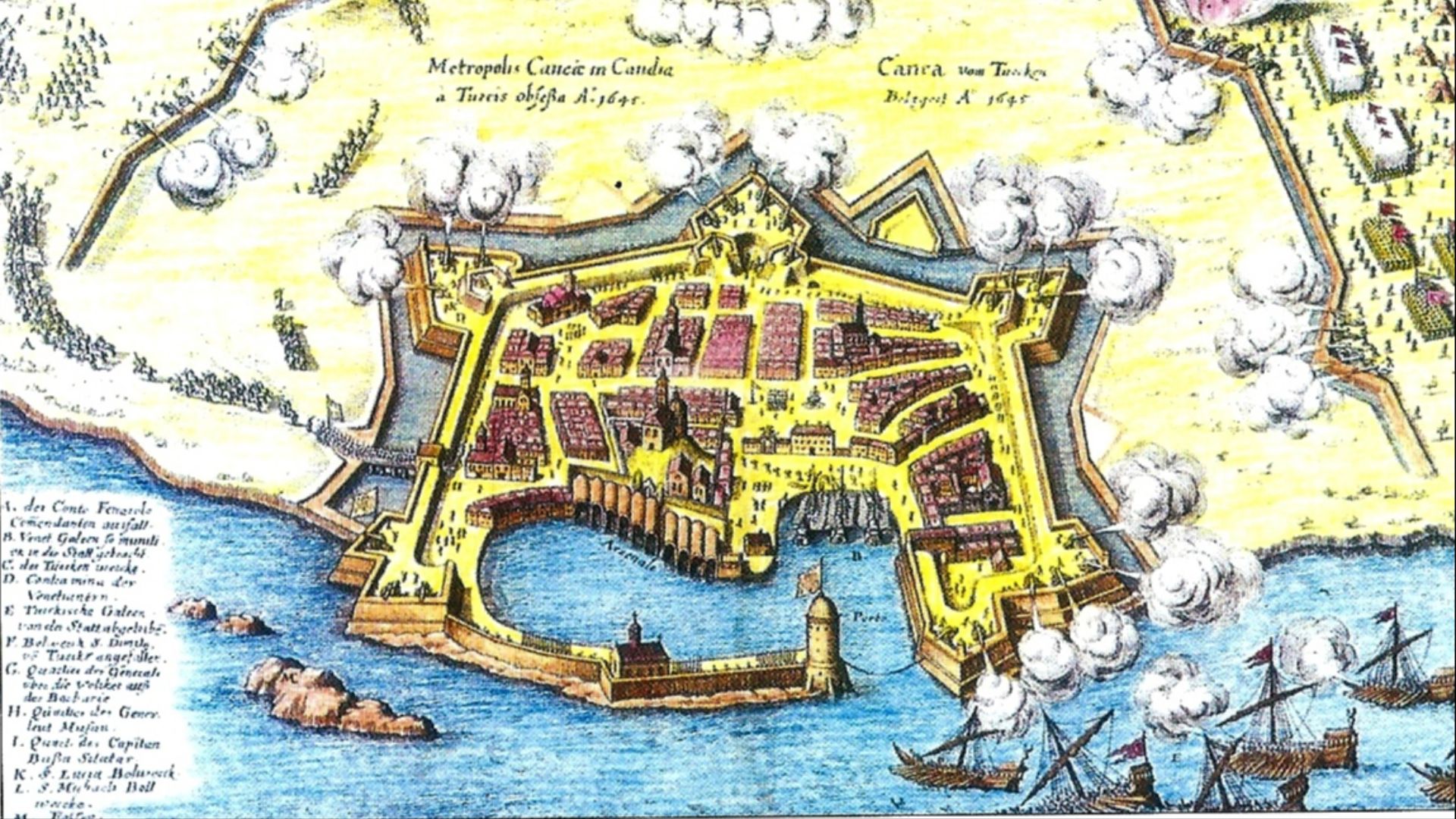 commons.wikimedia.org on Google
17. Quebec
In 1759, the British approach to Quebec depended on convincing the French to watch the wrong places too closely. The famous climb up the cliffs near the Plains of Abraham worked because the route seemed too unlikely to be the main threat. One assumption about terrain opened the door to a turning-point battle.
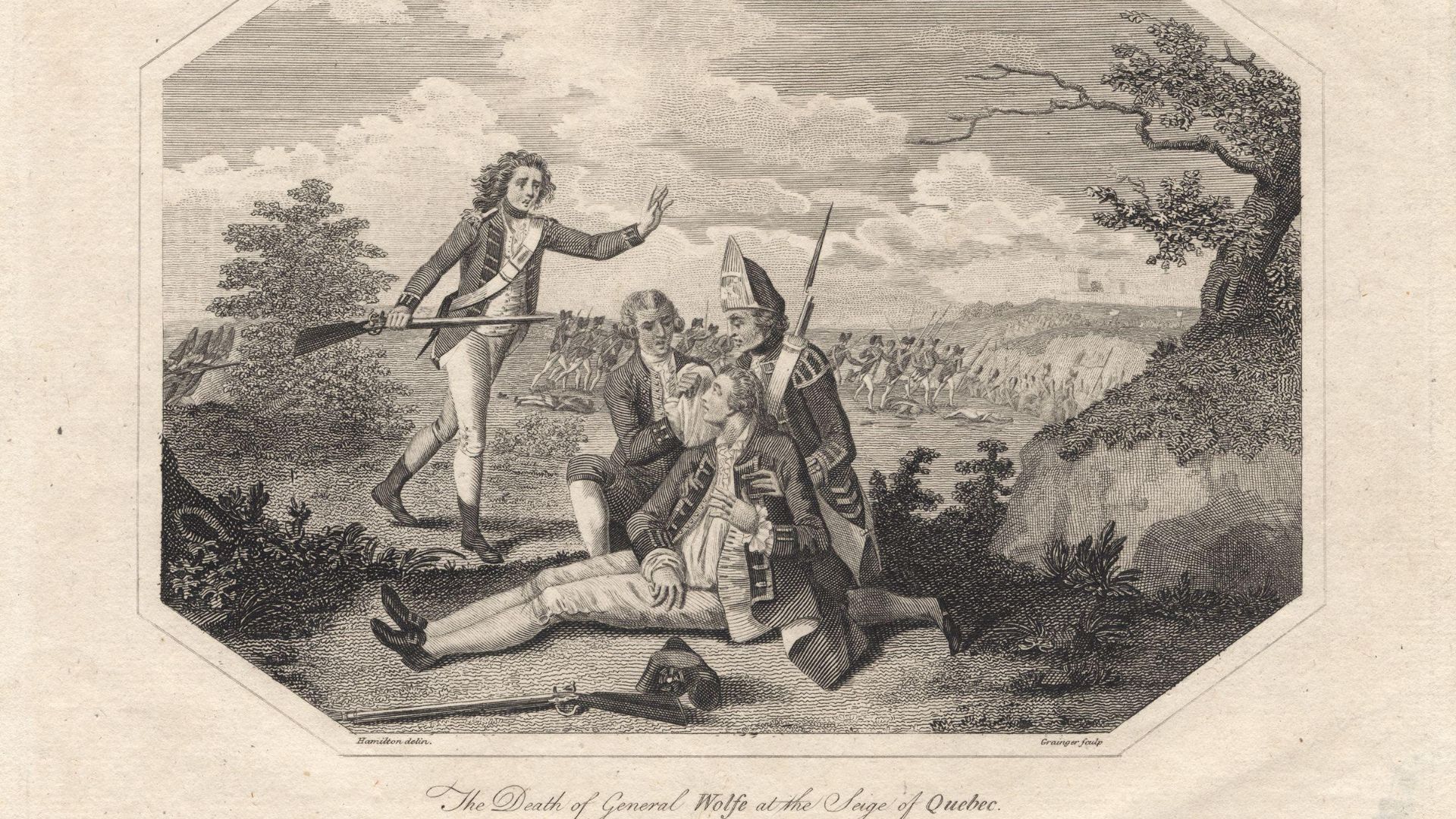 William Grainger (floruit 1793) on Wikimedia
18. Yorktown
By 1781, Yorktown was less about one clever trick than a tightening web of strategic misdirection. The Allies masked intentions long enough to trap Cornwallis in a position he could not easily escape, while siege lines and artillery did the rest. Sometimes the real deception happens before the siege fully closes.
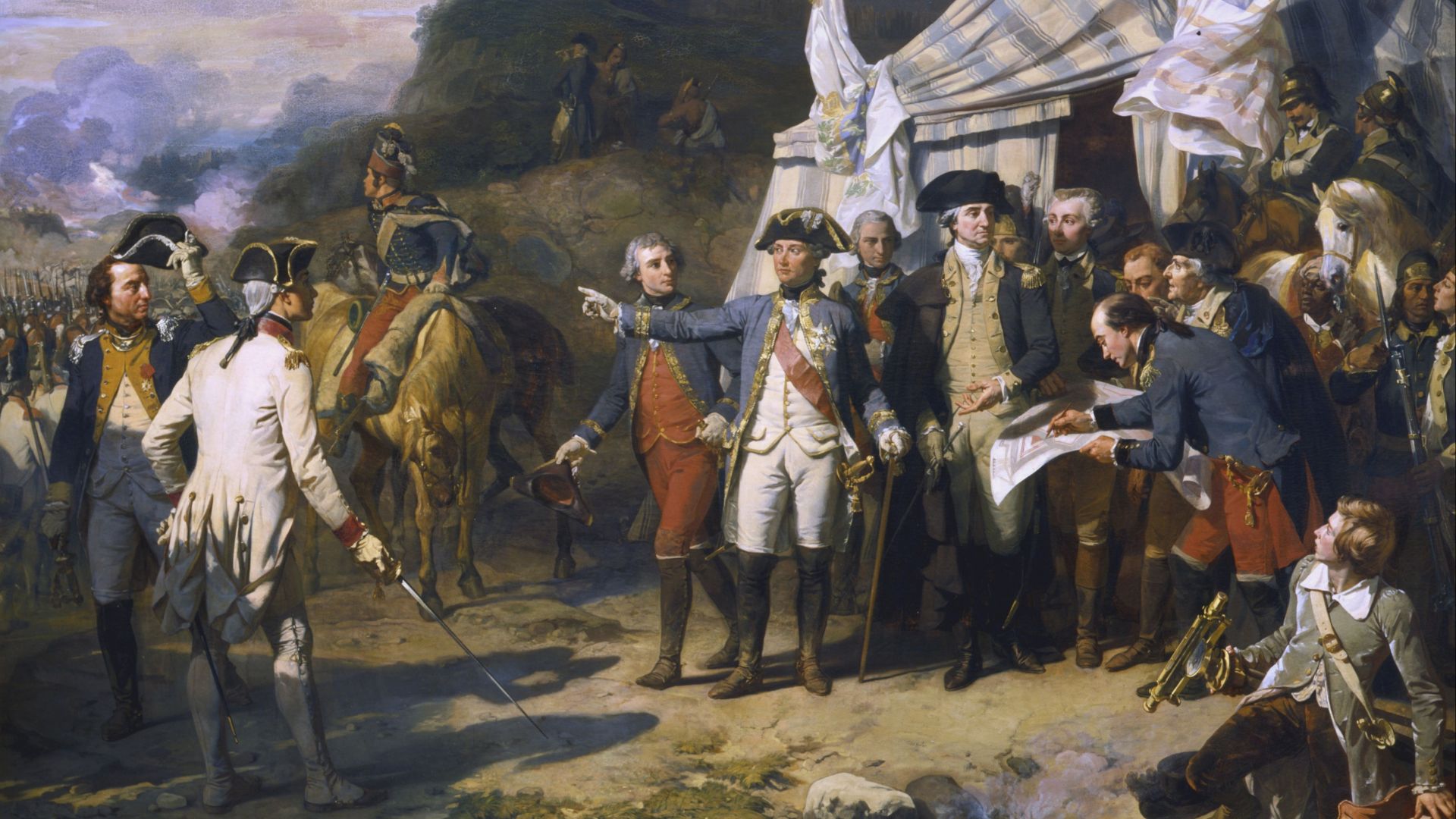
19. Szigetvár
At Szigetvár in 1566, the Ottomans eventually took the fortress, but the defenders repeatedly used feints, sudden sallies, and tactical misdirection to stretch out resistance far beyond what seemed likely. Even in defeat, trickery shaped the rhythm of the siege. That alone can alter outcomes far beyond the walls themselves.
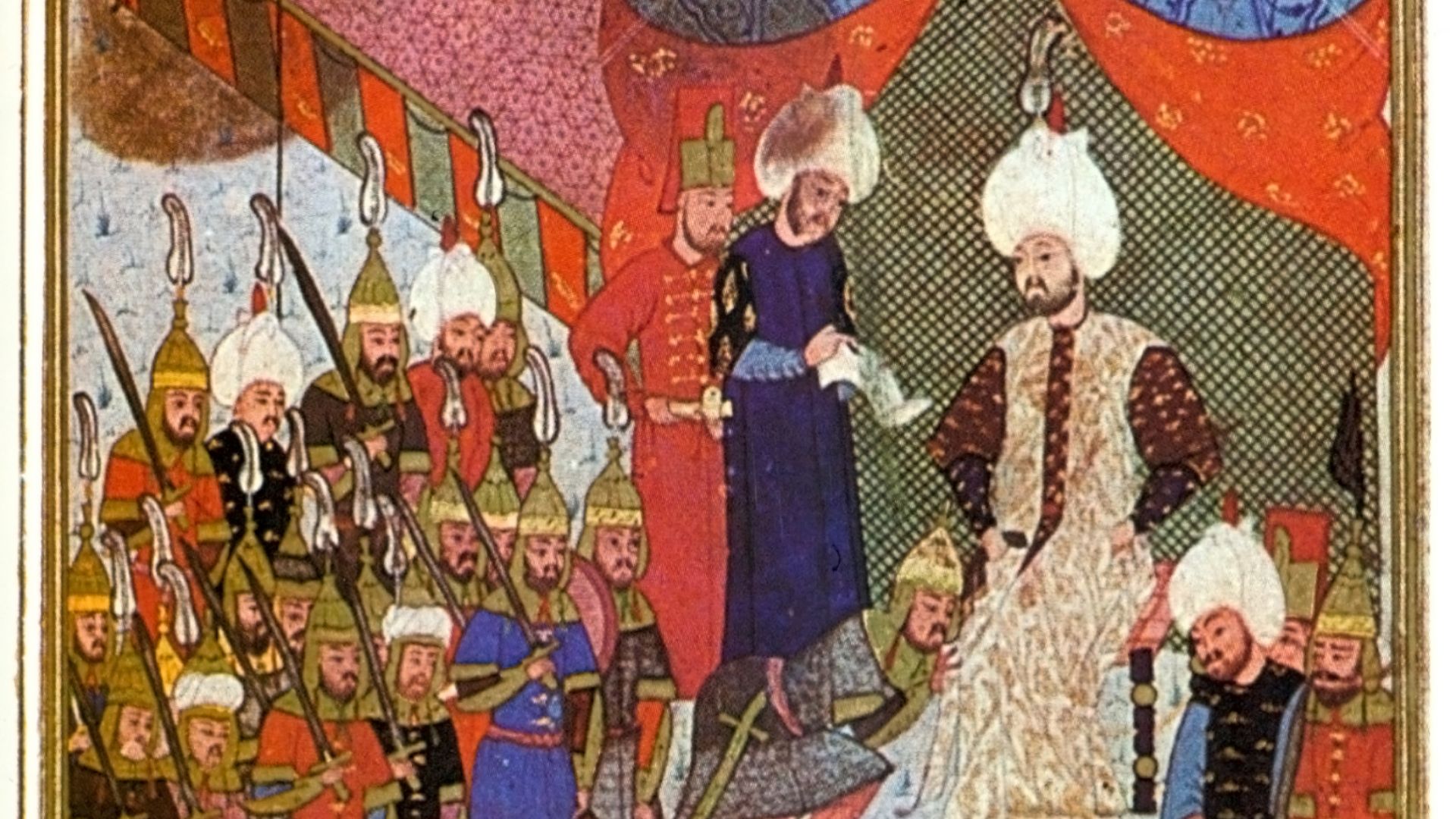 Unknown authorUnknown author on Wikimedia
20. Tarentum
When the Romans retook Tarentum in 209 BCE, trickery mattered more than battering rams. Fabius Maximus benefited from a betrayal inside the city, with guards persuaded to open the way for Roman entry. That is one of the recurring truths of siege warfare: sooner or later, someone at the gate becomes more important than the gate itself.


KEEP ON READING
The story of Ching Shih, the Woman Who Became the…
Unknown author on WikimediaFew figures in history are as feared…
By Emilie Richardson-Dupuis Dec 29, 2025
Einstein's Violin Just Sold At An Auction—And It Earned More…
A Visionary's Violin. Wanda von Debschitz-Kunowski on WikimediaWhen you hear…
By Ashley Bast Nov 3, 2025
This Infamous Ancient Greek Burned Down An Ancient Wonder Just…
History remembers kings and conquerors, but sometimes, it also remembers…
By David Davidovic Nov 12, 2025
The Mysterious "Sea People" Who Collapsed Civilization
3,200 years ago, Bronze Age civilization in the Mediterranean suddenly…
By Robbie Woods Mar 18, 2025
20 Greatest Ancient Athletes In History
Ancient Olympics. Long before modern stadiums and multimillion-dollar endorsements, athletes…
By Sara Springsteen May 1, 2026
20 Soldiers Who Defied Expectations
Changing the Rules of the Battlefield. You’ve probably heard plenty…
By Annie Byrd Feb 10, 2026