

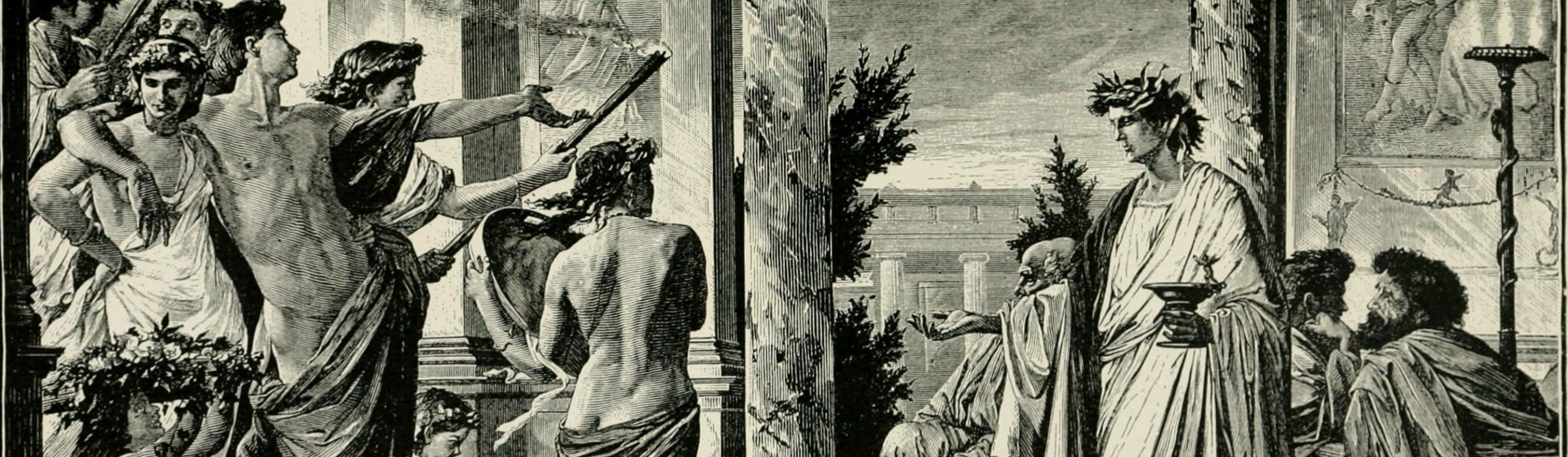
When Loyalty Collided With Ambition Or Belief
History is filled with betrayals, but not all of them came from the same motivation. Some people turned against allies, rulers, or nations to gain authority, wealth, or influence for themselves, while others believed they were acting for moral, political, or religious principles that mattered more than personal loyalty. These betrayals shaped wars, governments, and entire societies, and many are still debated centuries later because the line between selfish ambition and conviction isn't always as clear as it first appears. Here are 10 famous betrayals for power and 10 for principle.
 Internet Archive Book Images on Wikimedia
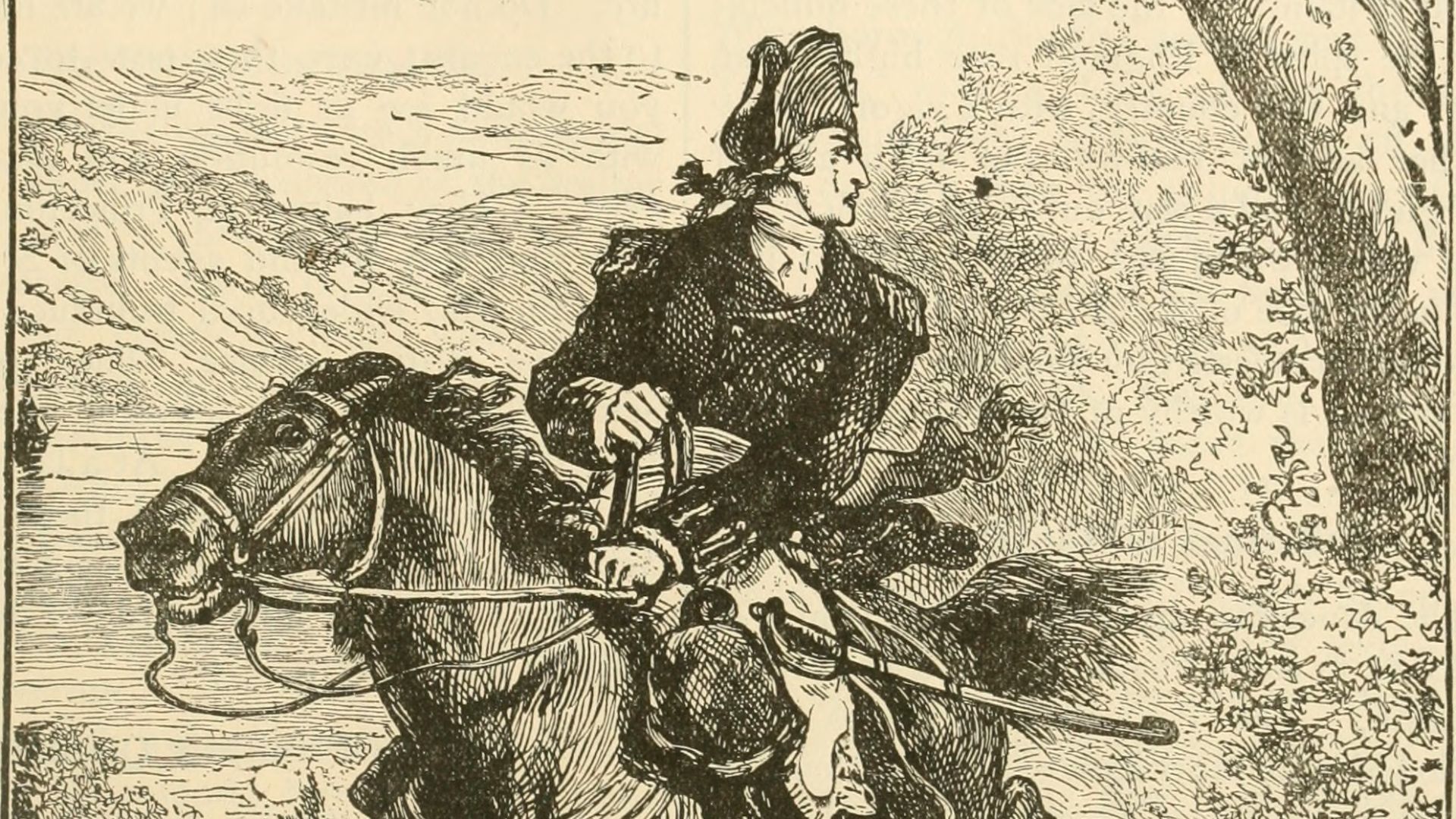
1. Brutus Against Julius Caesar
Marcus Junius Brutus joined the conspiracy that assassinated Julius Caesar in 44 BCE after Caesar gained enormous authority in Rome. Although Brutus later claimed he acted to protect the Roman Republic, many historians also note that powerful senators feared losing their political influence under Caesar's rule.
 Internet Archive Book Images on Wikimedia
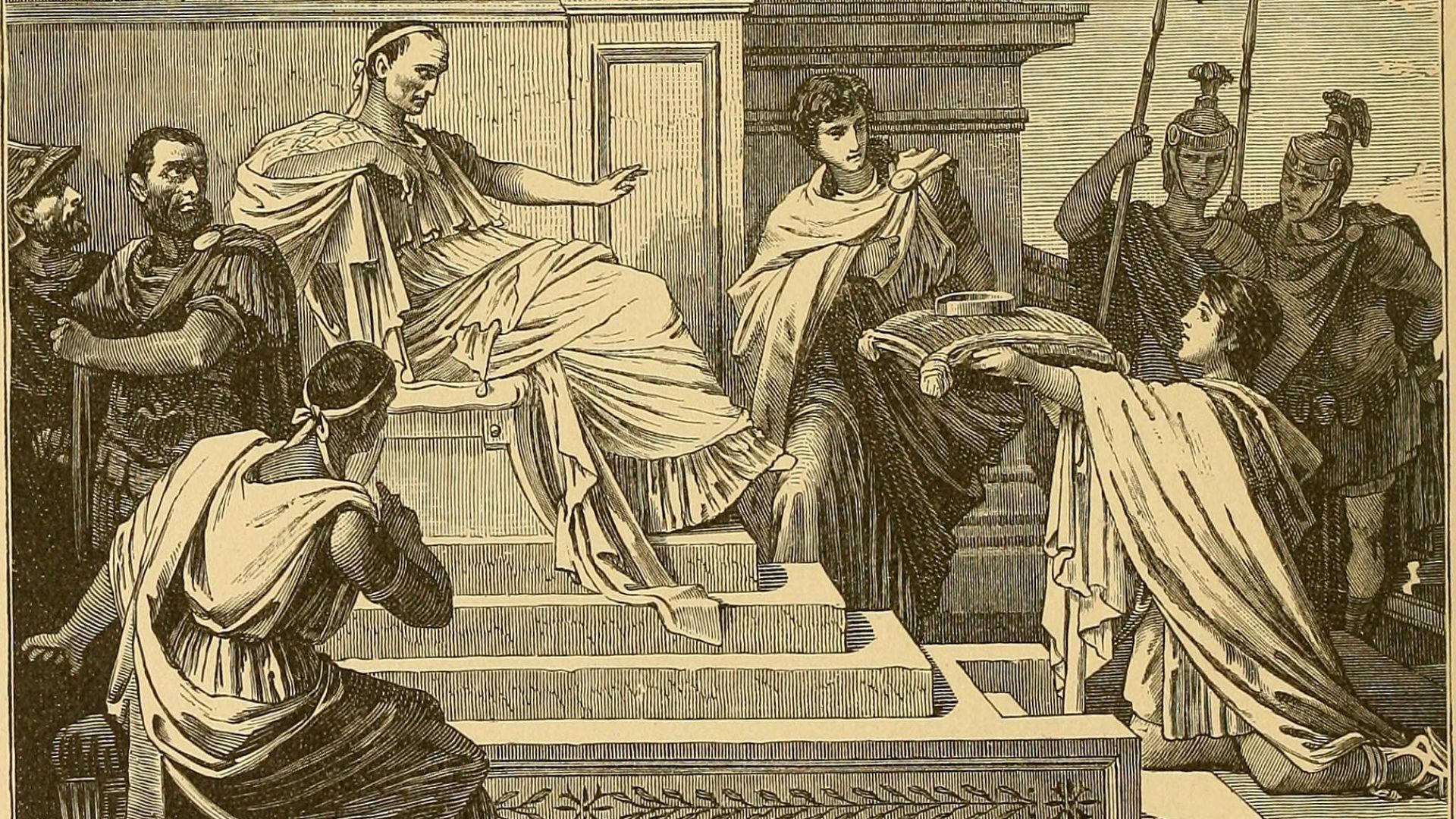
2. Benedict Arnold Against the American Revolution
Benedict Arnold originally fought as a respected general for the American colonies during the Revolutionary War. After becoming frustrated over money, recognition, and political disputes, he secretly agreed to hand the fort at West Point to the British in exchange for payment and a military position.
 British Cartoon Prints Collection on Wikimedia
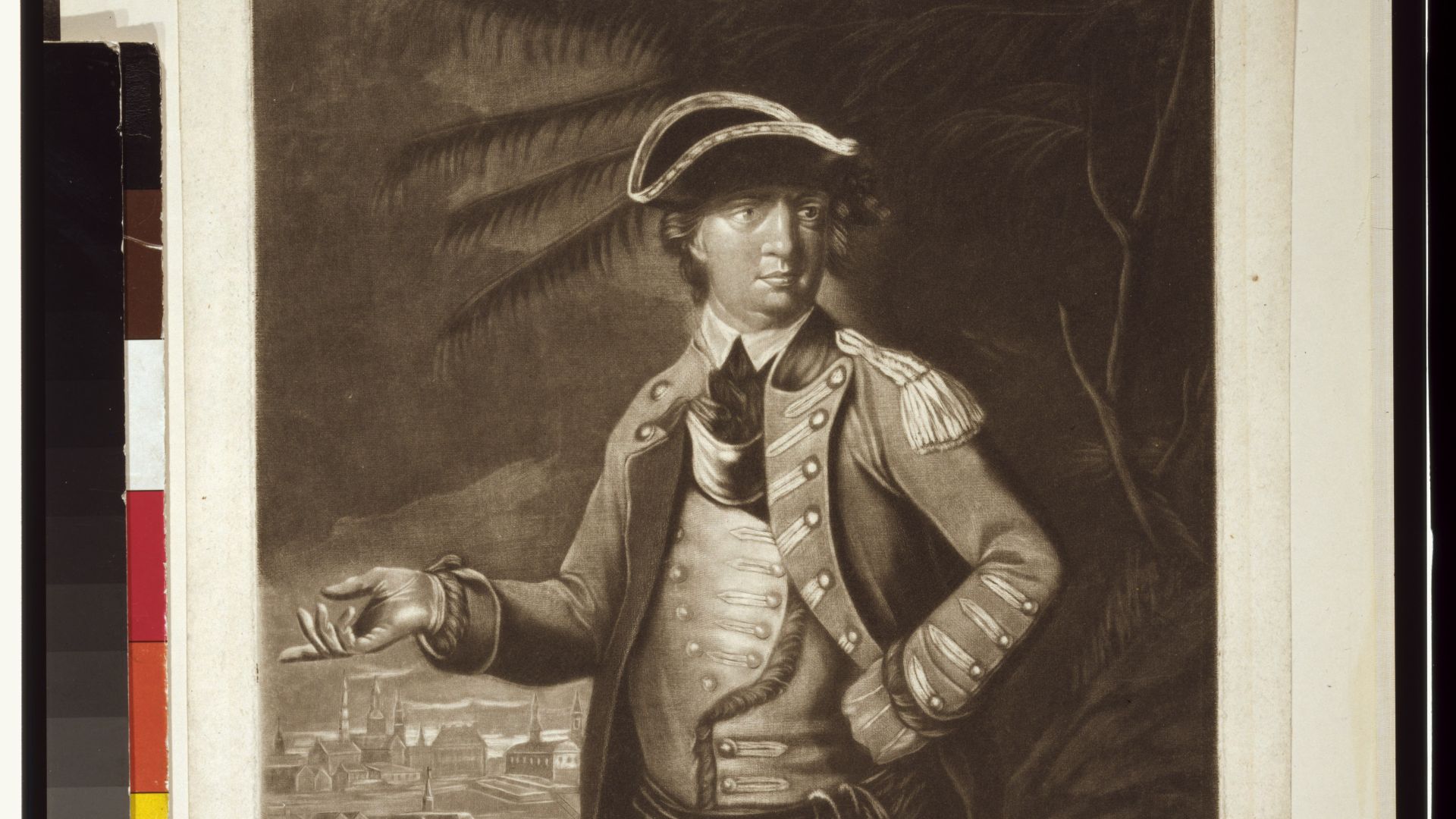
3. Richard Neville Against Edward IV
Richard Neville, known as the Earl of Warwick or "The Kingmaker," helped Edward IV gain the English throne during the Wars of the Roses. When Warwick lost influence over royal decisions, he switched sides and supported Edward's enemies instead. His shifting alliances showed how power struggles often outweighed loyalty among medieval nobles.
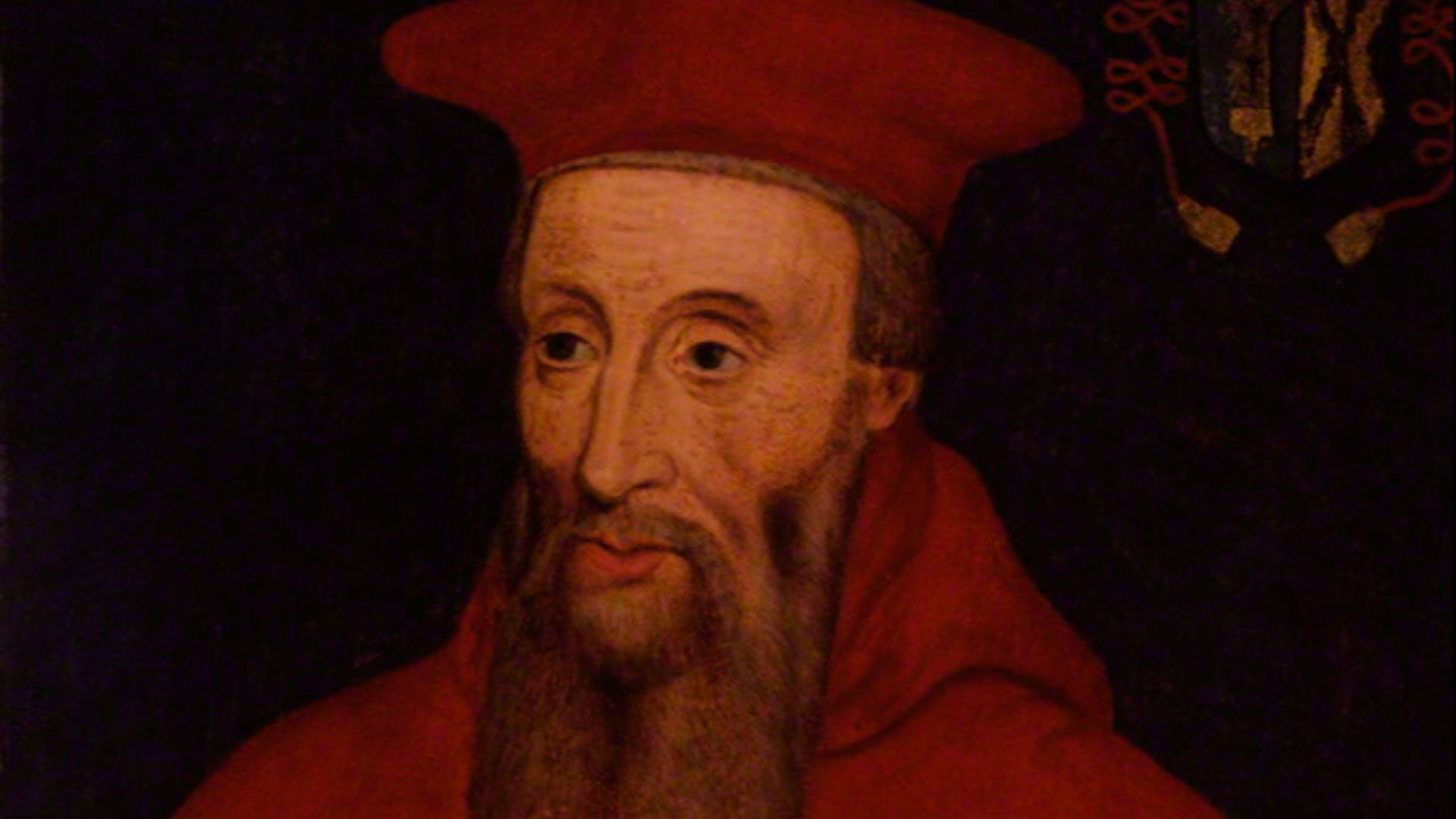 Unidentified painter on Wikimedia
4. Alcibiades Against Athens
Alcibiades was a brilliant but controversial Athenian politician during the Peloponnesian War. After facing criminal charges in Athens, he defected to Sparta and later advised its leaders against his former city. He eventually shifted loyalties again, making him one of the ancient world's most notorious political opportunists.
 Internet Archive Book Images on Wikimedia
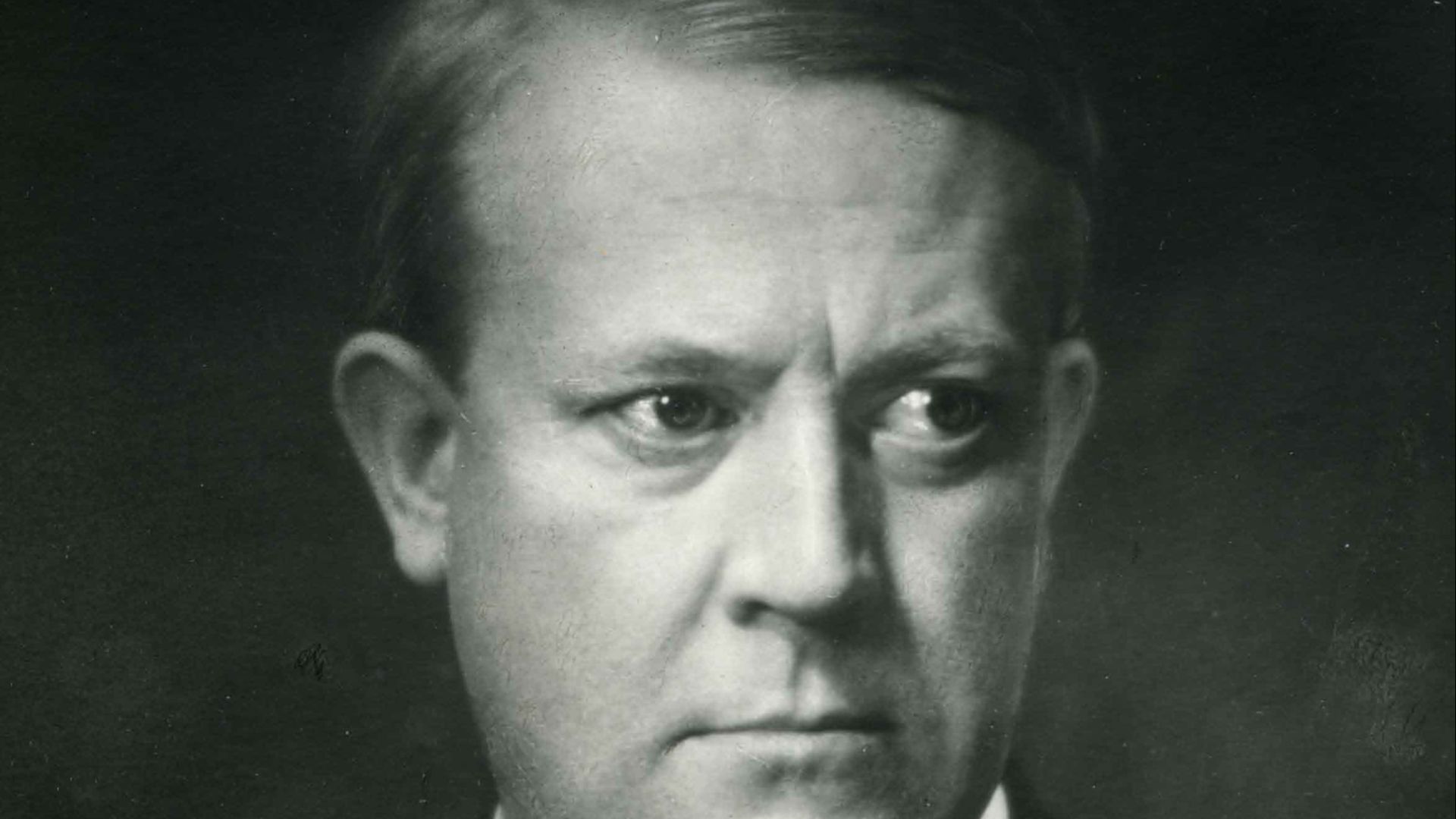
5. Vidkun Quisling Against Norway
Vidkun Quisling collaborated with Nazi Germany during its occupation of Norway in World War II. He attempted to lead a pro-German government while his own country remained under foreign control. His actions were so widely condemned that "quisling" entered several languages as a term for a traitor.
 Riksarkivet (National Archives of Norway) from Oslo, Norway on Wikimedia
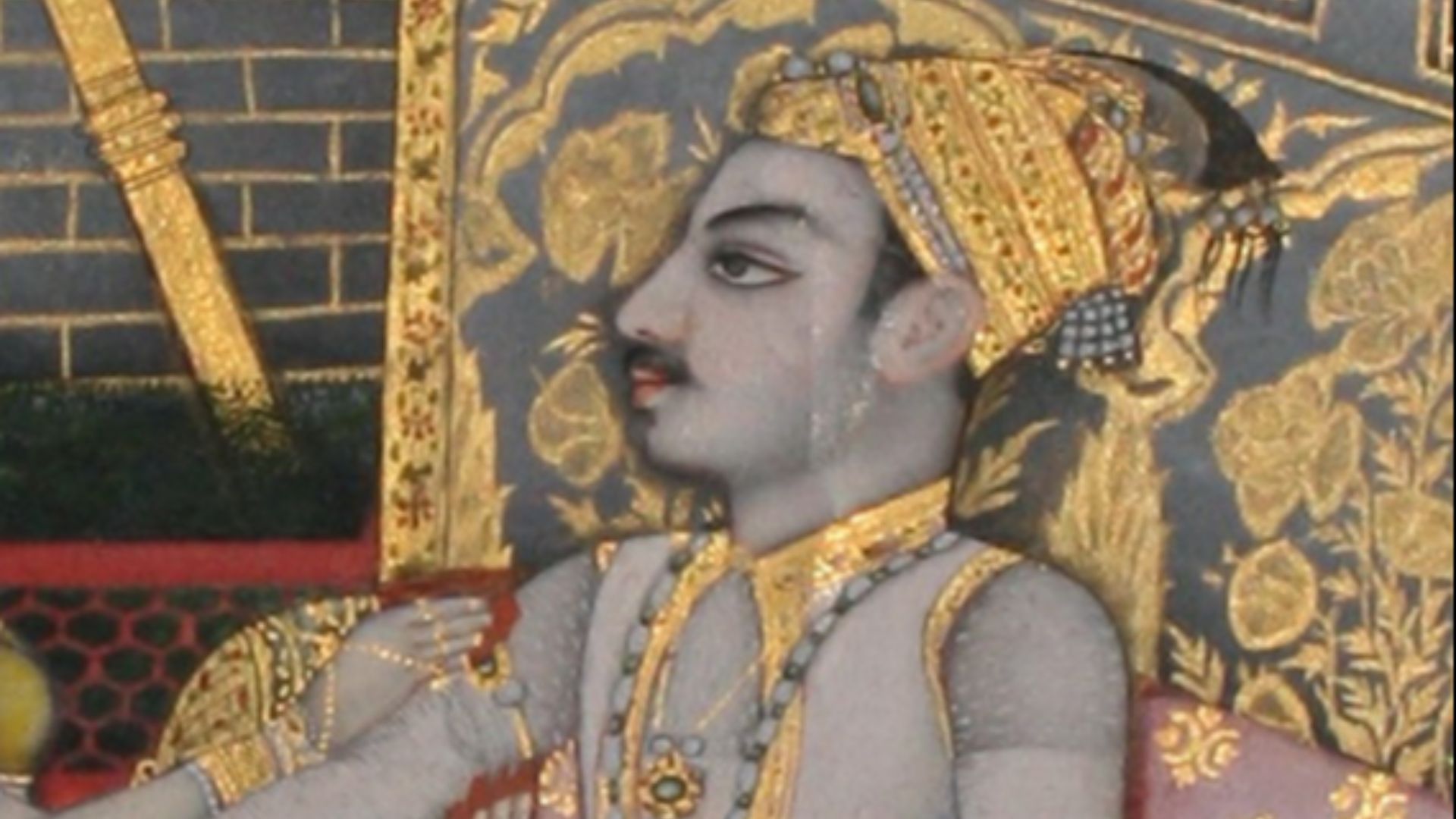
6. Mir Jafar Against Siraj ud-Daulah
Mir Jafar played a major role in the Battle of Plassey in 1757, where the British East India Company defeated the Nawab of Bengal. He secretly cooperated with British forces after being promised political power in return. The betrayal helped expand British influence across India.
7. Pétain Against the French Third Republic
Marshal Philippe Pétain became a national hero during World War I, but his later decisions damaged that reputation permanently. After France fell to Germany in 1940, he led the Vichy government, which cooperated with Nazi authorities instead of continuing resistance from abroad.
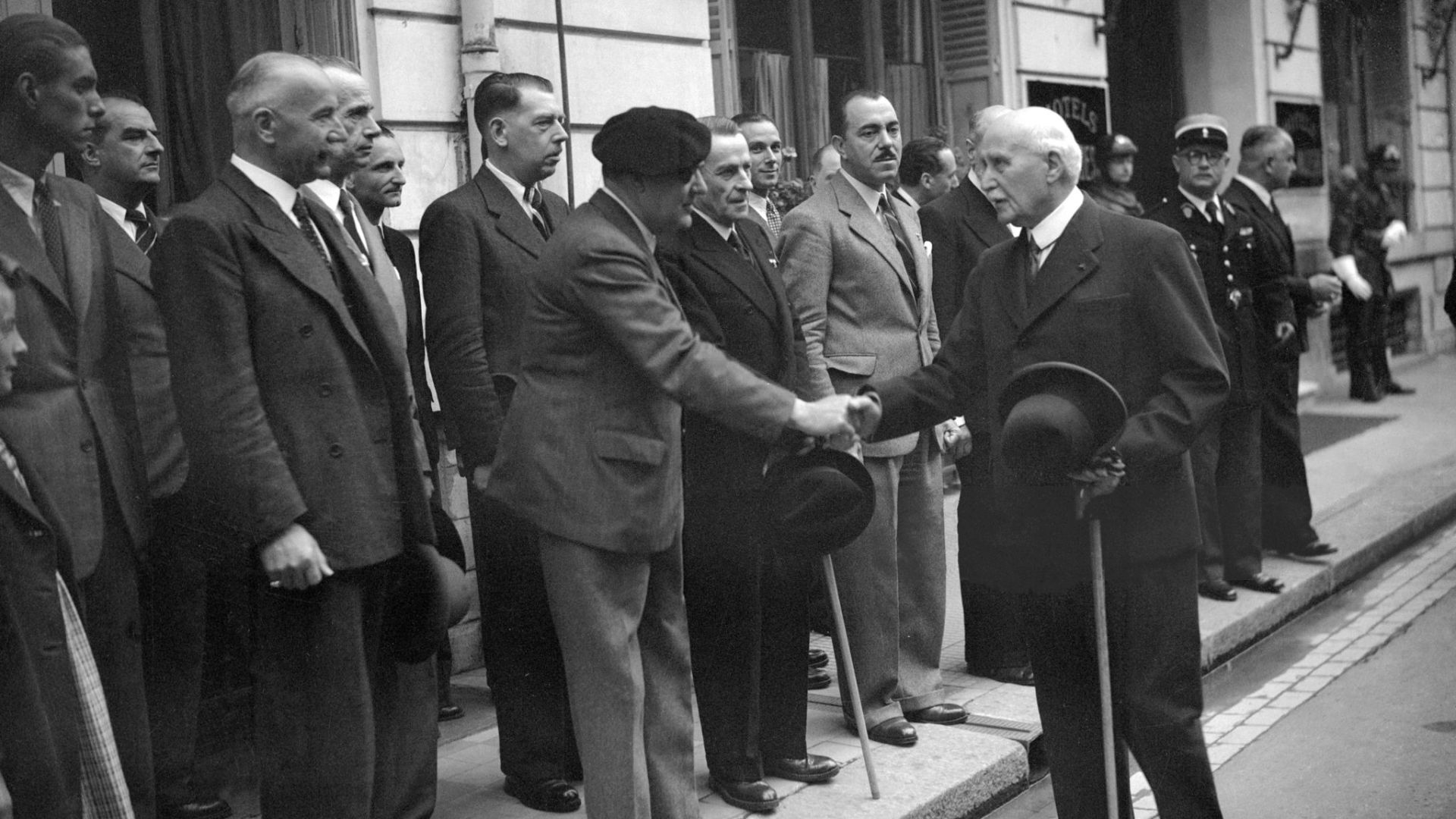 AnonymousUnknown author (Keystone-France) on Wikimedia
8. Andronikos I Against the Byzantine Court
Andronikos I Komnenos gained power in the Byzantine Empire during the twelfth century through political manipulation and violence against rivals. After presenting himself as a reformer, he seized control and eliminated opponents within the imperial family.
 Unknown authorUnknown author on Wikimedia
9. Robert the Bruce Against John Comyn
Before becoming King of Scotland, Robert the Bruce killed his rival John Comyn during a meeting at a church in 1306. The conflict centered partly on competing claims to Scottish leadership during the wars against England.
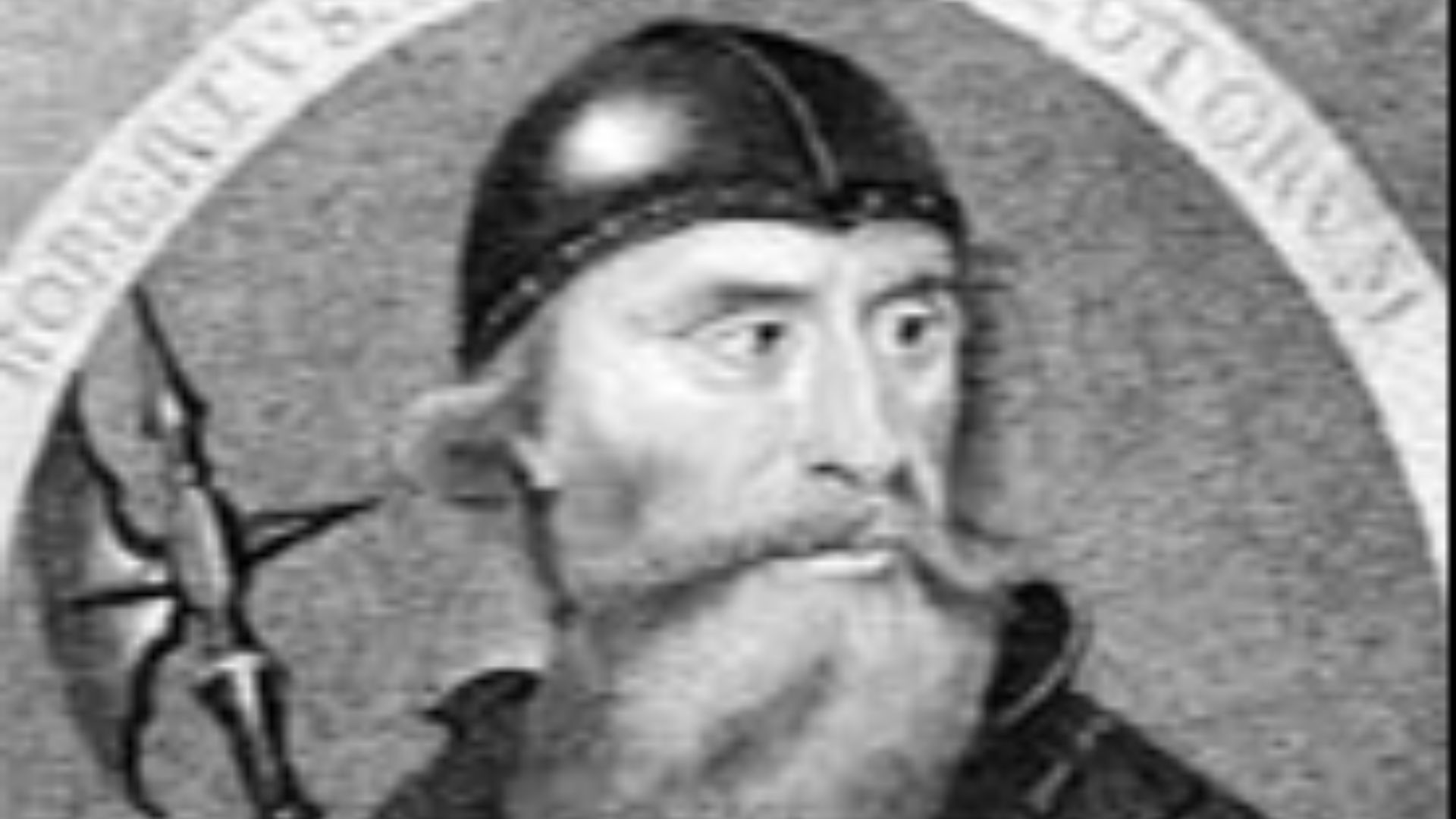
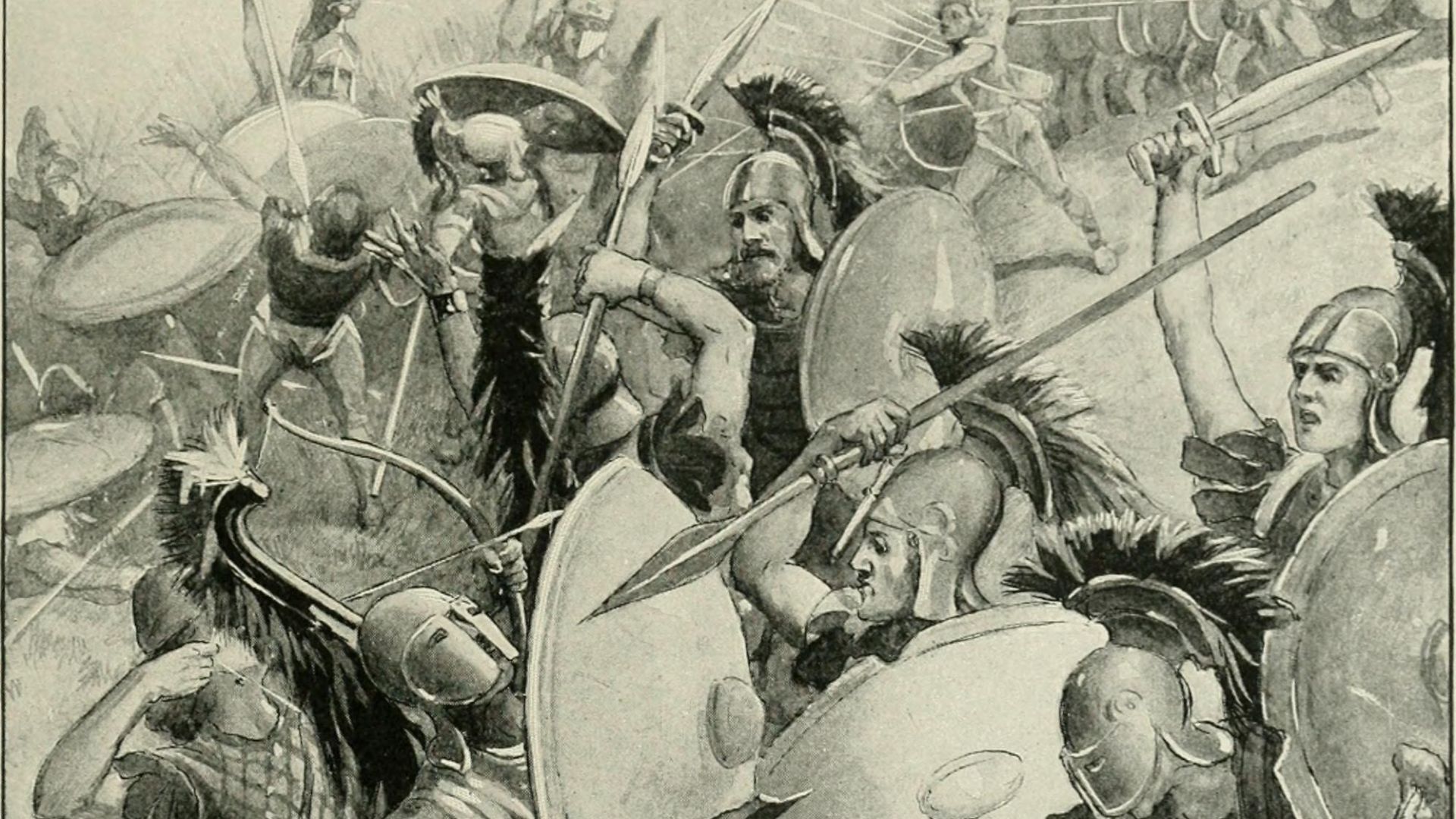
10. Ephialtes Against Sparta
Ephialtes is remembered for betraying the Greeks during the Battle of Thermopylae in 480 BCE. He revealed a mountain path to the Persian army that allowed them to outflank King Leonidas and the Spartan defenders.
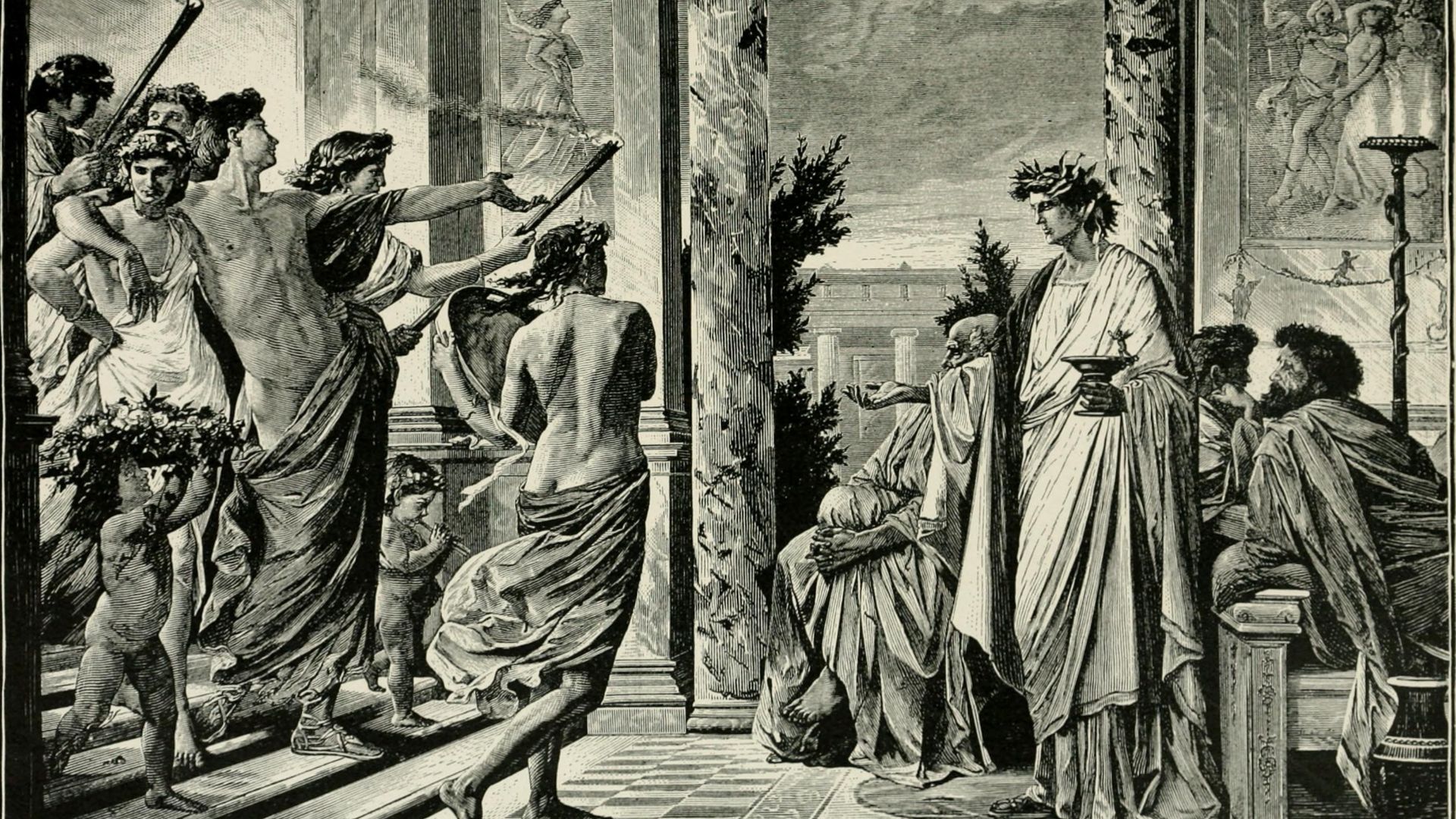 Ellis, Edward Sylvester, 1840-1916; Horne, Charles F. (Charles Francis), 1870-1942 on Wikimedia
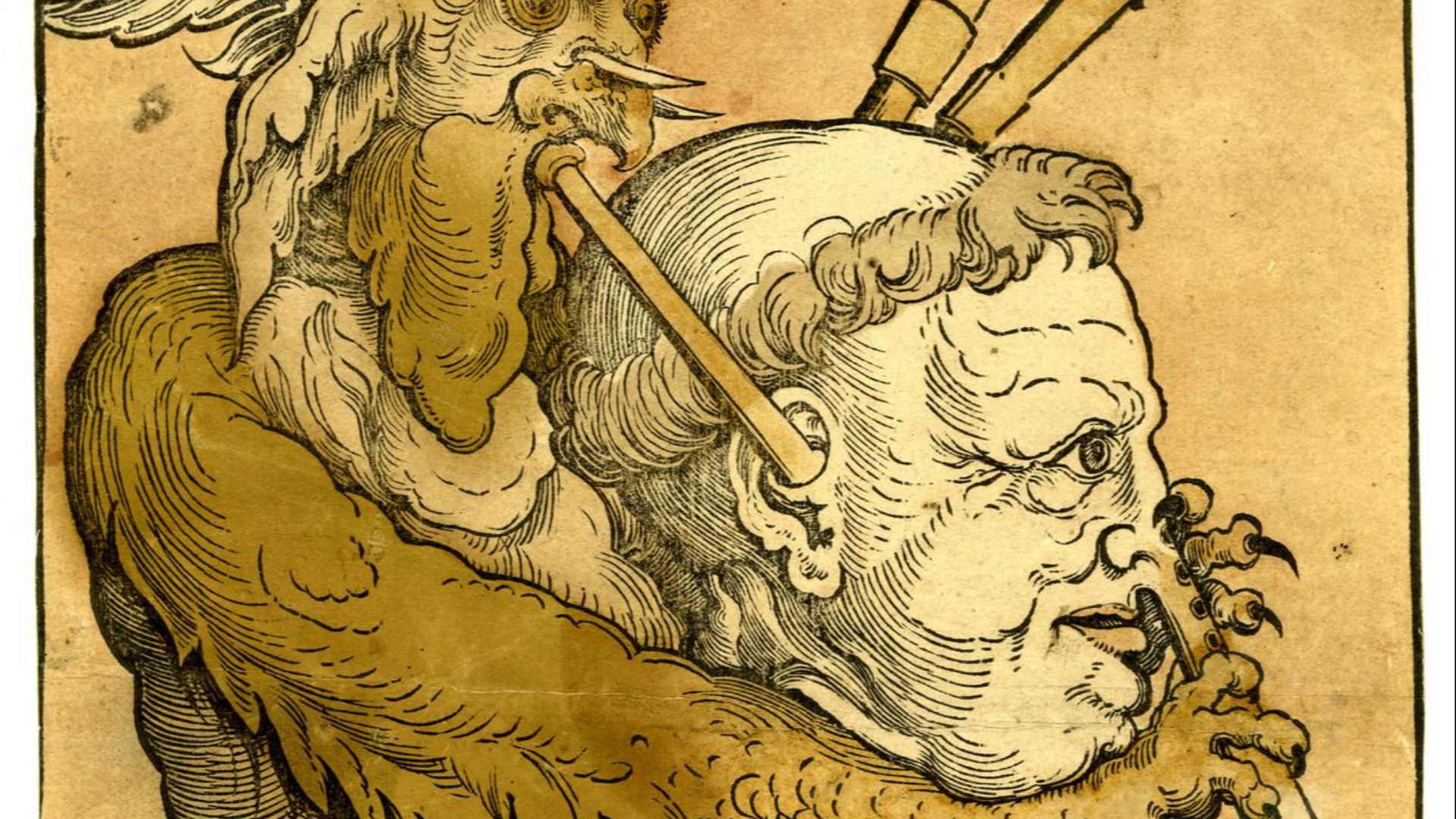
1. Martin Luther Against the Catholic Church
Martin Luther challenged the authority and practices of the Catholic Church in the sixteenth century after criticizing issues such as the sale of indulgences. Church leaders considered his actions a betrayal of religious unity and obedience.
2. Frederick Douglass Against His Former Owners
Frederick Douglass escaped slavery in Maryland and later became one of the strongest abolitionist voices in the United States. Slaveholders viewed his escape and activism as betrayal because he openly attacked the institution that claimed ownership over him.
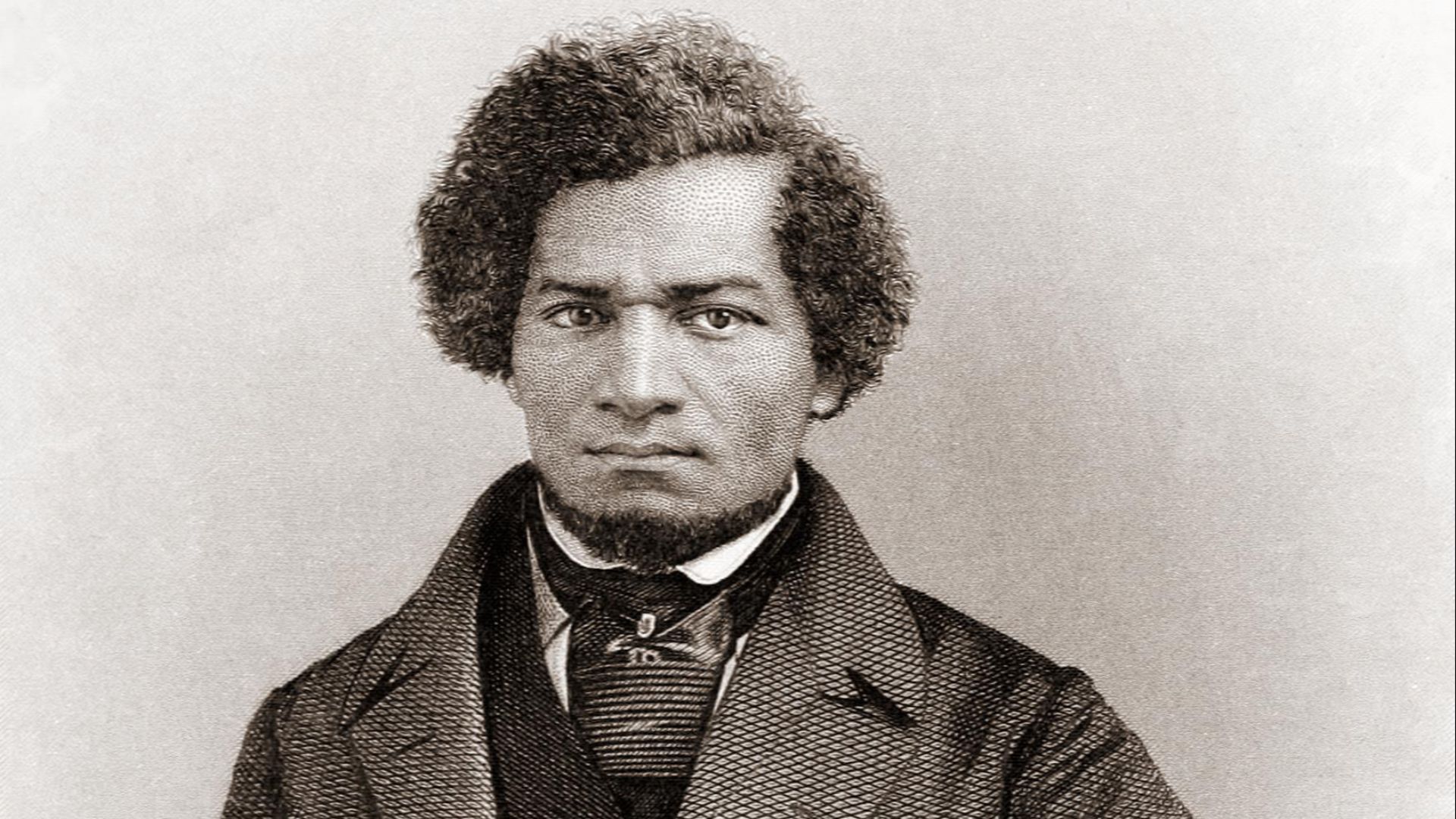 Engraved by J.C. Buttre from a daguerreotype. on Wikimedia
3. Dietrich Bonhoeffer Against Nazi Germany
Dietrich Bonhoeffer was a German theologian who opposed Adolf Hitler and eventually became connected to resistance efforts against the Nazi regime. Although the German state considered his actions treasonous, Bonhoeffer believed Christian principles required resistance to dictatorship and persecution.
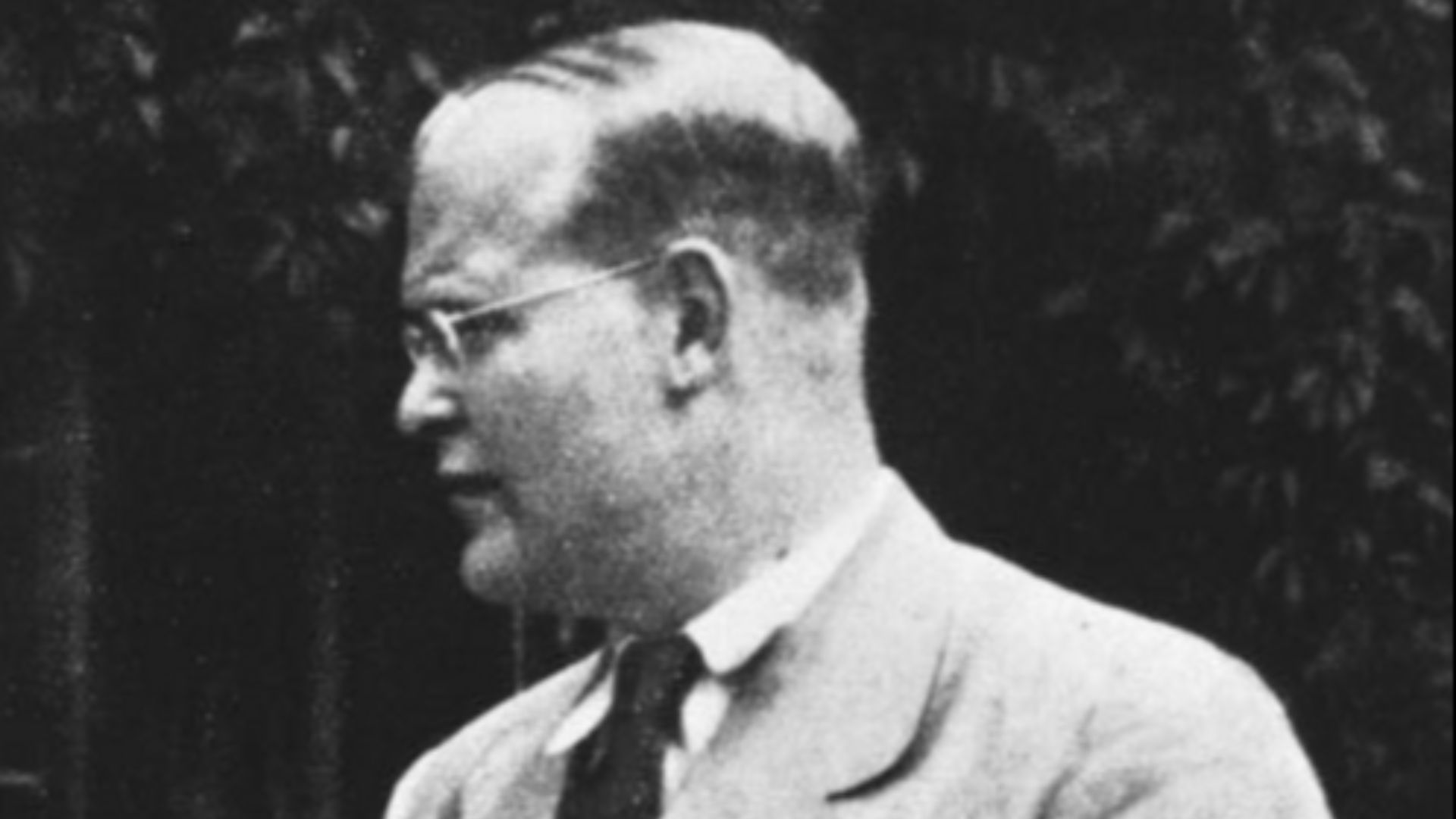 Unknown authorUnknown author on Wikimedia
4. Thomas More Against Henry VIII
Thomas More served King Henry VIII loyally for years before refusing to support the king's break from the Catholic Church. His refusal to recognize Henry as head of the Church of England led to charges of treason.
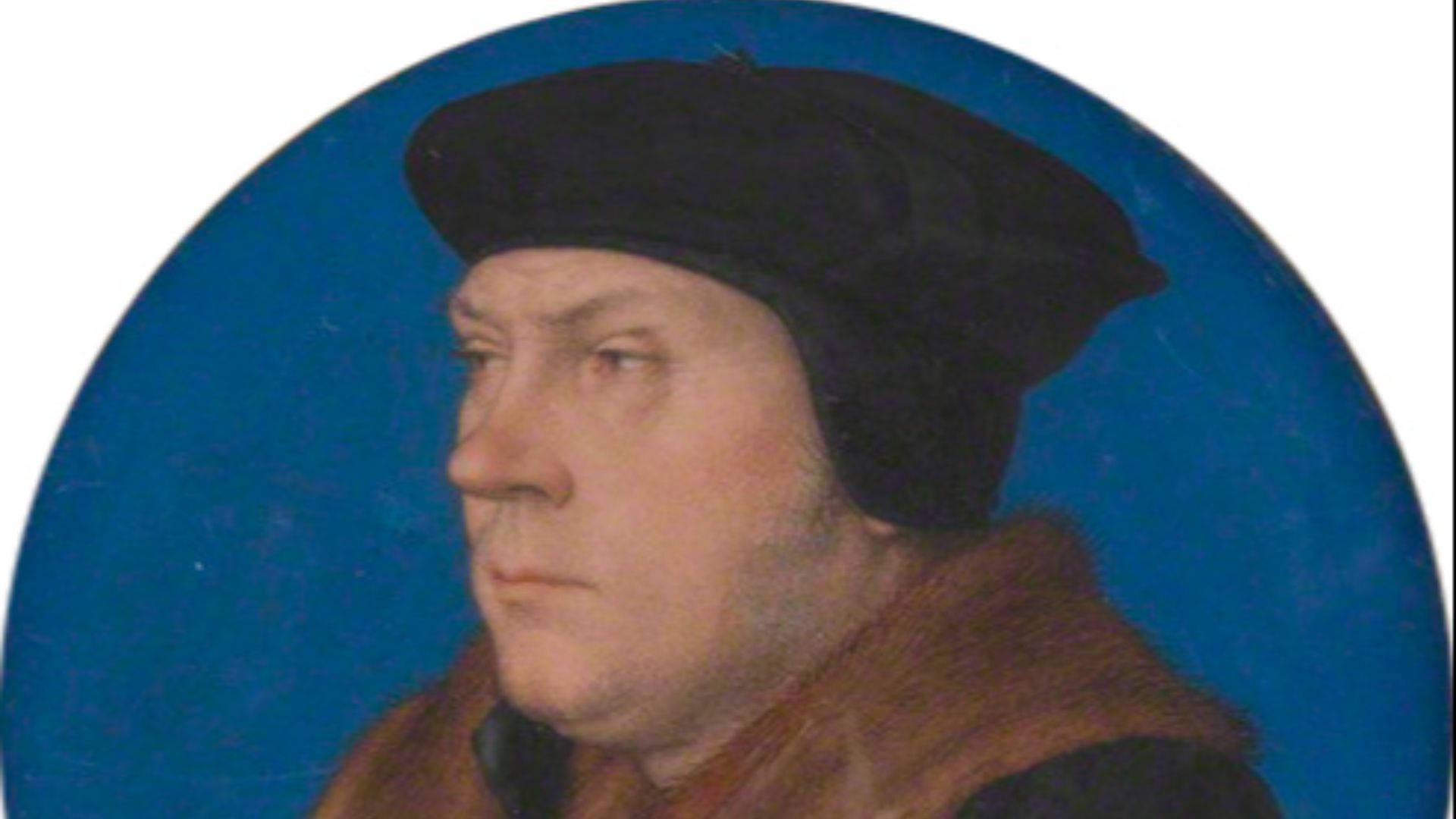 Attributed to Hans Holbein the Younger on Wikimedia
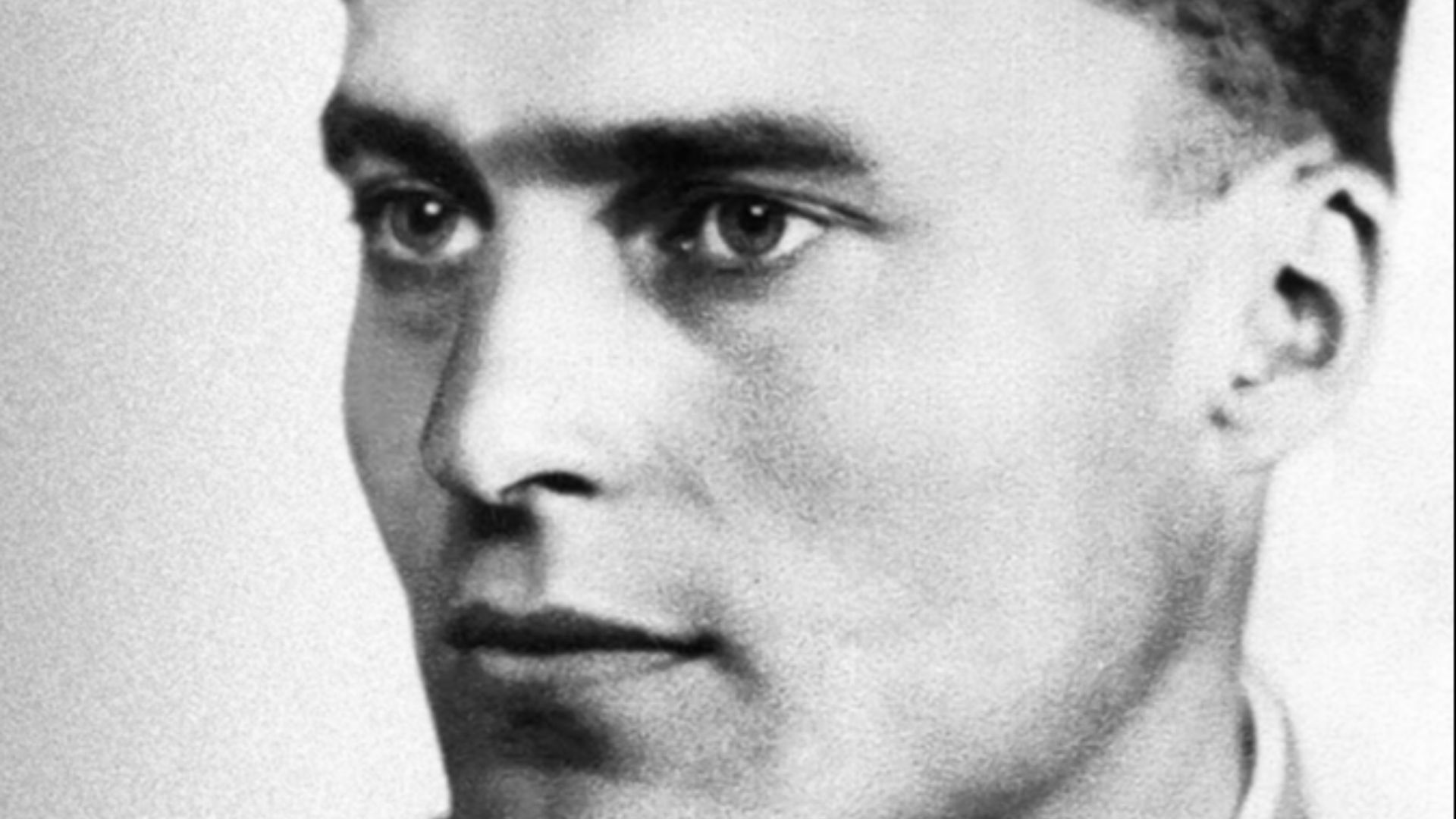
5. Claus von Stauffenberg Against Hitler
Claus von Stauffenberg was a German army officer who participated in the July 1944 plot to assassinate Hitler. Although he betrayed his government's leadership, he believed Germany needed to end Nazi rule to avoid further destruction and moral collapse.
 Unknown authorUnknown author on Wikimedia
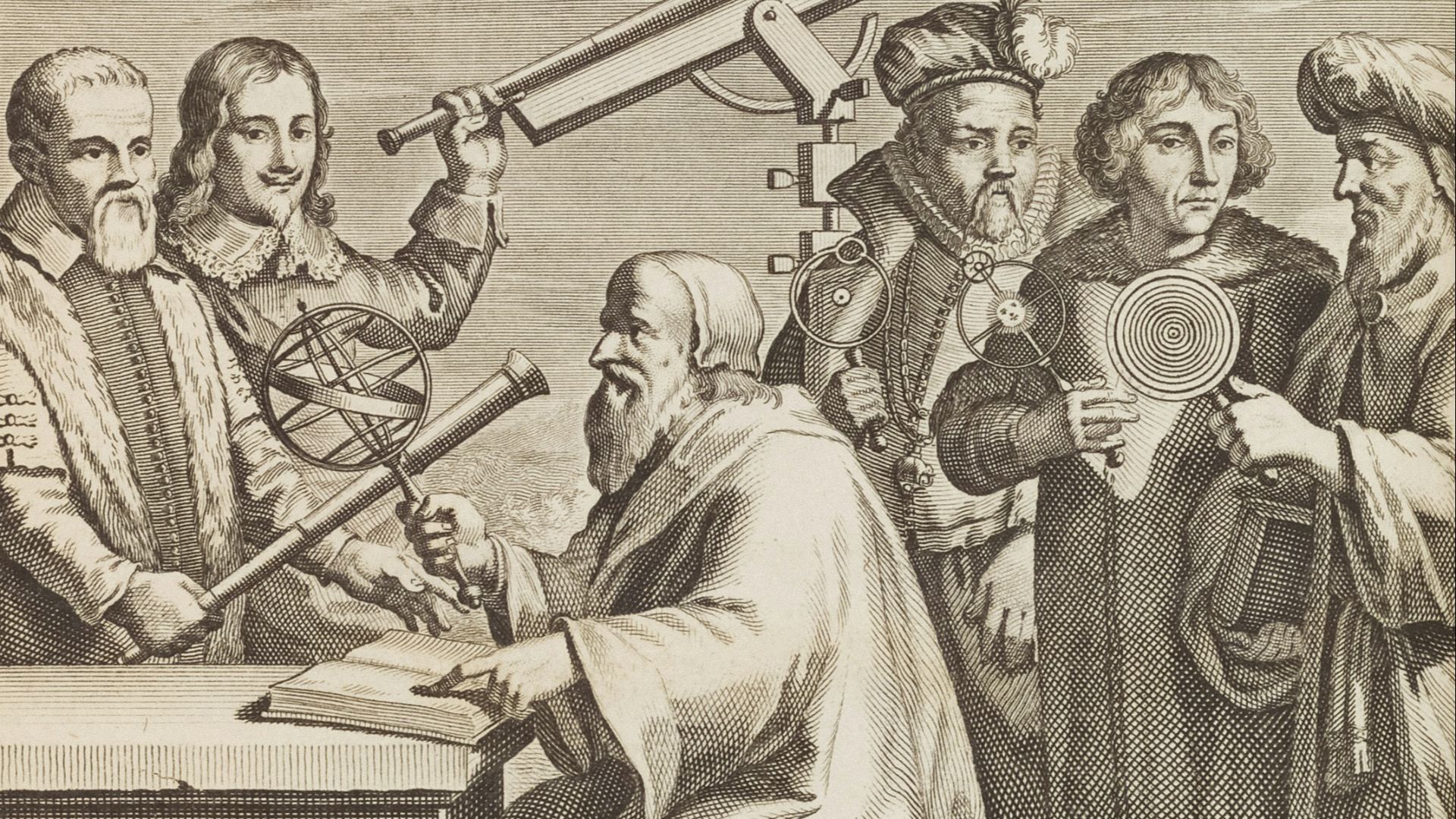
6. Galileo Against Accepted Doctrine
Galileo Galilei supported the heliocentric theory that Earth revolves around the sun, which challenged prevailing religious and scientific beliefs of his time. Many authorities treated his support for the theory as disobedience toward established teaching.
 The New York Public Library on Unsplash
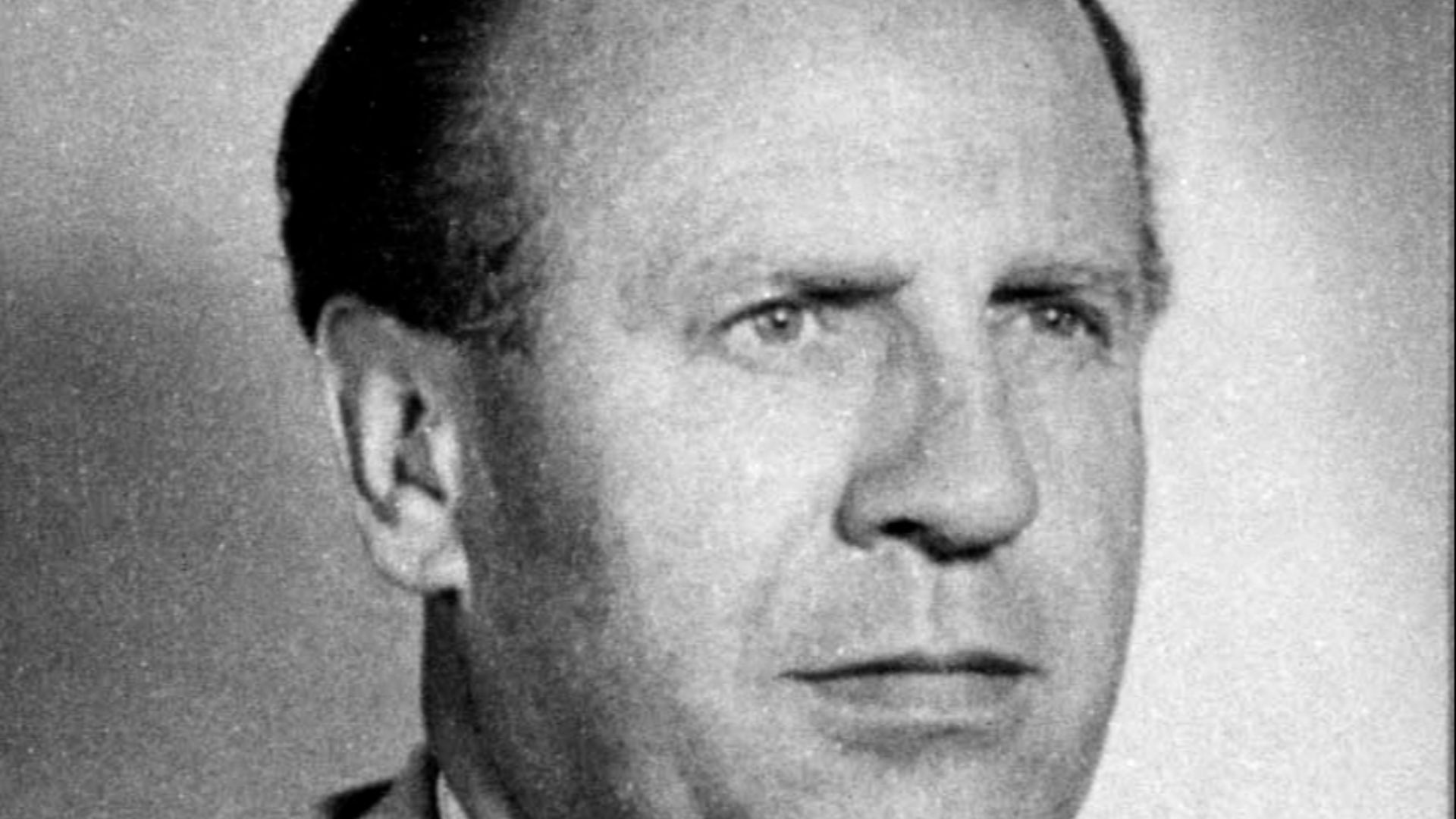
7. Oskar Schindler Against Nazi Policy
Oskar Schindler began World War II as a businessman connected to the Nazi Party, yet he later used his factories and resources to save more than a thousand Jewish lives. From the perspective of Nazi officials, his actions undermined state policy and wartime priorities.
 Unknown authorUnknown author on Wikimedia
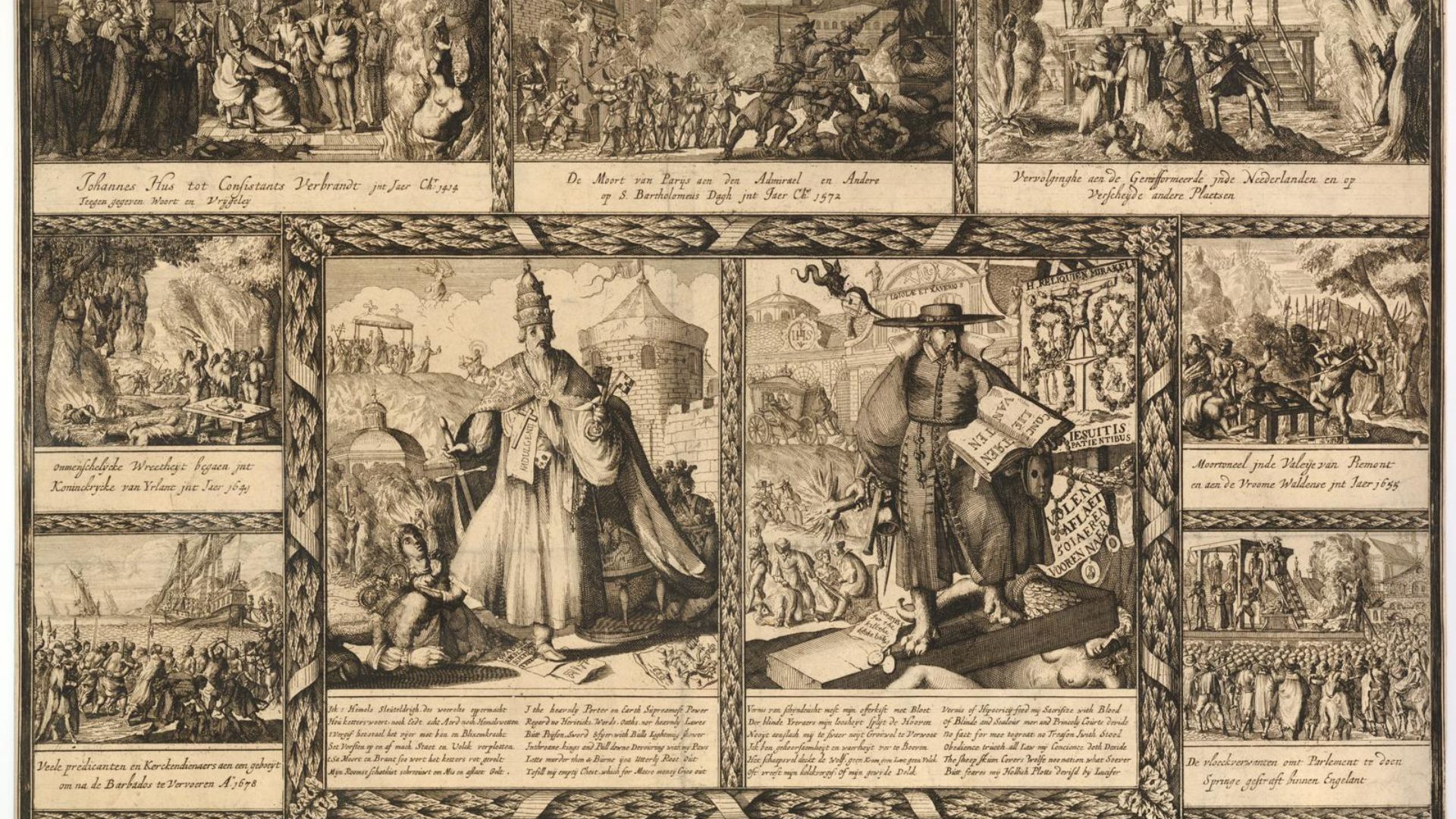
8. Jan Hus Against Church Authority
Jan Hus criticized corruption within the medieval Catholic Church during the early fifteenth century. Church officials viewed his teachings as a dangerous betrayal of religious order and doctrine.
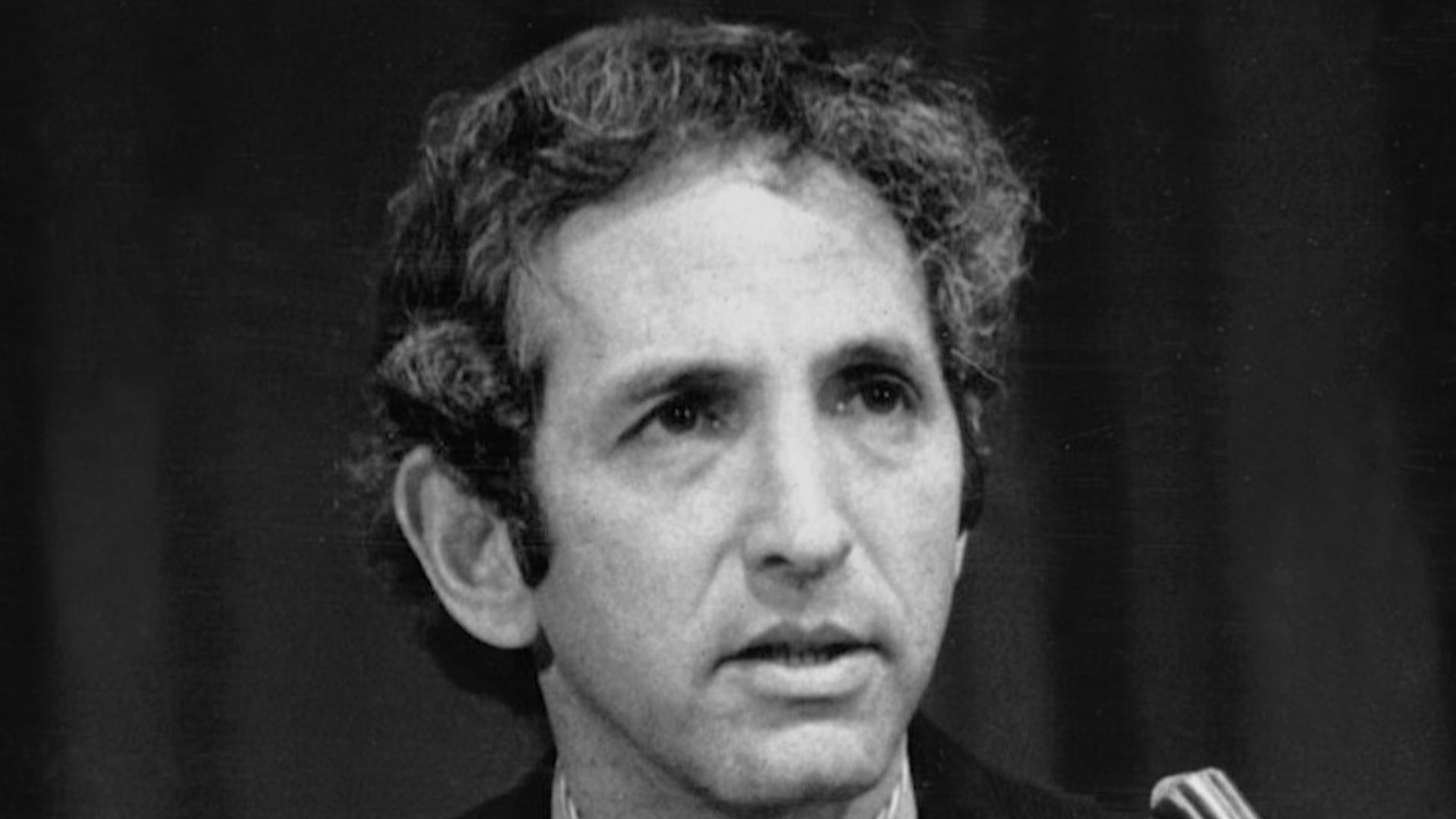
9. Daniel Ellsberg Against the U.S. Government
Daniel Ellsberg leaked the Pentagon Papers in 1971, revealing classified information about American involvement in Vietnam. Supporters believed he exposed government deception for the public good, while critics accused him of betraying national trust.
 Gotfryd, Bernard, photographer on Wikimedia
10. Sophie Scholl Against the Nazi State
Sophie Scholl belonged to the White Rose resistance group in Nazi Germany, which distributed leaflets criticizing the regime and the war. The government treated her actions as treason because she openly encouraged opposition among German citizens.

KEEP ON READING

10 Greatest Quarterbacks Of All Time & 10 That Are…
Do You Disagree?. Few topics in sports generate as much…
By Farva Ivkovic Dec 2, 2025
The story of Ching Shih, the Woman Who Became the…
Unknown author on WikimediaFew figures in history are as feared…
By Emilie Richardson-Dupuis Dec 29, 2025
20 Shakespearean Words, Translated For A Modern Audience
What’s In A Word?. Shakespeare was a wordsmith of the…
By Breanna Schnurr Dec 17, 2025
20 Inspiring Stories From Native American History
Incredible Stories Of Resilience And Endurance. Many of us didn't…
By Ashley Bast Dec 17, 2025
You Think You Have Problems? These Royal Families Were Cursed
Boasson and Eggler St. Petersburg Nevsky 24. on WikimediaHeavy is…
By Ashley Bast Dec 5, 2025
MH370: The Plane That Can't Be Found
Anna Zvereva from Tallinn, Estonia on WikimediaEleven years after Malaysia…
By Christy Chan Dec 10, 2025