

20 Historical Poisons That Changed Politics, War, And Royal Families
Power In A Cup
Poison has always had a strange place in history because it feels both intimate and enormous. A battle announces itself with drums, banners, and bodies in the field, but poison works in bedrooms, dining rooms, prison cells, and train stations. It can make an emperor’s dinner matter more than an army, or turn a single assassination into an international crisis. It also leaves behind a particular kind of fear, because everyone still has to eat, drink, breathe, and trust someone. Here are 20 historical poisons that slipped into politics, war, and royal families, then changed the story around them.
 Unknown authorUnknown author on Wikimedia
1. Hemlock
Hemlock is remembered less as a plant than as the final cup given to Socrates. Ancient Athens turned poison into a public sentence, and that death gave philosophy one of its most enduring scenes: a condemned man, calm enough to become immortal in the telling.

2. Death-Cap Mushrooms
Claudius, emperor of Rome, died in 54 CE, and Roman tradition blamed Agrippina, who wanted Nero securely on the throne. The details vary, but the political result did not: one meal helped clear the way for one of Rome’s most notorious reigns.
 hedera.baltica from Wrocław, Poland on Wikimedia
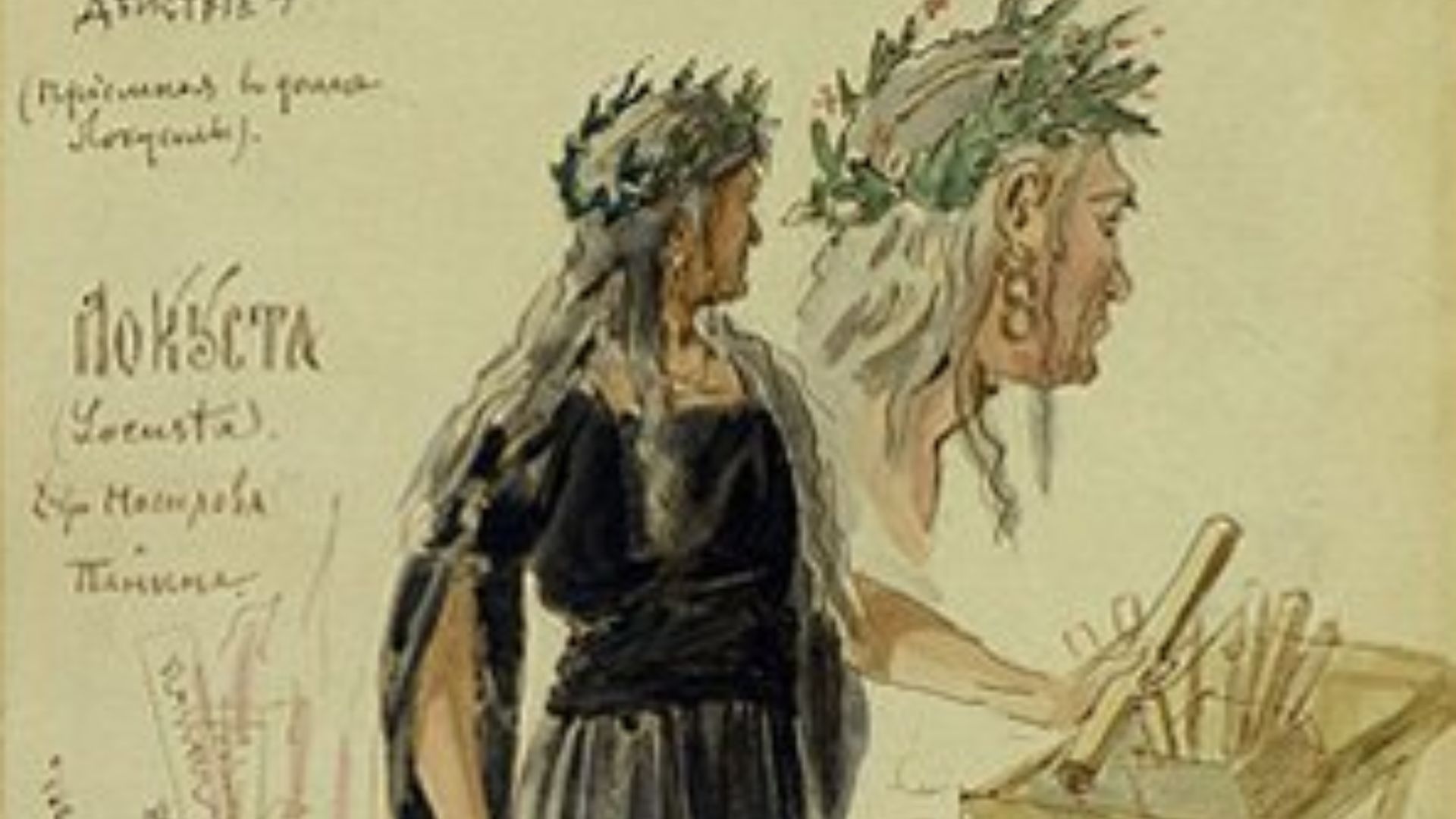
3. Locusta’s Roman Poisons
In Nero’s world, poison had almost become palace administration. Britannica notes the belief that Agrippina poisoned Claudius and Britannicus to seal Nero’s claim, which makes the Julio-Claudian court feel less like a dynasty than a dinner party nobody should have attended.
 Evgenij Petrovich Ponomarev on Wikimedia
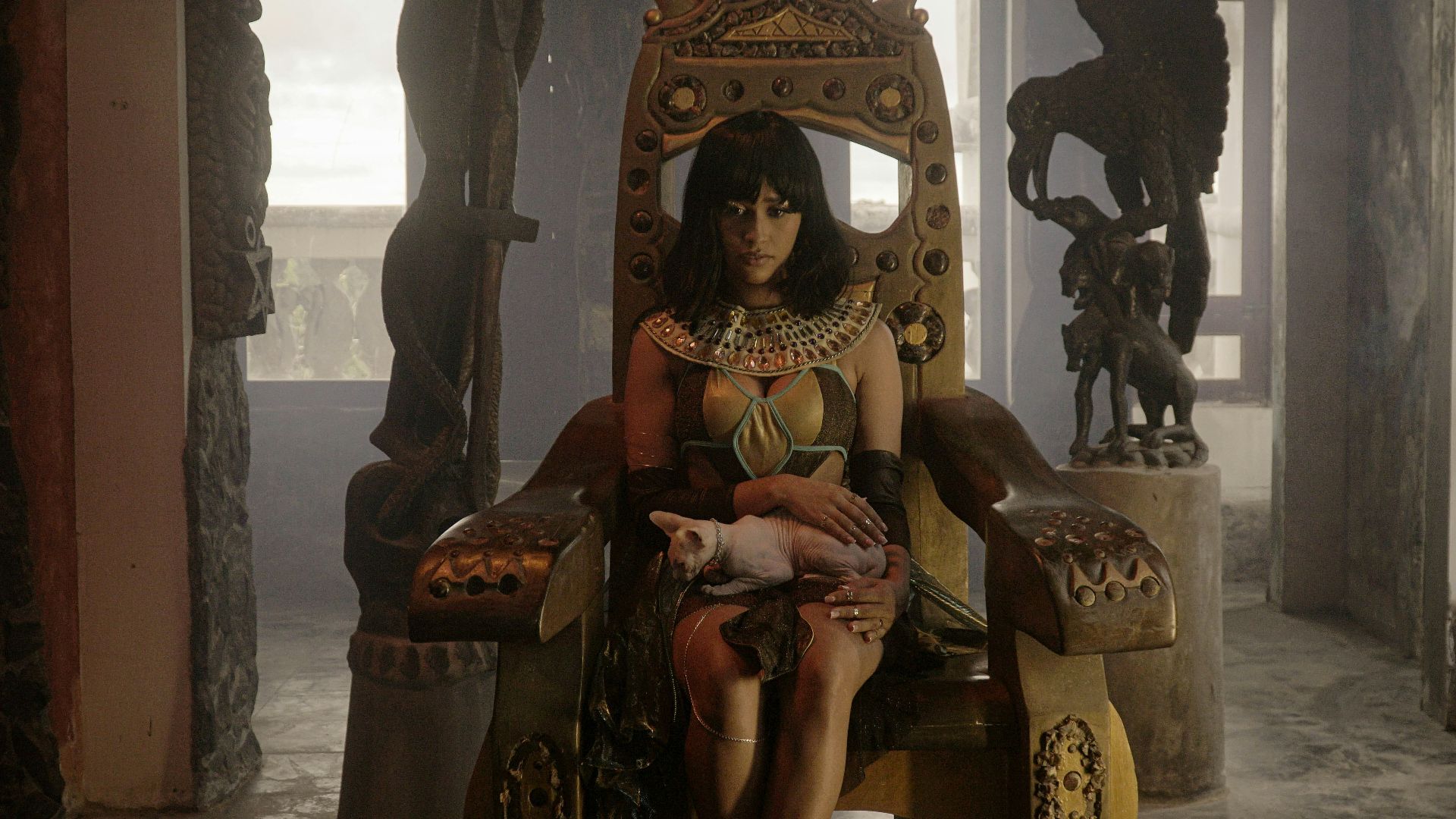
4. Cleopatra’s Venom
Cleopatra’s death is usually pictured with an asp, though even ancient and modern accounts leave room for doubt. What matters historically is the ending: Antony and Cleopatra died, Egypt fell under Roman domination, and poison became part of the myth of a queen refusing to be paraded.
5. Mithridates’ Poison Regimen
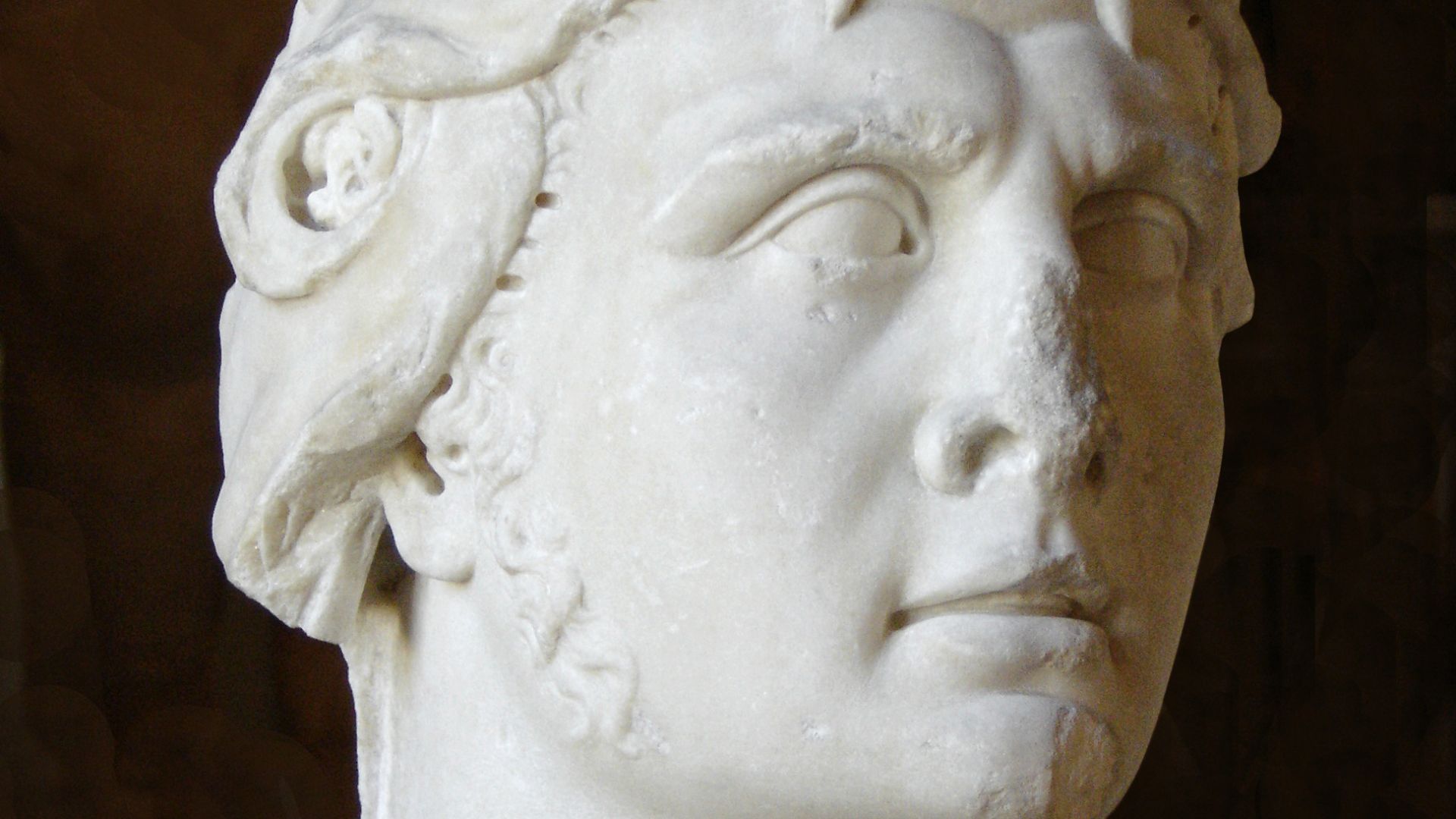
Mithridates VI of Pontus feared poisoning so much that his name became attached to the idea of building resistance to it. The irony is almost too neat: a king who fought Rome also fought the dinner table, turning paranoia into policy and antidotes into royal theater.
 Unknown artistUnknown artist on Wikimedia
6. Arsenic
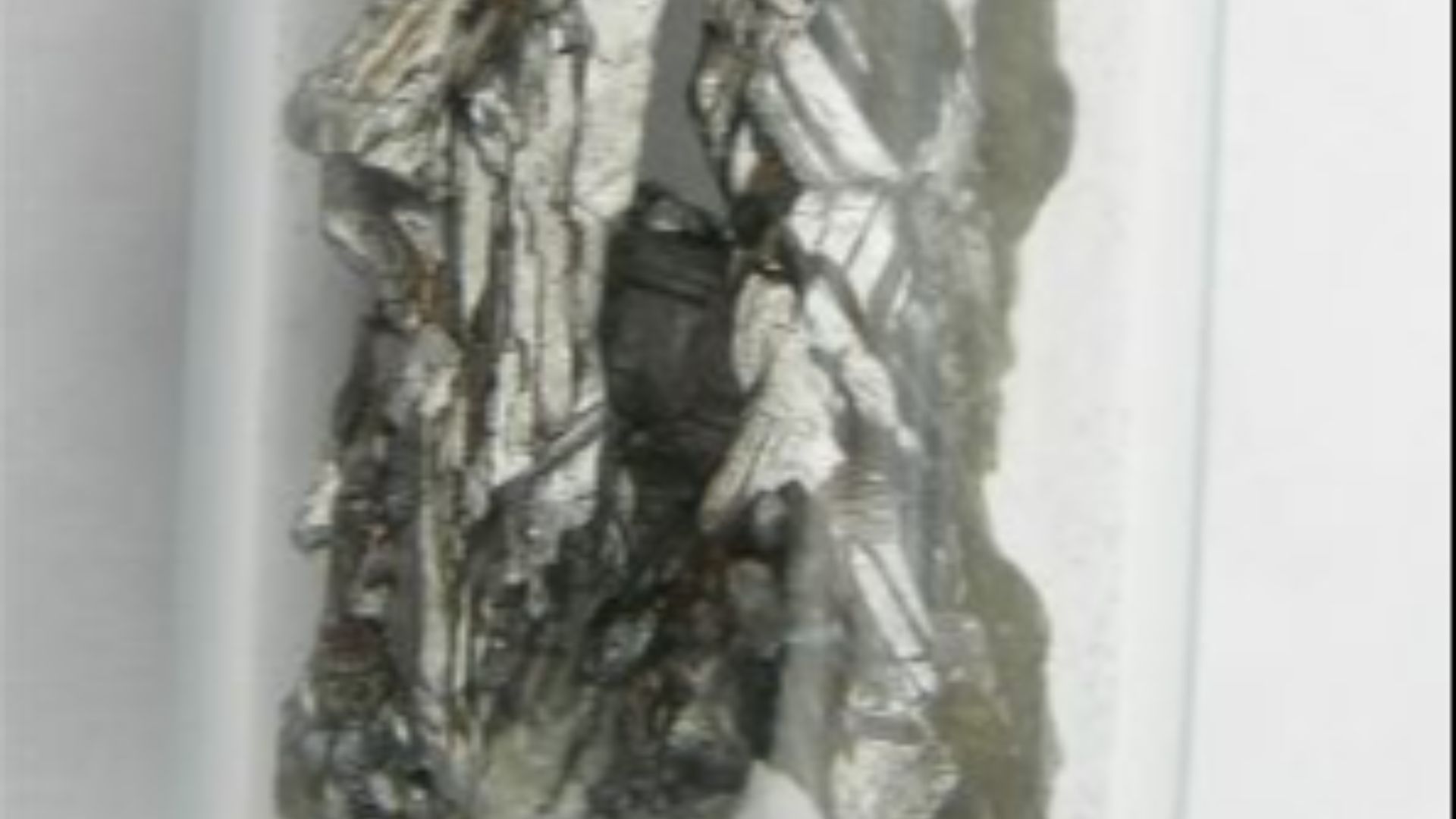
Arsenic became the classic political poison because it fit too easily into the world of inheritance, marriage, and ambition. In Renaissance Italy, historians of toxicology note that poisoning was so associated with power struggles that people grew suspicious of supposedly natural deaths among popes, cardinals, and royalty.
 The original uploader was Tomihahndorf at German Wikipedia. on Wikimedia
7. Cantarella
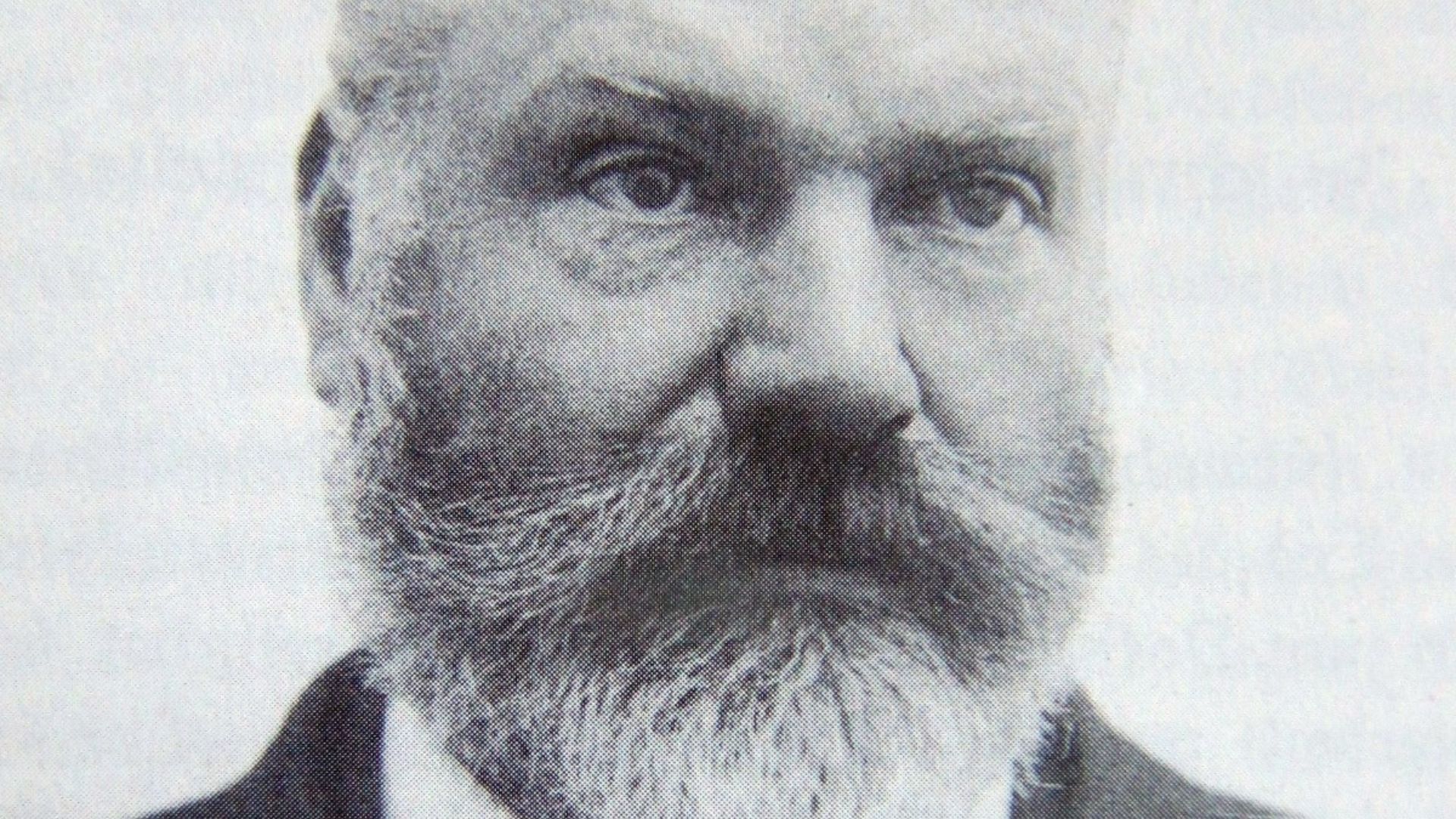
Cantarella sits halfway between chemistry and reputation, which is exactly why it lasted. The Borgias were said to use this arsenic-related poison, but its exact composition remains uncertain, leaving the family wrapped in the kind of rumor that can outlive any verdict.
 Unknown authorUnknown author on Wikimedia
8. Aqua Tofana
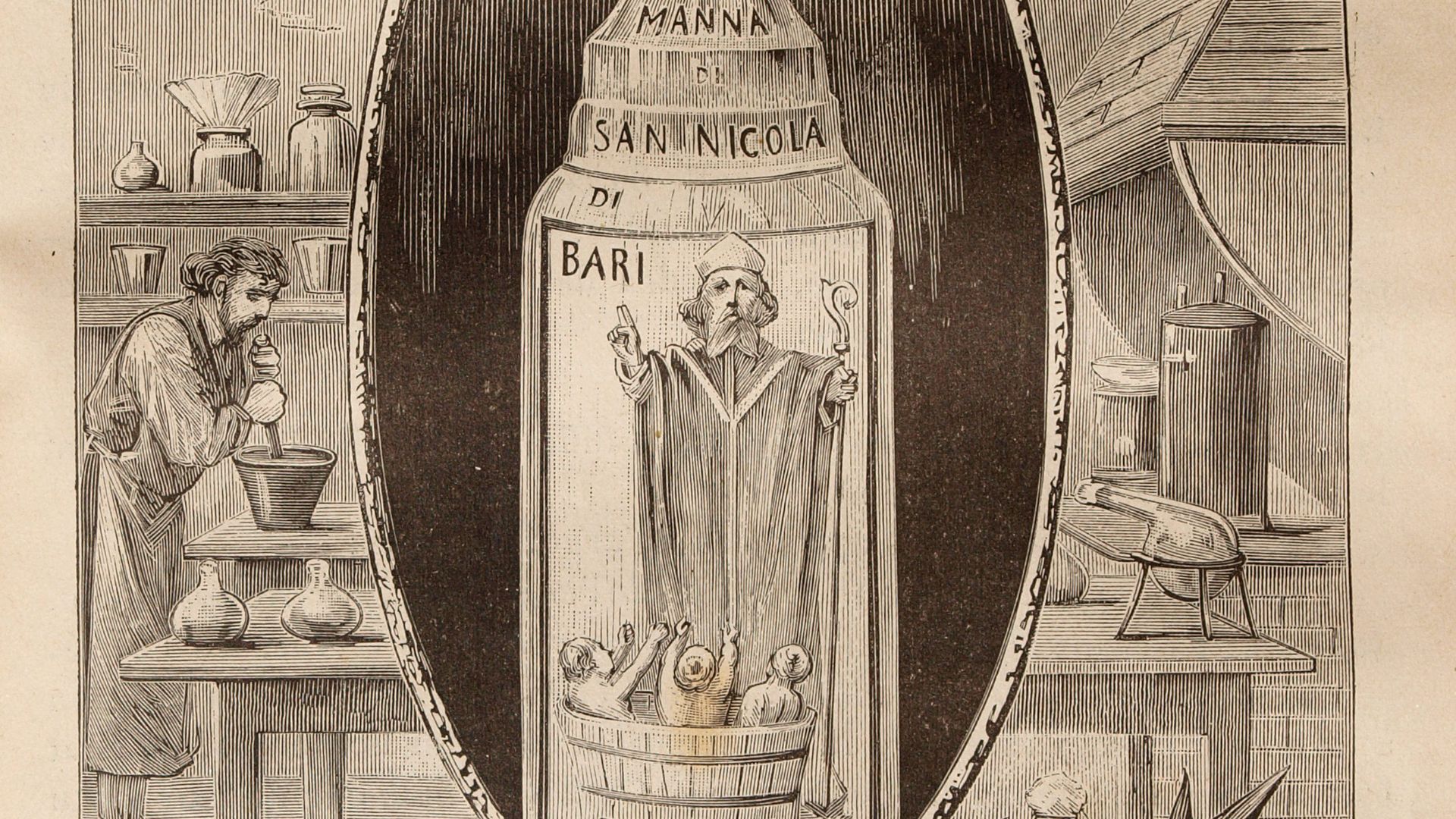
Aqua Tofana was a 17th-century Italian poison associated with women trapped in brutal or unwanted marriages. Its history is murky, but the legend says plenty about power: when the law gave some people no exit, poison became a whispered, terrible alternative.
 Gravure dessinée par Pierre Méjanel et gravée par François Pannemaker. on Wikimedia
9. Mercury Elixirs
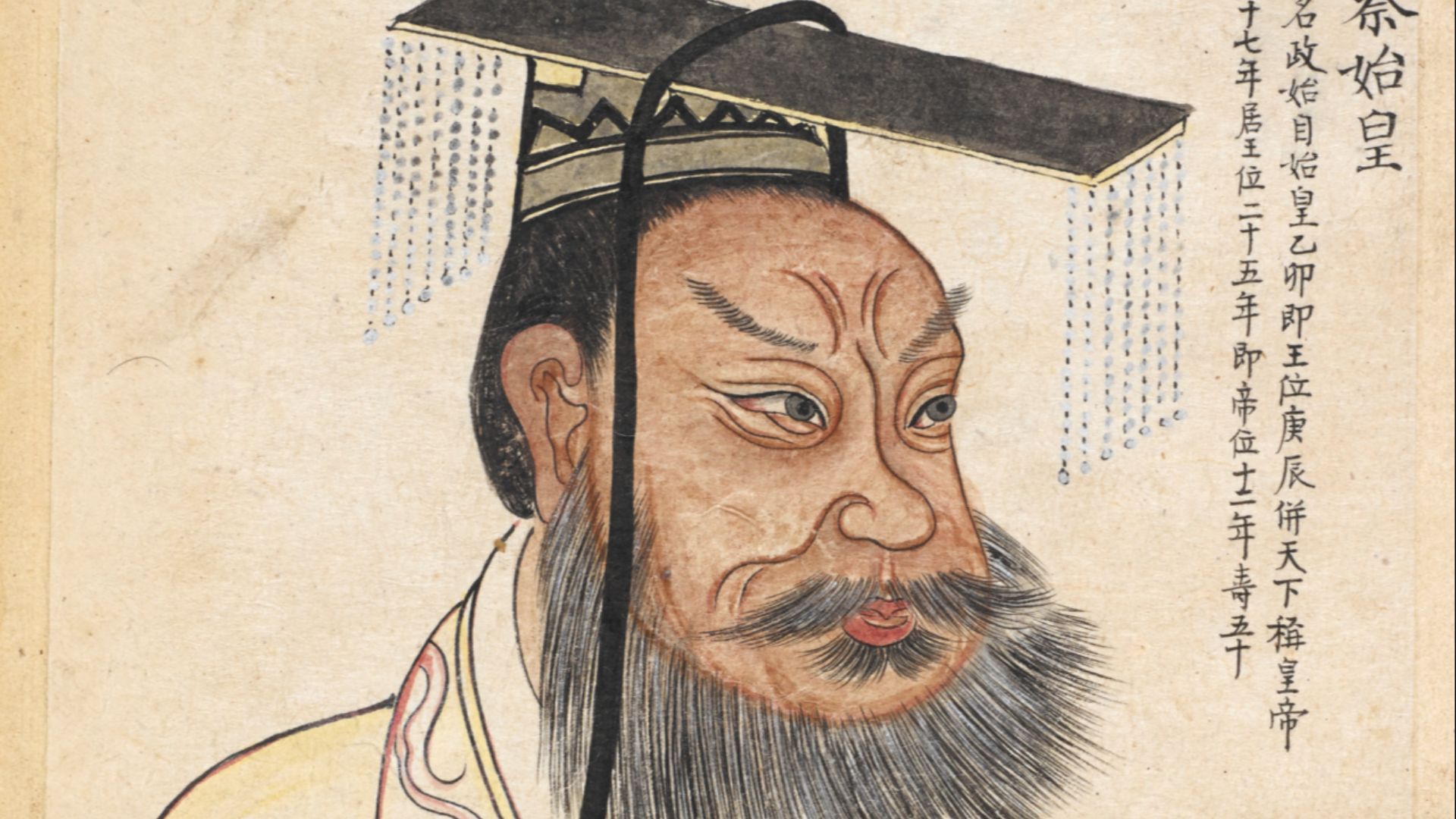
Qin Shi Huang wanted immortality, which is one of history’s more dangerous wishes. Later traditions link his death to toxic elixirs, and the mercury associated with his tomb keeps the story glowing with the weird, tragic logic of absolute power trying to bargain with death.
 Unknown authorUnknown author on Wikimedia
10. Curare
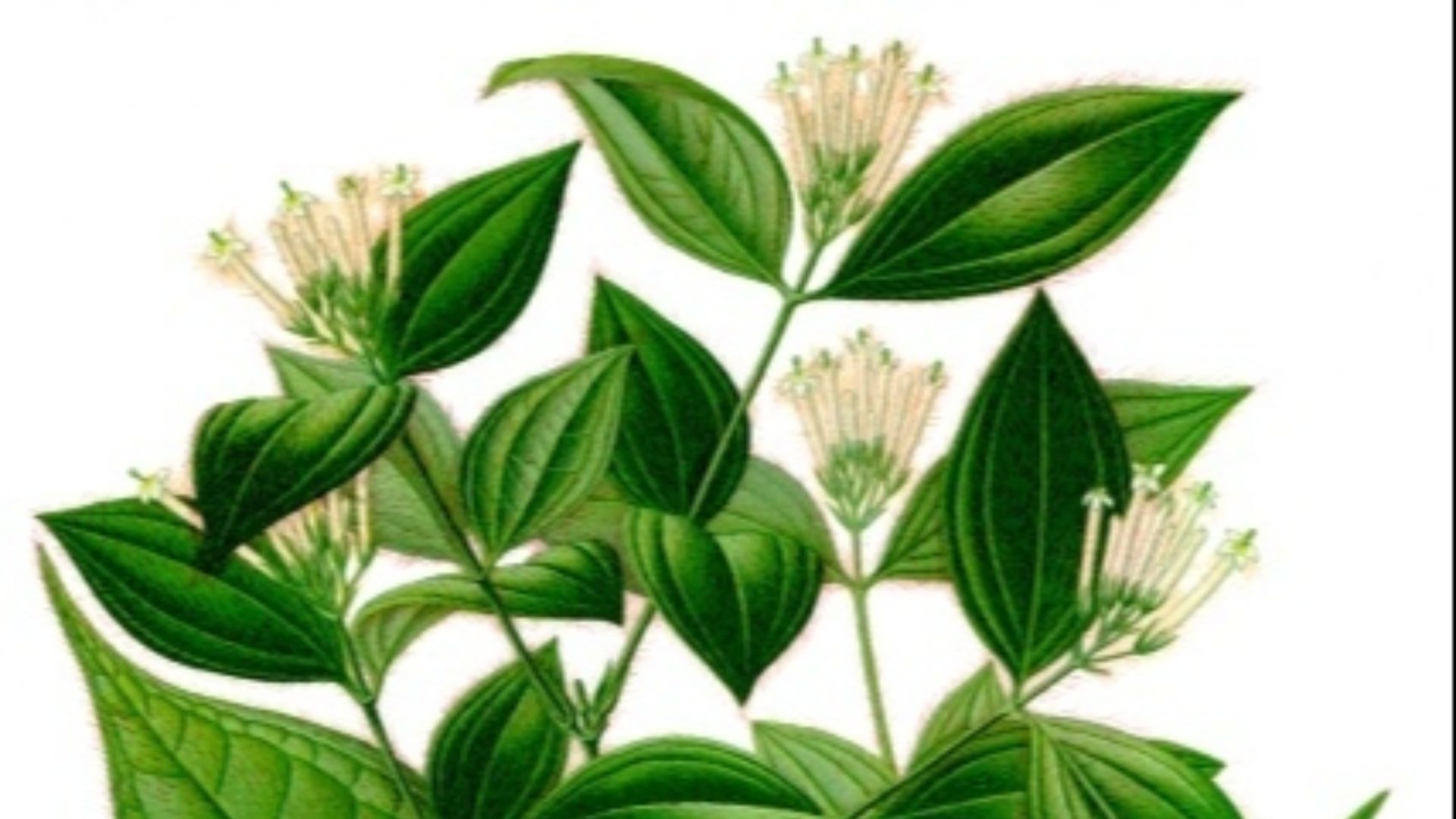
Curare entered European imagination as an arrow poison from Indigenous South American hunting traditions. It also changed medicine later, which gives it a double life: feared in colonial stories, then studied in operating rooms, where something once associated with death became part of controlled care.
 Franz Eugen Köhler, Köhler's Medizinal-Pflanzen on Wikimedia
11. Chlorine Gas
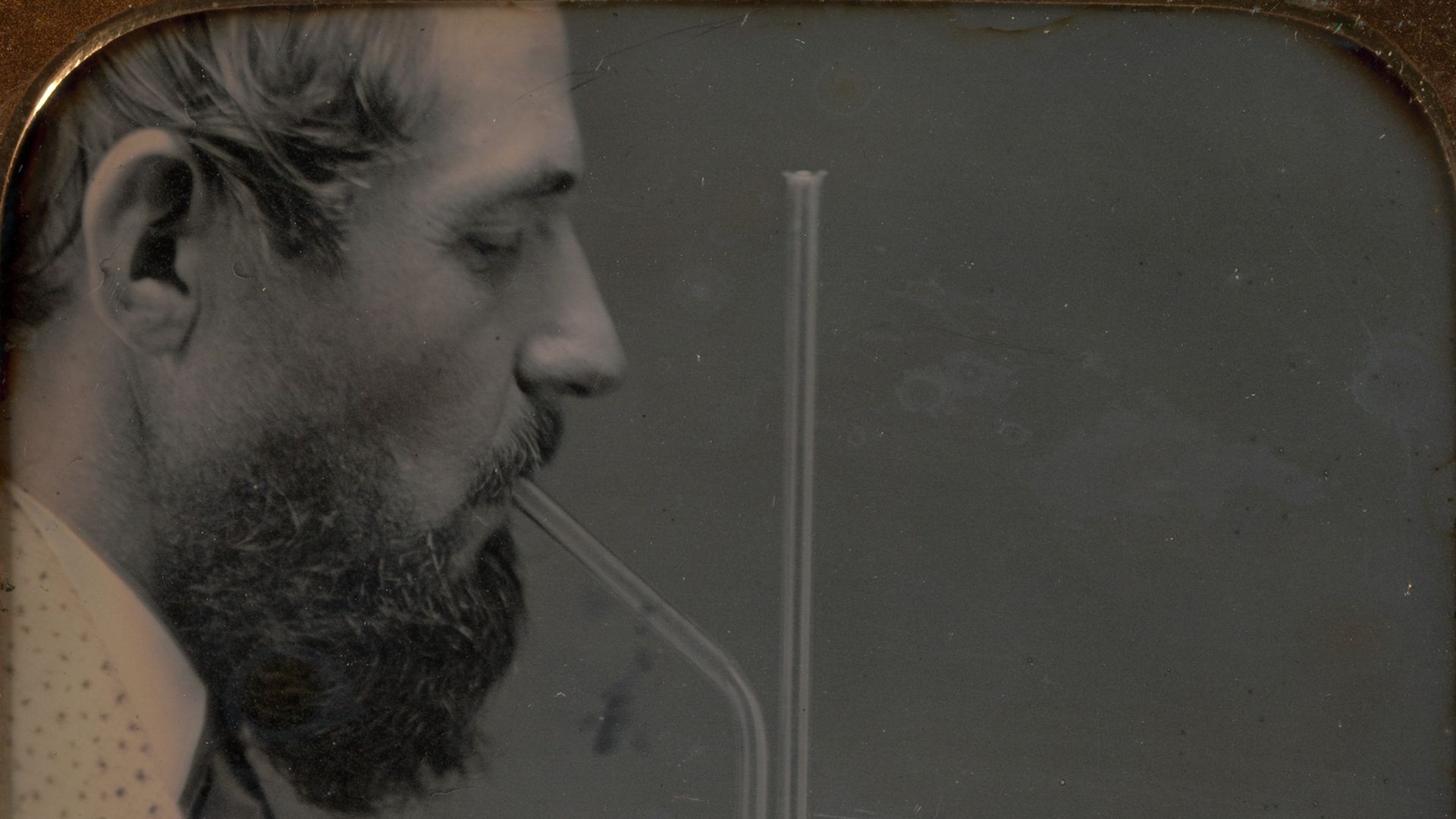
At Ypres in 1915, poison left the private room and rolled across a battlefield. Germany’s first large-scale use of poison gas opened a hole in the Allied line, and even though the advantage was not fully exploited, war had crossed a line it could not uncross.
 commons.wikimedia.org on Google
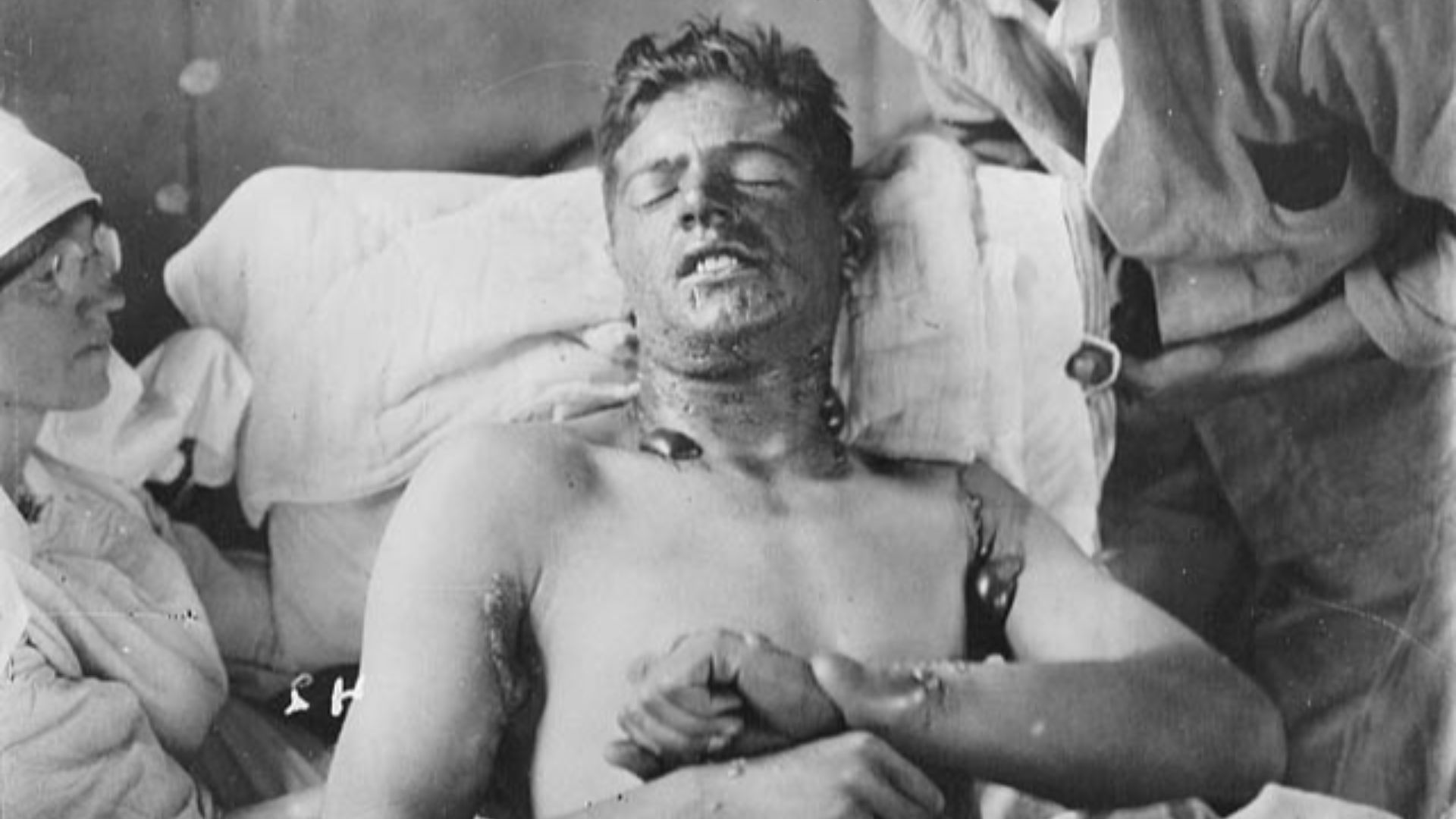
12. Mustard Gas
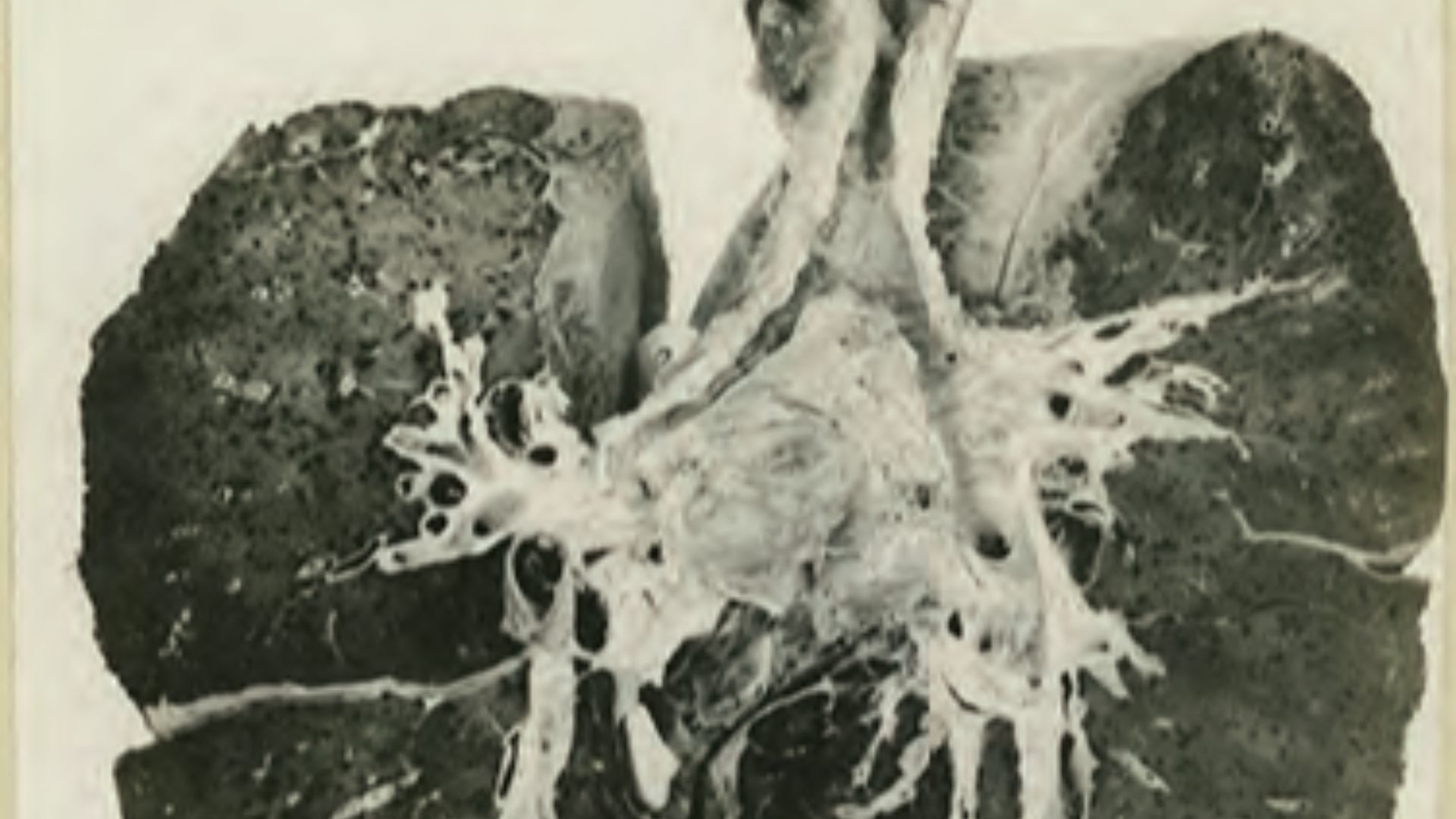
Mustard gas was introduced by Germany in 1917 and soon became one of World War I’s most dreaded weapons. It did not need to look dramatic to be horrifying; its job was to incapacitate, linger, and make the battlefield feel contaminated long after the shelling stopped.
 Unknown authorUnknown author on Wikimedia
13. Zyklon B
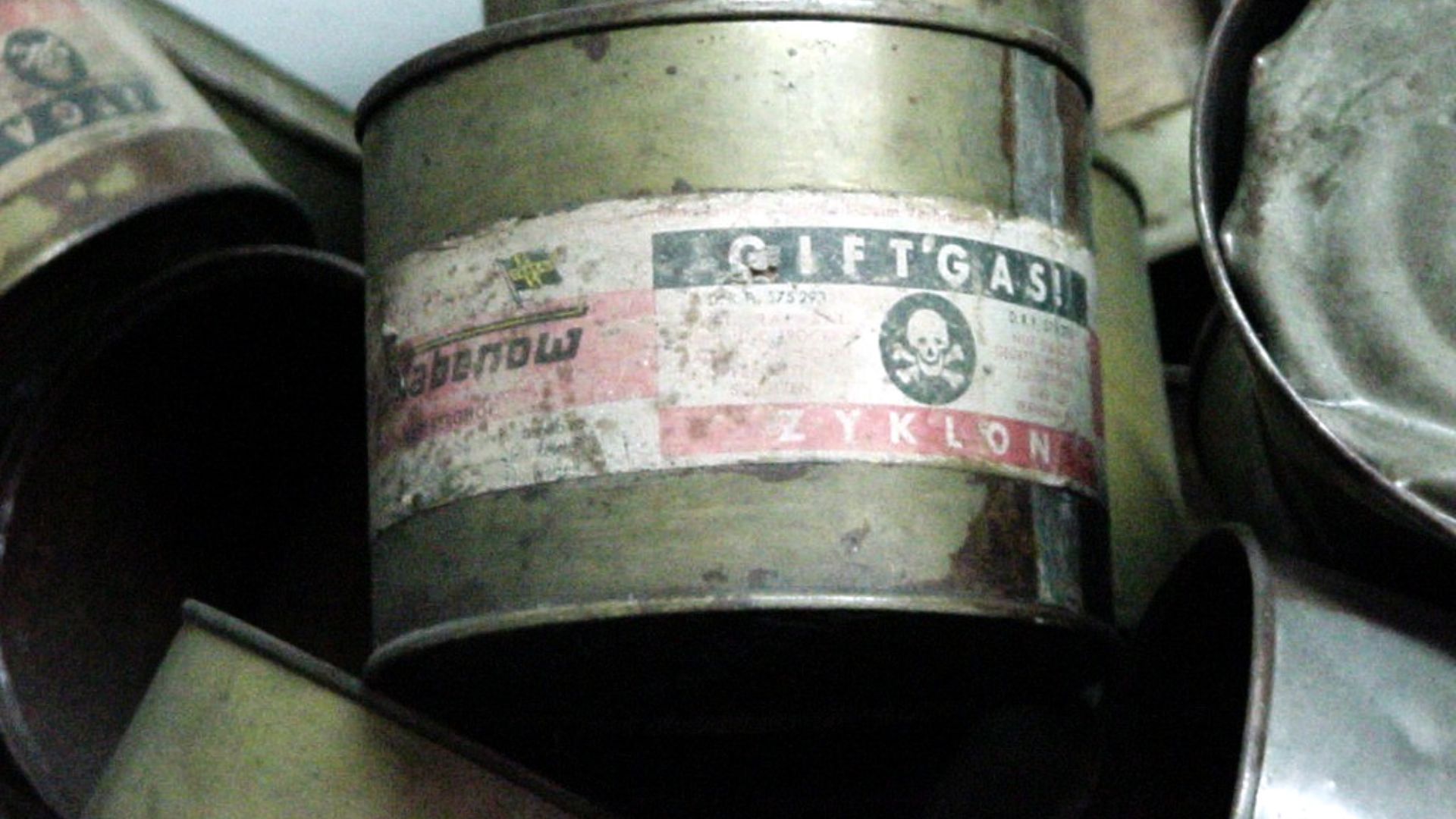
Zyklon B began as a pesticide, but its name is now inseparable from the Holocaust. The Nazis used the hydrogen cyanide-based compound in mass murder, turning an industrial product into one of history’s starkest symbols of bureaucratized evil.
14. Cyanide Capsules
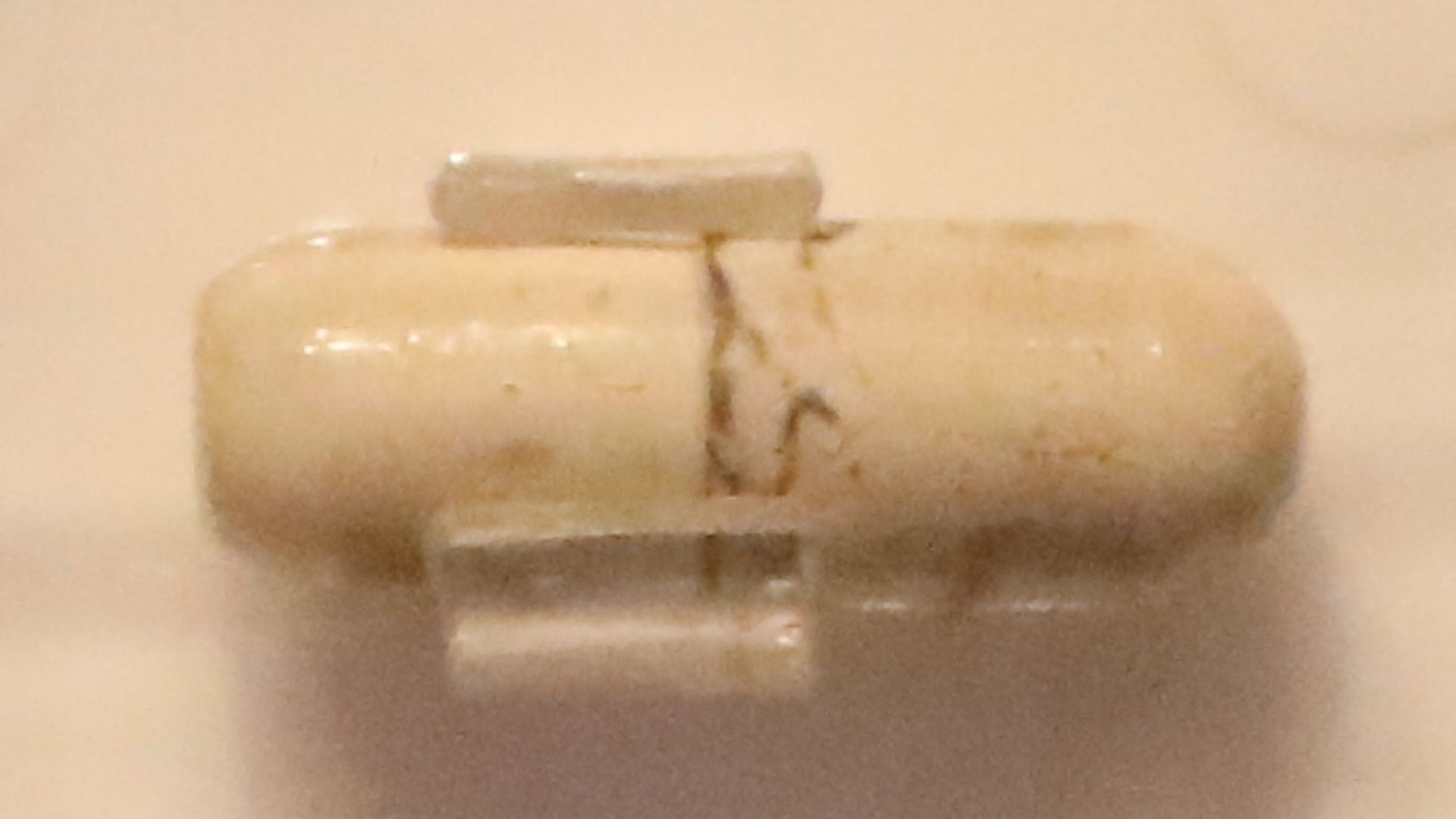
Cyanide became the poison of endings in the collapsing Third Reich. Hitler’s death is usually described as a gunshot, with some sources saying he also bit a cyanide capsule, while Eva Braun died by cyanide beside him in the Berlin bunker.
15. Agent Orange
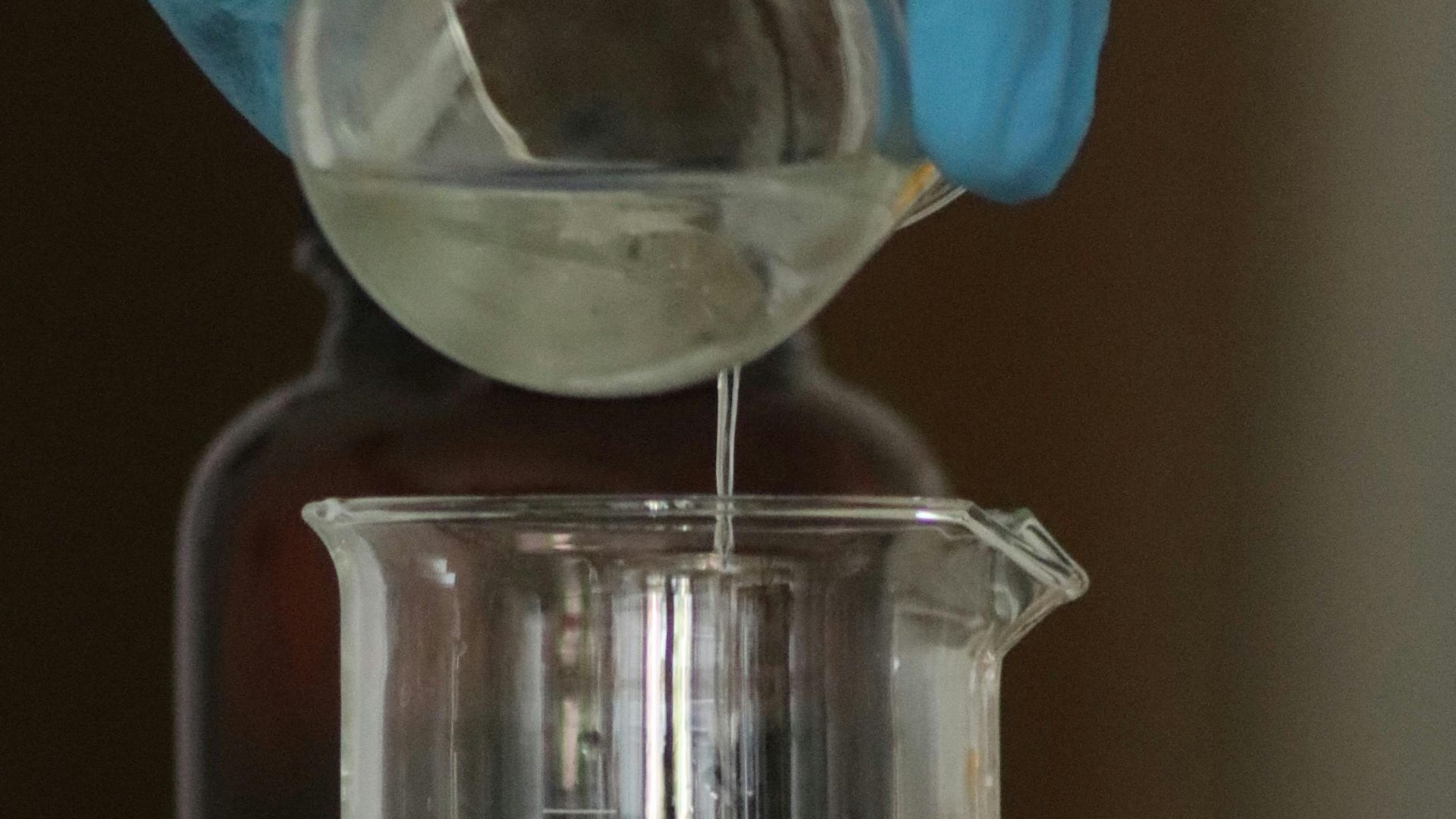
Agent Orange was not a cloak-and-dagger poison, but a war policy sprayed from the sky. Used by the U.S. military during the Vietnam War to strip forests and destroy crops, it left a legacy that outlived the battlefield and still shapes memory, health, and diplomacy.

16. Dioxin
Dioxin entered modern political history through Viktor Yushchenko, who became seriously ill during Ukraine’s 2004 presidential campaign. His disfigured face turned a suspected poisoning into something the public could not look away from, and the body itself became campaign evidence.
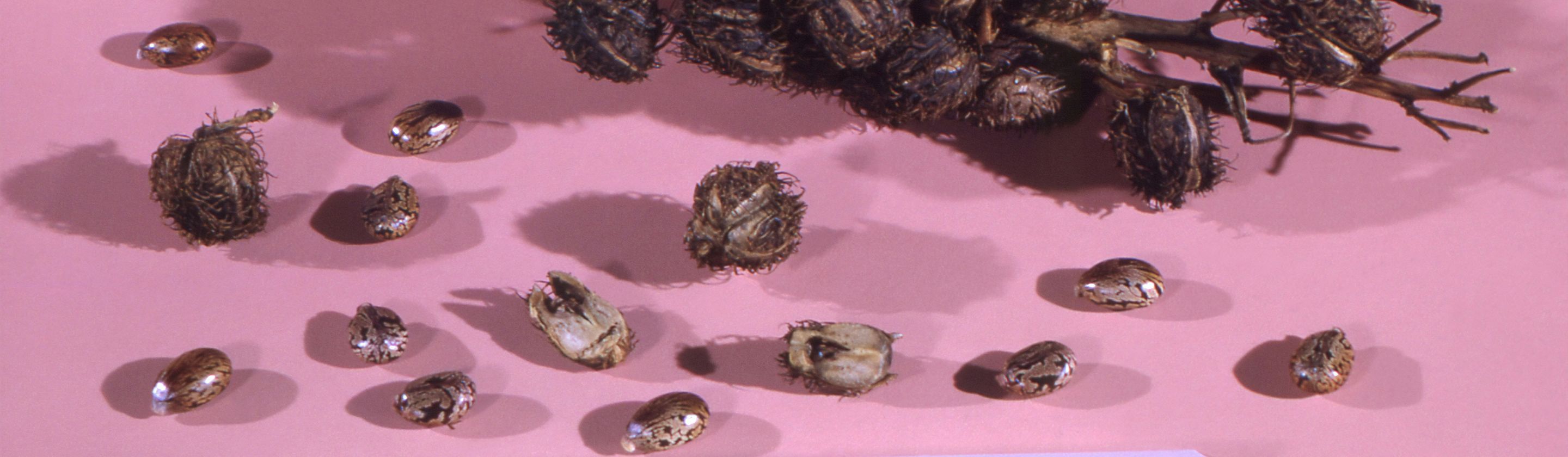
17. Ricin
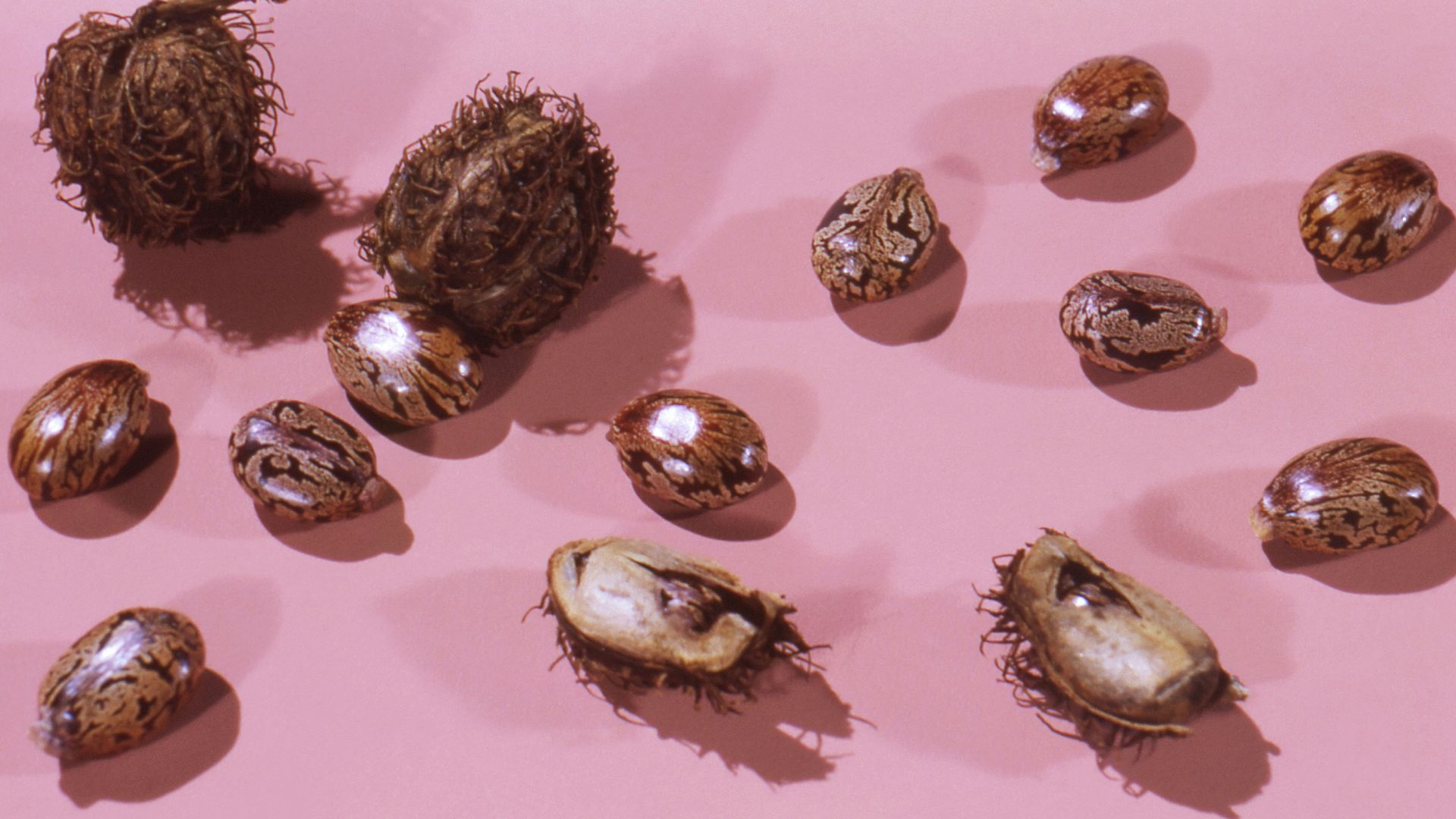
Ricin’s most famous political case came in 1978, when Bulgarian dissident Georgi Markov died in London after an attack involving a ricin-laced pellet. The story feels like spy fiction because it was so theatrical, but its purpose was brutally plain: silence a critic far from home.
18. Polonium-210
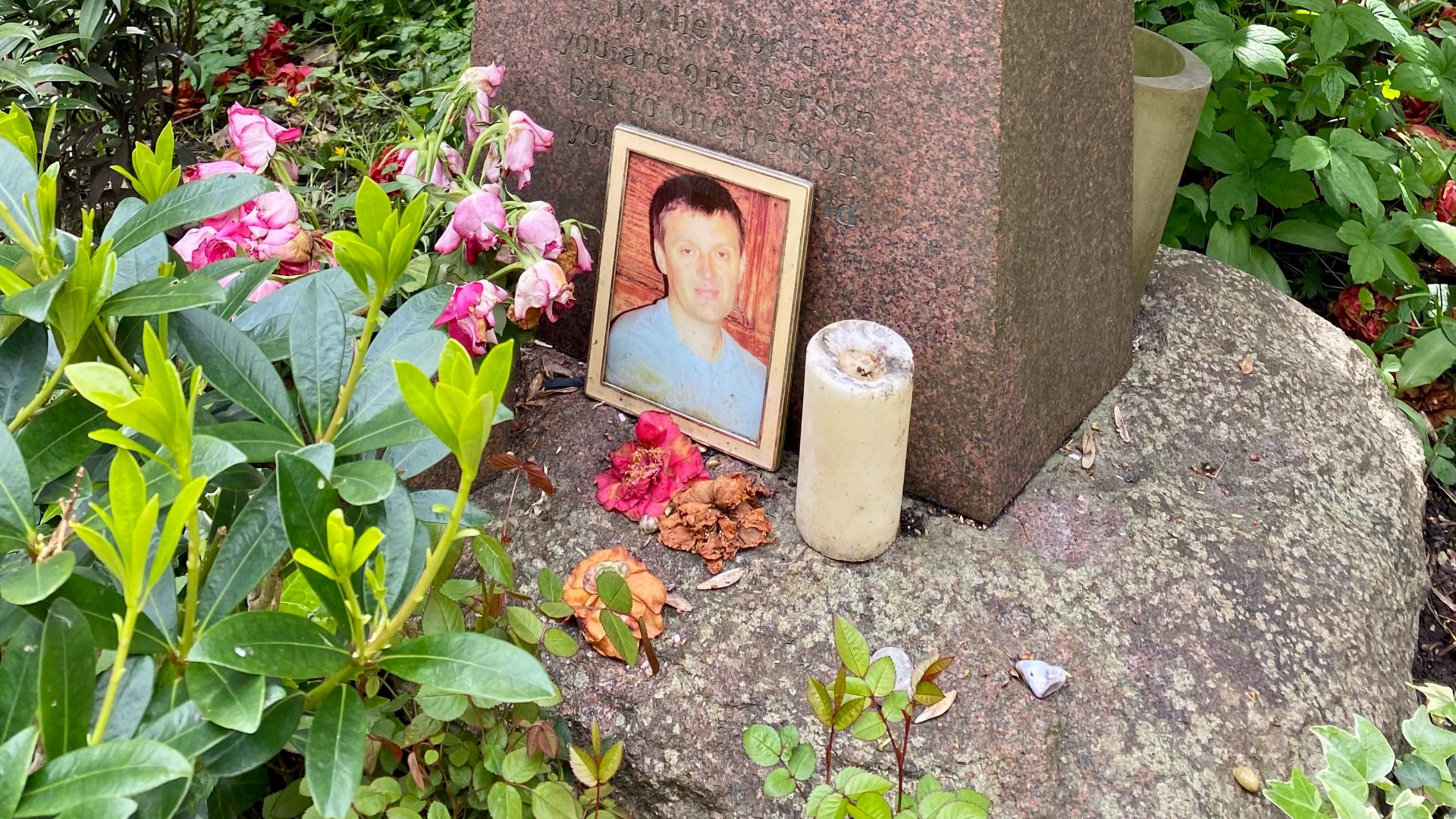
Alexander Litvinenko’s poisoning in London made radiation feel personal. Britannica describes his death as an intentional poisoning with polonium-210, and the case became a diplomatic rupture as well as a murder investigation.
 commons.wikimedia.org on Google
19. VX
VX entered dynastic politics in 2017 with the assassination of Kim Jong-nam, the exiled half brother of North Korea’s leader. It was not just a family story, though it had all the bones of one; it became an airport killing with global consequences.

20. Novichok
Novichok brought Cold War shadows into a very ordinary English city. The 2018 poisoning of Sergei and Yulia Skripal in Salisbury became an international incident, proof that poison still works not only as a weapon against a person, but as a message to everyone watching.

.jpg)

.jpg)
KEEP ON READING
The story of Ching Shih, the Woman Who Became the…
Unknown author on WikimediaFew figures in history are as feared…
By Emilie Richardson-Dupuis Dec 29, 2025
Einstein's Violin Just Sold At An Auction—And It Earned More…
A Visionary's Violin. Wanda von Debschitz-Kunowski on WikimediaWhen you hear…
By Ashley Bast Nov 3, 2025
This Infamous Ancient Greek Burned Down An Ancient Wonder Just…
History remembers kings and conquerors, but sometimes, it also remembers…
By David Davidovic Nov 12, 2025
The Mysterious "Sea People" Who Collapsed Civilization
3,200 years ago, Bronze Age civilization in the Mediterranean suddenly…
By Robbie Woods Mar 18, 2025
20 Greatest Ancient Athletes In History
Ancient Olympics. Long before modern stadiums and multimillion-dollar endorsements, athletes…
By Sara Springsteen May 1, 2026
20 Soldiers Who Defied Expectations
Changing the Rules of the Battlefield. You’ve probably heard plenty…
By Annie Byrd Feb 10, 2026