

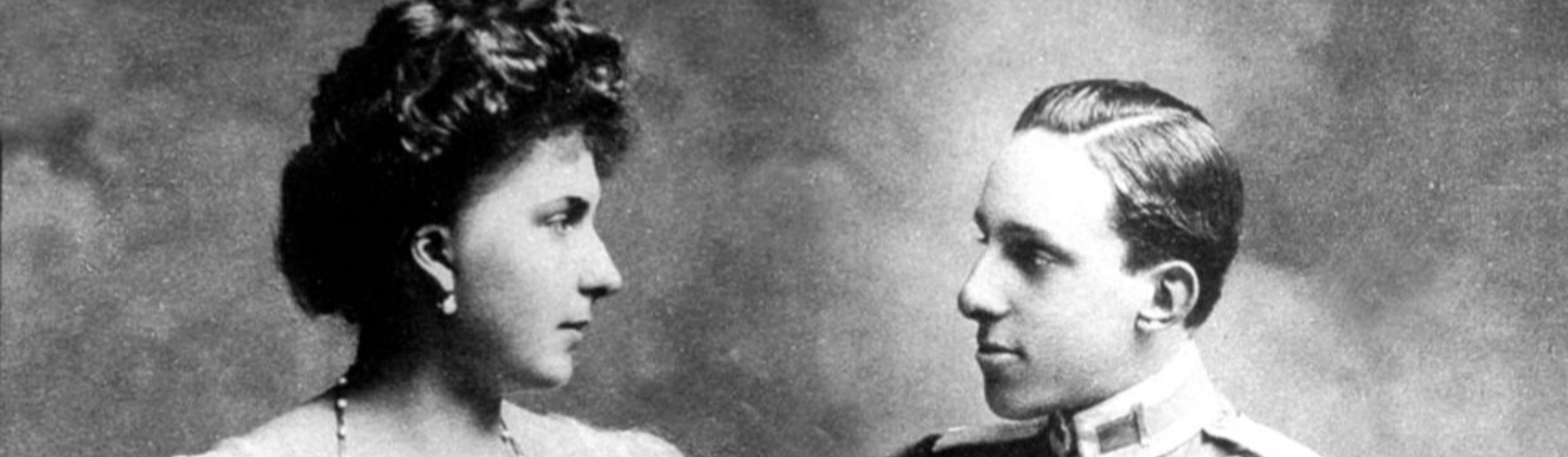
20 Child Rulers Who Inherited More Power Than Any Kid Should Have
Tiny Hands, Heavy Crowns
A child with a crown is one of history’s strangest images. The portraits make it look grand, but the reality was usually colder: adults whispering over maps, courtiers fighting in hallways, and a kid being taught to sit still while a kingdom used their name. Some of these children had regents. Some had armies. Some barely had time to understand what had happened before the throne swallowed their whole childhood. Here are 20 child rulers who inherited more power than any kid should have.
1. Shapur II
Shapur II of the Sasanian Empire may have the most extreme origin story on this list. Legend says courtiers placed a crown on his mother’s pregnant belly, and even if that tale is more symbolic than literal, he was treated as king from birth while nobles and priests ran the empire around him.
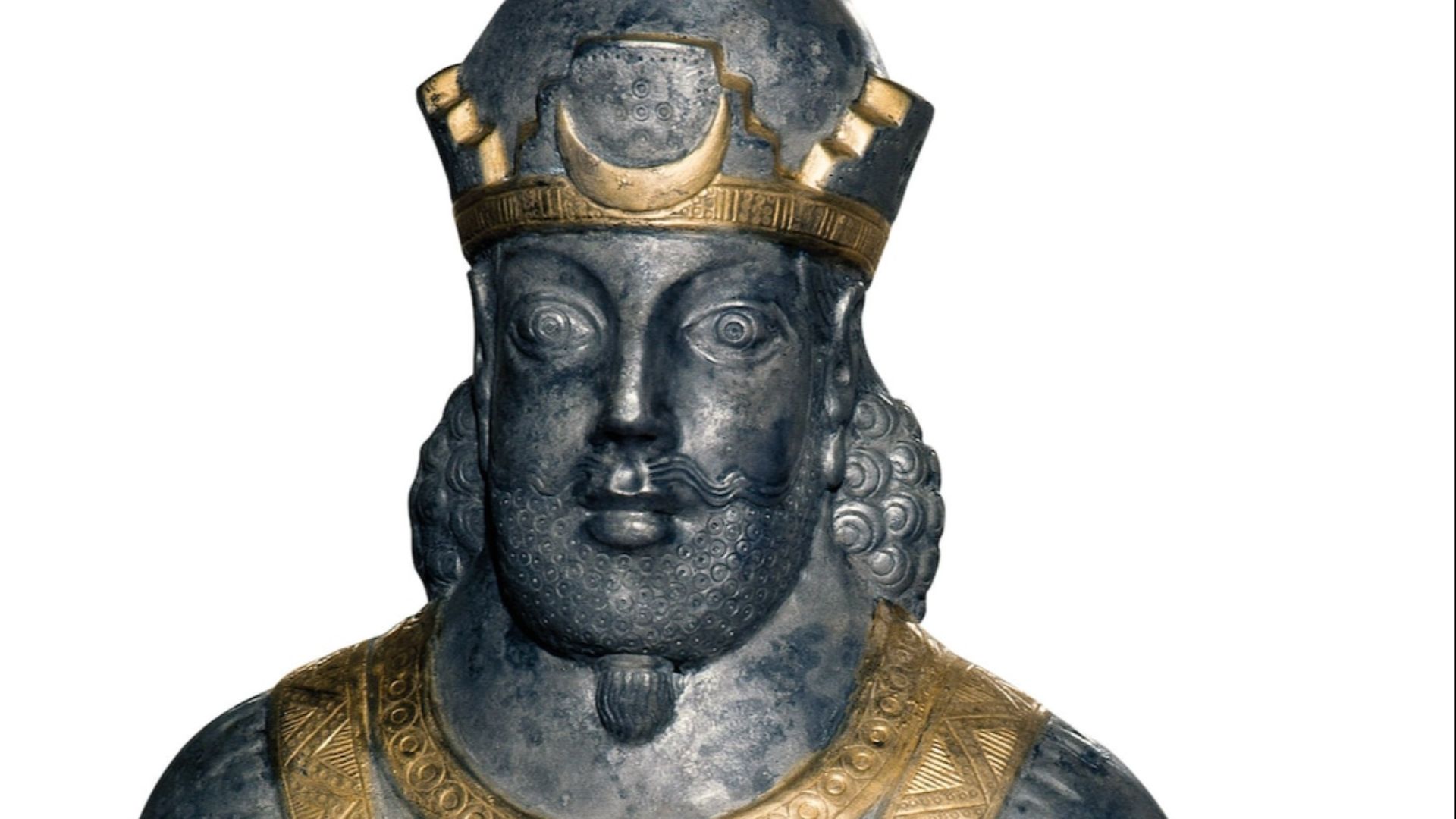 Unknown authorUnknown author on Wikimedia
2. John I of France
John I became king of France the day he was born, which sounds like a fairy tale until you remember he lived only a few days. His entire reign fit inside the first week of life, a tiny royal pause before France had to argue over succession again.
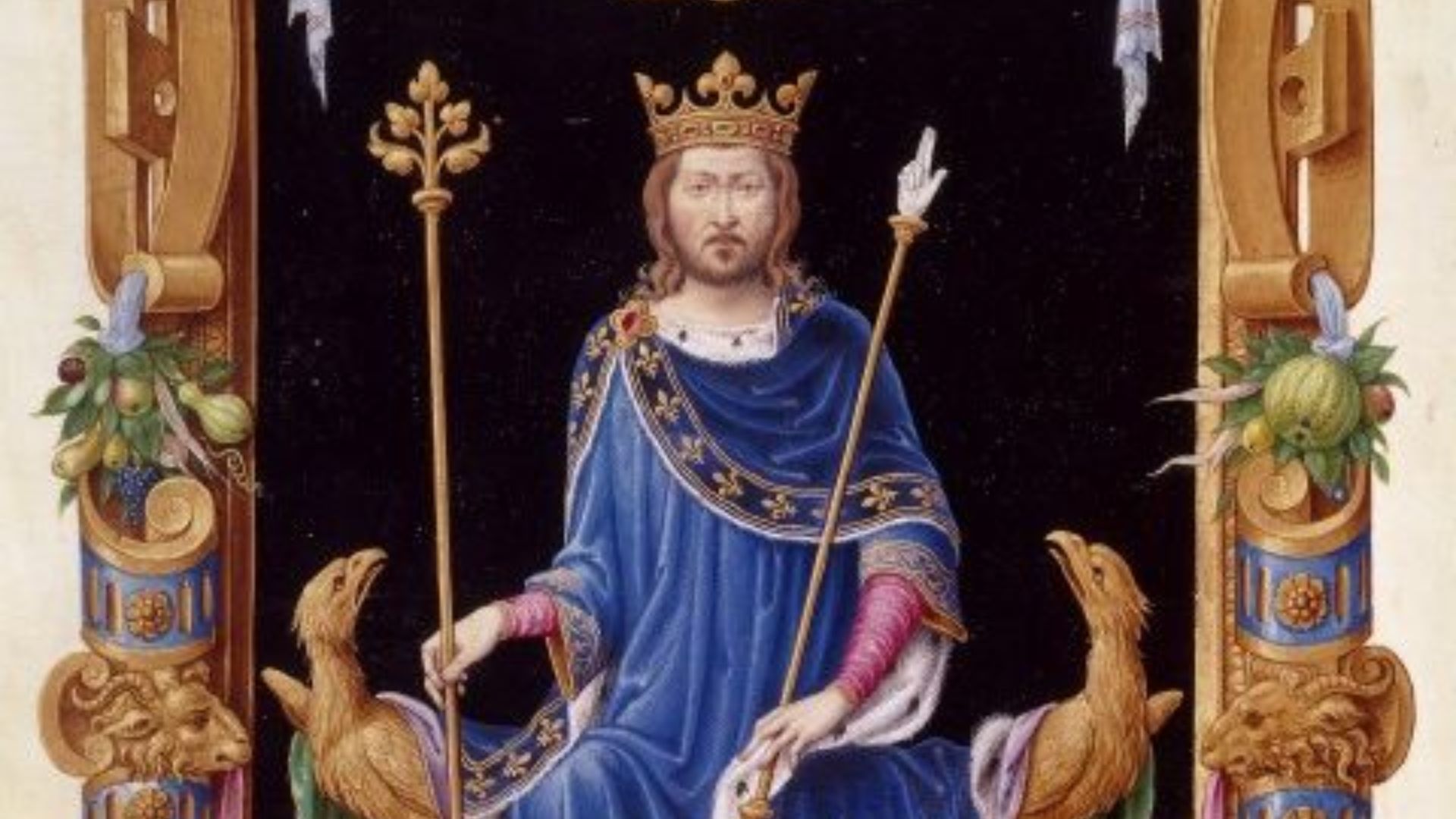 Master of The Hours of Henri II on Wikimedia
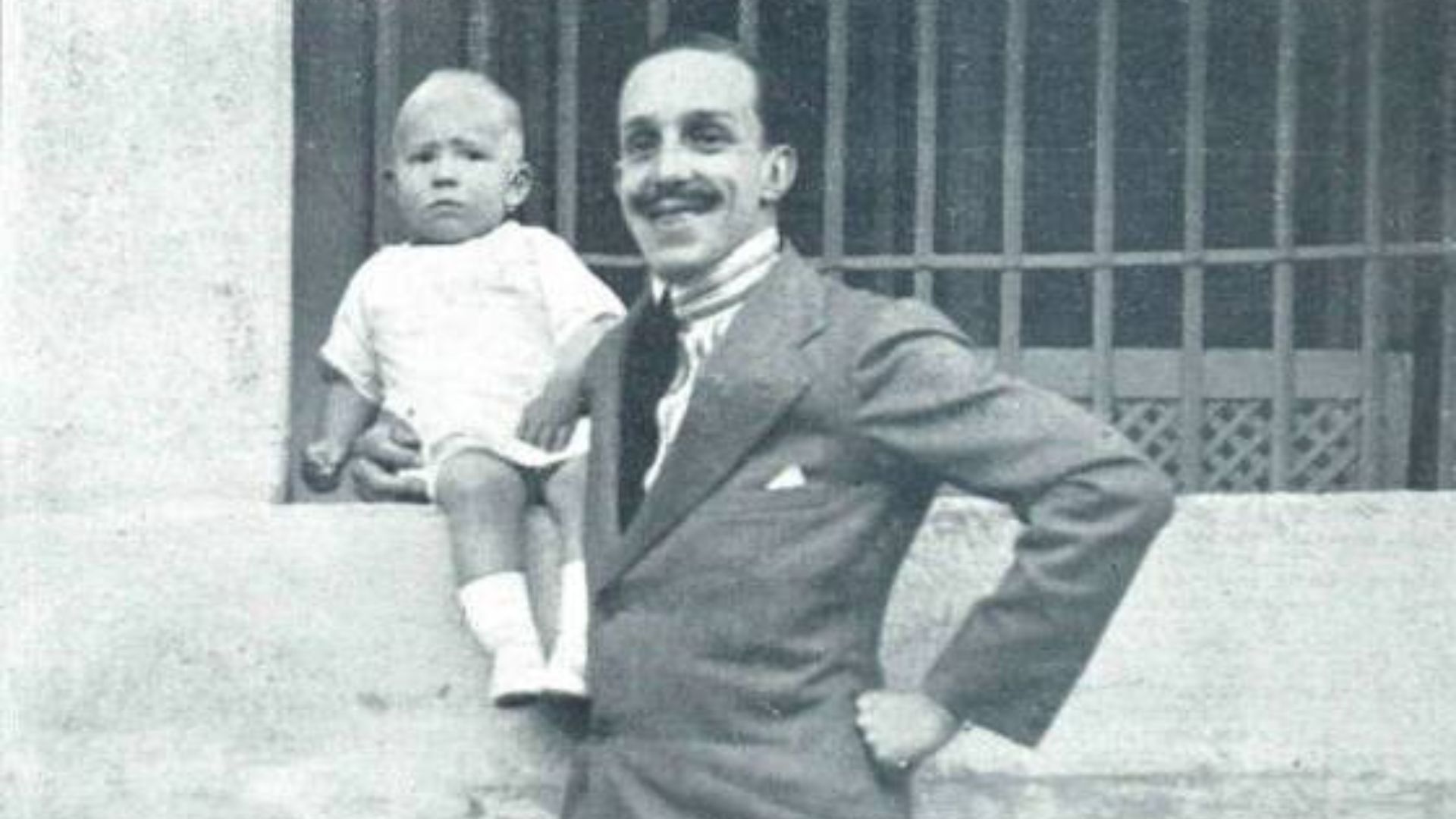
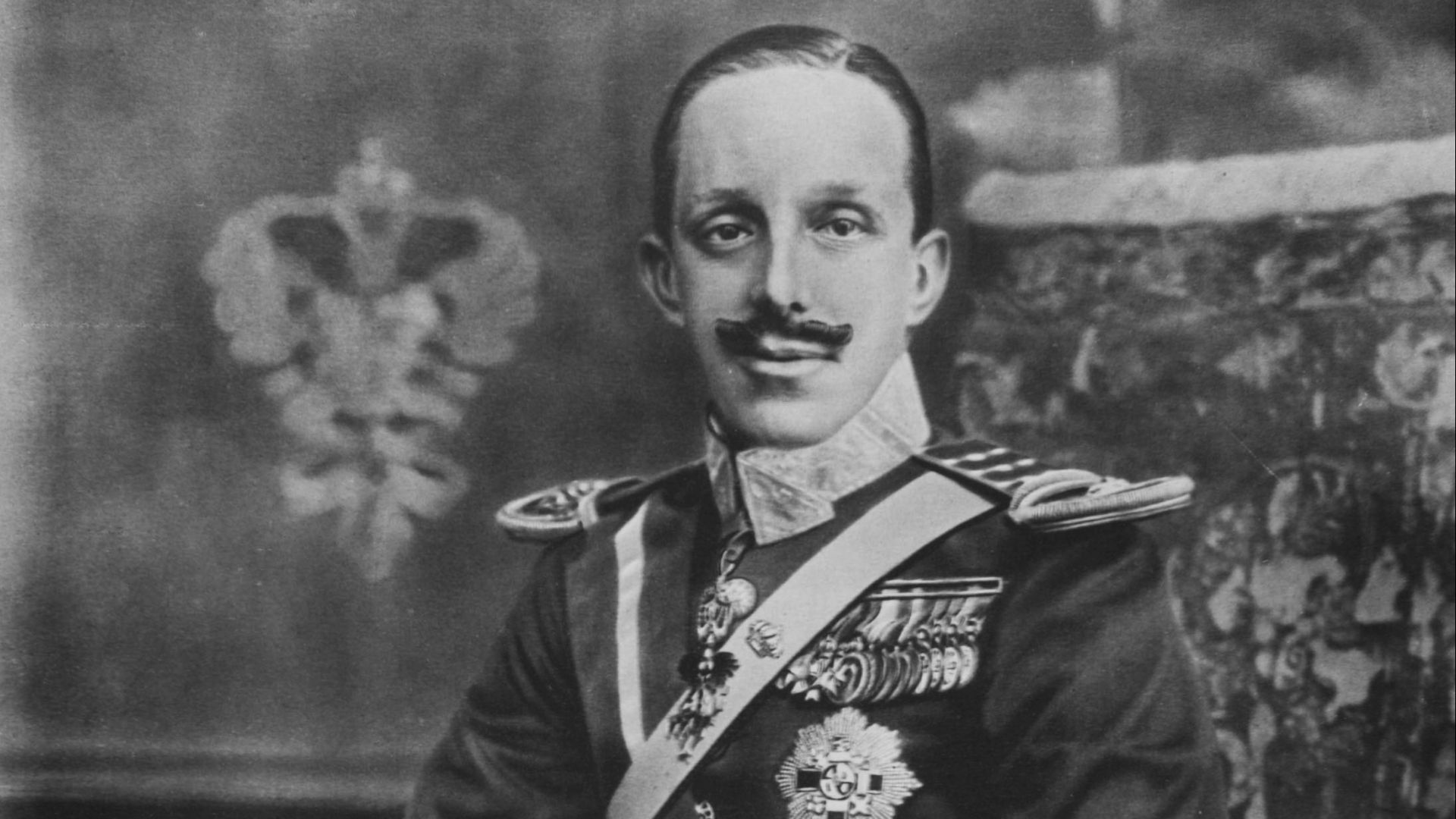
3. Alfonso XIII of Spain
Alfonso XIII was born already wearing the job title, at least on paper. His father had died before he was born, so Spain greeted a newborn as king while his mother governed in his place.
4. Mary, Queen of Scots
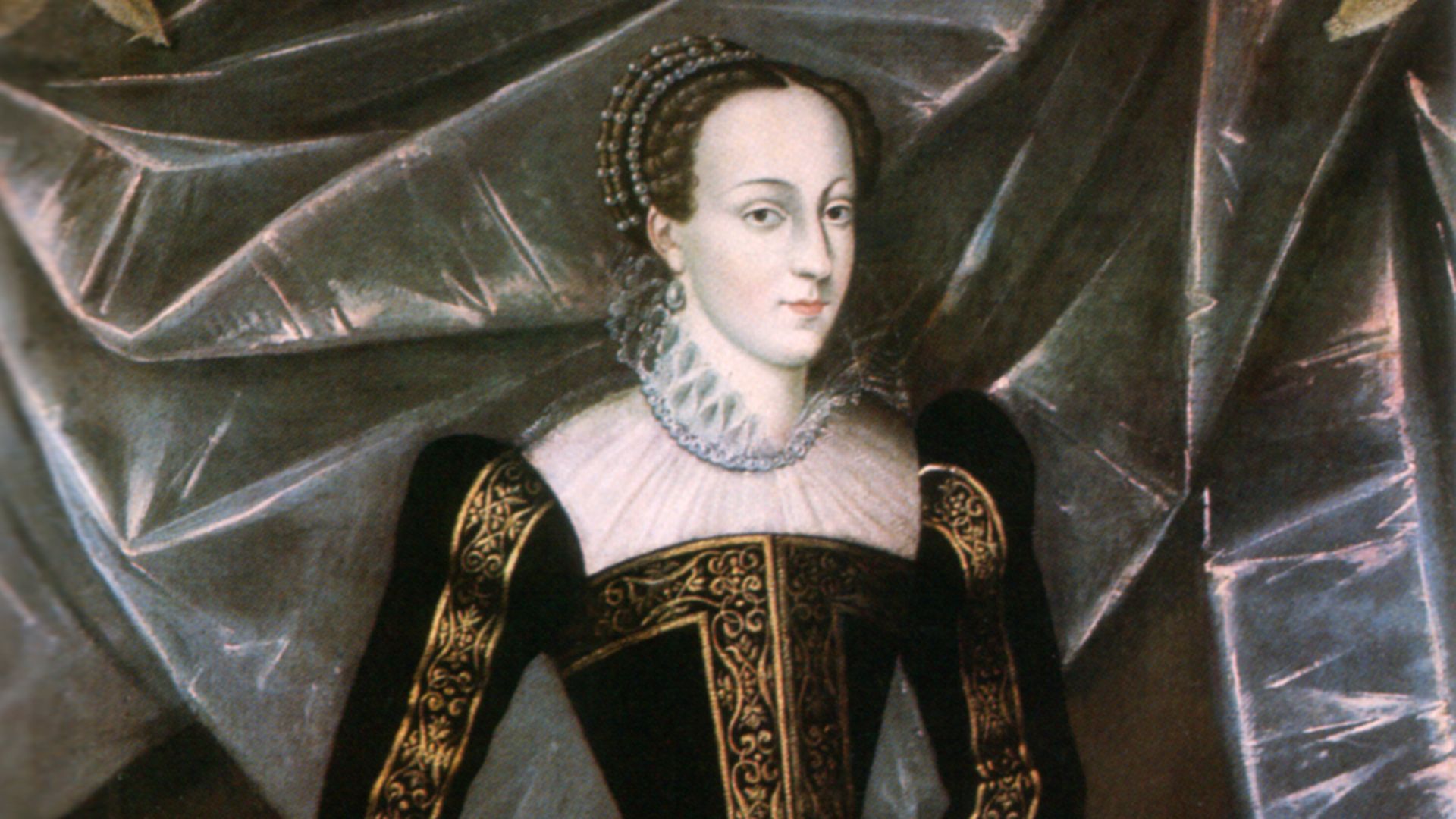
Mary became queen of Scotland when she was six days old. Before she could focus her eyes, her future was already tangled in marriage plans, religious conflict, and the dangerous attention of stronger neighbors.
 Unidentified painter on Wikimedia
5. Henry VI
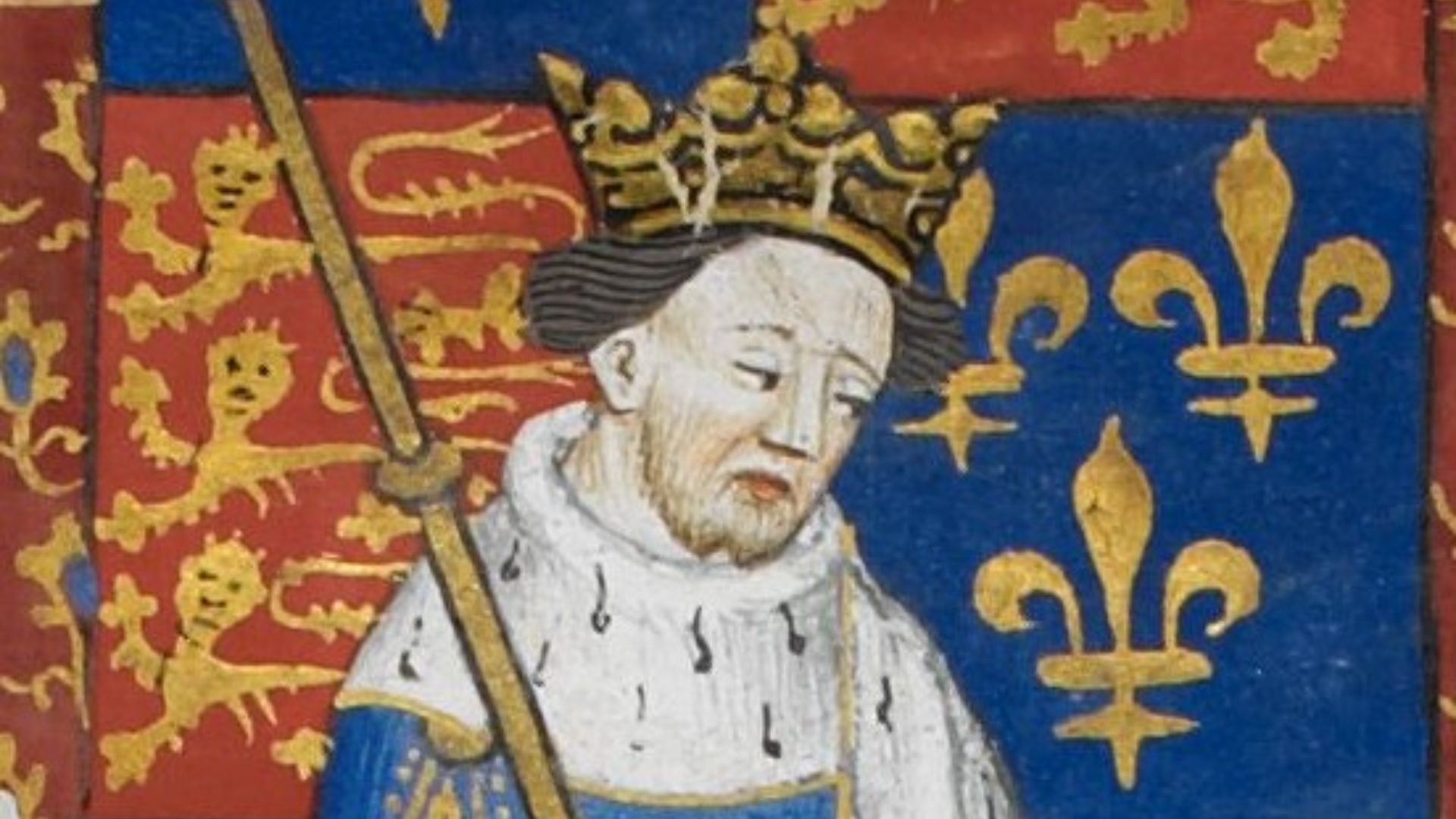
Henry VI inherited England at eight months old, then became tied to the French crown soon after through the politics of the Hundred Years’ War. A baby could not rule a nursery, much less two kingdoms, so ambitious men did the ruling while his name carried the weight.
 Poems and Romances (Shrewsbury book), illuminated by the MASTER OF JOHN TALBOT on Wikimedia
6. Puyi
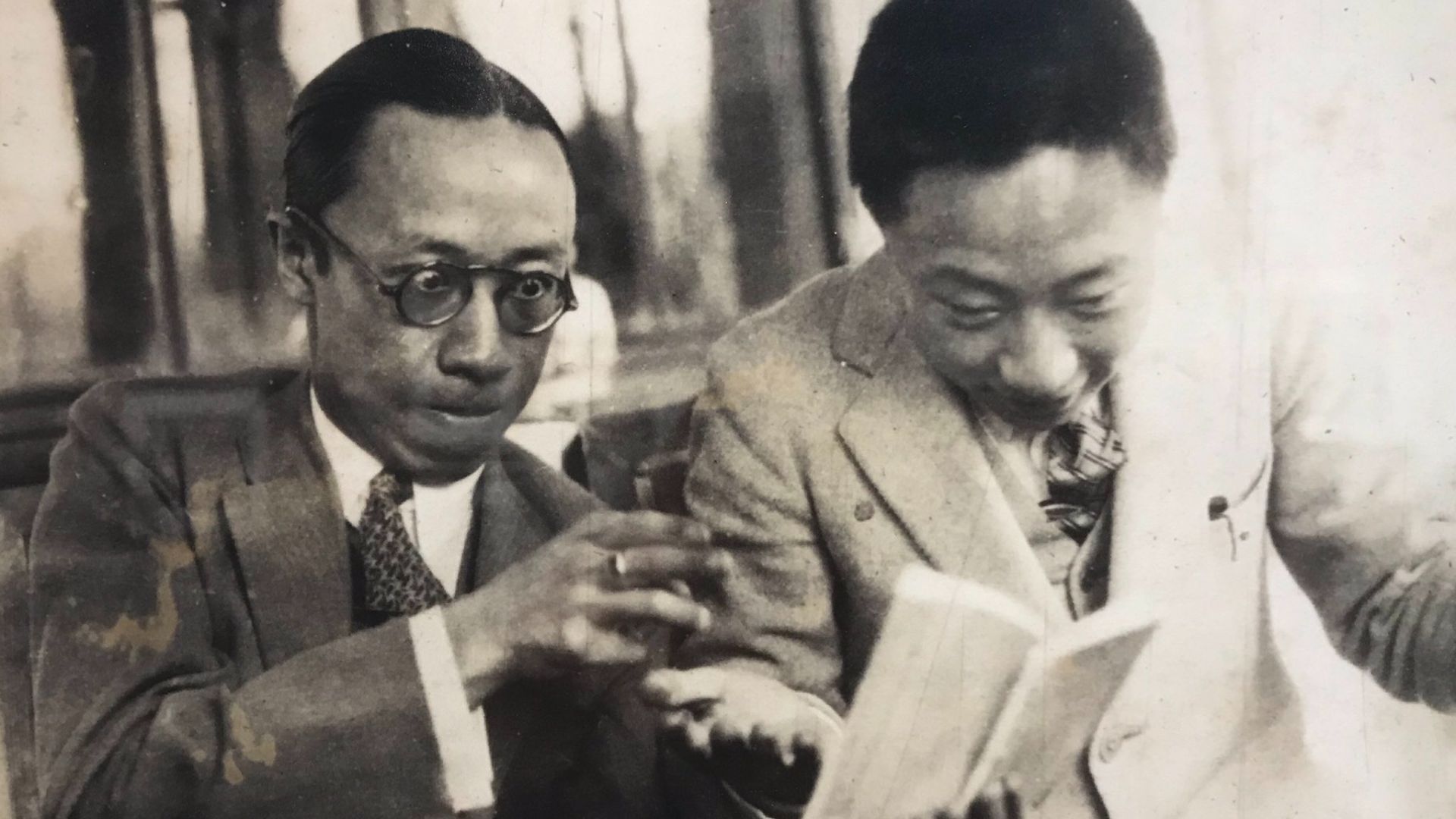
Puyi, the last emperor of China, was not yet three when he was placed on the Qing throne. The image is almost unbearable: a toddler inside the Forbidden City, surrounded by ceremony, servants, and a dynasty already cracking under history’s pressure.
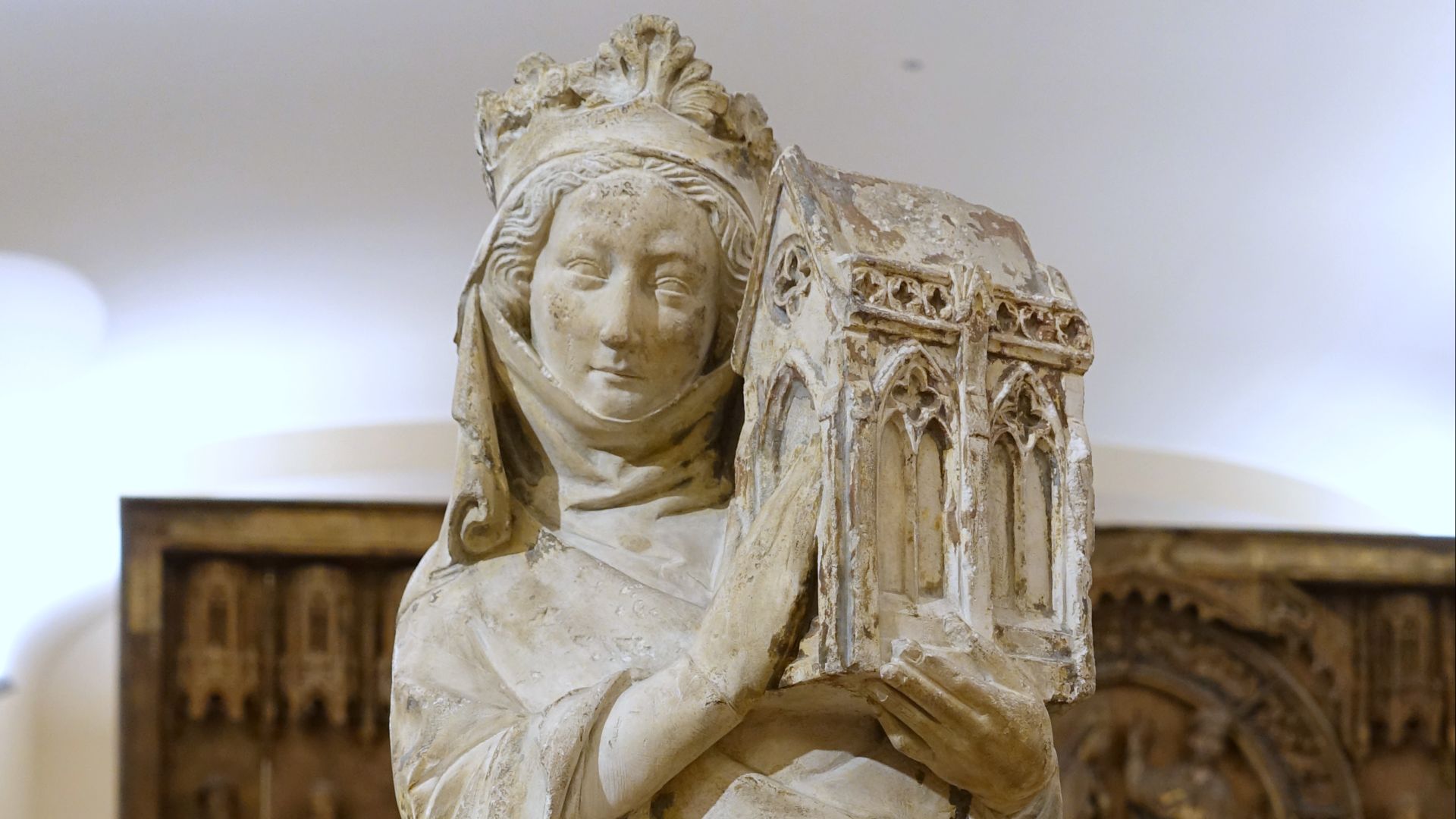
 Unknown authorUnknown author on Wikimedia
7. Ivan VI of Russia
Ivan VI was an infant emperor of Russia, and his reign was brief in the cruelest possible way. He was overthrown as a baby and spent much of his life imprisoned because his existence alone was considered politically dangerous.
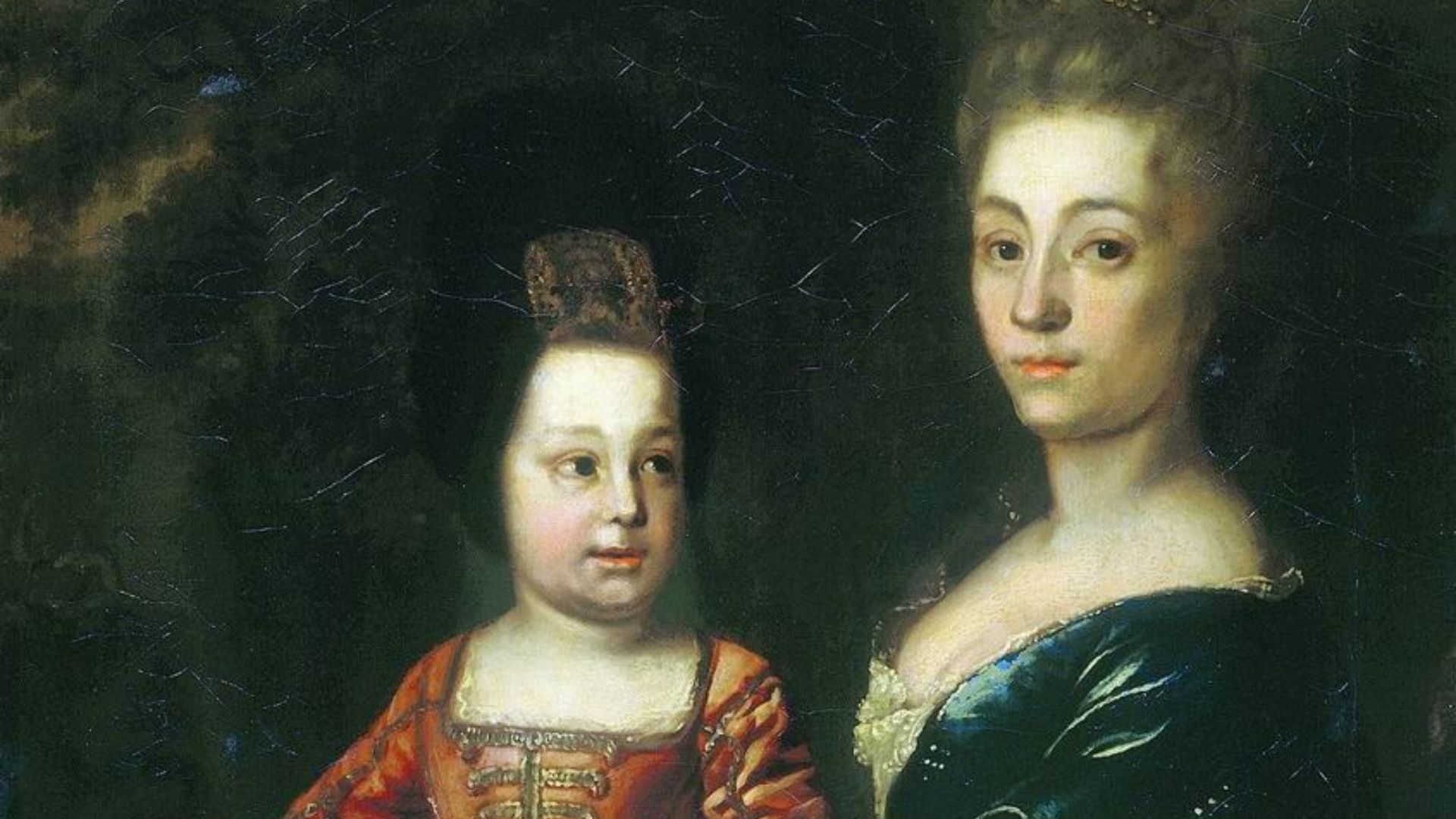 Unknown authorUnknown author on Wikimedia
8. Sobhuza II
Sobhuza II was chosen as king of Swaziland while still an infant. Adults ruled during his minority, but the throne had already claimed him, turning childhood into preparation for a life that belonged partly to the nation.
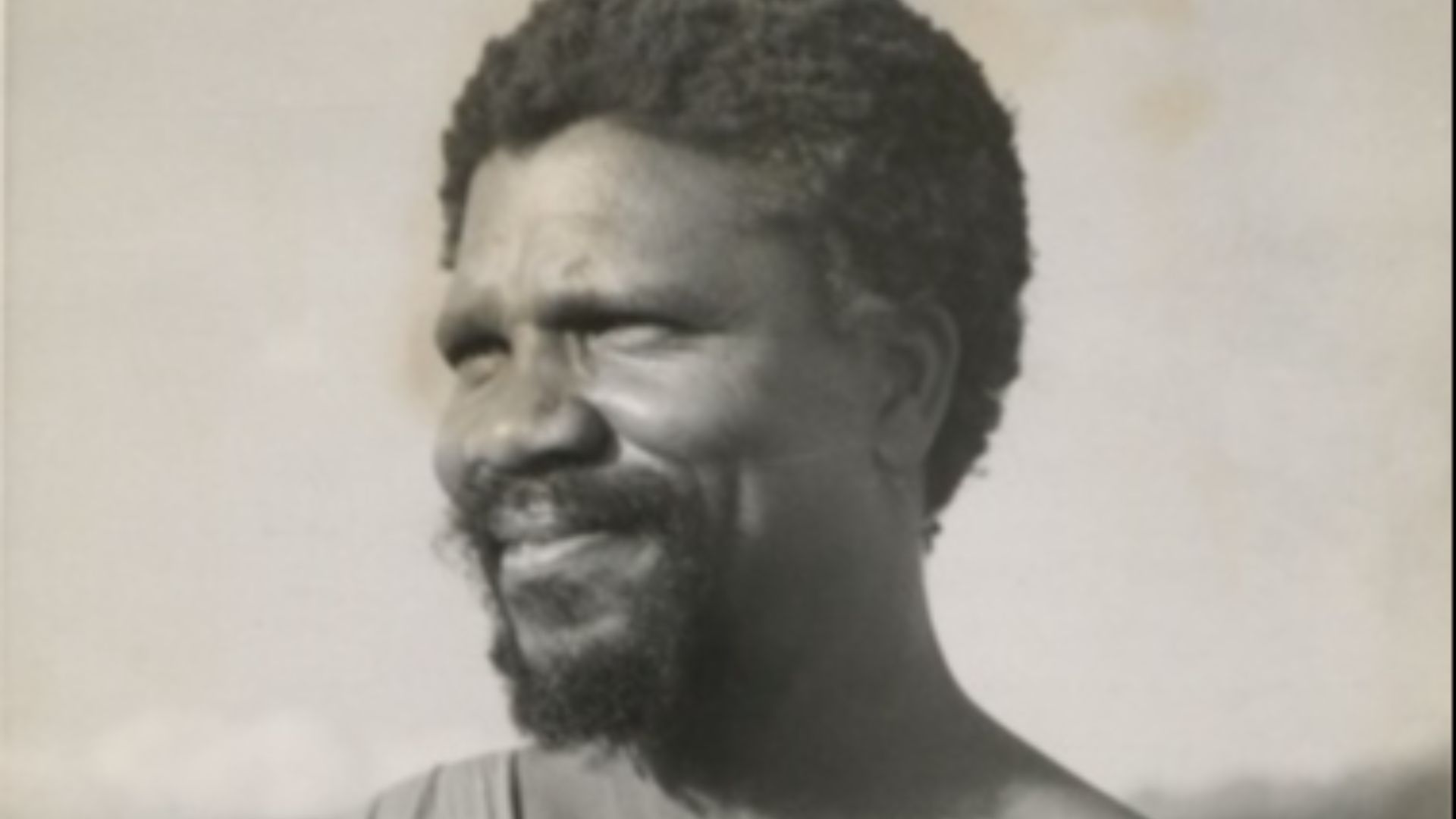 The National Archives UK - Flickr account on Wikimedia
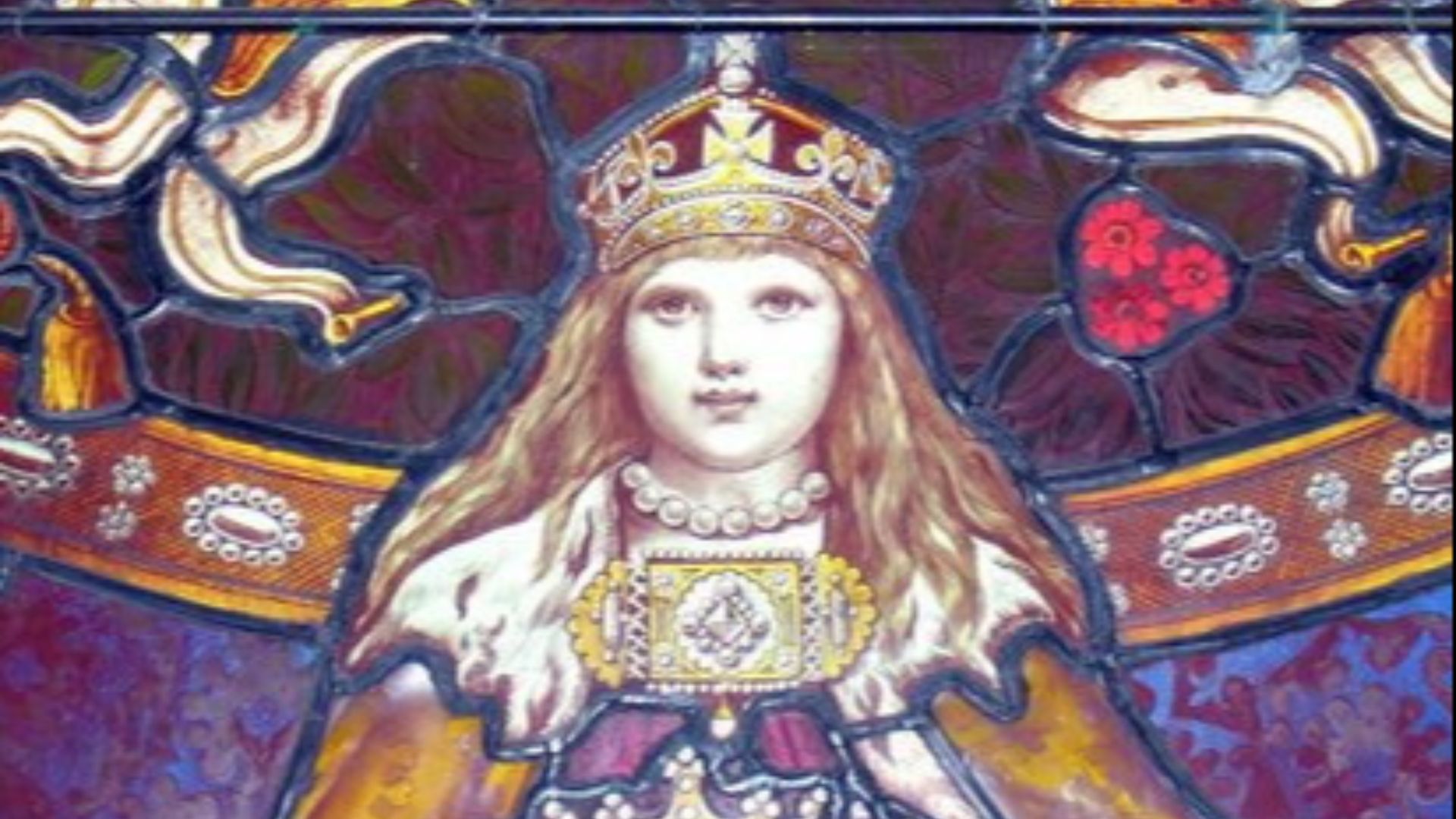
9. Margaret, Maid of Norway
Margaret was only three when she became the center of Scotland’s succession hopes. She never got the chance to grow into the role, dying on the journey toward Scotland and leaving a power vacuum behind her.
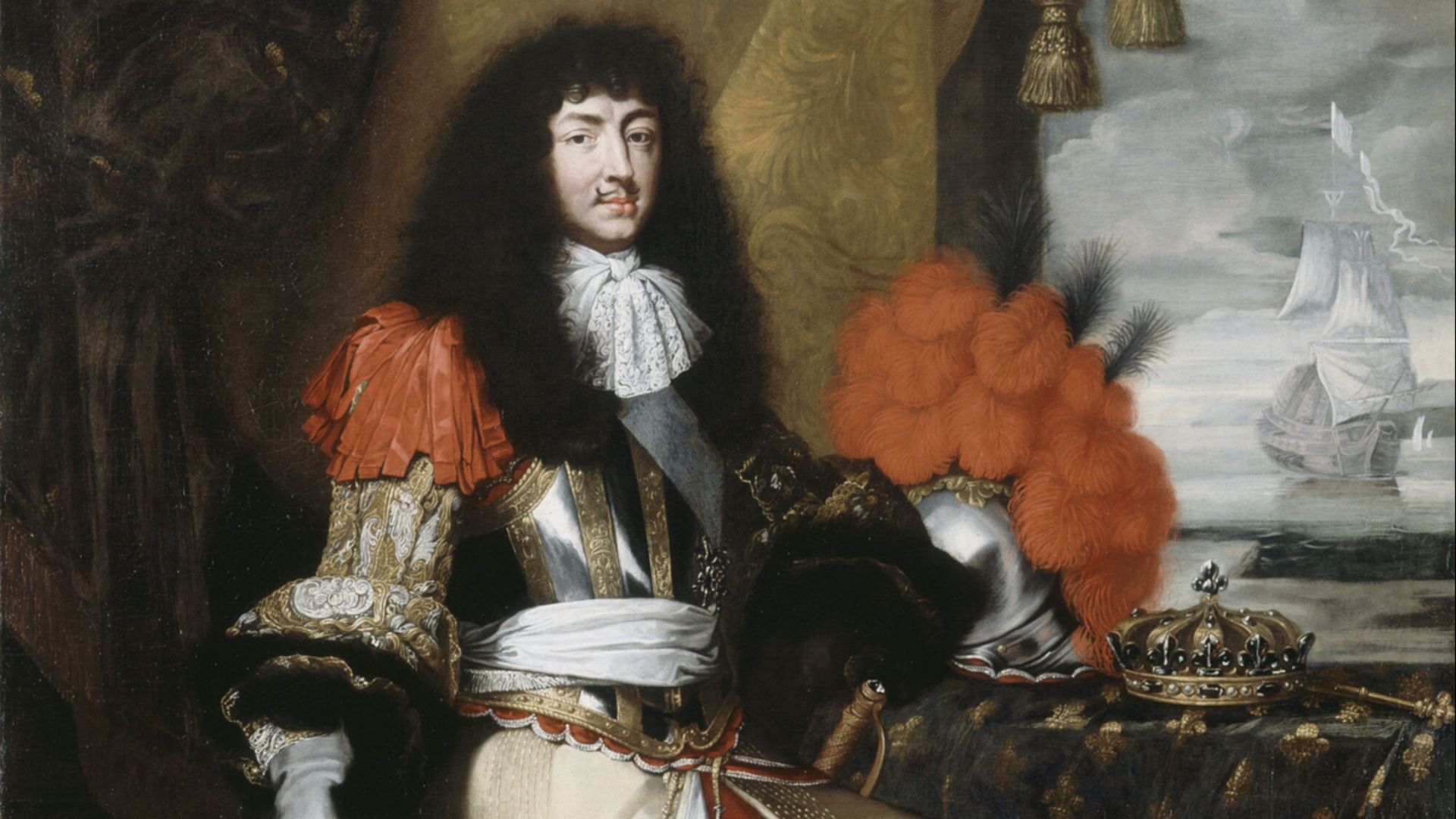
10. Louis XIV
Louis XIV became king of France at four years and eight months old. Later, he would become the grand symbol of absolute monarchy, but first he was a small boy in a palace full of adults who knew exactly what power was worth.
11. Theodosius II
Theodosius II was made co-emperor as an infant and became sole ruler of the Eastern Roman Empire at seven. His reign later produced laws, walls, and church conflicts, but it began with a child carrying an empire’s title before he could possibly carry its meaning.
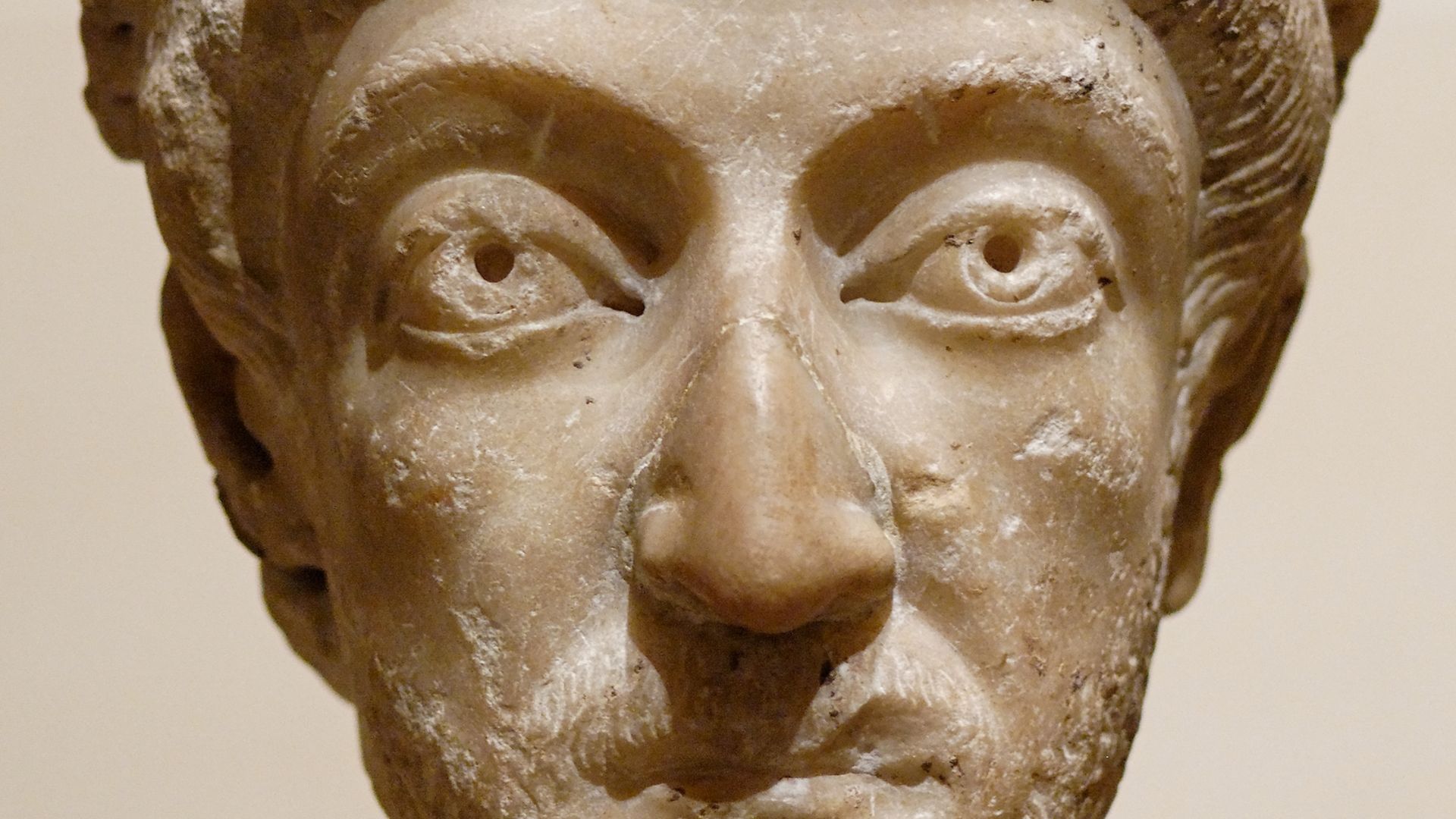
12. Michael III
Michael III became Byzantine emperor as a small child after his father’s death. The court around him was packed with regents, relatives, clergy, and rivals, the kind of room where a child’s name could open doors he was too young to walk through alone.
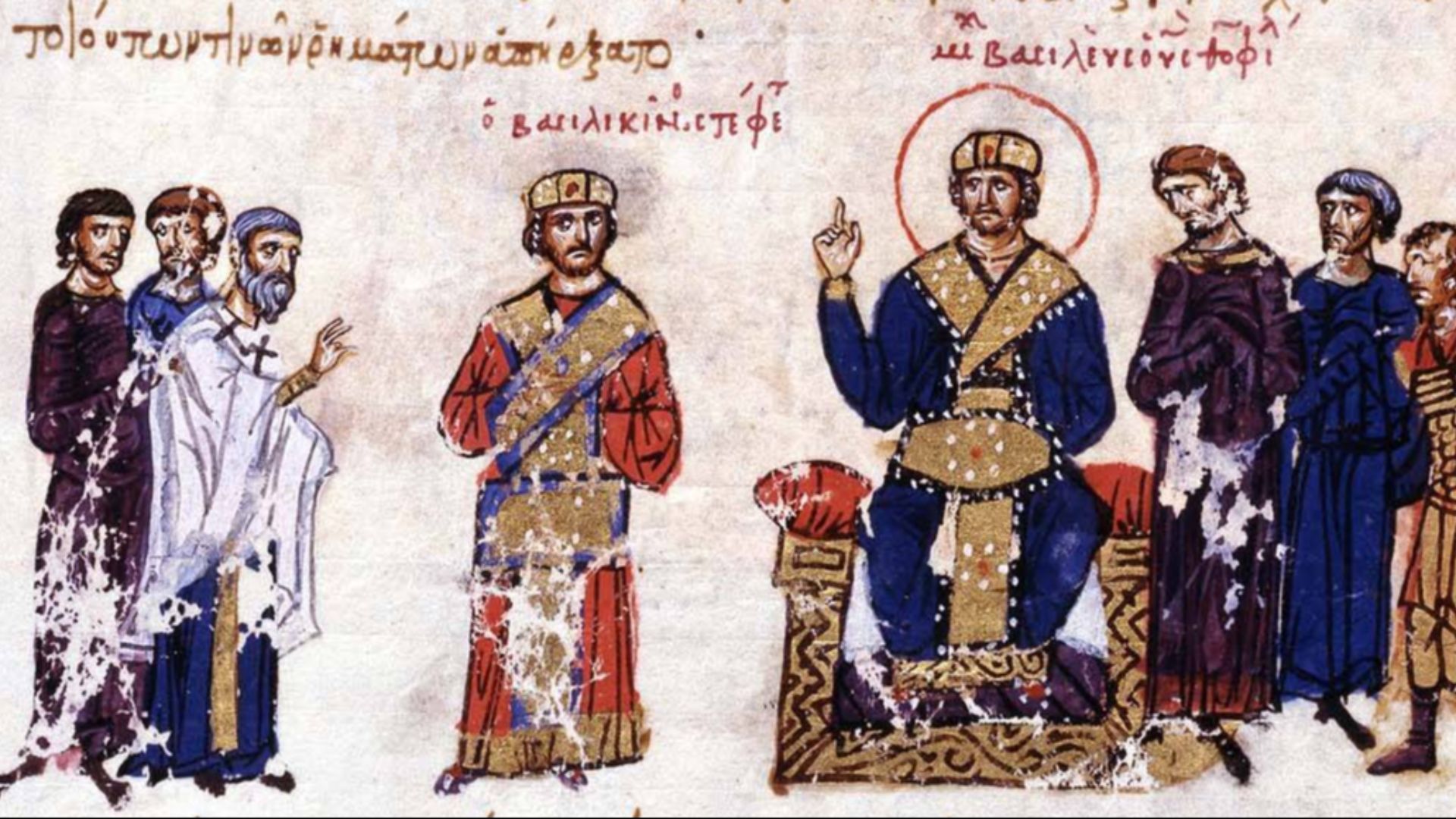 Unknown, 13th-century author on Wikimedia
13. Charles II of Spain
Charles II became king of Spain before his fourth birthday, and his reign opened under his mother’s regency. He inherited not just a crown, but the exhausted machinery of the Spanish Habsburgs, with all its court intrigue and dynastic anxiety.
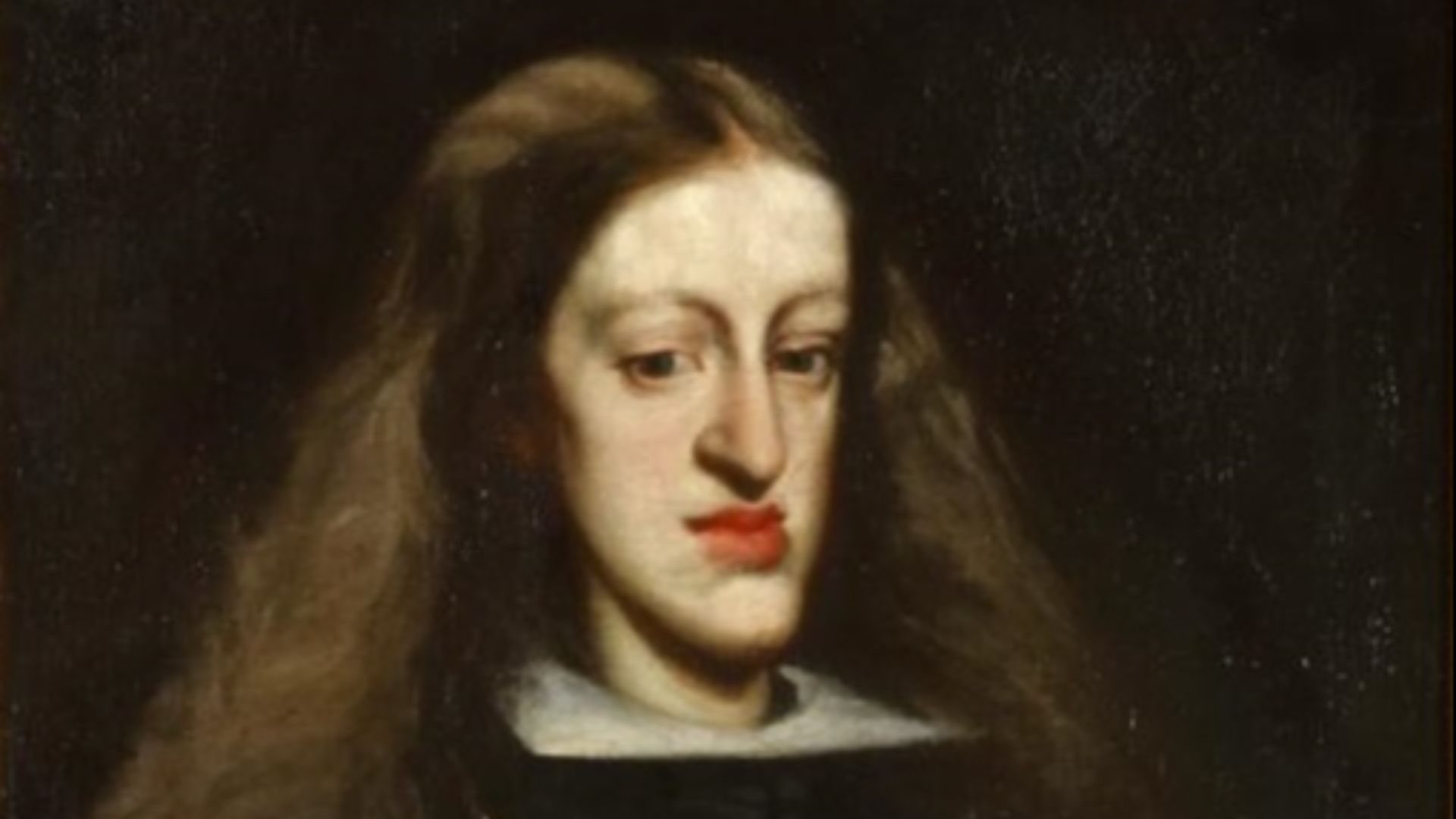 Juan Carreño de Miranda on Wikimedia
14. Christina of Sweden
Christina became queen-elect of Sweden at six after her father, Gustavus Adolphus, died. She was educated like a prince, trained for politics, and pulled early into the serious world adults usually keep behind closed doors.
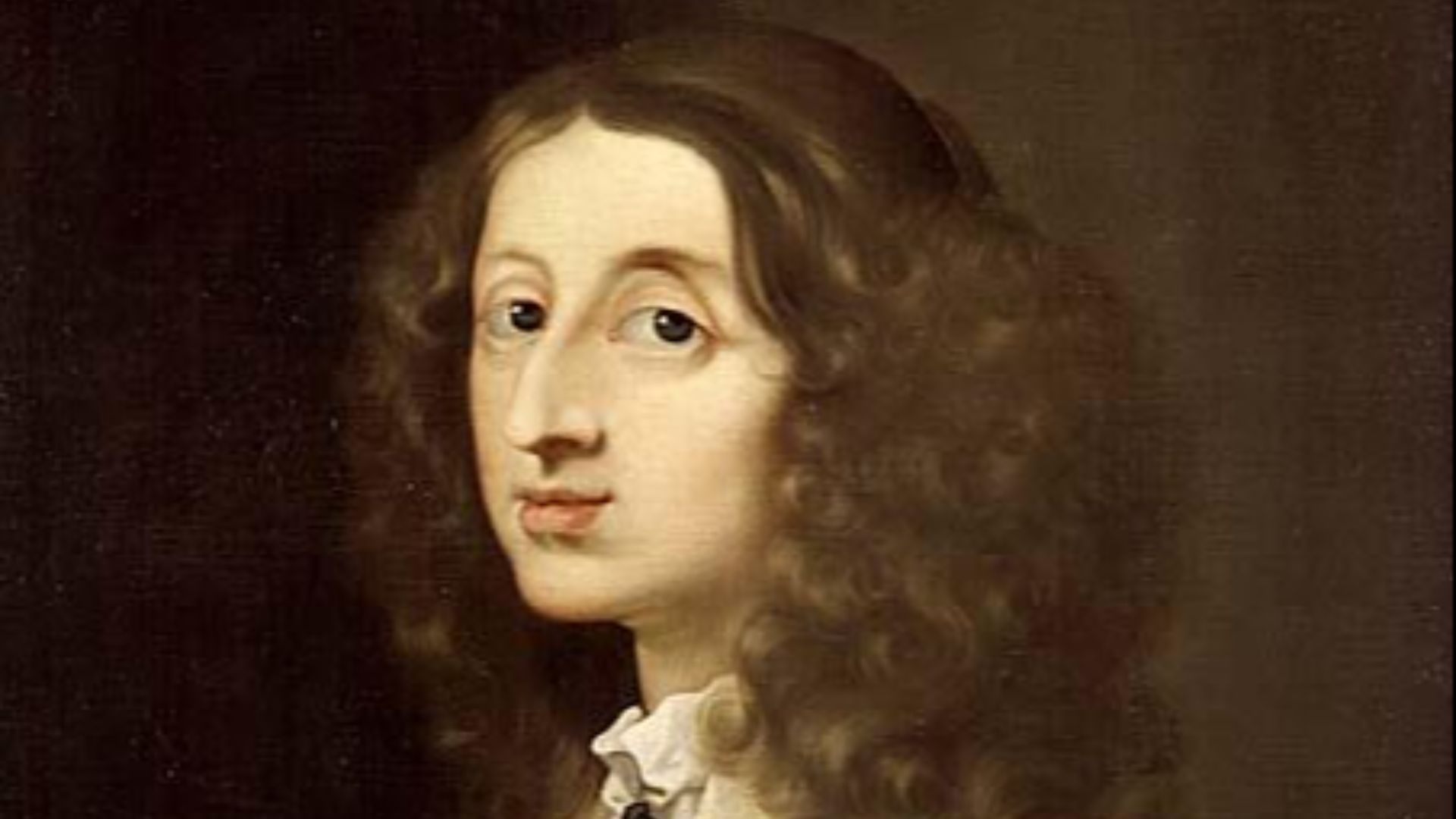 Sébastien Bourdon on Wikimedia
15. Ivan IV
Ivan IV became grand prince of Moscow at three. Long before he was known as Ivan the Terrible, he was a child in a violent political world, watching nobles compete around the throne he technically occupied.
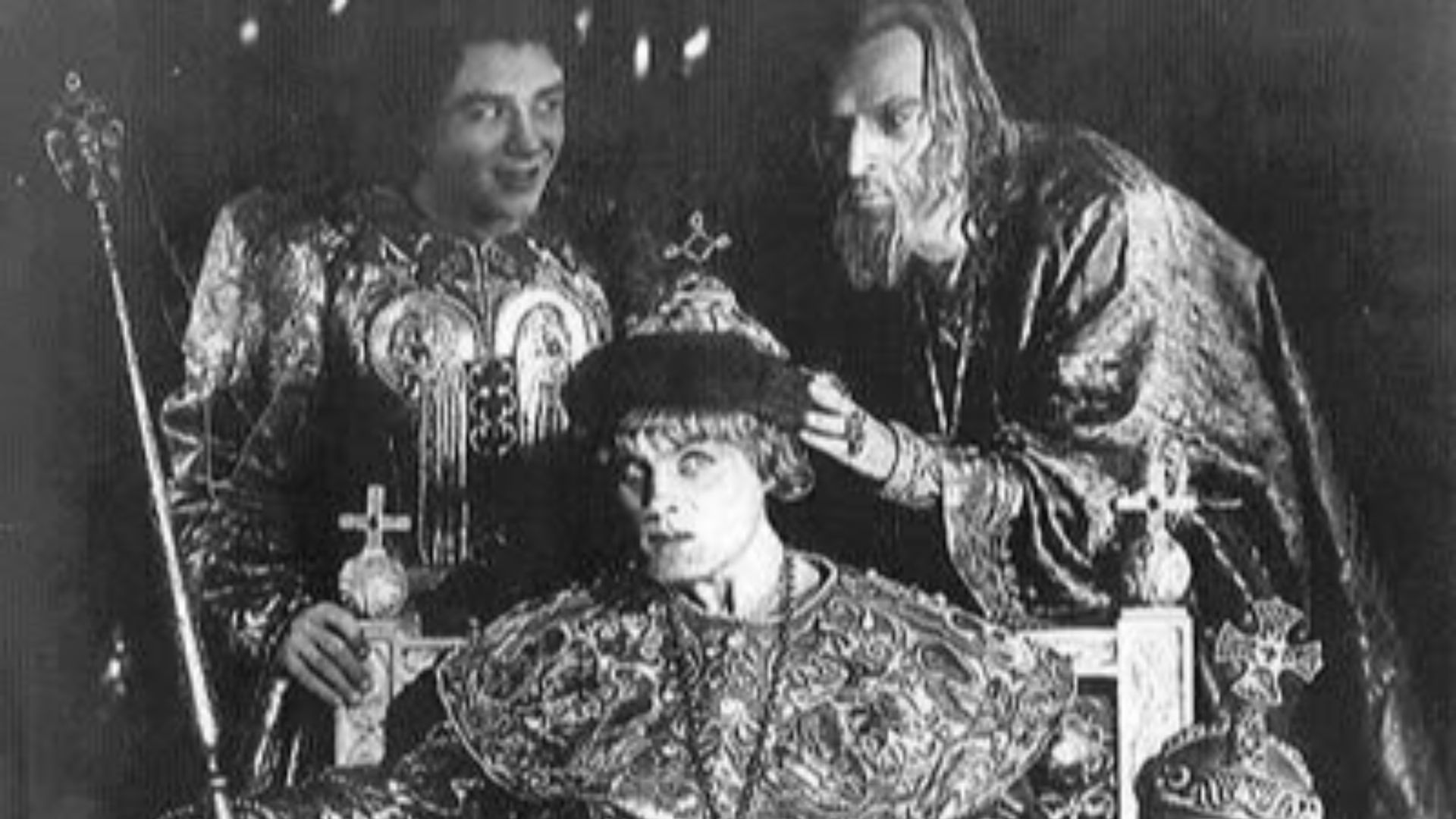
16. Pedro II of Brazil
Pedro II became emperor of Brazil at five after his father abdicated and left for Europe. His childhood became a national project, shaped by tutors, ministers, and the expectation that a lonely little boy would one day steady an empire.
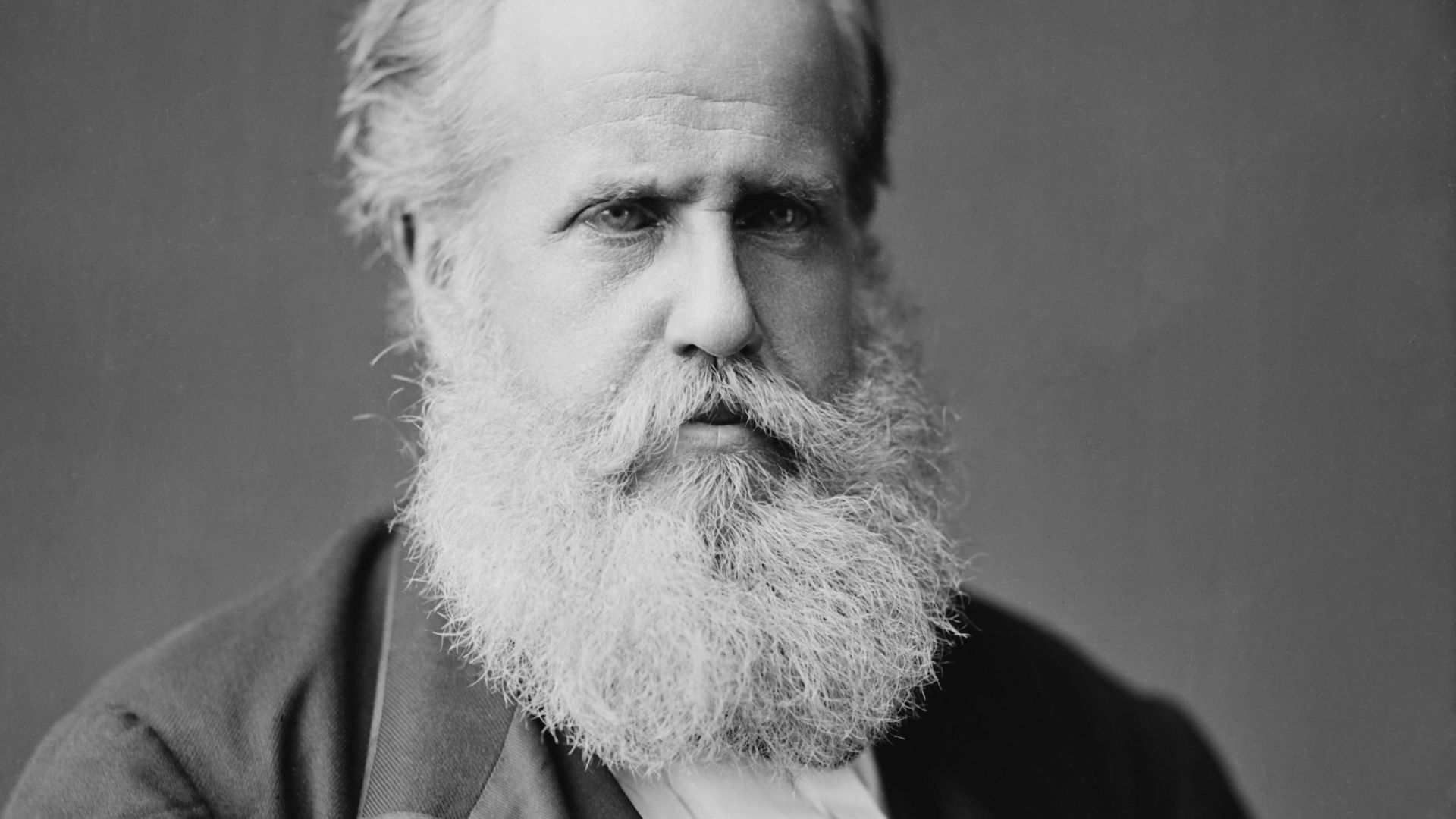 Mathew Benjamin Brady / Levin Corbin Handy on Wikimedia
17. Edward VI
Edward VI became king of England at nine after the death of Henry VIII. He was bright and carefully educated, but his short reign was still dominated by powerful nobles who understood the usefulness of a child king.
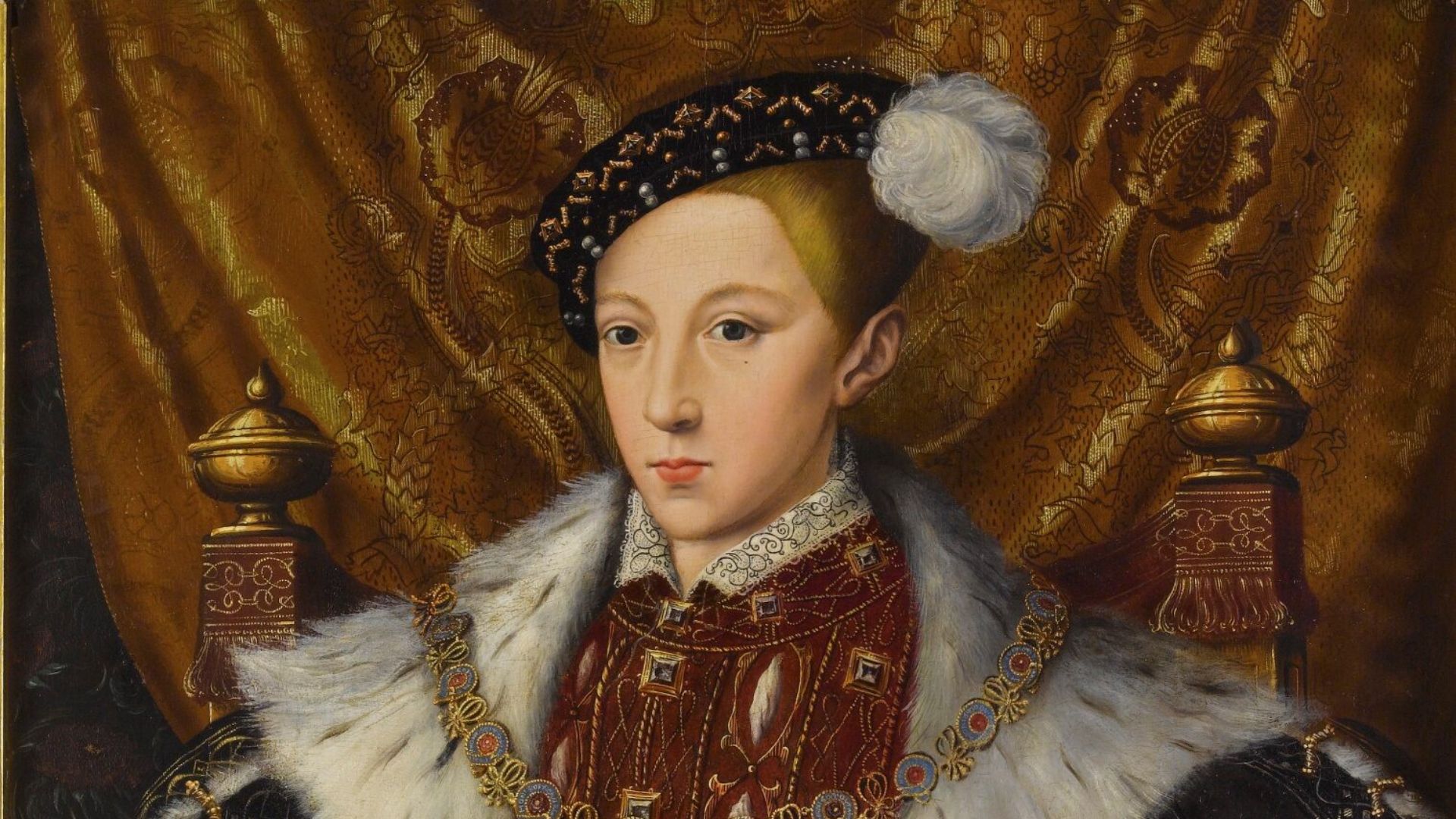 Circle of William Scrots on Wikimedia
18. Peter II of Russia
Peter II was crowned emperor of Russia at eleven. He was old enough to know people wanted things from him, but young enough that court factions could still turn his life into a contest of influence.
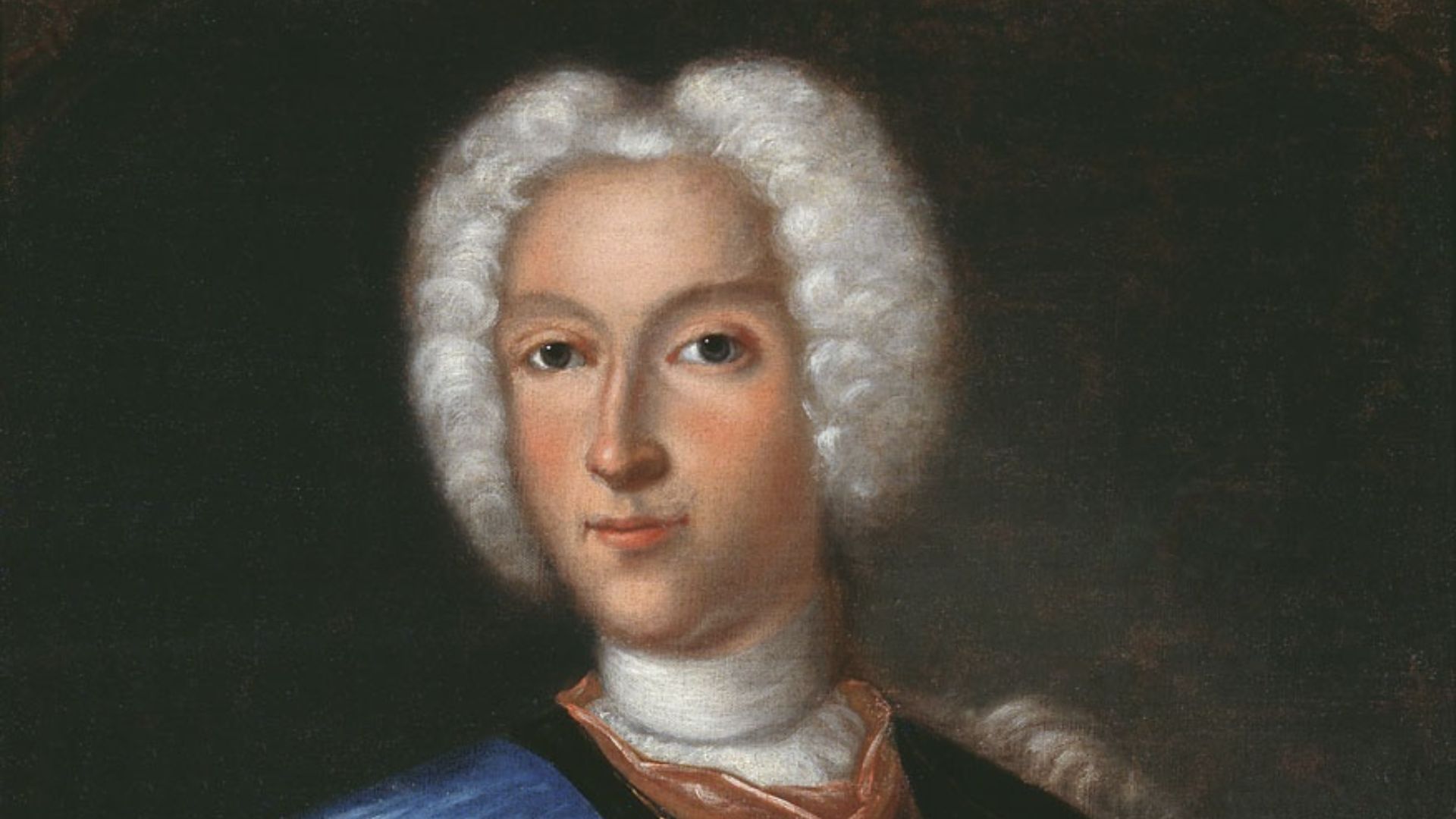 Johann Heinrich Wedekind on Wikimedia
19. Joan I of Navarre
Joan I became queen of Navarre and countess of Champagne when she was about one year old. Her mother acted as guardian, and the child’s inheritance immediately attracted pressure from neighbors who saw opportunity in a throne held by a baby.
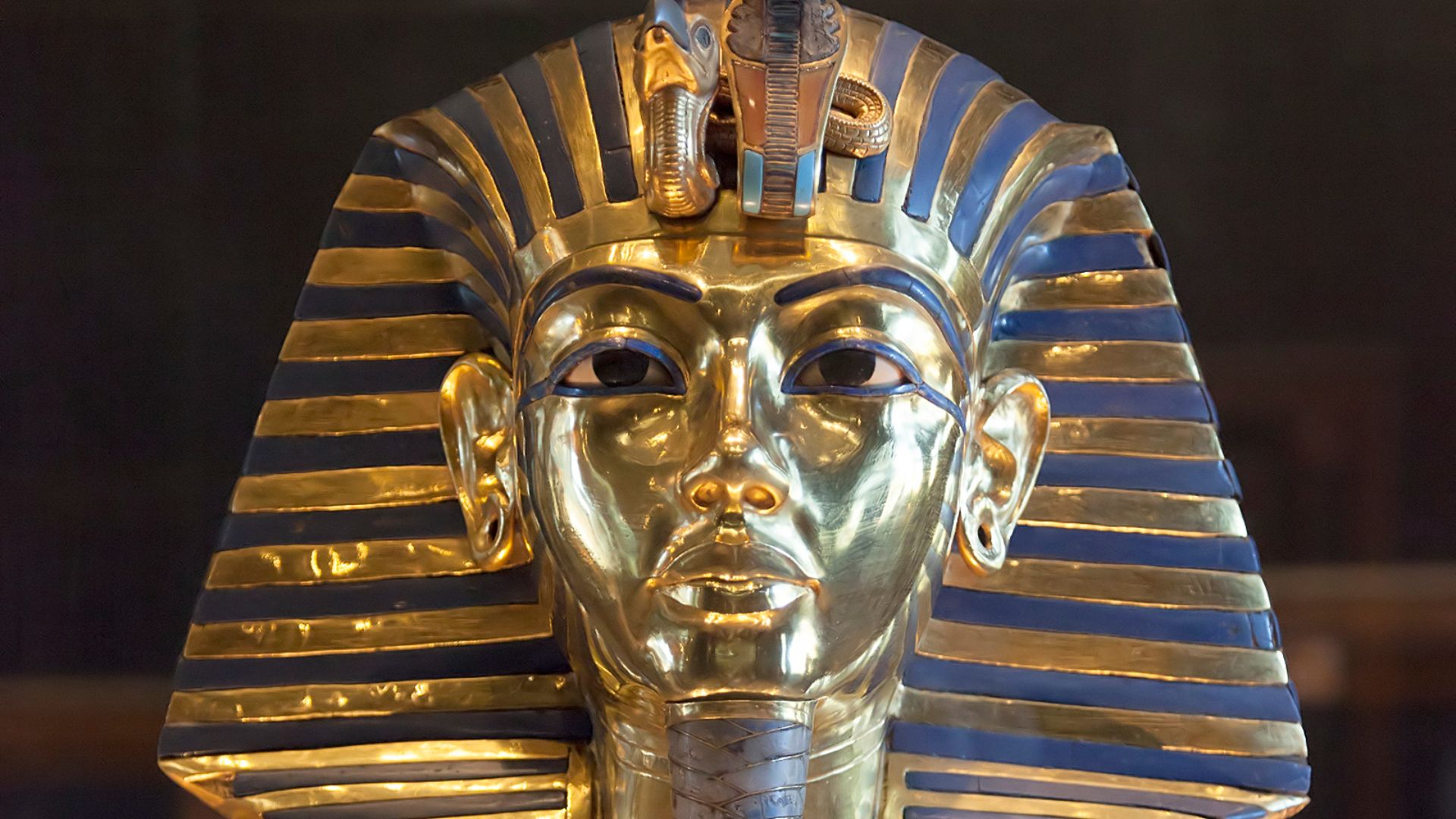
20. Tutankhamun
Tutankhamun became pharaoh of Egypt at around eight or nine. He is remembered now through gold, masks, and museum crowds, but behind all that shine was a boy placed at the center of religious repair, court politics, and an ancient kingdom’s expectations.
KEEP ON READING
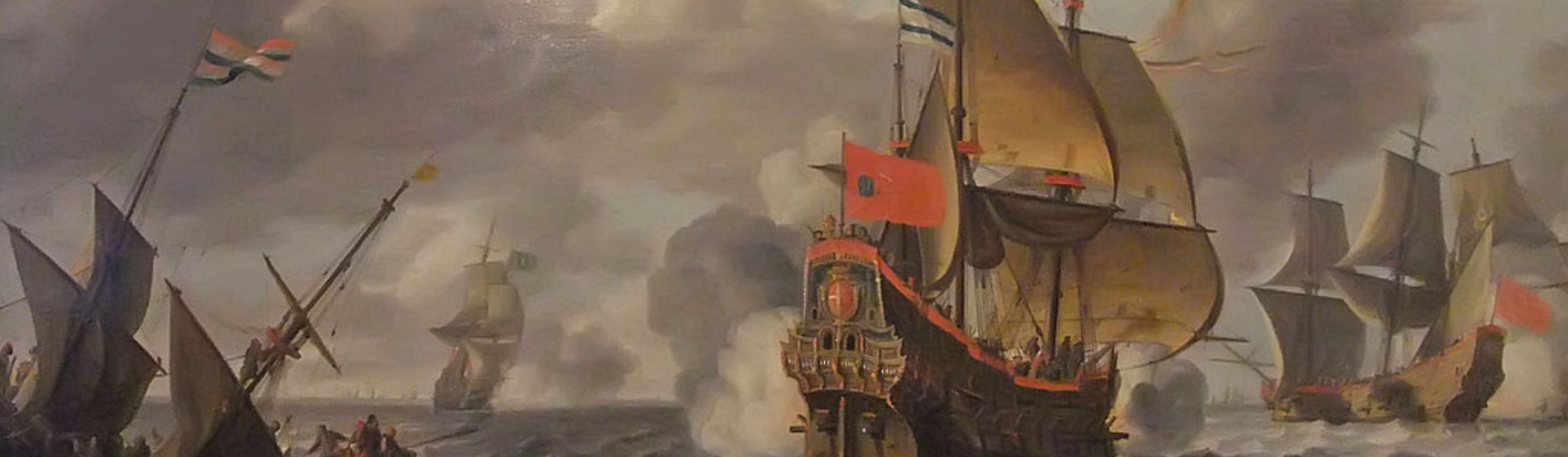
The story of Ching Shih, the Woman Who Became the…
Unknown author on WikimediaFew figures in history are as feared…
By Emilie Richardson-Dupuis Dec 29, 2025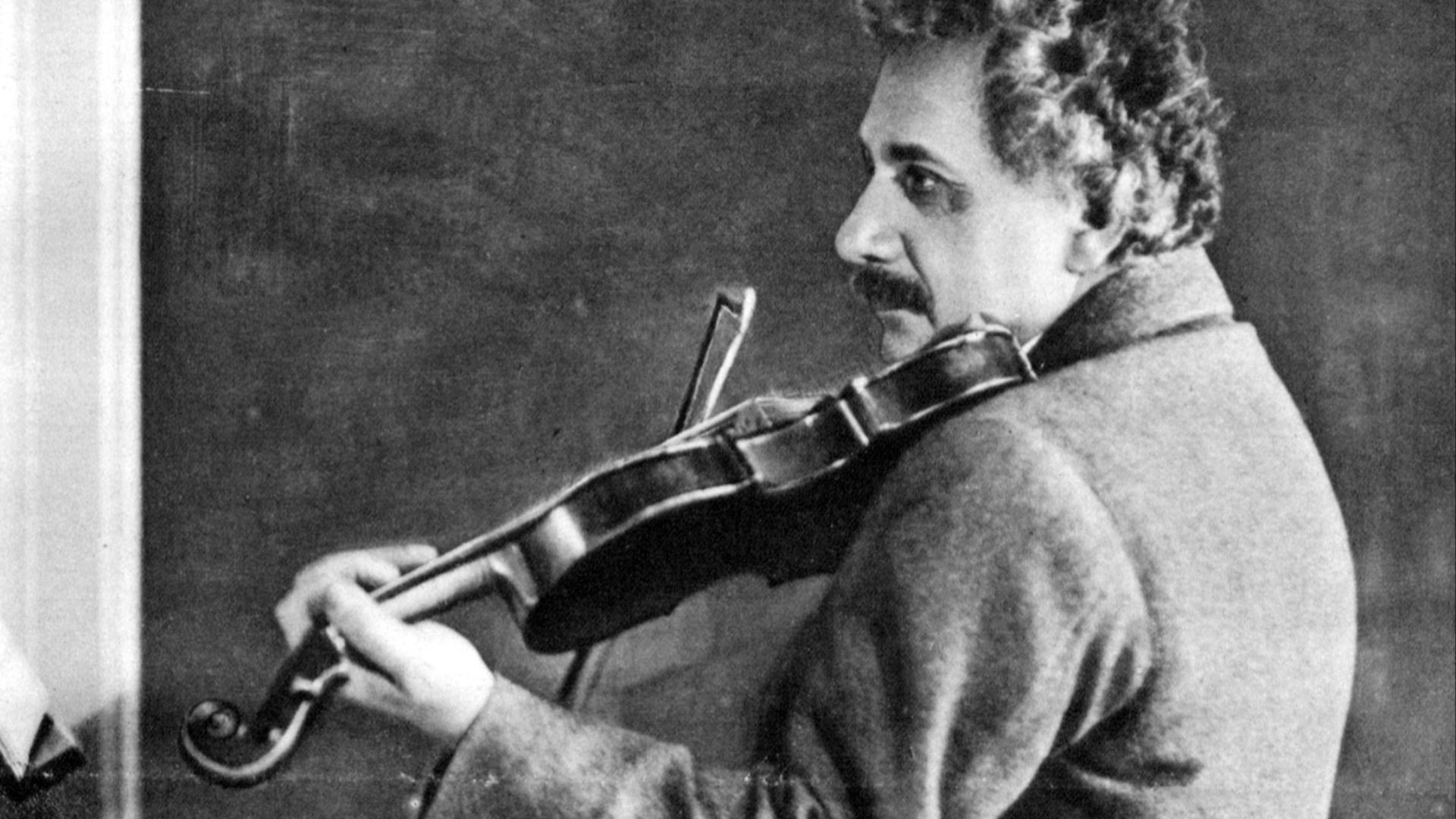
Einstein's Violin Just Sold At An Auction—And It Earned More…
A Visionary's Violin. Wanda von Debschitz-Kunowski on WikimediaWhen you hear…
By Ashley Bast Nov 3, 2025
This Infamous Ancient Greek Burned Down An Ancient Wonder Just…
History remembers kings and conquerors, but sometimes, it also remembers…
By David Davidovic Nov 12, 2025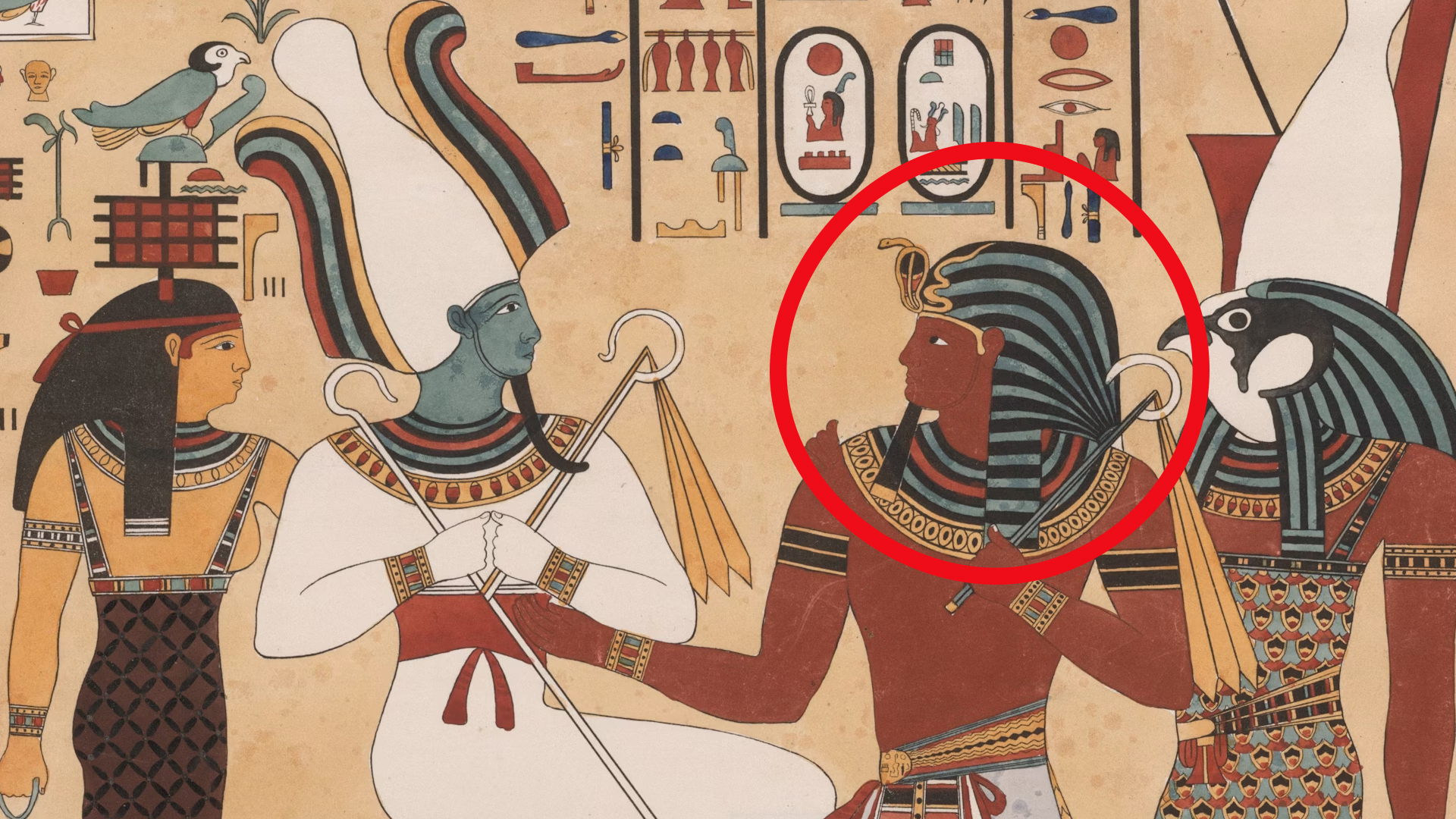
The Mysterious "Sea People" Who Collapsed Civilization
3,200 years ago, Bronze Age civilization in the Mediterranean suddenly…
By Robbie Woods Mar 18, 2025
20 Greatest Ancient Athletes In History
Ancient Olympics. Long before modern stadiums and multimillion-dollar endorsements, athletes…
By Sara Springsteen May 1, 2026
20 Soldiers Who Defied Expectations
Changing the Rules of the Battlefield. You’ve probably heard plenty…
By Annie Byrd Feb 10, 2026