

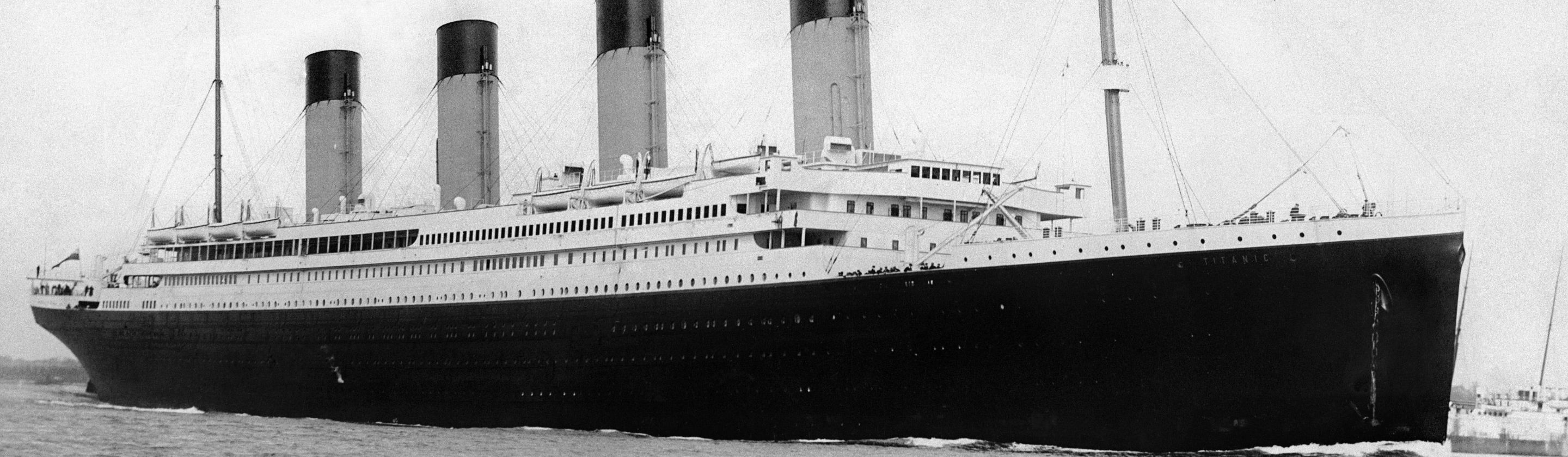
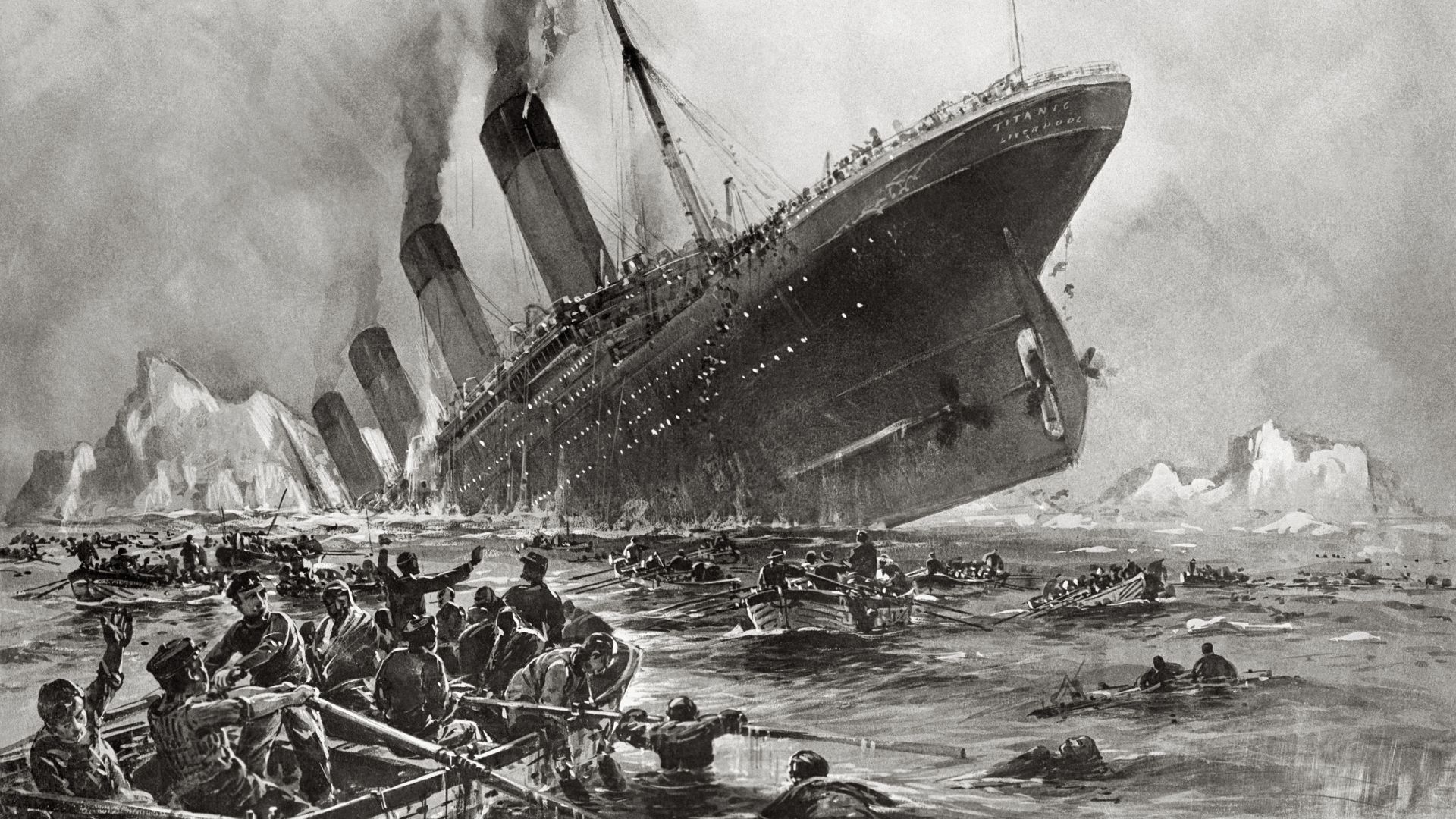
The Titanic disaster is often remembered as a story of arrogance, ice, and a ship famously described as nearly unsinkable. But one of the most haunting details is painfully simple: there weren’t enough lifeboats for everyone on board. Even if every boat had been filled perfectly, more than a thousand people still would have had no seat. It’s the kind of fact that feels so obviously wrong now that it almost seems impossible.
The Titanic carried 20 lifeboats with room for about 1,178 people, while roughly 2,209 passengers and crew were aboard on the night it sank. That shortage wasn’t caused by one careless decision or one villain twirling a mustache near the boat deck. It came from outdated laws, misplaced faith in modern engineering, and a luxury culture that treated lifeboats as emergency equipment rather than true evacuation tools. The result was a ship that looked like the future while carrying safety rules from the past.
The Law Was Outdated Before the Ship Even Sailed
The Titanic technically followed British Board of Trade regulations. That’s the part that makes the story especially maddening, because the ship wasn't illegally short of lifeboats by the standards of the day. The problem was that those standards had been written for a different era of shipping. By 1912, ocean liners had grown enormously, but the rules had not kept up with the scale of the vessels they were supposed to govern.
The regulations were based largely on ship tonnage, with the highest category applying to vessels over 10,000 tons. The Titanic was more than 46,000 tons, but the law still treated it according to a system that hadn't properly anticipated ships of that size. Under those rules, the Titanic was required to carry 16 lifeboats, and it actually carried 20. In other words, the ship exceeded the legal minimum while still being tragically underprepared.
That sounds absurd now, but it reveals a common problem in safety history. Regulations often change after disasters, not before them, because institutions can be painfully slow to imagine worst-case scenarios. The Titanic’s owners and designers could point to compliance, and compliance gave everyone a comfortable reason not to ask harder questions. Unfortunately, the ocean didn't care that the paperwork was in order.
Lifeboats Were Seen as Ferries, Not Full Evacuation Seats
Part of the misunderstanding came from how many people imagined lifeboats would be used. They weren't always thought of as individual seats for every passenger in a complete abandonment of the ship. Instead, many believed lifeboats could ferry people from a damaged liner to nearby rescue ships. That idea made more sense in busy shipping lanes, but it collapsed when the Titanic sank quickly in the freezing North Atlantic.
This assumption was also tied to faith in wireless communication and modern shipbuilding. If a huge liner got into trouble, people expected distress calls to bring help before the ship fully disappeared. Titanic’s watertight compartments also encouraged confidence that the vessel could remain afloat long enough for rescue. The lifeboats were treated almost like shuttle service, which is a chillingly optimistic plan.
The Titanic also had the physical ability to carry far more lifeboats. Some accounts note that the ship was designed with space for many more boats than it carried. The limitation wasn't simply that the deck couldn’t handle them. It was that the people making decisions didn't believe a total evacuation would ever be necessary.
Luxury, Appearance, & Confidence All Played a Role
 Unknown authorUnknown author on Wikimedia
The Titanic was not just transportation; it was a floating advertisement for luxury. First-class passengers expected open decks, elegant views, and a sense of spaciousness. Rows and rows of lifeboats may have looked cluttered, anxious, and unattractive on a ship marketed as the height of comfort. Safety equipment, unfortunately, doesn't always photograph as well as polished wood and ocean air.
There was also a belief that too many lifeboats might make passengers nervous. A ship covered in evacuation craft could suggest danger, and White Star Line wanted the Titanic to feel safe, grand, and modern. So, which the ship had room for fear’s equipment, there wasn't enough appetite for fear’s possibility.
Cost is often blamed, but the story is more complicated than simple penny-pinching. Additional lifeboats wouldn't have been wildly expensive. The deeper issue was priority. Lifeboats were available, possible, and legal to increase, but they weren't treated as essential enough to disrupt the ship’s design, image, or assumptions.
The Evacuation Made a Bad Situation Worse
Even the lifeboats the Titanic did carry were not all filled to capacity. Some boats left with far fewer people than they could hold, especially early in the evacuation. Lifeboat 7, for example, had a capacity of 65 but was lowered with only about 28 people aboard, according to later accounts. Fear, confusion, poor training, and uncertainty about whether the boats could safely lower while full all contributed to the problem.
Passengers were also reluctant at first. The ship was brightly lit, still seemed stable for a time, and getting into a small lifeboat hanging high above a dark, cold ocean didn't look appealing. Some people didn't believe the Titanic would actually sink, while others refused to leave spouses, children, friends, or family members behind.
The crew hadn't been fully prepared for the situation either. Many crew members weren't experienced seamen, and launching 20 lifeboats in the dark from a sinking ship was a complicated task. The order of “women and children first” was interpreted differently on different sides of the ship, adding more inconsistency. Even with more boats, the Titanic would have needed better training and clearer procedures to use them well.
The Disaster Changed Maritime Safety Forever
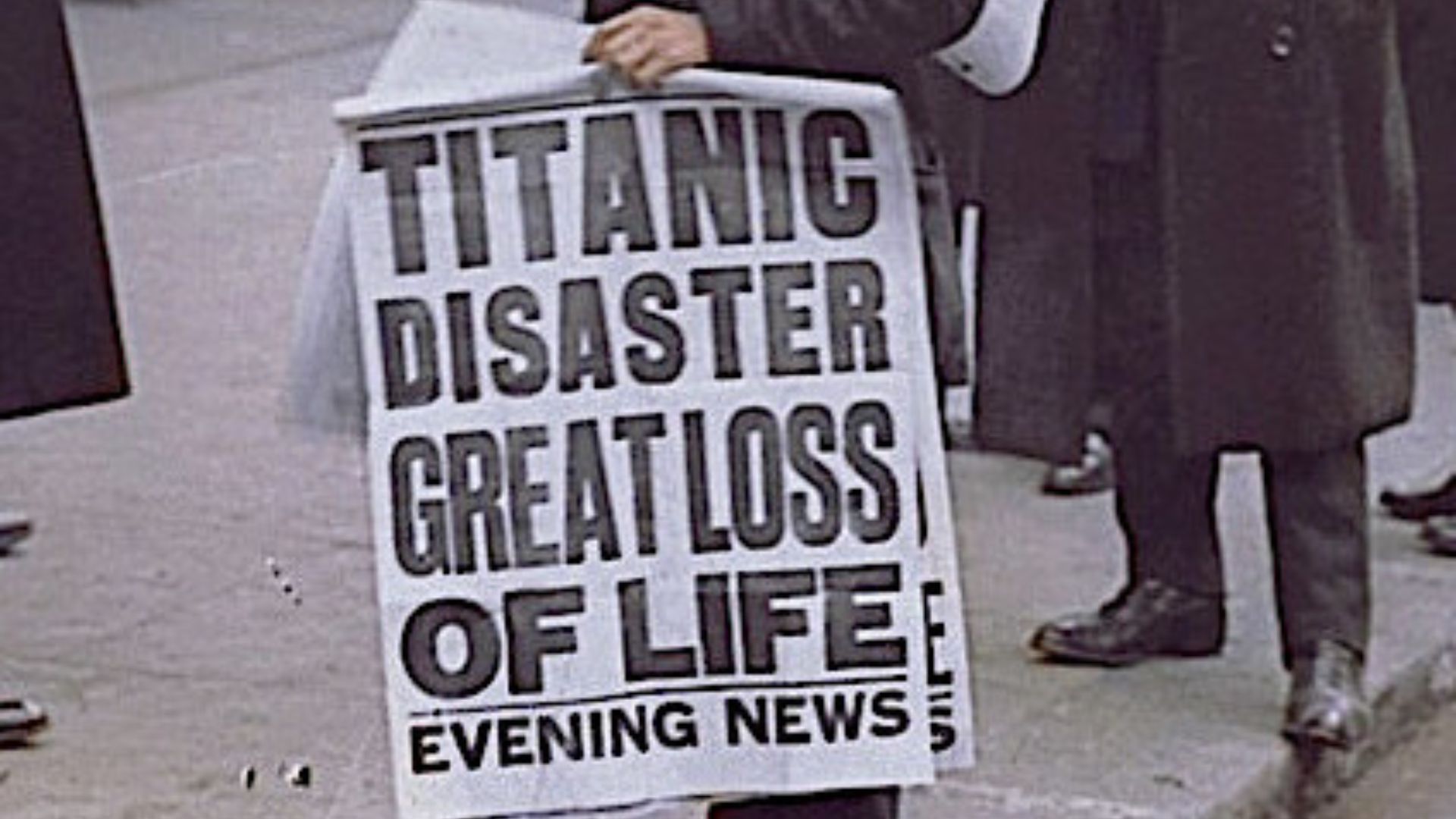
The sinking of the Titanic was enormous tragedy, but at least it wasn't completely in vain. The lifeboat shortage became one of the clearest symbols of preventable failure. It was impossible to look at the numbers and pretend the system had worked. Public outrage helped push major reforms, including requirements for enough lifeboat space for everyone aboard ships. The first International Convention for the Safety of Life at Sea, known as SOLAS, was created in the aftermath of the disaster.
The Titanic also changed attitudes toward drills, wireless communication, and ice patrols. Ships could no longer rely on the idea that help would always arrive in time or that legal minimums were good enough. The disaster made clear that emergency planning had to assume the worst. That lesson was expensive in the most heartbreaking way.
KEEP ON READING

20 Weirdest Historical Objects in Museums
Check Out the Pickled Heart of a Saint. Museums carry…
By Rob Shapiro Oct 1, 2025
20 Scariest Missing Persons Cases in History
Eerie Disappearances. There's something uniquely unsettling about a person who…
By Christy Chan May 1, 2026
20 Greatest Ancient Athletes In History
Ancient Olympics. Long before modern stadiums and multimillion-dollar endorsements, athletes…
By Sara Springsteen May 1, 2026
10 Phenomenal Mythical Creatures & 10 That Are Just Plain…
Legends Both Majestic And Peculiar. Do you ever wonder why…
By Chase Wexler Oct 1, 2025
10 Presidents Who Never Served In The Military & 10…
Commanders And Civilians In Office. Power can rise from very…
By David Davidovic Sep 1, 2025
20 Wars That Could Have Ended Much Sooner Than They…
Wars That Lasted Far Too Long. Wars are often remembered…
By David Davidovic Sep 1, 2025