

When Fear Had Teeth
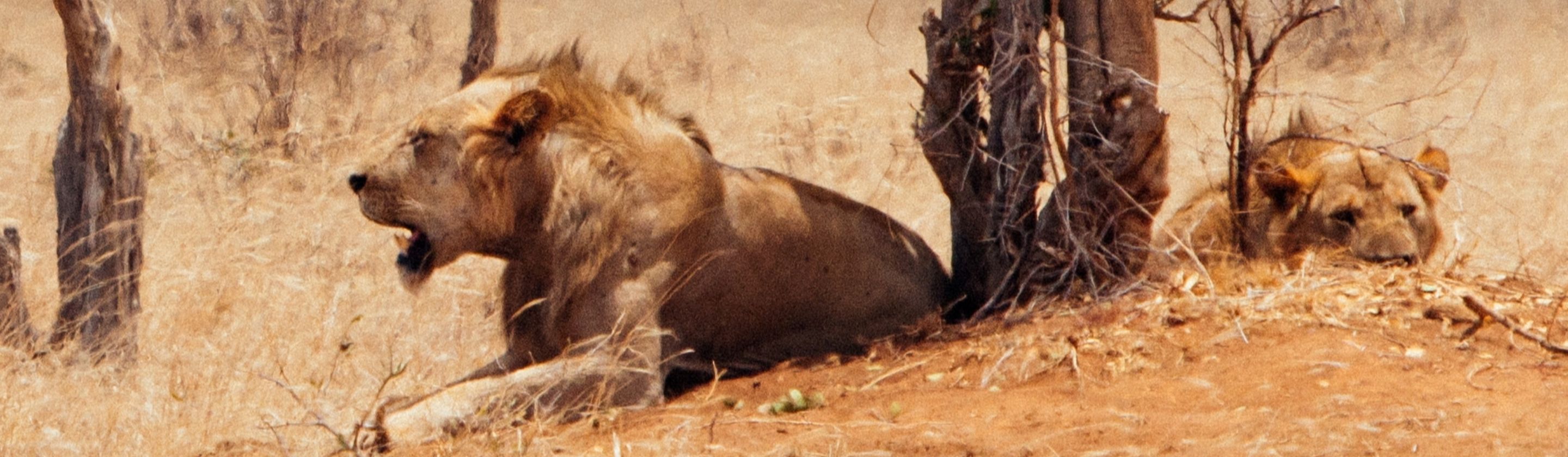
History has a way of turning certain animals into something larger than flesh and bone. A tiger becomes a curfew. A leopard becomes the reason no one walks after sunset. A lion becomes the thing that stops a railway. Some of these stories are firm in the record, and some carry the fog of colonial reports, local memory, panic, and retelling. Here are 20 man-eaters that did more than kill; they changed how whole regions moved through the world.
1. The Champawat Tigress
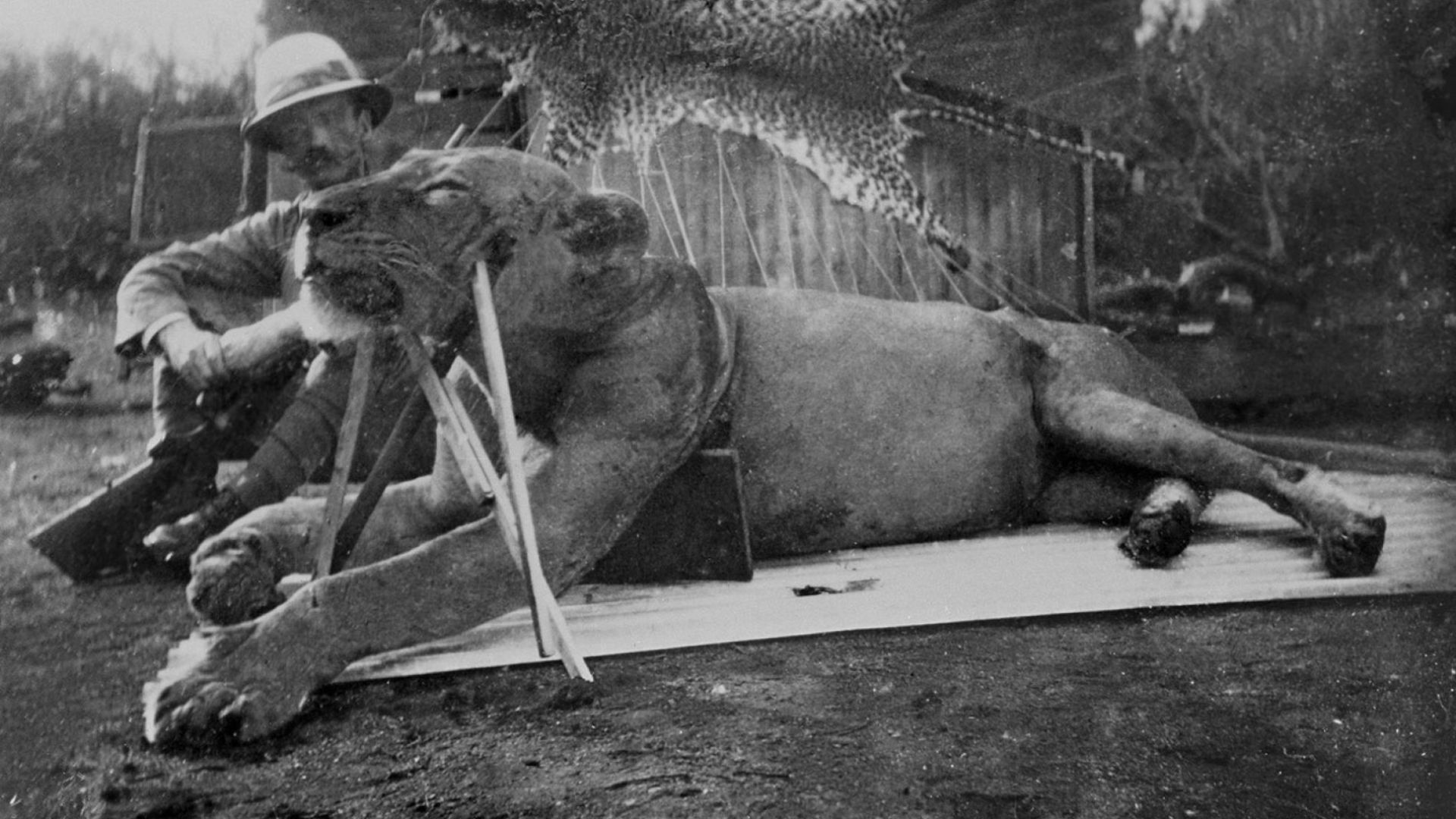
The Champawat Tigress is usually named as the deadliest individual man-eater on record, blamed for more than 400 deaths in Nepal and northern India before Jim Corbett killed her in 1907. What makes the story so haunting is not just the number, but the ordinary routines she shattered: gathering firewood, cutting grass, walking between villages.
 Unknown authorUnknown author on Wikimedia
2. The Tsavo Lions
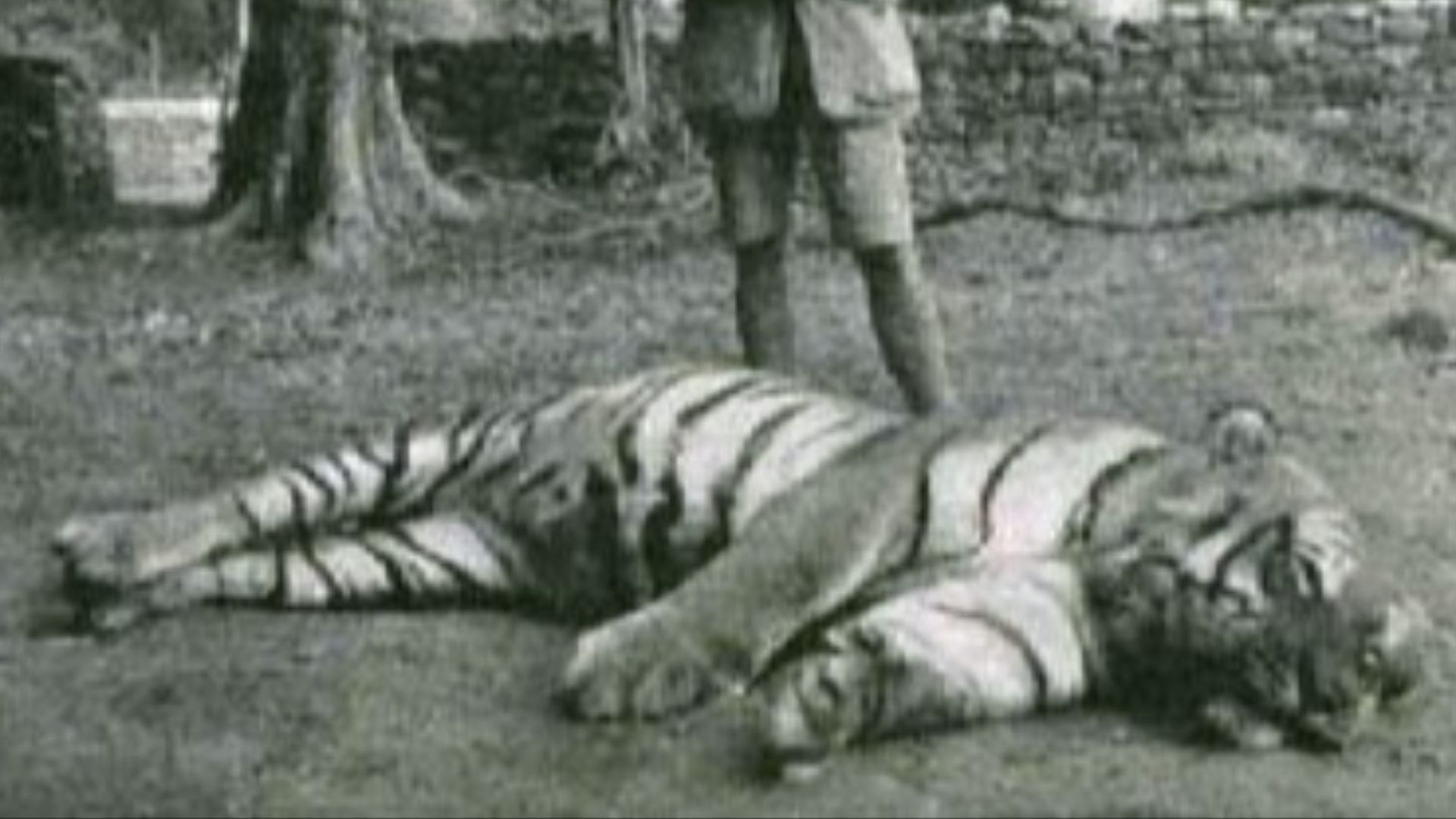
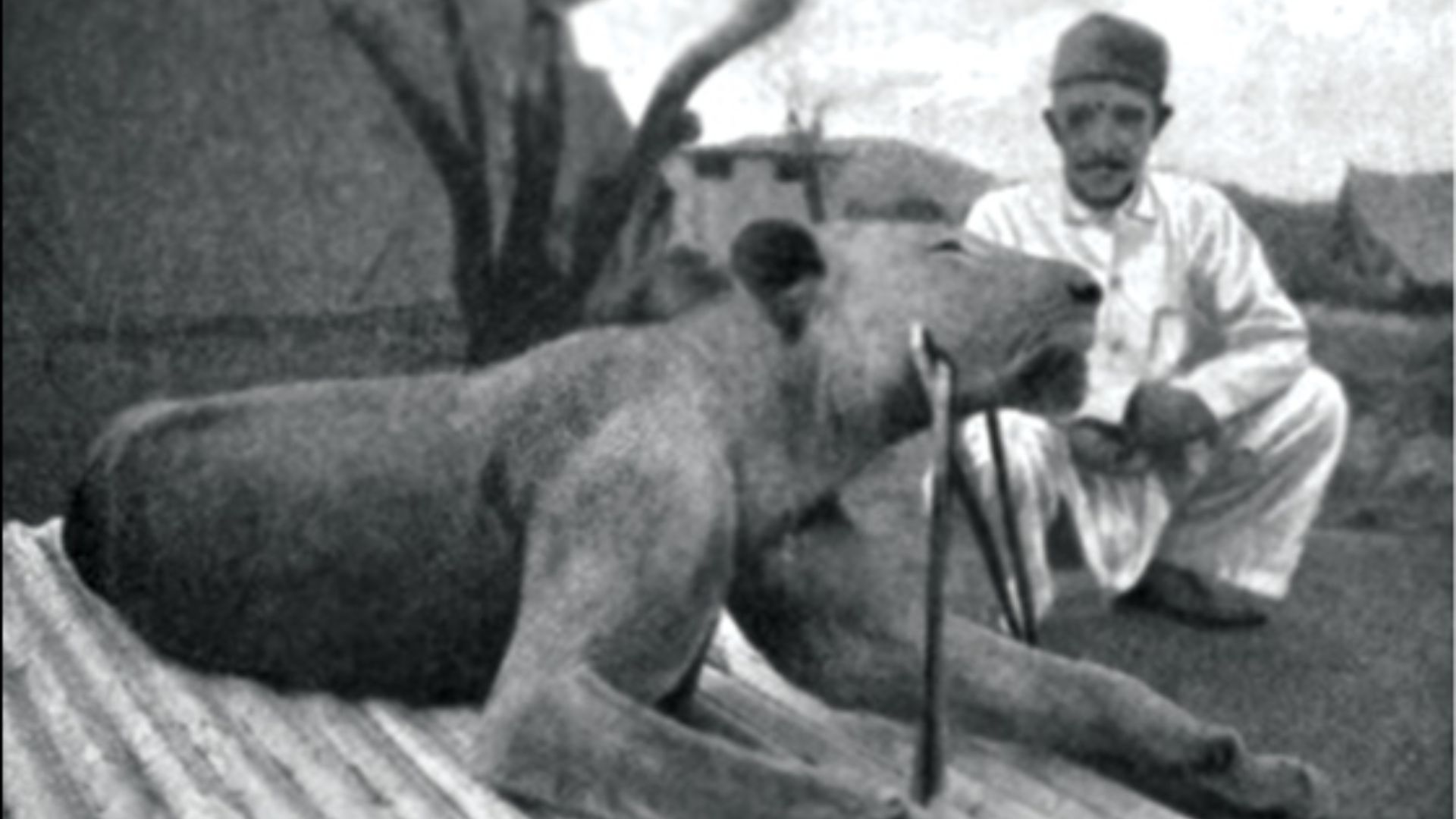
In 1898, two maneless male lions terrorized railway workers near the Tsavo River in what is now Kenya, bringing bridge construction to a halt for months. The old claim of 135 victims has been revised downward by later Field Museum research, but even the newer estimate of about 35 is enough to explain why the camp emptied in fear.
 Unknown authorUnknown author on Wikimedia
3. The Leopard Of Rudraprayag
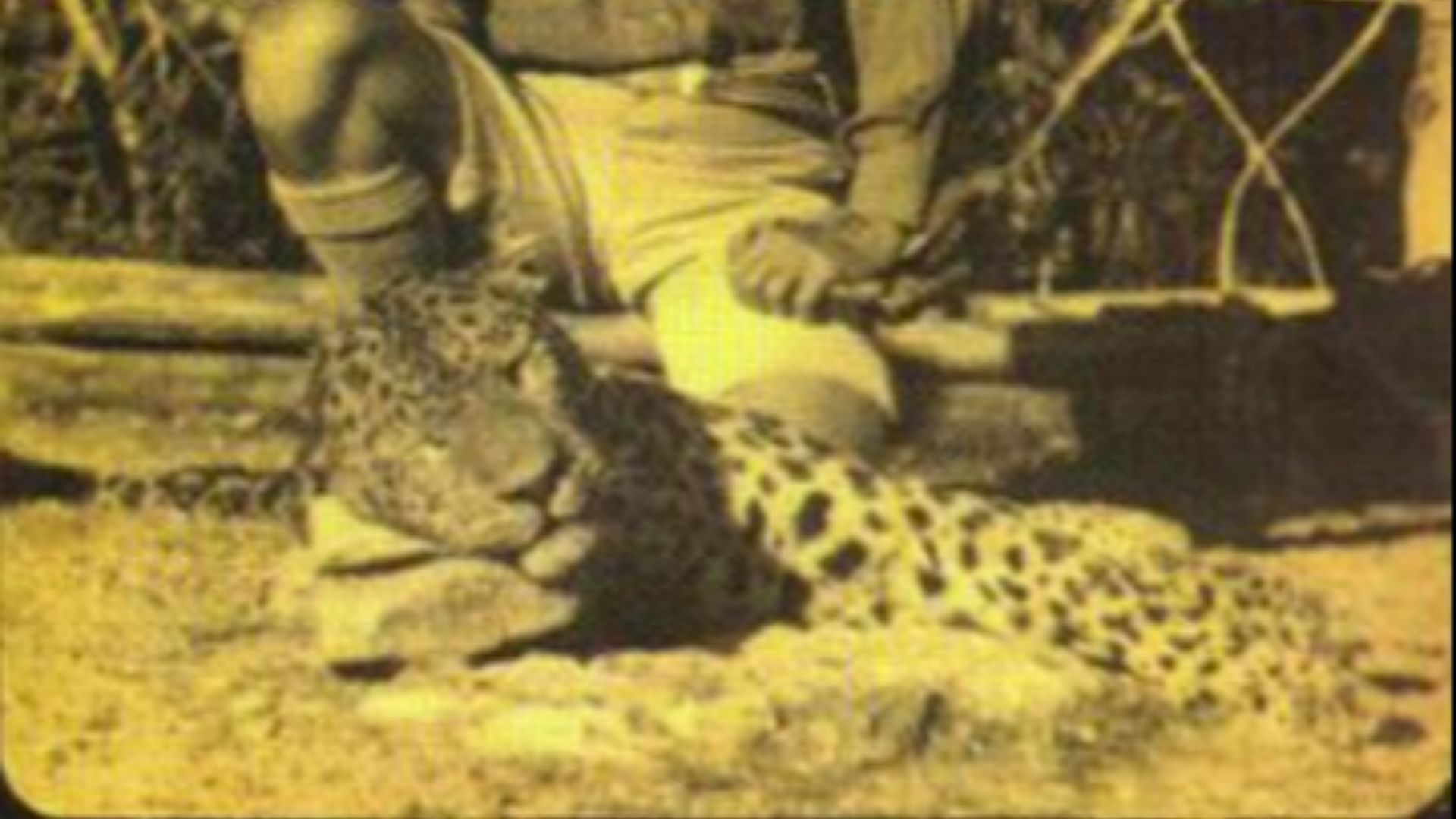
For eight years, the Leopard of Rudraprayag haunted the pilgrimage routes to Kedarnath and Badrinath, killing more than 125 people by most accounts. It entered homes, stalked roads, and made dusk feel like a locked door across the Garhwal hills.
 Unknown authorUnknown author on Wikimedia
4. The Panar Leopard
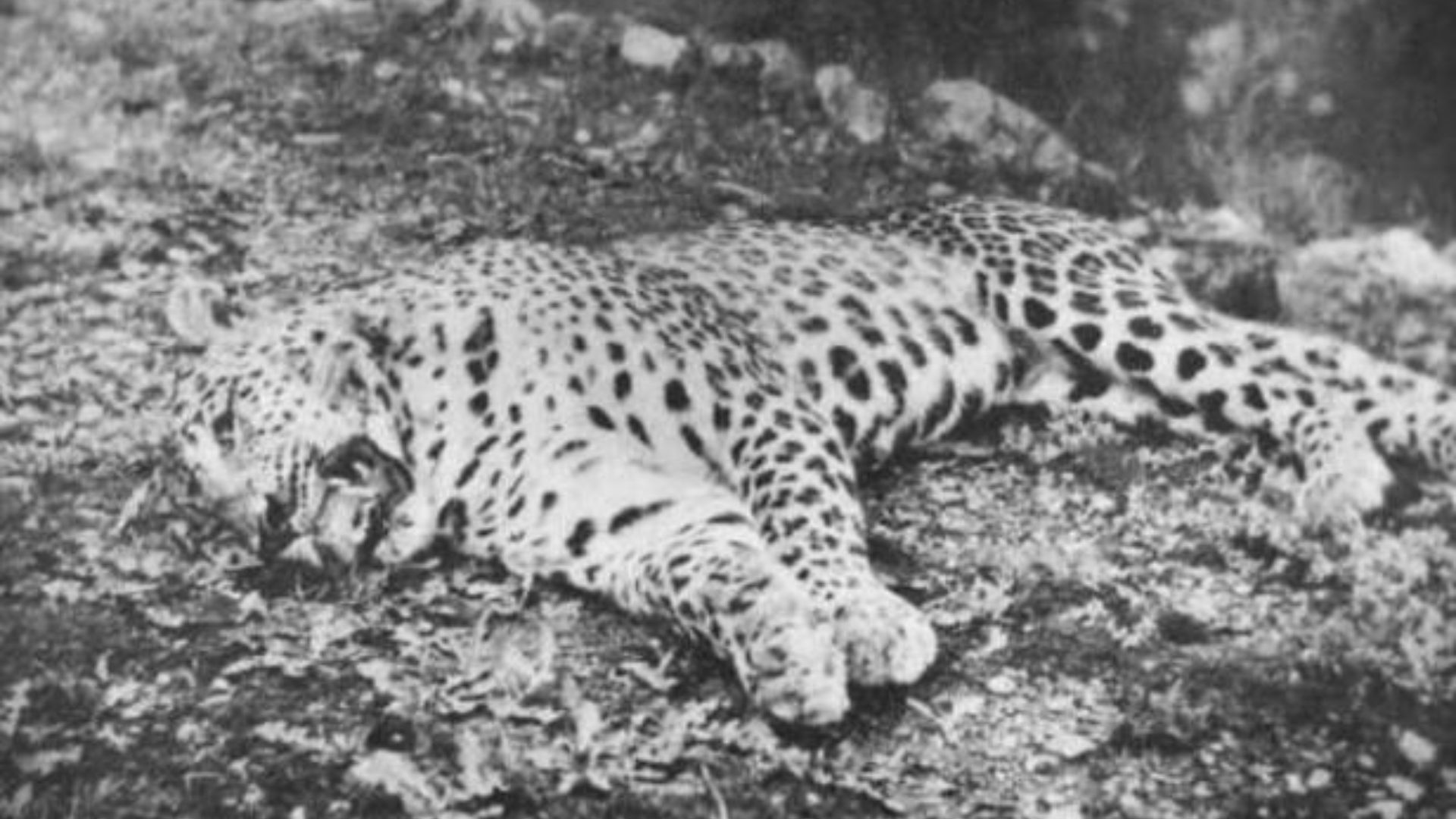
The Leopard of Panar gets less pop-history attention than Rudraprayag, but Guinness lists it as the most prolific man-killing leopard, blamed for more than 400 deaths in Kumaon. Its remoteness may be why the story never became as famous. Terror travels differently when the newspapers arrive late.
5. The Sankebetsu Brown Bear
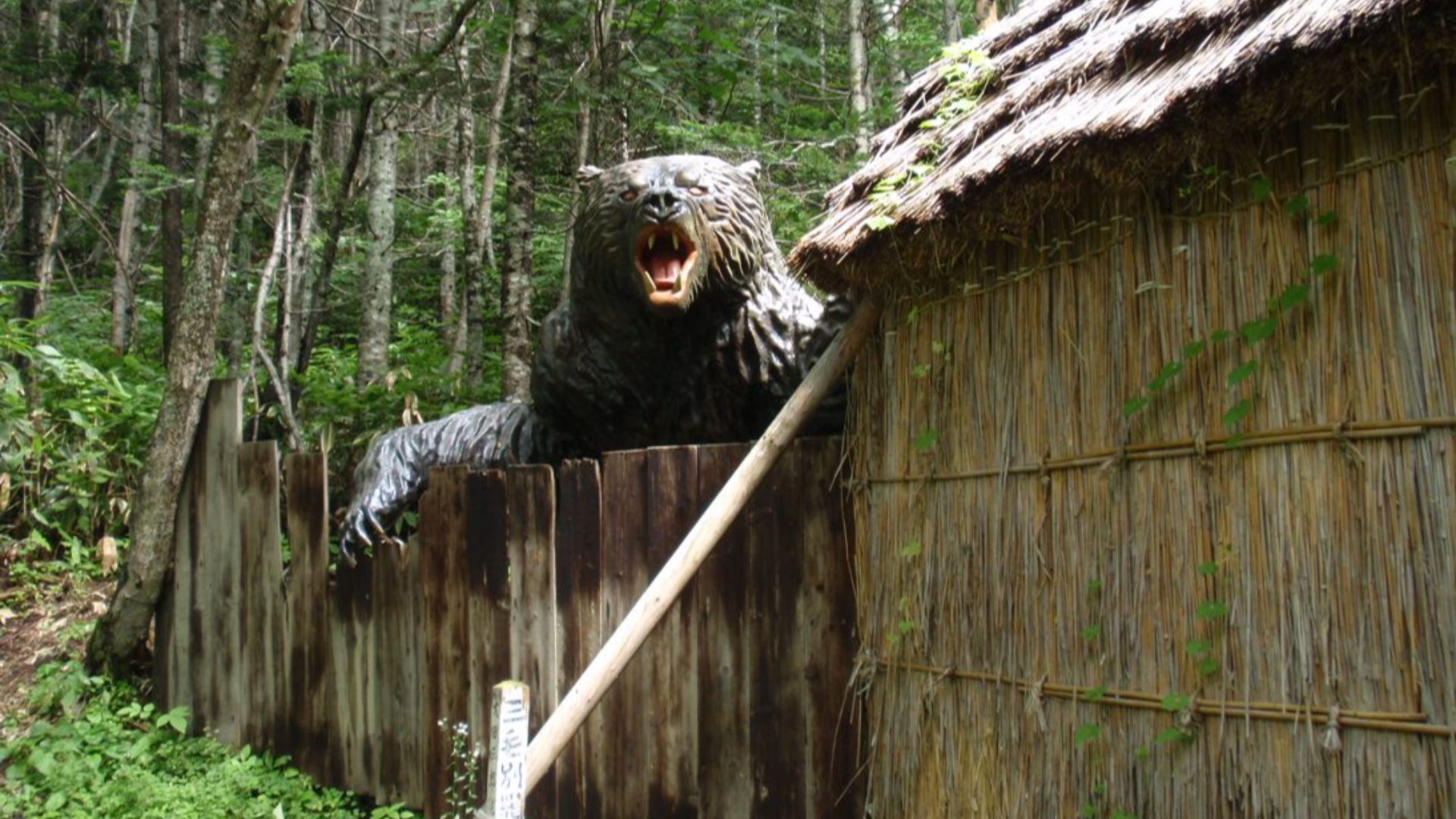
In December 1915, a huge brown bear attacked settlers in Hokkaido, killing seven people in what is remembered as Japan’s worst bear attack. The village was small and exposed, the kind of place where winter already made life hard.
6. The Beast Of Gévaudan
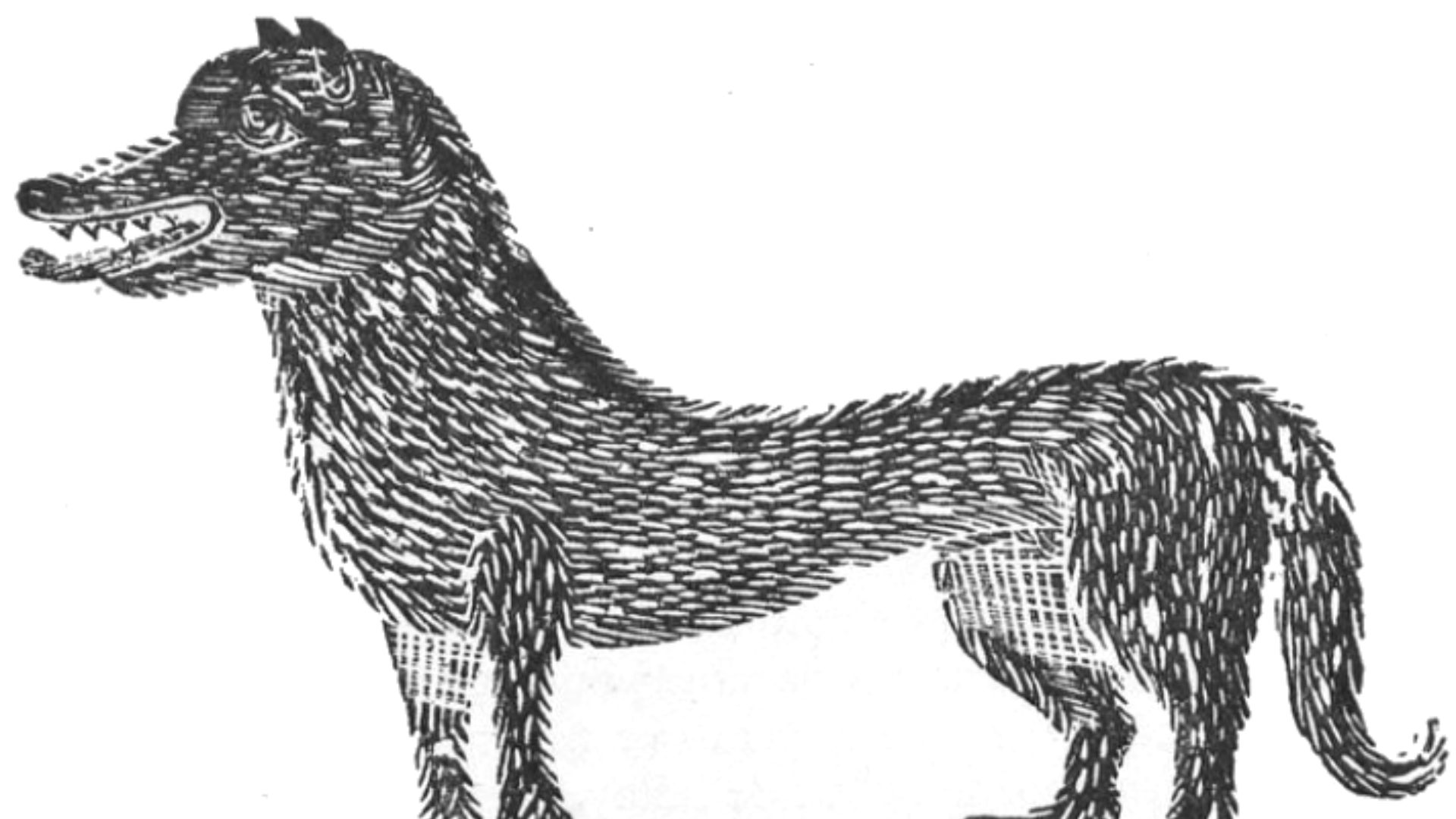
Between the 1760s and legend, the Beast of Gévaudan prowled rural France and allegedly killed dozens before Jean Chastel shot an animal believed to be responsible. What gripped the region was the uncertainty. Was it a wolf, several wolves, a strange hybrid, or something people had no tidy name for?
7. The Lions Of Njombe
The Njombe pride in colonial-era Tanganyika became one of Africa’s darkest man-eater stories, with later accounts blaming the lions for an enormous number of deaths before game warden George Rushby hunted them down. Numbers in these stories can swell with fear, but the regional panic was real enough. People believed the lions were not just hunting; they were ruling.
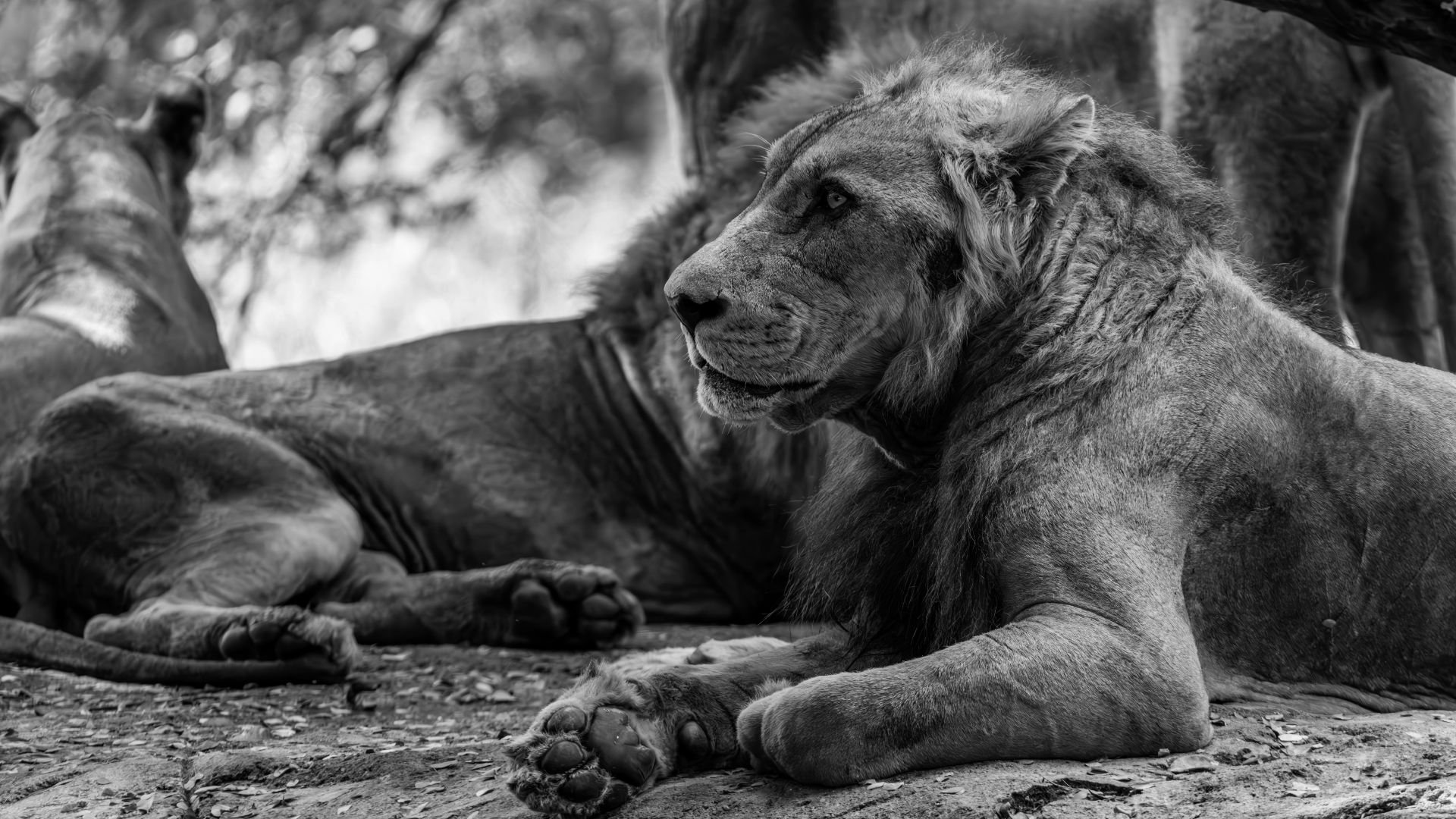 Kirandeep Singh Walia on Pexels
8. Gustave The Crocodile
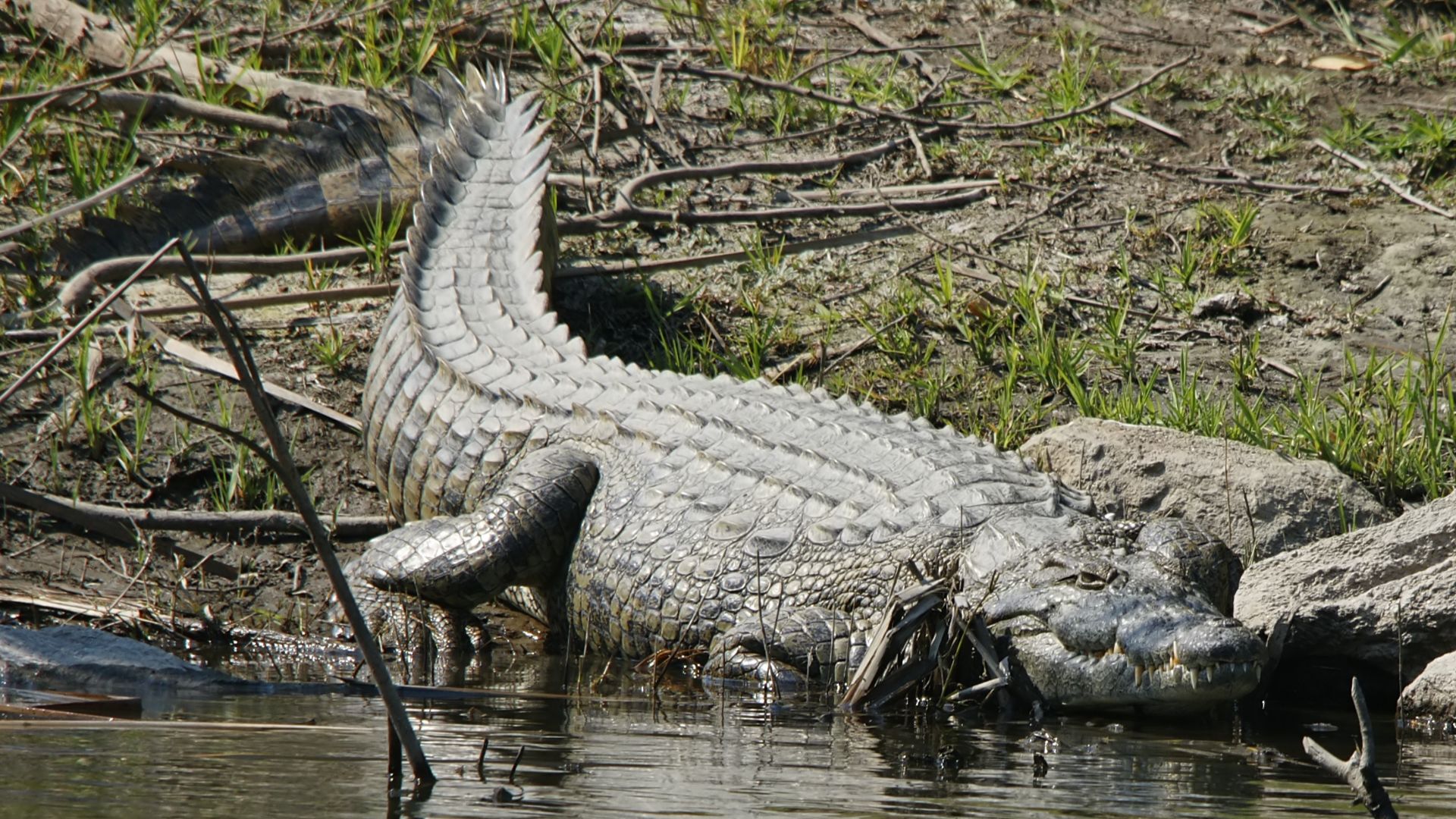
Gustave, the massive Nile crocodile of Burundi’s Lake Tanganyika region, became famous because he was recognizable, scarred, enormous, and blamed for attacks dating back to the late 1980s. National Geographic called him a real and confirmed killer, while noting that not every death pinned on him can be proven. That uncertainty only made the legend stick harder.
9. The Jersey Shore Shark
In July 1916, a series of shark attacks along the New Jersey coast killed four people and badly injured one, turning a summer beach season into national panic. Before that, many Americans saw sharks as distant, almost theoretical dangers. Afterward, the ocean had a villain.
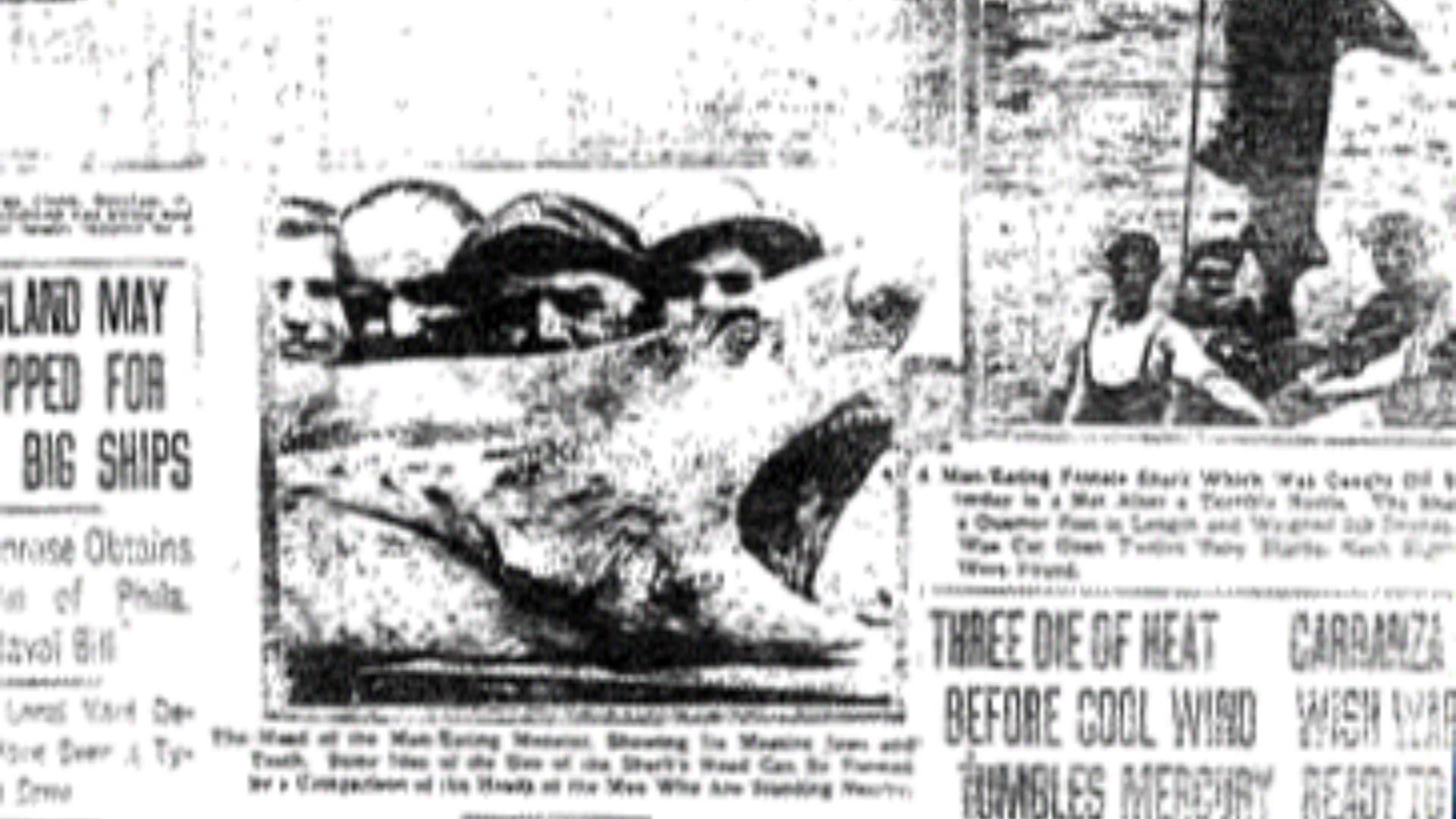 Staff of the Philadelphia Inquirer. on Wikimedia
10. The Man-Eater Of Mfuwe
The Man-Eater of Mfuwe killed six people in Zambia’s Luangwa Valley in 1991 and later ended up on display at the Field Museum, near the Tsavo lions. It was not the body count that made the case linger. It was the strange intimacy of the fear: a lion entering village space, taking people from where they should have been safe.
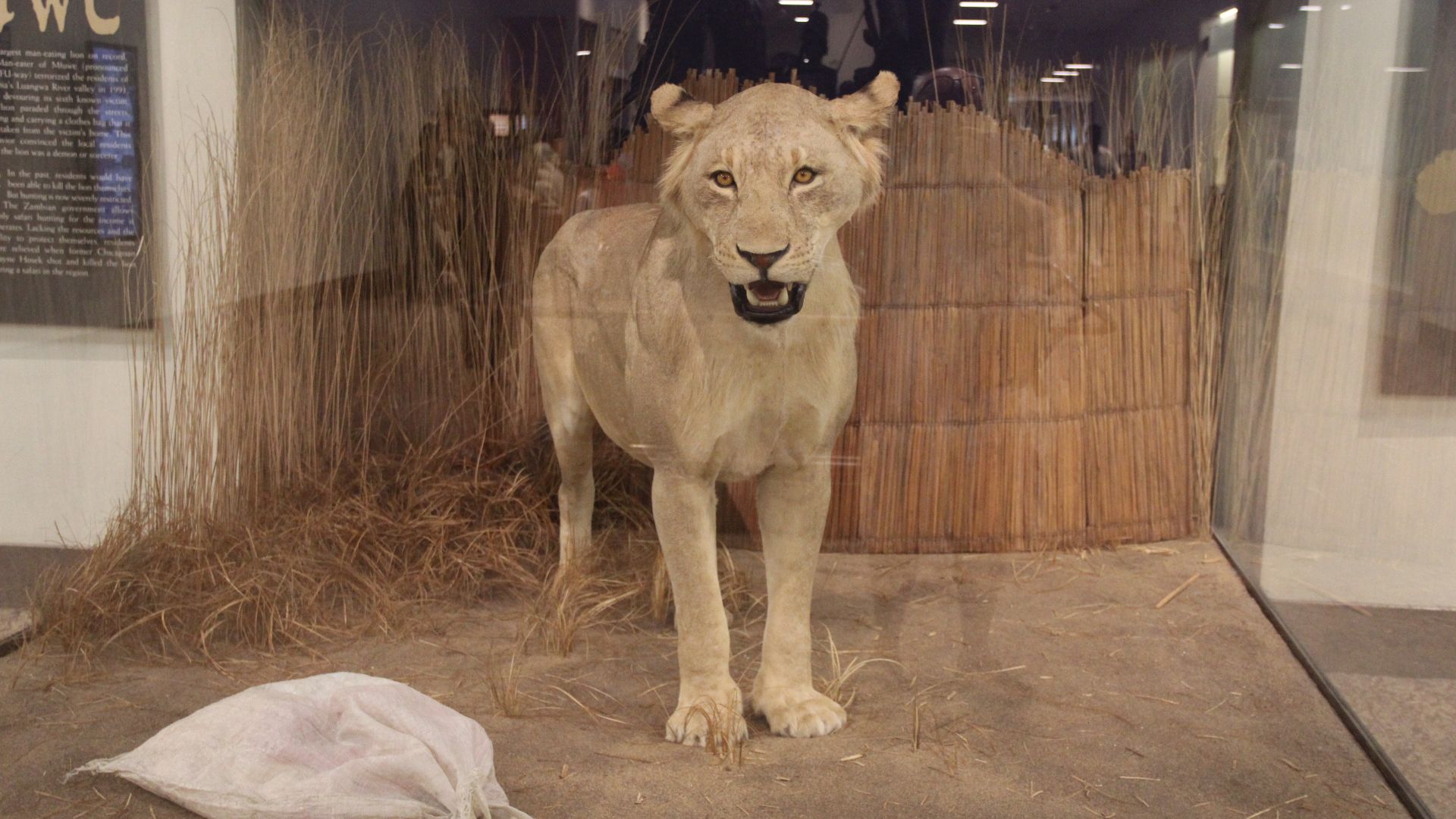 Gary Todd from Xinzheng, China on Wikimedia
11. The Chowgarh Tigers
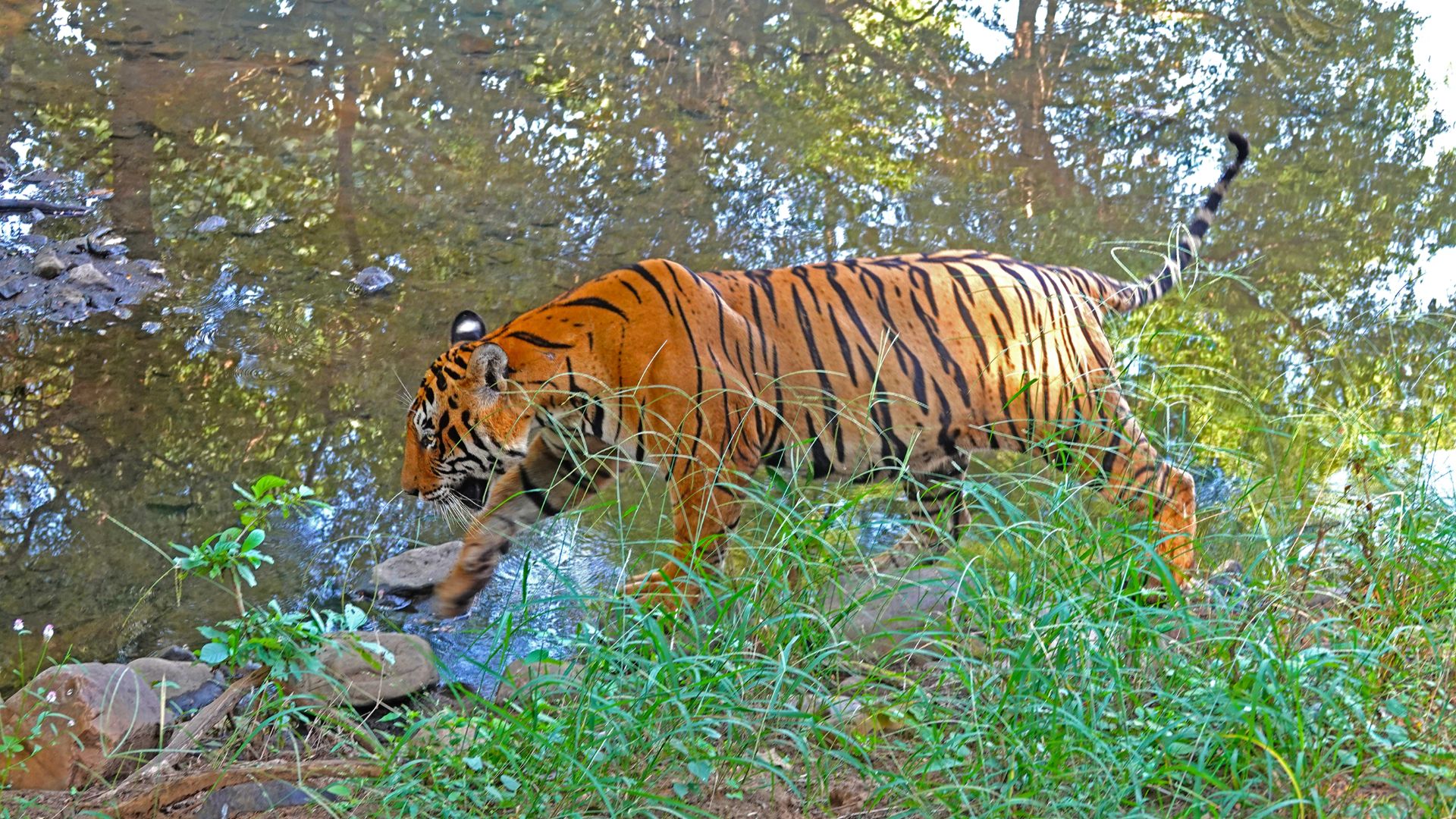
The Chowgarh Tigers, a mother and grown cub in Kumaon, were blamed in Corbett’s account for 64 deaths between 1925 and 1930. The detail that stays with you is how normal the victims’ work often was. They were cutting grass, tending cattle, or moving through country they had known all their lives.
 A. J. T. Johnsingh, WWF-India and NCF on Wikimedia
12. The Leopard Of The Central Provinces
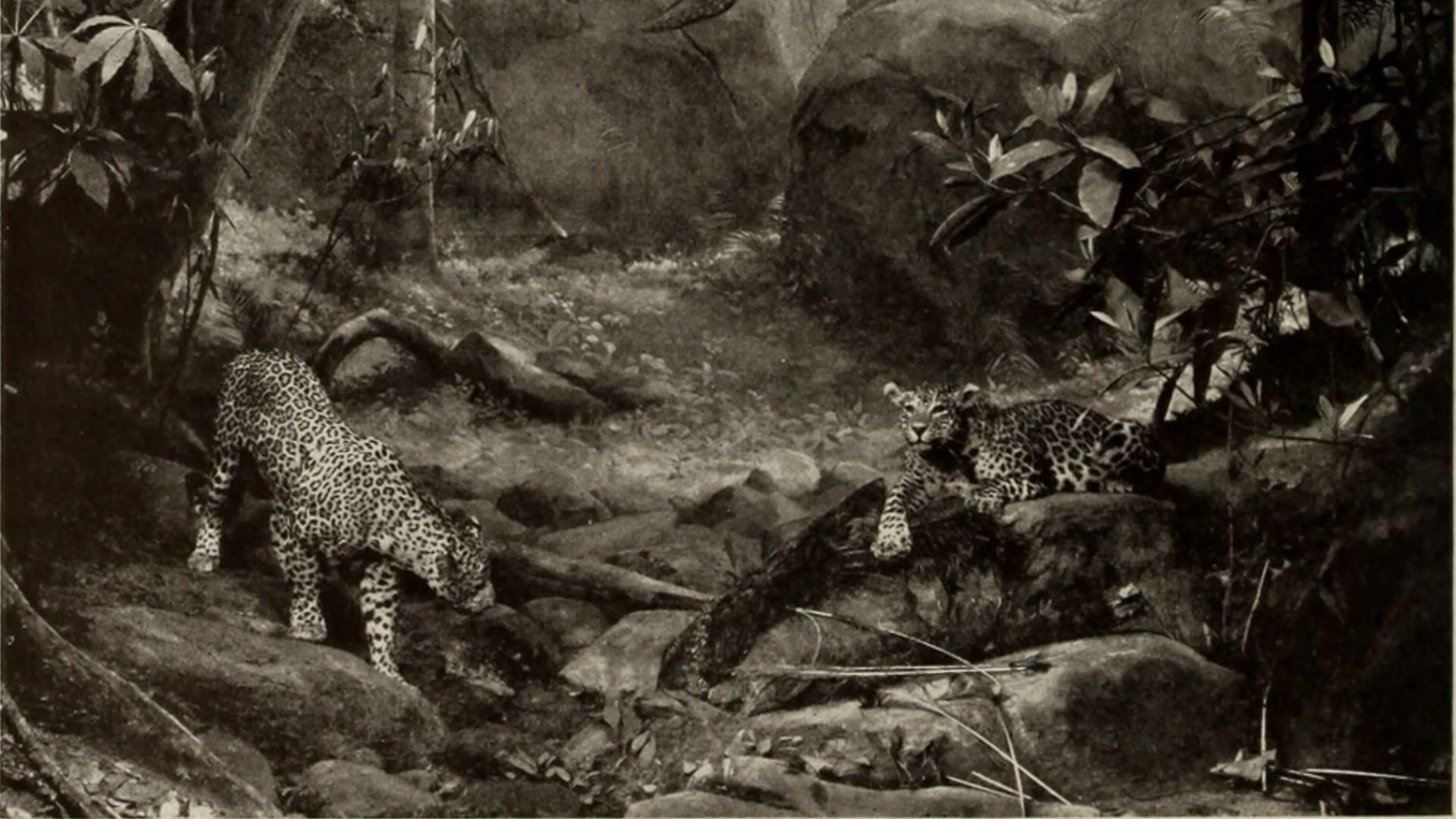
The Leopard of the Central Provinces killed nearly 150 people in early 20th-century India, according to Britannica, with women and children making up the reported victims. Leopards were especially unnerving because they did not need open ground. They could use darkness, walls, roofs, and village edges like tools.
 Internet Archive Book Images on Wikimedia
13. The Leopard Of Gummalapur
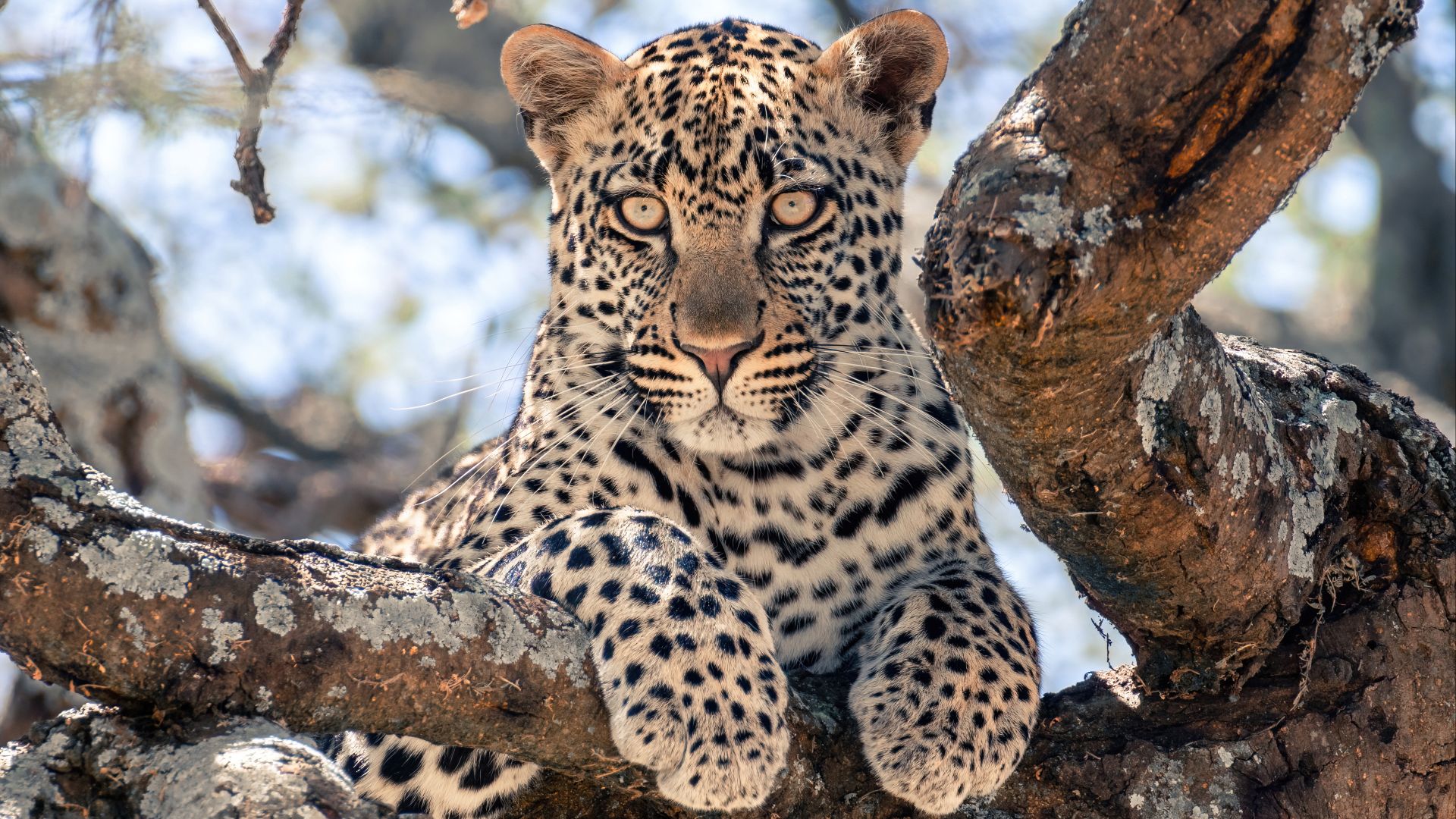
The Gummalapur leopard, later written about by Kenneth Anderson, was blamed for 42 deaths in southern India. Its story has the shape of a village nightmare: doors barred early, paths avoided, and every sound outside treated like it might be a warning.
14. The Sloth Bear Of Mysore
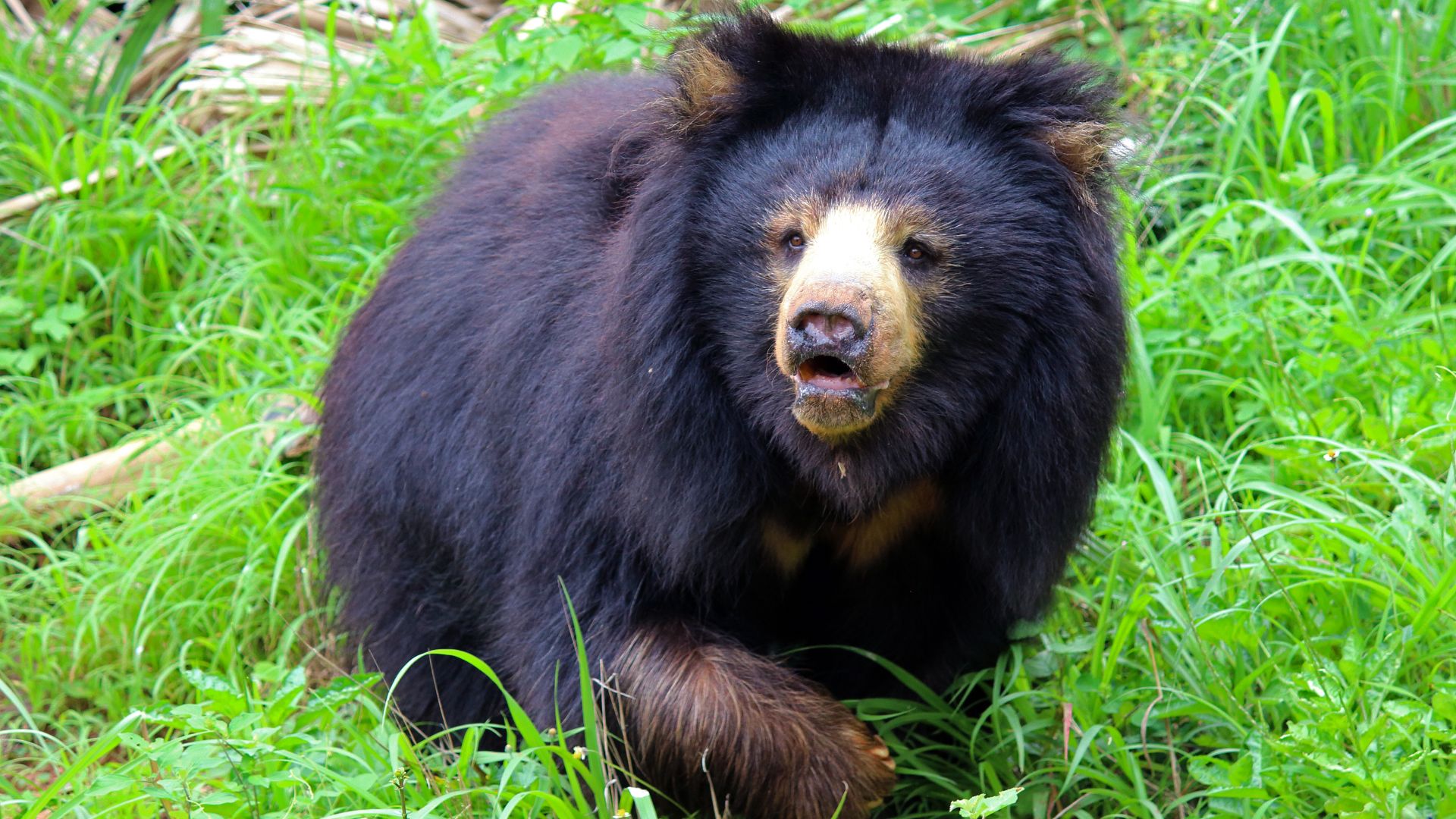
The Sloth Bear of Mysore was not a sleek big cat but an unusually aggressive bear, blamed for at least 12 deaths and many more maulings in 1957. That almost makes it worse. People expect tigers to be terrifying; a bear stumbling out of scrub and attacking faces feels more chaotic and harder to read.
 Mohammad Abuzar photography on Wikimedia
15. The Tiger Of Segur
The Tiger of Segur was one of Kenneth Anderson’s South Indian man-eater cases, remembered as a tiger that shifted through the Nilgiri region and forced villages into alarm. These smaller-count stories matter because fear does not wait for a record book. A handful of deaths can rearrange an entire countryside.
 Unknown authorUnknown author on Wikimedia
16. The Tigress Of Jowlagiri
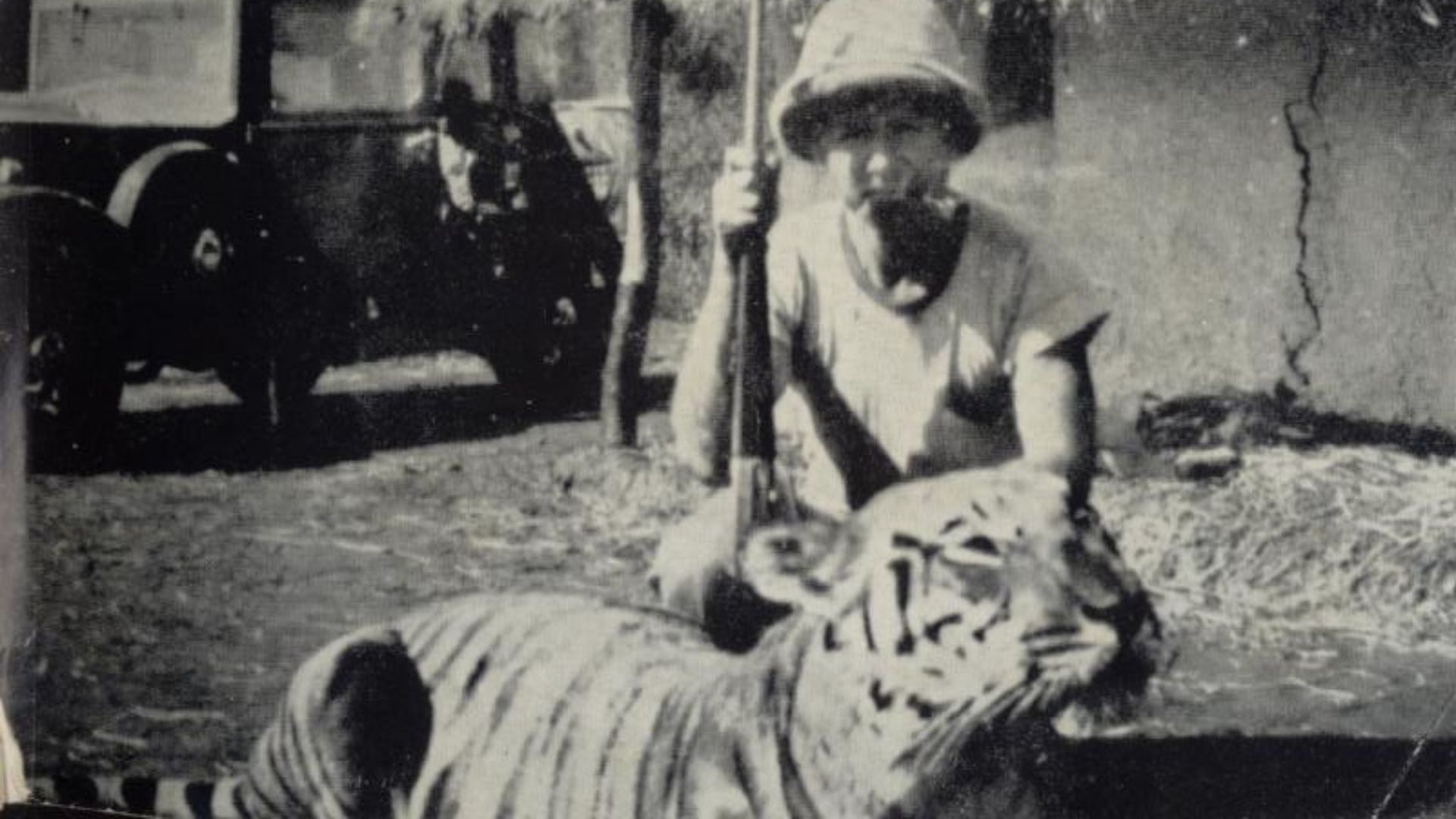
The Tigress of Jowlagiri was blamed for 15 deaths across a stretch of country from Jowlagiri toward Gundalam, according to accounts tied to Anderson’s hunts. A map makes that sound neat. On the ground, it meant people never knew which village would be next.
17. The Tiger Of Mundachipallam
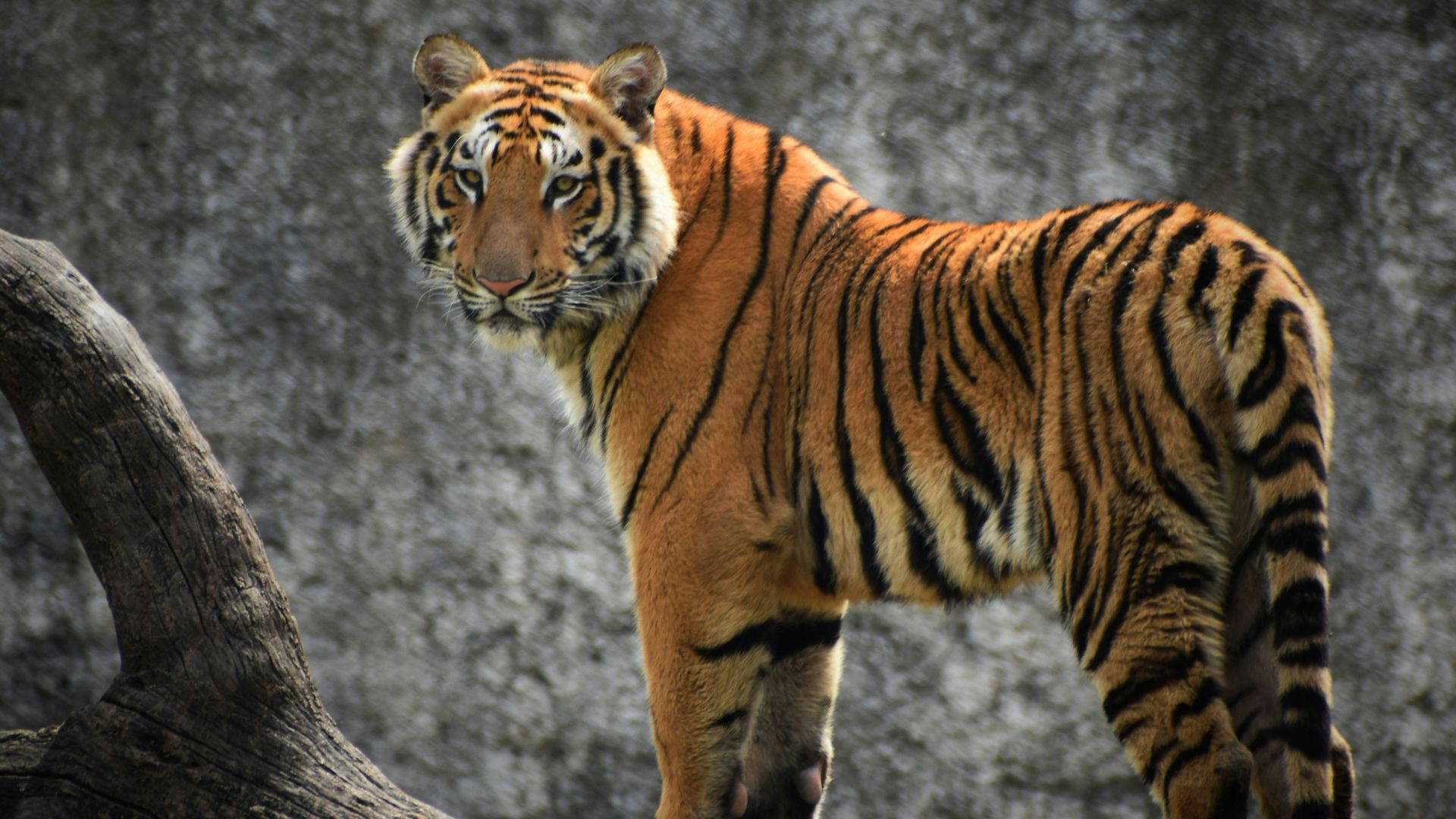
The Tiger of Mundachipallam killed seven people near Pennagram and Hogenakkal Falls in what is now Tamil Nadu. Seven is a small number only from a distance. In a rural place, each death has a name, a family, a field left untended, and a path people stop using.
18. The Thak Man-Eater
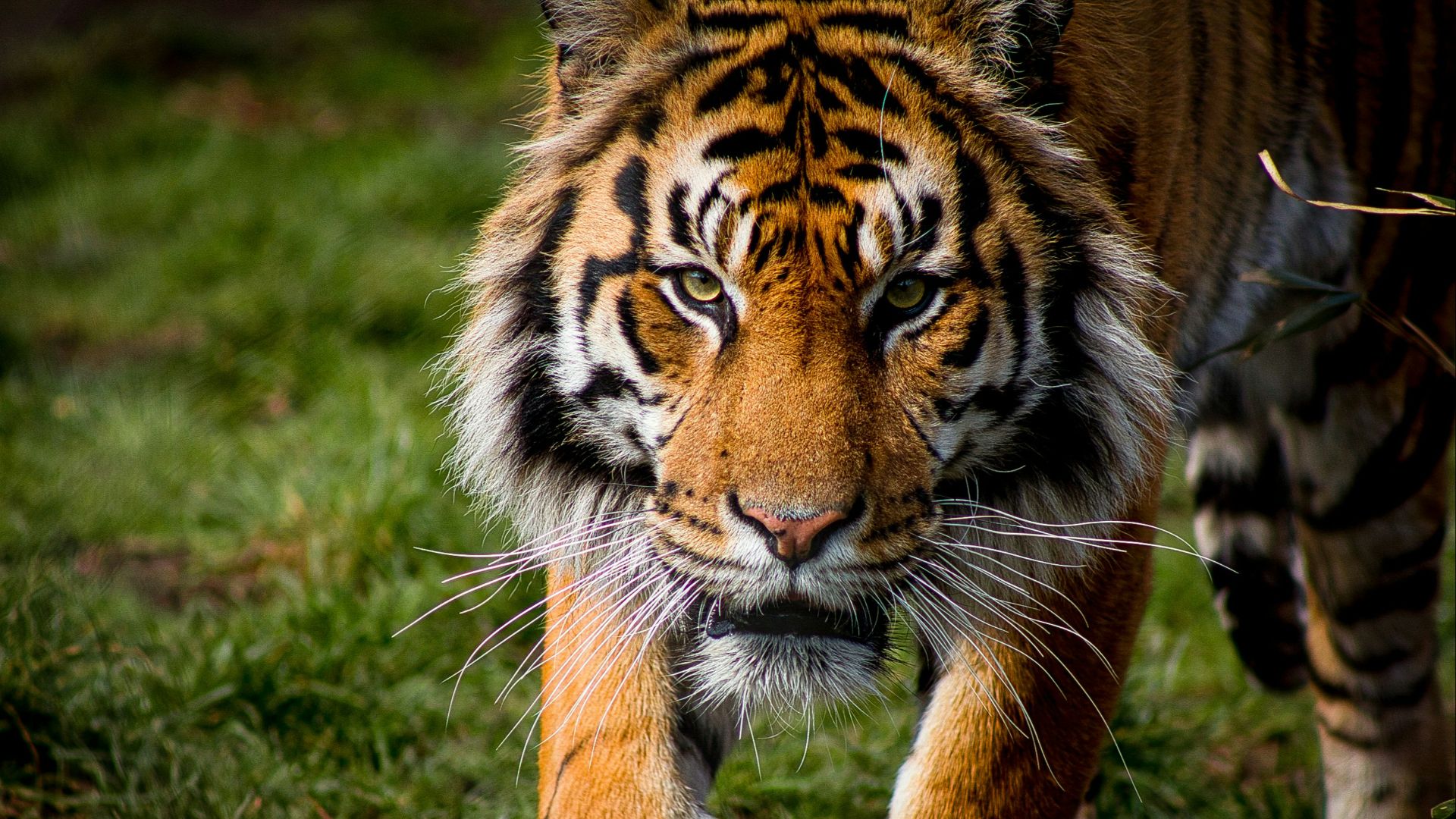
The Thak tigress was Corbett’s last man-eater, and his account makes clear how deeply she disrupted forest work and village life. He wrote of abandoned homes, stopped labor, and thousands of men cowed into silence by the thought of her nearby.
19. The Kanda Man-Eater
The Kanda Man-Eater appears in Corbett’s Kumaon accounts as one of those localized terrors that never became a household name outside the hills. His telling lingers on villagers searching, waiting, and trying to keep daily life intact while a tiger worked the forests around them.
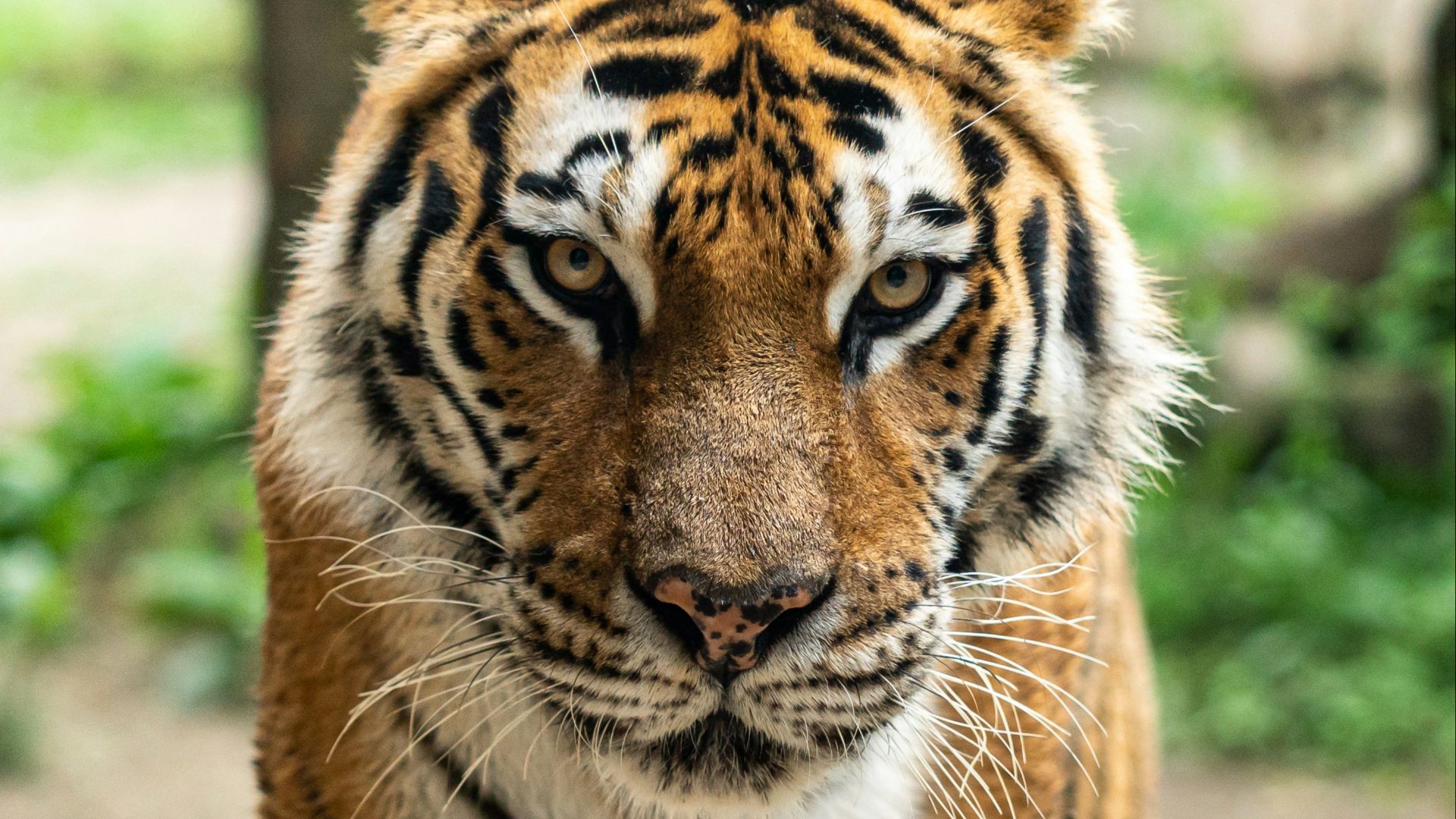
20. The Sundarbans Tigers
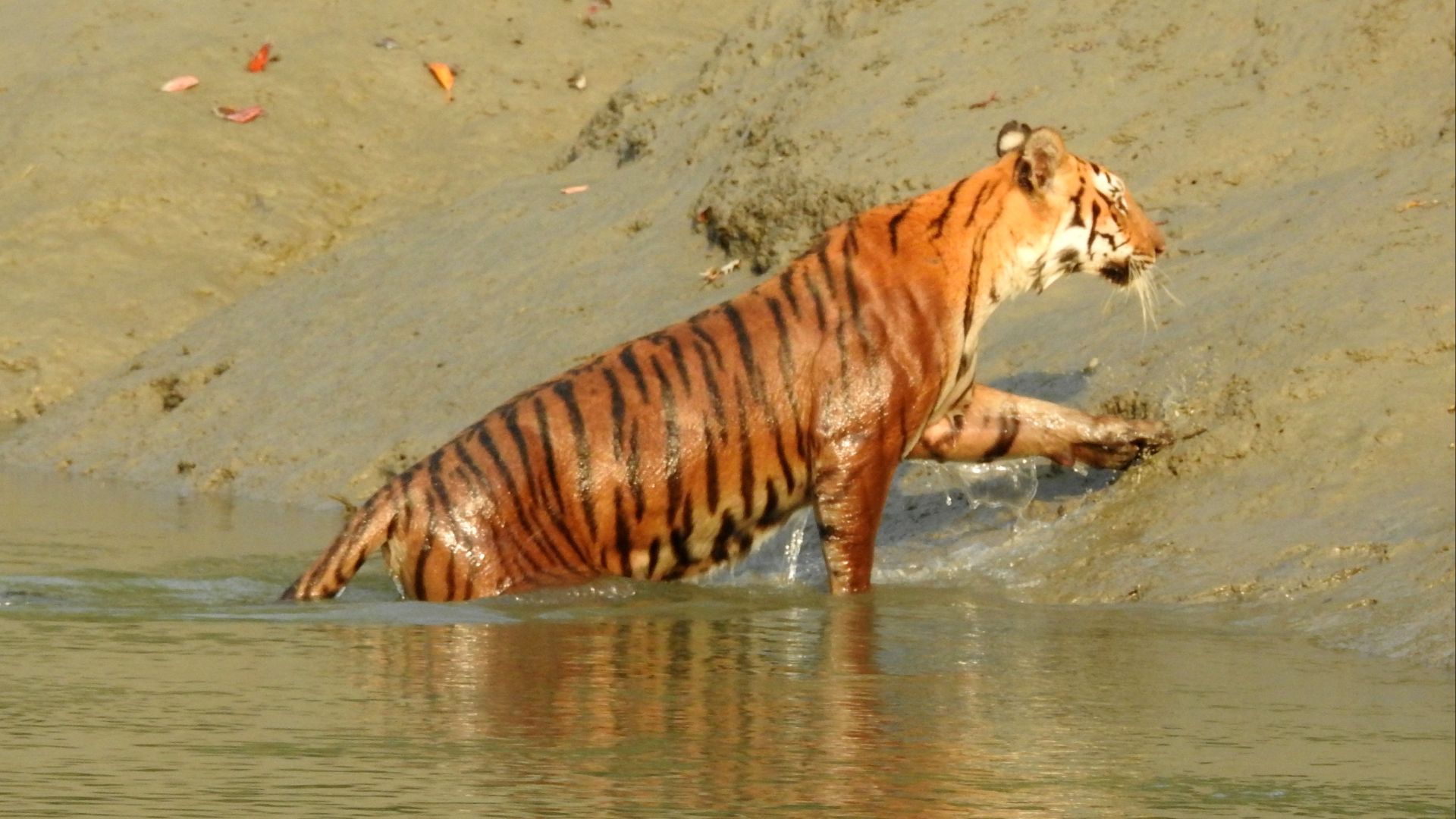
The Sundarbans are not the story of one animal, but of a region where tiger attacks have shaped work, ritual, and caution for generations. National Geographic describes the Sundarbans as home to a major Bengal tiger population, while reporting on the fishermen, honey gatherers, and forest workers who still move through that danger because they have to eat.
.jpg)
KEEP ON READING

The 10 Youngest Monarchs In History & The 10 Oldest
Age Is Just A Number. Imagine being crowned king or…
By Chase Wexler Mar 11, 2025
You Think You Have Problems? These Royal Families Were Cursed
Boasson and Eggler St. Petersburg Nevsky 24. on WikimediaHeavy is…
By Ashley Bast Dec 5, 2025
You Can Thank This Greek-Canadian For Creating Pineapple On Pizza…
Love it or hate it, pineapple on pizza sparks debate…
By David Davidovic Dec 1, 2025
Yes, Female Gladiators Existed, And Here's Everything You Need To…
History of Women in Combat. Most people picture gladiators as…
By David Davidovic Jan 17, 2026
Yes, Australians Once Lost A Battle Against Flightless Birds
David Clode on UnsplashIn 1932, the Australian military went to…
By David Davidovic Nov 24, 2025
The Y2K Bug: Why Did Everyone Think Year 2000 Was…
Alan W on UnsplashOn December 31, 1999, people all over…
By Christy Chan Dec 22, 2025