
20 Things Americans Get Wrong About the First Thanksgiving
Separating Fact From Fiction
Most Americans grow up hearing a fairly straightforward story about the first Thanksgiving, in which the Pilgrims and Native Americans gathered around a table to celebrate a successful harvest. However, many of the details associated with that famous gathering are historically inaccurate, from the clothes people wore to the food they ate. Some of these misconceptions emerged centuries after the event itself, while others overlook important aspects of the relationship between the English settlers and Indigenous peoples. Here are 20 things Americans commonly get wrong about the first Thanksgiving.
 Jennie Augusta Brownscombe on Wikimedia
1. It Took Place on the Fourth Thursday of November
Although Americans now celebrate Thanksgiving on the fourth Thursday of November, there's no evidence that the original gathering took place on that particular day. Historians believe it occurred sometime between late September and early November of 1621. None of the surviving historical accounts provide an exact date, so it's unlikely we'll ever know for certain.
 Marjorie Benton Cooke on Wikimedia
2. Turkey Was the Main Course
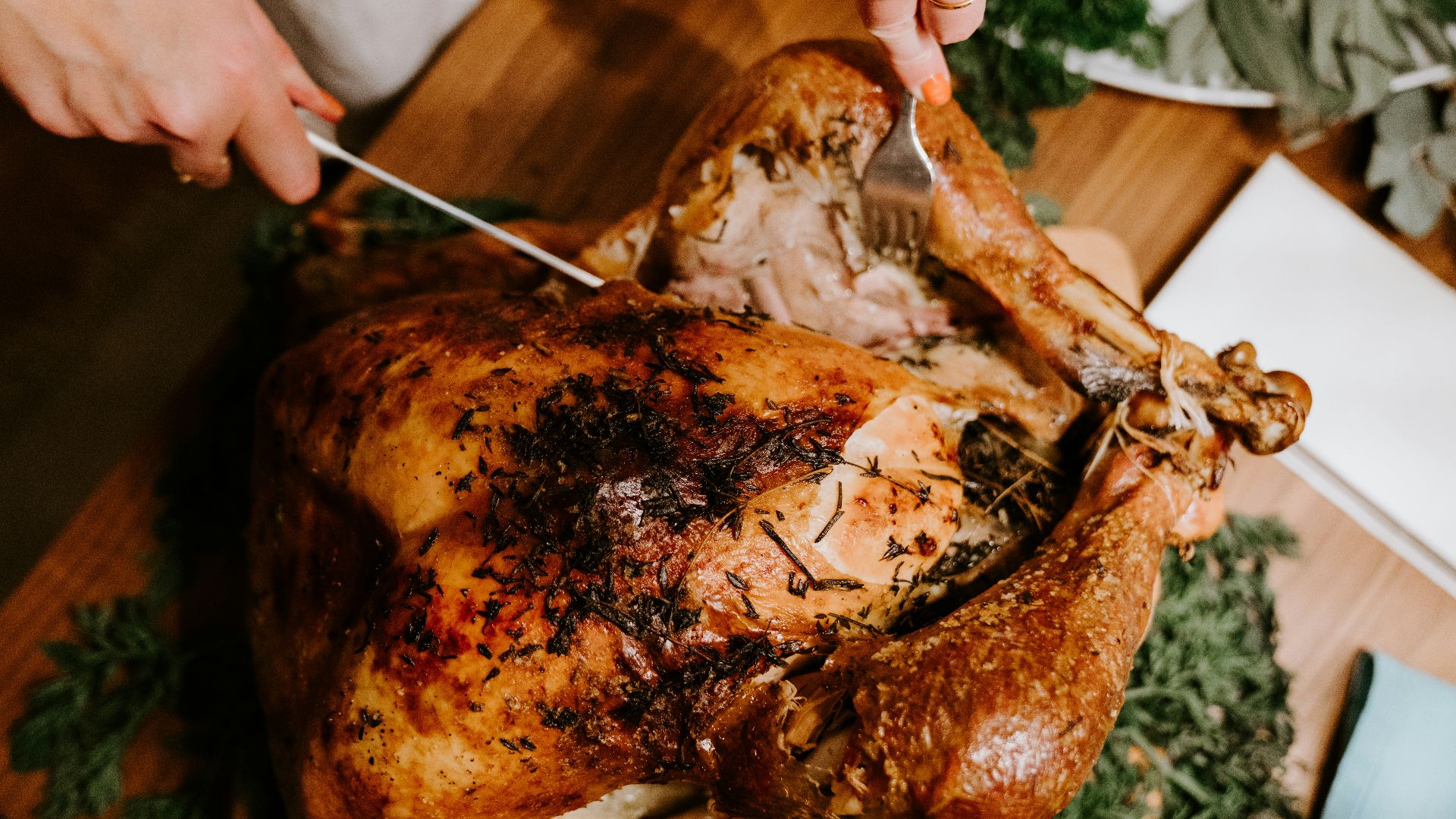
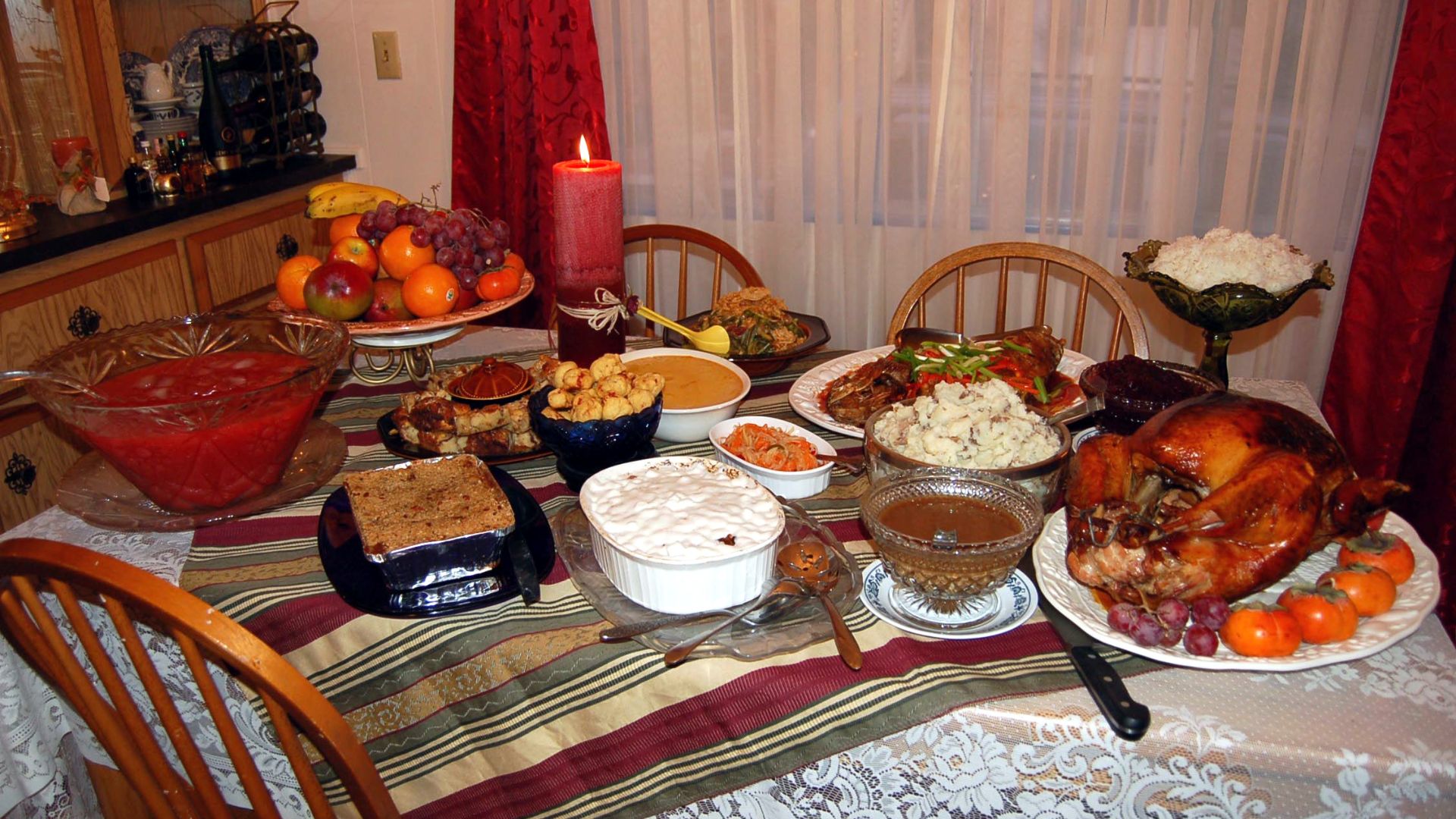
Considering how closely turkey is associated with Thanksgiving, you might be surprised to learn that historians can't definitively confirm it was served at the original feast. Wild turkeys were abundant in the region, but ducks and geese were also readily available to hunters. Venison, on the other hand, is one of the few meats explicitly mentioned in an eyewitness account of the celebration.
3. The Celebration Only Lasted One Day
Preparing enough food for a single Thanksgiving dinner is exhausting enough, but the original gathering involved three full days of entertaining. The Wampanoag spent that time with the English settlers, enjoying food and participating in various festivities. The occasion was much closer to an extended harvest festival than the formal dinner we sit down to today.
4. The Wampanoag Were Formally Invited
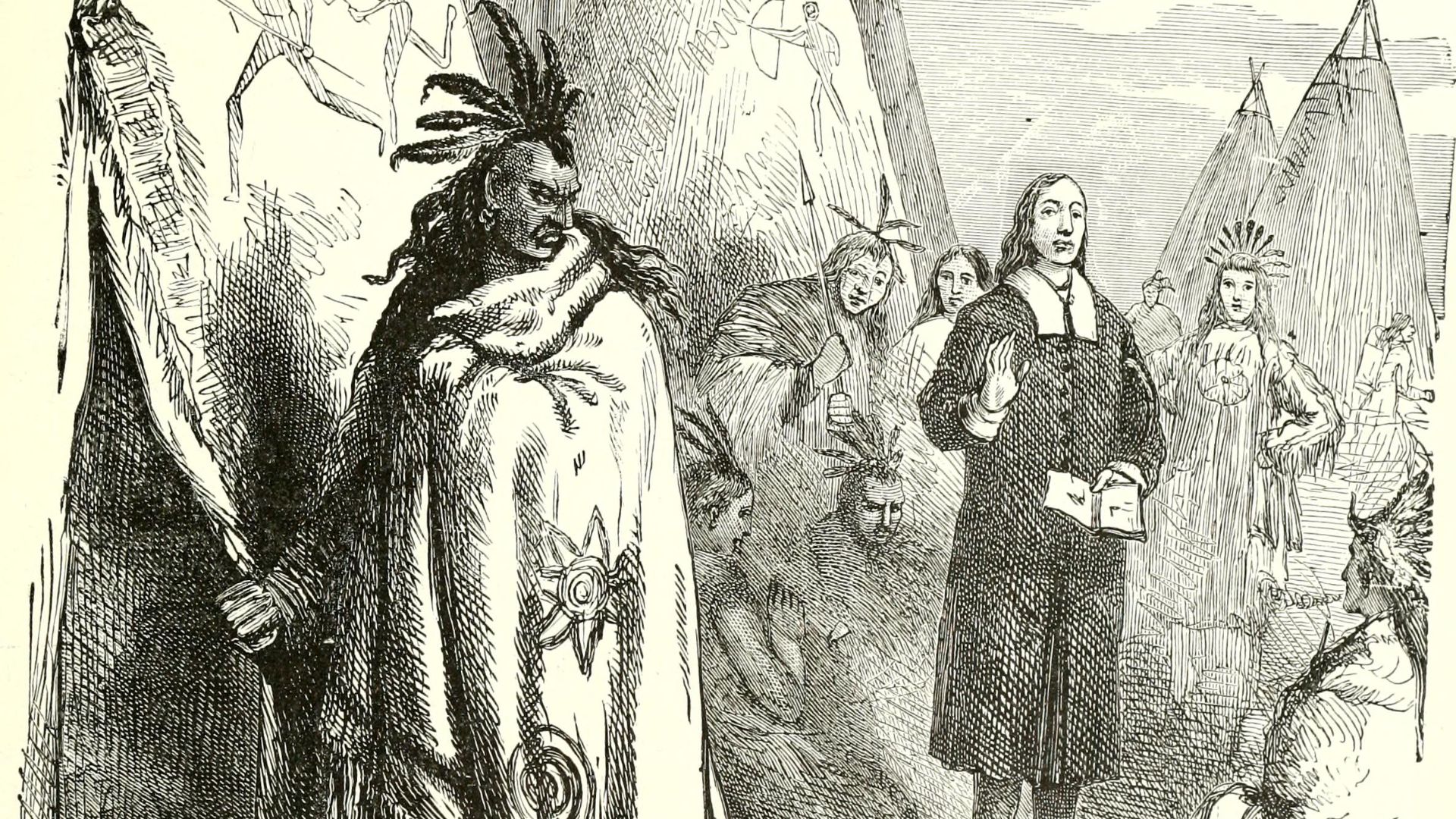
The familiar story of the Pilgrims extending a friendly dinner invitation to their Indigenous neighbors isn't supported by definitive historical evidence. According to one interpretation, the Wampanoag came to investigate after hearing gunfire from the settlement, where the English were celebrating their harvest. Historians still debate the precise circumstances surrounding their arrival.
 Ridpath, John Clark, 1840-1900 on Wikimedia
5. The Pilgrims Wore Black Clothing With Buckles
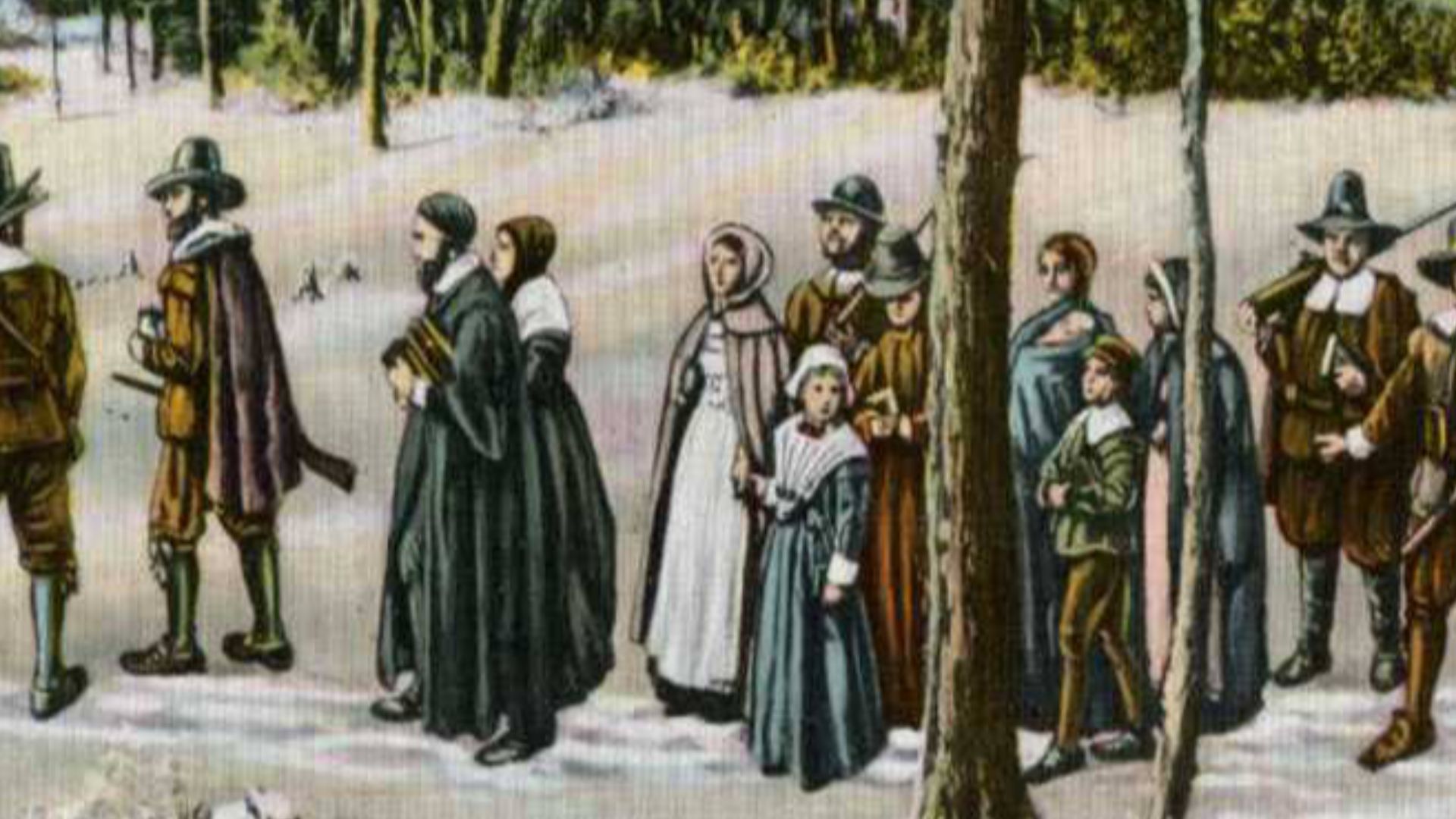
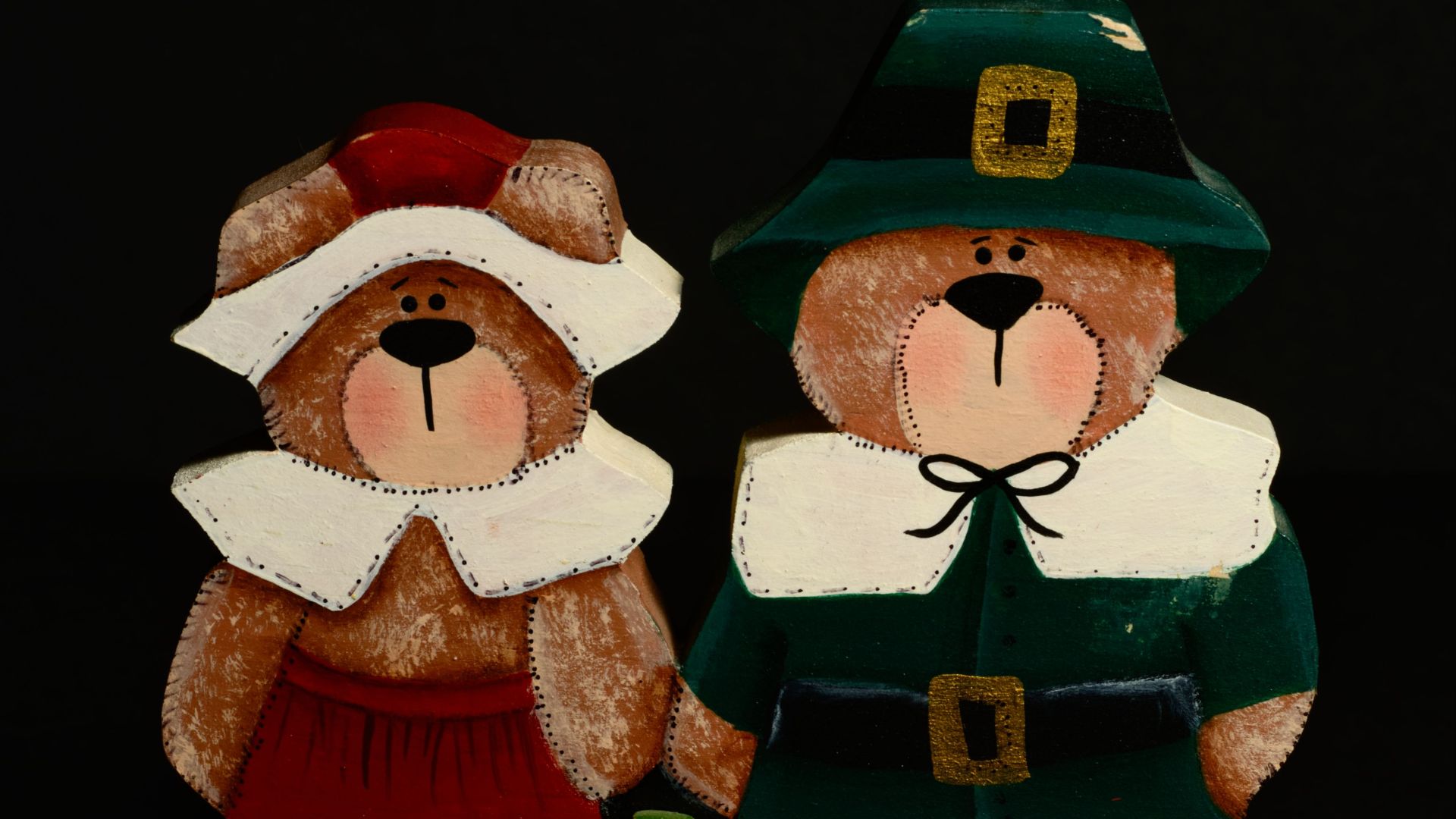
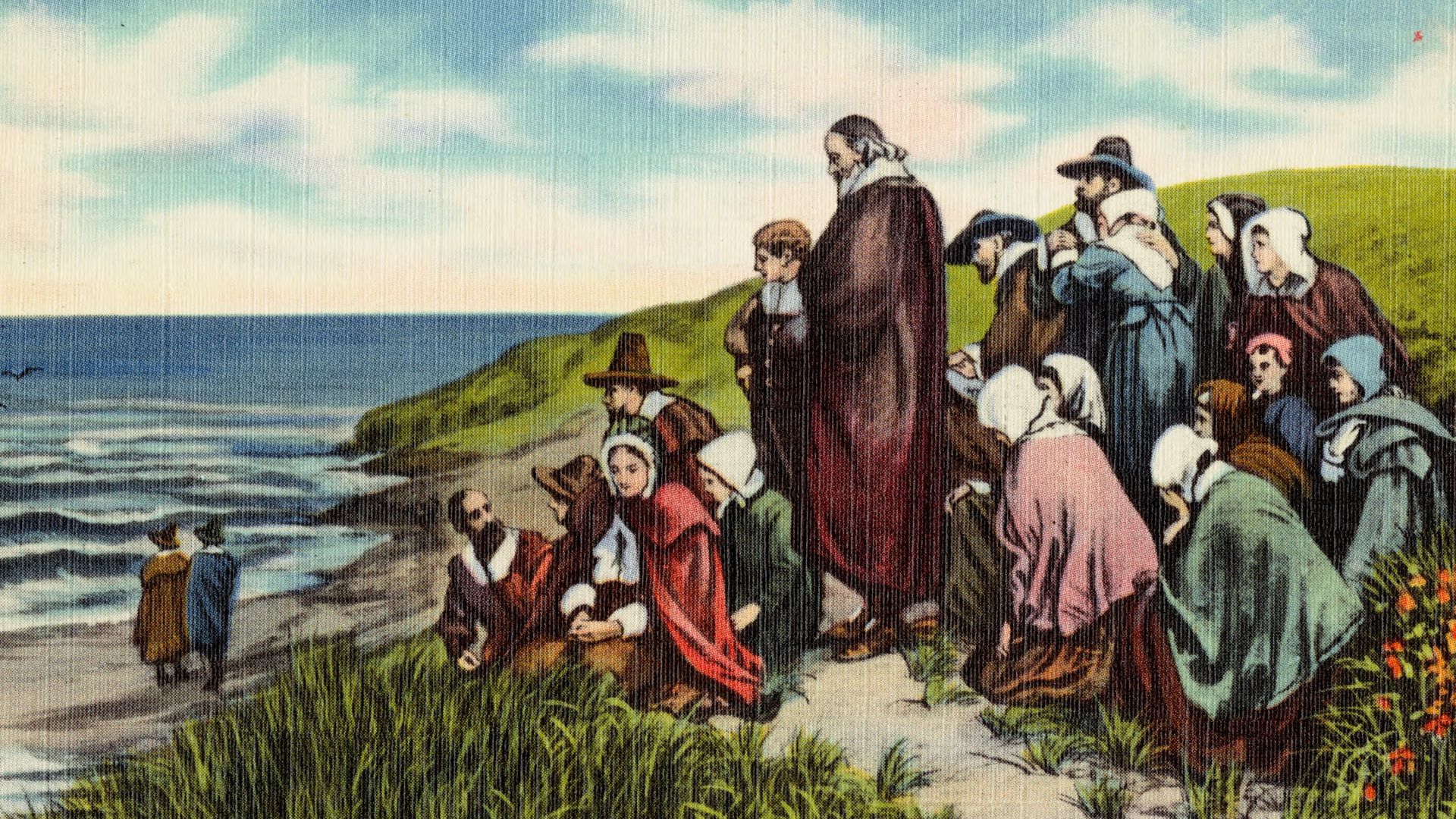
School plays and historical illustrations often depict the Pilgrims wearing black outfits, white collars, and oversized buckles on their hats and shoes. In reality, the settlers dressed in a variety of colors, including brown, green, red, and blue. Those elaborate buckles we so frequently associate with the Pilgrims didn't become fashionable until later in the 17th century.
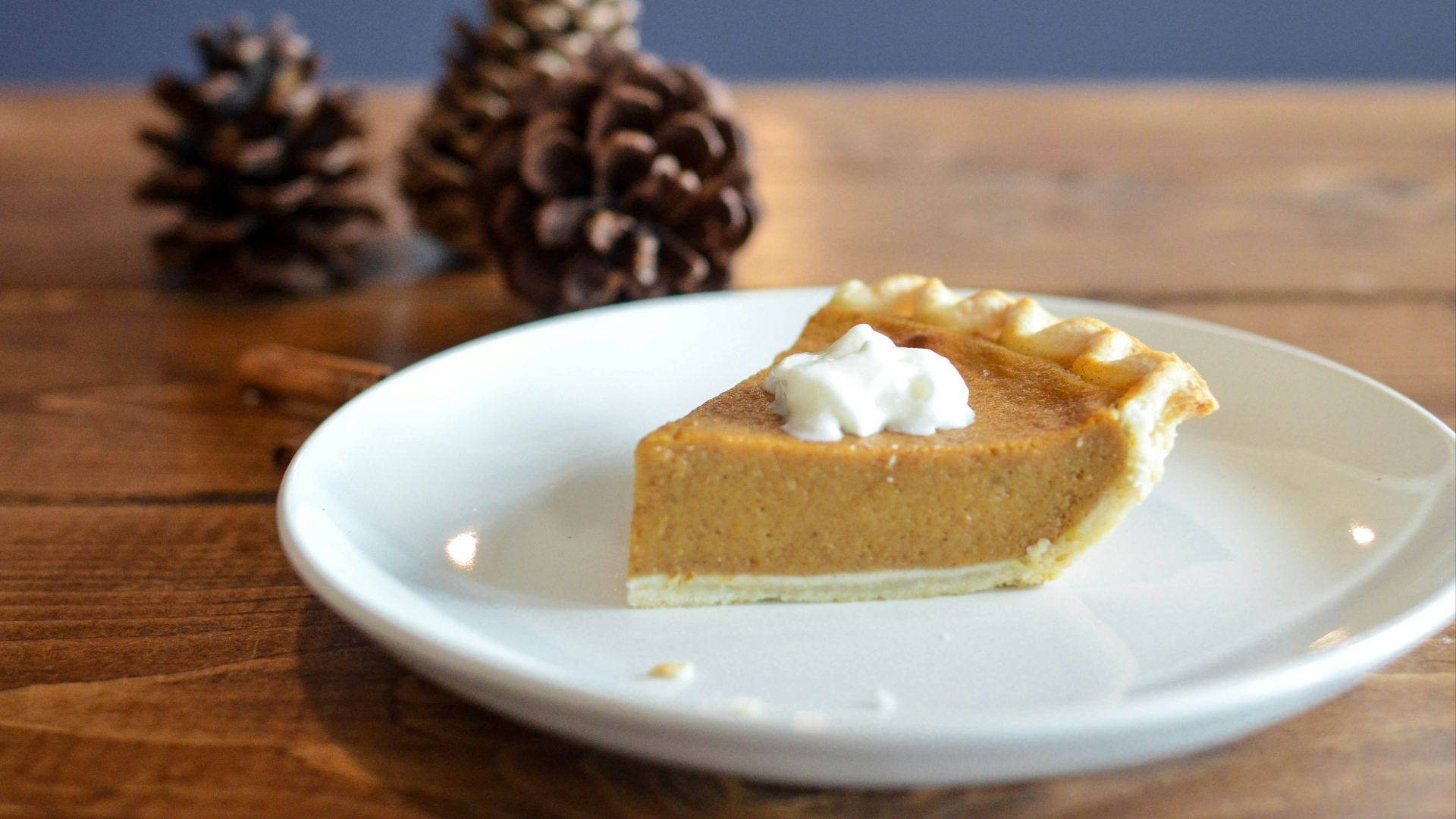
6. Pumpkin Pie Was Served for Dessert
Pumpkins and other varieties of squash were available to the settlers, but they almost certainly weren't turned into the desserts Americans enjoy today. The colonists had limited access to the ingredients needed to make traditional pie crusts and didn't have conventional baking ovens at the time. They were far more likely to have boiled, stewed, or roasted their pumpkins.
7. The Pilgrims Introduced the Concept of Thanksgiving
Long before Europeans established settlements in North America, Indigenous communities had their own traditions centered on expressing gratitude. The Wampanoag held seasonal celebrations acknowledging the availability of different foods throughout the year. By the time the Mayflower arrived, giving thanks for a successful harvest was already deeply ingrained in their culture.
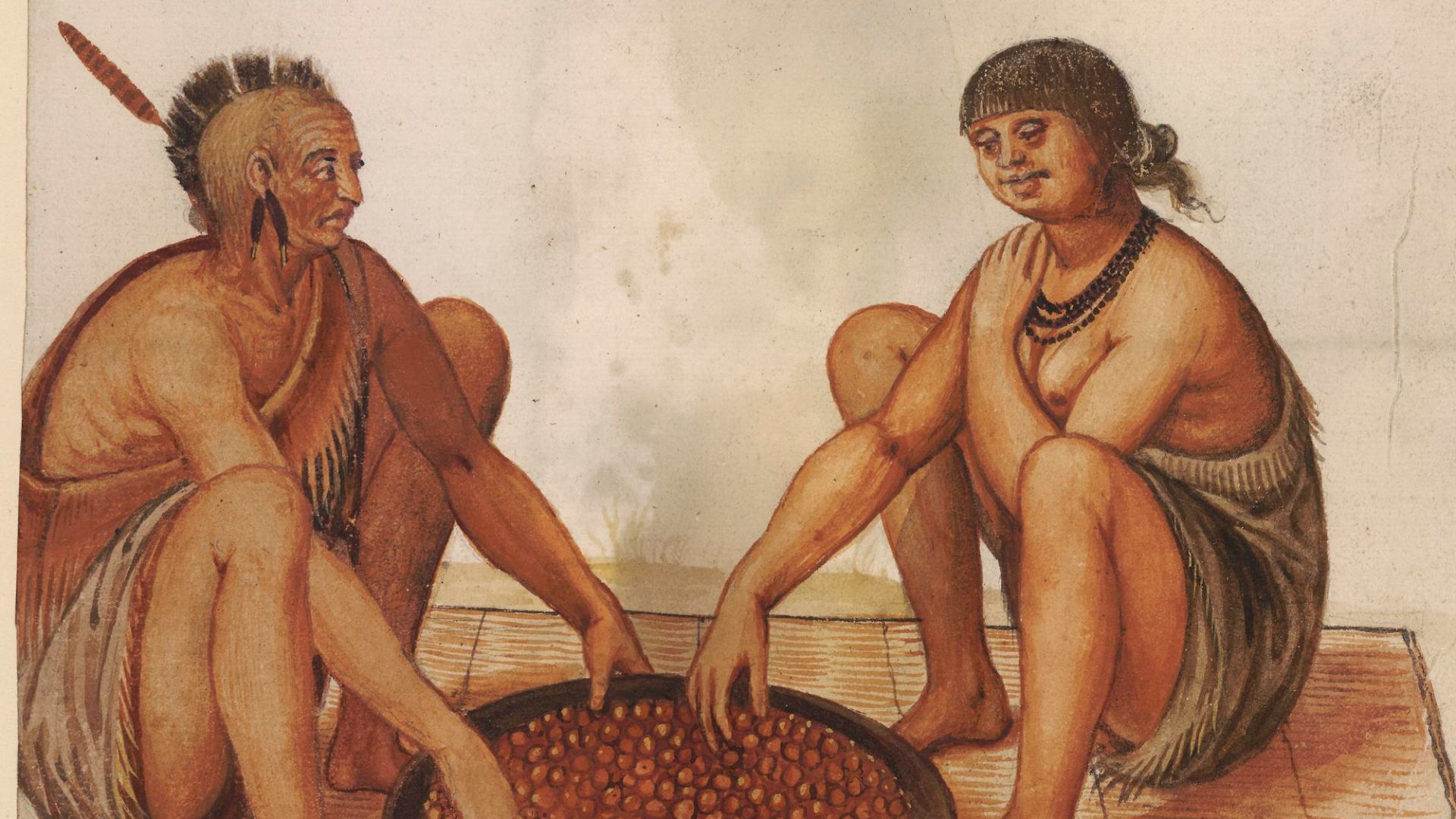
8. The English Settlers Outnumbered the Native Americans
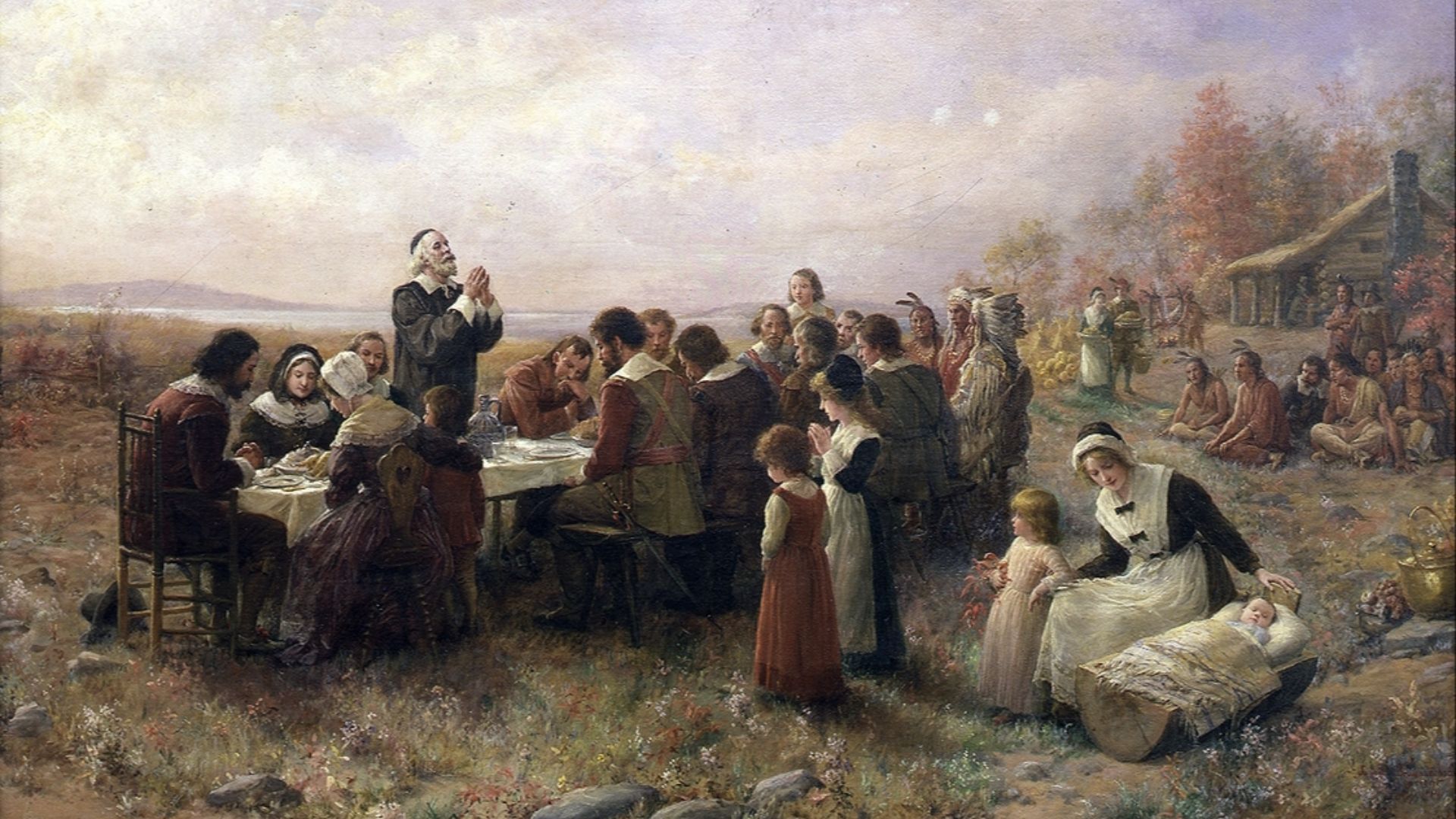
Many artistic depictions of the gathering give the impression that a large community of English settlers entertained a handful of Indigenous guests. In fact, approximately 90 Wampanoag men attended the celebration, compared with roughly 50 surviving Mayflower passengers. There were nearly twice as many Indigenous attendees as there were English settlers.
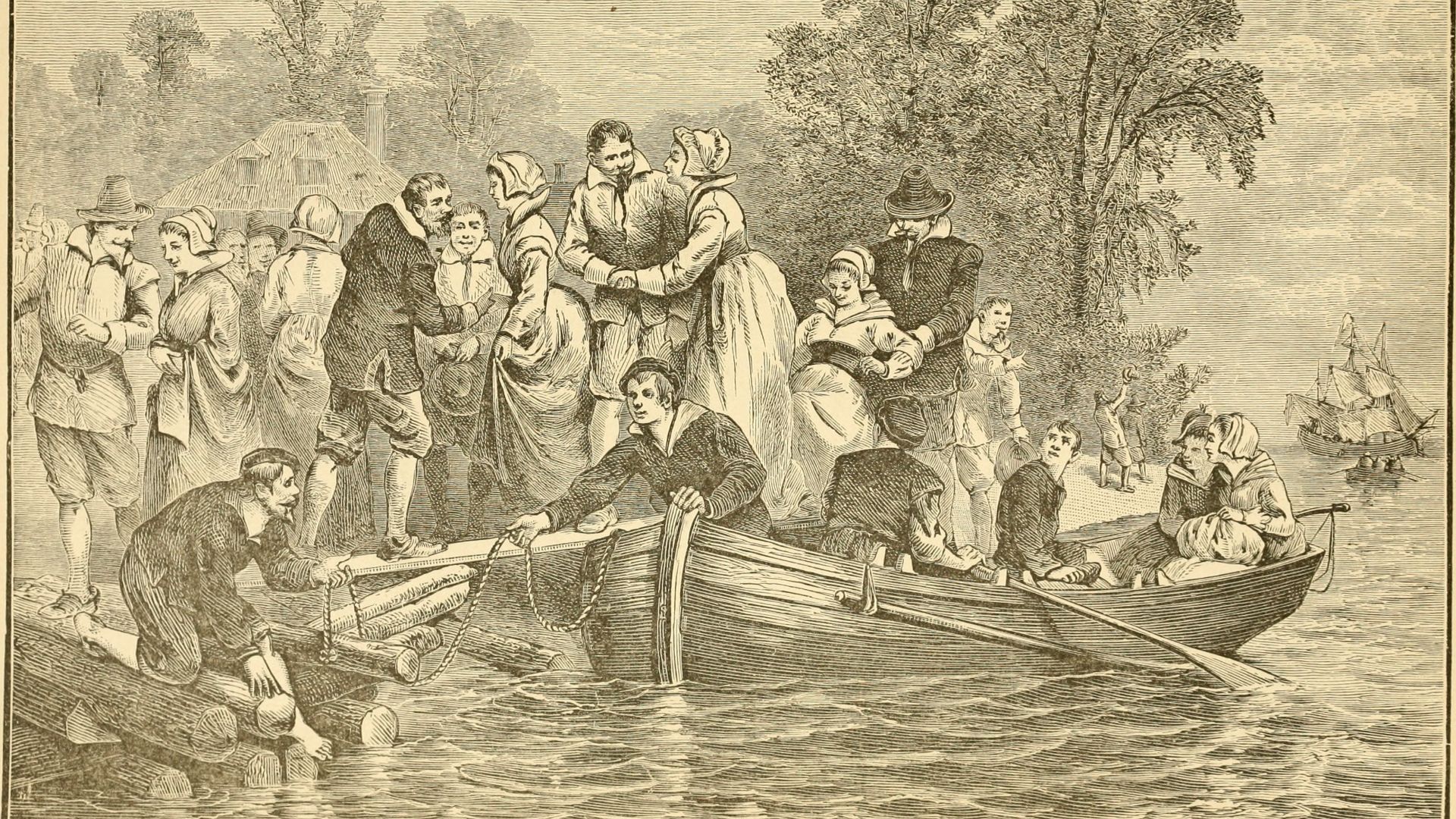 Ridpath, John Clark, 1840-1900 on Wikimedia
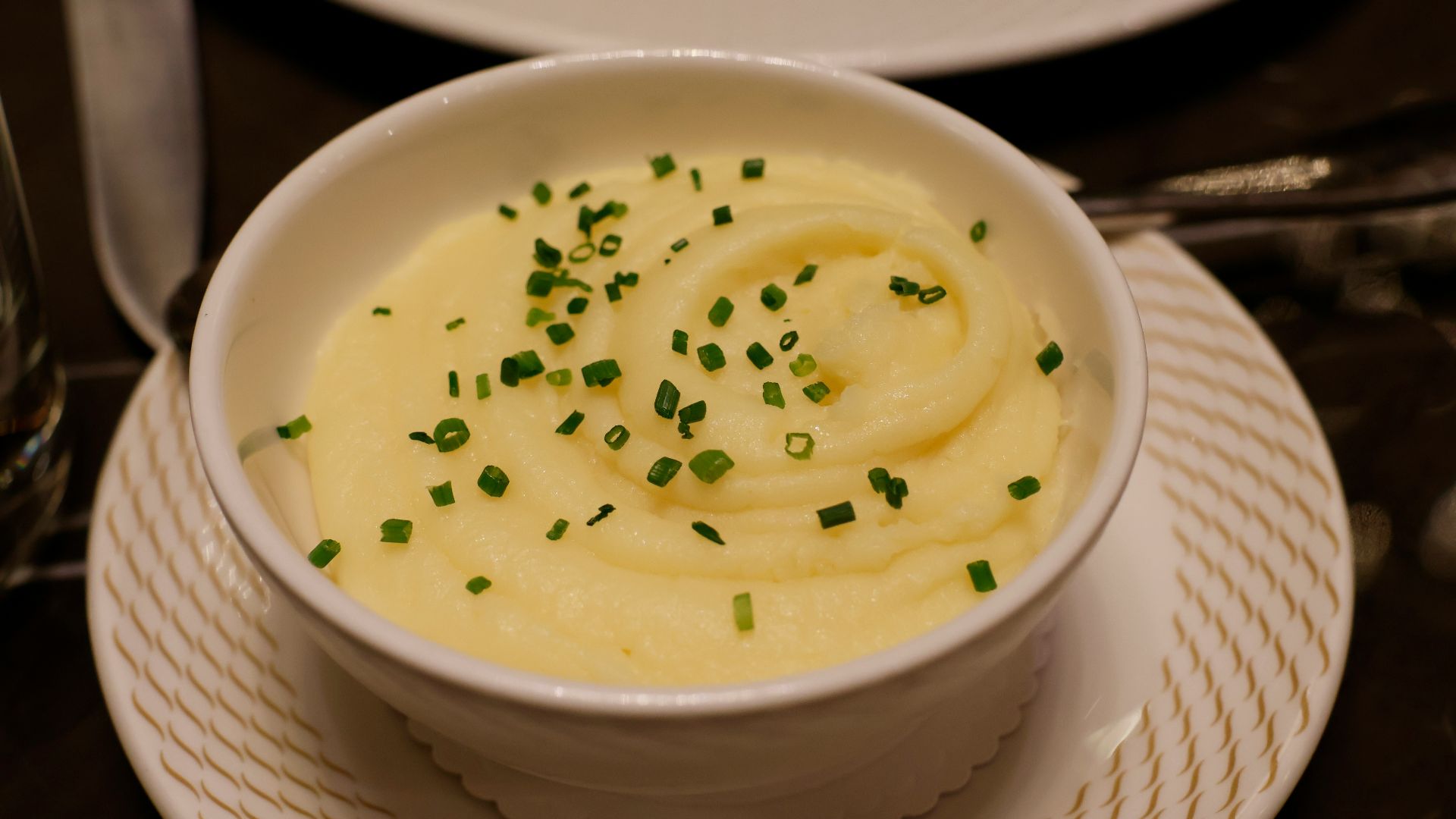
9. Everyone Enjoyed Mashed Potatoes
As essential as mashed potatoes might seem to a Thanksgiving dinner, neither white nor sweet potatoes were likely to have appeared at the 1621 celebration. While both originated in the Americas, they weren't commonly cultivated in that particular region at the time. Vegetables such as turnips and parsnips would've been much more familiar to the English settlers.
10. The Gathering Was Officially Called Thanksgiving
Nobody attending the 1621 celebration would've recognized the occasion as the American holiday we know today. The English settlers considered it a harvest celebration, whereas an official day of thanksgiving in their religious tradition was typically devoted to prayer. Plymouth actually held a separate religious thanksgiving in 1623 after rainfall brought relief from a prolonged drought.
 Ms Jones from California, USA on Wikimedia
11. Squanto Spoke English Because the Pilgrims Taught Him
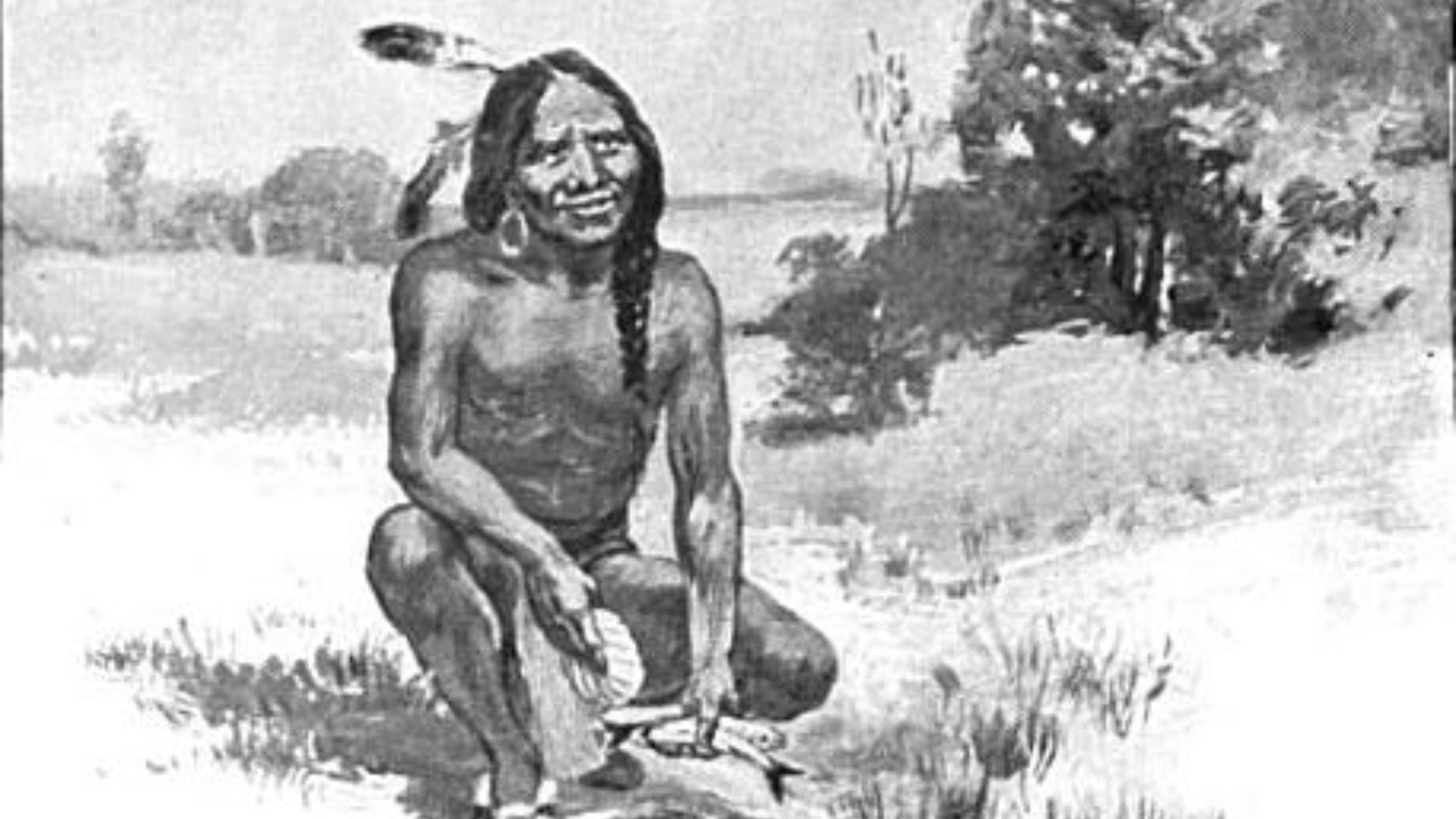
Tisquantum, better known as Squanto, already spoke English when he began assisting the Plymouth settlers. He'd been kidnapped by English explorer Thomas Hunt in 1614 and eventually spent time in England before making his way back to his homeland. His ability to communicate with the colonists stemmed from an exceptionally difficult personal history rather than a friendly cultural exchange.
 The German Kali Works, New York on Wikimedia
12. The Pilgrims Settled on Previously Uninhabited Land
The land on which Plymouth was established had been home to an Indigenous community long before the Pilgrims arrived. The settlers built their community on the site of Patuxet, a Wampanoag village that had been devastated by an epidemic just a few years earlier. When Tisquantum returned to his former home in 1619, he discovered that most of his community had died.
13. Cranberry Sauce Accompanied the Meat
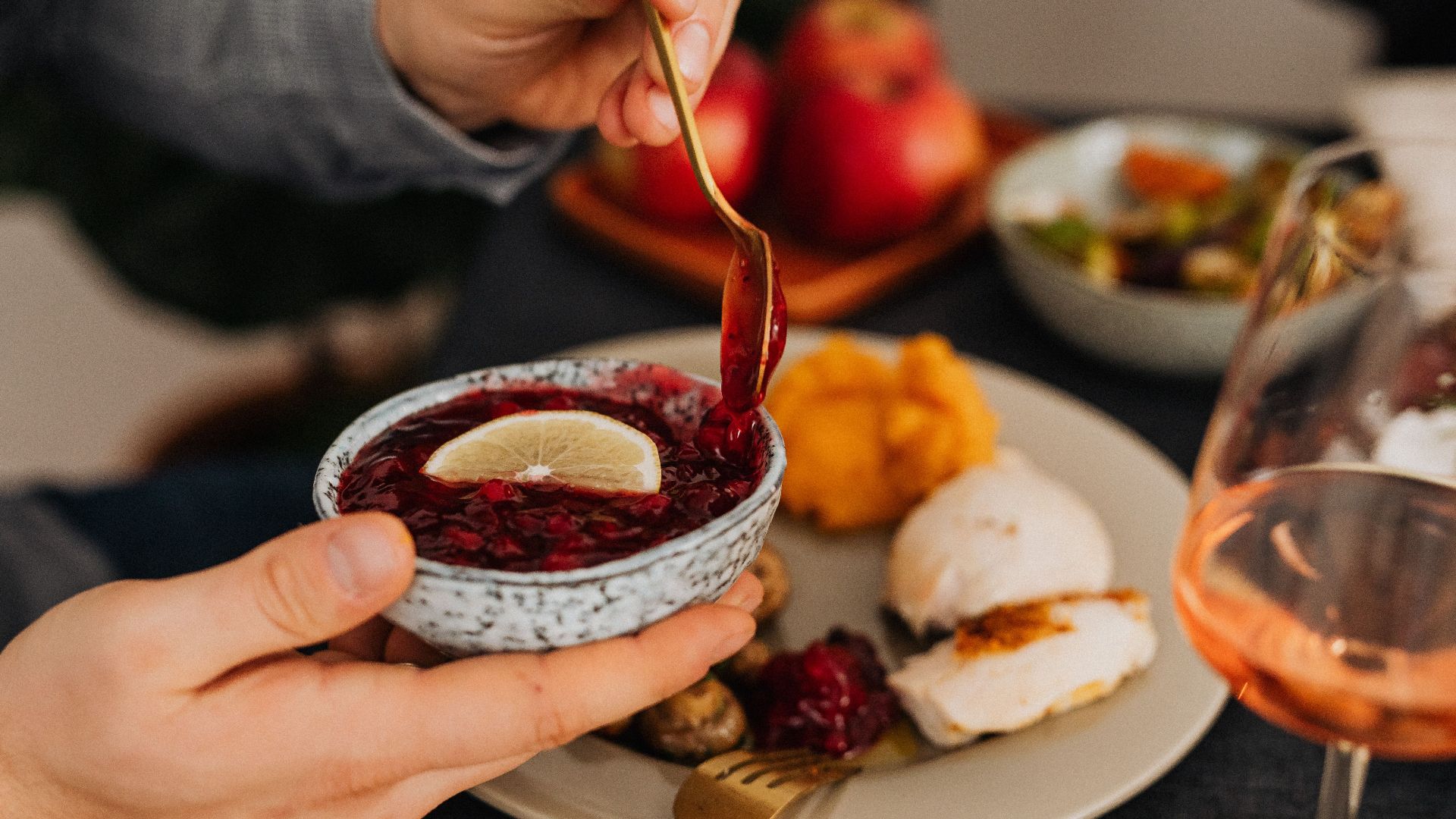
Cranberries grew naturally throughout the surrounding region, so it's entirely possible that they were eaten during the celebration. However, the sweetened cranberry sauce that Americans traditionally serve alongside their turkey was unlikely to have been on the menu. Recipes for similar cranberry preparations wouldn't appear in print until several decades later.
14. It Was the First Celebration of Its Kind in America
Plymouth's claim to hosting the first Thanksgiving becomes a little more complicated when you look at earlier European settlements. English colonists in what is now Maine participated in a harvest gathering with Indigenous people in 1607, while Virginia settlers held religious thanksgiving observances before 1621. The celebration at Plymouth simply became the historical event most closely associated with the modern holiday.
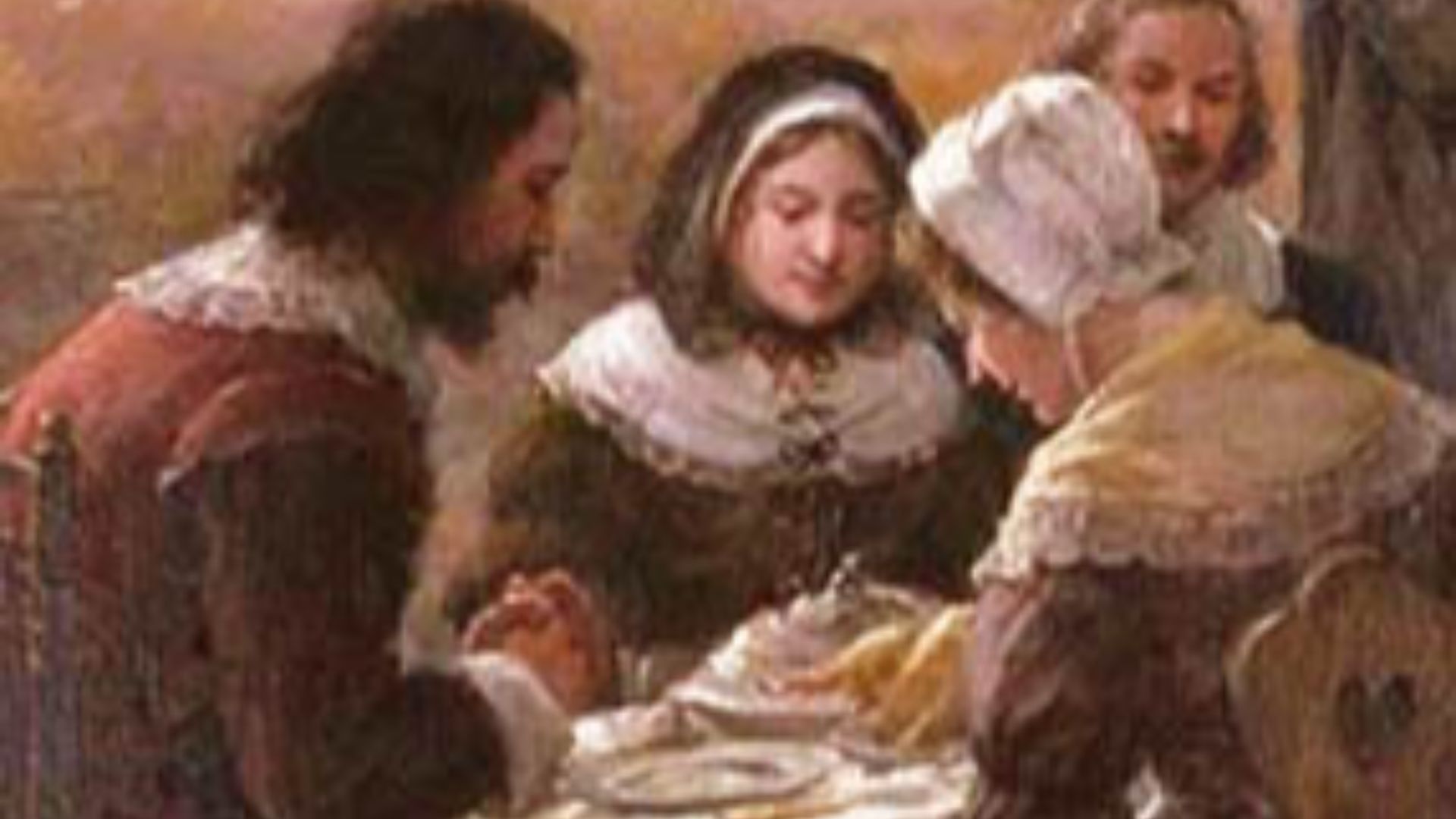 Jennie Augusta Brownscombe (1850-1936) on Wikimedia
15. The Wampanoag Helped the Pilgrims Purely Out of Kindness
Although the assistance provided by the Wampanoag was instrumental in the settlers' survival, there were also important political considerations behind their cooperation. Ousamequin, commonly known as Massasoit, recognized the potential advantages of establishing an alliance with the English after his people had suffered devastating population losses. For the Wampanoag, maintaining this relationship served a greater purpose than simply helping their new neighbors grow food.
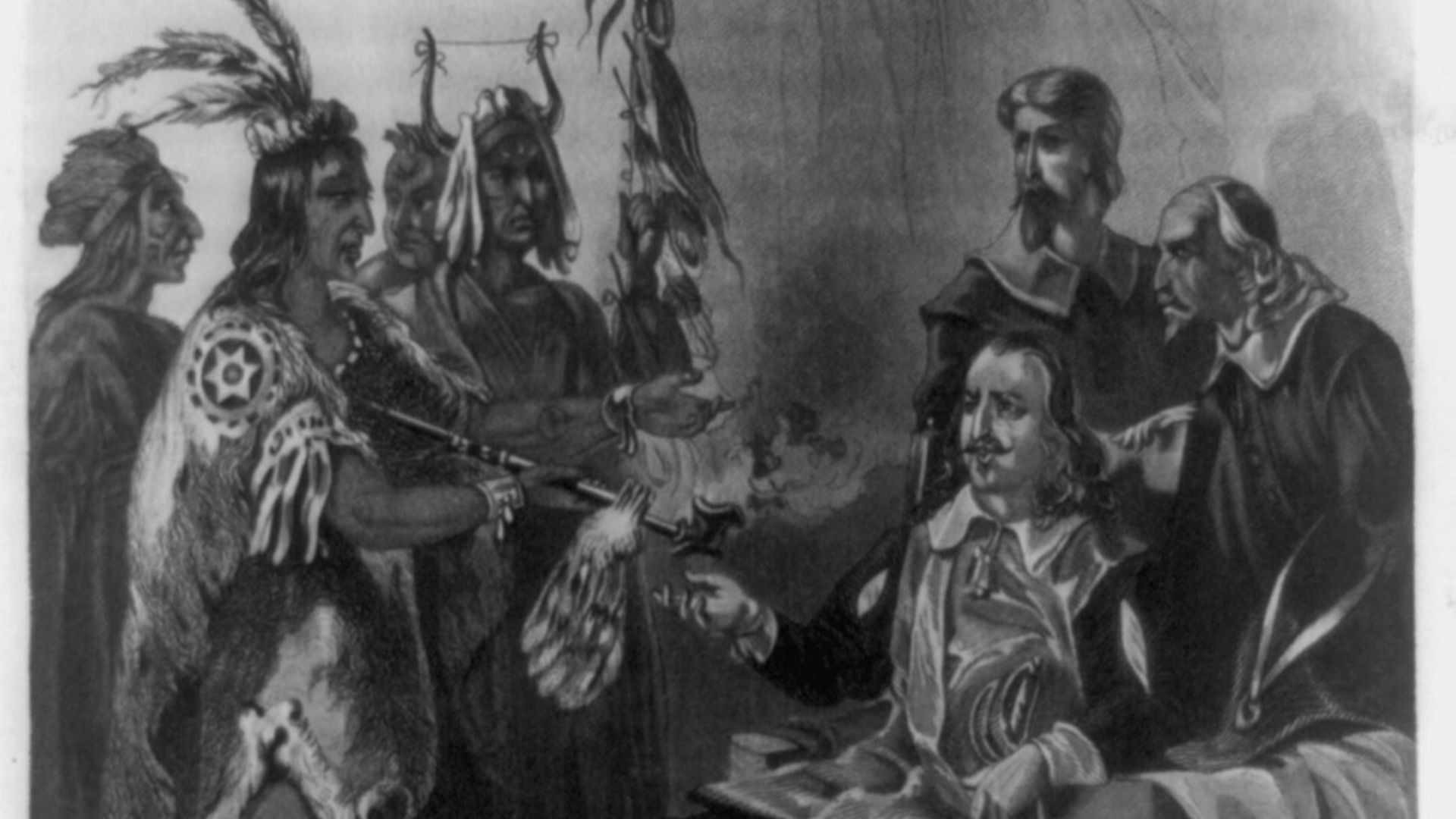 Robin, Augustus, engraver on Wikimedia
16. Everyone Sat Around One Enormous Dinner Table
Paintings frequently portray the two communities sitting around a beautifully arranged wooden table, complete with elaborate platters of food. No surviving eyewitness account confirms that such a dining arrangement existed, and finding enough seating for approximately 140 people would've been quite a challenge. It's more likely that much of the eating took place outdoors, with people gathering in smaller groups throughout the festivities.
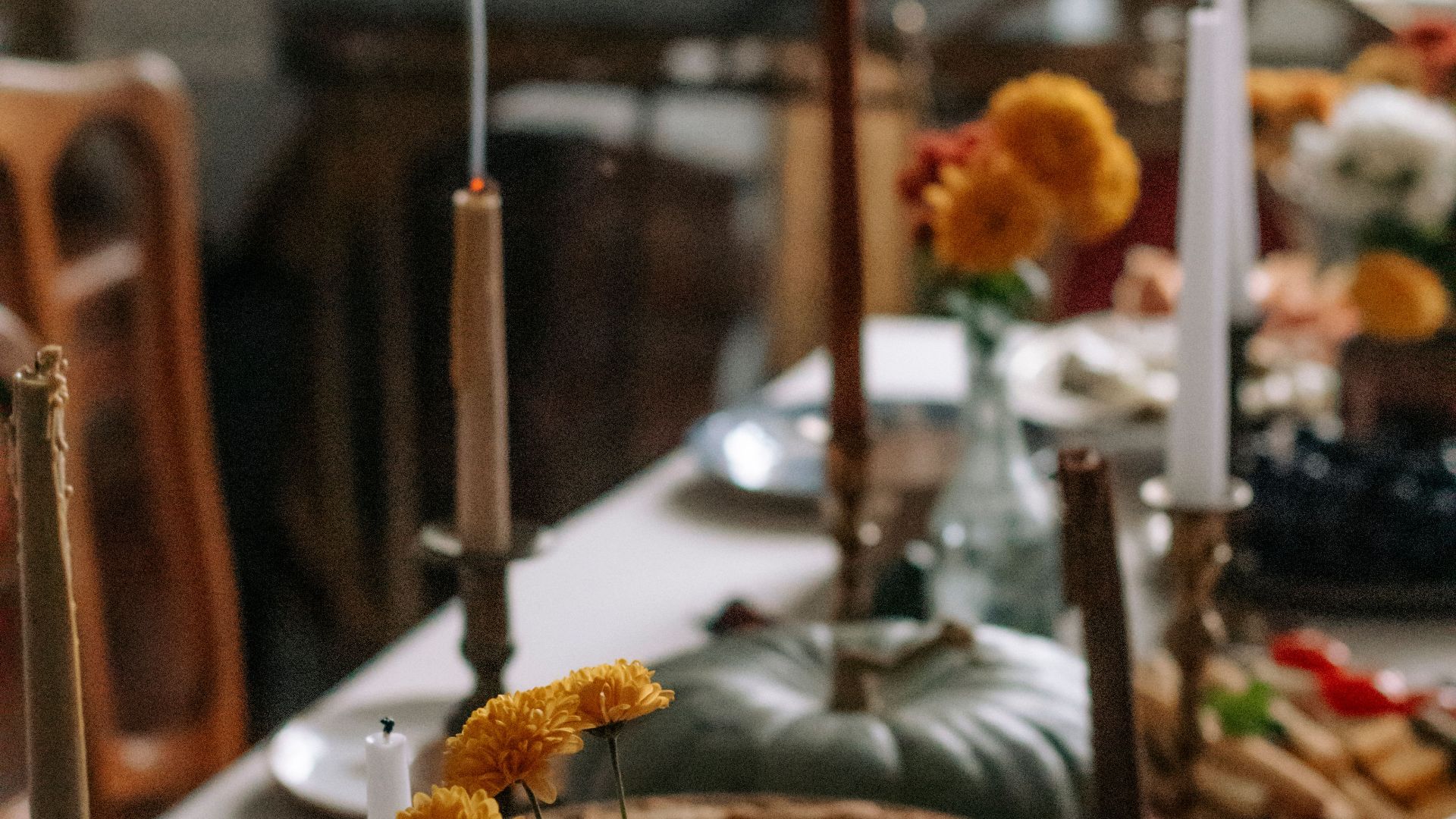
17. There Were Plenty of Women Preparing the Food
Despite the number of people attending the celebration, remarkably few adult English women were still alive to participate. Only four married women who'd traveled aboard the Mayflower survived until the autumn of 1621. Feeding that many people over the course of three days would've likely required help from other members of the settlement, including its younger inhabitants.
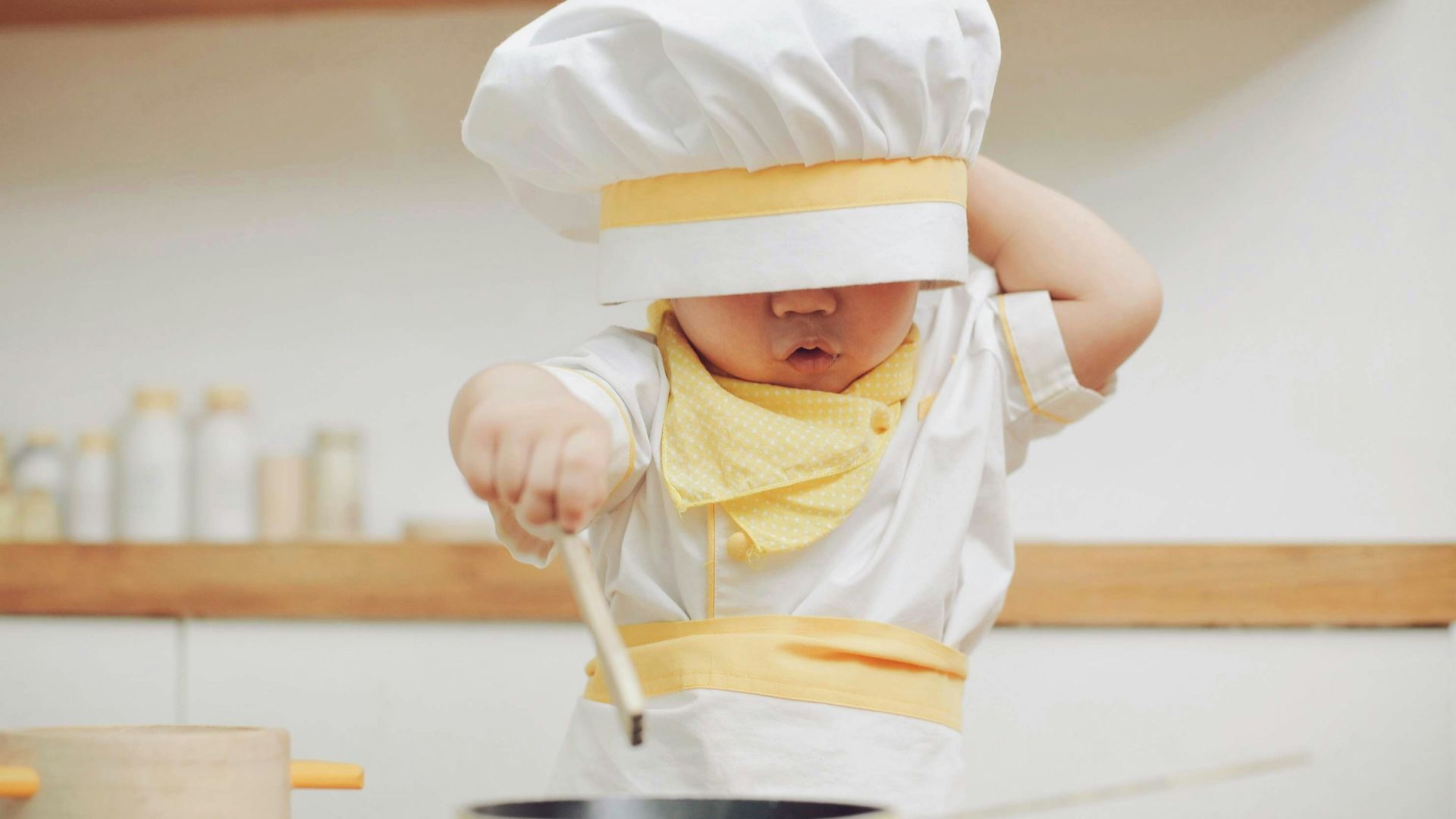
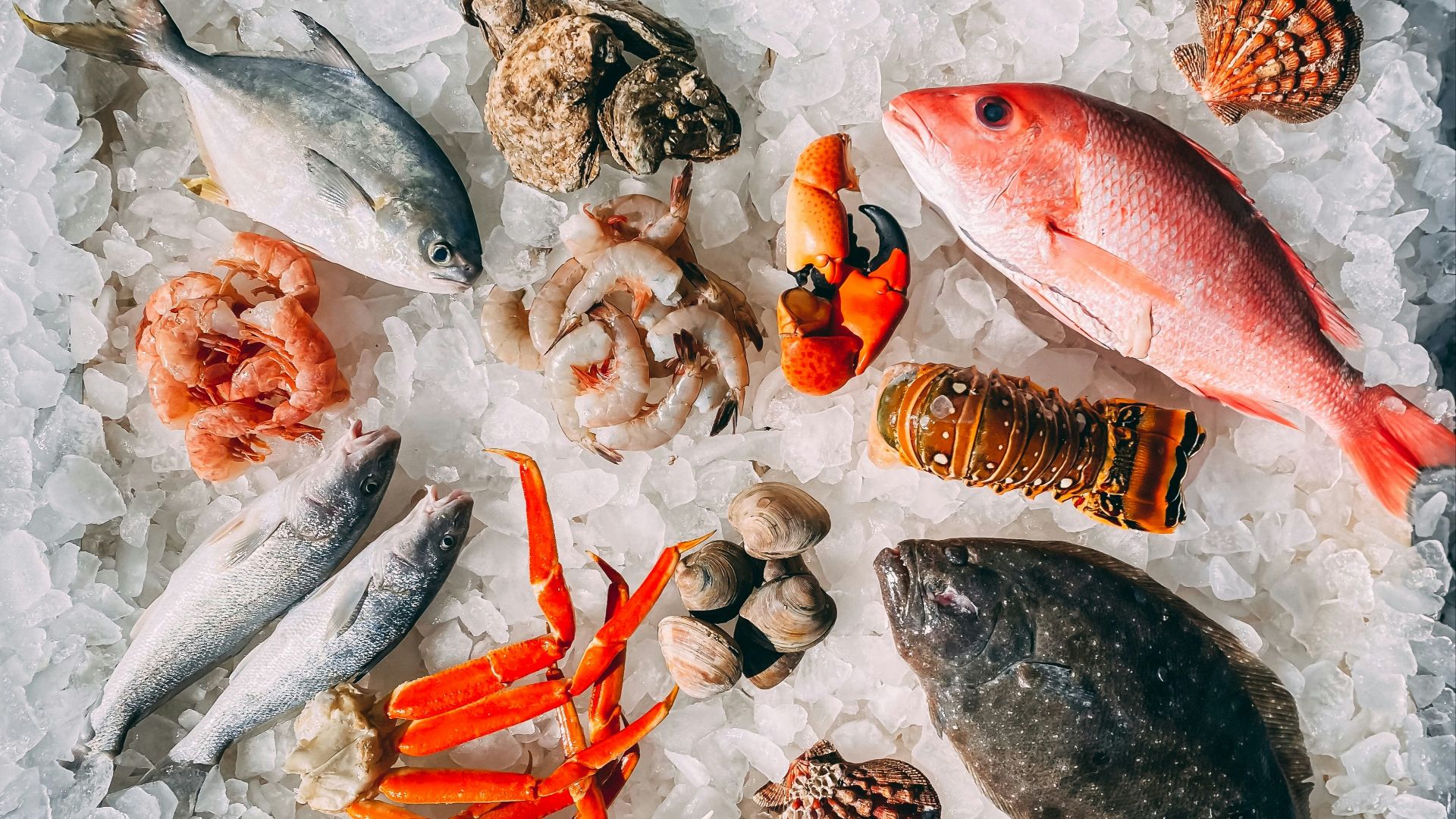
18. Seafood Wasn't an Important Part of the Feast
Seafood rarely makes an appearance on modern Thanksgiving menus, but fish and shellfish were valuable sources of nourishment for both communities in 1621. Given Plymouth's coastal location, historians believe foods such as mussels, clams, and various types of fish could've been served during the celebration. If you wanted to recreate a historically accurate Thanksgiving dinner, you might want to make some room on the table for seafood.
19. Thanksgiving Became an Annual National Tradition Immediately
More than two centuries passed between the Plymouth gathering and the establishment of America's regular national Thanksgiving observance. Writer and magazine editor Sarah Josepha Hale spent years campaigning for a unified holiday before President Abraham Lincoln issued his proclamation in 1863. Even then, it wasn't until 1941 that Congress officially established the fourth Thursday of November as the federal holiday.
20. The Celebration Established a Lasting Peace
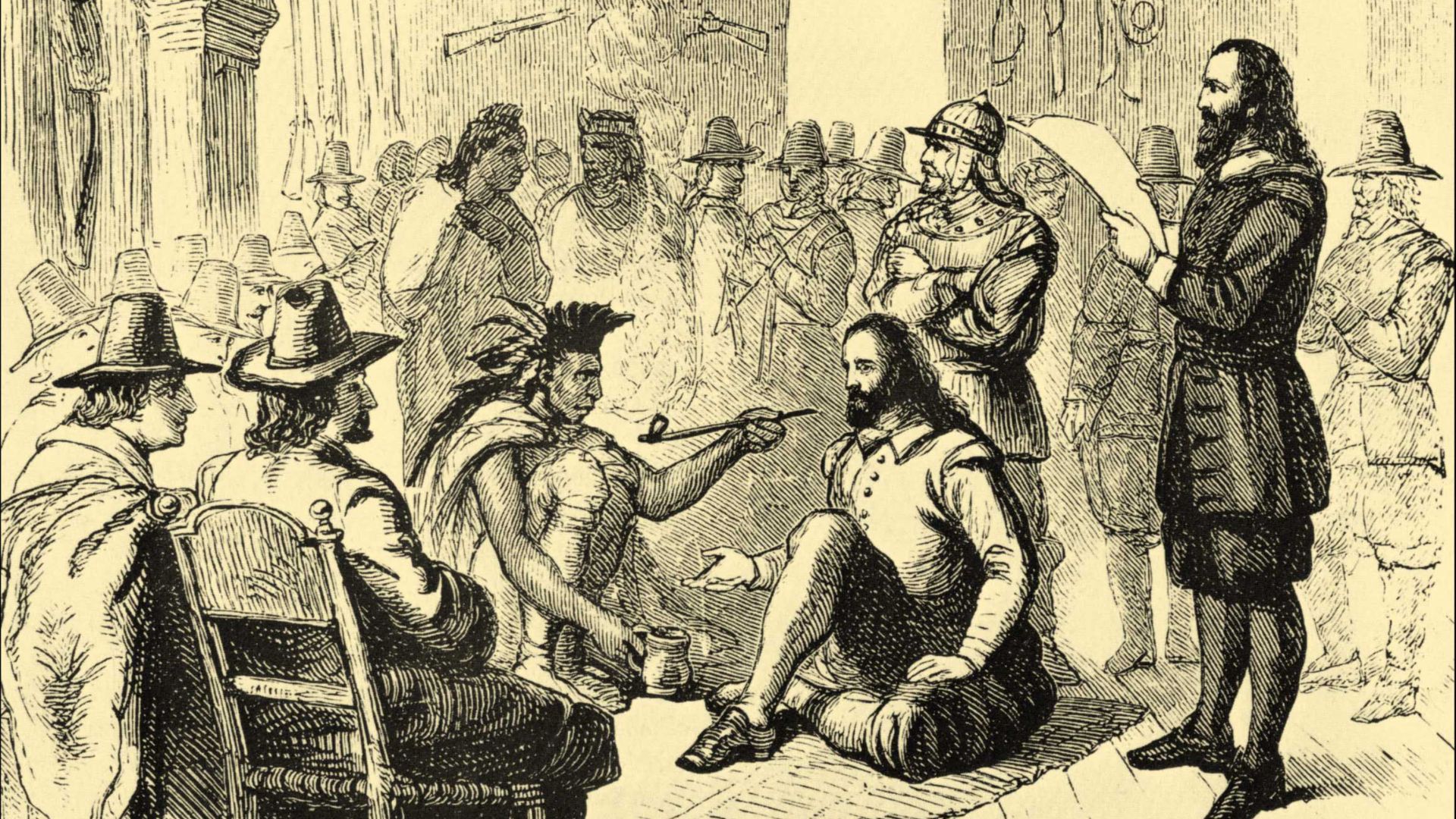
Perhaps the biggest misconception surrounding the first Thanksgiving is that it marked the beginning of an enduring friendship between English settlers and Indigenous communities. Although the alliance initially allowed the two groups to coexist peacefully, colonial expansion, land disputes, and growing political tensions eventually led to devastating conflict. The gathering in 1621 represented a relatively brief period of cooperation within a much longer and more complicated history.
 Unknown authorUnknown author on Wikimedia