Being a Woman Came With Strange Opportunities
Throughout history, women have worked in very specific professions that would seem downright bizarre by today's standards. We’re not just talking about your average wet nurse, either; some were responsible for keeping sacred fires burning, while others earned a living mourning people they'd never met. Next time you think your 9-5 is bad, remember that these 20 unusual occupations reveal just how demanding, dangerous, and occasionally disturbing women's work could be.
 Unknown authorUnknown author on Wikimedia
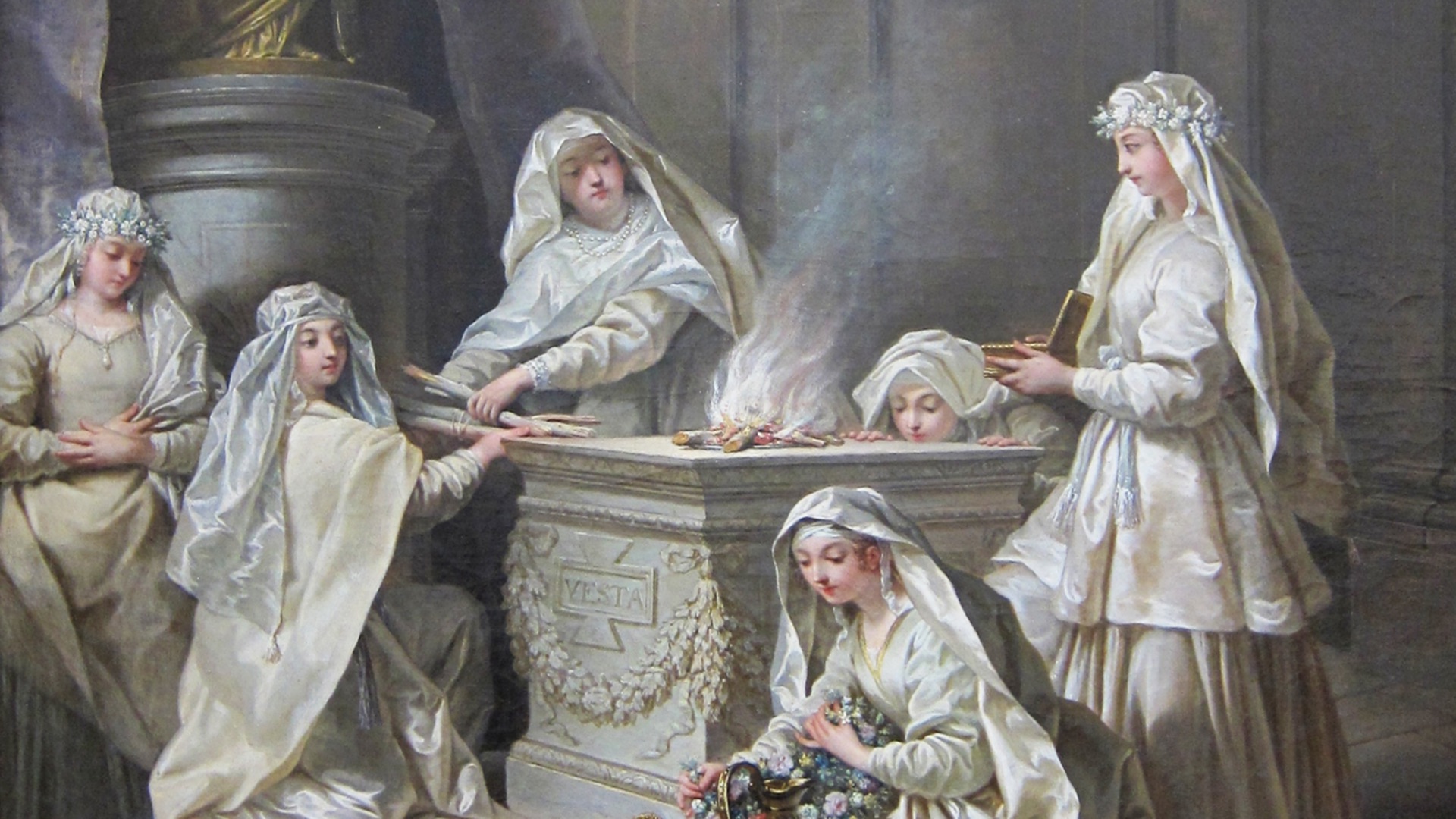
1. Vestal Virgins
In ancient Rome, selected girls became priestesses responsible for maintaining the sacred flame in the Temple of Vesta. They served for 30 years and were snapped up pretty young, often only children when they were first recruited. They had to remain unmarried and observe strict vows of chastity, and those found guilty of breaking their vows could be buried alive.
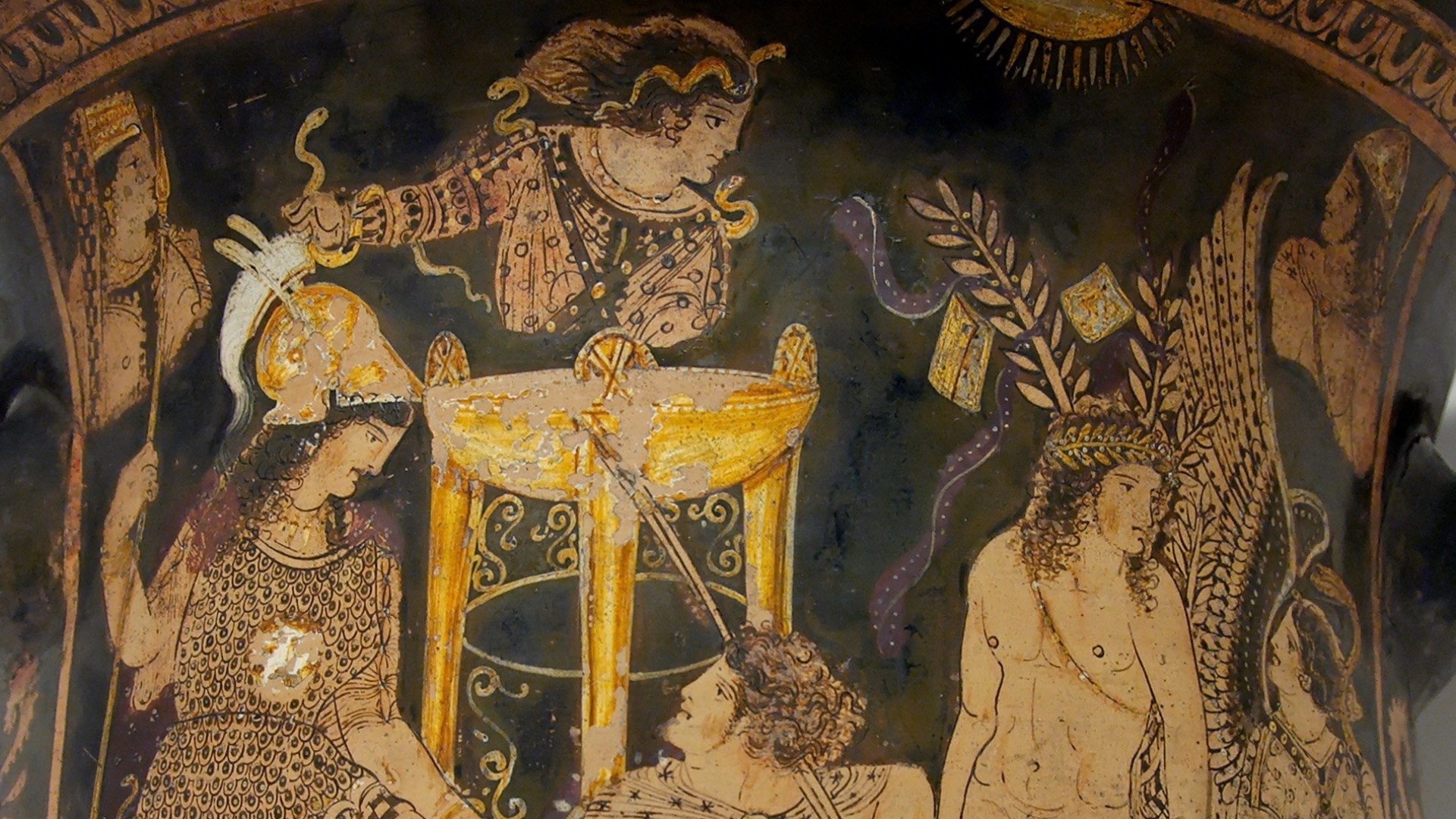
2. Oracle Priestesses
At the ancient Greek sanctuary of Delphi, a woman known as the Pythia delivered prophecies supposedly inspired by Apollo. Visitors itching for guidance reached high society, too, with political leaders who wanted answers about wars and colonies. The priestess delivered her responses in a religious setting, and their interpretation could influence entire communities.
 Python (as painter) on Wikimedia
3. Searchers of the Dead
During London's plague outbreaks, parish authorities employed women to examine bodies and determine what had caused each person's death. Don’t think of them as coroners, though. These searchers usually lacked proper medical training, but even with their hands tied, their findings contributed to the city's official Bills of Mortality.
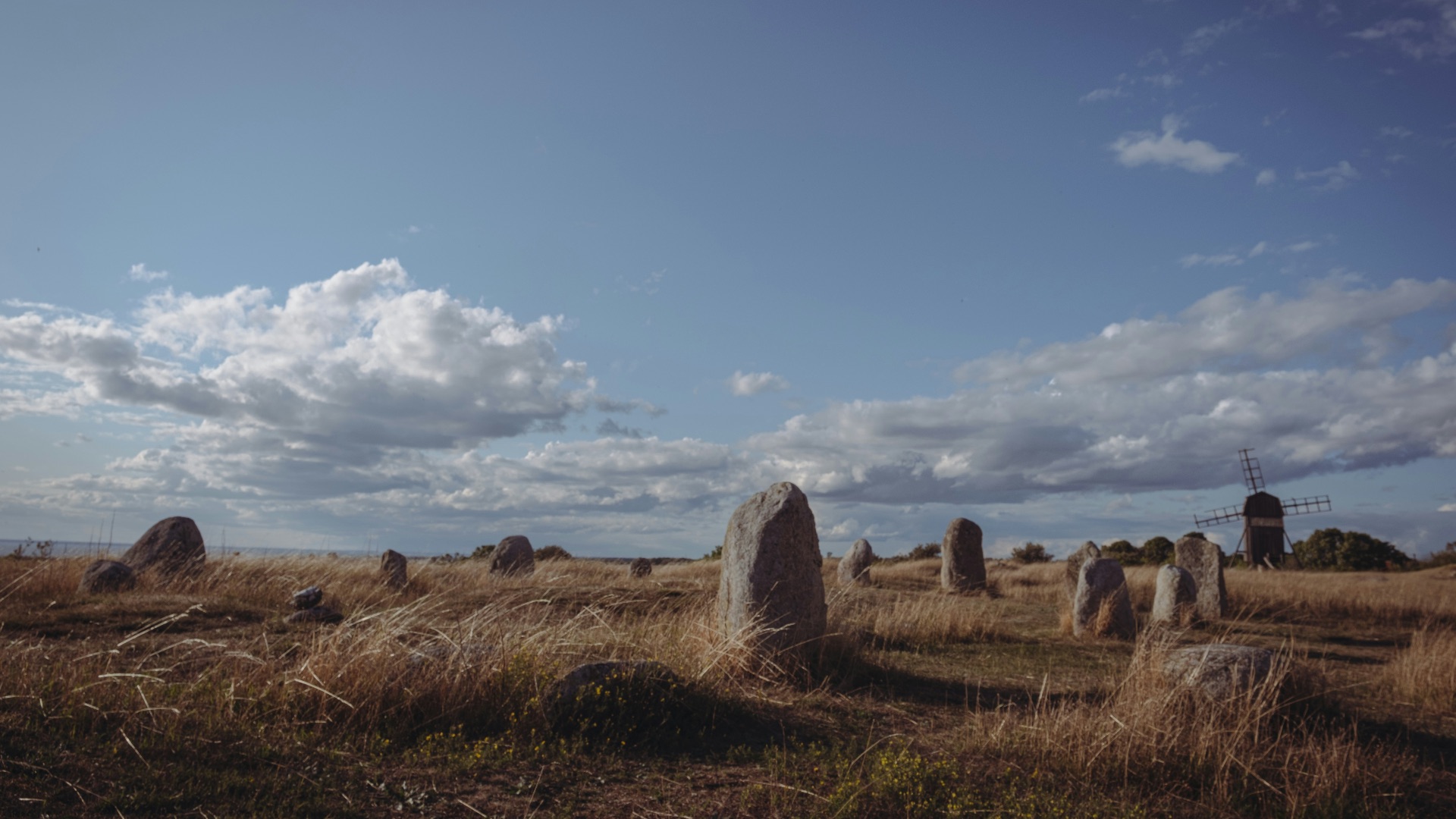
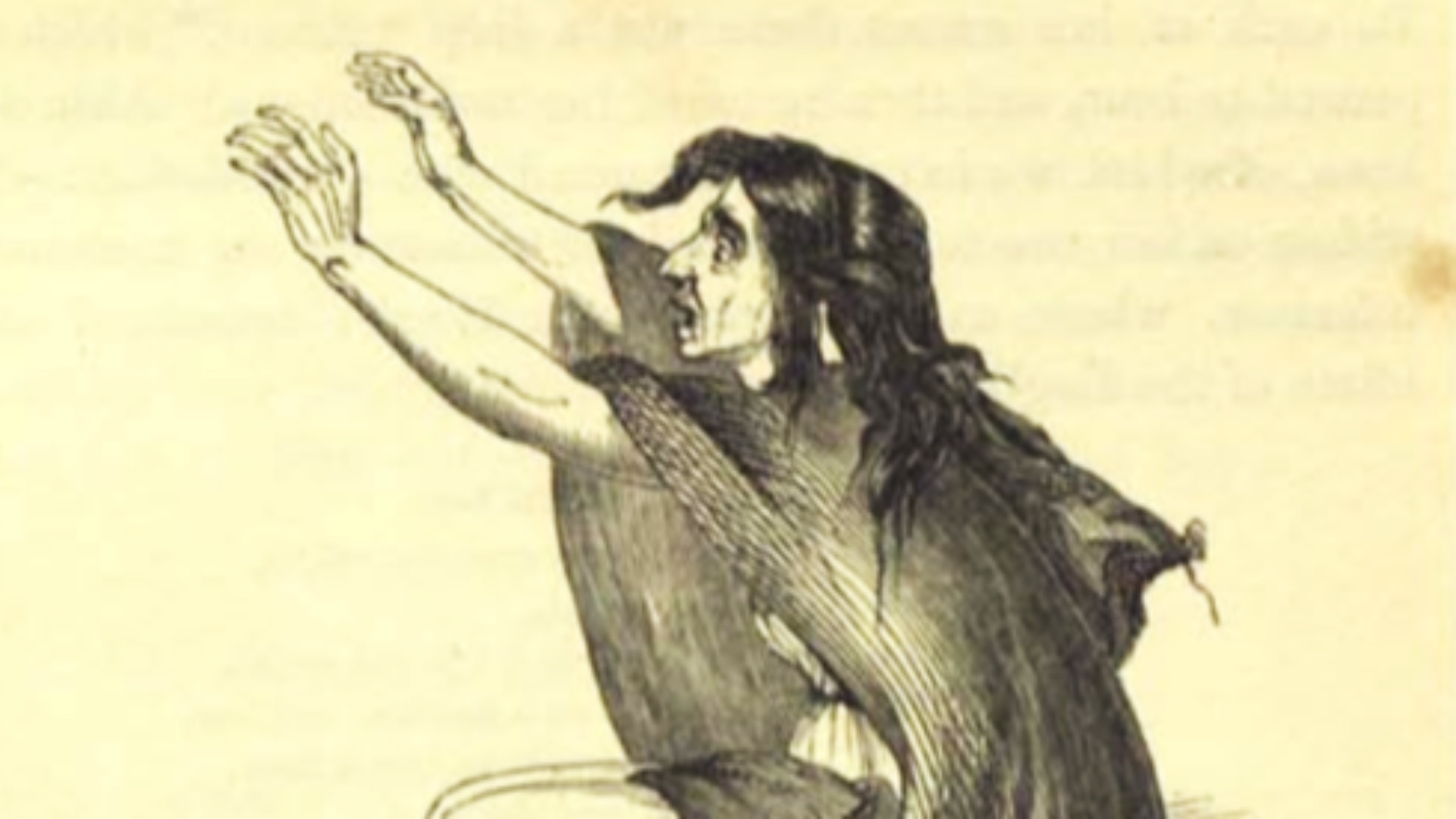
4. Professional Keeners
In Ireland, you were practically guaranteed that someone would cry at your funeral. In fact, women known as keeners performed elaborate laments that combined crying, singing, and improvised poetry. Skilled practitioners could be paid to mourn deceased people, sometimes working personal details about their lives into the performance.
 Sdoknfonfosijogij (uploader) on Wikimedia
5. Wet Nurses
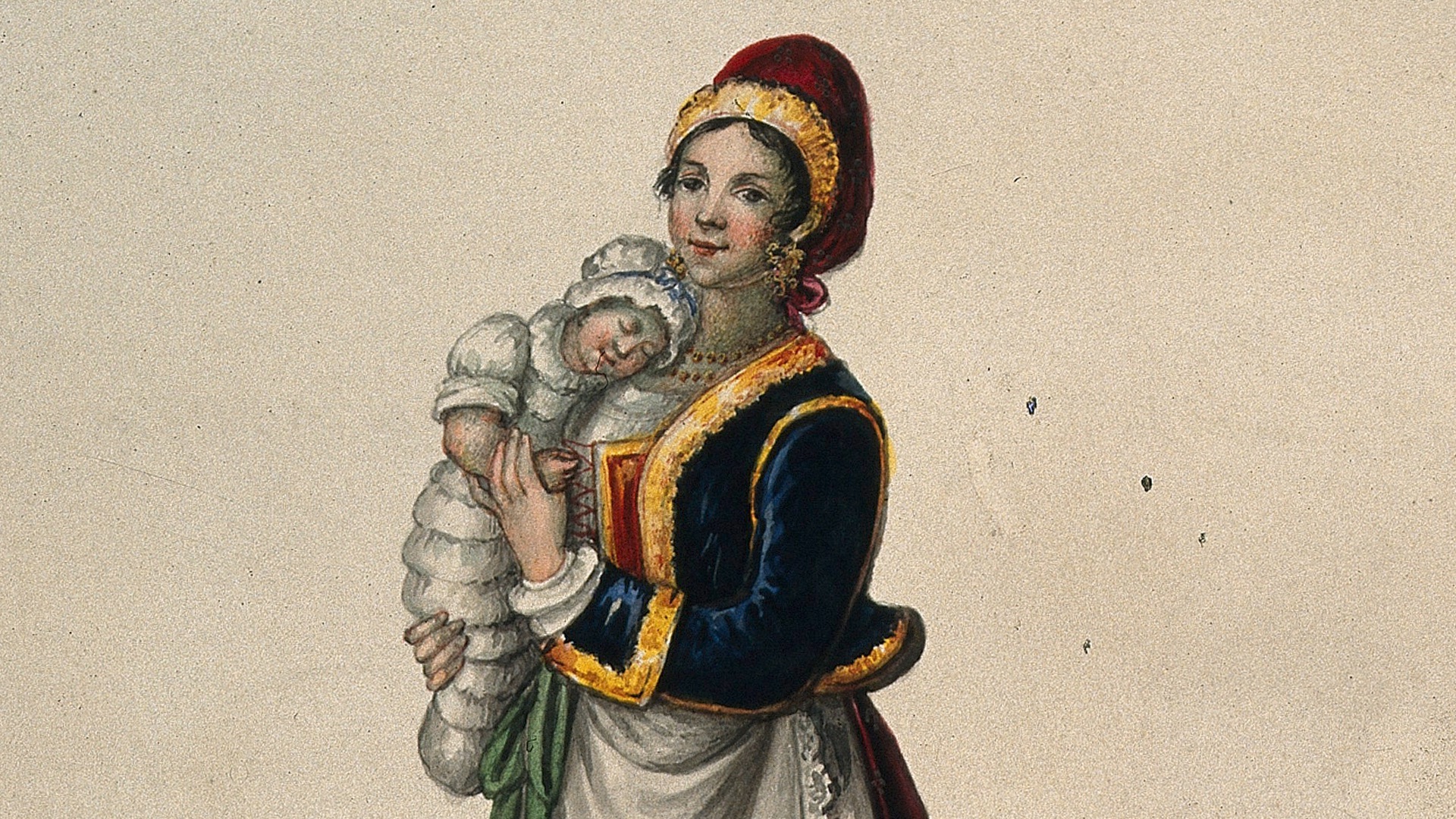
For centuries, wealthy households employed lactating women to breastfeed infants whose mothers couldn't (or didn't). In 17th-century England, some wet nurses received annual payments for caring for babies in their own homes. Unfortunately, taking responsibility for another family's child could also mean spending considerable time away from their own.
6. Baby Farmers
Though it sounds insane by today’s standards, women in Victorian Britain once had businesses that accepted infants in exchange for money. The children usually came from unmarried mothers who couldn't care for them. Although some provided actual childcare, the industry also attracted criminals, and the horrifying abuses that slowly began trickling out of the industry exposed the serious dangers of leaving vulnerable children in such environments.

7. Arrhephoroi
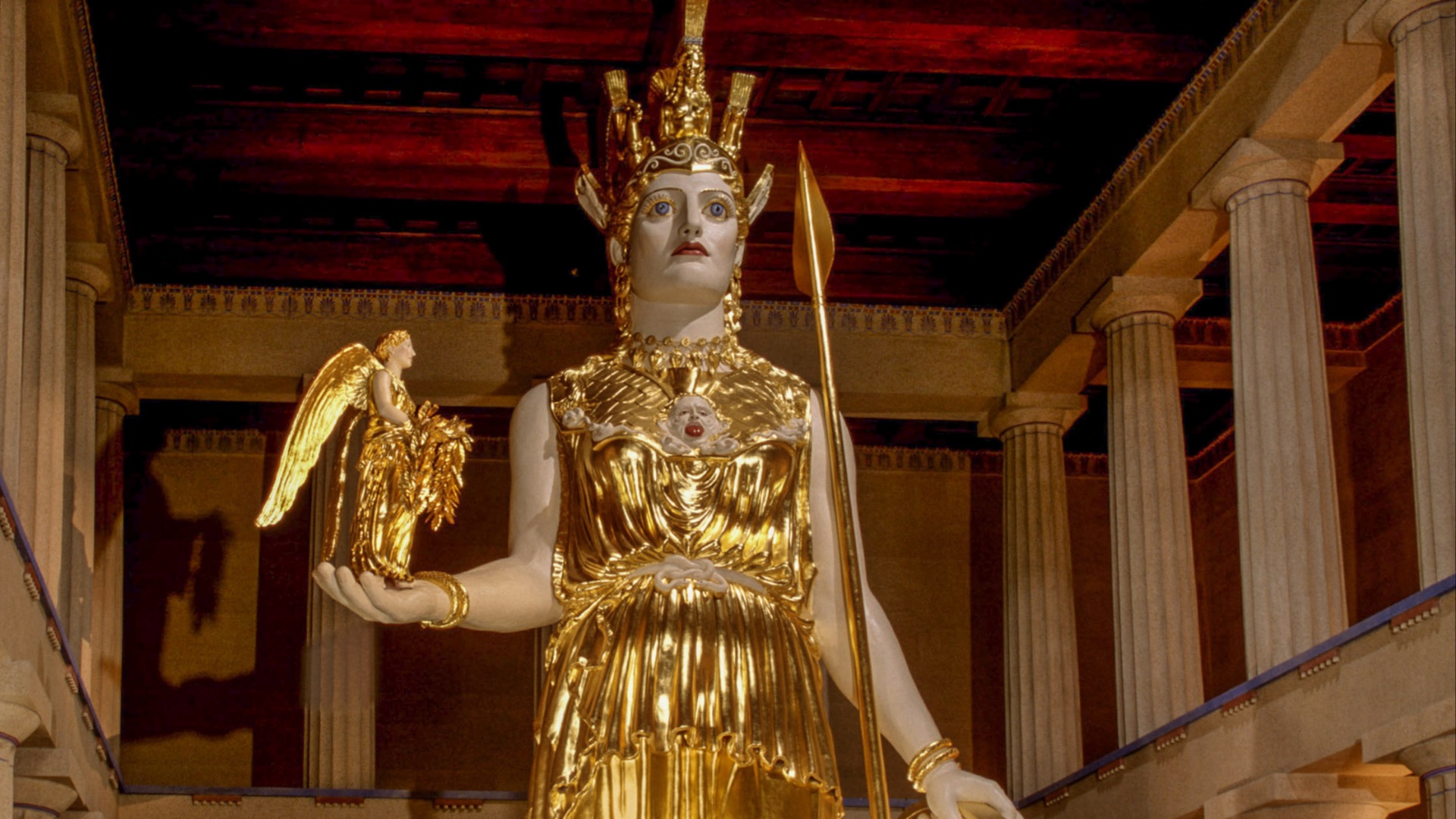
Ancient Athens selected young girls, generally between seven and eleven years old, to perform religious duties associated with Athena. These kids lived on the Acropolis for a year and helped prepare ceremonial garments presented to the goddess. Their responsibilities also involved mysterious religious rituals.
 Photograph by Dean Dixon, Sculpture by Alan LeQuire on Wikimedia
8. Royal Ladies-in-Waiting
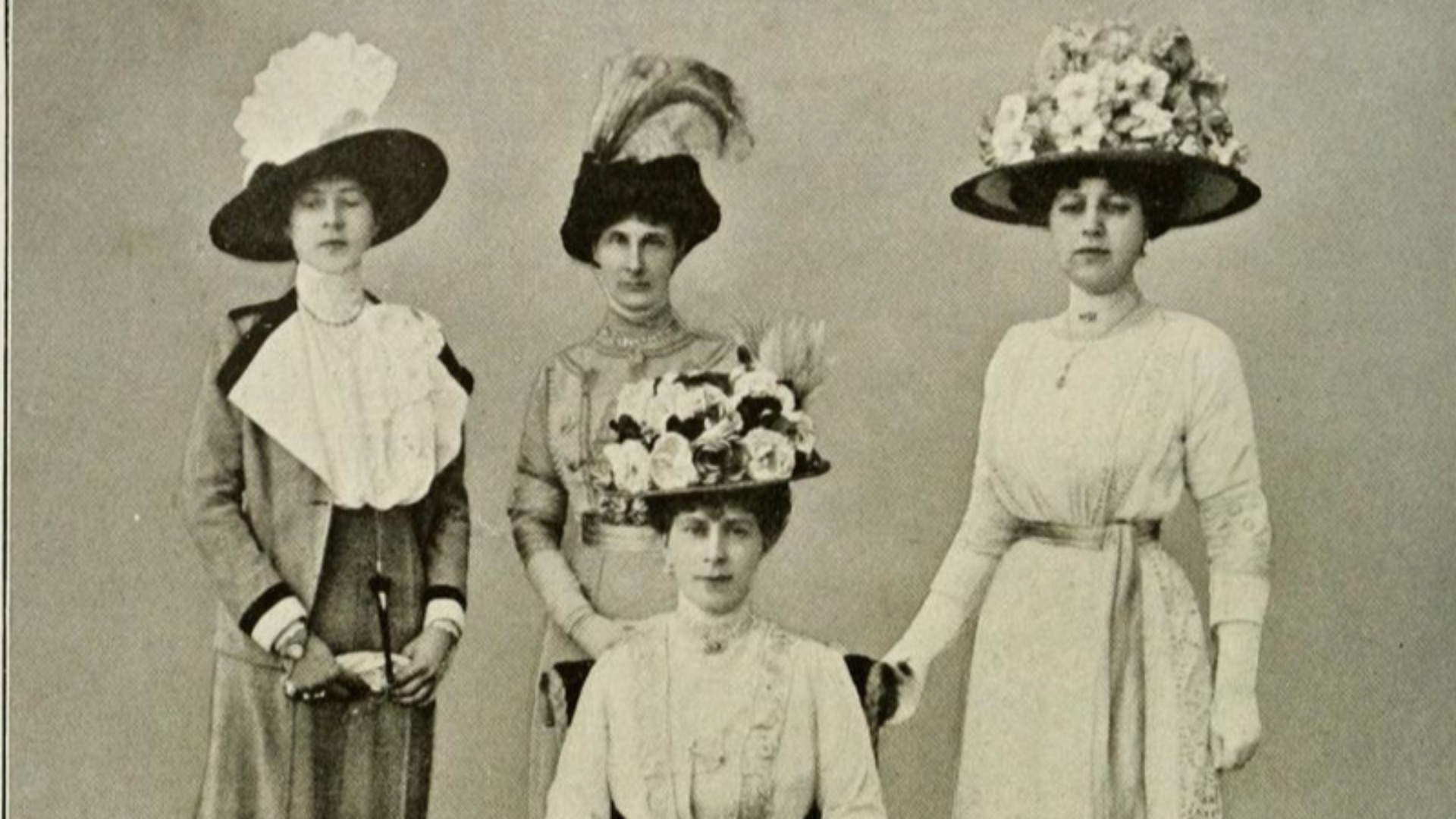
Forget Bridgerton for a second—actual women serving European queens held prestigious court positions that required you to keep a tight lip. Their responsibilities varied, so you could easily be accompanying your mistress at ceremonies or assisting with private correspondence. Should you ever spill the beans on the queen, all the benefits of being by her side quickly turned against you.
 Unknown authorUnknown author on Wikimedia
9. Monthly Nurses
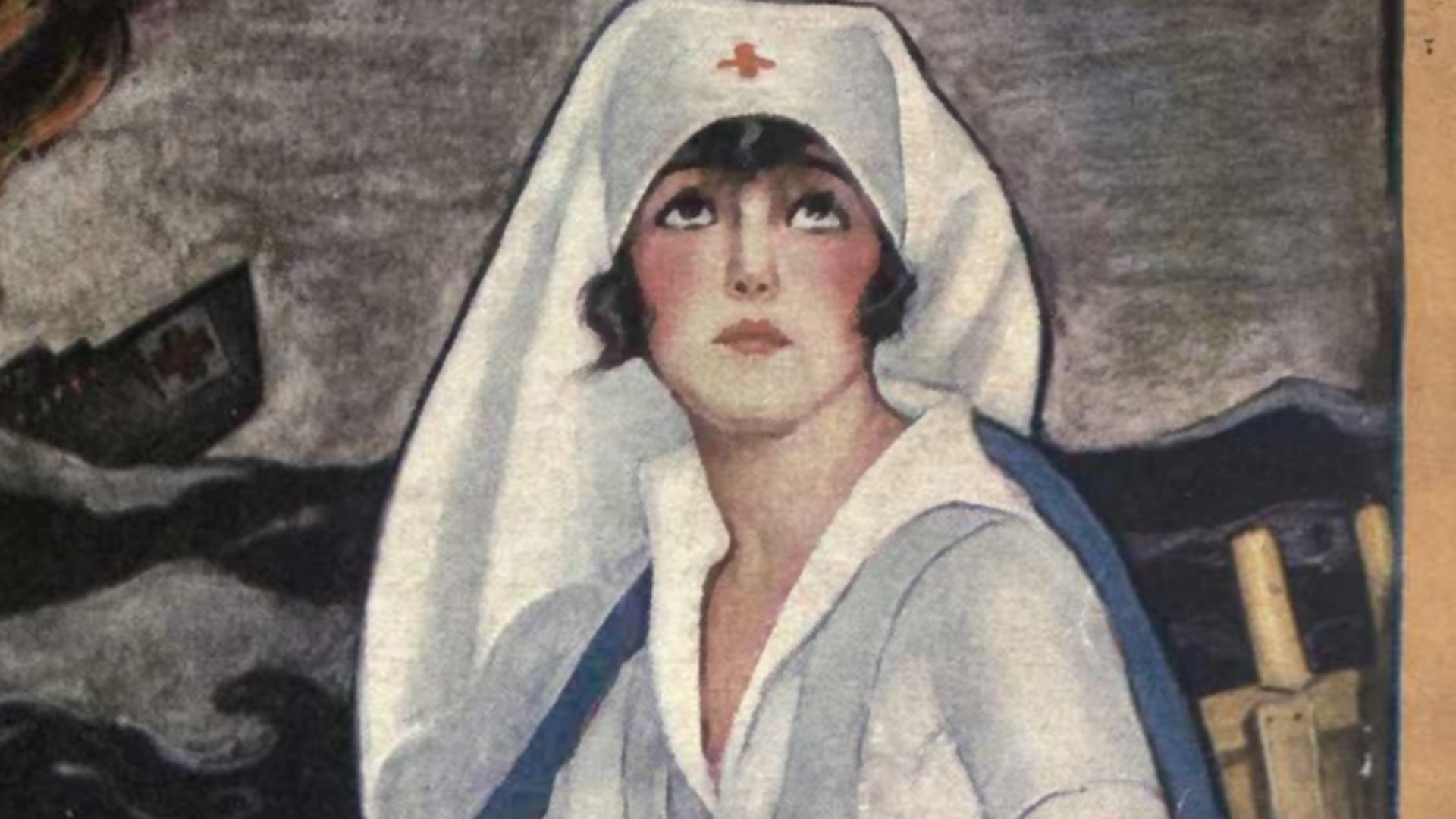
Childcare is no joke, and women in 19th-century Britain and Canada knew it. That’s why families sometimes hired monthly nurses to assist mothers during the weeks after childbirth. They were practically saviors, helping with newborn care and the mother's recovery. They were knowledgeable, too—their job demanded considerable know-how despite the limited medical resources available.
10. Kanephoroi
During religious festivals in ancient Athens, selected unmarried girls carried ceremonial baskets with items required for sacrifices. It was a toss-up what you carried; these baskets could hold barley, decorative materials, and knives used in religious ceremonies. It was a tremendous honor, particularly for daughters of prominent Athenian families.
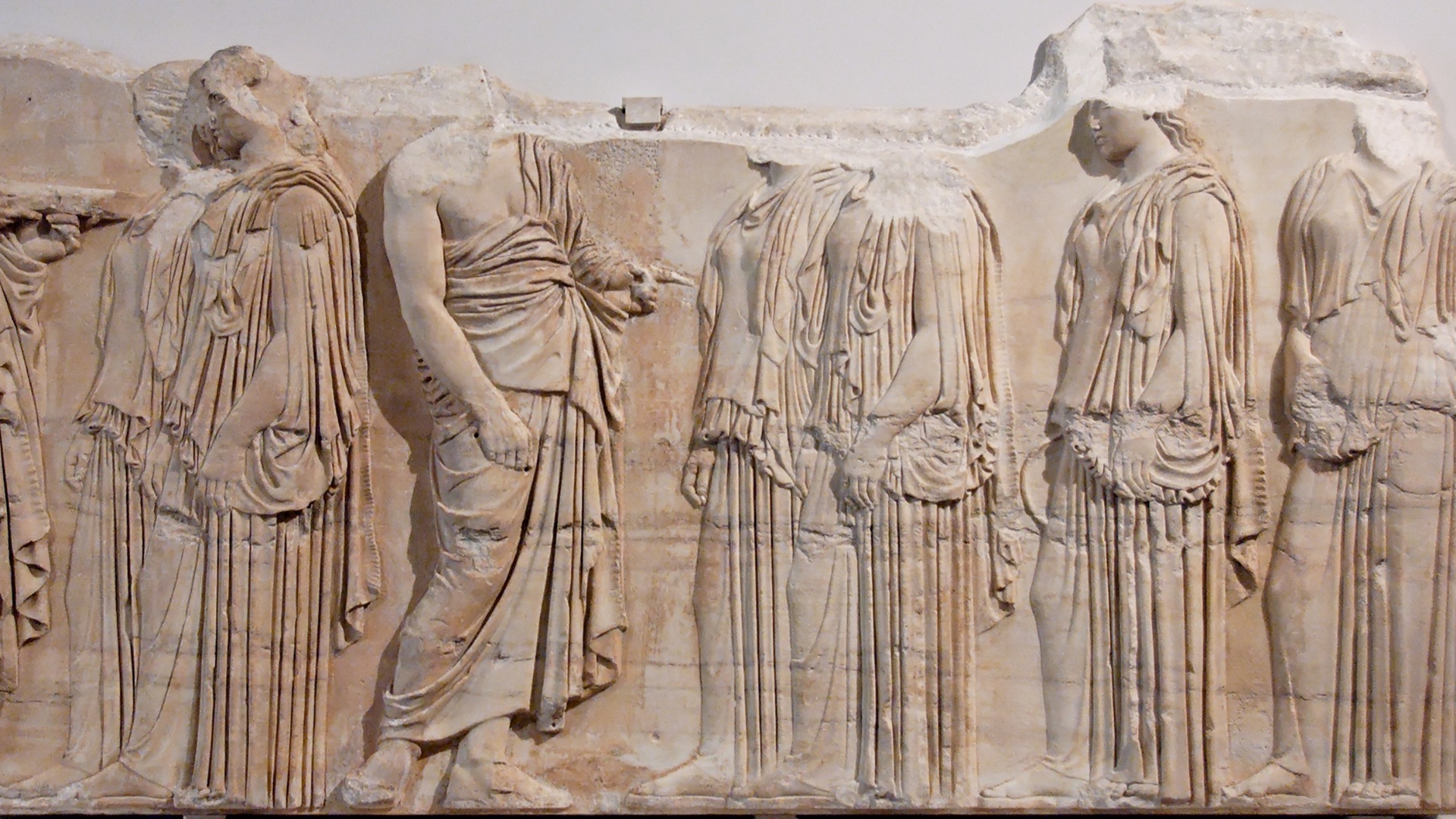 Unknown, under the supervision of Pheidias on Wikimedia
11. Inca Chosen Women
In the Inca Empire, selected girls and women known as acllas actually got specialized training in weaving and religious service. Some produced valuable textiles and ceremonial corn beer, while others were assigned to religious institutions or arranged marriages. They also held an unusual position in society because their work was closely connected to the empire's authority.
12. Haenyeo Divers
For generations, women on South Korea's Jeju Island have earned their living by diving into the sea to collect shellfish and sea urchins. It wasn’t just a simple dive into the water, however, and these divers traditionally worked without breathing equipment, relying solely on endurance. Some even kept diving into old age.
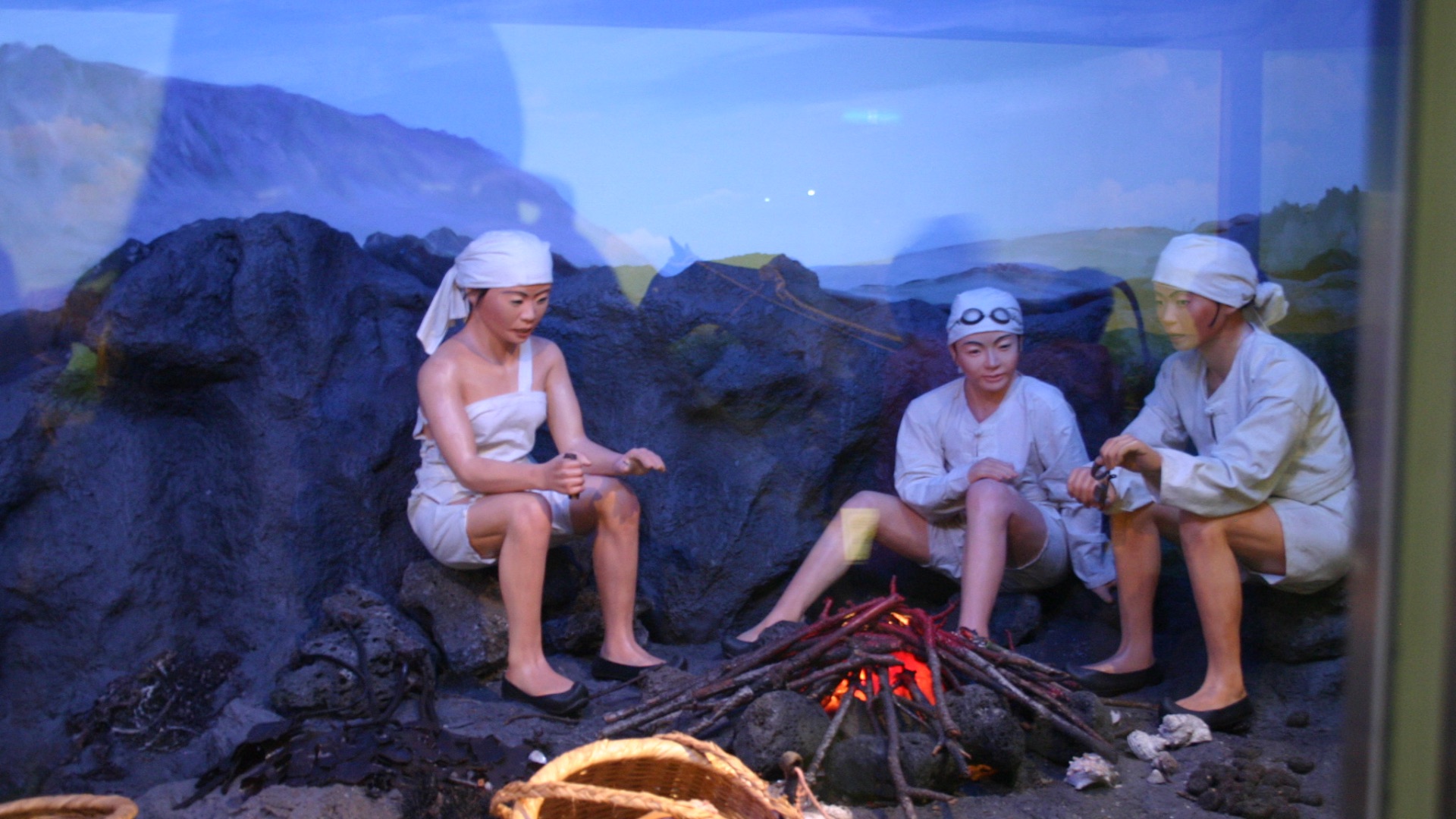 by karendotcom127 on Wikimedia
13. Ancient Egyptian Mourning Women
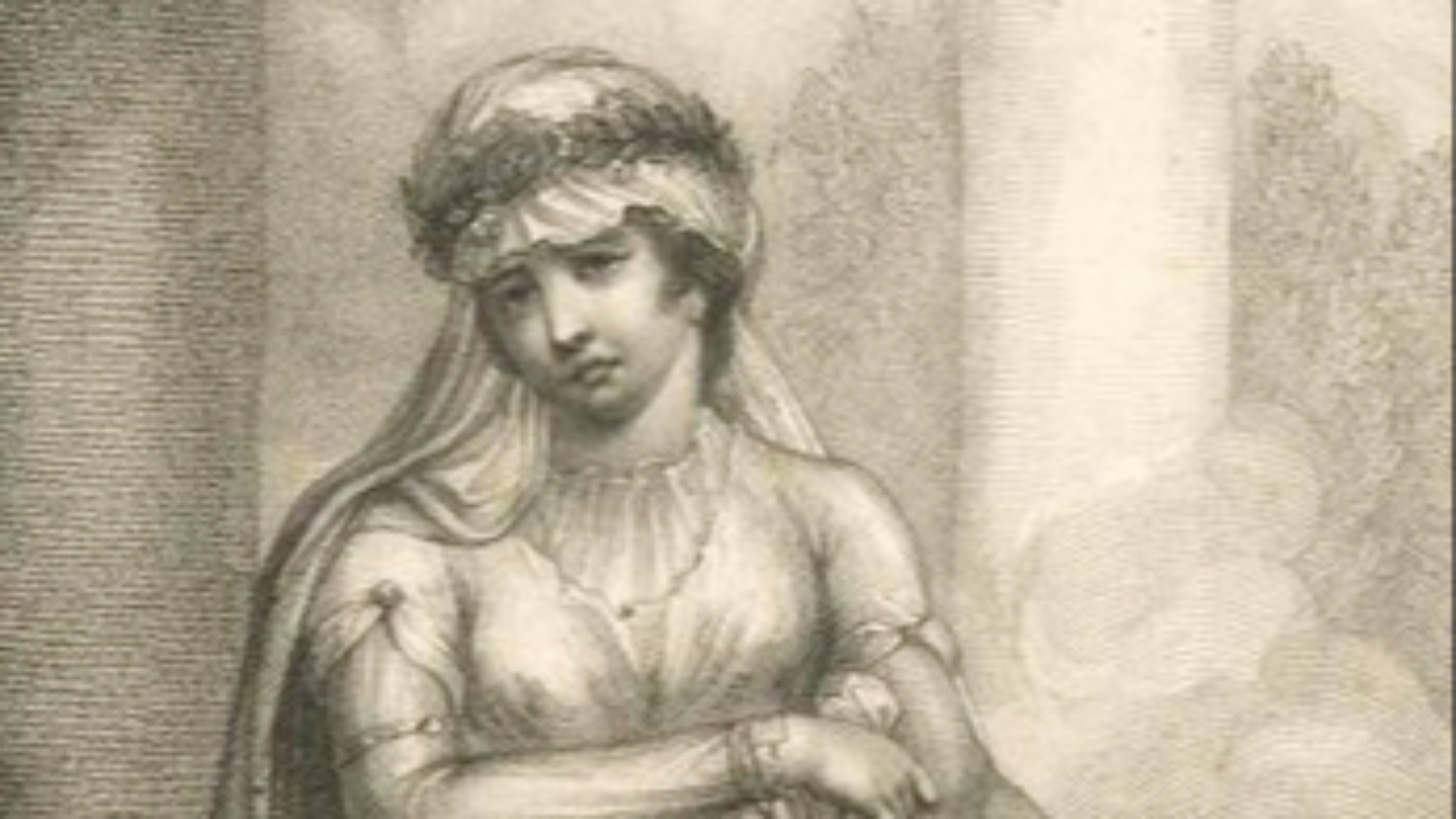
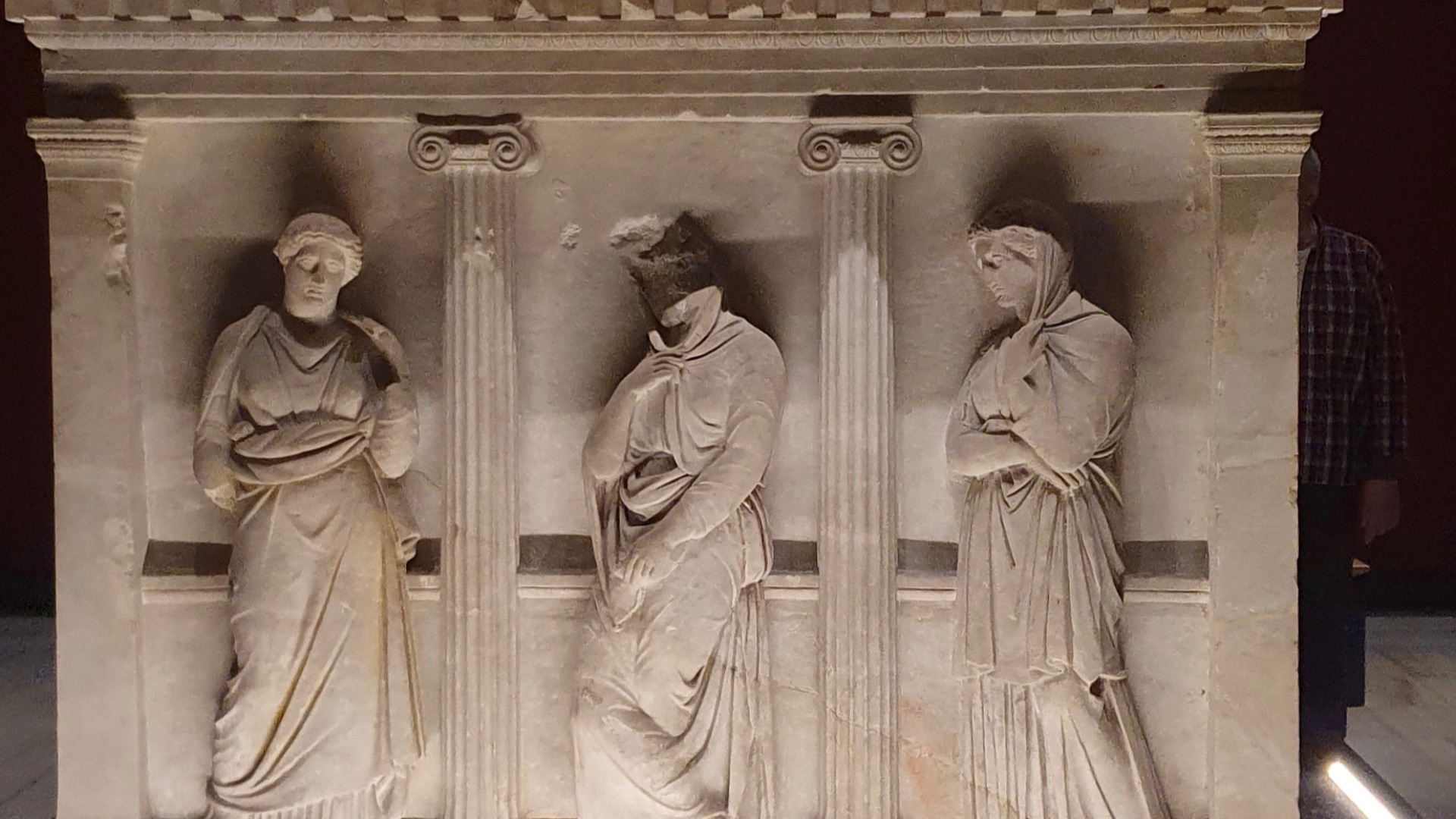
Ireland isn’t the only place that will literally pay for mourners. Funeral ceremonies in ancient Egypt also had female mourners who performed dramatic expressions of grief. Historians have discovered tomb paintings of women raising their arms, covering their faces, and participating in elaborate funeral processions.
14. Matchgirls
During the 19th century, thousands of British women and girls worked in factories producing matches, which sounds like an easy enough gig until you realize the dangers. They were exposed to dangerous phosphorus compounds, and prolonged exposure could cause devastating conditions. In 1888, workers at London's Bryant and May factory famously went on strike over their deplorable conditions, helping advance the cause of women's labor rights.
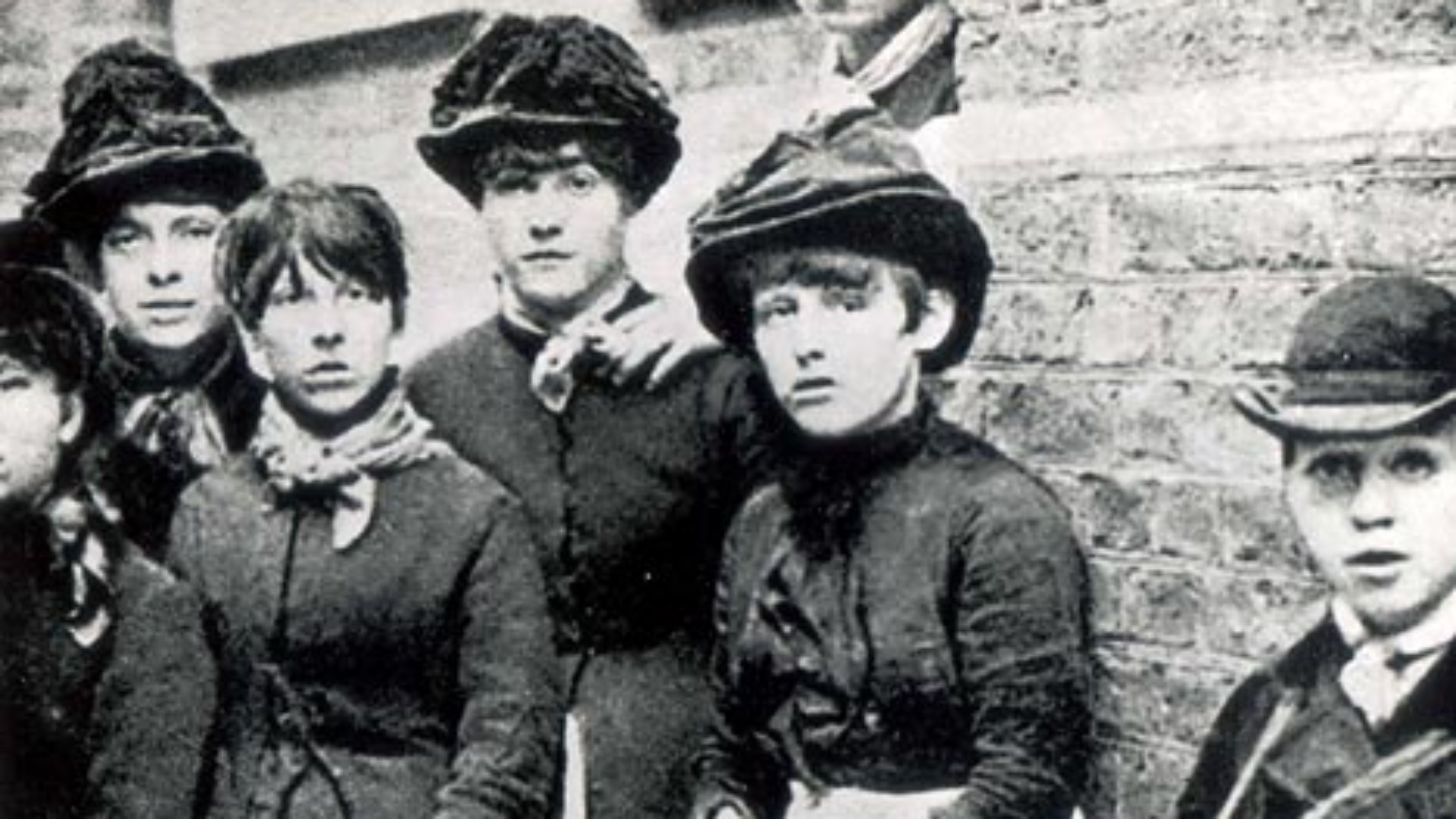 Unknown authorUnknown author on Wikimedia
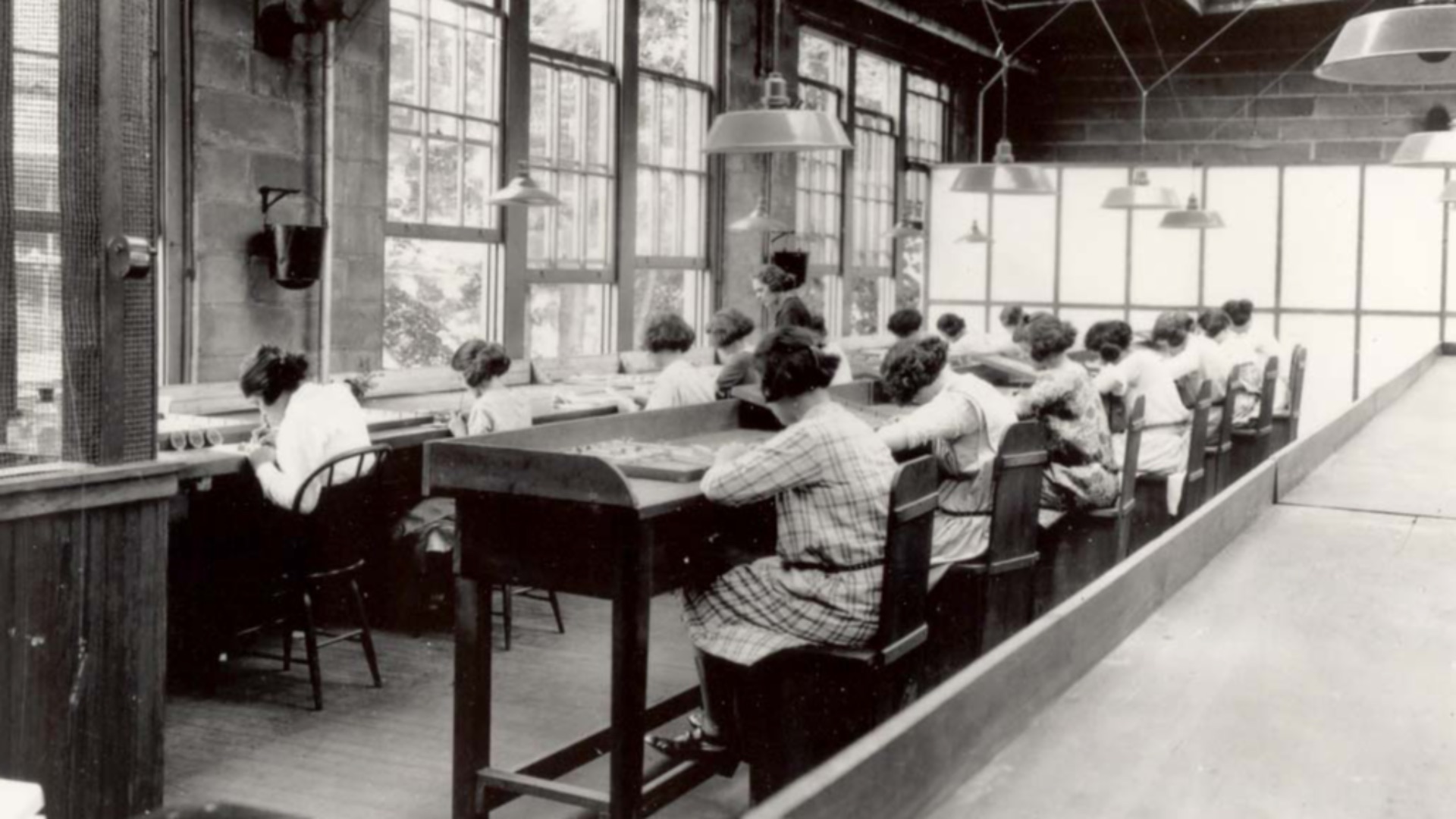
15. Radium Dial Painters
American factories were just as guilty, however. In the early 20th century, young women painted dials with radium-based paint. To make things even worse, some were instructed to shape their paintbrushes with their lips, unknowingly swallowing radioactive material. By the 1920s, these poor women dropped like flies, which exposed the dangers of radium poisoning and eventually helped change industrial safety practices.
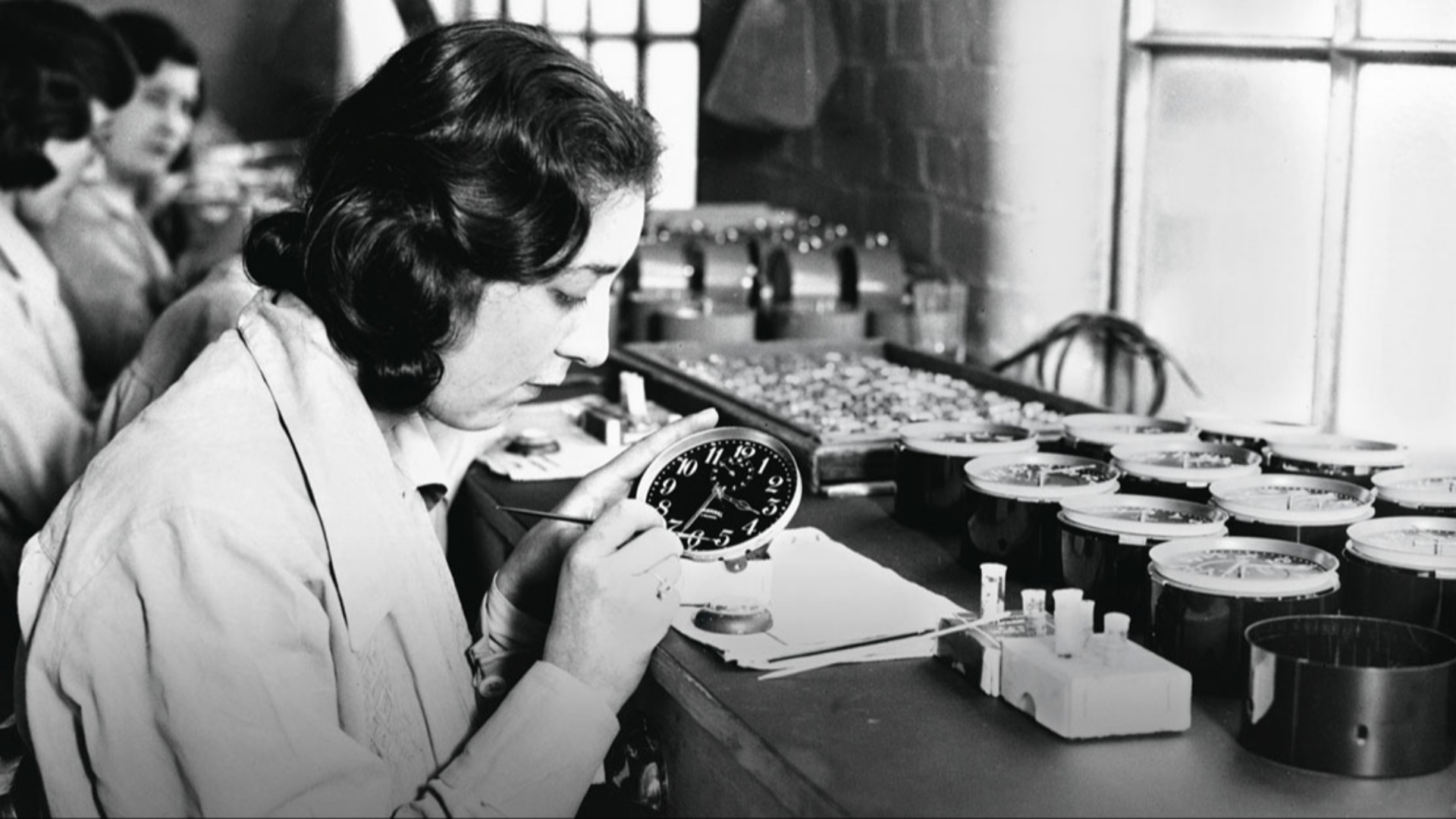 Leslie Cardew, Daily Herald Archive on Wikimedia
16. Lady's Maids
In wealthy Victorian households, a lady's maid was responsible for assisting her employer with dressing, grooming, and maintaining expensive clothing. They weren’t everyday housemaids; these servants often handled delicate fabrics, complicated hairstyles, and private belongings. Given who the clientele was, the position also demanded considerable discretion.
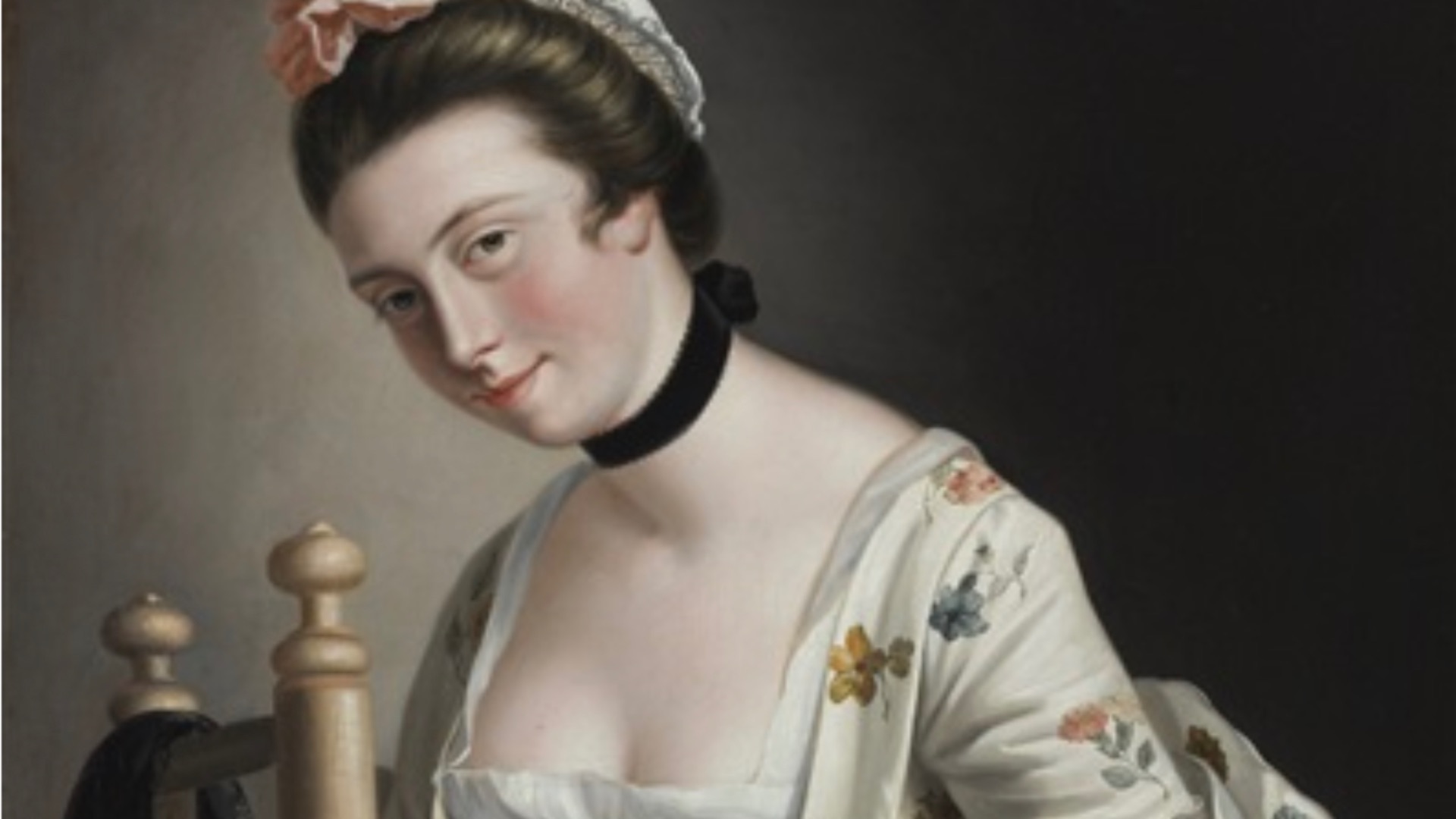 Henry Robert Morland on Wikimedia
17. Governesses
Before formal schooling became widely accessible to girls, affluent families hired governesses to educate their daughters at home. These pioneers taught everything: language, music, reading, and drawing. The goal was to prepare young girls for their time inside an actual classroom.
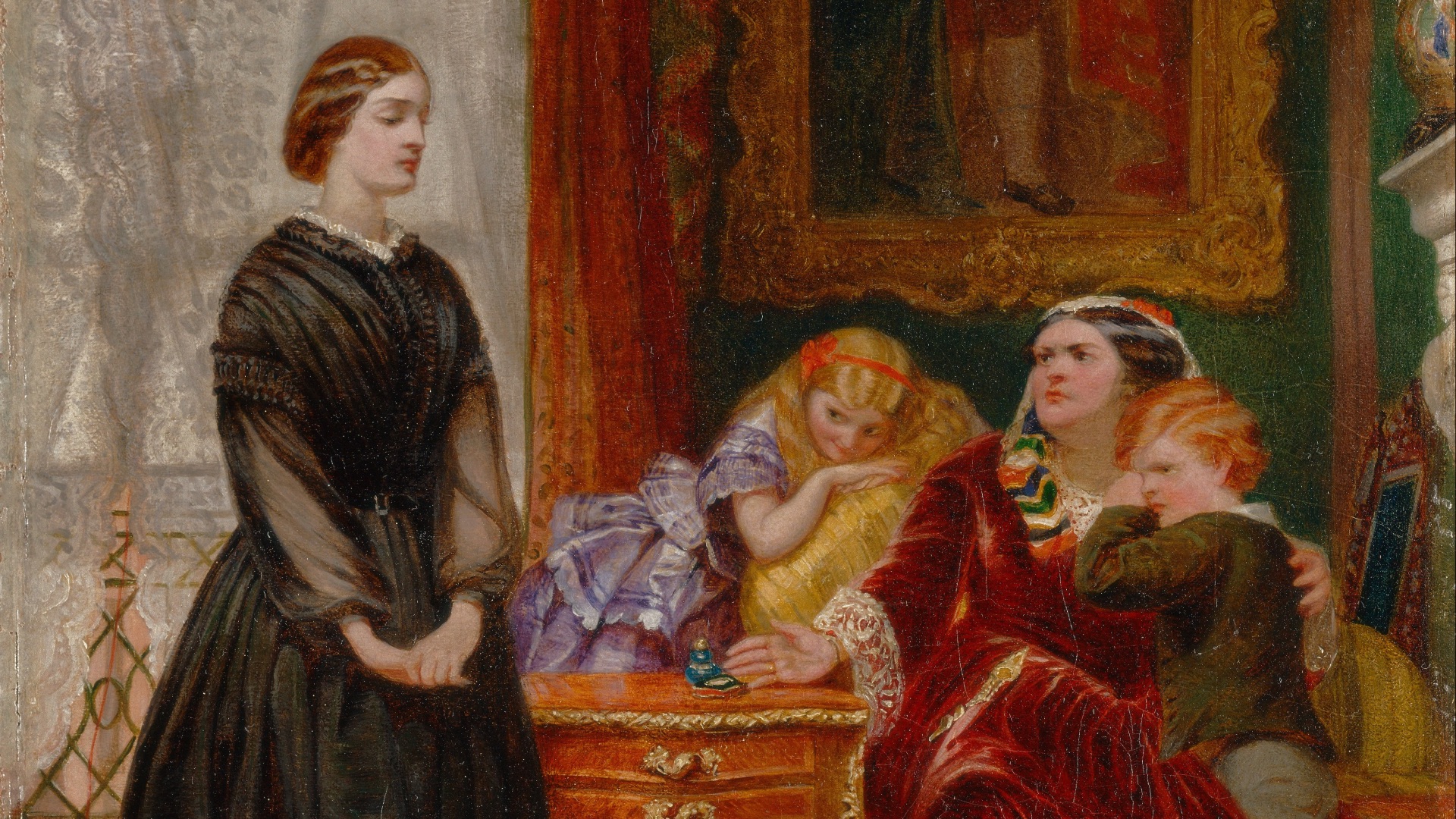 Emily Mary Osborn on Wikimedia
18. Chantresses of Amun
In ancient Egypt, certain women held religious positions as chantresses. During the New Kingdom and later periods, women carried titles identifying them with the tradition, and their duties involved musical or vocal participation in worship.

19. Munitions Workers
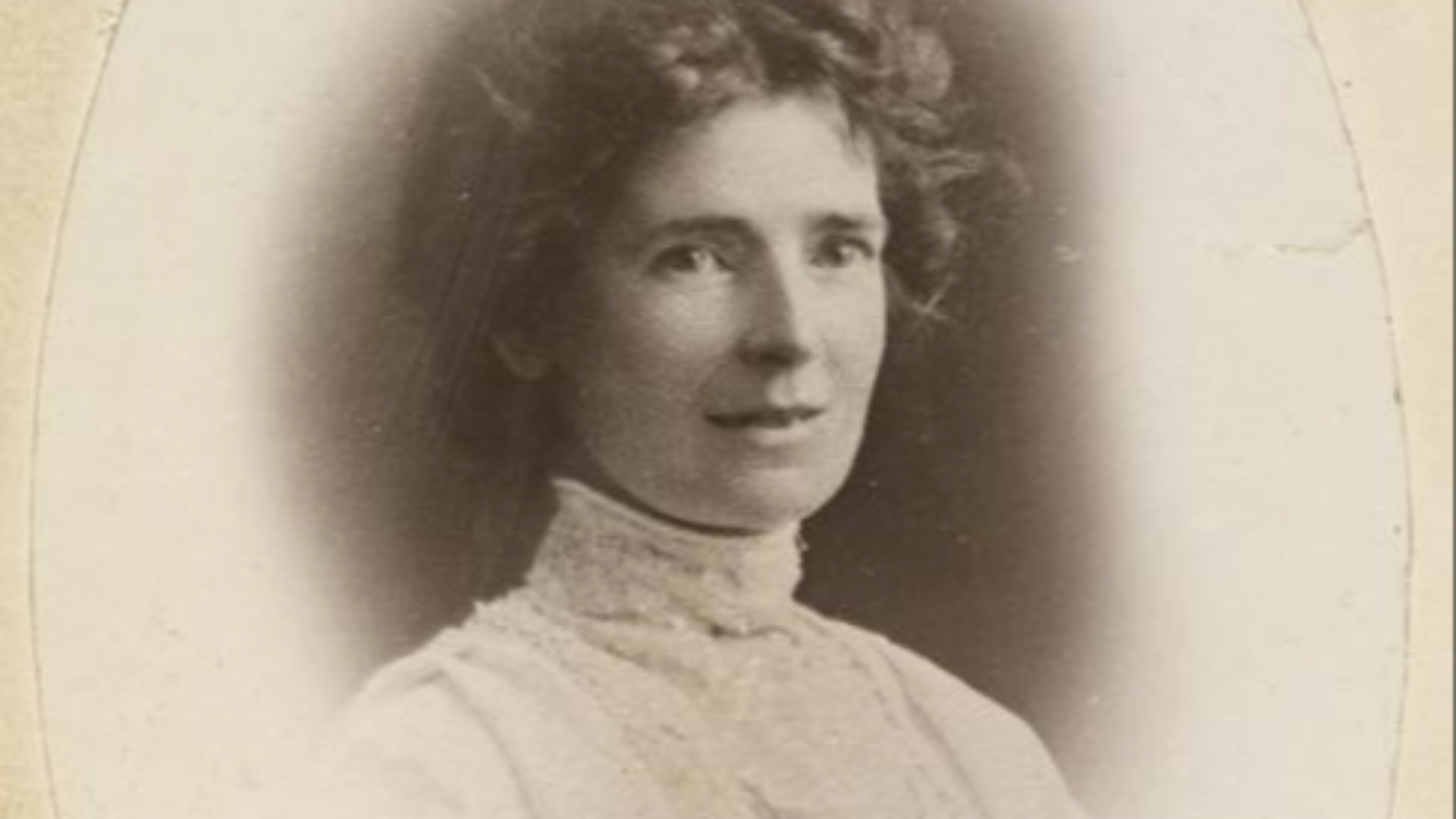
During WWI, enormous numbers of British women entered factories producing ammunition and explosives for the armed forces. But as workers dealt with chemicals, they developed discoloration of their skin, earning them the nickname "Canary Girls." Their jobs also involved dangerous substances and the possibility of explosions.
 Unknown authorUnknown author on Wikimedia
20. Midwives
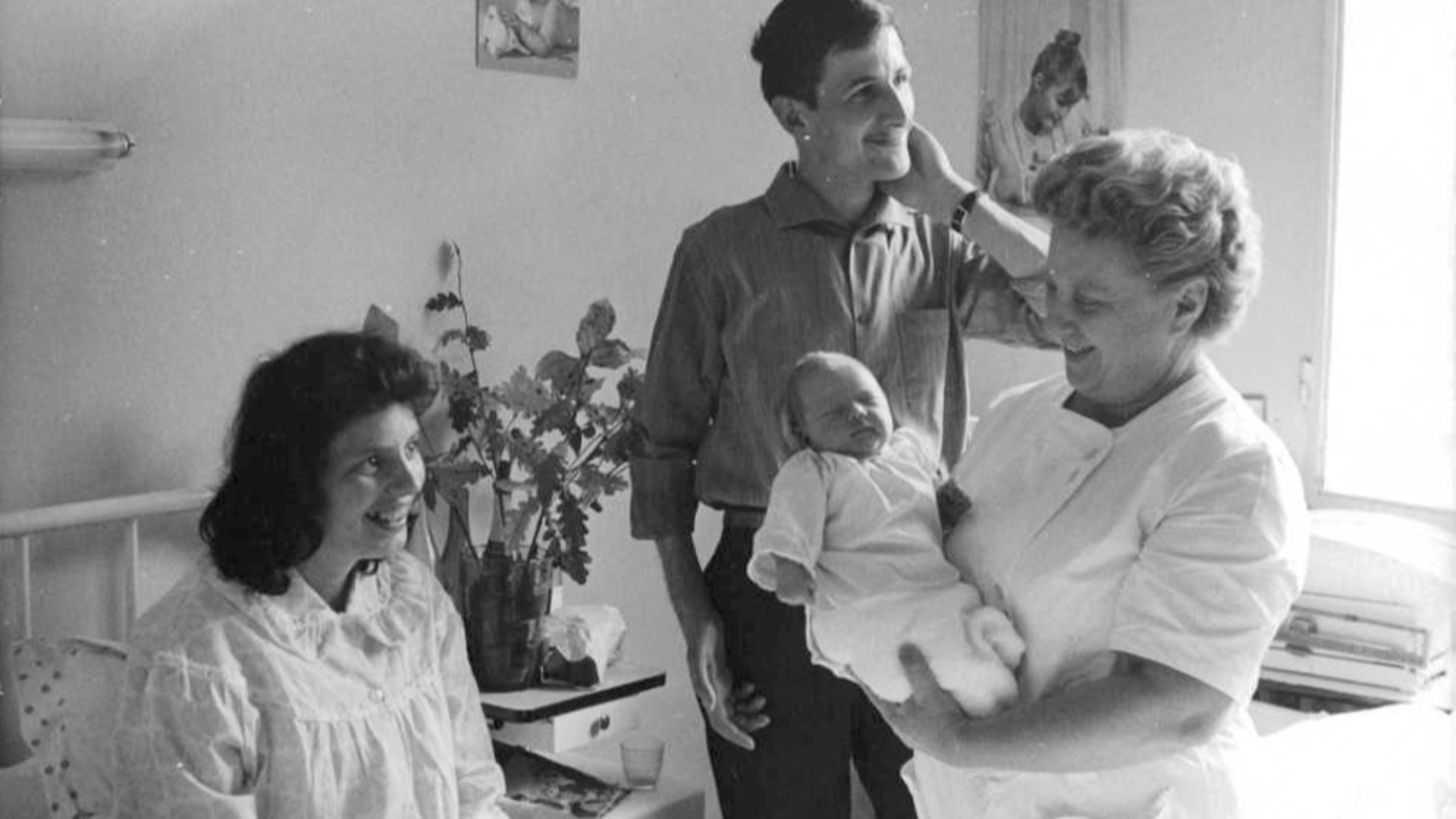
Maternity wards weren’t always a thing, and long before their existence, childbirth was overseen by experienced women who had learned their skills on the job. Midwives assisted deliveries, cared for mothers, and sometimes performed emergency procedures in homes with limited equipment.
 Unknown photographer on Wikimedia