
For much of the 19th and early 20th centuries, British workers had an unusual arrangement for getting out of bed in the morning. They paid someone to come down their street before dawn and tap on their bedroom window. These people were known as knocker-ups, or knocker-uppers, and they were a familiar sight in Britain's industrial towns.
The job sounds almost comical today, particularly given what the name has come to mean elsewhere. For mill workers and dockers, though, having someone wake them up was well worth a few pennies a week. Alarm clocks were expensive and shifts began ridiculously early, so oversleeping could cost someone their livelihood.
Why Factory Towns Needed Human Alarm Clocks
For generations, farm workers had organized their days around daylight. Factory owners had a rather different idea of when the working day should begin, and in mill towns across Lancashire, workers were expected at the gates long before the sun came up in winter. Adjustable alarm clocks were available by the mid-1800s, though they were expensive and weren't always dependable.
There was enough demand for knocker-ups that some practically ran their own little businesses. Research published in the Journal of Victorian Culture puts the going rate in 1853 at between two and three pence a week. One observer remarked that Manchester had about as many knocker-ups as beer houses, and some even advertised by leaving business cards in shop windows.
The service caught on well beyond the northern mill towns. London's dockworkers kept hours dictated by the tides, which made a reliable wake-up call especially valuable. In the coastal town of Poole, a woman affectionately known as Granny Cousins woke brewery workers until her retirement in 1918, according to the BBC. Over in Ireland's County Louth, a woman named Betty McEntee charged households three old pennies a week for much the same service.
How The Job Worked On The Street
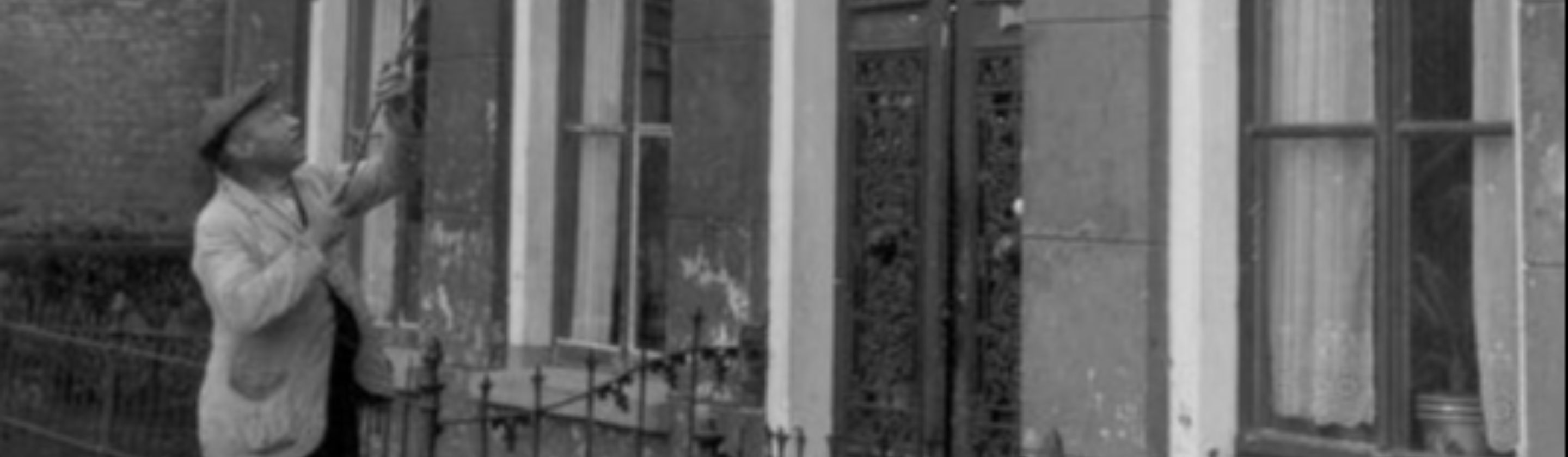
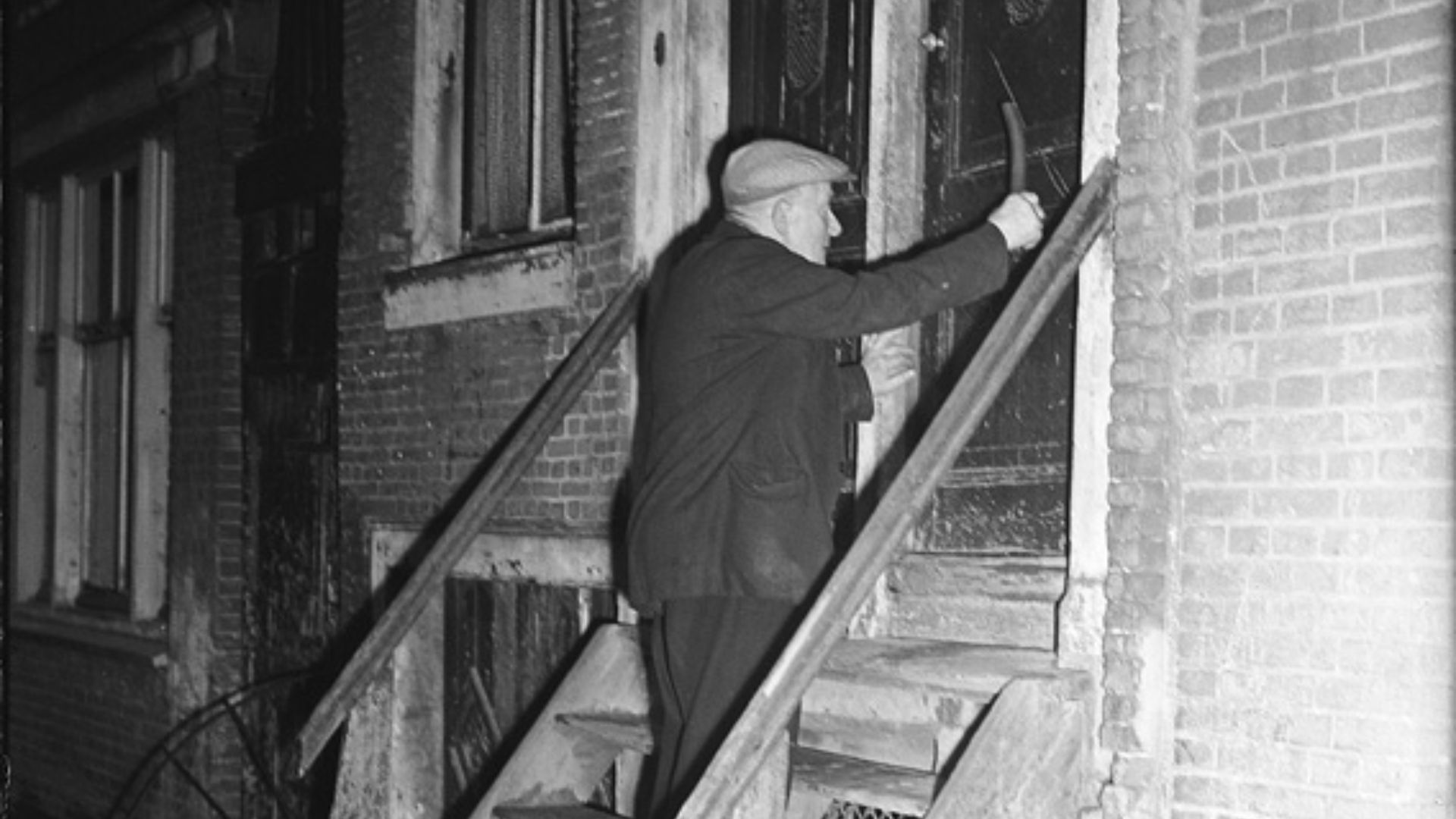
The equipment was fairly simple. Most knocker-ups carried a lightweight pole, typically bamboo, that could reach second-story bedroom windows, while others made do with short sticks for knocking on doors or used rattles and padded hammers. A good knocker-up wouldn't leave until the customer appeared at the window or called out to confirm they were awake.
Mary Smith, who worked in London's East End in the early 20th century, skipped the pole altogether. She fired dried peas at bedroom windows through a rubber tube, and the clatter did the job. Photographer John Topham, who took the famous images of her at work, recalled that she got up at three every morning except Sunday.
Smith charged sixpence a week per customer, which could add up nicely with enough households on her route. The occupation attracted older people and former factory workers looking to supplement their income. One northern English knocker-up named Waters reportedly earned enough to educate her only son and support her husband, who was unable to work. As for who woke the knocker-ups themselves, many simply stayed up through the night and went to bed after finishing their rounds.
What Finally Put Them Out Of Work
As alarm clocks became cheaper and more reliable, paying someone to knock on your window got harder to justify. A few knocker-ups held on for decades anyway. A Bolton man named William Crompton, profiled by JSTOR Daily, was still doing his rounds at 72, and in a nice bit of irony he relied on an alarm clock to get himself up. By then he'd been in the business for 53 years, starting his day at 3:45 a.m. and charging between fourpence and sixpence a week.
The trade faded slowly and knocker-ups largely disappeared during the 1940s and 1950s, although a handful were still working in industrial England in the early 1970s. Mary Smith's daughter, Mary "Molly" Moore, is often described as one of London's last professional knocker-ups, and she kept up her rounds even during the air raids of the Second World War.
The occupation found its way into British folk music, too. Singer-songwriter Mike Canavan wrote about the knocker-upper creeping through cold, damp cobbled streets while the rest of the town slept. A little of the profession survives in British English as well, where knocking someone up can still mean waking them with a knock at the door.