
20 Historical Women Whose Husbands Had Them Locked Away As Insane
A Signature Was Often Enough
For much of history, a husband who wanted his wife out of the picture didn't necessarily need a divorce. In some places, he could have her sent to an asylum instead, sometimes with little more than a doctor's approval. Some of these women genuinely needed psychiatric care, but others were locked away for disagreeing with their husbands or refusing to behave as expected. Not all of them went quietly. A few fought their way out and helped change the laws that had put them there. Here are 20 women whose husbands had them committed as insane.
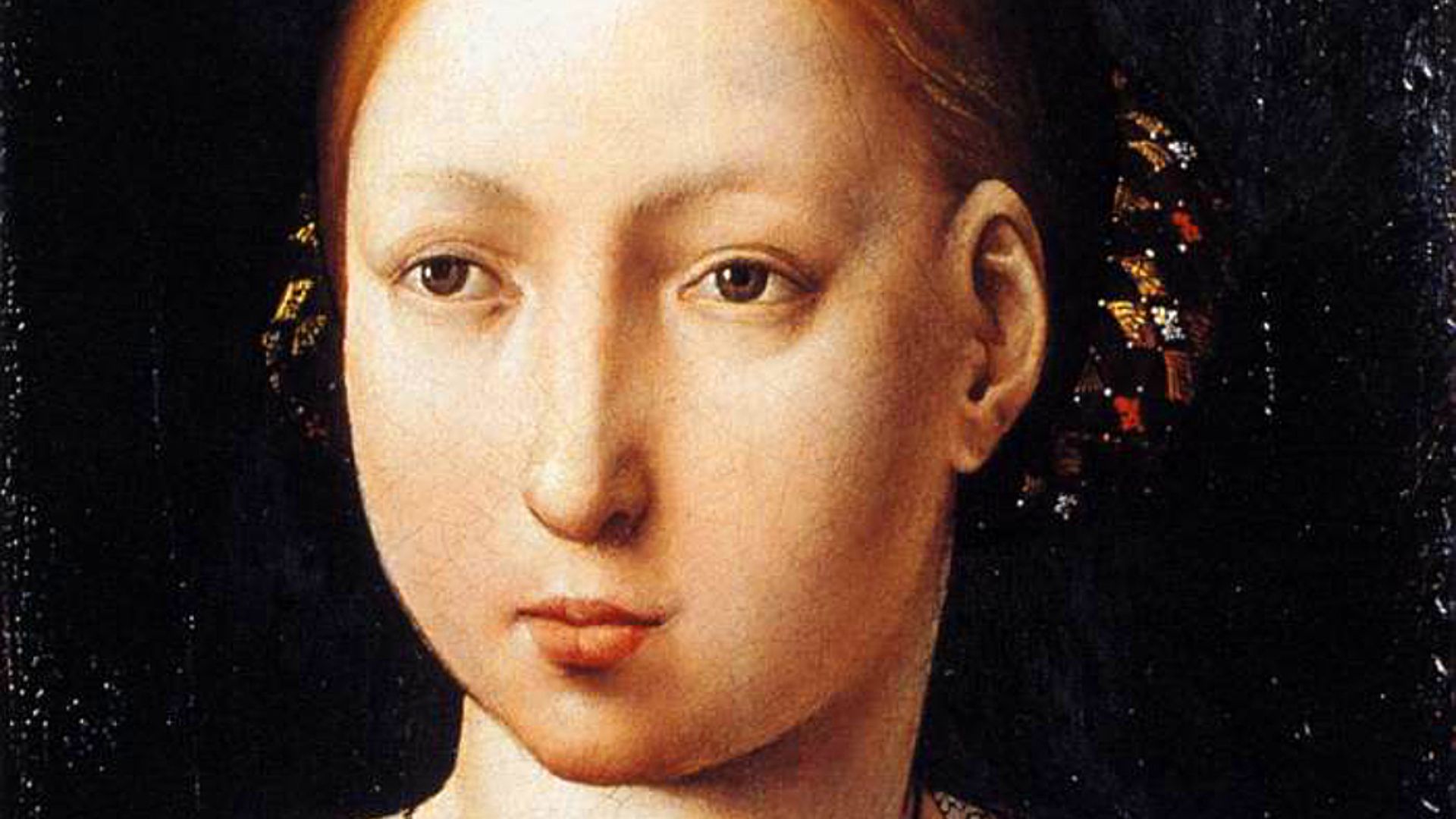
1. Juana of Castile
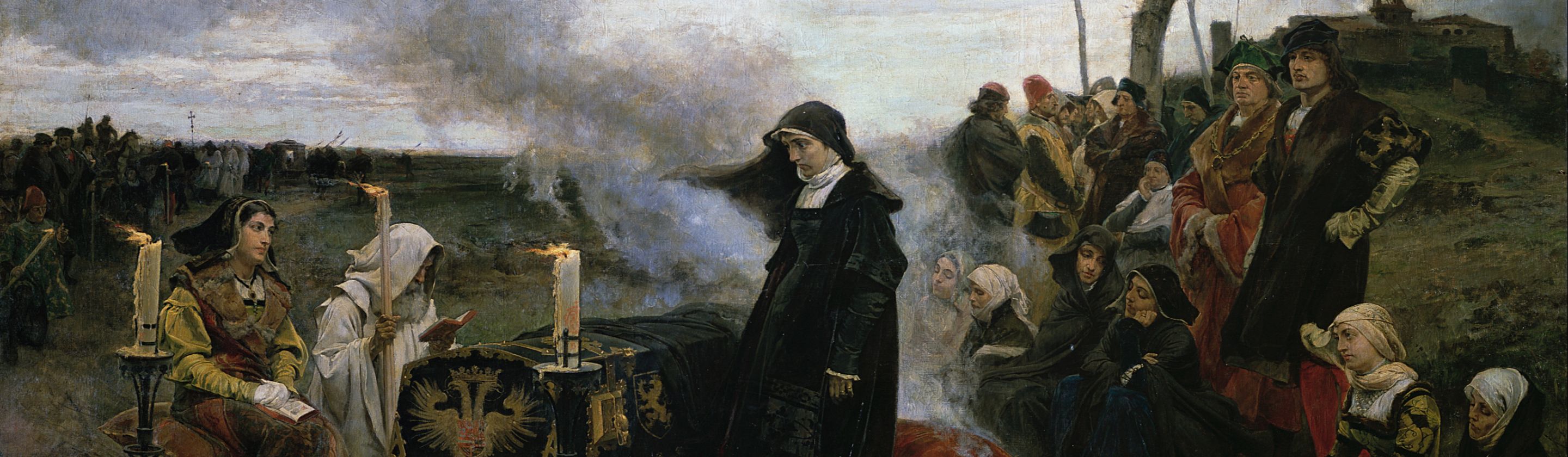
Juana became queen of Castile in 1504, and her husband Philip wanted to rule in her place. He'd already kept her confined in the Low Countries, and in 1506 he and her father signed a treaty declaring her unfit to govern. After Philip died that same year, she spent nearly five decades locked in a palace in Tordesillas.
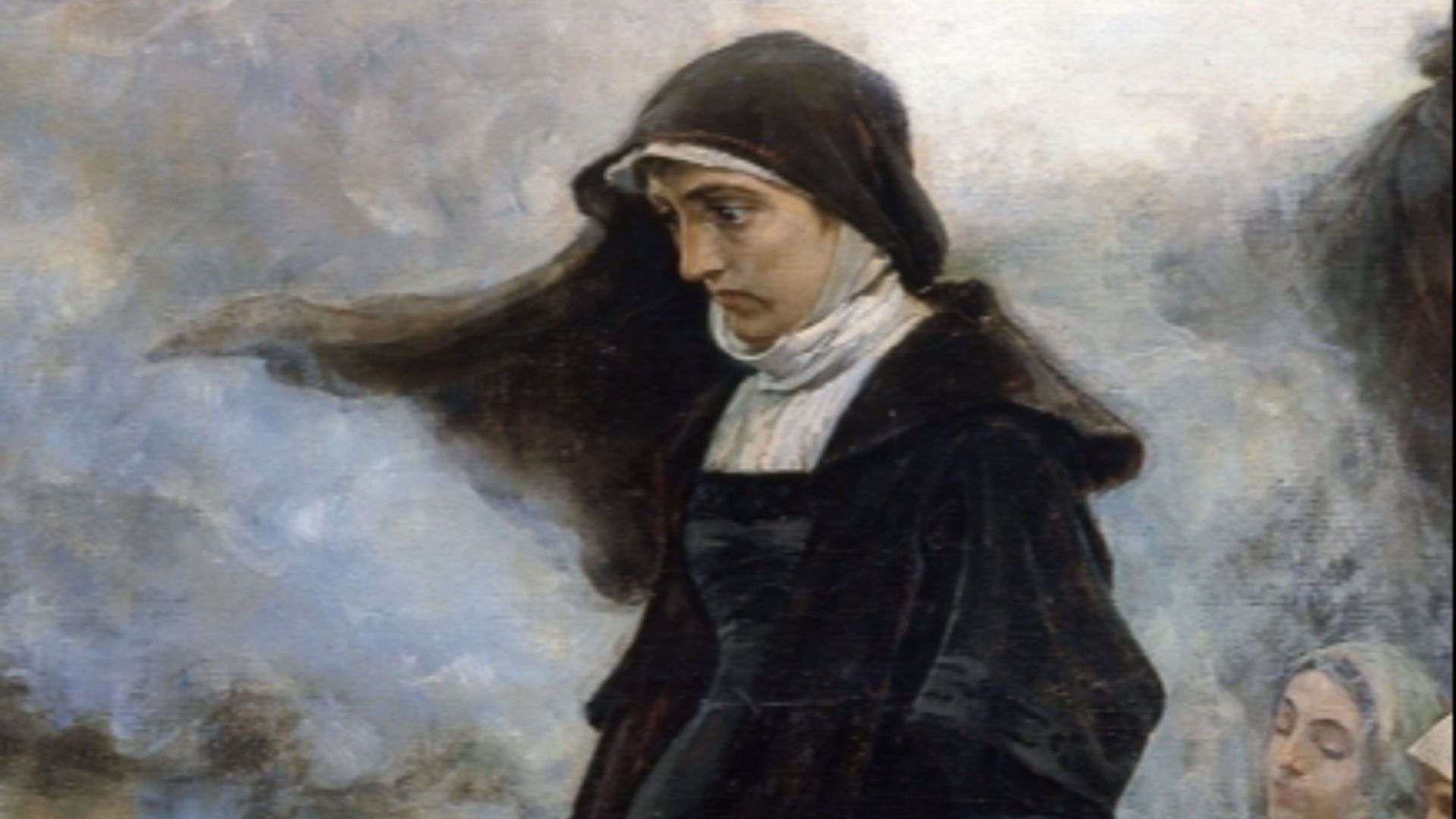 Francisco Pradilla y Ortiz on Wikimedia
2. Mrs. Hawley
Mrs. Hawley vanished in London in 1762, and a friend suspected she'd been shut away in a private madhouse. He went to court to get her out, and a doctor sent to investigate ended up talking to her through a window. A parliamentary committee later found she'd been locked up purely on her husband's word, with him paying for her board.
 Photographer not named. on Wikimedia
3. Hannah Mackenzie
In 18th-century London, Peter Mackenzie tried to install his niece, who was also his lover, as head of his household. His wife Hannah ended up in a straitjacket in her own bedroom and was then carried off to a madhouse in Paddington. She got word out by throwing money and a shoe to a boy in the next garden, and her friends and a lawyer got her released.
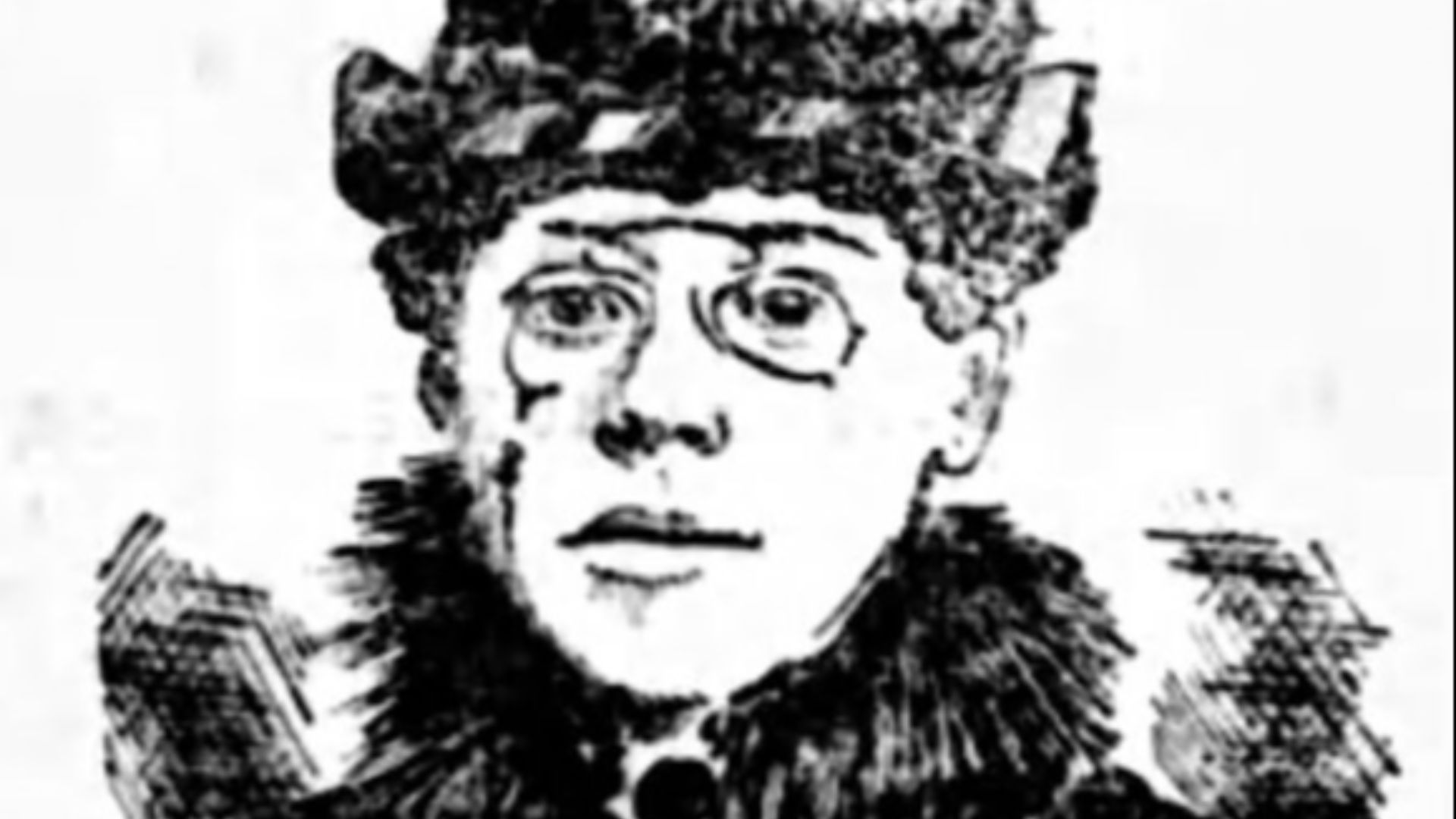 Unknown authorUnknown author on Wikimedia
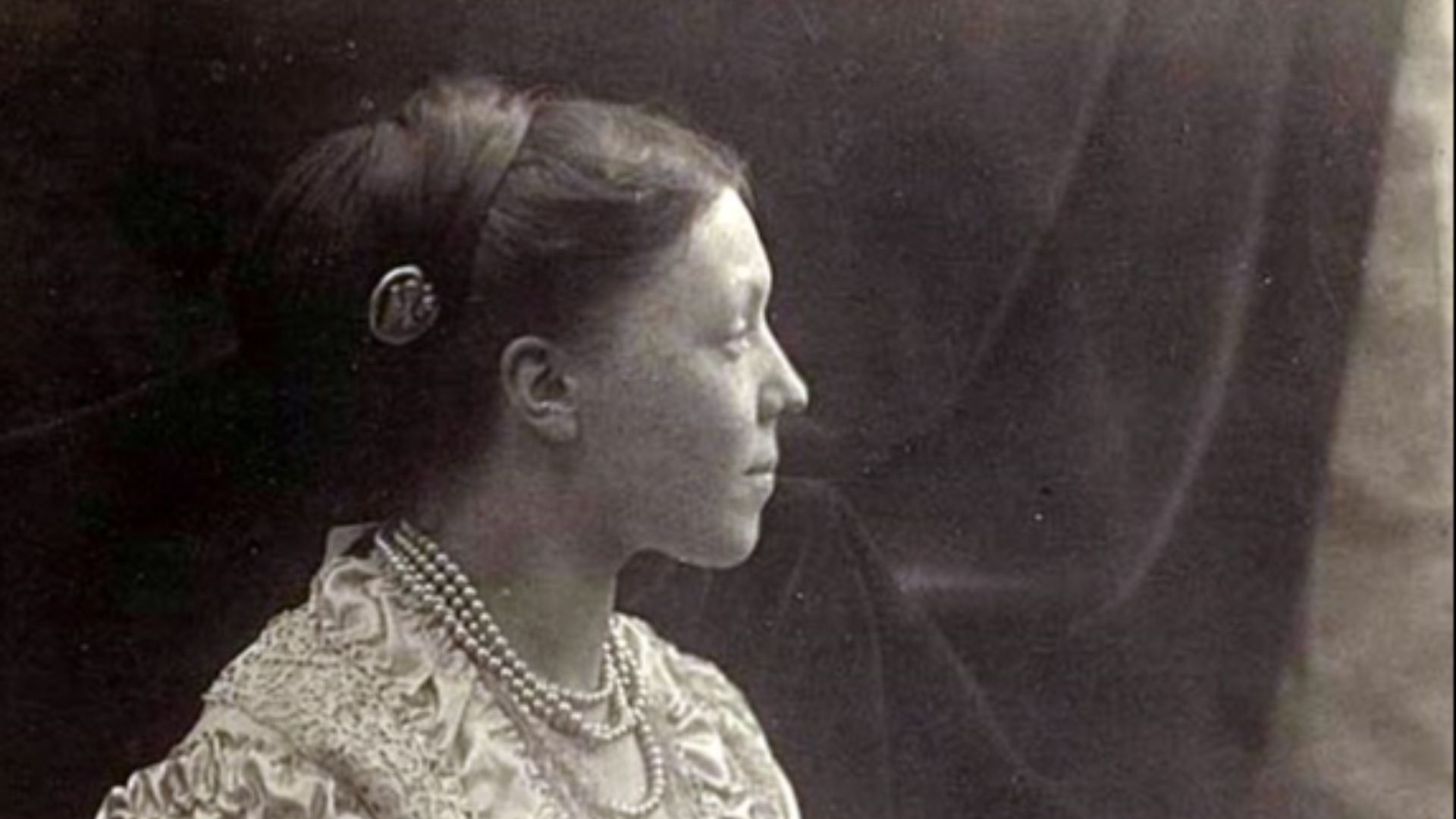
4. Isabella Thackeray
Isabella fell into a severe depression after the birth of her third child in 1840, and it never lifted. Her husband, the novelist William Makepeace Thackeray, tried spas and doctors before placing her in private care for good. She outlived him by about 30 years and never recovered.
 Julia Margaret Cameron on Wikimedia
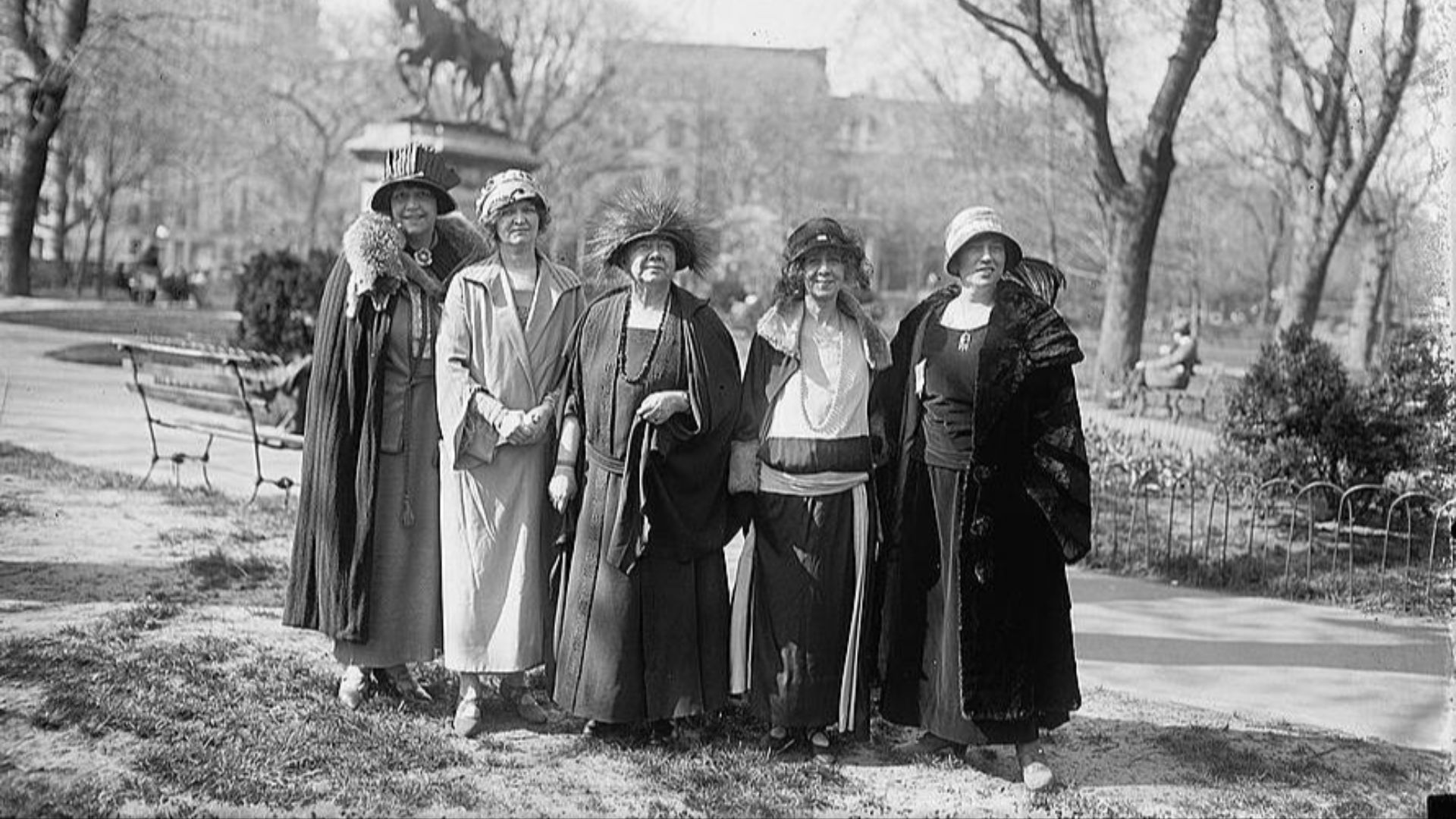
5. Harriet Beach
Harriet was married to Alfred Beach, the editor of Scientific American, and she got deeply into Spiritualism, which he didn't believe in. After her first asylum stay in 1855, he brought her home and kept her in a specially protected room for a year or more. Her family had her committed again in 1890, and she later said she'd been kidnapped because Alfred opposed her spiritualist research.
 Unknown photographerUnknown photographer for National Photo Company on Wikimedia
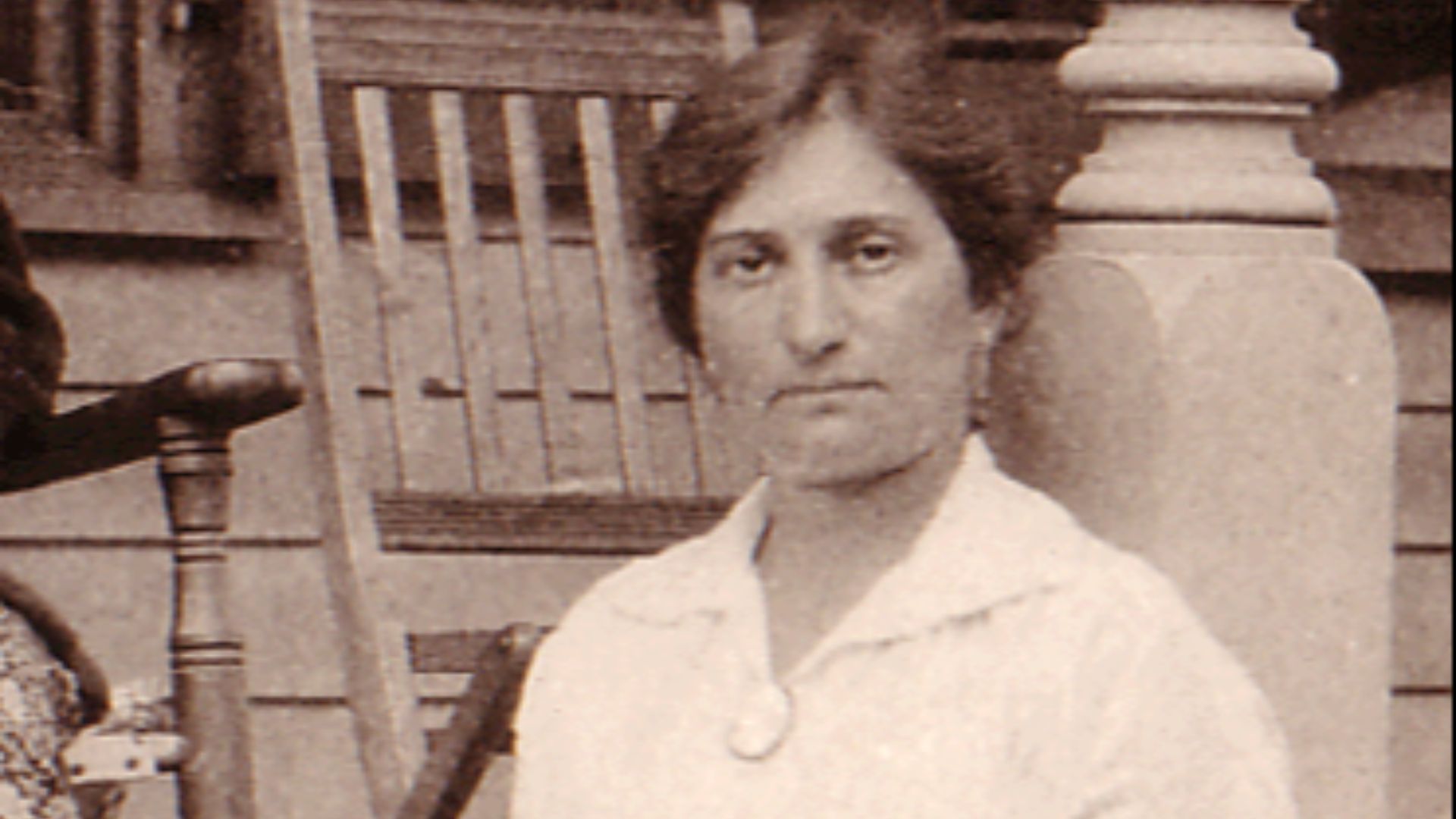
6. Maria Hopkins
New York law at the time freed a husband from supporting his wife once she was declared insane. S. J. Hopkins had his wife Maria committed to the Bloomingdale Asylum in 1857, and its doctors found her sane. When a court released her to her brothers that August, the spectators broke into applause.
 Max S. Freudenberg on Wikimedia
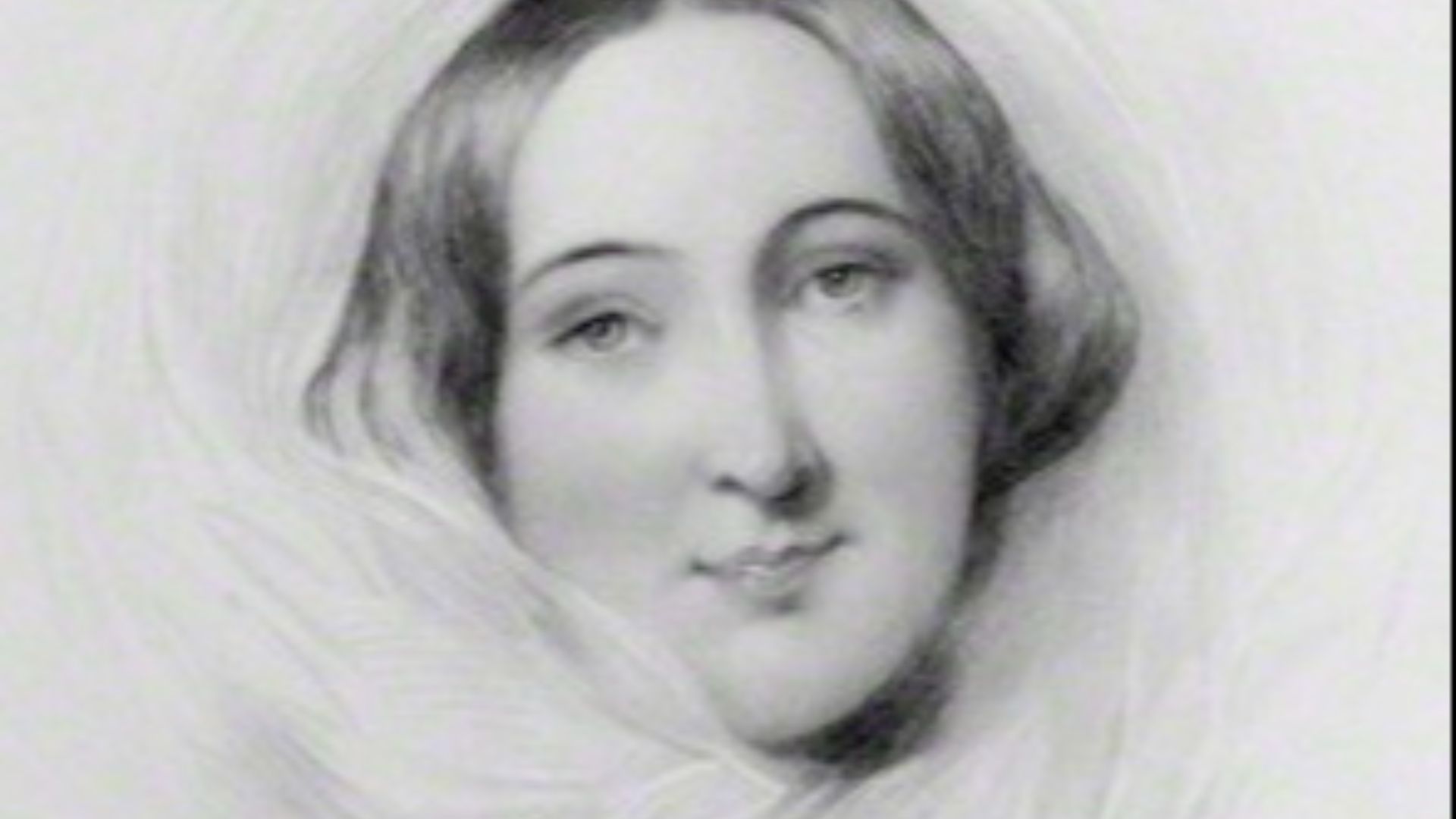
7. Rosina Bulwer Lytton
Rosina showed up in 1858 to denounce her estranged husband, the novelist Edward Bulwer Lytton, while he was running for Parliament. He had her committed to a private asylum soon after (he's the writer who opened a novel with "It was a dark and stormy night"). The public outcry got her out in about three weeks, and she later wrote about it in a memoir called A Blighted Life.
 John Jewell Penstone / After Alfred Edward Chalon on Wikimedia
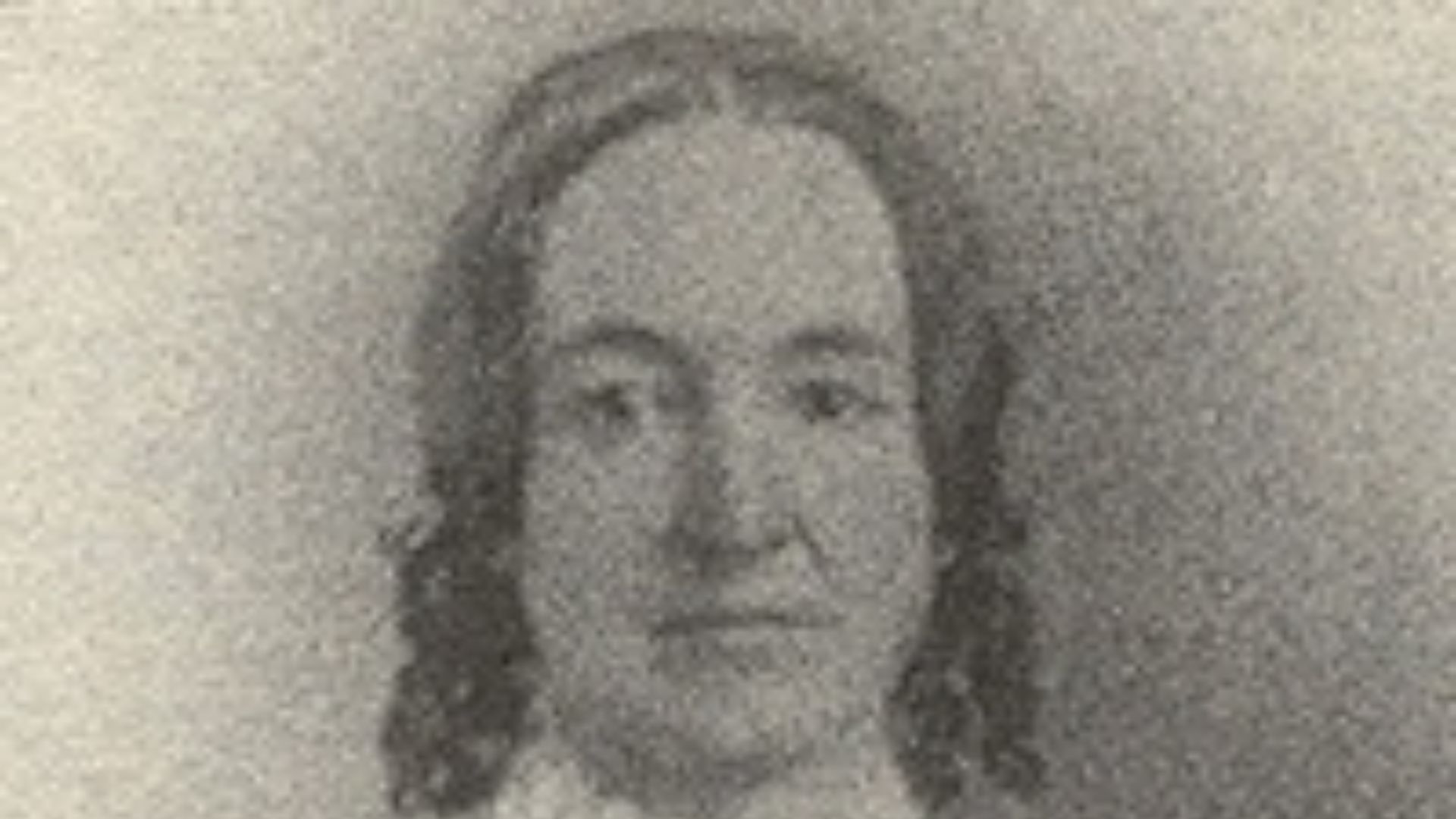
8. Elizabeth Packard
Illinois law in 1860 let a husband commit his wife without the hearing anyone else would get. Theophilus Packard used it after the two clashed over religion, and Elizabeth spent three years in the Jacksonville asylum. When a jury finally heard her case in 1864, it took seven minutes to declare her sane.
 Unknown authorUnknown author on Wikimedia
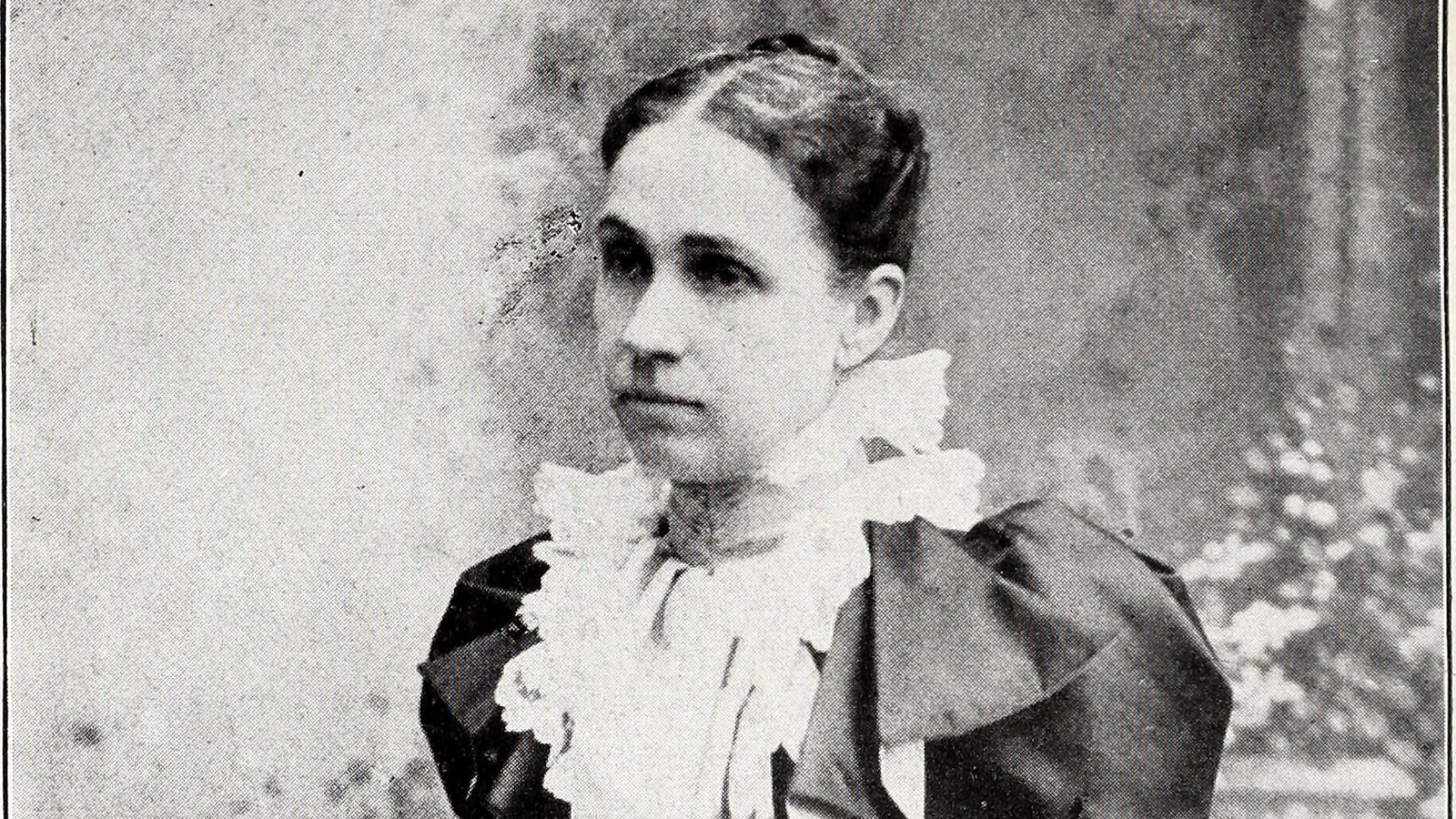
9. Louisa Lowe
Louisa Lowe was a vicar's wife, and her interest in spiritualism alarmed her husband enough that he had her confined in 1870. She got out late the following year and helped found the Lunacy Law Reform Association in 1873. Her 1883 book on the system was called The Bastilles of England, comparing English asylums to the French prison.
 Internet Archive Book Images on Wikimedia
10. Gesina Satow
Gesina Satow lived in New York with a husband who drank and abused her. When he found out she'd consulted a lawyer about separating, he had her sent to the asylum on Blackwell's Island. Even after that, she had to fight him for custody of their children.
11. Mrs. Haubert
Newspapers in 1893 called her only Mrs. Haubert, which is all the record keeps of her name. Her husband ambushed her on a Long Island railroad platform, grabbed their four-month-old baby, and had guards take her to an asylum in Amityville. Her reported words were "I'm not crazy, but you'll drive me so!"
12. Anna Brower
George Brower tricked his wife Anna into a carriage in 1896 and delivered her to the insane ward of a Trenton hospital, with 13 weeks of board paid in advance. She told a reporter he'd said she wouldn't get out until she signed the mortgage over to him. Staff found nothing wrong with her, and she eventually escaped to friends in Brooklyn.
13. Louise of Belgium
Princess Louise, a daughter of King Leopold II, left her husband Prince Philipp of Saxe-Coburg for an army officer named Géza Mattachich. Philipp had her declared insane and confined to asylums, while her lover went to prison for forgery. She spent about four years locked up before Mattachich helped her escape.
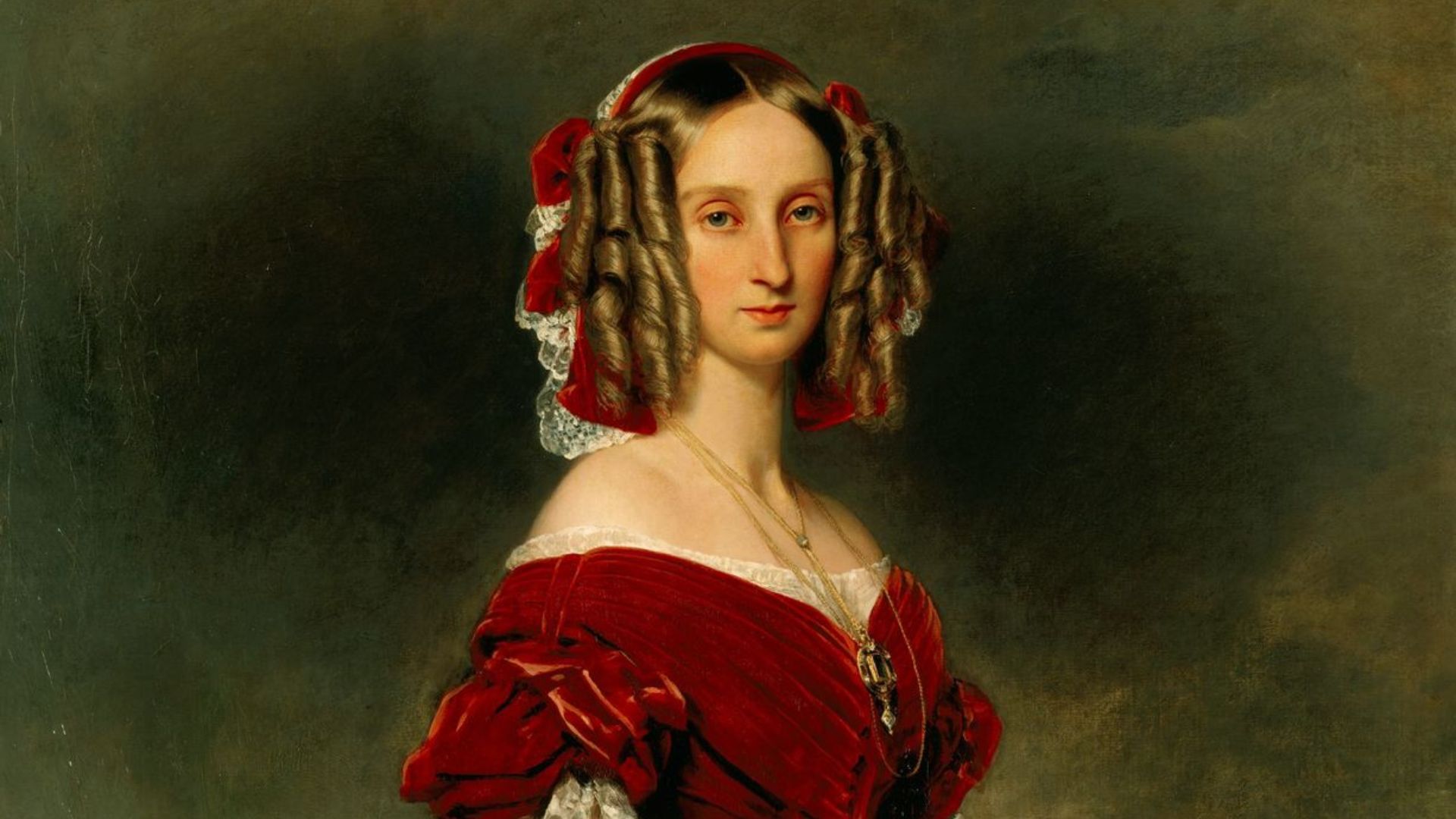 Franz Xaver Winterhalter on Wikimedia
14. Ida Dalser
Ida Dalser said she married Benito Mussolini around 1914, and she had his son the following year. Once he took power, she kept publicly claiming to be his wife, and his regime had her committed in 1926. She died in an institution in 1937, and their son died in one five years later.
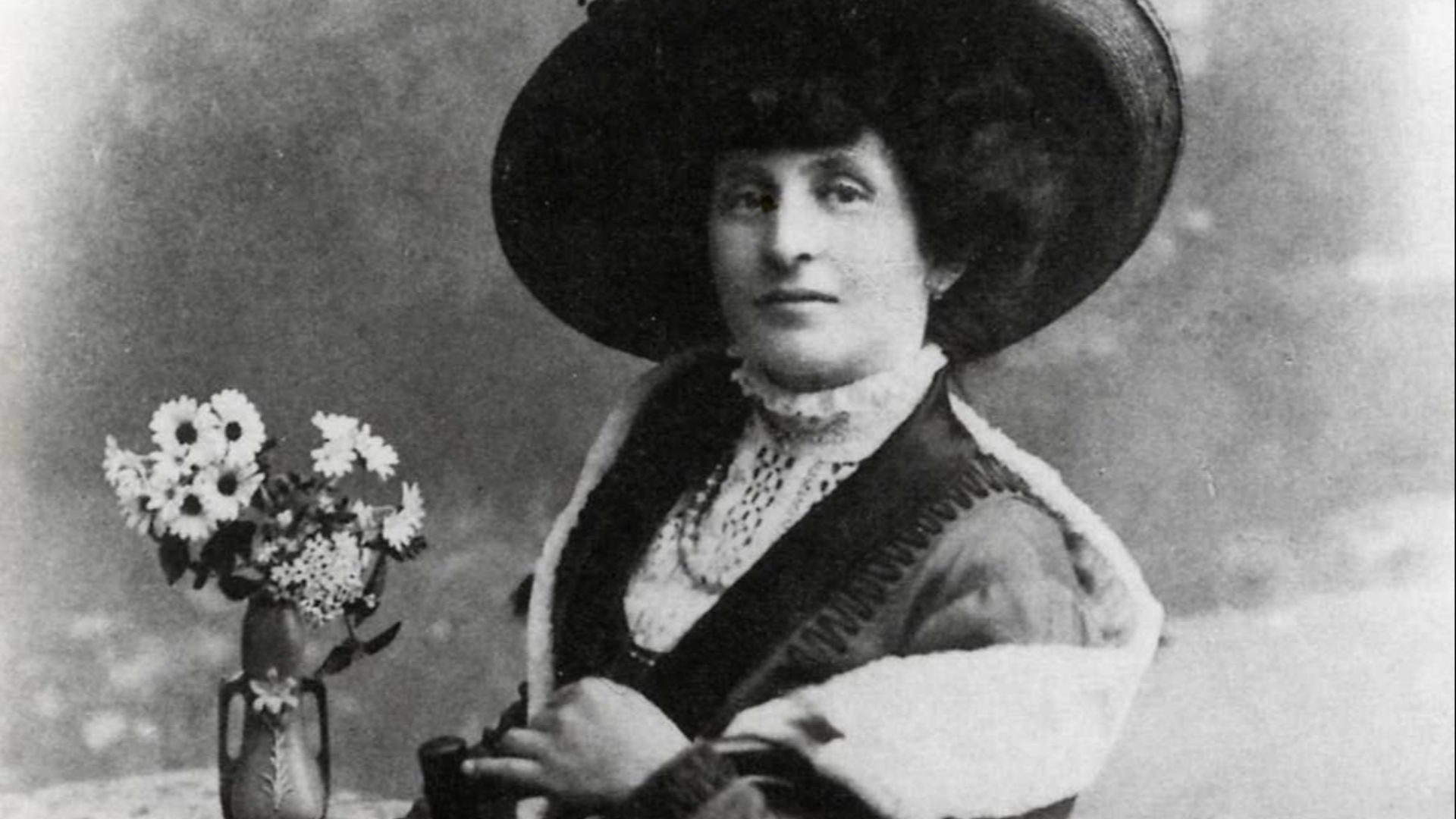
15. Martha Nasch
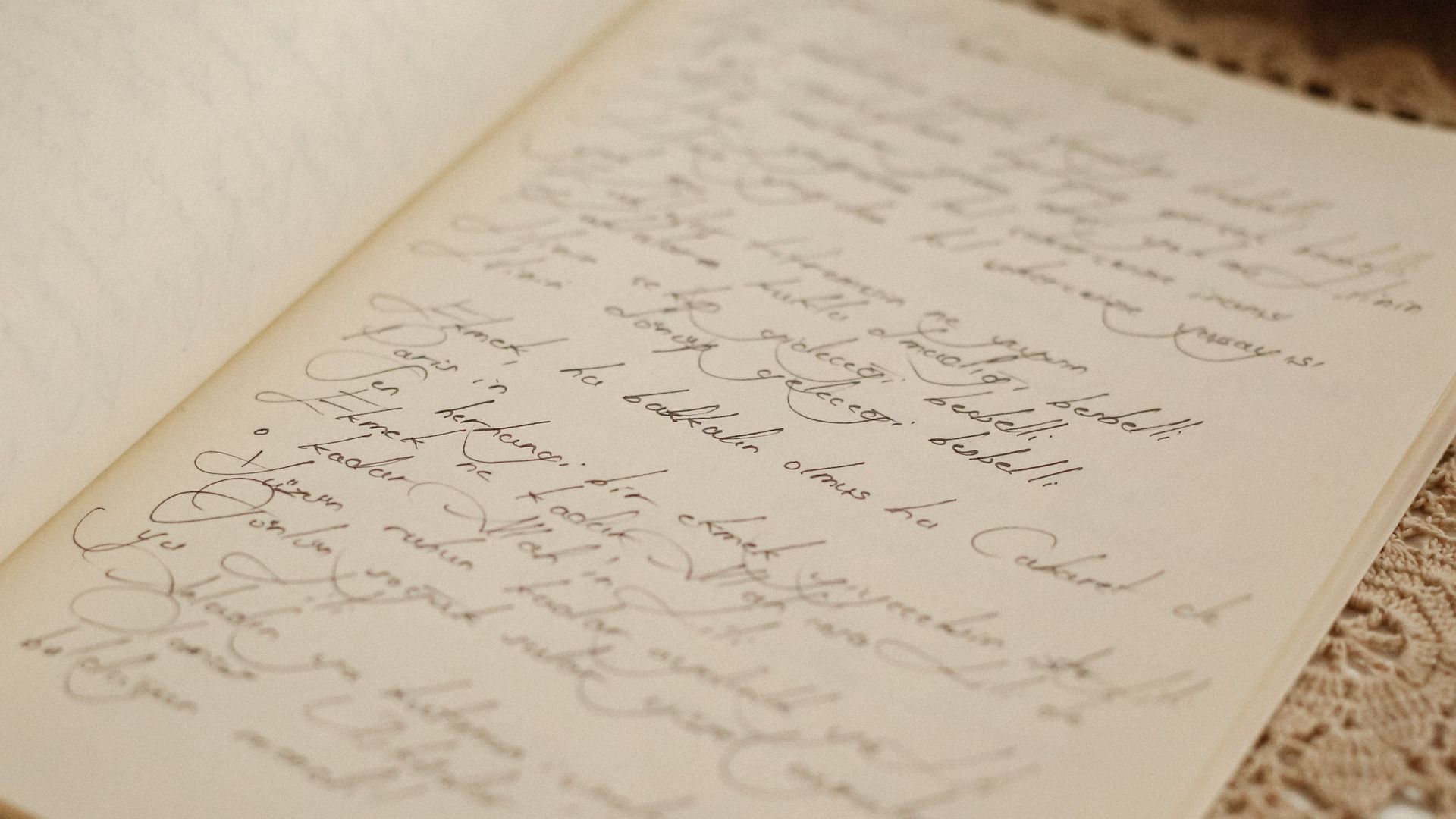
Martha Nasch was a St. Paul housewife whose husband, Louis, signed her commitment papers in 1928 after doctors called her case one of nerves. She spent more than six years at St. Peter State Hospital and filled a notebook with poems about force-feeding and the other patients. She divorced Louis after her release, and her descendants published the poems in 2021.
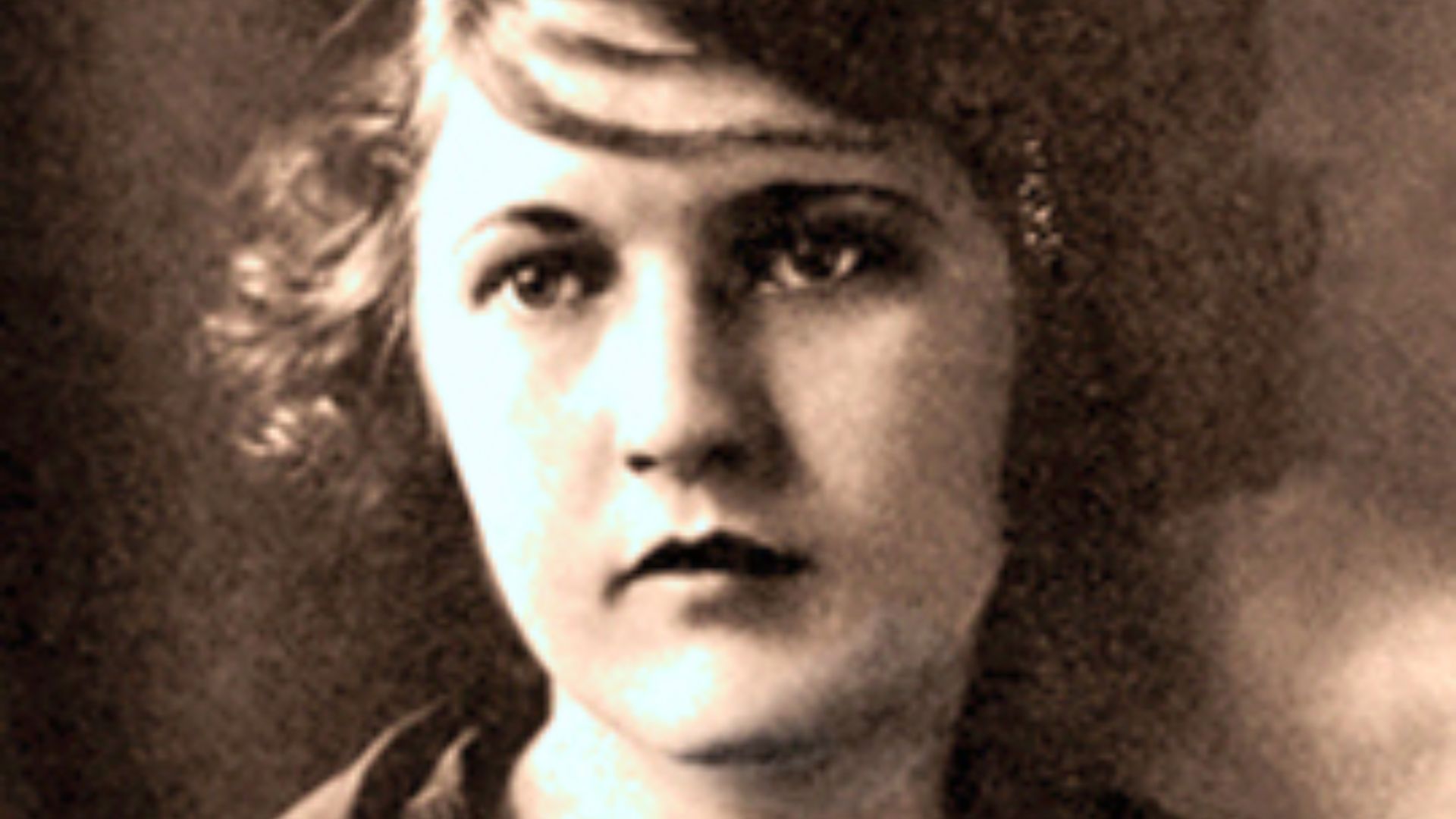
16. Zelda Fitzgerald
Zelda Fitzgerald had a serious breakdown in 1930 and spent more than a year at a clinic in Switzerland. Over the following years, F. Scott Fitzgerald moved her between hospitals and eventually picked a cheaper one in Asheville when the bills got too high. She was locked in a room there in 1948 when a fire broke out, and she died in it.
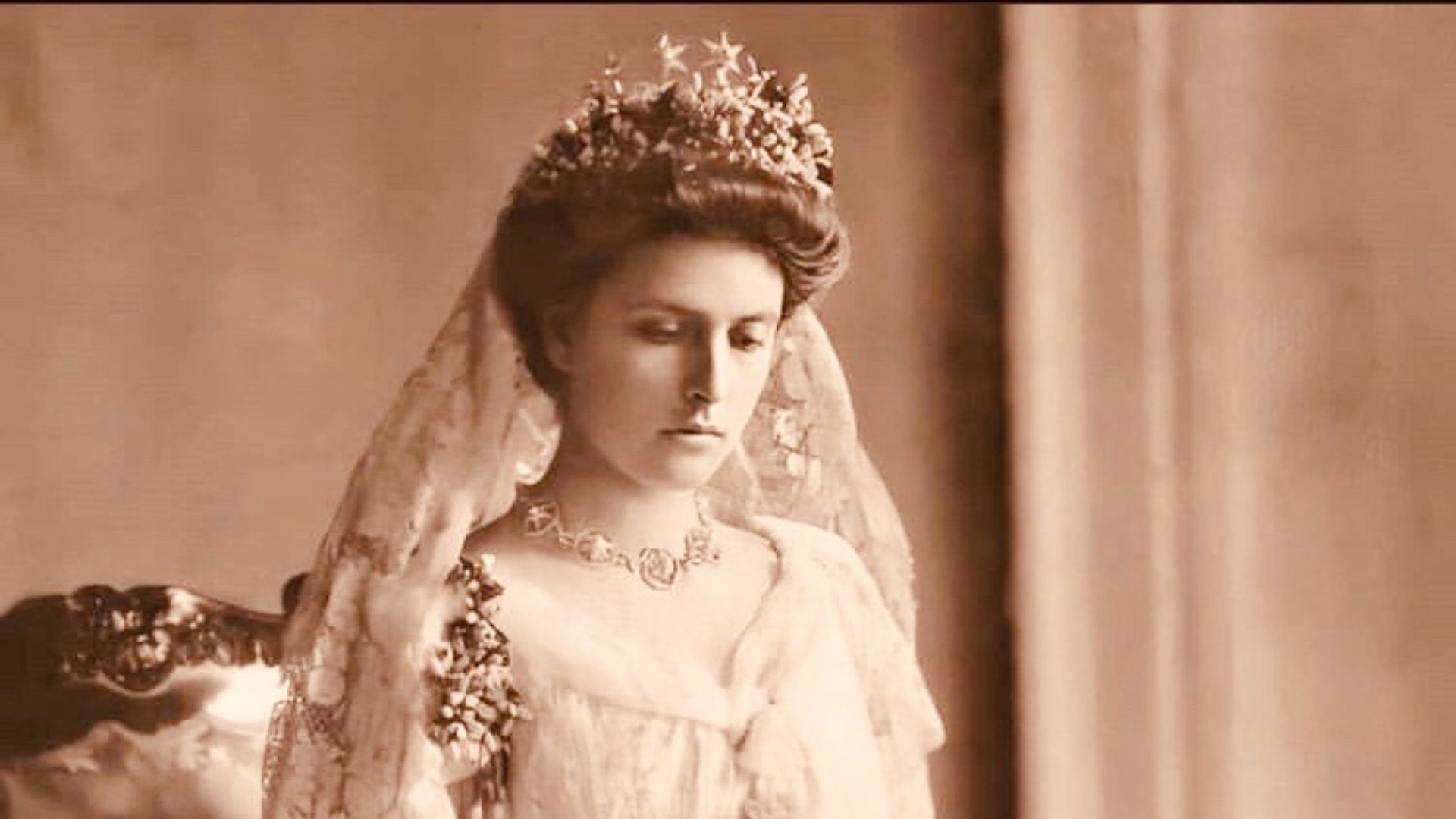
17. Princess Alice of Battenberg
Prince Philip's mother was diagnosed with schizophrenia in 1930 after a period of intense religious fervor. Her mother arranged for her to be sedated and taken to a sanatorium in Switzerland, with her husband Andrew's agreement. She spent about two and a half years there against her will, and afterward she lived apart from Andrew.
 User Riera on ca.wikipedia on Wikimedia
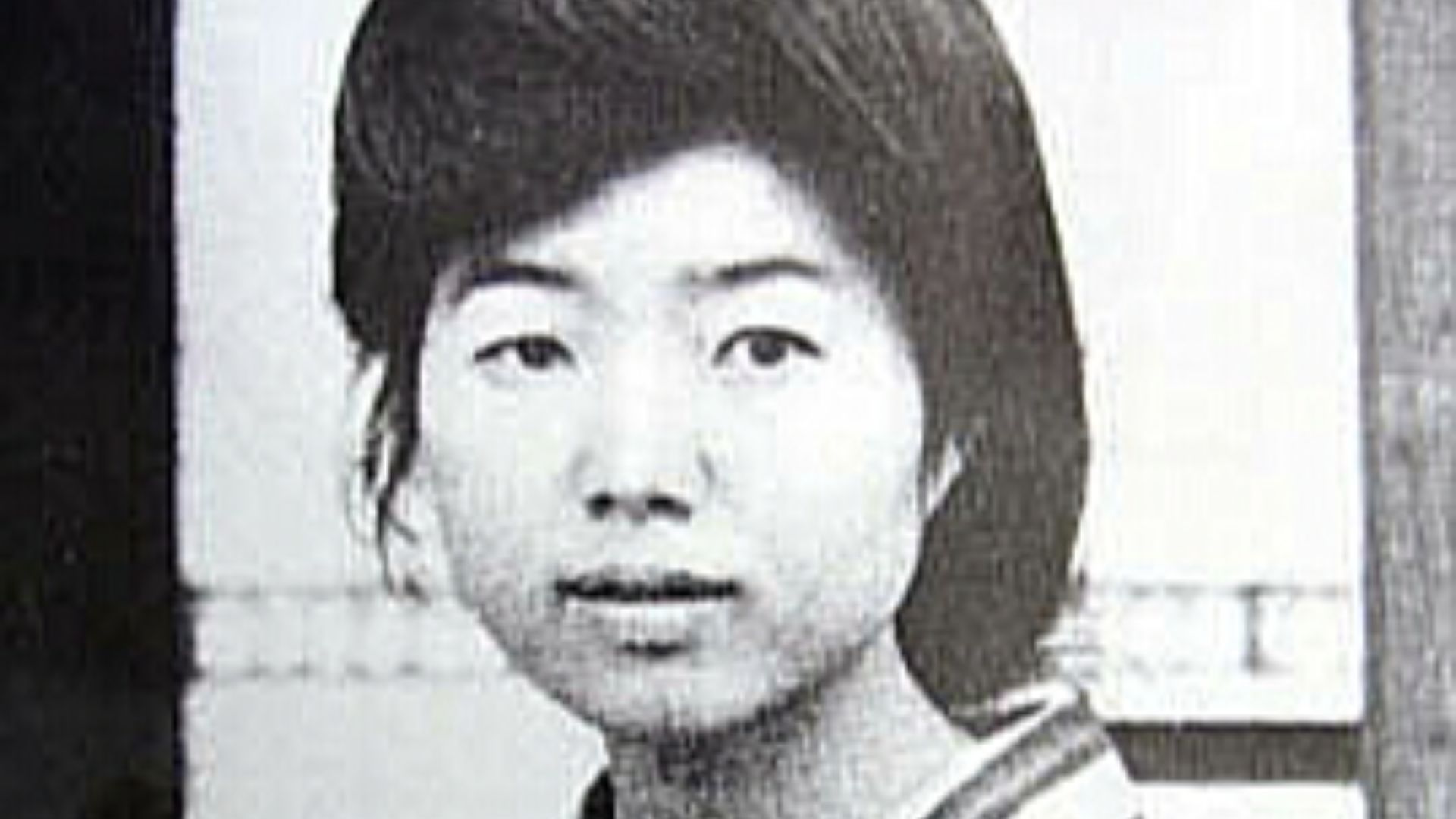
18. Chieko Takamura
Chieko Takamura was a painter who drew the cover for the first issue of Seitō, an early Japanese feminist magazine. Her husband, the poet and sculptor Kōtarō Takamura, had her hospitalized for schizophrenia in 1935, and she died there of tuberculosis in 1938. He later wrote a book of poems about her, Chieko's Sky, that's still widely read in Japan.
 Unknown authorUnknown author on Wikimedia
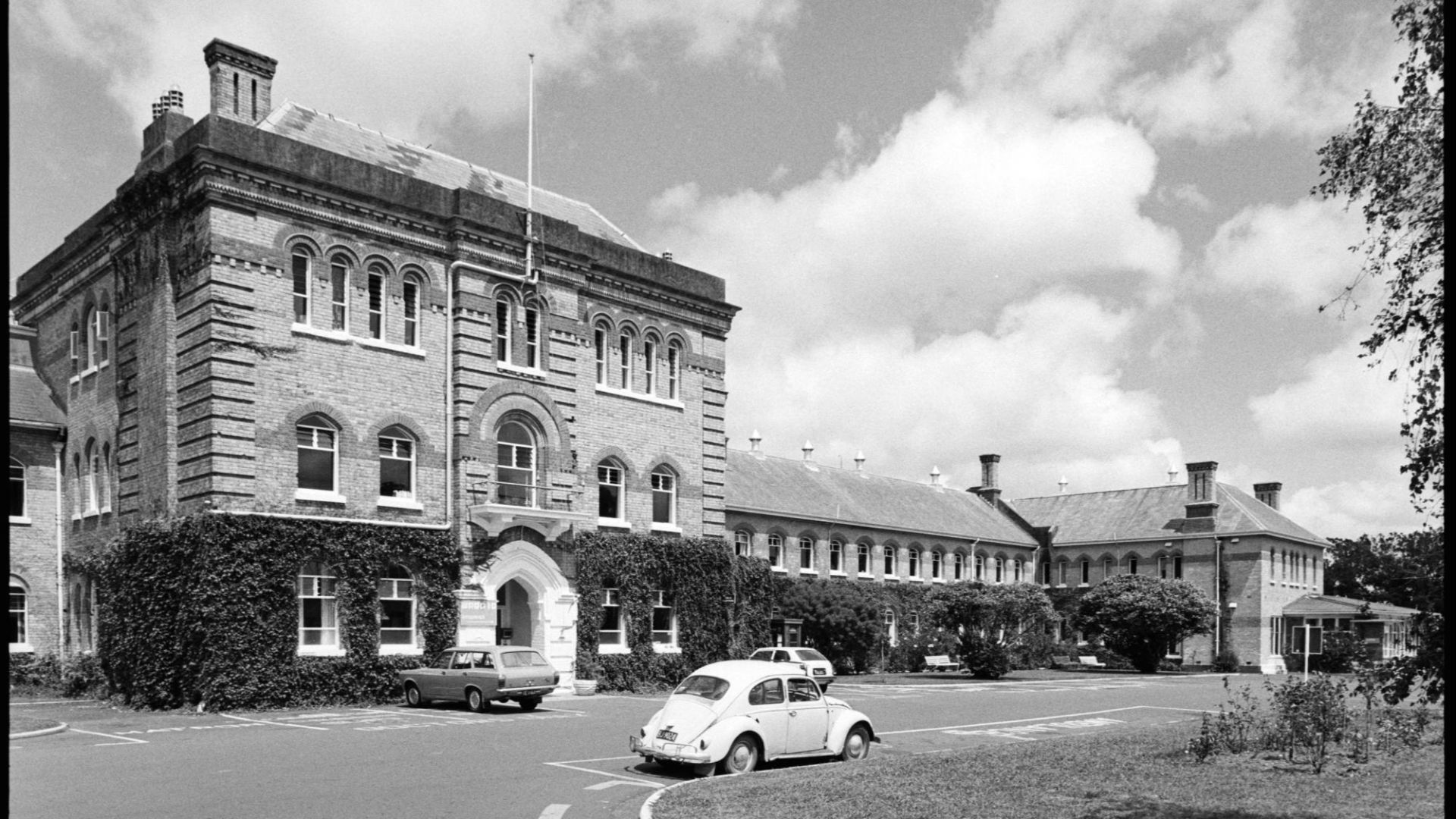
19. Eve Langley
Eve Langley was an Australian-born novelist living in New Zealand when her husband had her committed in 1942. He put their children in orphanages, and she spent seven years in Auckland Mental Hospital with a schizophrenia diagnosis. He divorced her in 1952, a few years after her release.
20. Vivien Leigh
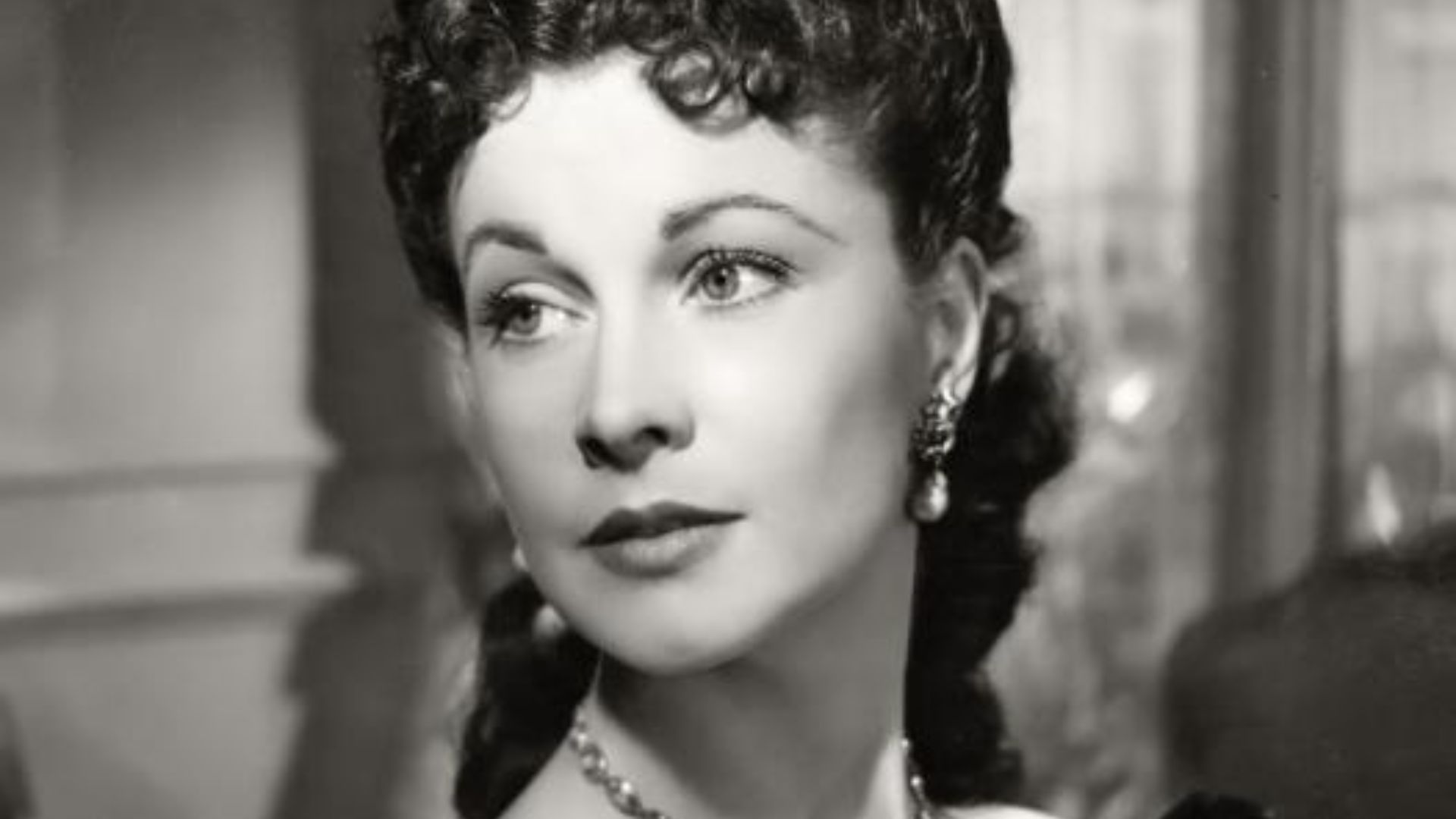
Vivien Leigh had bipolar disorder, and in 1953 she broke down badly while filming in Sri Lanka. Her husband, Laurence Olivier, brought her back to England and committed her to Netherne Hospital in Surrey. She was treated there with electroconvulsive therapy, and the two divorced in 1960.
KEEP ON READING