
20 Famous Figures From History Who Claimed To See Something Otherworldly
Encounters With the Unexplained
We’ve all heard ghost stories from a friend, but they always seem to be a bit more credible when they come from figures up top! No one’s going to denounce John Lennon or Abraham Lincoln…are they? Well, they’re only a few big whig names who have claimed to see something from the beyond, and we’re here to go through some of the best well-documented claims.
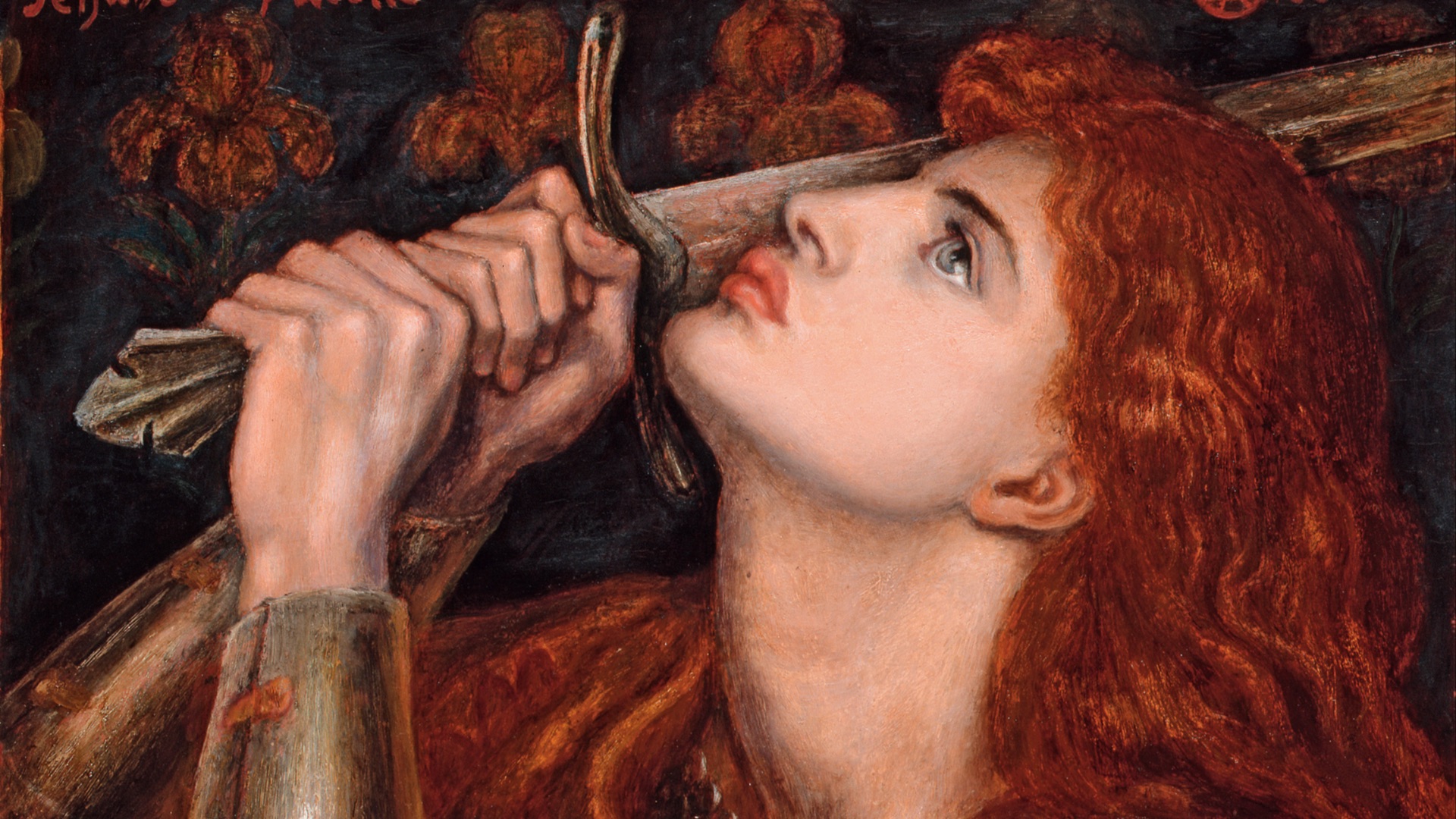
1. Joan of Arc
During her trial in 1431, Joan of Arc testified that she'd been getting divine visitations since she was 13. She wasn’t just spitballing, either. Among the figures she described were Saint Michael, Saint Catherine, and Saint Margaret, all of whom she insisted she'd seen in the flesh. She went so far as to credit those encounters with providing the guidance that ultimately led her to participate in the Hundred Years' War.
 Dante Gabriel Rossetti on Wikimedia
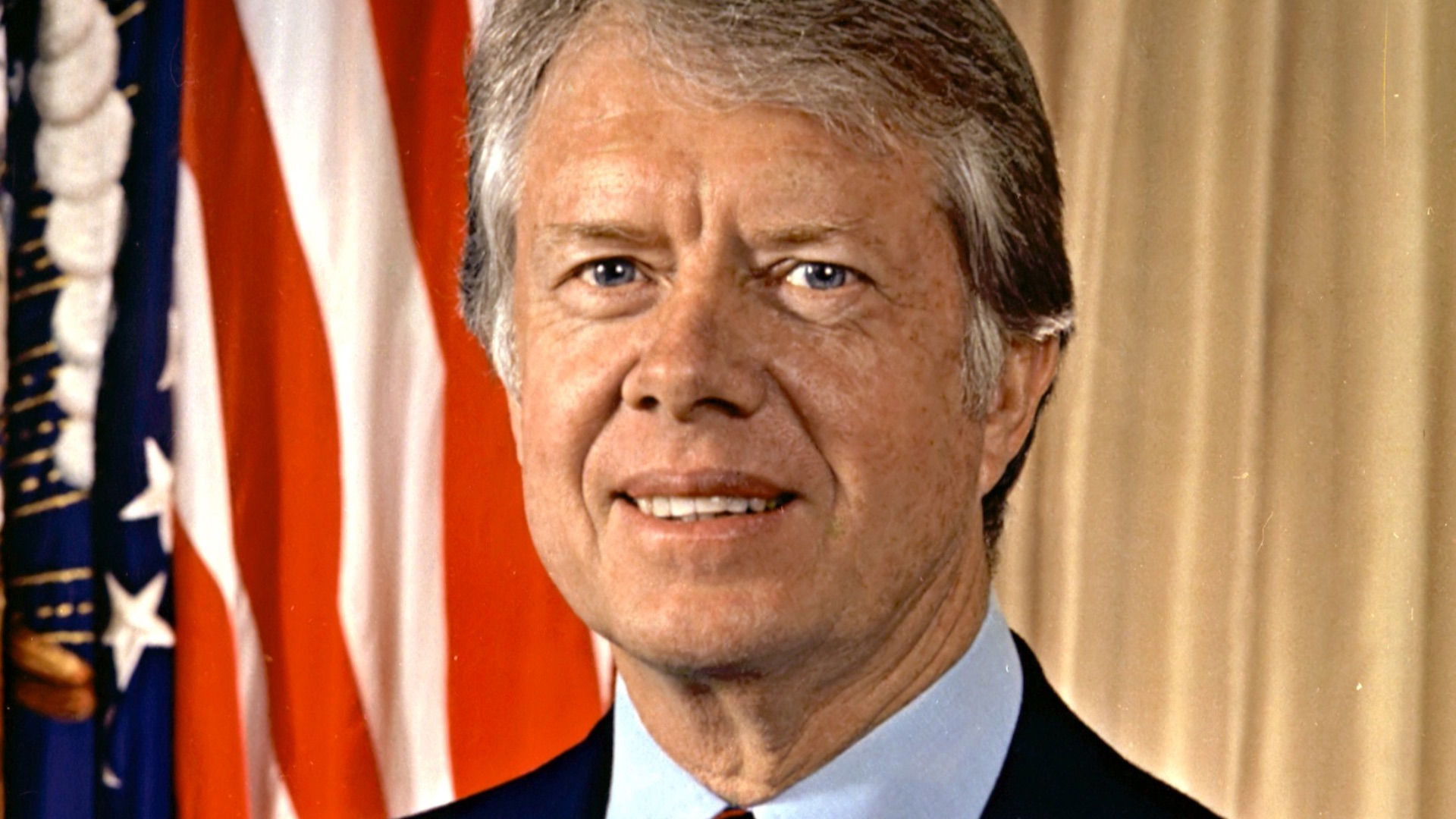
2. Jimmy Carter
Years before entering the White House, Carter claimed to see an unusual object in 1969. He described a bright light that changed colors and appeared to move toward and away from the observers before disappearing. He even reported it a few years later, although he didn't explicitly say it was anything alien.
 Department of Defense. Department of the Navy. Naval Photographic Center on Wikimedia
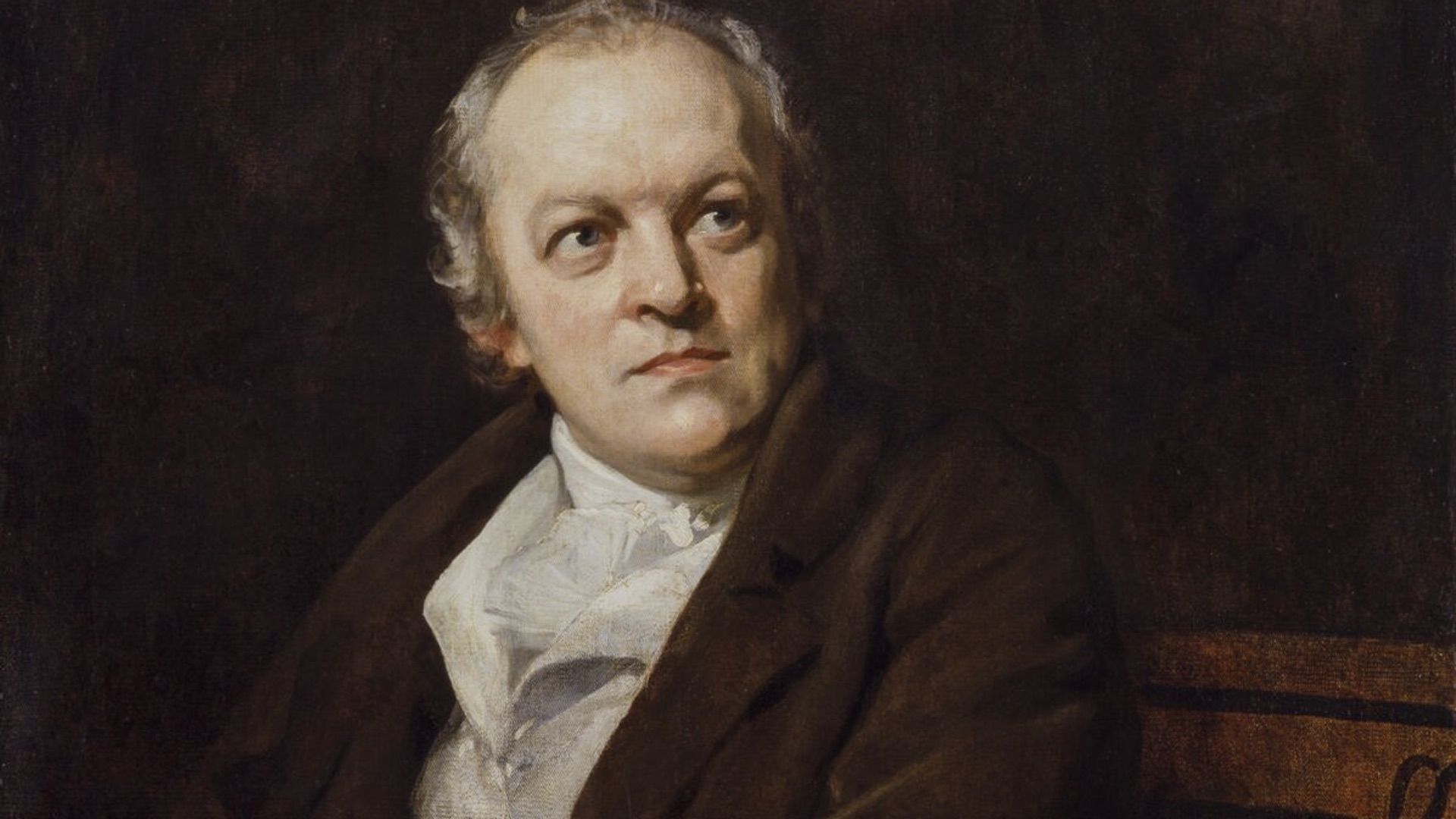
3. William Blake
William Blake couldn’t catch a break at any point in his life, it would seem. He reportedly saw extraordinary visions right from childhood, and according to his early biographer Alexander Gilchrist, Blake once claimed he'd seen a tree filled with angels. That fascination with heavenly beings later influenced his paintings, engravings, and poetry.
4. Johann Wolfgang Von Goethe
We’ve all experienced some funny things when we see an old flame, but Goethe took things a step further. After visiting his former sweetheart, Friederike Brion, Goethe described seeing an image of himself riding in the opposite direction, dressed in gray clothing trimmed with gold. Eight years later, he realized he was traveling along the same road wearing clothing that matched his earlier vision.
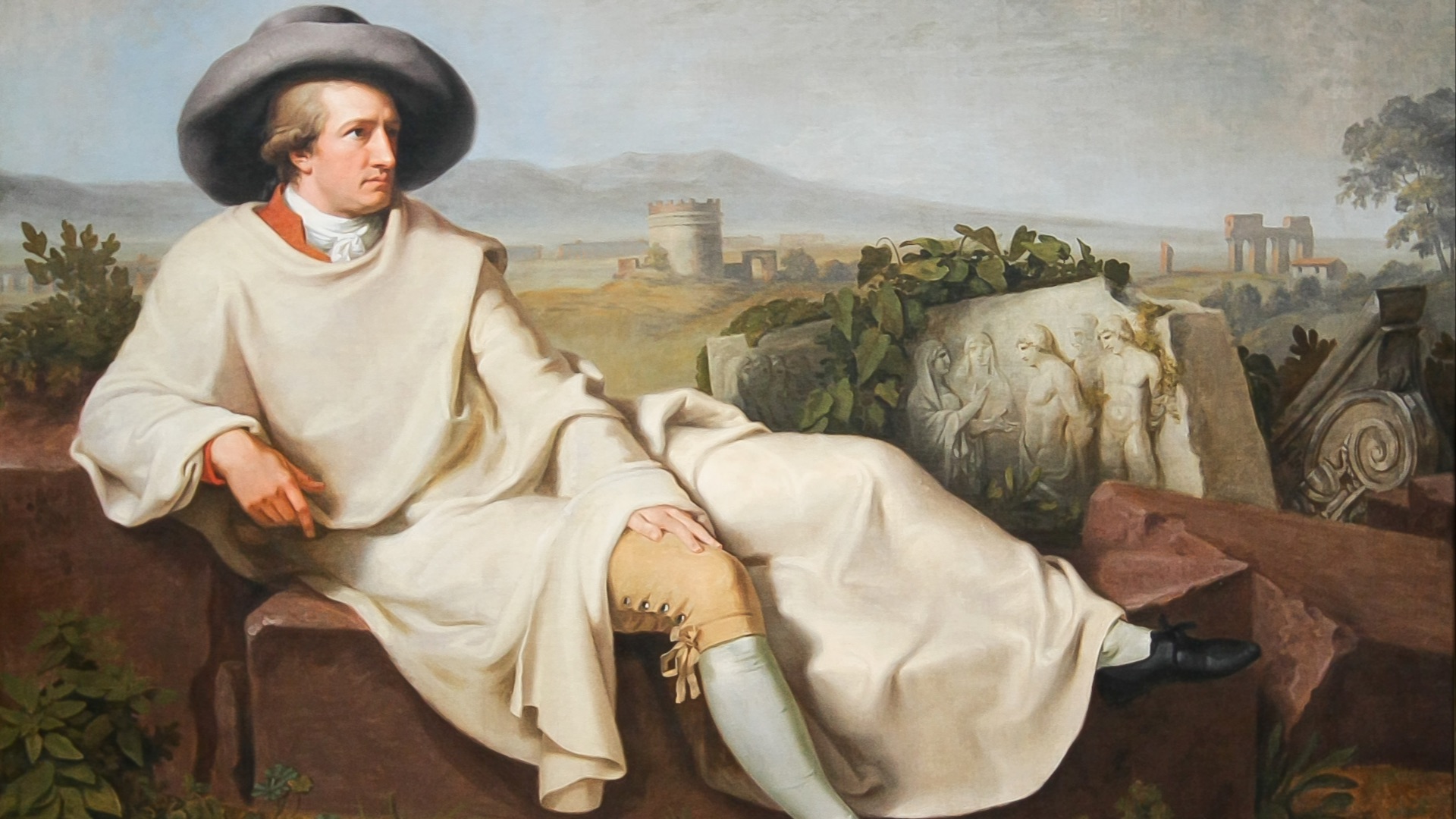 Johann Heinrich Wilhelm Tischbein on Wikimedia
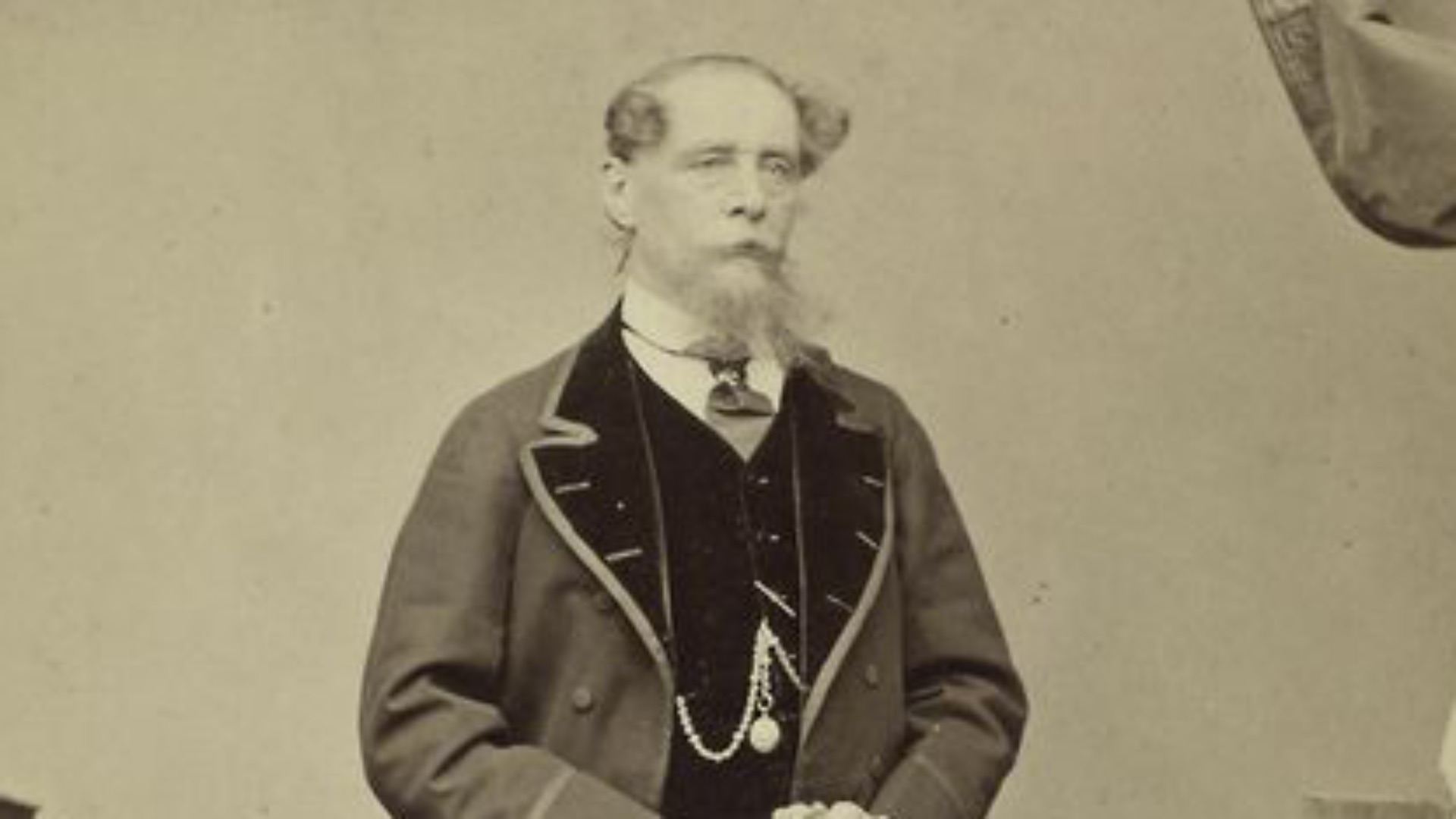
5. Charles Dickens
While staying in Genoa in 1844, Charles Dickens had an incredibly vivid dream. He claimed to see a woman in blue whose voice matched that of his deceased sister-in-law. He subsequently described the encounter in correspondence with his friend and biographer John Forster.
6. Emanuel Swedenborg
An accomplished Swedish scientist and engineer, Emanuel Swedenborg underwent a remarkable transformation during the 1740s. He claimed that his spiritual senses had opened, allowing him to see angels, communicate with the dead, and even venture into the afterlife. He even published a book in 1758 that detailed descriptions of what he believed he'd witnessed.
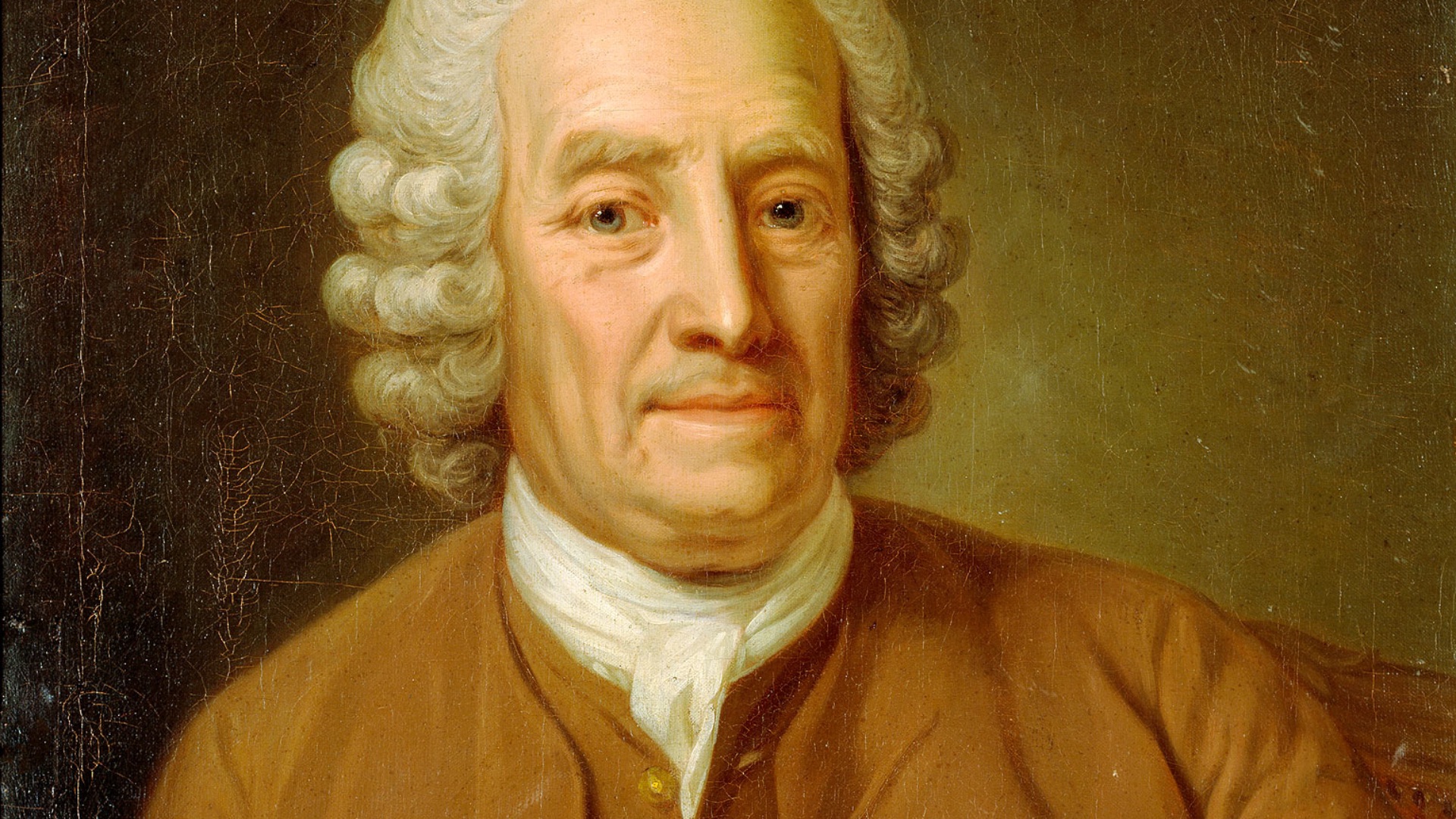 Per Krafft the Elder on Wikimedia
7. John Lennon
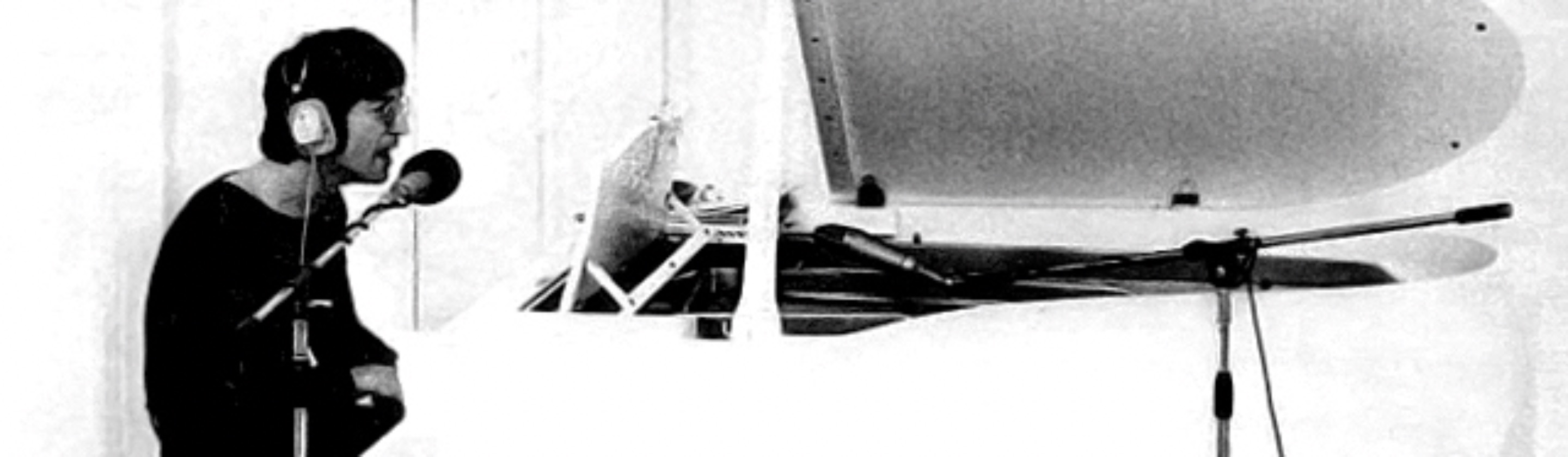
Have you ever taken a closer look at Lennon’s 1974 album Walls and Bridges? If so, you might notice his weird reference to a UFO. The reason is that he apparently saw an illuminated object hovering near his Manhattan apartment in 1974. He wasn’t shy about talking about it, either, and he later described its flashing lights and quiet movement in interviews.
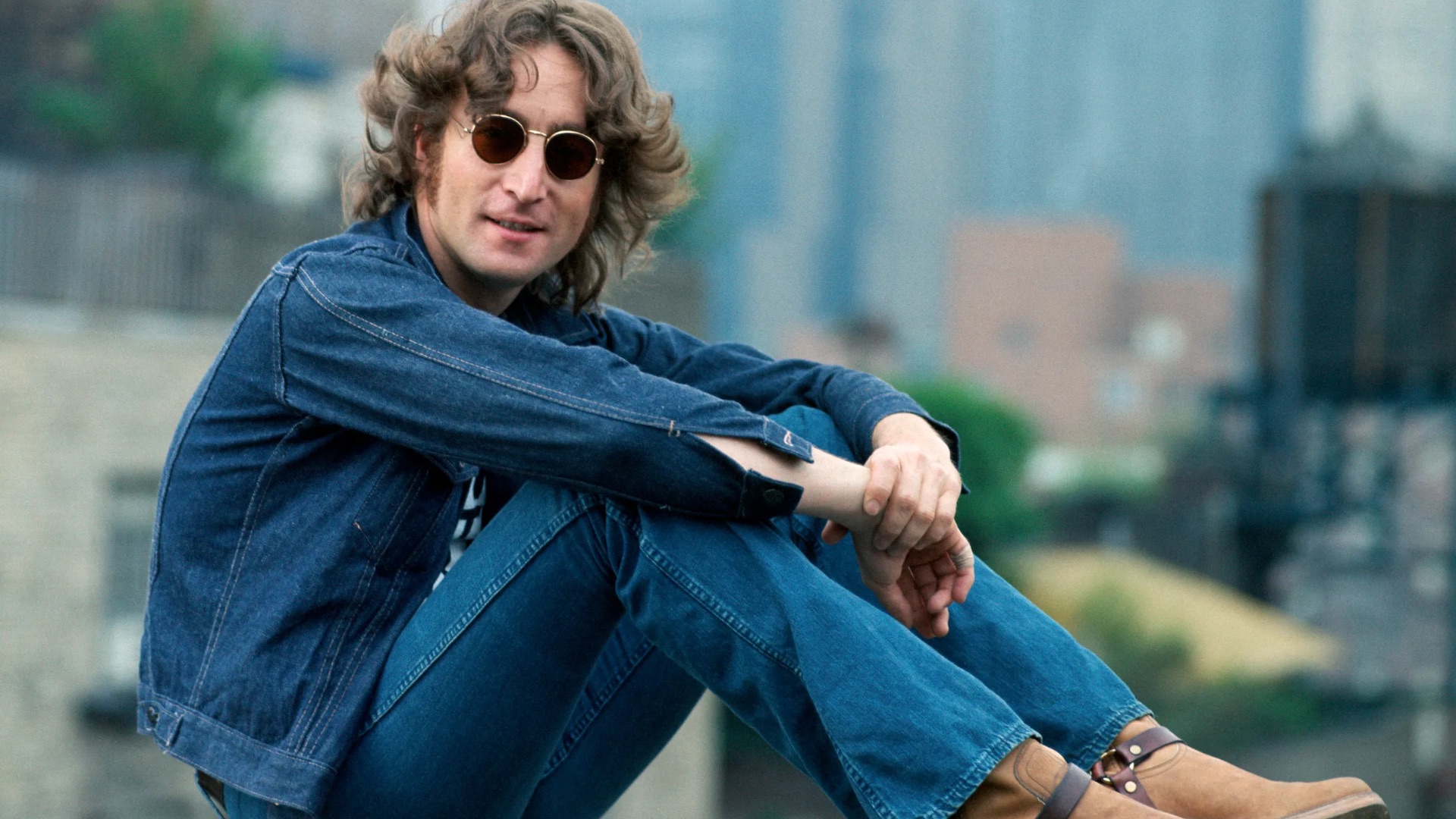 Bob Gruen; Distributed by Capitol Records on Wikimedia
8. Benvenuto Cellini
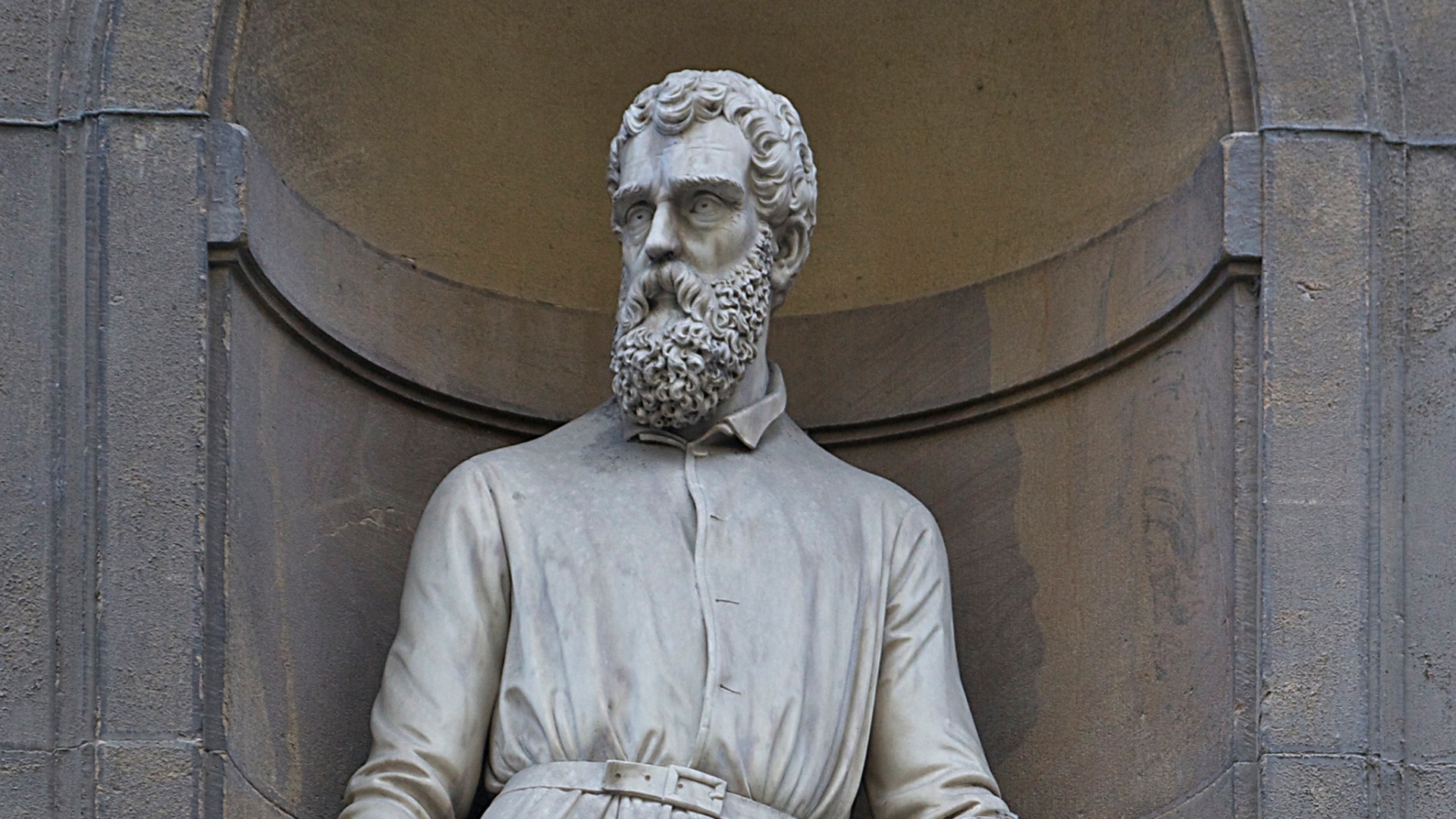
Renaissance sculptor Benvenuto Cellini devoted a lot of ink in his autobiography to an alleged encounter with the supernatural. Though what did we expect when he roamed the Colosseum with a priest who practiced necromancy? Cellini claimed to have witnessed numerous demonic figures, and those were just the tip of the iceberg in an autobiography filled with outlandish tales.
9. Teresa of Ávila
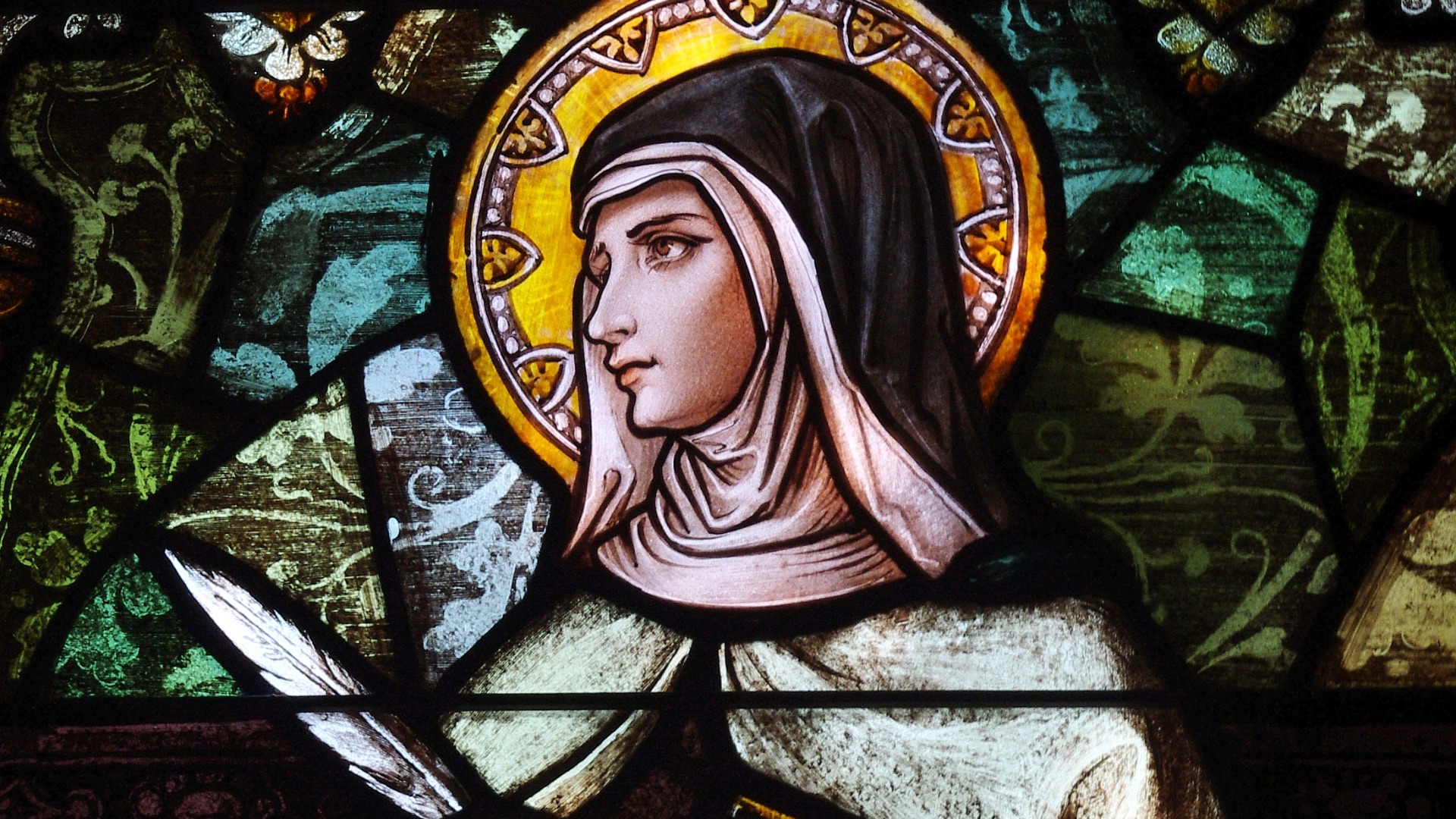
The influential Spanish religious reformer Teresa of Ávila recorded numerous mystical experiences in her autobiography, namely one where she describes an angel holding a golden spear. She went on to write that the mysterious figure pierced her heart and left her overwhelmed with love. The story caught Italian sculptor Gian Lorenzo Bernini’s attention, who immortalized it in his famous sculpture, The Ecstasy of Saint Teresa.
10. Abraham Lincoln
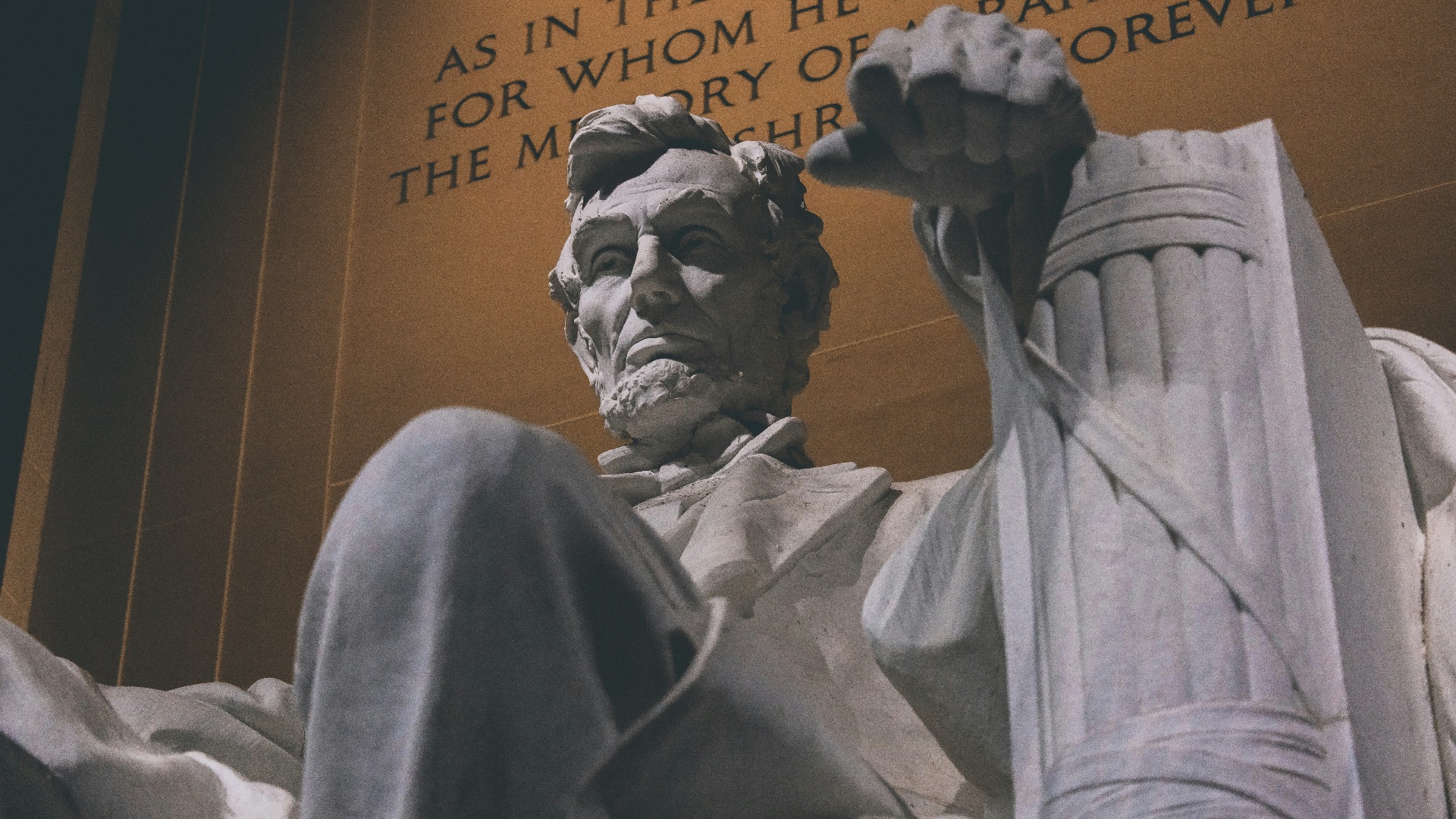
According to journalist Noah Brooks, Lincoln had a pretty rough go shortly after his election in 1860. All he did was look in a mirror before reportedly noticing two images of his face, one paler than the other. His wife assumed that it was a clear-cut sign he'd serve two terms but wouldn't survive the second.
11. Clyde Tombaugh
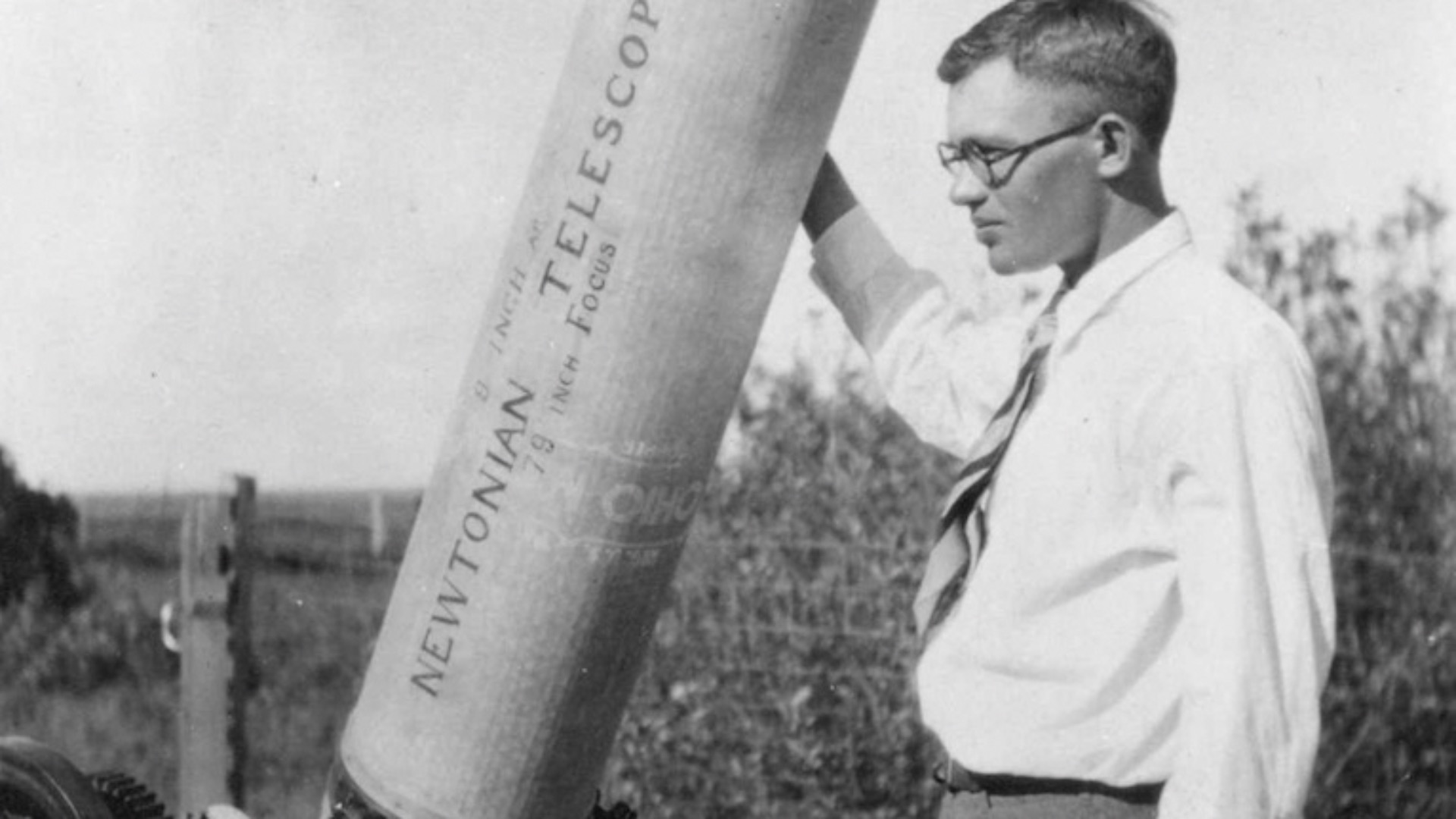
You’d think discovering Pluto in 1930 would be a big enough fear, but not for astronomer Clyde Tombaugh. In 1949, he reportedly also saw a formation of lights silently moving over New Mexico. He had the know-how in his field, but even he couldn't identify what he'd seen. He didn’t say it was aliens, but it was still odd.
12. Carl Jung
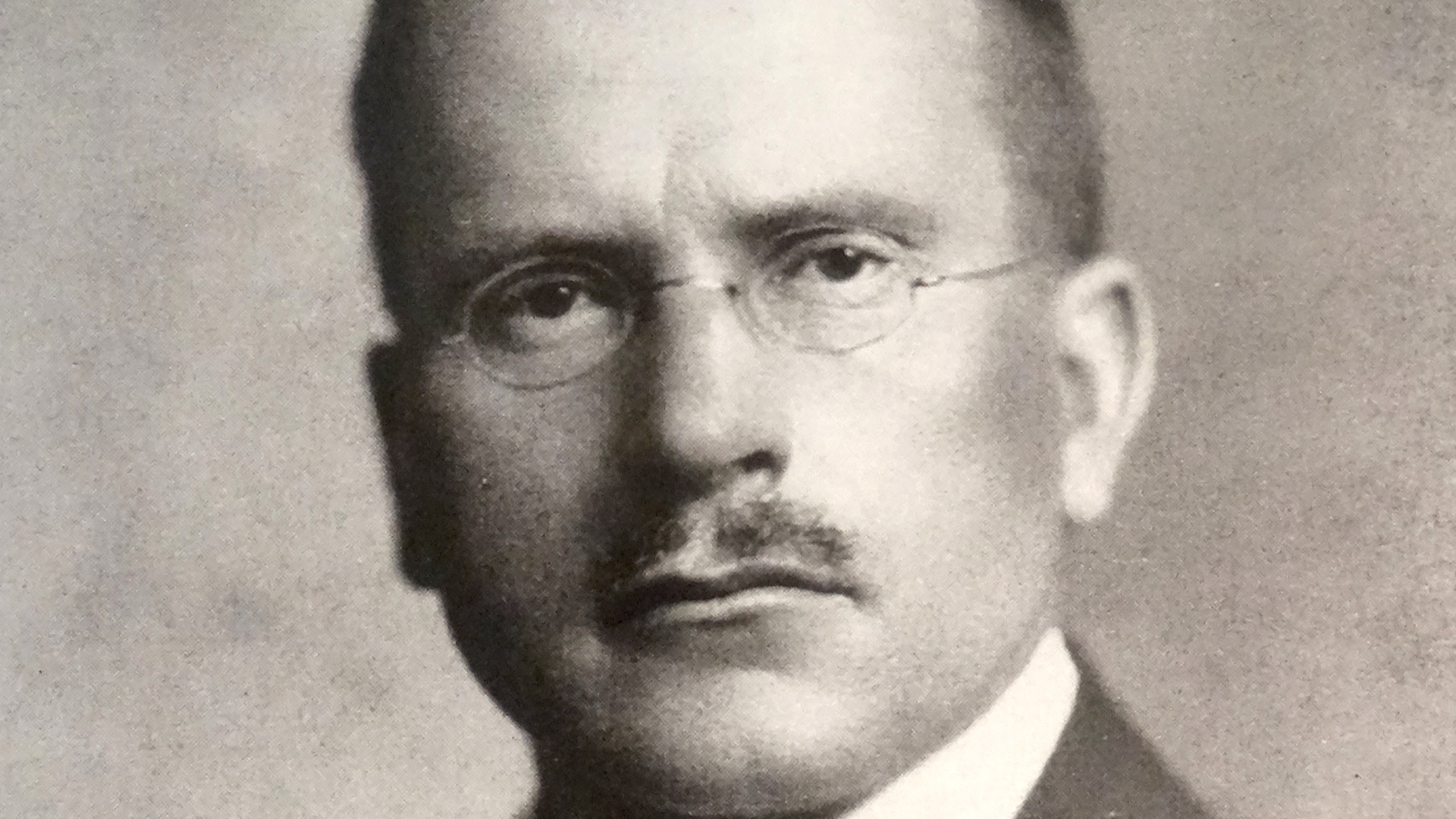
Carl Jung began documenting a series of intense visions during a turbulent period of his life in 1913. Among the characters he encountered was Philemon, an elderly, winged figure whom Jung saw as possessing knowledge beyond his understanding. These experiences happened so often that they all eventually made it into his illustrated manuscripts.
 unknown, upload by Adrian Michael on Wikimedia
13. Hildegard of Bingen
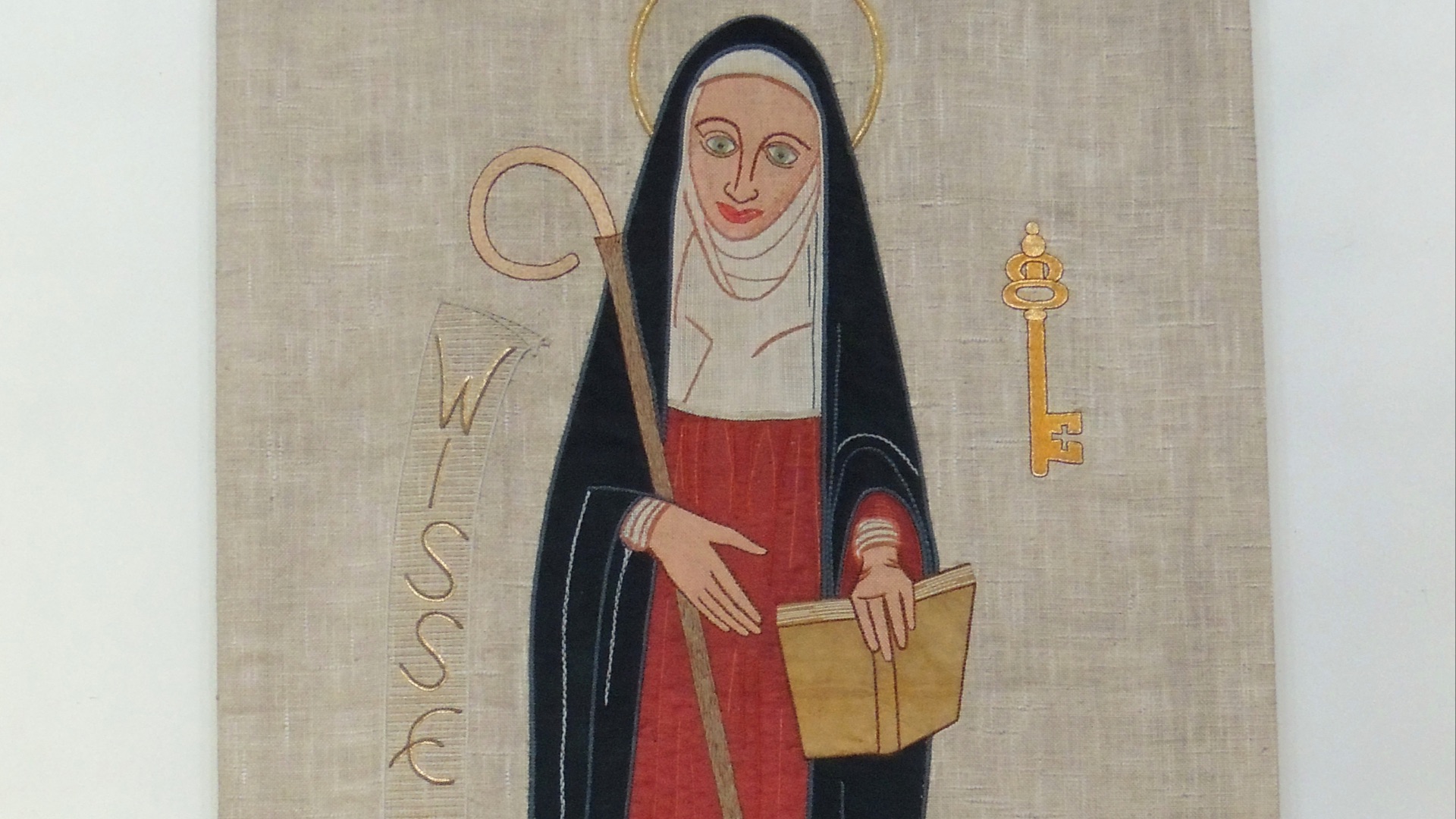
Hildegard of Bingen wore a lot of impressive hats: medieval composer, writer, and abbess. But above all that, she maintained that she'd experienced spiritual visions from an early age. They didn’t happen when she was asleep, either—she claimed they happened during the day. Her 12th-century work Scivias documented 26 visions involving celestial beings and religious revelations.
 Total number of my uploaded files: 1116 on Wikimedia
14. Ronald Reagan
While serving as governor of California, Reagan reportedly saw some sort of weird light during a flight in 1974. Journalist Norman C. Miller later recalled Reagan describing how the object moved with incredible speed, and the whole thing intrigued him enough that he consulted others about the possibility of UFOs.

15. George Fox
As the founder of the Quakers, it’s no surprise that George Fox recorded several revelations in his journal. During his travels in 1652, he climbed Pendle Hill in England, where he described receiving a vision of a great gathering of people. He understood that to be divine encouragement for his mission, which then attracted its fair share of followers across Britain.
 User Magnus Manske on en.wikipedia on Wikimedia
16. Julian of Norwich
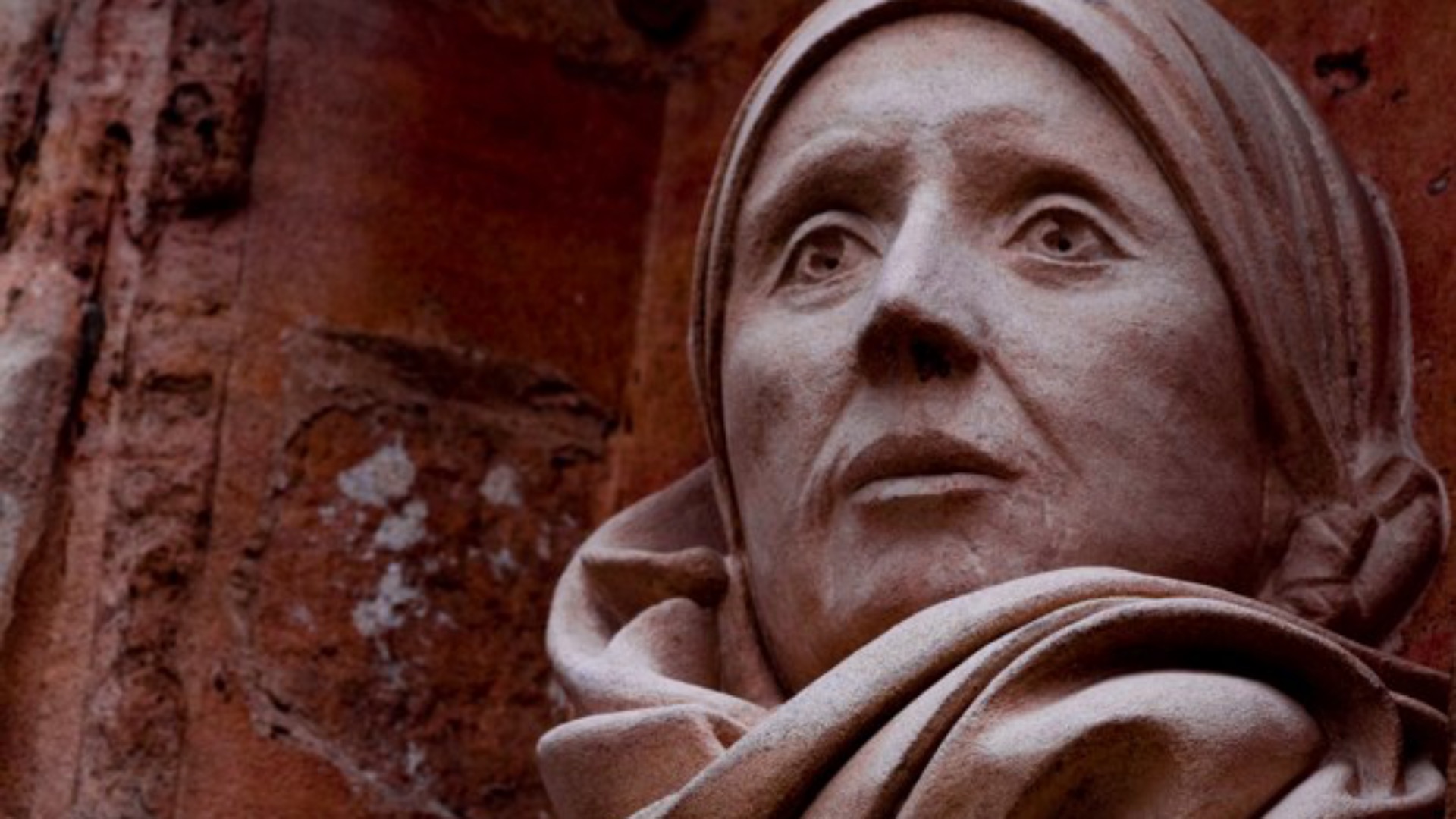
After falling deathly ill in 1373, English mystic Julian of Norwich claimed to experience a whopping 16 religious revelations. She described seeing Christ's suffering and, in another vision, a tiny hazelnut-like object that she believed represented creation. She spent years reflecting on these experiences before producing the expanded version of Revelations of Divine Love.
17. Black Elk
Julian wasn’t the only figure to see something otherworldly on their deathbed. The Oglala Lakota spiritual leader Black Elk recalled something similar when he was sick as a child. His account involved encountering six sacred grandfathers and receiving symbolic gifts that informed his understanding of what lay in store for his people. He eventually related the experience to writer John G. Neihardt, whose 1932 book brought his story to even more people.

18. Ignatius of Loyola
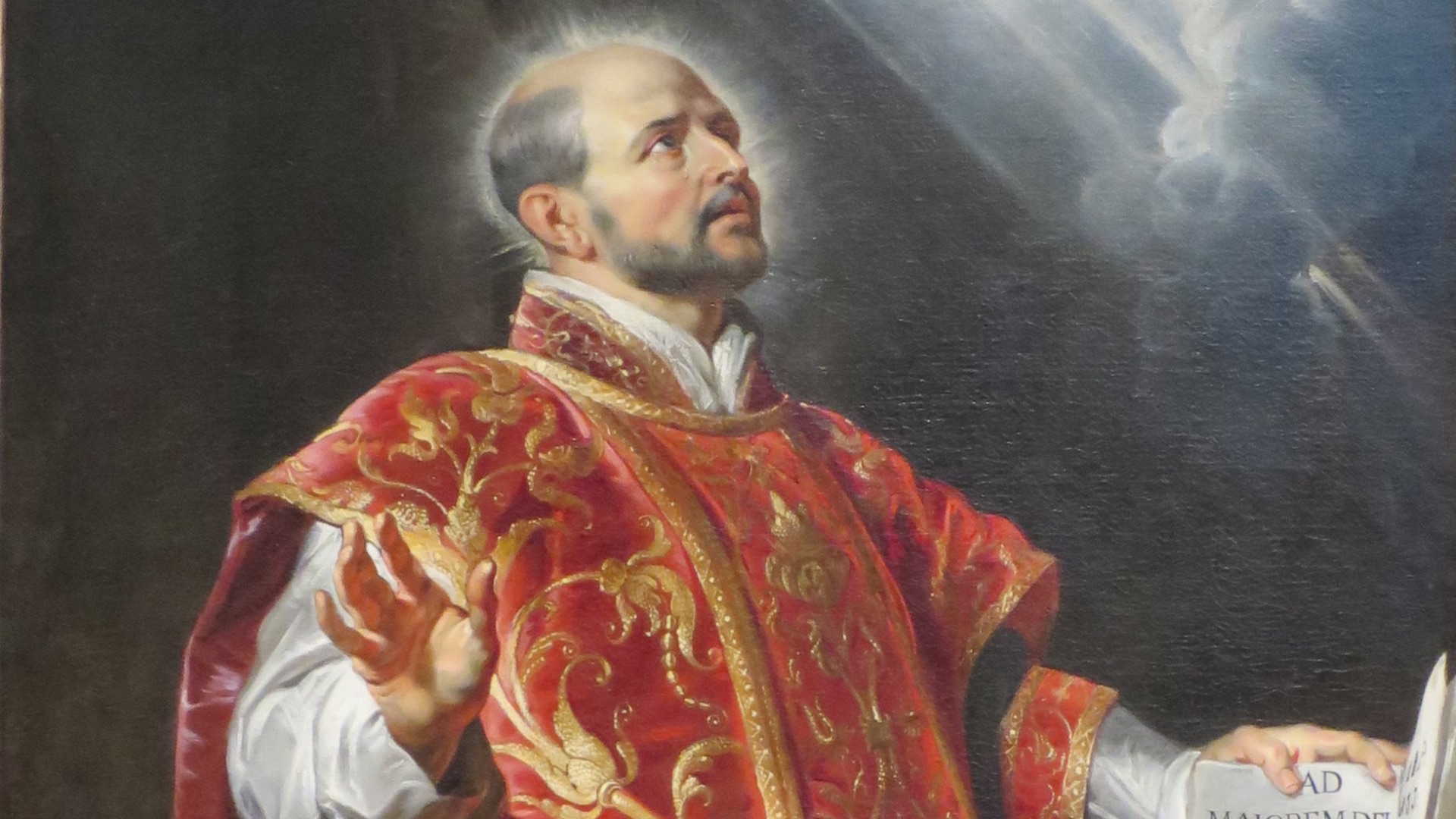
Before founding the Society of Jesus, Ignatius of Loyola experienced a number of visions during his religious development. His autobiography describes repeatedly seeing a beautiful, serpent-like form, which he said had multiple sets of shining eyes. But Ignatius wasn’t fooled by the image, and later interpreted it as a deceptive spiritual presence.
19. Margery Kempe
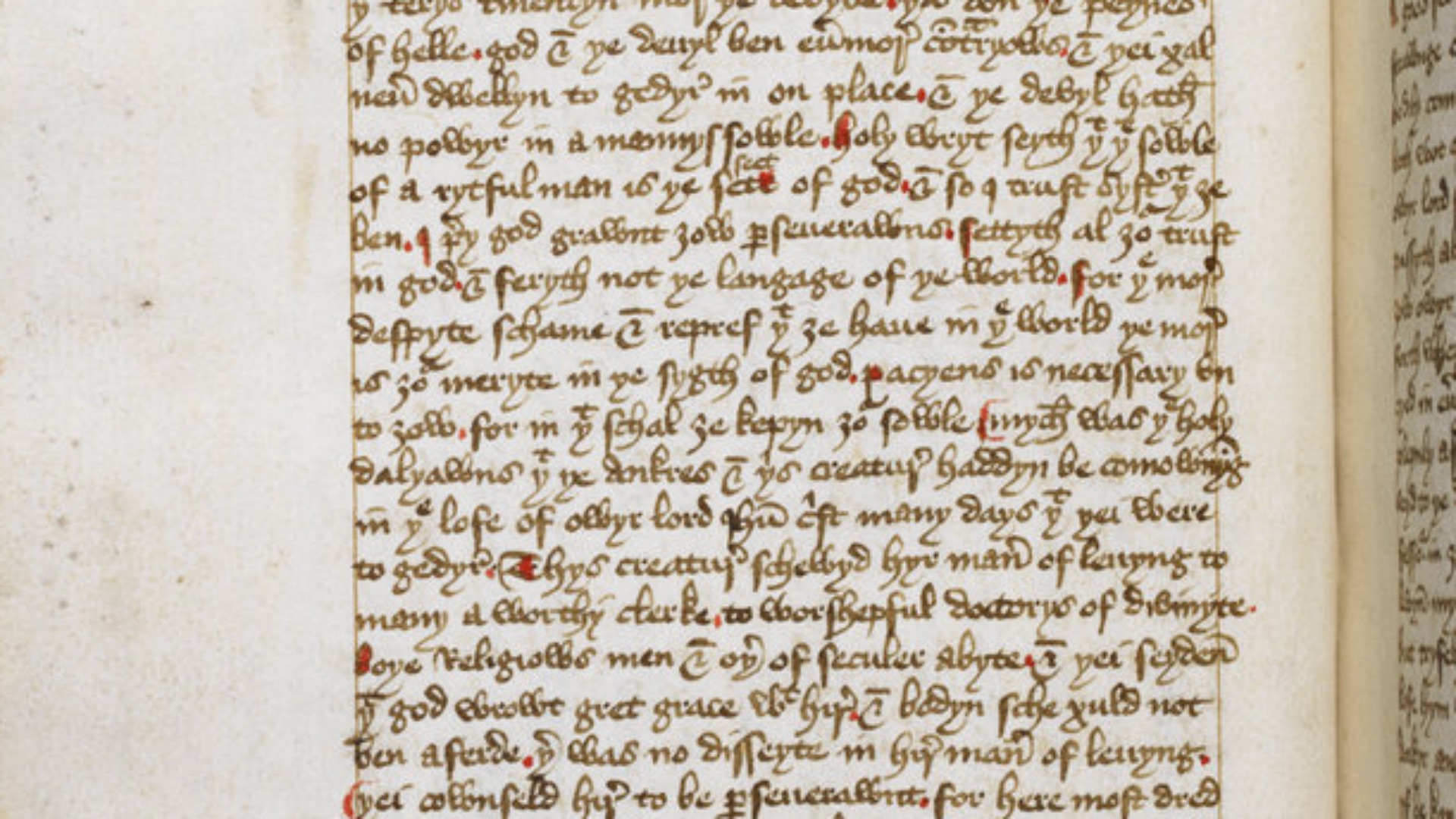
Following a period of severe distress after the birth of her first child, Margery Kempe reported receiving an unexpected visitor. She described Jesus appearing beside her bed to soothe her. The whole account was recorded in The Book of Margery Kempe, and it’s still regarded as the earliest surviving English autobiography.
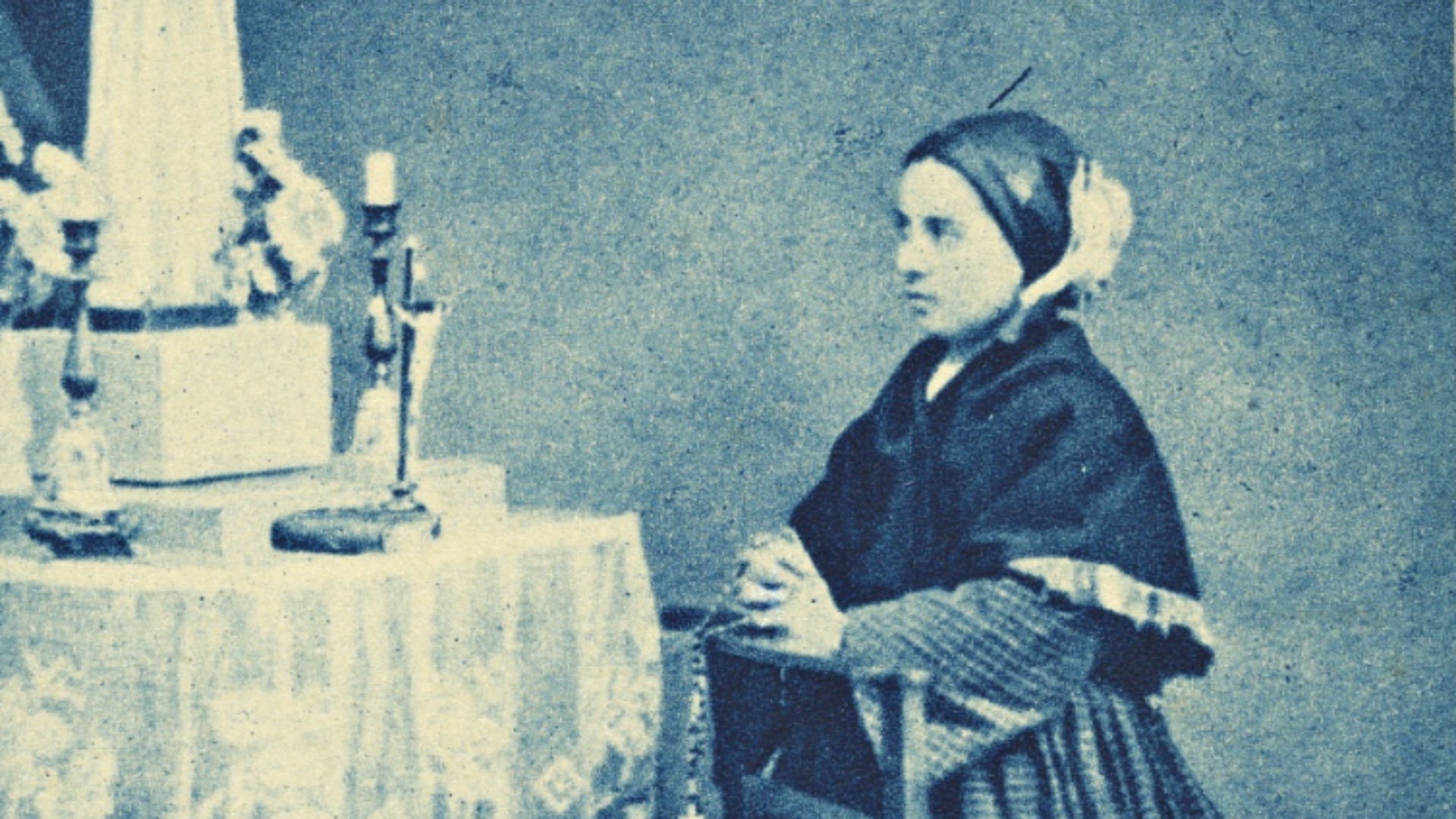
20. Bernadette Soubirous
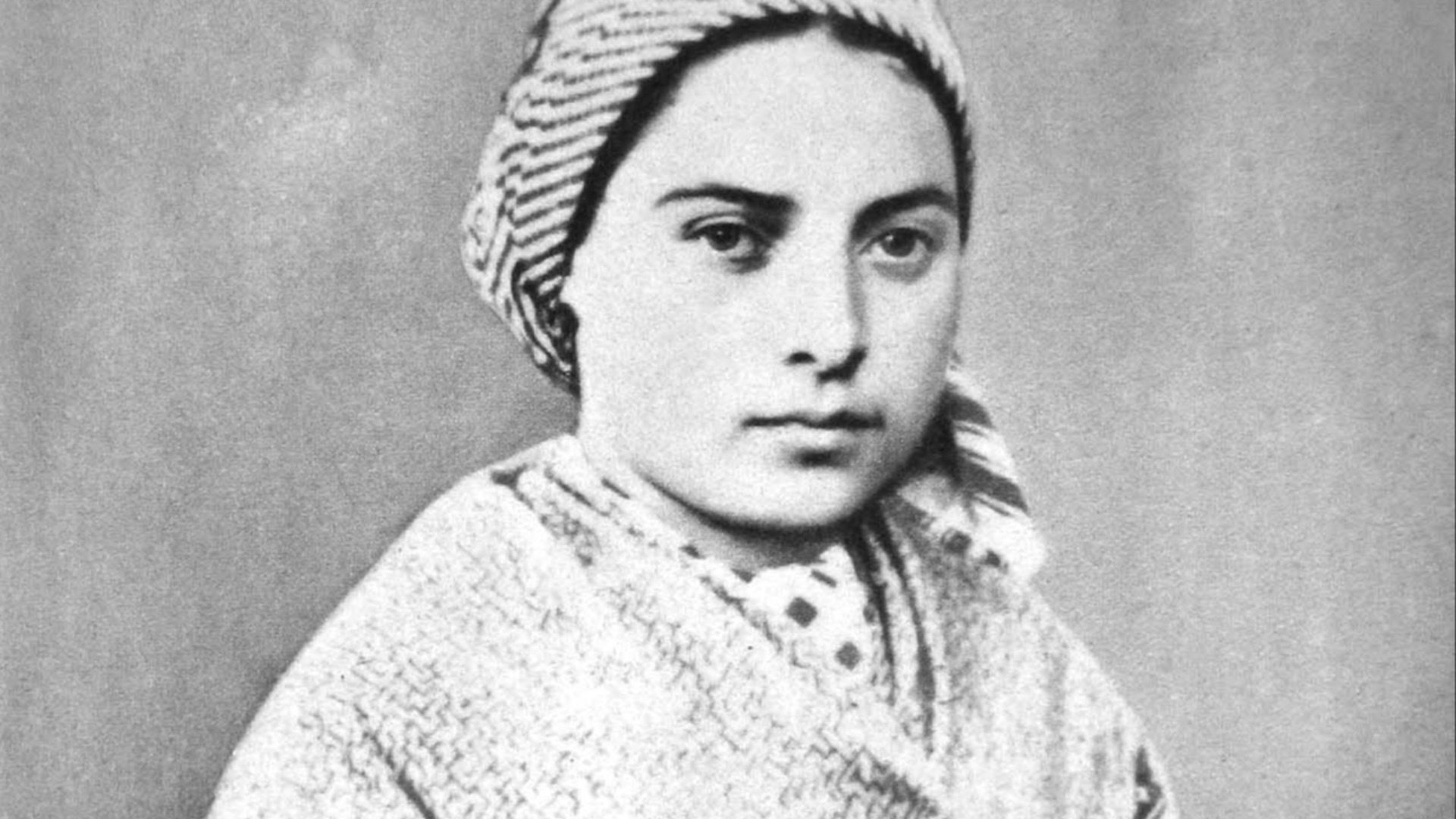
In 1858, 14-year-old Bernadette Soubirous said she saw a woman near a grotto in France. Though that’s not bizarre on its own, for the next several months, Soubirous described a total of 18 apparitions, eventually saying that the woman had identified herself as the Immaculate Conception. Her experiences turned Lourdes into one of the biggest pilgrimage destinations and led to her canonization in 1933.