The Queen Of Two Nations: Why Eleanor of Aquitaine Was The Most Powerful Woman In Europe
The Queen Of Two Nations: Why Eleanor of Aquitaine Was The Most Powerful Woman In Europe
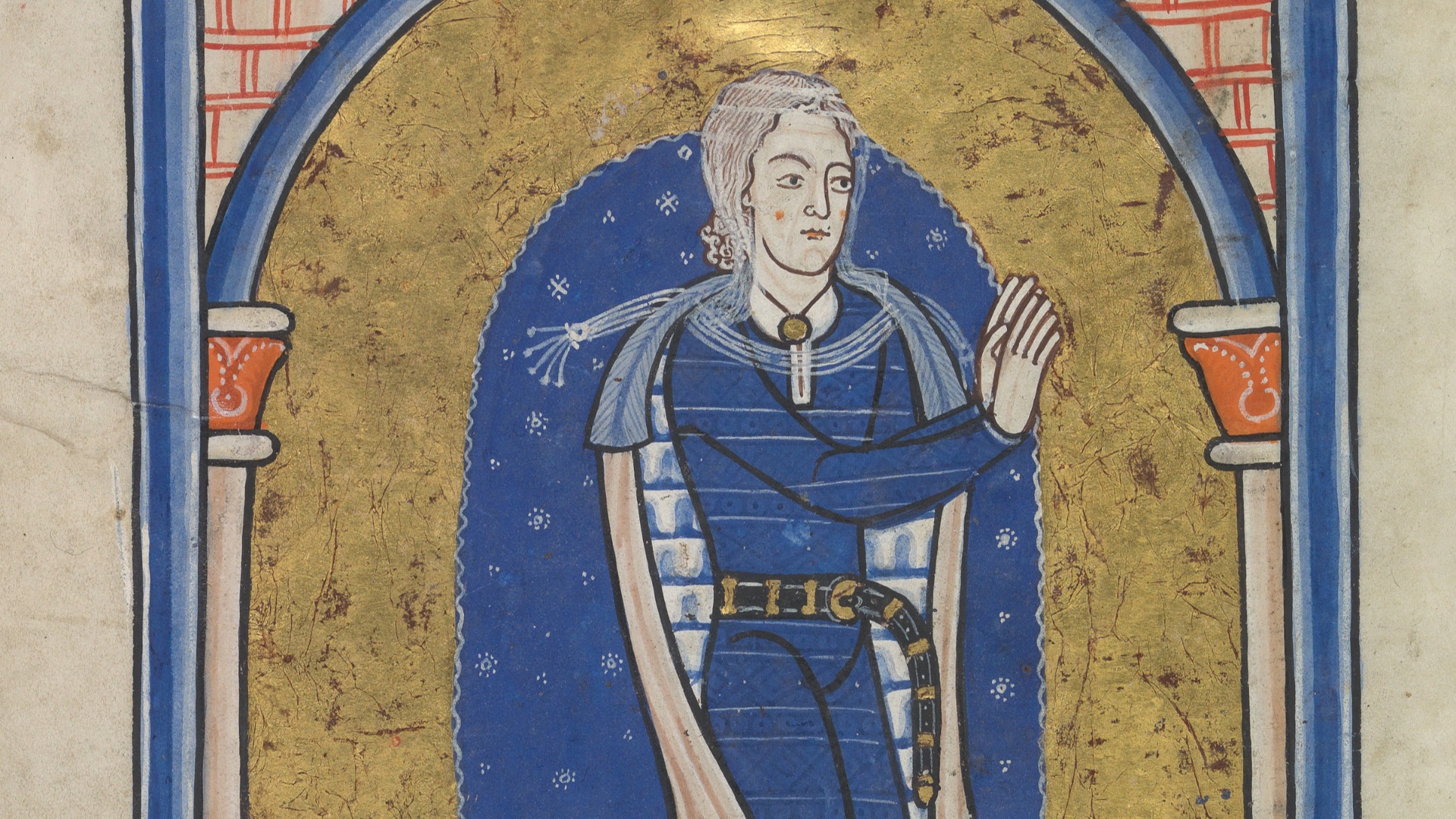
Eleanor of Aquitaine wasn't some sort of medieval queen who just did what her husband told her. If she wasn’t an actual figure, you’d understandably have a hard time believing that she did any of these things at all. Among her impressive story, she married two kings, became queen of France and England, participated in a crusade, and eventually helped her own sons rebel against their father. By the time she died in 1204, she'd spent decades influencing the political future of Western Europe.
You don’t rise to that kind of power without scandalous accusations or attempted kidnappings, either. Let’s also not forget the nearly 16 years of imprisonment she endured. Either way, it never seemed to stop for Eleanor, and few rulers experienced so many extraordinary reversals of fortune, much less emerged from them with their influence intact.
From Teenage Heiress to Queen of France
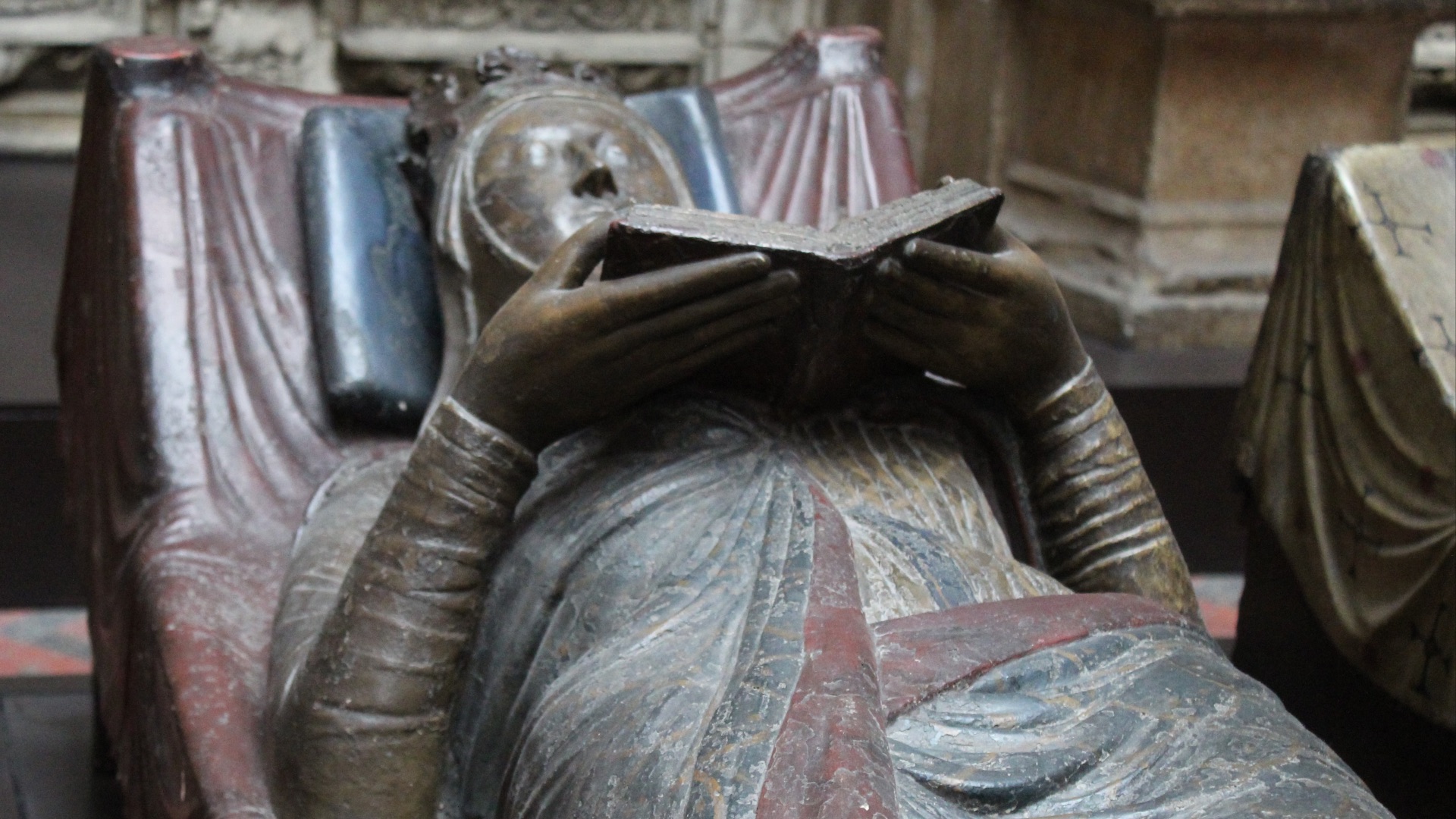
Born around 1122, Eleanor inherited the vast Duchy of Aquitaine following her father's death in 1137. Her lands encompassed much of southwestern France, making the teenage duchess one of Europe's wealthiest and most desirable marriage prospects. She had callers left and right, but it was King Louis VI of France who spotted the political opportunity, arranging her marriage to his son, the future Louis VII, that July.
Within weeks, Eleanor's father-in-law also passed away, leaving the newlyweds ruling France together. It was far from a match made in heaven, though; their personalities and expectations weren't compatible, and the marriage grew troubled in a surprisingly short amount of time. To make matters worse, Eleanor eventually accompanied Louis on the Second Crusade in 1147, an ambitious expedition that only damaged their already strained relationship.
While visiting Antioch in 1148, Eleanor supported her uncle, Prince Raymond, during a disagreement over military strategy. Rumors circulated that their relationship was inappropriate (although historians haven't made heads or tails of whether an affair occurred), and the tension became so serious that Eleanor wanted to remain in Antioch, while Louis insisted on taking her away with him. Things finally reached a head in 1152, and their marriage was annulled. Having produced two daughters but no surviving son, Eleanor was also free to return to Aquitaine with her inheritance intact.
A Second Marriage, Eight Kids, and a Royal Rebellion
Eleanor escaped attempts to seize her after the annulment and quickly remarried in 1152. This time, she tied the knot with Henry of Anjou, a powerful nobleman roughly ten years her junior. But his age was hardly a factor, and when he inherited England's throne in 1154, Eleanor became queen for the second time.
Her second marriage was also fruitful behind closed doors, allowing her to produce eight children, including the future English kings Richard the Lionheart and John. Eleanor also exercised political authority, administering royal affairs during Henry's absences and eventually becoming closely involved in governing Aquitaine. However, even if marriage struck a second time, that doesn’t mean love did. Henry's infidelities and disputes over his sons' inheritance contributed to a bitter breakdown in their relationship.
In 1173, Henry's eldest surviving son, known as Henry the Young King, rebelled against his father, seeking meaningful political power. His brothers Richard and Geoffrey also joined the uprising, and Eleanor more than happily supported their cause. But the rebellion failed, and Henry II responded by keeping Eleanor in captivity for nearly 16 years. She received comforts appropriate to her royal status, but her independence was effectively destroyed, and she remained a prisoner until Henry's death in 1189.
The Imprisoned Queen Who Returned to Rule
When Henry passed, Richard inherited the throne, immediately restoring his mother's freedom. Eleanor wasted no time returning to public affairs with even more determination. She helped secure his succession and exercised substantial political authority while he participated in the Third Crusade.
However, her greatest challenge arrived when Richard was captured in 1192 while returning from the crusade. His captors eventually demanded an enormous ransom, with negotiations involving 150,000 silver marks. Eleanor was one of the only people with a cool head, helping organize the money, opposing political maneuvering by her youngest son John, and traveling to Germany to secure Richard's release in 1194.
Even when Richard himself passed in 1199, that didn’t end her involvement in European politics, despite her age. Eleanor continued to support John's claim to the English throne against that of her grandson Arthur of Brittany, helping him establish his position. Around 1200, she also traveled to Castile to arrange the marriage of her granddaughter Blanche to the future Louis VIII of France, strengthening an important diplomatic relationship.
Her story finally came to an end during the conflict between John and Arthur in 1202. Eleanor found herself besieged at Mirebeau by forces supporting her grandson. John arrived and defeated the attackers, but Eleanor eventually withdrew to Fontevraud Abbey, where she died in 1204.
What makes her so extraordinary isn't just that she wore two royal crowns—it’s that she repeatedly exercised authority in a world where women's political opportunities were heavily restricted. She survived two troubled marriages, rebellion, captivity, and repeated dynastic crises while remaining essential to her family's fortunes. She was among the Middle Ages' most powerful women, and her influence extended well beyond her lifetime.
KEEP ON READING