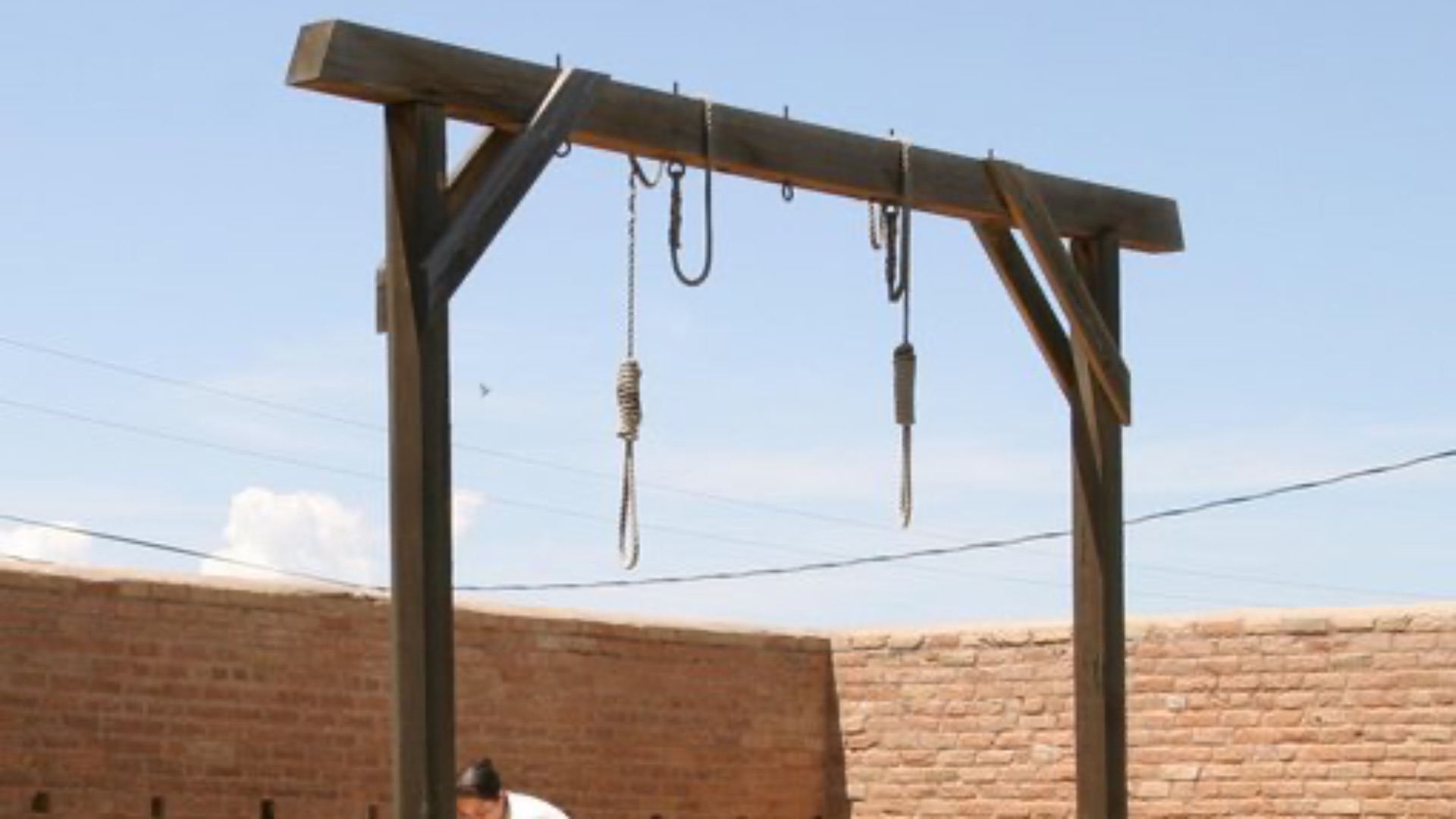
 Pretzelpaws at English Wikipedia on Wikimedia
History has no shortage of horrifying crimes, but perhaps the scariest thing about the past is that some of the most disturbing acts were once not even considered crimes at all. In fact, certain practices that would provoke public outrage today were once encouraged, protected, or even organized by governments.
From selling human beings to imprisoning people who couldn't pay their bills, entire societies accepted behavior that now seems impossible to defend. Come with us as we explore some of history’s most egregious atrocities—ones that weren't hidden away or committed by outlaws; ones that were perfectly ordinary features of everyday life.
Cruelty Was Peddled as Good Business
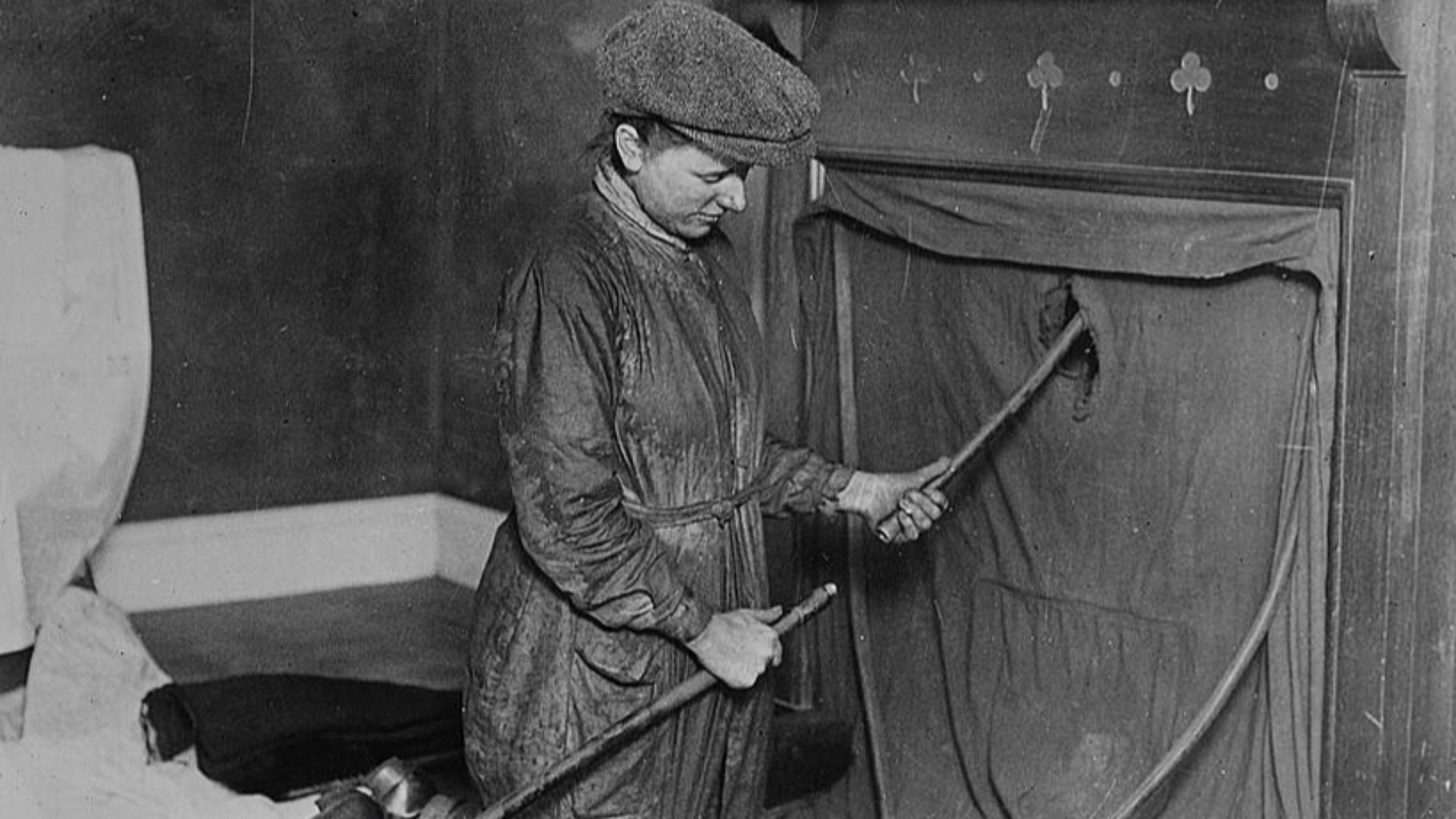 The Library of Congress on Wikimedia
For centuries, British merchants could legally purchase, transport, and sell enslaved Africans across the Atlantic. The trade generated enormous profits for merchants and plantation owners, particularly through sugar, tobacco, and cotton production. Britain only outlawed its participation in the slave trade in 1807, but that wasn’t the end of the barbaric treatment. Slavery itself remained legal in much of its empire until the 1830s.
Child labor was another accepted feature of Britain's growing industrial economy, even when the conditions were completely insane. During the Industrial Revolution, children worked in textile mills for hours (far longer than your everyday 9-5), often operating dangerous machinery for peanuts. The Factory Act of 1833 prohibited factory employment for children under nine and restricted working hours for older children, although enforcement remained difficult.
As horrible as it was to keep children working through brutal hours, adults also had their fair share of trouble—especially if they couldn’t settle an outstanding debt in eighteenth-century England. Your creditor could have you imprisoned! Debtors formed a substantial portion of Britain's prison population, and Charles Dickens's father famously entered London's Marshalsea prison in 1824.
Public entertainment could also involve remarkable cruelty toward animals, particularly in Britain before the 19th century. Bear-baiting involved restraining a bear while dogs were encouraged to attack it, with spectators gathering to watch like it was Sunday night entertainment. And it was, in fact, since these horrible events were actually accepted forms of recreation until changing attitudes helped produce legislation in 1835 that prohibited these contests.
The Disturbing Rights of Authority
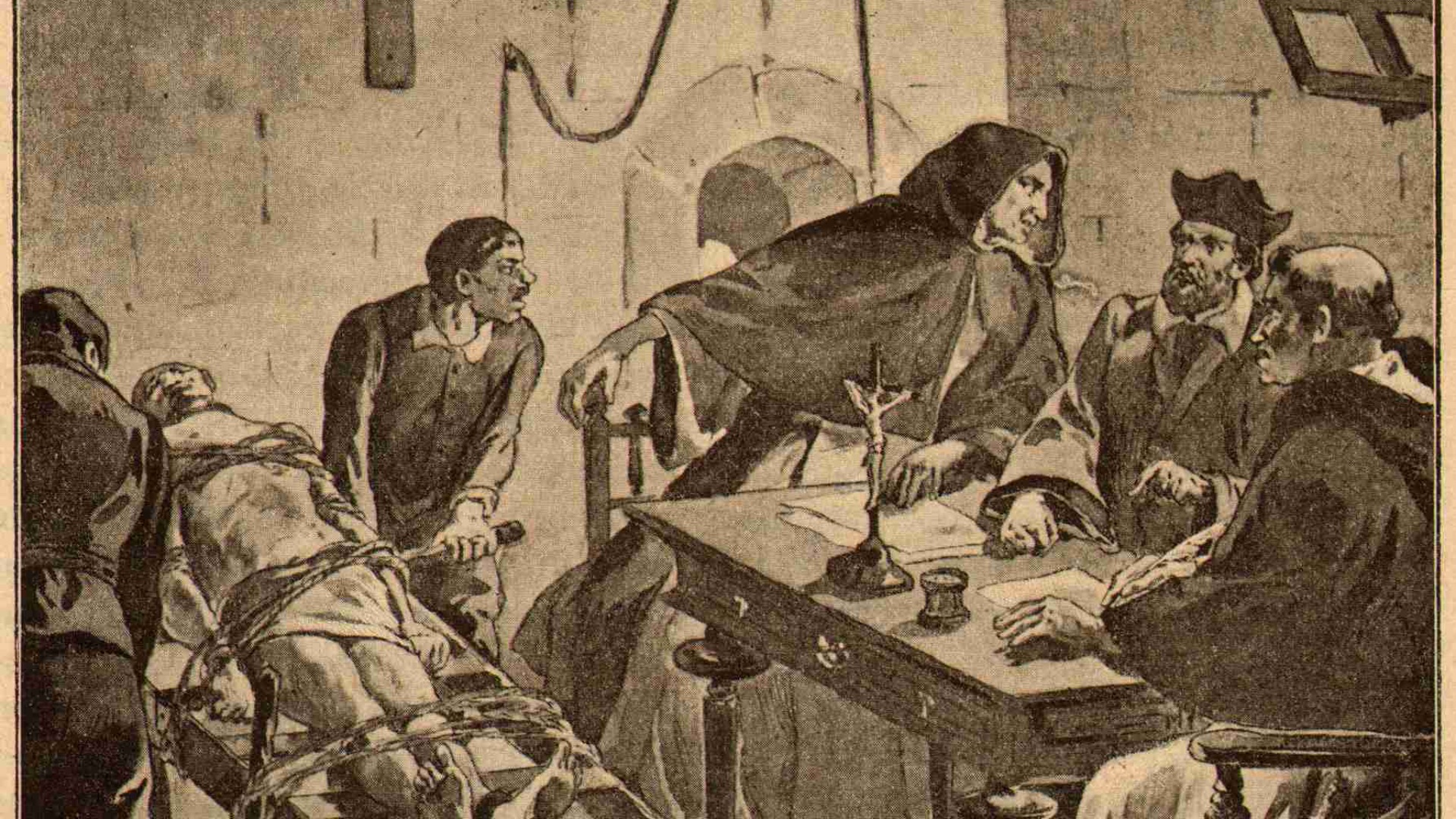
Even the legal system itself permitted methods that would now be recognized as torture. During the sixteenth and early seventeenth centuries, English authorities could use royal, or Privy Council, warrants to authorize interrogation on the rack. Although common lawyers squabbled about the practice, it continued in certain state investigations until 1640, when the last such warrant was issued.
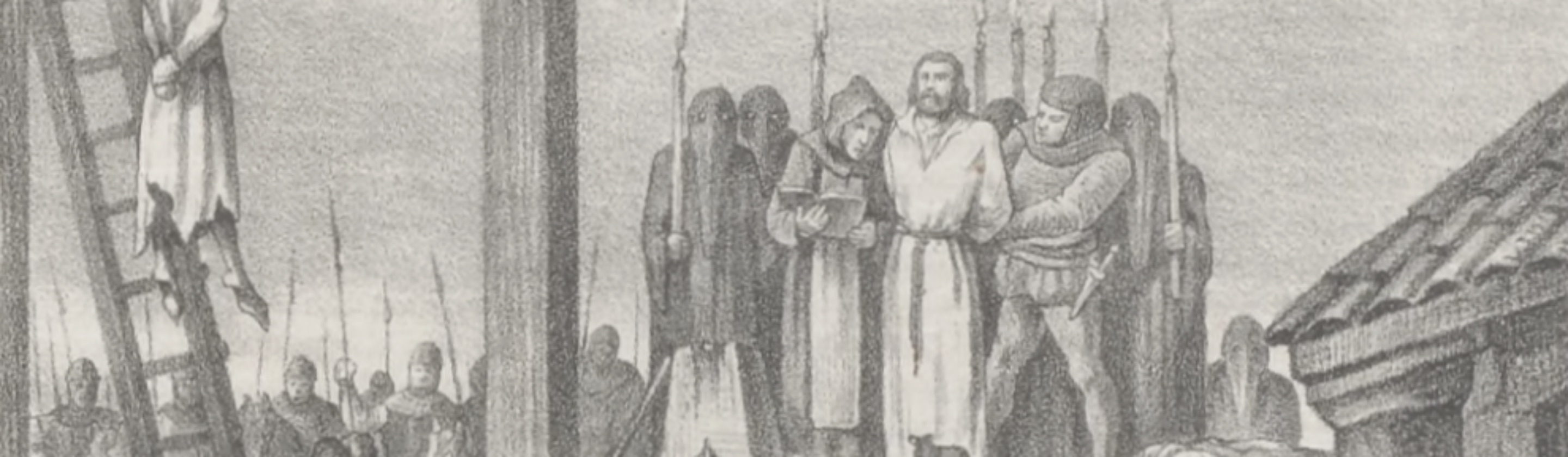
The punishment of convicted criminals could be just as bad, especially when authorities thought public suffering was the ticket to preventing future offenses. In eighteenth-century Britain, more than 200 offenses were potentially punishable by death, including numerous property crimes. Public executions were also front and center in British justice for generations, with executions eventually moving behind prison walls under legislation passed in 1868.
Another widely accepted punishment was actually forcibly removing convicted people from their homeland. This insane process started in the seventeenth century; Britain transported prisoners to its American colonies, later establishing penal settlements in Australia after the American Revolution. Some convicts were slapped with sentences of several years, while others faced transportation for life. The final convict ship arrived in Australia in 1868.
When the Government Made Injustice Official
Some of history's most troubling legal practices were justified through supposedly scientific arguments rather than traditional punishment. In 1927, the United States Supreme Court upheld a Virginia law permitting the compulsory sterilization of certain institutionalized people in Buck v. Bell. The case involved Carrie Buck, a young woman whose reproductive future was decided by officials who believed they had the authority to prevent her from having children.
British colonial slavery also reveals how lawmakers could outlaw one injustice while preserving another—and they were never shy about doing so. Although Parliament prohibited Britain's slave trade in 1807, we mentioned that enslaved people were still widely mistreated for years later. Sure enough, enslaved people in the Caribbean remained legally held in bondage for decades afterward, and even when emancipation legislation took effect in 1834, many formerly enslaved adults were forced into an apprenticeship system that continued well until 1838.
The law's treatment of children provides another reminder that protection wasn't always a government priority. Britain's 1788 legislation regulating chimney sweeps' apprentices established a minimum apprenticeship age of just eight, leaving young children exposed to dangerous working conditions. Further reforms gradually increased restrictions, but the slow pace of change demonstrates how long lawmakers tolerated practices that reformers had already condemned.
What makes these historical examples especially uncomfortable is that they weren't universally accepted without opposition. Abolitionists, labor reformers, and other campaigners frequently challenged established practices long before governments acted, sometimes spending decades demanding change. Their efforts remind us that legality and morality have never been interchangeable, and that the existence of a law doesn't automatically make the behavior it permits justifiable.