
The Ancient Library Buried by a Volcano That Scientists Are Finally Learning to Read
The Ancient Library Buried by a Volcano That Scientists Are Finally Learning to Read
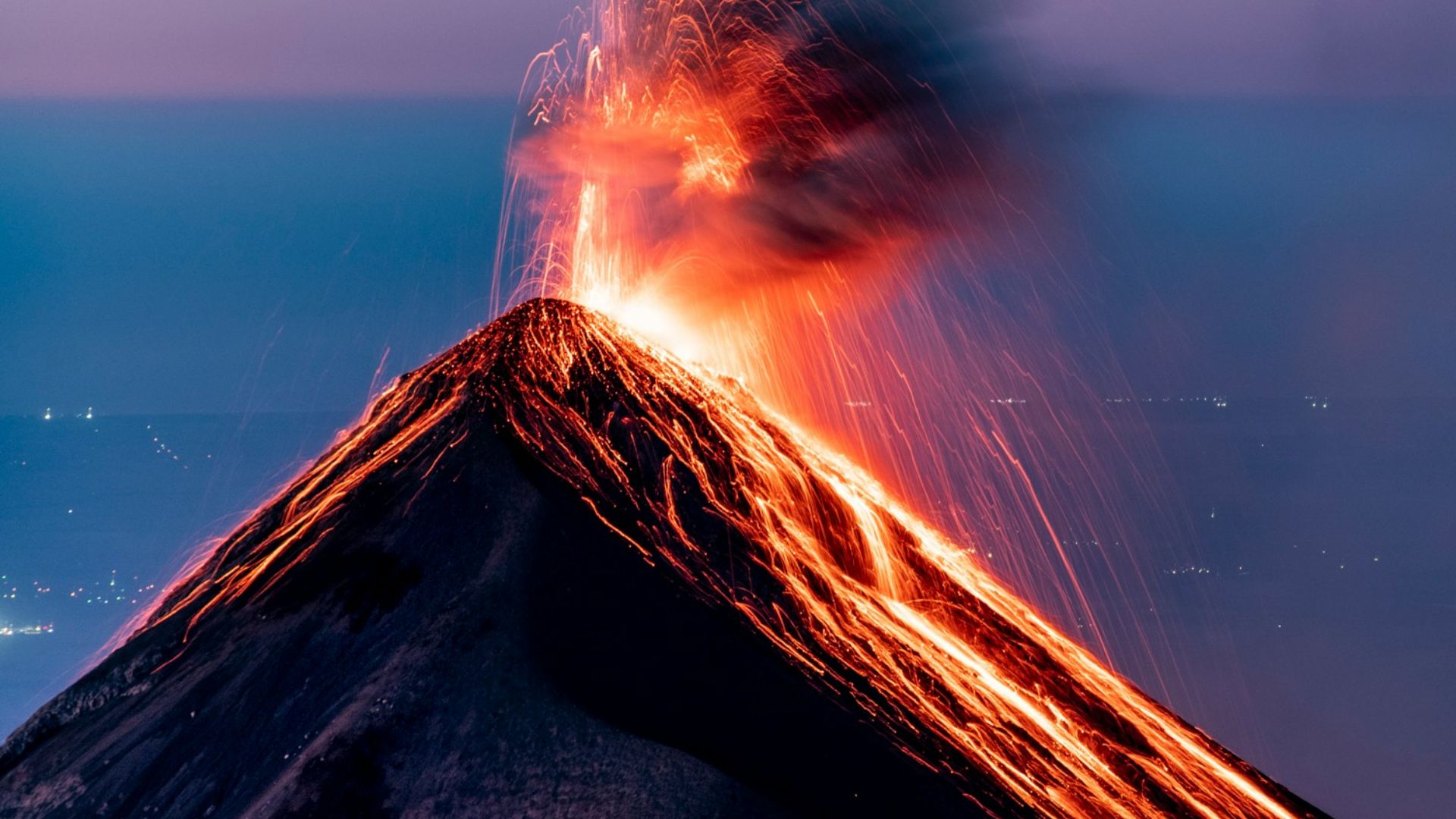
When Mount Vesuvius erupted in 79 AD, it buried several Roman communities beneath layers of volcanic material, preserving remarkable evidence of life nearly 2,000 years ago. Among the most extraordinary discoveries eventually made in the ancient town of Herculaneum was a private library containing hundreds of papyrus scrolls. Unfortunately, the intense heat had carbonized the manuscripts, leaving them so fragile that attempting to open them could destroy their contents.
For centuries, historians wondered what knowledge might be hidden inside these seemingly unreadable artifacts. Thanks to advancements in X-ray imaging, artificial intelligence, and computer science, researchers are now uncovering ancient writing without physically unrolling the scrolls. Their discoveries could significantly expand the current understanding of classical literature, philosophy, and intellectual life in the Roman world.
The papyri were found as a result of excavations beginning in 1752 and continuing in subsequent years, carried out on the site of a very large house, the Villa of the Papyri. It's thought that this may have been the house of Lucius Calpurnius Piso Caesoninus (father-in-law of Julius Caesar), but there's no certainty about the identity of its owner. Along with a great number of statues and other works of art, about 1,800 rolls and fragments of charred papyrus were recovered, all of considerable interest.
A very large proportion of books would originally have been in this form, written on papyrus made from plant stalks, most readily available in Egypt. These would, of course, be subject to decay with the passage of time, particularly if exposed to damp conditions. They might all have perished but for the peculiar circumstances of the volcanic eruption, making this the only surviving library of its kind from classical antiquity.
Many methods, both mechanical and chemical, have been tried to unroll these papyri and read their contents, several with destructive results. Considerable amounts of text have, in fact, been read, and many treatises have been identified as works by the Epicurean philosopher Philodemus, who lived in the first century BC. Several hundred other rolls are, however, too damaged to be tackled using conventional methods.
How Modern Technology Is Making the Scrolls Readable
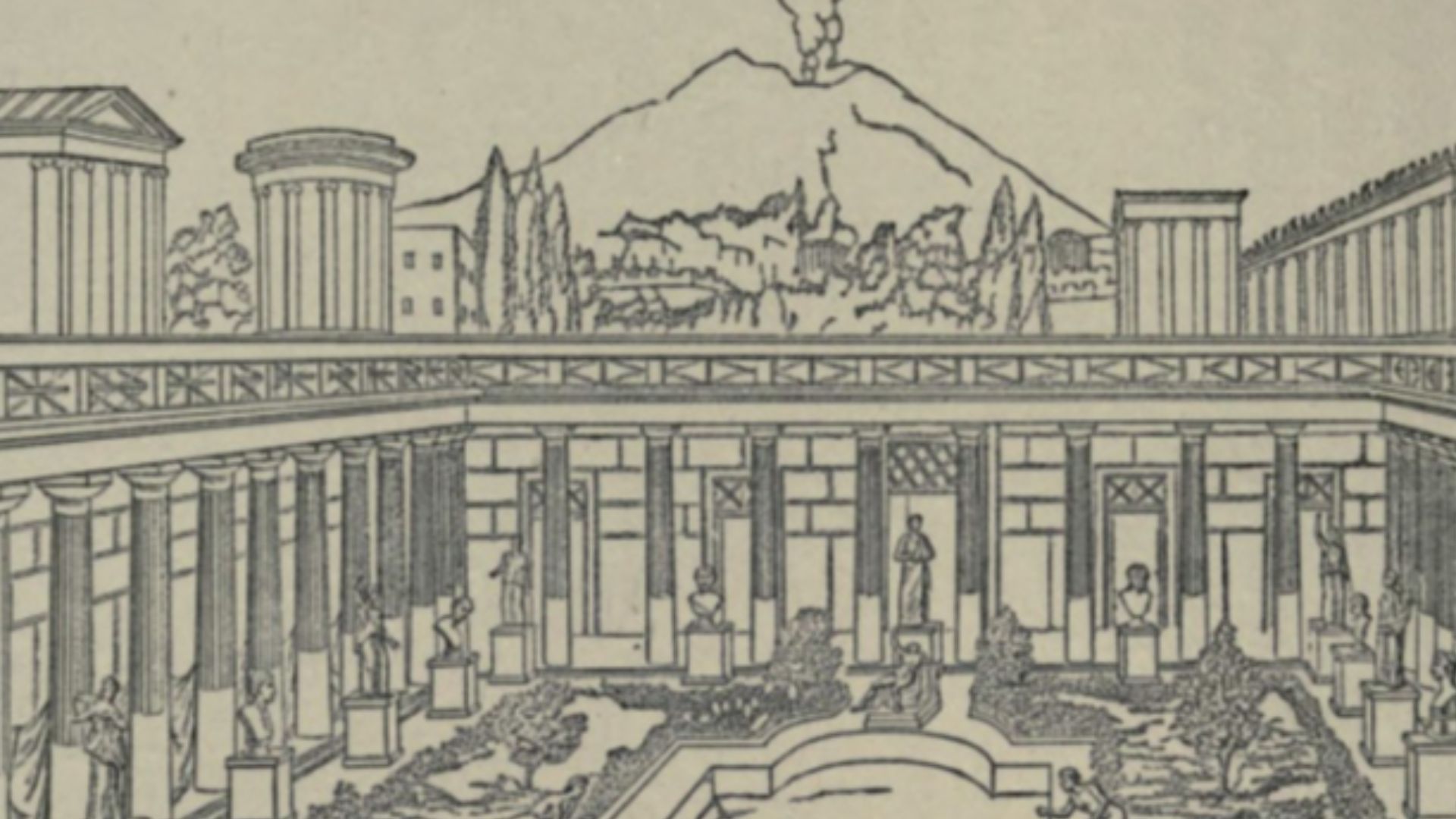 Ethel Ross Barker, Buried Herculaneum on Wikimedia
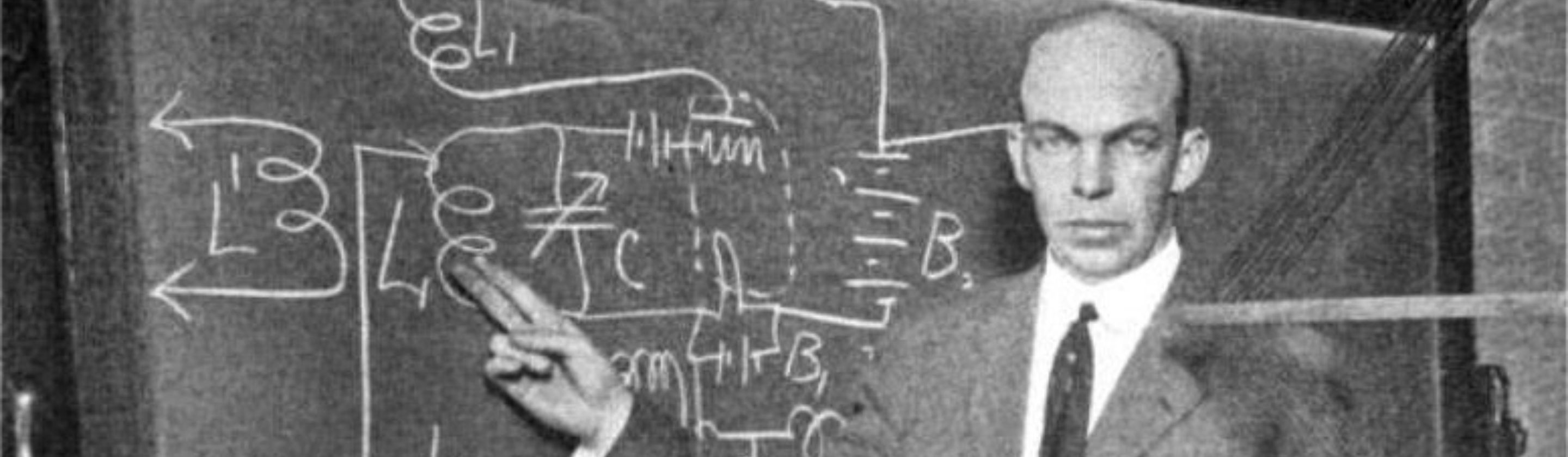
Computer scientist Brent Seales of the University of Kentucky spent years developing a technique known as virtual unwrapping. Instead of physically separating the delicate papyrus layers, researchers use powerful X-rays to produce detailed three-dimensional representations of the manuscripts' interiors. Specialized computer software then identifies individual writing surfaces and digitally flattens them, allowing scholars to examine material that would otherwise remain inaccessible.
A further difficulty was differentiating ink from the charred remains of the papyrus. Much of the ink appears to have been carbon-based, so it was very difficult to image the letters using various scanning techniques. Machine learning techniques were able to pick up a range of features indicative of ink, allowing letters and longer sequences of text to be imaged.
The Vesuvius Challenge began in 2023, inviting others to try to find ways to read more of these texts. Very soon, contestants managed to image and identify the word porphyras (purple) in one scroll. By the beginning of 2024, a team of three contestants had imaged fairly long stretches of text rather than just individual letters.
In June 2026, it was announced that all extant text of one scroll (PHerc. 1667) had been imaged. Around five feet of text in about 20 columns could be read, although it had formerly been thought to be wholly illegible. All this was achieved without having to separate and unroll each layer of papyrus.
What These Ancient Writings Could Reveal
Some of the most exciting discoveries concern philosophical works that modern historians hadn't previously been able to examine. Researchers announced the identification of additional writings by Philodemus in 2026, including the first book of On Vices and the eighth book of On Gods. These findings provide scholars with additional material for investigating ancient philosophical discussions about morality, religion, and human behavior.
Another manuscript appears to date from the second or third century BC, potentially making it one of the oldest documents in the collection. Its contents discuss subjects connected with ethics, artistic pursuits, and human conduct, with researchers suggesting that it may represent a work associated with Stoic philosophy. Although its authorship hasn't been established, the manuscript could provide valuable information about philosophical traditions for which relatively few original writings survive.
There's great interest in finding more texts beneath the villa. Very little writing from antiquity survives to this day, and a large number of works are known only through mentions in other ancient sources. It's, of course, by no means certain that more important works would be found, but finding a few more hitherto unknown texts would be very exciting indeed.
Perhaps the most encouraging aspect of the project is that its significance extends beyond Herculaneum itself. The techniques developed through this collaboration could assist researchers investigating other fragile historical documents that can't safely be opened or handled through conventional means. Nearly 2,000 years after a volcanic eruption interrupted the intellectual activities of an ancient Roman household, modern ingenuity is finally giving its remarkable collection another opportunity to be read.
KEEP ON READING