20 Terrible Military Decisions That Got Thousands Killed
When One Bad Call Becomes a Disaster
Military history is packed with amazing victories won through brilliant strategy and careful planning, but it also contains plenty of bad decisions that ended horribly. Sometimes leaders underestimated the enemy, ignored intelligence, chose terrible terrain, or simply refused to change course. The results could be catastrophic, with thousands of soldiers and civilians paying dearly for mistakes made far from the front lines. Here are 20 military decisions that turned already dangerous situations into historic disasters.
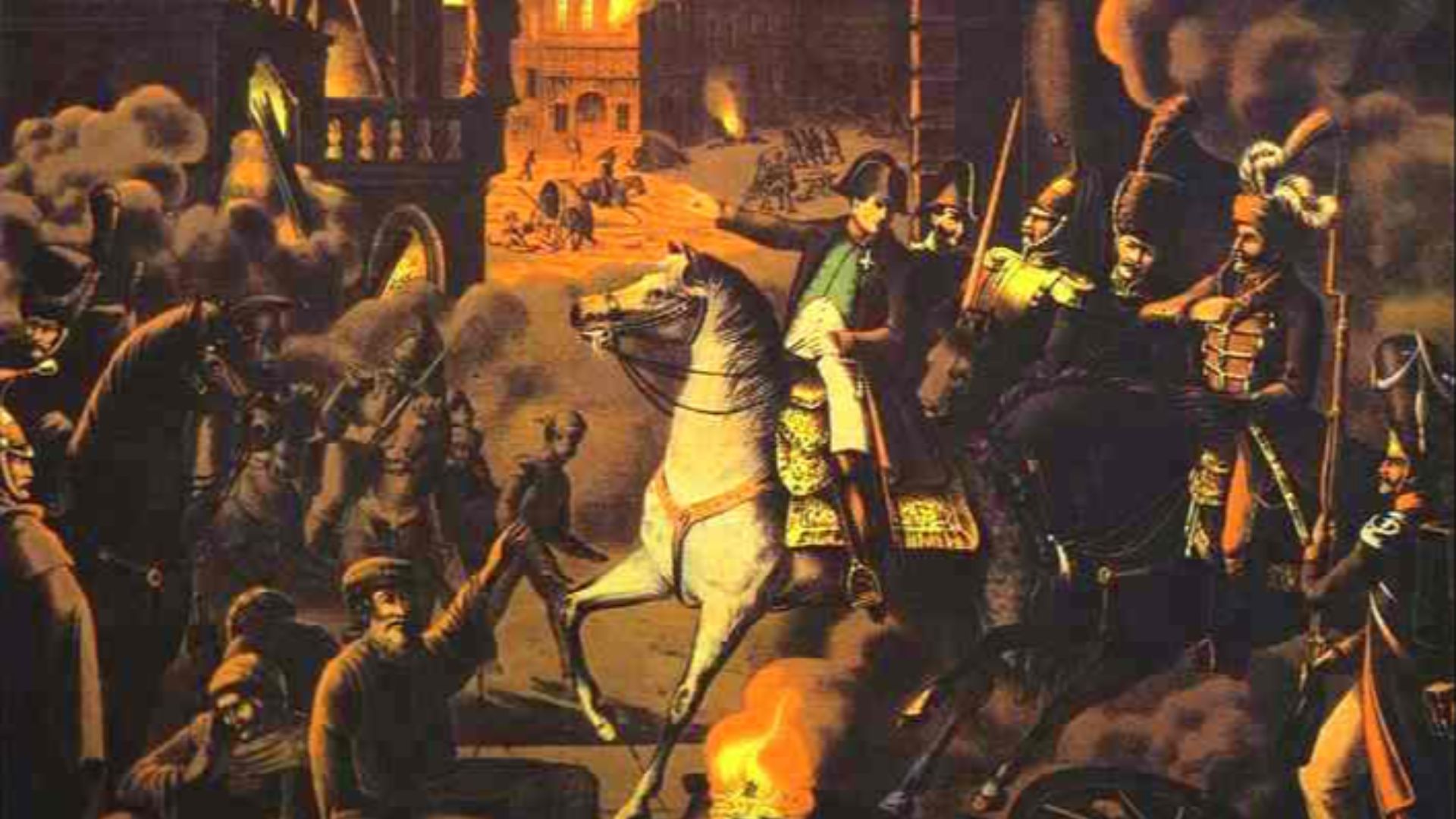
1. Napoleon Invades Russia
Napoleon Bonaparte marched into Russia in 1812 with an enormous multinational army, apparently expecting to force Tsar Alexander I into negotiations after a decisive campaign. Instead, Russian forces repeatedly withdrew while destroying supplies, leaving the French farther from their bases and increasingly short of food. Napoleon eventually occupied a largely abandoned Moscow but stayed too long before ordering a retreat as winter approached. His stubbornness ended up destroying most of the enormous army he had taken east.
2. Pickett's Charge at Gettysburg
On July 3, 1863, Confederate General Robert E. Lee ordered roughly 12,500 men to advance across open ground toward the center of the Union line at Gettysburg. Union troops had artillery and infantry positioned behind strong defenses, while the Confederate attackers had nearly a mile to cover under fire. Lieutenant General James Longstreet had serious doubts about the assault, but Lee went ahead with it anyway. The attack collapsed with enormous Confederate casualties and helped end Lee's invasion of the North.
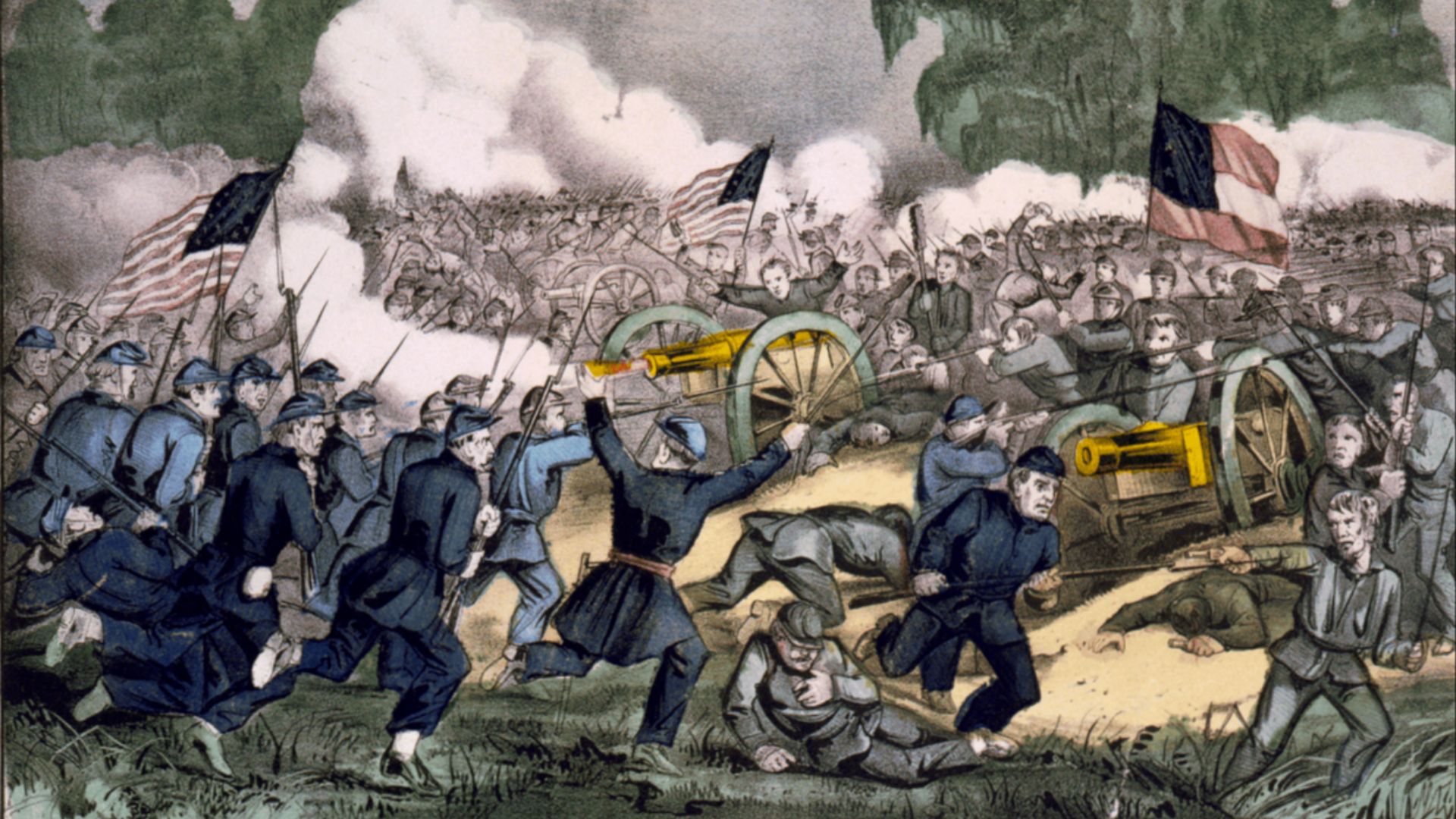 Nathaniel Currier and James Merritt Ives on Wikimedia
3. The British Assault at the Somme
British commanders hoped the opening attack of the Battle of the Somme in 1916 would smash German defenses after days of artillery bombardment. Unfortunately, many German troops survived in deep dugouts, and sections of barbed wire remained intact when British infantry began advancing. Roughly 57,000 British soldiers became casualties on the first day alone, including more than 19,000 killed. The assumption that the preliminary bombardment had done its job proved terribly costly.
4. Gallipoli Is Allowed to Drag On
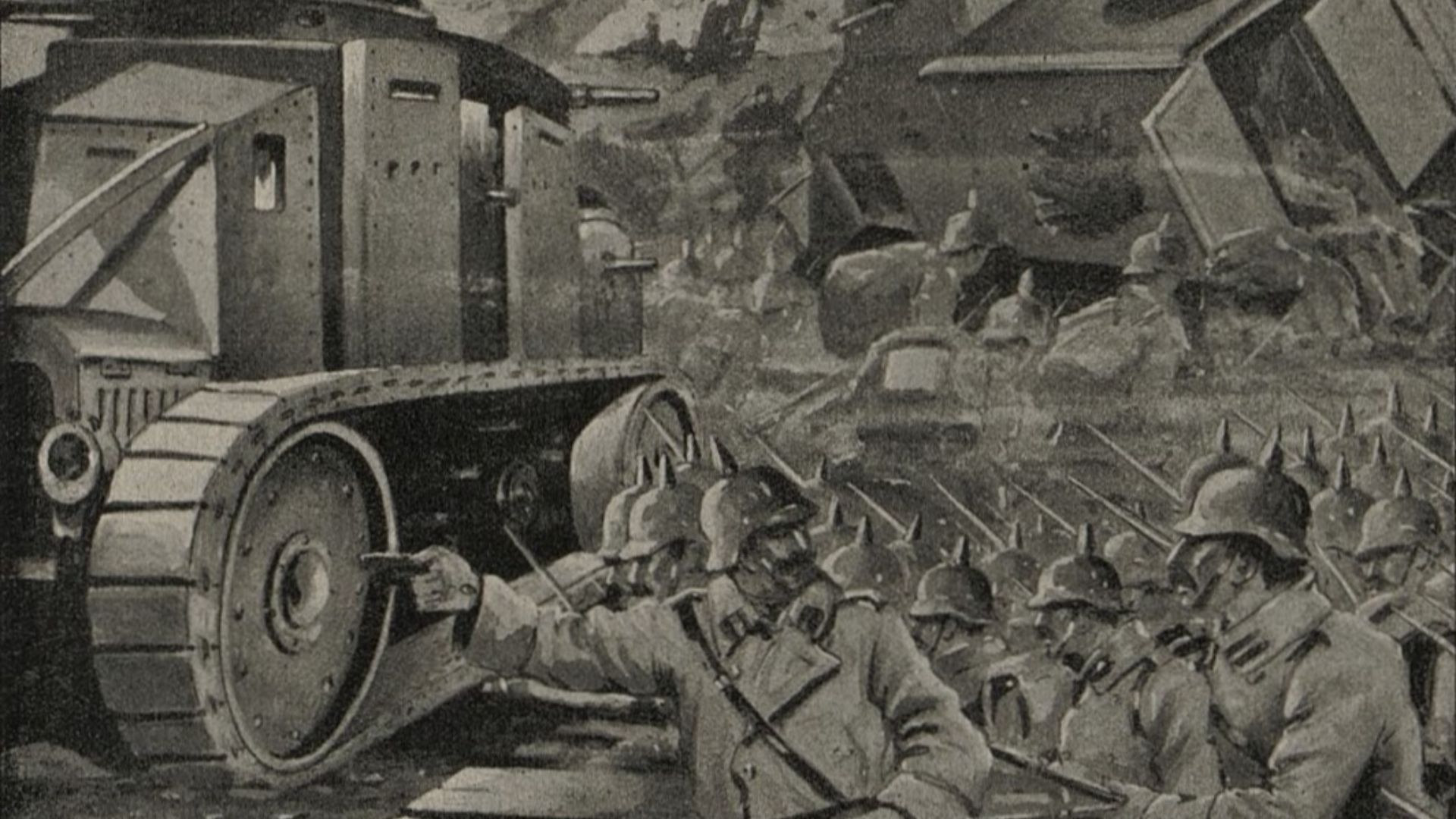
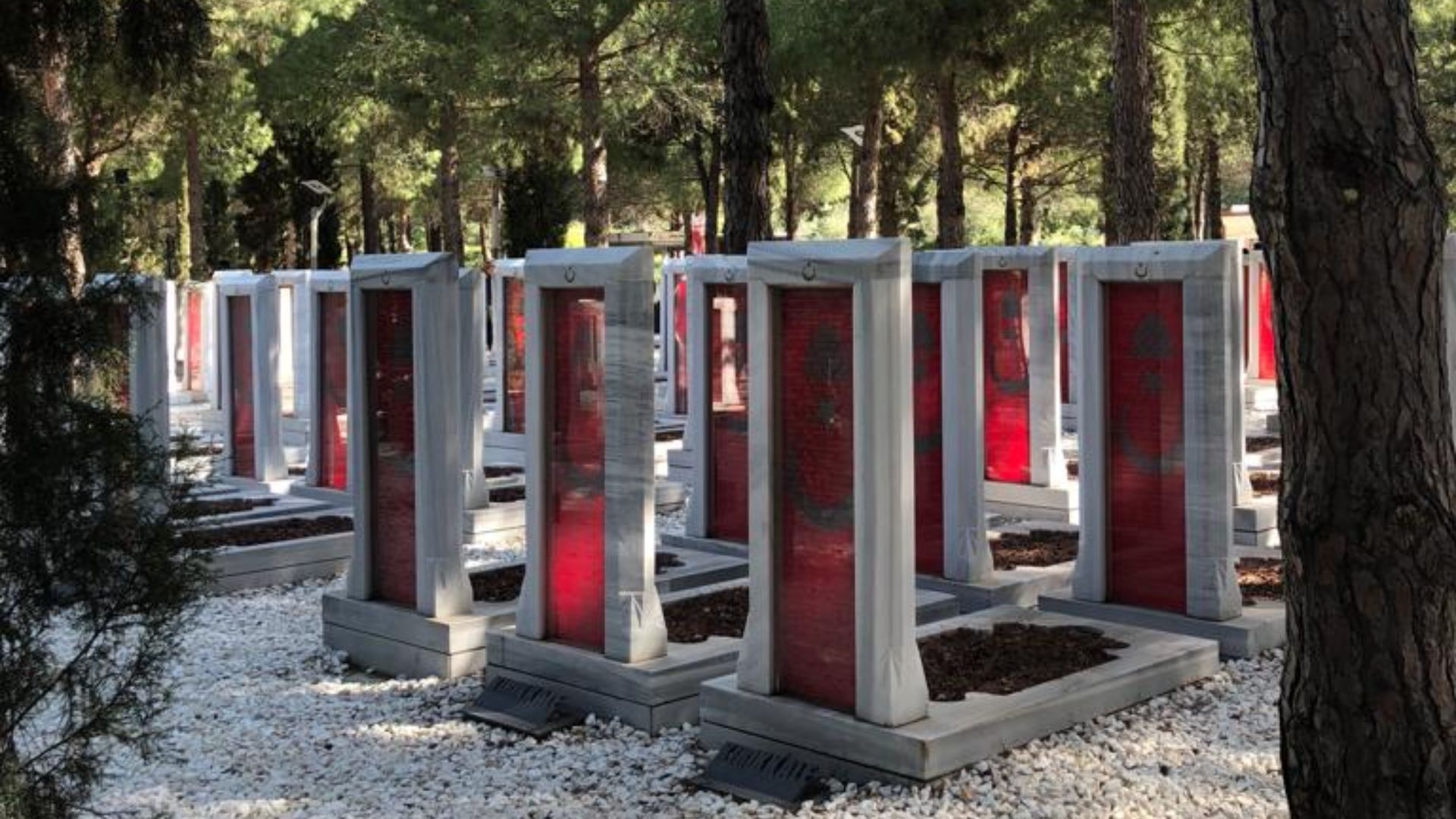
The Allies landed on Turkey's Gallipoli Peninsula in 1915 hoping to knock the Ottoman Empire out of World War I and open a route to Russia. Poor maps, difficult terrain, confused leadership, and determined Ottoman resistance quickly stalled the campaign near the beaches. Instead of abandoning the operation early, Allied commanders spent months feeding additional troops into positions where little progress could be made. By the evacuation, both sides had suffered hundreds of thousands of casualties.
5. Hitler Orders the Invasion of the Soviet Union
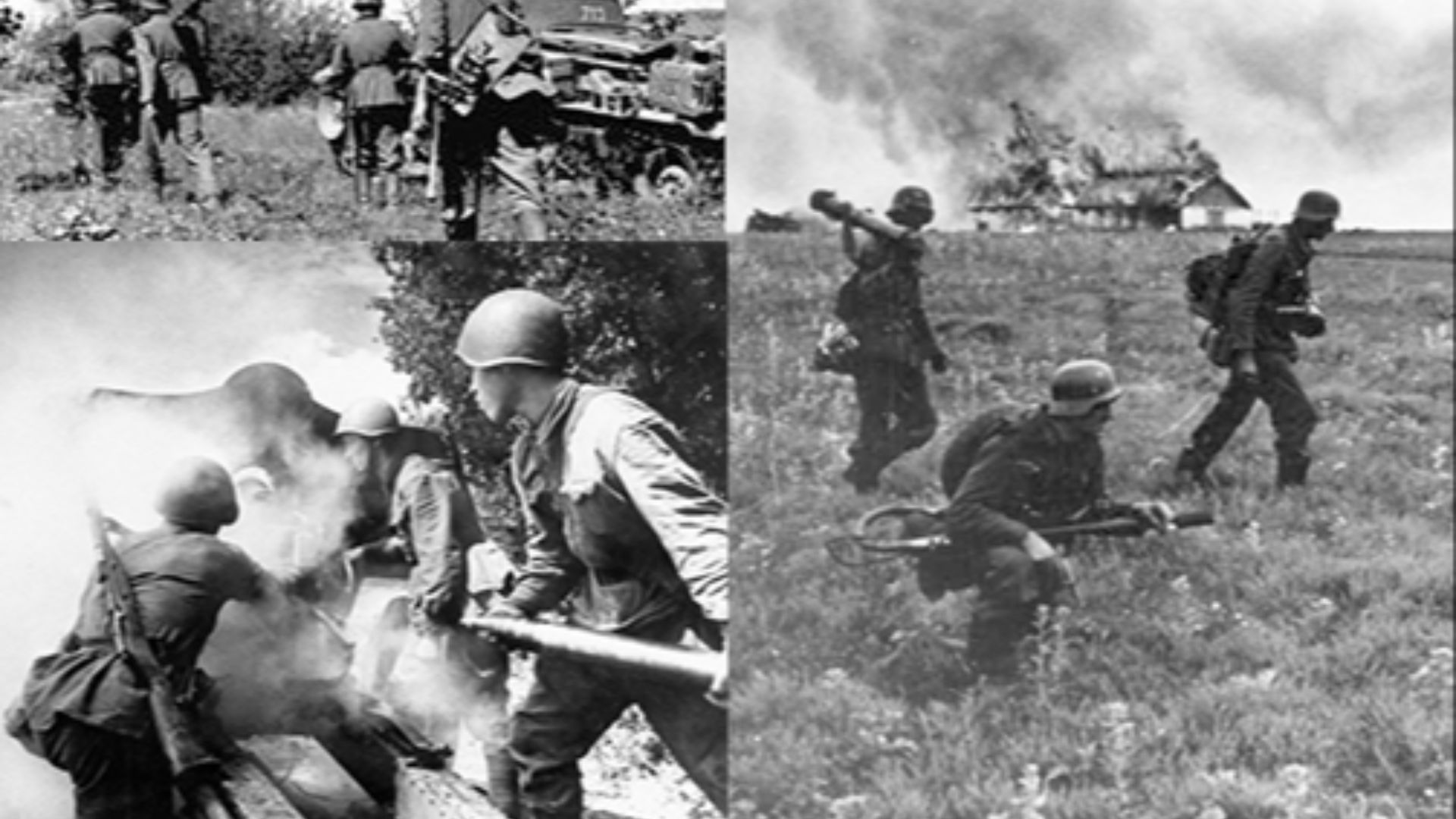
Having apparently not learned from Napoleon's earlier mistake, Adolf Hitler launched Operation Barbarossa in June 1941. German planners expected the Soviet Union to collapse quickly, so they weren't properly prepared for a prolonged campaign stretching across enormous distances. When the Soviets kept fighting, supply problems, heavy casualties, and winter weather exposed how badly Germany had miscalculated. The Eastern Front eventually consumed millions of soldiers and became central to Nazi Germany's defeat.
6. The British Launch the disastrous Attack at Loos
In 1915, British commanders launched the Battle of Loos even though they lacked enough artillery shells to properly destroy German defenses beforehand. Infantry were sent forward across open ground against intact machine-gun positions, while reserves were held too far back to exploit the few early gains that were made. The result was a costly failure that produced roughly 50,000 British casualties, including more than 15,000 killed.
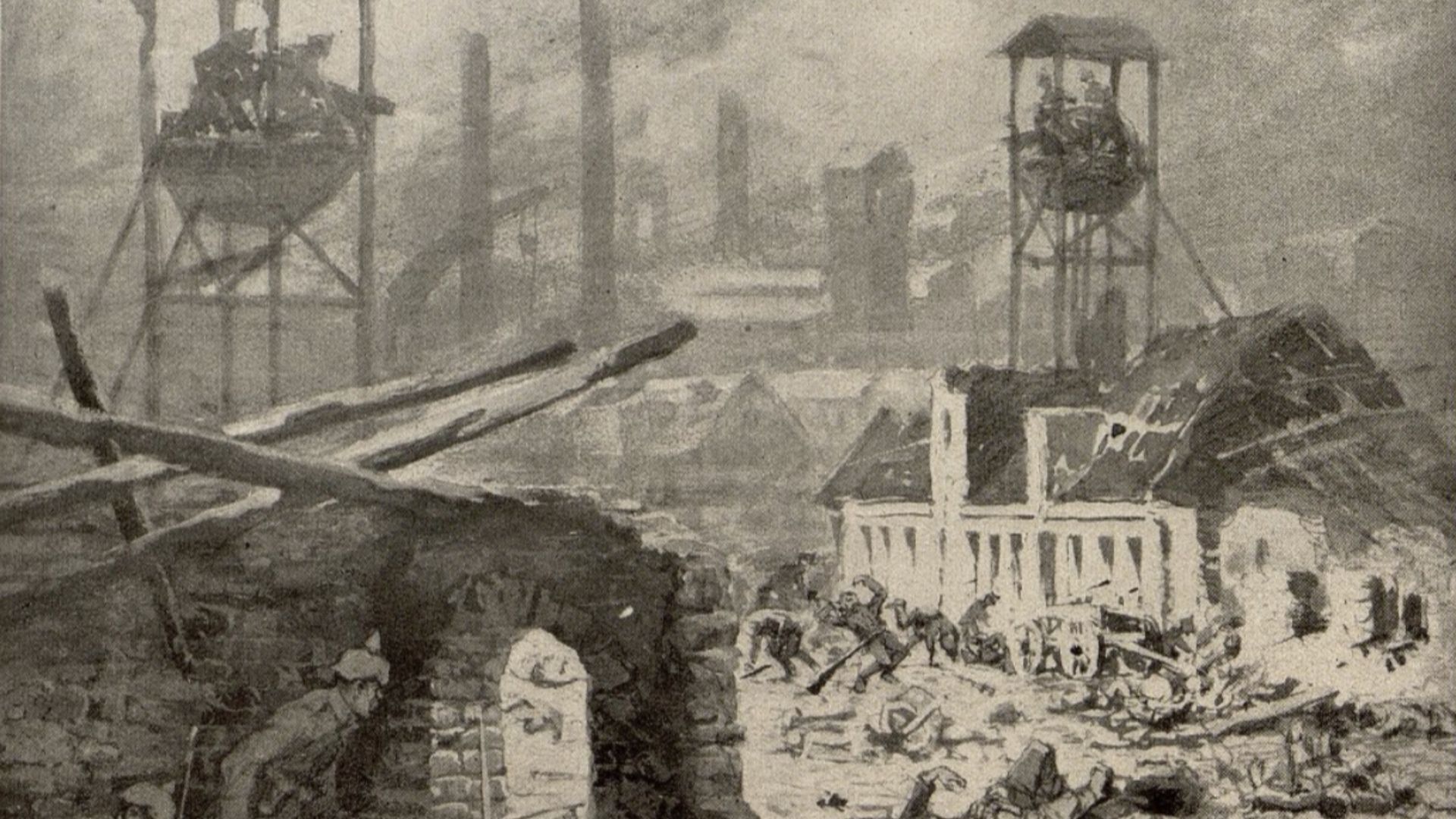
7. The British Attack at Gallipoli’s Suvla Bay
In August 1915, British commanders landed thousands of troops at Suvla Bay hoping to break the stalemate at Gallipoli, but the operation was plagued by hesitation and poor leadership almost immediately. Instead of quickly seizing the surrounding high ground, forces lingered near the beaches while Ottoman defenders rushed reinforcements into position. The delay turned a potentially useful landing into another costly deadlock, with tens of thousands of Allied casualties during the August offensives.
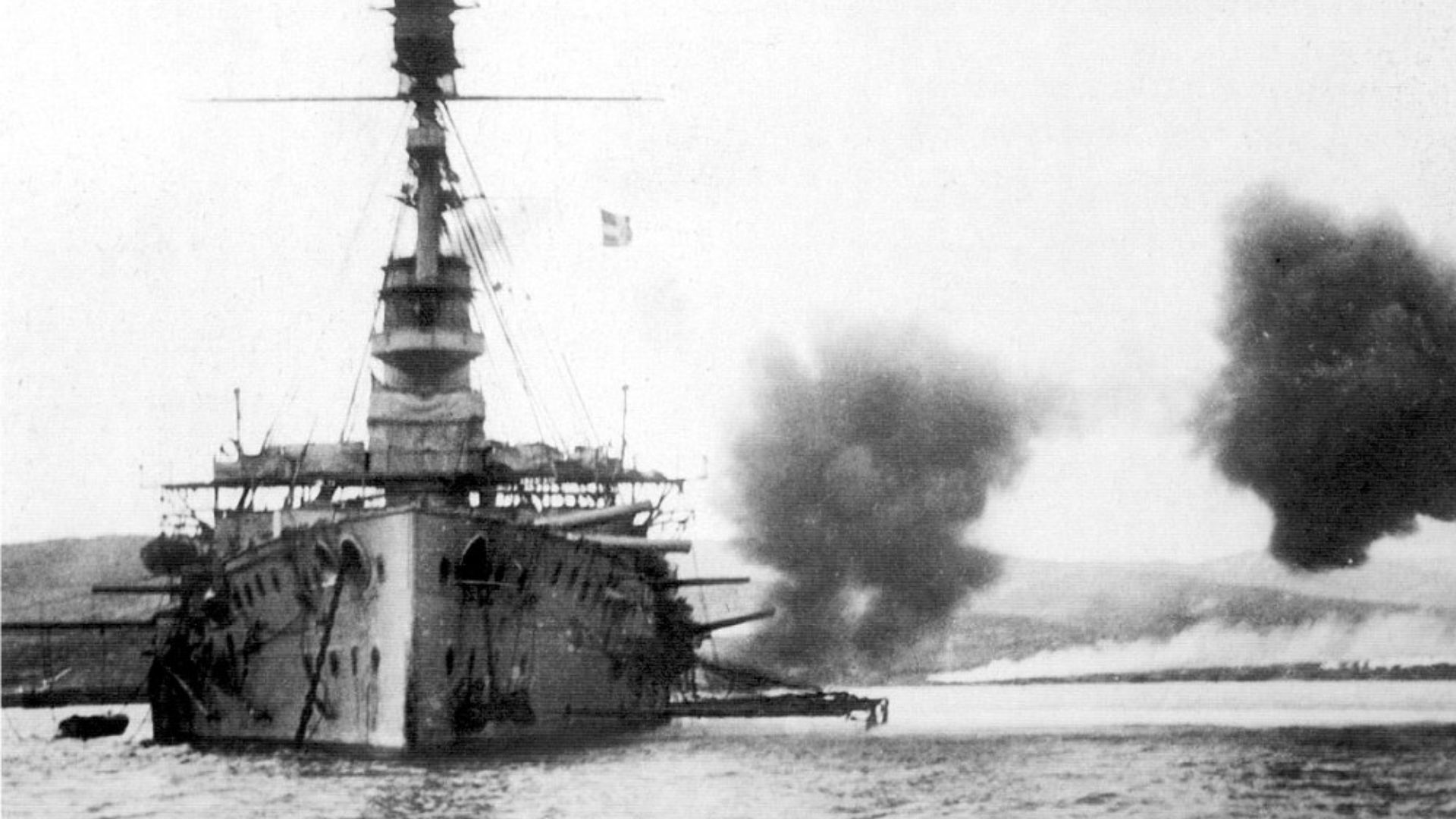
8. Japan Attacks Pearl Harbor
Japan's attack on Pearl Harbor in December 1941 was tactically successful but strategically disastrous. The strike damaged the U.S. Pacific Fleet and killed more than 2,400 Americans, yet it failed to destroy America's aircraft carriers or cripple the country's industrial capacity. More importantly, the attack brought the U.S. fully into World War II with enormous public support for defeating Japan. Japanese leaders had hoped to weaken American resolve, but they achieved the opposite.
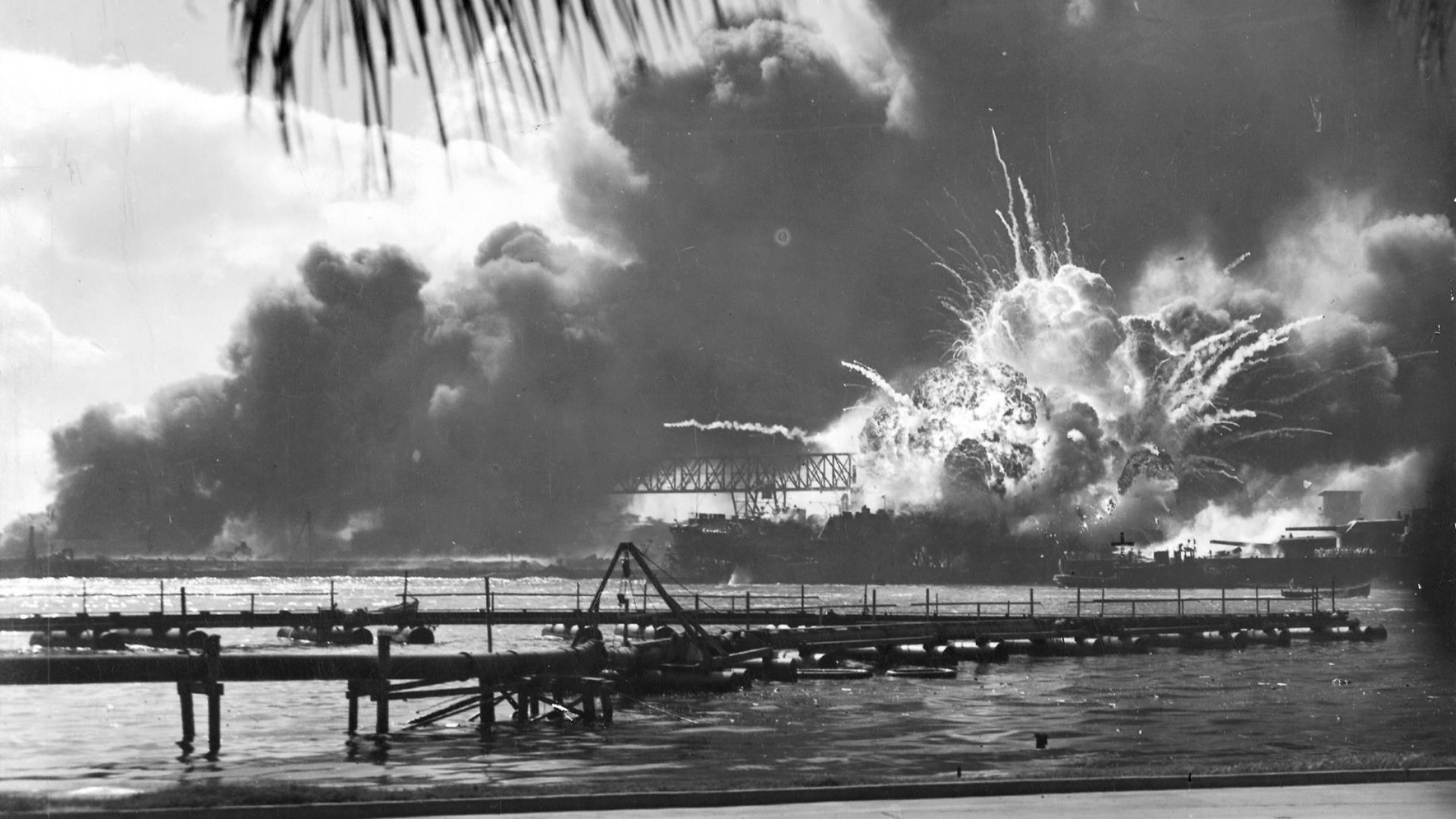 Unknown navy photographer on Wikimedia
9. Hitler Refuses to Let the Sixth Army Leave Stalingrad
As Soviet forces encircled the German Sixth Army at Stalingrad in November 1942, its commander, Friedrich Paulus, faced an increasingly desperate situation. Hitler ordered him to hold his position rather than attempt an early breakout, while Hermann Göring's Luftwaffe promised it could supply the trapped army by air. That promise proved hopelessly unrealistic, and food, ammunition, fuel, and medical supplies rapidly disappeared. Around 150,000–200,000 German soldiers were killed during the battle along with roughly 480,000 Soviet troops and tens of thousands of civilians.
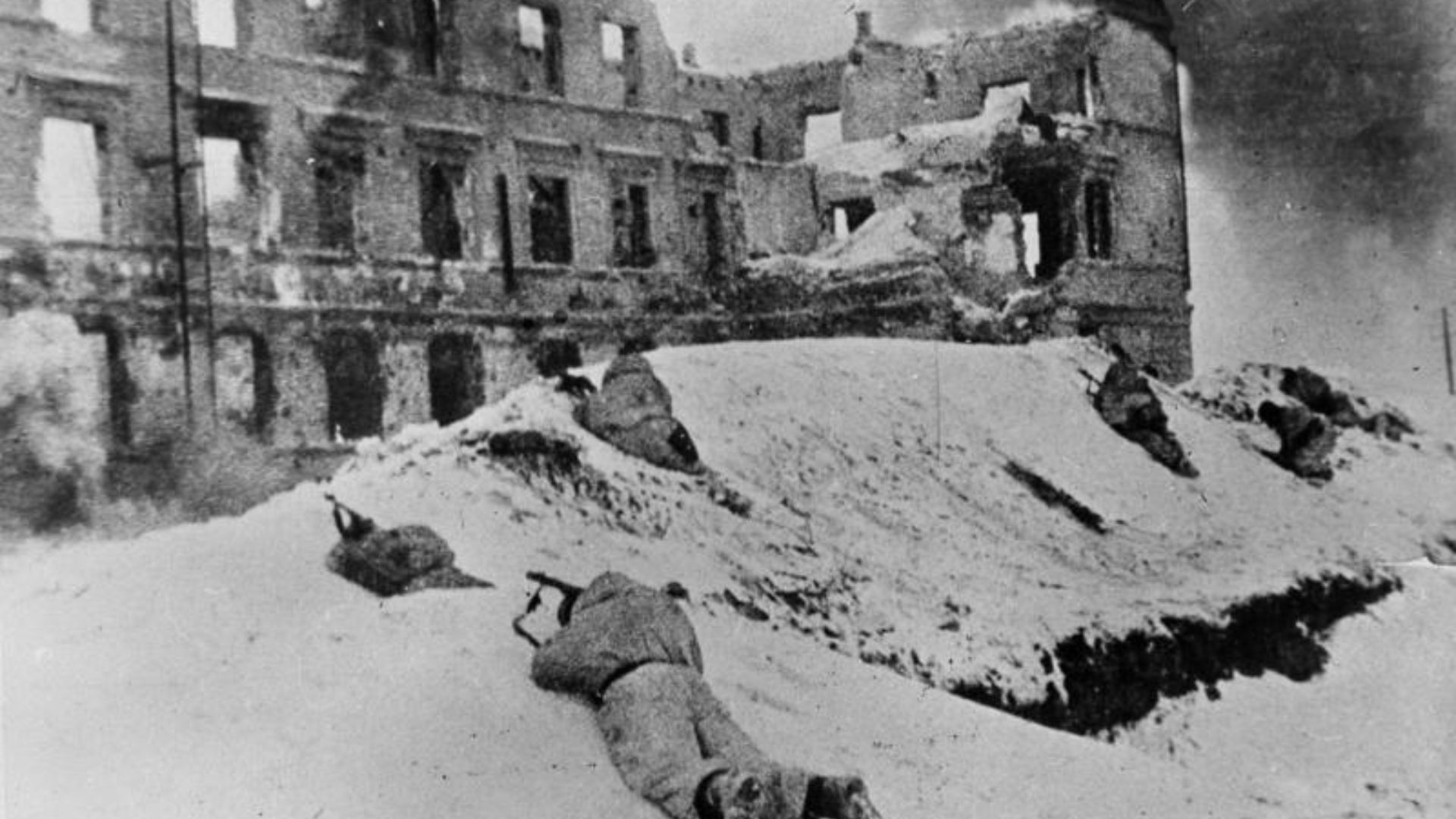
10. The French Keep Attacking at Dien Bien Phu
France established a fortified base at Dien Bien Phu in 1953 hoping to lure the Viet Minh into a conventional battle that French firepower could win. French planners badly underestimated General Võ Nguyên Giáp's ability to move heavy artillery through the surrounding hills and supply a large army in remote terrain. Once Viet Minh guns dominated the valley and the airstrip became unusable, the defenders were increasingly trapped. The eventual defeat in May 1954 cost France thousands of casualties and helped bring its colonial war in Indochina to an end.
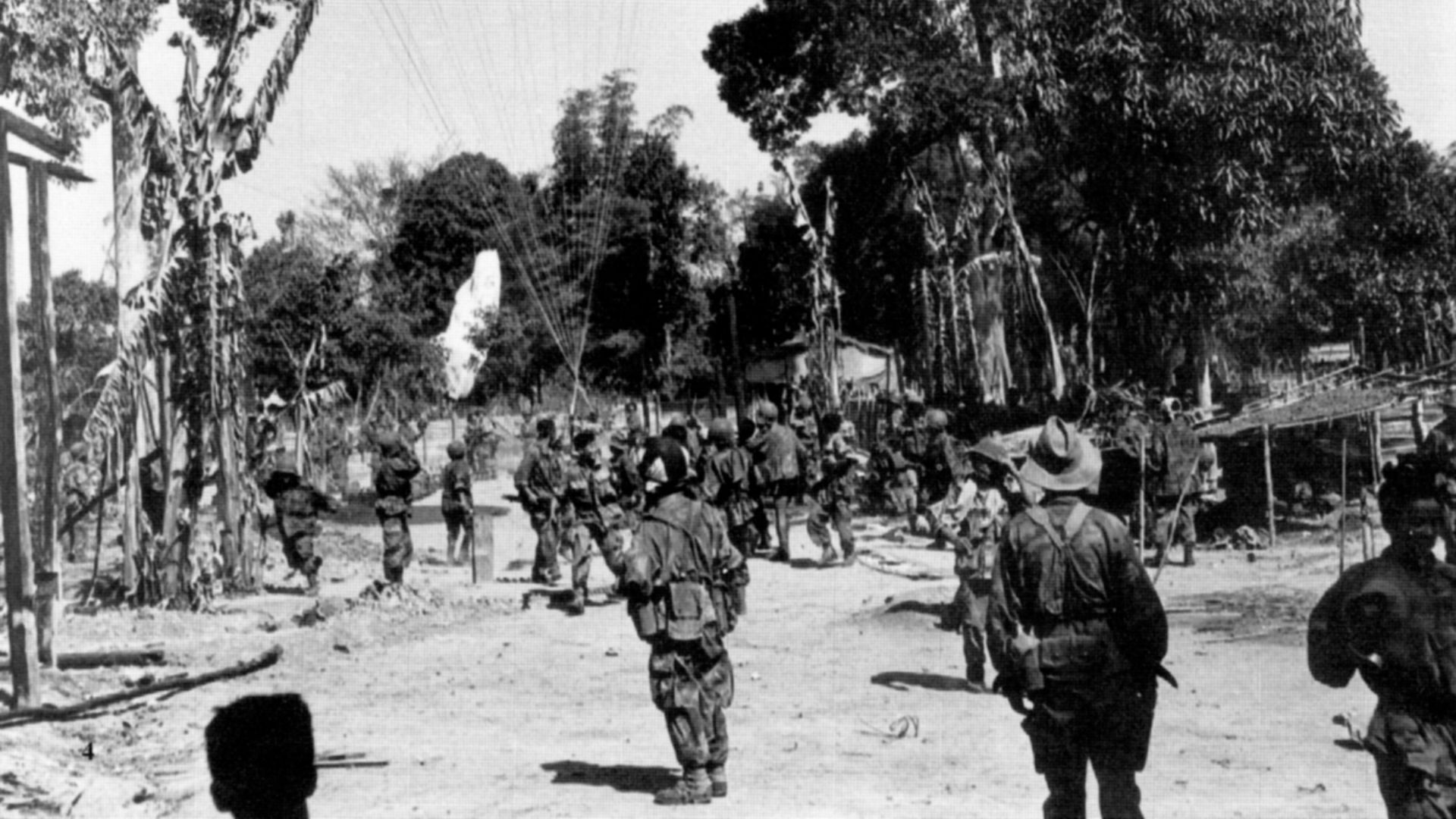 Albert Grandolini on Wikimedia
11. The Union Army Charges at Fredericksburg
At Fredericksburg in December 1862, Union commander Ambrose Burnside repeatedly sent troops against Confederate positions on Marye's Heights. Robert E. Lee's men were protected by a stone wall and commanding ground that gave them excellent fields of fire. Several Union assaults failed, yet more men kept being ordered forward against essentially the same defenses. The Union army suffered more than 12,000 casualties during the battle without achieving Burnside's objective.
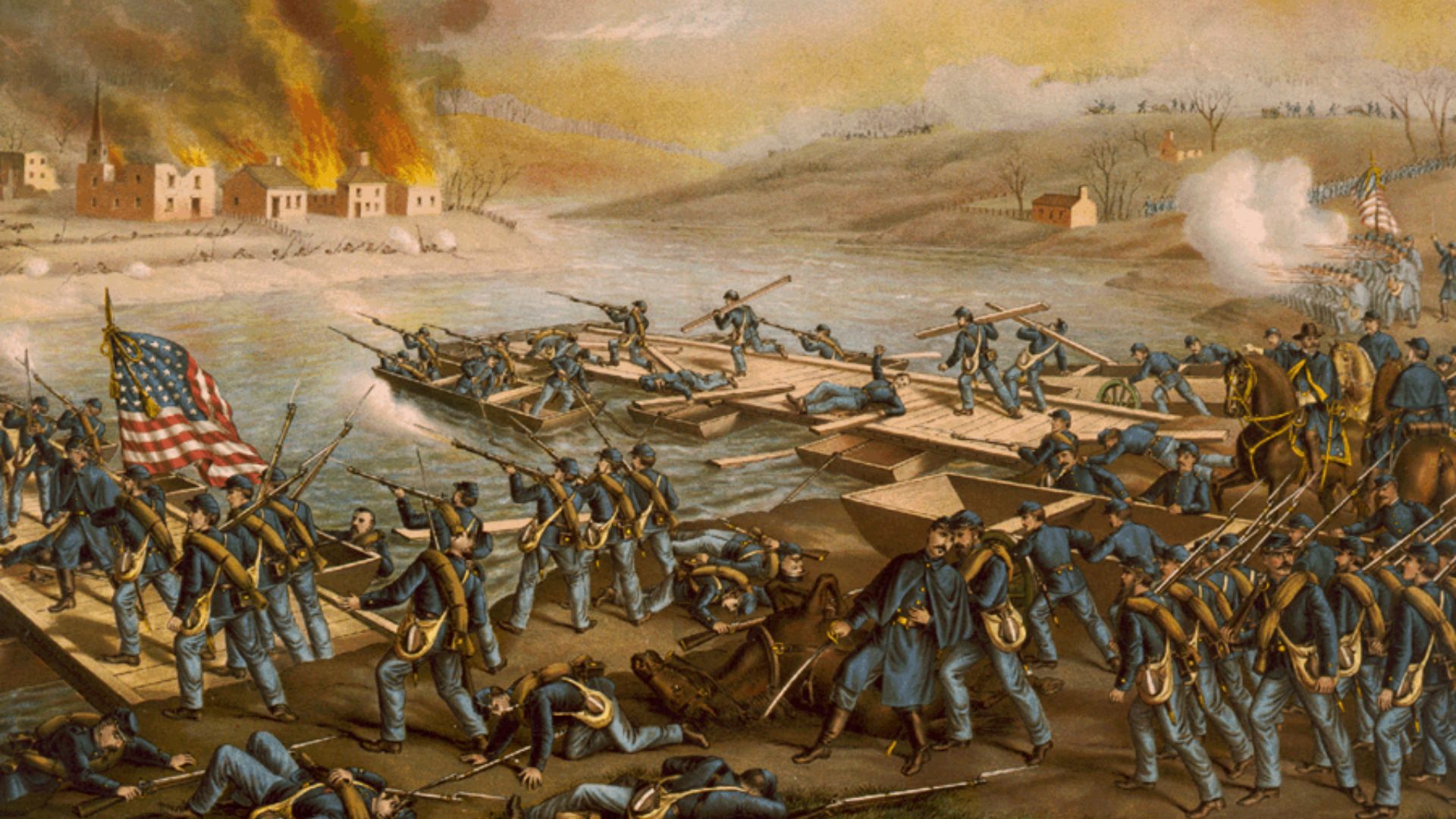 Kurz & Allison, Art Publishers, Chicago, U.S. on Wikimedia
12. The French Launch the Nivelle Offensive
French General Robert Nivelle promised that his 1917 offensive on the Western Front would break through German lines quickly and decisively. His confidence remained high even after German forces learned enough about Allied preparations to strengthen their defenses and withdraw to better positions in some areas. The offensive failed to produce the promised breakthrough while French casualties mounted into the tens of thousands within days. The disappointment contributed to widespread mutinies in the French Army later that year.
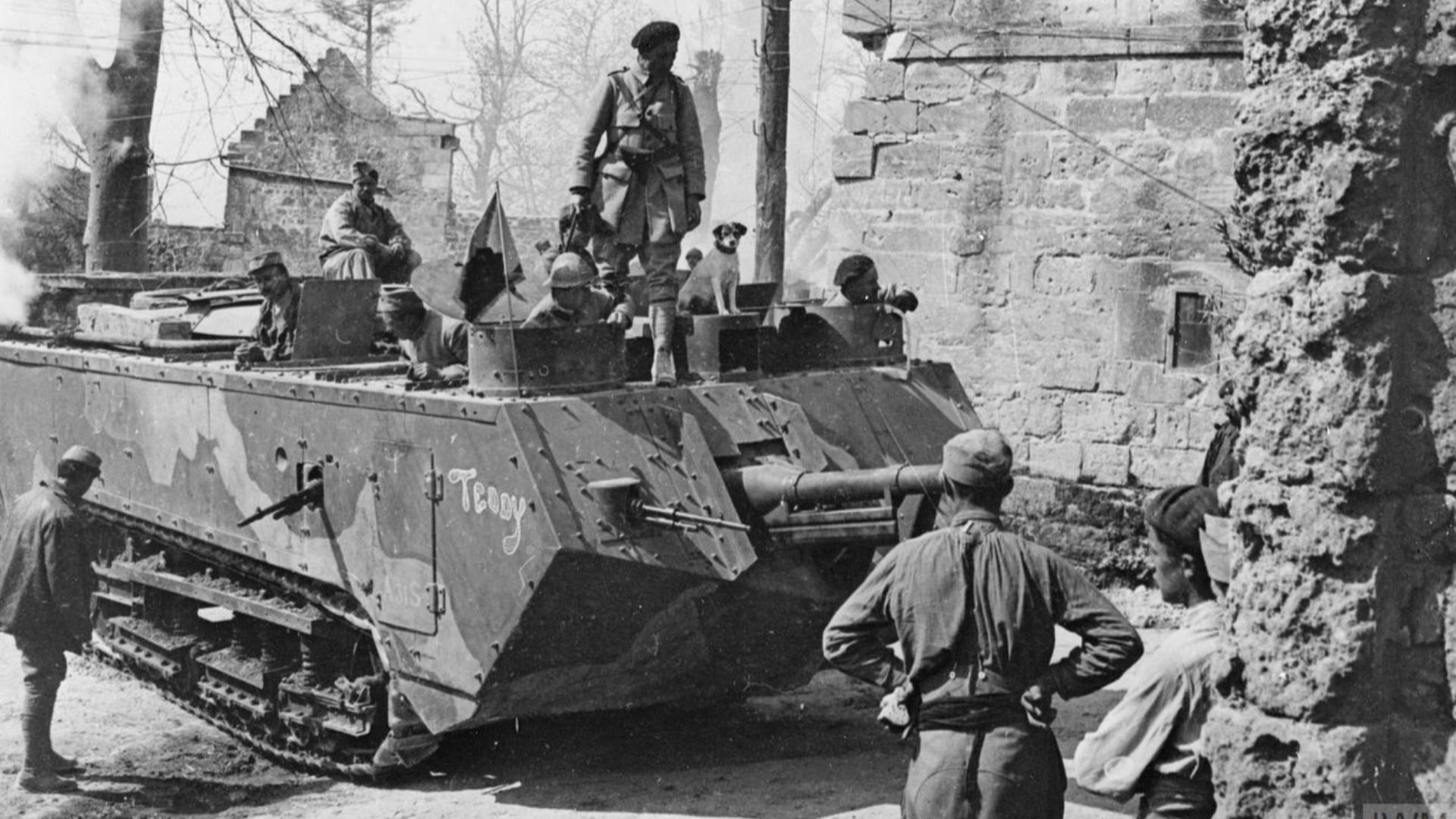
13. Italy Keeps Attacking the Isonzo
Between 1915 and 1917, Italian forces launched repeated offensives against Austro-Hungarian positions along the Isonzo River. The mountainous terrain heavily favored defenders, but Italian commander Luigi Cadorna continued ordering frontal attacks that produced little lasting progress. Eleven separate Italian offensives took place before the disastrous Battle of Caporetto turned the situation completely around. Hundreds of thousands of Italian soldiers were killed or wounded during fighting along the Isonzo front.
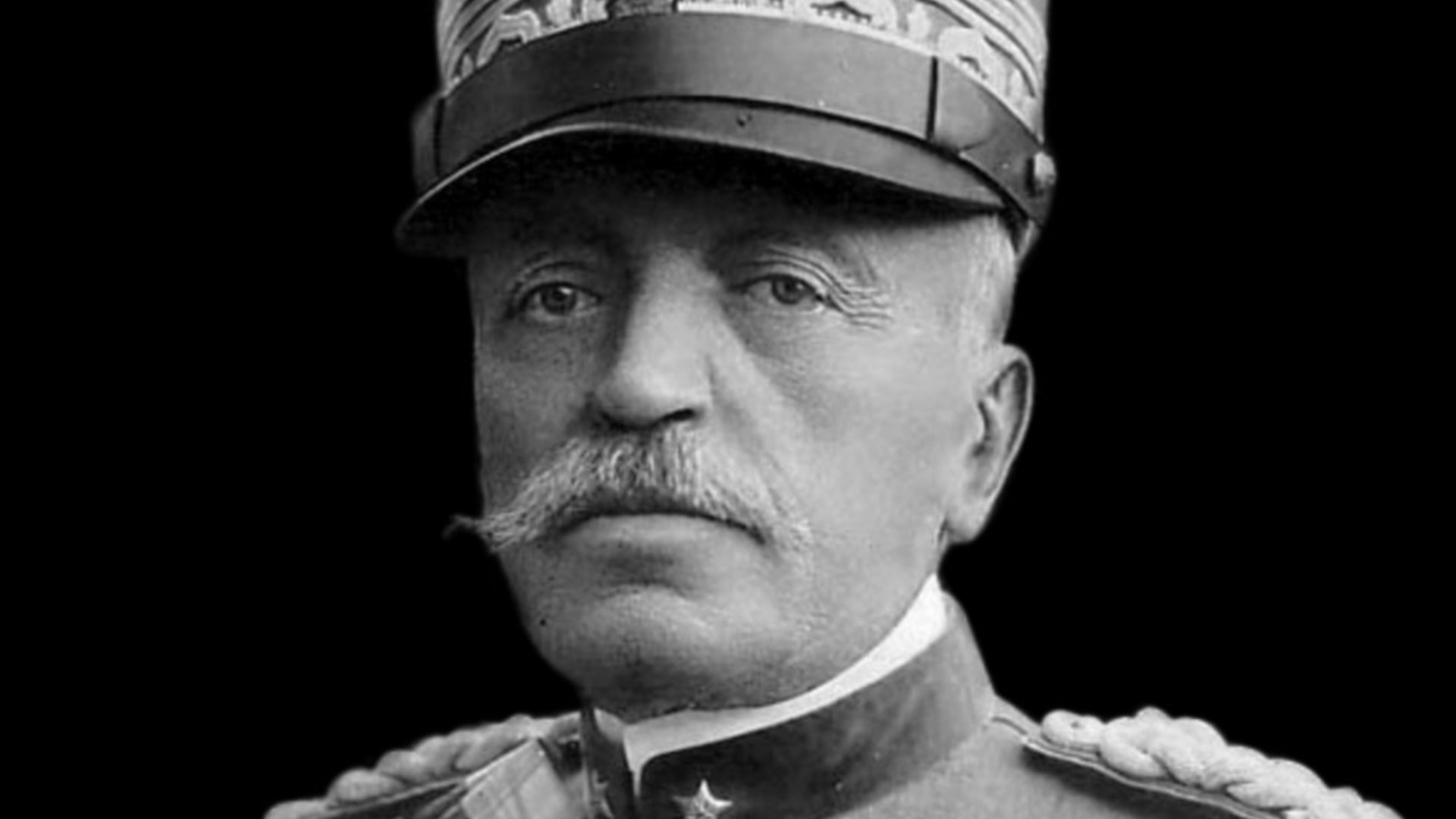
14. The Allies Launch Operation Market Garden
In September 1944, Allied planners attempted to seize a chain of bridges through the Netherlands and open a rapid route into Germany. The plan depended on airborne troops holding distant bridges until British ground forces reached them along a narrow road. Intelligence warning of strong German armored units near Arnhem didn't receive enough weight, and the advance soon ran behind schedule. Thousands of Allied troops died in vain as the crucial bridge at Arnhem remained in German hands.
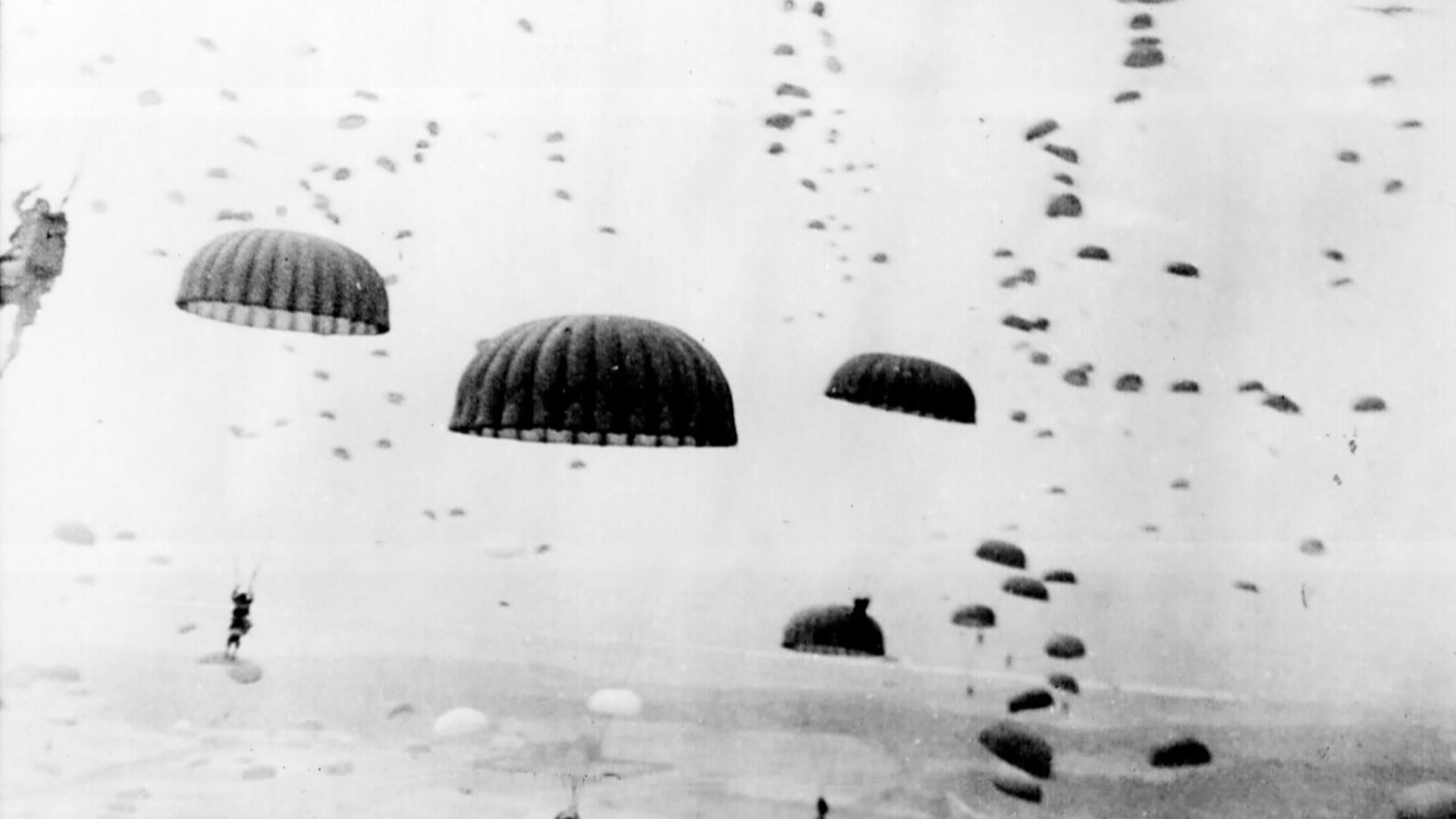 U.S. Army soldier or employee on Wikimedia
15. The Romans Walk Into the Teutoburg Forest
In A.D. 9, Roman commander Publius Quinctilius Varus led three legions through difficult terrain in Germania while trusting Arminius, a Germanic leader who had served with Rome. Arminius was secretly organizing a rebellion and persuaded Varus to divert his army into territory ideal for an ambush. Roman troops were stretched along narrow forest routes when coordinated German attacks began. Three legions were effectively destroyed, costing Rome roughly 15,000 to 20,000 men and ending its ambitions of easy expansion east of the Rhine.
 Published by Guillaume Rouille (1518?-1589) on Wikimedia
16. Russia Sends Its Fleet Around the World
During the Russo-Japanese War, Russia sent much of its Baltic Fleet on an extraordinary voyage halfway around the world to reinforce forces in East Asia. The ships arrived exhausted and poorly prepared after months at sea, only to encounter Admiral Tōgō Heihachirō's Japanese fleet at Tsushima in May 1905. Russian commanders had few good options by that point, and thousands of sailors were killed or captured by the Japanese.
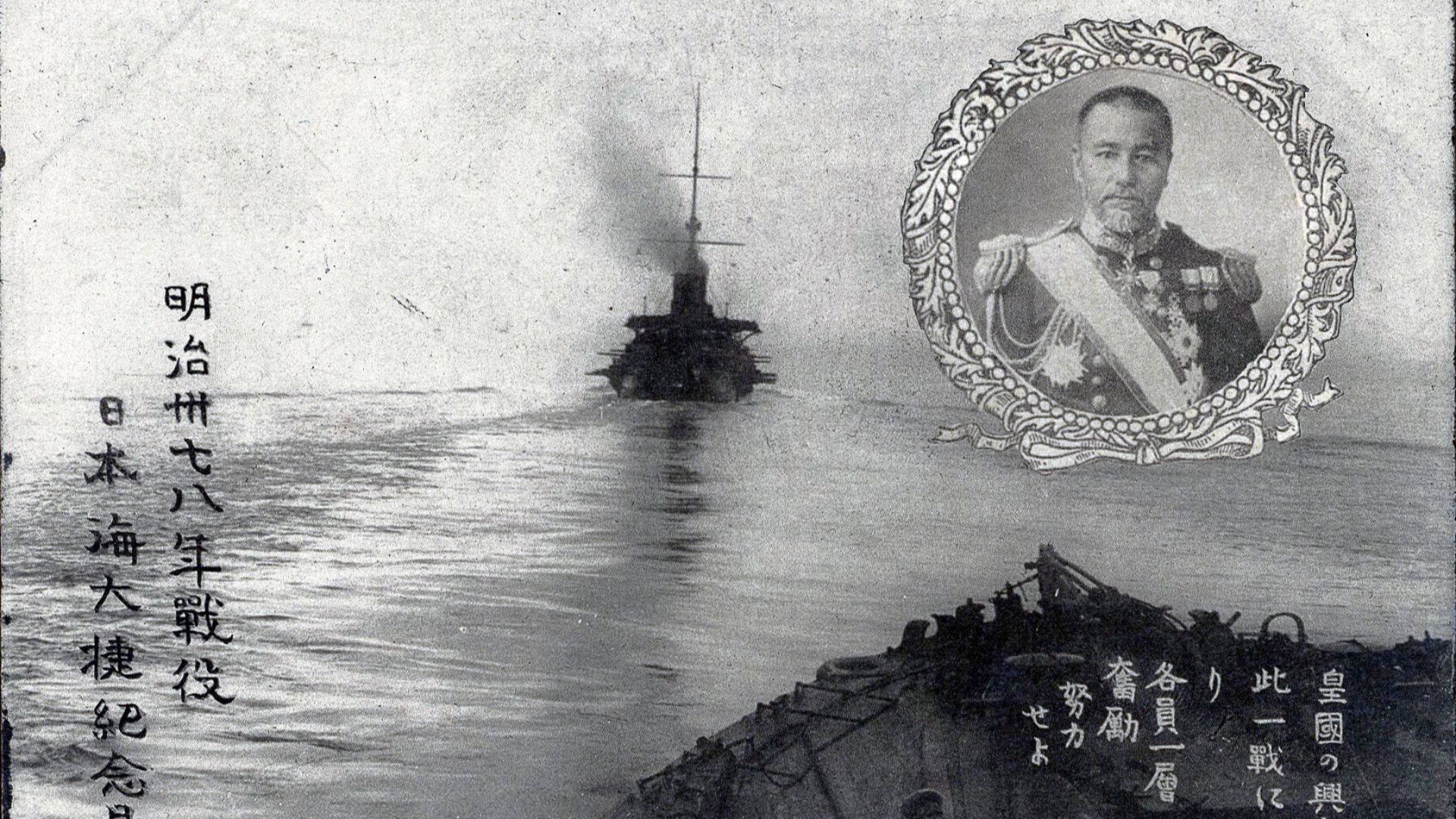 Imperial Japanese Navy on Wikimedia
17. The British Attack at Passchendaele
Field Marshal Douglas Haig continued the Third Battle of Ypres in 1917 despite terrible weather turning the battlefield around Passchendaele into deep mud. Artillery had shattered drainage systems, while rain made movement increasingly difficult for soldiers, horses, and equipment. Allied troops eventually captured Passchendaele village, but the offensive cost hundreds of thousands of casualties on both sides for relatively limited territorial gains.
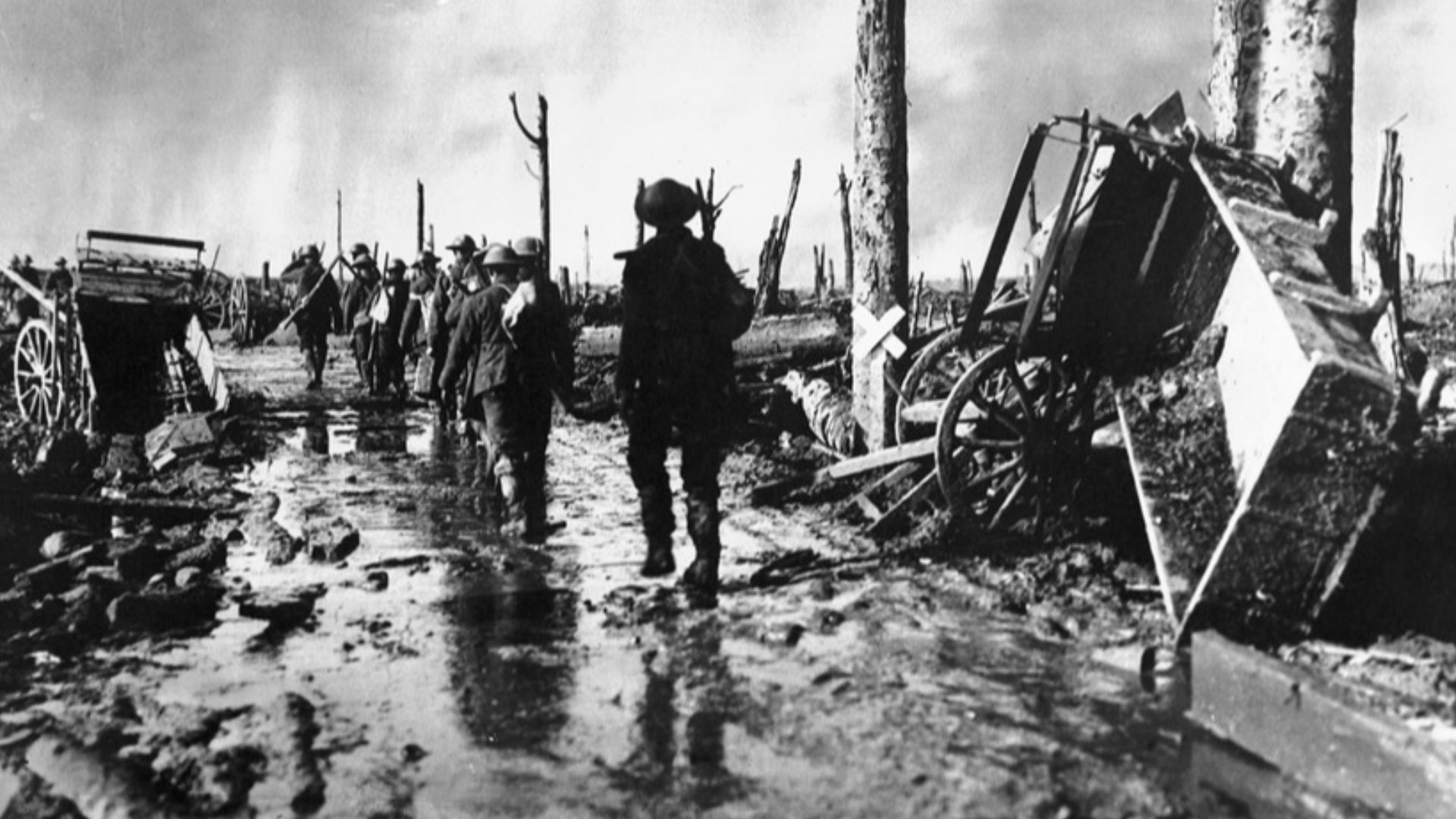 National Library of Australia on Wikimedia
18. Saddam Hussein Invades Iran
Iraqi leader Saddam Hussein ordered the invasion of Iran in September 1980, apparently expecting revolutionary Iran to be weak enough for a quick Iraqi victory. Instead, Iranian resistance hardened, and the conflict developed into a brutal war of attrition that lasted nearly eight years. Both countries repeatedly launched costly offensives without producing a decisive result. By the time fighting ended in 1988, hundreds of thousands of people had been killed and neither side had achieved much of what it originally wanted.
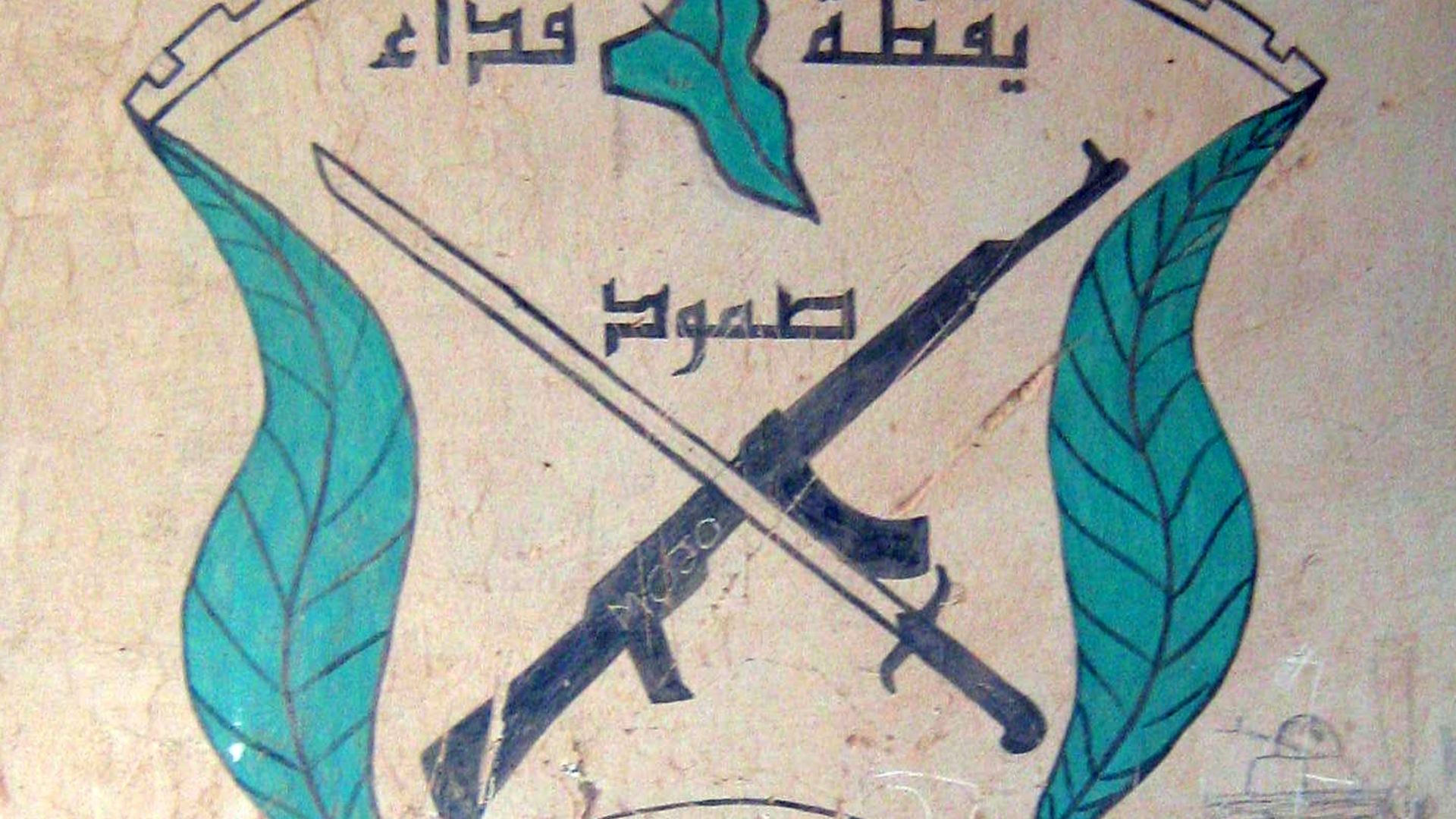
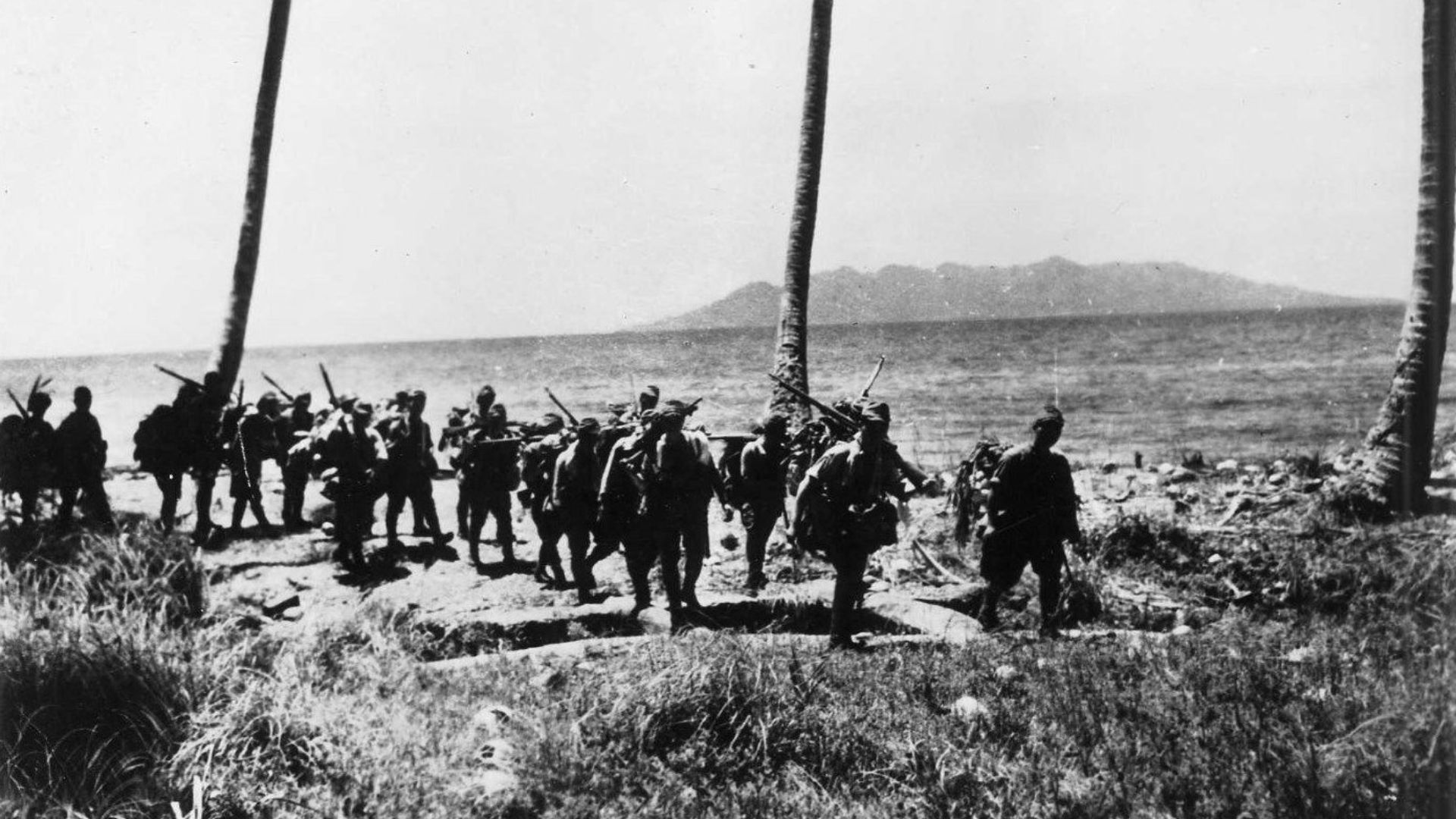
19. Japan Refuses to Abandon Guadalcanal
After U.S. Marines landed on Guadalcanal in August 1942, Japanese commanders repeatedly sent reinforcements in an effort to retake the island and its crucial airfield. Many Japanese soldiers arrived without enough food, heavy equipment, or reliable supply lines, while American aircraft increasingly controlled the surrounding area during daylight. Even after repeated attacks failed, Japan continued committing troops and ships to an increasingly unfavorable fight. Tens of thousands of Japanese personnel died before the remaining forces were finally evacuated in early 1943.
20. General Haig Orders the First Day of the Somme to Continue
The first hours of the Somme offensive made it clear that many German defenses hadn't been destroyed, but communication problems and rigid planning made it hard to put a stop to the already underway attacks. British units continued advancing according to schedules drawn up before anyone knew how badly the opening assaults were going. By nightfall on July 1, 1916, the British Army had suffered the bloodiest single day in its history, a grim reminder of what happens when a battle plan can't adjust quickly enough to reality.
KEEP ON READING