When Words Became a Threat
Books have been banned, burned, smuggled across borders, and hidden under floorboards for centuries, often because someone powerful decided the ideas inside were simply too dangerous. Rulers feared political rebellion, religious authorities worried about beliefs being challenged, and governments wanted to keep uncomfortable realities quiet. Ironically, trying to suppress a book has often made people even more determined to read it. These 20 works caused enough anxiety among kings, dictators, churches, and governments that authorities tried to keep them out of readers' hands.
 John Jabez Edwin Mayall on Wikimedia
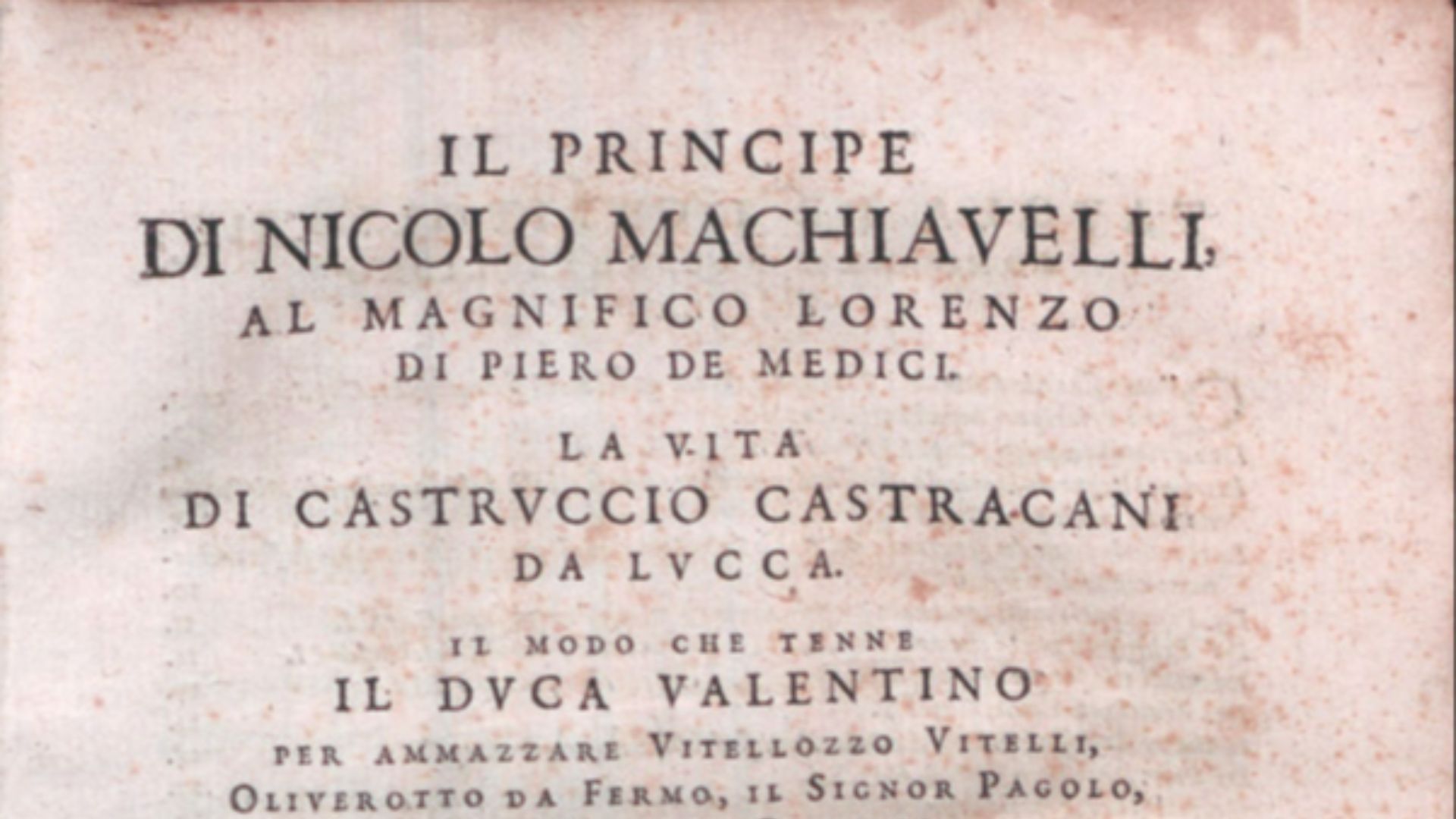
1. The Prince by Niccolò Machiavelli
Few political books have acquired a reputation quite like The Prince, which openly examined how rulers could acquire and maintain power. The Catholic Church placed Machiavelli's works on its Index of Forbidden Books in the 16th century, objecting to ideas that appeared to separate political behavior from traditional Christian morality. Leaders might have recognized some uncomfortable truths in his descriptions of manipulation, fear, and calculated cruelty.
 Niccolò Machiavelli on Wikimedia
2. 1984 by George Orwell
George Orwell's nightmare of surveillance, propaganda, censorship, and political control wasn't exactly comforting reading for authoritarian governments. The Soviet Union banned 1984, and the book remained illegal there for decades because its portrait of totalitarianism came far too close to home. Orwell showed how governments could manipulate language, history, and even people's understanding of reality.
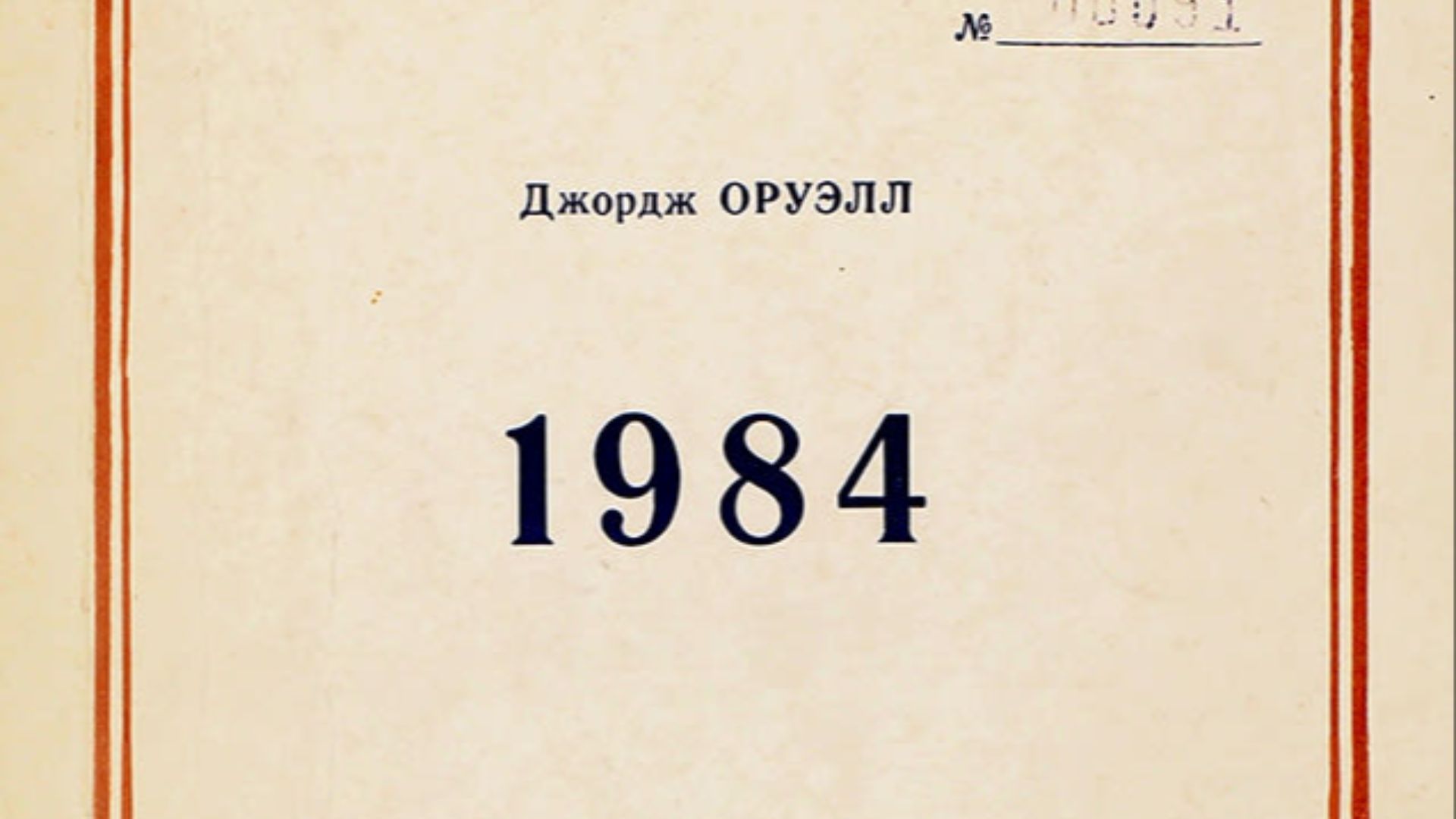 издательстве «Прогресс» on Wikimedia
3. Doctor Zhivago by Boris Pasternak
Boris Pasternak's novel followed people trying to survive revolution, civil war, and the creation of the Soviet state without treating Bolshevism as unquestionably heroic. Soviet authorities refused to allow its publication at home, so the manuscript was smuggled abroad and first published in Italy in 1957. Pasternak won the Nobel Prize in Literature the following year but faced intense pressure to reject it, turning his love story into an international Cold War headache.
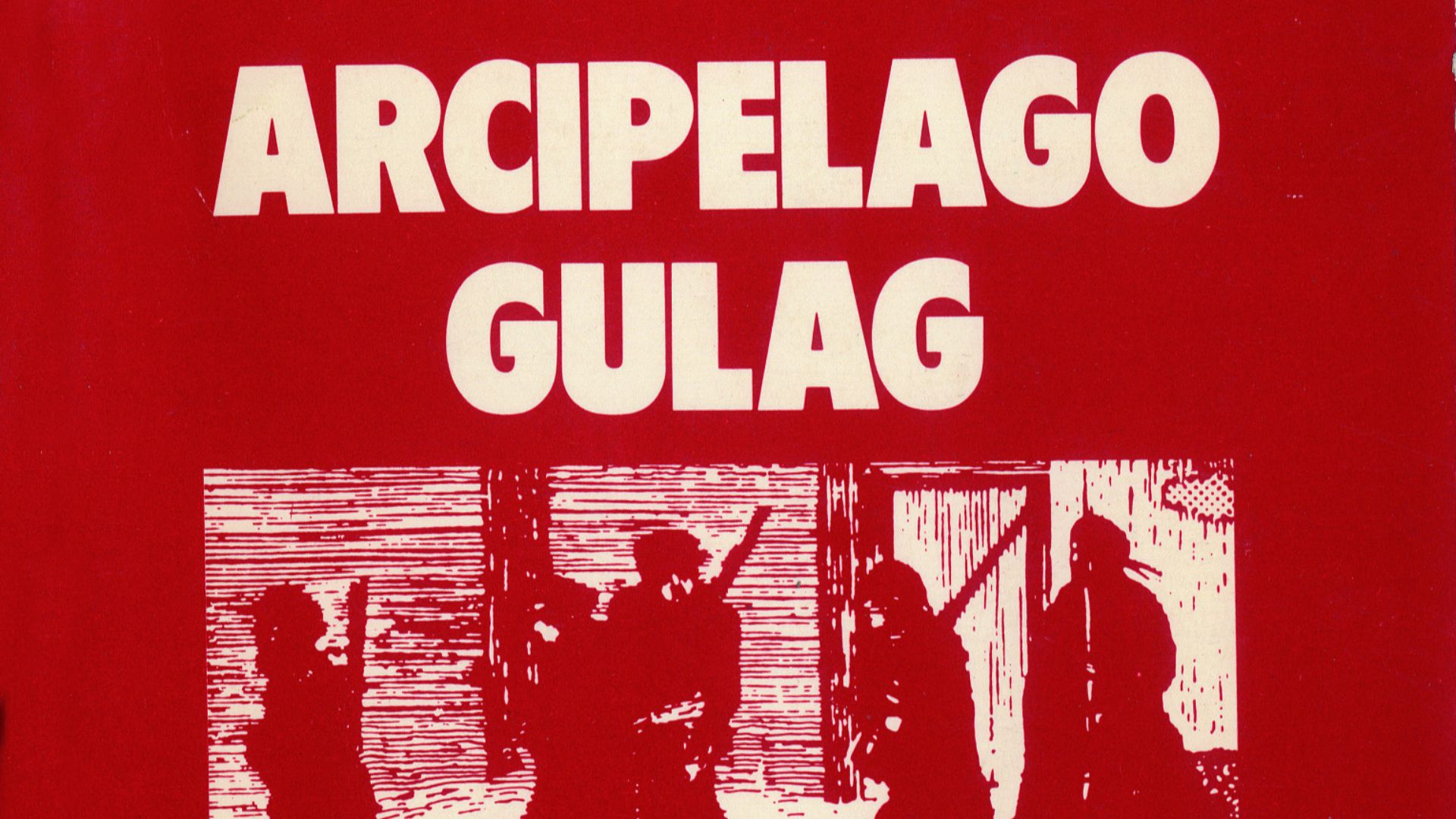
4. The Gulag Archipelago by Aleksandr Solzhenitsyn
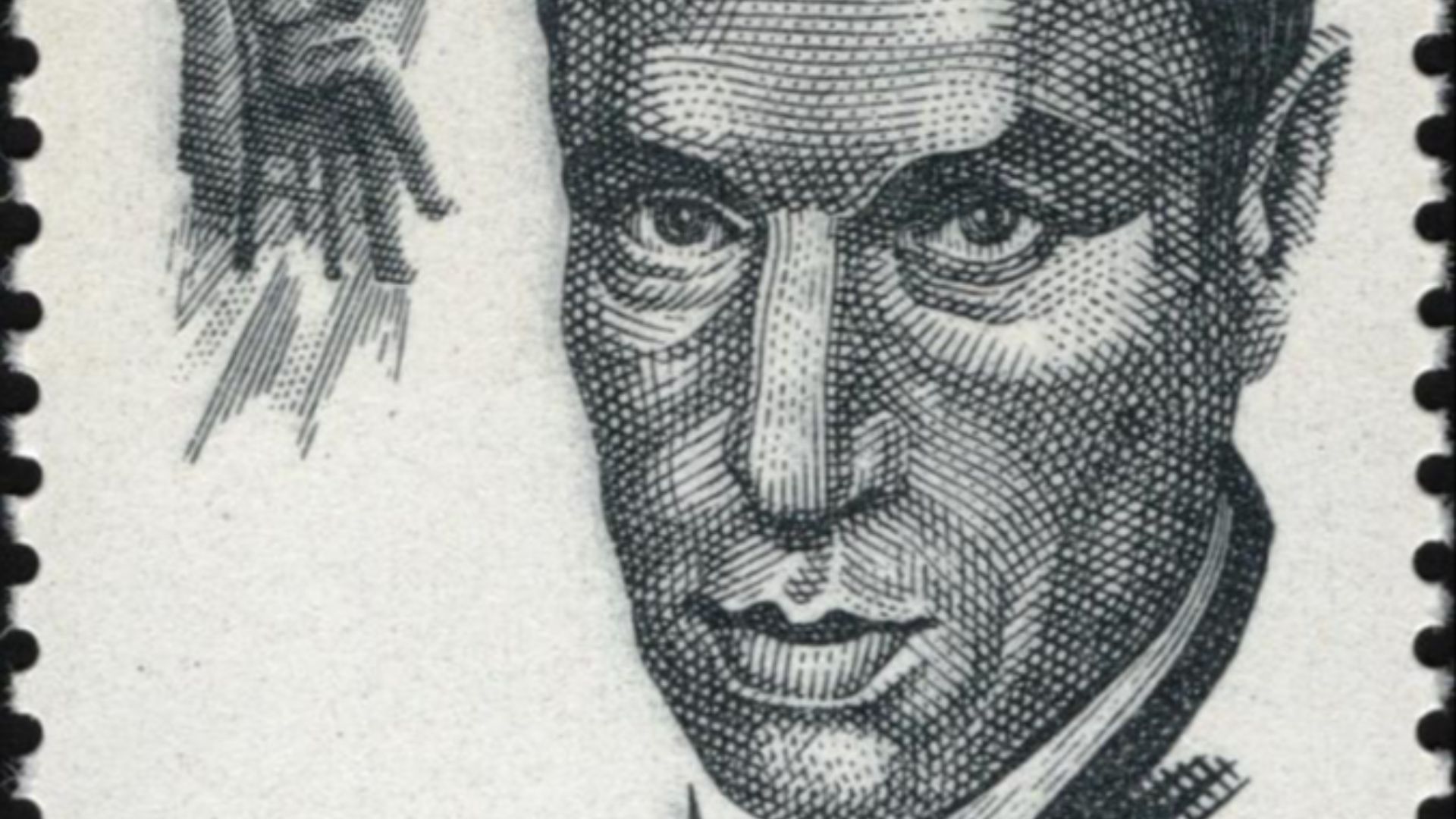
Aleksandr Solzhenitsyn documented the brutal Soviet system of prisons and forced labor camps using testimony from numerous former prisoners along with his own experiences. Publishing such material inside the Soviet Union was out of the question, so the book first appeared abroad in 1973 after a copy of the manuscript reached Western publishers. Soviet authorities responded by arresting Solzhenitsyn and expelling him from the country. Once you've devoted enormous effort to hiding a prison system, a bestselling book describing it isn't exactly ideal publicity.
 Aleksandr Solzhenitsyn on Wikimedia
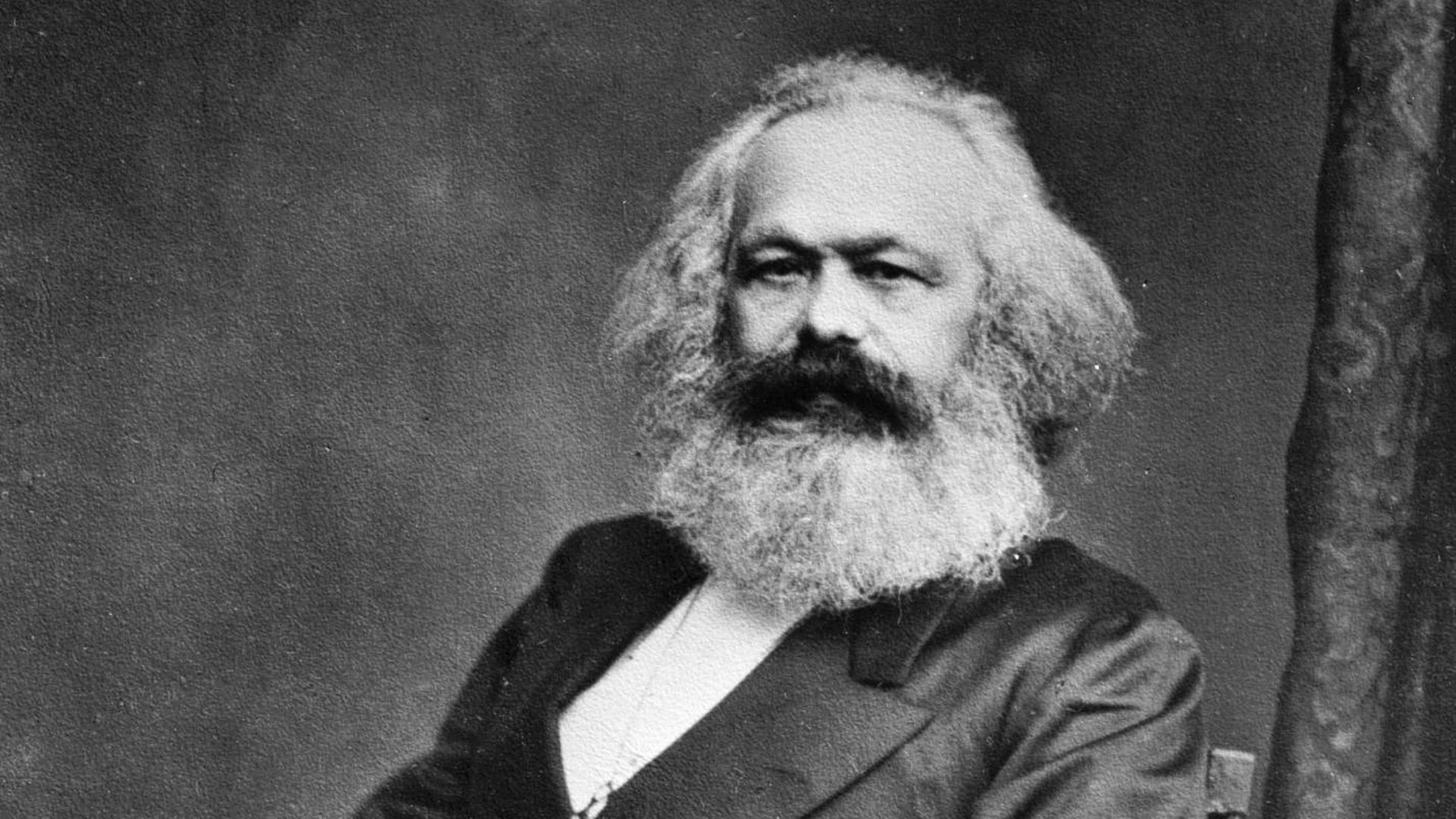
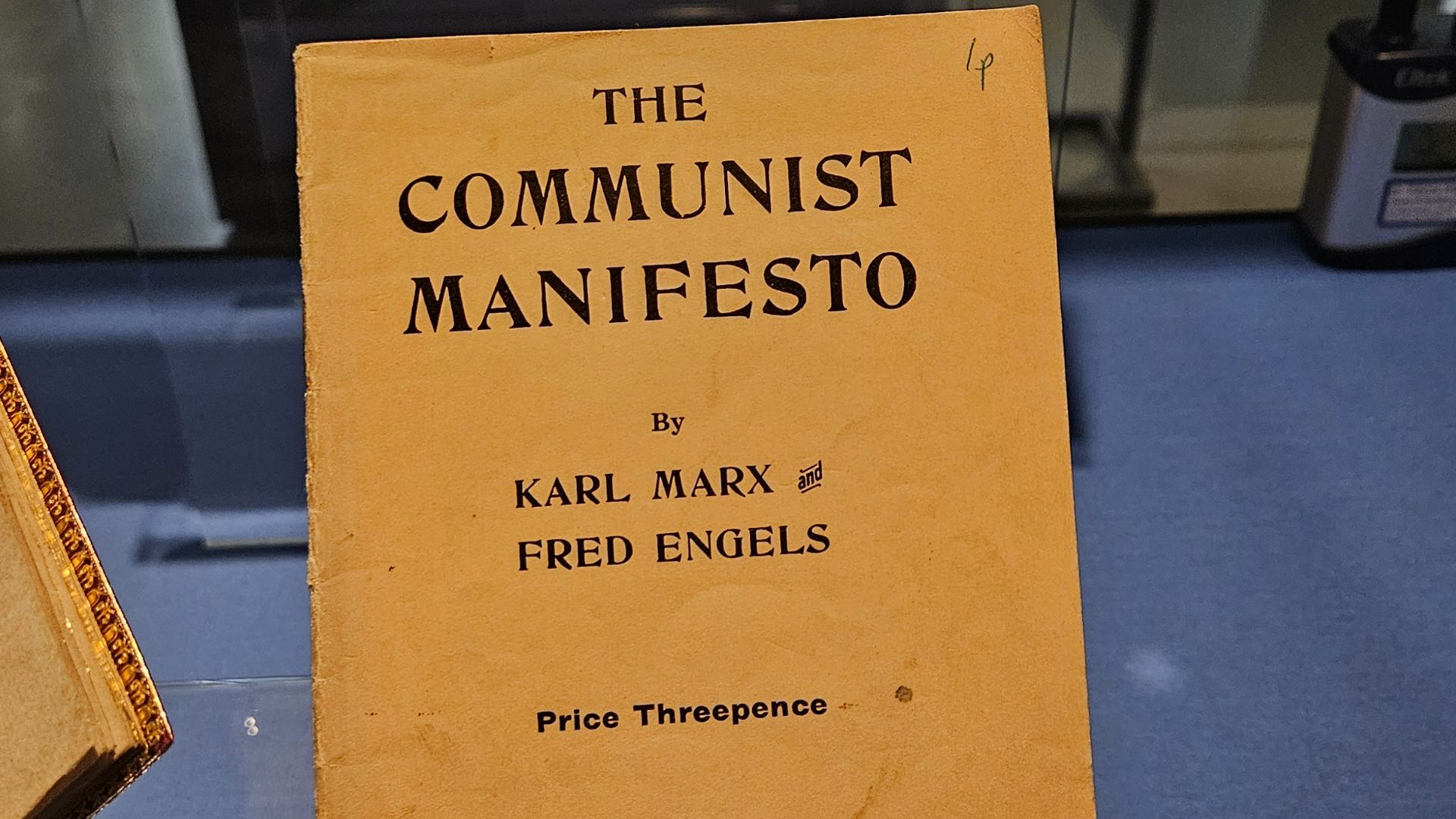
5. The Communist Manifesto by Karl Marx & Friedrich Engels
When Marx and Engels called for workers to overthrow existing class systems, plenty of governments felt threatened. The manifesto and other Marxist writings were prohibited or tightly restricted in various countries, including Russia, Germany, and China. The Nazis famously targeted Marxist literature during their book-burning campaigns in 1933.
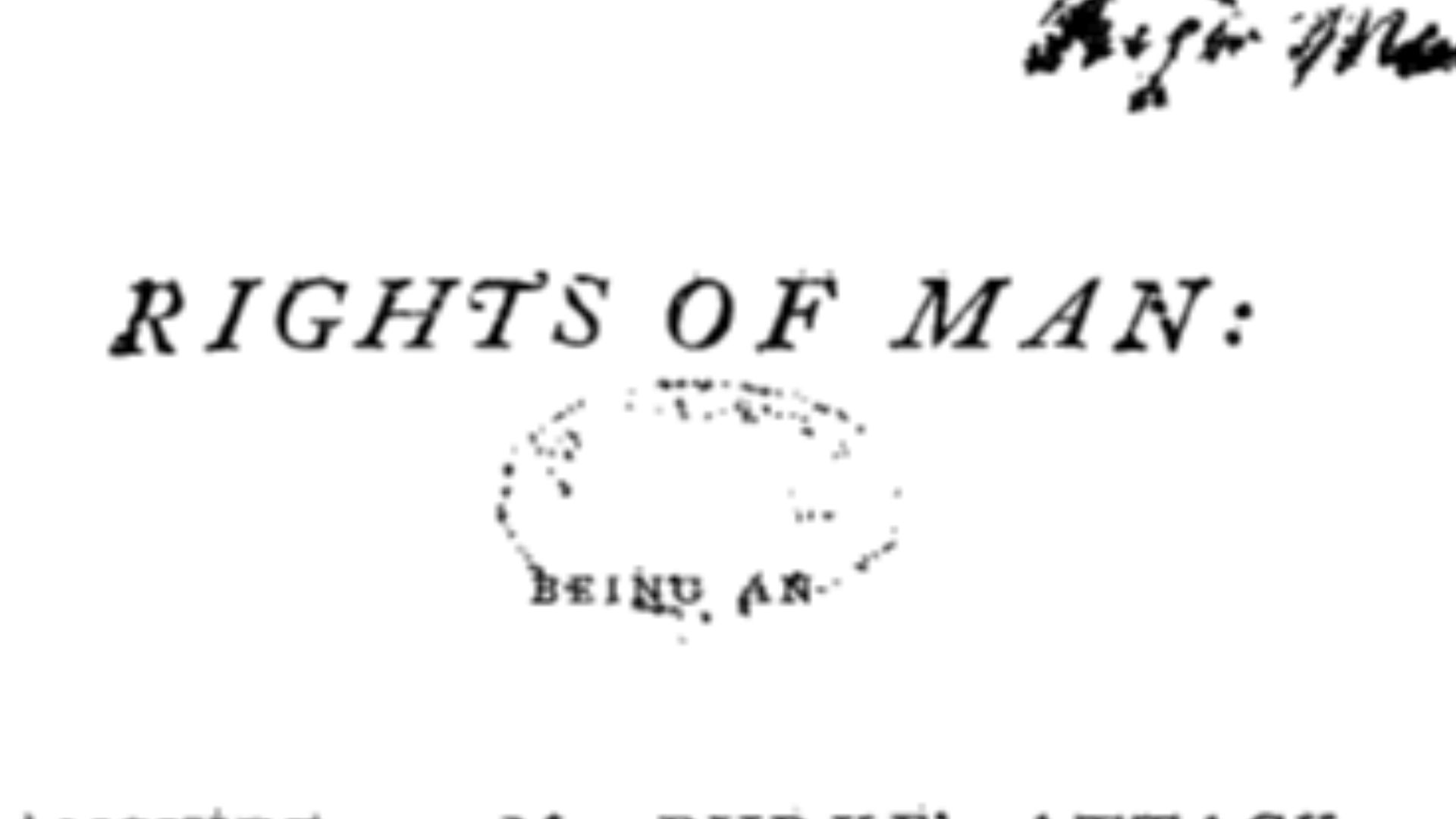
6. The Rights of Man by Thomas Paine
Thomas Paine wasn't subtle about his support for revolution or his criticism of hereditary monarchy. After Rights of Man defended the French Revolution and attacked aristocratic privilege, British authorities charged Paine with seditious libel in 1792. He fled to France and was convicted in his absence.
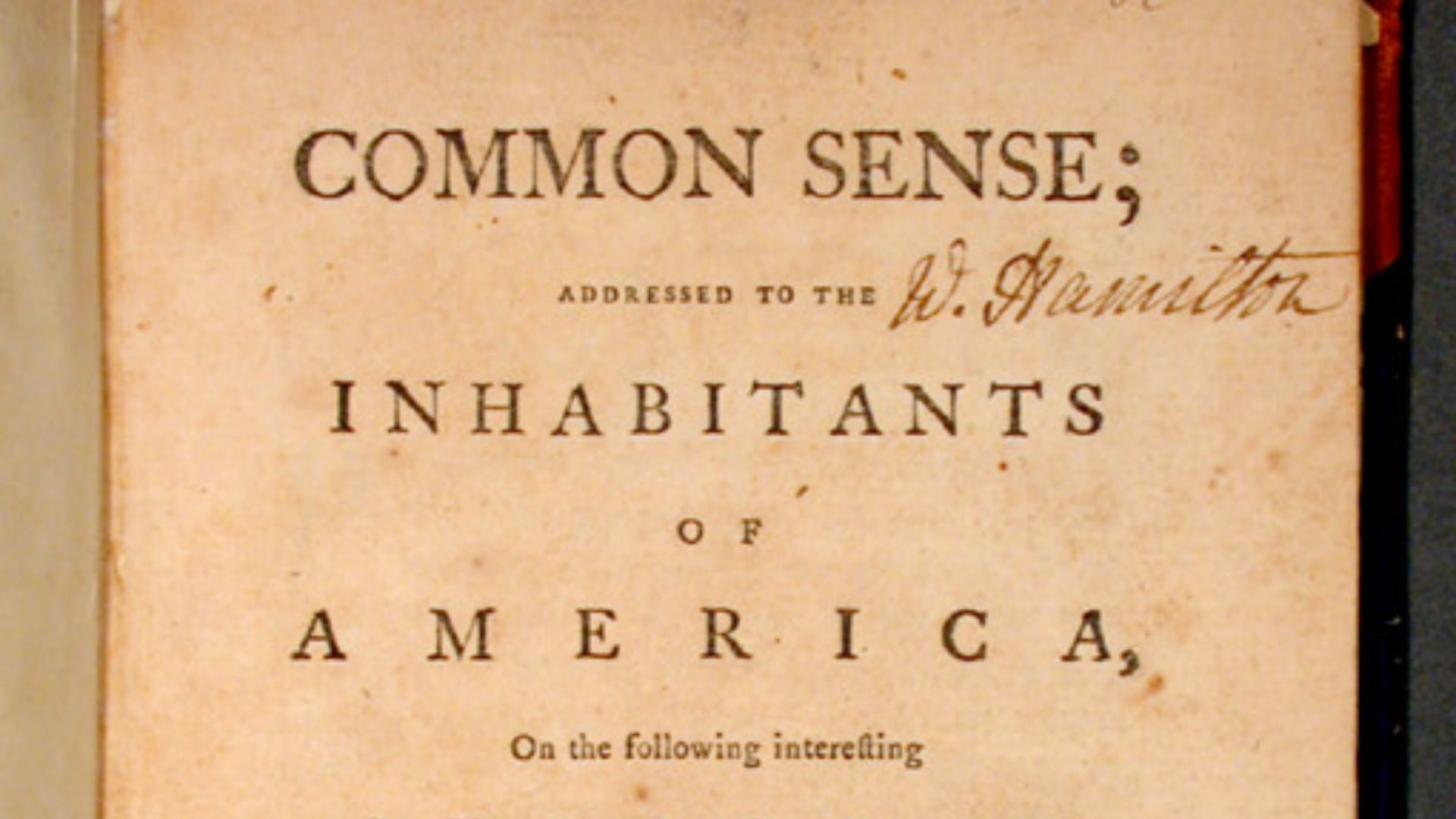
7. Common Sense by Thomas Paine
Before Rights of Man irritated Britain, Paine had already helped convince American colonists that independence sounded like a pretty good idea. Published anonymously in 1776, Common Sense attacked monarchy and argued that the colonies should separate from Britain. British loyalists and officials naturally viewed the pamphlet as dangerous revolutionary propaganda. It sold extraordinarily well in the colonies, proving that banning or condemning political writing doesn't always prevent the message from spreading.
8. The Satanic Verses by Salman Rushdie
Salman Rushdie's 1988 novel became the center of one of modern publishing's most intense controversies. Several countries banned the book after accusations that passages involving religious themes were offensive to Islam, and Iran's Ayatollah even called for Rushdie's death in 1989. Publishers, translators, and booksellers connected to the novel also faced threats and violence.
 Ed Lederman/PEN American Center Derivative work on Wikimedia
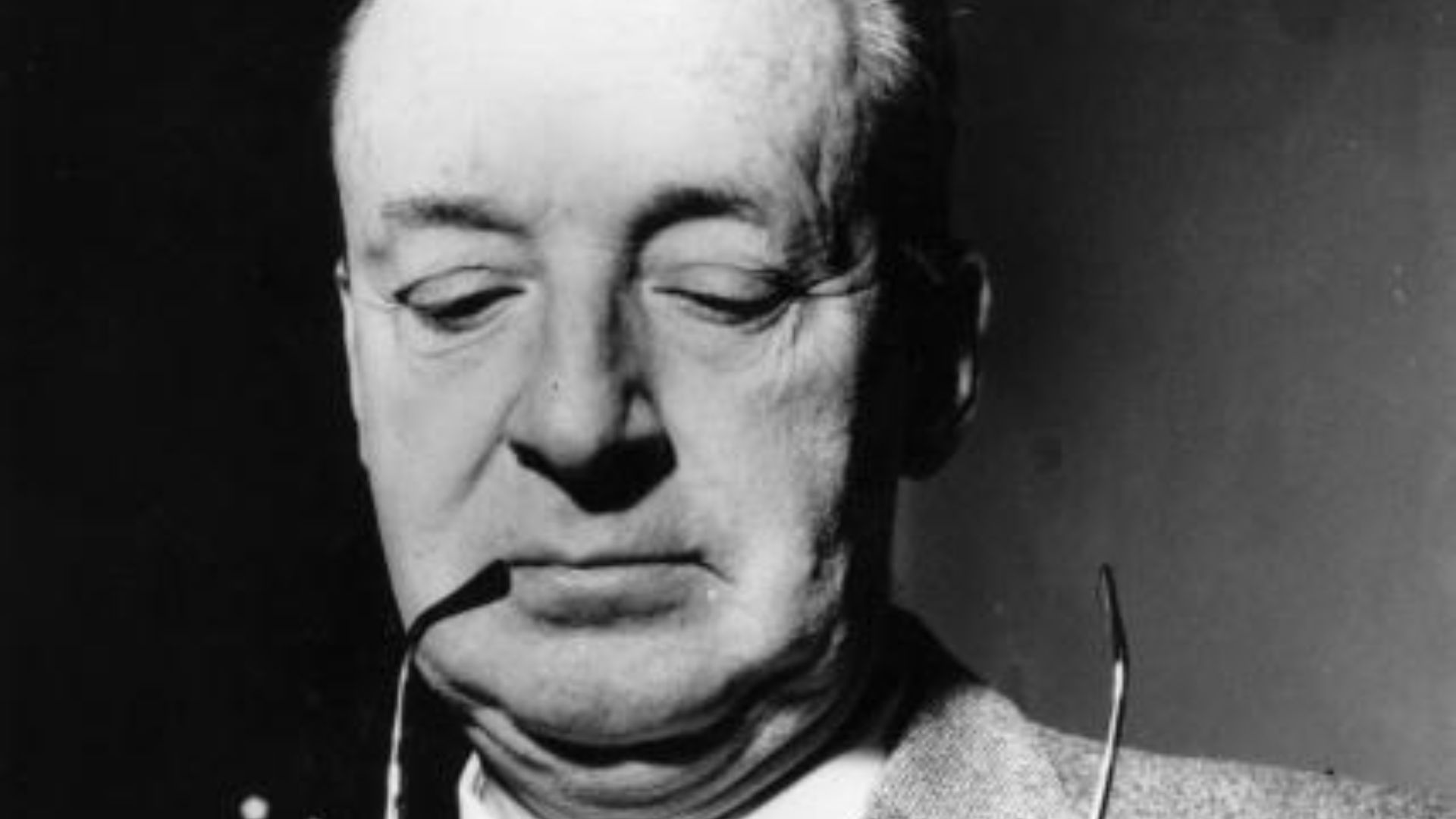
9. Lolita by Vladimir Nabokov
Vladimir Nabokov knew his disturbing novel about Humbert Humbert's obsession with a young girl would be difficult to publish. Lolita was initially released in Paris in 1955 and soon faced bans or restrictions in countries including France and Britain over obscenity concerns. Authorities weren't frightened by political revolution here, but they were deeply uncomfortable with what they saw as dangerously immoral material.
 Keystone/Getty Images on Wikimedia
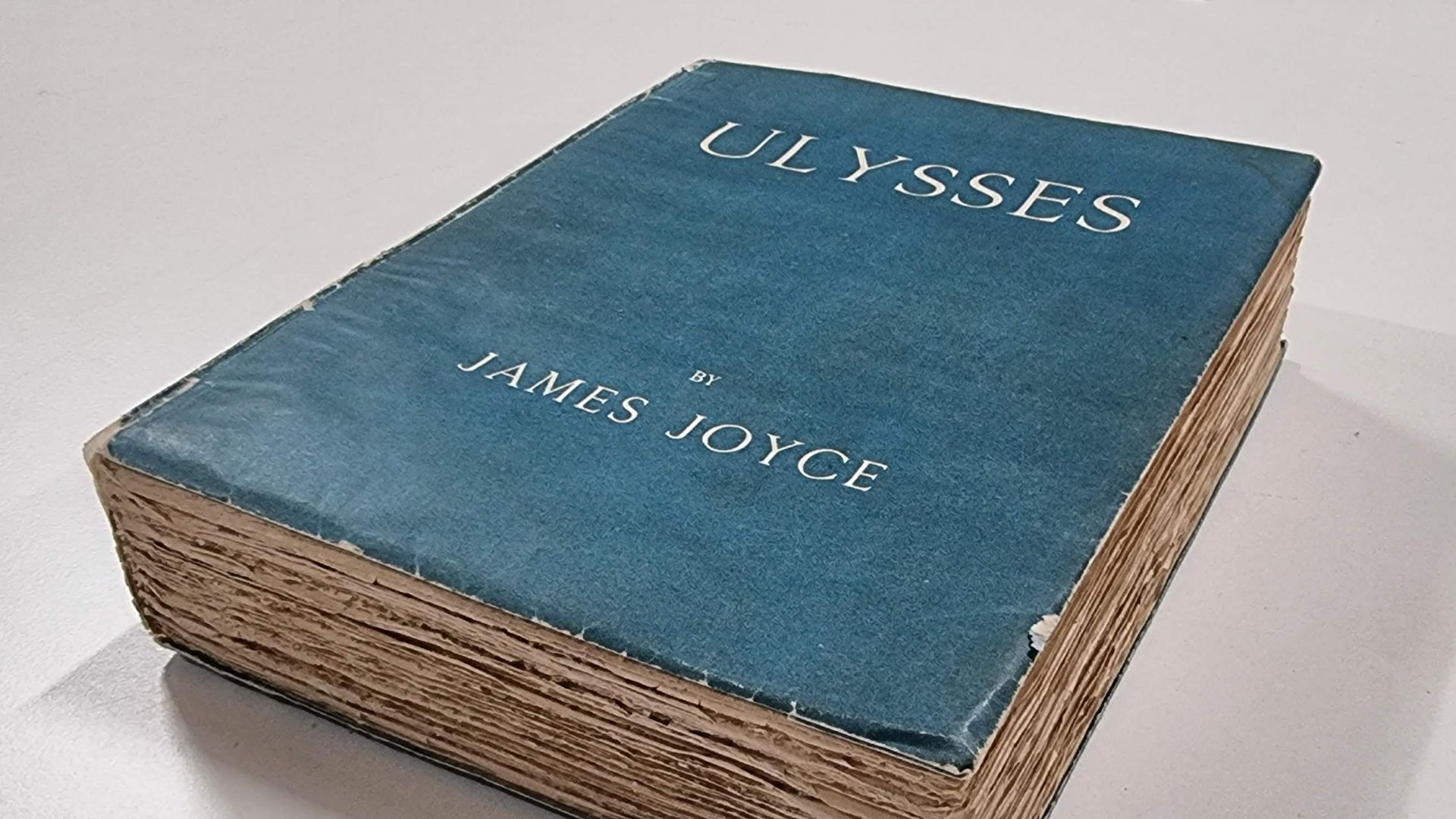
10. Ulysses by James Joyce
James Joyce's Ulysses caused officials to panic over sexual content that seems considerably less shocking to modern readers. Copies were seized, publication was restricted, and the novel was effectively banned in the U.S. for years under obscenity laws. That changed after a landmark 1933 court ruling found that the book wasn't legally obscene.
11. The Origin of Species by Charles Darwin
Charles Darwin's argument that species evolved through natural selection challenged long-established beliefs about the natural world and humanity's place within it. While On the Origin of Species wasn't universally prohibited, Darwin's work has repeatedly faced bans, restrictions, and attempts to remove evolutionary teaching from schools in different places. Religious and political authorities have sometimes regarded evolution as threatening because of its perceived conflict with literal interpretations of creation.
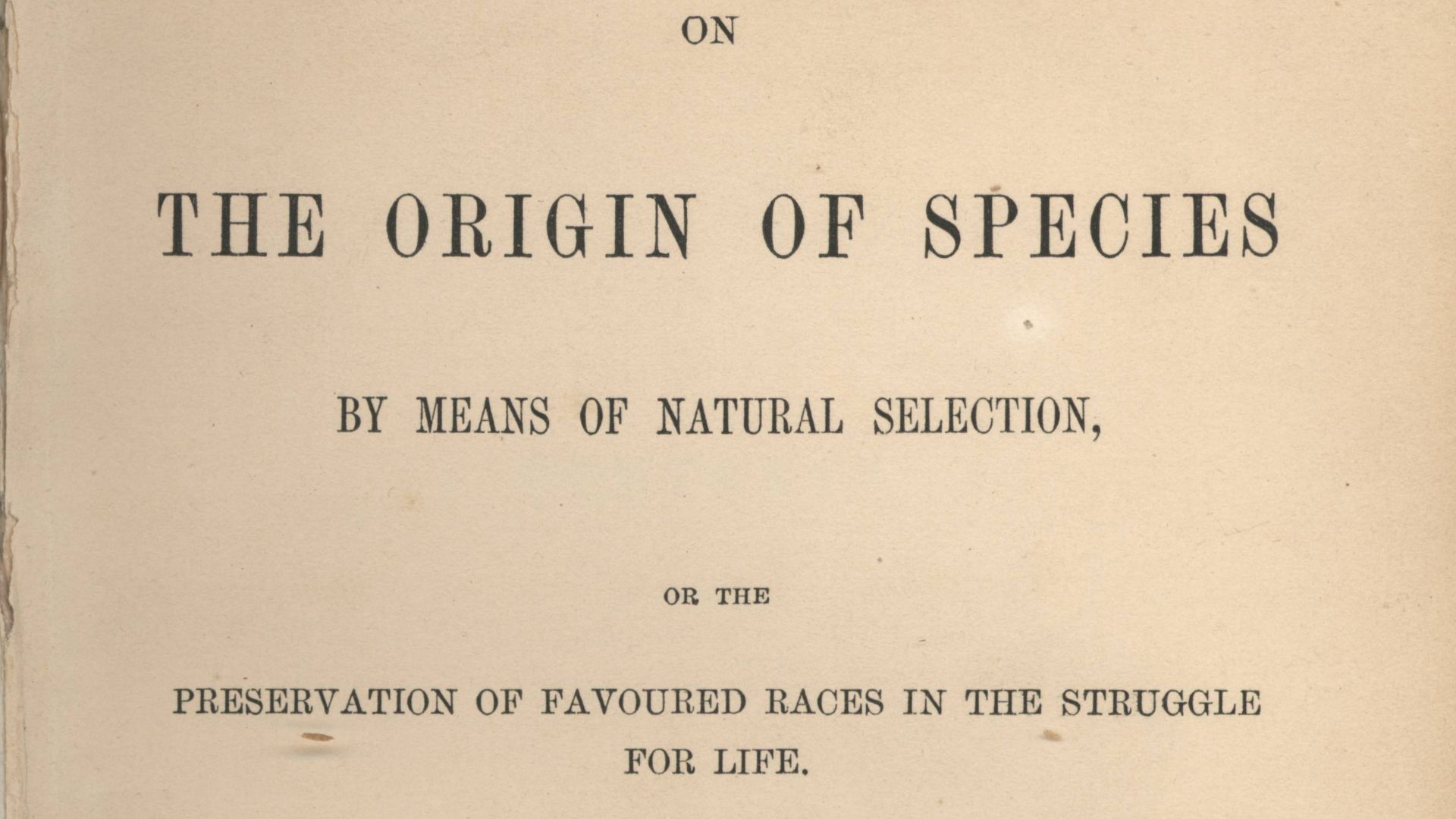 John Murray, Publisher on Wikimedia
12. Lady Chatterley's Lover by D.H. Lawrence
D.H. Lawrence's novel featured explicit discussions of sex, an adulterous relationship, and language that censors considered unacceptable. Complete editions were banned or restricted in several countries, including Britain, where Penguin Books faced an obscenity trial after publishing an unexpurgated edition in 1960. Penguin won, and the verdict became an important moment in the weakening of British literary censorship.
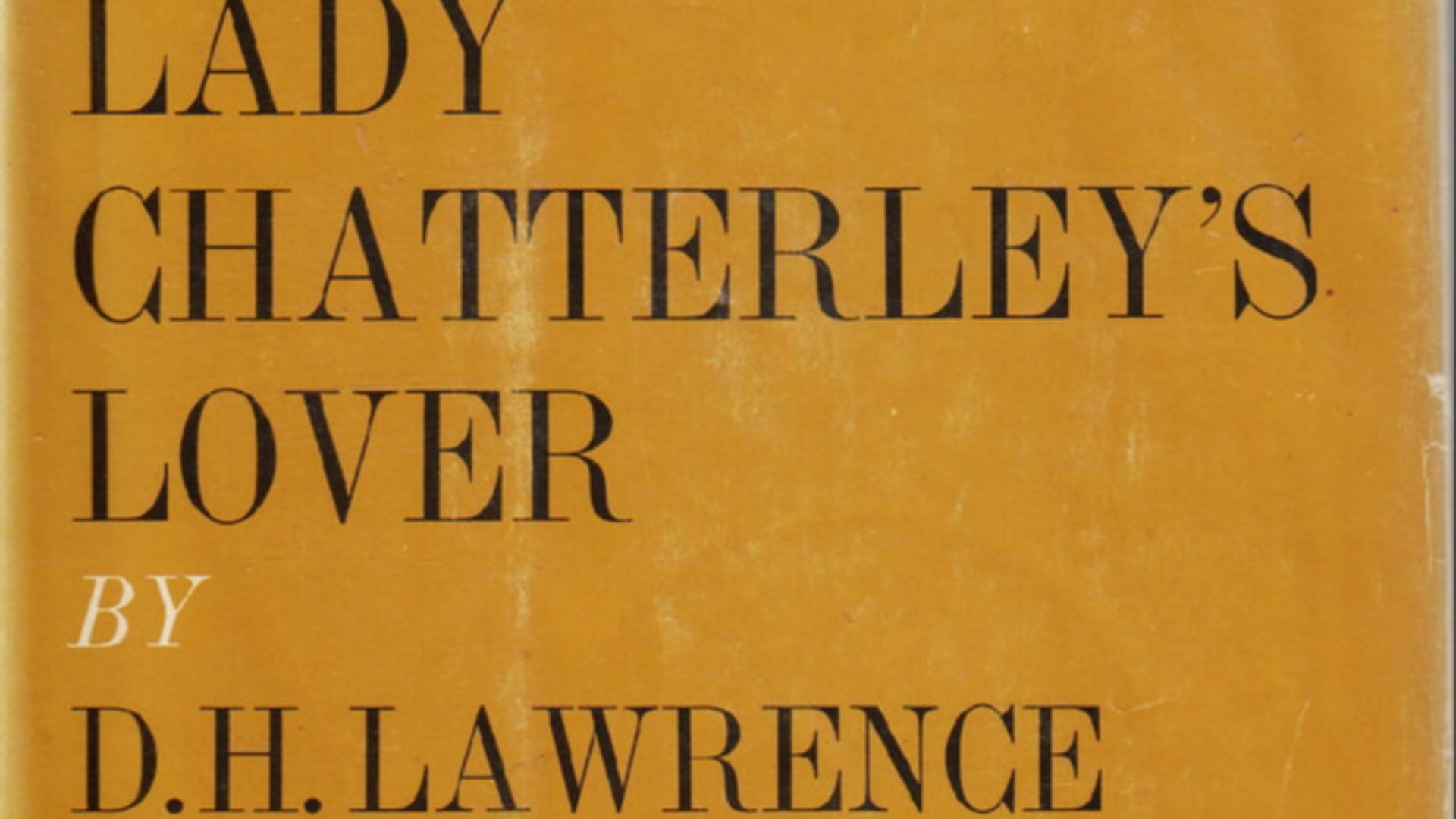 Published by Grove Press Inc. (New York City) on Wikimedia
13. Animal Farm by George Orwell
A farm full of talking animals might not sound like something a government would fear, but Orwell wasn't really writing about livestock. His story was a sharp allegory of the Russian Revolution and Stalinism, showing revolutionary ideals being corrupted by an increasingly authoritarian leadership. The book was prohibited in the Soviet Union and other communist states that didn't appreciate the comparison.
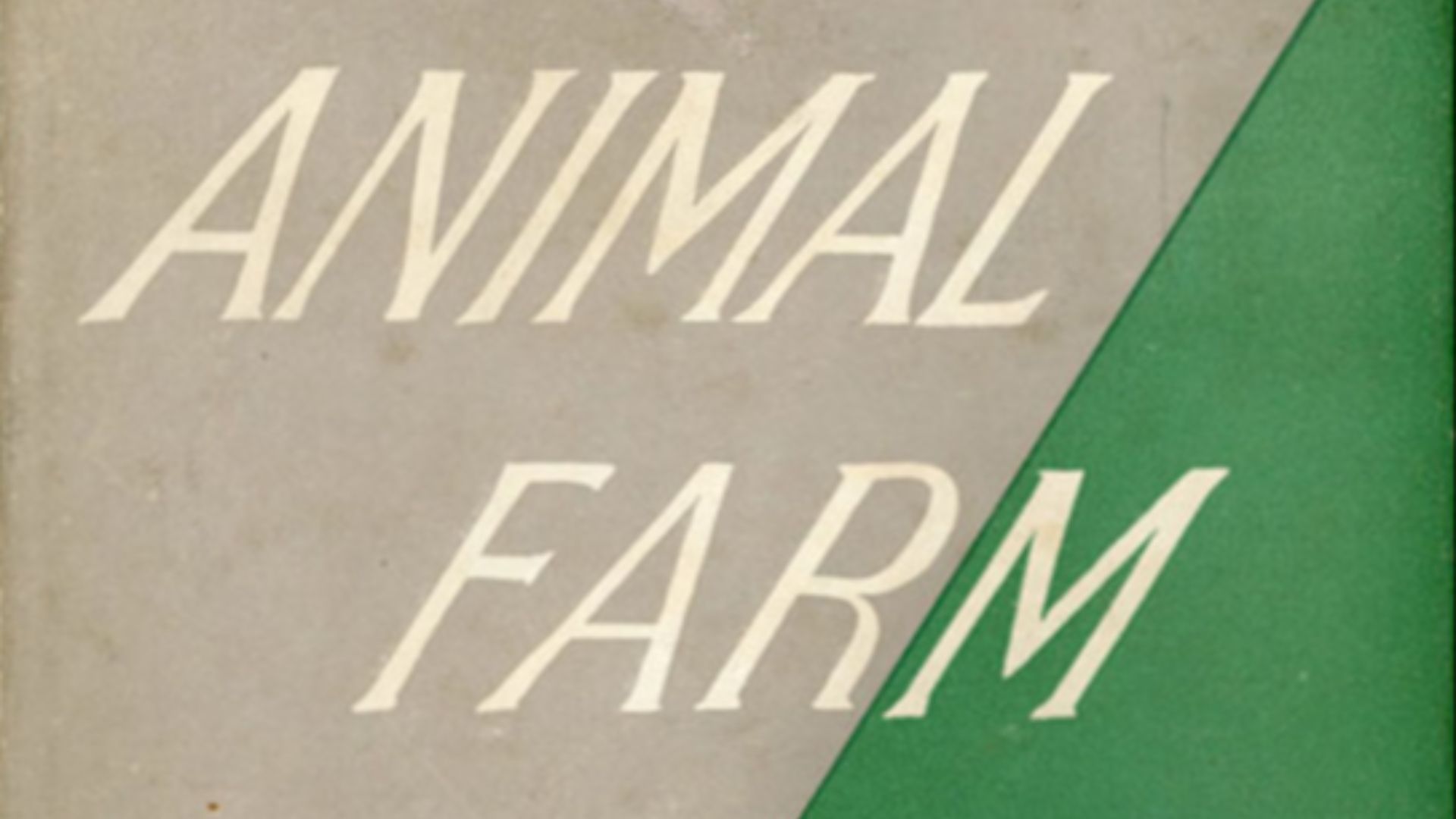
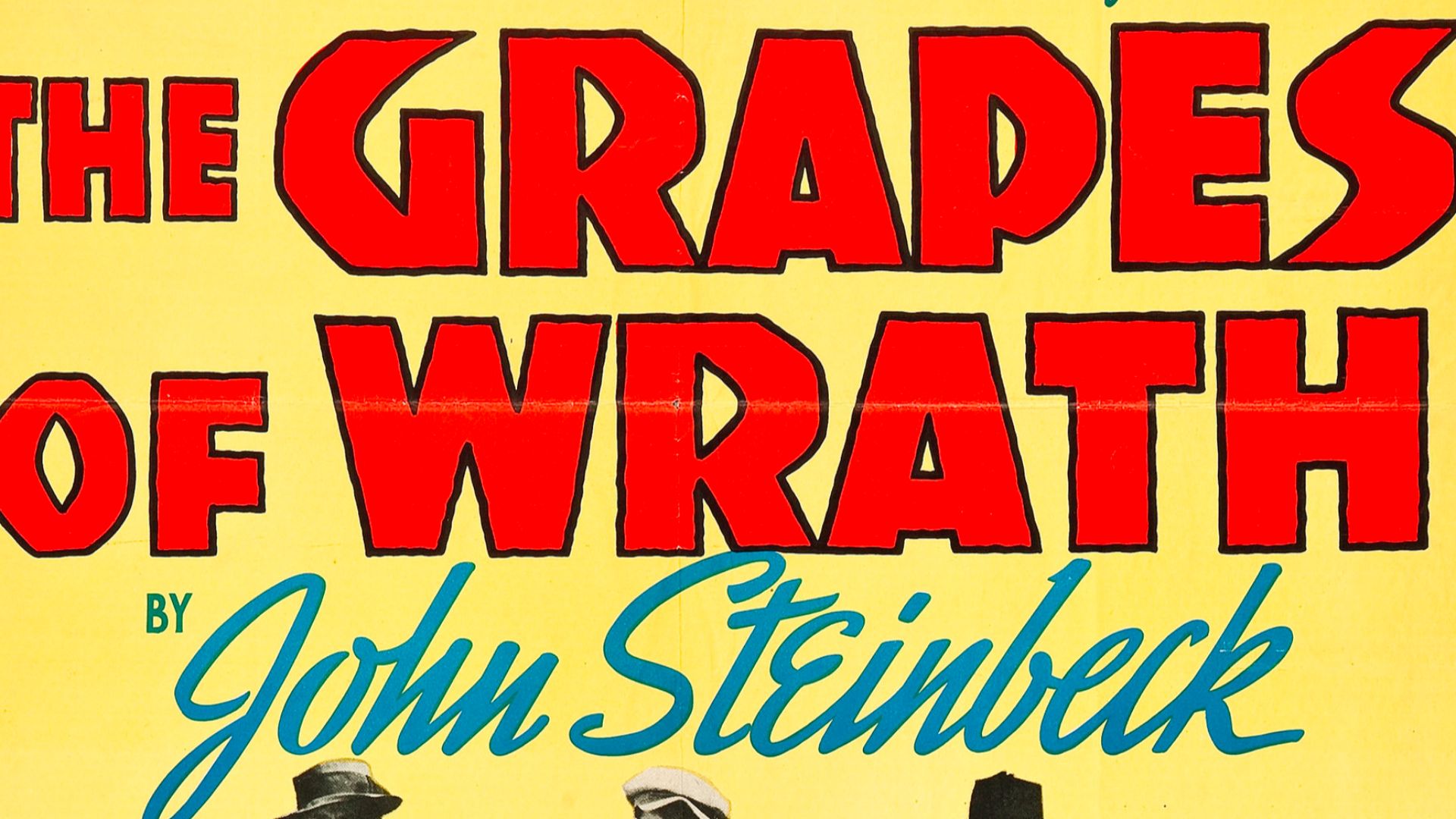
14. The Grapes of Wrath by John Steinbeck
John Steinbeck's portrayal of desperate migrant workers during the Great Depression angered some of the very communities and agricultural interests depicted in the novel. The book was banned in Kern County, California, in 1939 after local officials and powerful farming interests objected to its representation of working conditions. Critics accused Steinbeck of exaggeration and political agitation, while supporters argued that he had exposed genuine suffering.
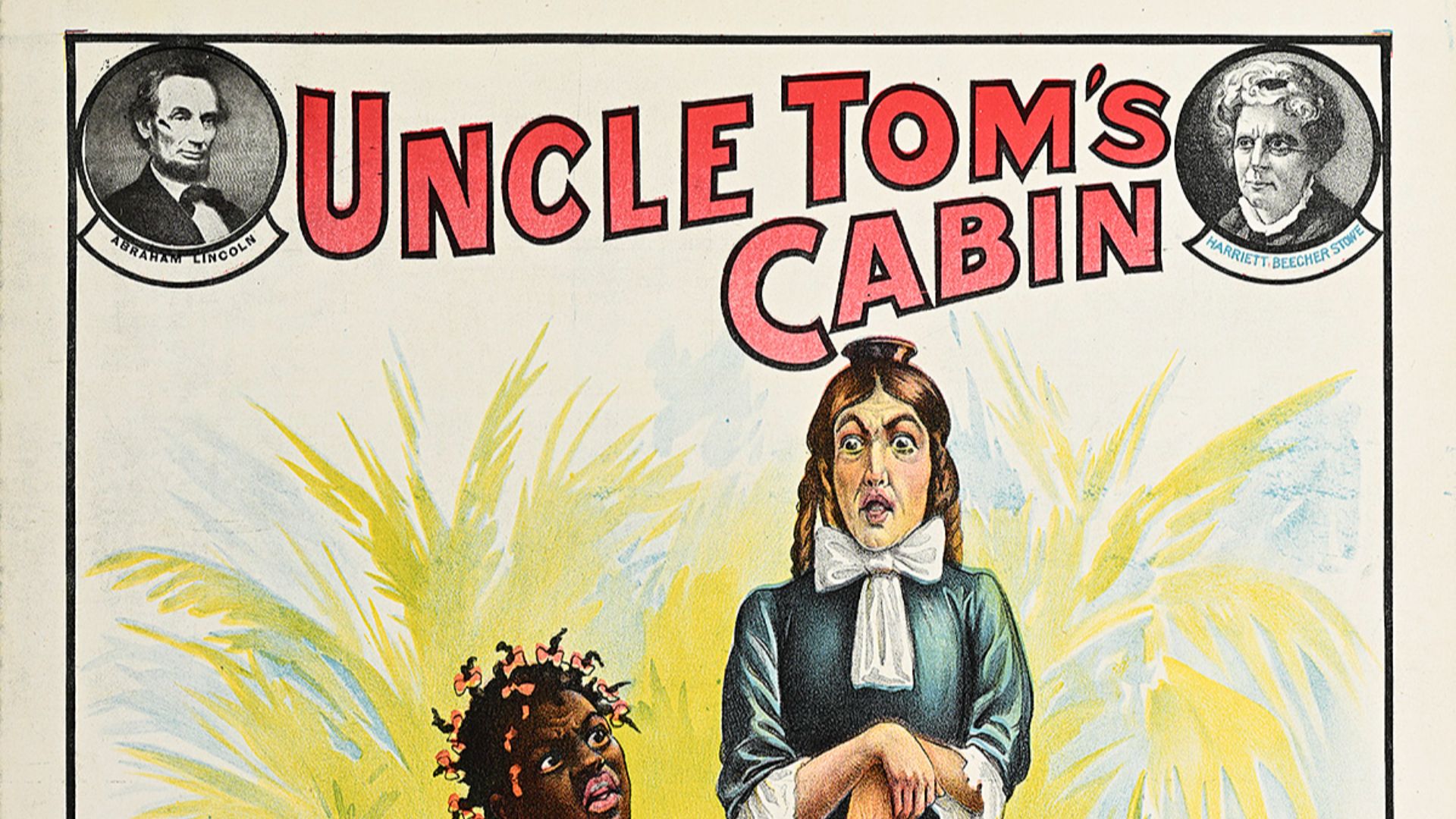
15. Uncle Tom's Cabin by Harriet Beecher Stowe
Harriet Beecher Stowe's antislavery novel became a publishing sensation after appearing in 1852. In parts of the American South, the book was fiercely condemned, and possessing or distributing abolitionist literature could expose people to serious legal and social consequences. Slaveholding interests feared that books like Stowe's could turn public opinion against an institution that supported enormous economic and political power. The controversy showed that a novel could participate directly in one of the biggest political battles in American history.
16. The Jungle by Upton Sinclair
Upton Sinclair intended The Jungle to expose the exploitation of immigrant workers in Chicago's meatpacking industry, but readers became particularly horrified by descriptions of food production. Meatpacking companies and their allies fiercely attacked Sinclair's credibility as public outrage grew. Rather than disappearing, the book helped build pressure for major federal food-safety reforms in 1906.
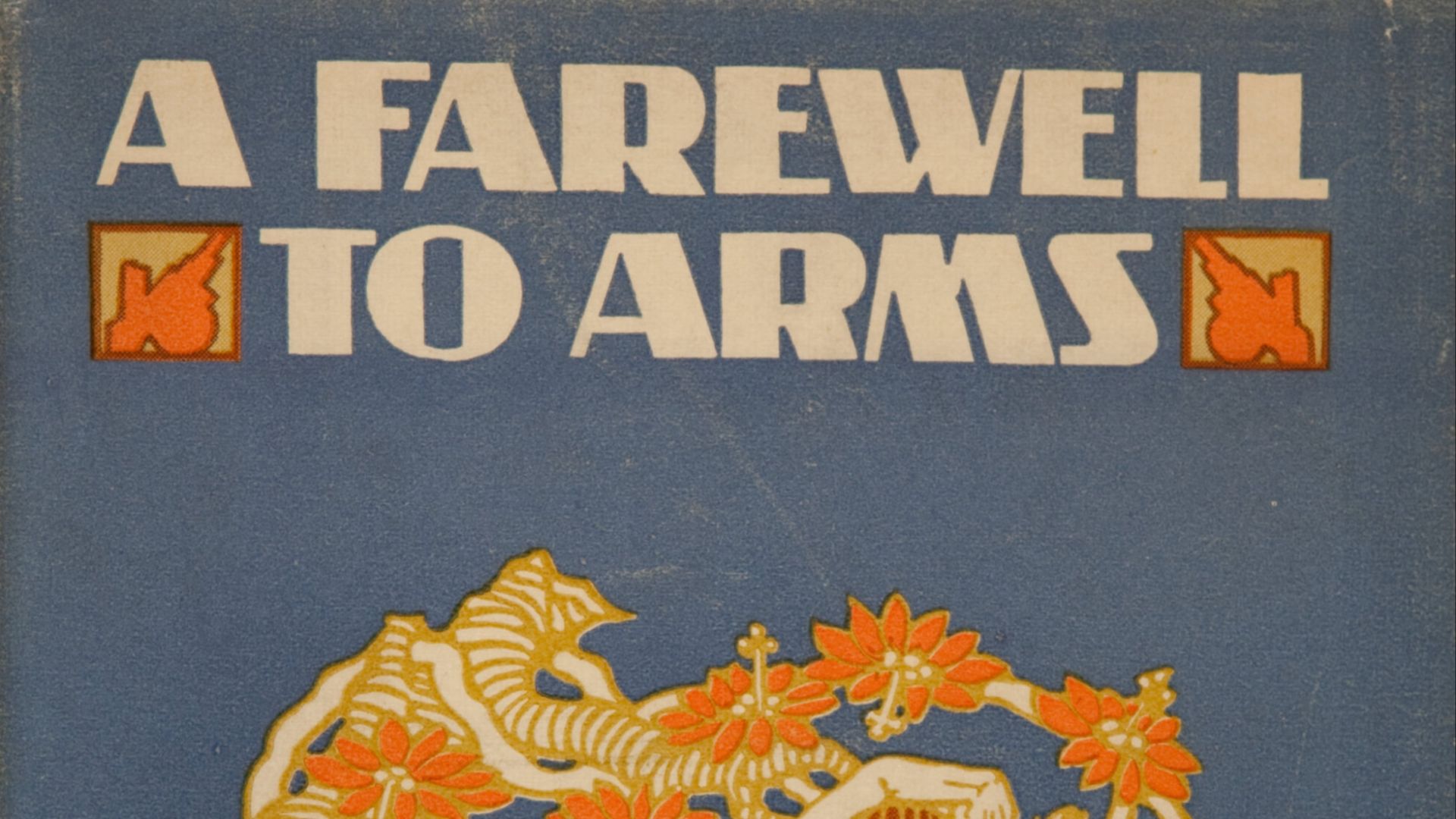
17. A Farewell to Arms by Ernest Hemingway
Ernest Hemingway's World War I novel didn't present warfare as noble, clean, or particularly glorious. Its sexual content and bleak attitude toward military heroism led to censorship and bans in multiple places, including Italy, where Benito Mussolini's Fascist government prohibited it. Hemingway's portrayal of the Italian retreat from Caporetto was hardly the patriotic image the regime wanted circulating.
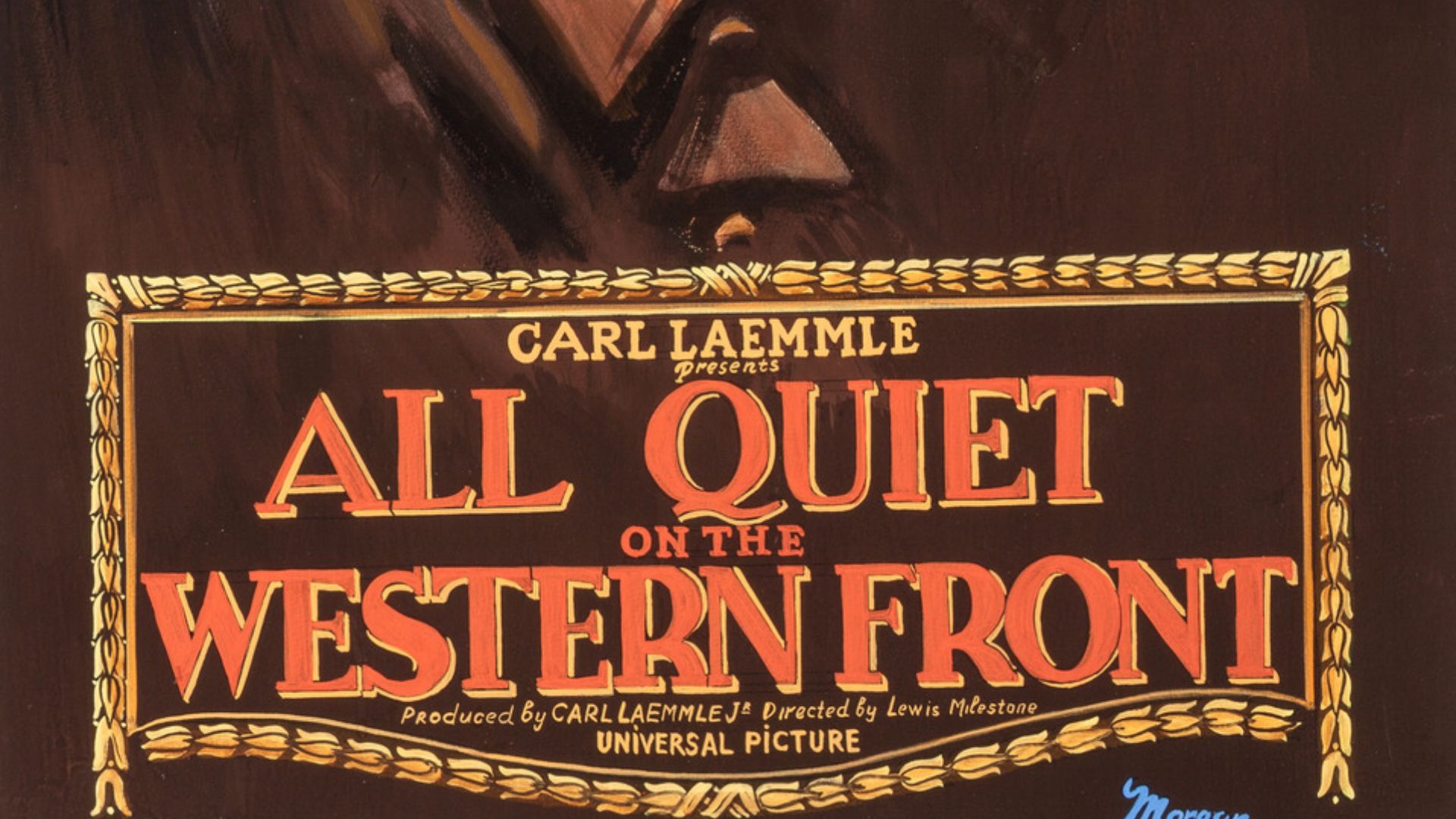
18. All Quiet on the Western Front by Erich Maria Remarque
Erich Maria Remarque portrayed World War I through soldiers who experienced exhaustion, terror, trauma, and disillusionment rather than glorious adventure. Germany's Nazi regime hated the book's antiwar message and targeted it during the infamous book burnings of 1933. Remarque's works were banned, and Nazi propagandists attacked him as un-German.
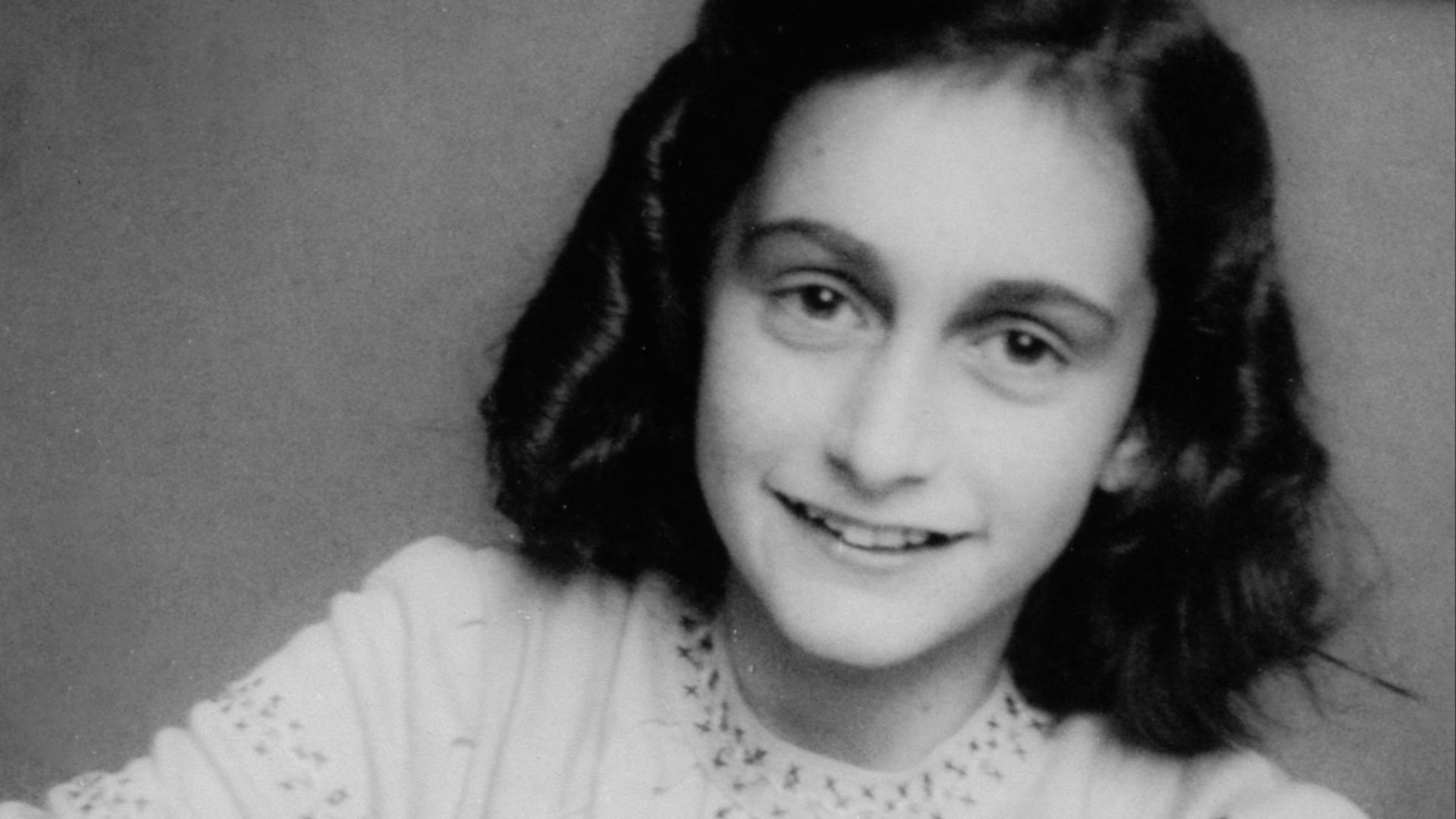
19. The Diary of Anne Frank by Anne Frank
Anne Frank's diary preserved the thoughts of a Jewish teenager hiding from Nazi persecution, making the human consequences of antisemitism painfully difficult to ignore. Although it became one of the world's most widely read accounts of the Holocaust, the diary has faced censorship and removal efforts in different countries and school systems for political, religious, or content-related reasons.
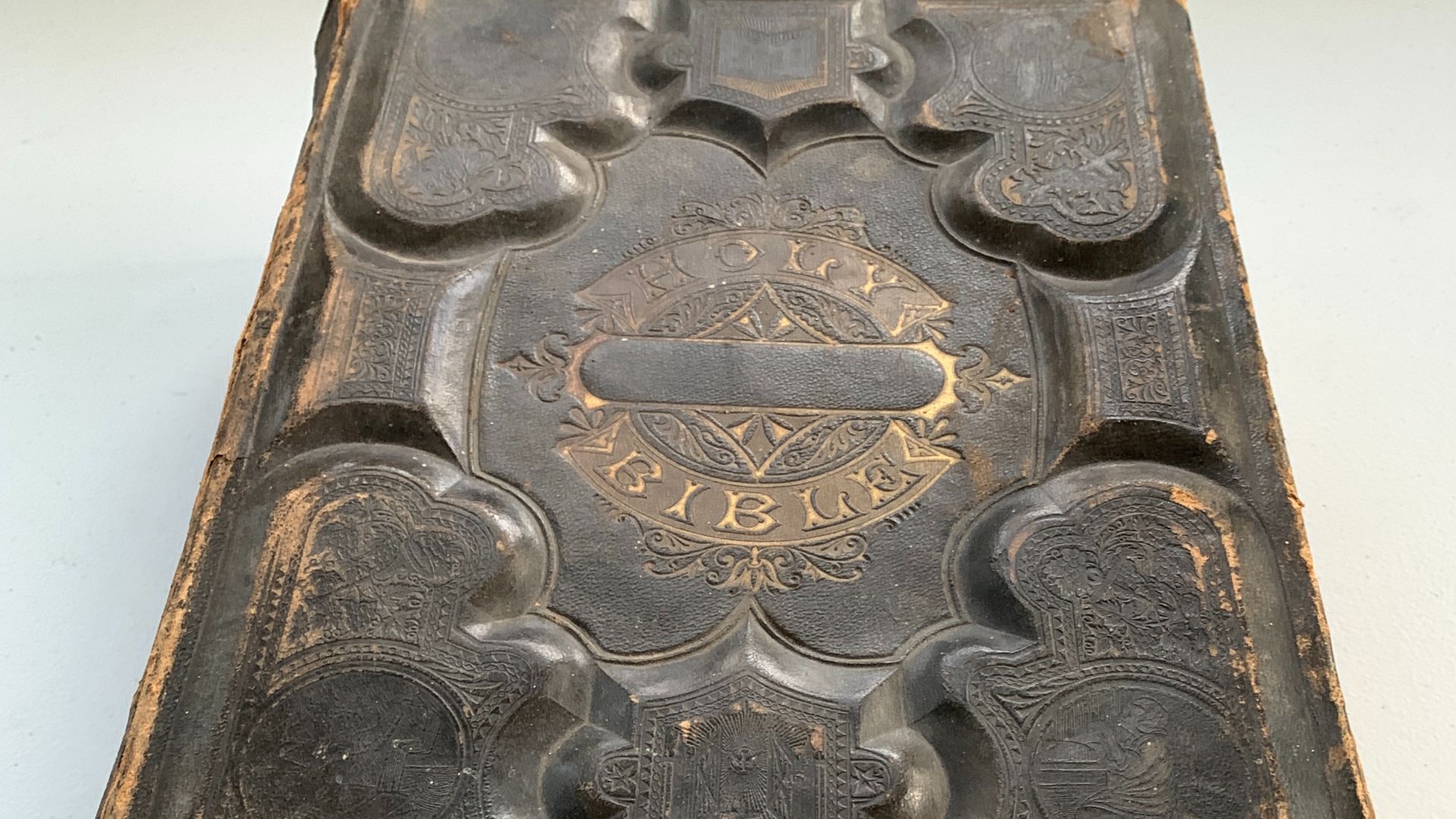
20. The Bible
Few books illustrate the politics of access better than the Bible itself. At various points in European history, authorities restricted unauthorized translations or discouraged ordinary people from reading versions that hadn't received church approval, partly because interpretation of scripture carried huge religious and political consequences. It's a striking reminder that authorities haven't only feared controversial books; they've also feared what might happen when familiar books reach the wrong readers without supervision.
KEEP ON READING