20 Women From History Who Were Locked Away By Their Own Families
Homes They Couldn't Escape
For centuries, a woman didn't always have to commit a crime to lose her freedom; sometimes, all it took was a husband, parent, sibling, or powerful relative to lock her away. These 20 souls were confined in everything from royal castles and convents to bedrooms and hospitals, showing how little say they had over their own lives.
 Jacob Ferdinand Voet on Wikimedia
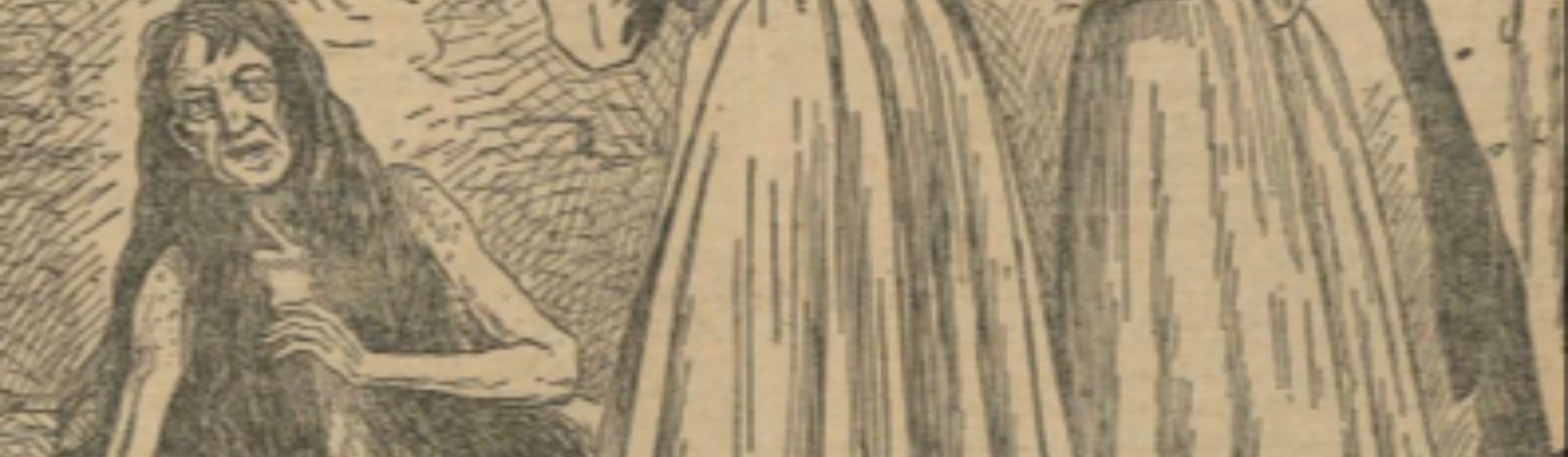
1. Blanche Monnier
In 1870s France, Blanche Monnier’s only crime was objecting to the man her mother wanted her to marry. She soon disappeared, and police only discovered her 25 years later in 1901. The then 52-year-old was found without clothes and emaciated on a rotting mattress. Her shutters had been padlocked closed, and she wasted down to 55 pounds. Her mother, Louise, and brother Marcel were responsible.
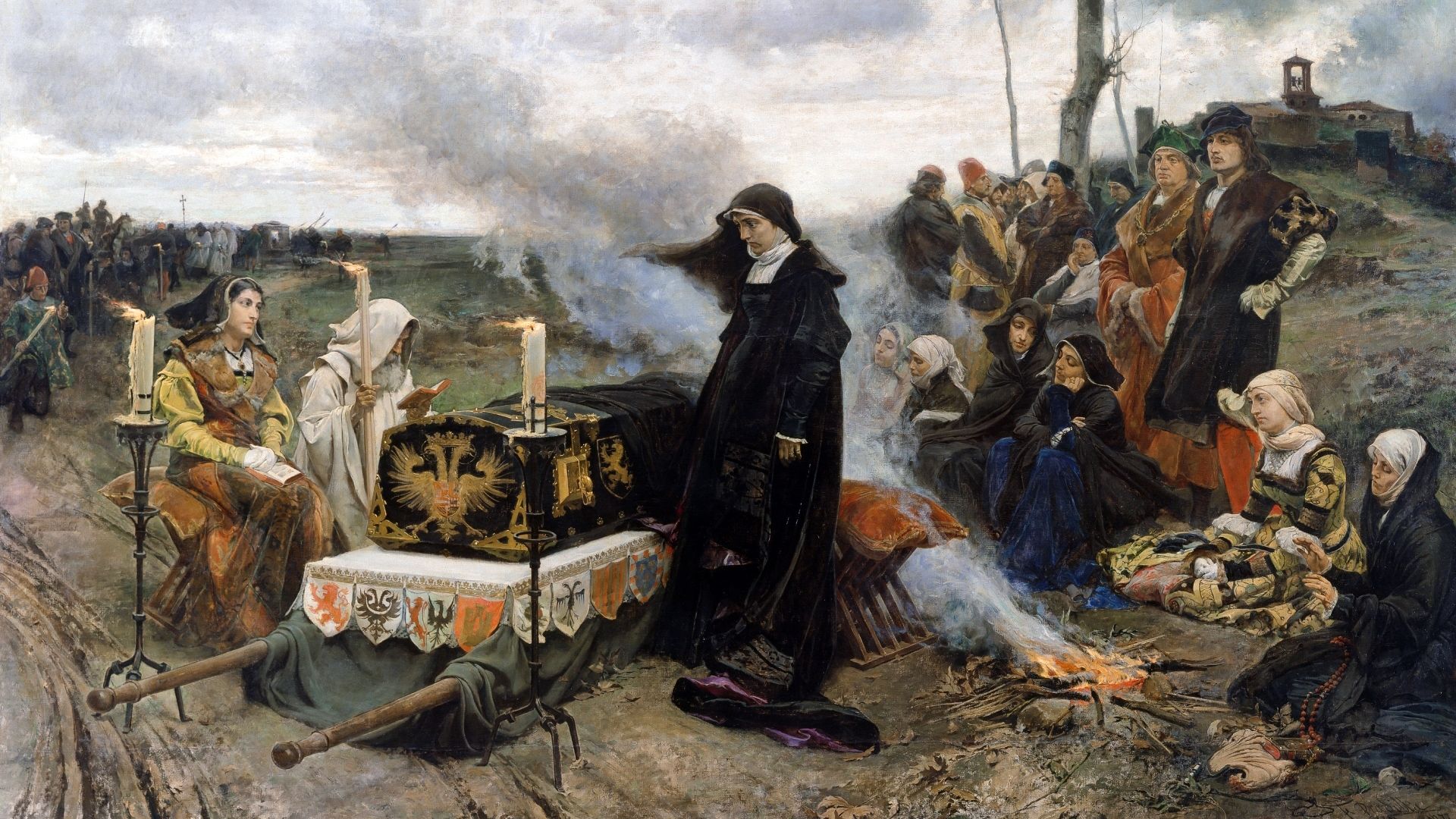
2. Joanna of Castile
Queen Joanna's father, Ferdinand II of Aragon, confined her in 1509 while taking control of government in her name. After he died, Joanna's own son Charles didn’t even free her, continuing the arrangement to ensure that his mother remained queen largely in title while he held the power. She spent the rest of her long life at Tordesillas, dying there in 1555.
 Francisco Pradilla y Ortiz on Wikimedia
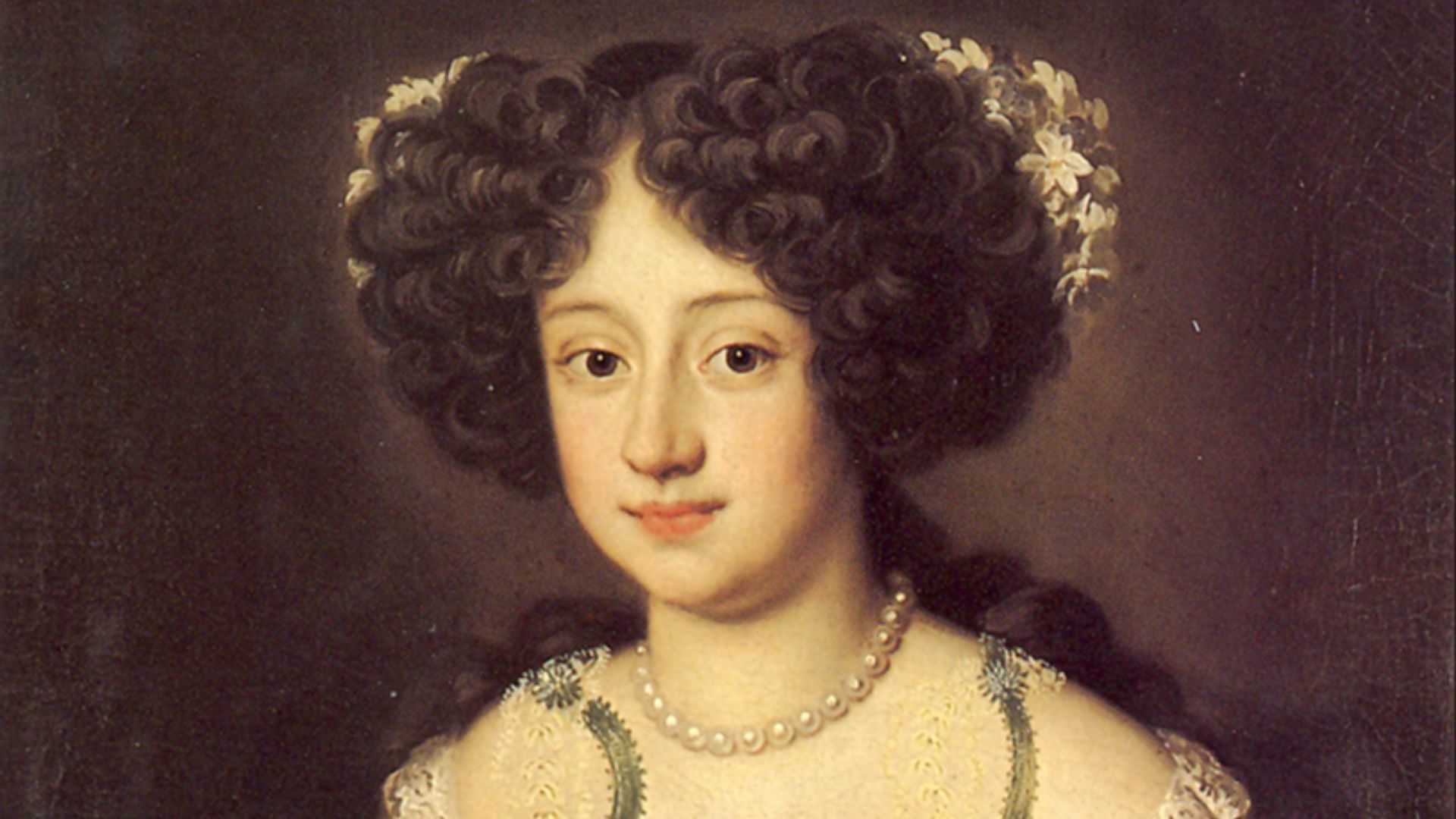
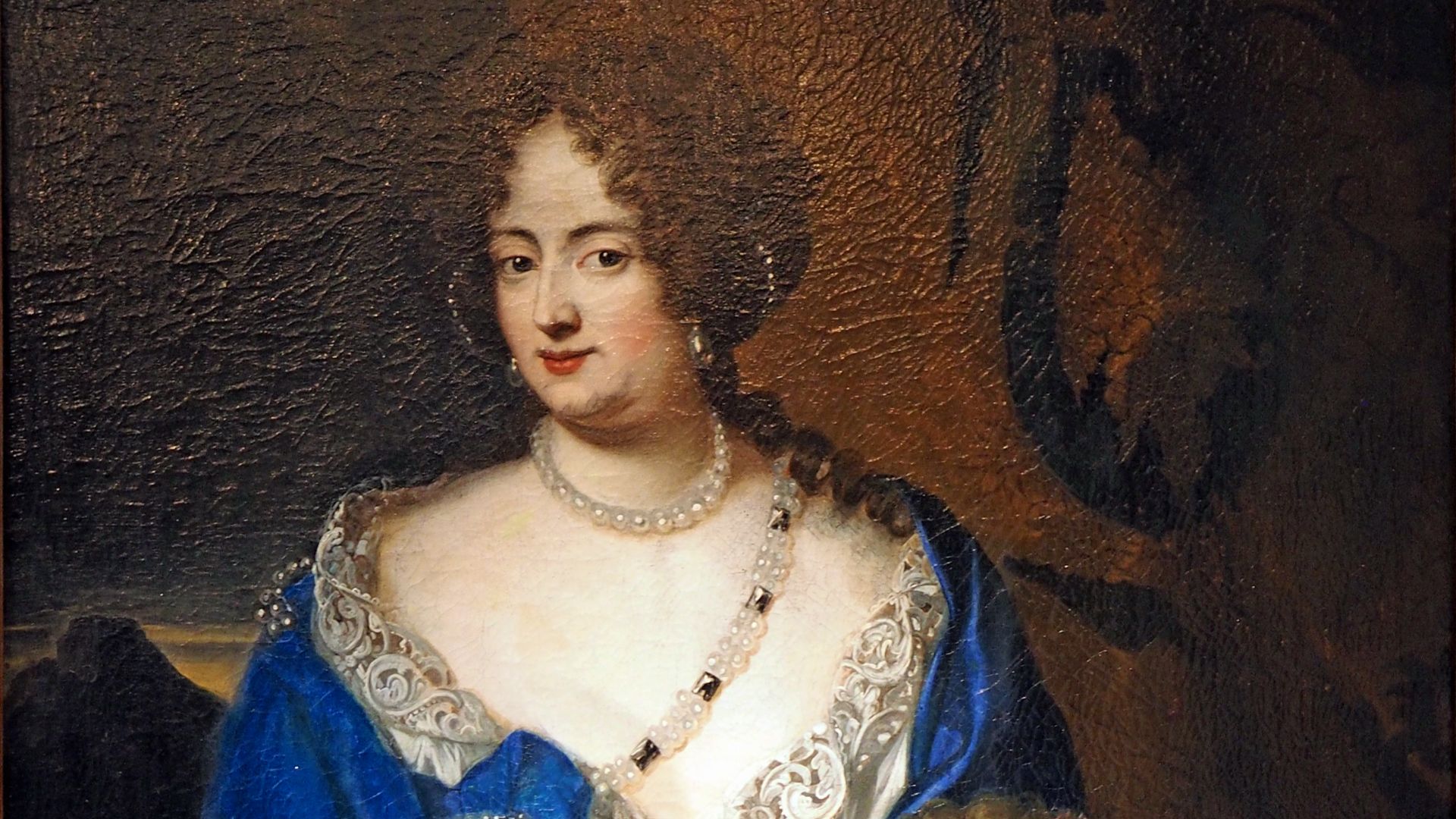
3. Sophia Dorothea of Celle
Sophia Dorothea's disastrous marriage to George Louis of Hanover ended in 1694 after allegations surrounding her relationship with Count Philip Christoph von Königsmarck. Her husband divorced her, but took it a step further by having her sent to Ahlden House. Her own father agreed to the arrangement—she never saw her children again and stayed there until her death in 1726.
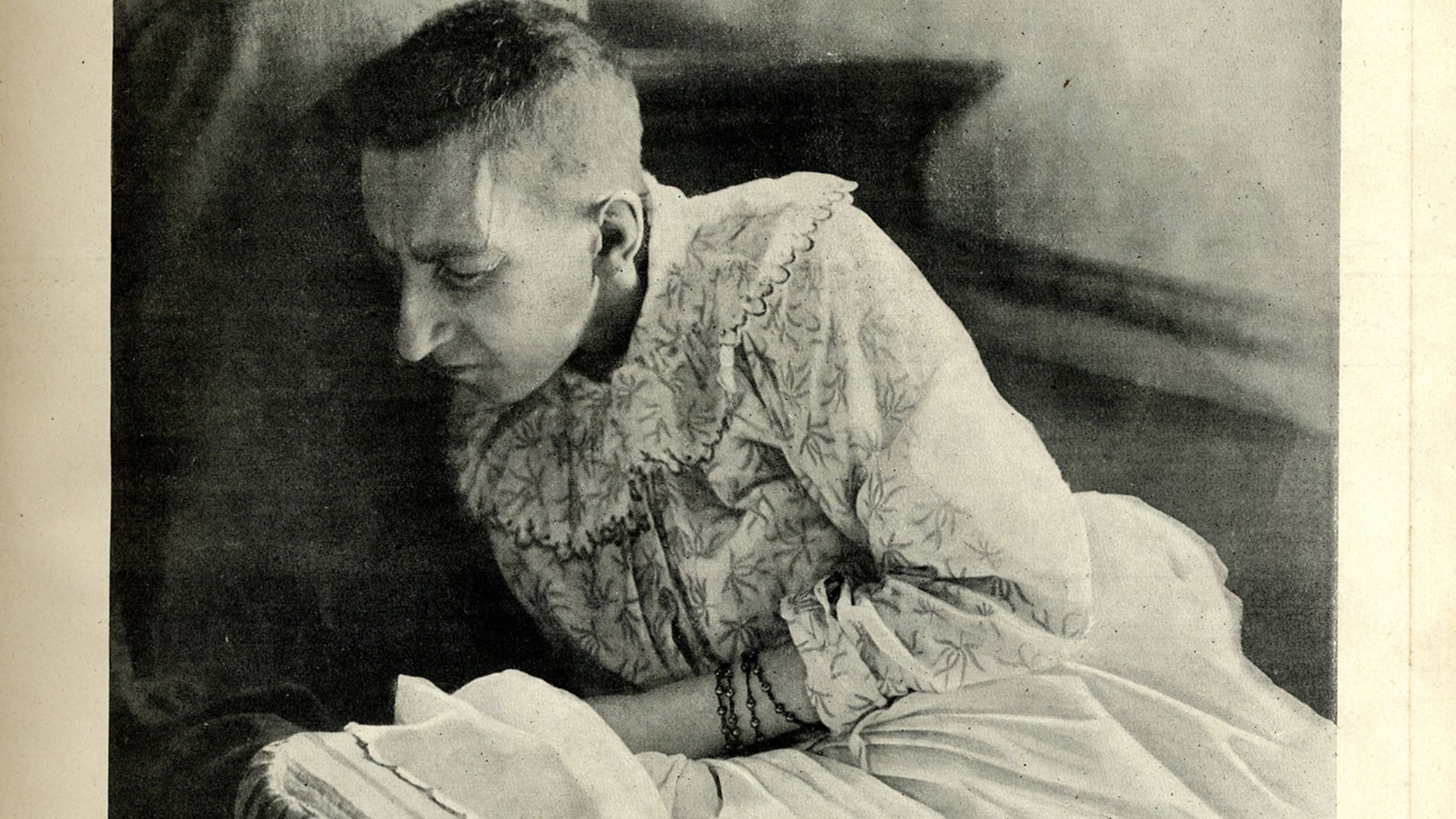
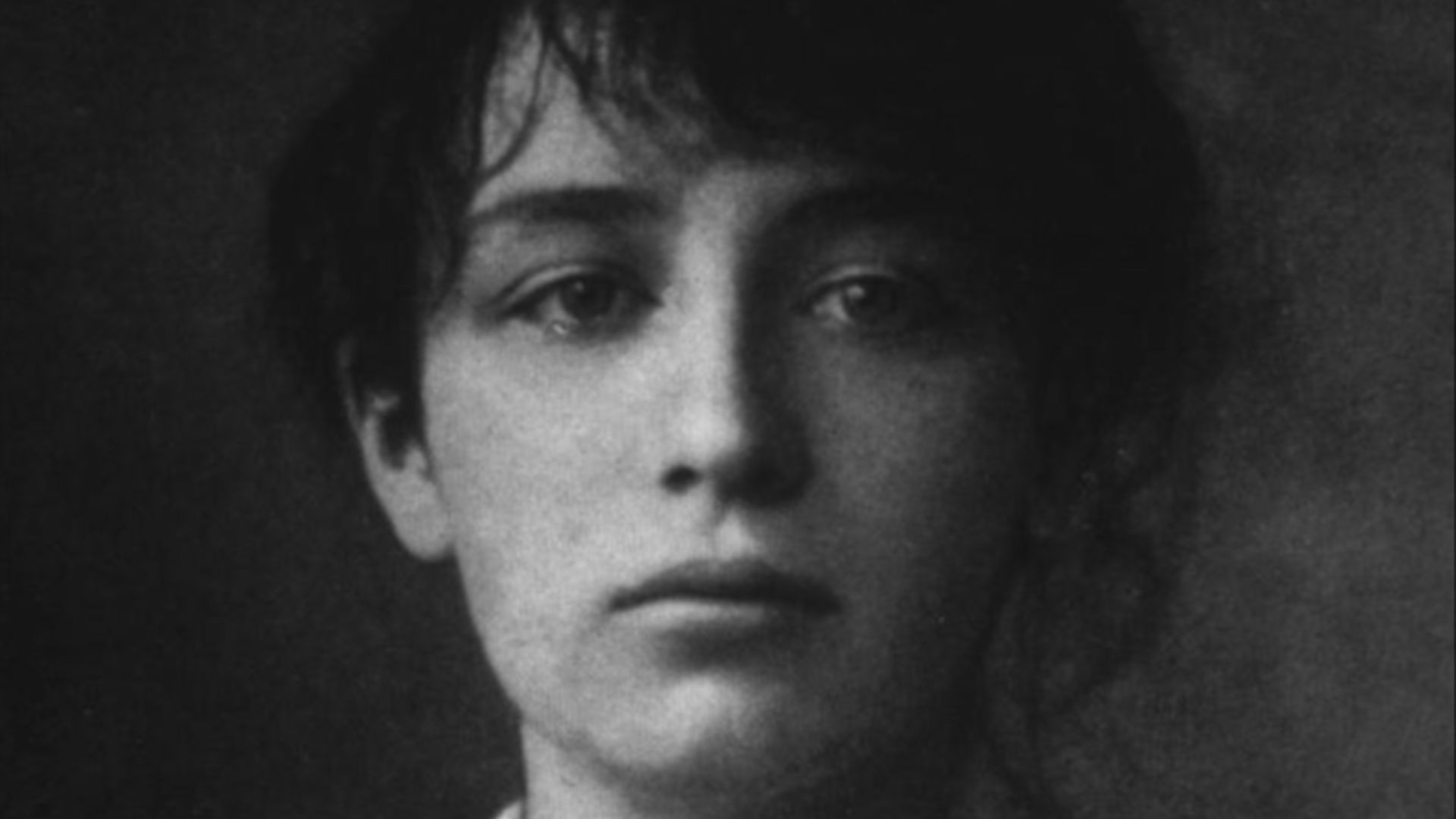
4. Camille Claudel
Sculptor Camille Claudel was committed to a psychiatric institution in 1913, shortly after the death of her father. Her mother and brother were central to keeping her institutionalized, even when doctors later indicated that releasing her was on the table. Even so, she remained in institutions until her death in 1943.
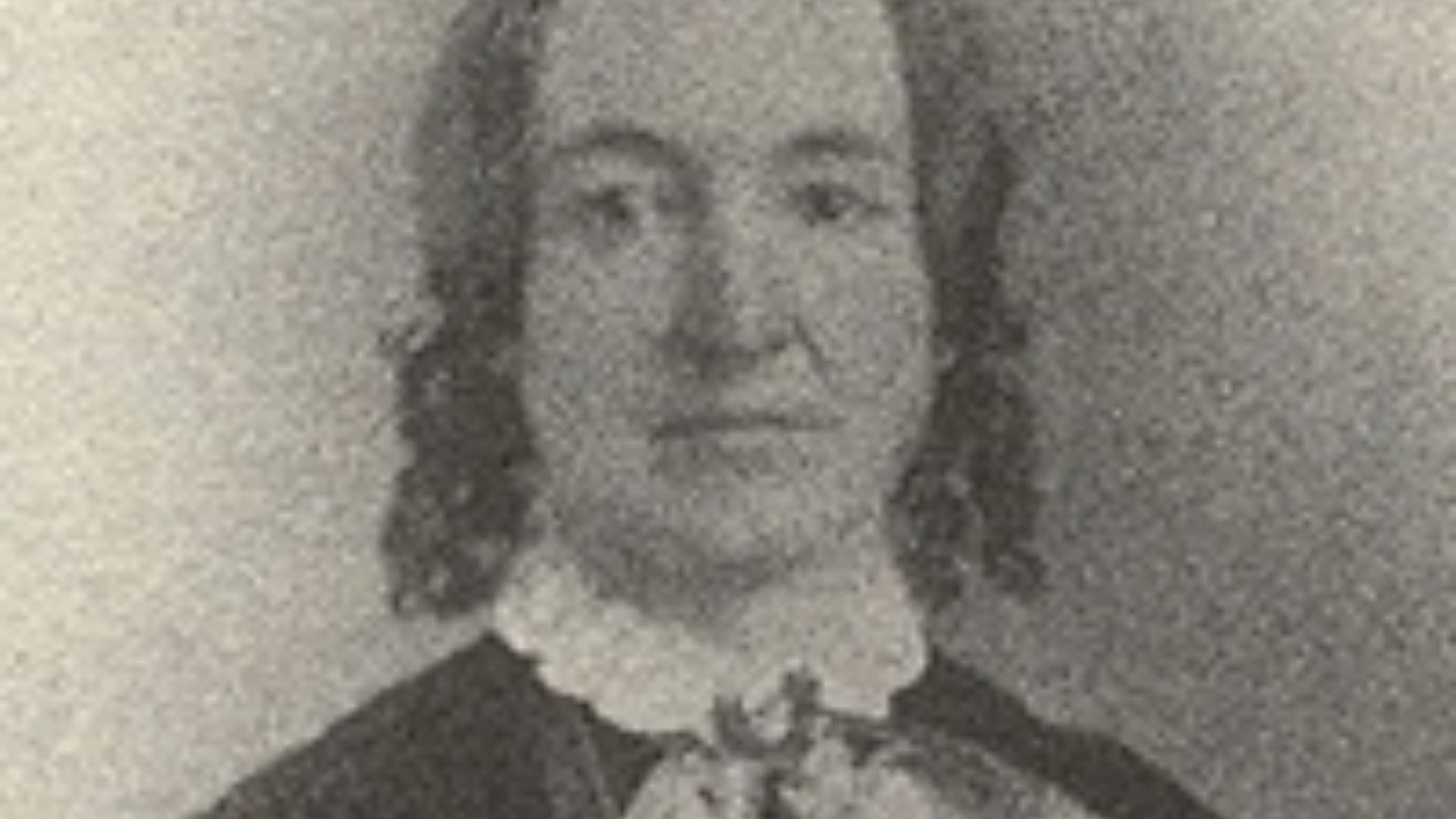
5. Elizabeth Packard
Elizabeth Packard publicly disagreed with her husband Theophilus's strict Calvinist theology. He responded by questioning her sanity, and in 1860, Illinois law allowed him to commit her without the same legal protections a man would’ve had. Packard spent three years there, then survived another attempt by Theophilus to confine her at home before a jury immediately declared her sane in 1864.
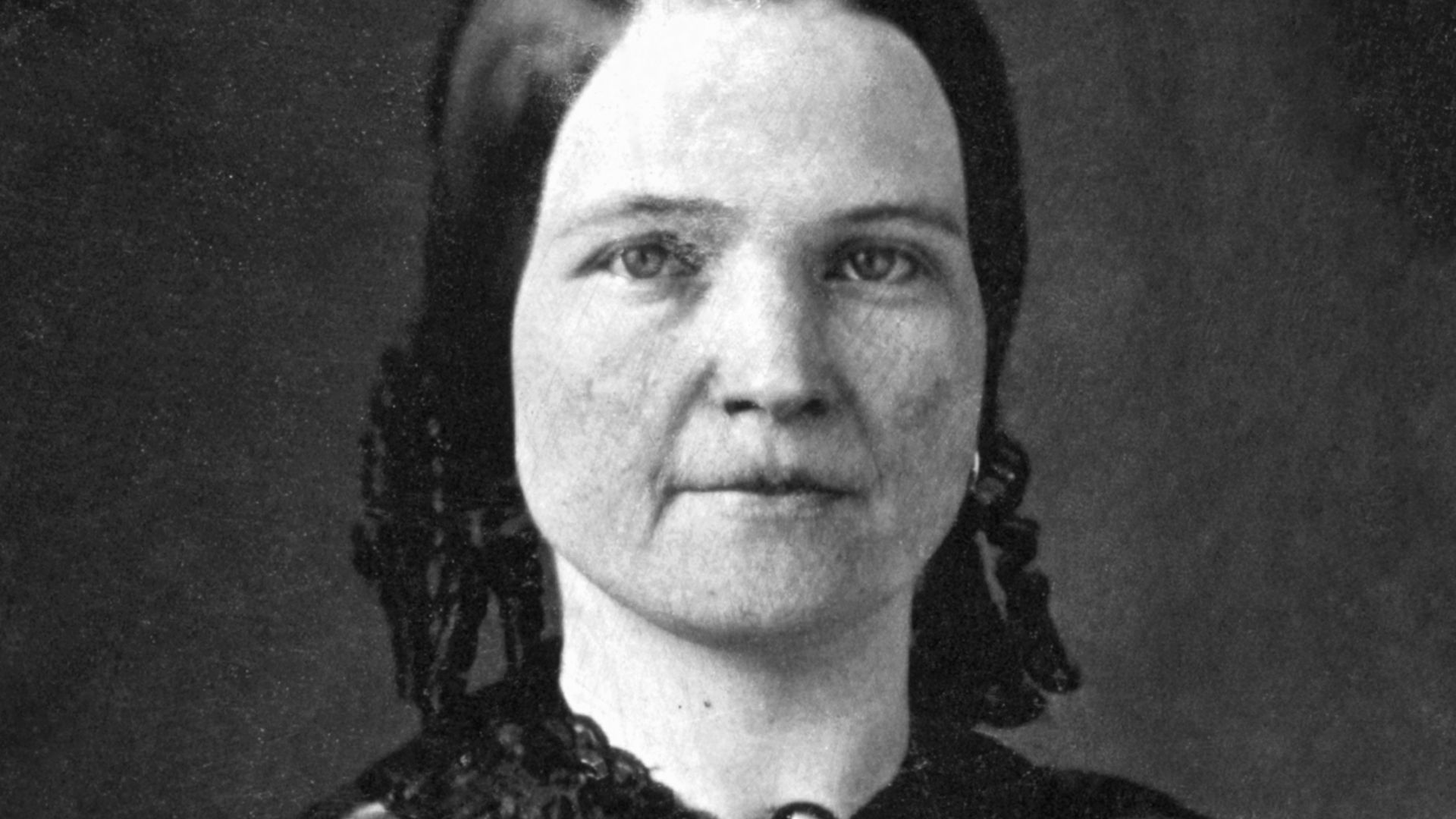
6. Mary Todd Lincoln
A decade after Lincoln's assassination, Mary Todd Lincoln's surviving son, Robert, got more and more worried by her behavior and arranged an insanity proceeding. A jury declared her insane in 1875, and she was sent to Bellevue Place. She fought tooth and nail against the decision, leaving less than four months later to live with her sister. It worked for her, too; another hearing restored her legal control over her affairs.
7. Edith Lanchester
Victorian socialist Edith Lanchester caused quite the scandal in 1895: she wanted to live with her boyfriend without marrying him. Though laughably normal now, back then, the decision almost cost her her life. Her father, three of her brothers, and a psychiatrist declared her insane. They then handcuffed her and sent her to the Priory asylum. Thankfully, newspaper outrage helped secure her release within days.
8. Rosina Bulwer Lytton
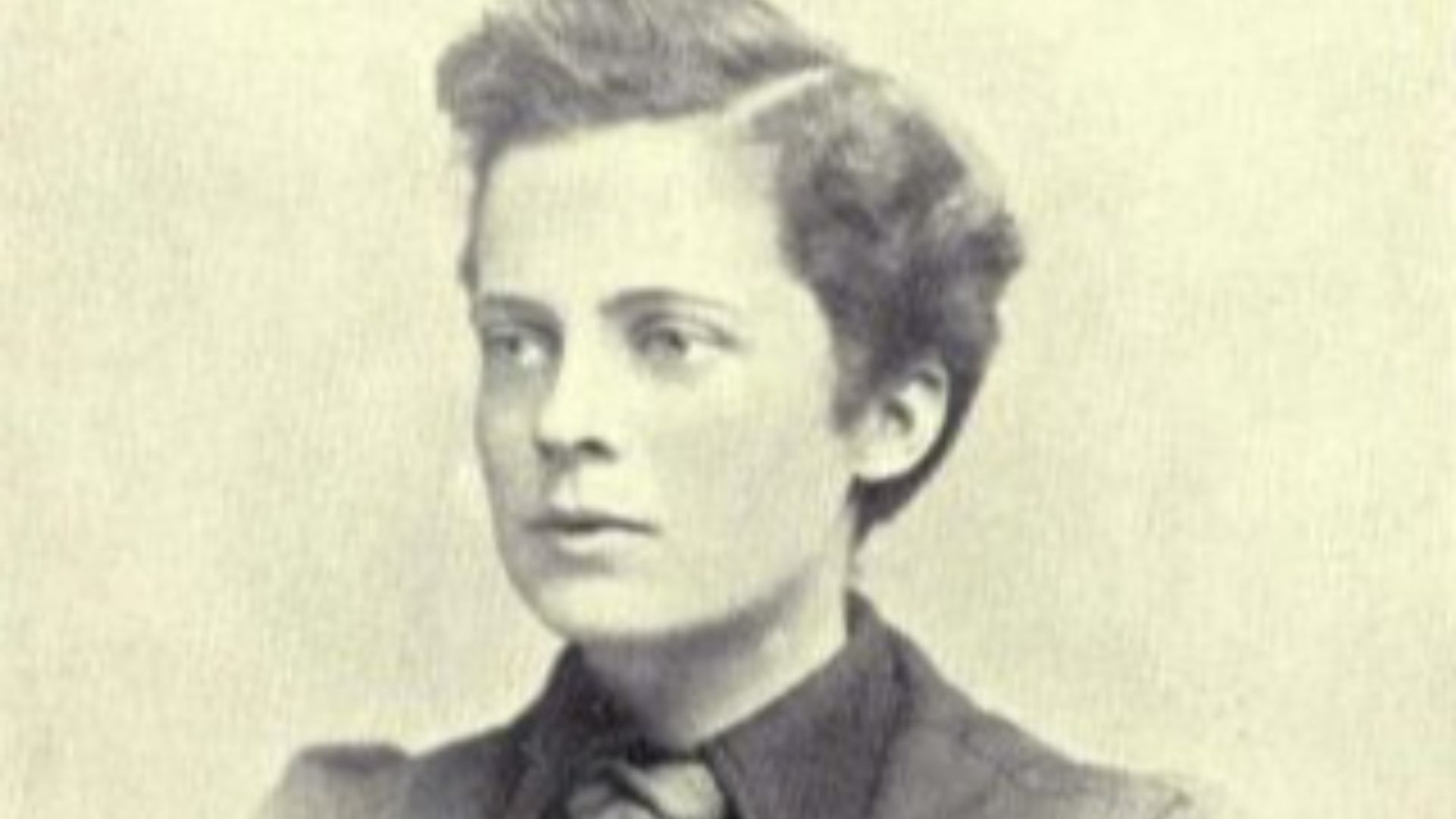
Rosina Bulwer Lytton had been separated from her husband Edward Bulwer-Lytton for years—but their feud took an especially ugly turn in 1858. After she publicly attacked him during his political campaign, arrangements were made to have her confined in a private asylum. Public scrutiny and intervention freed her after only a few weeks.
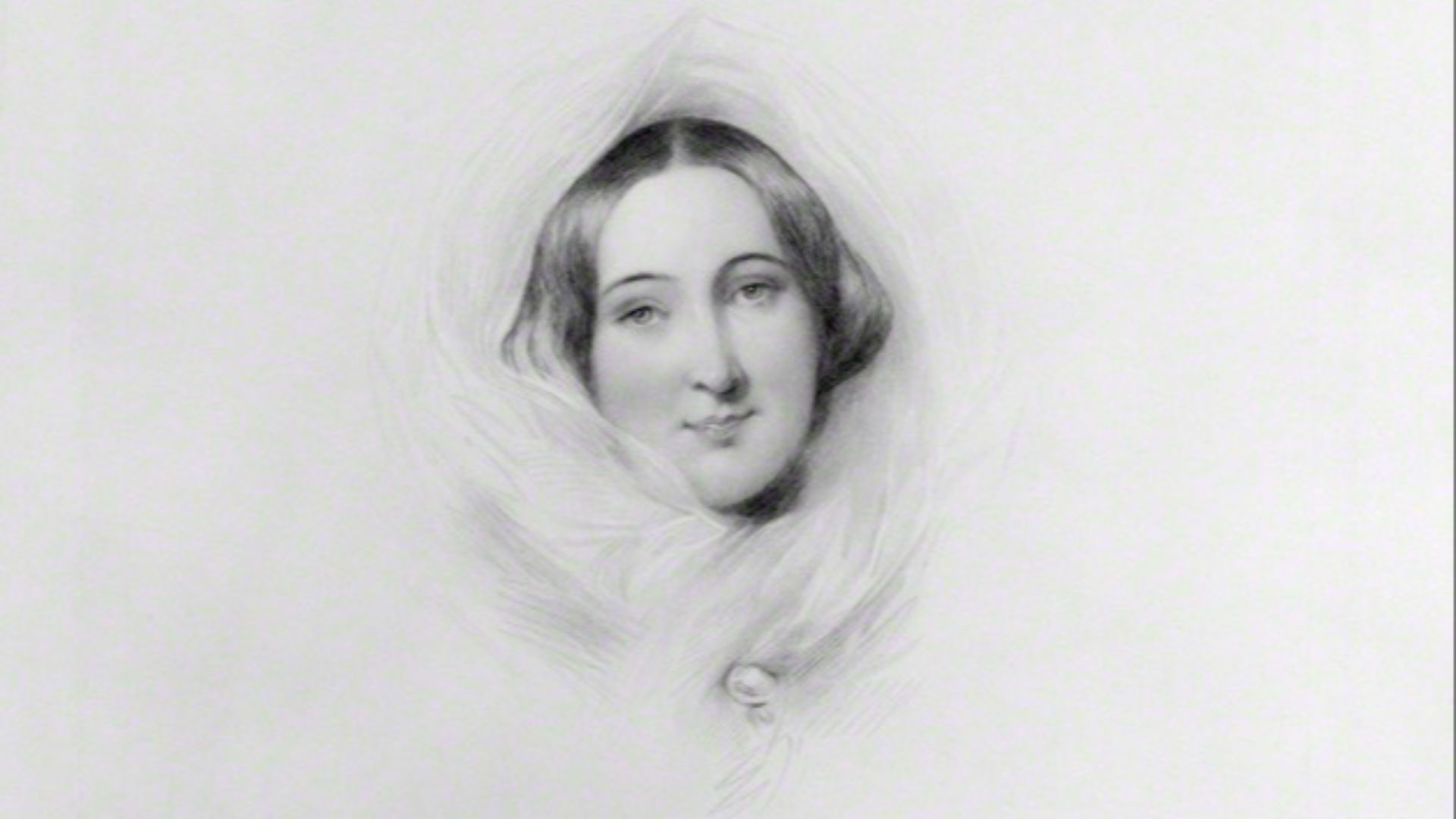 John Jewell Penstone / After Alfred Edward Chalon on Wikimedia
9. Marie Esquiron
French feminist Marie Esquiron had already lived through unwanted institutionalization at 21 when her father placed her in Maison Blanche. However, she was confined again in 1890 amid bitter family disputes involving her marriage and property. She publicly accused her father of hacking the system, but her arguing was only treated by doctors as more evidence that she was mentally ill.
10. Louisa Nottidge
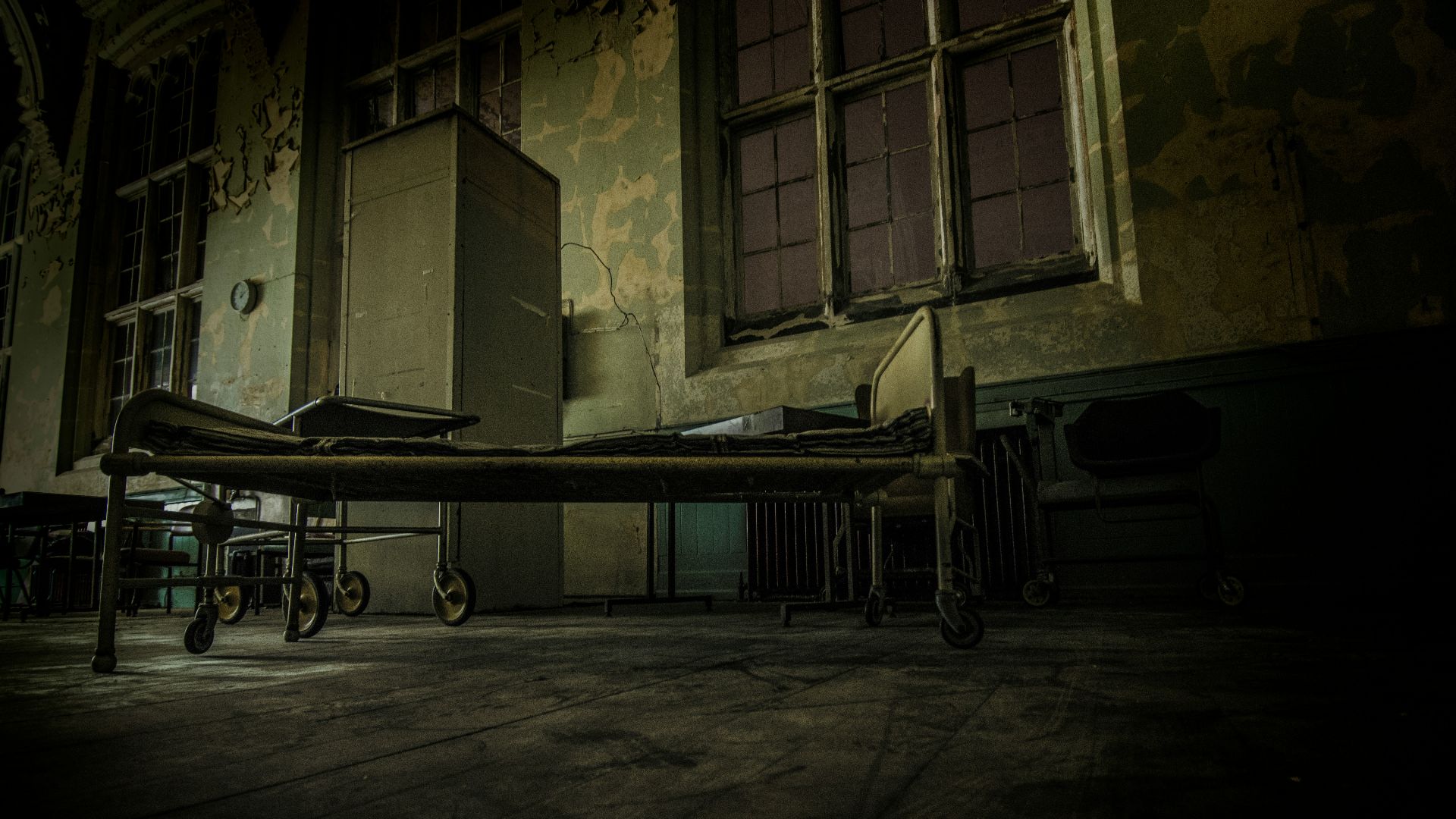
Louisa Nottidge's family got pretty nervous after she joined the controversial religious community known as the Agapemone in the 1840s. So, acting on her mother's instructions, male relatives forcibly removed Louisa in 1846, imprisoned her in a London house, and had her certified insane. After escaping Moorcroft House Asylum (and even being recaptured), she finally gained her freedom in 1848. She even successfully sued relatives for false imprisonment.

11. Rosemary Kennedy
Joseph Kennedy secretly wrote off on a lobotomy for his 23-year-old daughter Rosemary in 1941, hoping it would control her behavior. It did the opposite, leaving her severely disabled, after which he immediately had her institutionalized. He also kept the story largely hidden from the family for years, and she spent most of her life at St. Coletta before her siblings later got in contact with her.
12. Princess Alice of Battenberg
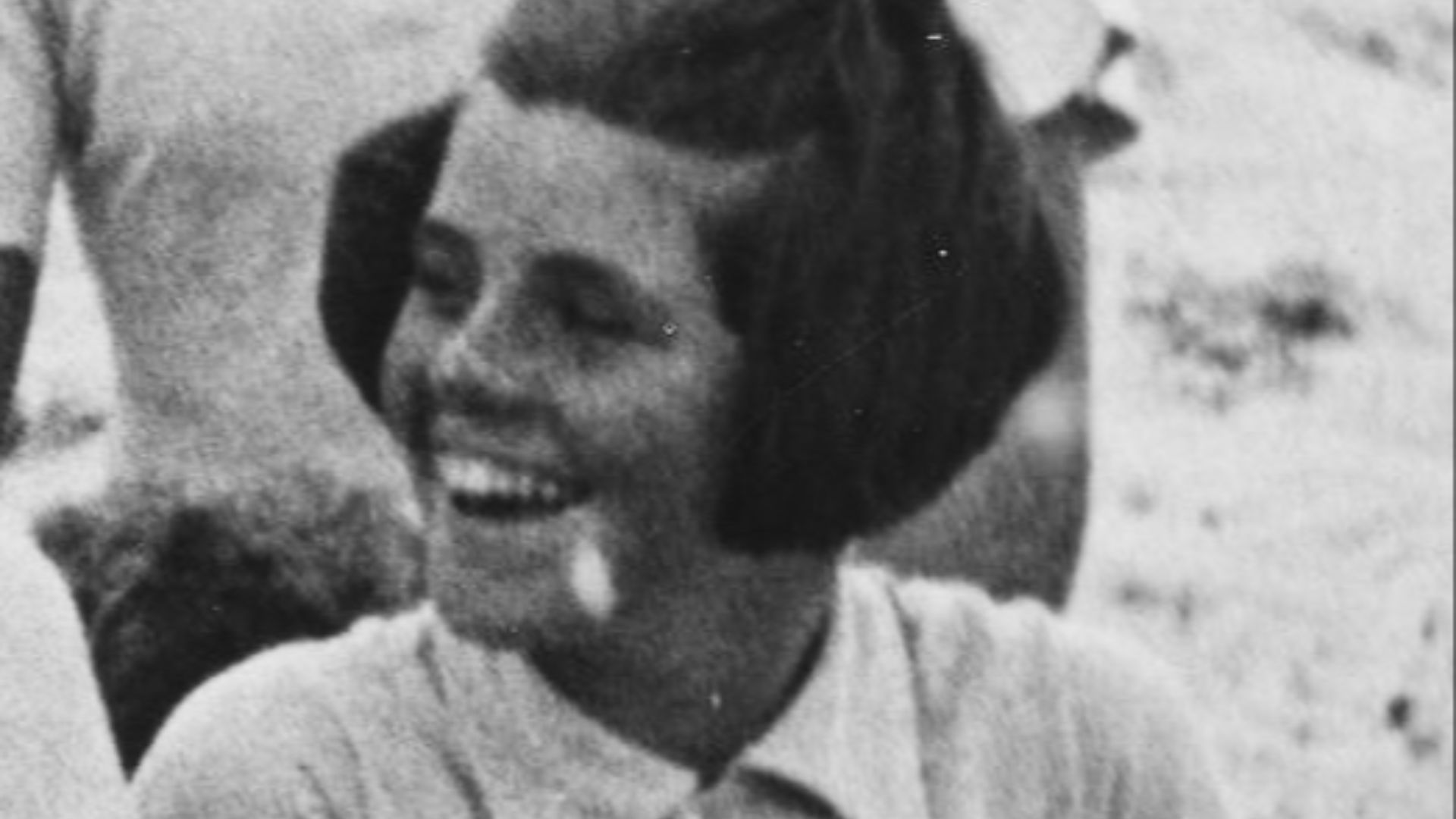
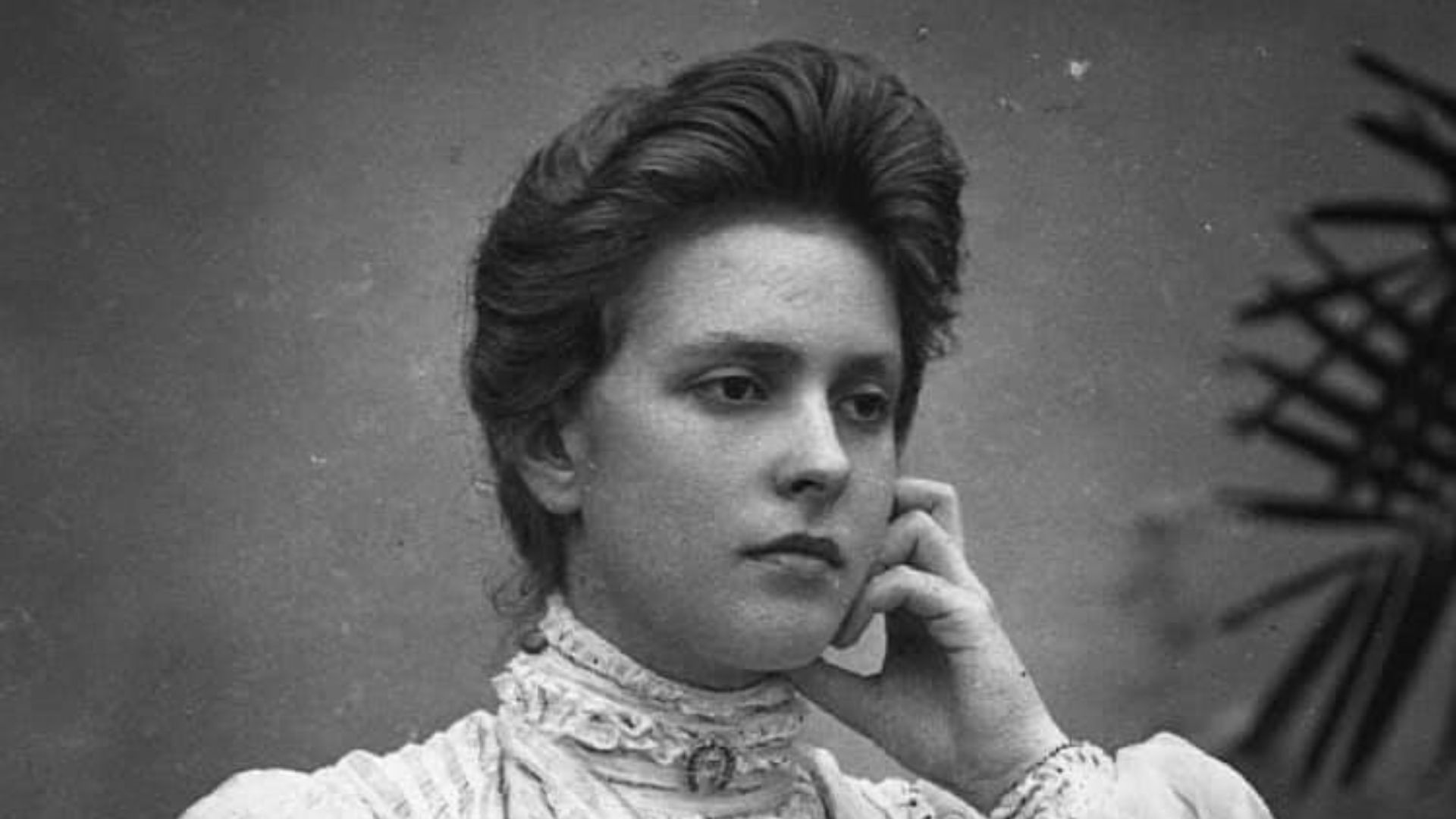
Princess Alice, the mother of Prince Philip, experienced a severe mental health crisis around 1930 and was diagnosed with schizophrenia. Despite maintaining that she was sane and trying to leave, she was forcibly taken to a sanatorium. Sigmund Freud himself had a hand in the mistreatment; X-rays were directed at her ovaries following a suggestion of his that sexual frustration was to blame for her condition.
13. Frances Farmer
Actress Frances Farmer's troubled life was a headline for years, but one story’s for sure: her mother, Lillian, used the courts during her daughter's psychiatric crises. In 1944, Lillian petitioned to have Farmer declared insane, leading to her commitment in Washington. Worse still, she sought another hearing that resulted in recommitment in 1945.
14. Lucia Joyce
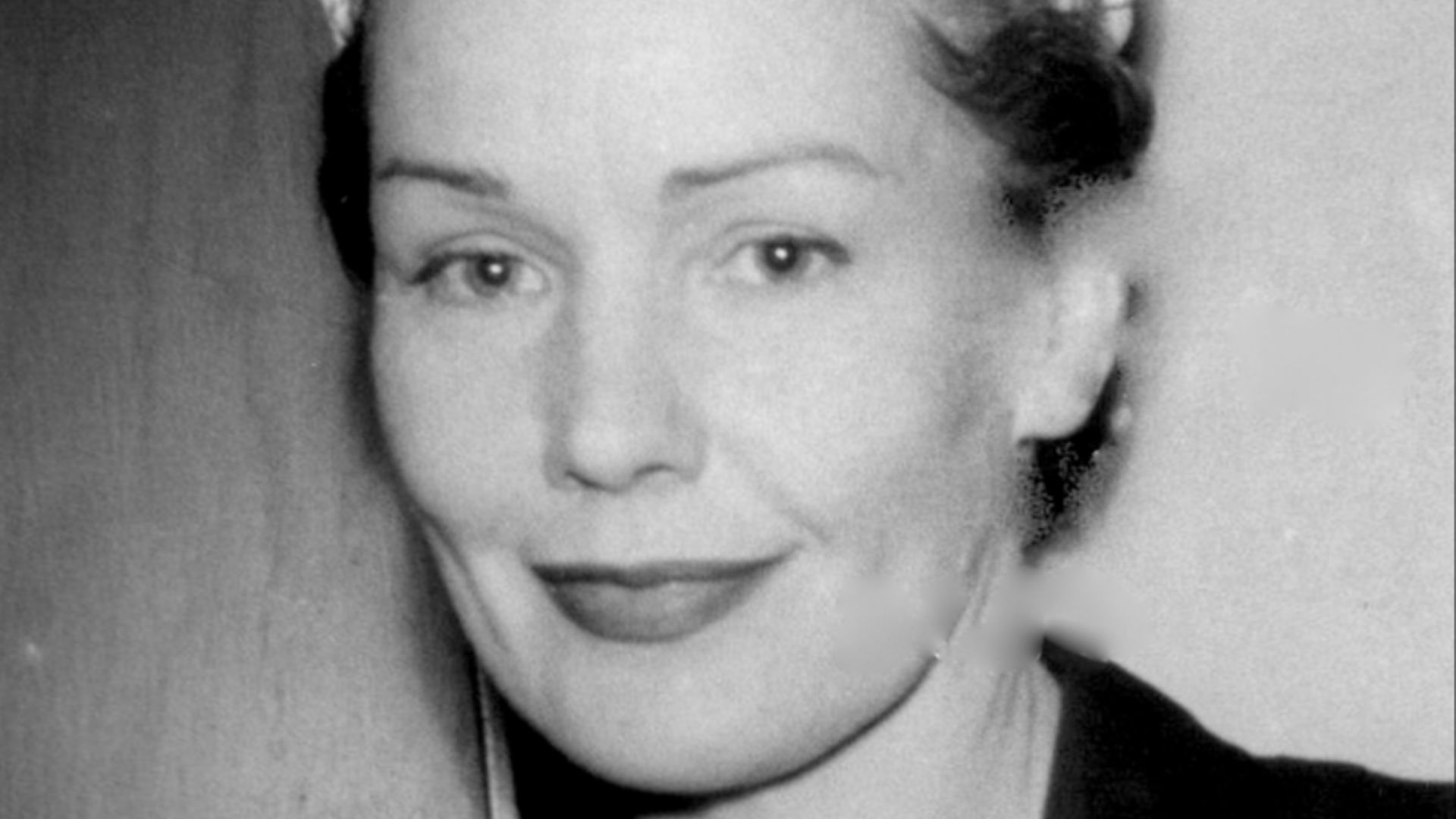
Lucia Joyce had trained seriously as a dancer before her mental health deteriorated in her twenties. Following a violent incident at James Joyce's 50th birthday party in 1932, her brother Giorgio took her to an asylum, beginning decades of institutionalization across Europe and England. She spent her final 30 years at St Andrew's Hospital and died there in 1982.
15. Rose Williams
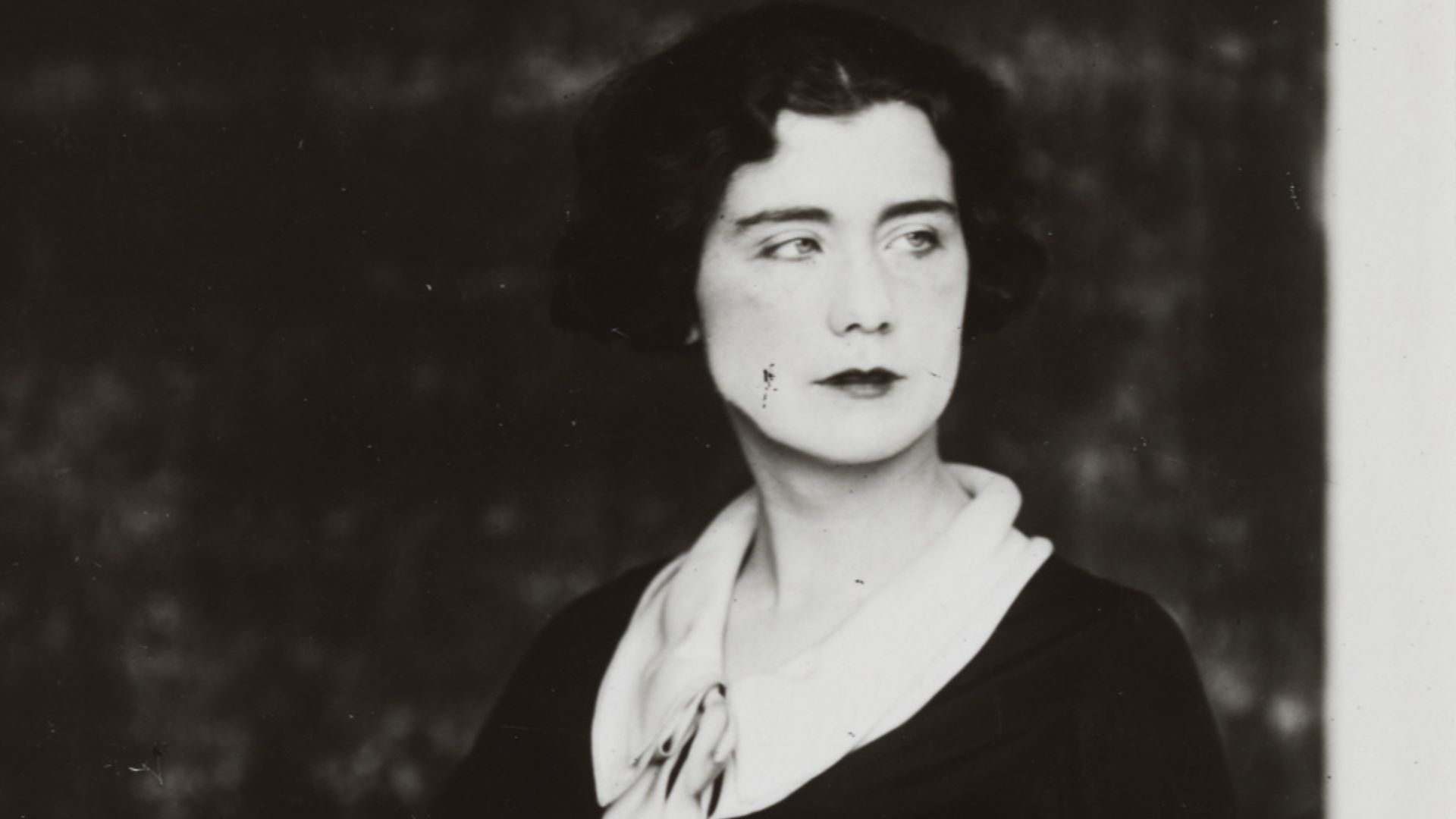
Tennessee Williams had an older sister, Rose. She developed serious psychiatric problems during the 1930s and was eventually committed. In 1943, she underwent a lobotomy that left her severely impaired, after which she remained institutionalized for more than 50 years. Tennessee was crushed by the news and later directed much of his estate toward providing for her care.
16. Violet Gibson
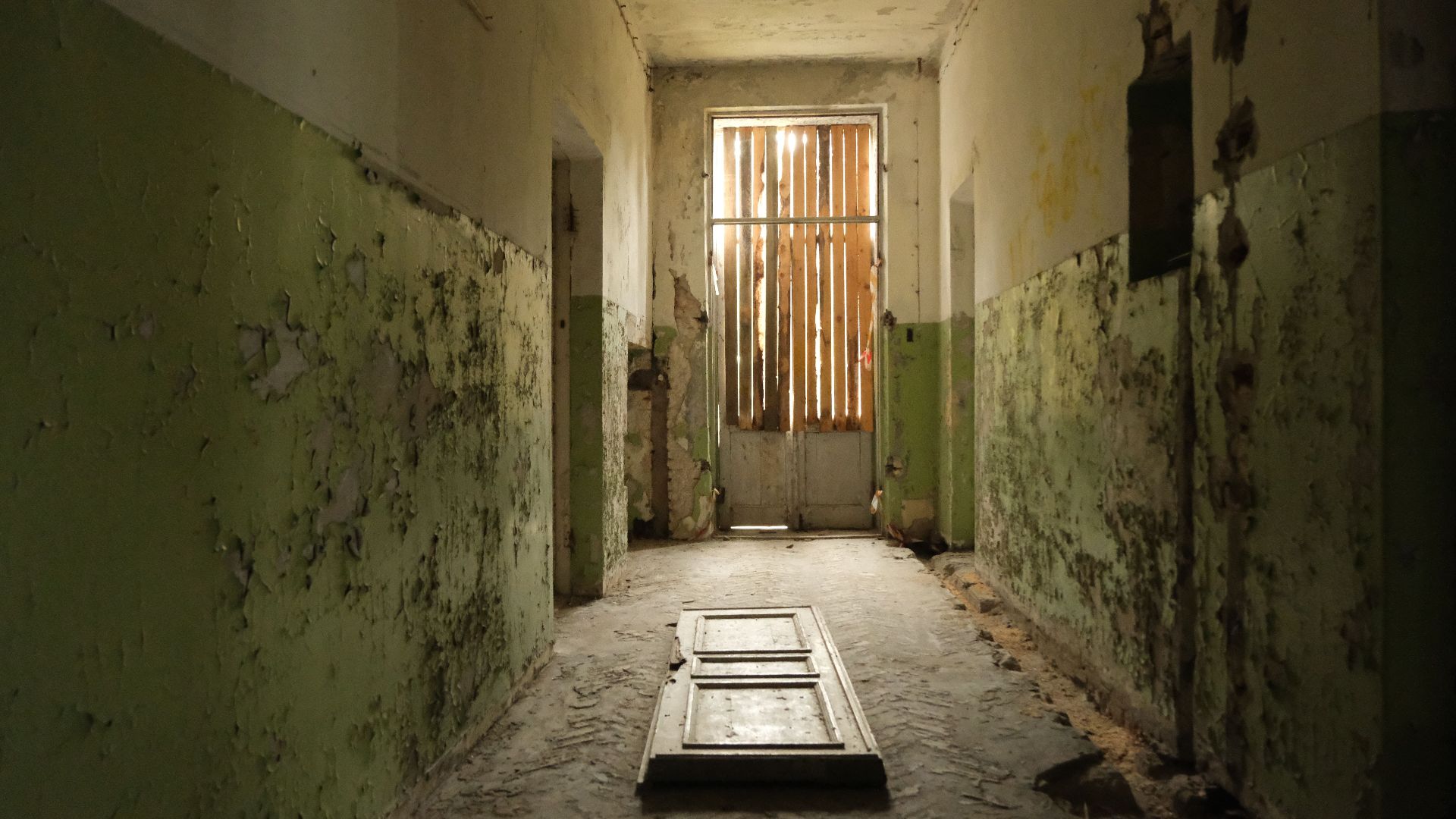
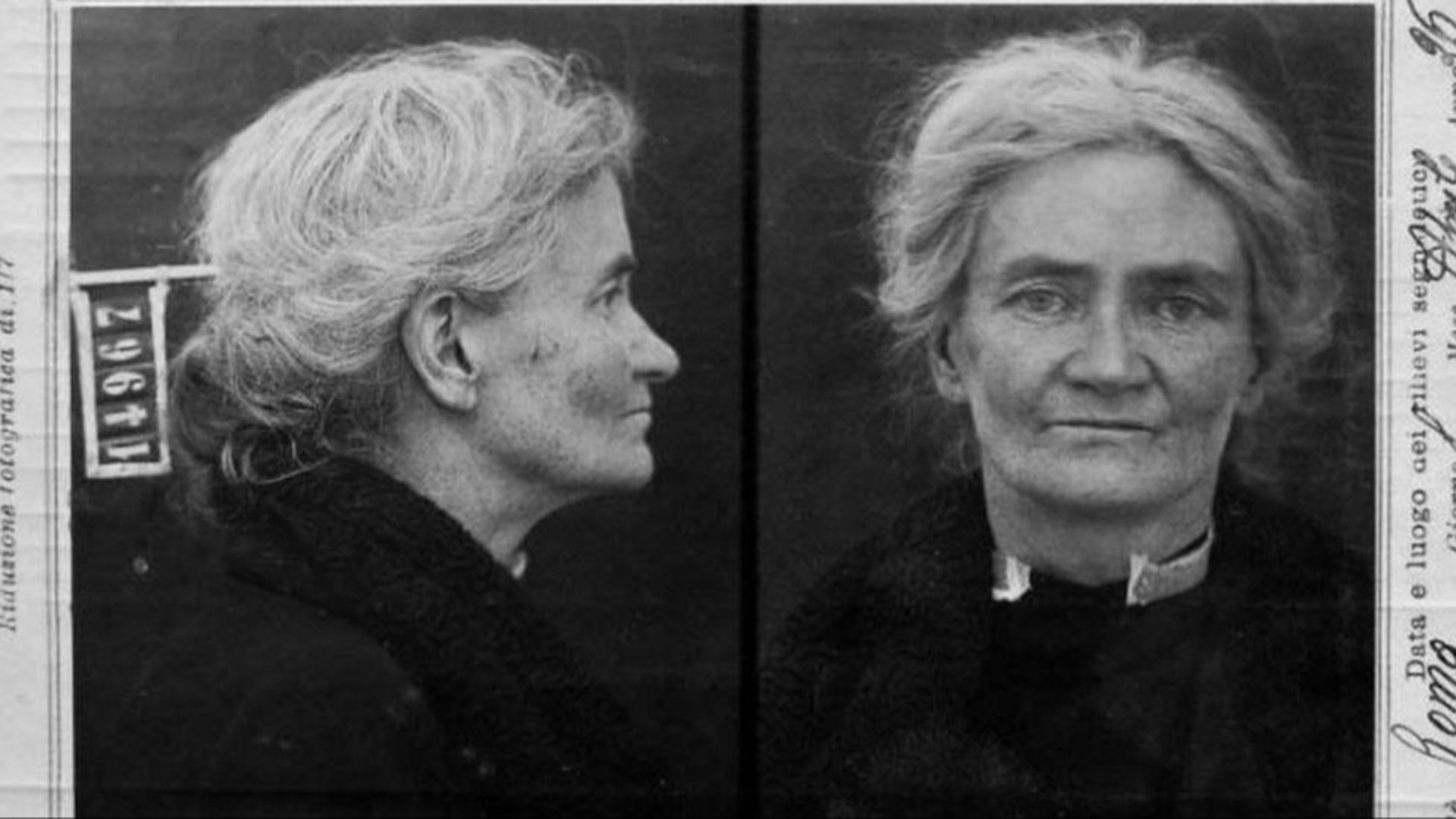
Irish aristocrat Violet Gibson became famous after shooting Benito Mussolini in 1926, narrowly missing a fatal shot. Once Italy released her into the care of her relatives, her sister Constance escorted Gibson to Britain, where arrangements were made to certify her insane. Gibson remained at St Andrew's Hospital for the rest of her life.
 Italian Ministry of the Interior on Wikimedia
17. Arcangela Tarabotti
Elena Cassandra Tarabotti had no desire for a religious vocation, but her father sent her into a Venetian Benedictine convent while she was still young. By 16, she was forced into convent life. She did find some purpose there, however; she wrote Paternal Tyranny and other works condemning fathers who effectively imprisoned unwilling daughters behind convent walls.
18. Marguerite De La Rocque
During a French expedition to Canada in the 1540s, noblewoman Marguerite de La Rocque became involved with a young man traveling aboard the ship. Jean-François de La Rocque de Roberval, who was a close relative, punished her by abandoning her on an island in the Gulf of St. Lawrence. Her lover and a servant also ended up there and died, along with Marguerite's baby, but she somehow survived until fishermen rescued her and returned her to France.
 Hector John Periquin on Unsplash
19. Arbella Stuart
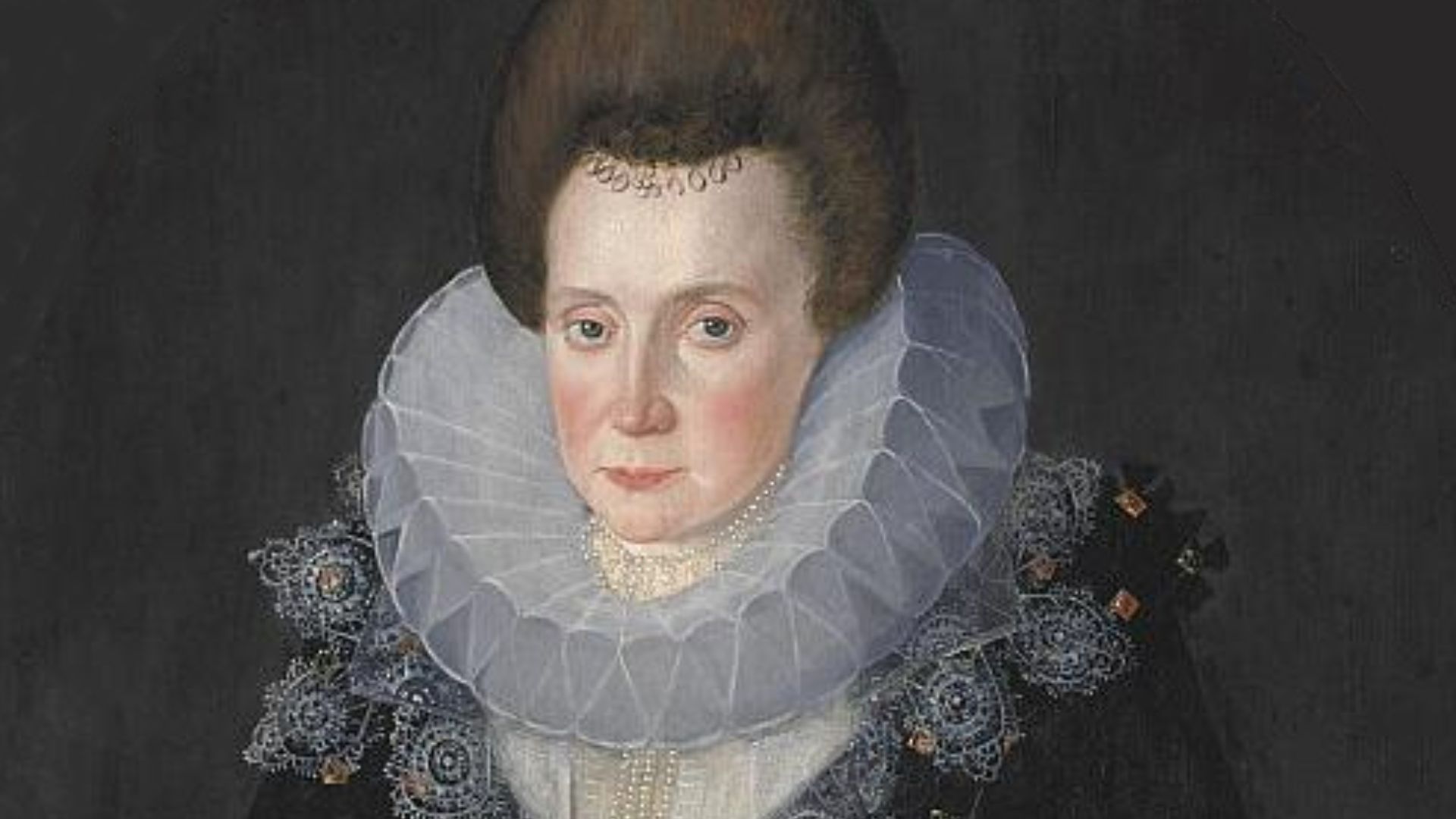
Arbella Stuart's royal blood meant that who she married mattered, especially when she secretly tied the knot with fellow claimant William Seymour in 1610 without King James I's permission. James, Arbella's cousin, separated them and placed her under confinement. After a botched escape attempt in 1611, she was imprisoned in the Tower of London and never regained her freedom. She died there in 1615.
 Attributed to Robert Peake the elder on Wikimedia
20. Nerissa Bowes-Lyon
Nerissa Bowes-Lyon, a first cousin of Queen Elizabeth II, had severe developmental disabilities and was placed in Royal Earlswood Hospital with her sister Katherine in 1941. But what made her story worse was how she disappeared from public family records: the 1963 edition of Burke’s Peerage listed a 1940 death, even though she was still institutionalized. She stayed at Earlswood until her actual death in 1986.
KEEP ON READING